Netherlands, Belgium and Luxembourg
March 21–31, 2026
Table of Contents
We arrived at the airport about three hours before our departure since the government was in a partial shutdown and TSA was in week five of not being paid. Luckily, LAS Terminal 3 was moving quickly. We dropped our bags, got our boarding passes, and made it through security (TSA PreCheck) in under 20 minutes.
The Club Las Vegas lounge was in the middle of a shift change, so we waited at our gate, which was literally right across from it, until we got a text saying it was our turn. We spent about an hour there before heading back to the gate, where we basically walked straight onto the plane.
We originally had someone seated between us, but toward the end of boarding she moved up to sit near her boyfriend, leaving us with an empty middle seat — always a win. I was actually able to get some sleep, which was a nice surprise.
However… the food on KLM was atrocious. I needed antacids and spent a solid 45 minutes trying to keep their meatballs down. Not exactly the glamorous start to an international trip.
We arrived in Amsterdam, and it felt strange actually leaving the airport since I’ve only ever had layovers here before. Passport control was smooth, and we waited about 20 minutes for our bags due to an issue with the conveyor belt.
From there, we headed straight to Hertz to pick up our rental car. The car pickup is a longgg walk, but thankfully there are moving walkways.
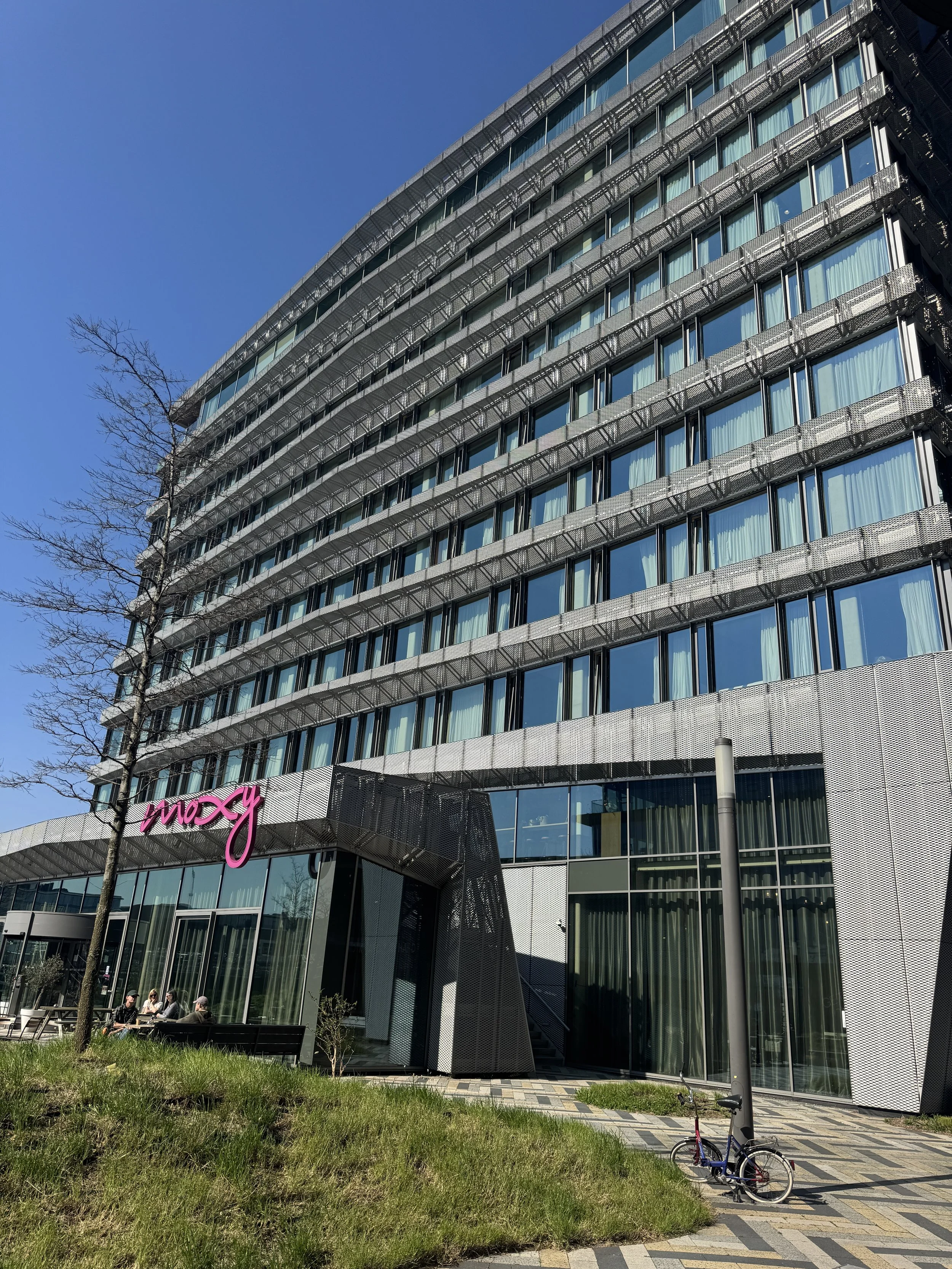
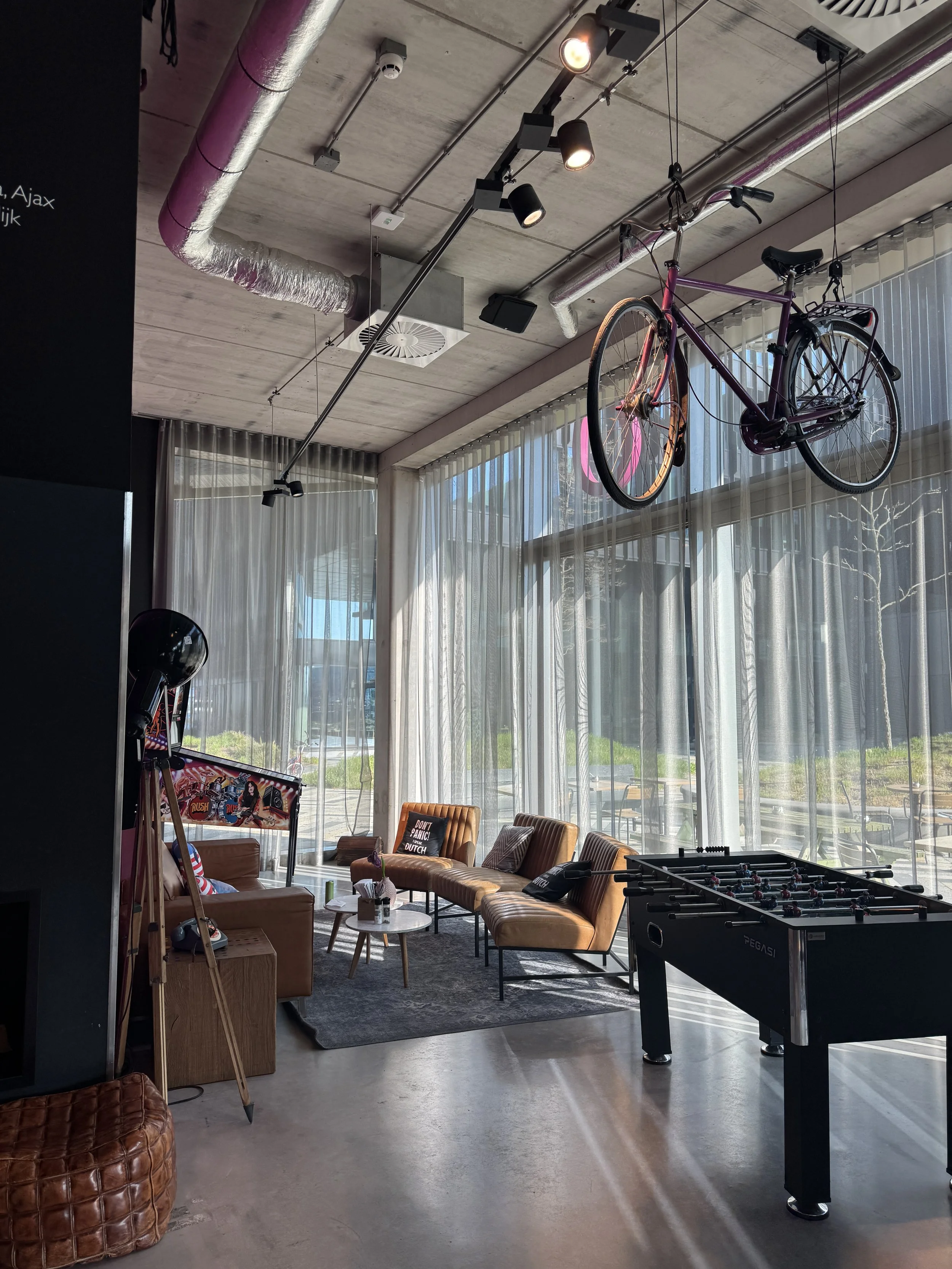
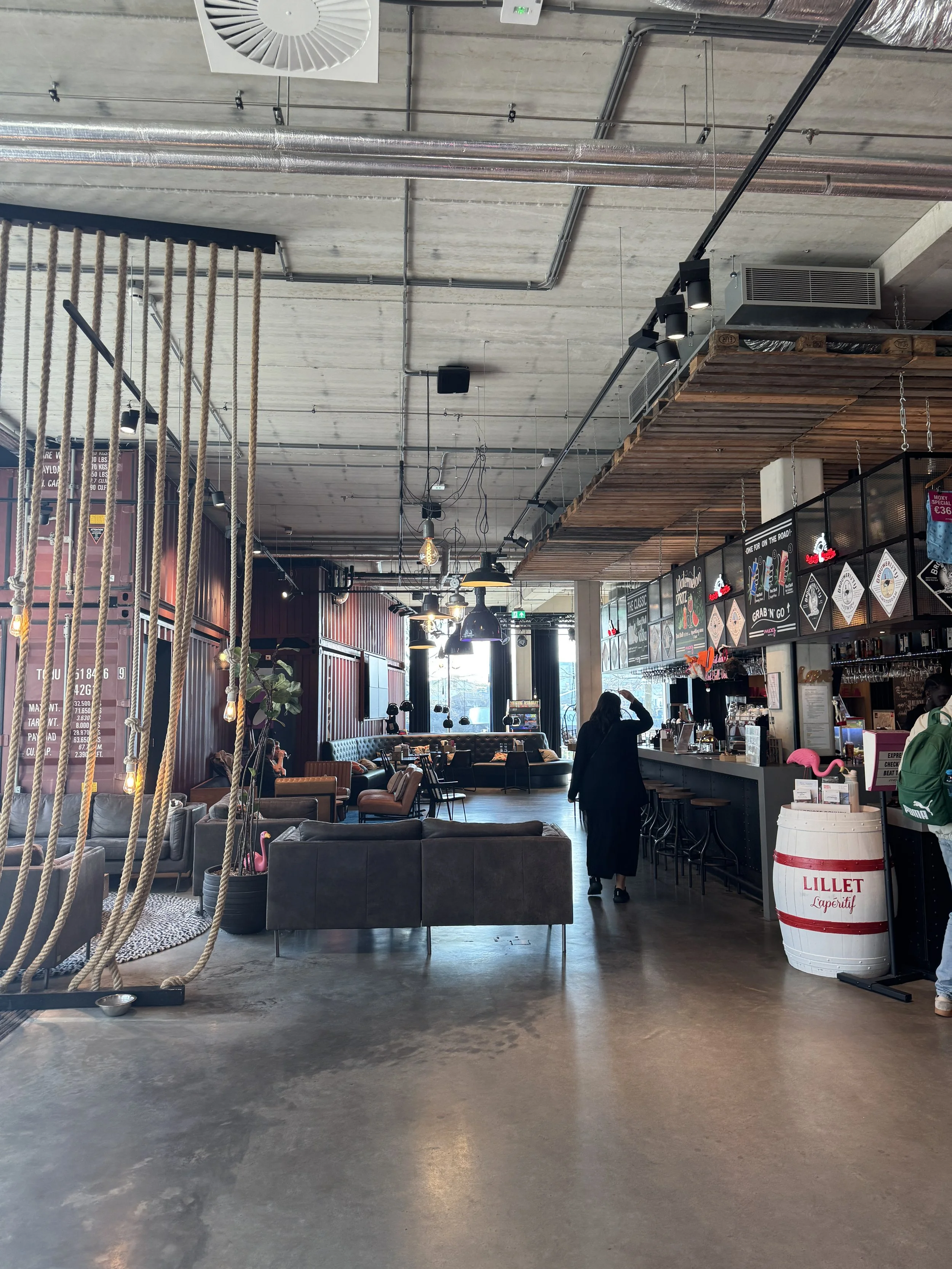
We then made our way to the hotel, Moxy Amsterdam, where we were directed to the underground parking garage. Unfortunately, early check-in wasn’t available.
Our plan was to head out and explore, then come back before our 7:45 PM appointment at the Anne Frank House.
We grabbed our jackets and started walking to Mooie Boules, but when we got inside, it was packed with kids, and the ordering system was online only with no translation option. The kids were exceptionally unruly, and there was basically no parental supervision, so we quickly decided to leave and keep moving.
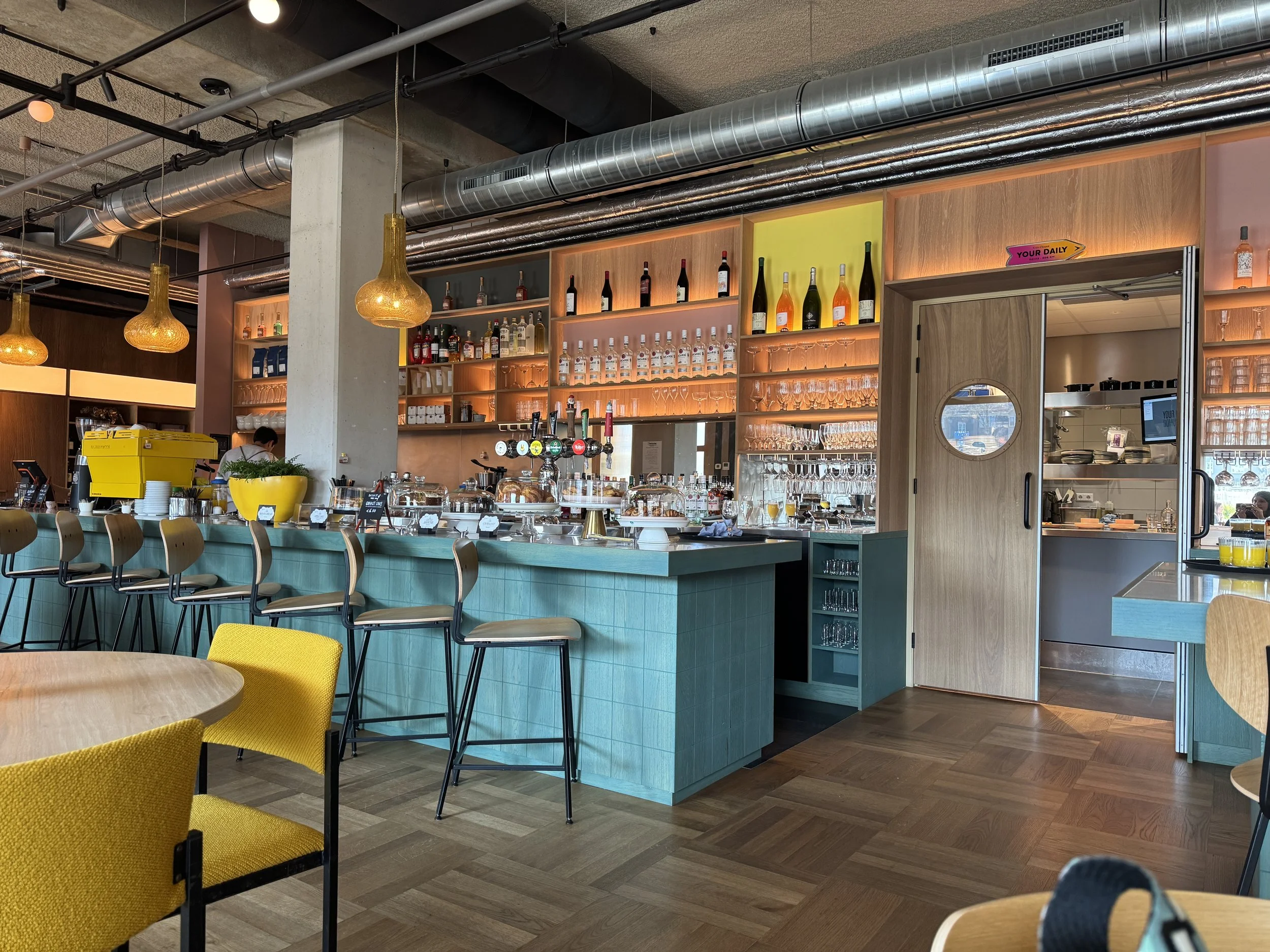
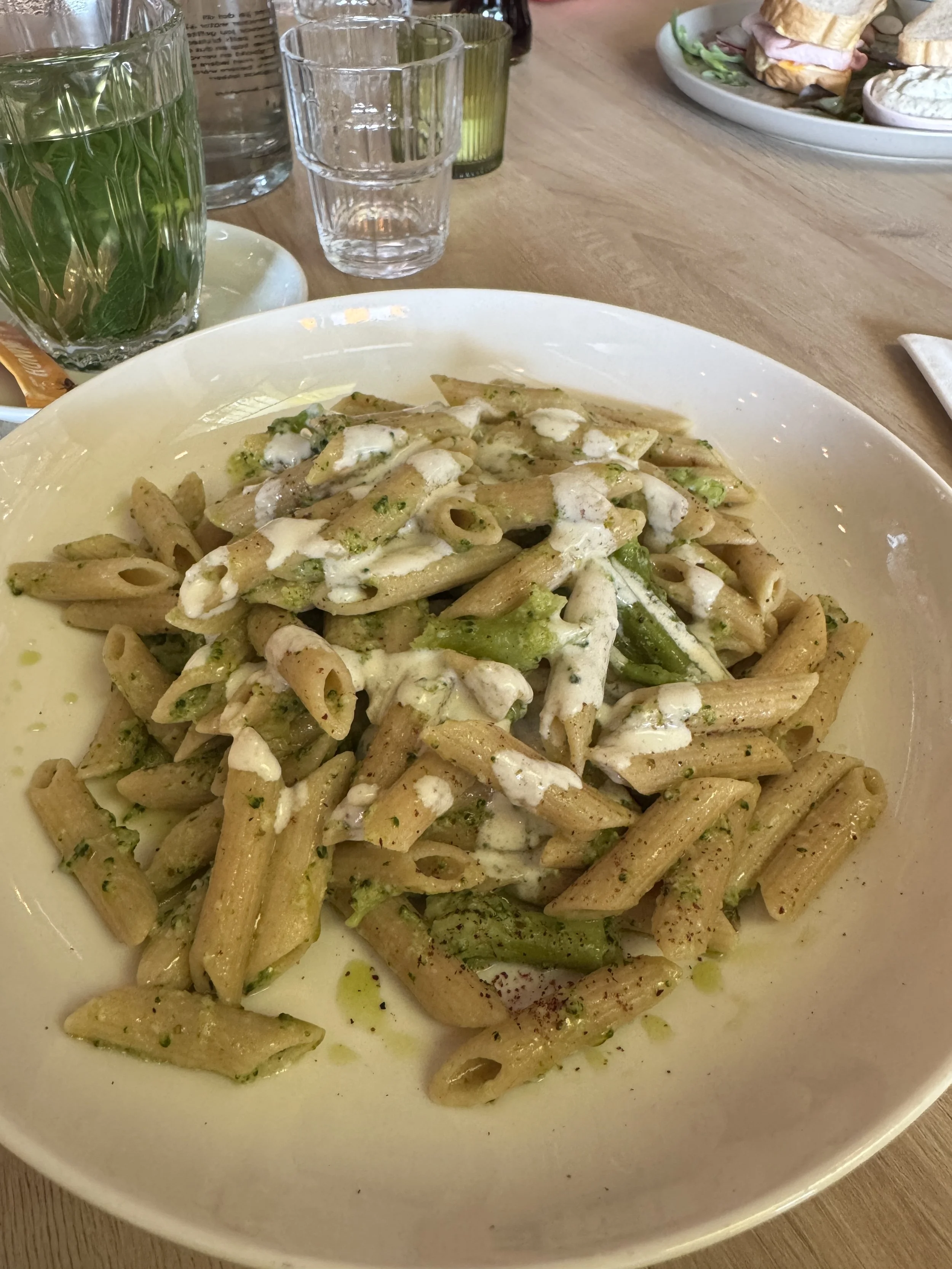
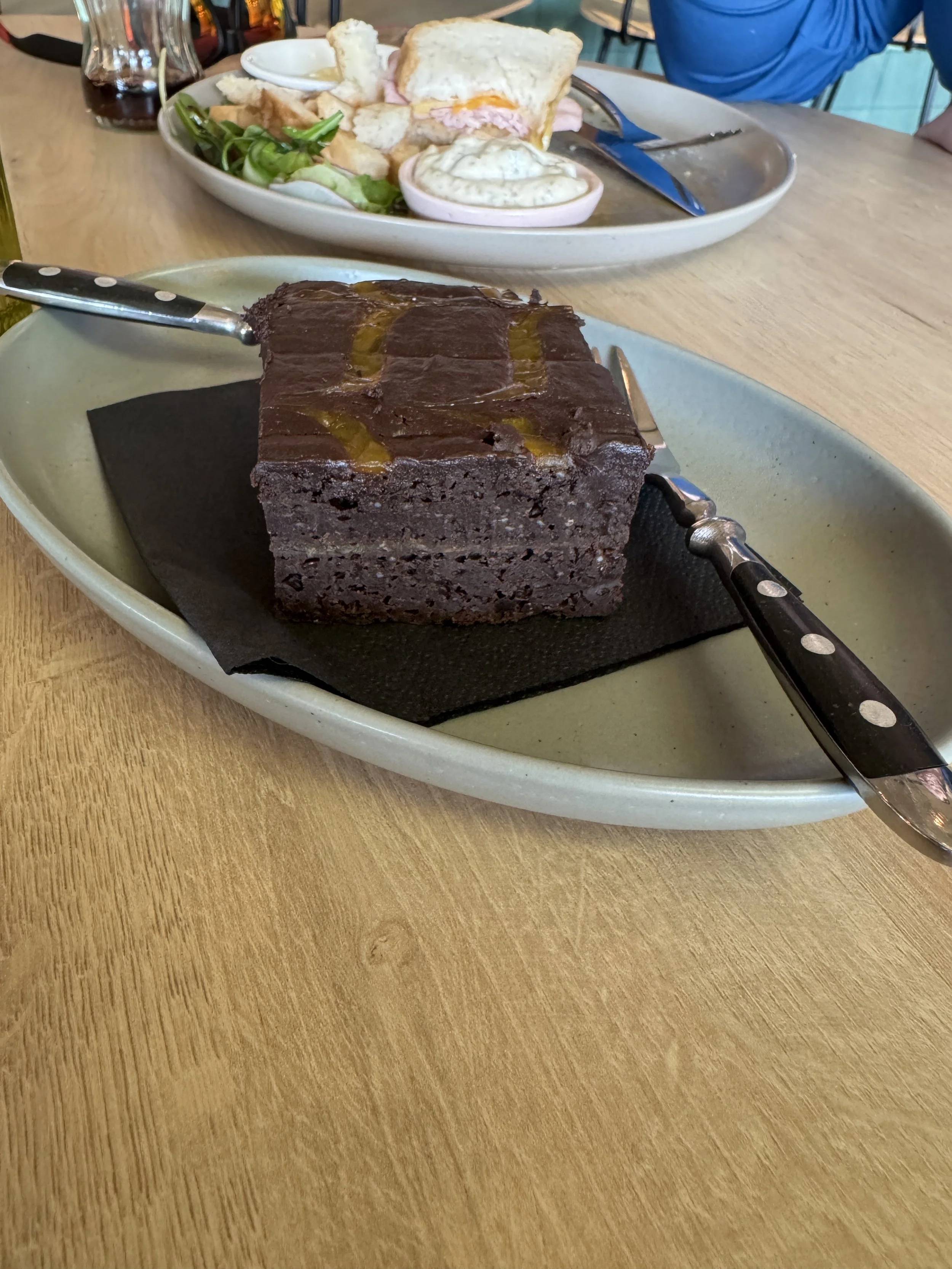
Next, we went to Your Daily Domus, which ended up being a great choice. The place was beautifully decorated, the staff was friendly, and they had vegan, gluten-free, and other alternative options. I ordered the daily special, a homemade pasta with broccoli, and we finished with a vegan brownie that was incredibly moist and super chocolatey. The total came to €38 for two entrées, two drinks, and dessert, which was very reasonable.
March 21: Travel Day & A Rough Start to Airline Food
March 22: Amsterdam Arrival, Museums, Canals & Anne Frank House
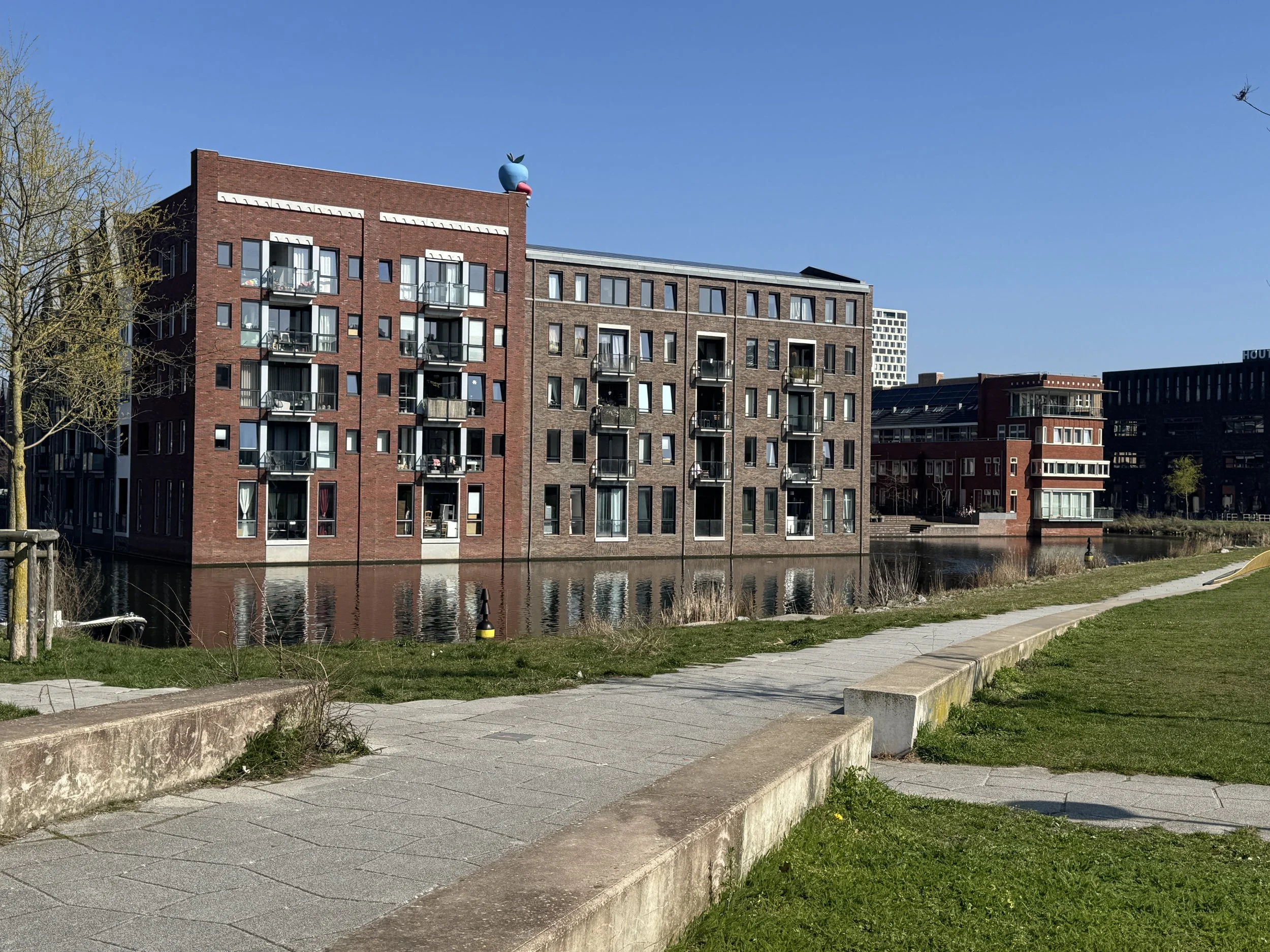
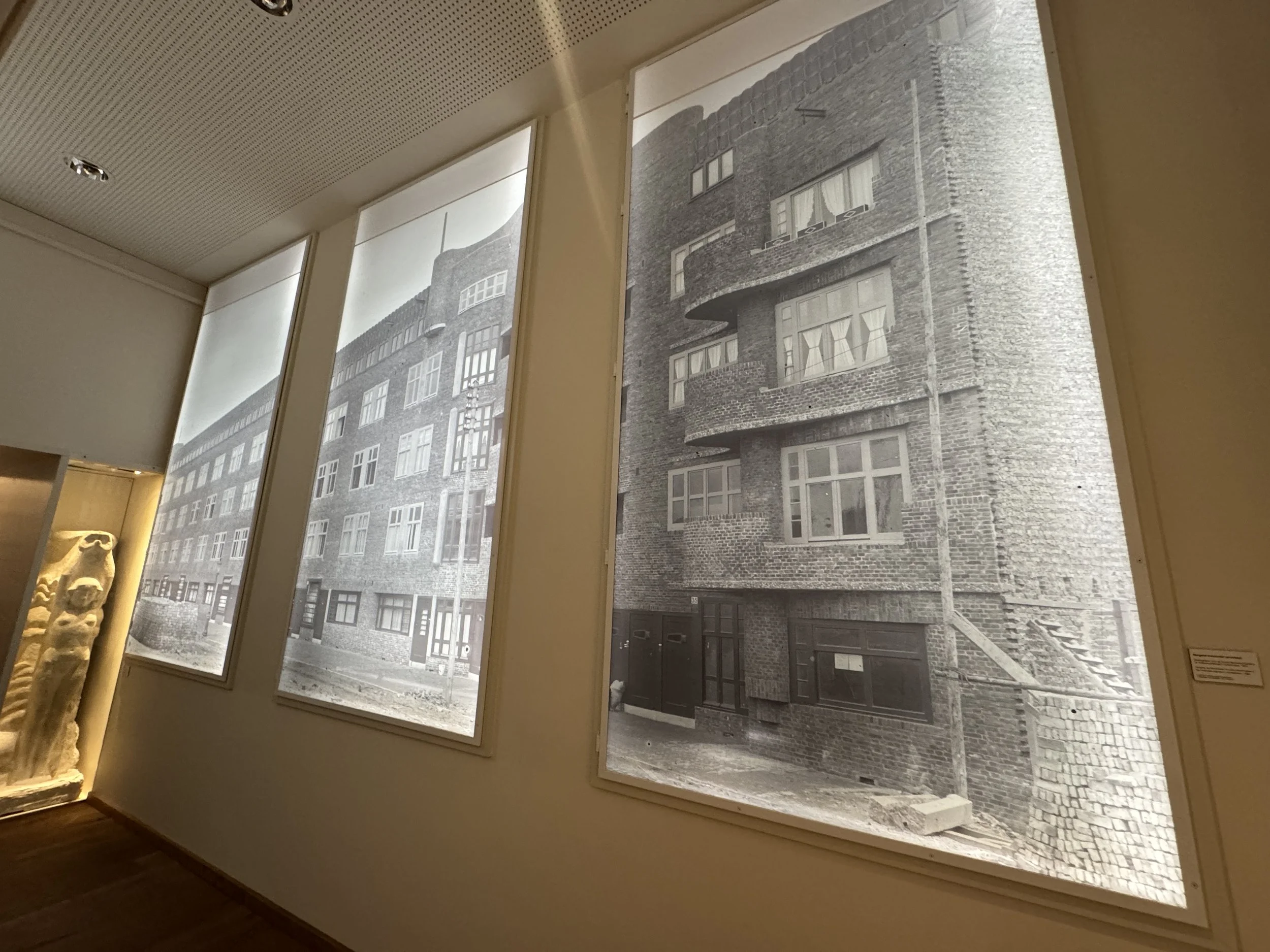
After lunch, we activated our I Amsterdam City Cards and stopped at Museum Het Schip.
Museum Het Schip is a unique museum housed in a striking, ship-shaped social housing complex that showcases Amsterdam School architecture and tells the story of early 20th-century working-class housing. It highlights how design and architecture were used to improve living conditions during that time.
That said… it wasn’t the most interesting museum. I’m glad we didn’t pay separately for it. We spent about 10 minutes walking around and then left.
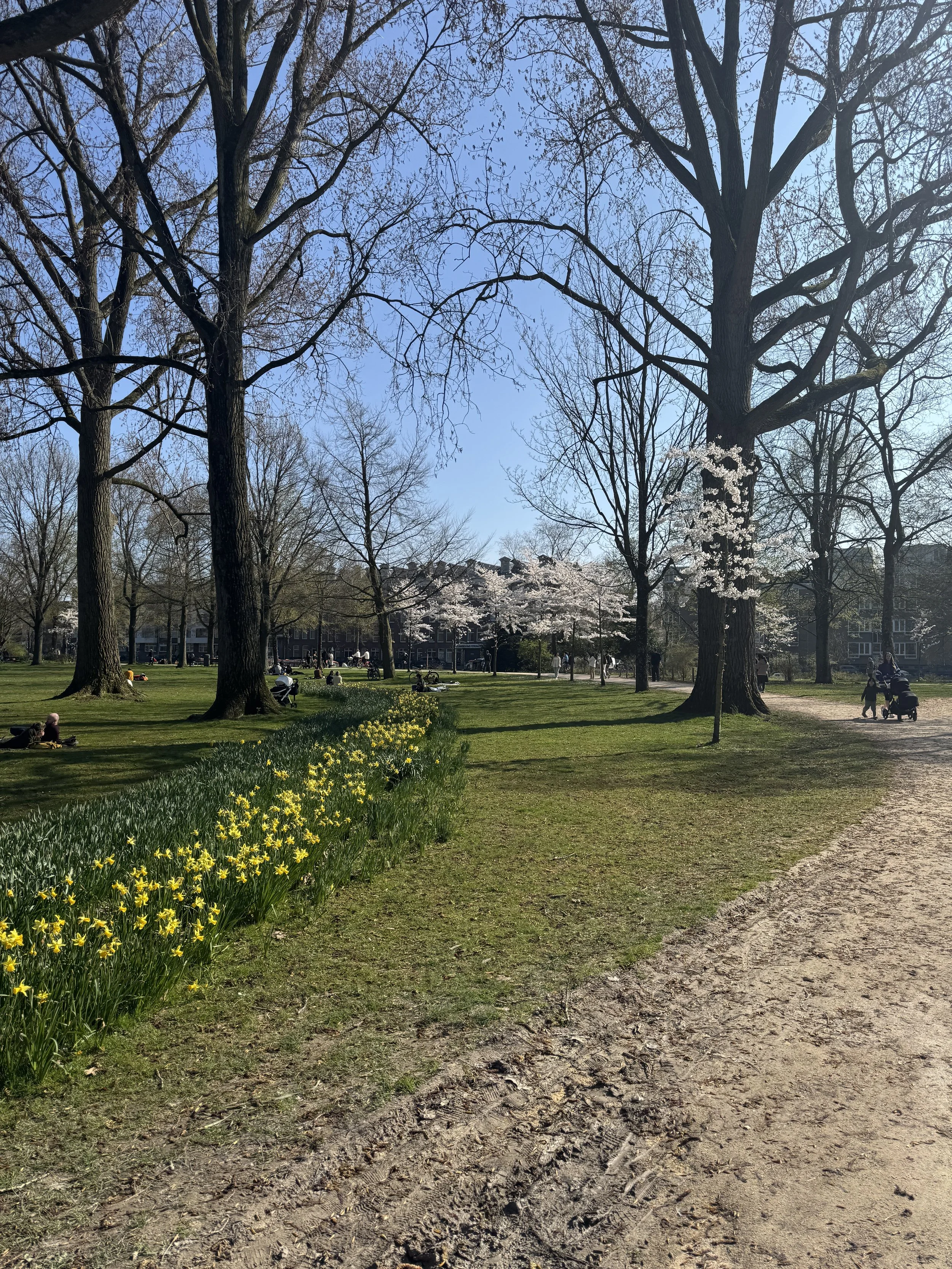
We walked through Westerpark, which was busy with people enjoying their Sunday. It had a few unique statues and a pond with a fountain. This was really just a shortcut to another museum we had planned, but we ended up skipping it because the next English tour wasn’t for over 30 minutes, and we were too tired to wait.
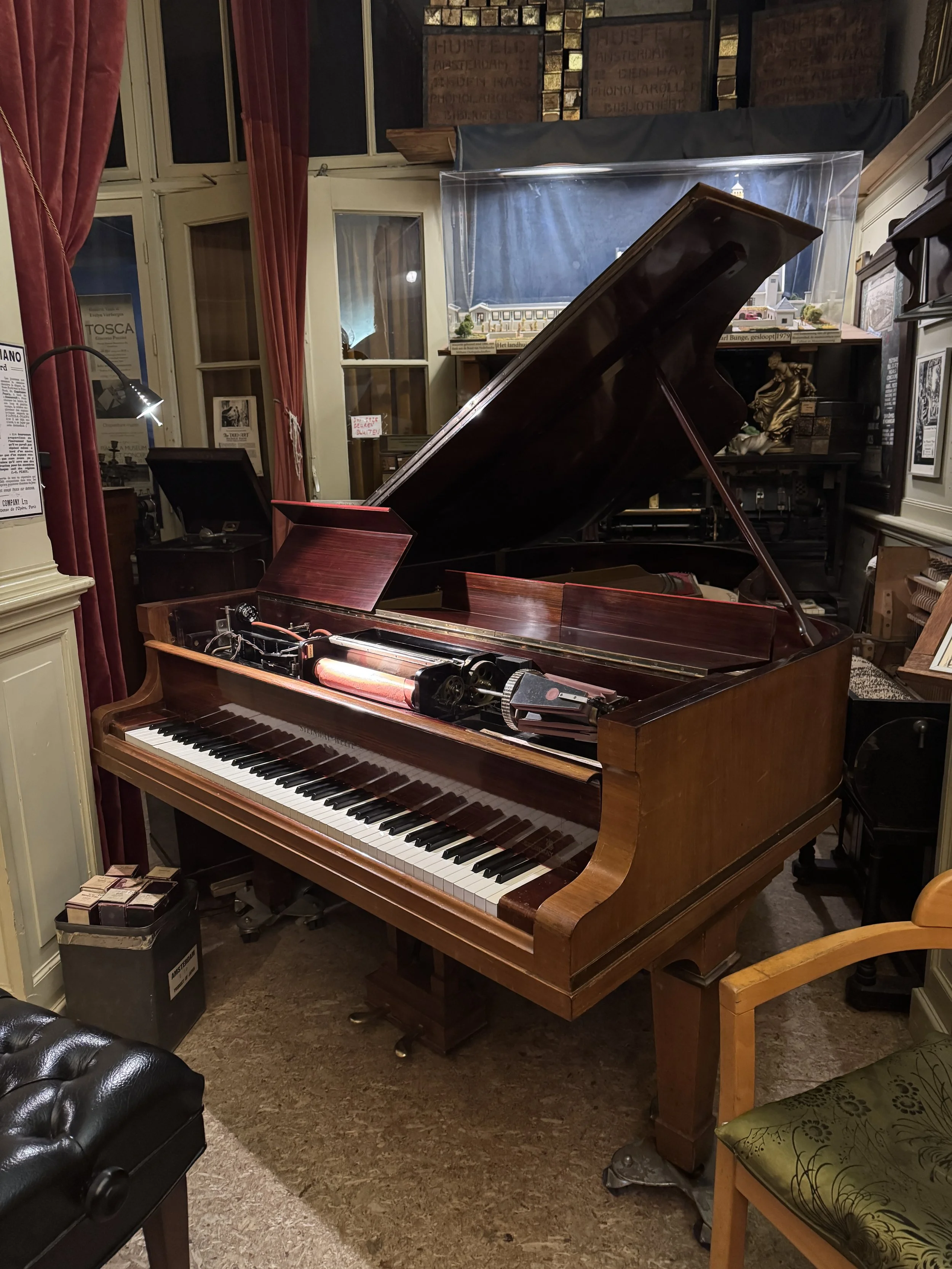
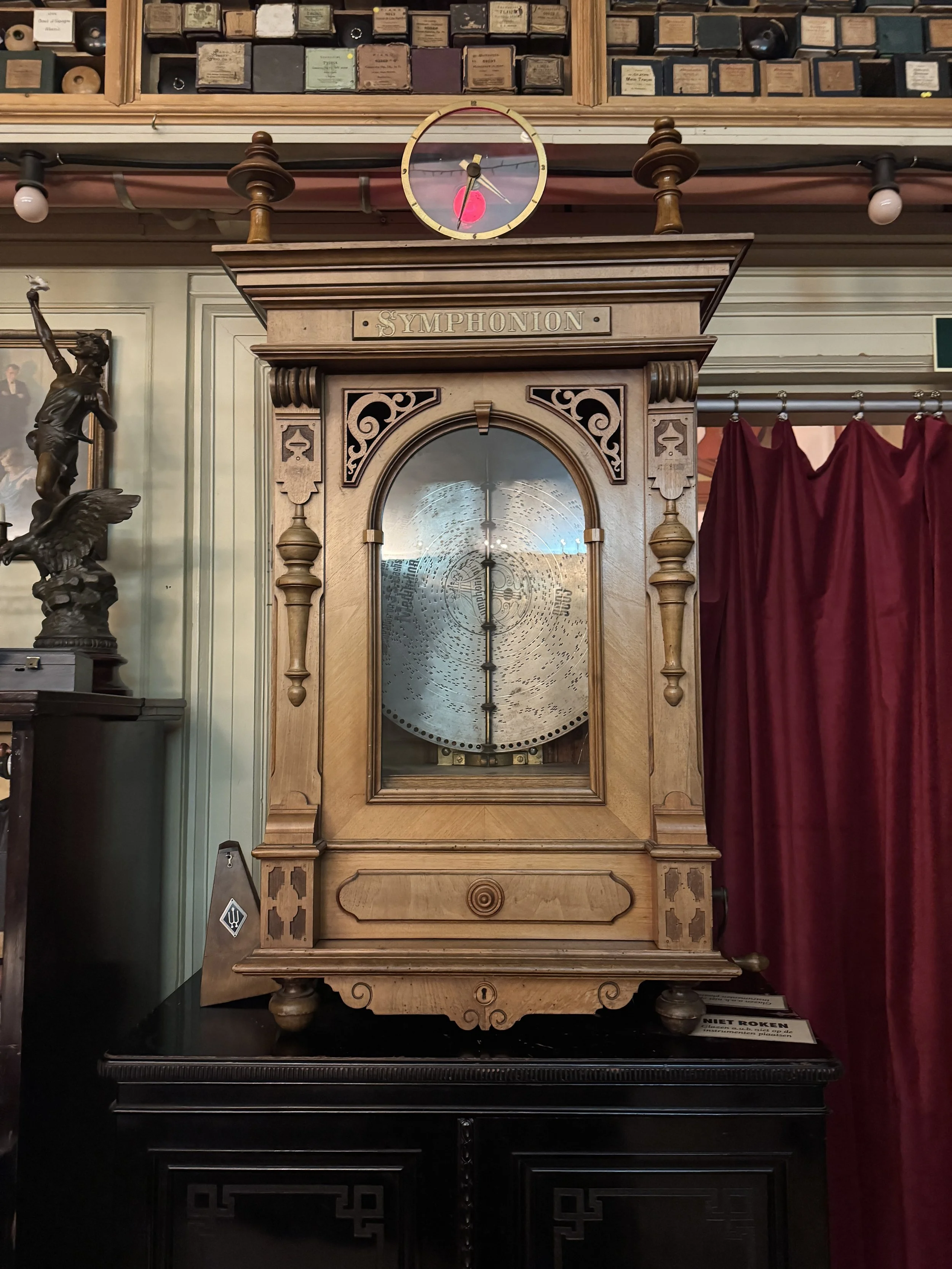
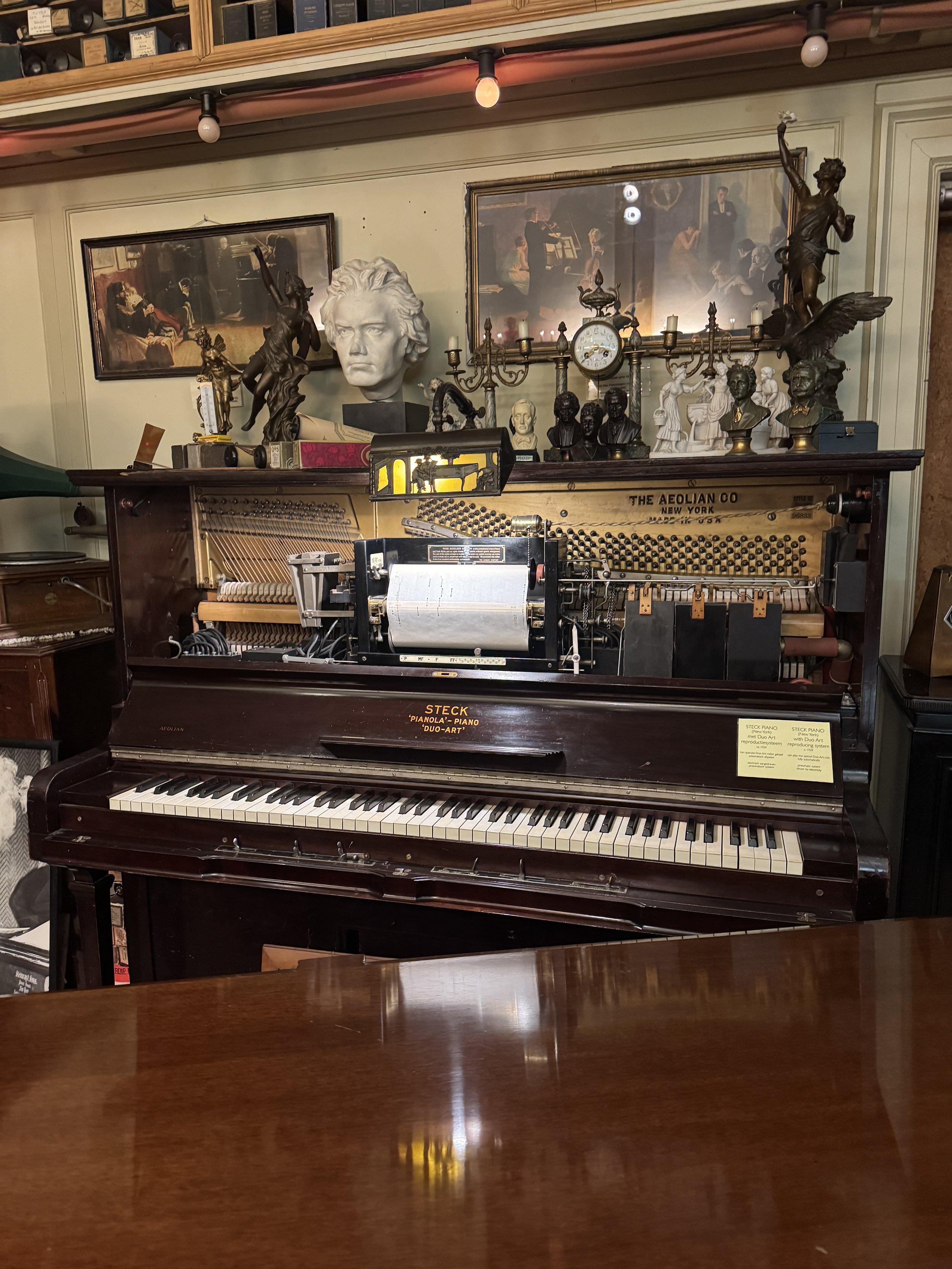
Instead, we went to the Geelvinck Pianola Museum.
This tiny museum is tucked inside a historic canal house and was created to preserve the magic of the pianola, or self-playing piano, which was popular in the late 1800s and early 1900s. Its origins trace back to private collectors who gathered rare instruments, music rolls, and restoration knowledge to keep this once cutting-edge technology alive. Today, it feels less like a traditional museum and more like a living time capsule, where century-old pianos still perform and echo the sounds of Amsterdam’s musical past.
They offer guided tours, or you can wander at your own pace.
At this point, we were exhausted. We weren’t finding anything that felt like a “must-see,” so we decided to just grab an Uber back to the hotel and officially check in since it was now past 3 PM.
Of course, there was a line, and the check-in process was slow. About 40 minutes later, we finally made it to the room, where we rested, unpacked, and figured out what to do next.
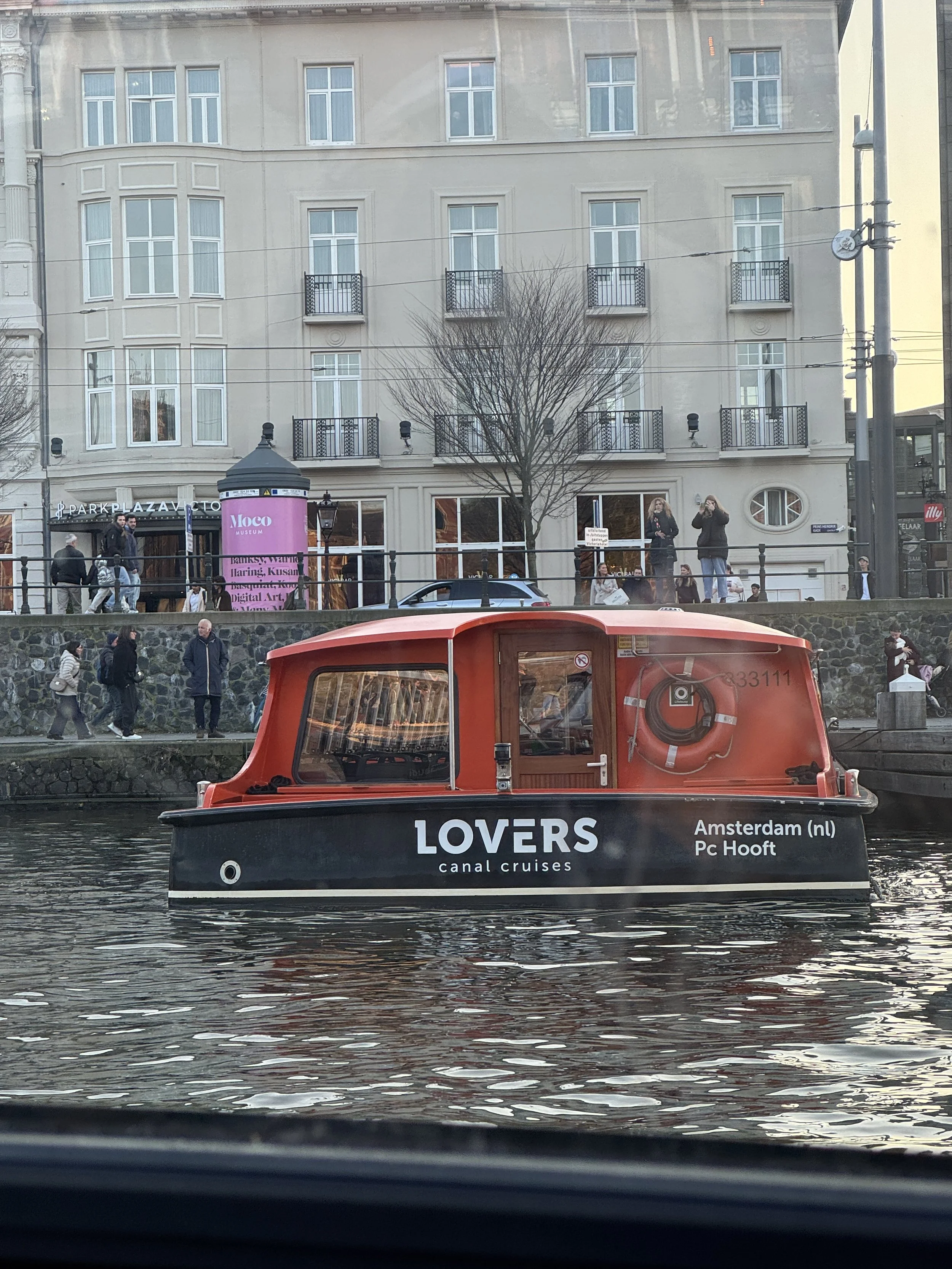
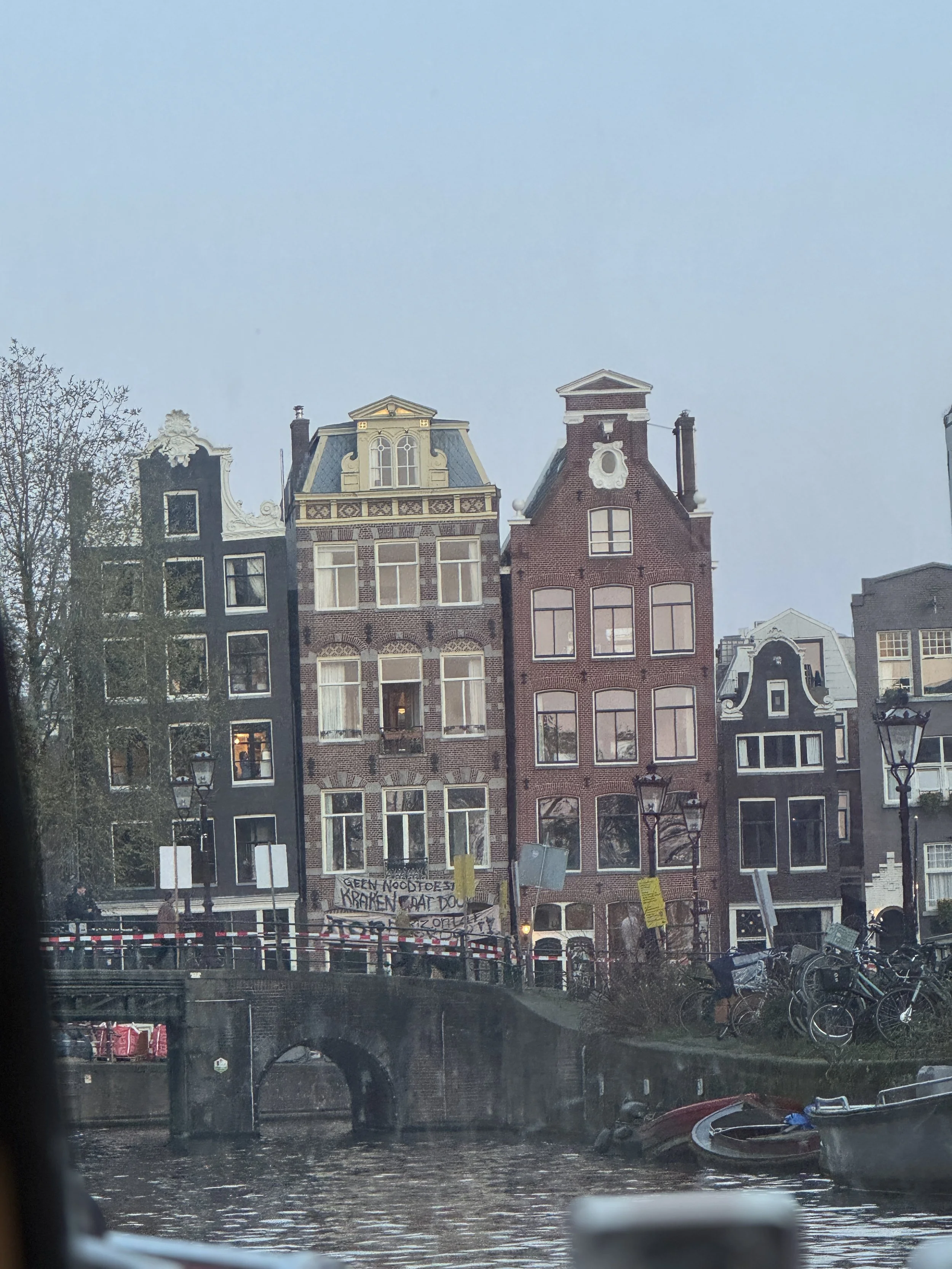
Since the city pass included Lovers Canal Cruises, we decided to do that and grabbed another Uber. Yes, we had a car, but parking in the city center is €8 per hour. We were too tired to walk, and the Uber was only €12.
The cruise was departing about 15 minutes after we arrived, so we grabbed our tickets and got in line. The tour itself was just okay. The boats aren’t really designed for the best views, but it was still nice to be on the canals and learn a bit of history. It lasted about an hour.
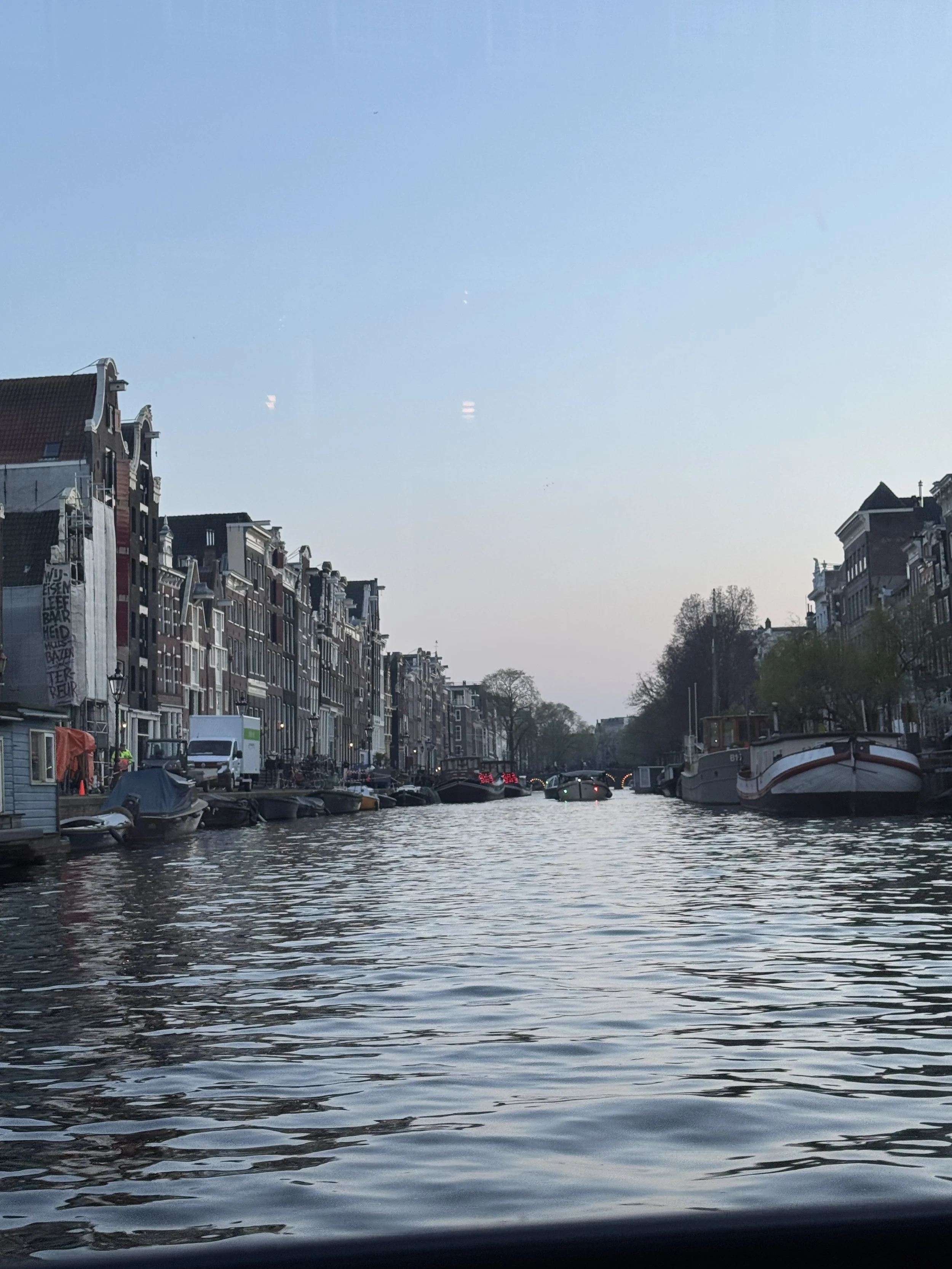
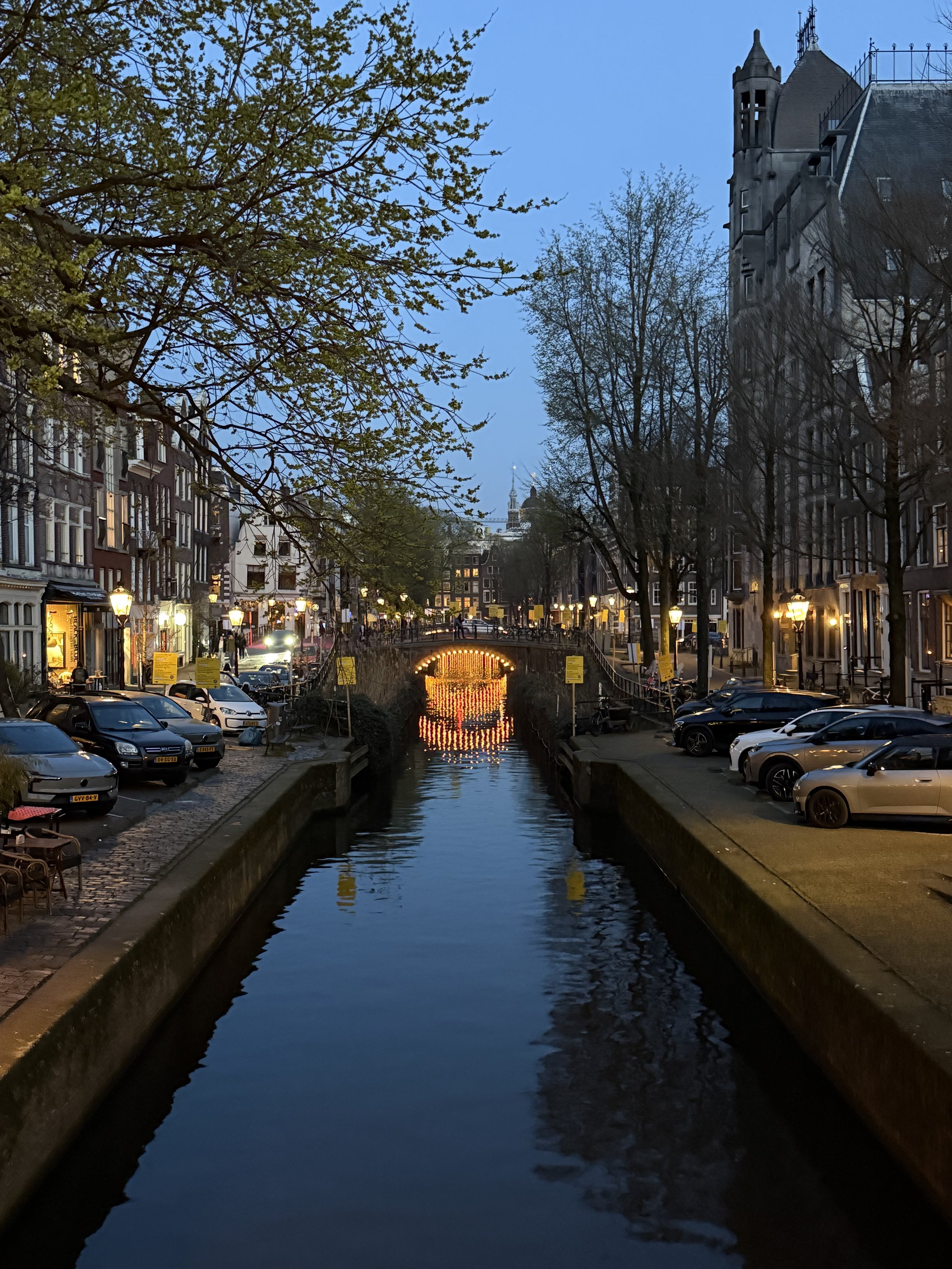
From there, we headed to the Anne Frank House.
The Anne Frank House is a powerful museum set in the hidden annex where Anne Frank and her family hid during World War II. It preserves the secret rooms and shares her diary, offering an intimate and moving glimpse into life in hiding and the human impact of the Holocaust.
You need to book tickets far in advance, and they are timed. It’s always busy and very crowded, which can make the experience feel a bit rushed, but it is still incredibly impactful, especially having read the book and knowing what happened in that space.
There is also a gift shop and café, though the café was closed when we visited.
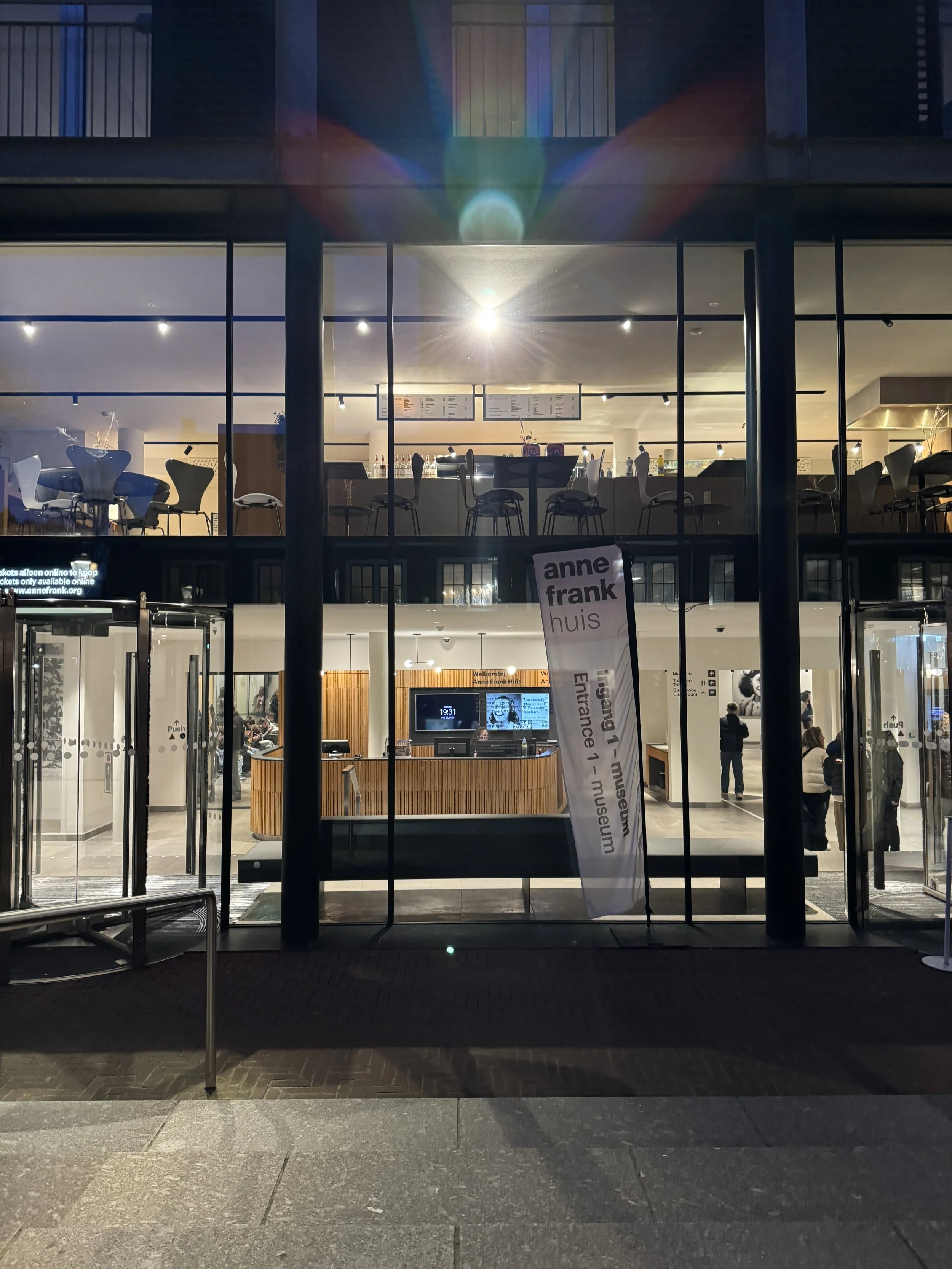
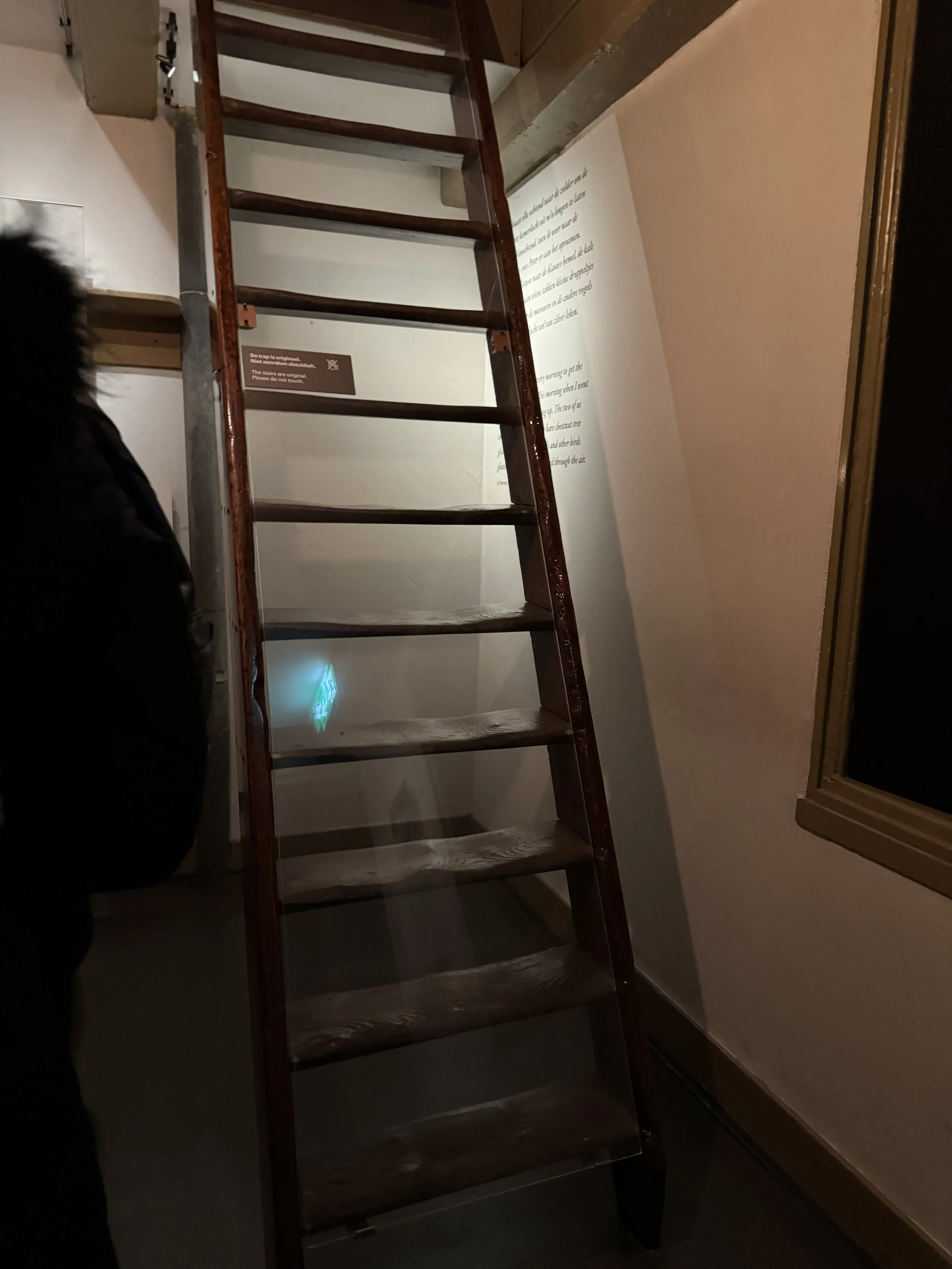
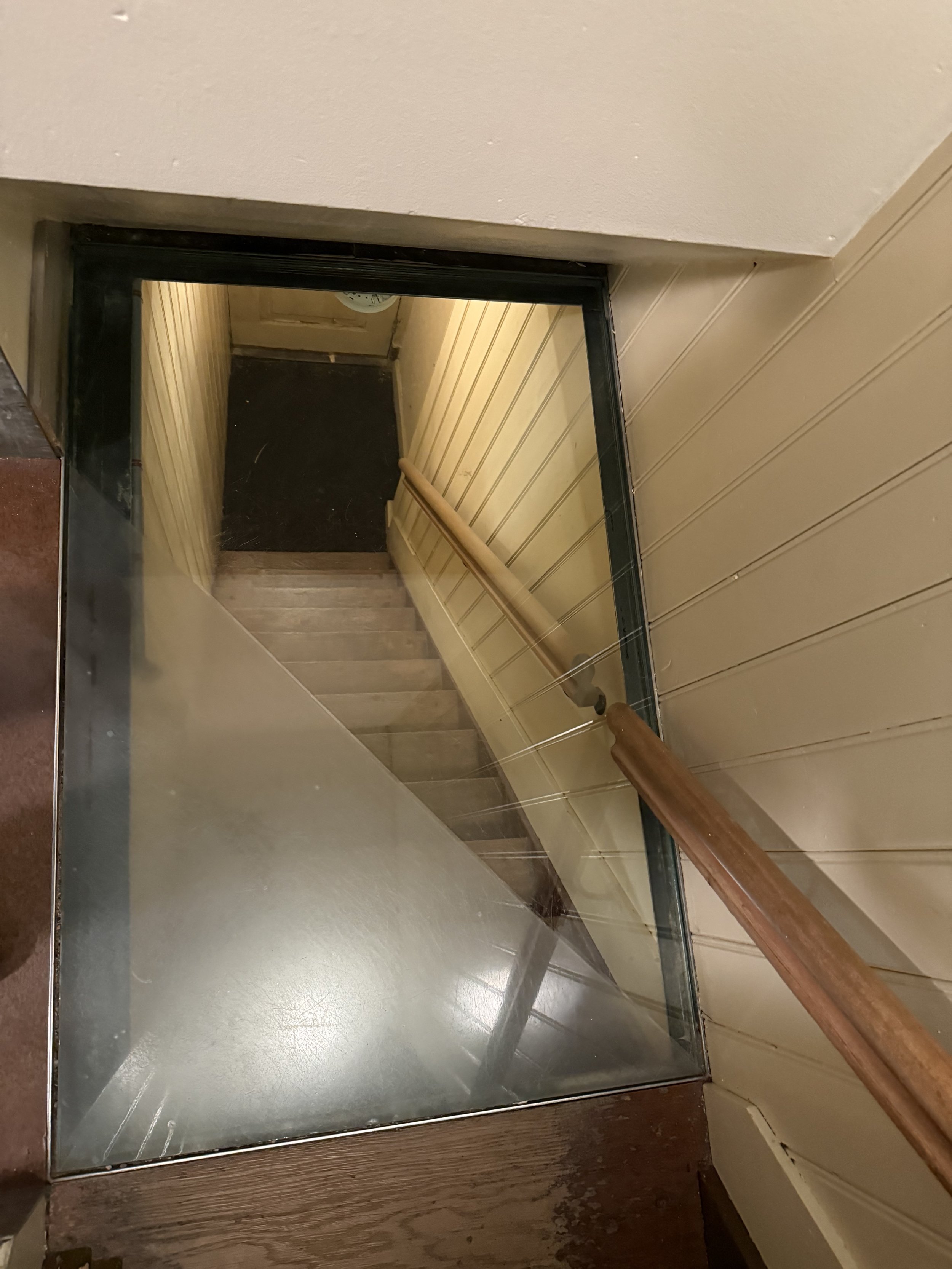
Afterward, we stopped at Café de Oude Wester for dinner. I had the lasagne bolognese, which really hit the spot, and my friend ordered the mussels — easily 40 to 50 of them. The service was excellent, and about 30 minutes later we were back in an Uber heading to the hotel.
We passed out almost immediately.
The hotel’s location in a quieter wharf area meant very little traffic noise, and the room was very dark, which made for great sleep. That said, the room itself was just okay. My comforter had some questionable stains, the TV randomly shut off, the walls were pretty marked up, and the shower had a mind of its own — leaking water and occasionally turning scalding hot out of nowhere.
So overall, probably overpriced for what you get, but the bed was comfortable and the room was quiet, which made it worth it.
We started the morning leisurely since the earliest thing on our list didn’t open until 9 AM.
We attempted to get an Uber… and got rejected twice. So we asked the hotel to call a taxi.
Big mistake.
This was a boujee ride straight into financial regret. It cost the same as three Ubers combined from the day before. Consider this your warning: think twice about taxis.
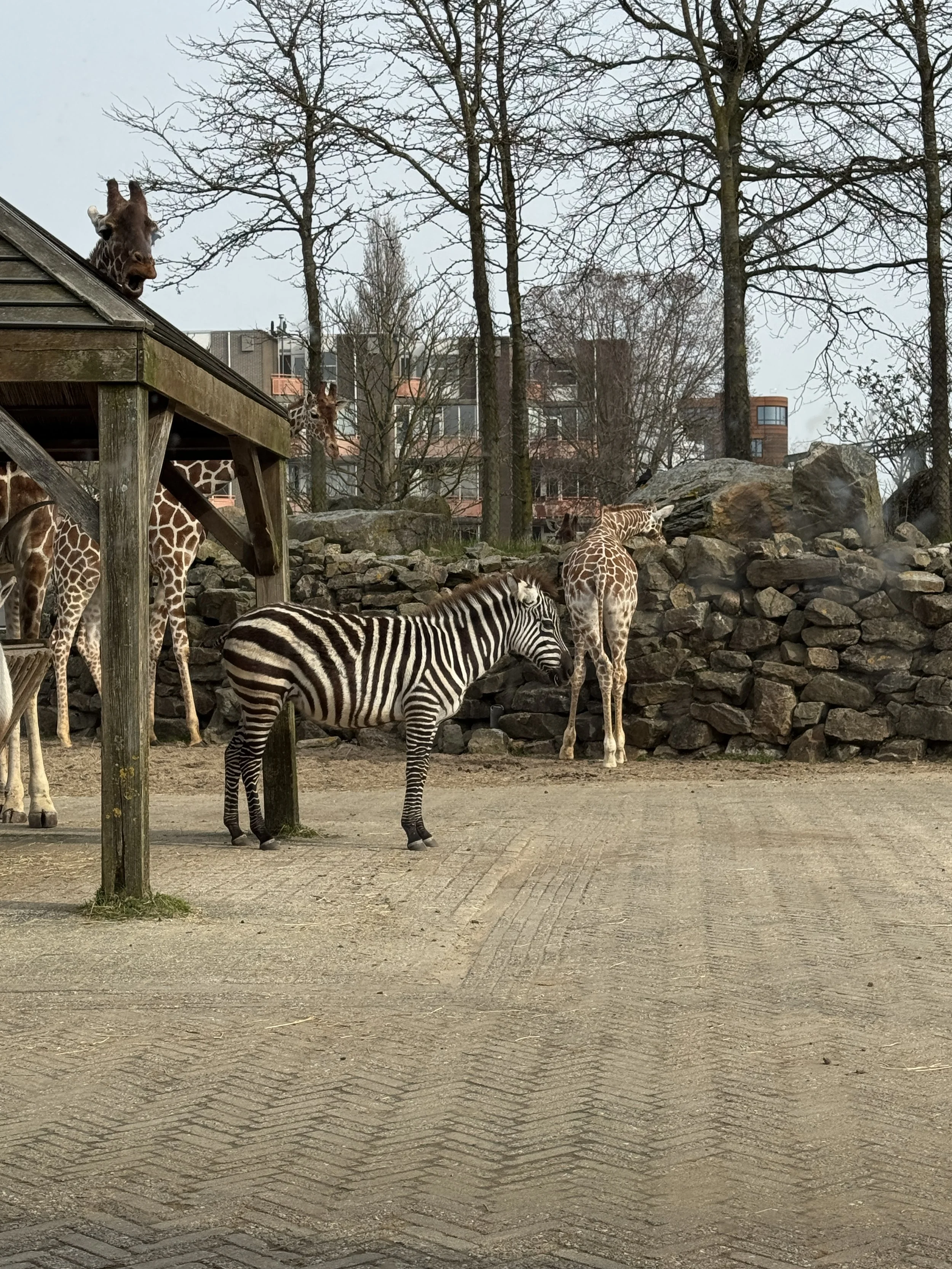
Our first stop was ARTIS Zoo, one of Europe’s oldest zoos. It blends historic architecture with modern habitats and includes animals, an aquarium, and a planetarium right in the heart of Amsterdam.
Unfortunately, the aquarium was closed the day we visited.
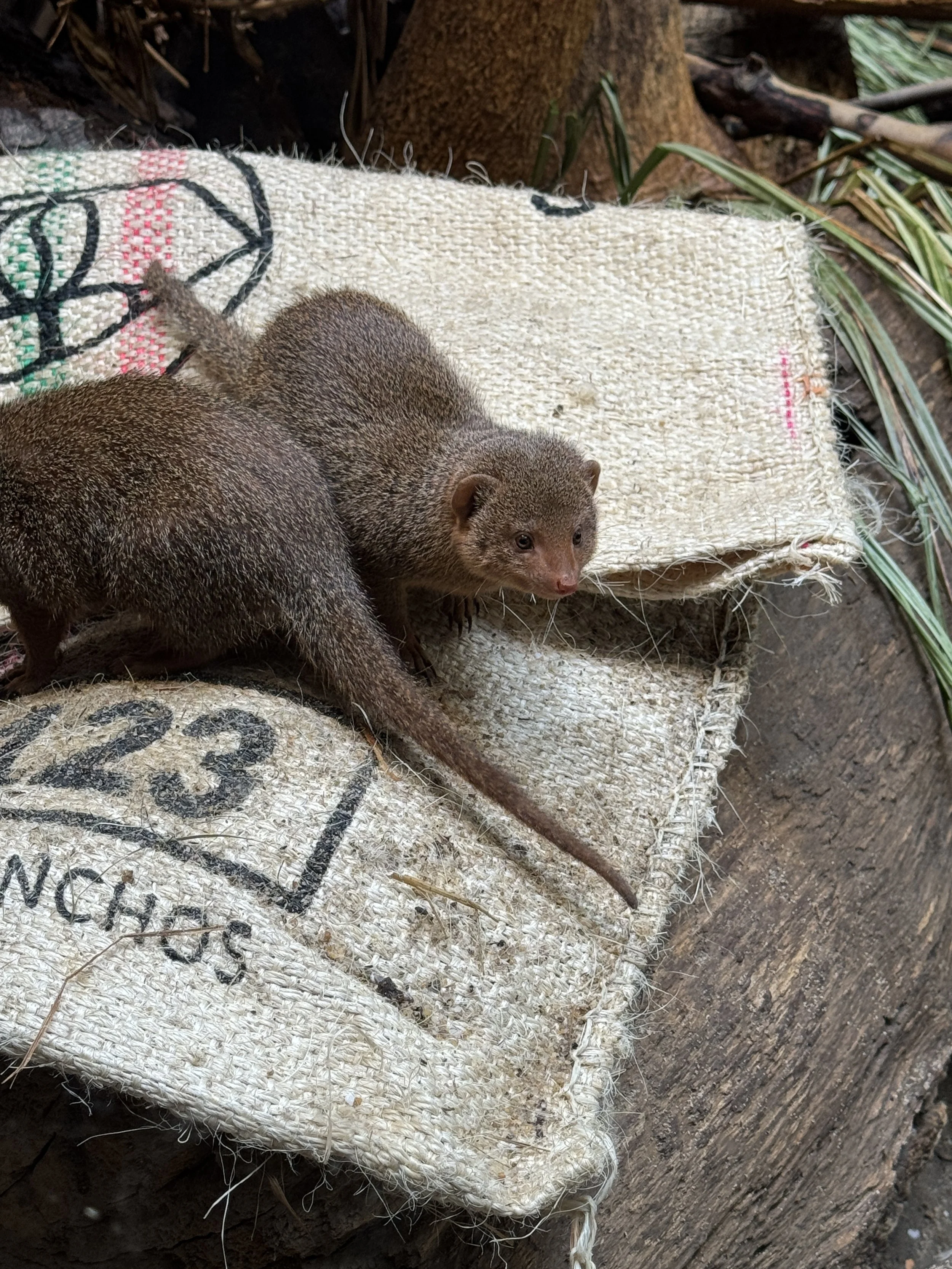
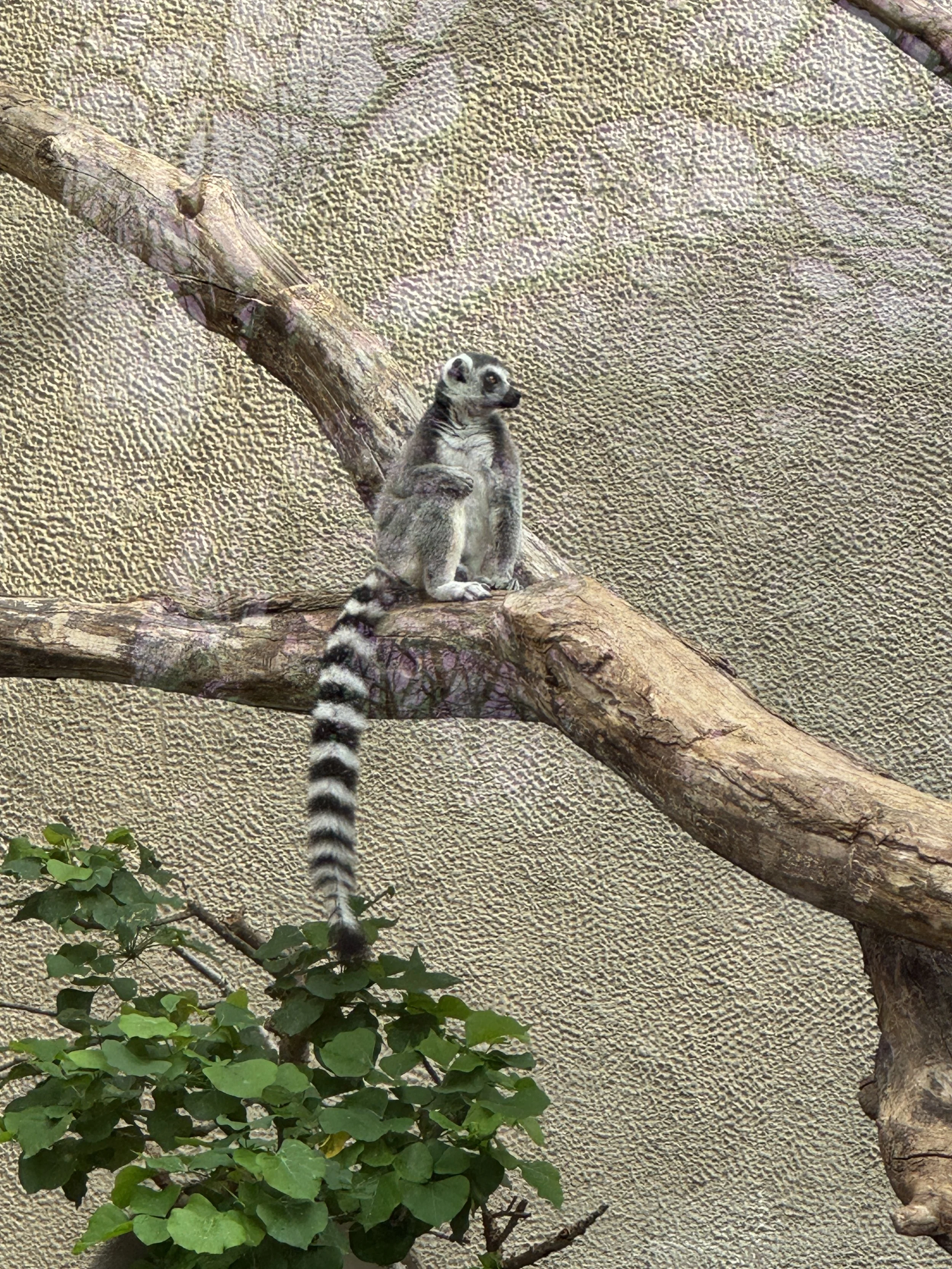
That said, this may have been the most active we’ve ever seen animals at any zoo. There was a huge variety of species, and most had very large enclosures. The landscaping was also gorgeous, which made it feel more like a park than a zoo.
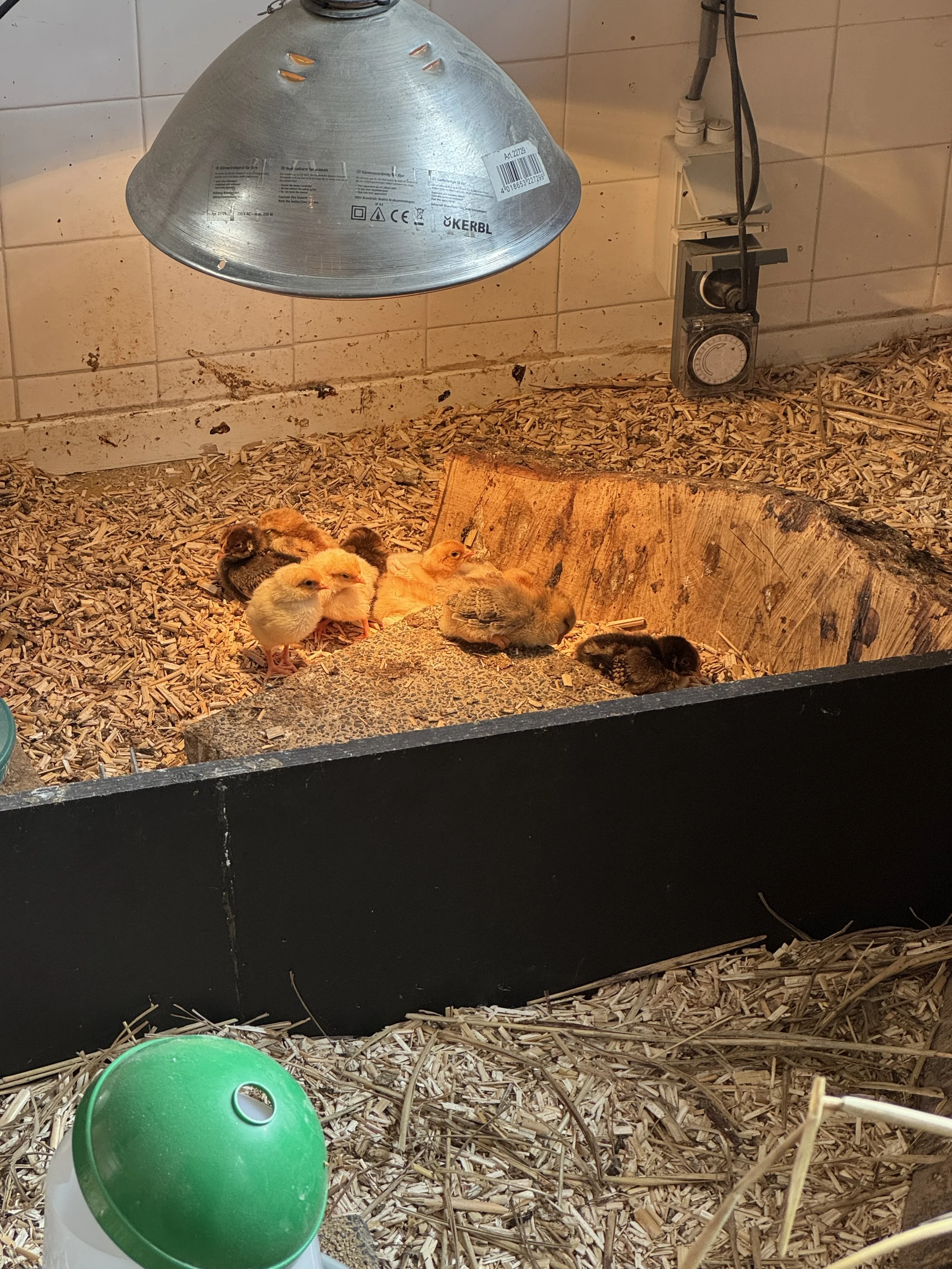
There were indoor exhibits, including a hatchery, and plenty of food options with seating overlooking different enclosures.
If you live in Amsterdam, this is absolutely worth a yearly pass. We thoroughly enjoyed it.
March 23: Microbes, Masterpieces & Hidden Churches (and One Very Aggressive Smell)
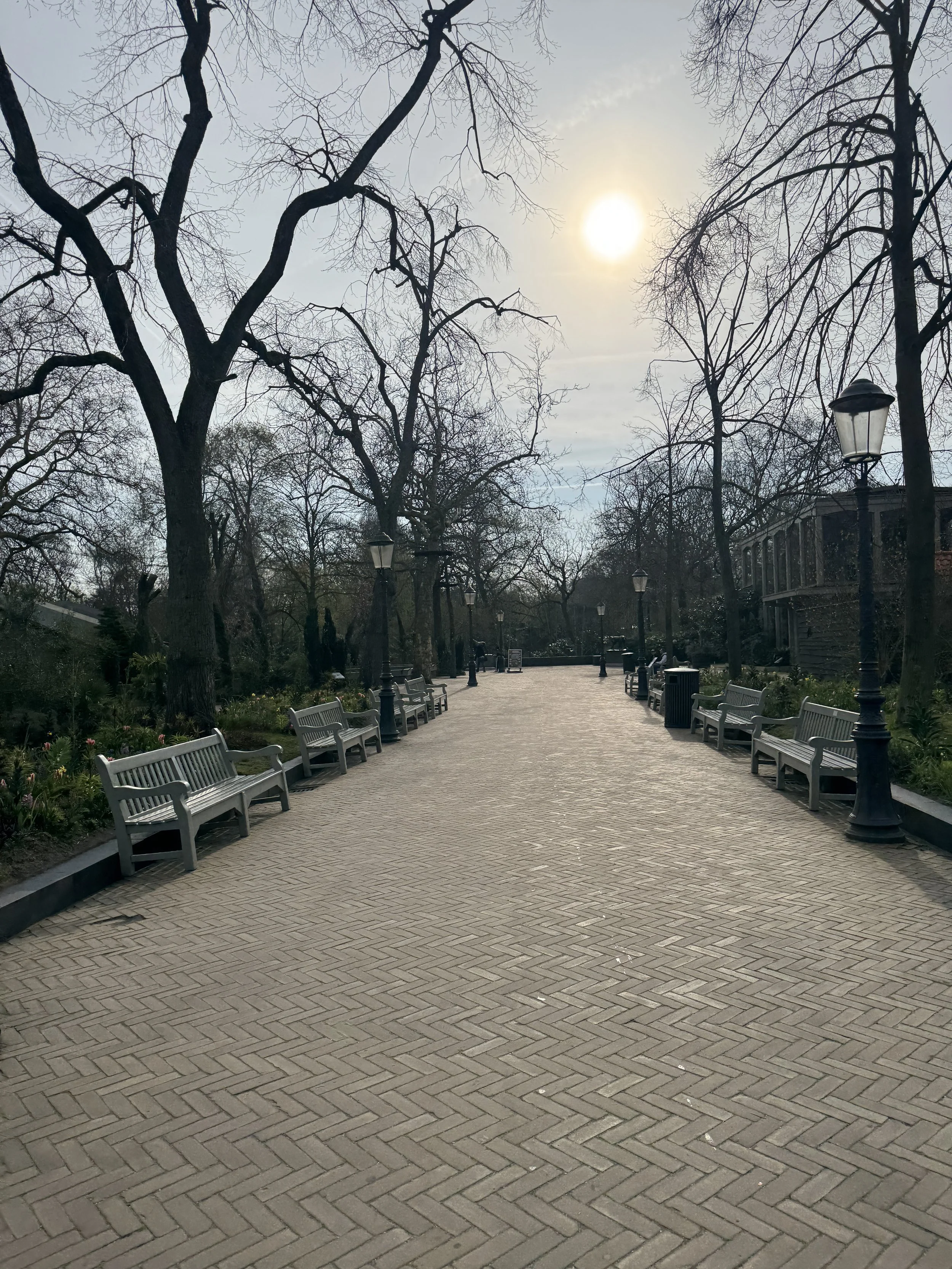
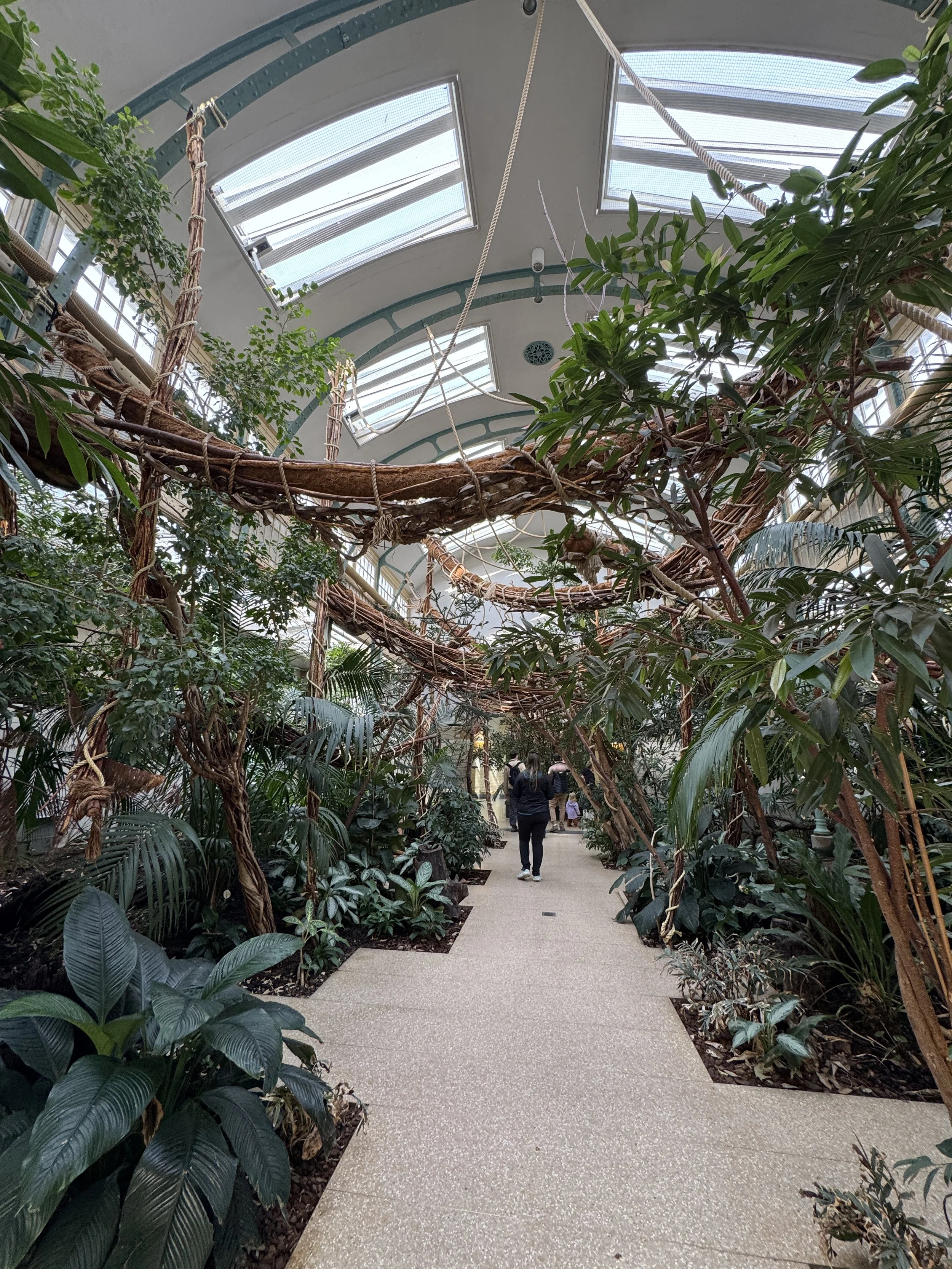
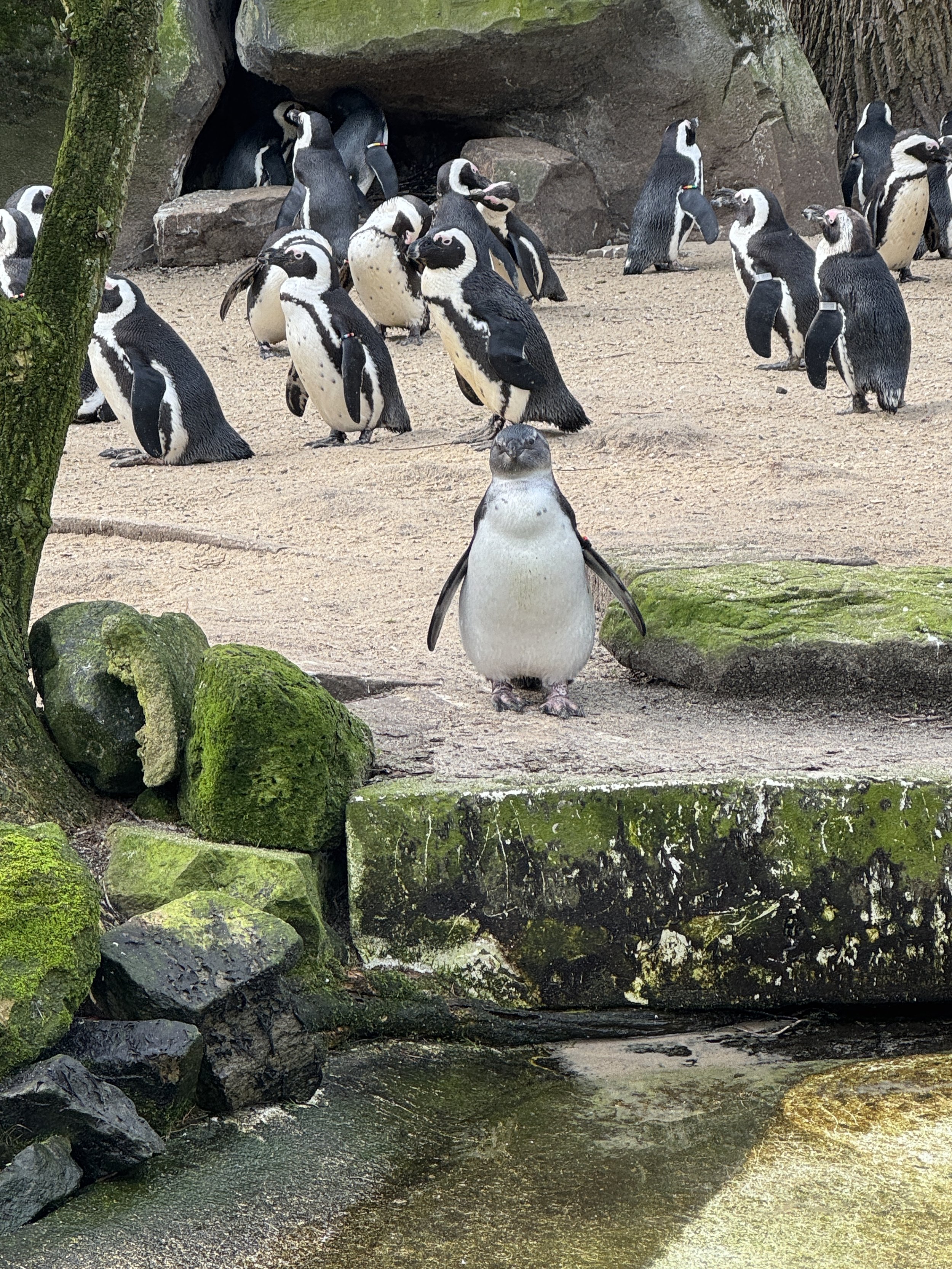
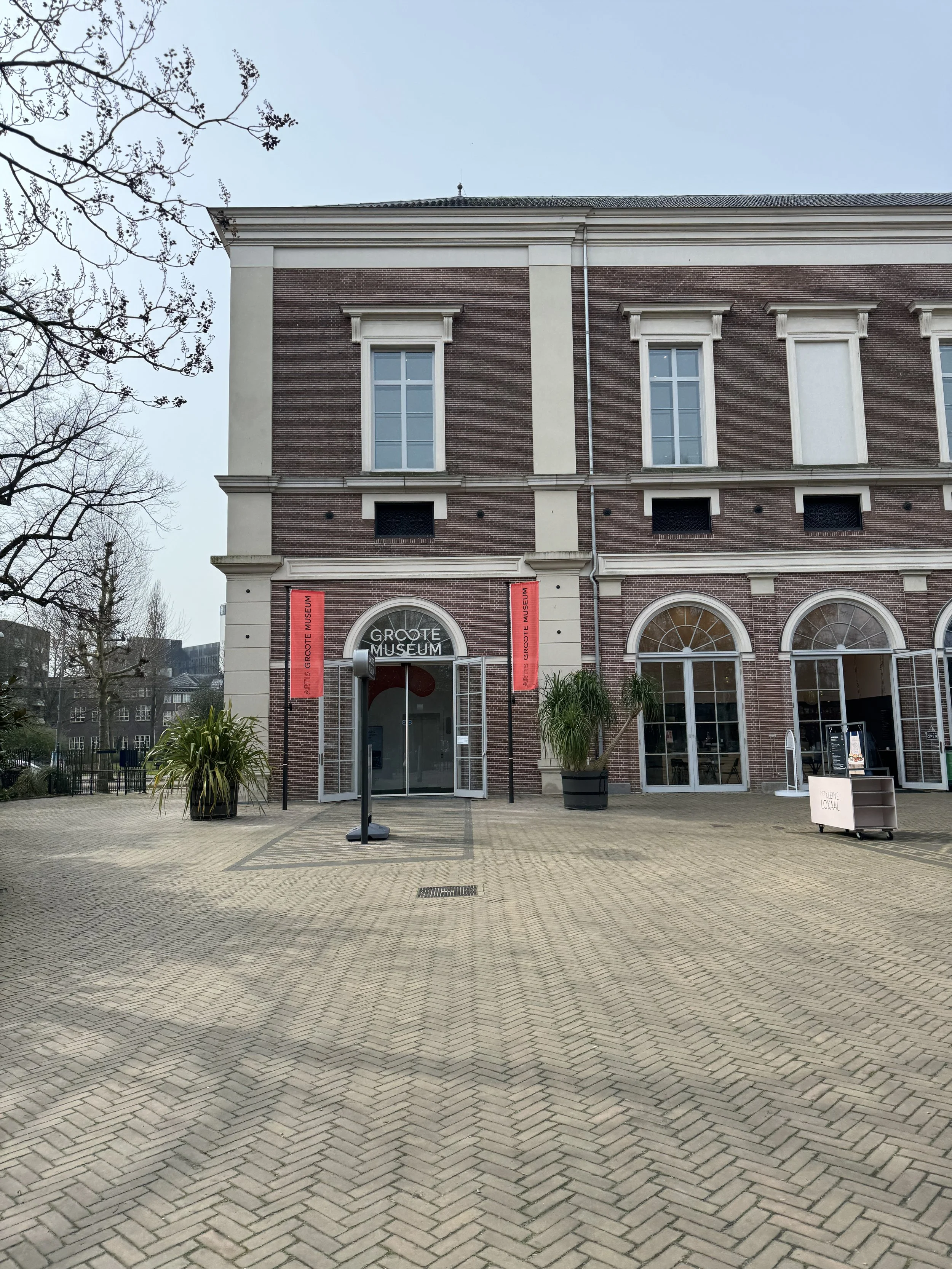
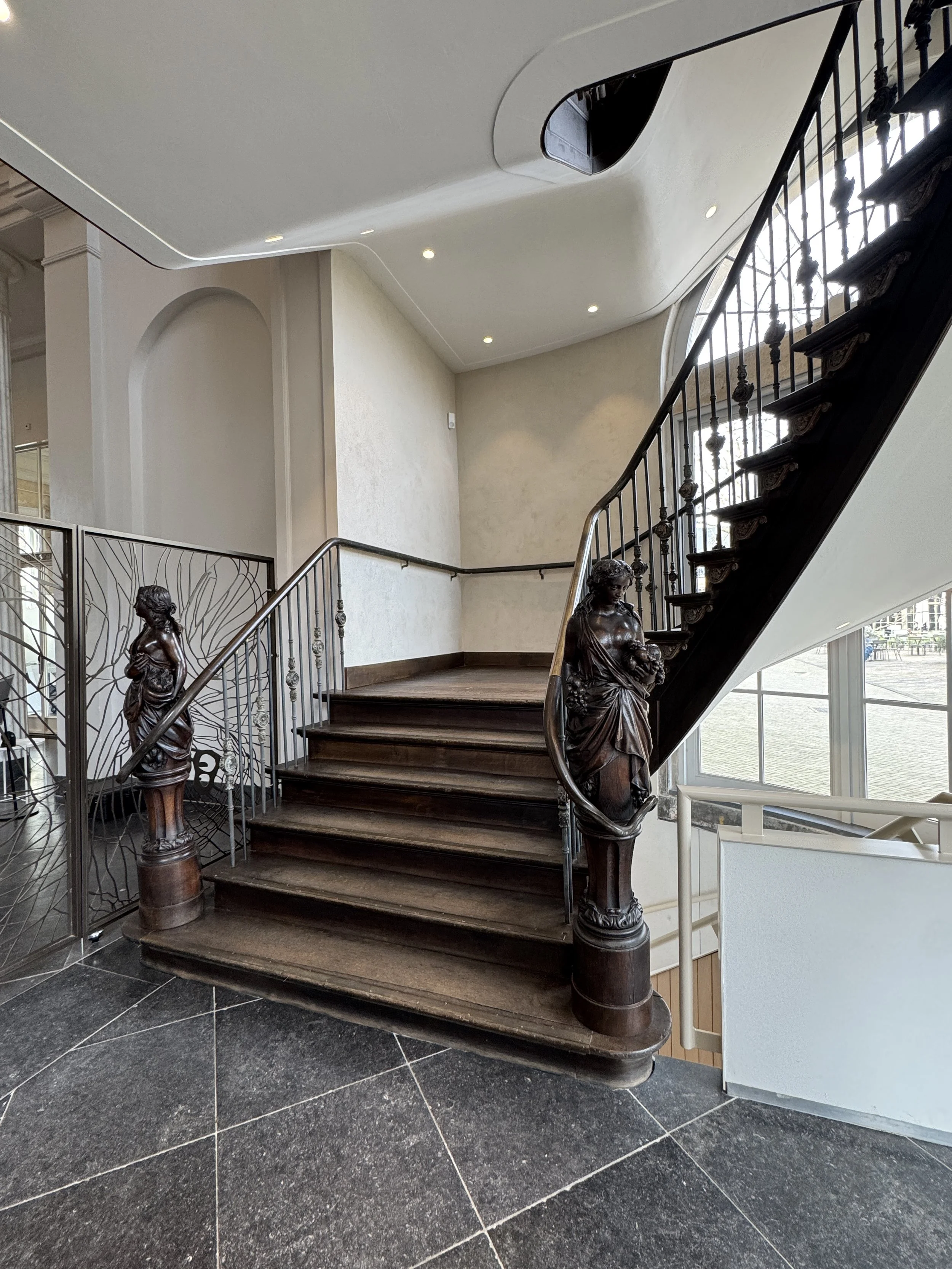
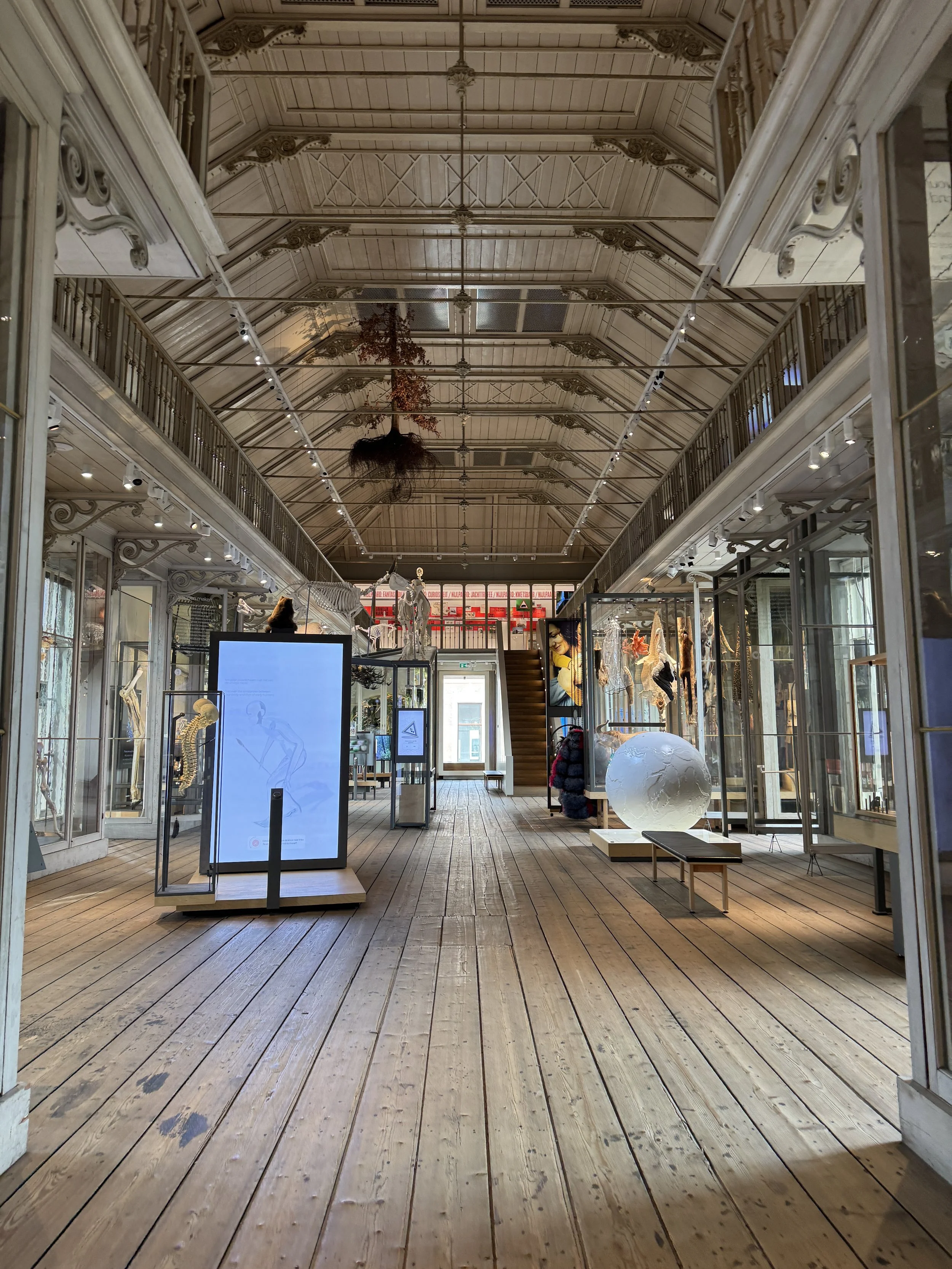
Right in that area is ARTIS-Groote Museum, a beautifully restored 19th-century museum within ARTIS that explores the connection between humans, animals, and nature through interactive exhibits, art, and science. This was interesting and had some very unique exhibits. I think it’s really kid-forward, with a lot of interactive things to see. They also had a gift shop and a few cafés around the block.
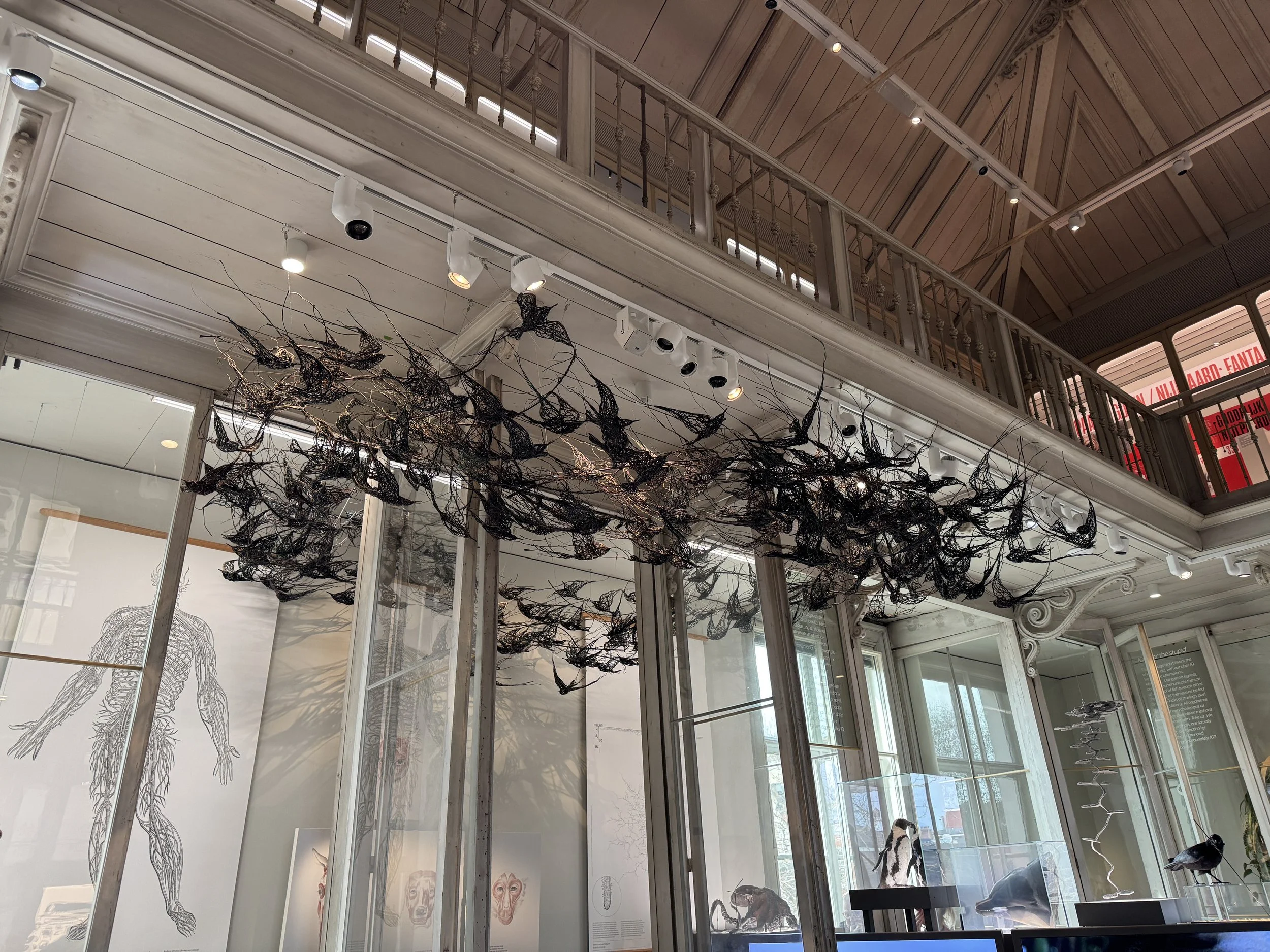
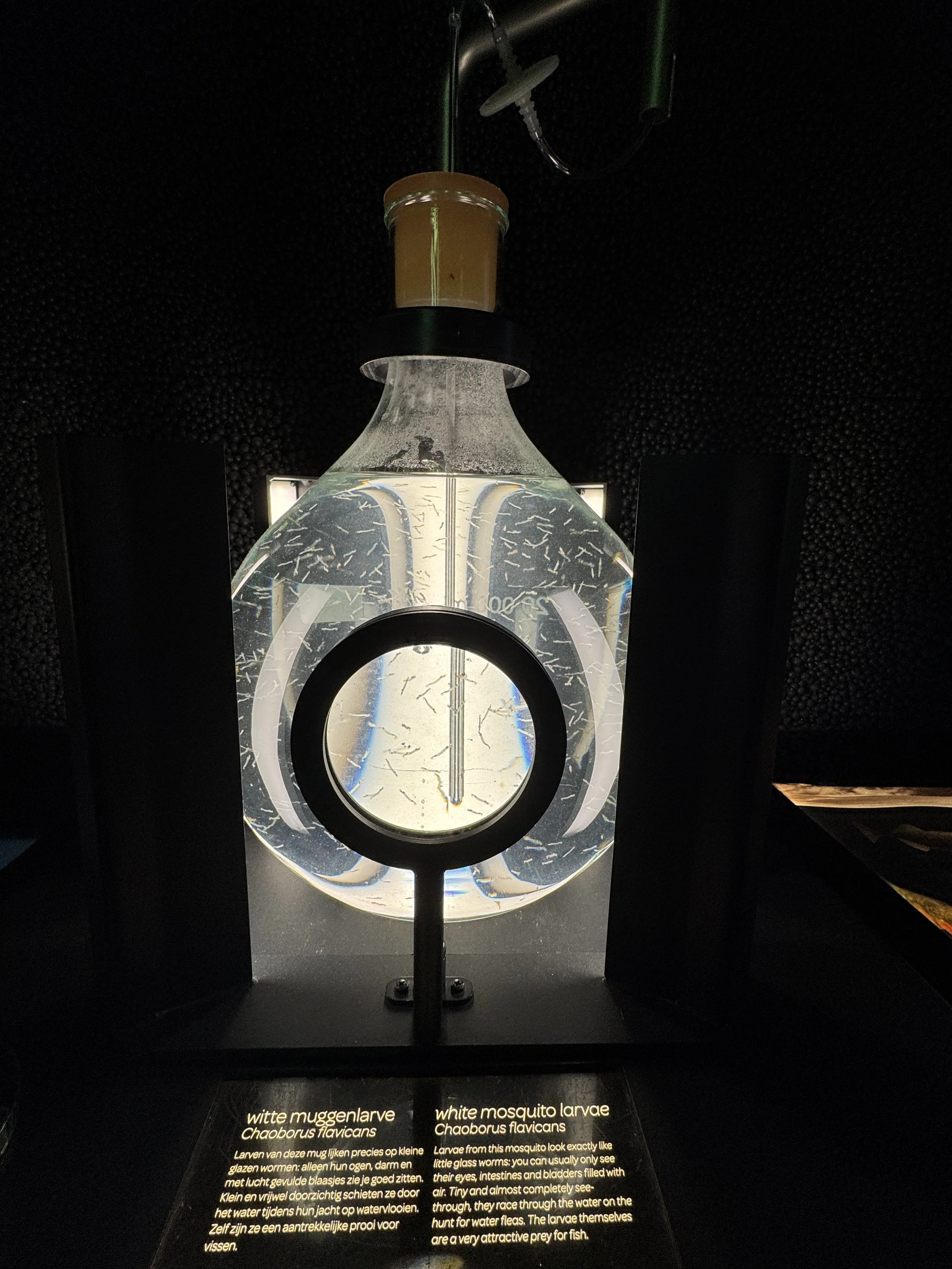
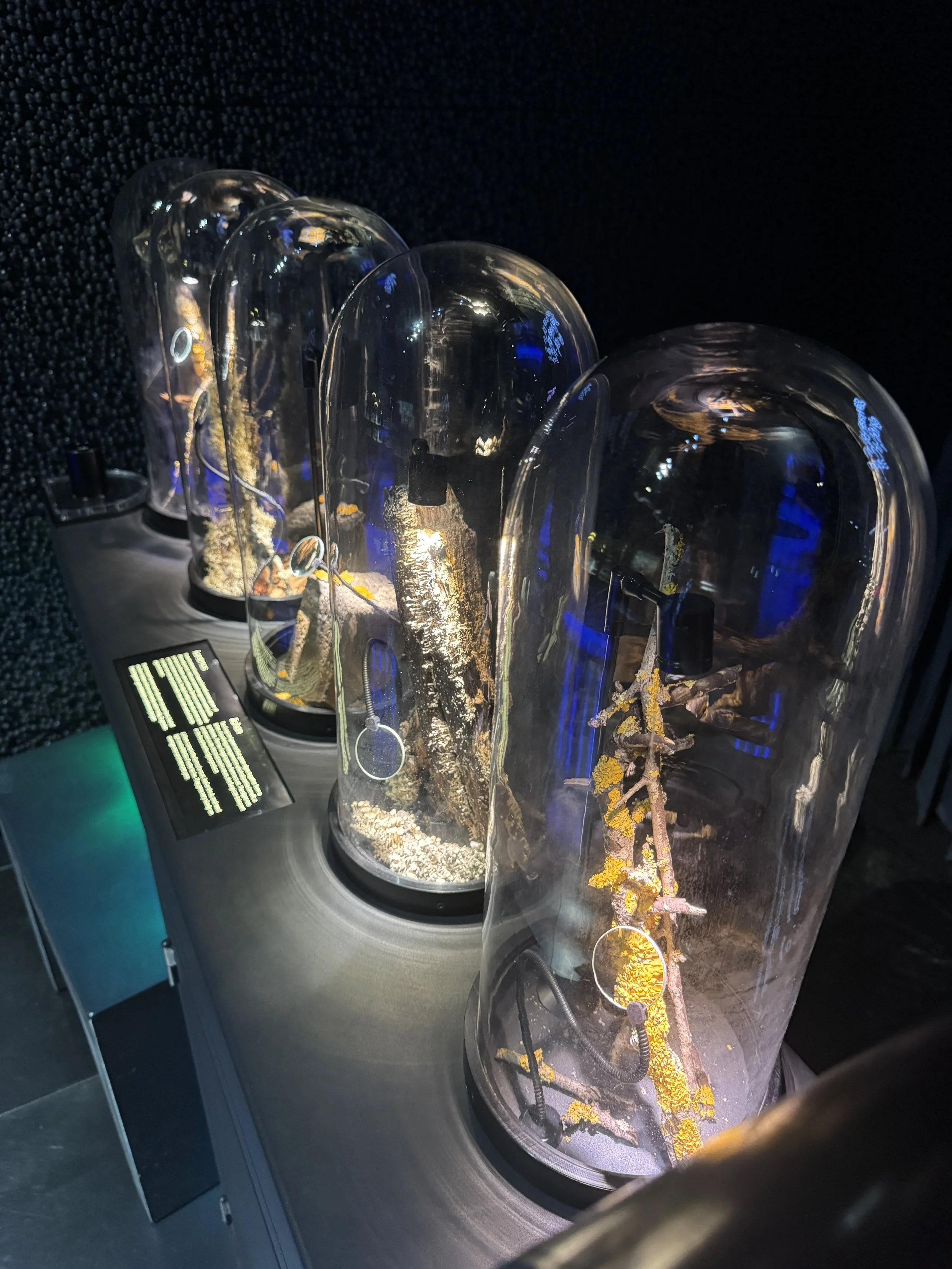
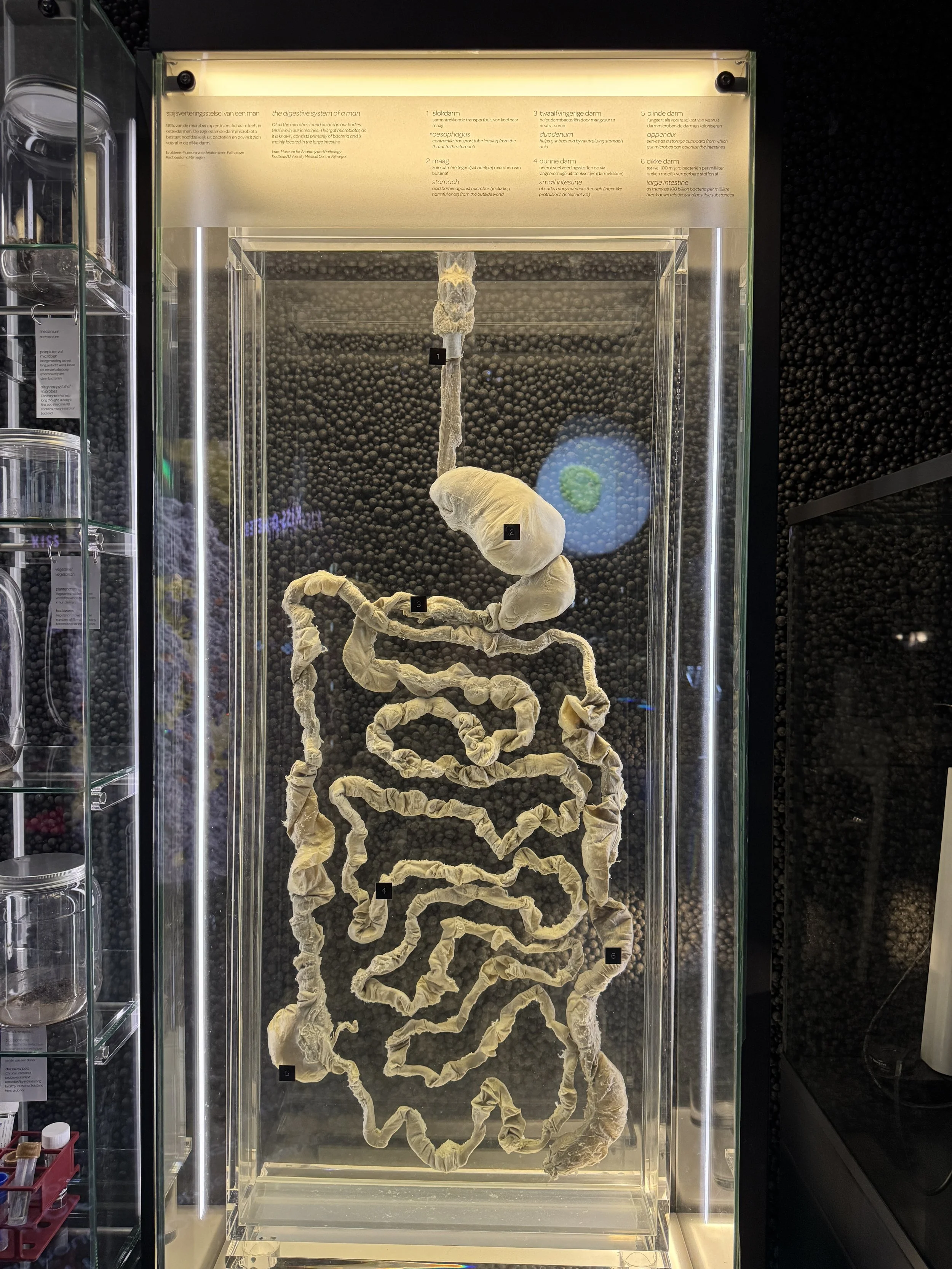
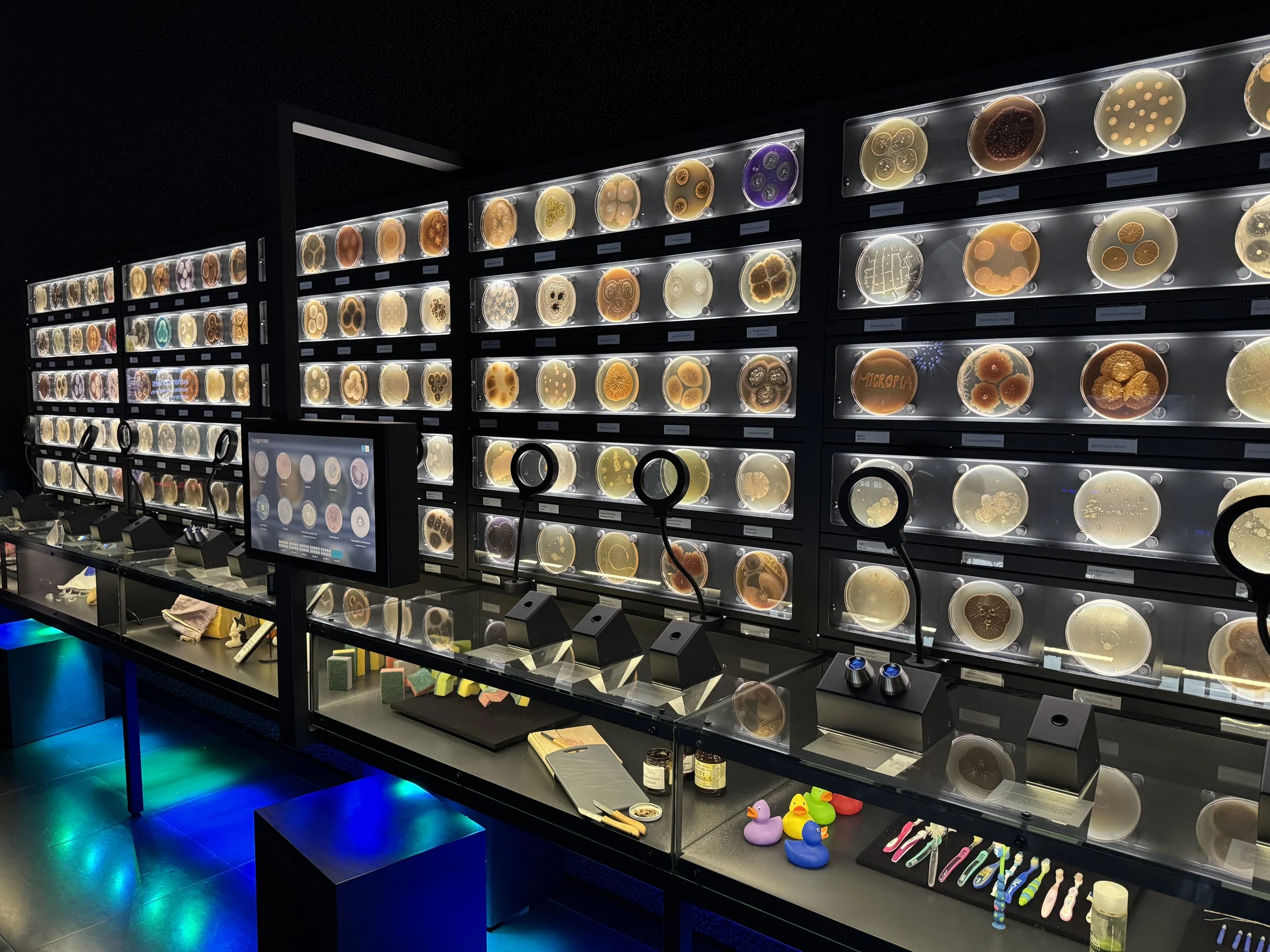
The next museum in the ARTIS area was Micropia, a fascinating museum dedicated to the invisible world of microbes, where interactive exhibits reveal how bacteria, fungi, and viruses shape our bodies, ecosystems, and everyday life. This was actually really cool and showed you all about the microbes that are surrounding us, inside us, and on us every day. They have very interactive displays, a lab demonstration, and slides of common bacteria, viruses, and more. I also made the mistake of pressing a button that released a rancid, rotting smell.
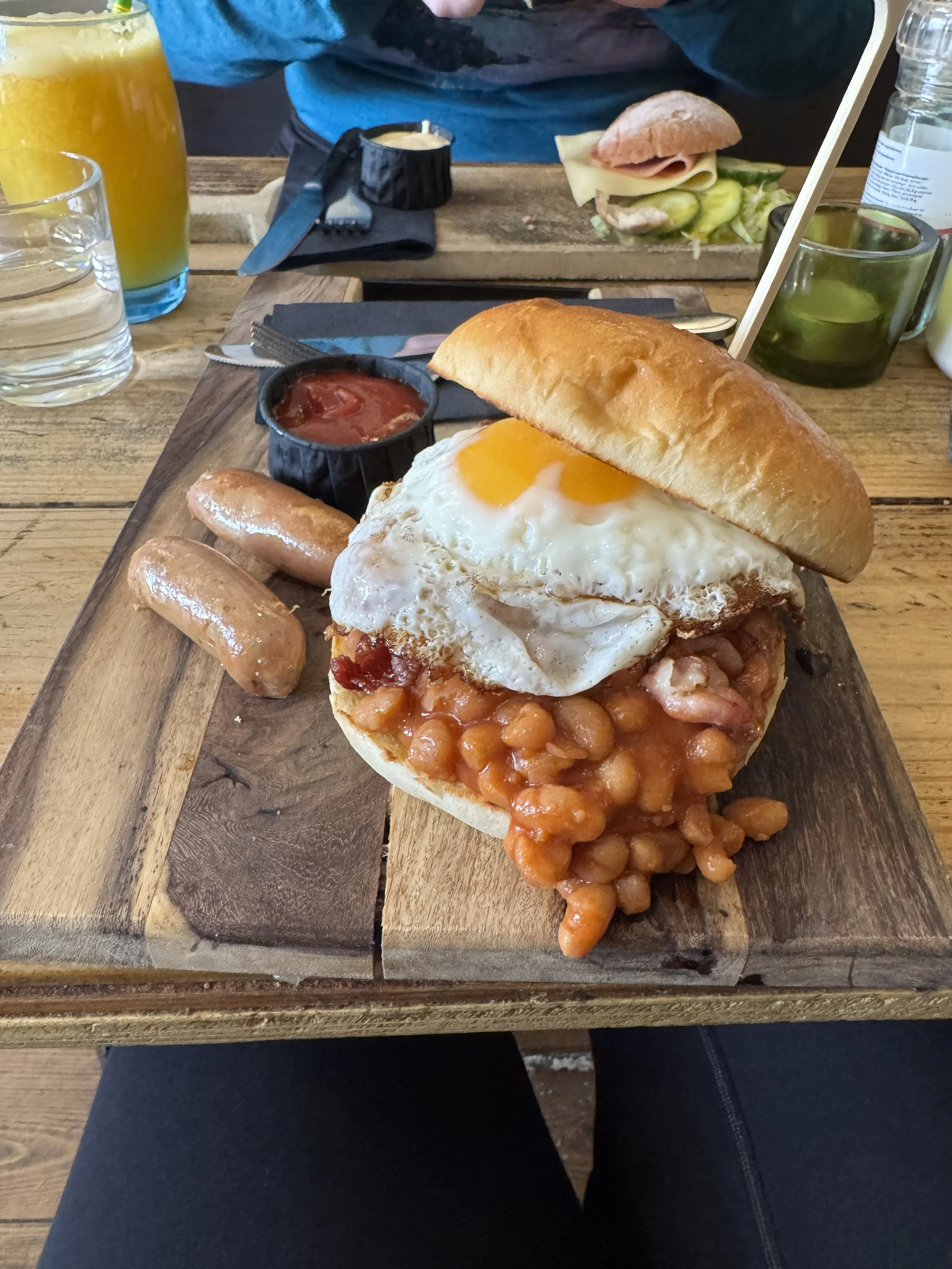
We worked up an appetite and stopped at Coffee & Bites. They had gluten-free bread for my friend and fresh-squeezed orange juice. I had a dish recommended by the waiter: the Michael sandwich, which was a bun with beans, a hash brown, bacon, and a fried egg, along with an iced chai latte. It was actually pretty good.
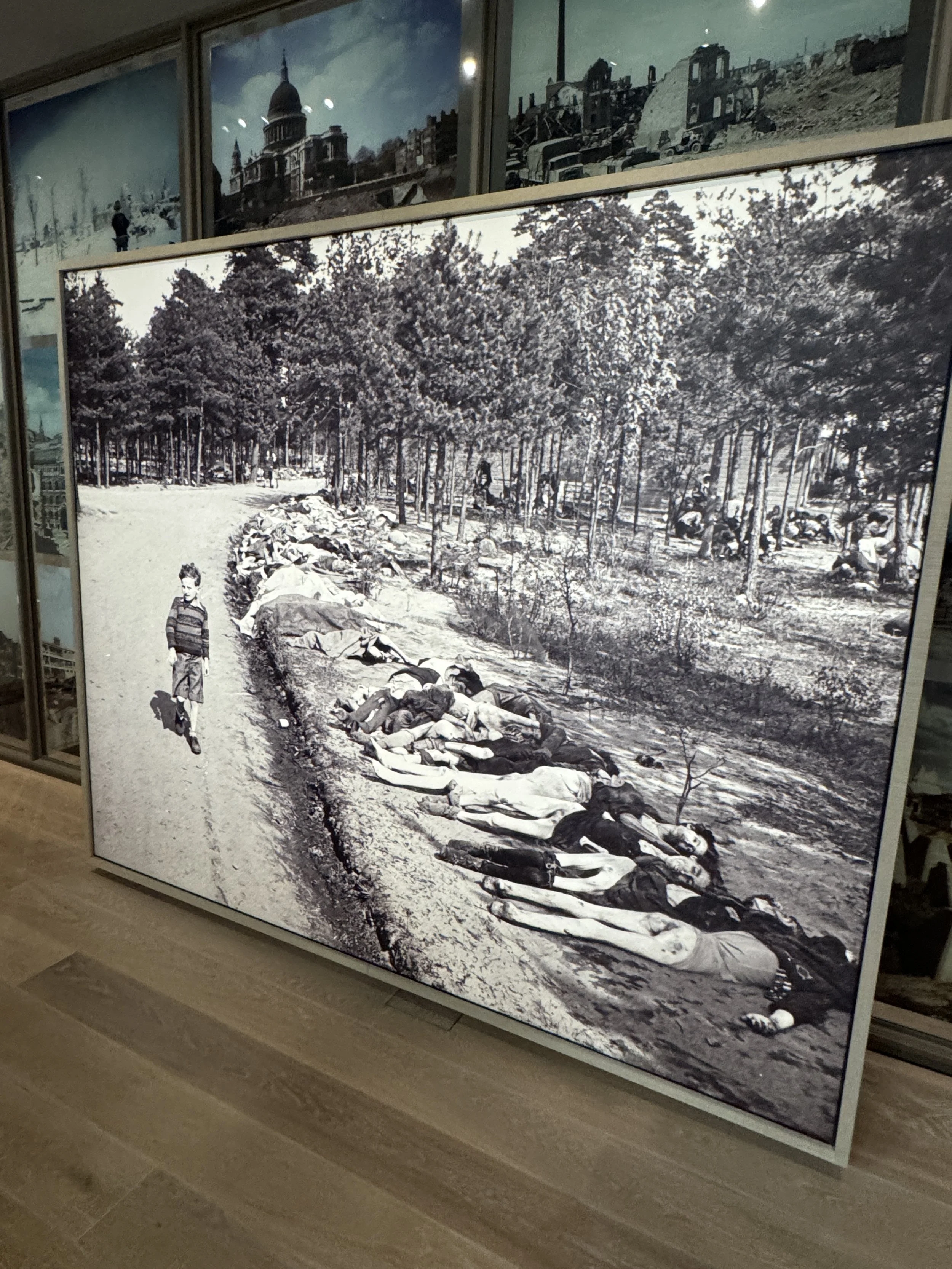
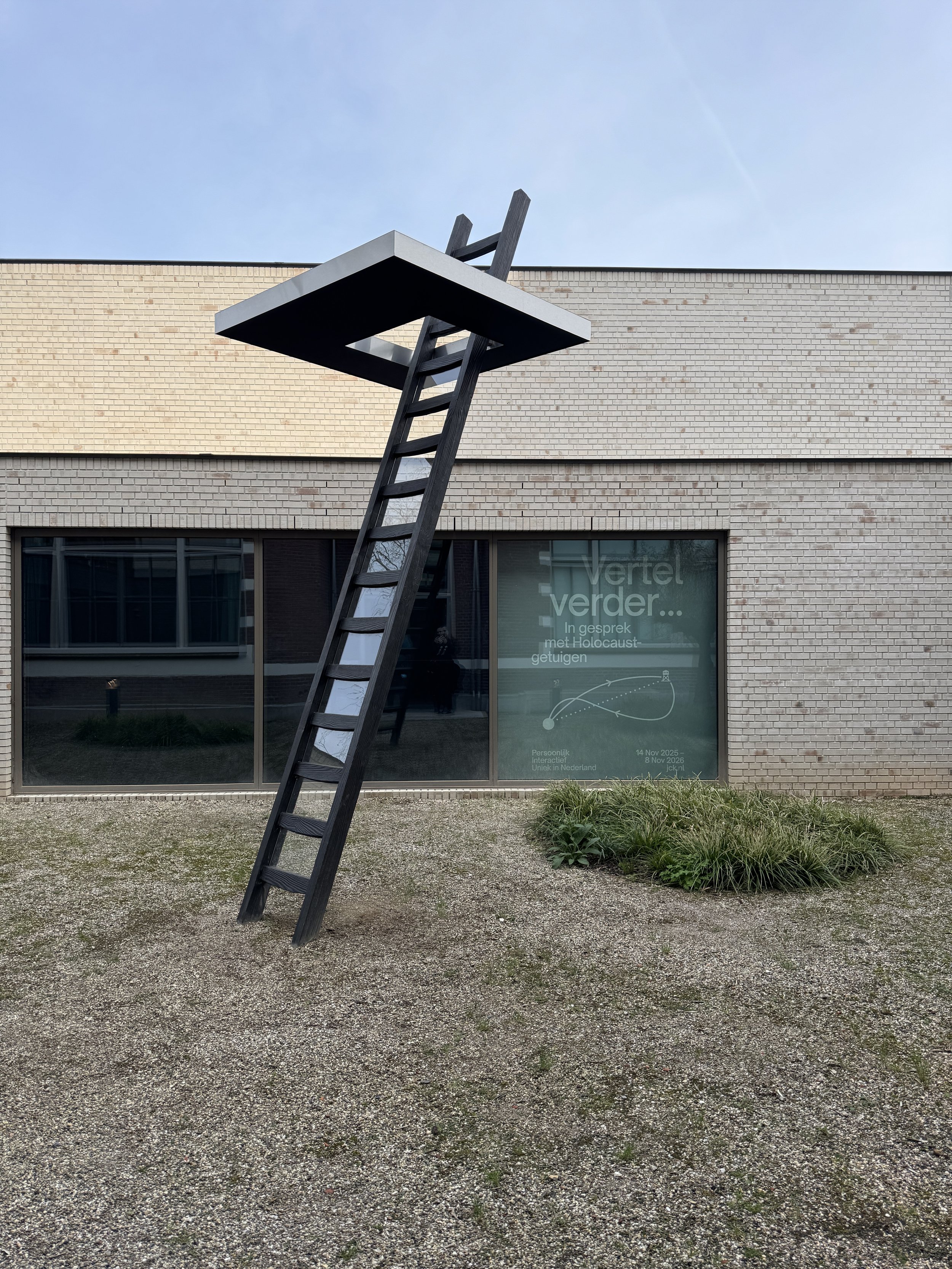
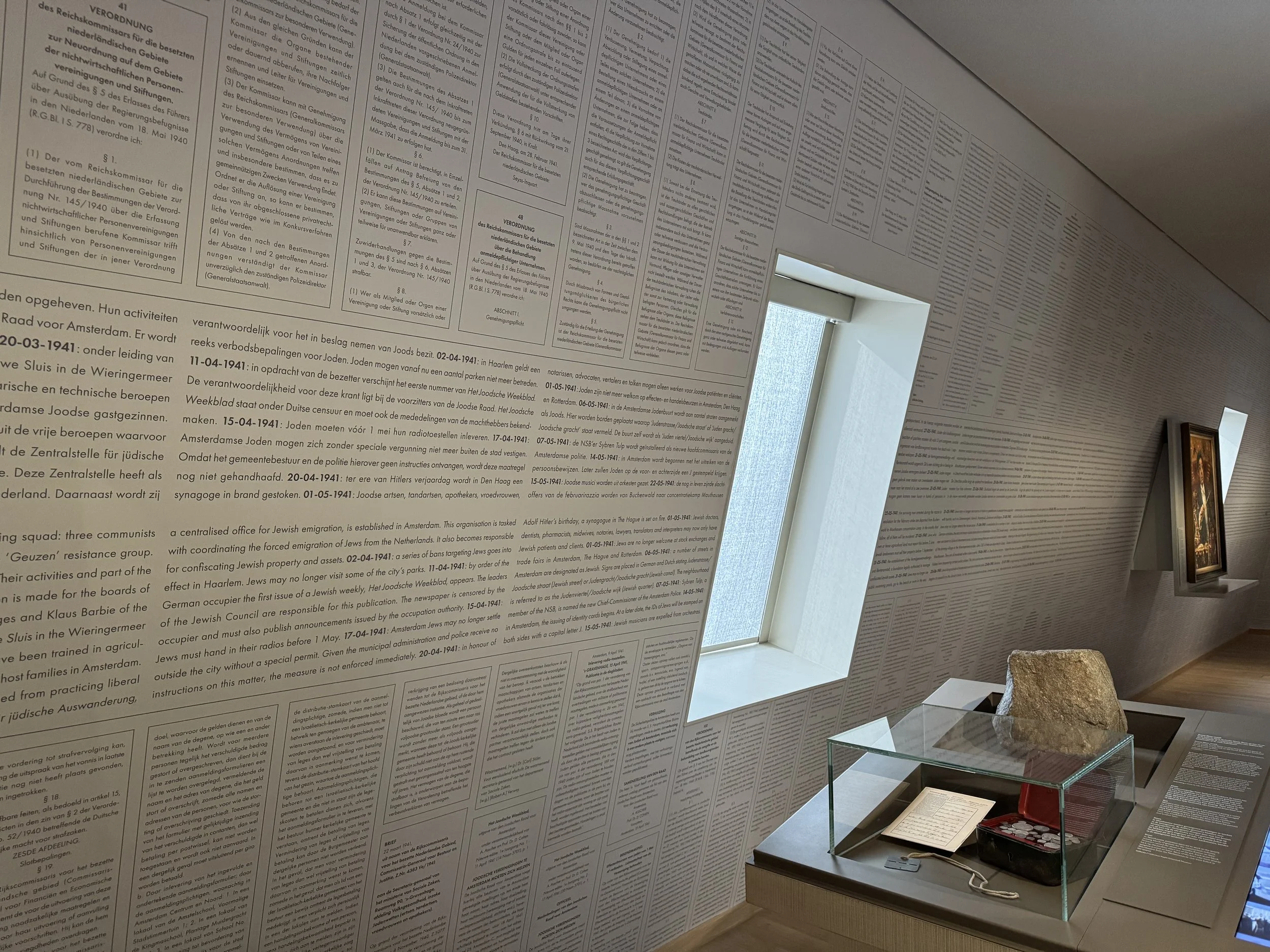
With fuel in us, we headed to the National Holocaust Museum, a deeply moving museum that tells the story of the persecution of Jews in the Netherlands during World War II, focusing on personal stories, historical context, and the lasting impact of the Holocaust. This place gave us our first encounter with security checking bags and timed doors. Inside was only what I can describe as disgusting. Not because of the museum itself, but because it is so deeply depressing what happened to so many people during World War II. They have a chronological history, objects belonging to Jewish victims, stories of their treatment, eyewitness testimony, and articles and artifacts. Again, it’s something we really need to know about, but it is shocking to learn about.
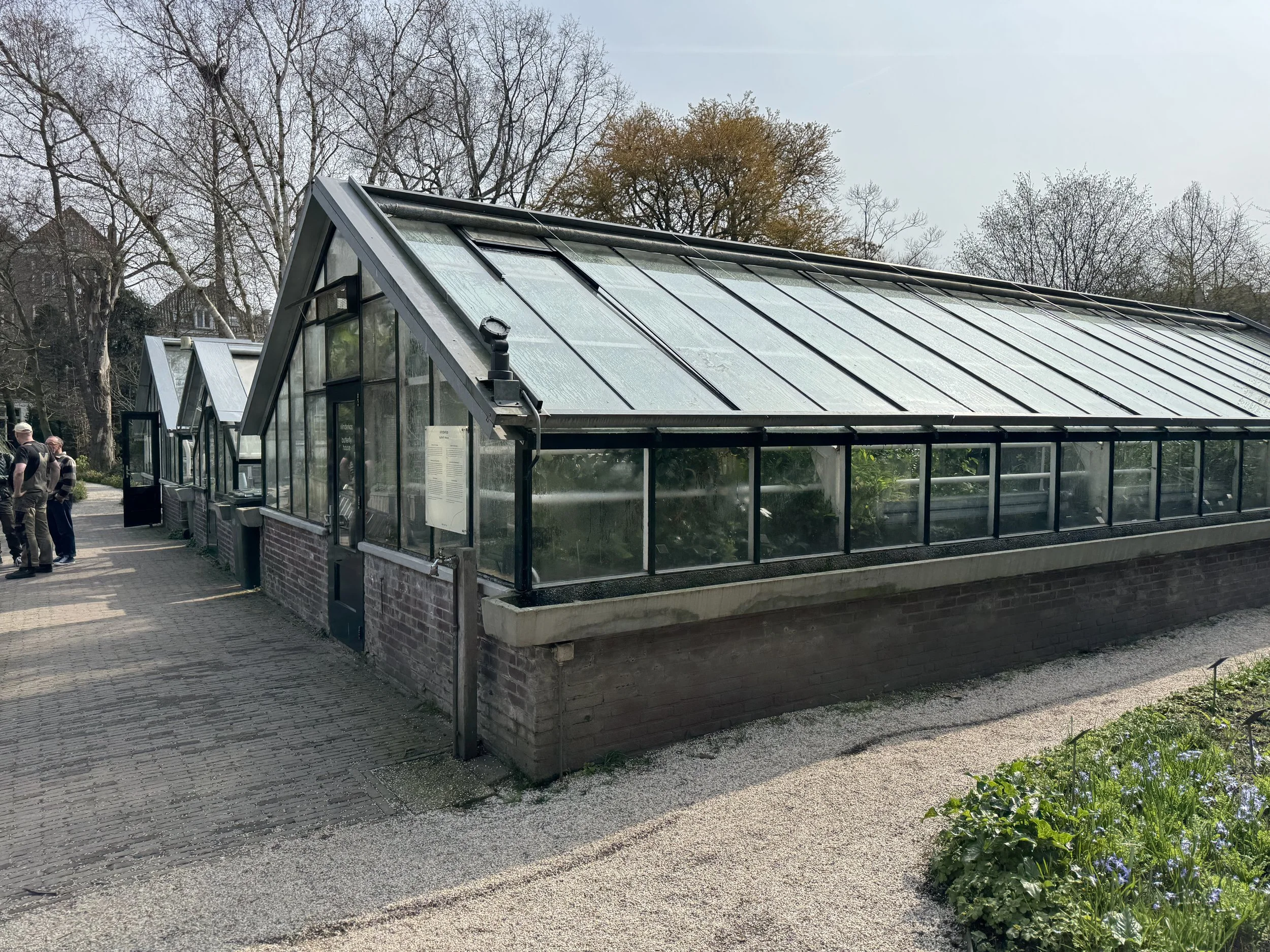
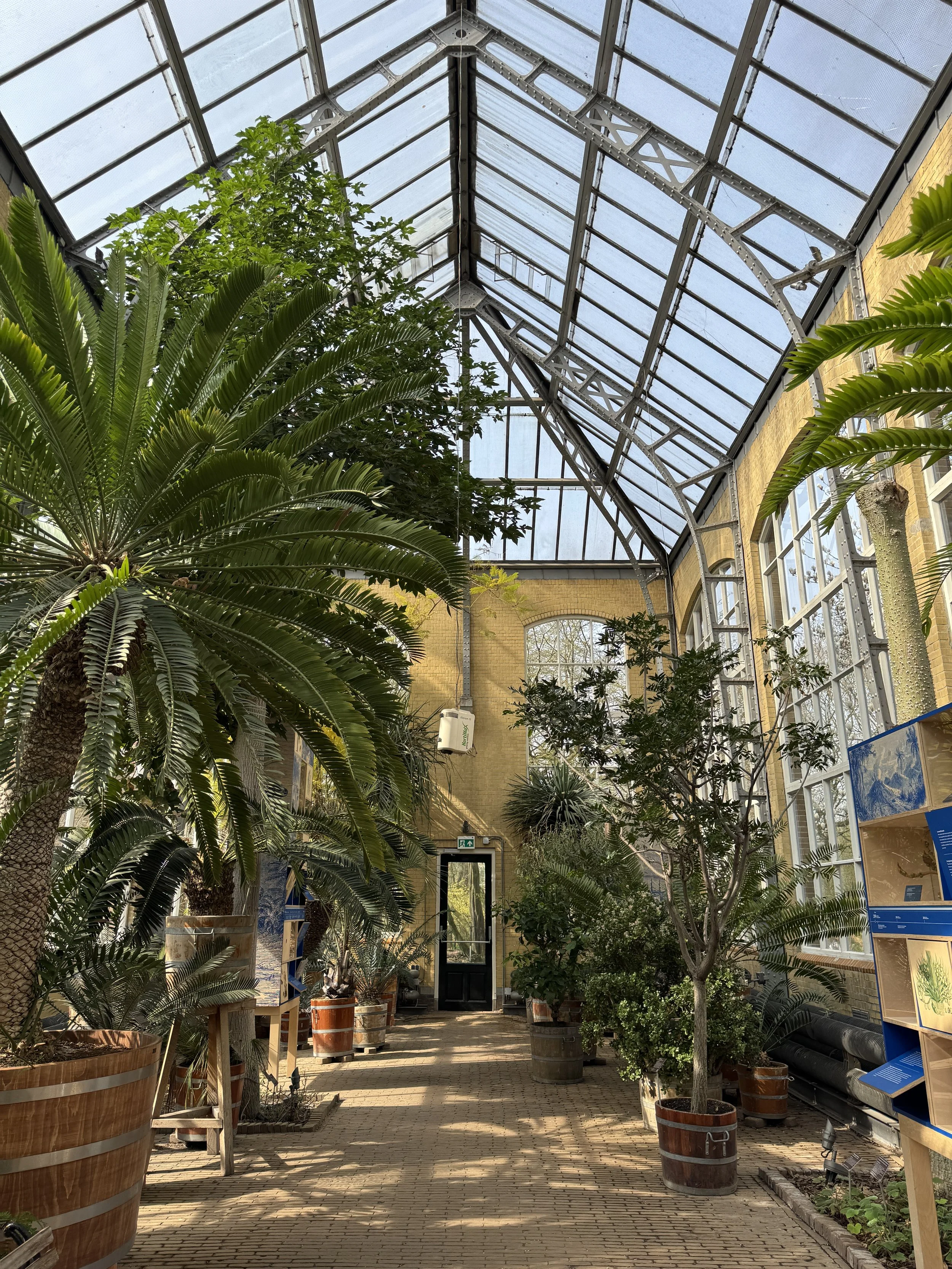
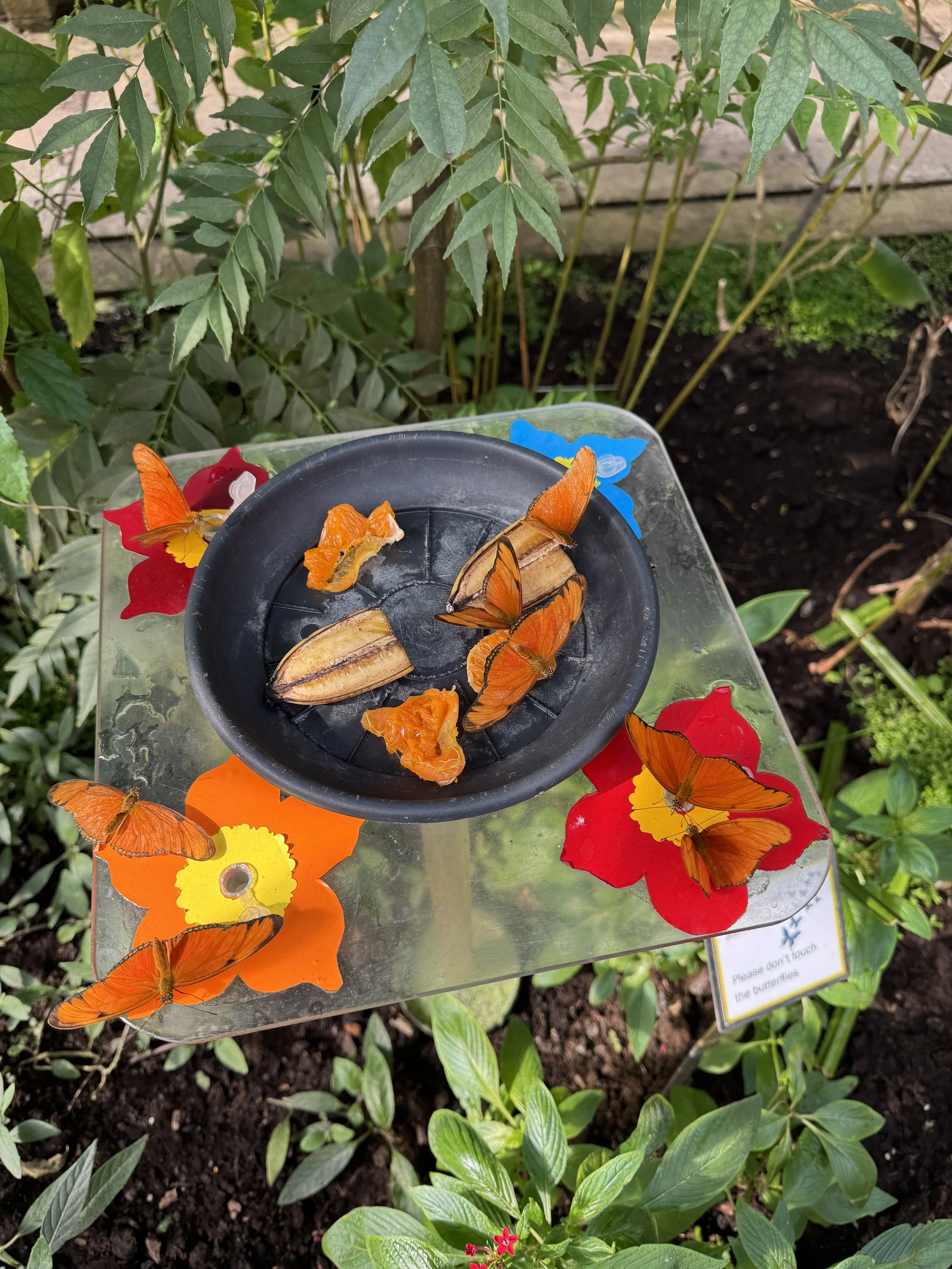
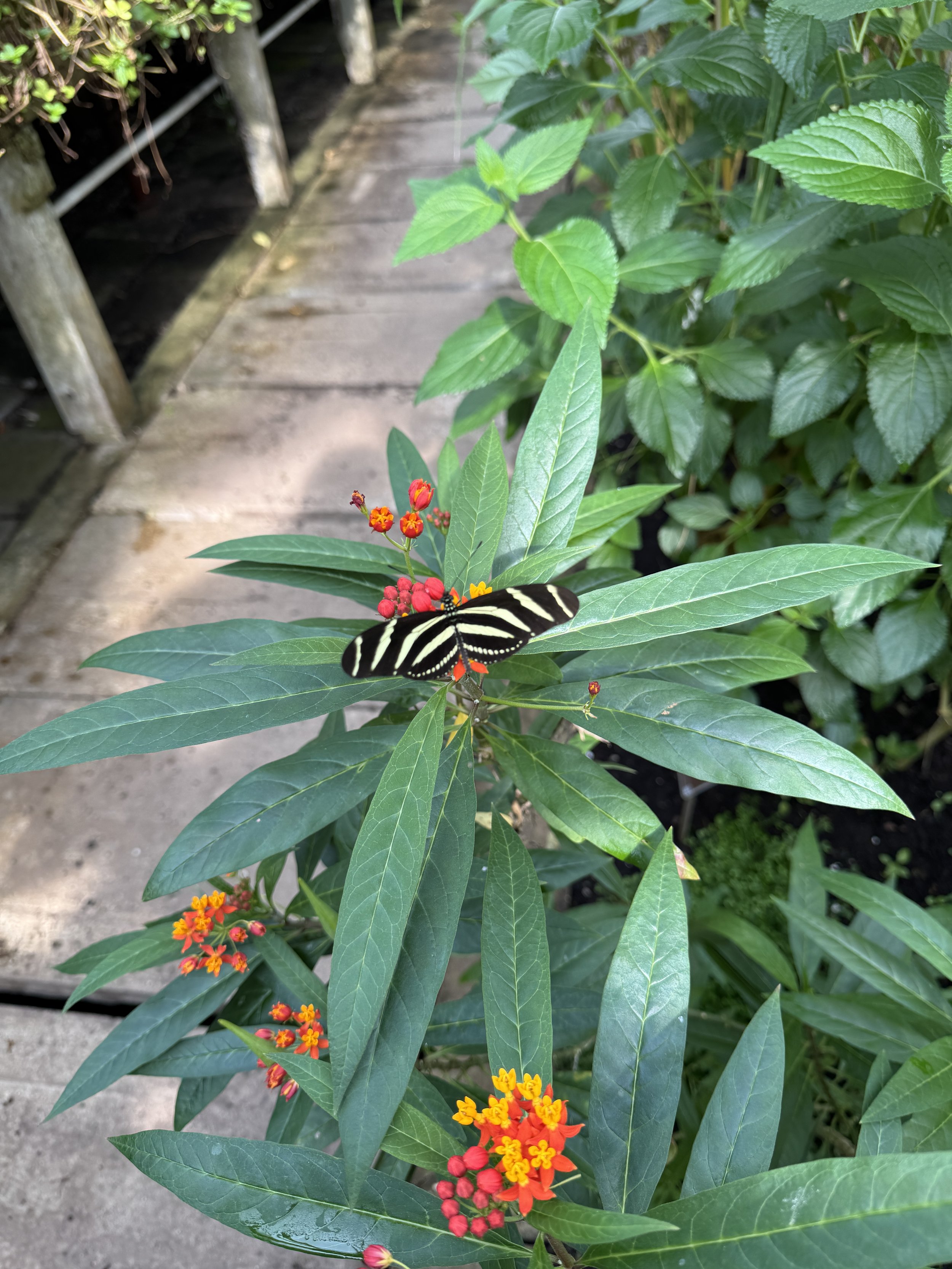
Needing a lighter stop, we went to Hortus Botanicus, one of the world’s oldest botanical gardens, featuring lush greenhouses, rare plants, and tranquil gardens that feel like a quiet escape in the middle of the city. They had multiple climate-controlled greenhouses and a butterfly house. They only had a few types of butterflies, but I can’t resist butterflies. It was a nice, peaceful stop.
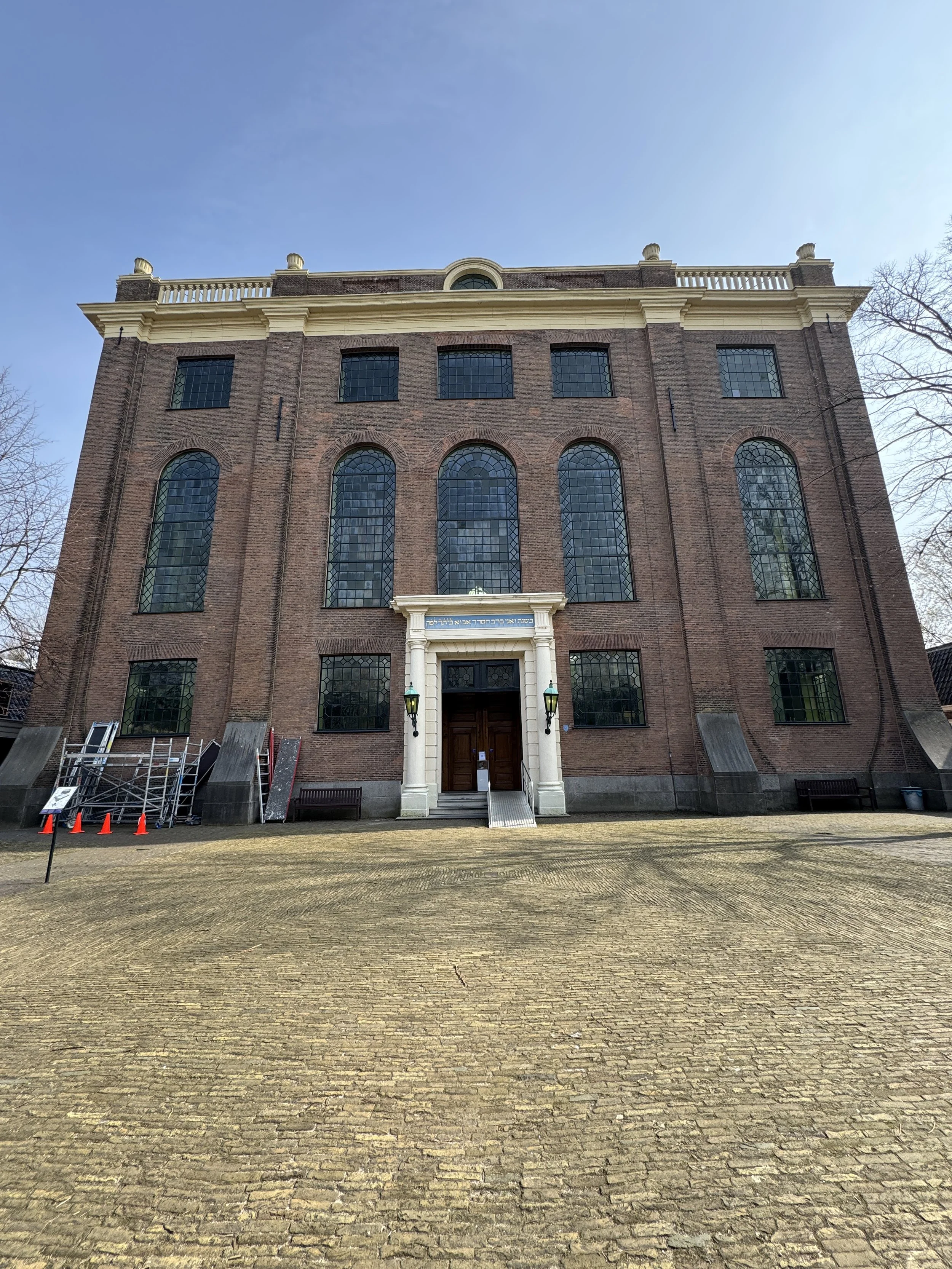
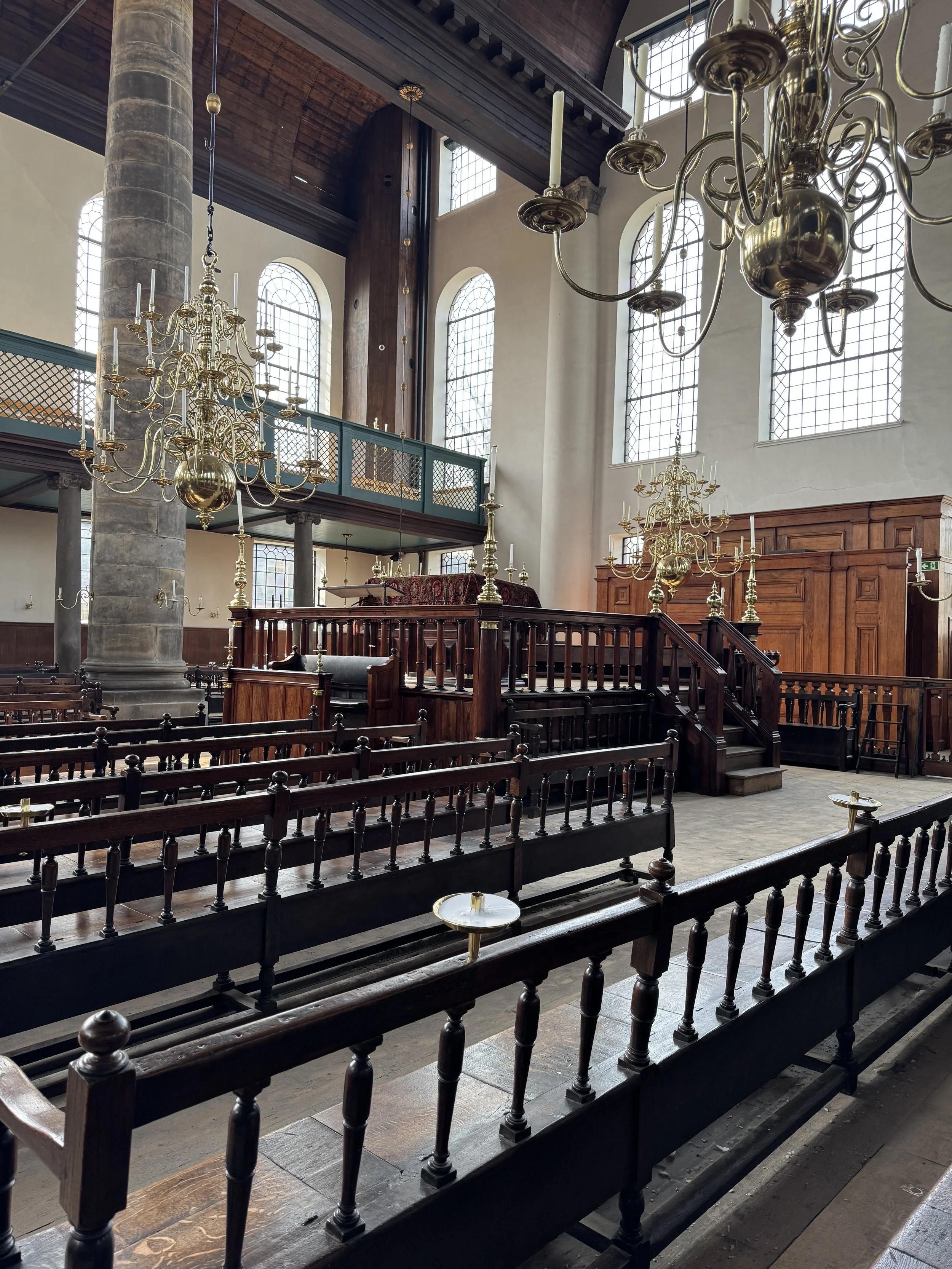
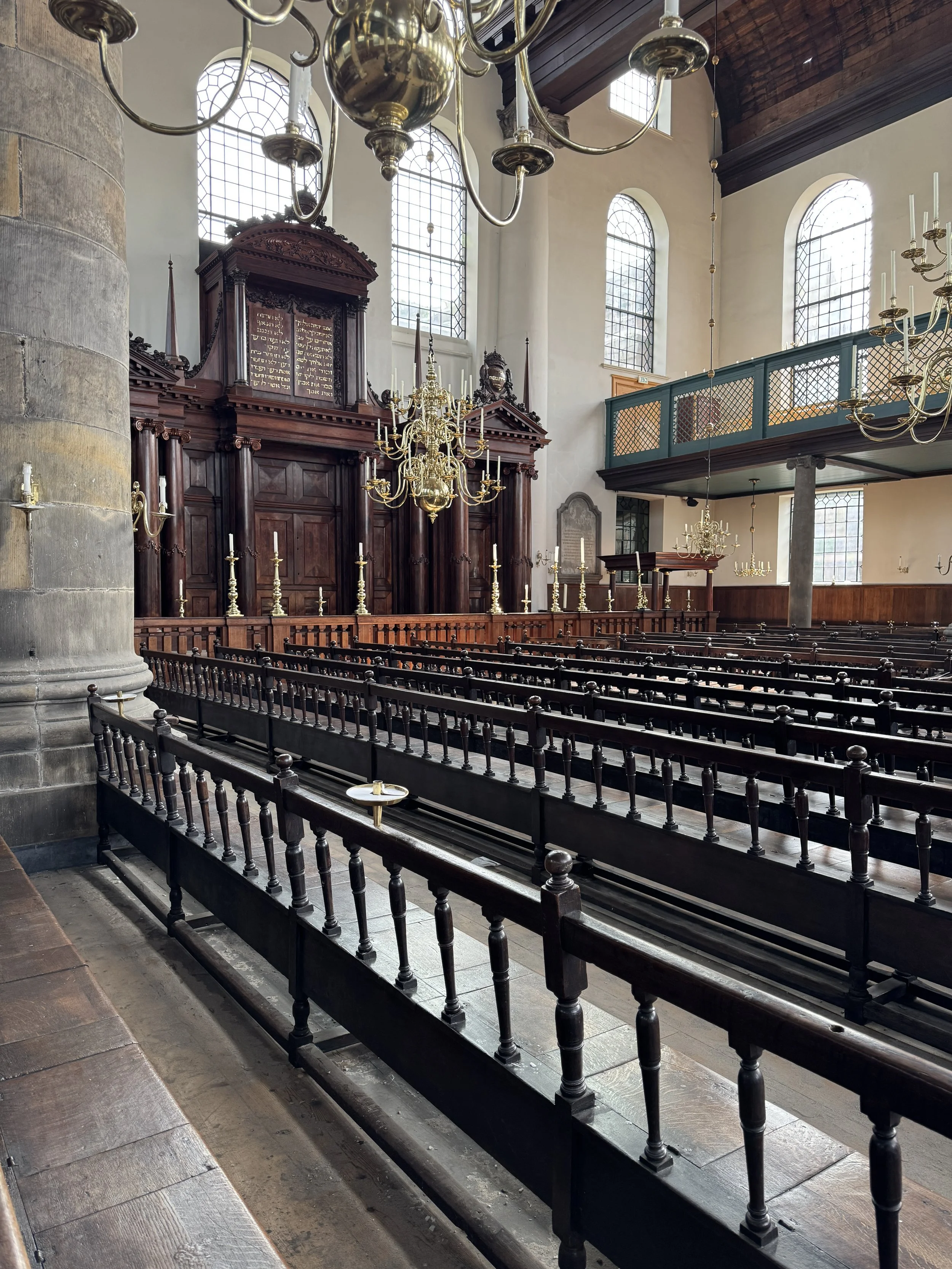
Our next stop was a continuation of the National Holocaust Museum: the Portuguese Synagogue, a grand 17th-century synagogue built by Sephardic Jews who fled the Iberian Peninsula, known for its vast, candlelit interior and remarkably preserved historic atmosphere.
How does it tie to the Holocaust Museum? The majority of the Dutch Jewish community had been killed during the Holocaust, about 75%. Many who survived returned to find their homes taken and communities shattered. The synagogue itself had survived, so it became a place where Jewish life slowly resumed.
This was another location where bags were searched and they had timed-entry doors. It’s not really an ornate synagogue, but it is rich with history and included in admission to the Holocaust Museum. Tip: keep your ticket to get into three different locations.
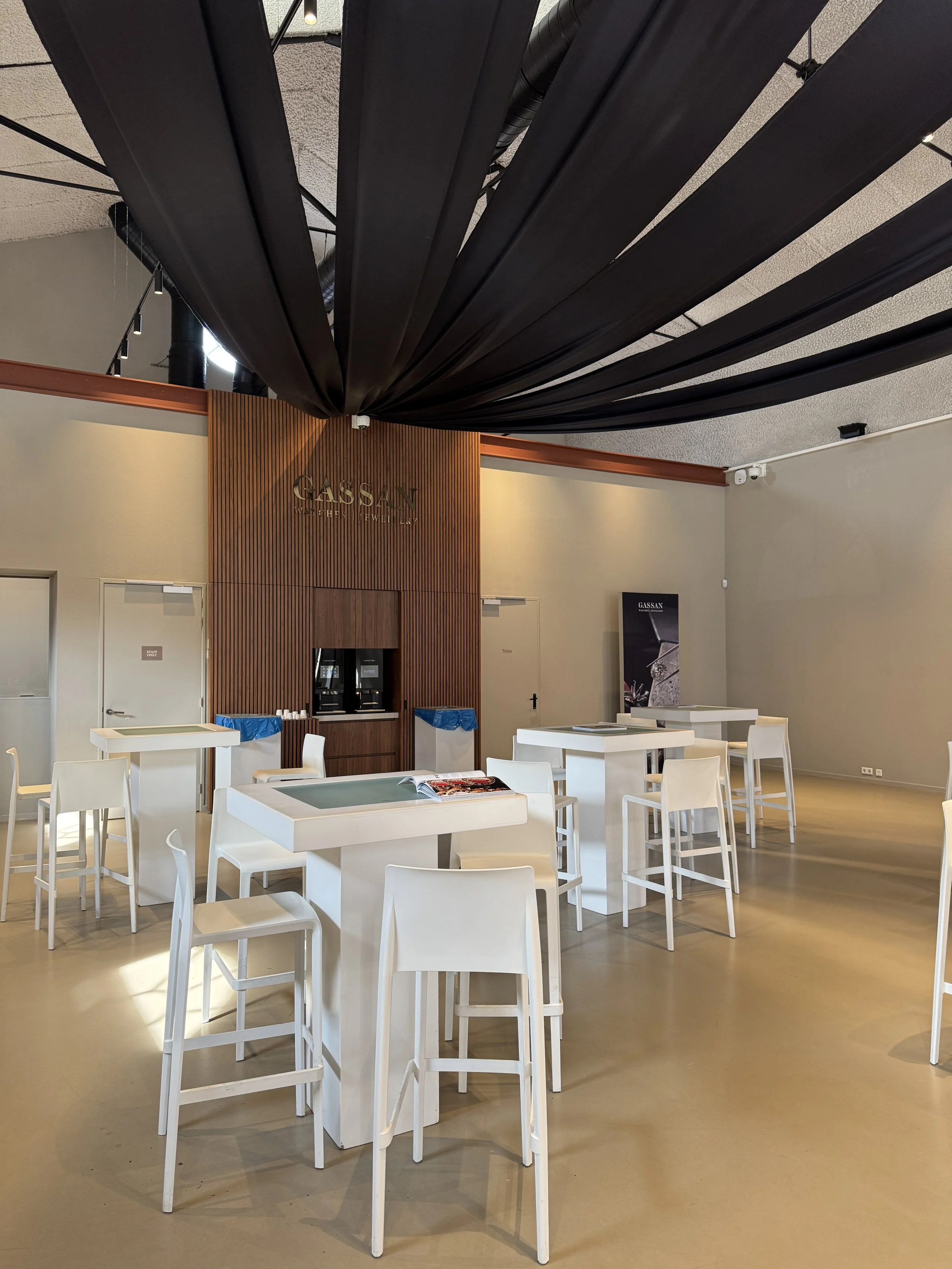
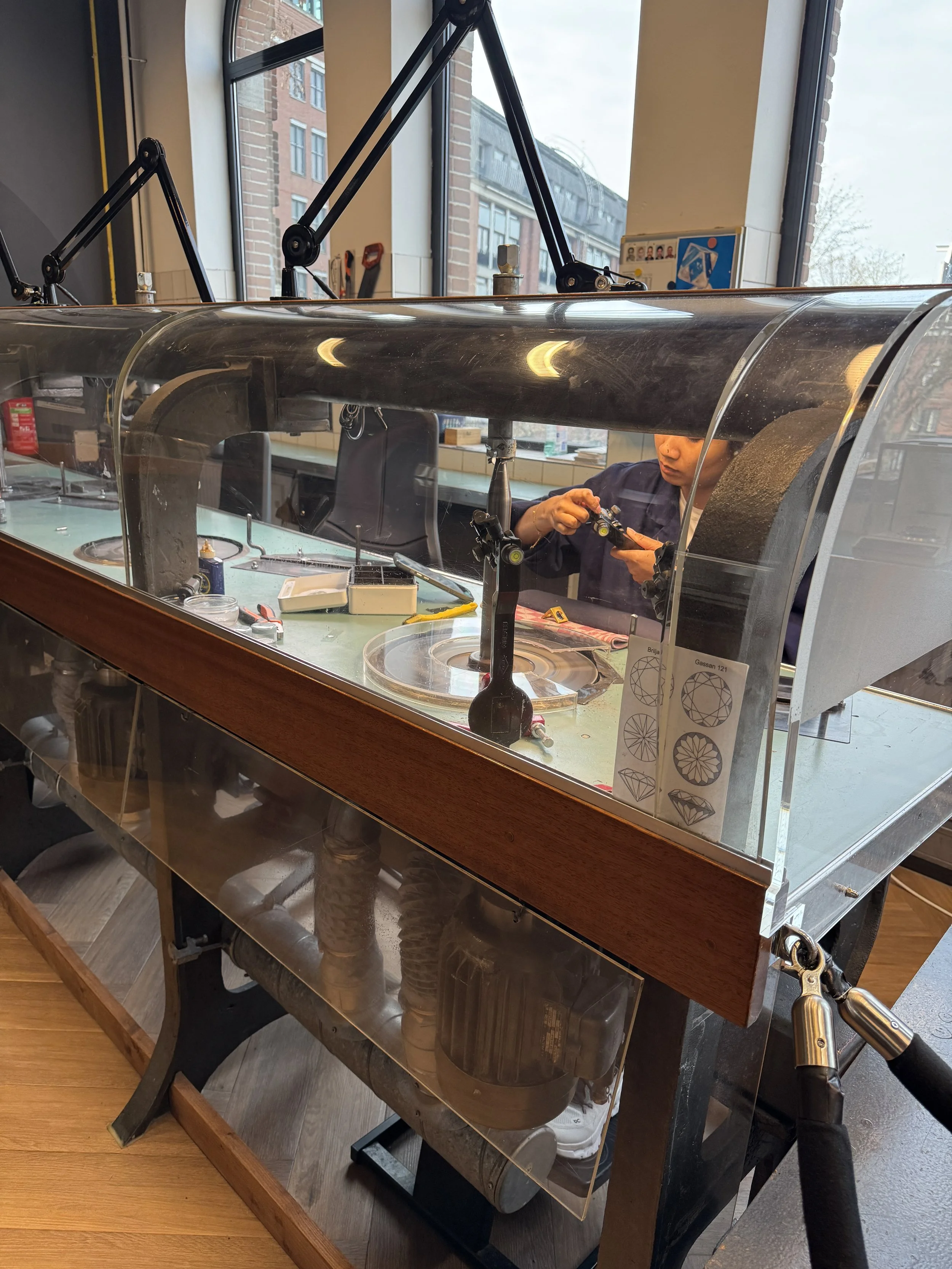
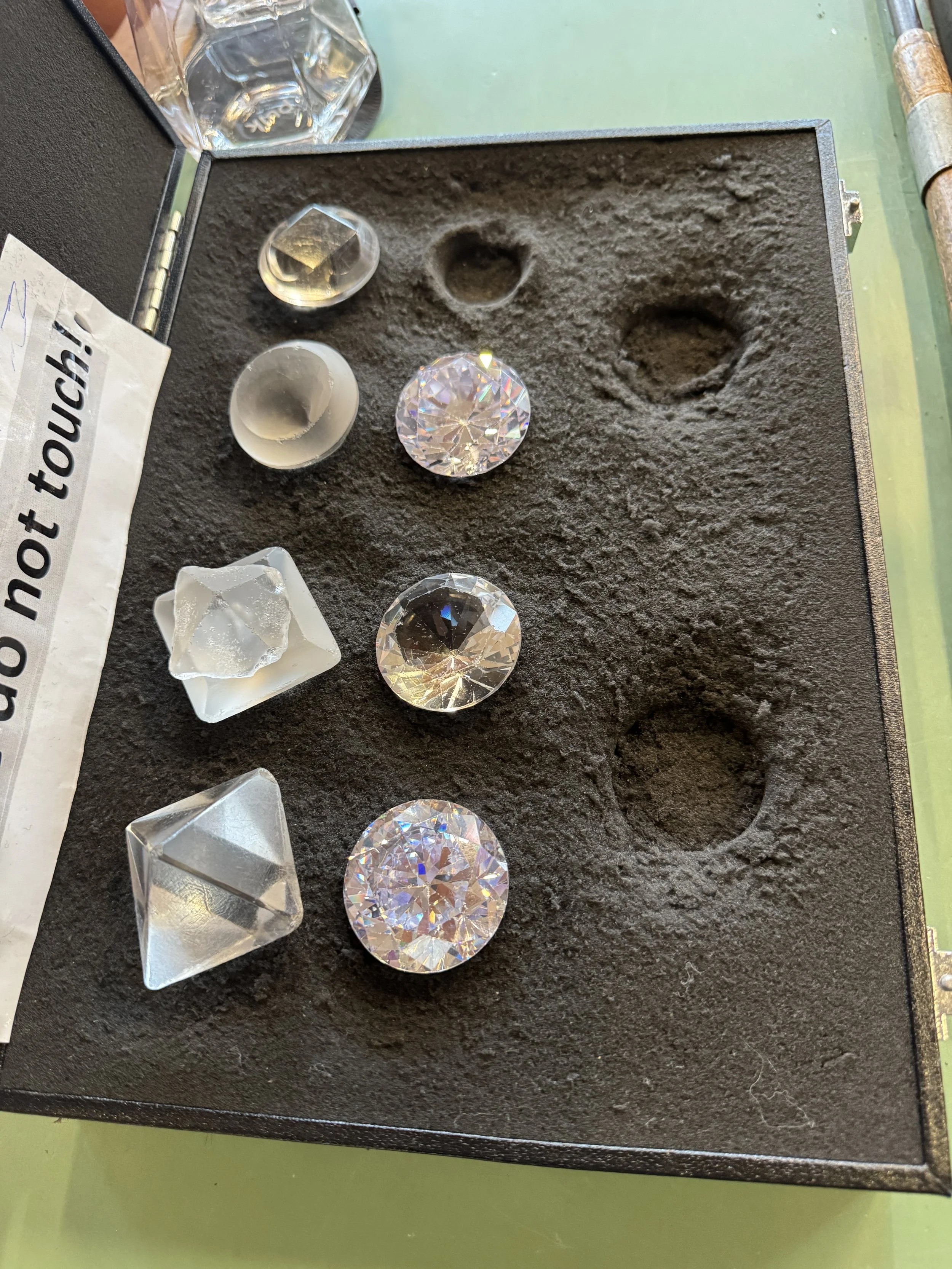
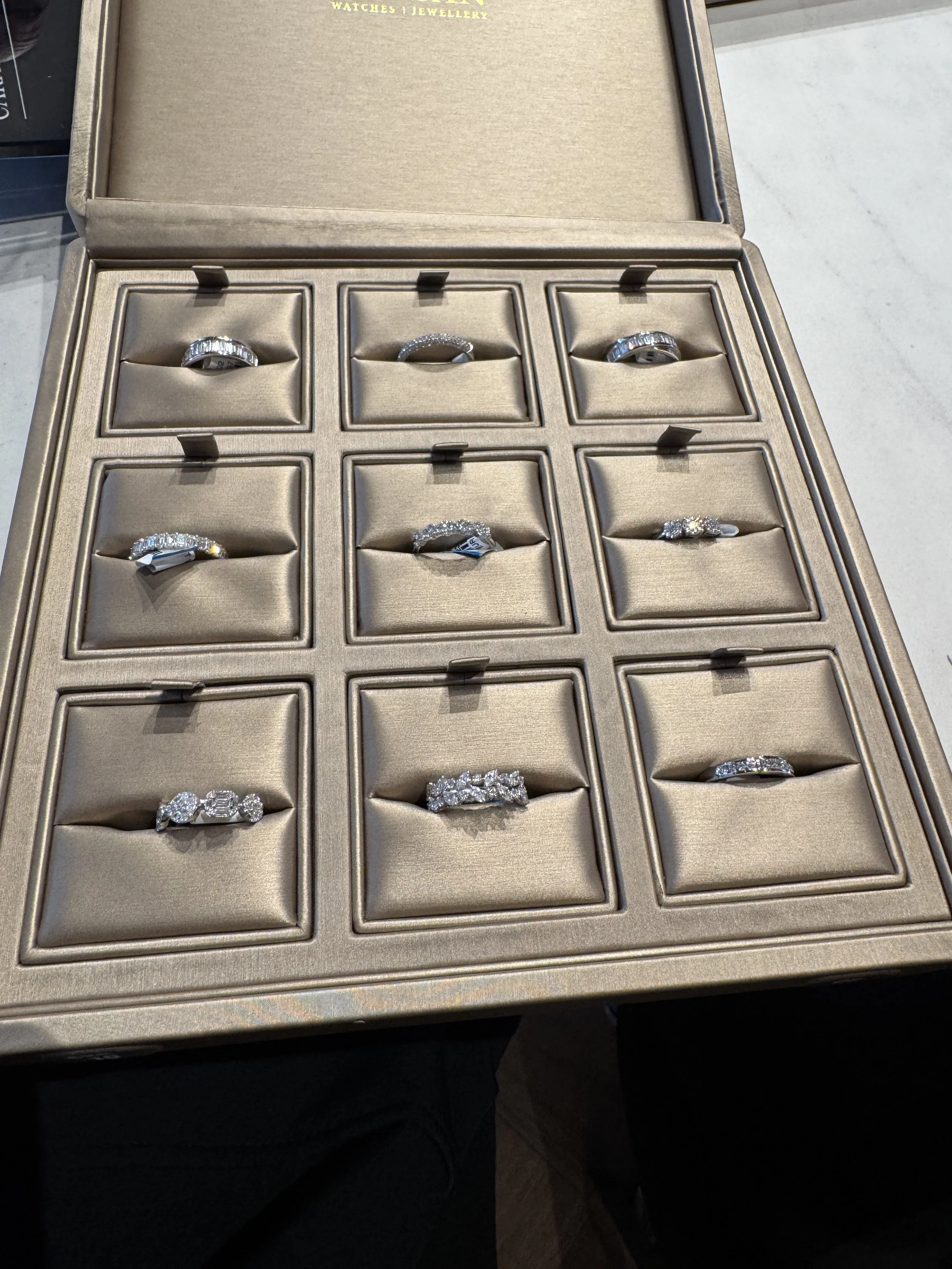
Nearby is the House of Gassan, where they do free tours. We arrived and waited 10 minutes for the next tour. They take you upstairs to where the diamond cutters and polishers are working, then into a room where you learn about carat, cut, clarity, and color, and get to see different types of diamonds and sample rings that you can try on and/or buy. The tour ends in the store, which we bypassed. The man who started the company, Samuel Gassan, had ties to World War II, and his diamonds actually saved his life when he fled Amsterdam during Jewish persecution. He returned after the war and created what is now a pretty lucrative company.
A short walk from there is the Rembrandt House Museum, the former home and studio of Rembrandt van Rijn, where you can explore his living spaces, see etching demonstrations, and experience how one of history’s greatest artists lived and worked. It is multi-leveled and features some of his own work and other pieces he collected. It also shows a studio where he taught three students at a time. Interestingly, he was forced to sell the house due to debts owed.
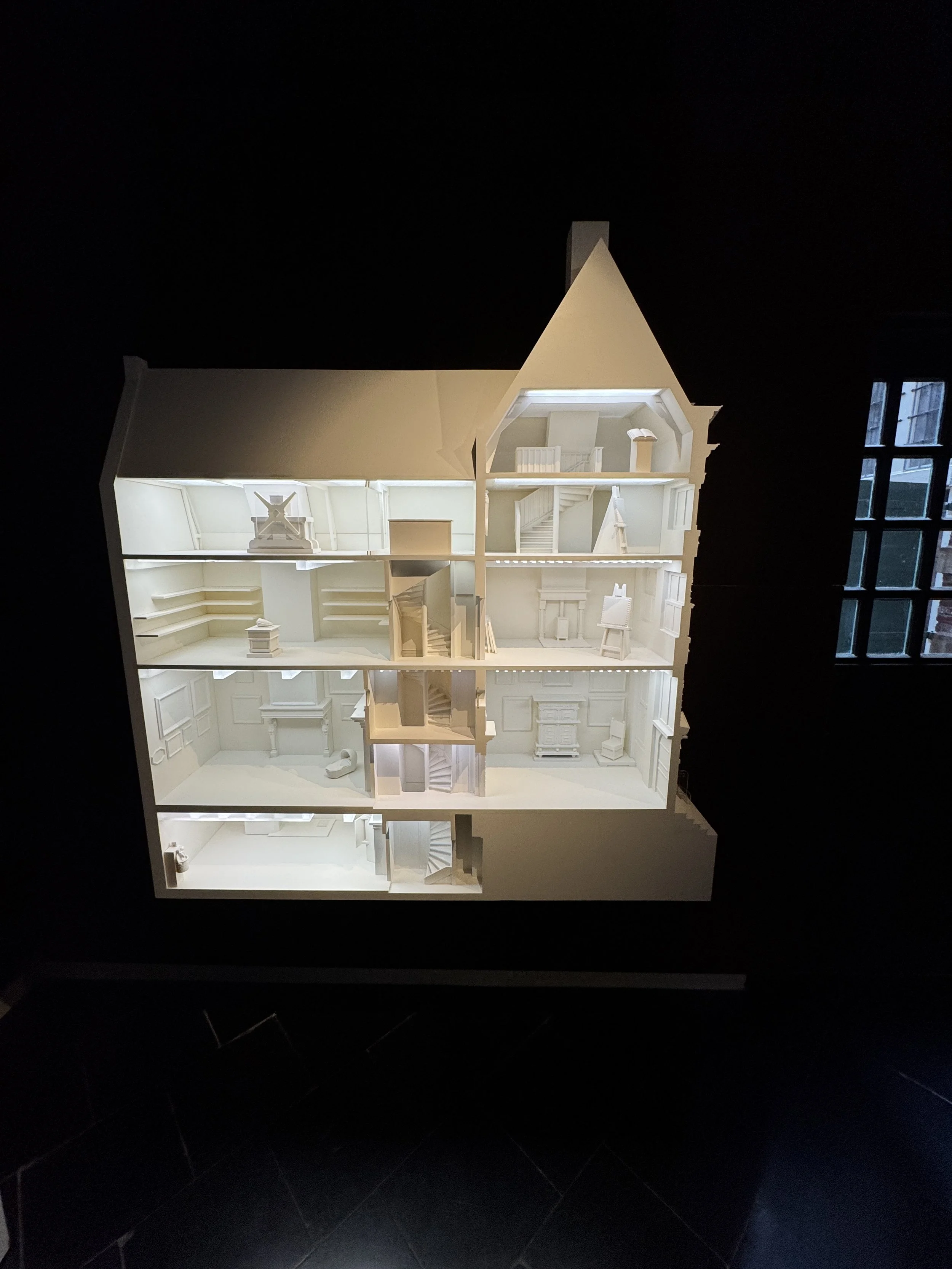
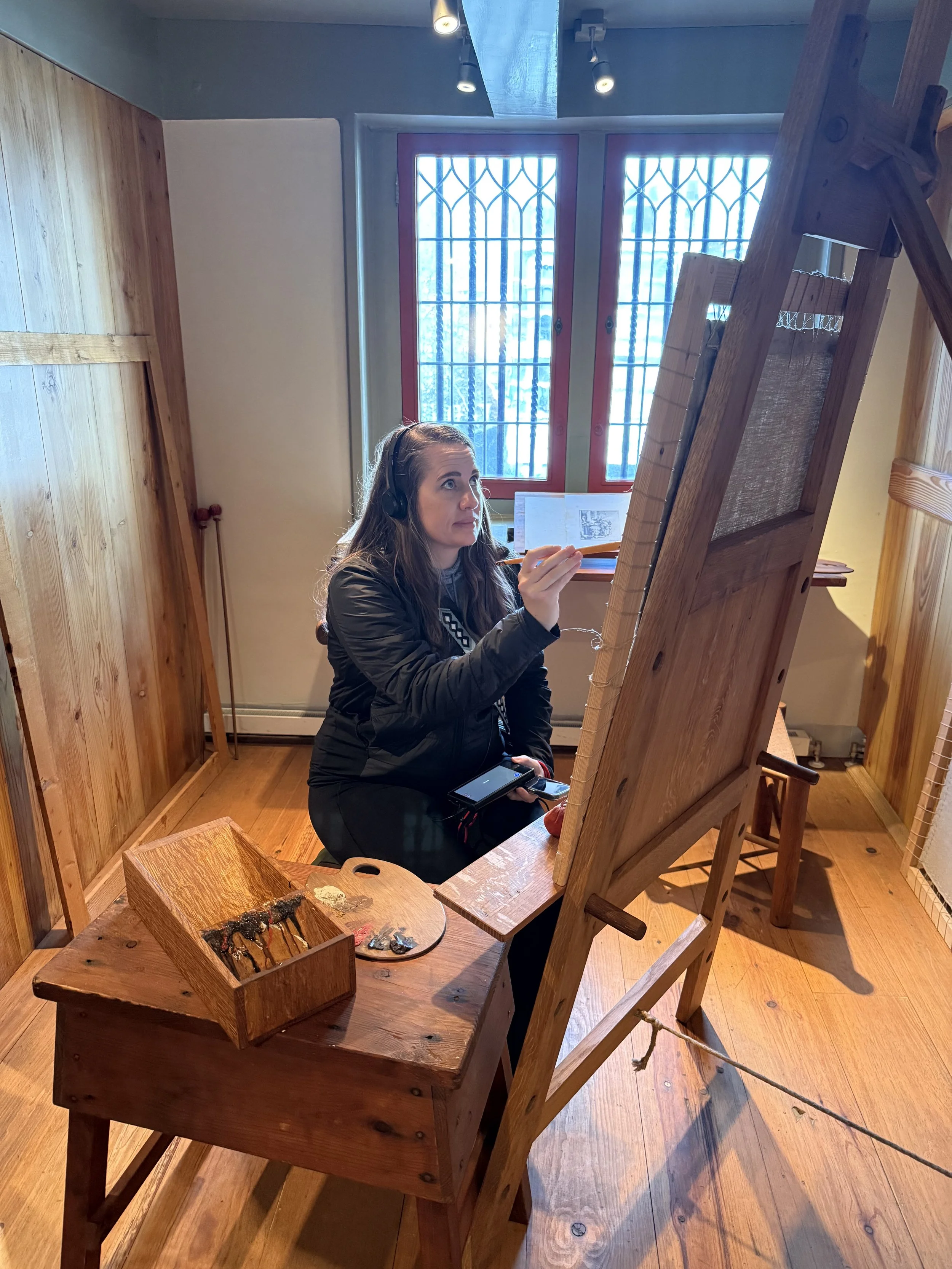
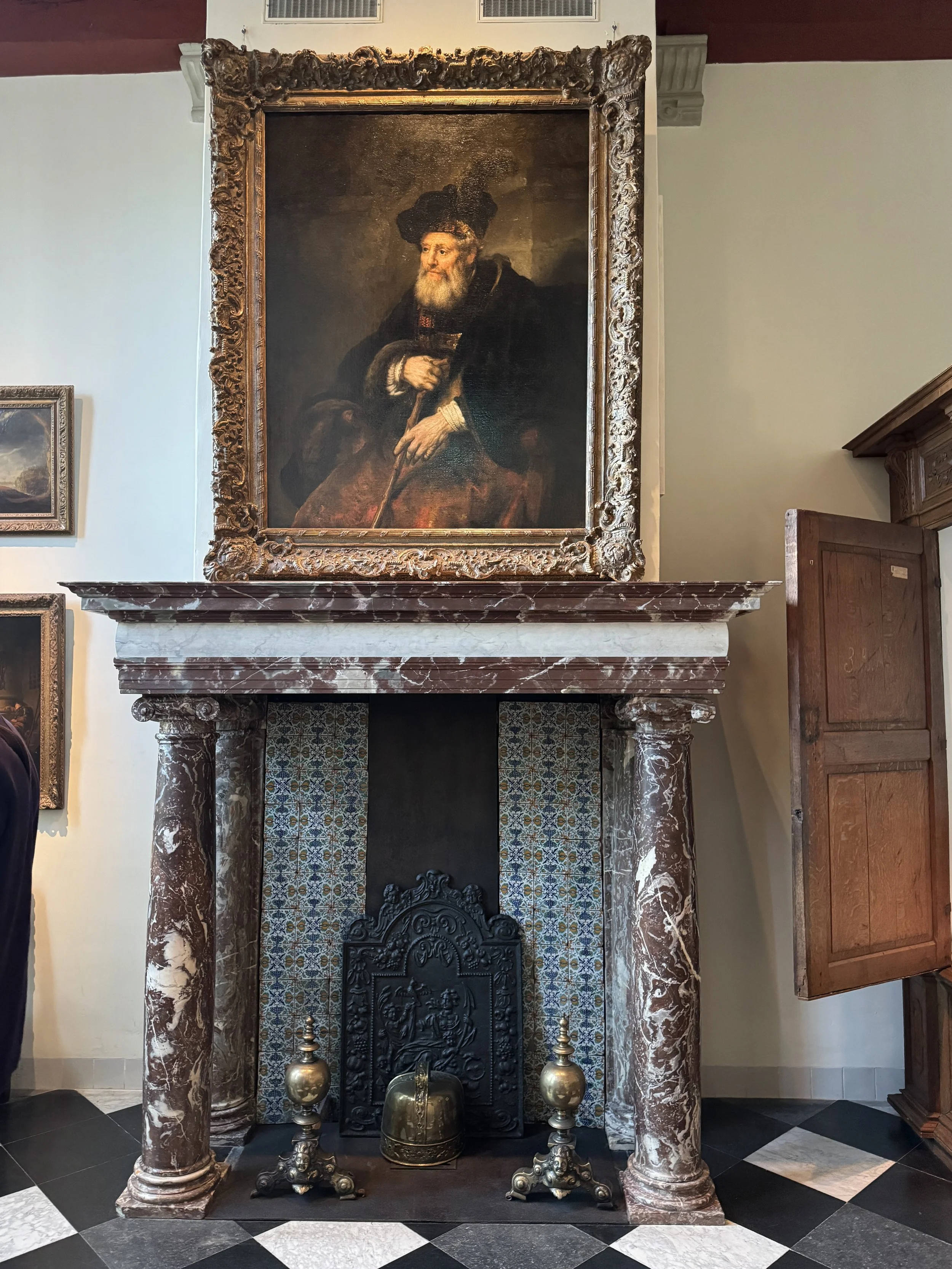
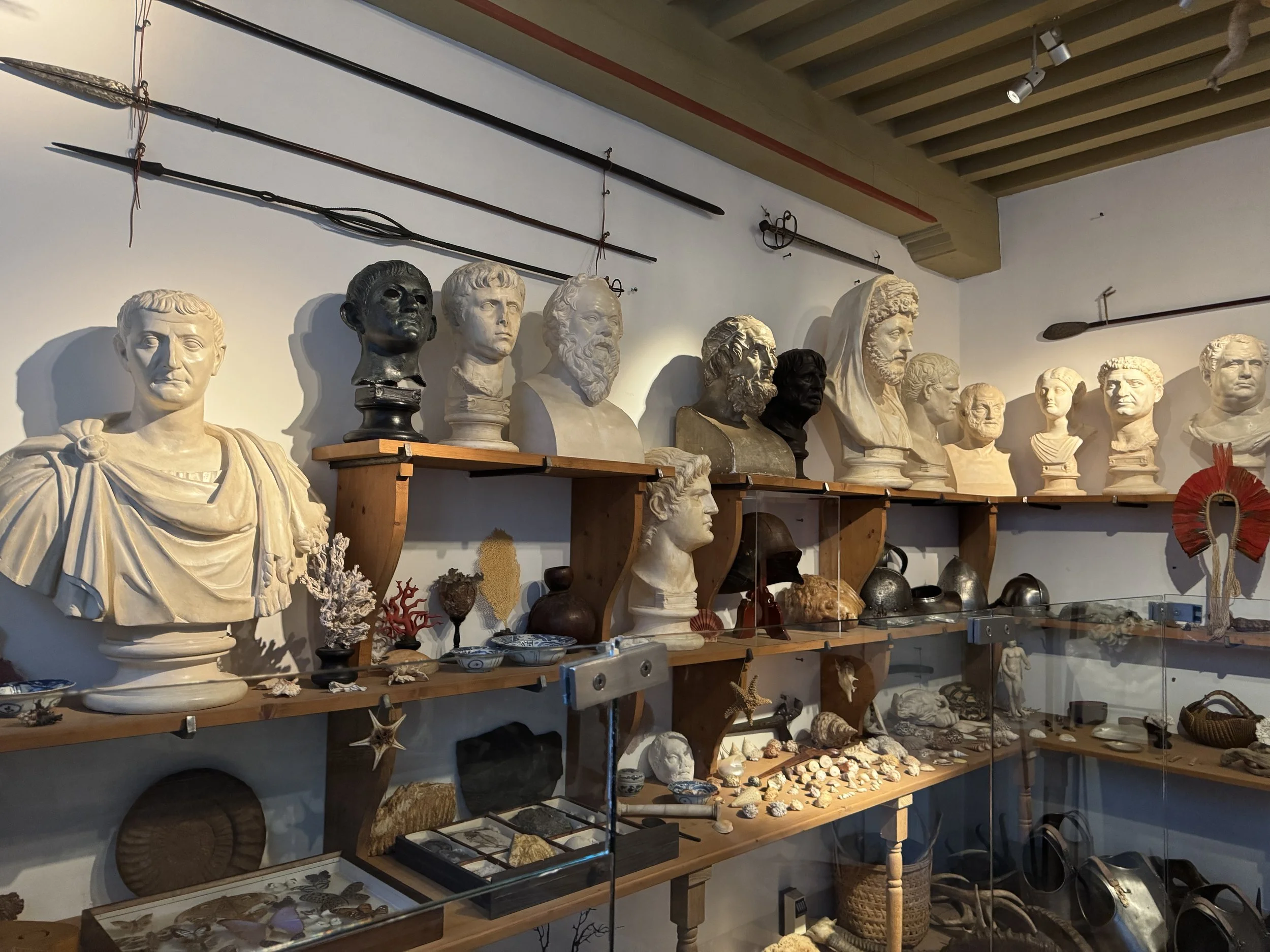
We then wandered to Huis Willet-Holthuysen, a beautifully preserved 17th-century canal house that offers a glimpse into the elegant lifestyle of Amsterdam’s wealthy elite, complete with period rooms, art collections, and a charming garden tucked behind the house. This one was a take-it-or-leave-it stop. Like all the houses and museums, there were multiple steps inside. The garden was small, and a lot of the furniture and décor are not the original pieces that were left to the city. Most were auctioned off or sold. Later curators have done their best to acquire period pieces to resemble how the house would have looked.
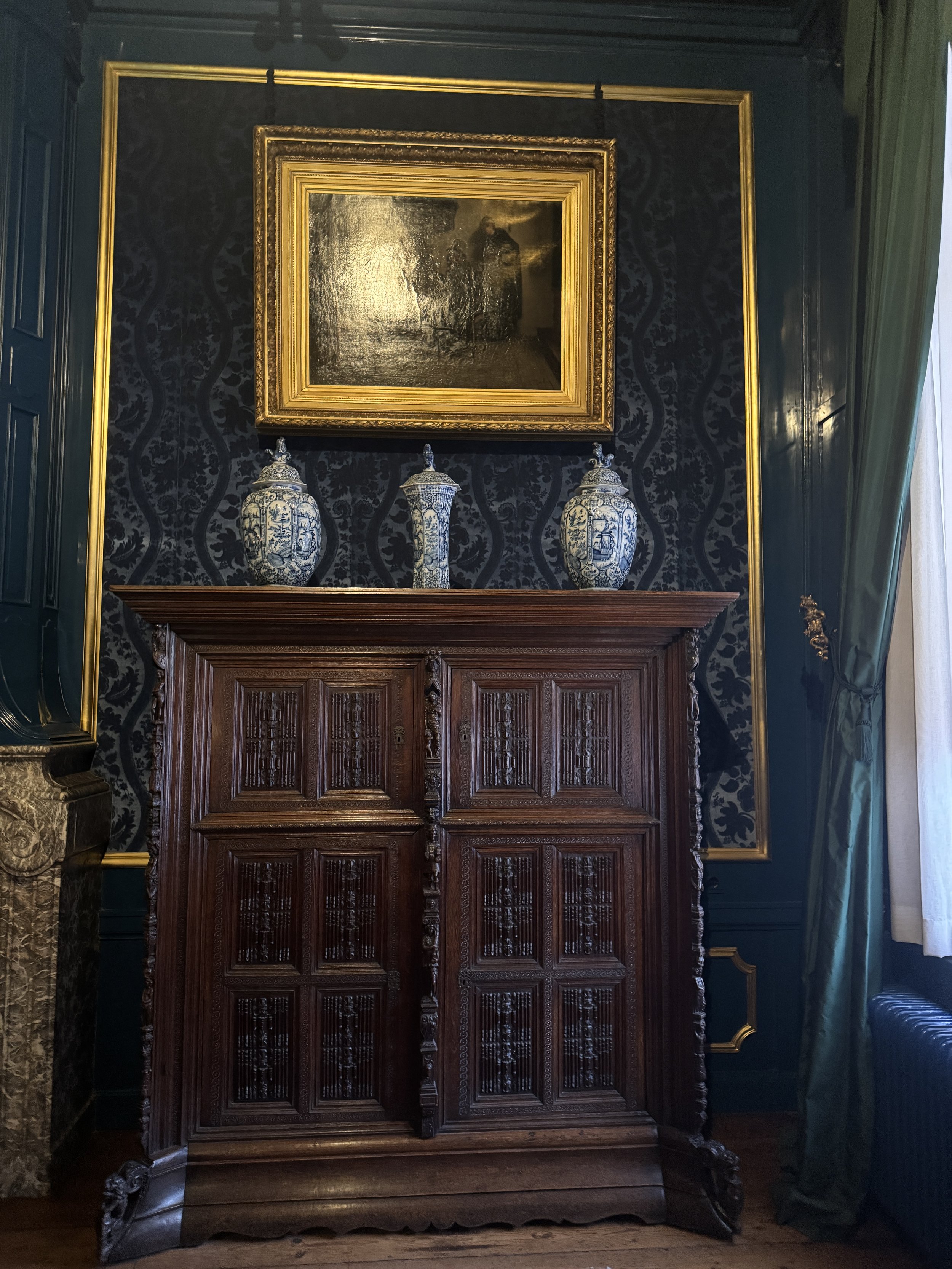
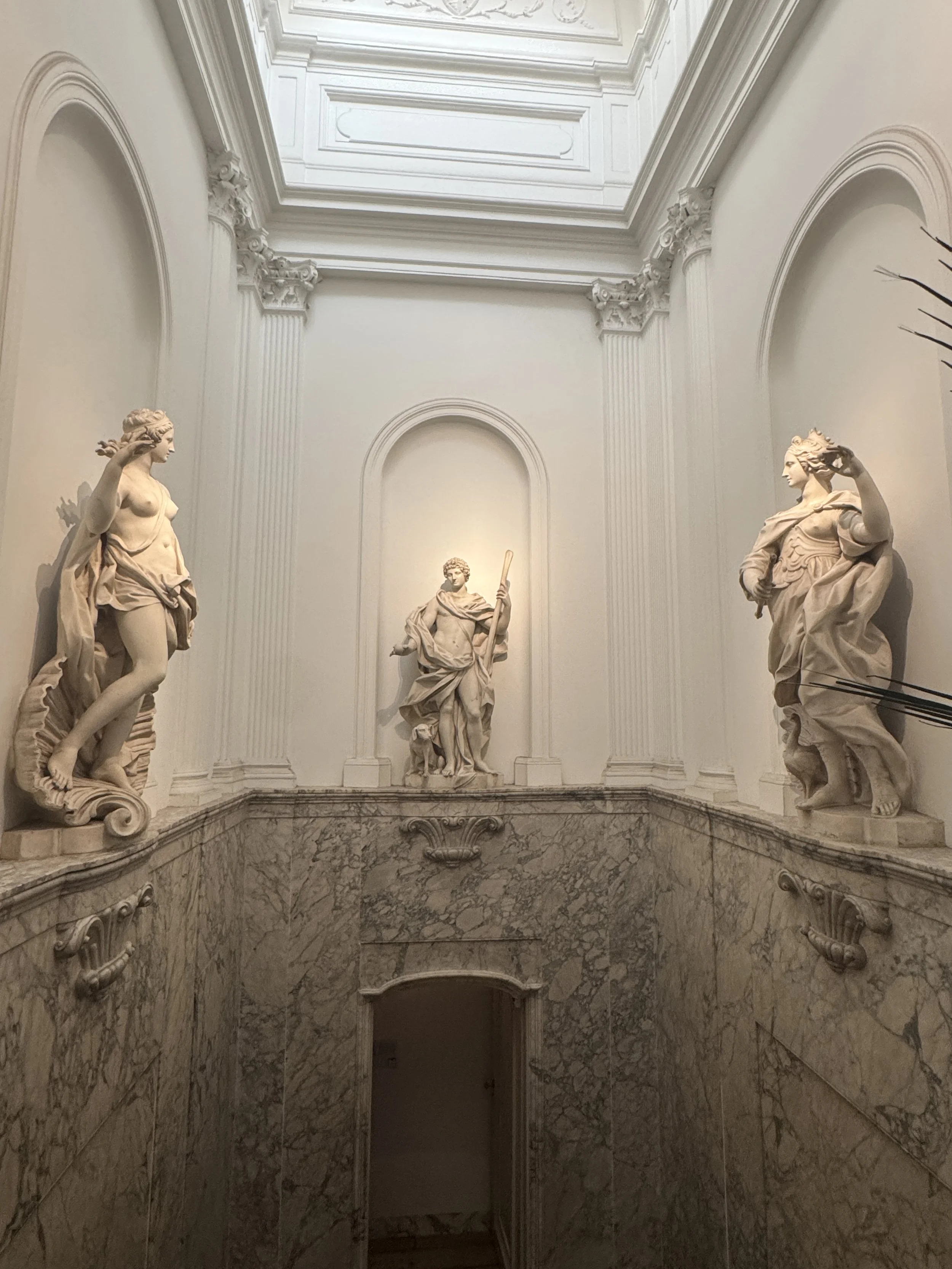
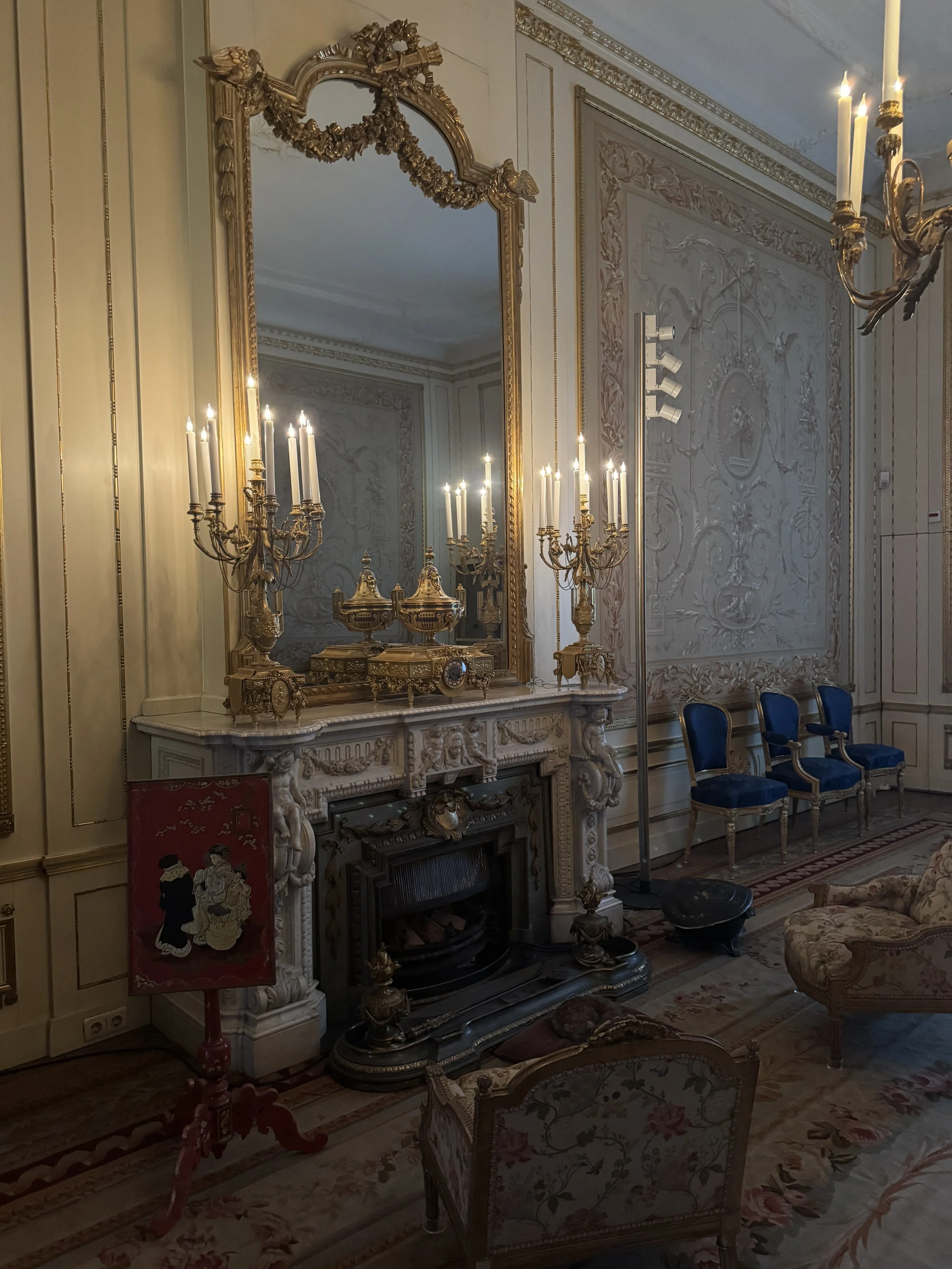
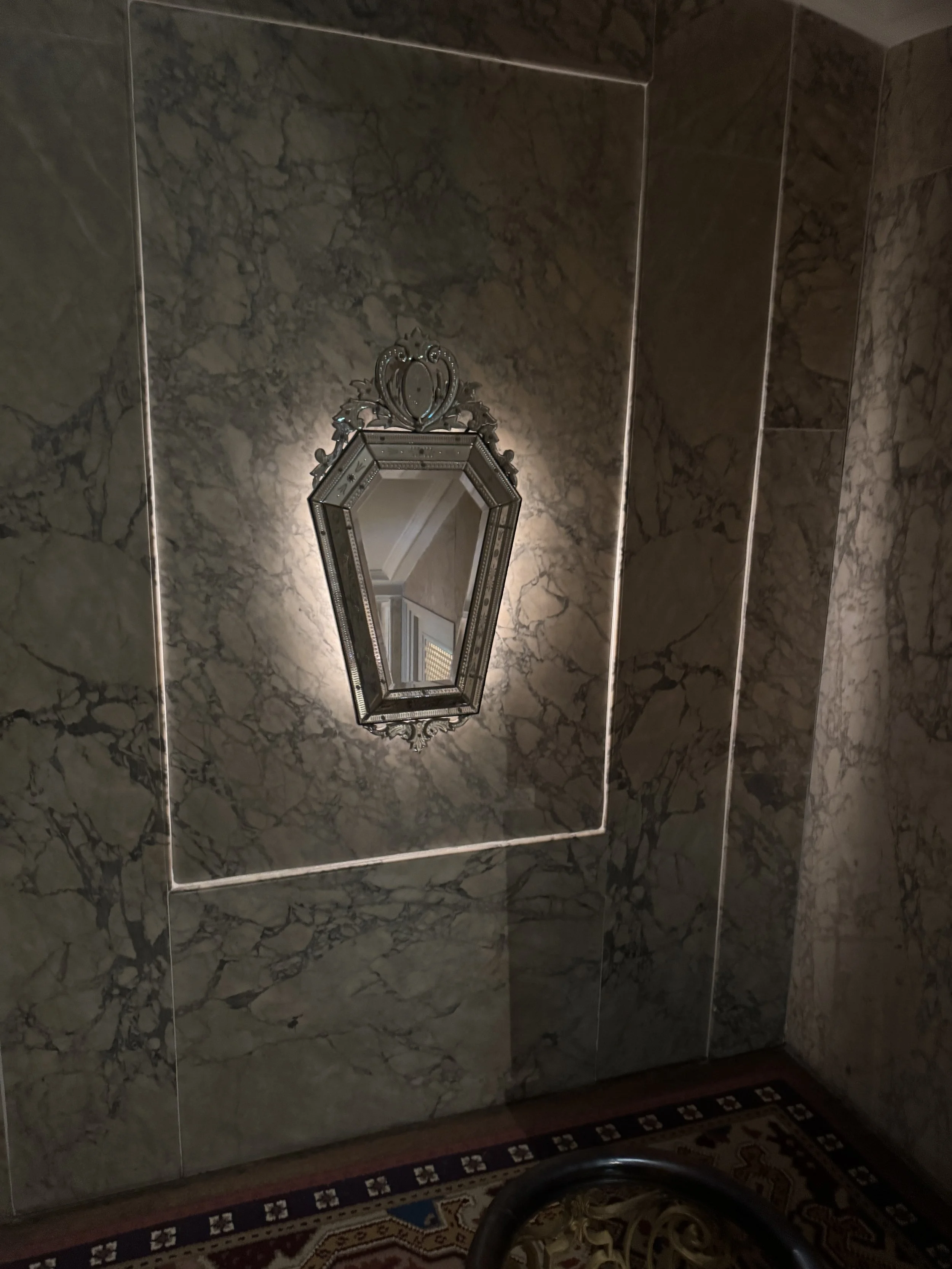
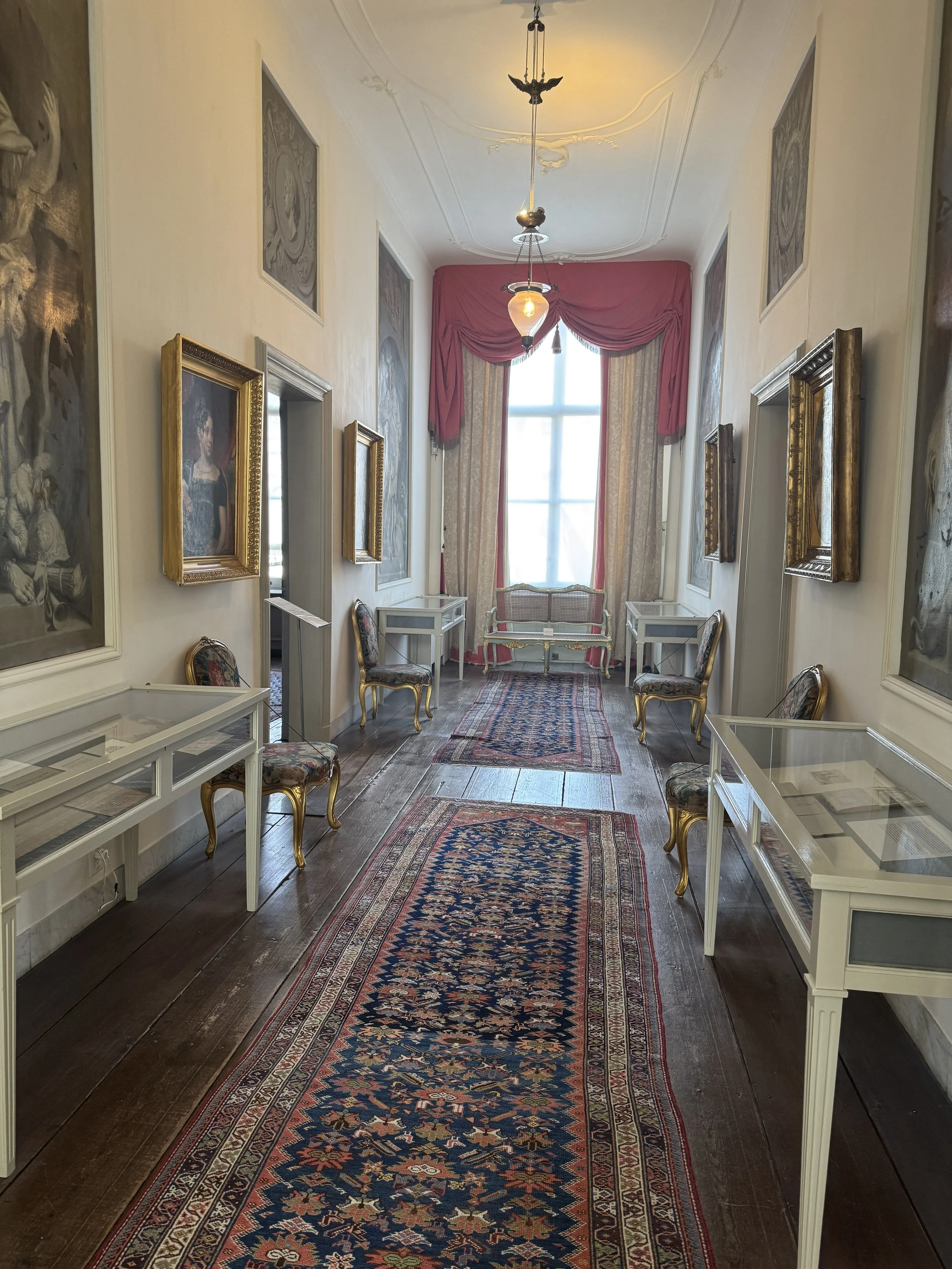
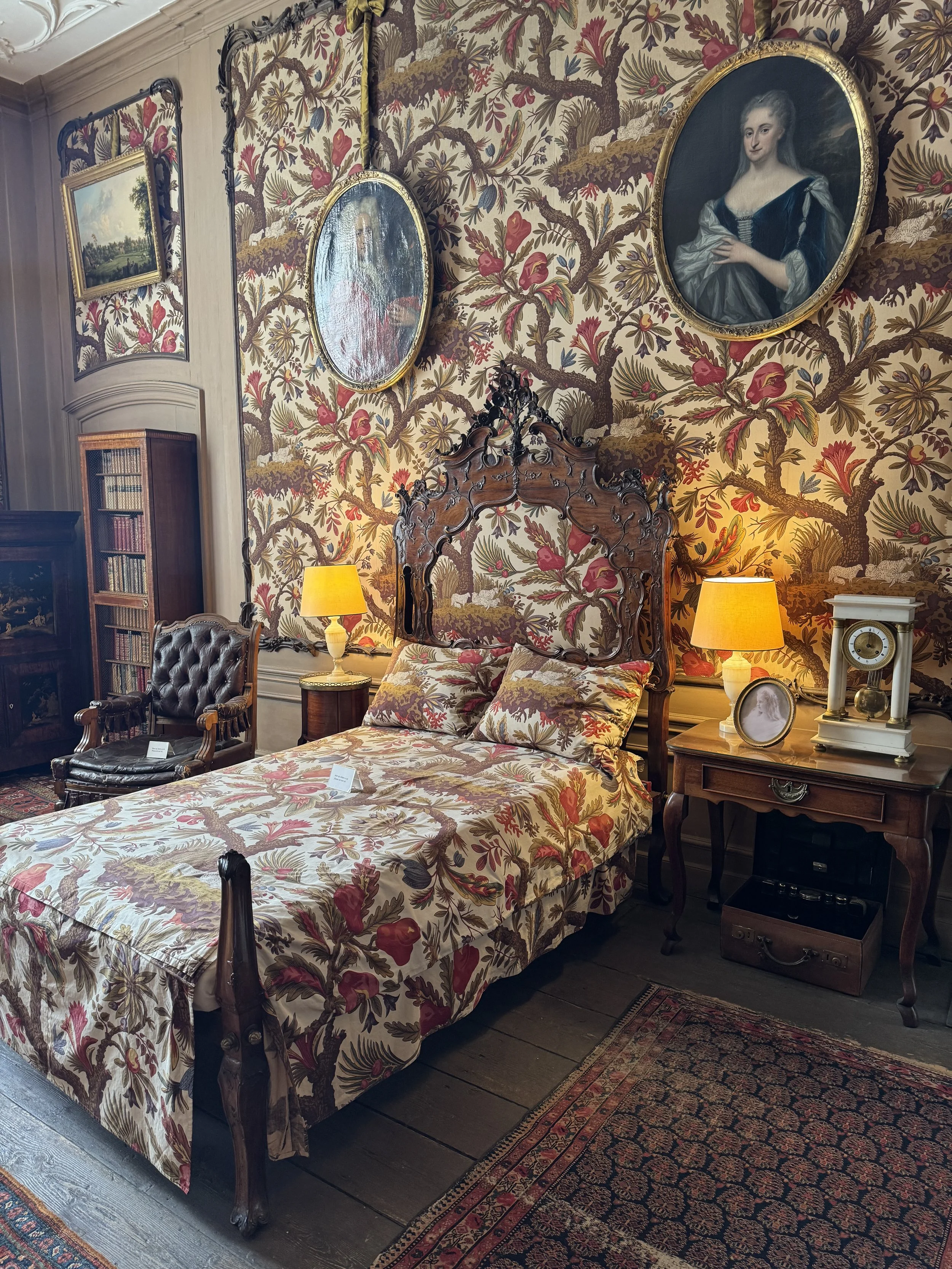
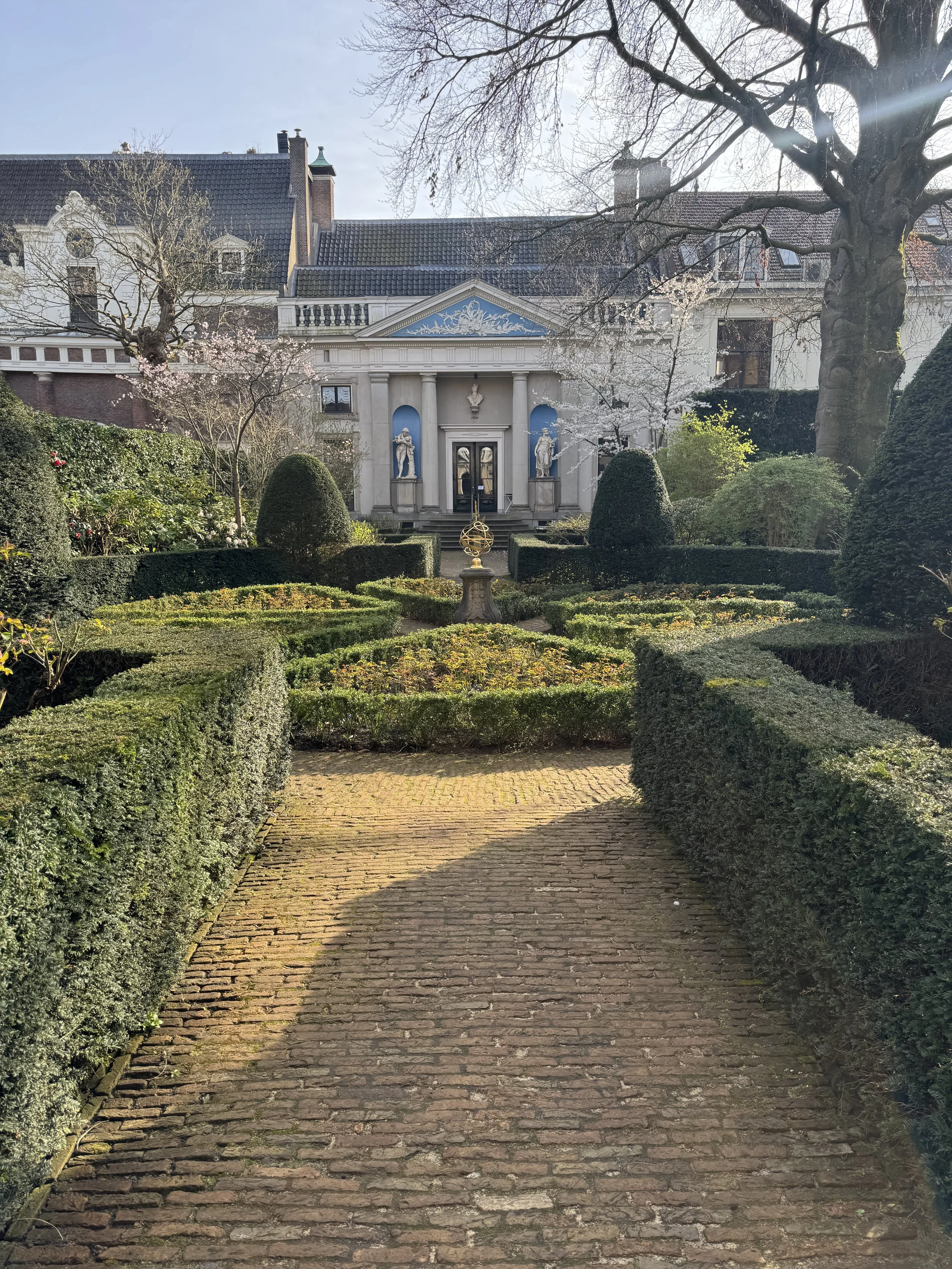
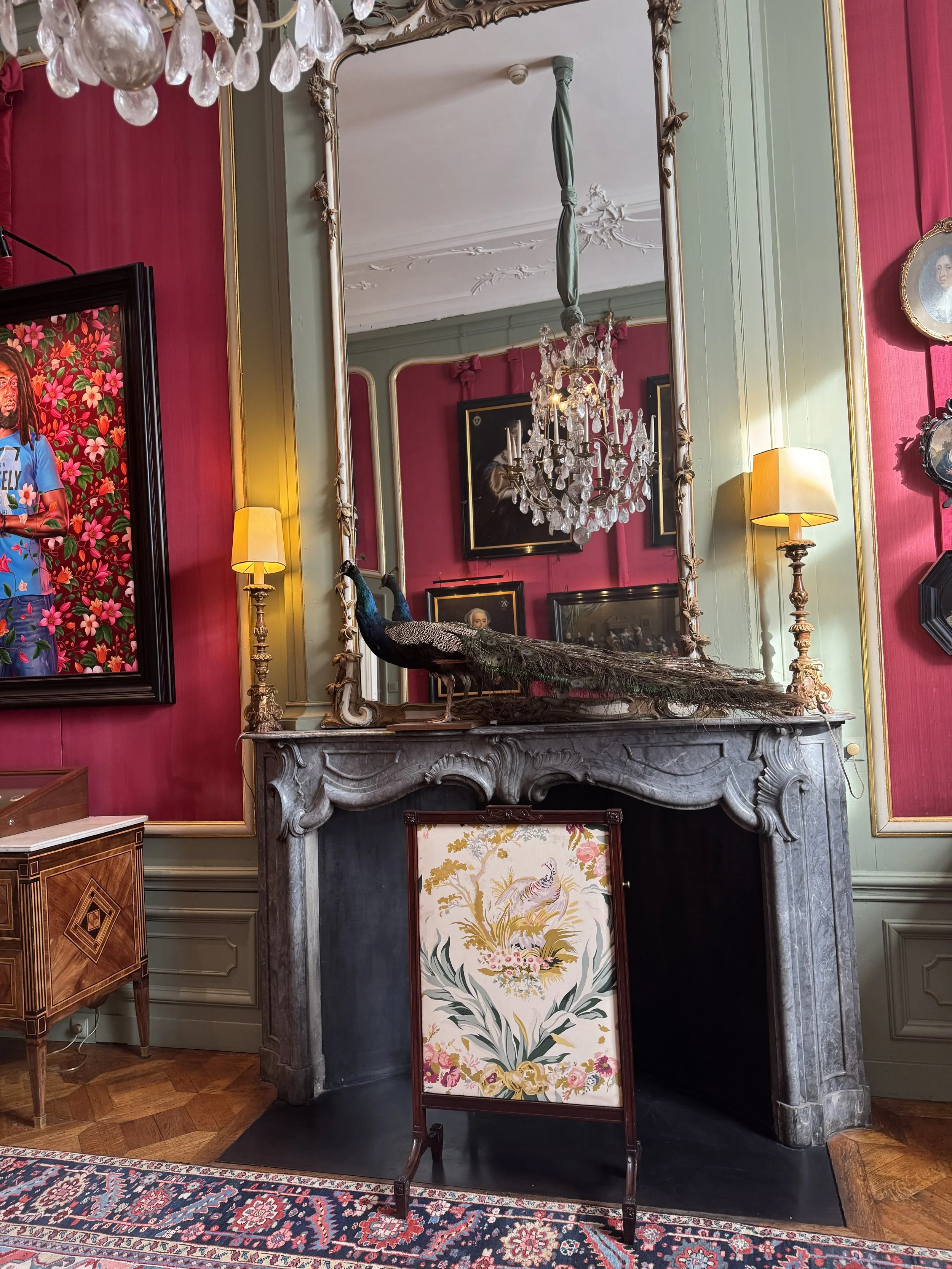
The next stop was Museum Van Loon, a stately canal house once owned by a wealthy merchant family, showcasing elegant period rooms, portraits, and a beautiful garden and carriage house that reflect Amsterdam’s Golden Age lifestyle. This is another one where the items inside aren’t original because after the last private owner died, the items were auctioned or sold. Later curators have attempted to recreate it. This one did have a small but rather cool garden in back.
We then attempted to make the 17:00 cutoff for De Nieuwe Kerk, a historic 15th-century church on Dam Square that no longer holds regular services but hosts major exhibitions, royal events, and ceremonies, including Dutch royal inaugurations. Tip: we arrived at 16:40 and it was already closed for admissions. However, the outside was quite the sight, and the square it is located in has several impressive-looking buildings.
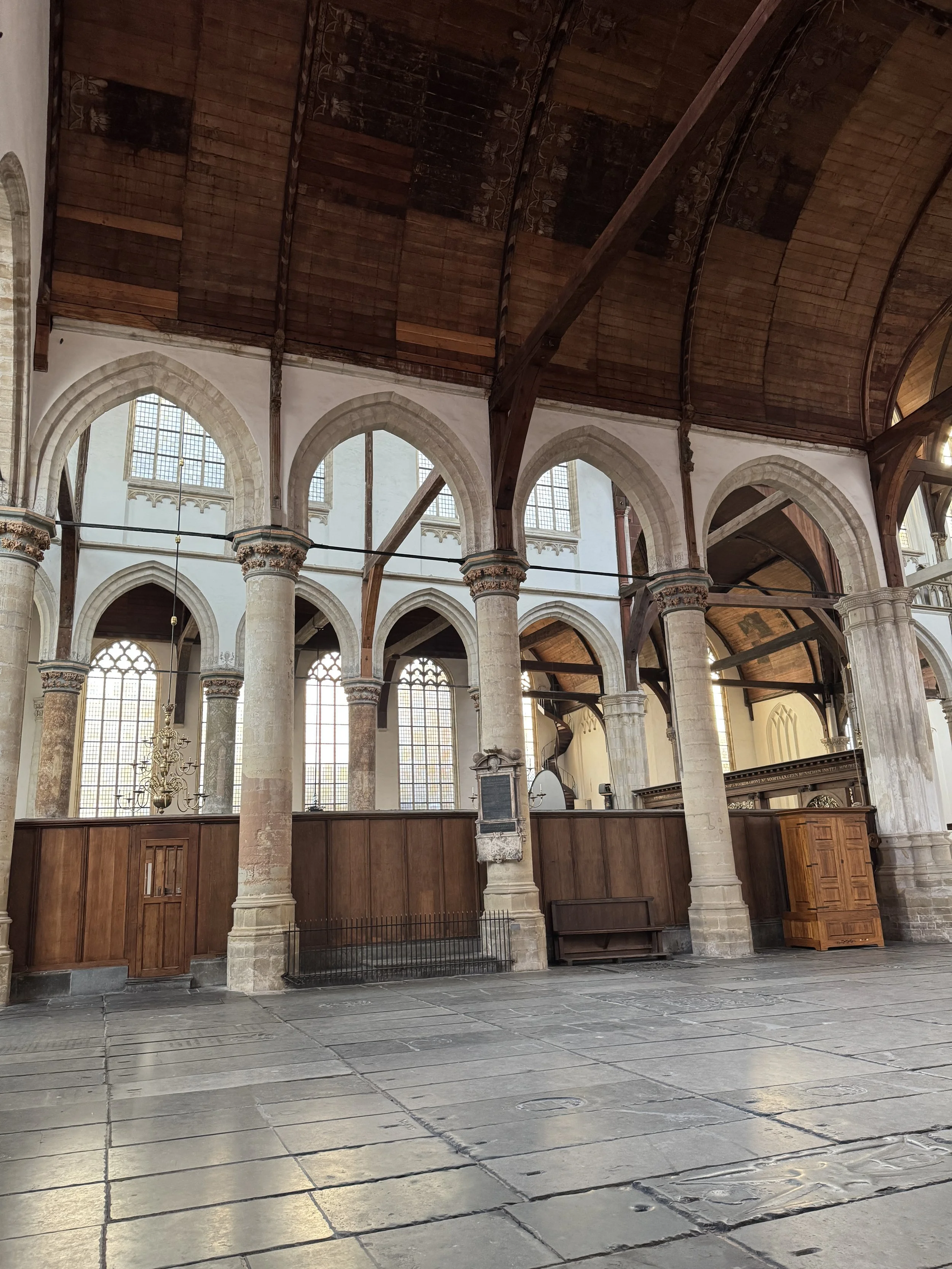
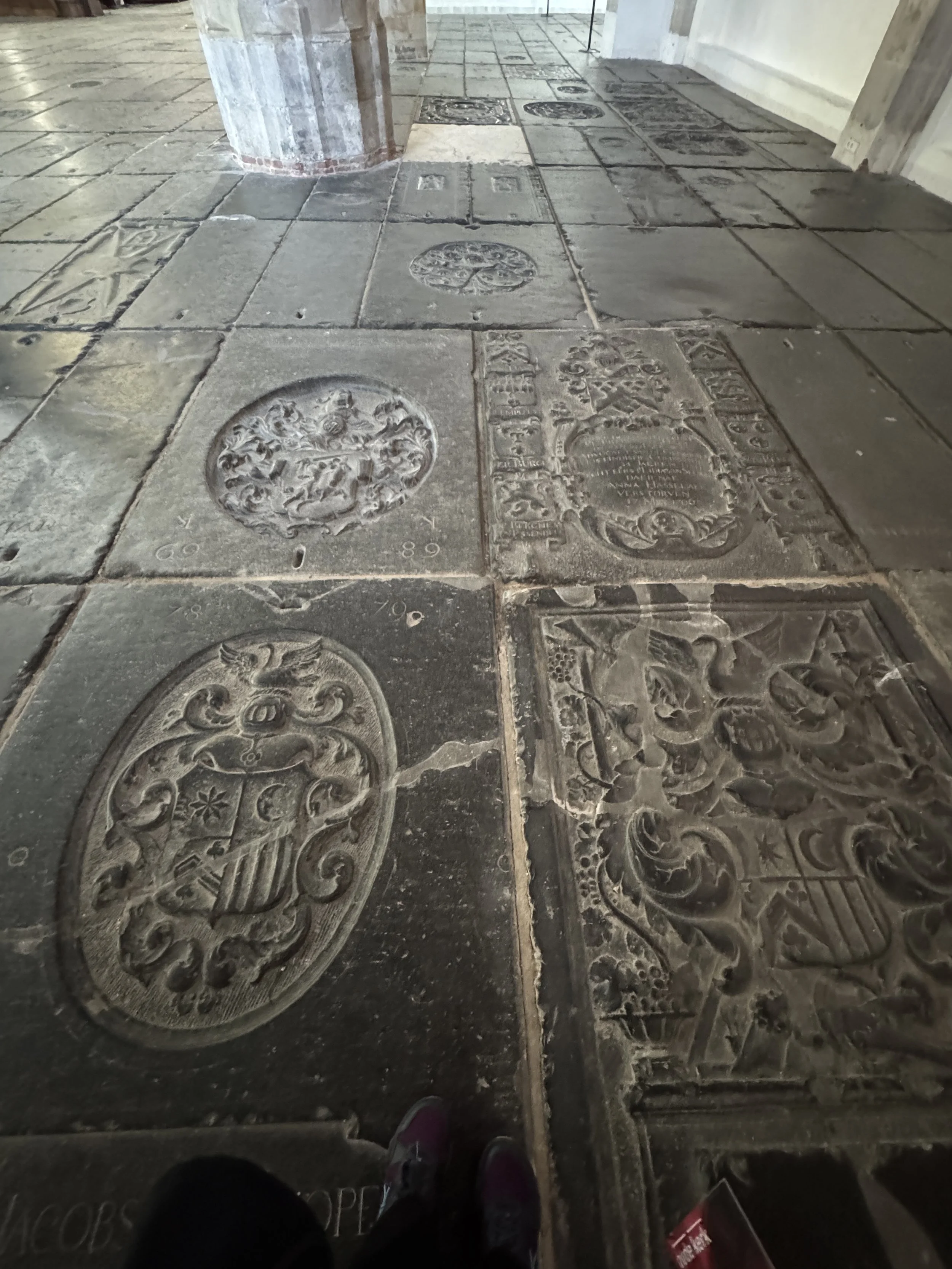
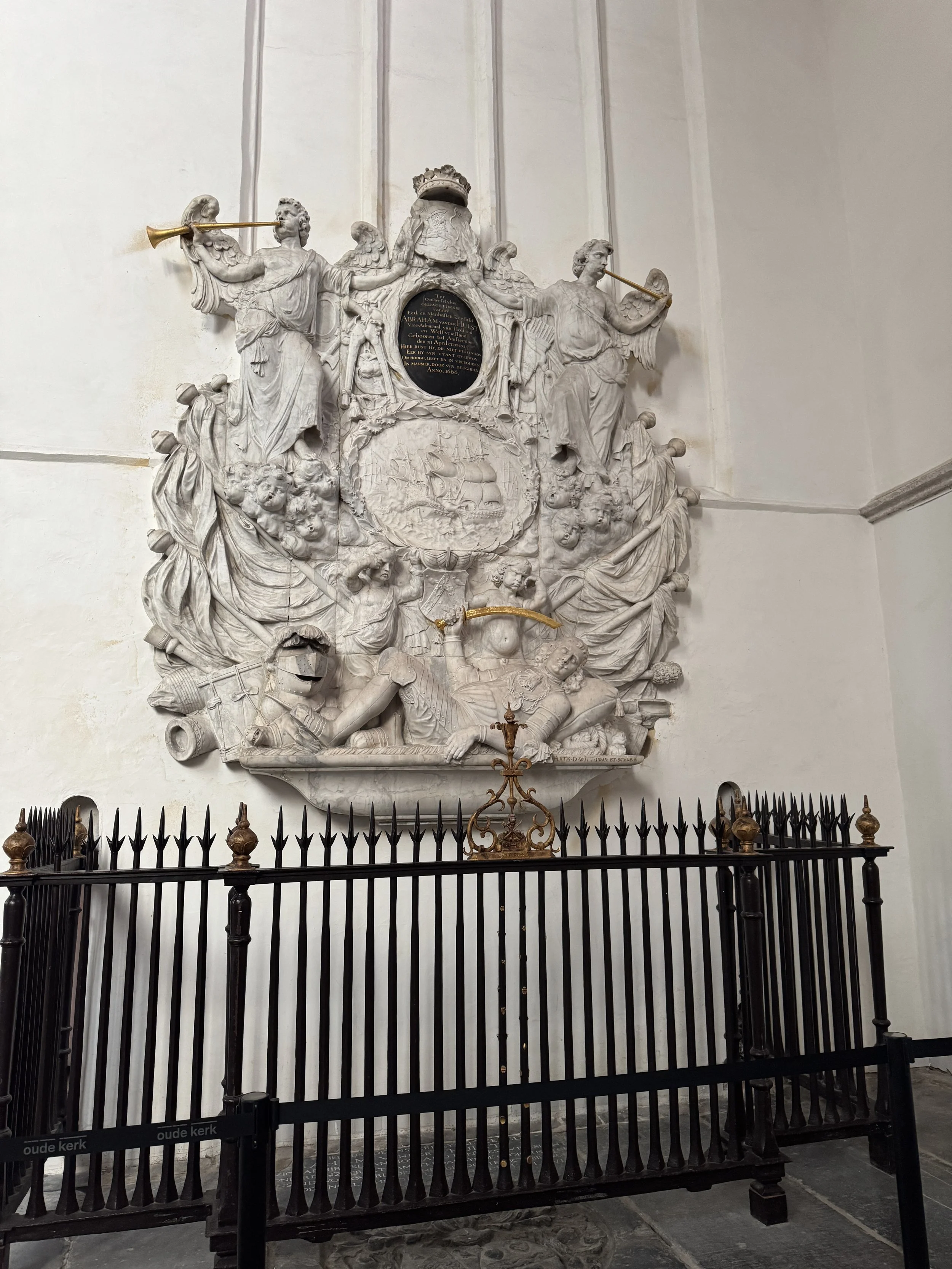
From there we headed to the Oude Kerk, Amsterdam’s oldest building and church, dating back to the 13th century, known for its soaring wooden ceiling, historic graves, including Rembrandt van Rijn’s wife, and its modern art exhibitions set within a centuries-old space. Now this was a true highlight of the day. It had massively high ceilings, floor-to-ceiling spiral staircases, crypts covering the entire floor, stained glass windows, including old ones, and one of the largest organs I’ve ever seen. It was amazing.
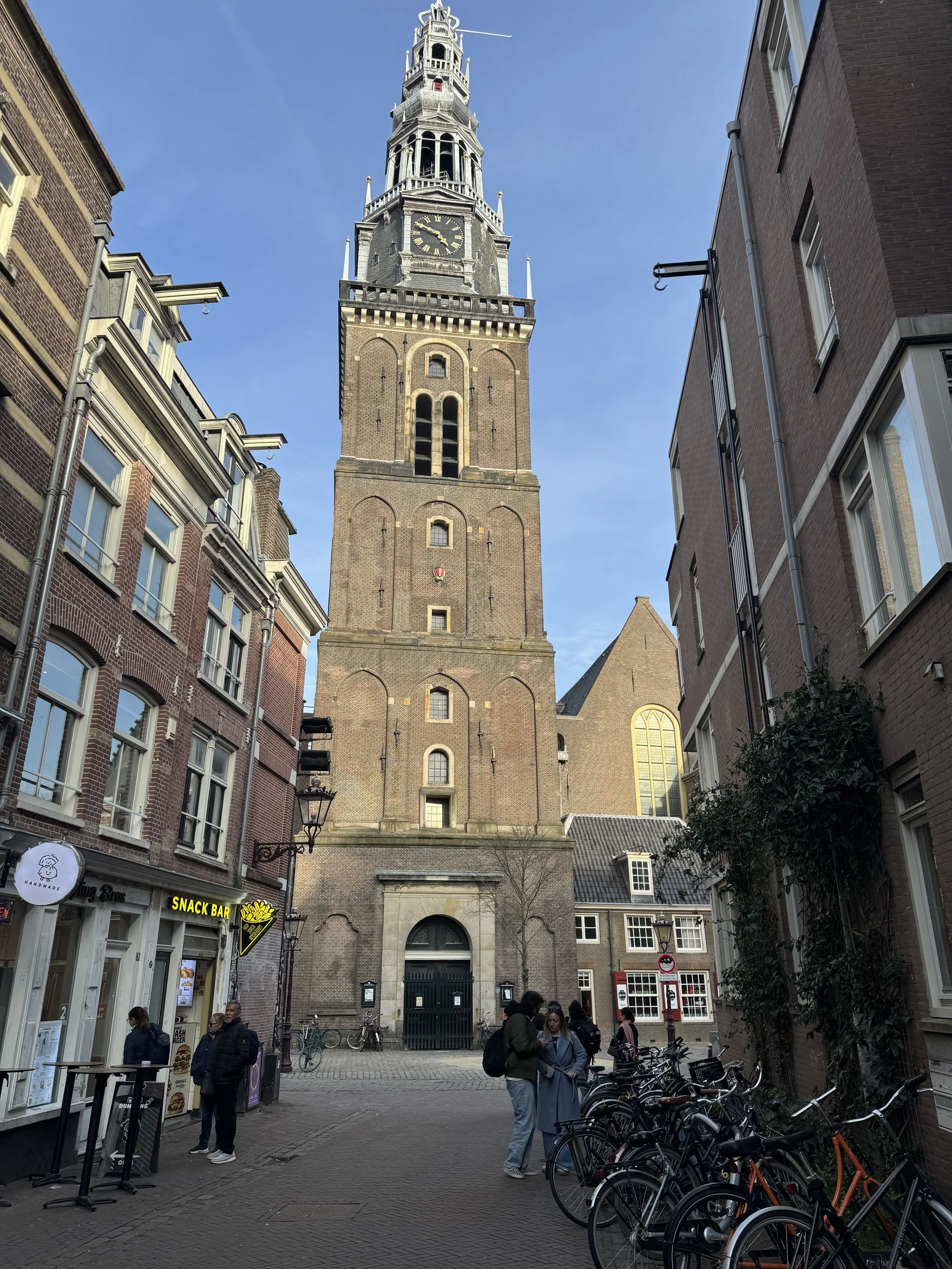
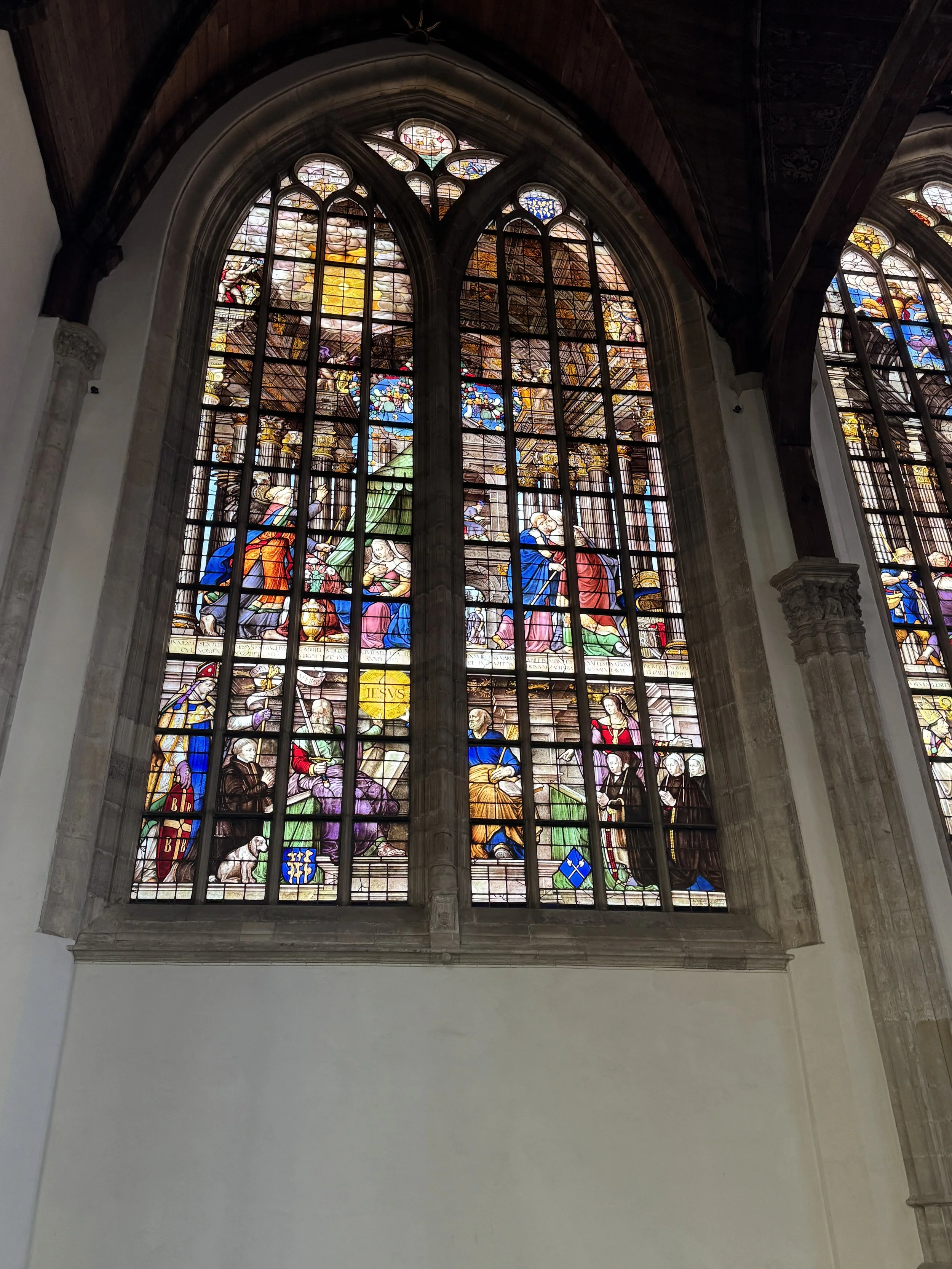
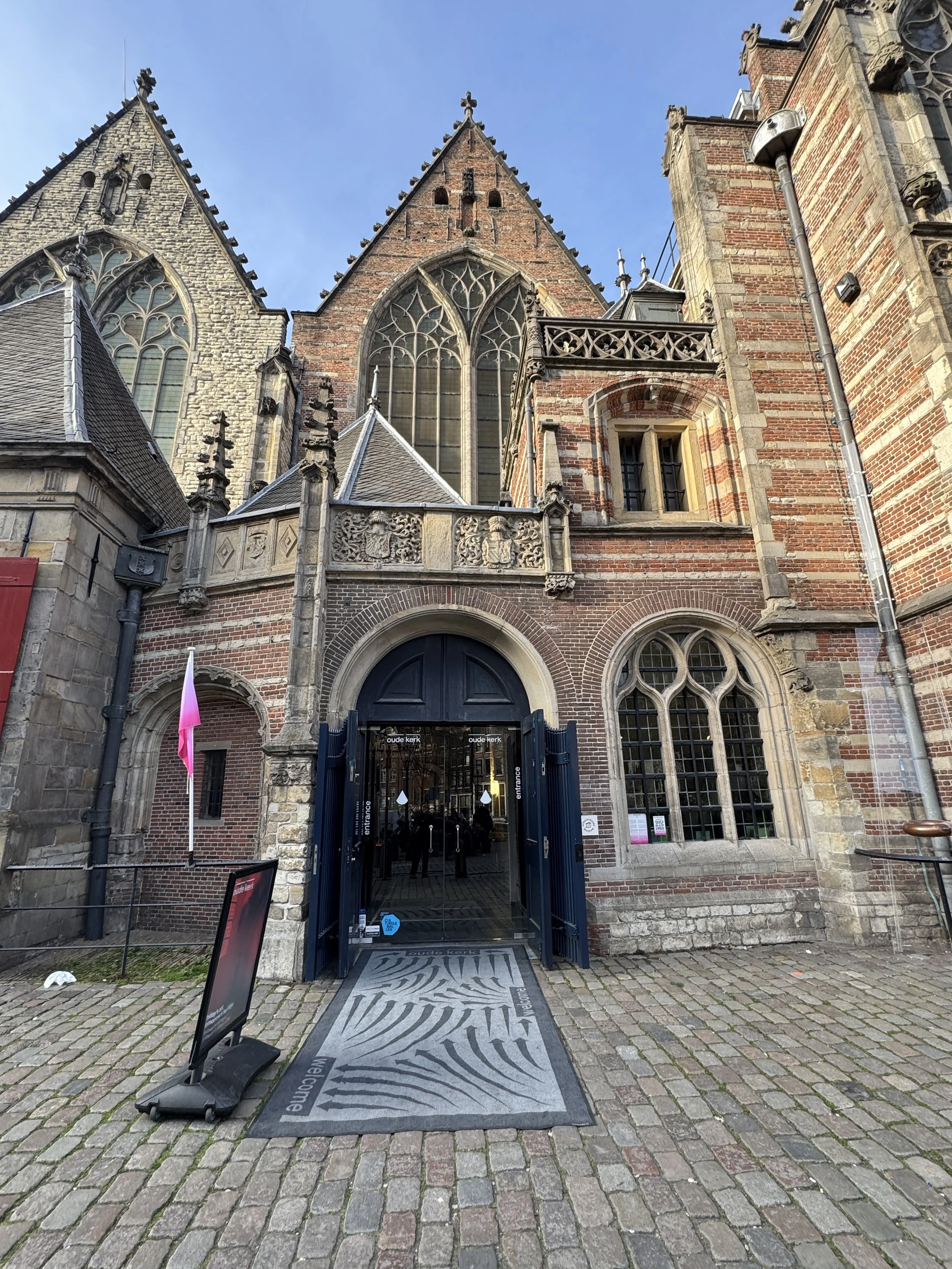
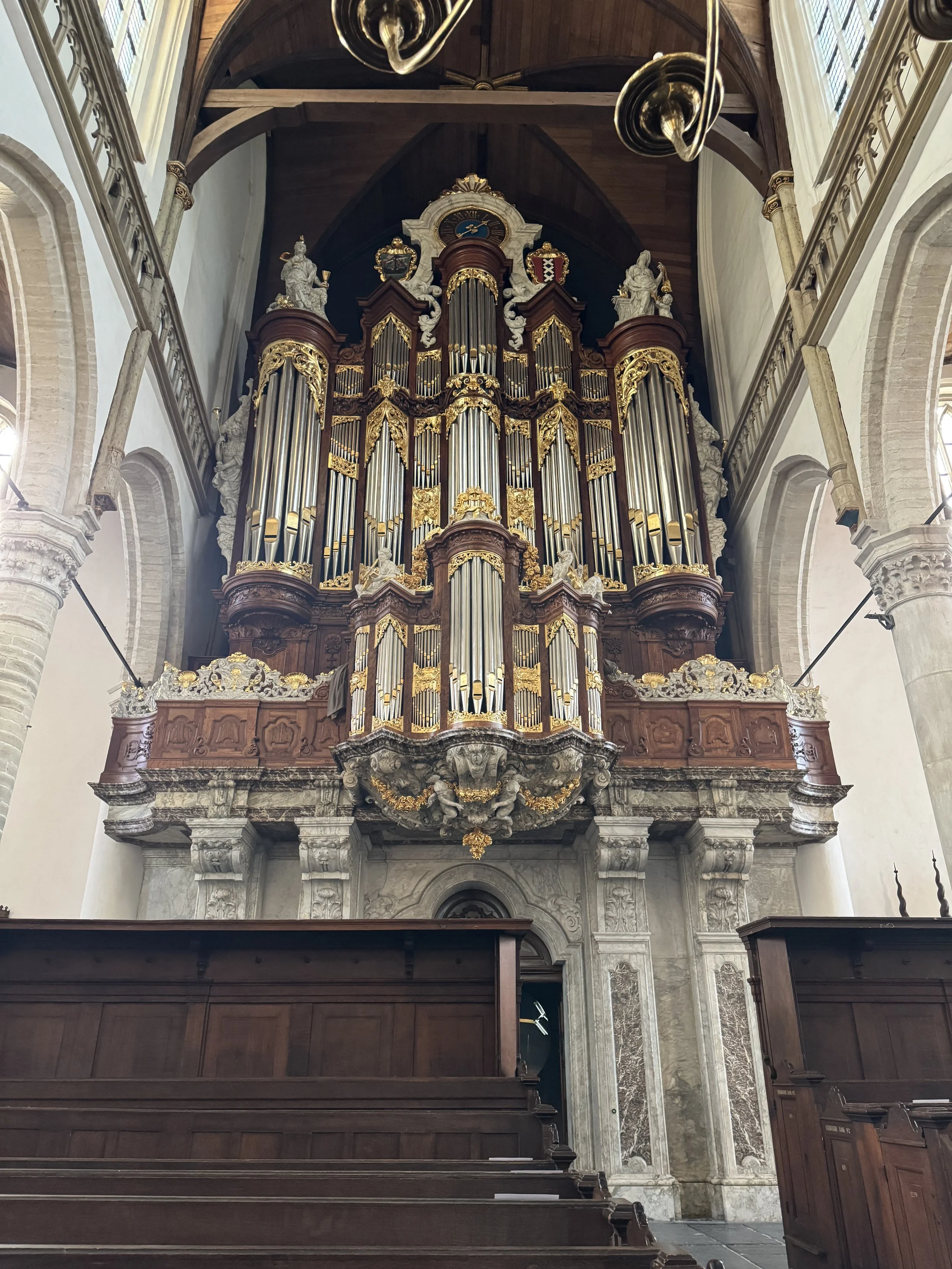
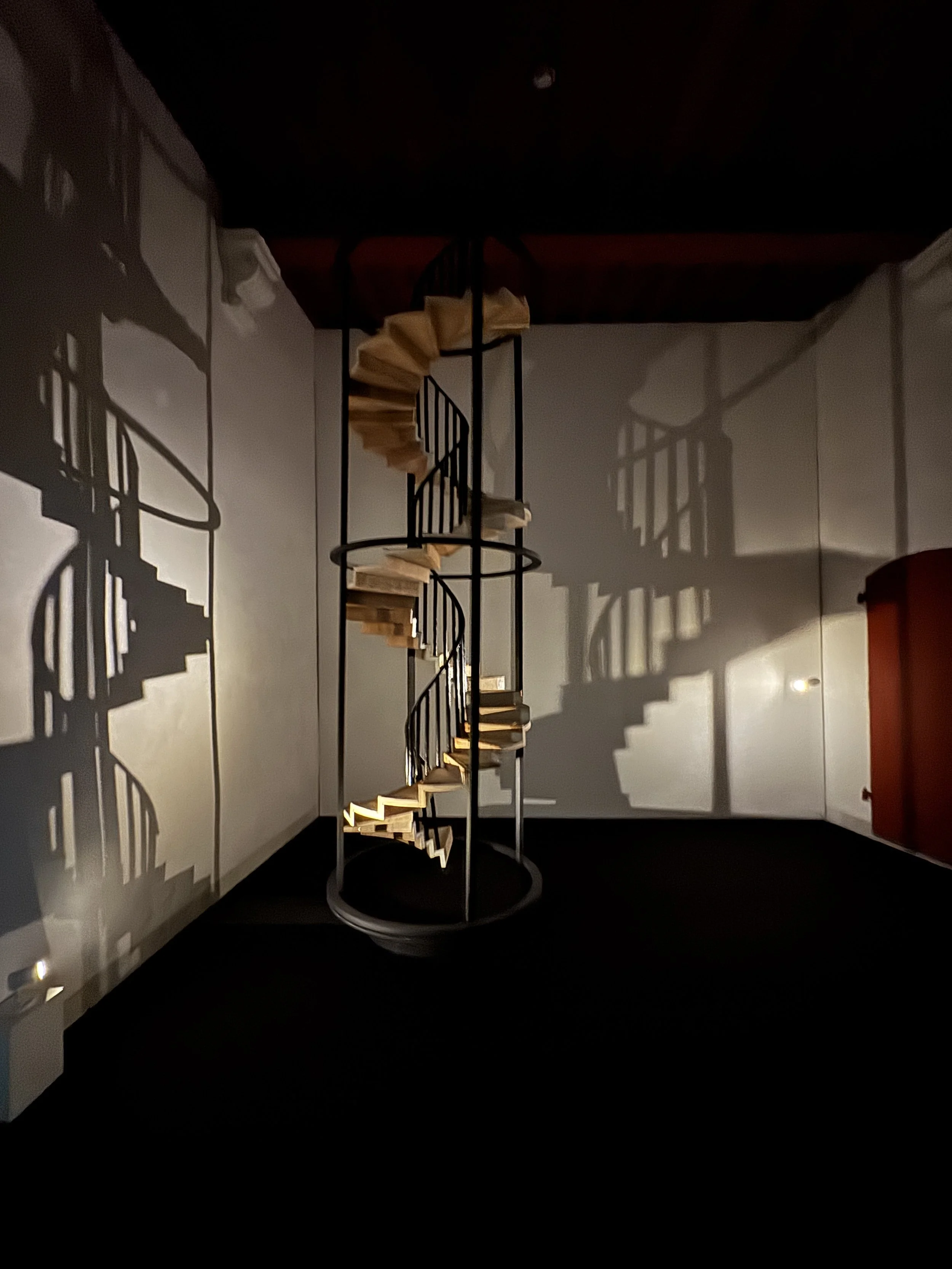
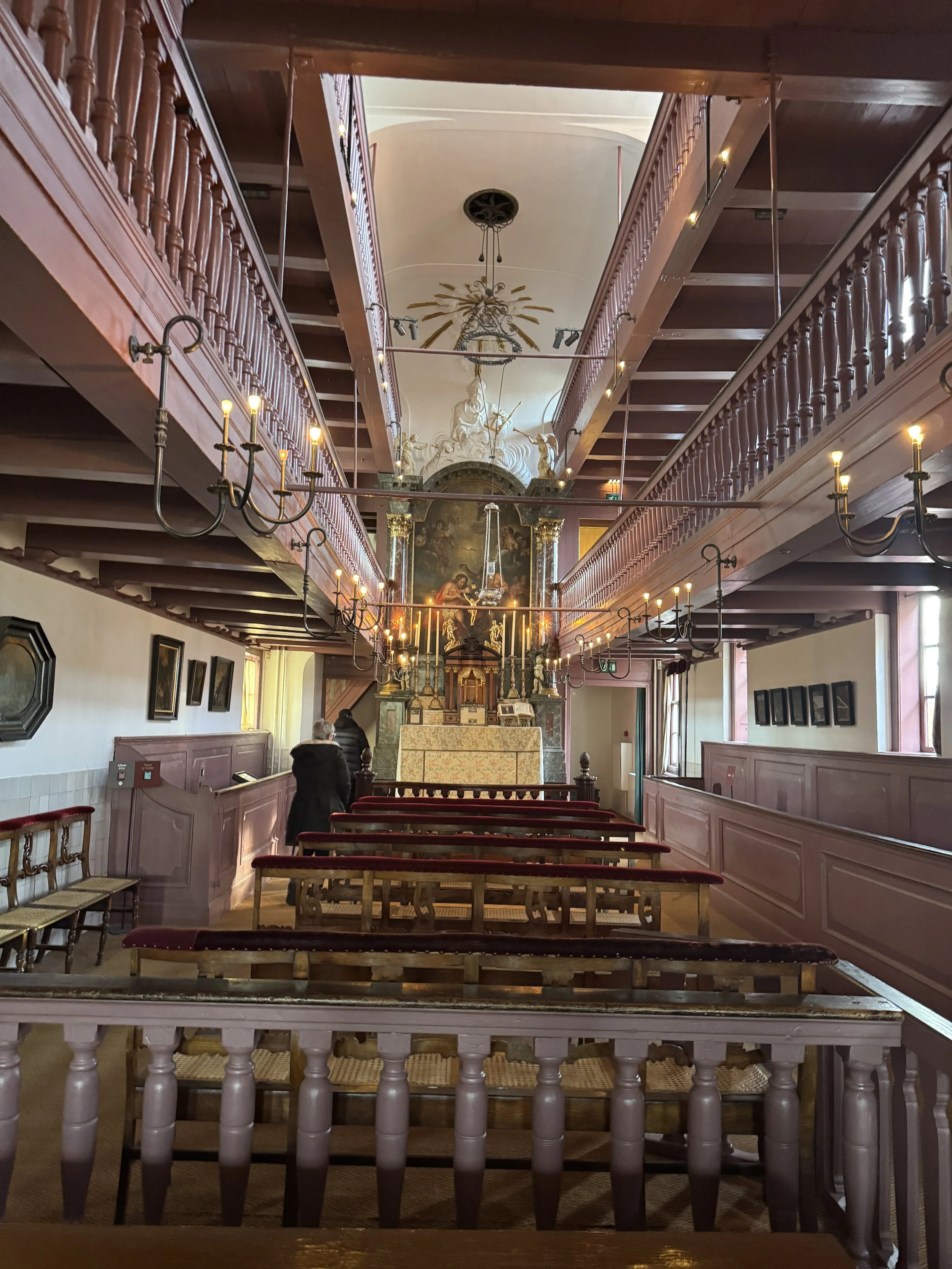
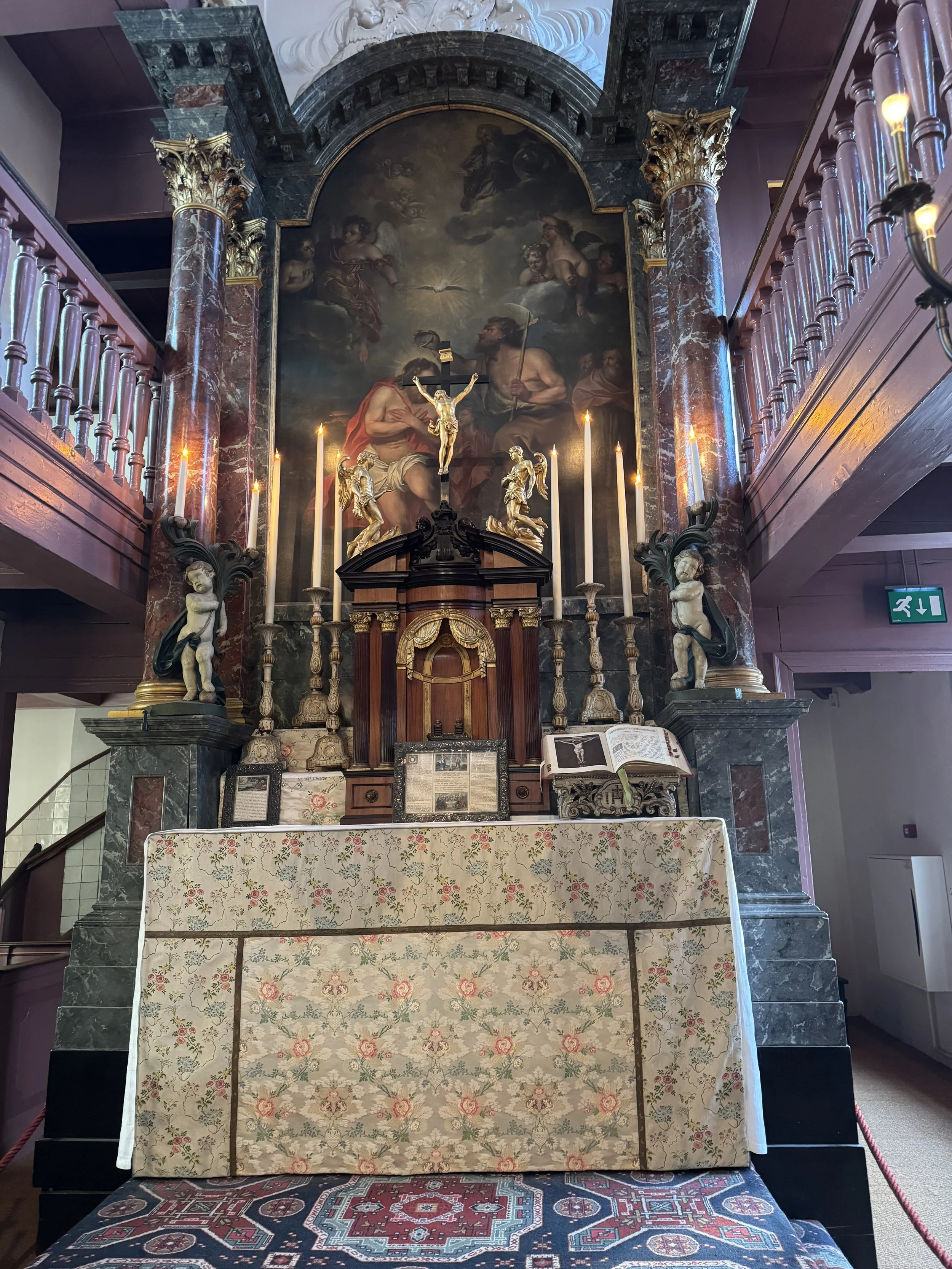
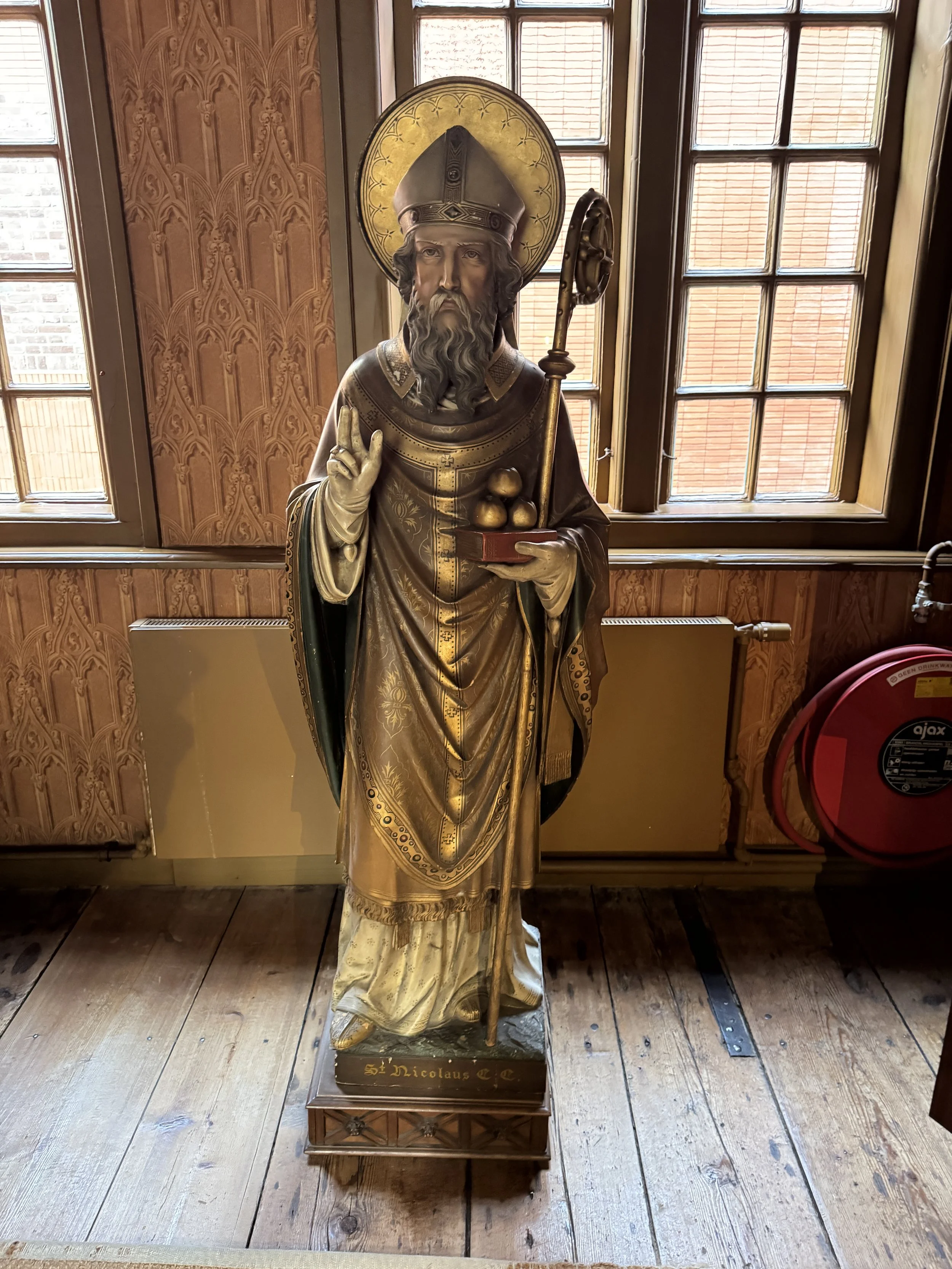
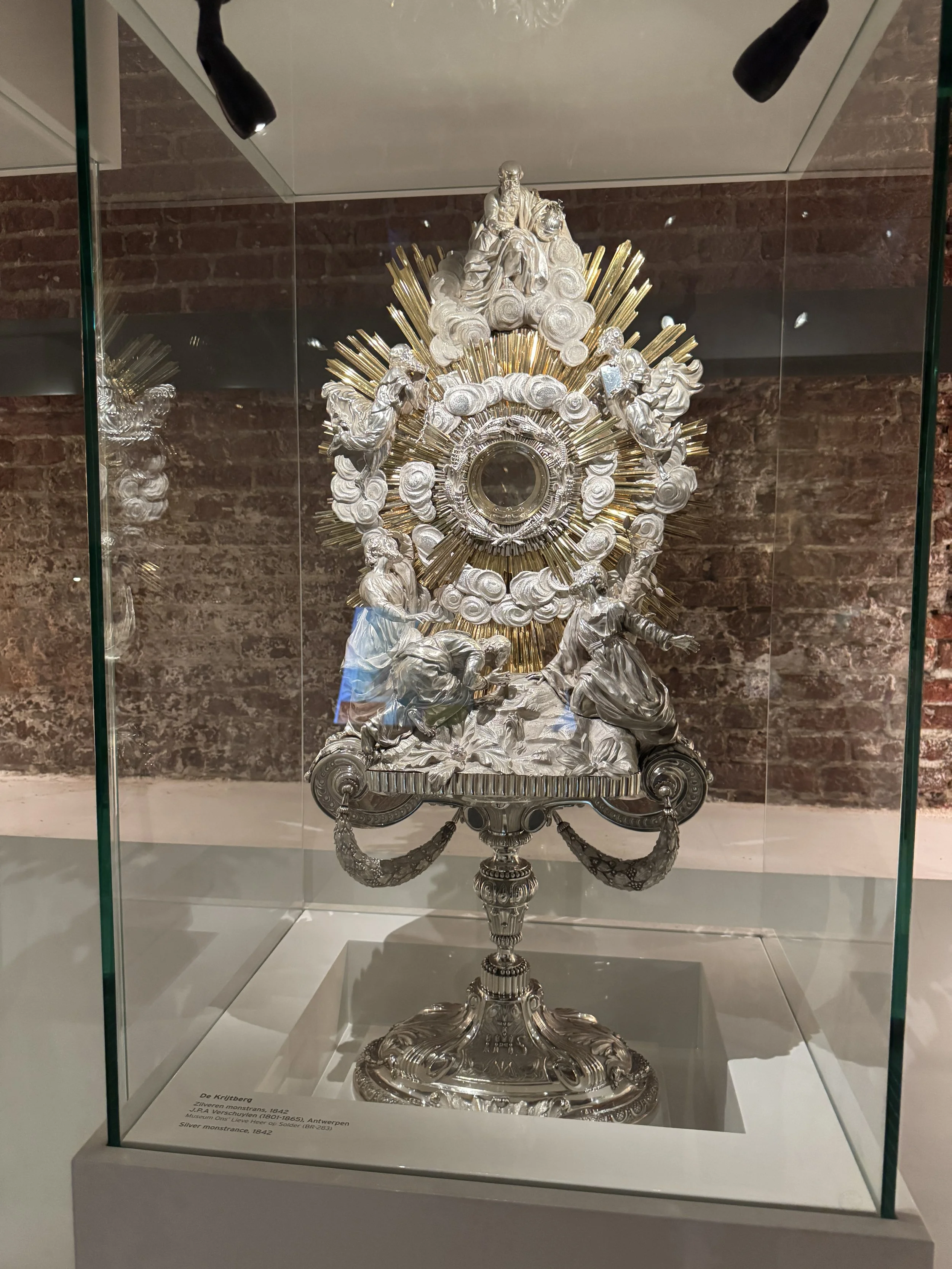
Our final stop on the city pass was Museum Ons’ Lieve Heer op Solder, a hidden 17th-century canal house church tucked into an attic, built when Catholics were forbidden to worship openly, offering a fascinating glimpse into Amsterdam’s secret religious life. This was a surprising one for us. The real gem is the pink church in the attic. Again, a lot of stairs inside this bad boy, but it was another highlight. I’m glad this is how we ended the day… a hidden surprise. I actually had no idea there was a church until we got inside.
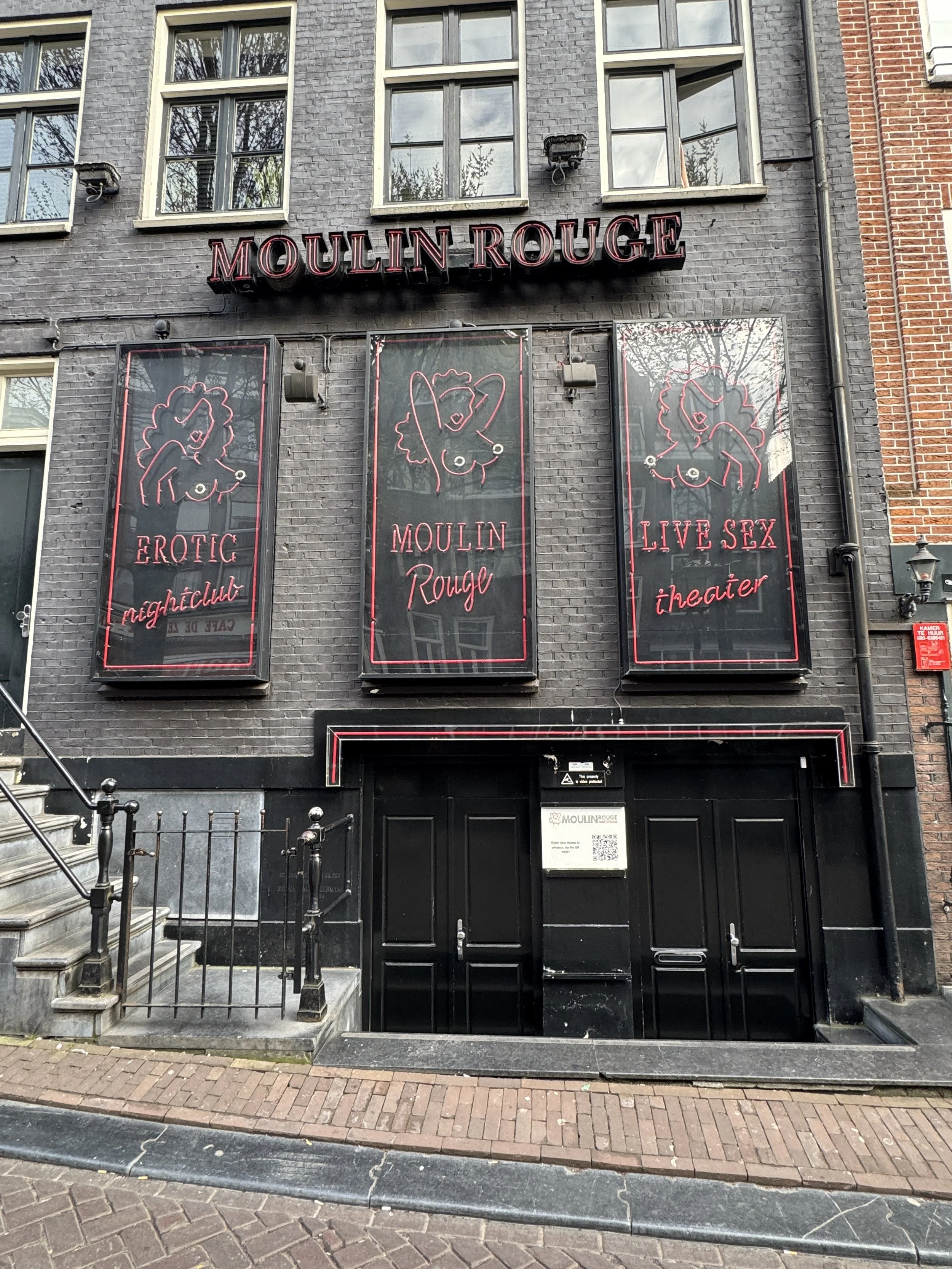
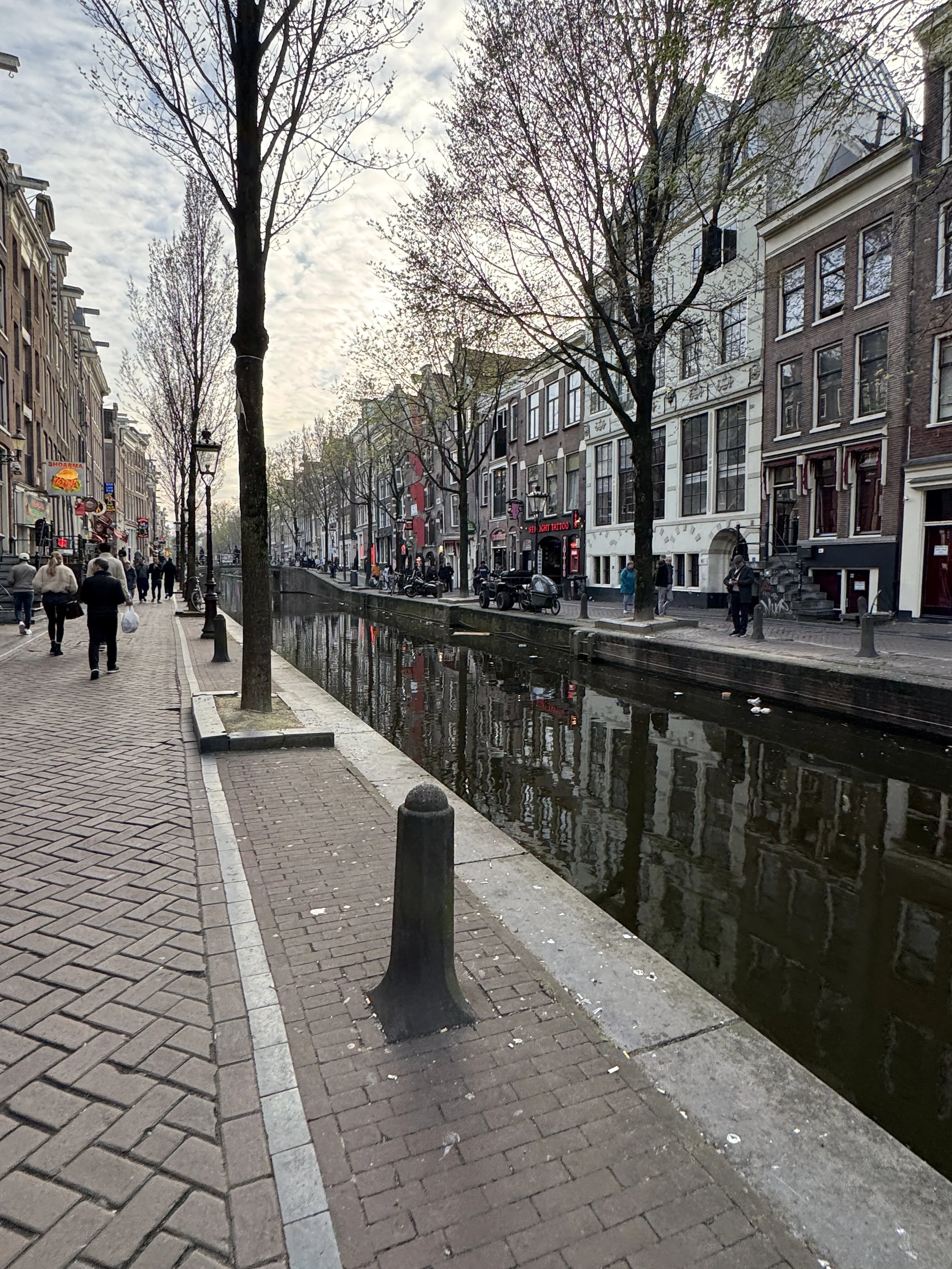
We cruised through the Red Light District and spotted a few ladies in the windows who began tapping and trying to get our attention. I kept my eyes up and walked right past.
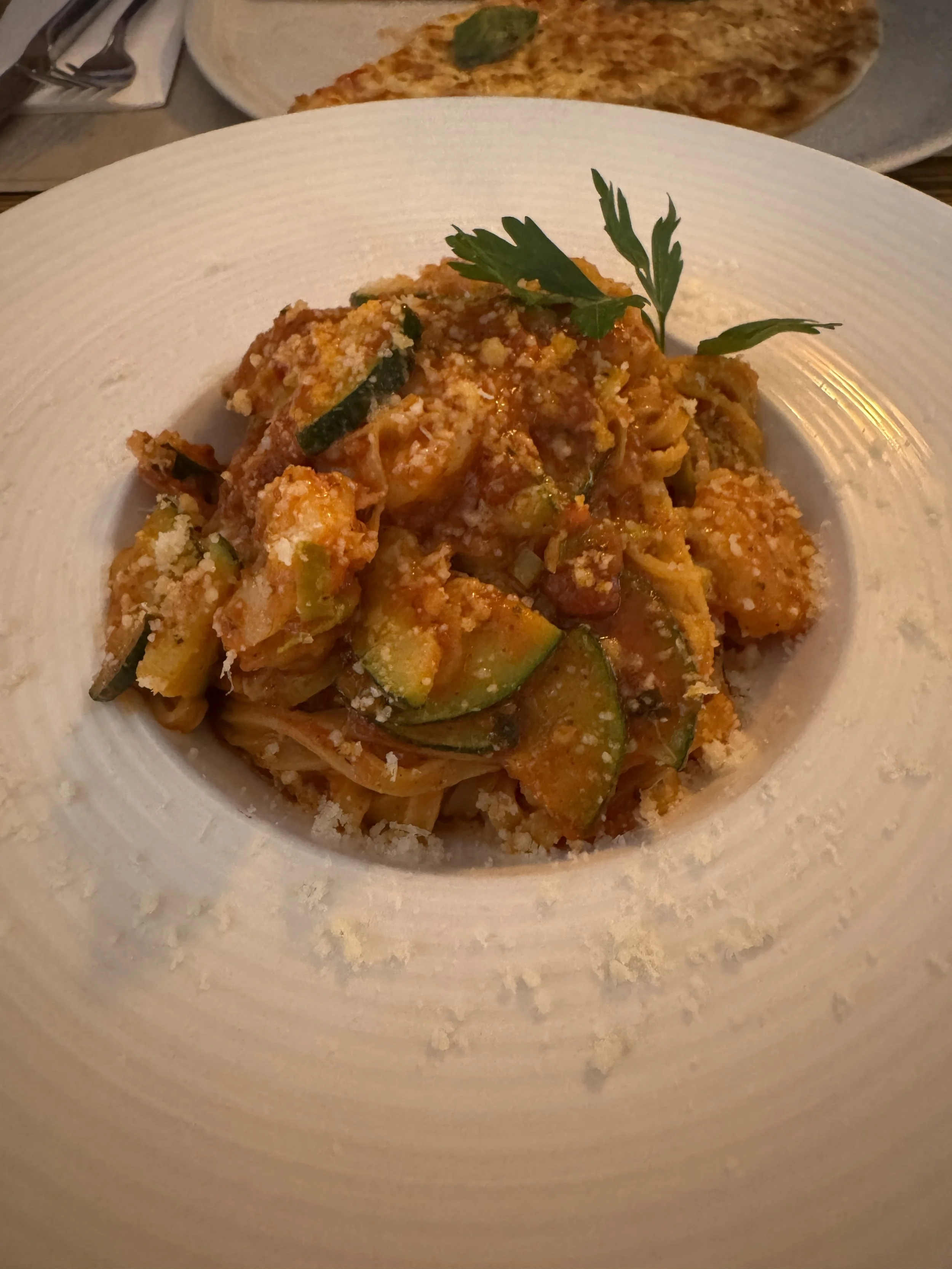
Then we went to Café Piazza. This is an Italian café with a rather extensive gluten-free menu. My friend had gluten-free pizza, and I had homemade pasta with shrimp and zucchini served in a tomato sauce. It was delicious, and I was starving, so it really hit the spot.
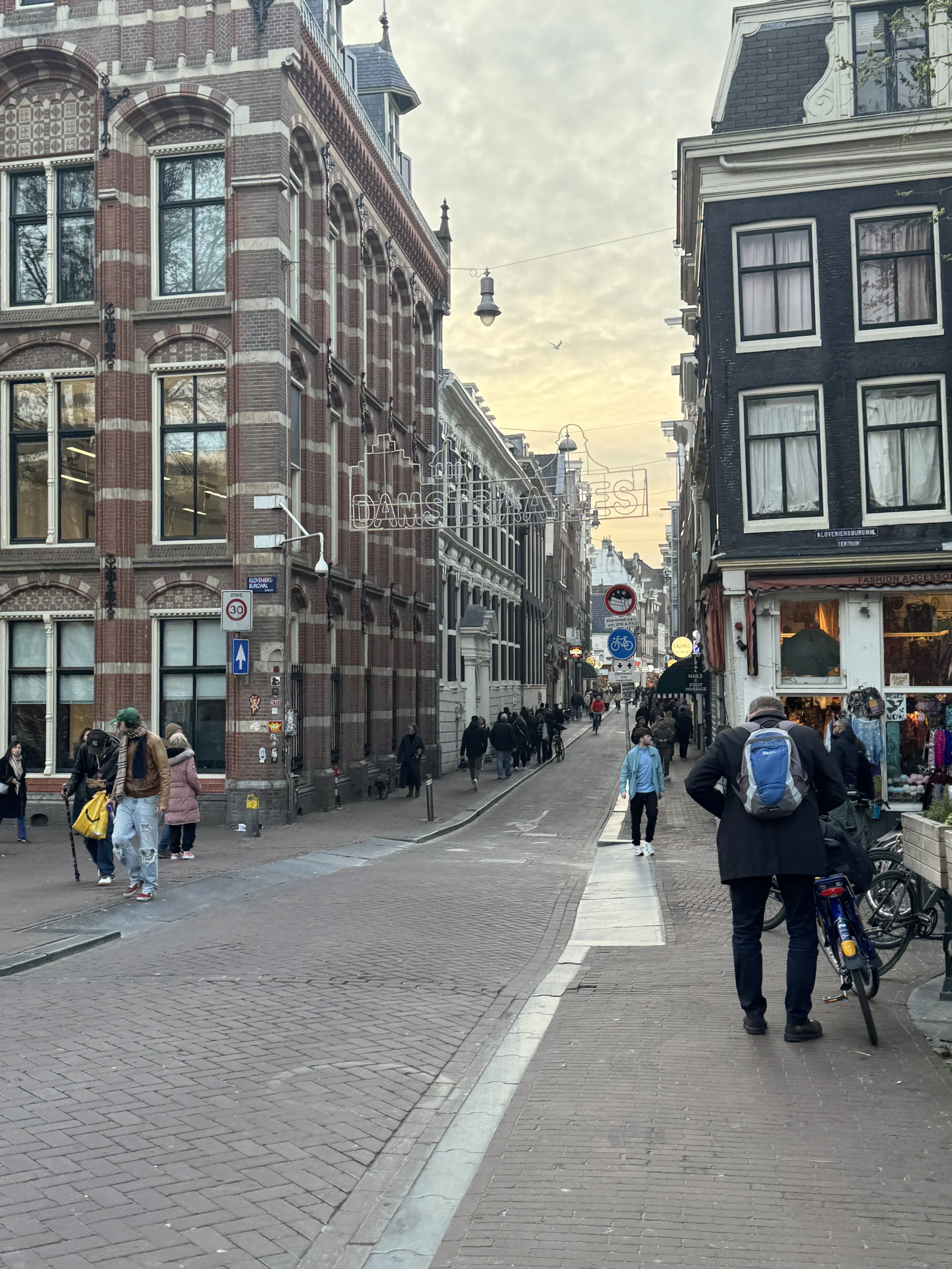
Our last excursion for the night was Damstraatjes Street, which has many weed shops, souvenir stores, cafés, and bakeries. It ended at the square with De Nieuwe Kerk. Here we found 100% Holland, a unique gift shop, and bought our souvenirs for the Netherlands. It was the most unique gift shop we found that day, with the exception of a few museum gift shops.
We then walked to a less busy area to get an Uber back to the hotel, showered, and had an unfortunate TV experience where it literally stopped playing, went black, and wouldn’t turn off. It was mounted on the wall, so it took forever to find the power plug and unplug it.
March 24: Windmills, War Strategy & a Spiral Staircase Near-Death Experience
We still had time on our city pass, so we decided to hit a few locations on the way out of Amsterdam.
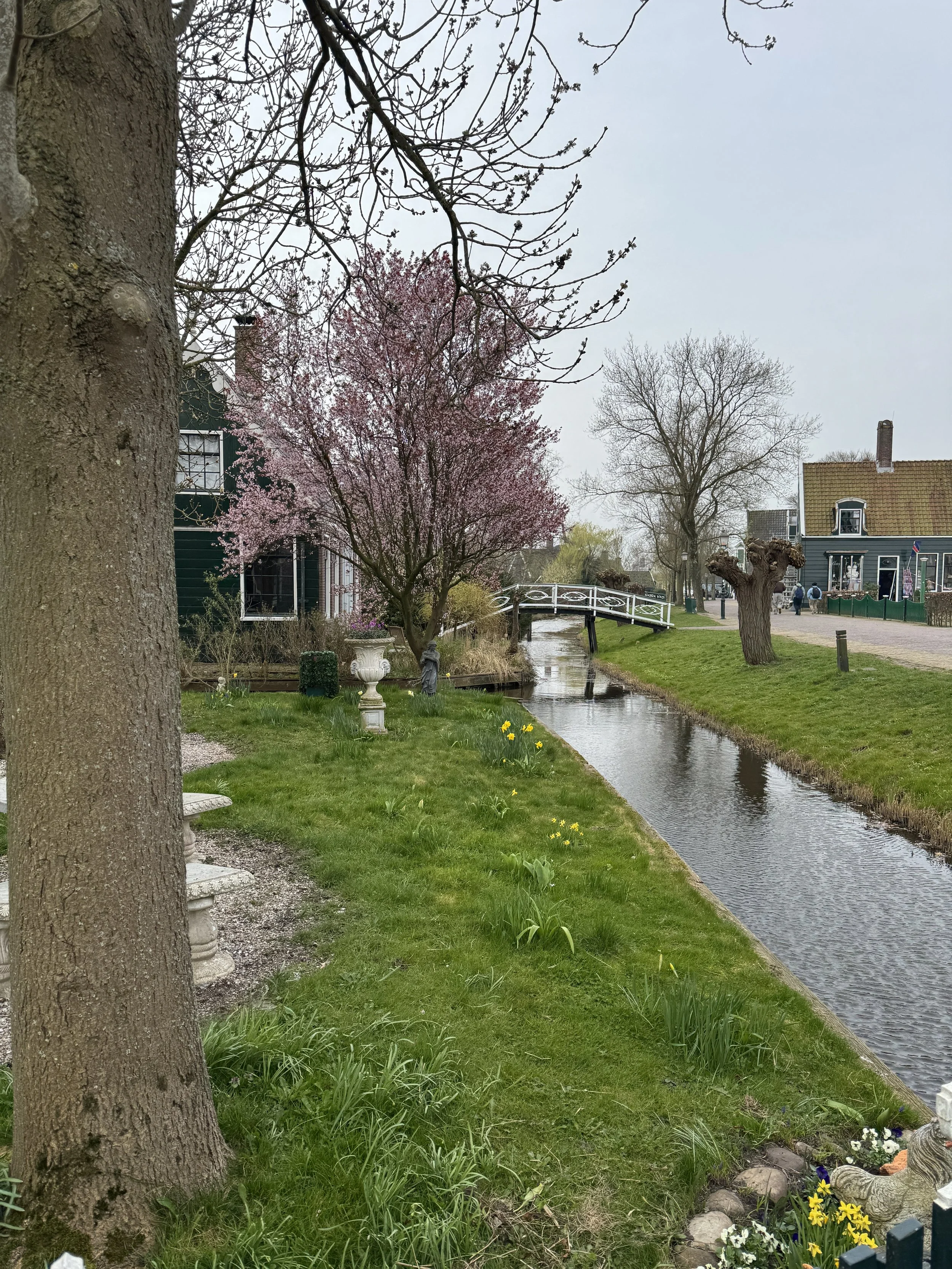
We started at Zaanse Schans, where the windmills were once the beating heart of one of the world’s first industrial zones.
1600s–1700s: Hundreds of windmills powered industries like sawmills, oil production, paint, spices, and paper, turning the Zaan region into an early industrial powerhouse.
Innovation hub: The Dutch perfected wind-powered sawmills here, helping mass-produce ships for global trade during the Dutch Golden Age.
1800s decline: Steam engines replaced wind power, and most mills disappeared.
Preservation era: A handful were relocated and restored at Zaanse Schans to preserve this history.
Today, they’re less about grinding grain and more about telling the story of how wind helped launch a global trading empire, basically the Netherlands’ original “factory district,” powered by air.
They are located north of the city and share a parking lot with the Zaans Museum, more on that later. Parking was about €10. We were able to pre-acquire our admission to the museum before it opened from a really sweet woman working the front desk. The museum doesn’t open until 10 AM, and we arrived at 9 AM to hit up the windmills first.
We entered, and the area is laid out with souvenir stores and cafés throughout. They also have a cheese shop with a walk-through history and free tastings of all the cheeses. Note: we later found out the cheese here is more expensive than in local shops. The exact same cheese, even. We tried, we got suckered into buying it. It was good cheese, though, and will make some good gifts for coworkers and family.
The cheese shop onsite is called Catharina Hoeve, and it’s a traditional-style cheese farm at Zaanse Schans that brings Dutch cheesemaking to life. It is not an original centuries-old farm, but was built as part of the Zaanse Schans open-air museum to showcase traditional rural life.
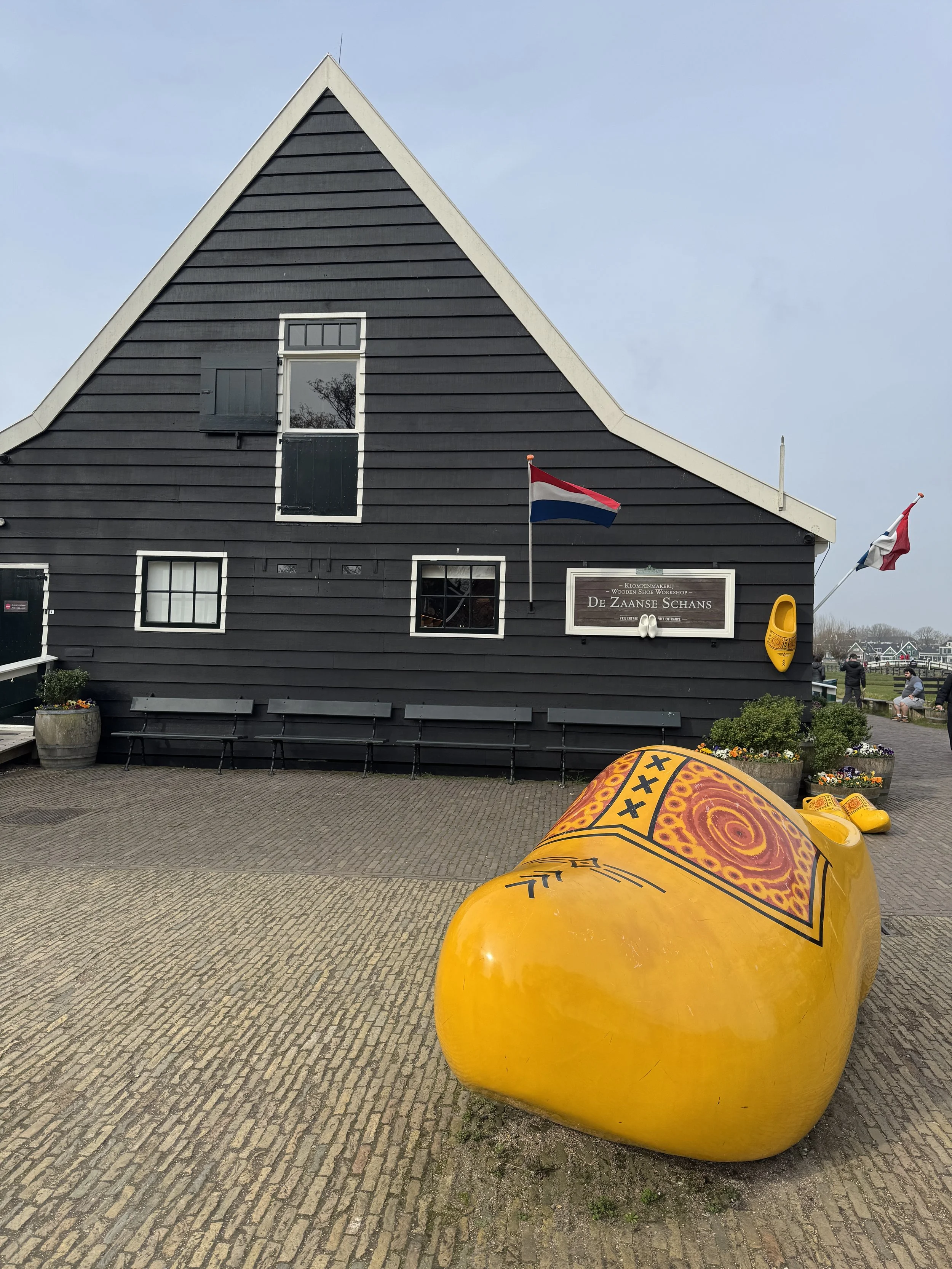
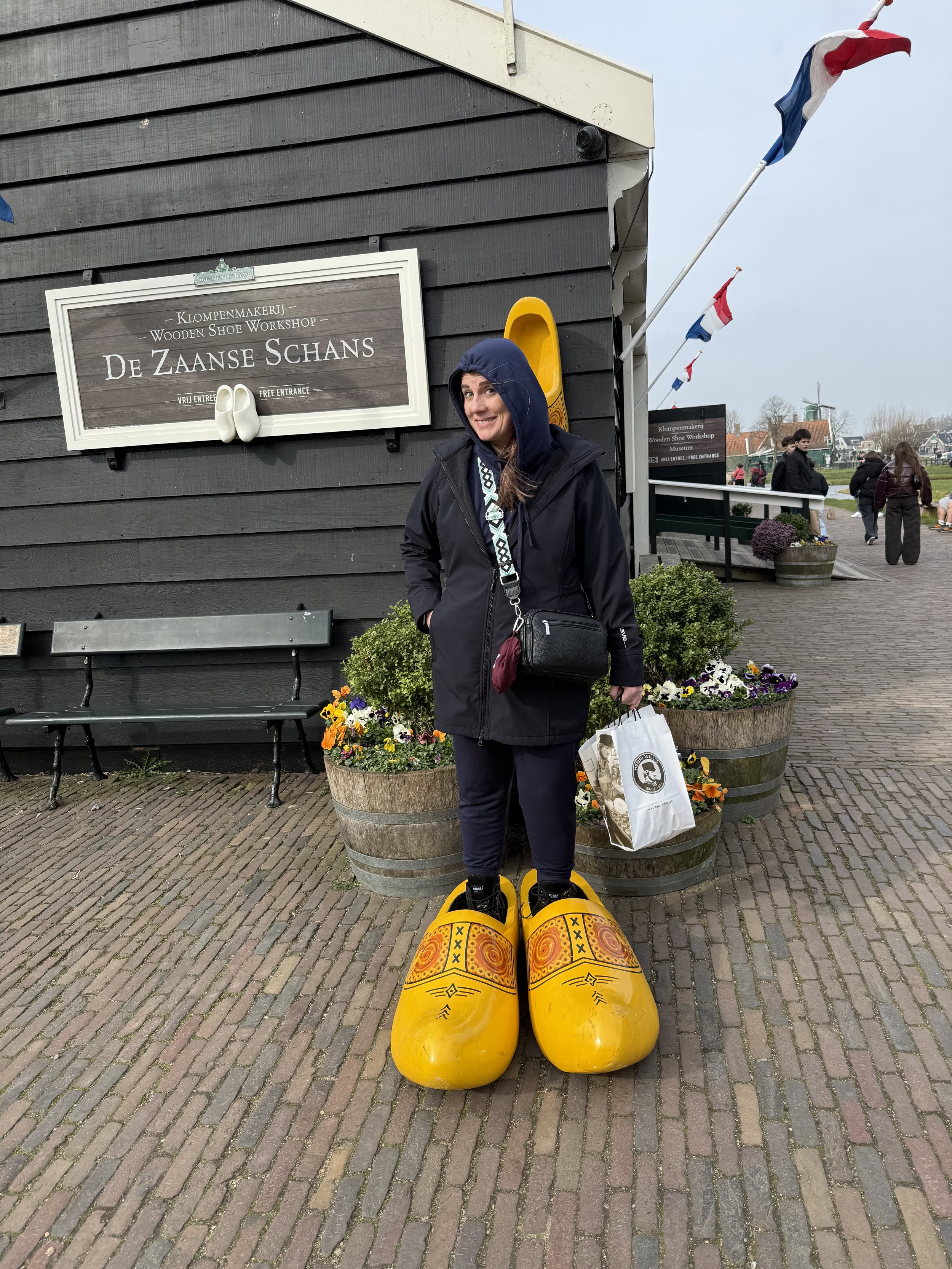
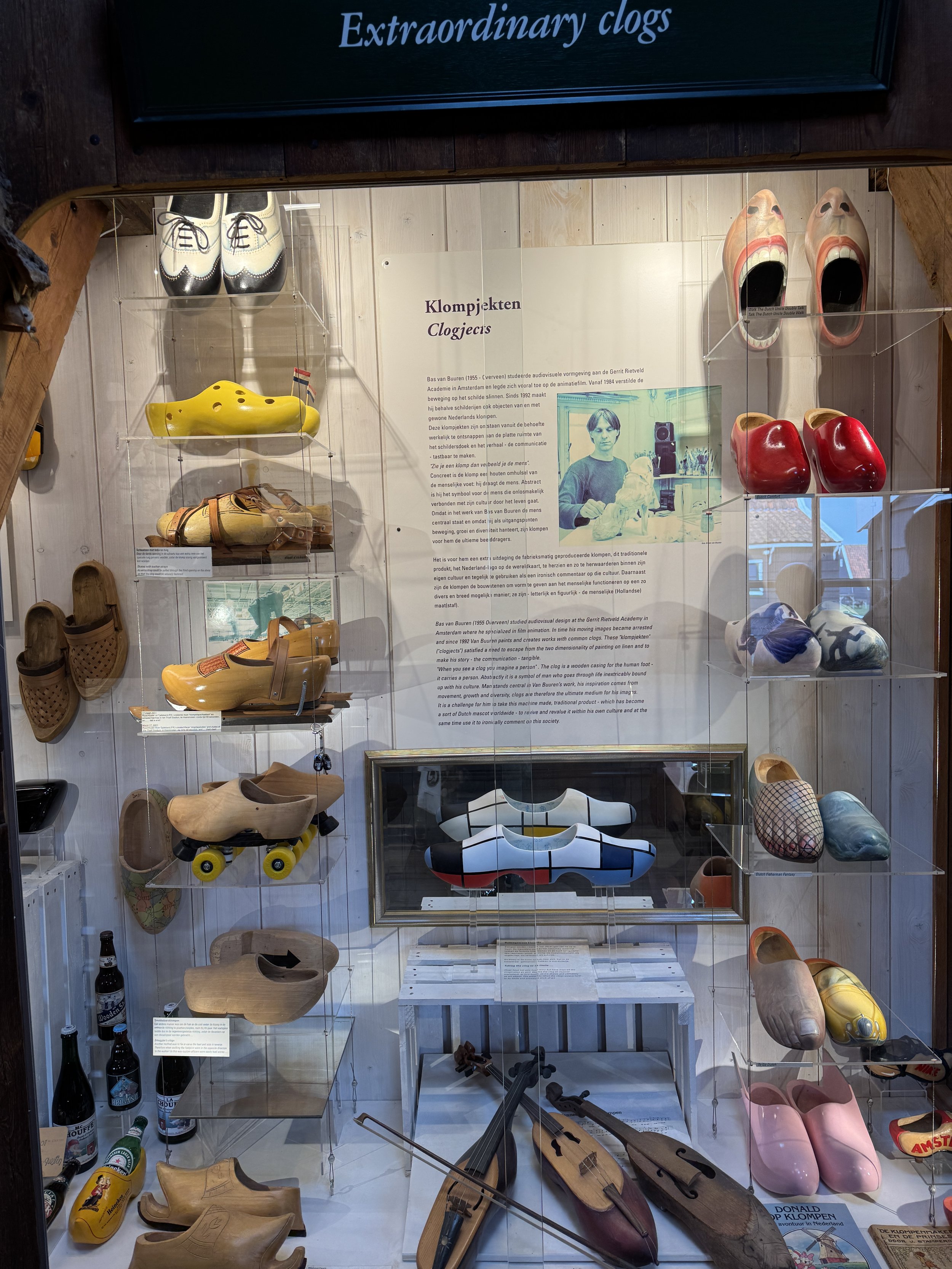
The site also has a clog workshop, which again isn’t historic, but they do have a museum showing the many styles of clogs, including rhinestone-embellished ones, carved wedding clogs, and others from throughout history. They have live demonstrations and, of course, clogs to purchase.
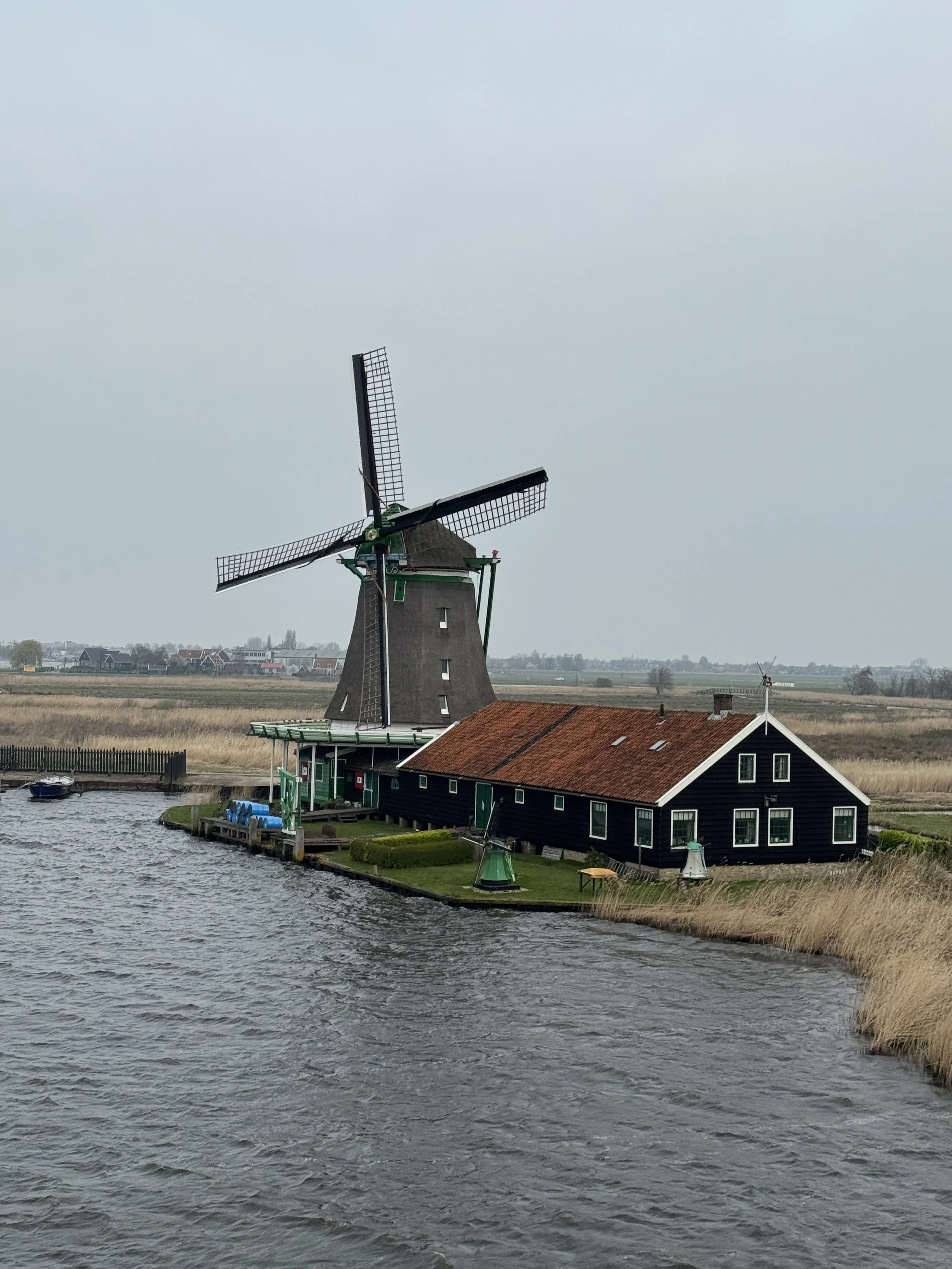
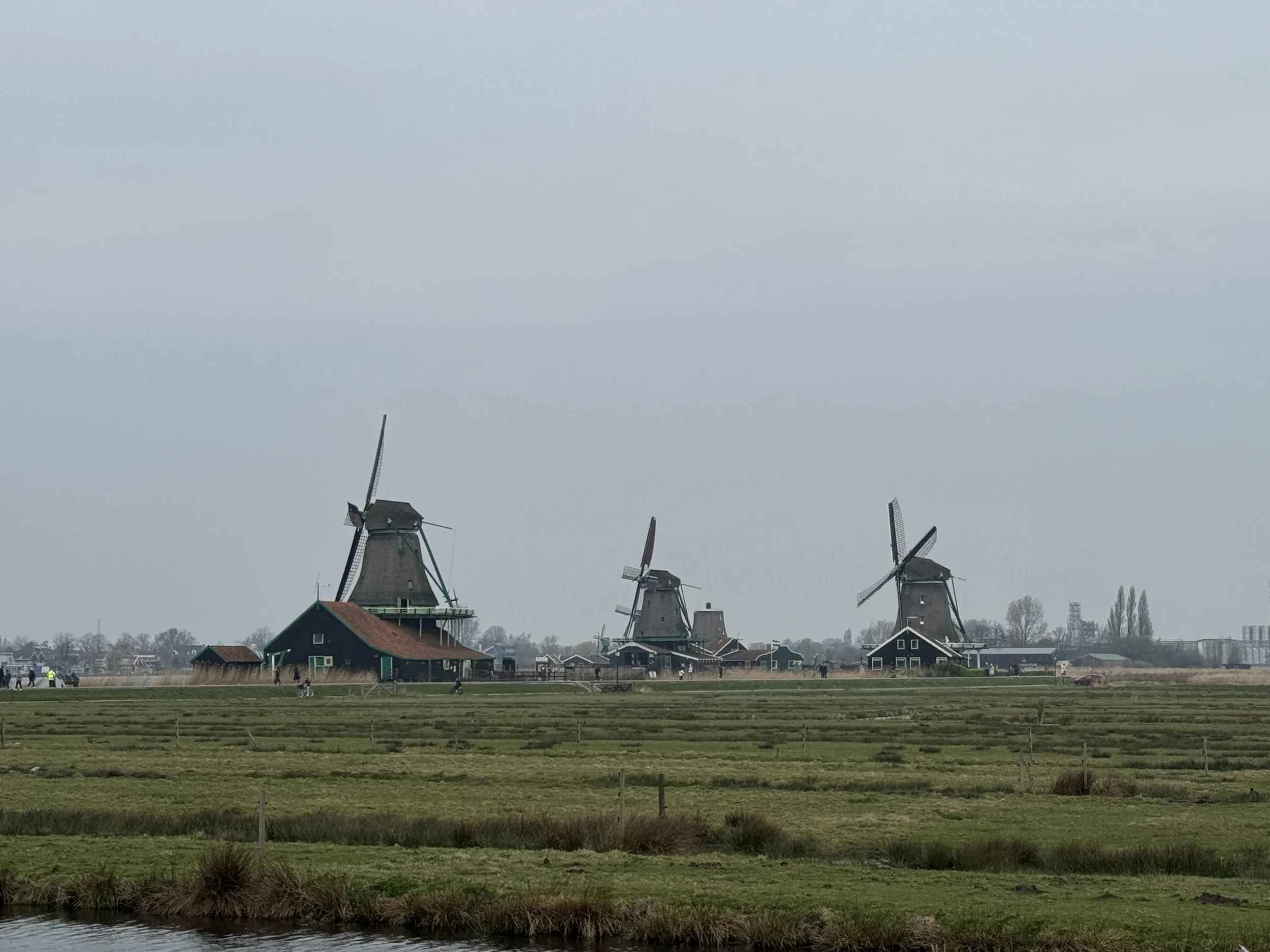
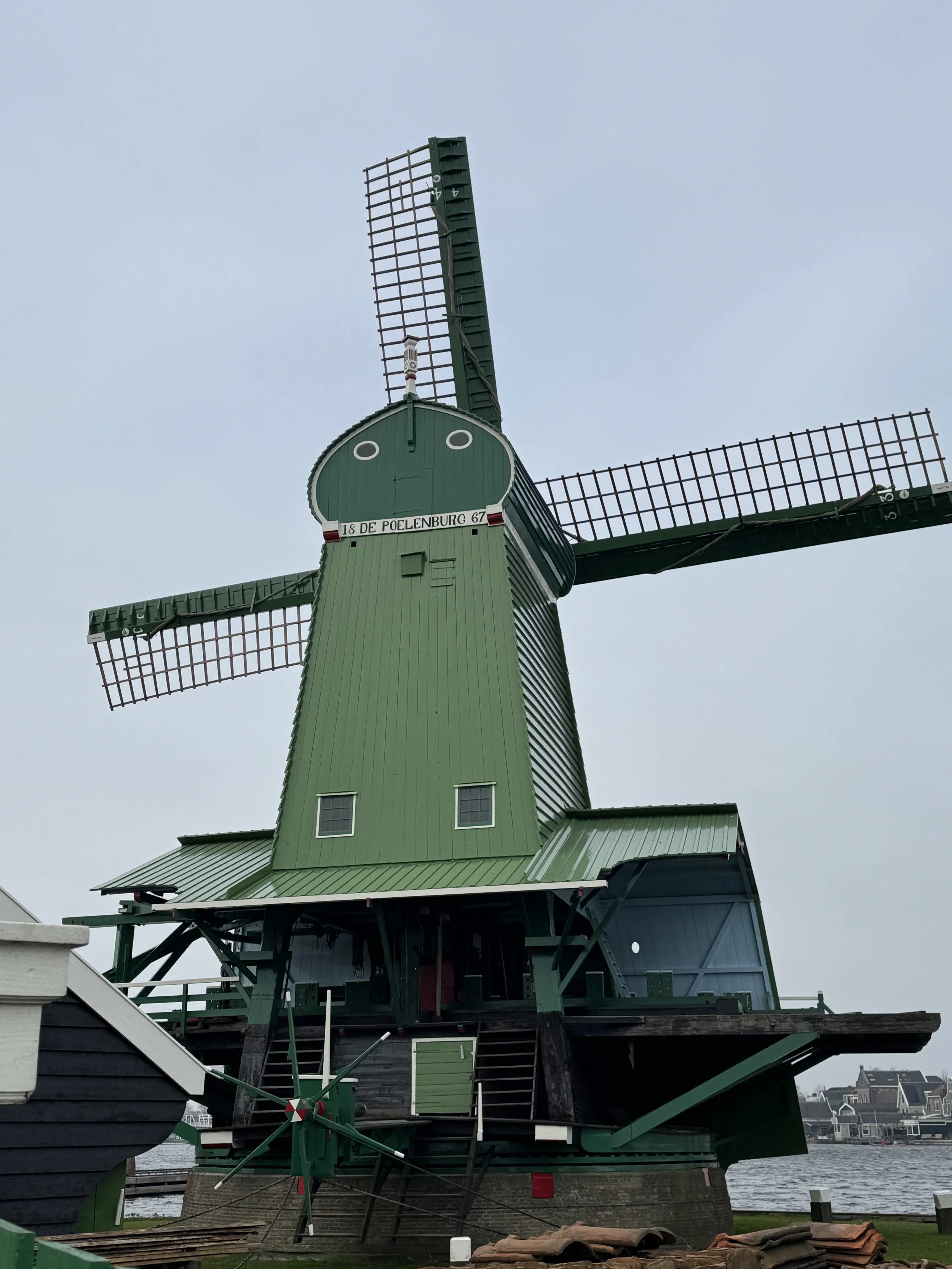
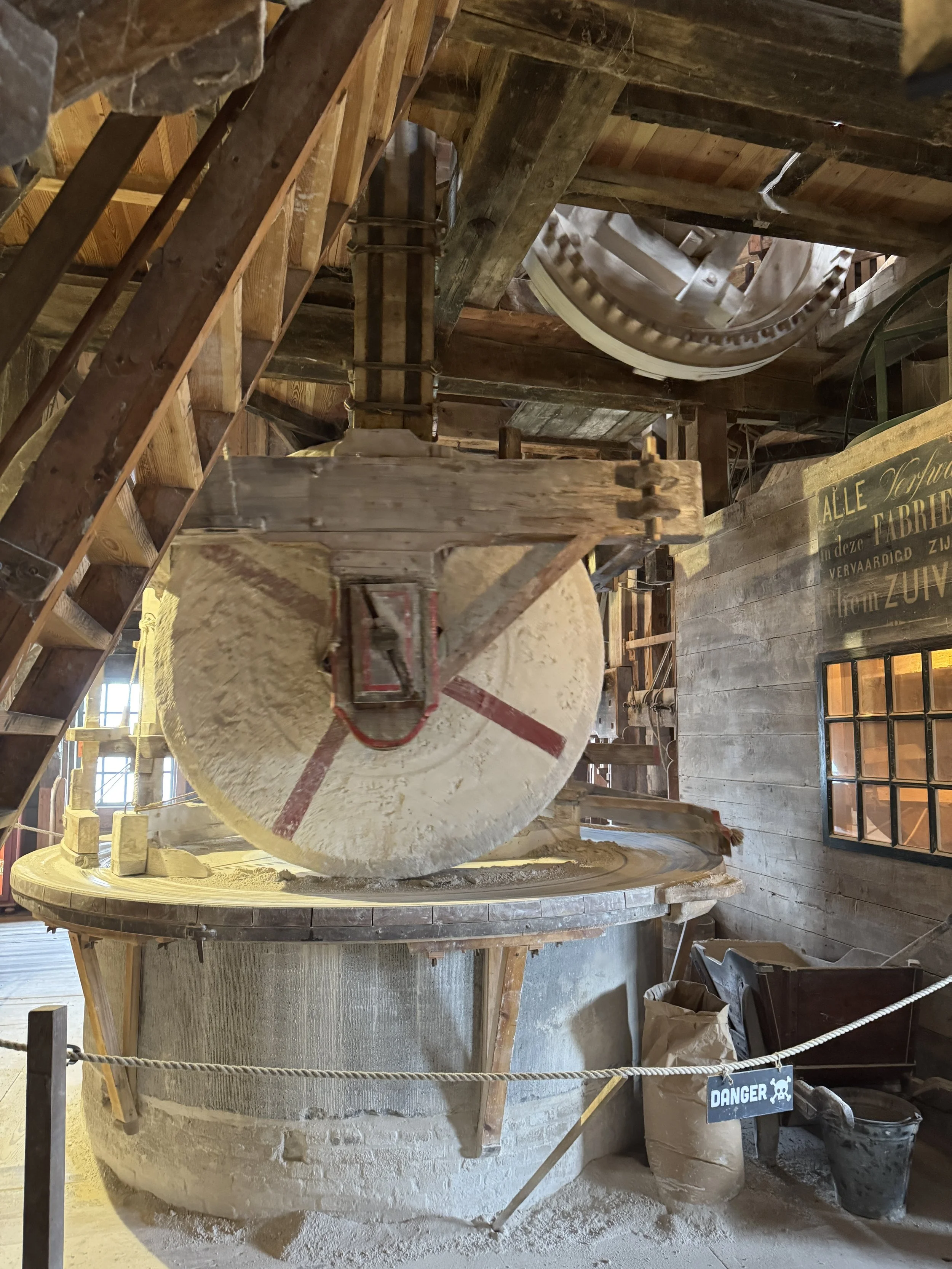
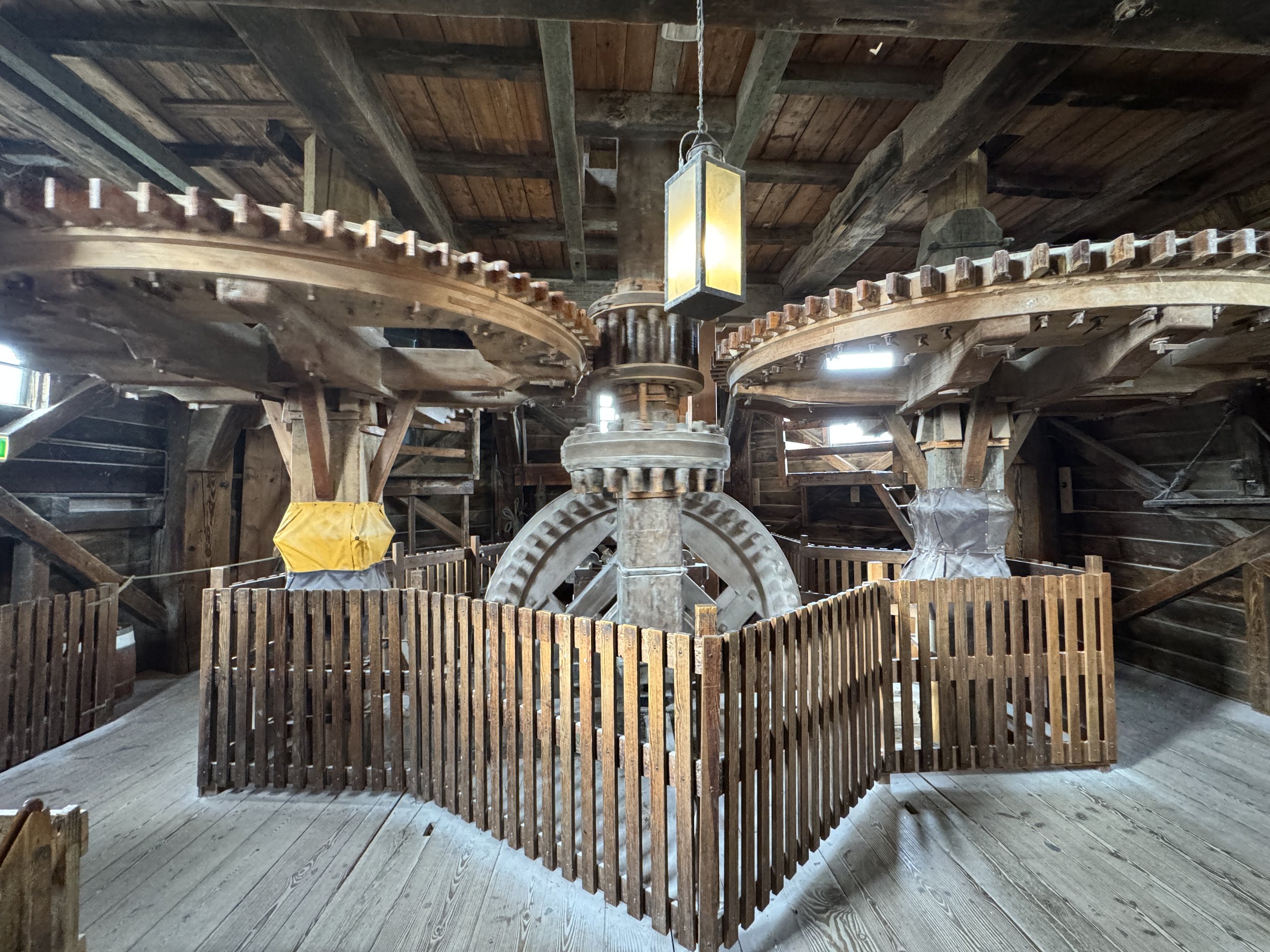
Onsite they also have windmills you can tour. The city pass got us into Paintmill De Kat (Verfmolen De Kat), a rare surviving paint mill where wind power is used to grind raw materials into pigments. Built in 1781, De Kat is the last working paint windmill in the world.
Industrial role: It once produced pigments for paints, dyes, and inks, supplying artists and industries during the Dutch Golden Age and beyond.
How it worked: Wind-powered stones crushed minerals, chalk, and other materials into fine colored powders.
Still operating: Today, it continues to produce pigments, keeping this nearly lost craft alive.
It was working when we visited, and we were able to go up to the roof. It was cool, loud, and windy as hell.
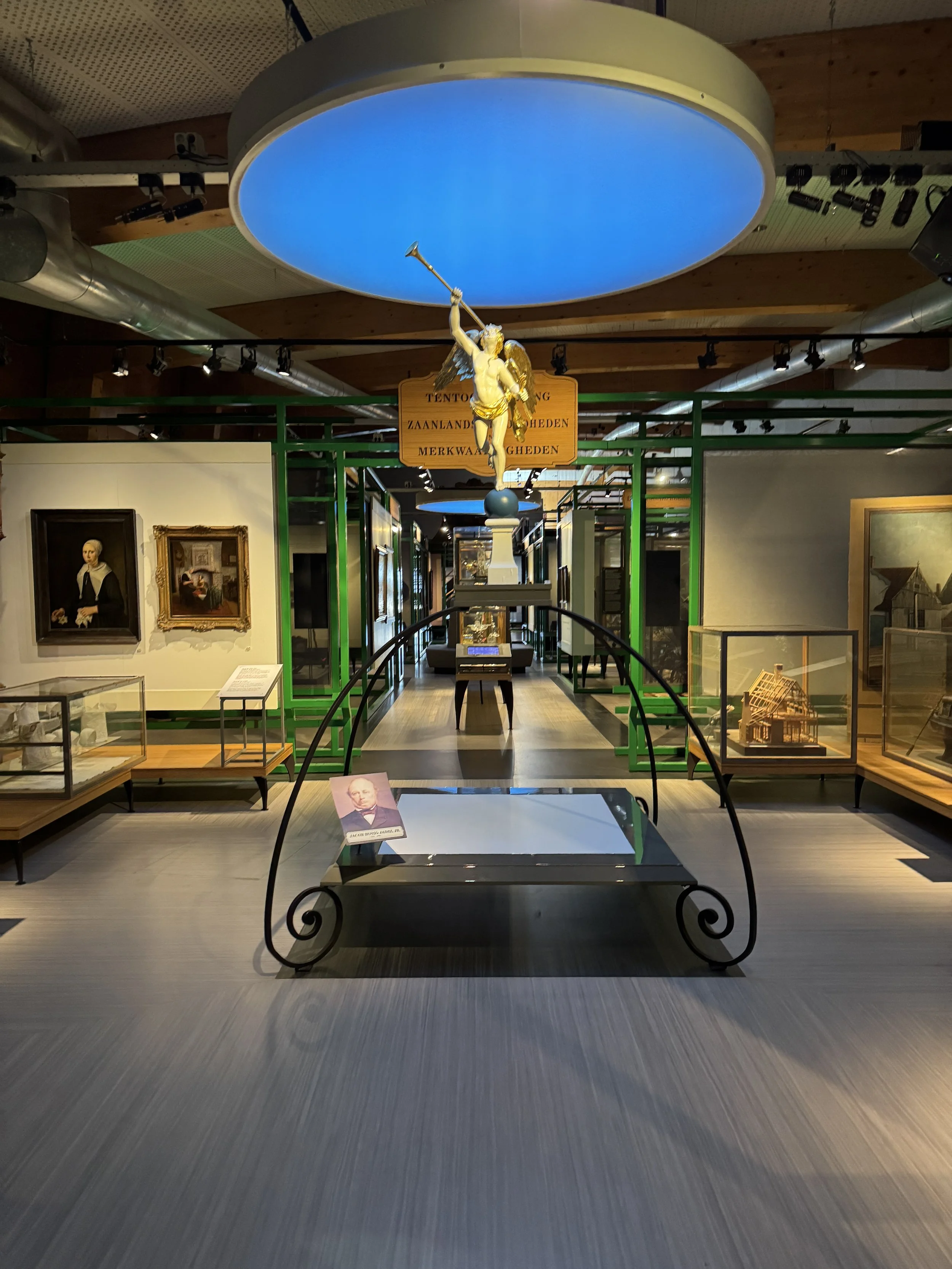
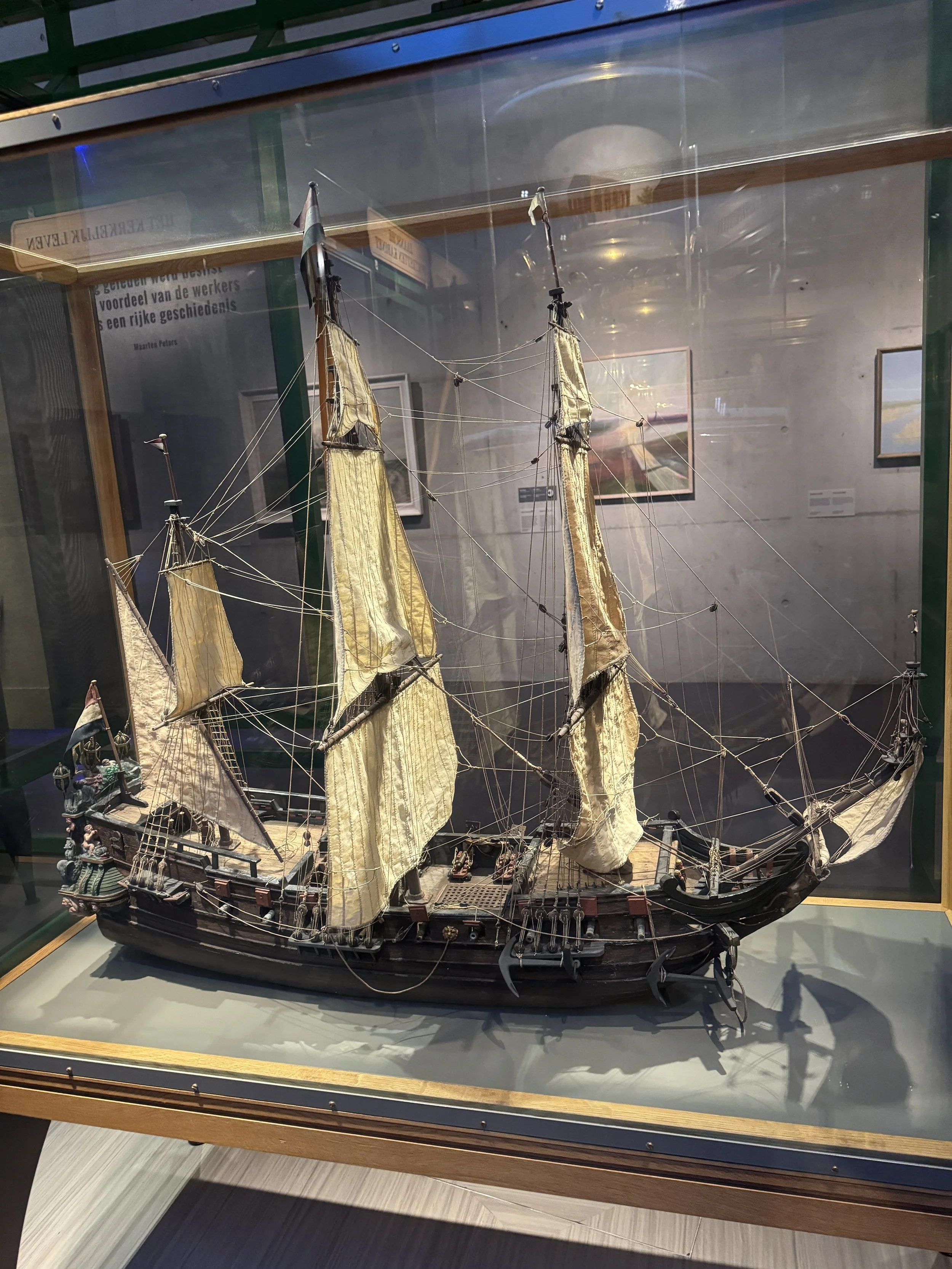
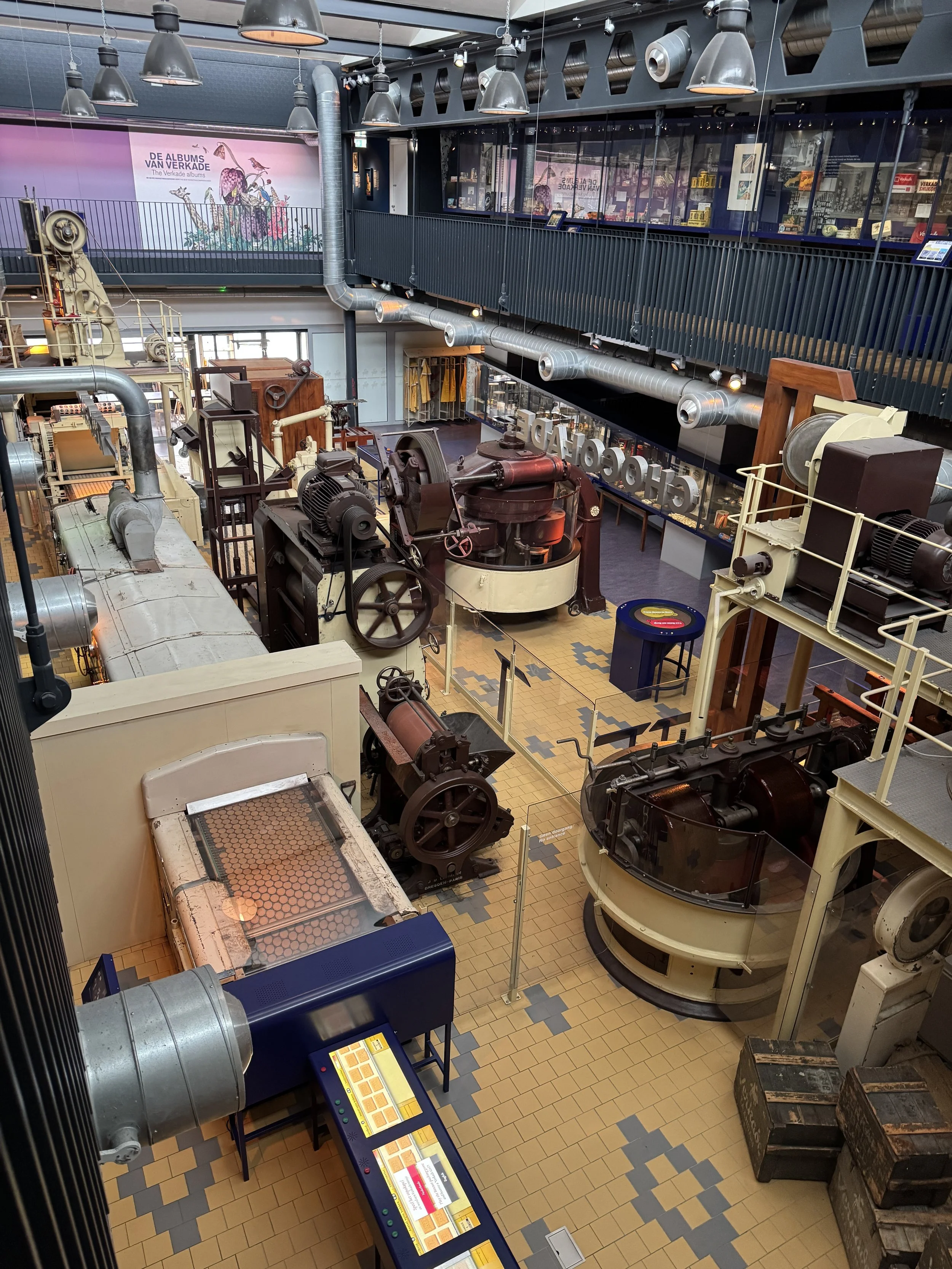
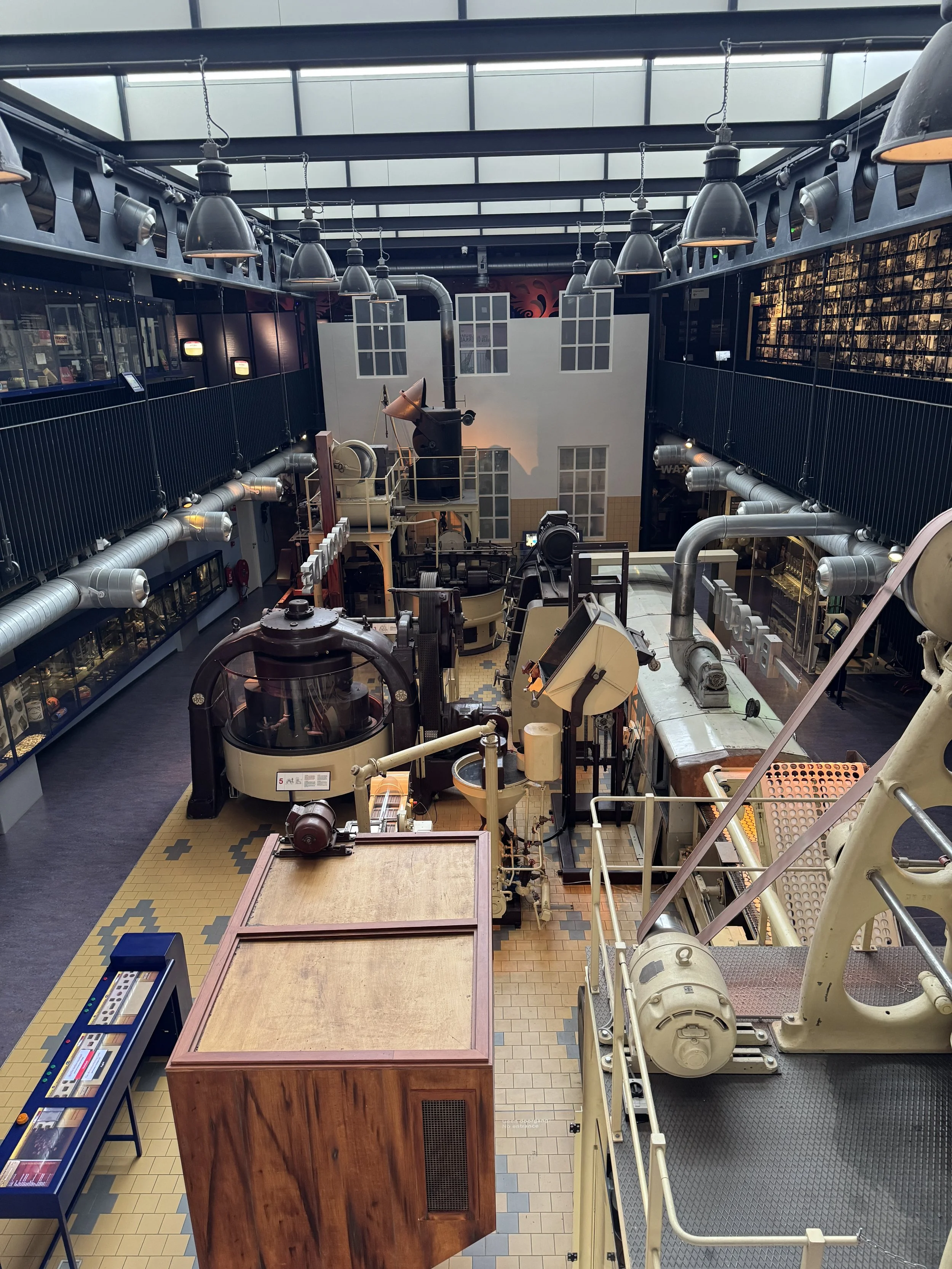
We then headed back to the Zaans Museum, a modern museum that tells the story of the Zaan region’s rise as one of the world’s first industrial areas, featuring exhibits on wind-powered industries, local crafts, and the famous Verkade food factories. It was informative, but since we were on a timetable, we sort of breezed through.
Inside is actually something pretty cool: a recreation of the historic Verkade biscuit and chocolate factory. Founded in 1886, Verkade became one of the Netherlands’ most beloved food brands.
Factory life: The exhibit shows original machinery and tells the story of the “Verkade girls,” the women who worked in the factory packing biscuits and chocolate.
Early industrial food production: It highlights how mass-produced sweets became part of everyday Dutch life.
Immersive setup: It is designed to feel like stepping into an early 1900s production line.
It’s basically a time capsule of sugar, cocoa, and industry, where the smell of history is almost sweet enough to taste. Everything was running, and it was cool to see these historic machines. At the end, a man offered us a biscuit to try and it was pretty tasty. The museum gives both an aerial view of the factory and an up-close, personal look.
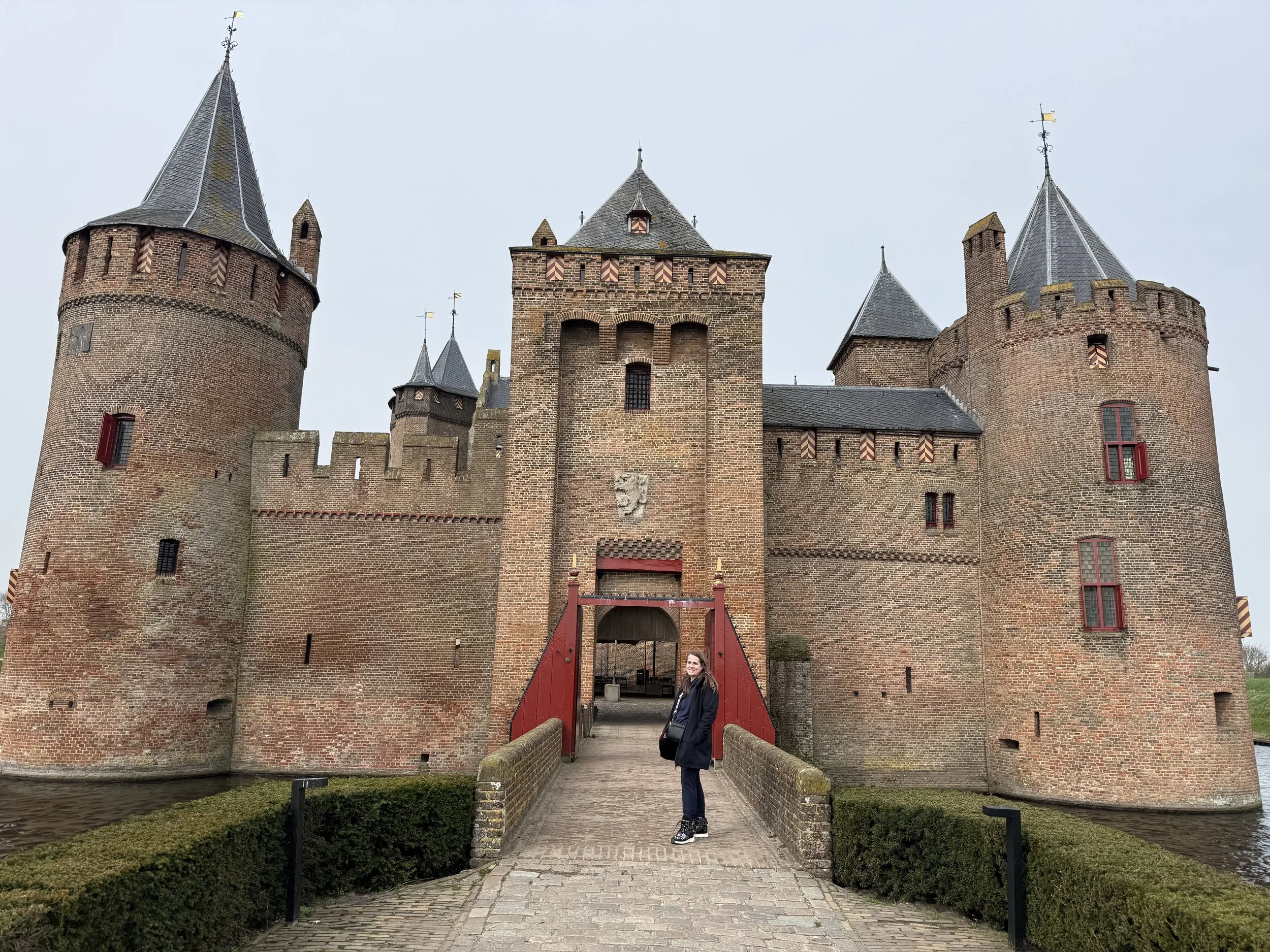
We headed out from that region and went to Muiderslot Castle. We were able to find parking right near it, and it was €2 for one hour.
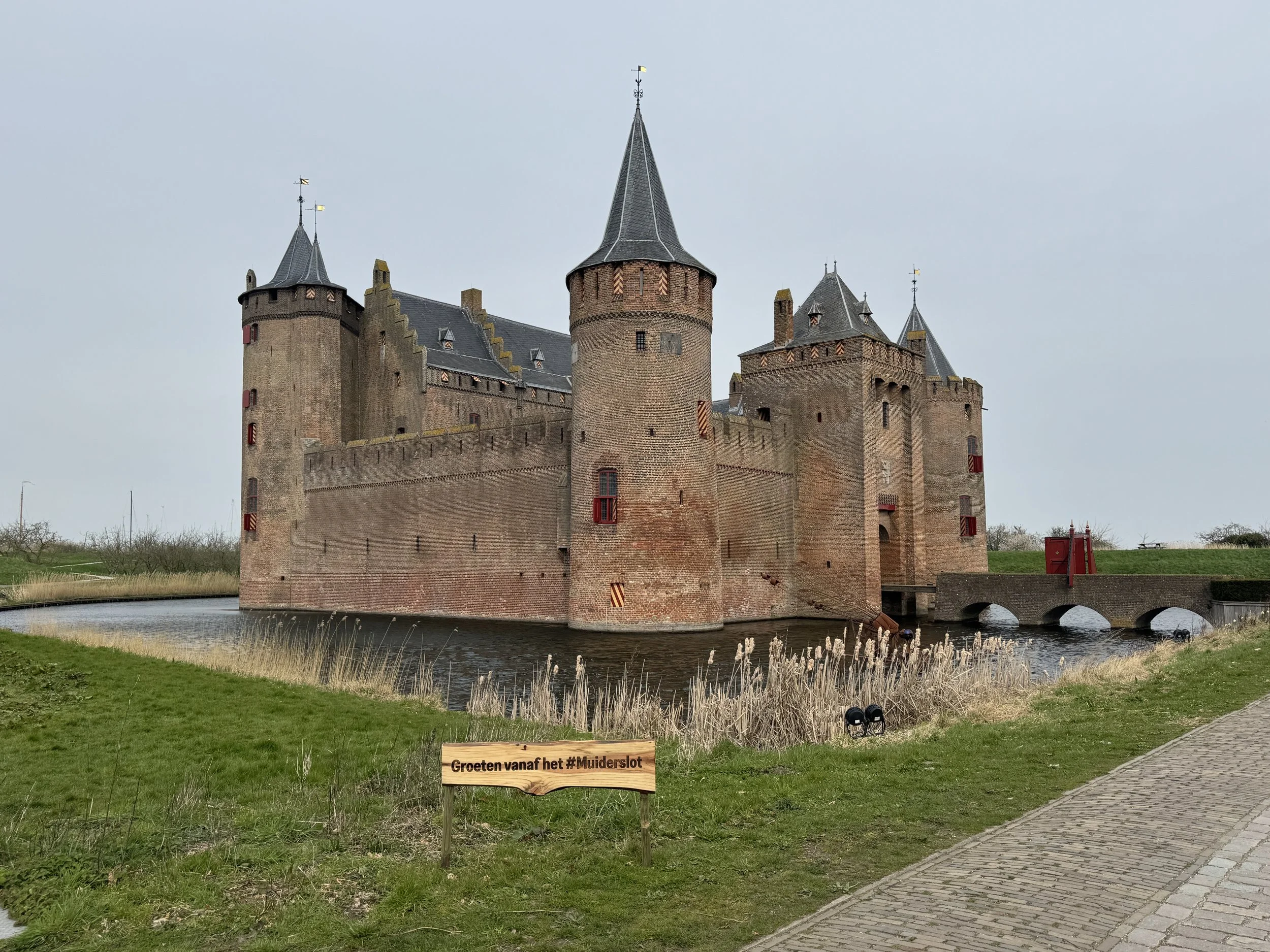
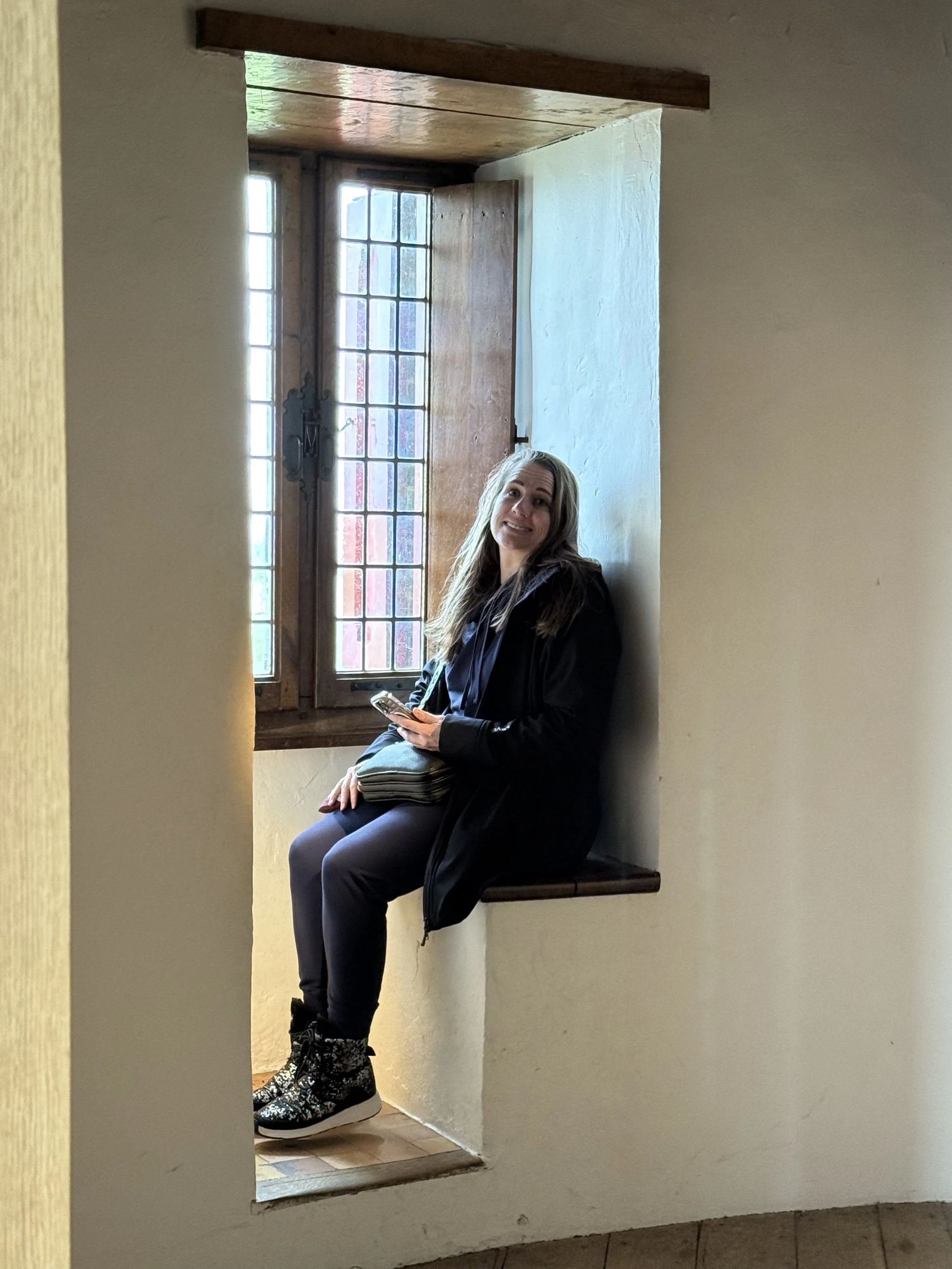
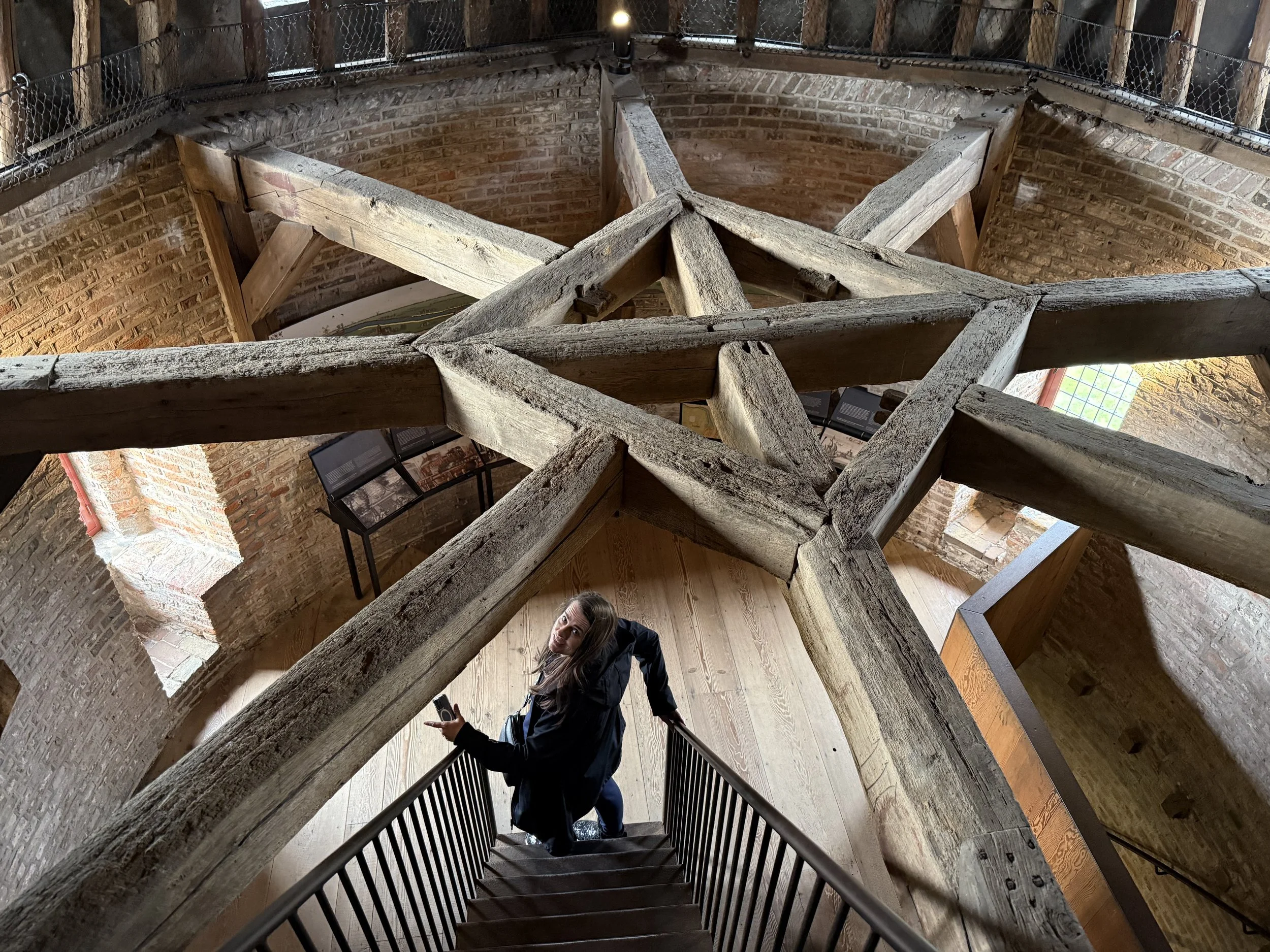
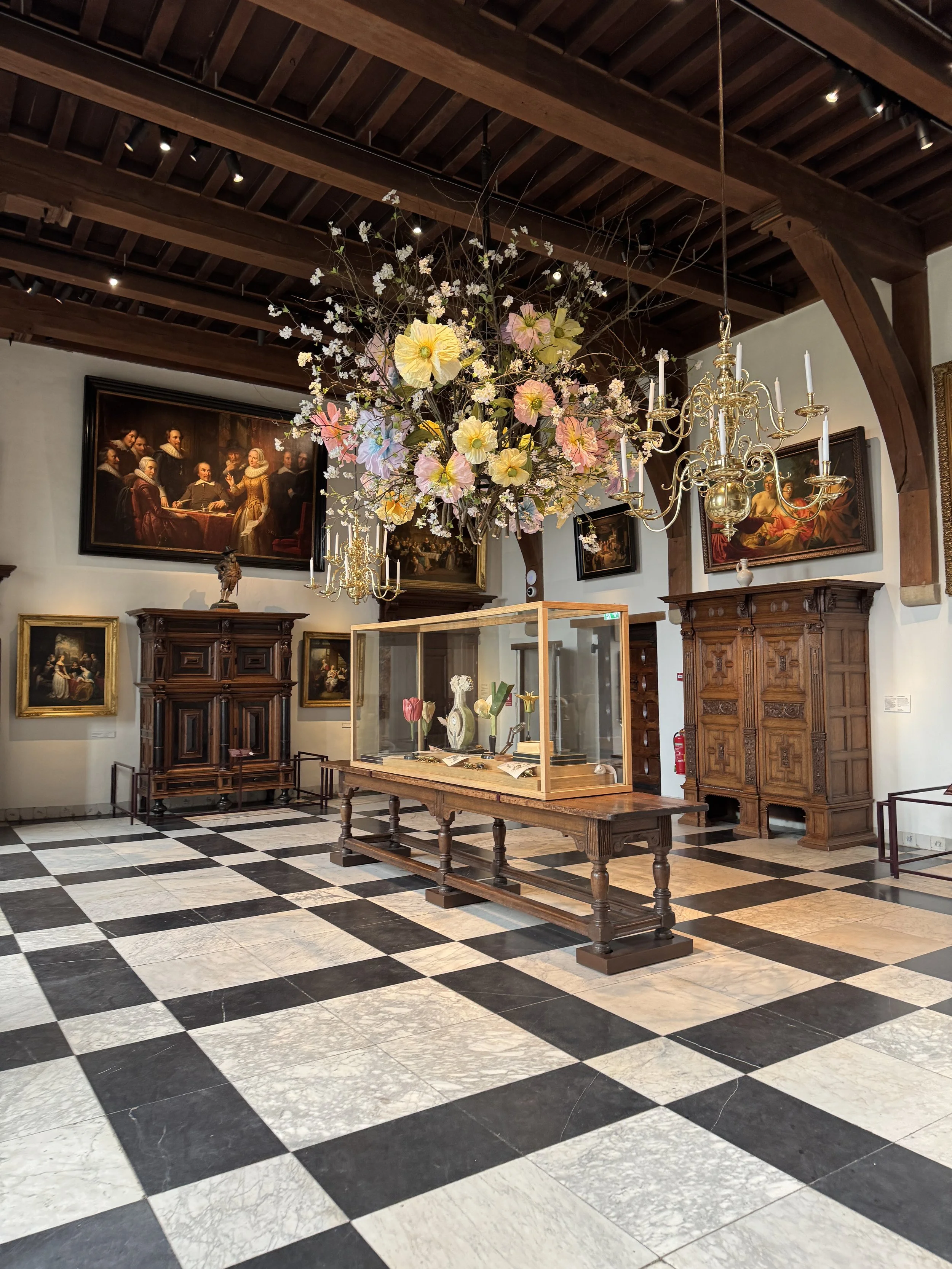
Muiderslot has a well-preserved medieval castle dating back to the 13th century, complete with towers, a moat, and furnished rooms that bring knightly life and Dutch history vividly to life. It was almost in ruins in the 1800s but was fully restored in the 1900s and turned into a museum.
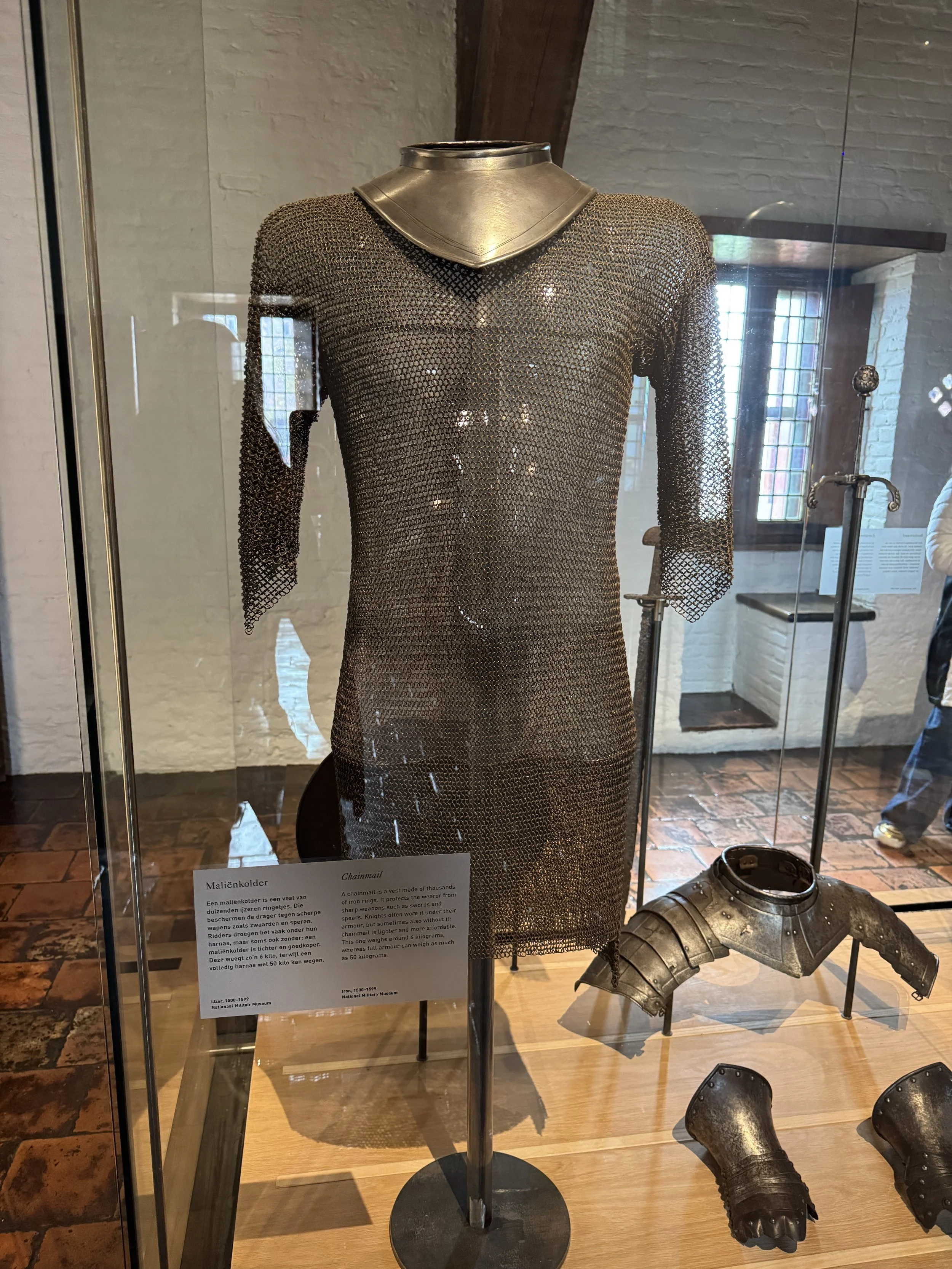
It was cool to see a medieval castle, and it even had murder holes. It’s also pretty open to explore, including the towers and dungeon. It had an audio guide in multiple languages. The signage is what we mostly followed, and it was worth the stop, plus it was included on our city pass.
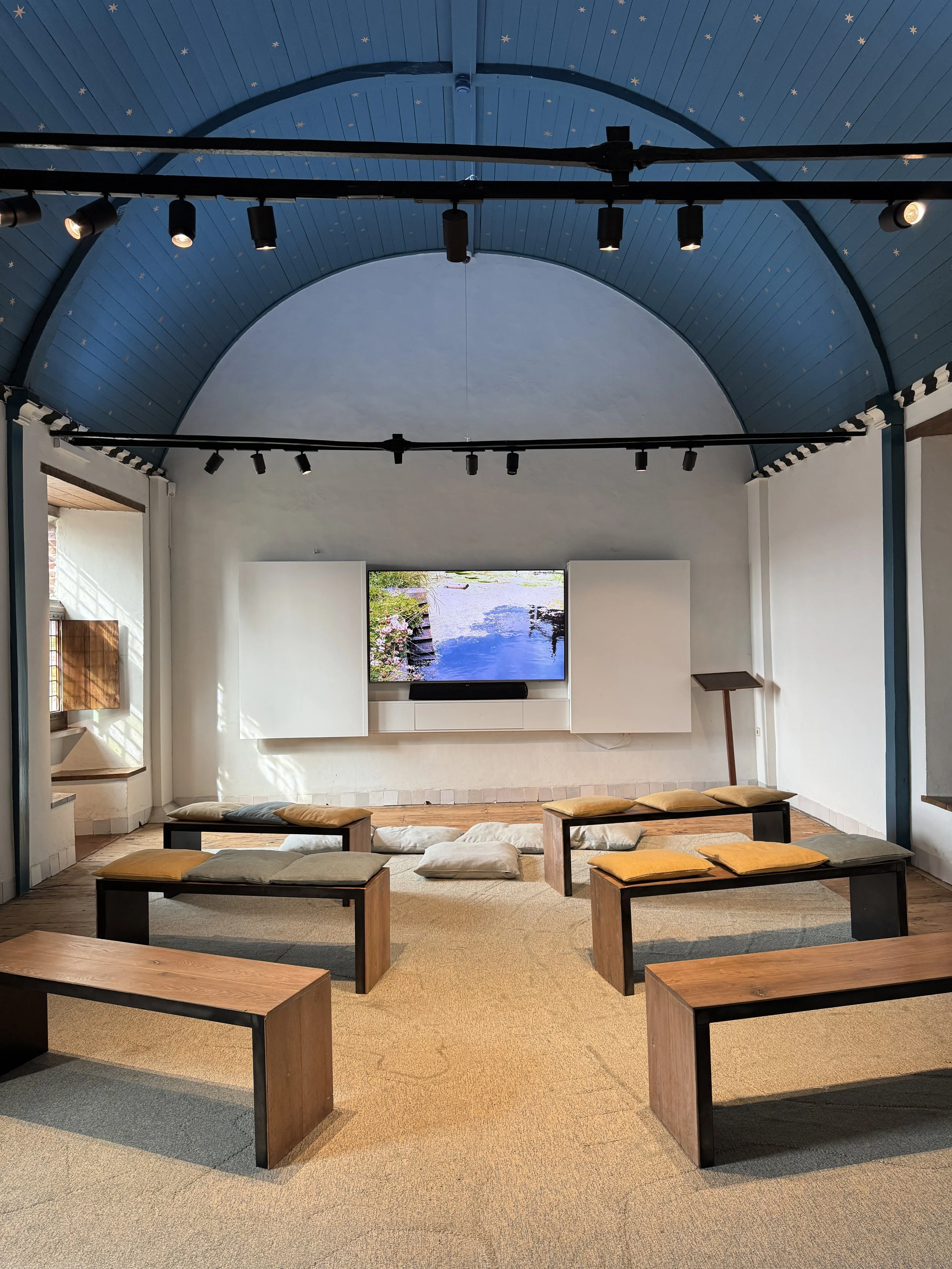
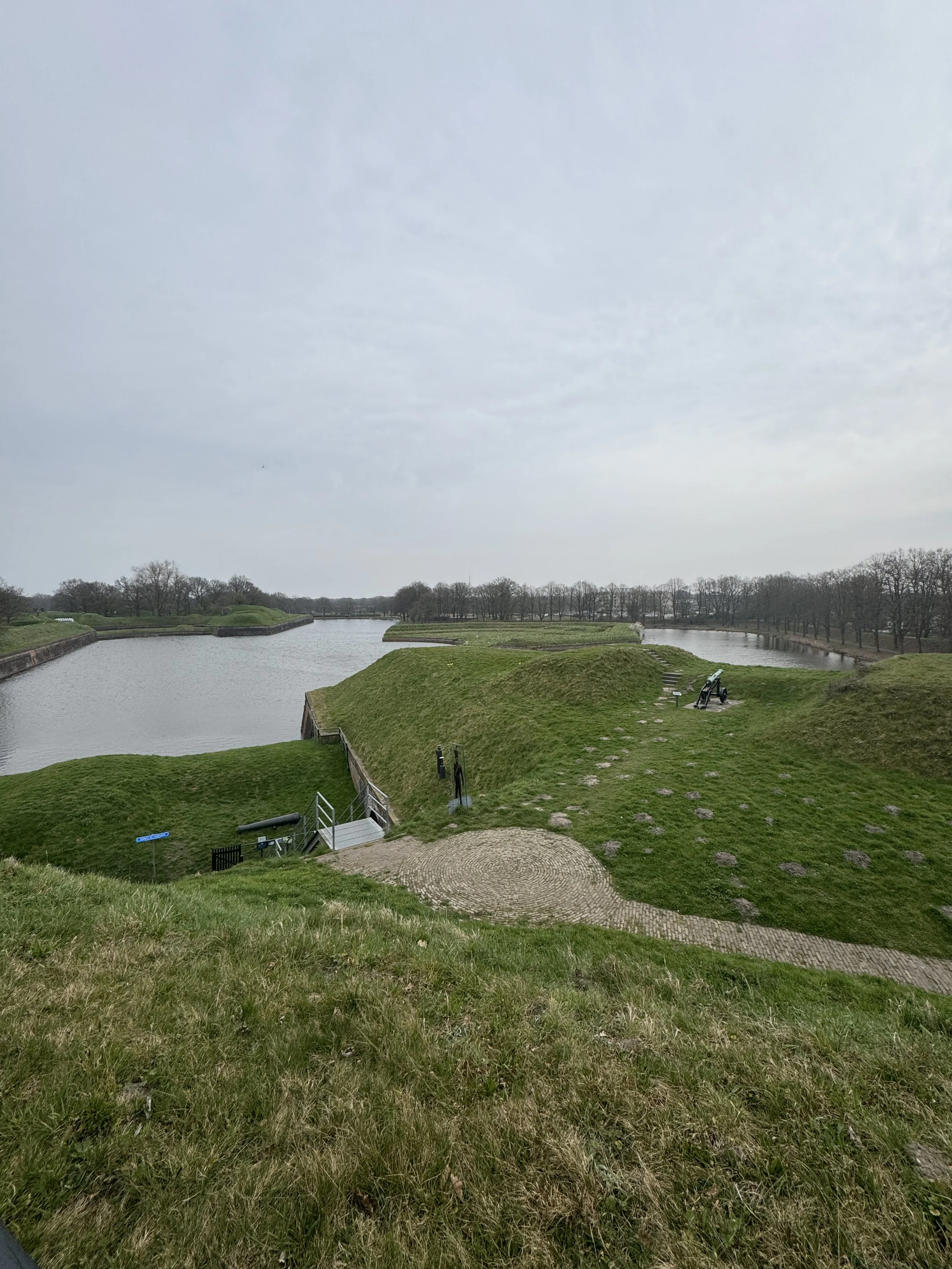
Our final city pass stop was Vesting Naarden, a perfectly preserved star-shaped fortress town from the 16th and 17th centuries.
Built for defense: Designed during the Eighty Years’ War to protect the Dutch Republic.
Star fort design: Its geometric layout with bastions and moats allowed defenders to see and fire in all directions, with no blind spots.
Part of a larger system: It later became part of the Dutch Water Line, which used controlled flooding to keep enemies out.
Still intact: It is one of the best-preserved fortified towns in Europe, with walls, gates, and canals largely unchanged.
It’s basically a giant medieval geometry lesson turned into a fortress, where every angle was designed to outsmart invaders.
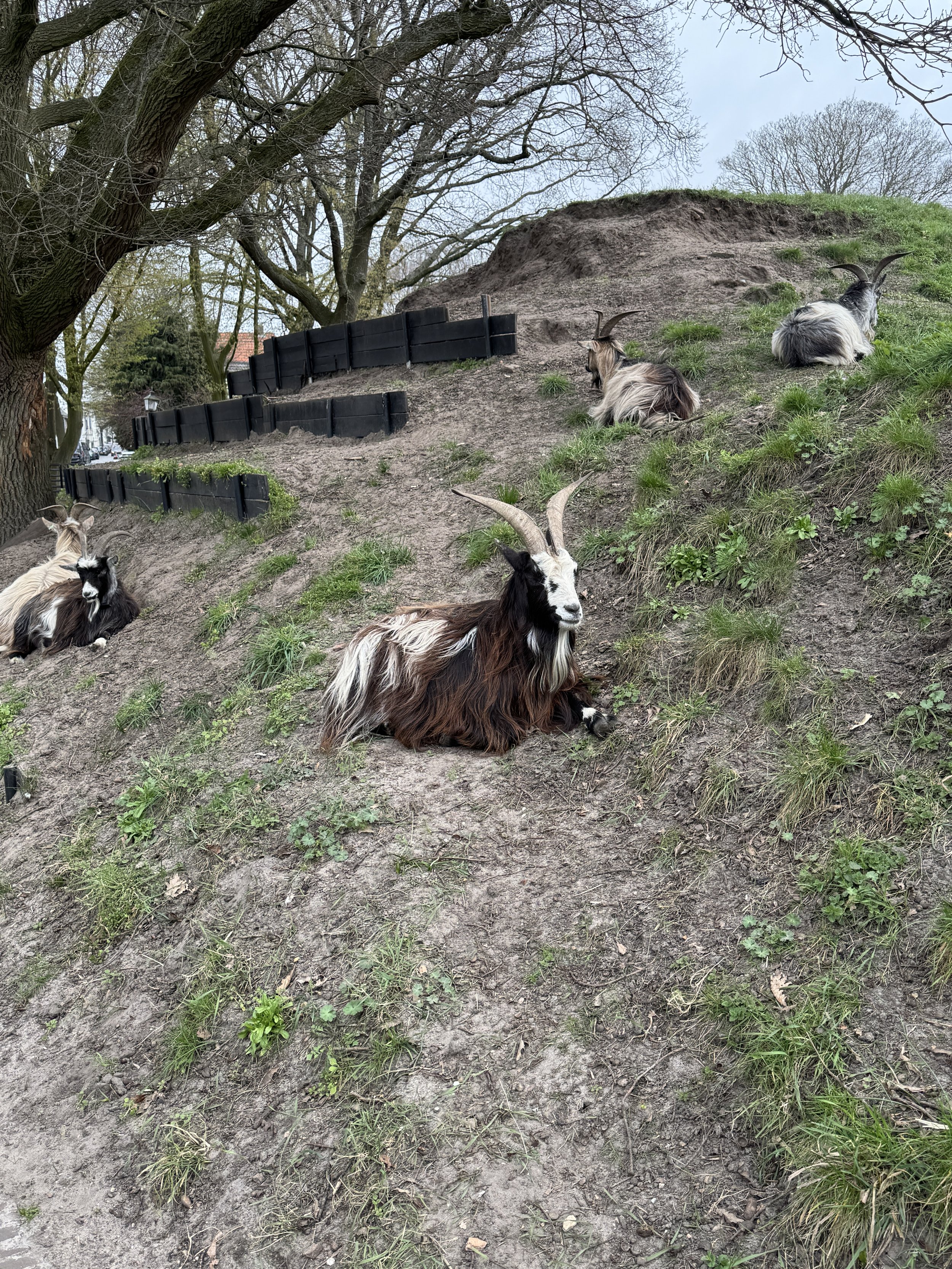
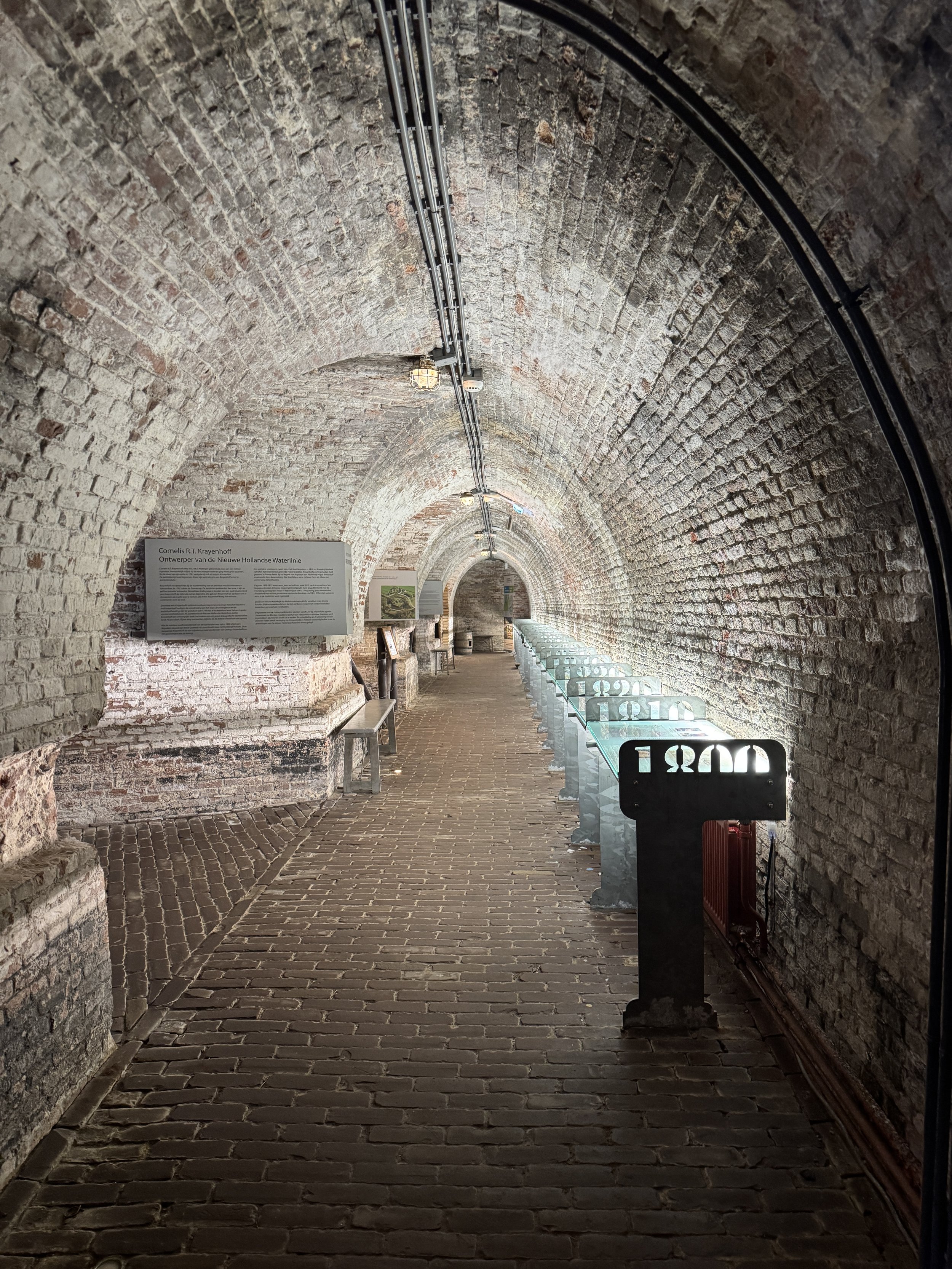
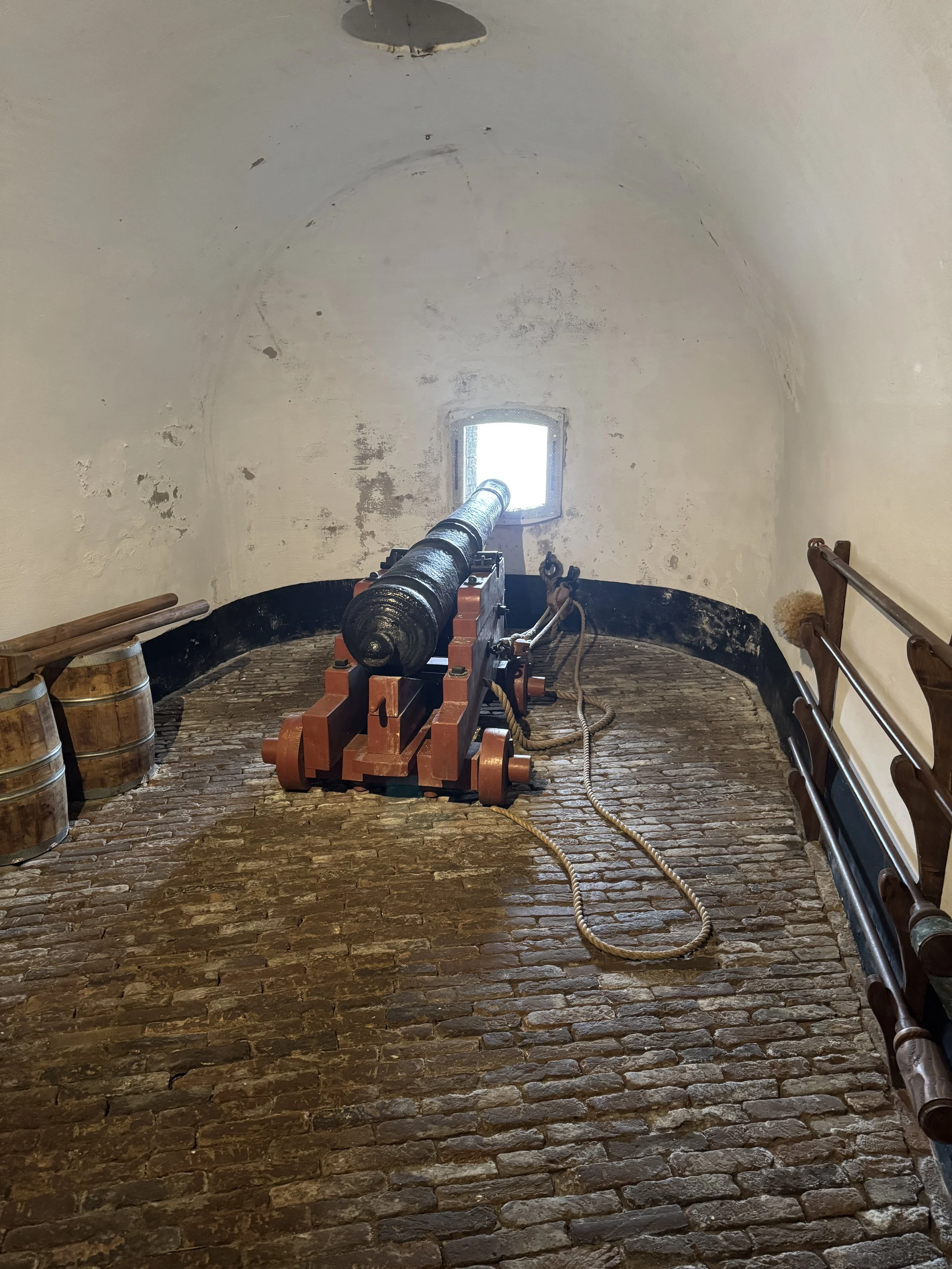
This place had a few parking spots outside that we were lucky to find at no cost. They had goats waiting to greet us when we entered the property as well. Entry included an audio guide, a museum with the history of the area, and access to the grounds, including dark tunnels to nowhere. There was a lot of artillery on display and goat houses too. It was interesting to see. Inside, it has a tiny store and café, but the best part? The bathrooms play a salute when you walk in…
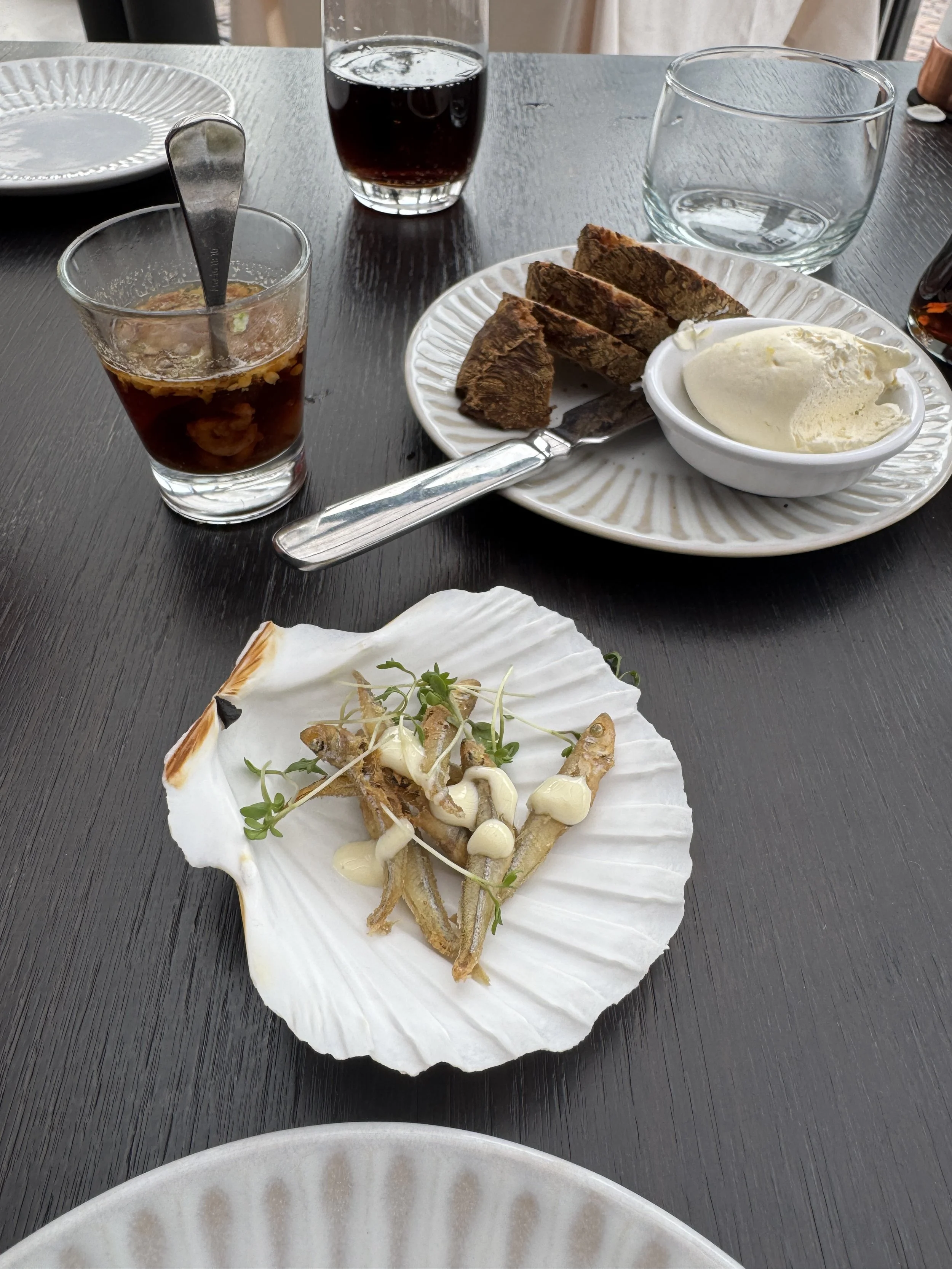
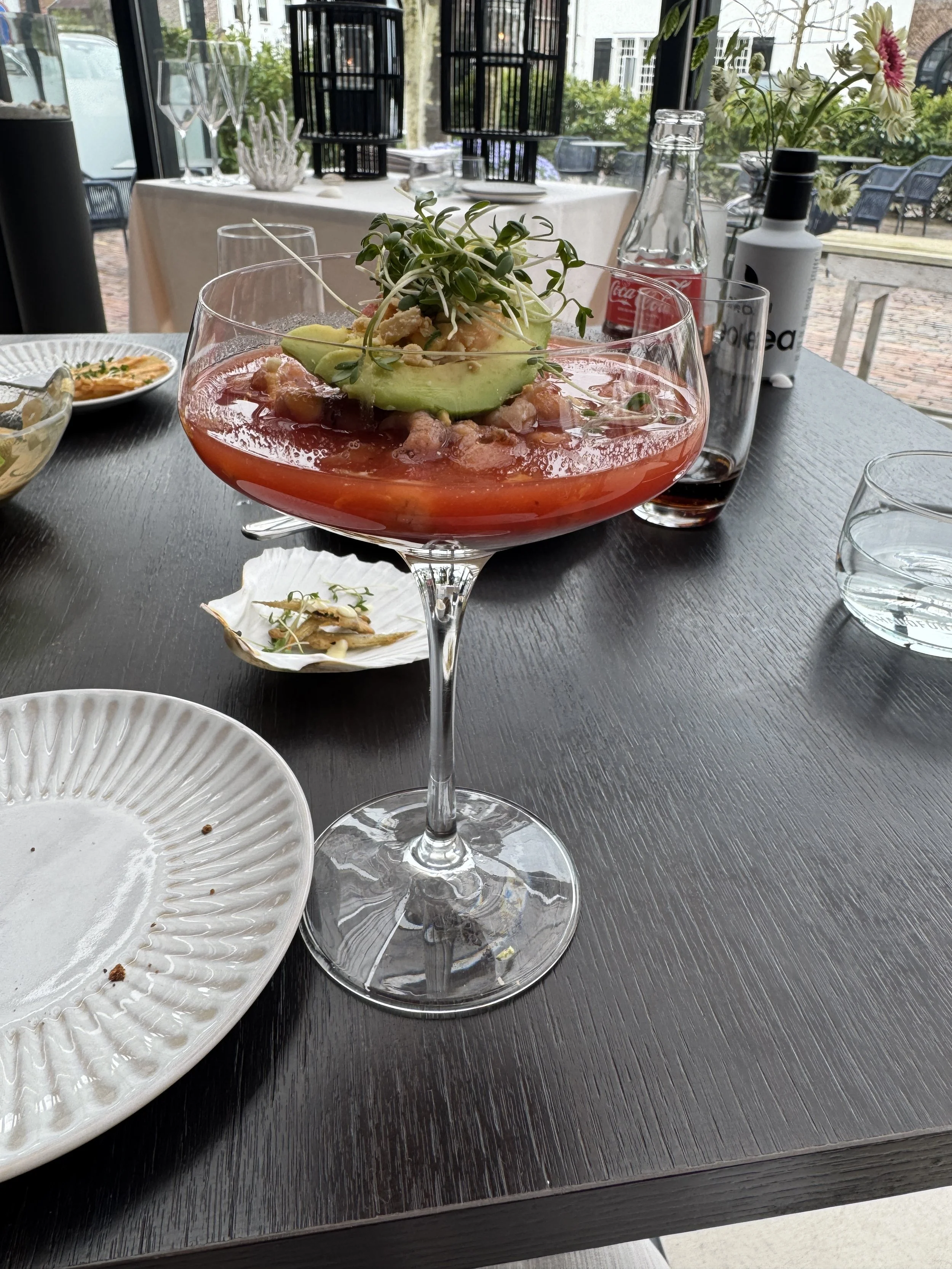
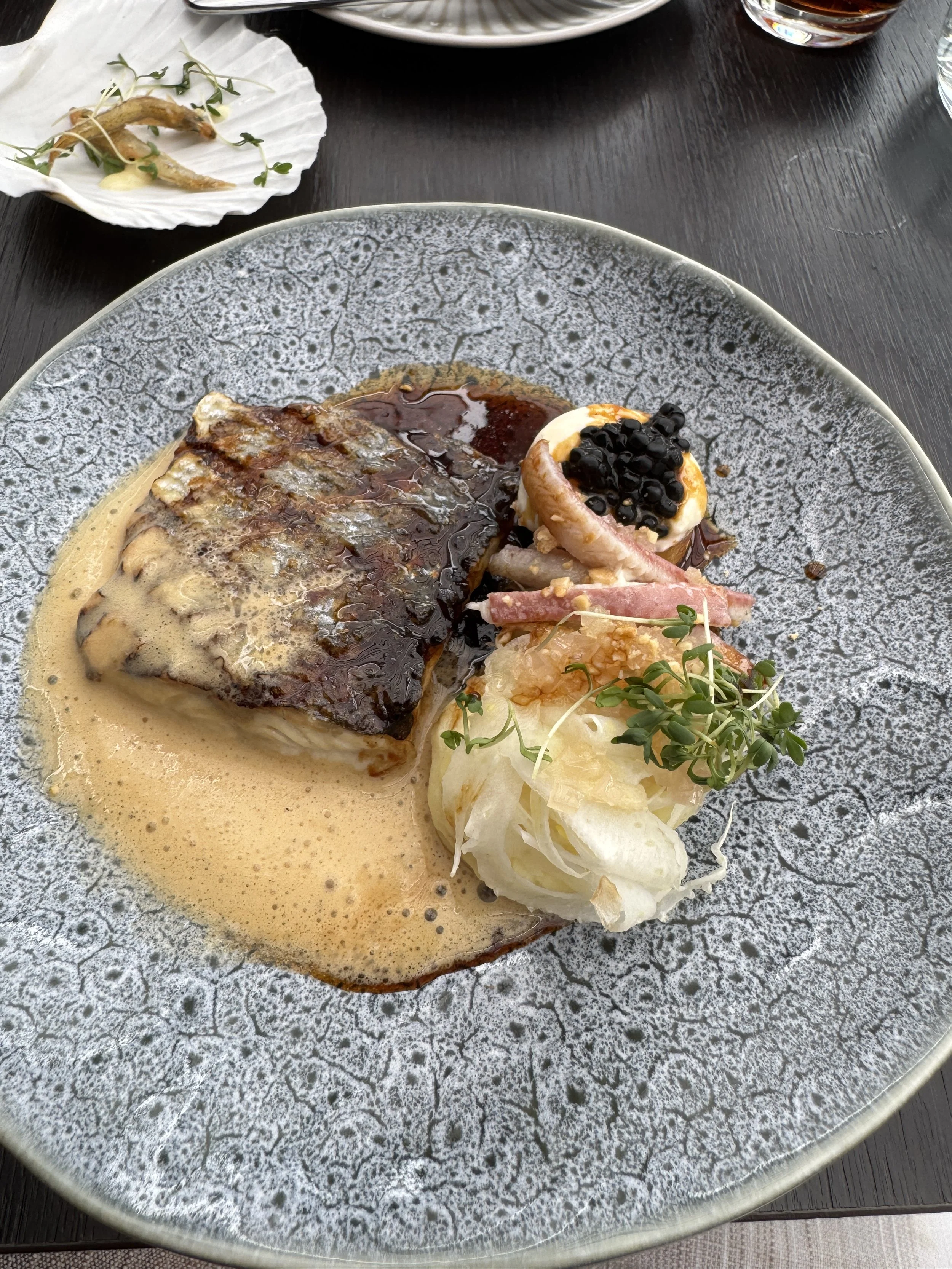
We were hungry and decided to drive to the city center to eat at SEAson Arsenaal. We got lucky and found free parking behind the building. The inside is nice, maybe too nice for how we were dressed, but at that point we were committed. I got the chef’s three-course meal, which included Bloody Mary shrimp cocktail, sea bass, and apple crumble. It was all pretty delicious. The only complaint I really had was that it took forrrrrever. Literally 90 to 120 minutes. It was insane, and not because we ate slowly. It was also pricey, our first meal over €100. My friend ordered the lobster bisque and scallops, and I’d steer away from the bisque. It had a bitter taste. It was really the only letdown food-wise in this country.
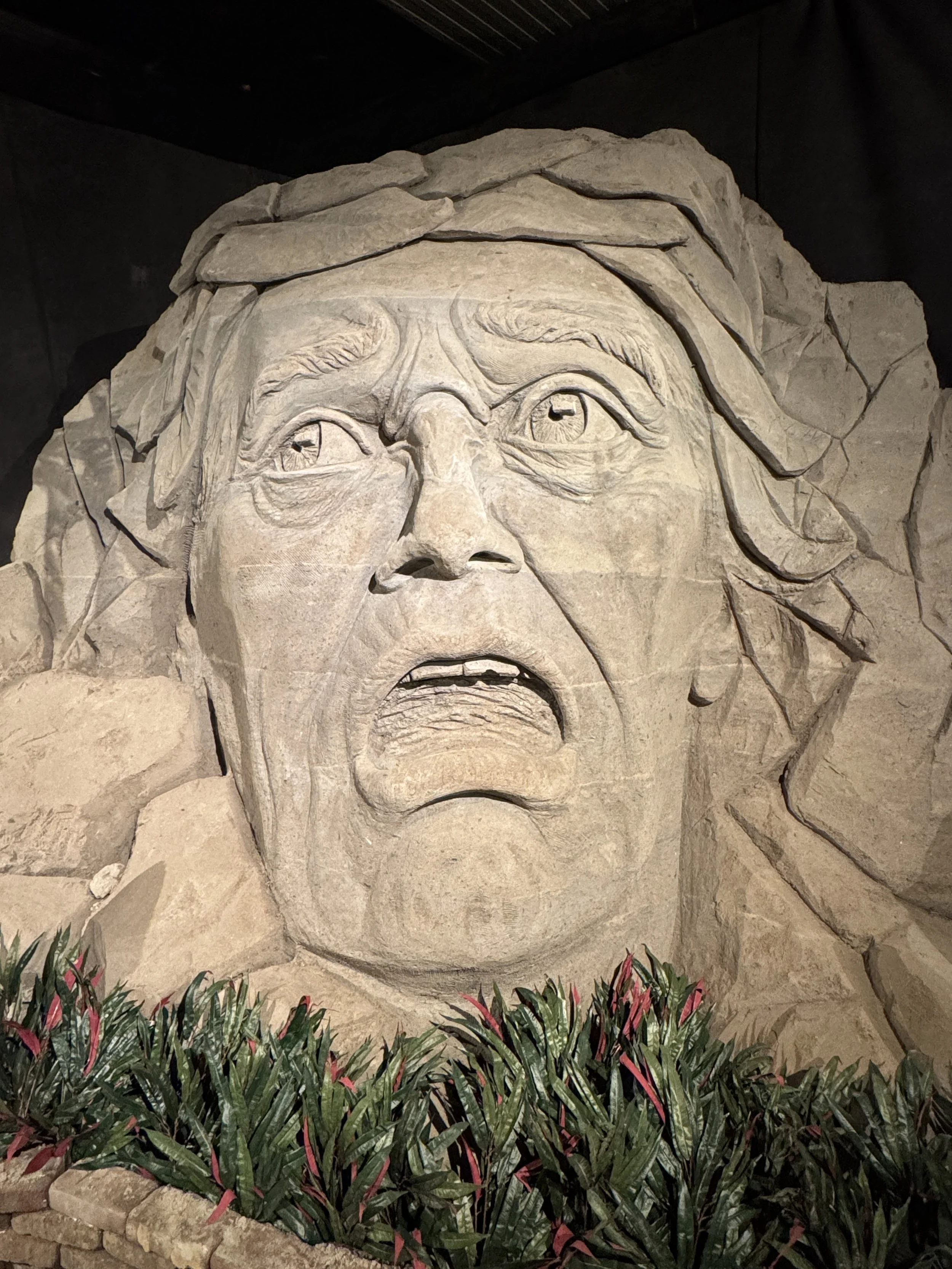
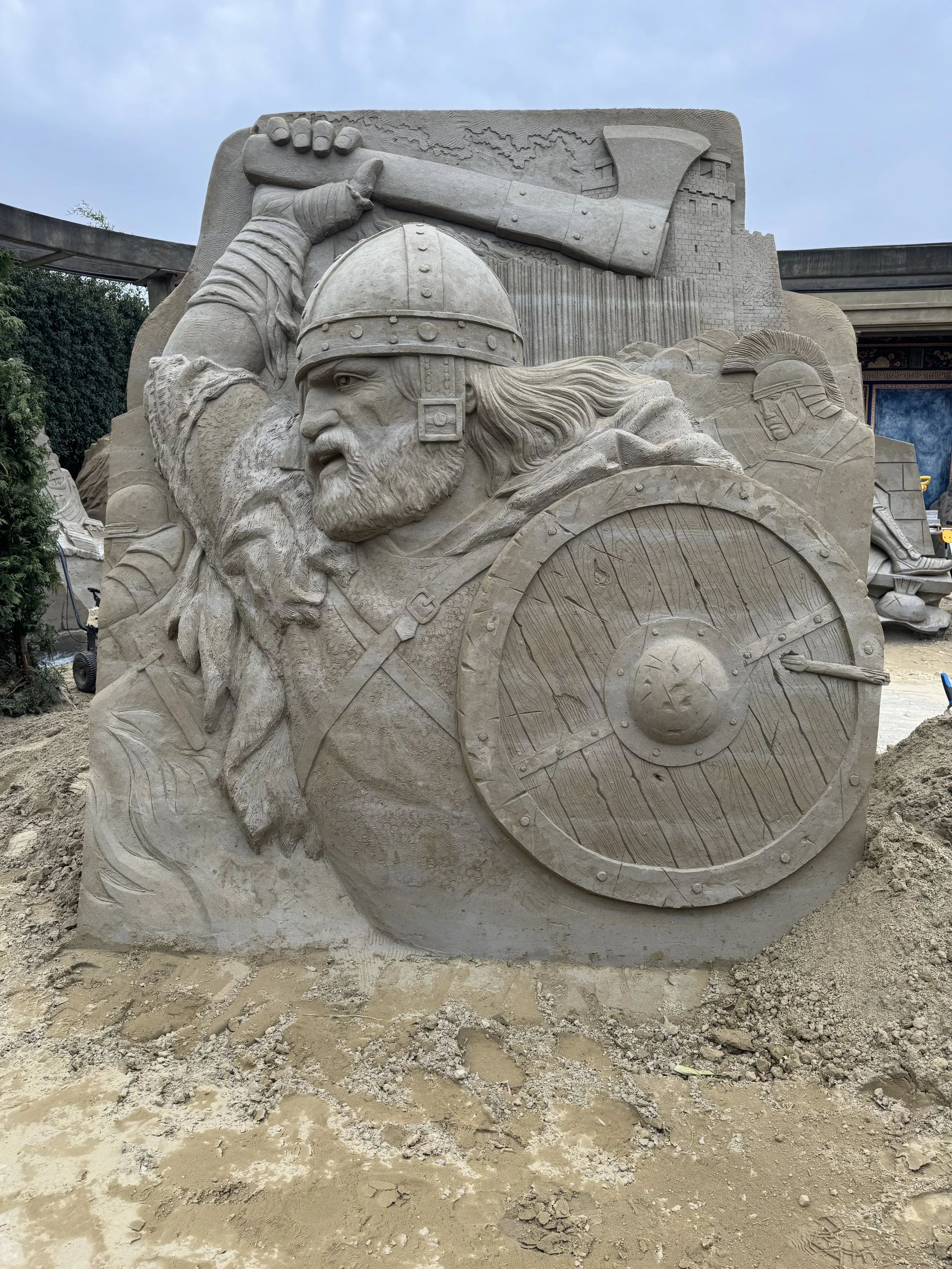
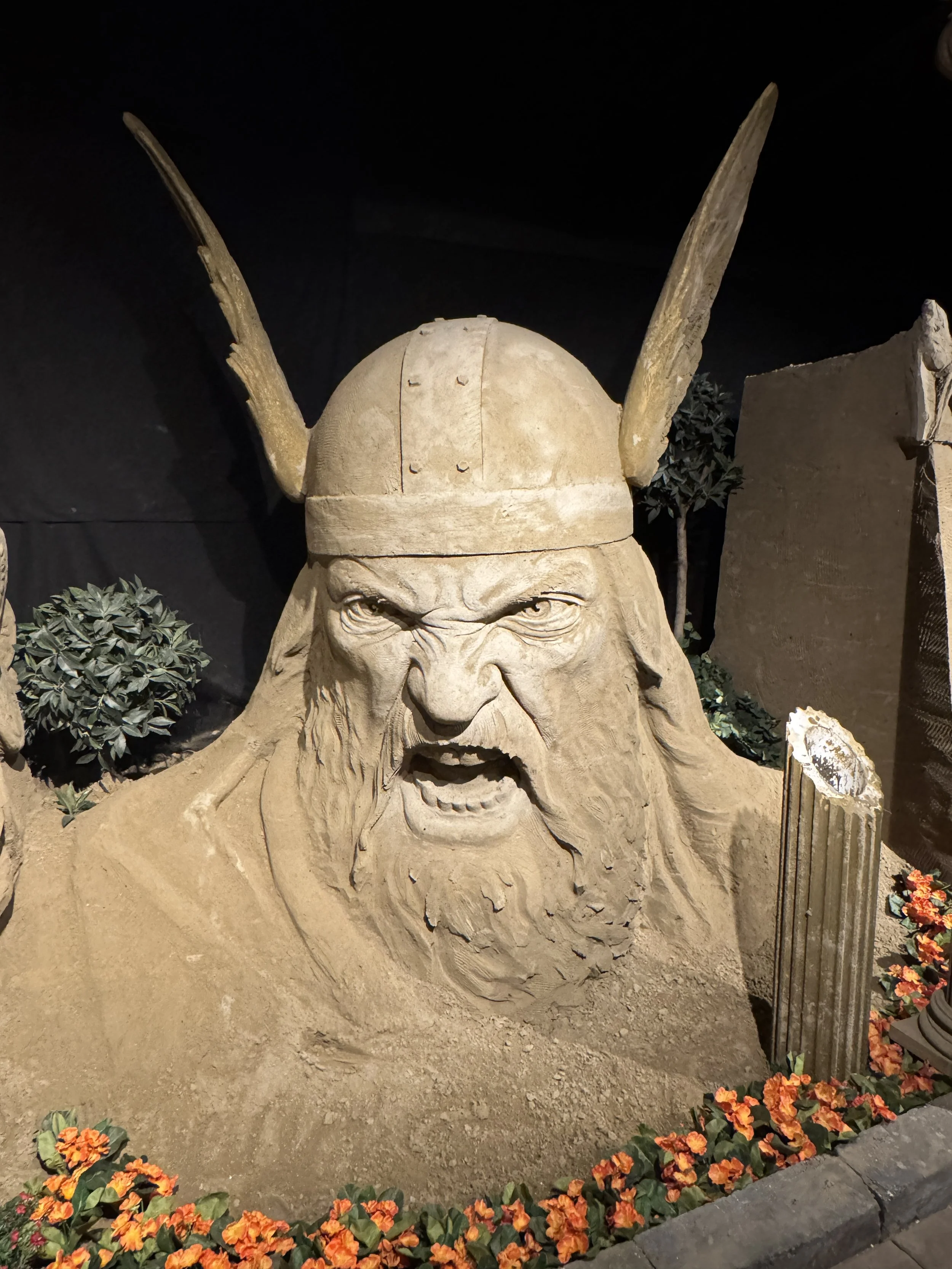
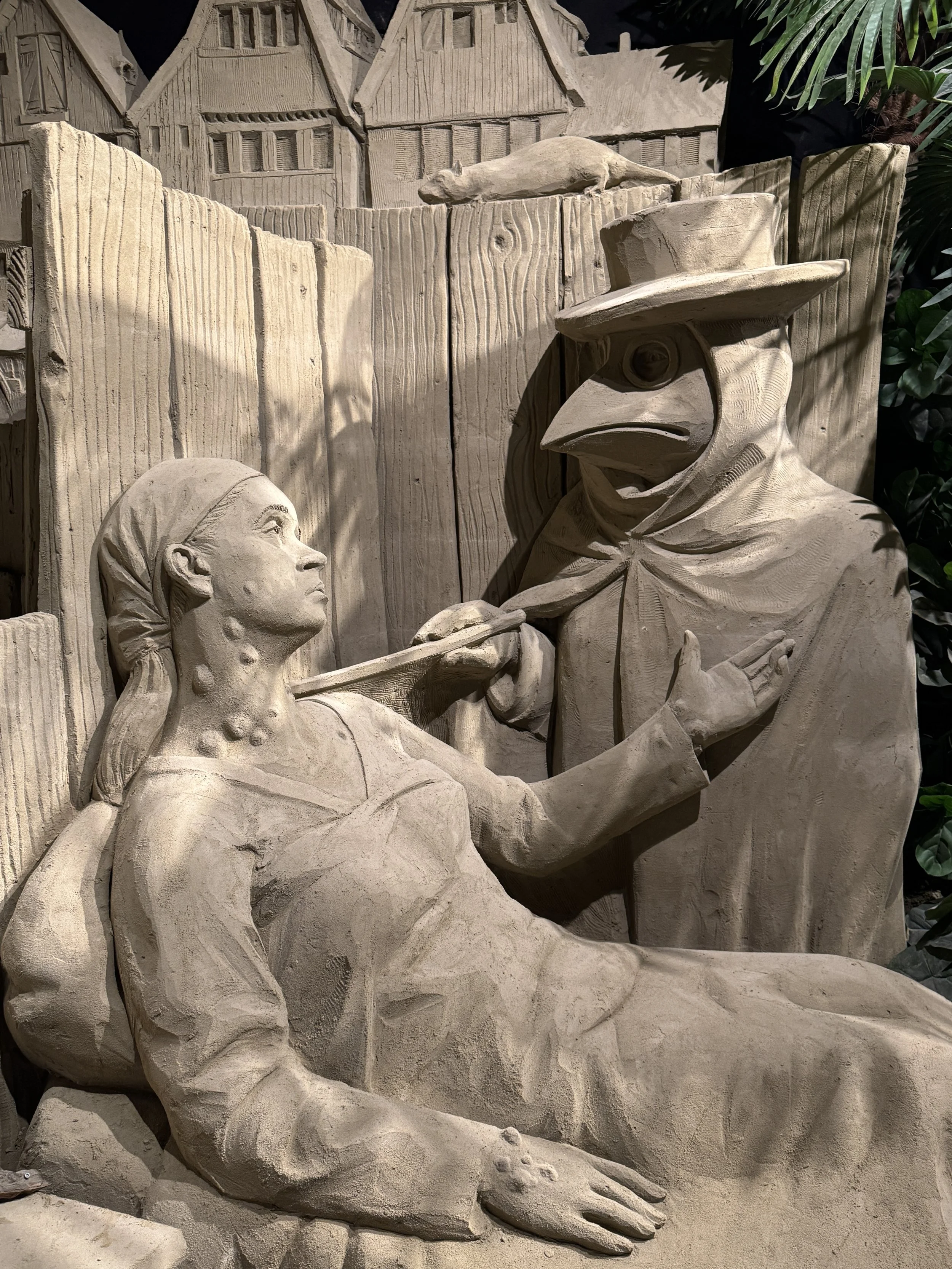
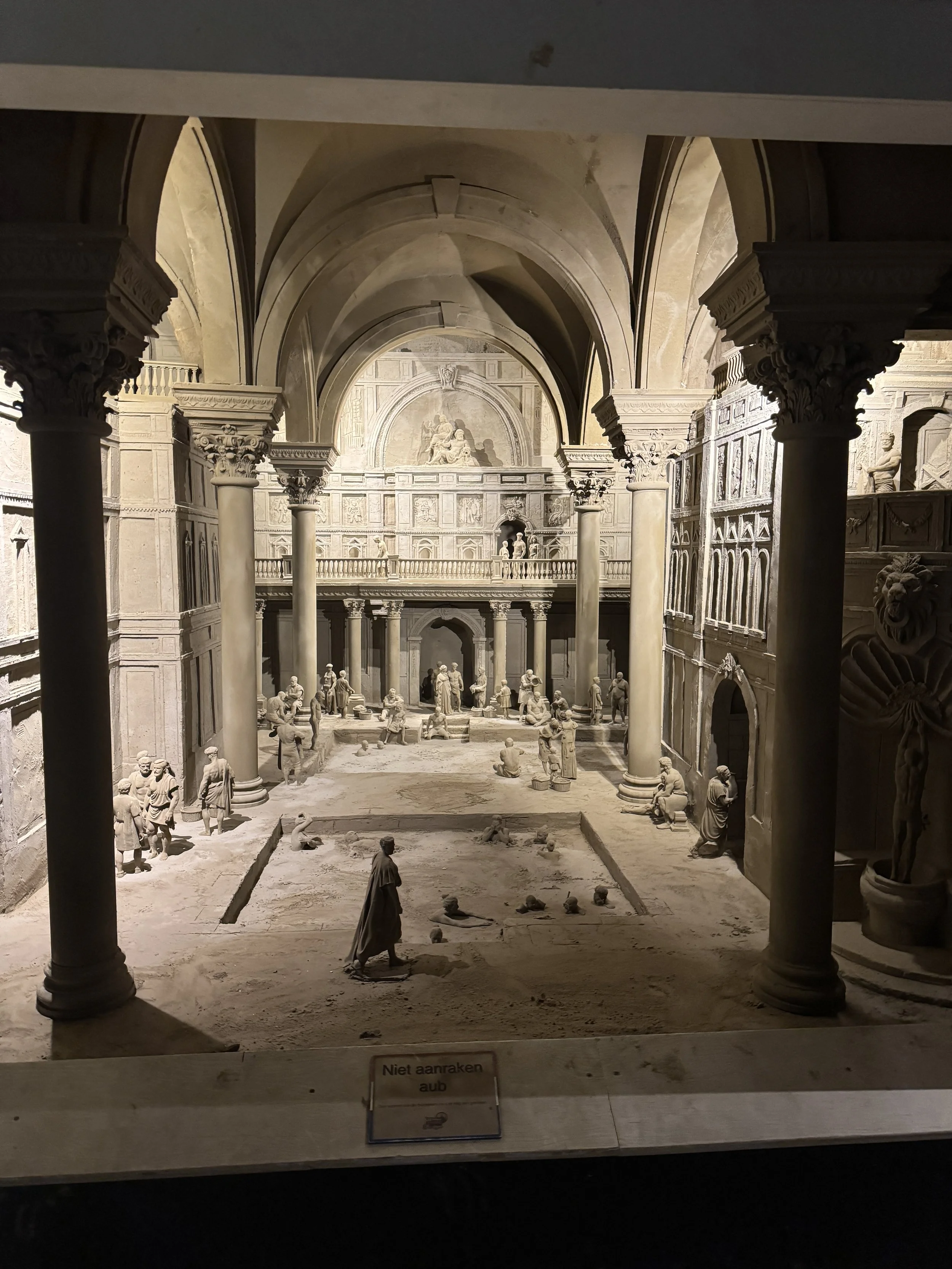
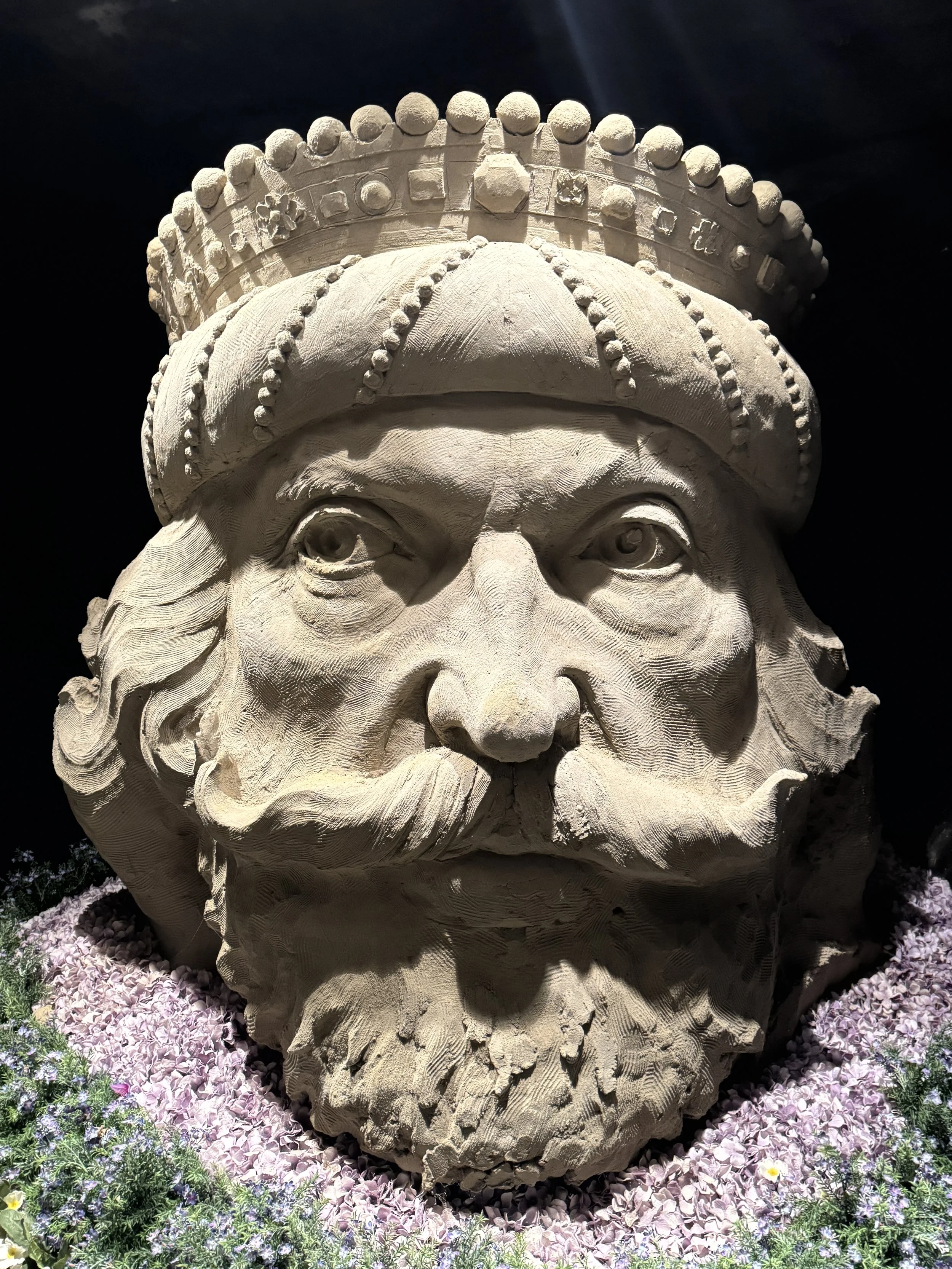
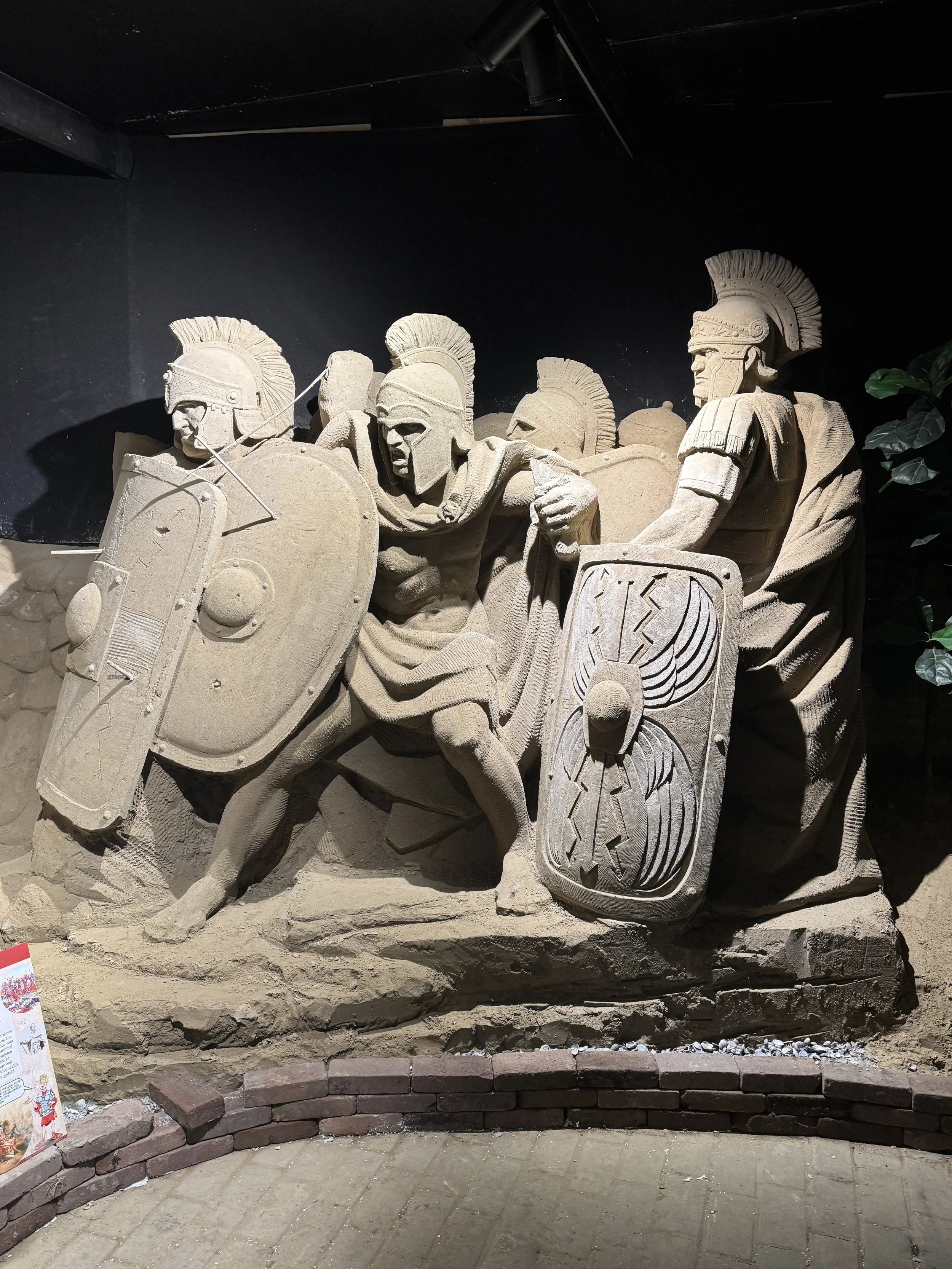
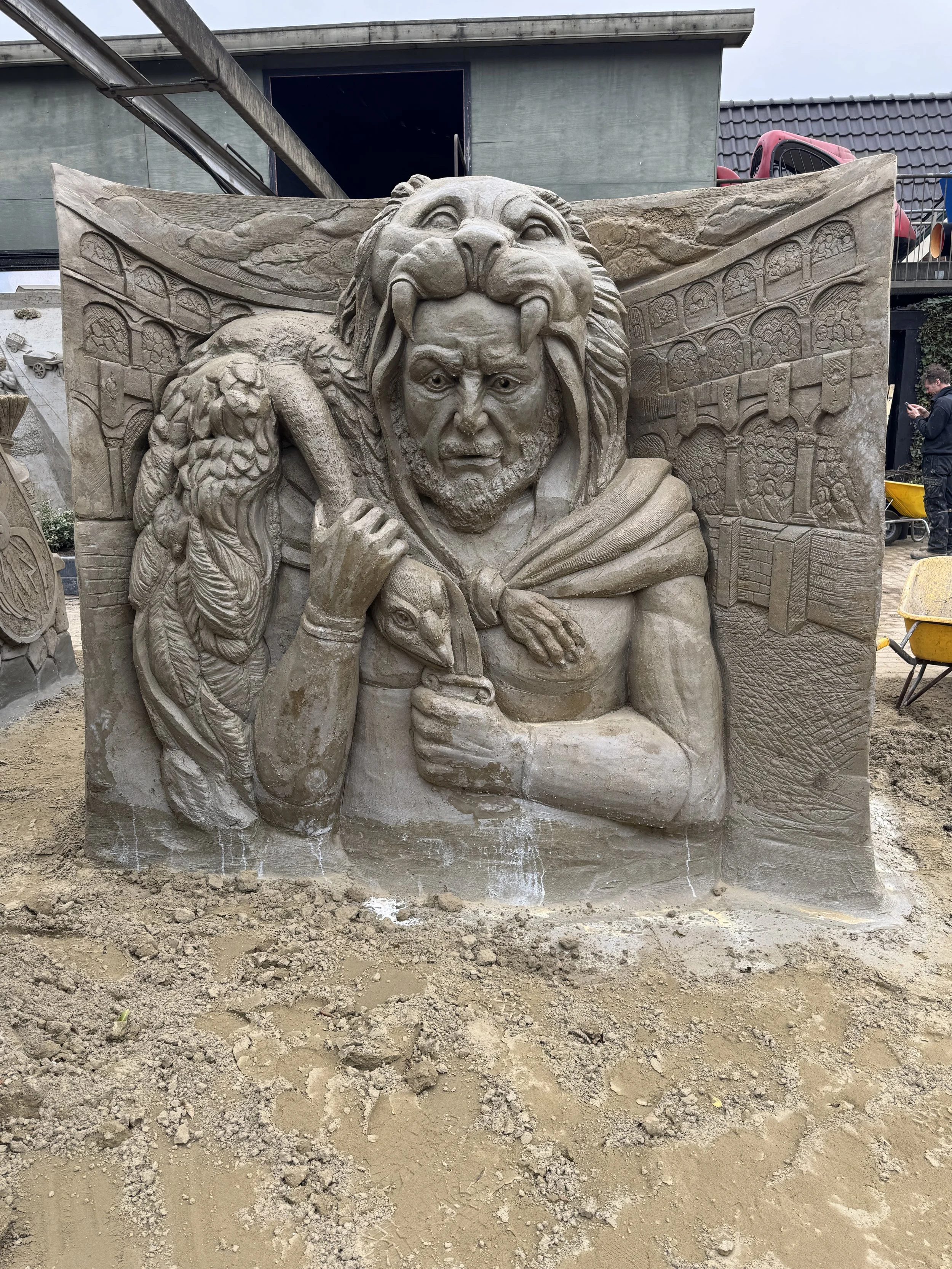
We hightailed it to Veluwe for the Sand Sculpture Festival, an annual outdoor festival in Garderen featuring massive, intricately carved sand sculptures that depict historical themes, stories, and cultural scenes, blending art, storytelling, and impressive craftsmanship. We were lucky enough to catch it, and it was Roman-themed. It was impressive, with dozens, if not close to 100, sculptures made of wood, sand, and bronze. Some of these were lifelike, and the faces were able to emote. This is my second one, and I’m still in awe. The entry area also has carved sculptures with a high skill level, and even the parking lot was decorated. They even had a man making one onsite.
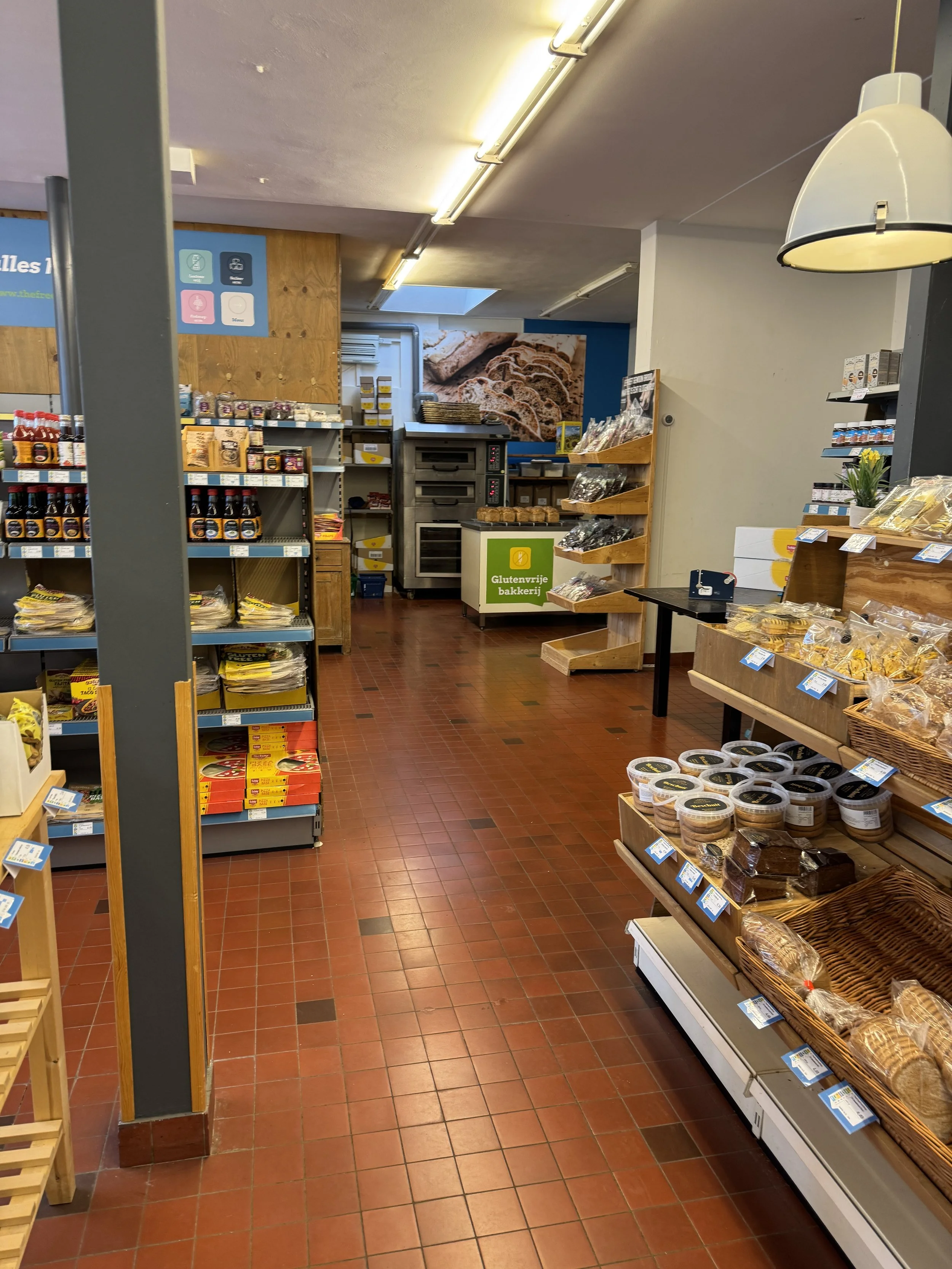
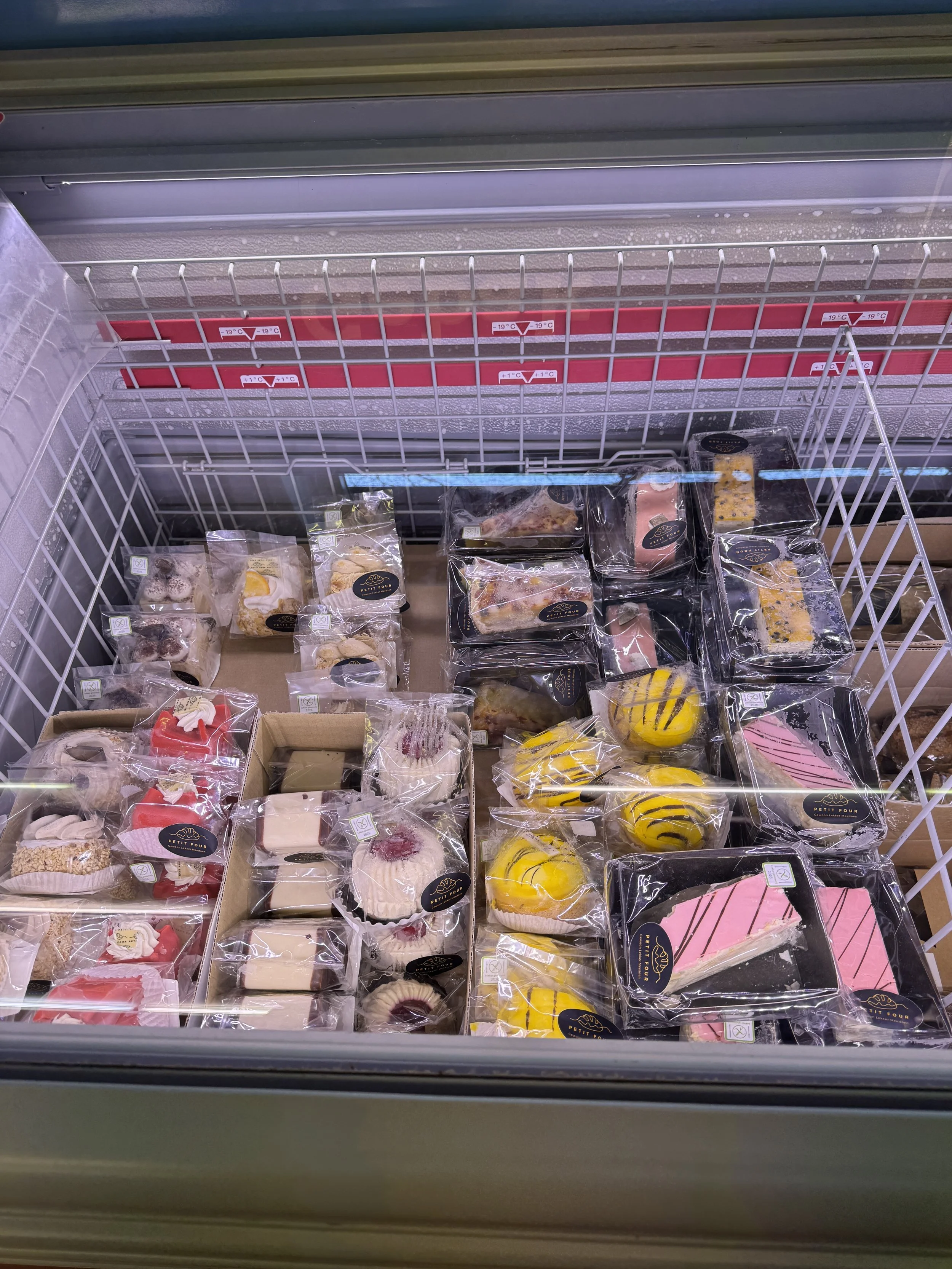
We then went into Apeldoorn, where they have a shop with gluten- and dairy-free products. My friend is gluten-free, so this was quite a find. She was impressed with the selection there. It’s called Free From Shop. She loaded up a basket, and then we found out they only took local debit cards or cash… so off we went to find an ATM. After that side detour, we made it back to the store to complete the purchase.
The town also had a Decathlon, so €230 later, I left with some of my favorite travel clothing.
Then came dinner. We first attempted Eetcafé “bij Cas” in Beekbergen, but parking was street parking and the only spot we found was far from the restaurant, which made me nervous at night with all our stuff in the car. We decided to try Grand Café @The Park, but this place was inside a campsite park with no public parking, so we headed back to Eetcafé “bij Cas.”
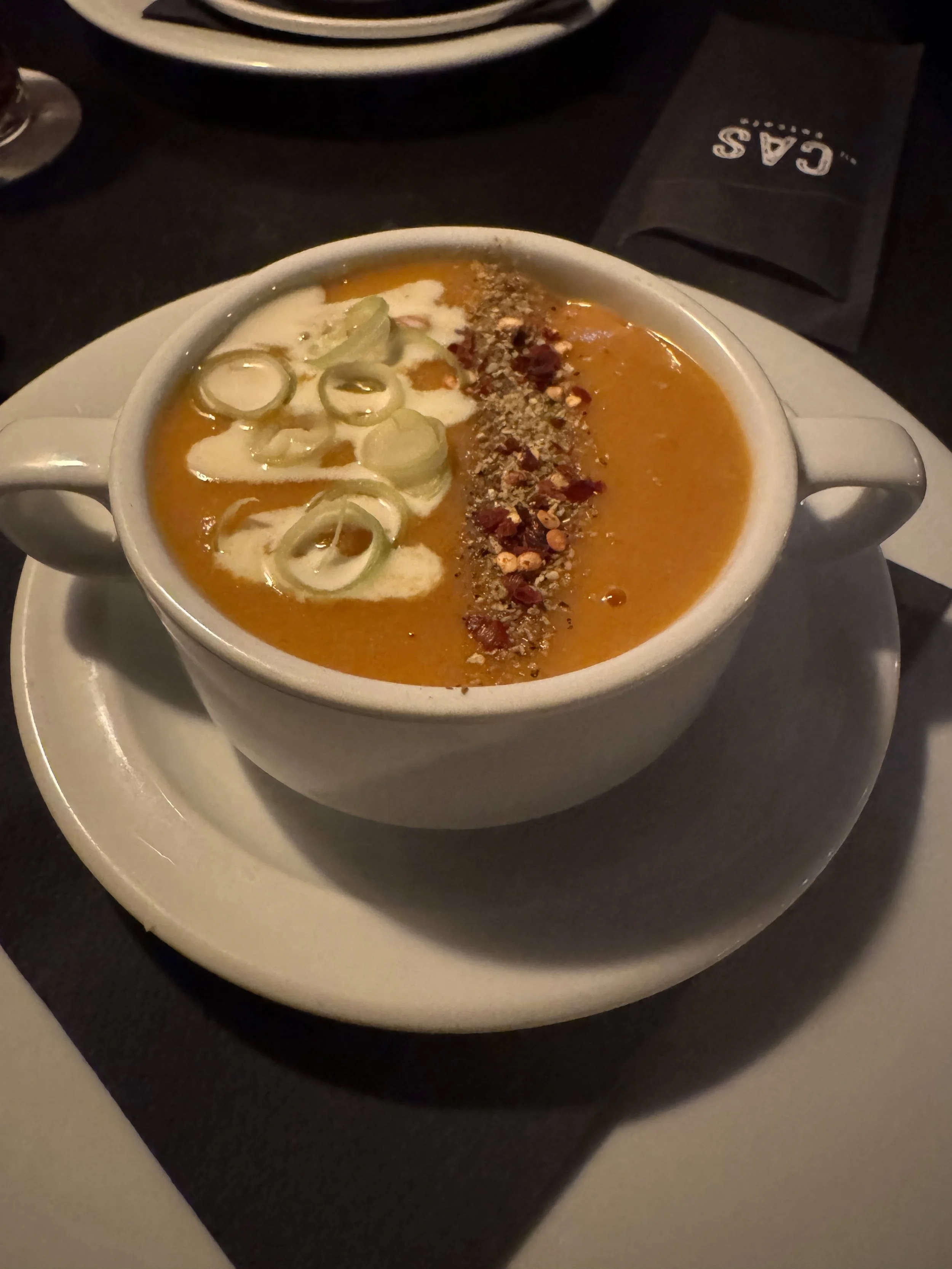
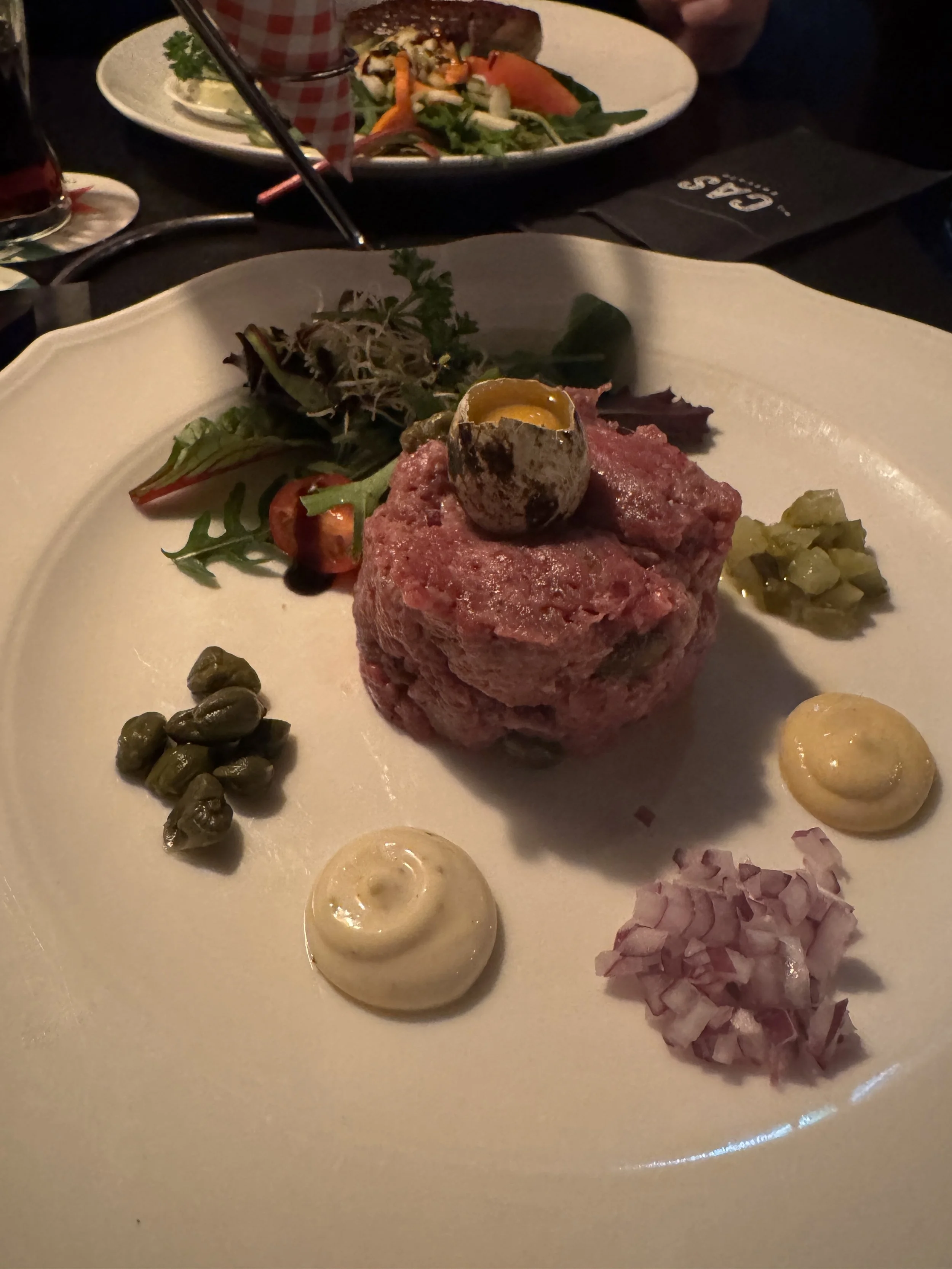
They had one high-top table left and a busy atmosphere. I had the pumpkin soup and beef tartare. Everything was delicious. It was well worth the price and stop. We even closed the place down, being the second-to-last people to leave.
This rounded us out to Fletcher Hotel-Restaurant Victoria-Hoenderloo. It was smooth sailing until the road leading to it turned out to be closed, so we had to reroute and then finally found it. Check-in was easy, but then we had to find our building in the dark. Luckily it wasn’t too difficult, and we entered the building to find our room on the second floor with a spiral staircase. Holy crap, a tiny spiral staircase too. We lugged our stuff up, and this was easily the first time I almost fell down the stairs in a foreign country. When presented with tiny spiral stairs, do not, I repeat, do not try to take everything you own in one trip.
The room itself was huge by European standards, honestly even by U.S. standards. We had twin beds next to each other that we could easily move. The bathroom was giant as well. This wasn’t the nicest room by any means, but the beds were comfy and it was quiet. They had made some upgrades too, so it really was a good value for the price. They had a pool as well, but we were only staying for a few hours before getting back on the road. We showered, reorganized our bags, meaning we had shopped excessively, and then booked tickets for tomorrow’s early adventure.
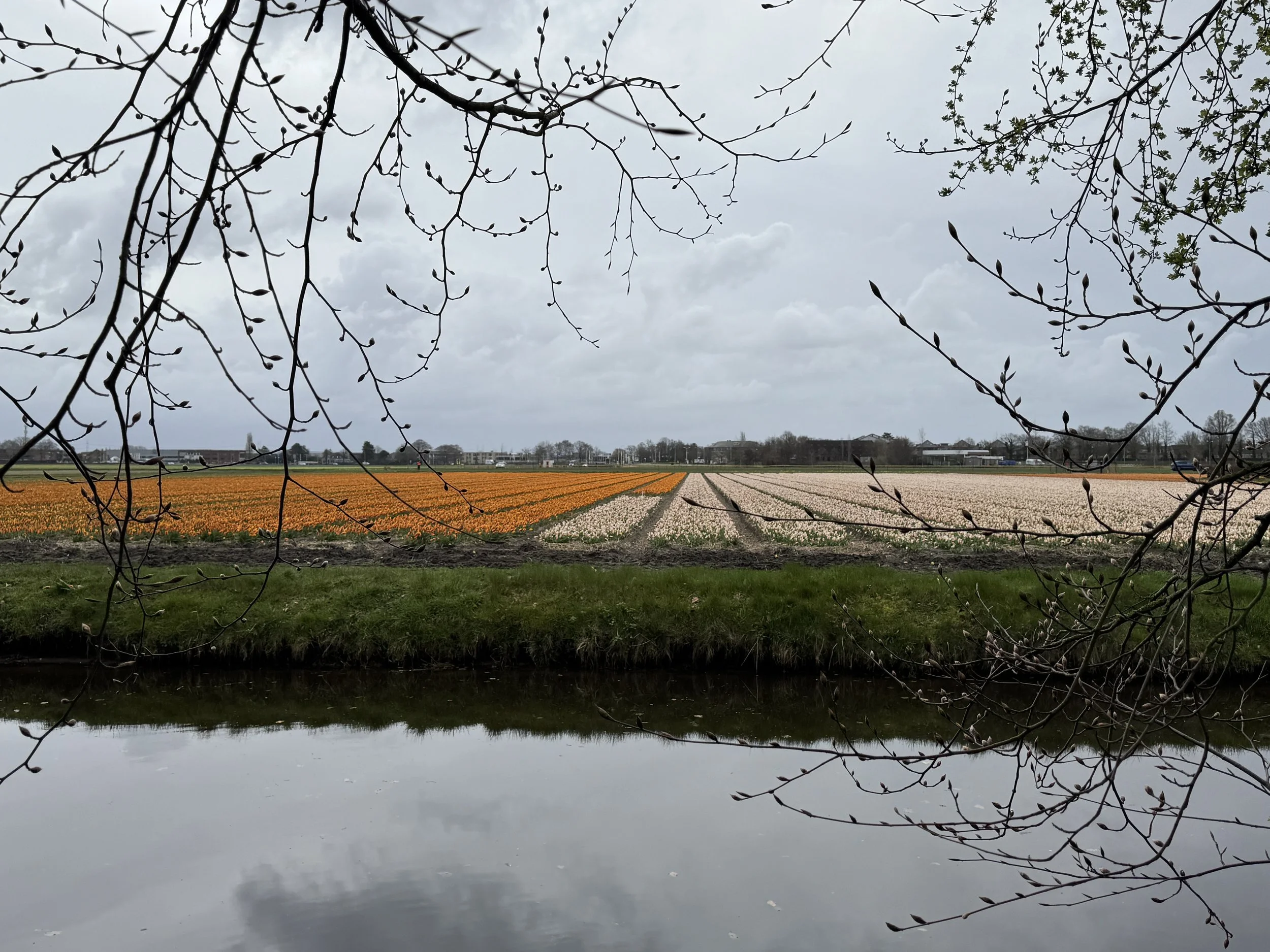
We set out just before 7:30 and, of course, it started raining as we loaded our bags… there goes my curls 😑. We drove just under two hours to Keukenhof to see the tulips. It’s a bit early in the season, but it’s open!
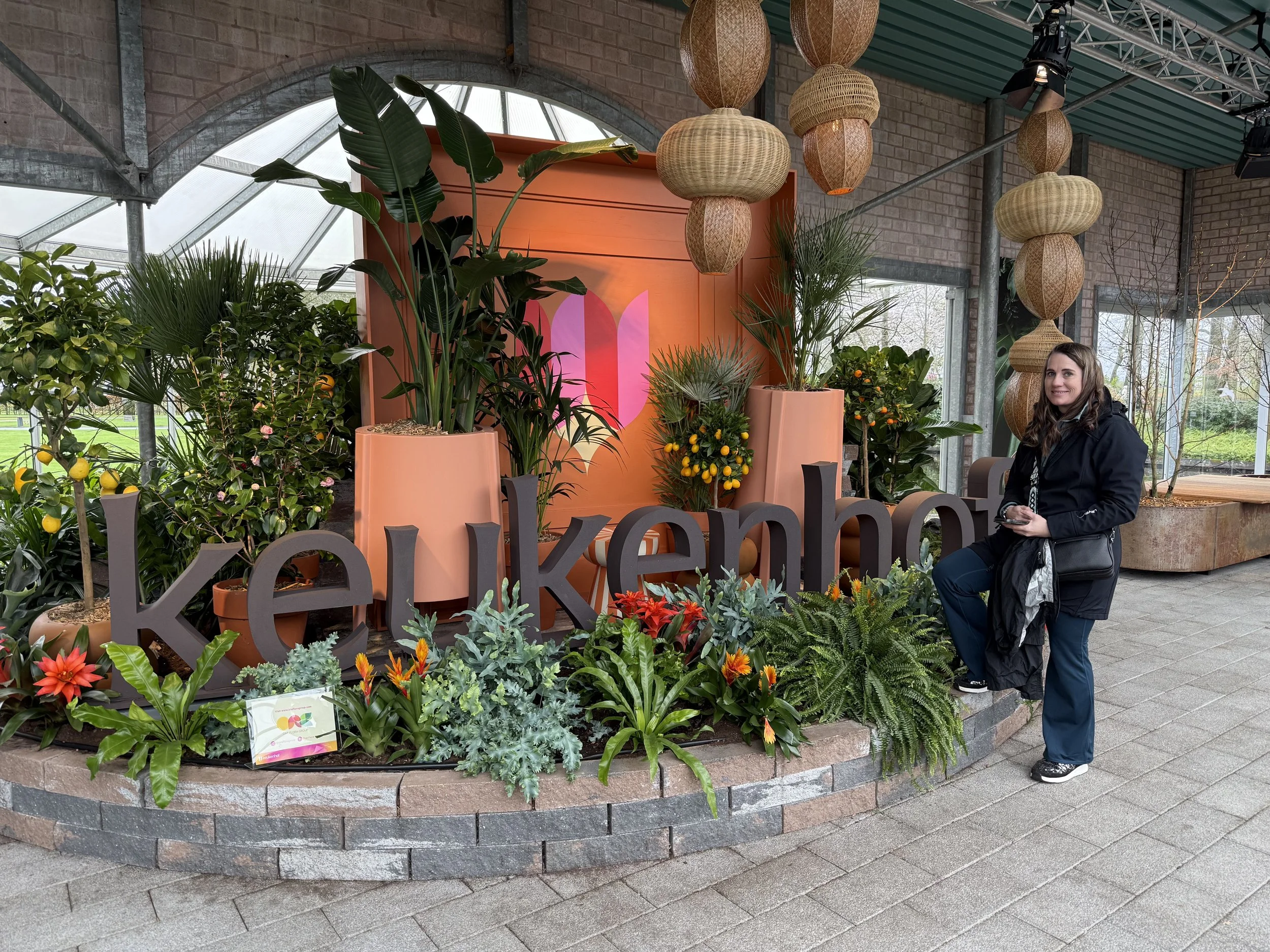
Keukenhof is one of the world’s largest flower gardens, open each spring and showcasing millions of blooming tulips, daffodils, and other flowers in beautifully designed landscapes—often called the “Garden of Europe.” Tickets were €21 per person, and the website mentioned €9 for parking, which we somehow didn’t end up needing… so donation to them, I guess.
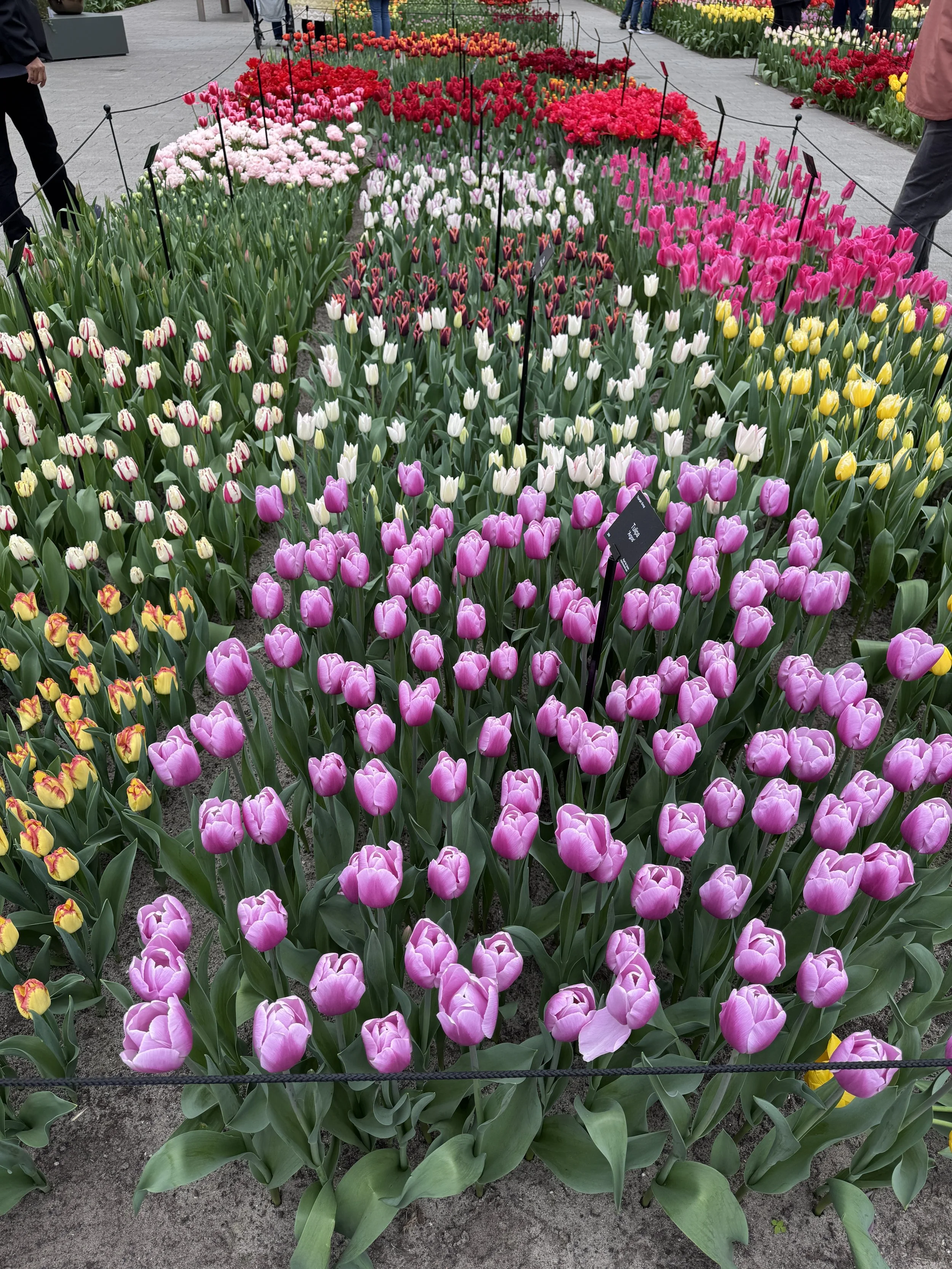
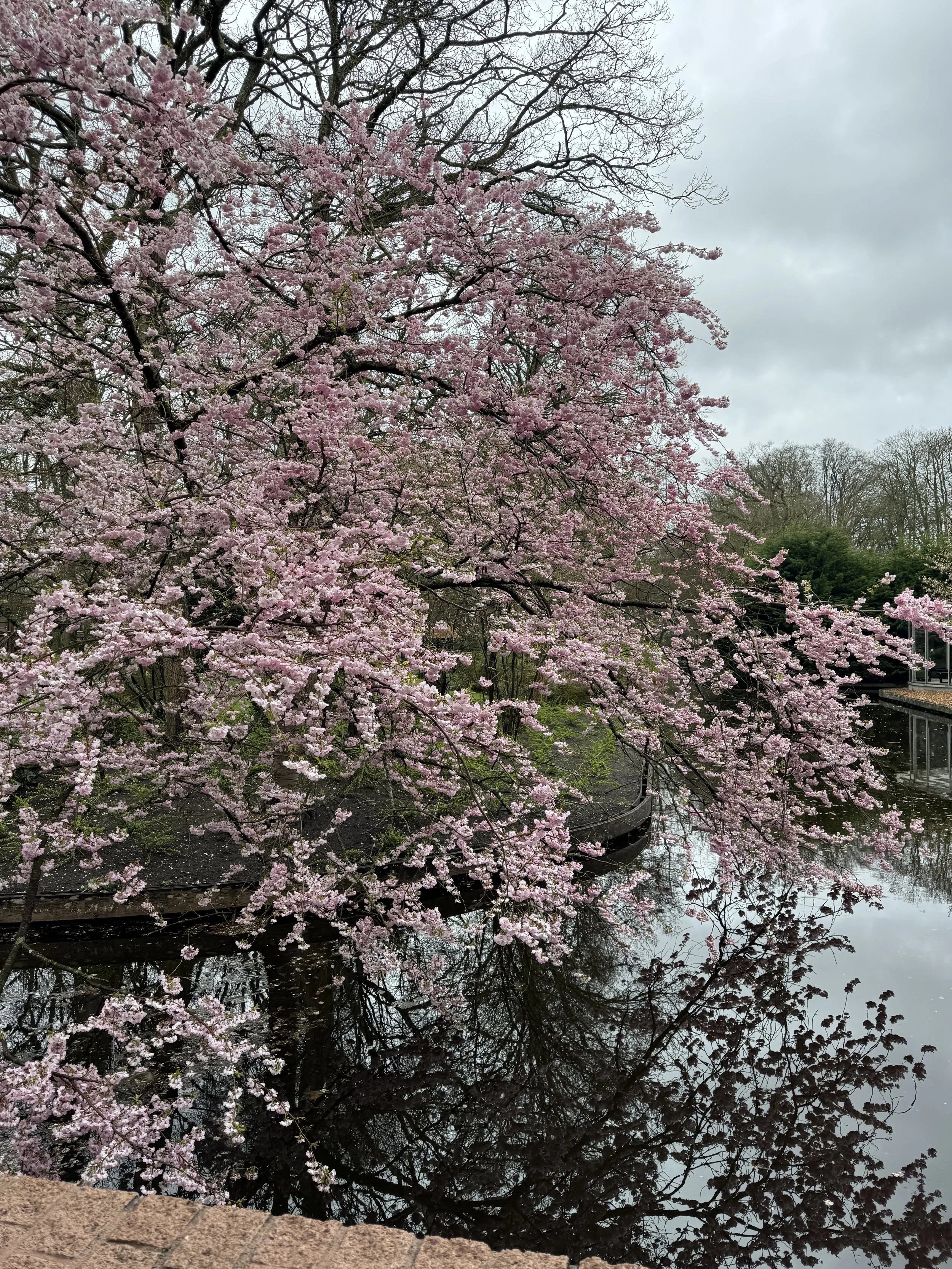
We arrived just before our 9:30 time slot and headed in. A lot of flowers were already blooming, but it wasn’t at peak yet. The grounds are intricately landscaped with tons of walking paths, gift shops, food options, a windmill, and even whisper boats. I grabbed Dutch mini pancakes with caramel for €11, which honestly left a lot to be desired since the middle was a bit raw. Definitely my least favorite thing I ate in the Netherlands.
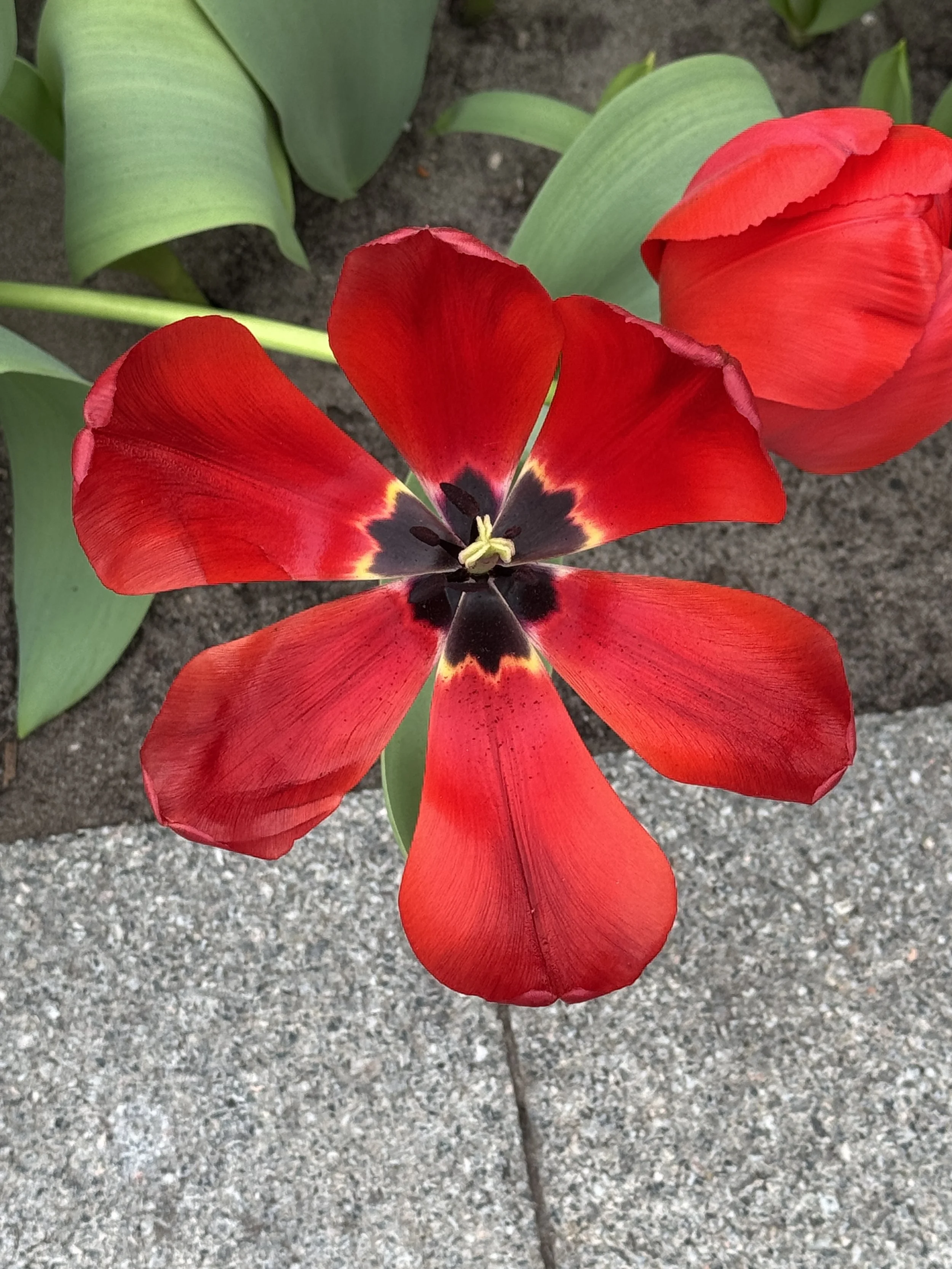
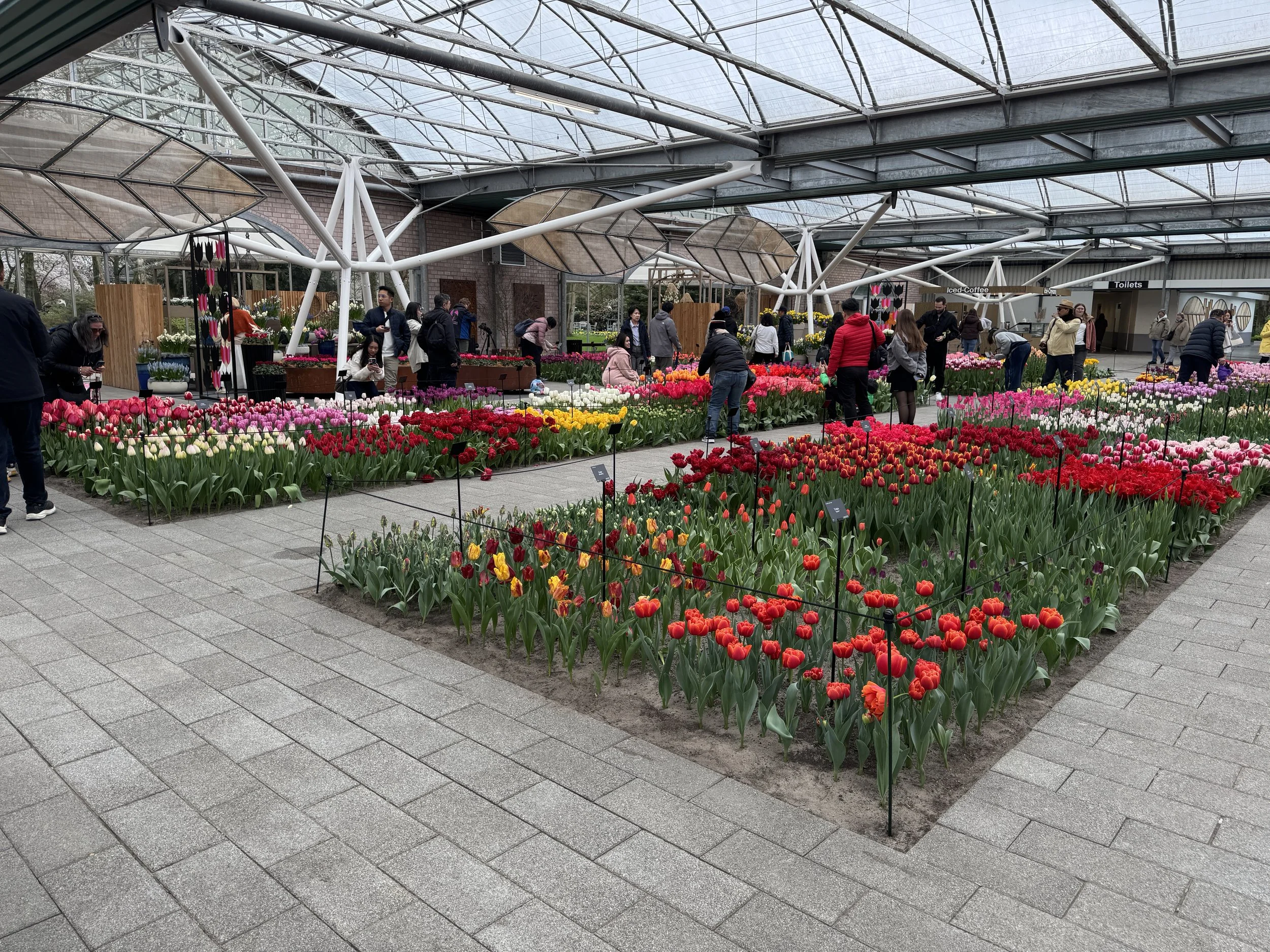
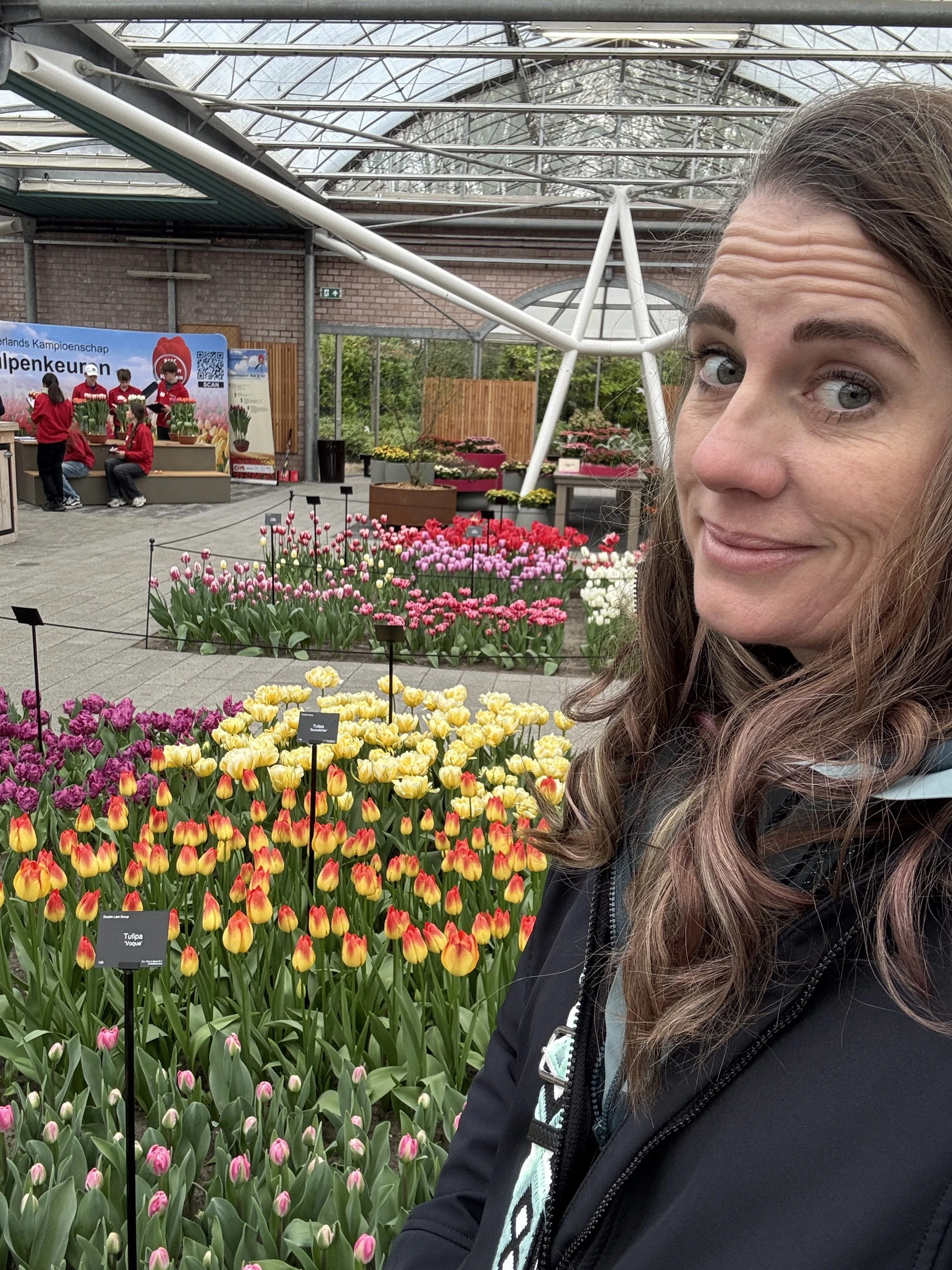
They also had an indoor garden with bold, vibrant tulips in full bloom, and that was the money shot. It was busy, but not nearly as bad as I expected. I just wish we had come about three weeks later because this place would be fire. We spent about an hour walking around in the cold, wind, and drizzle before heading out.
March 25: Tulips, Cheese & Windmills (with a Side of Chaos)
Next stop was Gouda.
Gouda cheese has medieval roots dating back to at least the 12th century, when farmers in the region made cheese to preserve excess milk. Interestingly, it’s named after the city where it was traded and sold—not necessarily where it was produced. Farmers would bring large wheels of cheese into town to be weighed, taxed, and sold in public markets, and some of those traditions, like handclapping negotiations, are still reenacted today. By the Dutch Golden Age, Gouda had become one of the most traded cheeses in Europe thanks to its durability and long shelf life. Aging plays a big role too—young Gouda is mild and creamy, while aged versions are darker, firmer, and develop almost caramel-like flavors. So Gouda isn’t just cheese… it’s basically a medieval trade success story that aged into global fame.
We found parking at Q-Park New Market and hopped out. It was super windy and still cold, so we hustled over to Saint John Church, the longest church in the Netherlands, known for its breathtaking 16th-century stained glass windows, called the “Gouda Glass,” which depict biblical and historical scenes in vivid color. It was €11 to enter, so we passed and just admired it from the outside, but the nice man at the counter gave me a biscuit… so still a win.
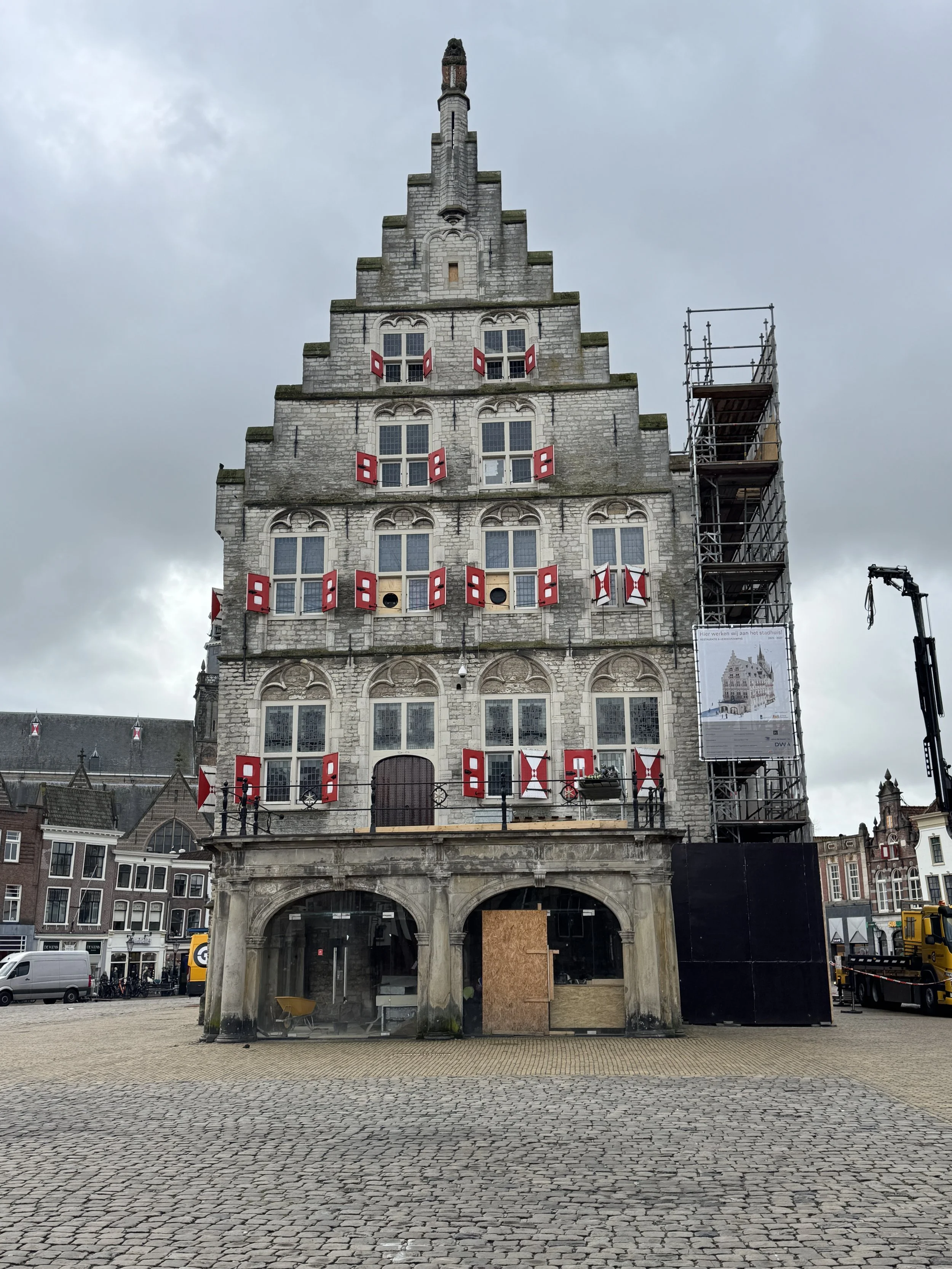
We then headed toward the center where Stadhuis van Gouda sits—a stunning 15th-century Gothic city hall right in the middle of the main square, known for its ornate details, red shutters, and role as the historic center of civic life in Gouda.
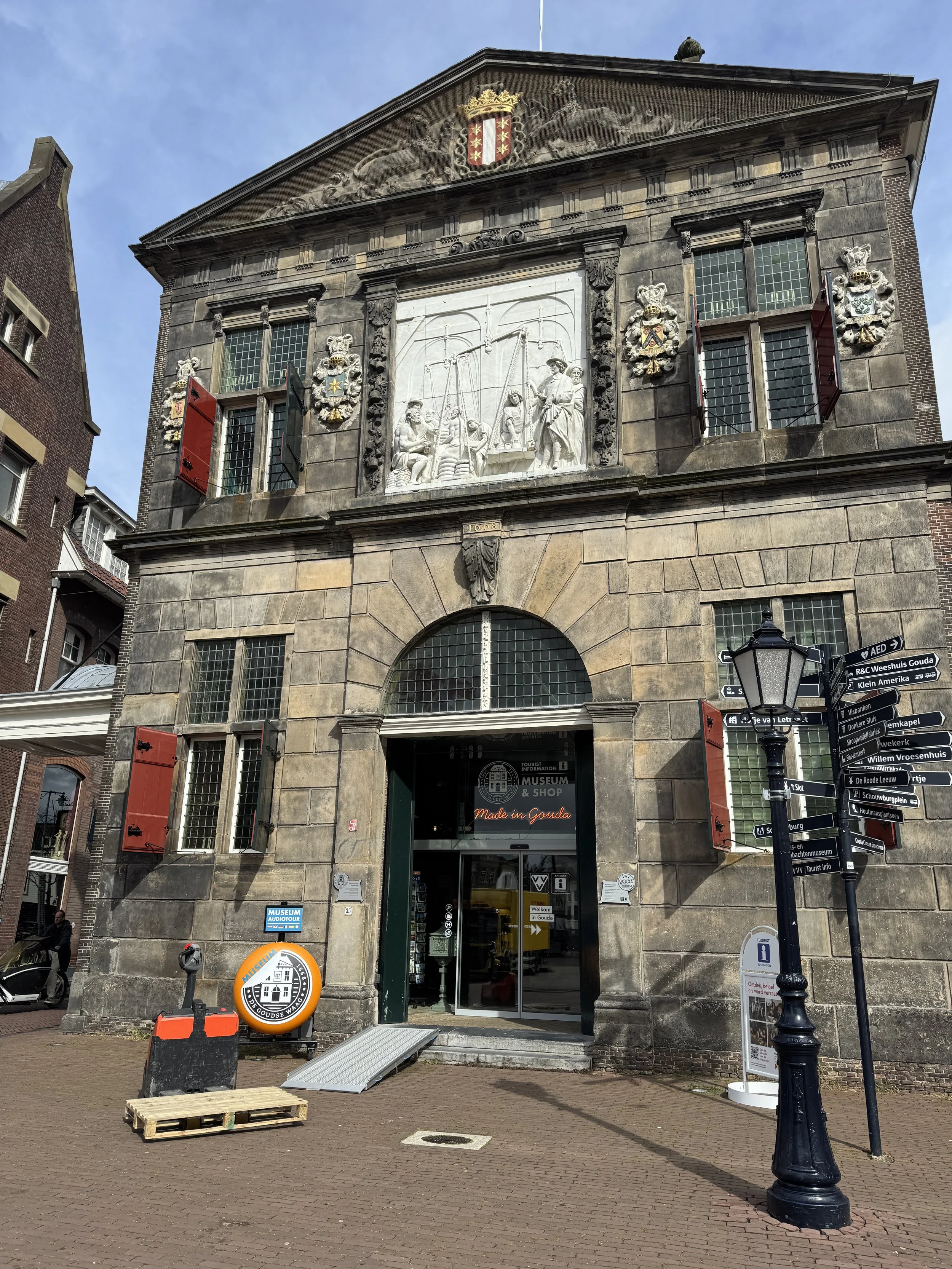
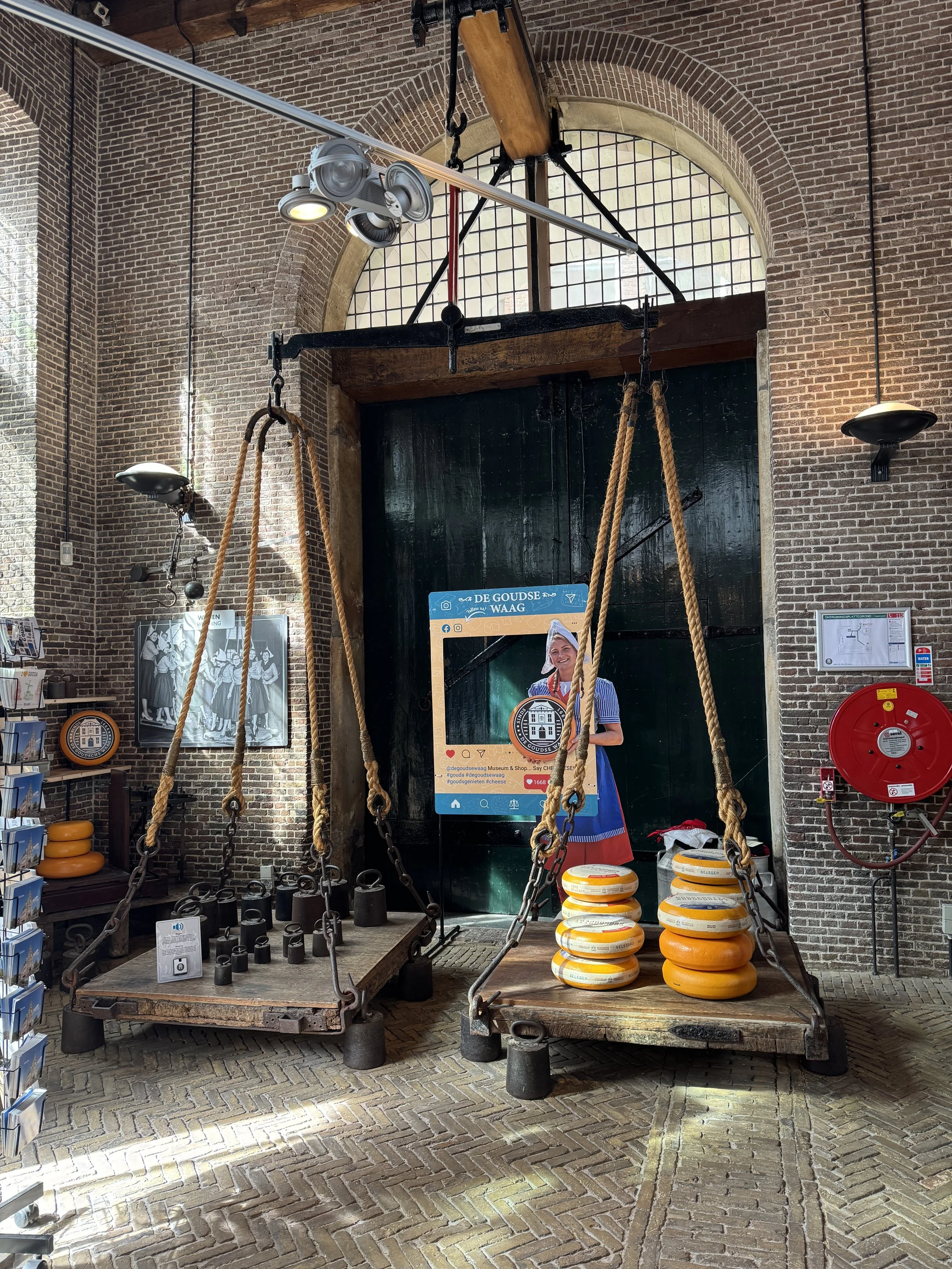
With the landmarks done, that left cheese. We stopped at VVV Gouda, the official tourist information center, where they have a replica of the traditional cheese weighing scale used during Gouda’s historic markets. Farmers would bring large wheels of cheese to be officially weighed before sale, which determined pricing, taxes, and ensured fair trade. Giant balance scales with counterweights were used, typically inside a weighing house called a waag. Today, the replica gives you a look at how the system worked without needing to catch a live market.
We were also able to do a full cheese tasting inside… and of course I bought more. Why wouldn’t I want nine wedges of different cheeses to take home?
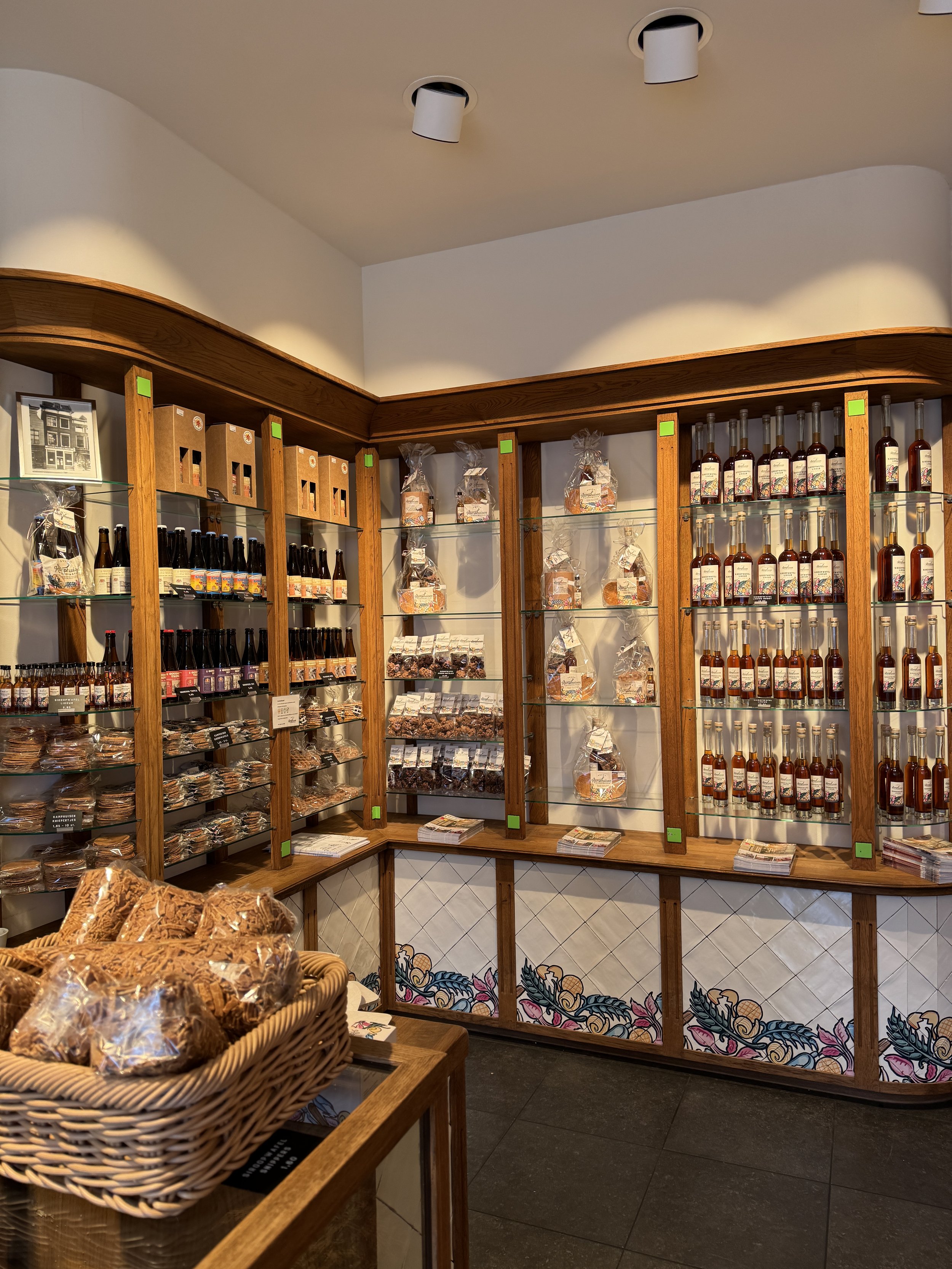
Fun fact about Gouda: it’s not just known for cheese, but also as the birthplace of the stroopwafel. So naturally, we stopped at Kamphuisen Siroopwafelfabriek, a historic bakery and museum dedicated to the original Gouda-style stroopwafel. These are thinner, crispier, and more delicately spiced than the typical versions. The recipe dates back to 1810, making it one of the oldest in the Netherlands. You can watch them being made fresh and taste them right there. It’s basically where caramel, waffles, and centuries of tradition decided to team up.
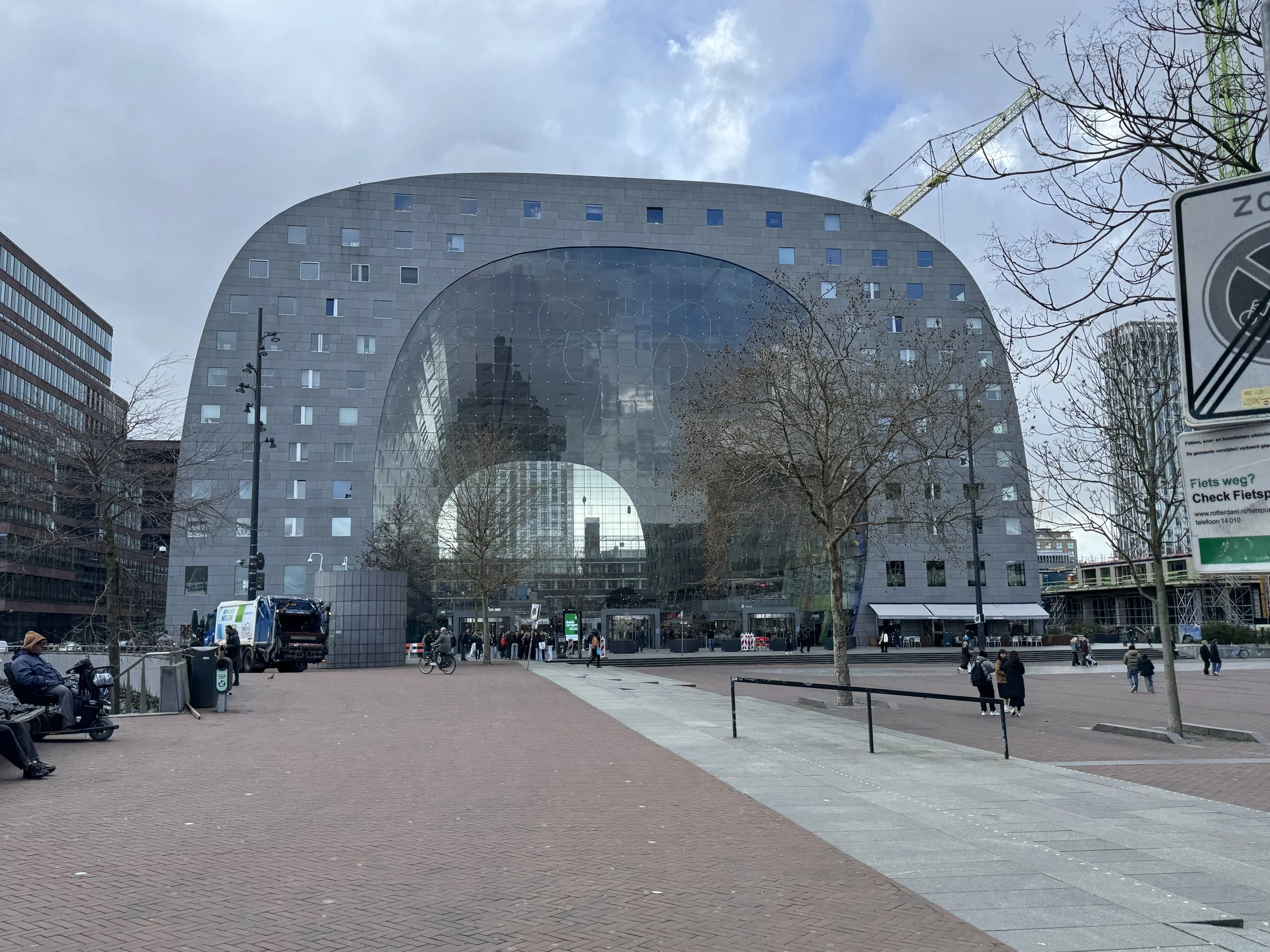
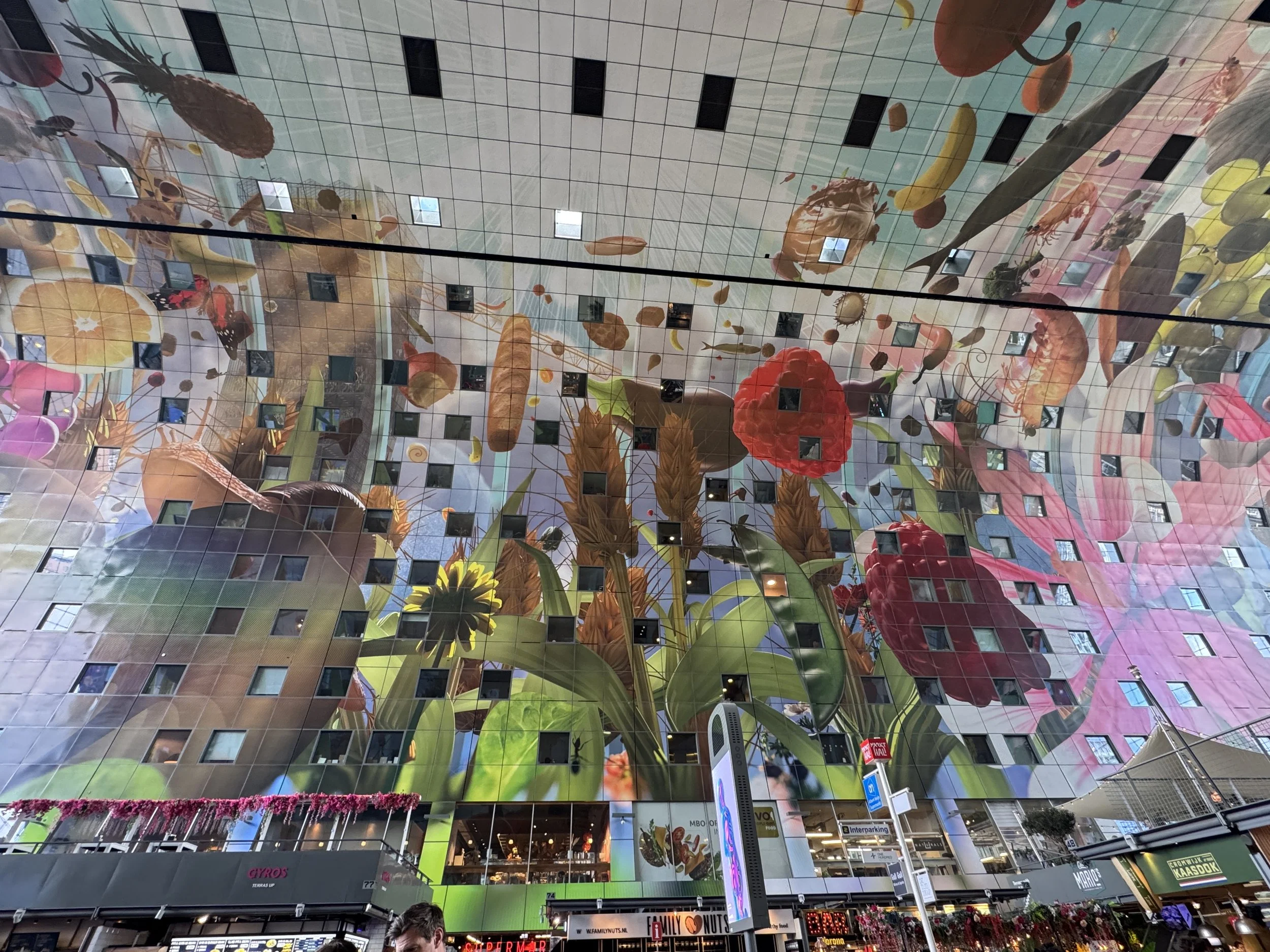
We hustled back to the car—hello wind—and drove to Interparking Markthal in Rotterdam. This was probably the most convenient stop of the trip. One elevator ride up and we were inside the Markthal, a massive horseshoe-shaped food hall and apartment complex known for its colorful ceiling artwork called the “Horn of Plenty,” along with tons of food stalls, restaurants, and shops.
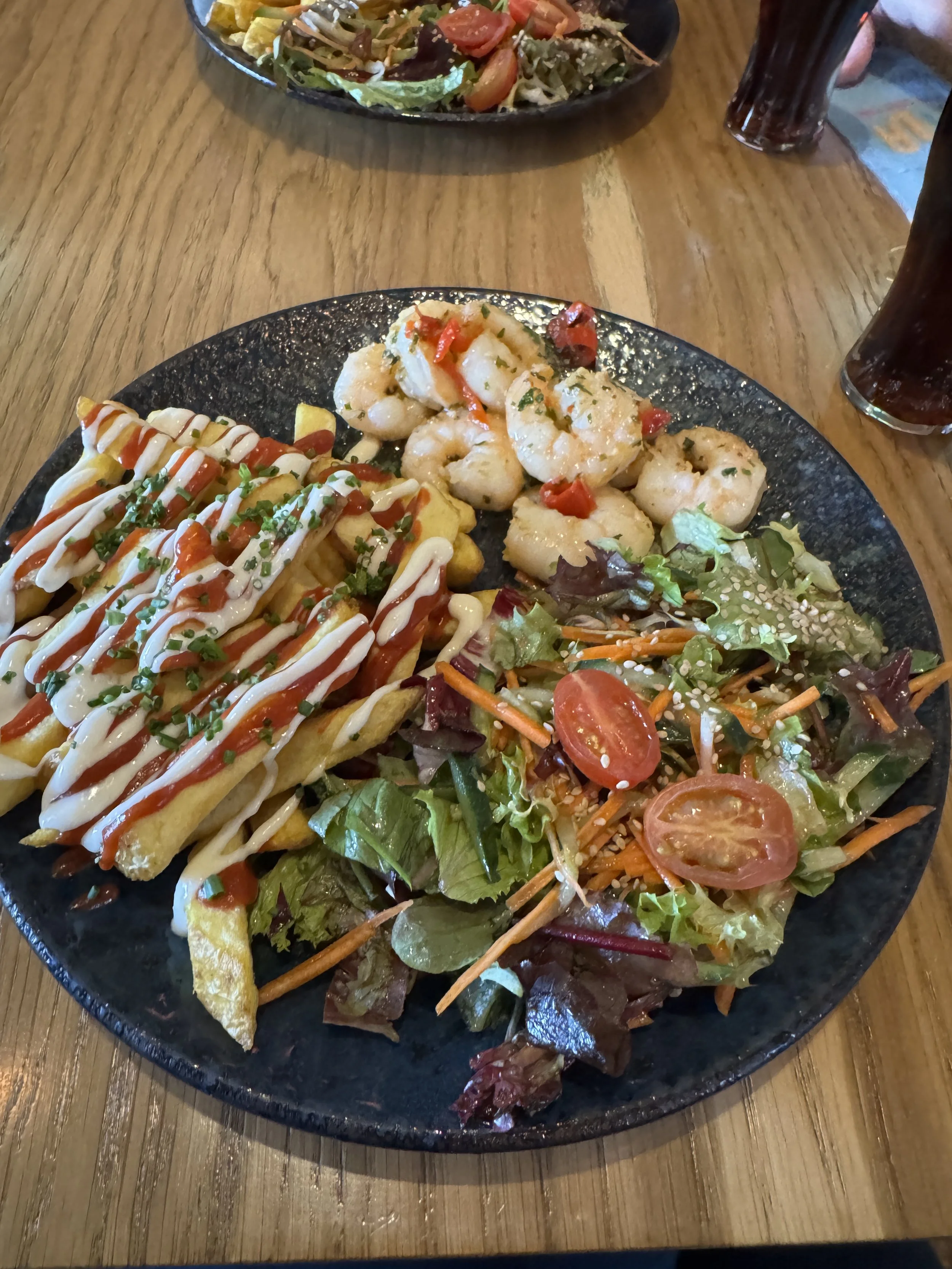
We wandered and landed on LALA Latin Soul Food for lunch, where I had shrimp with fries and salad for €25. It was delicious… honestly, everything here has been.
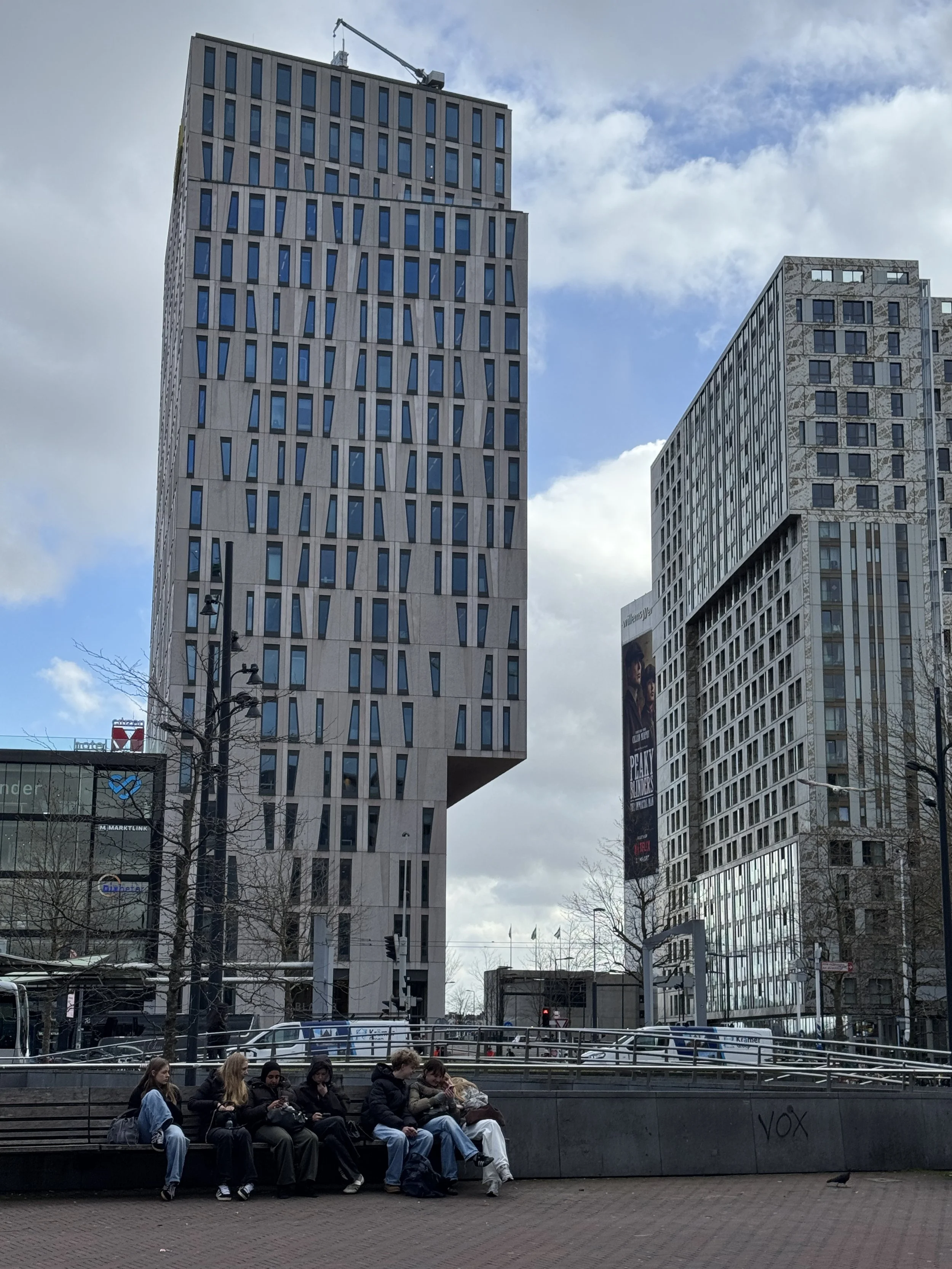
We headed out the back and immediately saw the Cube Houses (Kunstkubus), a cluster of tilted cube-shaped homes designed by architect Piet Blom in the 1980s to resemble a forest of abstract trees, where each cube sits on a hexagonal “trunk.” They’re located right in Binnenrotte square. There were also a few other really cool buildings nearby, including a great view of the Markthal and an interesting bike parking structure.
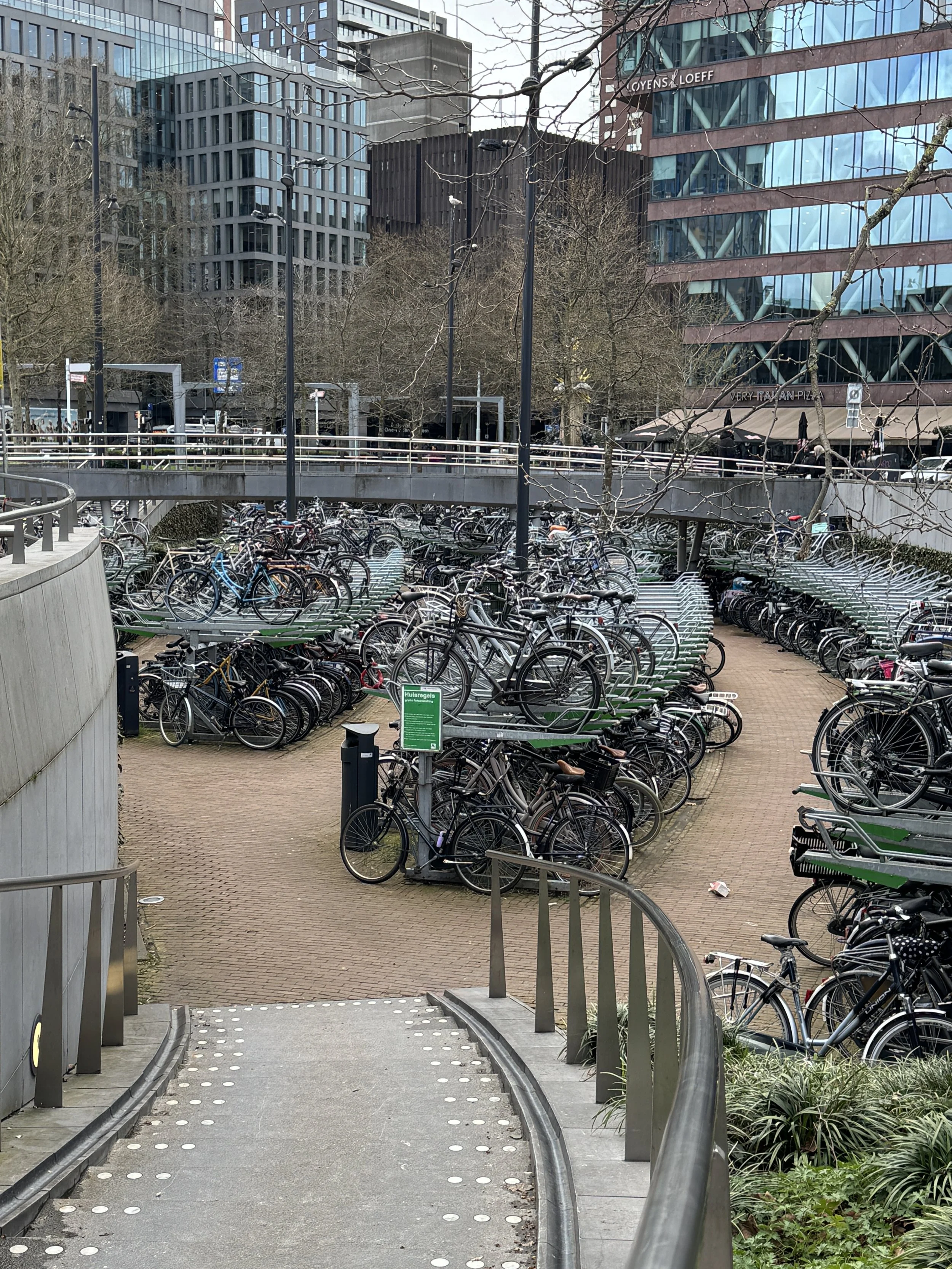
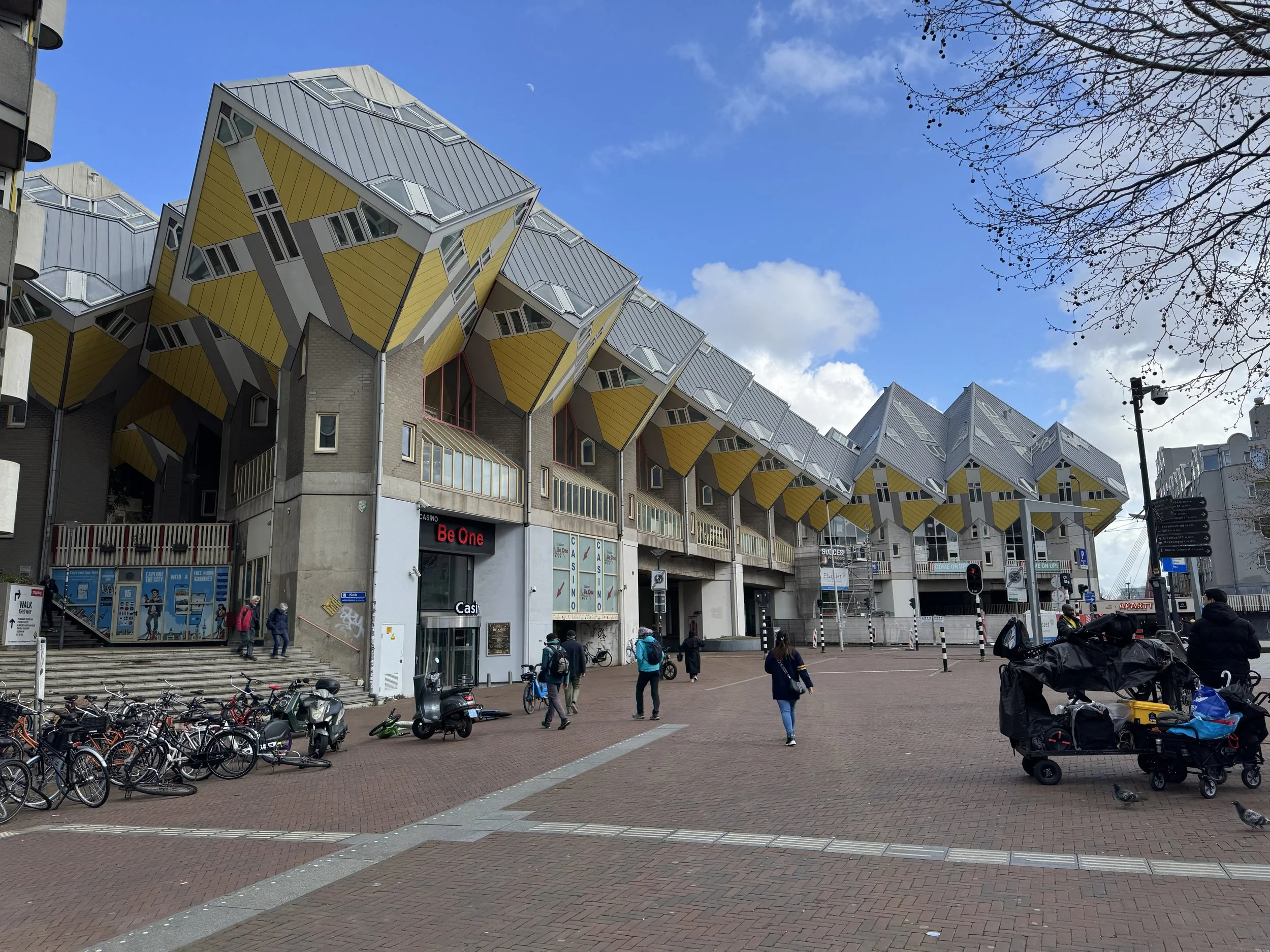
From there, we drove to UNESCO World Heritage Kinderdijk, a site featuring 19 historic windmills built in the 18th century to manage water levels and prevent flooding—an iconic example of Dutch water engineering and life below sea level.
We were so close… and then chaos. About 40 kids on bikes pulled out of a rental place, and the stragglers couldn’t ride, so we were stuck following them the entire way to the site.
Parking was €9.95, but it’s free to walk around. We started down a path, passed a construction site, and went through multiple open gates… until we hit one that was very much closed. A guy came over and asked if we saw the “private property” sign. We didn’t. I’m guessing the gate was open because of construction, and the people we passed didn’t say anything.
He was actually amused and told us, “we forgive you,” then opened the gate… which, of course, led directly into the paid windmill attraction. So we just walked straight through to the exit and carried on like nothing happened.
We stopped at the restroom/shop and then hit the road to our hotel in The Hague, Best Western.
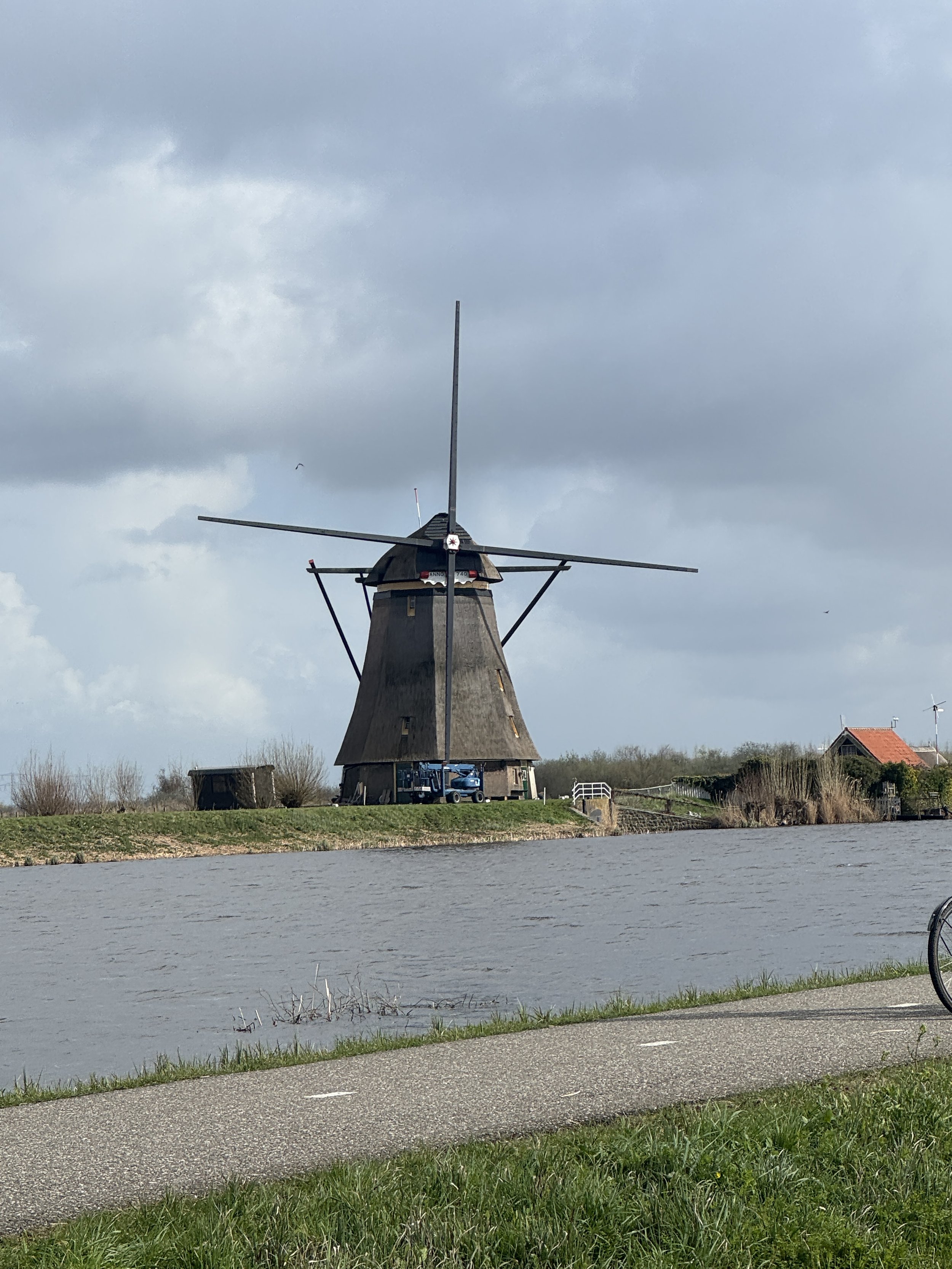
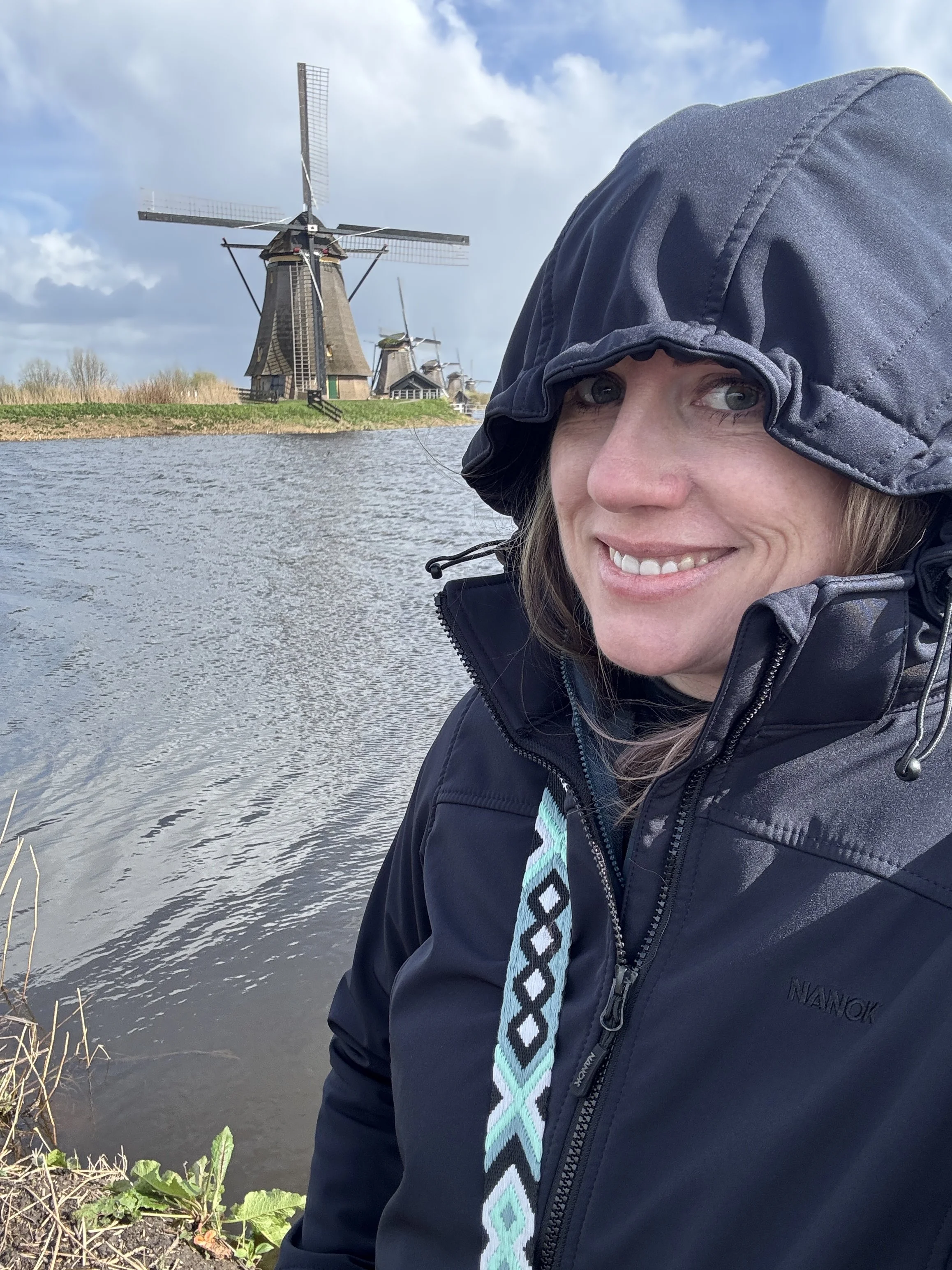
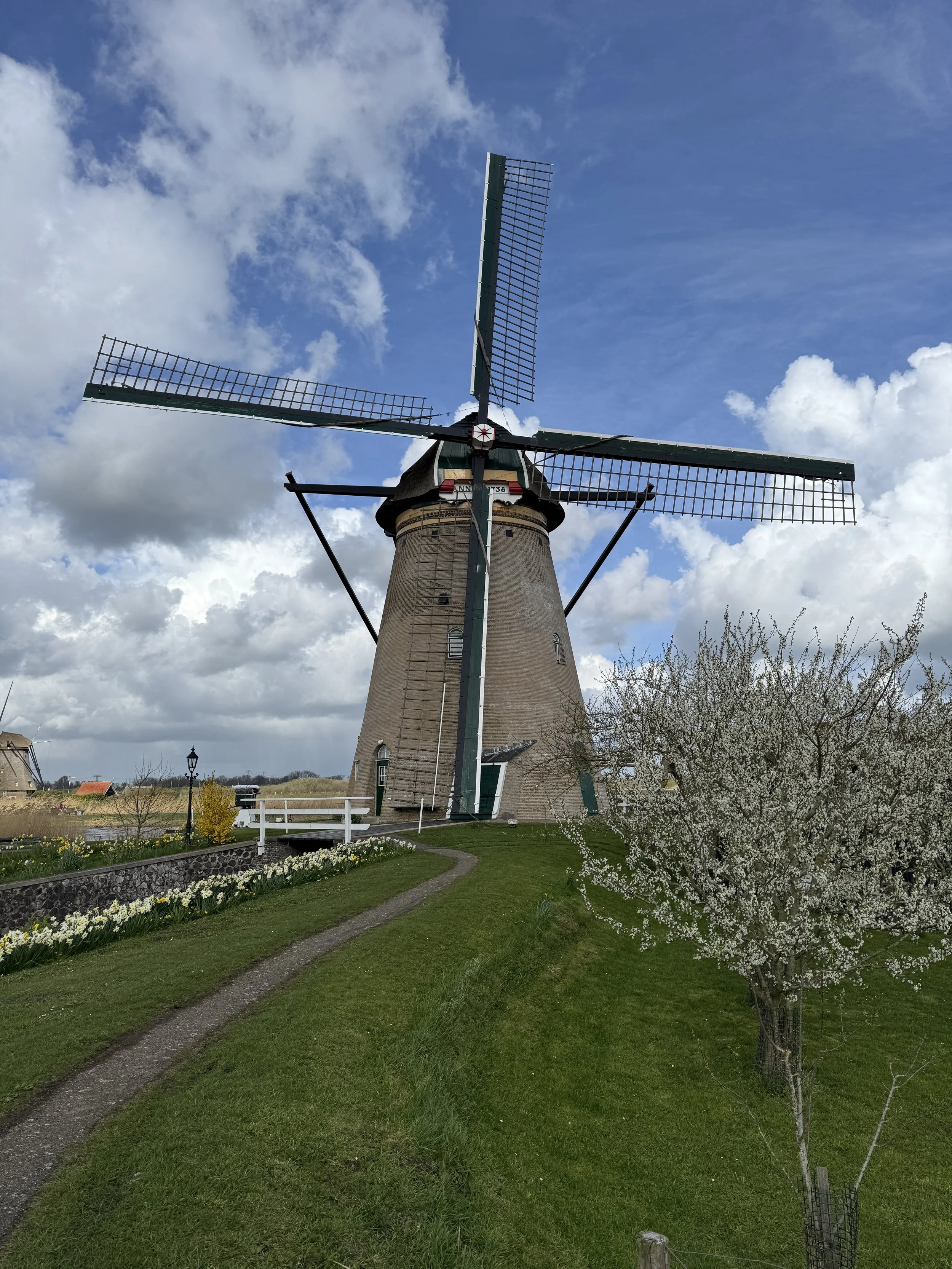
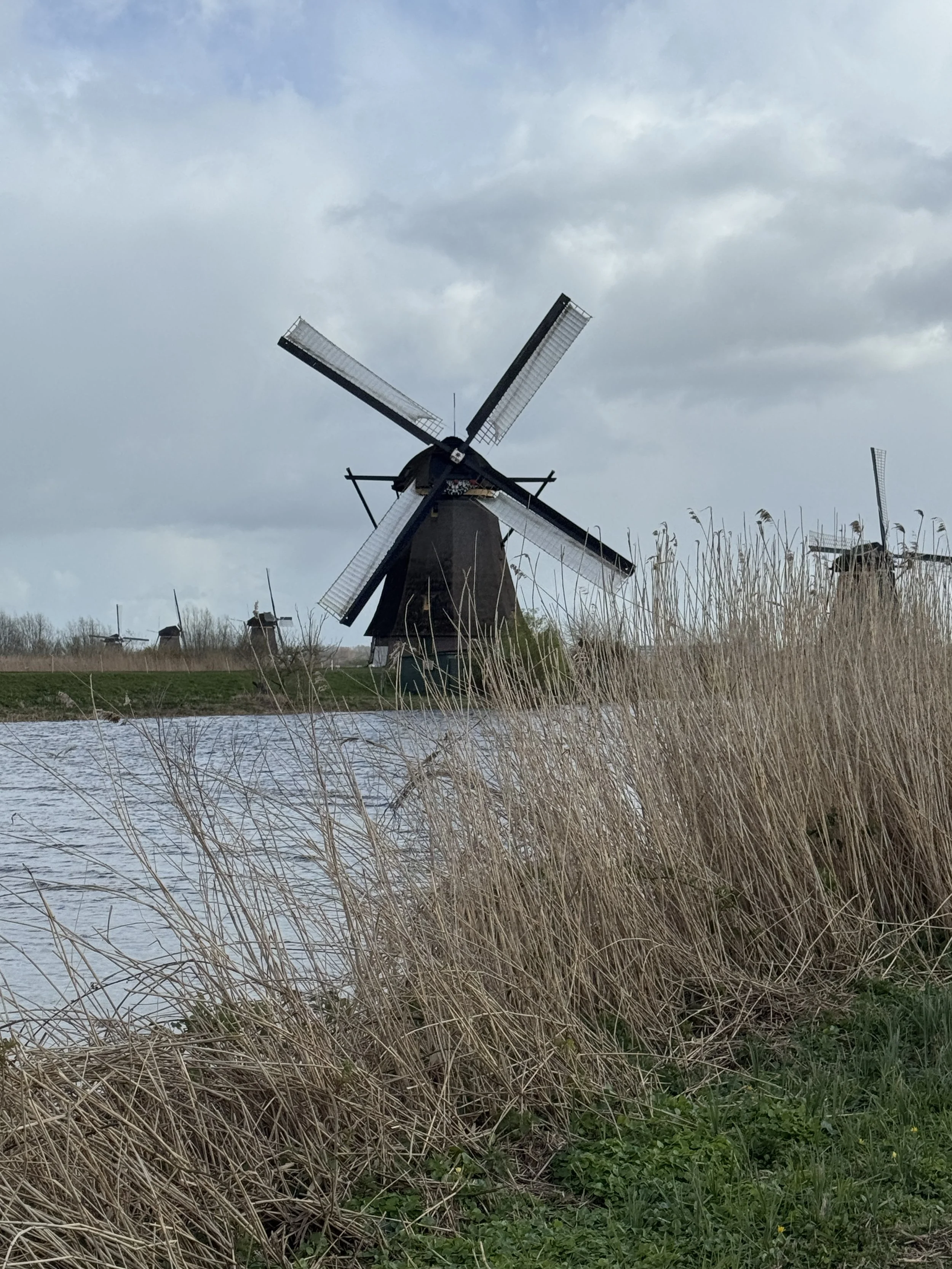
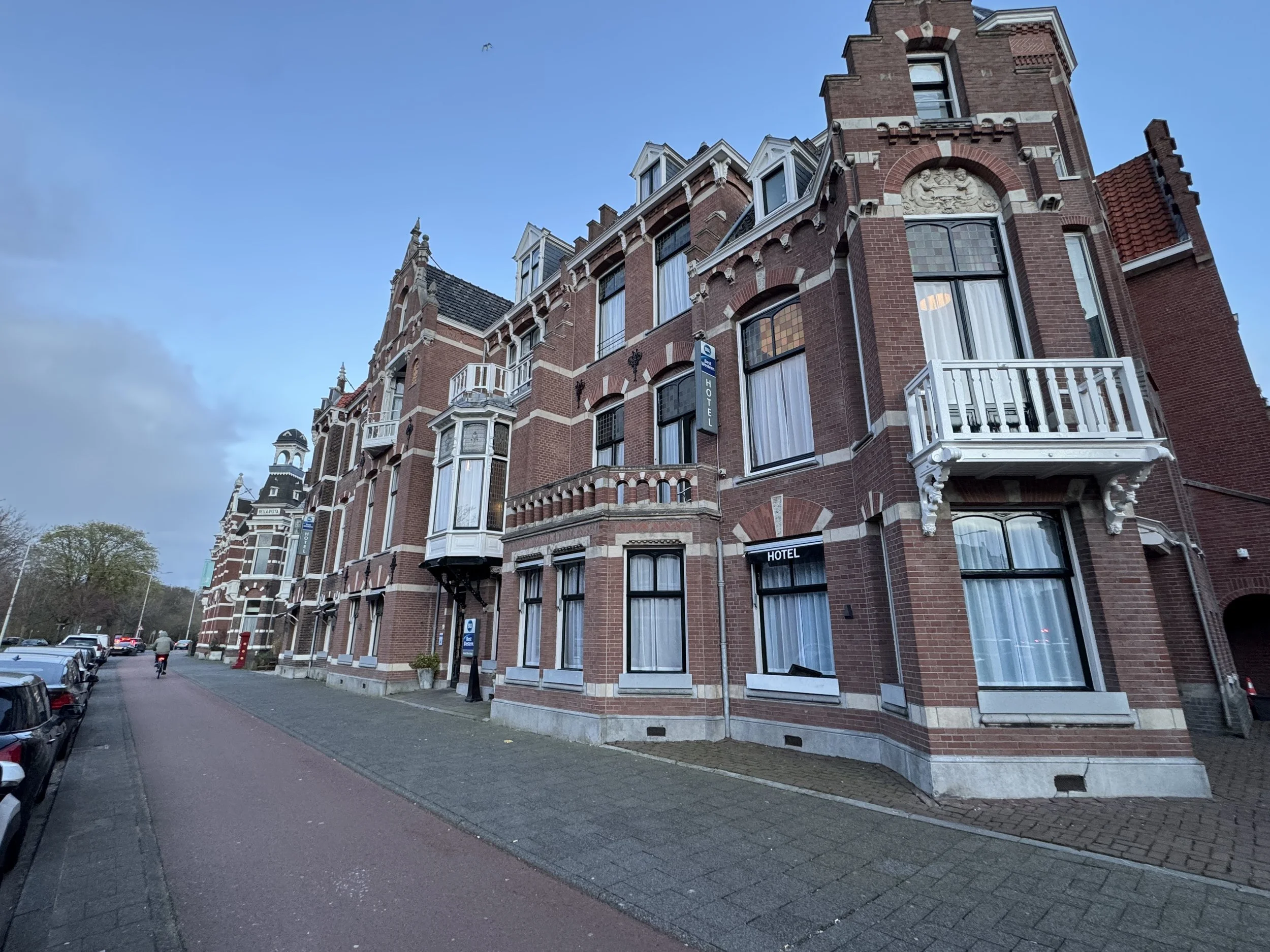
This place barely looked like a hotel because it was actually two old mansions converted into one. It had private parking for €18 per night. The room was a decent size, but the “twin” beds were pushed together and couldn’t really be separated due to built-in frames. The bathroom had an open shower concept, so the floor was basically soaked afterward. That said, the beds were comfortable, and the room had a bougie feel without the bougie price. It’s located in the Embassy area, and I would absolutely recommend it.
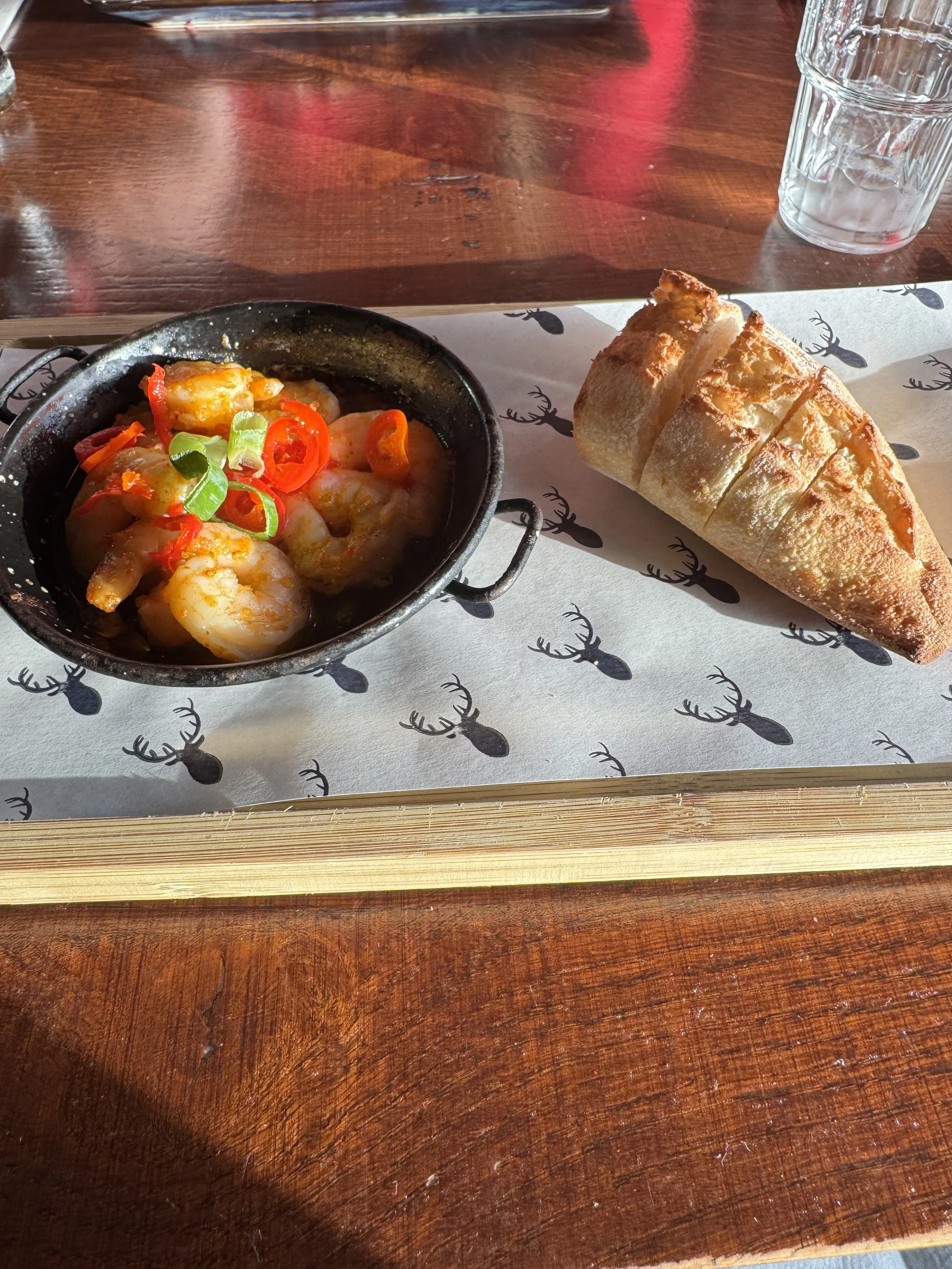
We decided to grab dinner at Bregje The Hague a few blocks away. We didn’t have a reservation which was kind of a problem but they gave us a table stating we had to be gone within 2 hours. Deal. I ordered a 3 course meal. The appetizer was shrimp with bread, then a burger with corn ribs and a chocolate brownie/chocolate mousse combo with vanilla ice cream. The burger was mostly meh but the rest was excellent. The brownie and mousse in particular were very good. We walked the cold 8 minute walk back to the hotel and showered and went to bed. This hotel was also following trend and was very quiet and the bed was comfy. I now travel with my own pillow (history of neck problems) but I highly recommend this method of travel because historically the pillows are the absolute worst in hotels. Anyway, I didn’t attempt the ones here but I slept like a royal baby.
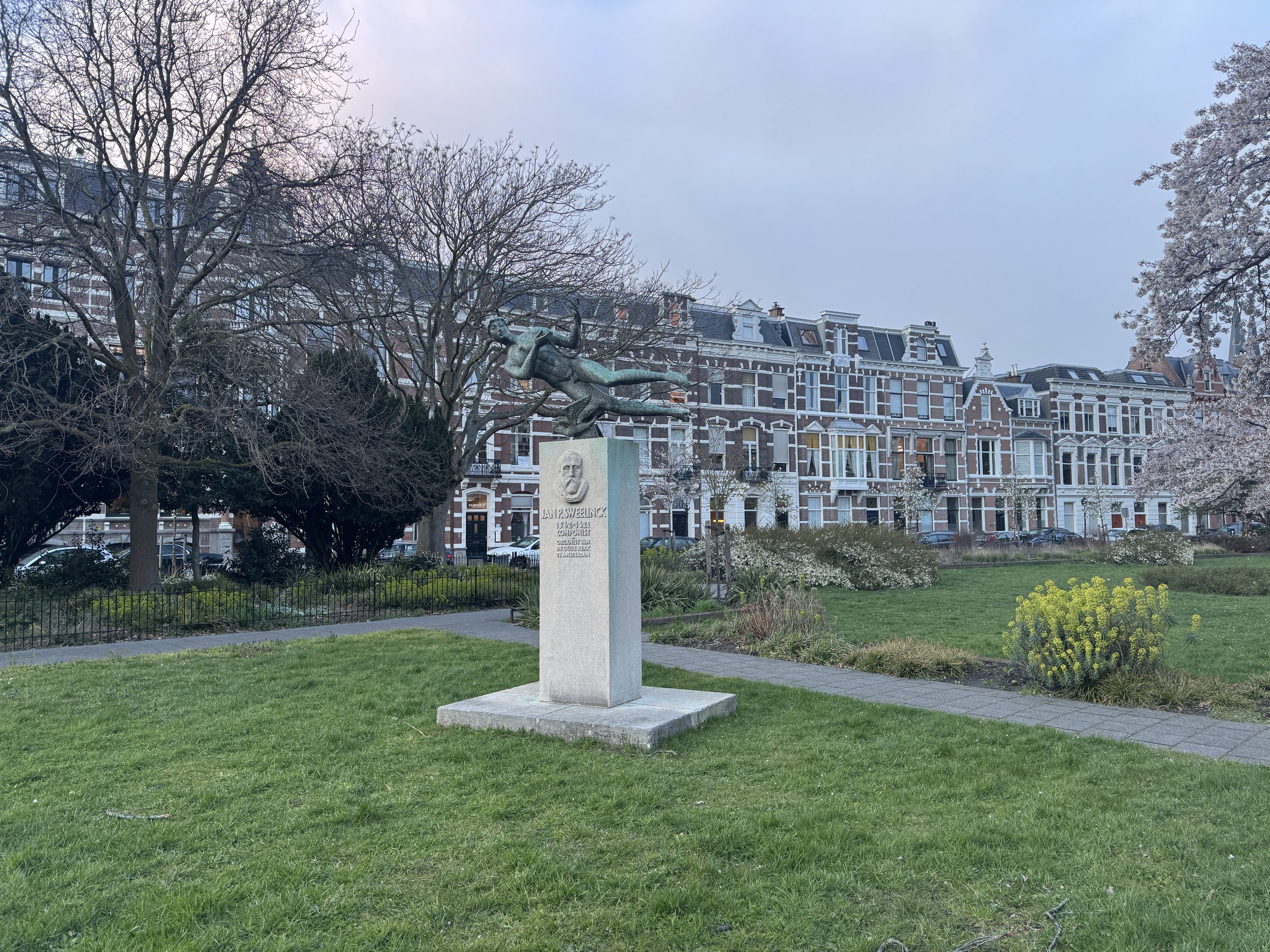
We woke up around 7:30 AM to be on the road by 8. After checking the weather and seeing a 60% chance of rain, possible snow, and cold temperatures, we pivoted our plans and decided to buy the Antwerp City Pass and head straight to Antwerp, our next city.
We aimed for a parking lot near two museums we wanted to visit, but that quickly turned into a full-blown parking struggle. The first lot was full, the second was closed for a private company, the third wasn’t public, and after about 40 minutes of trying, we finally found a spot at Q-Park Godefriduskaai. It ended up being perfect.
We entered the garage while it was sunny, found a spot, and by the time we walked outside it had turned gray, windy, and started hailing. It was wild. Luckily, one of the museums was right there, so we ducked inside.
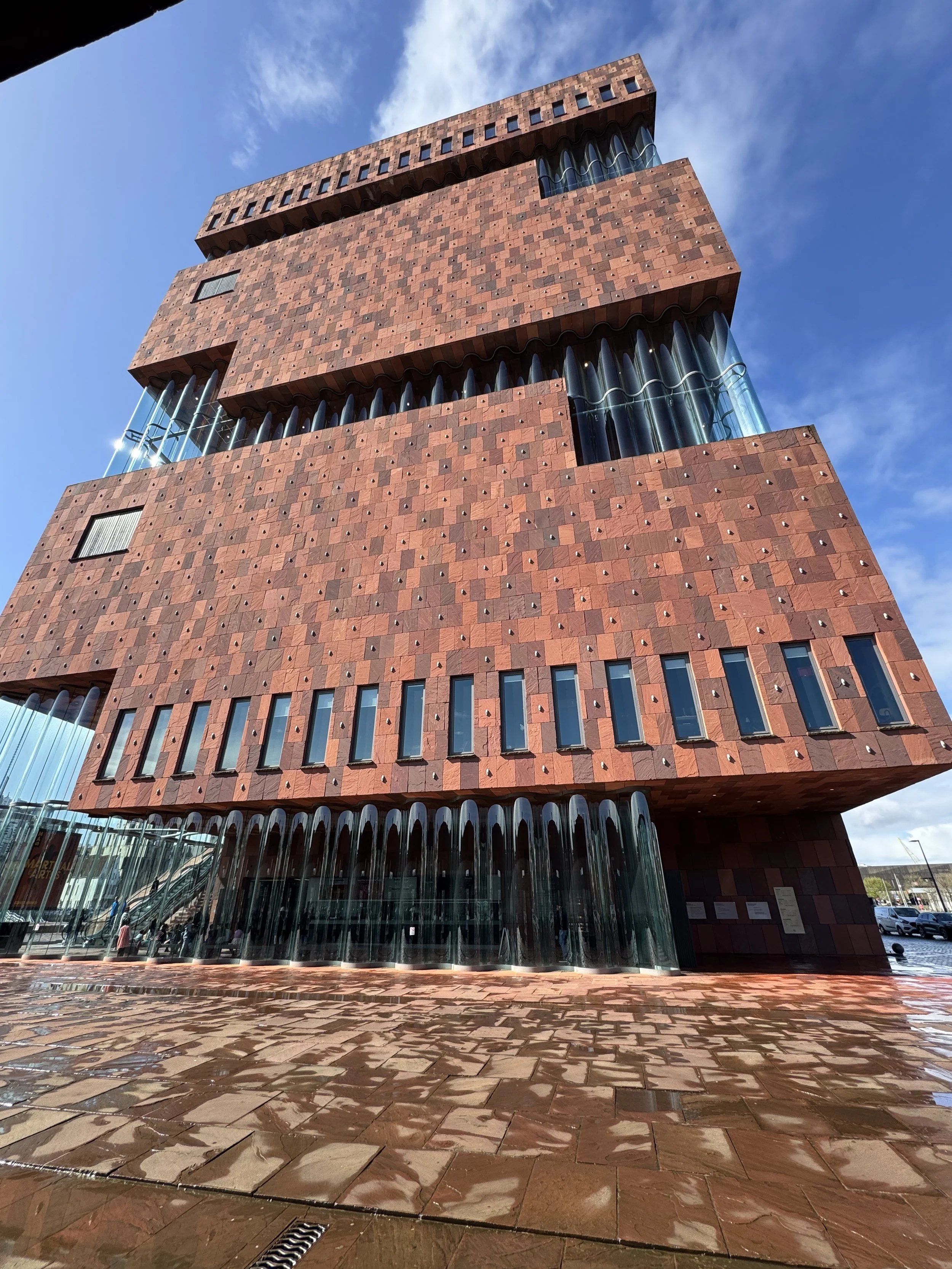
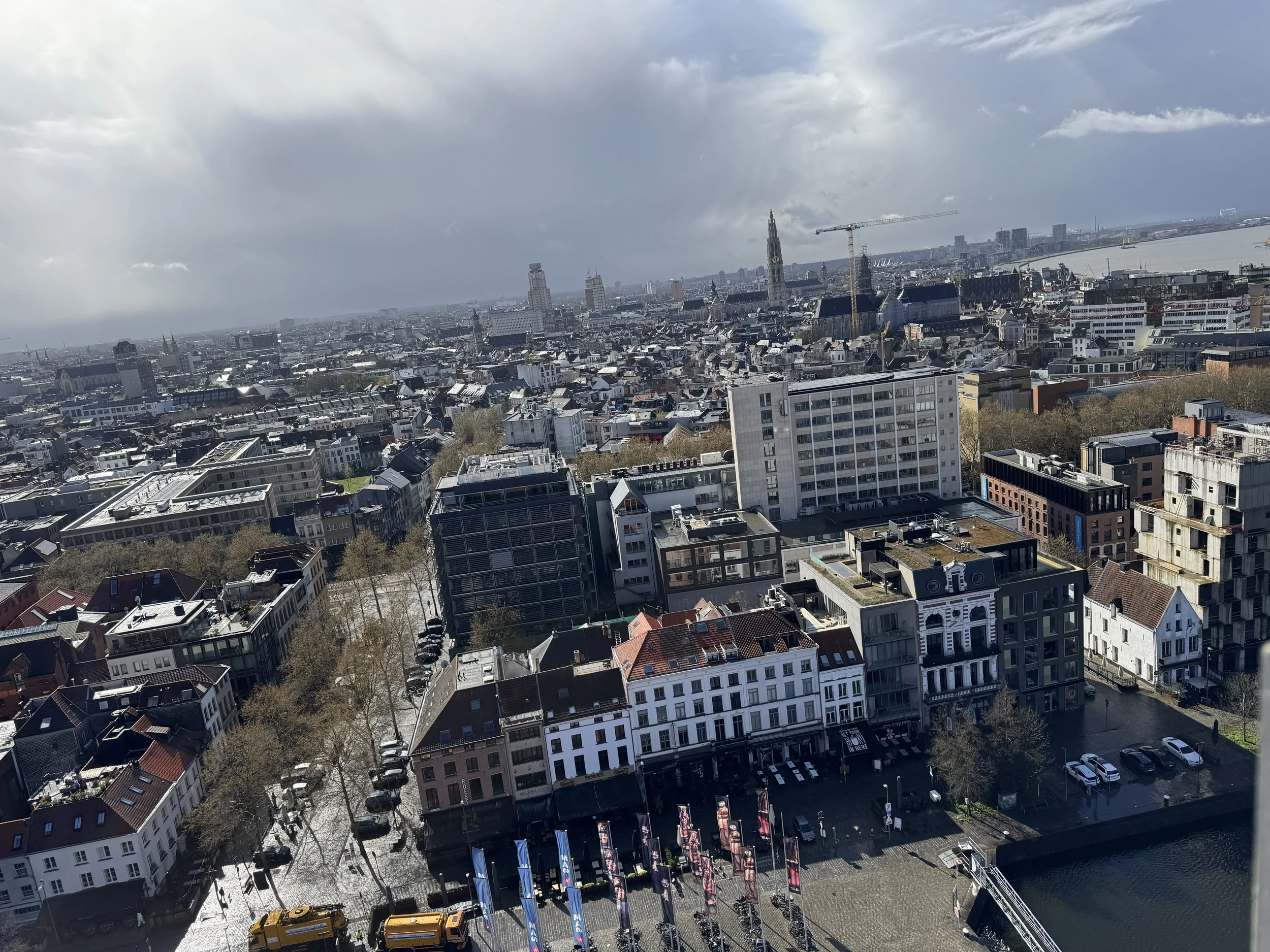
We wandered through the MAS - Museum aan de Stroom, located in Antwerp’s old port district, which tells the story of the city’s connection to the world. Each floor explores themes like trade, migration, culture, and global exchange through artifacts, art, and interactive exhibits. The building itself is part of the experience, with a spiral walkway leading up to a panoramic rooftop offering one of the best views over Antwerp and its harbor. The building was really cool with huge glass windows and a 10th floor viewing deck. The content inside was hit or miss and nothing that was super interesting, but the views were great.
March 26: Hailstorms, History & Antwerp Glow-Ups
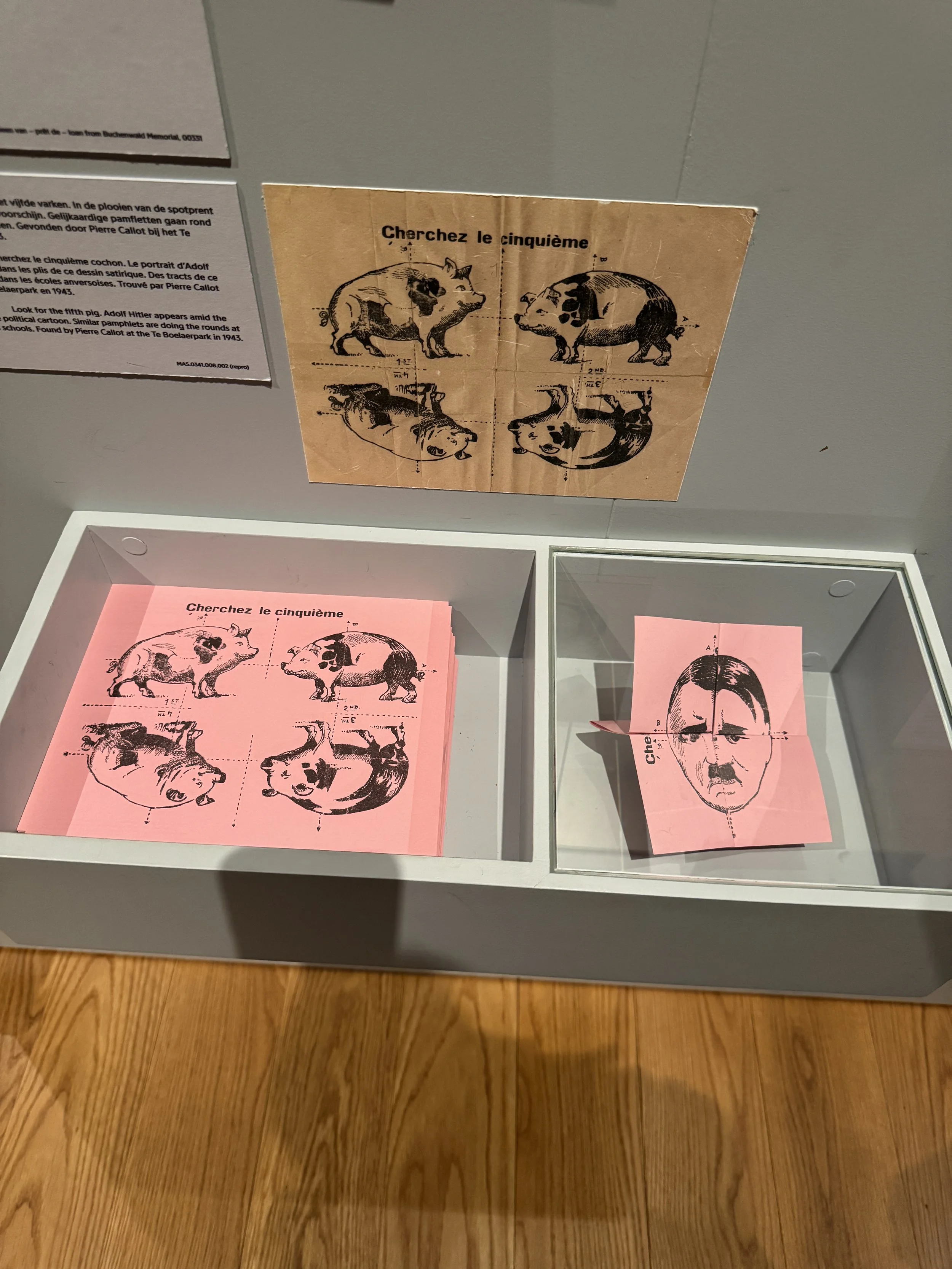
By the time we finished, the sun had started to come back out, so we headed to the Red Star Line Museum. The Red Star Line Museum tells the story of millions of European emigrants who left Antwerp for America between 1873 and 1934 aboard Red Star Line ships. Instead of just facts, it focuses on real personal journeys—what people packed, what they went through before boarding, and what it felt like to leave everything behind. The exhibits are immersive and emotional, walking you through the entire migration experience from departure to arrival. It was smaller but very focused, and they give you a booklet that covers all the displays in English. They also had a very small café and gift shop.
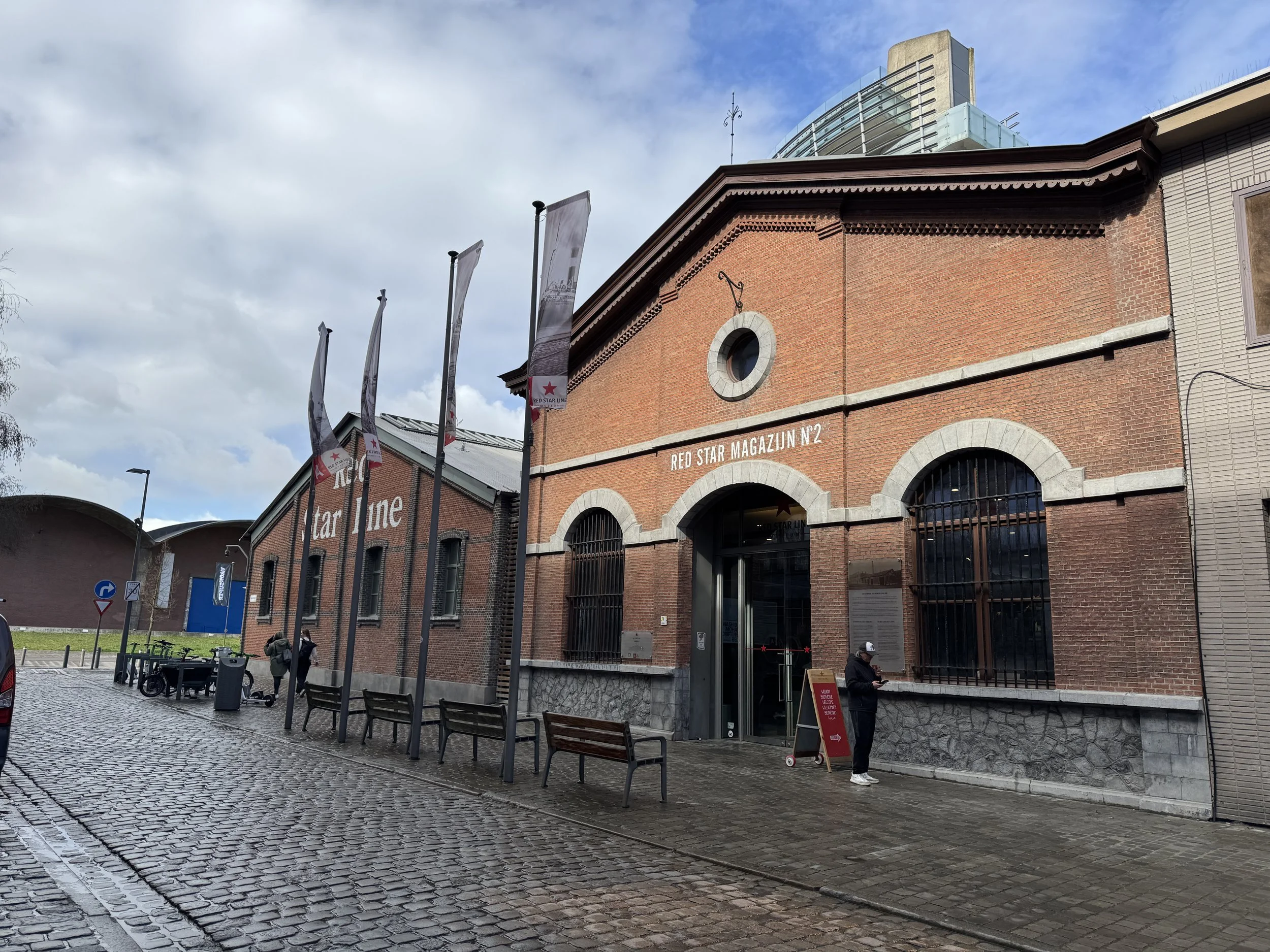
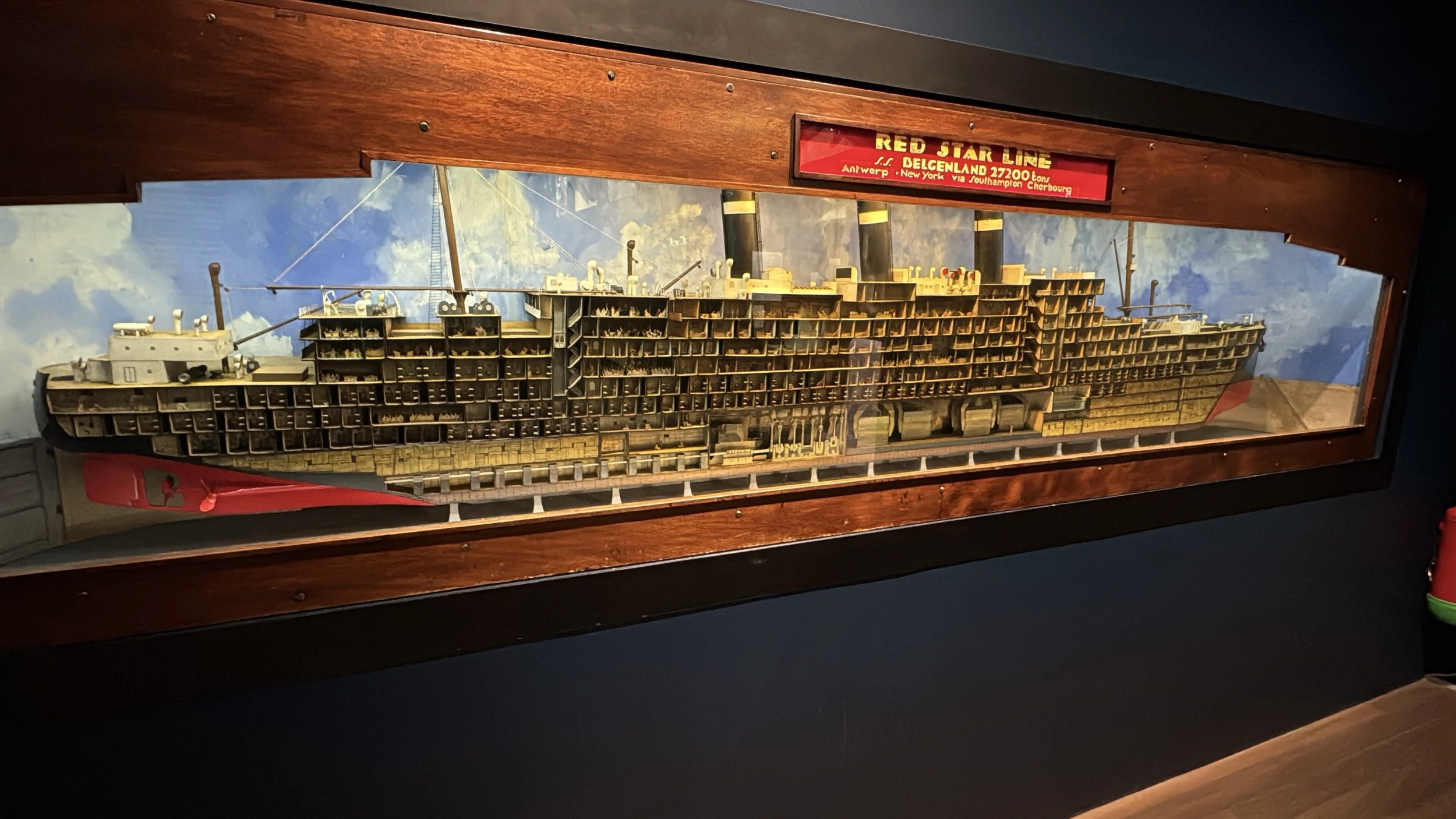
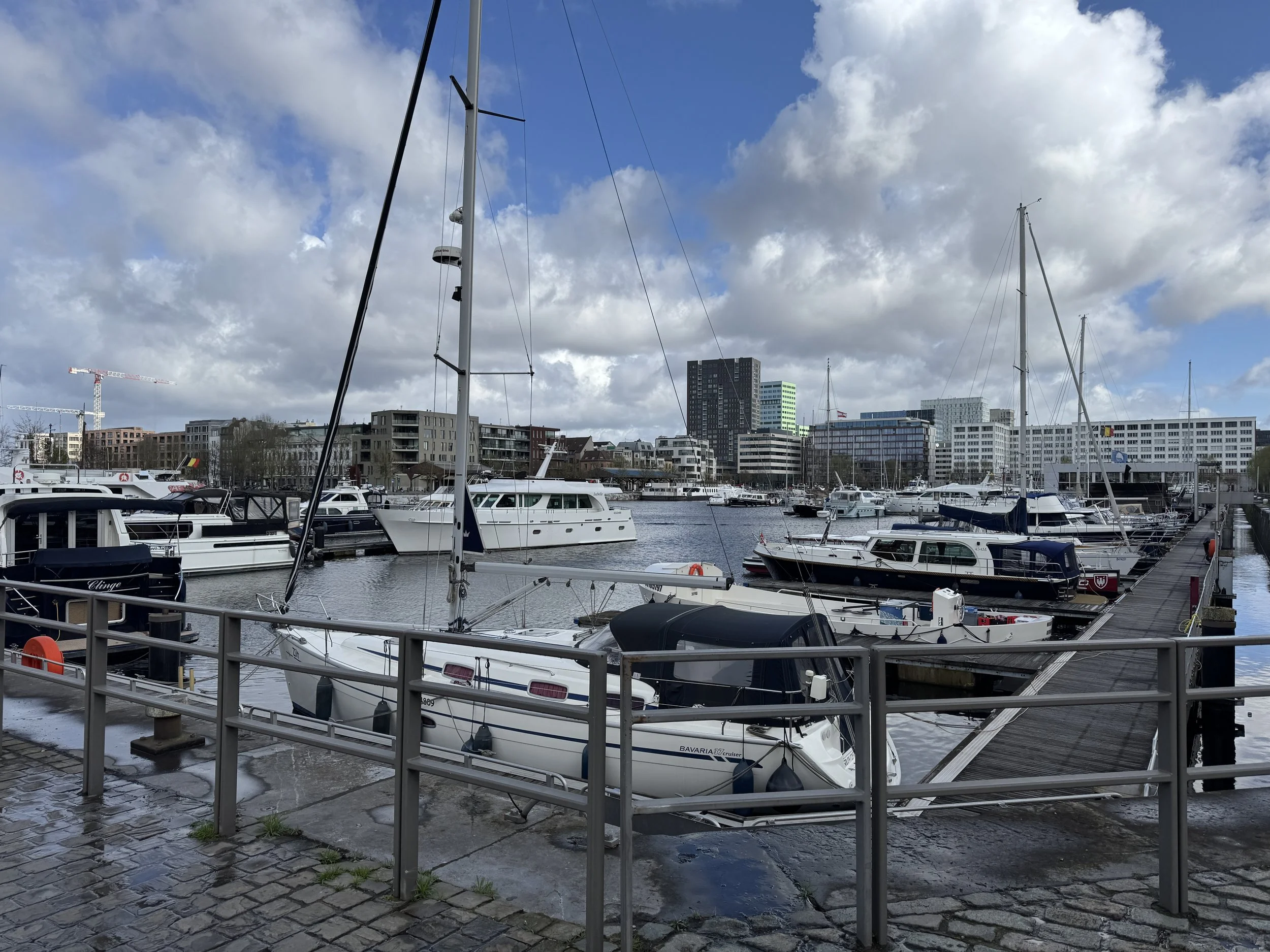
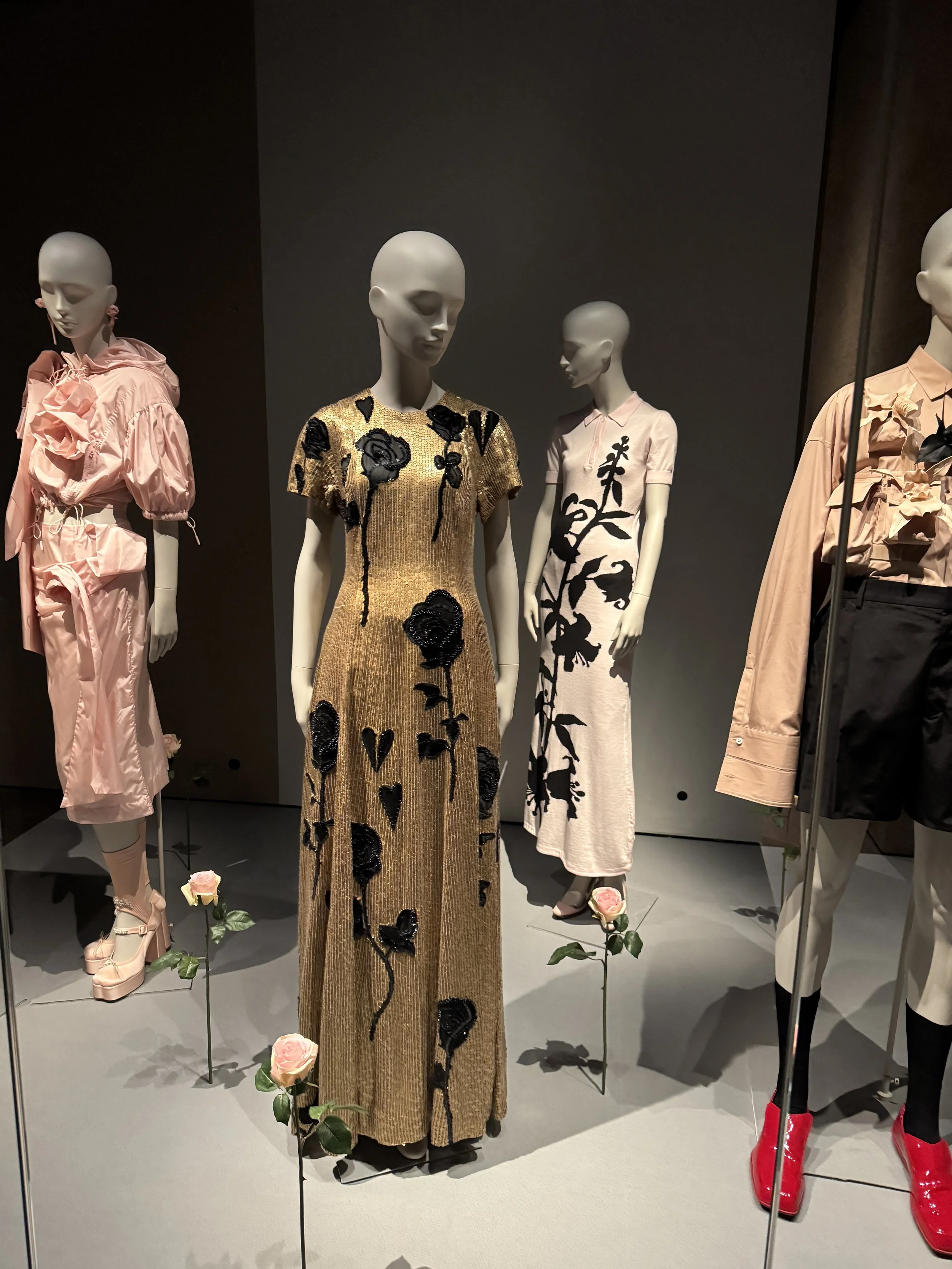
We headed back to the car and moved into the city center, parking at Parking Indigo Groenplaats. We were originally in pursuit of an Italian gluten-free restaurant, but along the way we passed MoMu - Fashion Museum Antwerp. MoMu is a cutting-edge fashion museum showcasing bold, artistic exhibitions centered around Belgian designers and global fashion culture. Rather than traditional displays, each exhibit is curated like an immersive experience, blending fashion, art, and storytelling. We don’t really get fashion at all, so this wasn’t really for us. It’s also pretty small with just two exhibits. One of them focused on Palestinian weaving, which was actually really interesting and had a lot of information about clothing in that region historically, outside influences, and techniques.
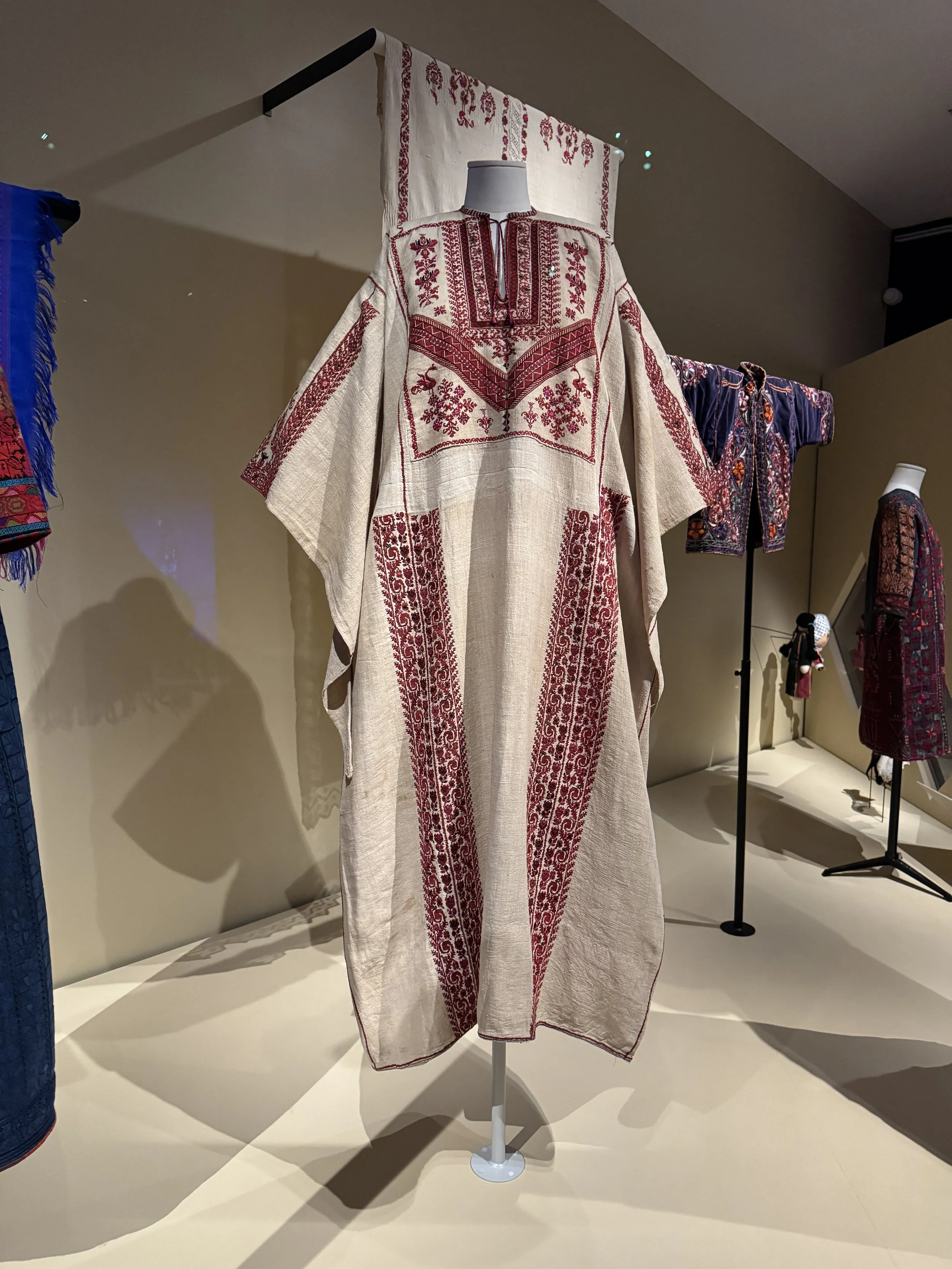
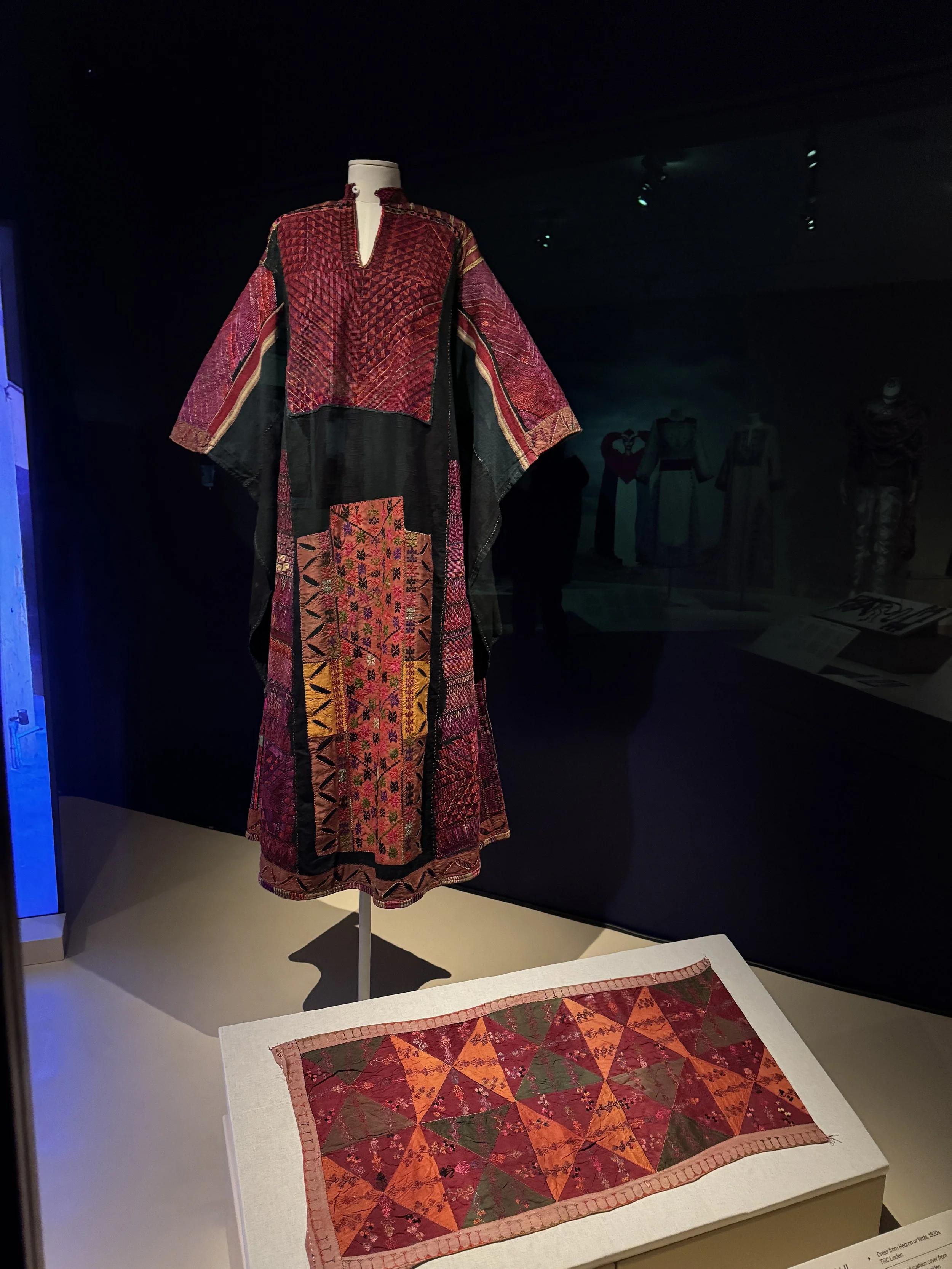
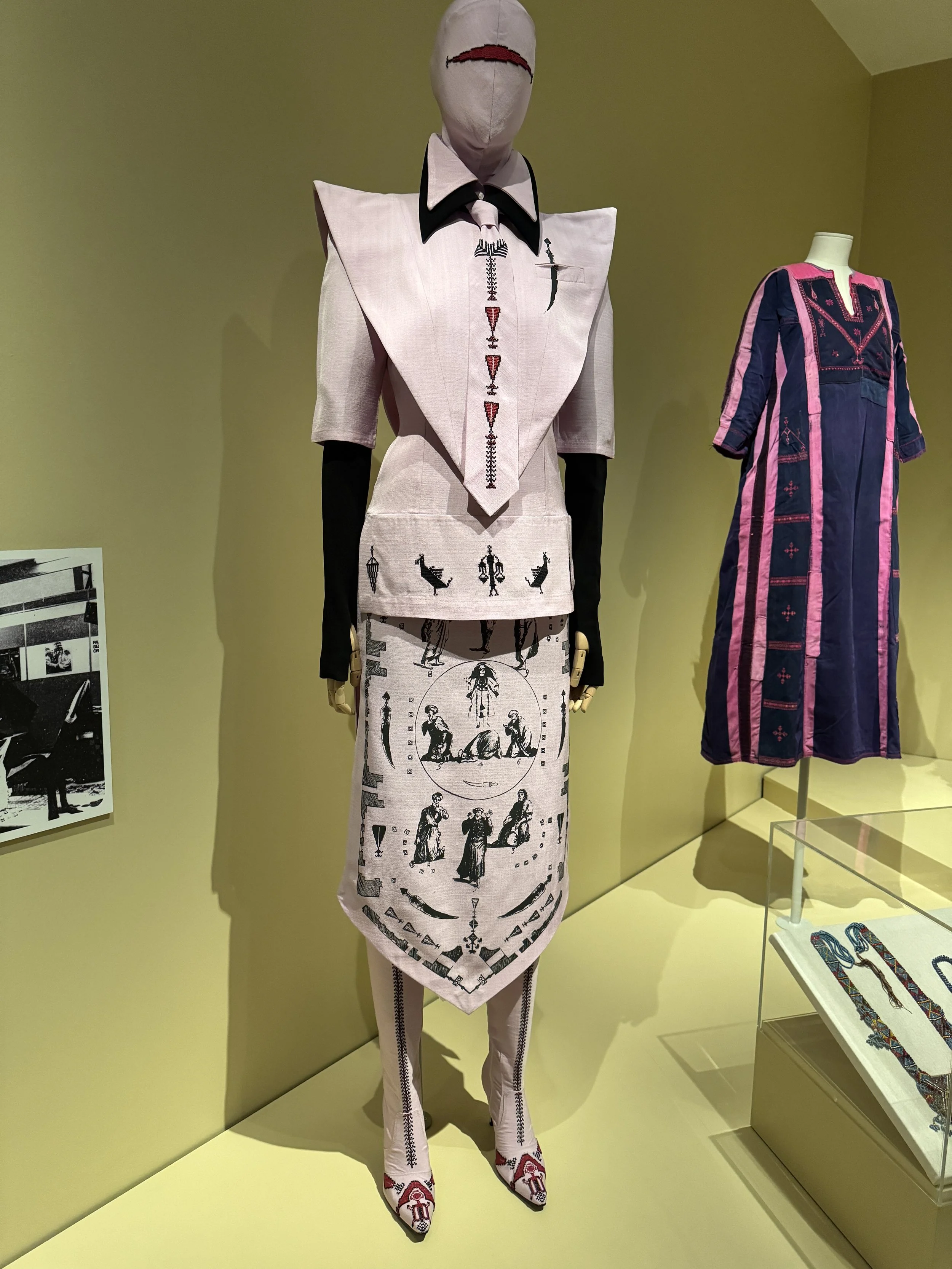
Detour complete, we made it to Le Delizie senza glutine. The owner is celiac, lactose intolerant, and from Italy, so she created a completely gluten-free restaurant. I had a pizza and my friend had homemade pasta. It was good and €39 total, which felt like a great deal. The owner was very nice, and it worked out to be a quick stop. It also rained again while we were inside, so we stayed dry.
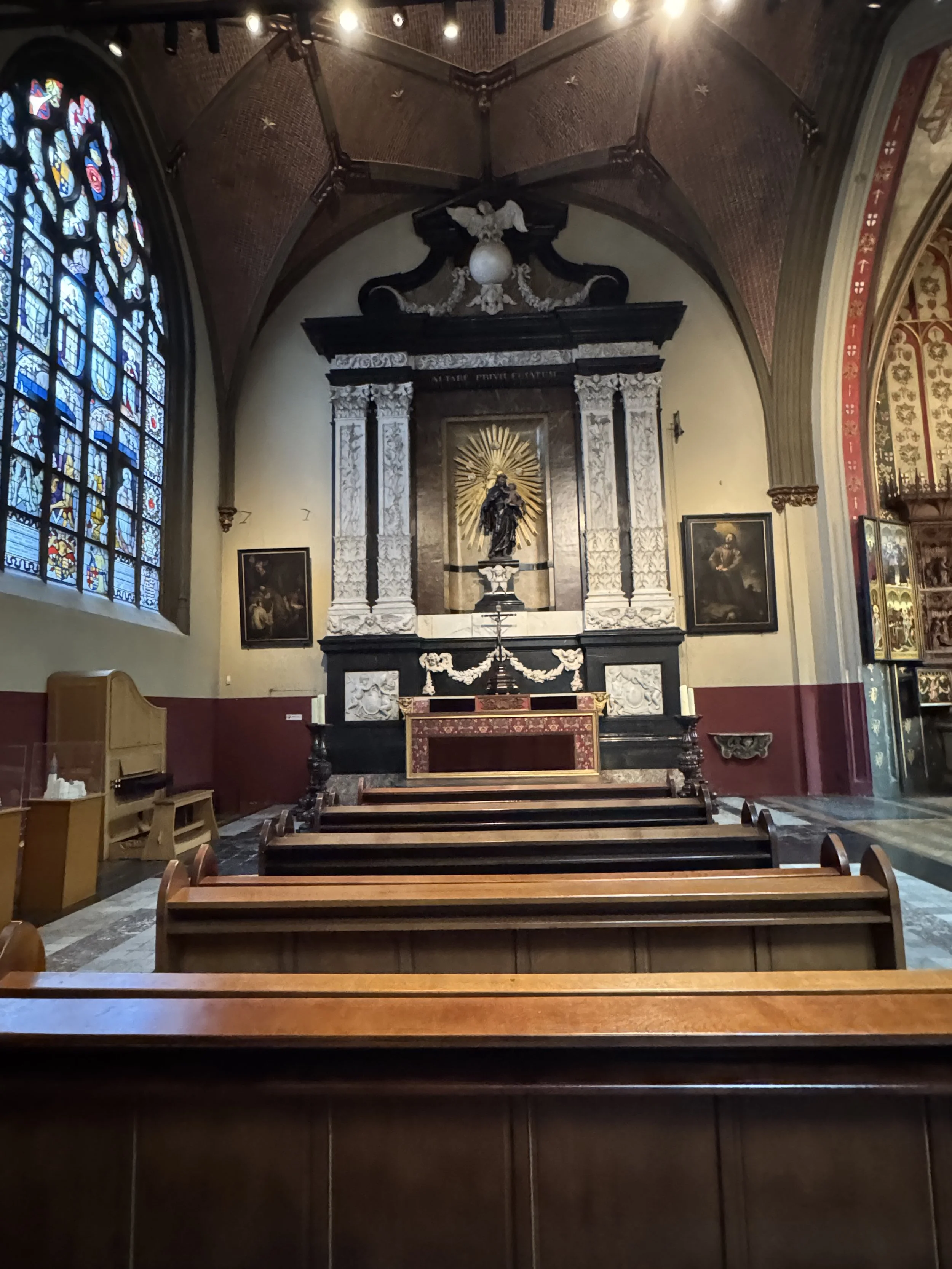
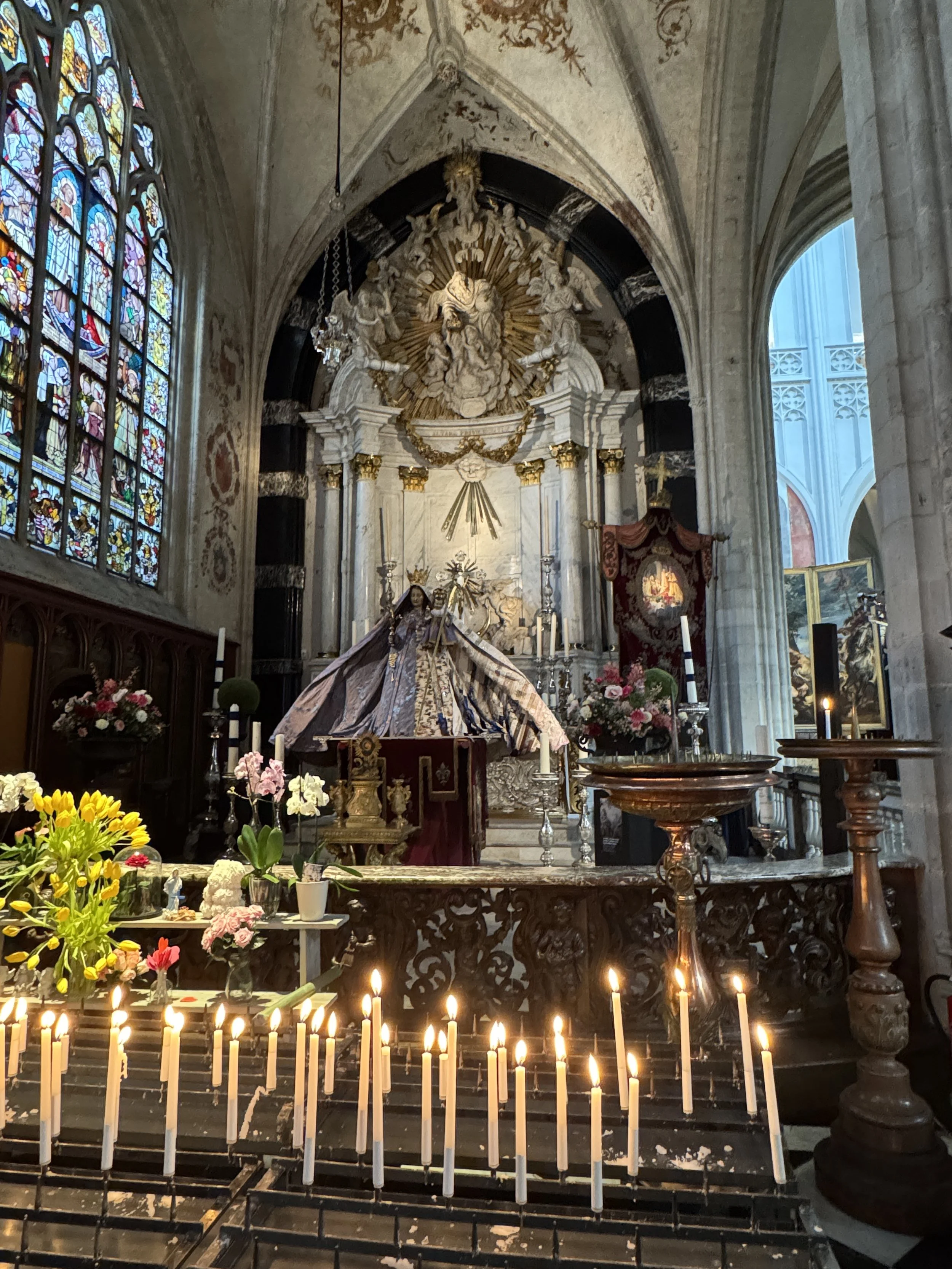
Around the corner was St. Andrew’s Church (Sint-Andrieskerk), which dates back to the early 16th century and was originally built for an Augustinian monastery. Not long after its construction, it became associated with early followers of Martin Luther, which led to periods of religious tension during the Reformation. Over time, the church returned to Catholic use and was richly decorated in Baroque style, creating a striking contrast between its Gothic structure and ornate interior. It’s often called the “parish of the poor” because it historically served Antwerp’s working-class neighborhood. One of its most unique traditions today is the statue of the Virgin Mary, which is dressed in modern outfits. Unfortunately, it wasn’t open inside, but it was still impressive from the outside, and honestly everything in Antwerp is beautiful.
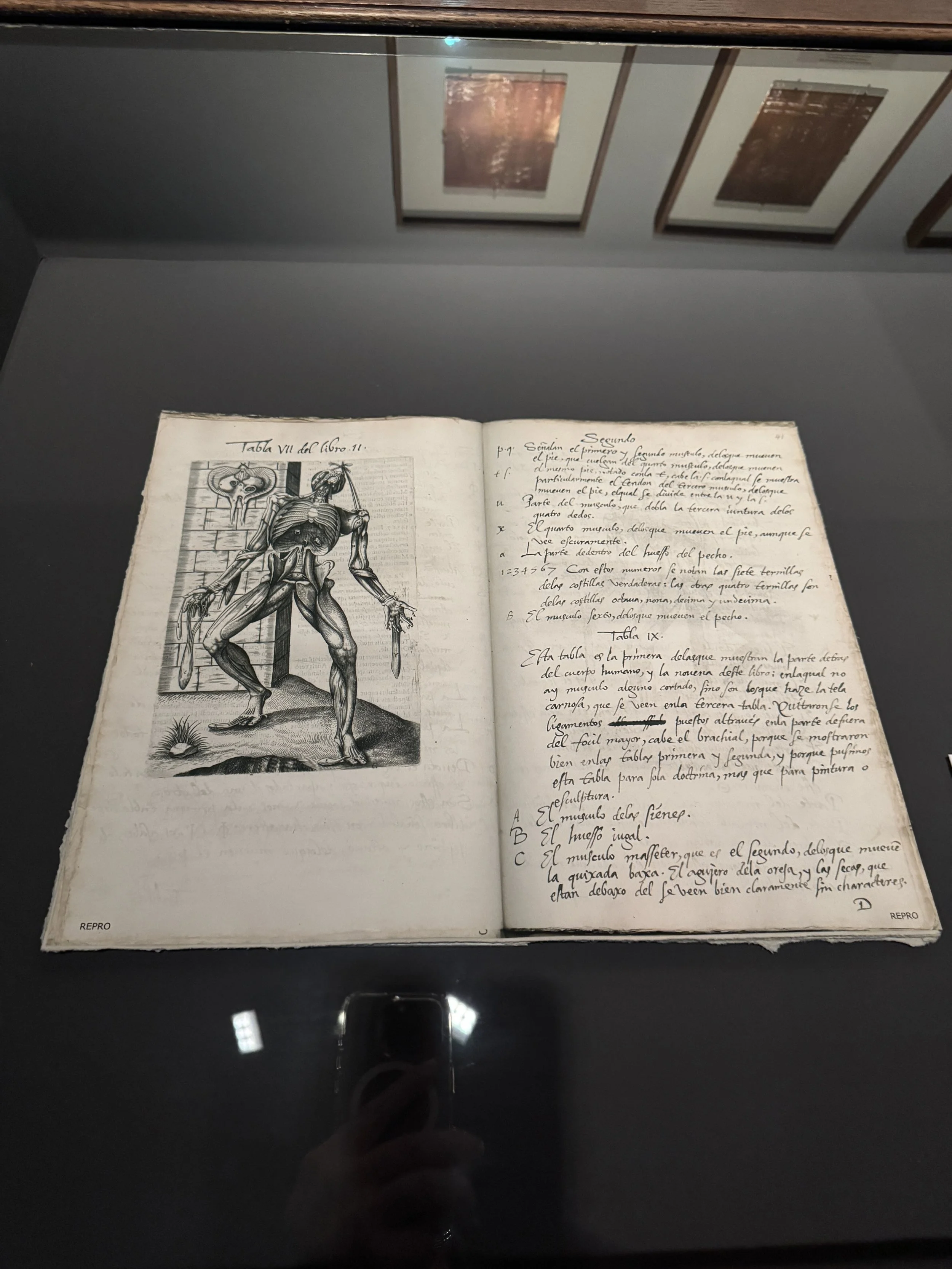
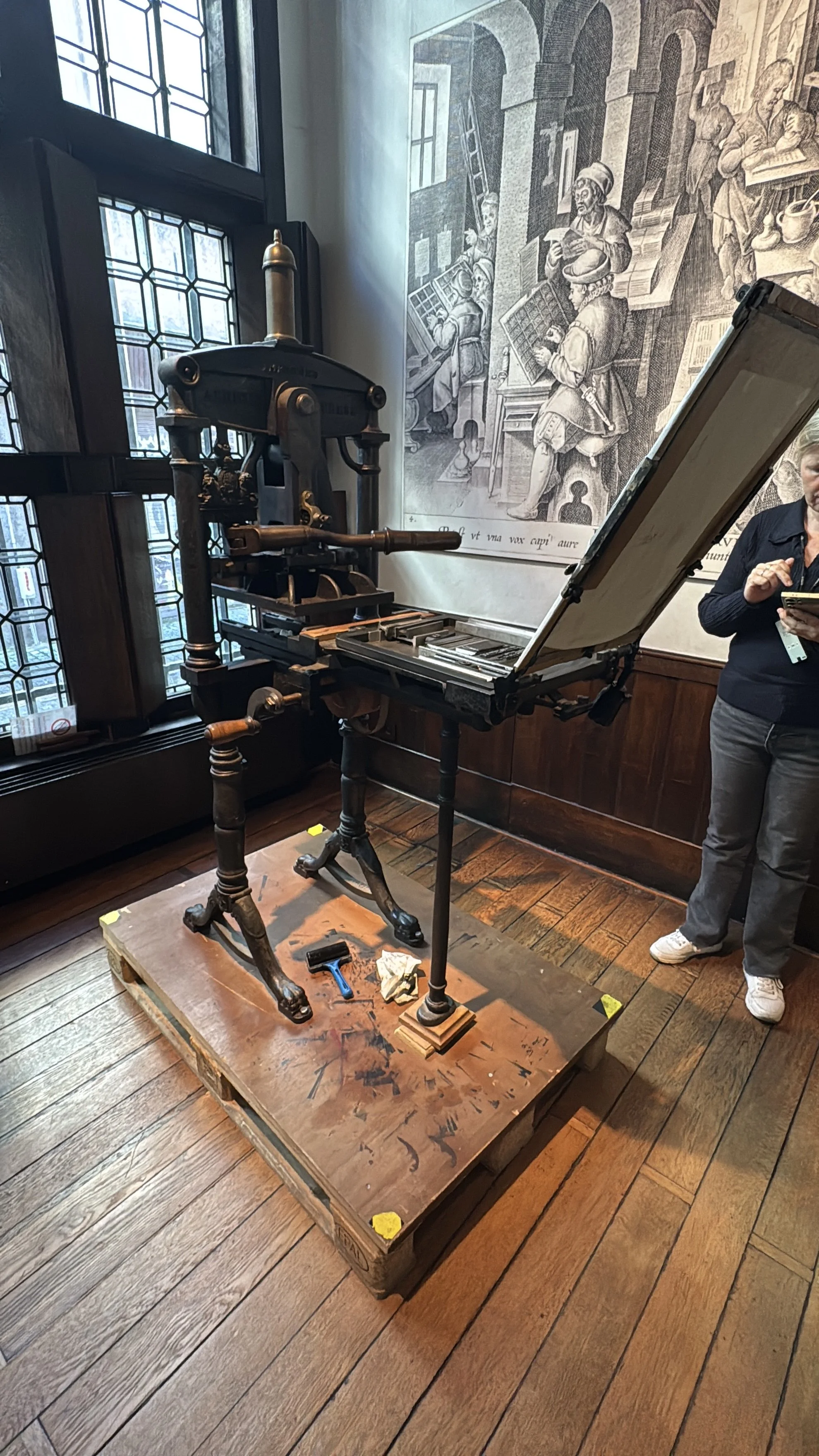
We continued on to the Plantin-Moretus Museum, a UNESCO World Heritage site housed in the former home and printing workshop of Christophe Plantin and his son-in-law Jan Moretus. Founded in the 16th century, it became one of the most important printing houses in Europe, producing books, maps, and scientific works distributed worldwide. Today, the museum preserves the original residence and workshop, including some of the oldest surviving printing presses in the world, along with an impressive historic library. This was the true surprise of the day. I expected to just see a press, but the décor, the books, learning about preservation methods, and the evolution of communication made it incredible. They even had two gentlemen demonstrating the presses in action. It had a dark, gothic, almost mysterious feel and was easily a MUST SEE.
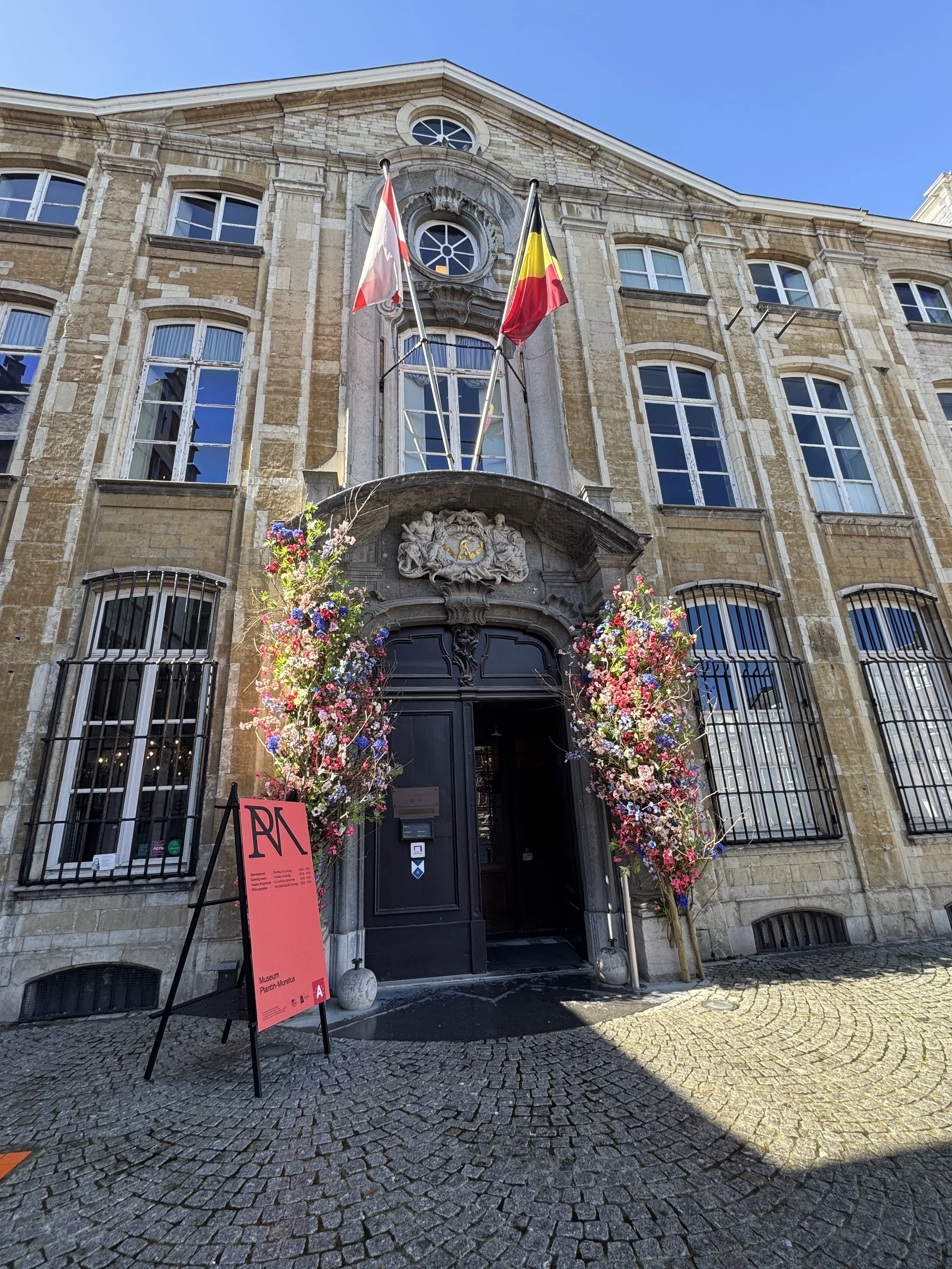
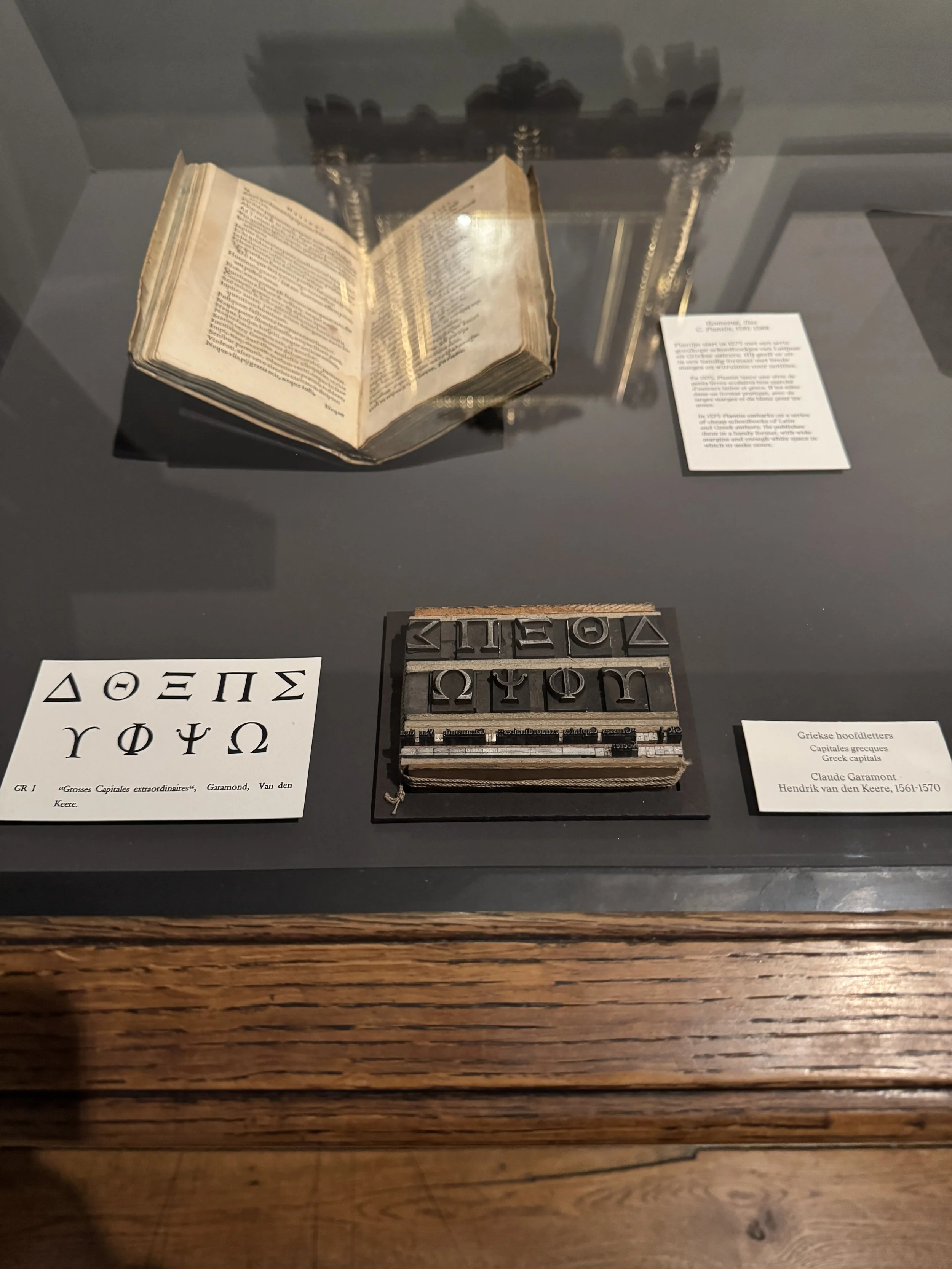
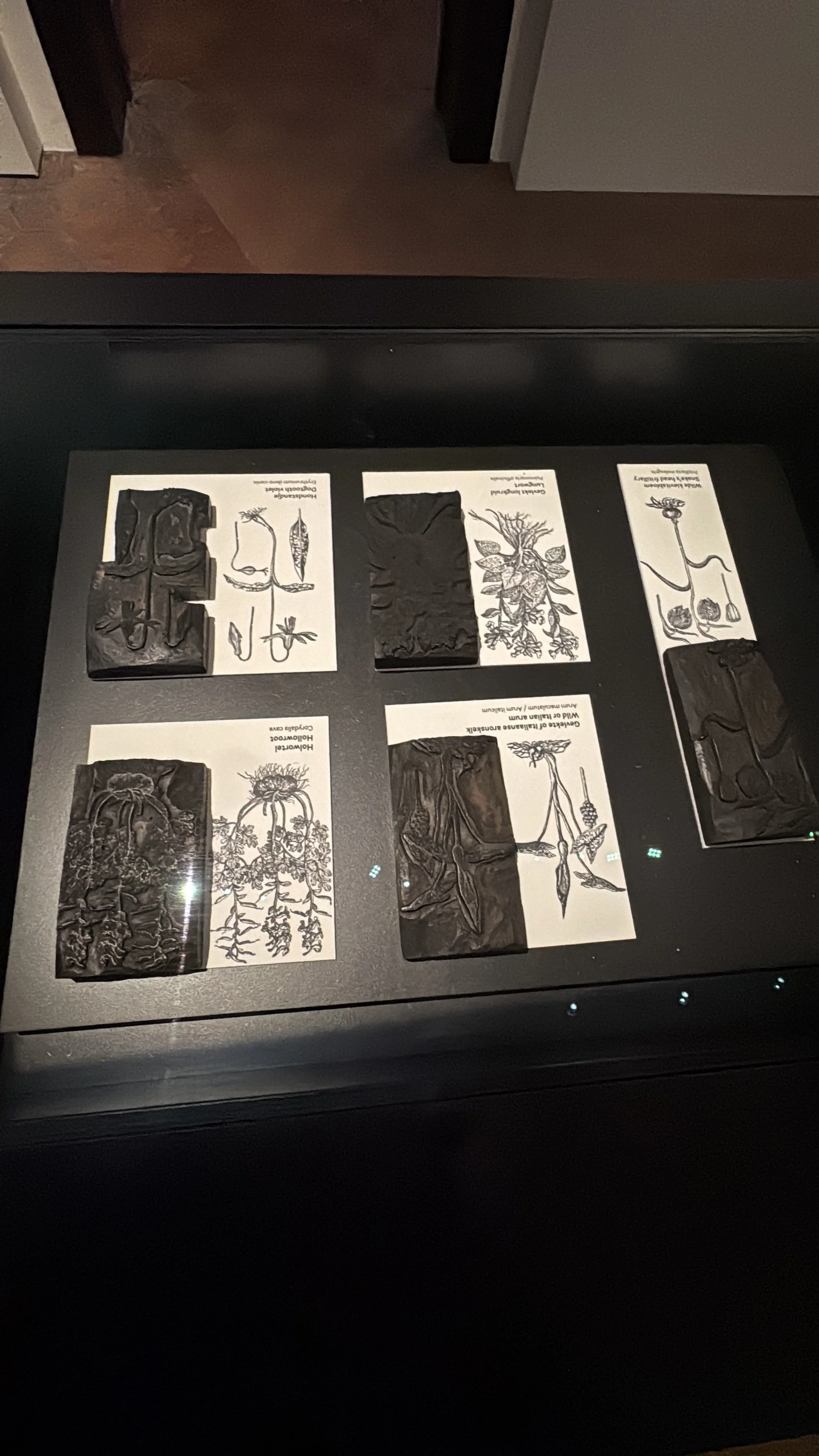
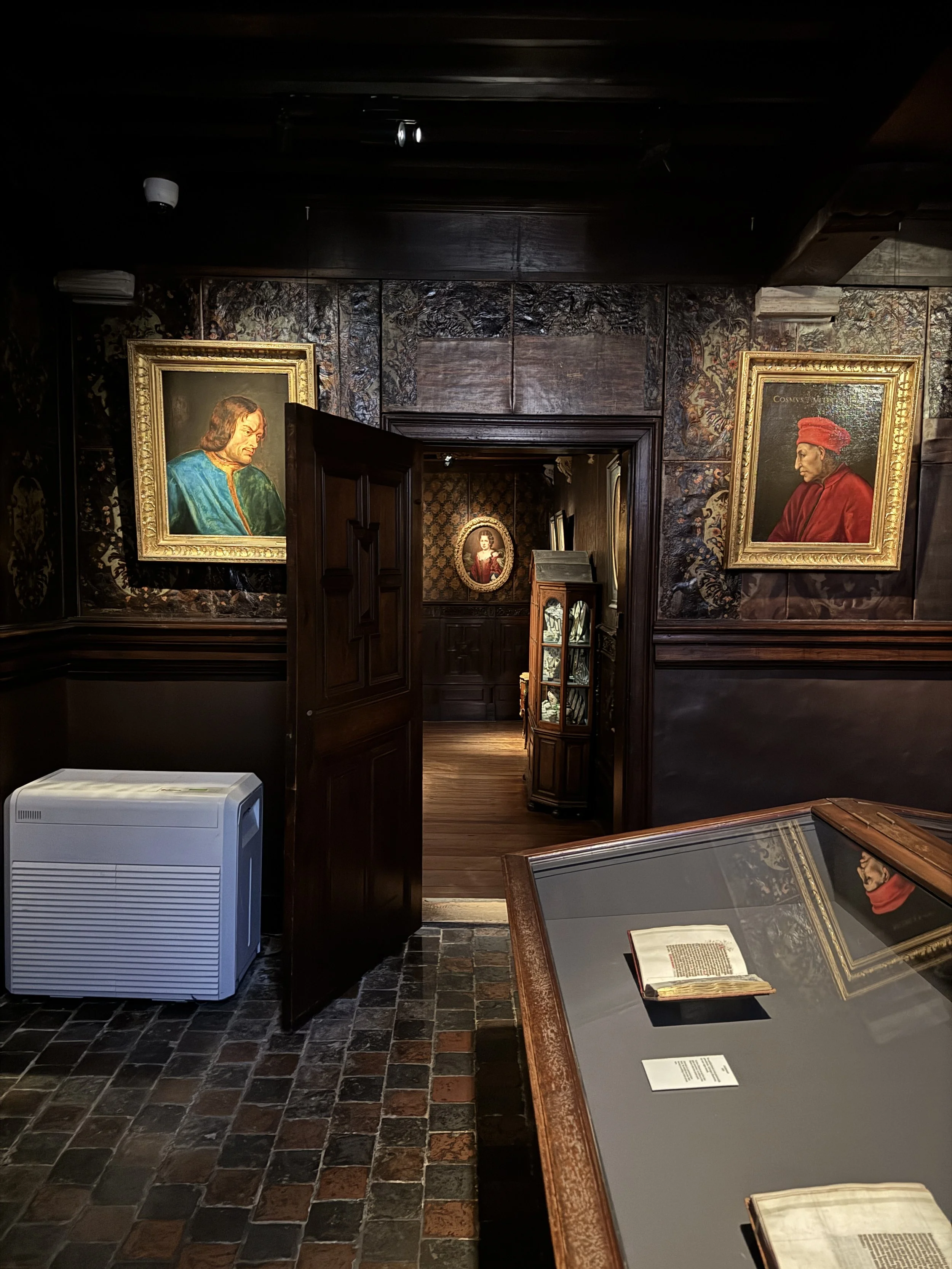
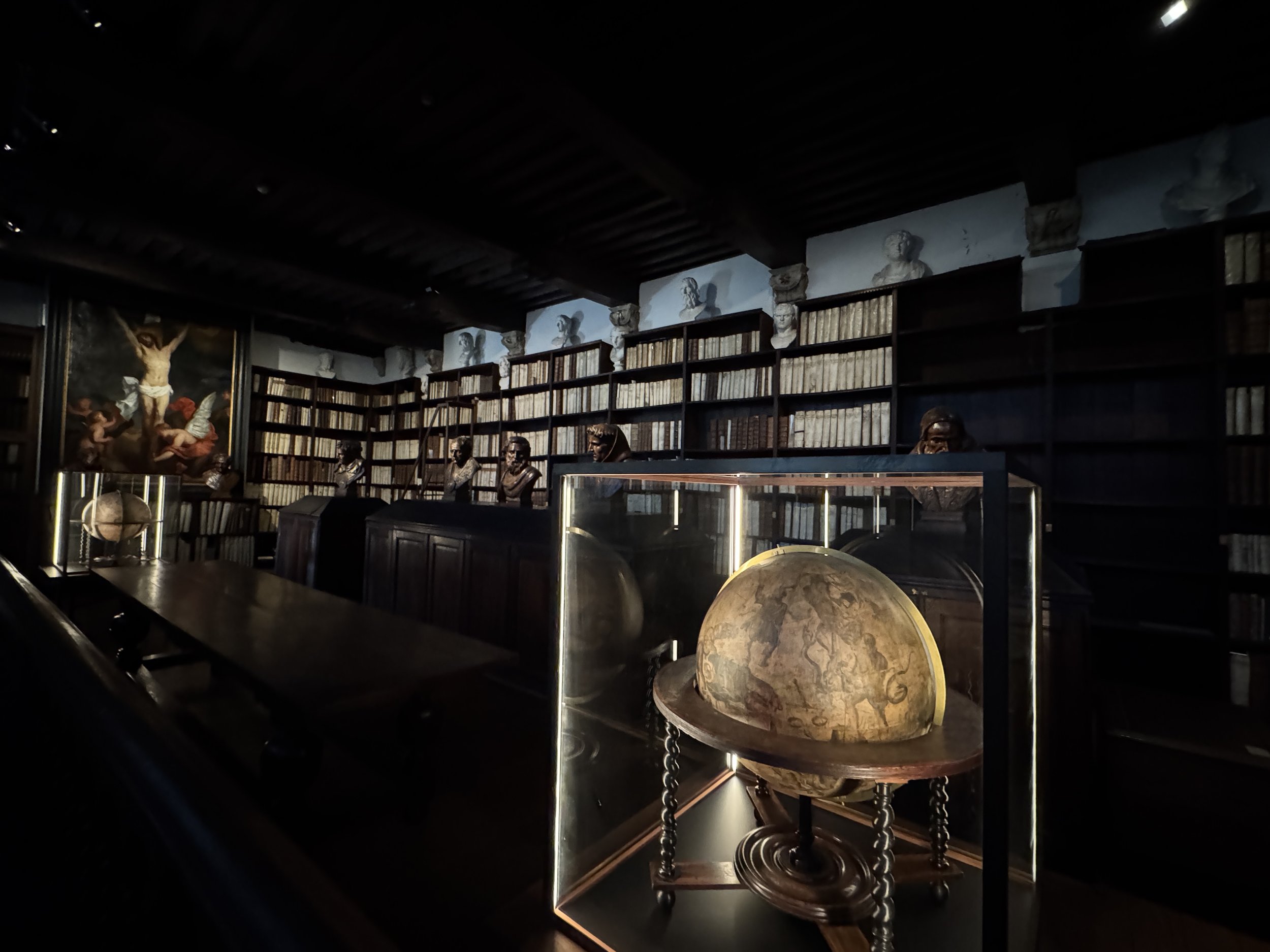
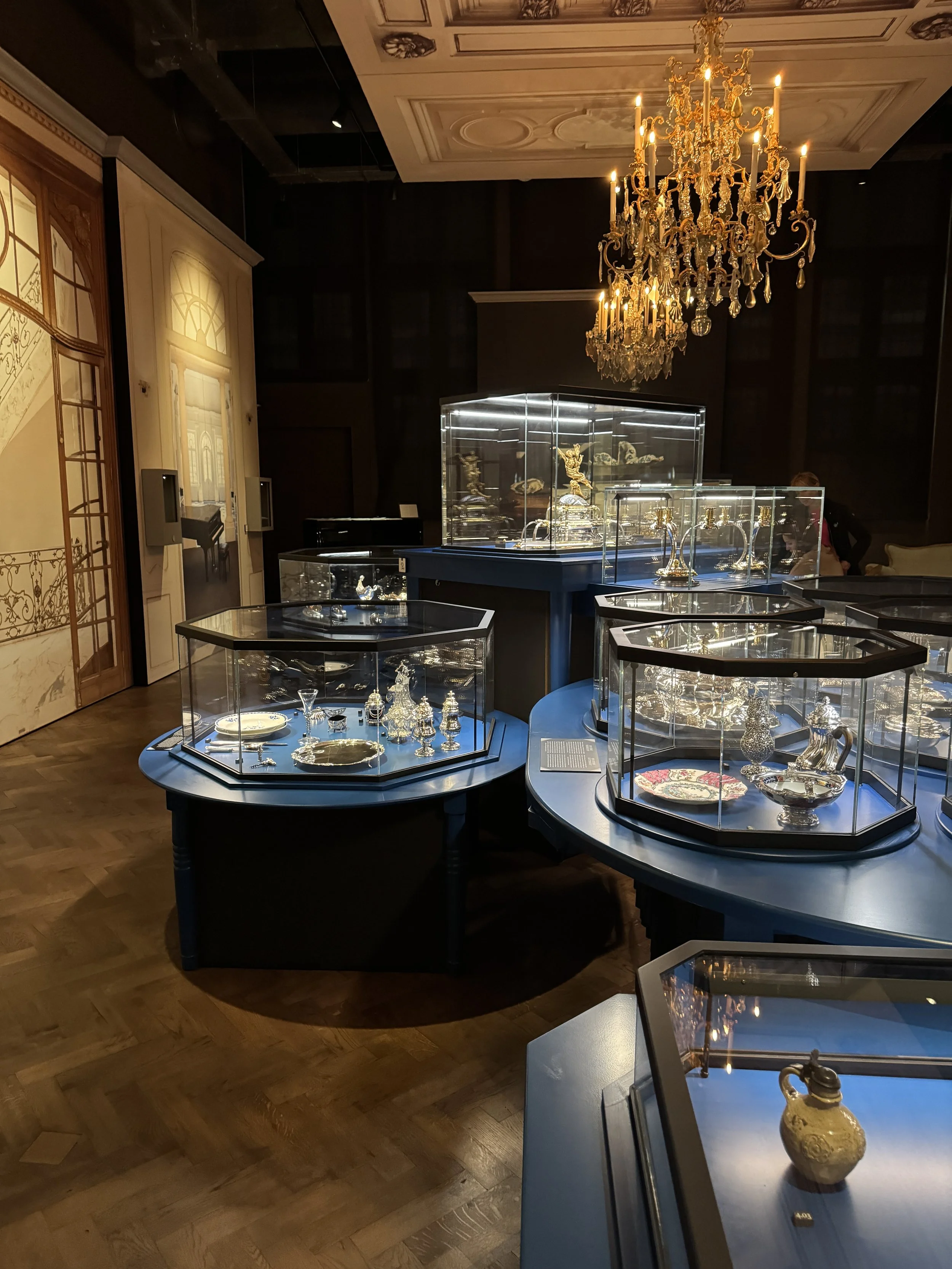
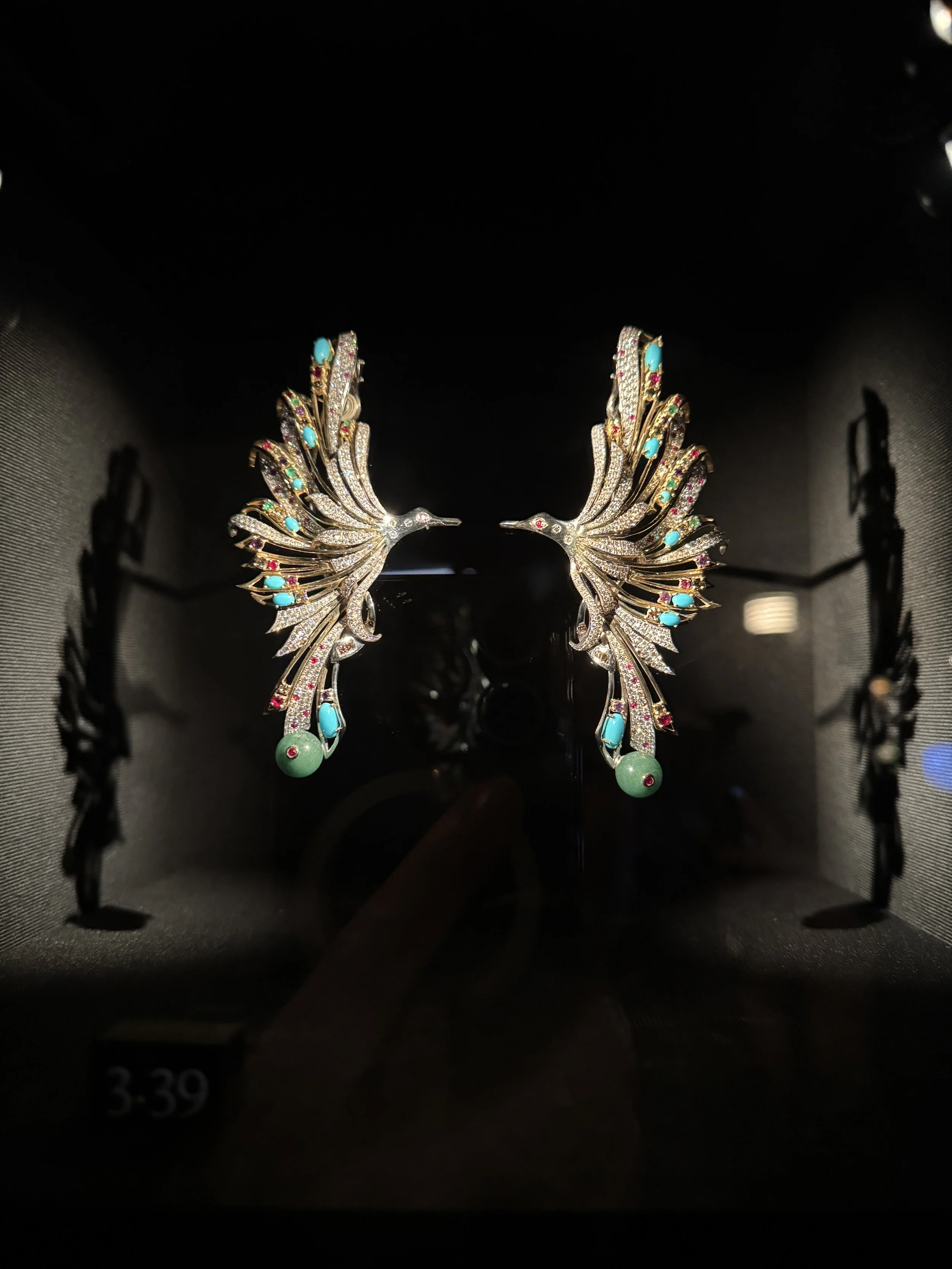
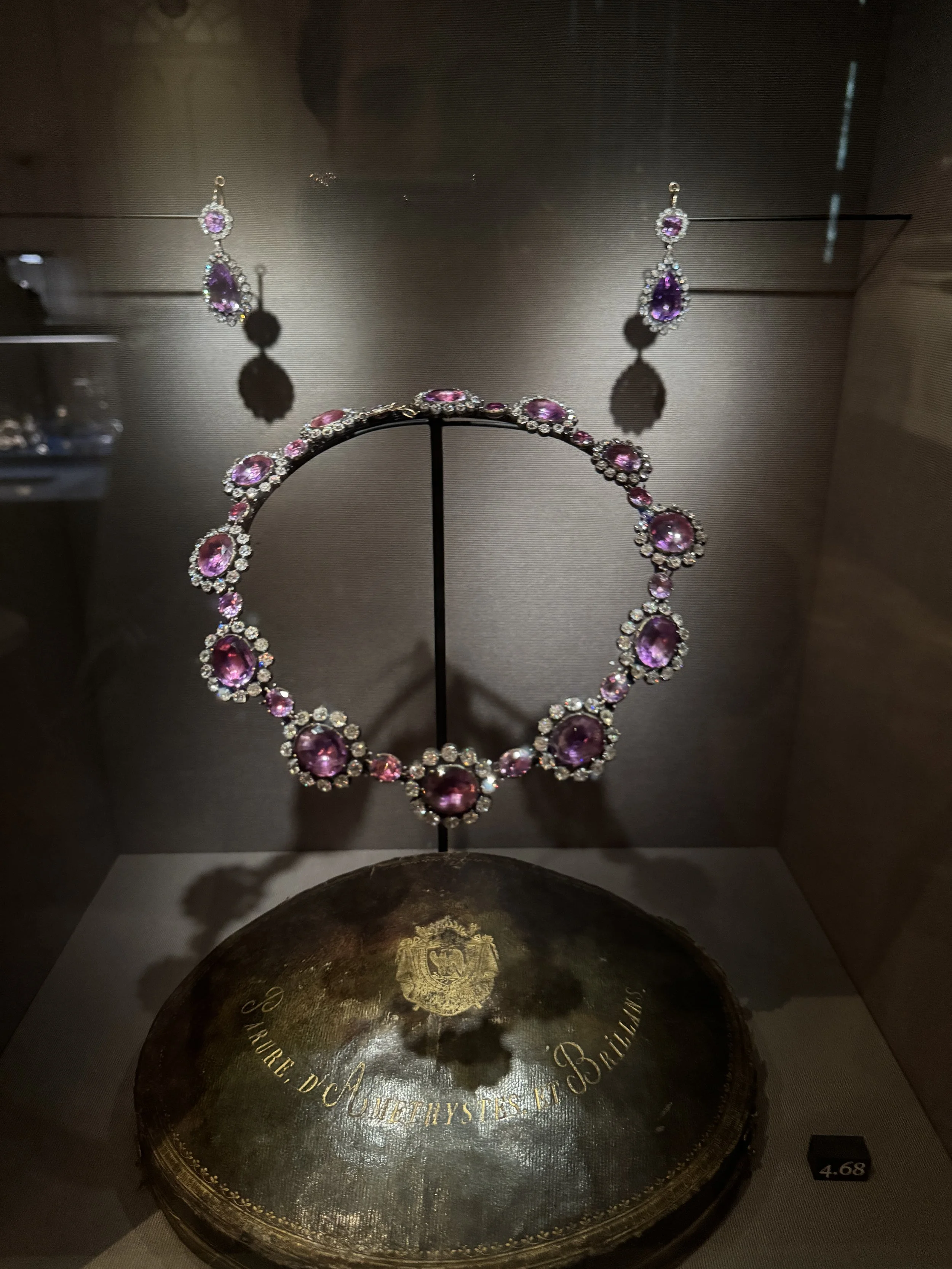
Next, we went to the DIVA Museum, Antwerp’s museum of diamonds, jewelry, and silversmithing, highlighting the city’s role as a global diamond hub. The museum is set up like a journey through different rooms, exploring craftsmanship, trade, and the stories behind luxury objects. It had some really impressive pieces on display, including diamonds, gold, silverware, and serving sets. I’m not someone who prioritizes diamonds since I spend my money on travel, but I still appreciated everything on display. It was also interactive and well done. And once again, it rained while we were inside, so we dodged that too.
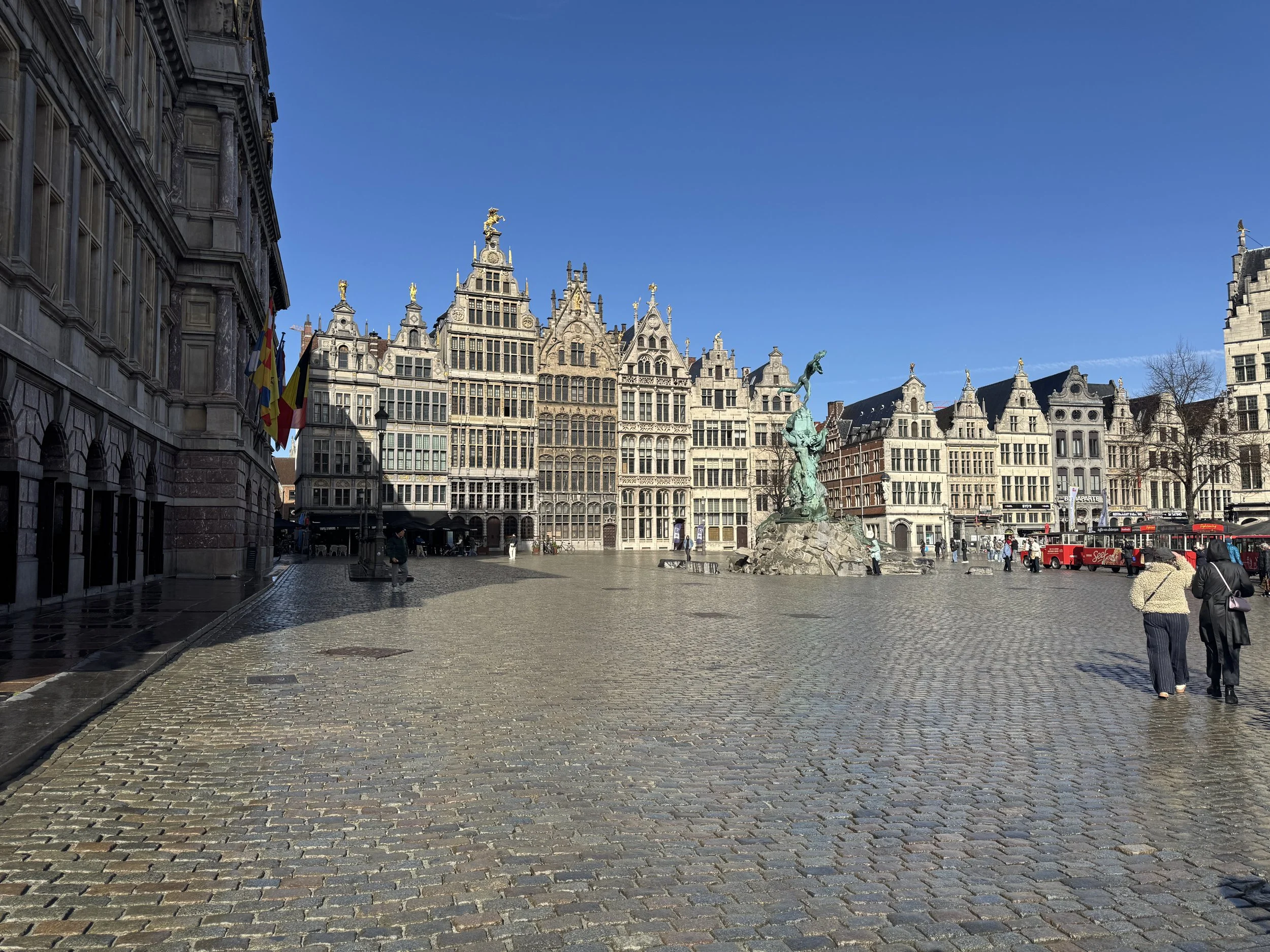
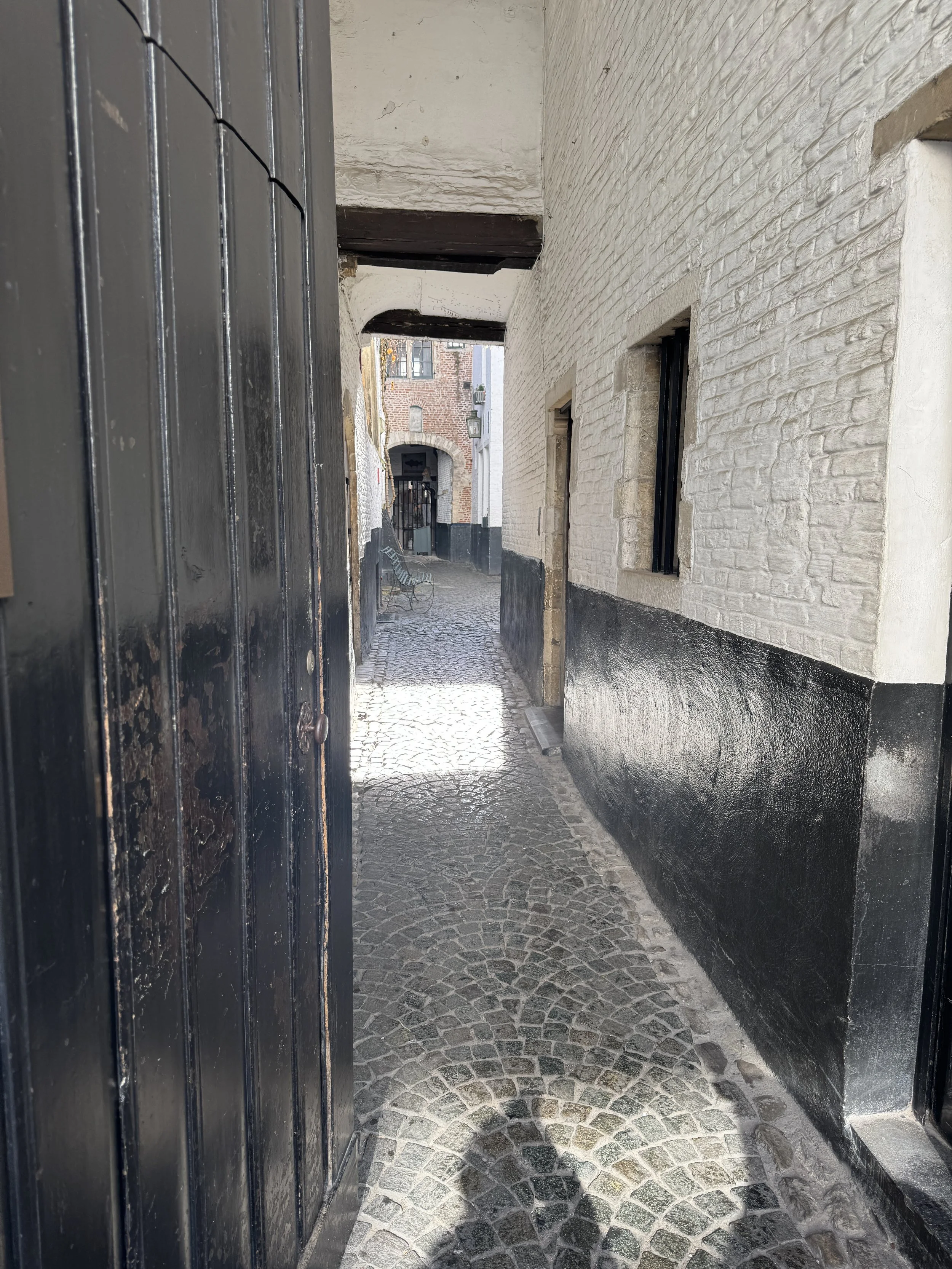
We made our way through Grote Markt, Antwerp’s historic main square dating back to the 16th century, surrounded by ornate guild houses and Renaissance-style City Hall. At the center stands the Brabo Fountain, symbolizing the city’s legendary origins. From there, we wandered through Vlaaikensgang, a hidden medieval alley dating back to the 16th century that once housed shoemakers and some of Antwerp’s poorest residents. It’s tucked between busy streets and feels like stepping into a completely different time.
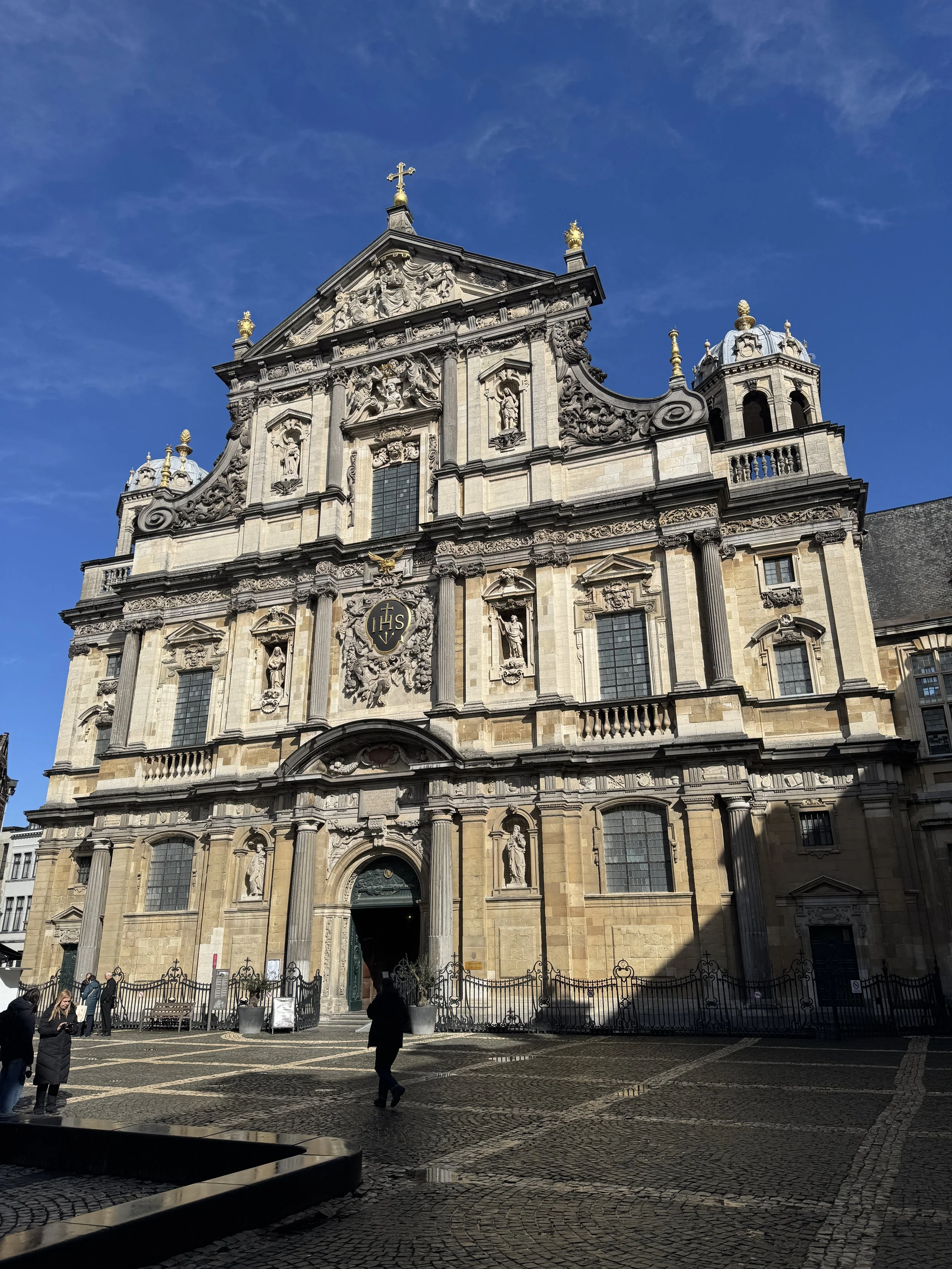
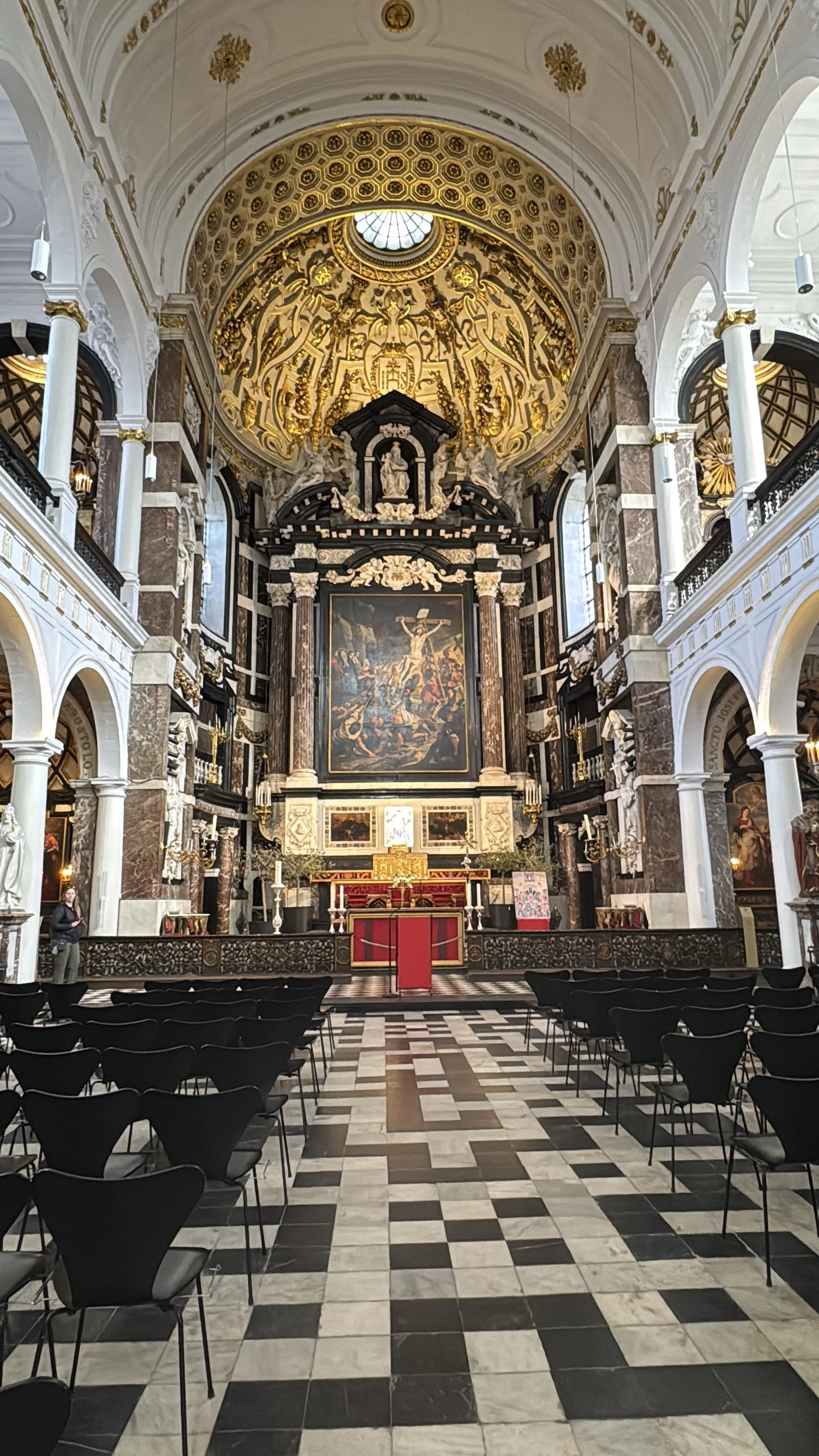
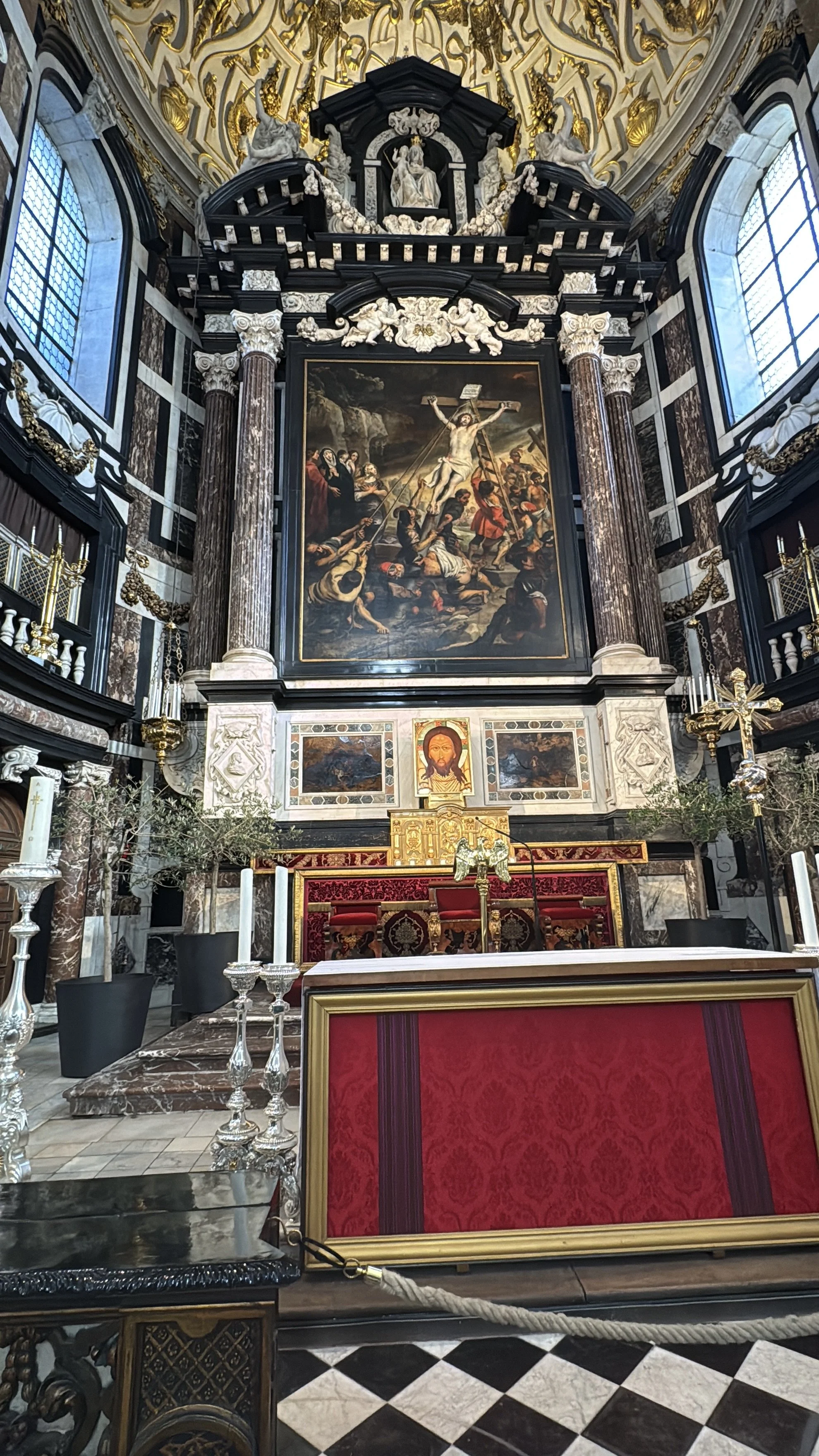
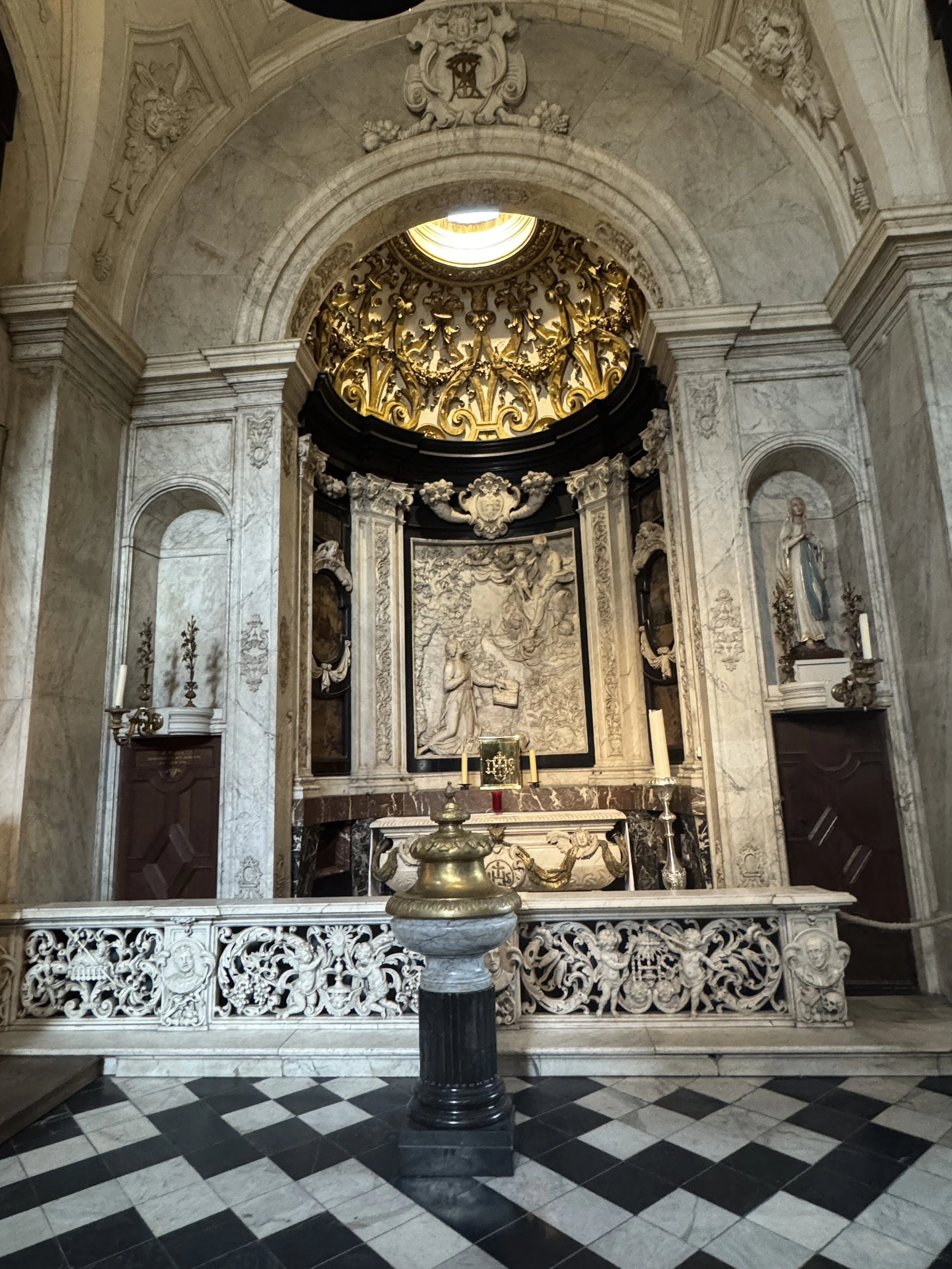
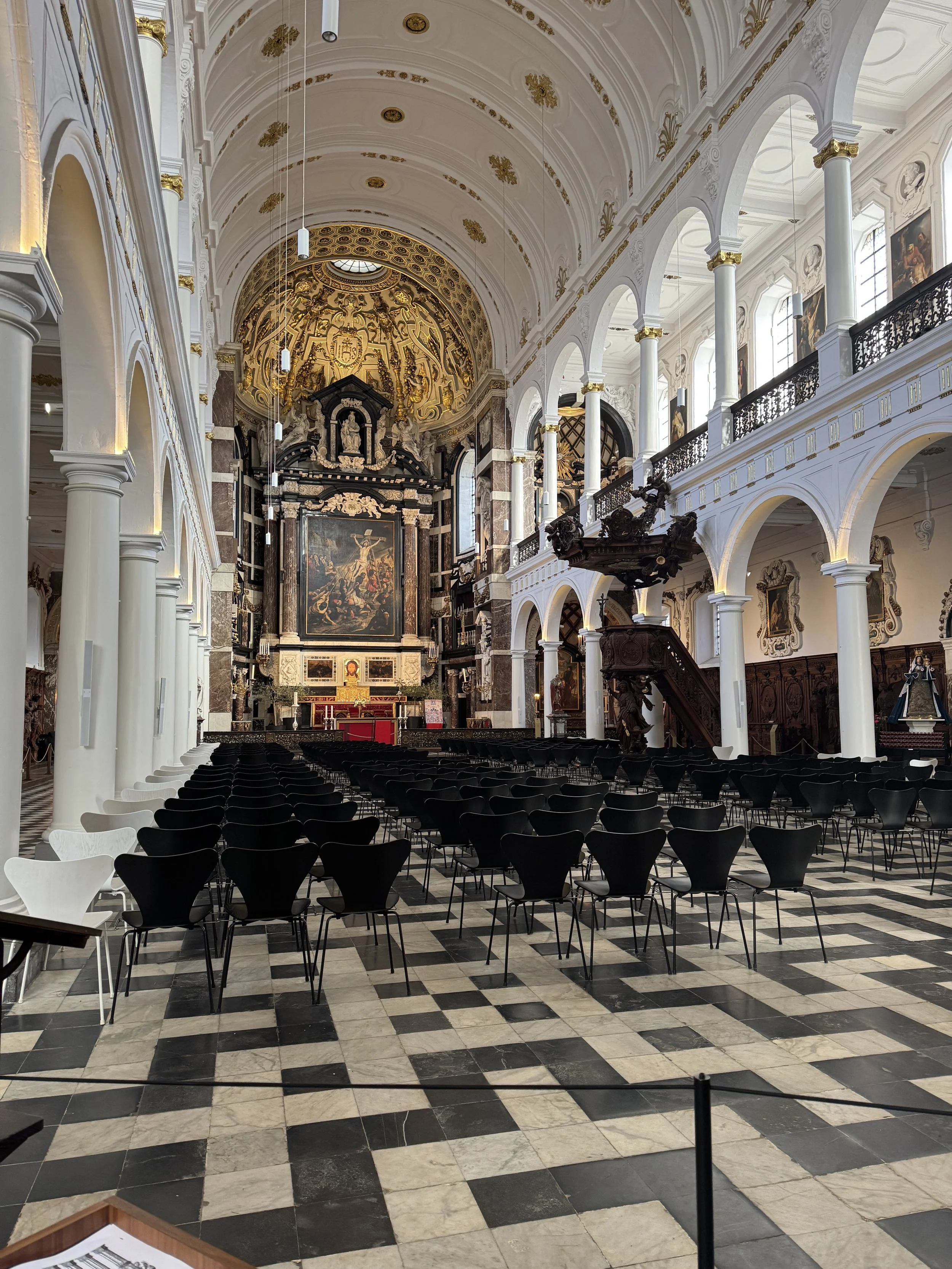
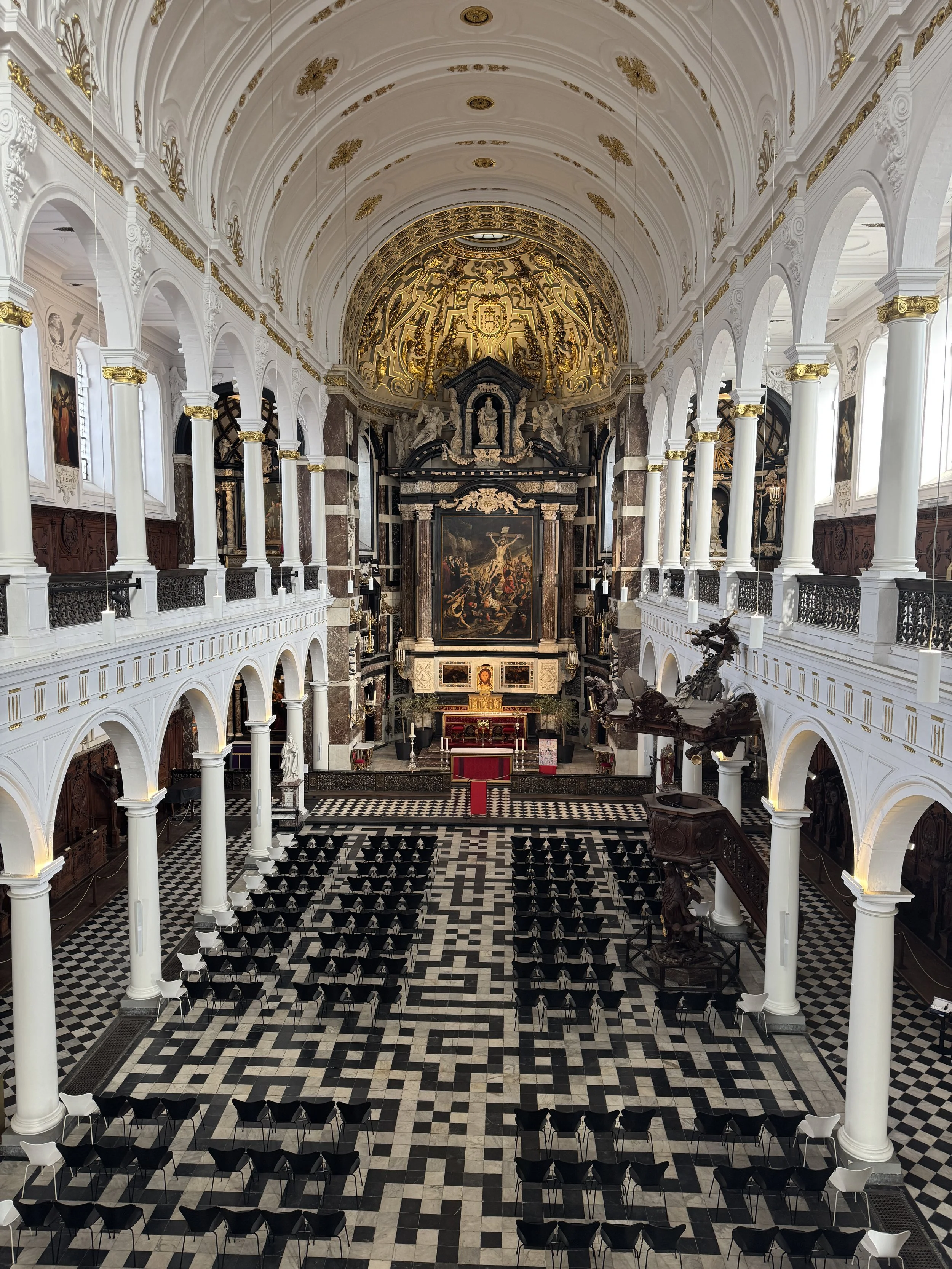
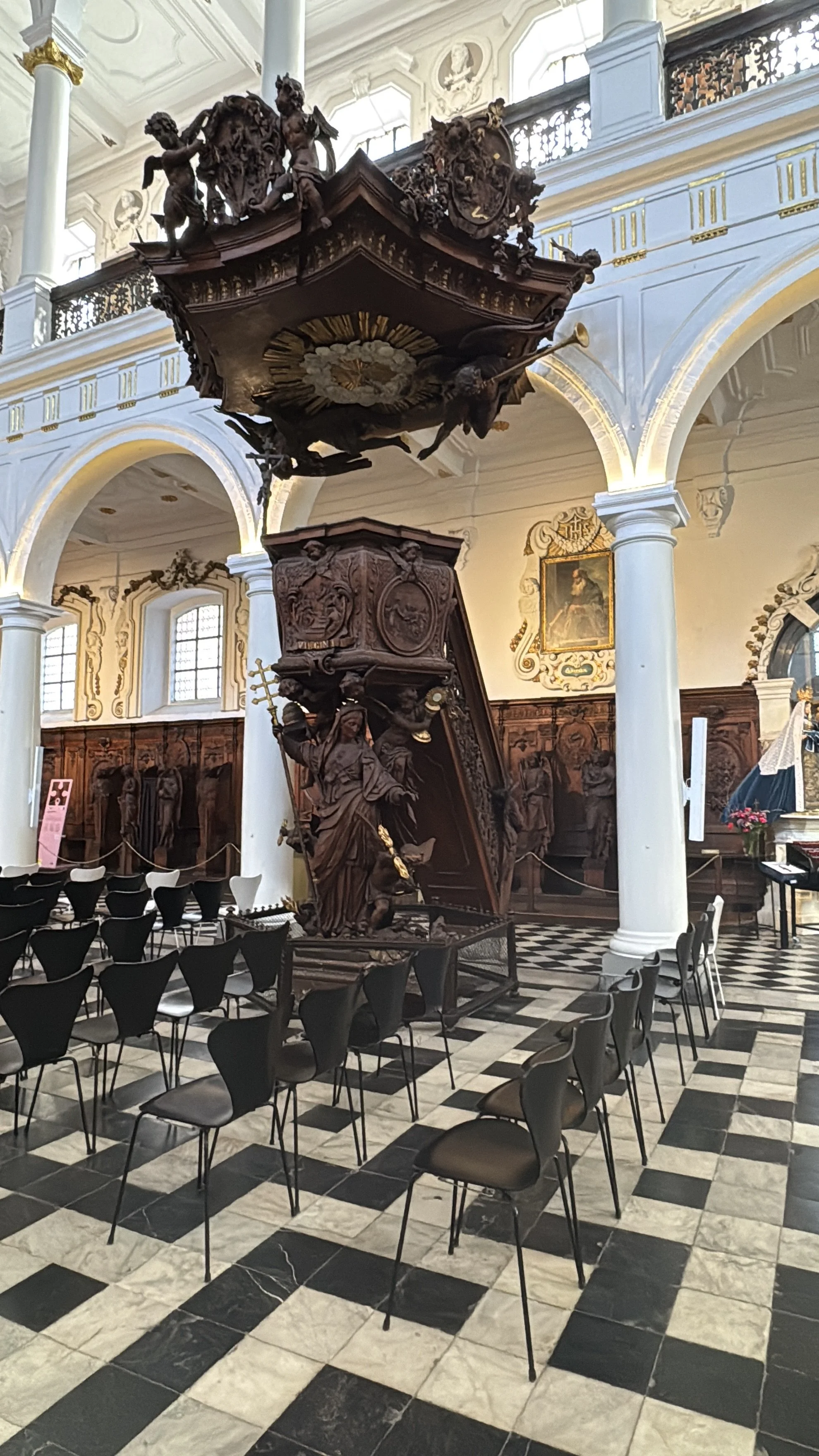
We continued on to Sint-Carolus Borromeuskerk, a stunning 17th-century Baroque church originally built by the Jesuits as a showcase of their influence and artistry. It was closely connected to Peter Paul Rubens, who helped design elements of the interior and created ceiling paintings, many of which were later lost in a fire. Despite that loss, the church remains incredibly impressive with dramatic altars, intricate details, and a bold black and gold interior. You can also climb up to a balcony overlooking the altar. The staff were very friendly and even gave us suggestions for other churches to visit later in our trip. I’d strongly recommend this stop.
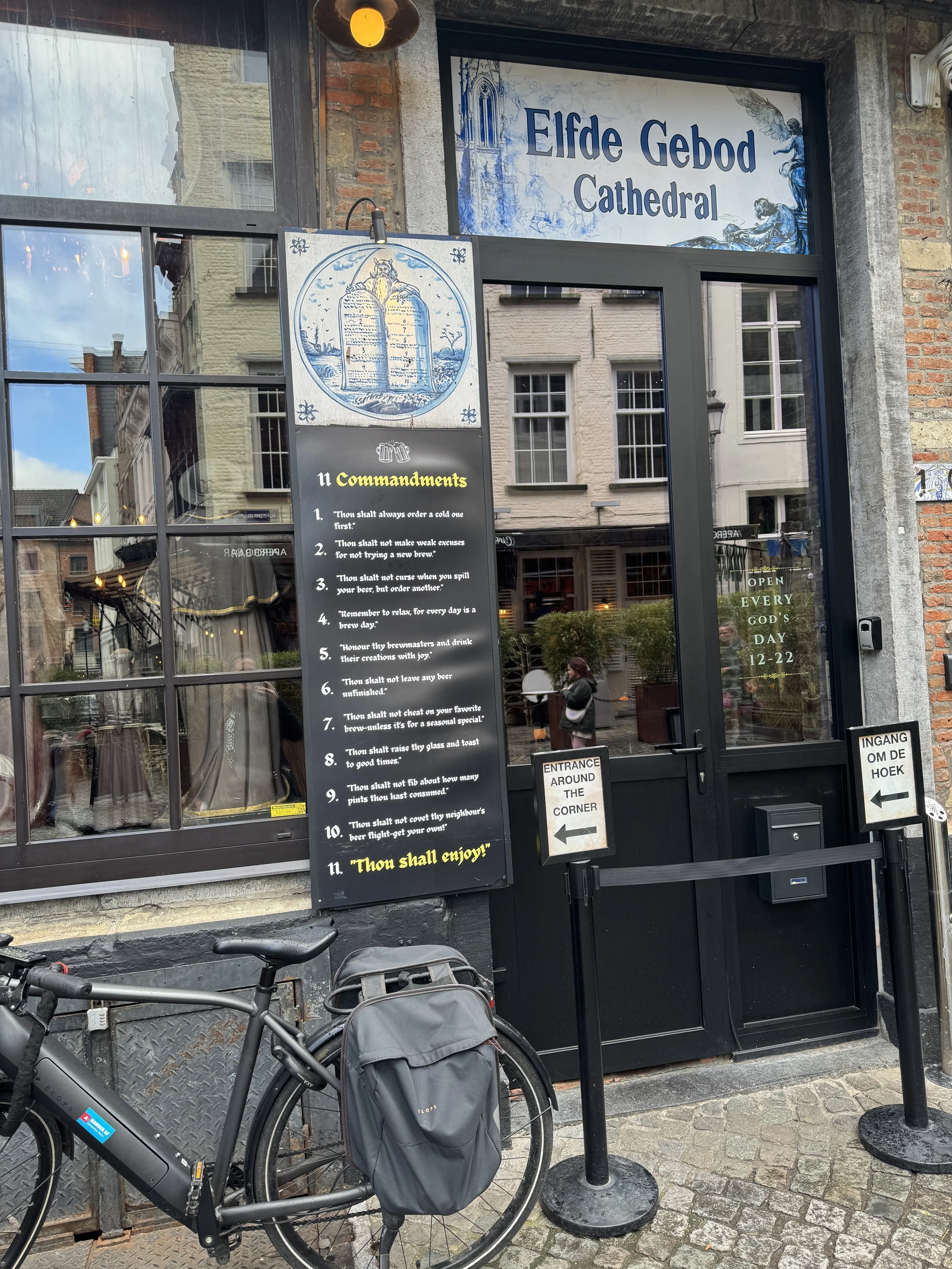
We attempted to visit the Heritage Library Hendrik Conscience, but it’s closed until April, which was a bit of a bummer.
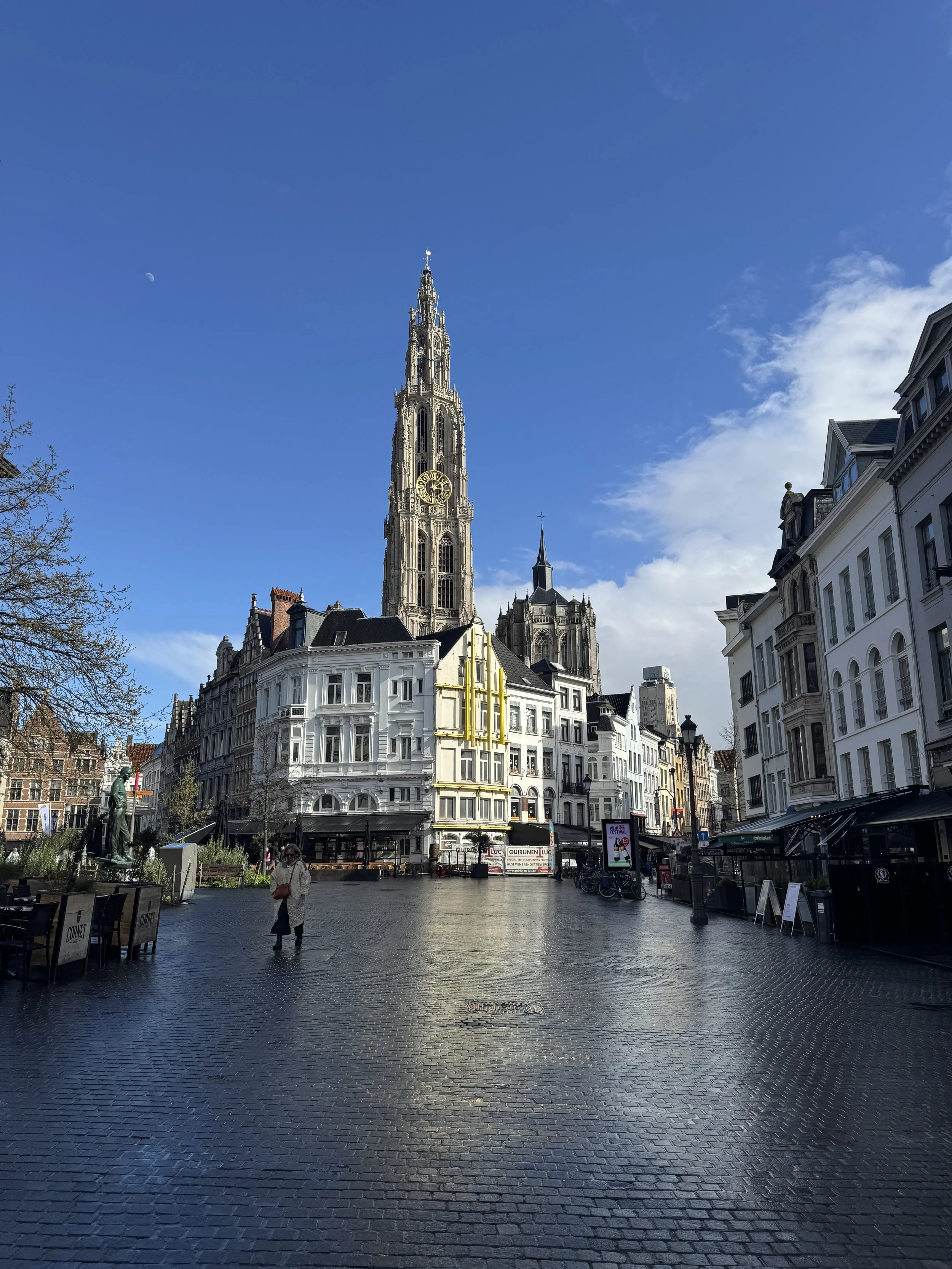
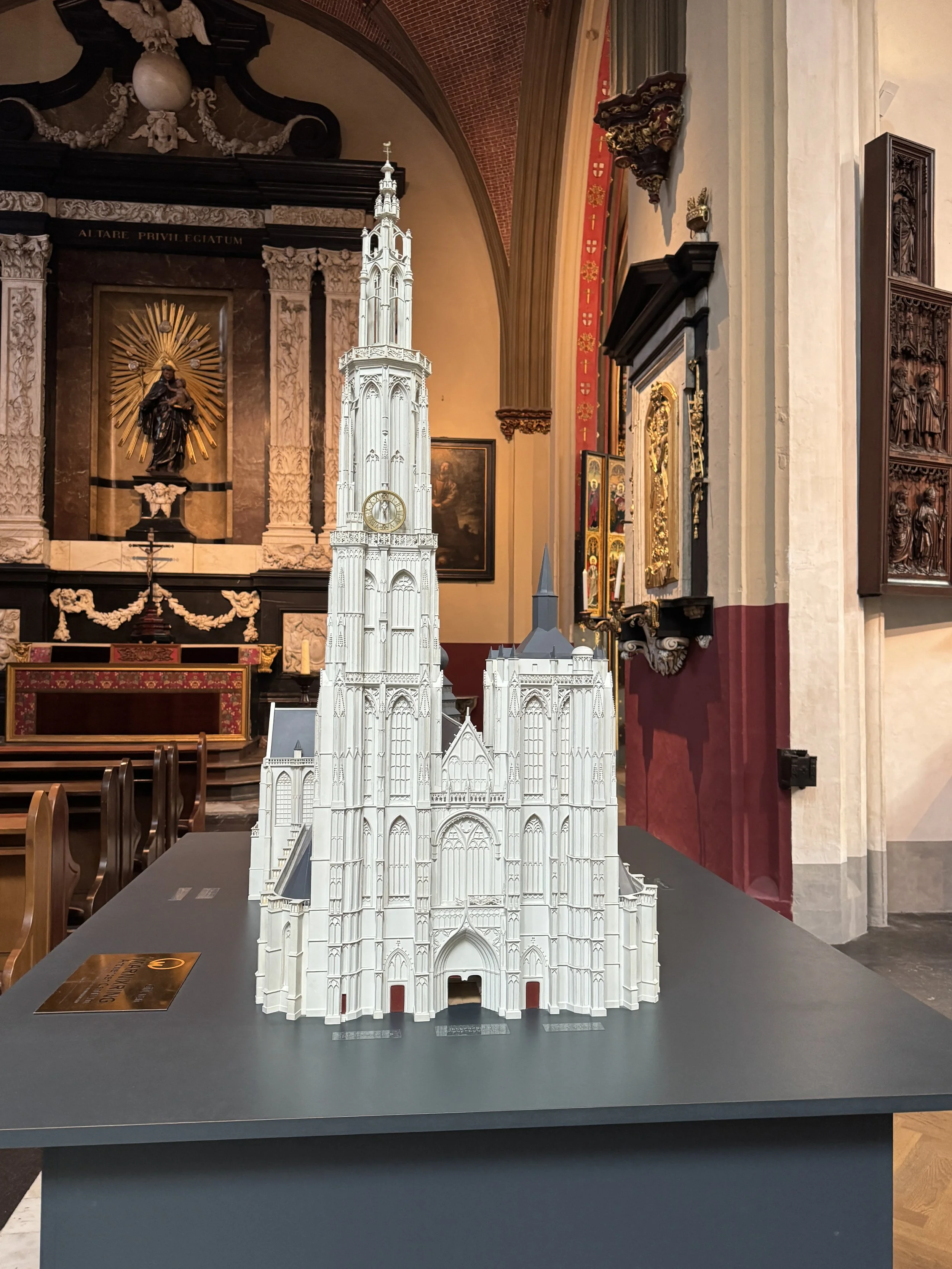
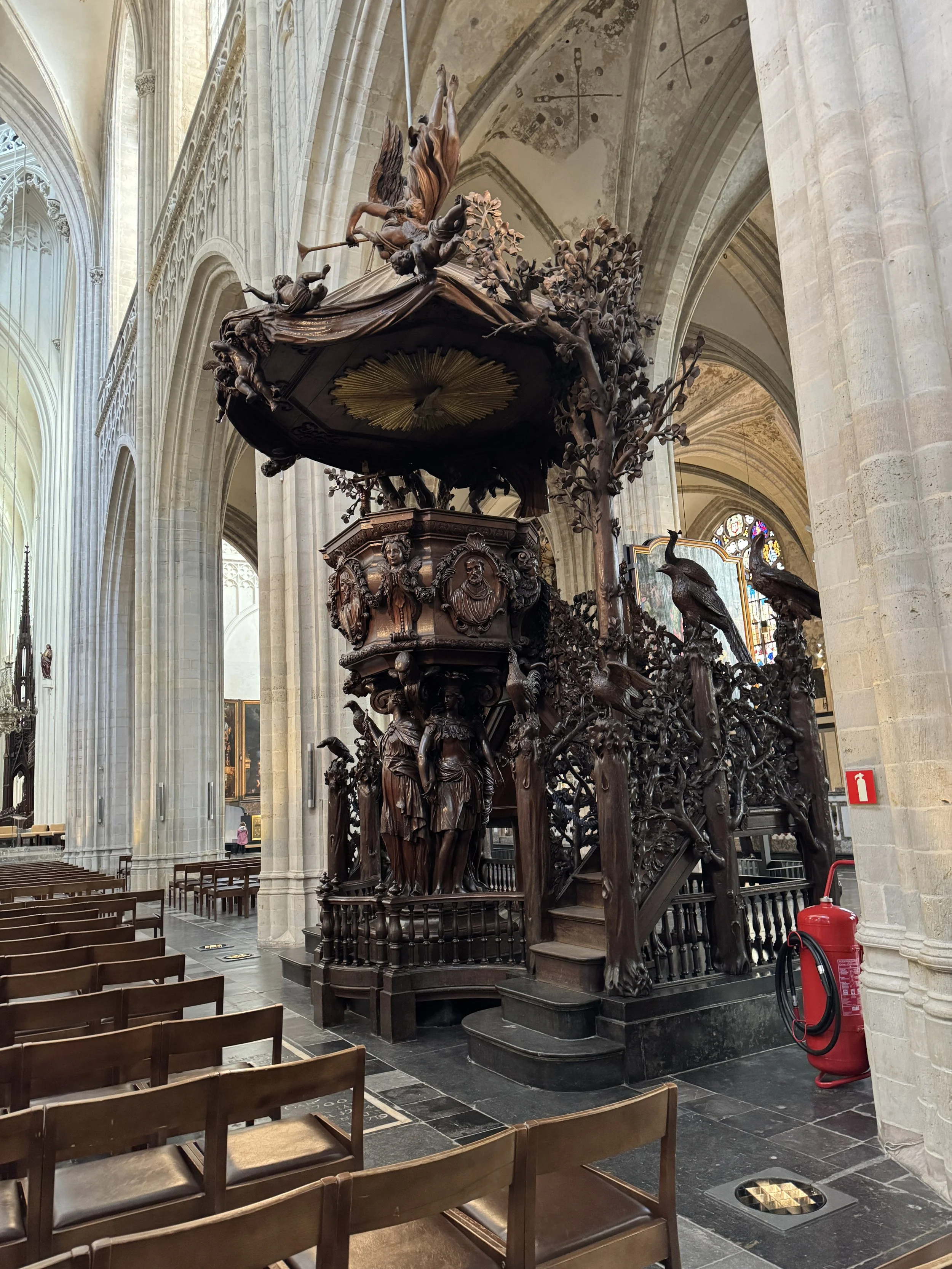
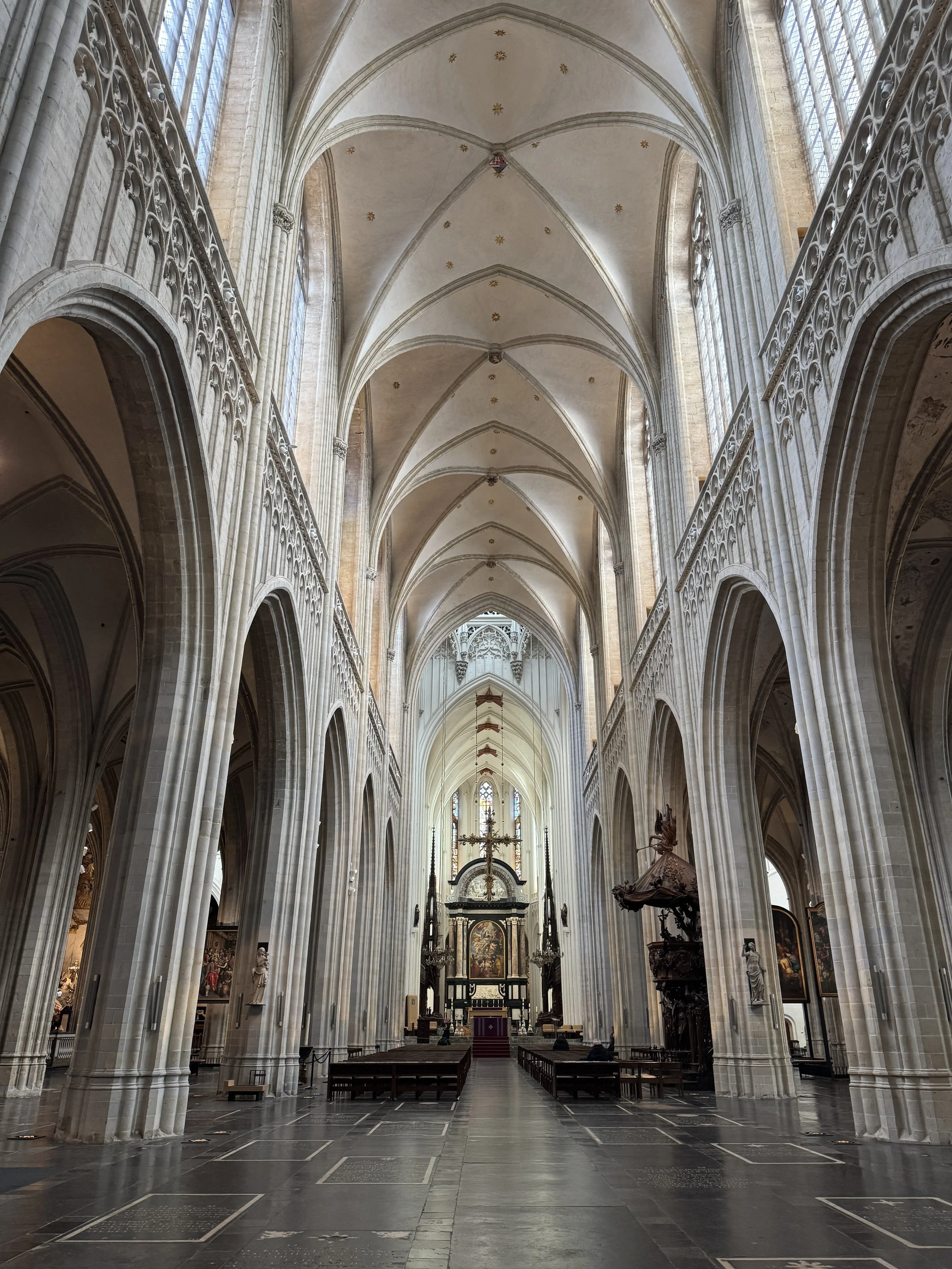
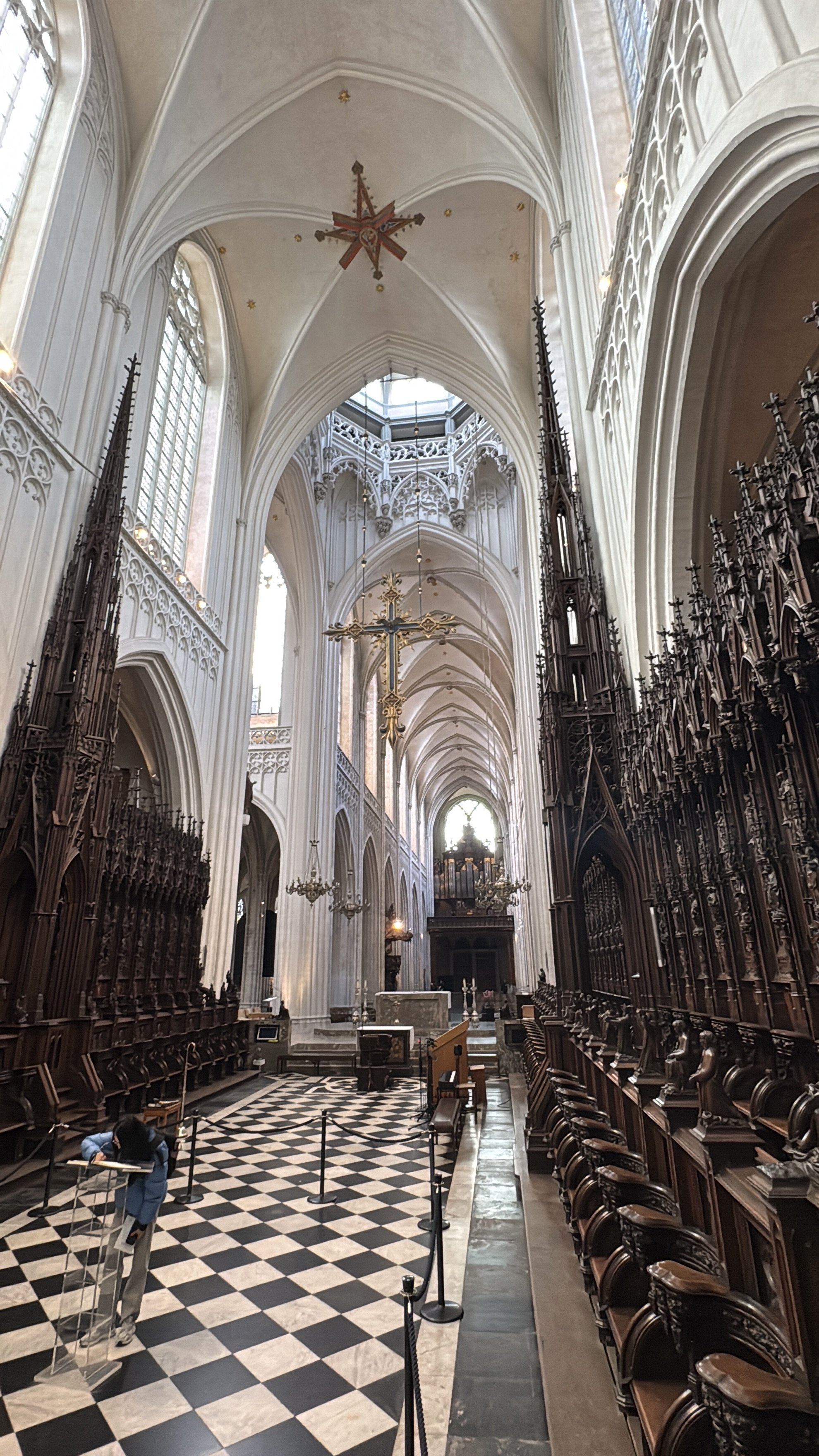
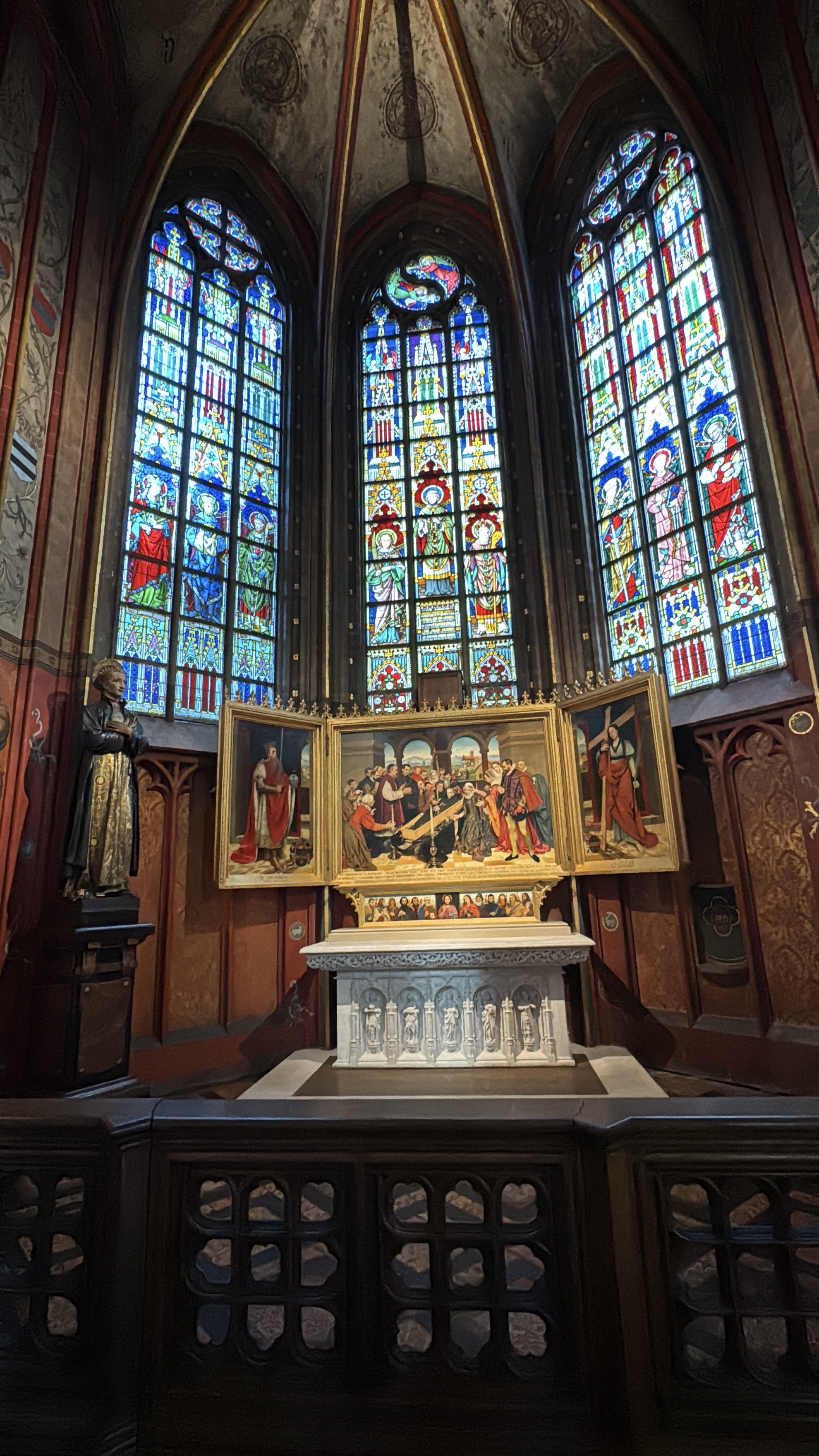
From there, we headed to the Cathedral of Our Lady (Onze-Lieve-Vrouwekathedraal), Belgium’s largest Gothic church, with construction beginning in 1352 and continuing for nearly two centuries. Its towering spire dominates Antwerp’s skyline and reflects the city’s wealth during its Golden Age. Inside, the cathedral houses several masterpieces by Peter Paul Rubens, making it both a religious landmark and an important art destination. This place is massive and can be seen from all over the city, which made it easy to navigate back to our car. Inside there were multiple altars, access to lower structural areas, extensive stained glass, and floors made of crypts. You could spend hours here and still find new things to see. Another MUST SEE.
We headed back to the car and started the drive to our hotel, A-STAY Antwerp. The GPS kept trying to route us down closed streets, so we had to improvise and switch to Waze before finally making it. Parking was easy with an underground garage that connects directly to the lobby. Check-in was quick, but when we got to the room the key didn’t work, so back down I went. Also worth noting, the elevators here are very slow.
The room itself is semi high-tech with adjustable lighting in different colors like pink, red, and purple, along with sleep and day modes. The shower and toilet have glass enclosures, which is not a trend I love, but this was the first shower in Europe that didn’t leak, so I’ll take it. The beds are twins but can easily be separated.
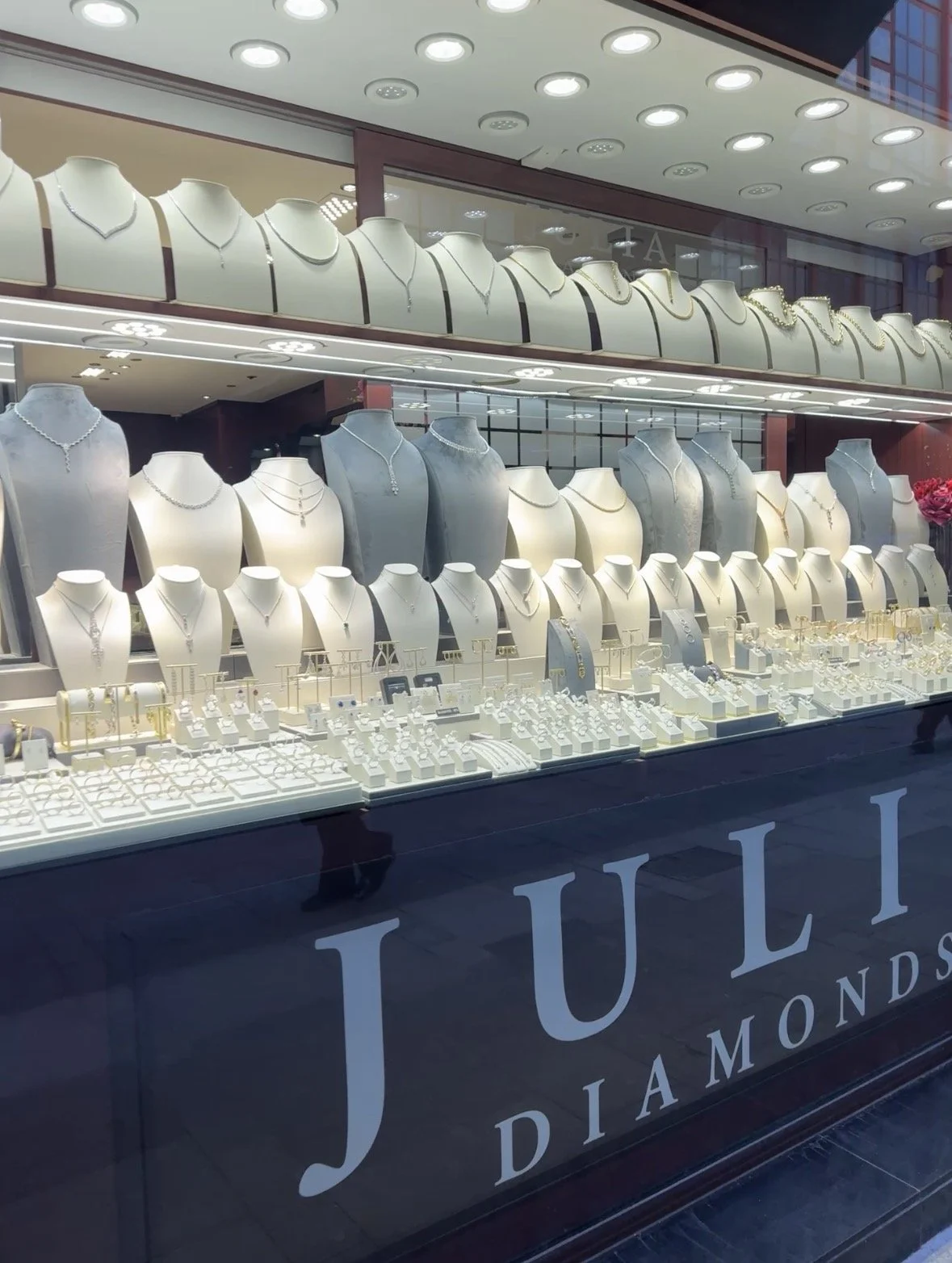
We didn’t have much time, so we dropped our bags and headed back out, walking through the Diamond District where it’s just shop after shop of diamonds. Most places were closing, so we mostly window shopped.
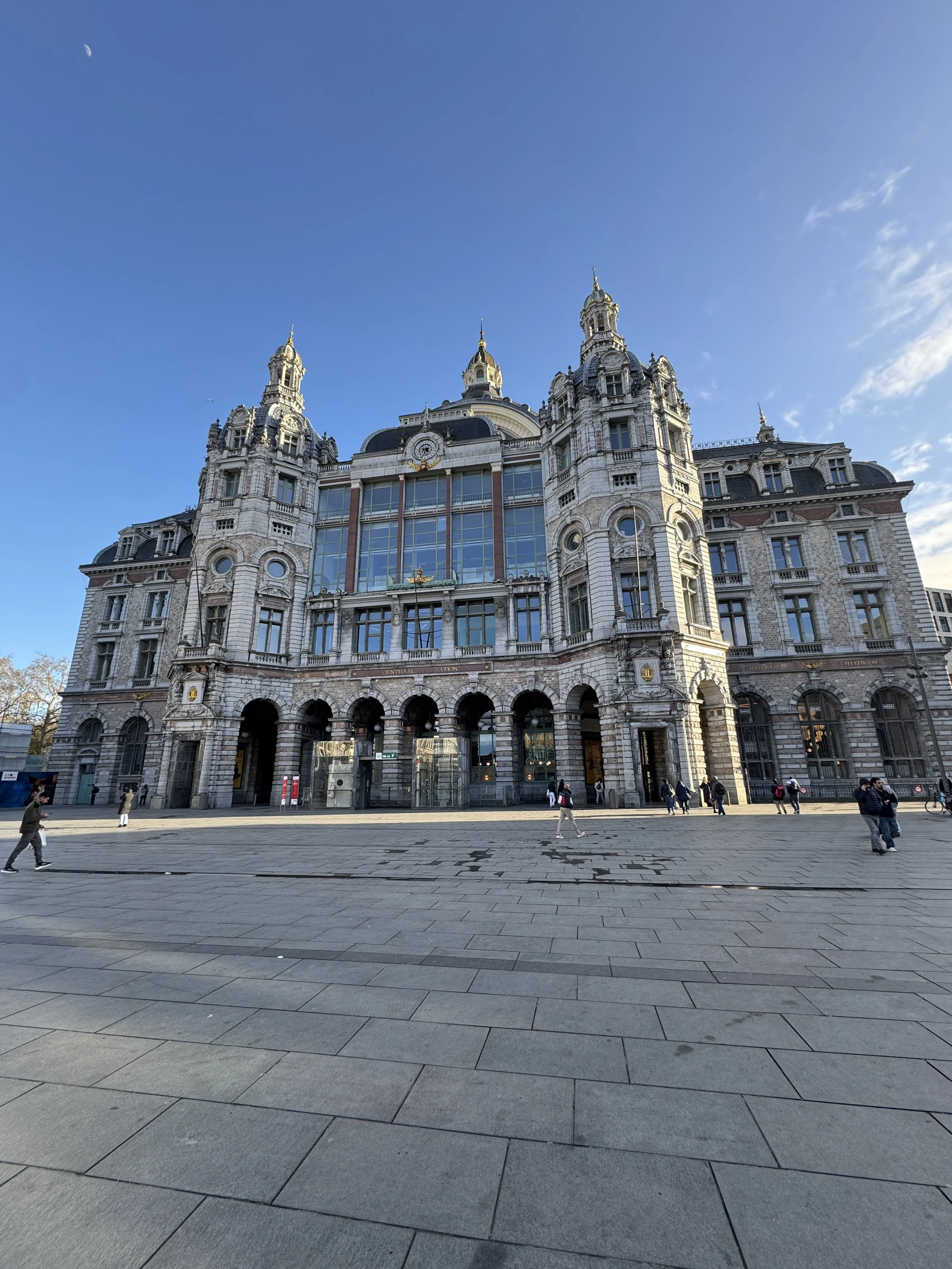
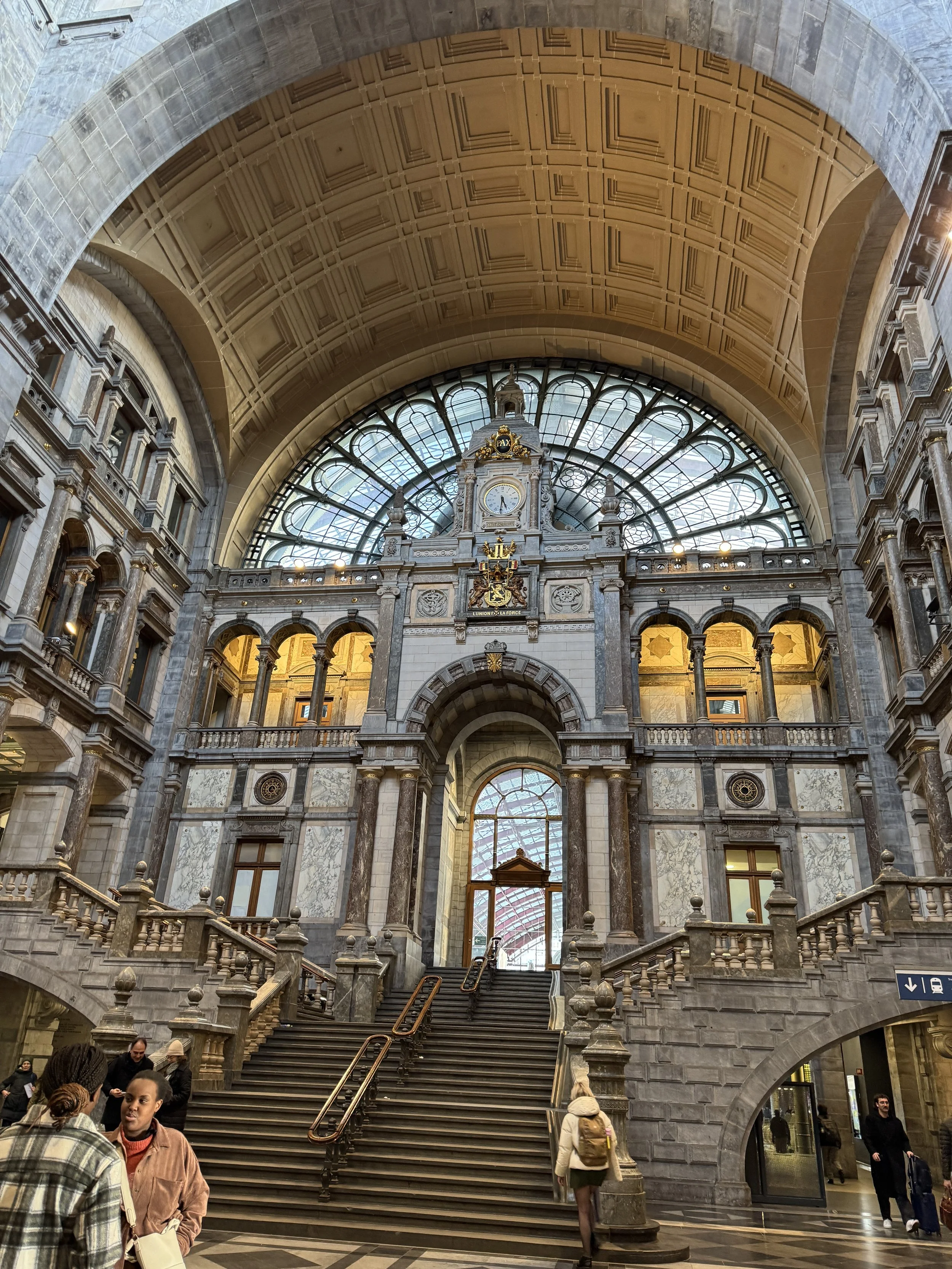
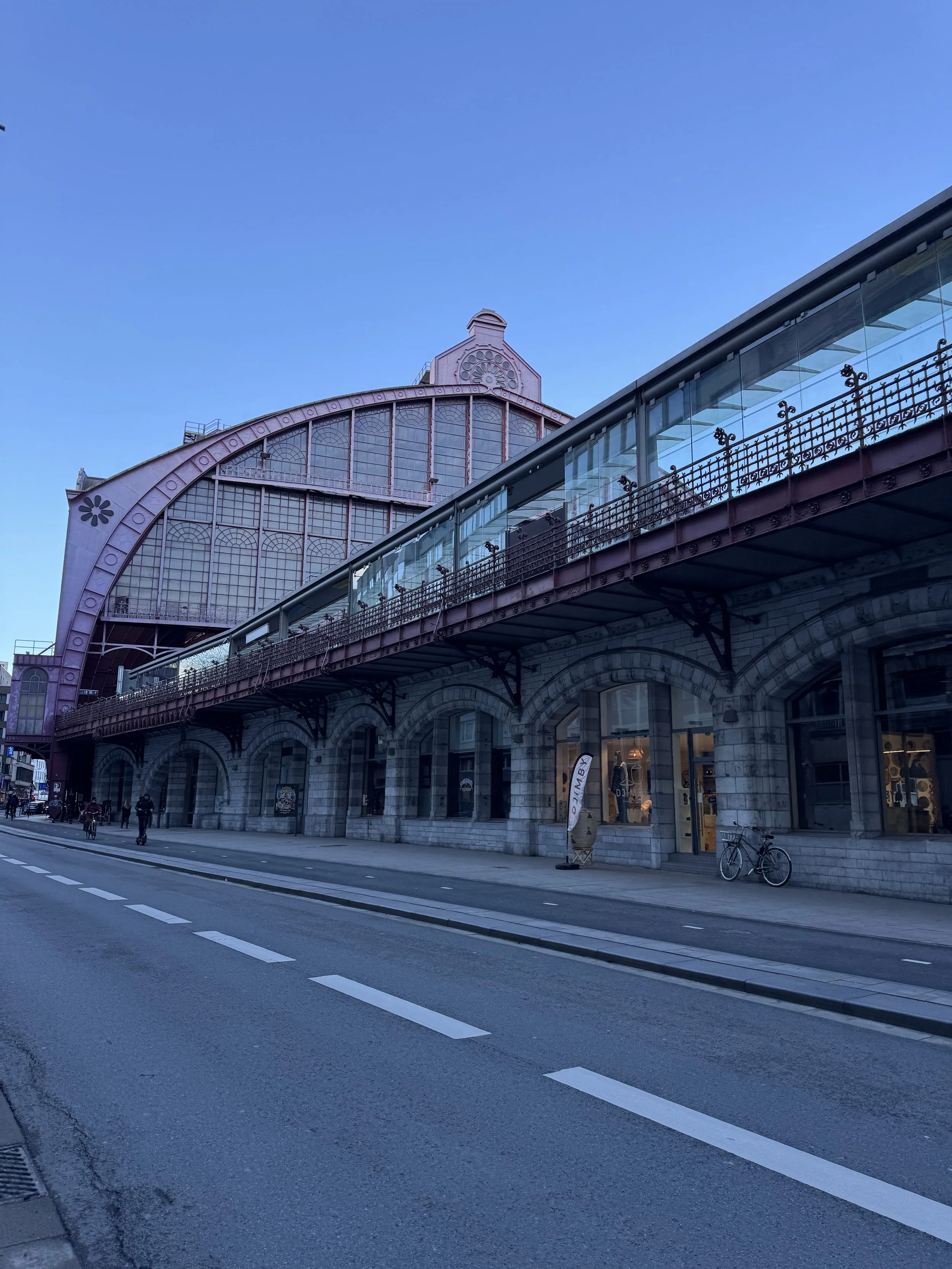
We then crossed over to Antwerp Central Station, which opened in 1905 and is often called the “Railway Cathedral” for its grand dome and ornate design. Beautiful doesn’t even begin to describe it.
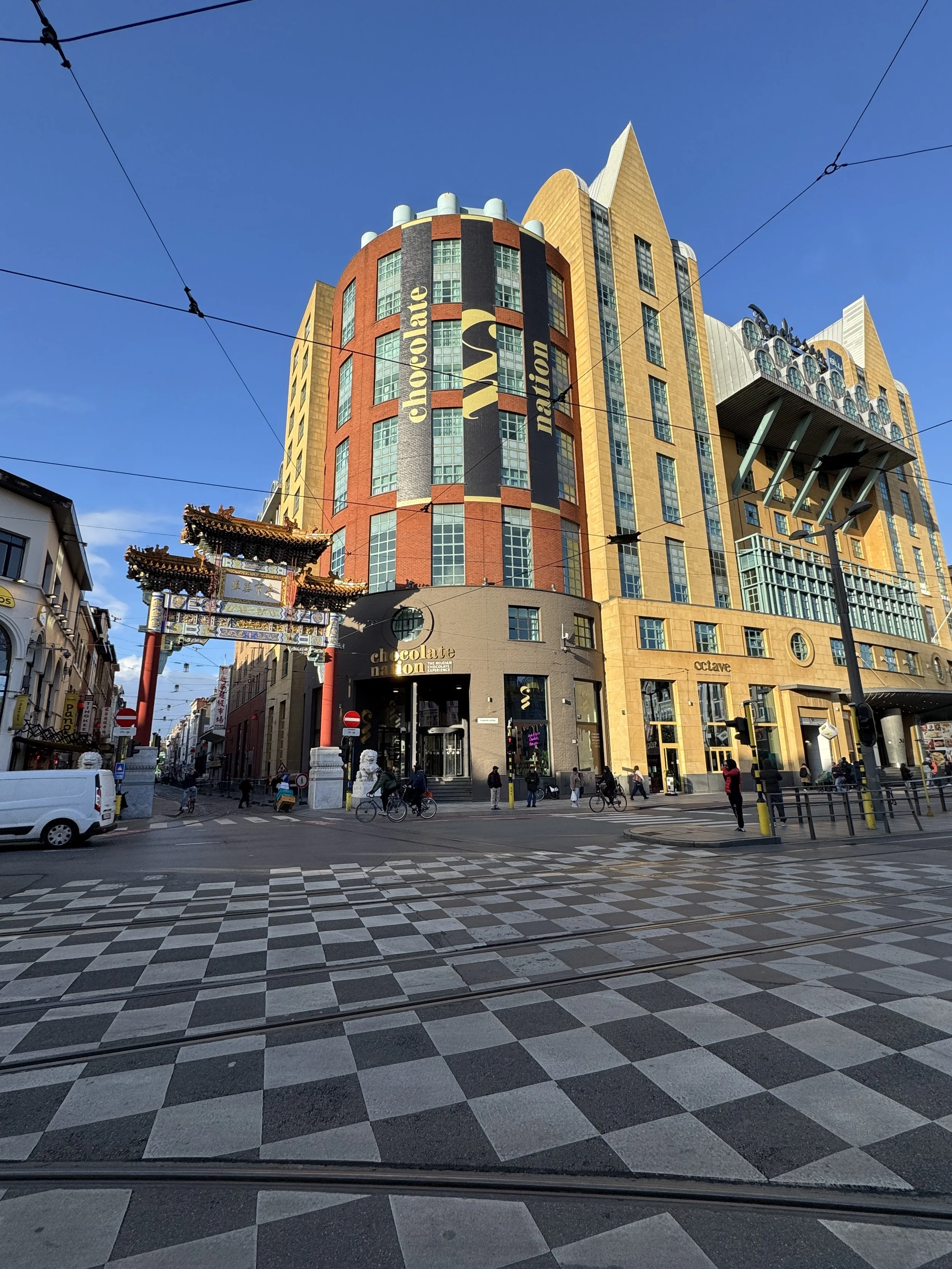
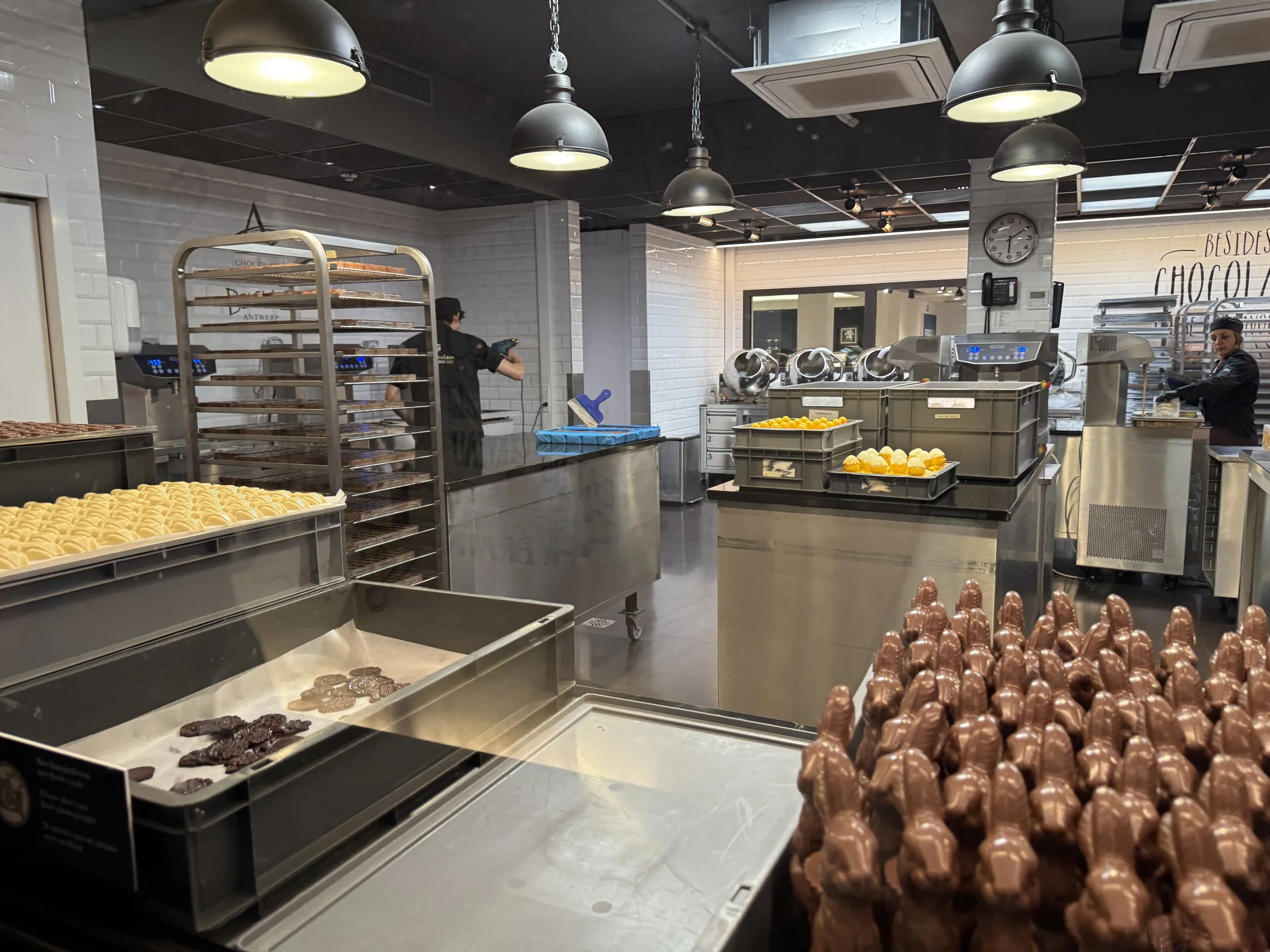
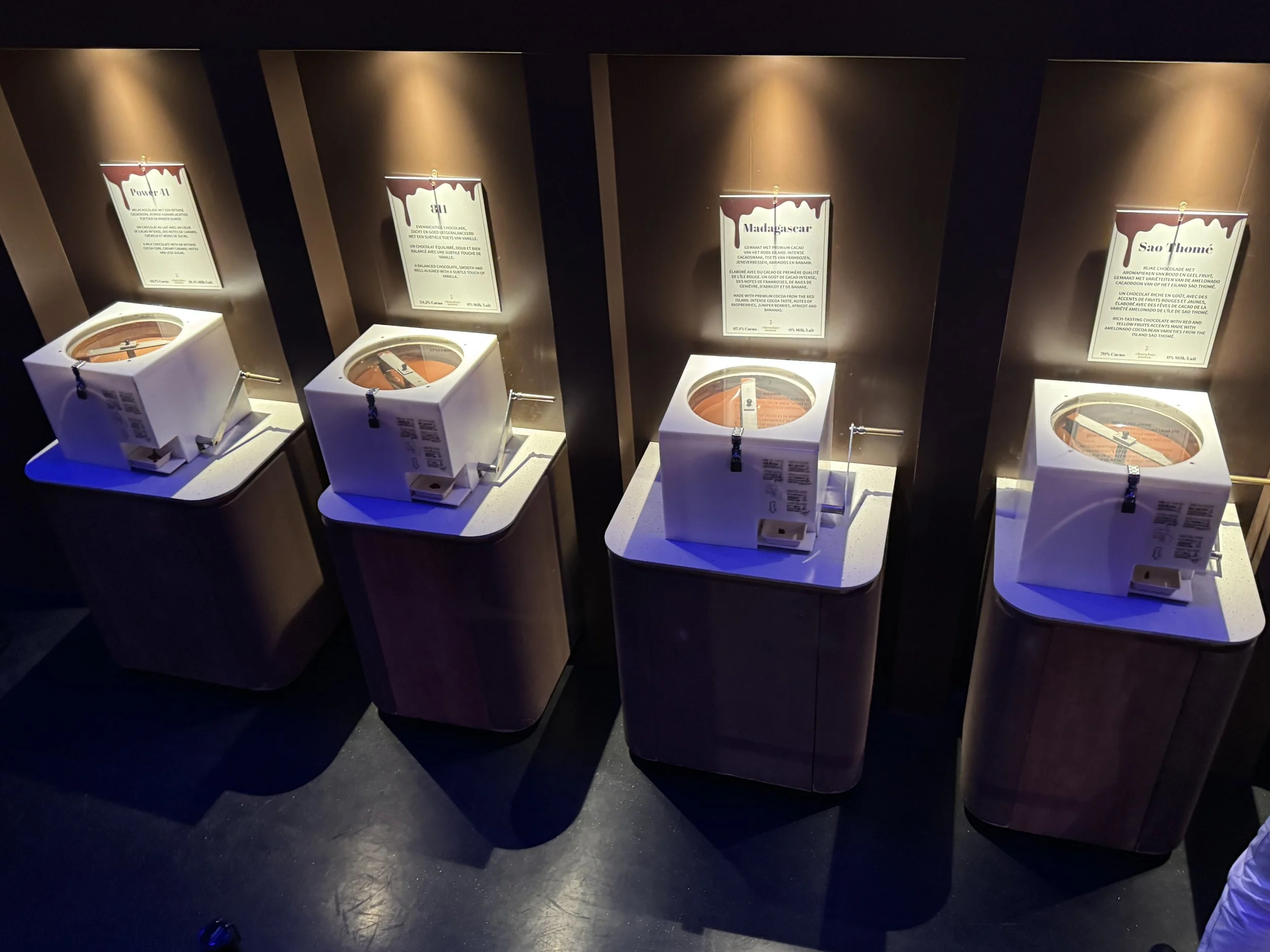
Next was Chocolate Nation, the world’s largest Belgian chocolate museum located next to the station. It’s an immersive experience where you move through rooms on a timed system, learning about chocolate from bean to finished product. It’s very structured and educational, but it ends with multiple tastings, so in the end I was happy. I also picked up some “gold” chocolate, chocolate tea, and a few gifts.
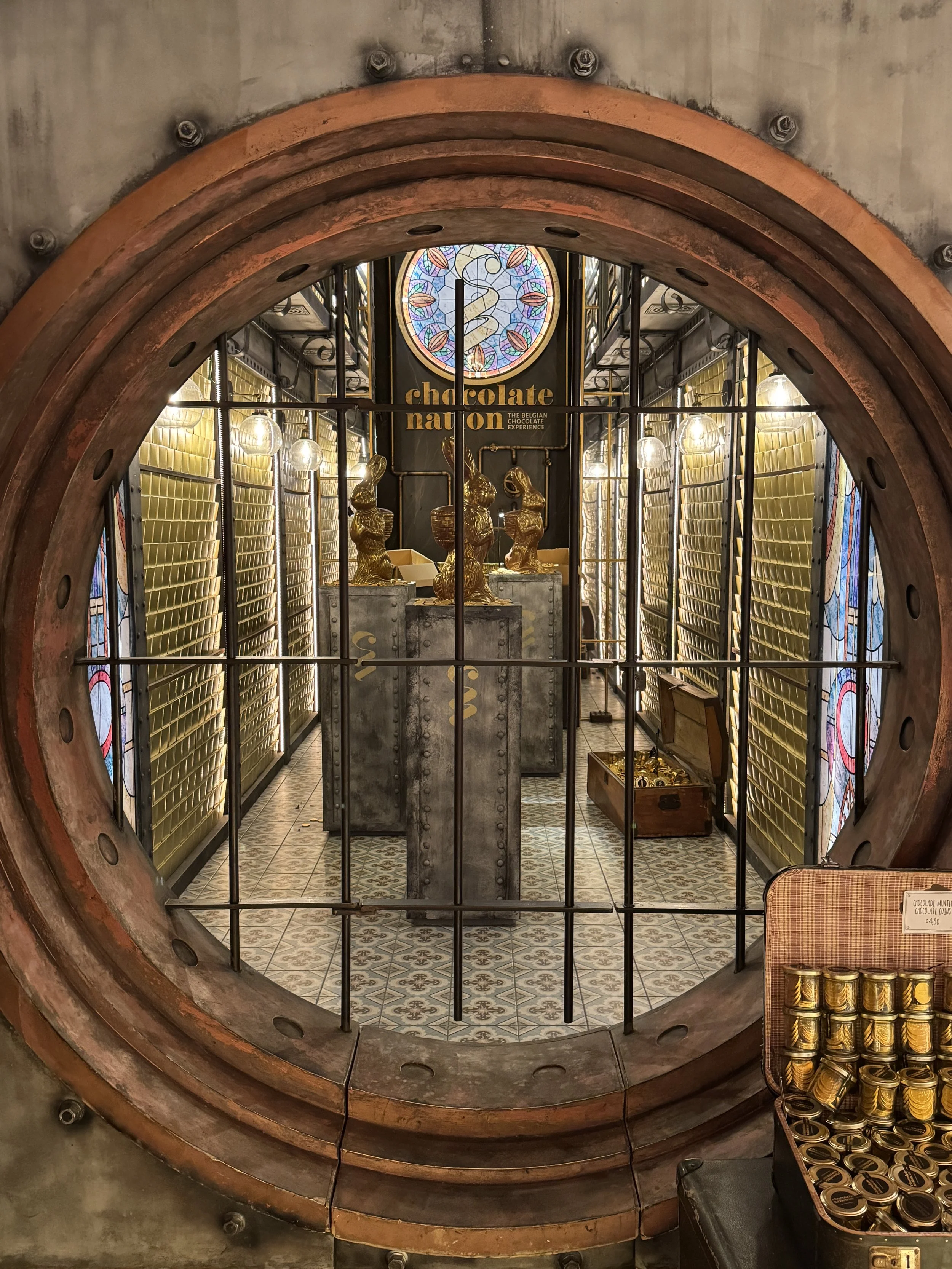
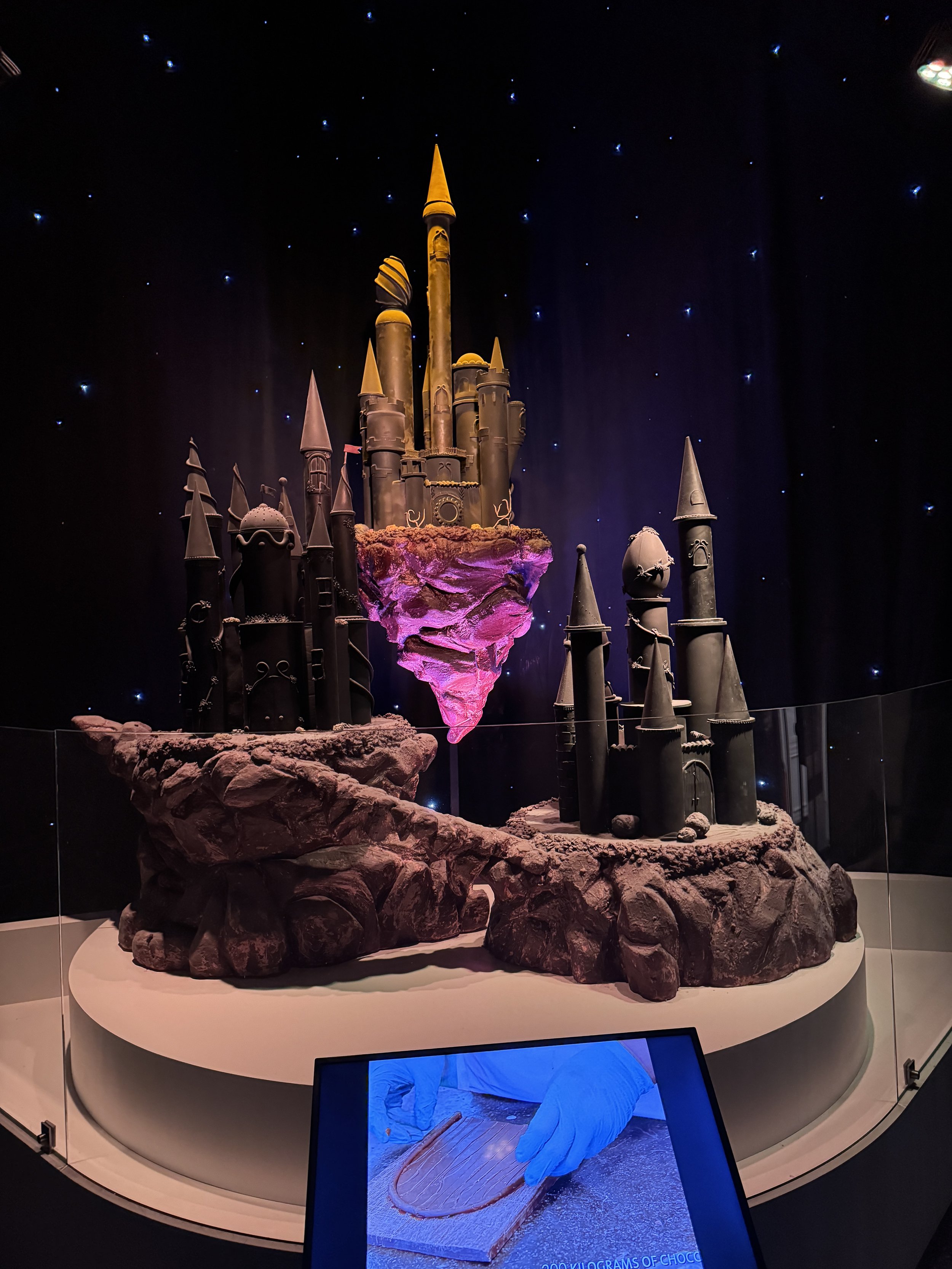
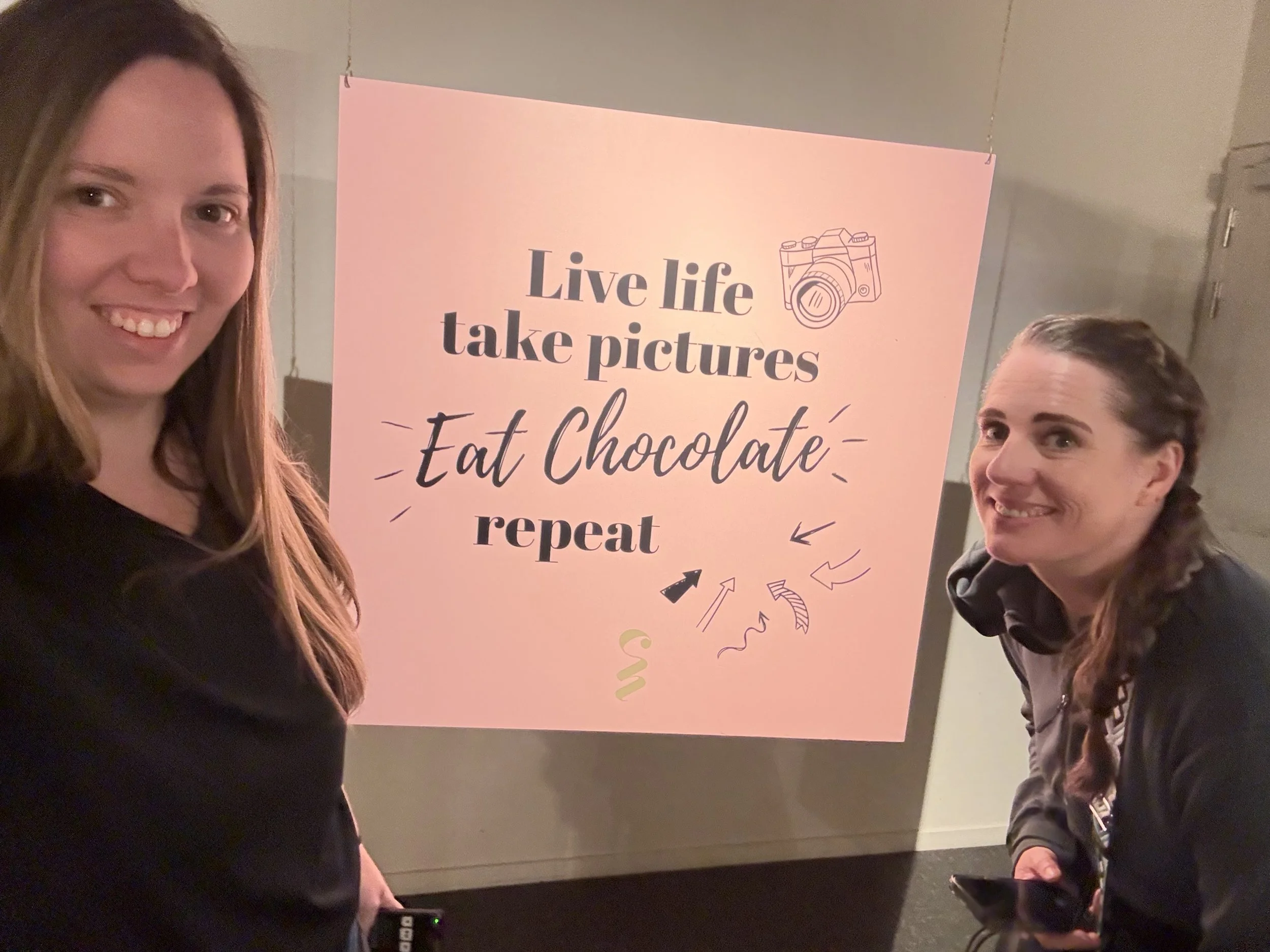
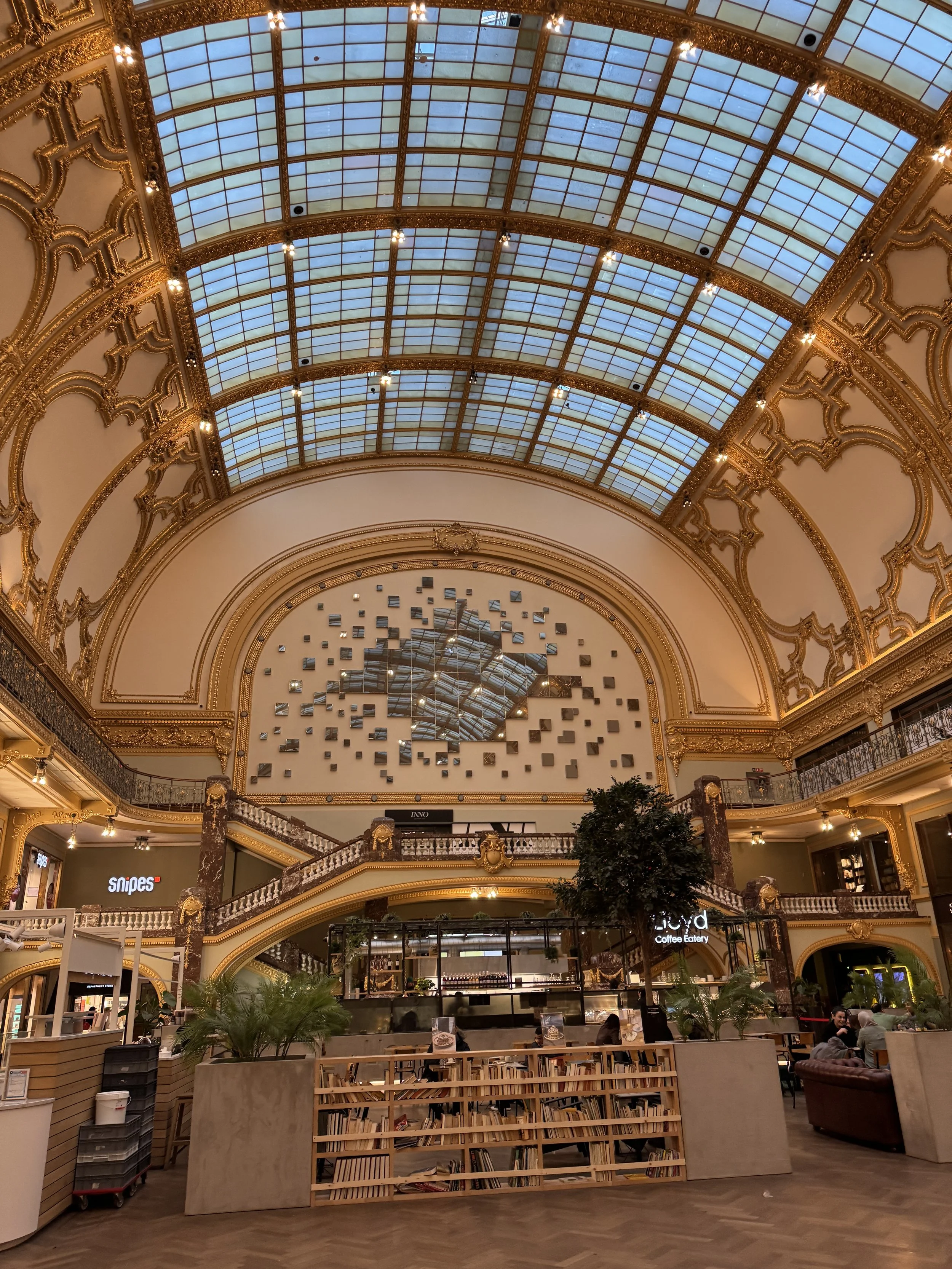
We then went to Stadsfeestzaal, originally built in 1908 as an exhibition hall and later restored after a fire in 2000. It now functions as a shopping gallery while preserving its ornate interior with gold ceilings, chandeliers, and decorative details. It’s small but really beautiful.
For dinner, we stopped at Hulstkamp, which is advertised as a Belgian restaurant and recommended mussels. That was all I needed to hear. We had mussels with fries and sauce, followed by a brownie cake for dessert. Another fantastic meal.
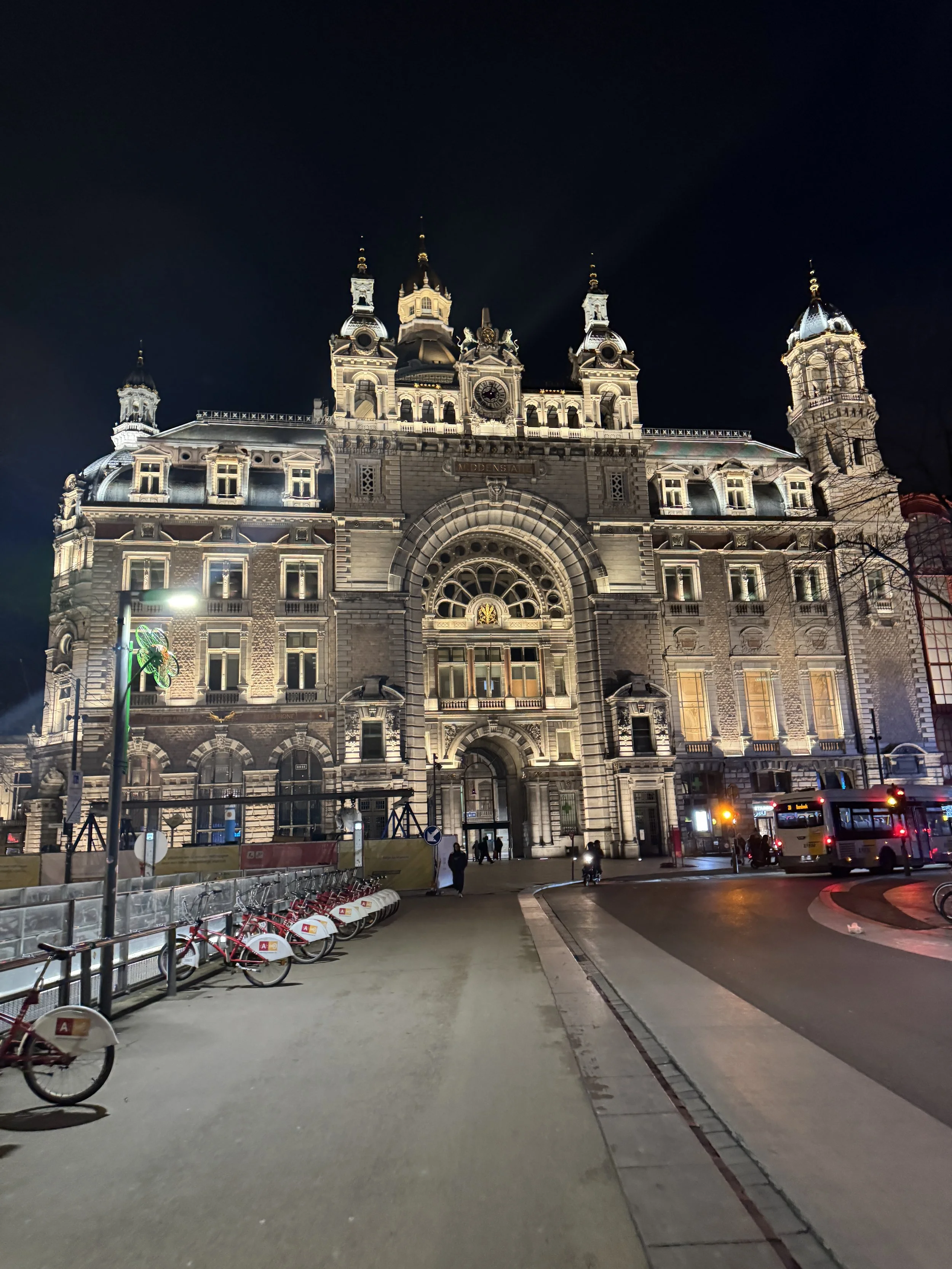
We made the cold walk back to the hotel, passing Antwerp Central Station all lit up at night, which somehow looked even better. Then we went to bed.
We left around 8:30 after paying for parking at the neighboring hotel, and then… the parking gate didn’t work. So we were let out without even using the validated ticket. It would have been €31 for the day, by the way, so not the worst accidental win.
We started driving toward “Reading Between the Lines,” the see-through church (Doorkijkkerk). We thought it would be a quick stop, but once we realized how long the walk was going to be, we decided to skip it for the sake of time.
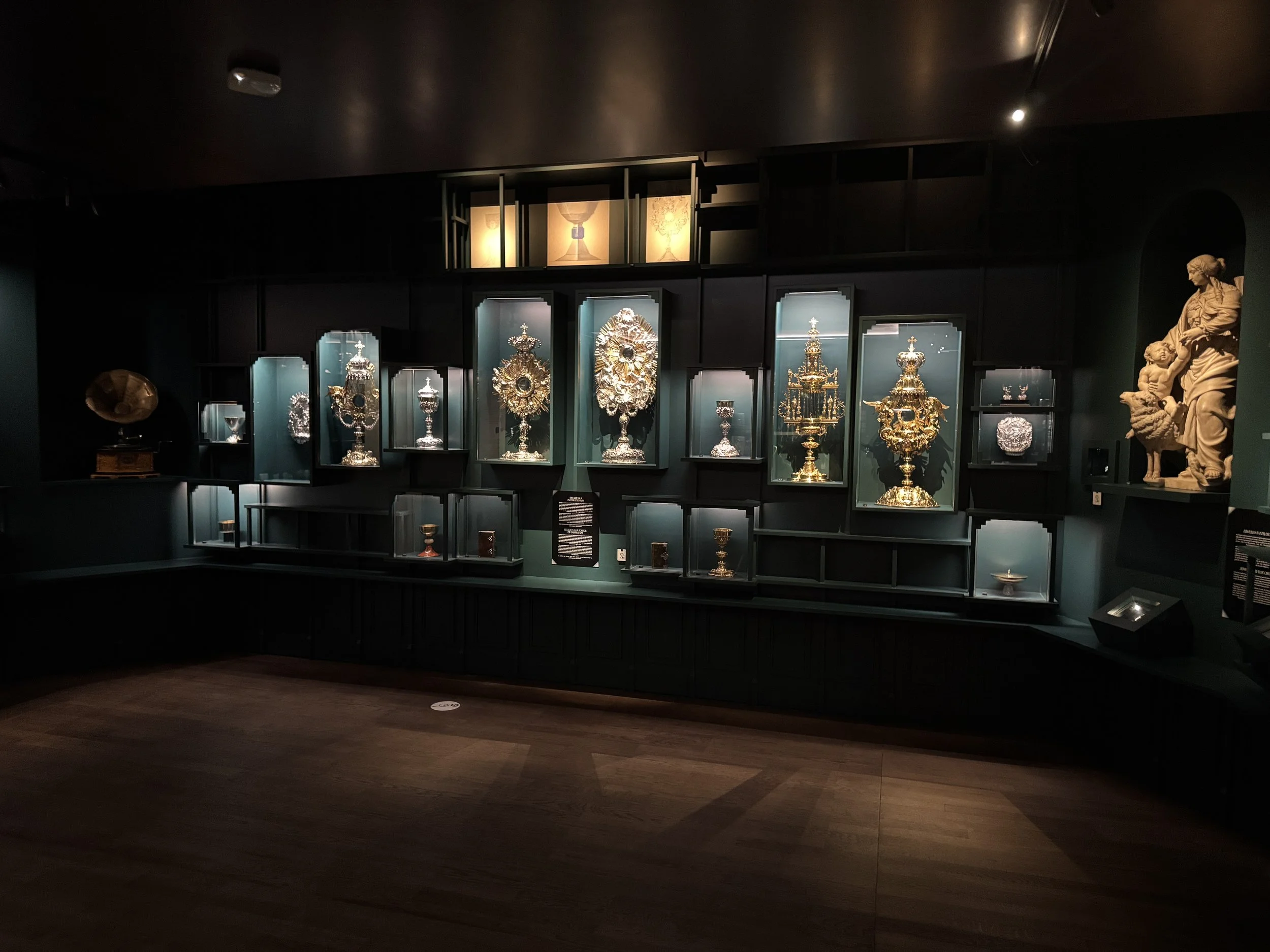
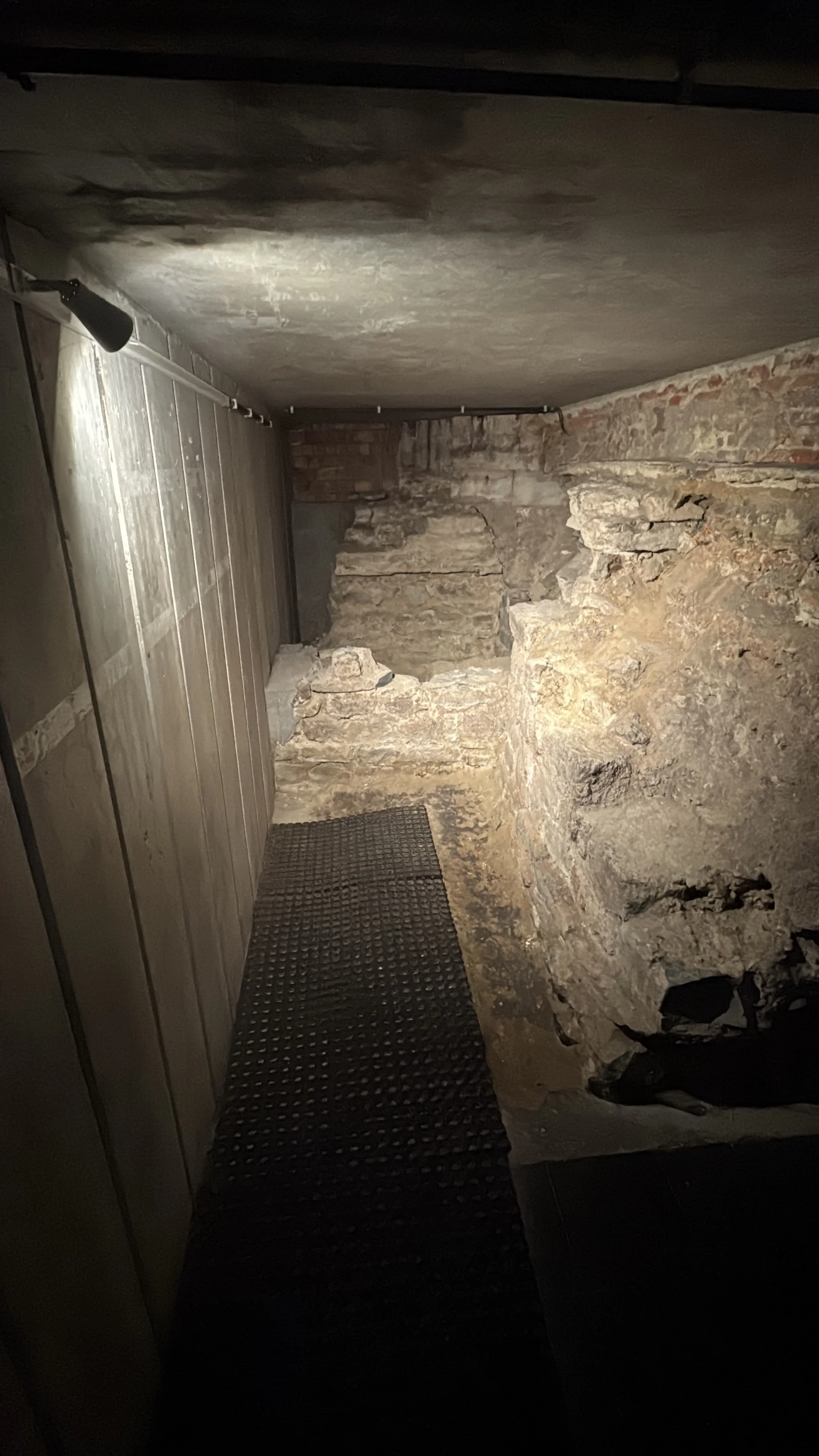
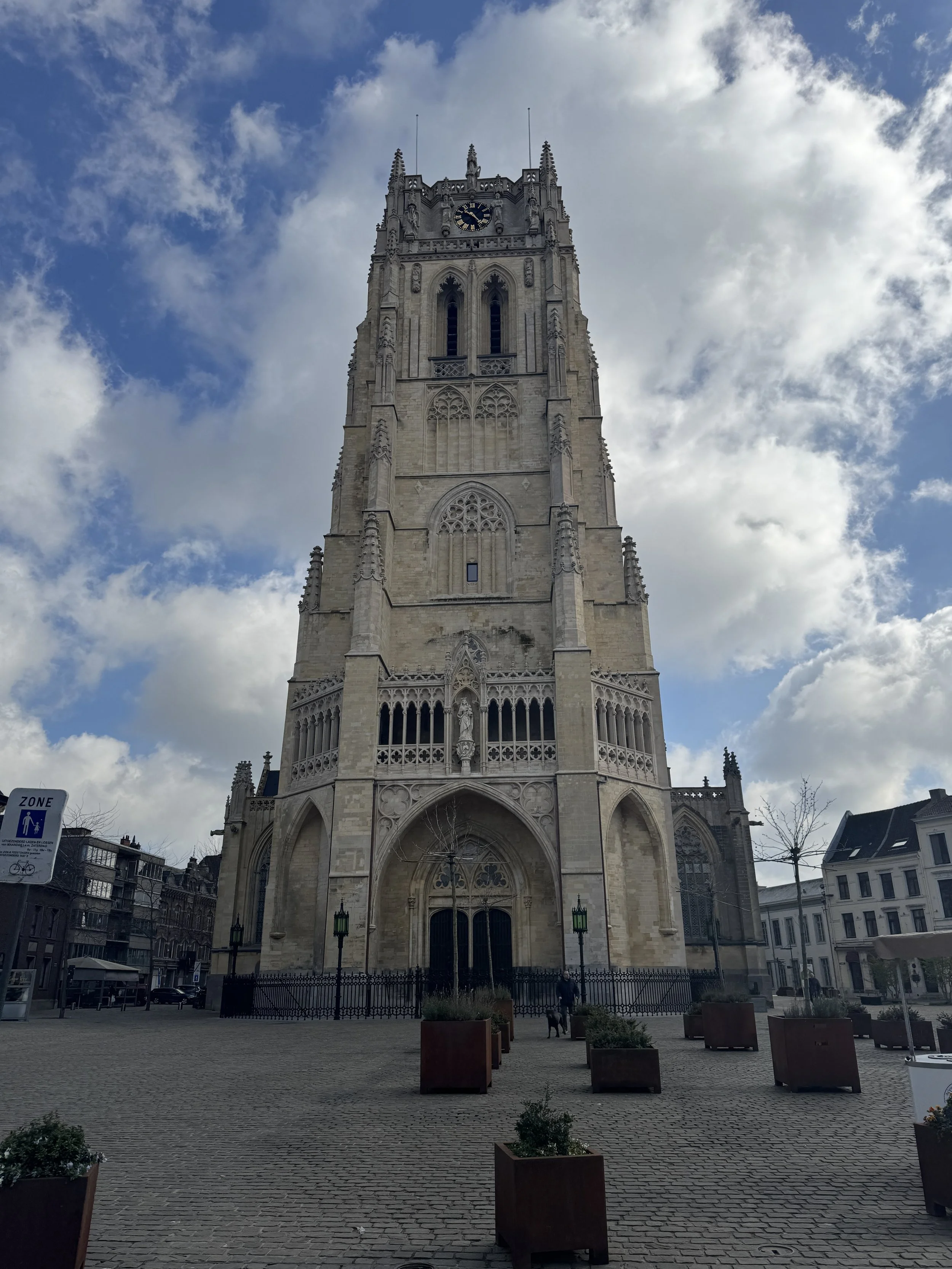
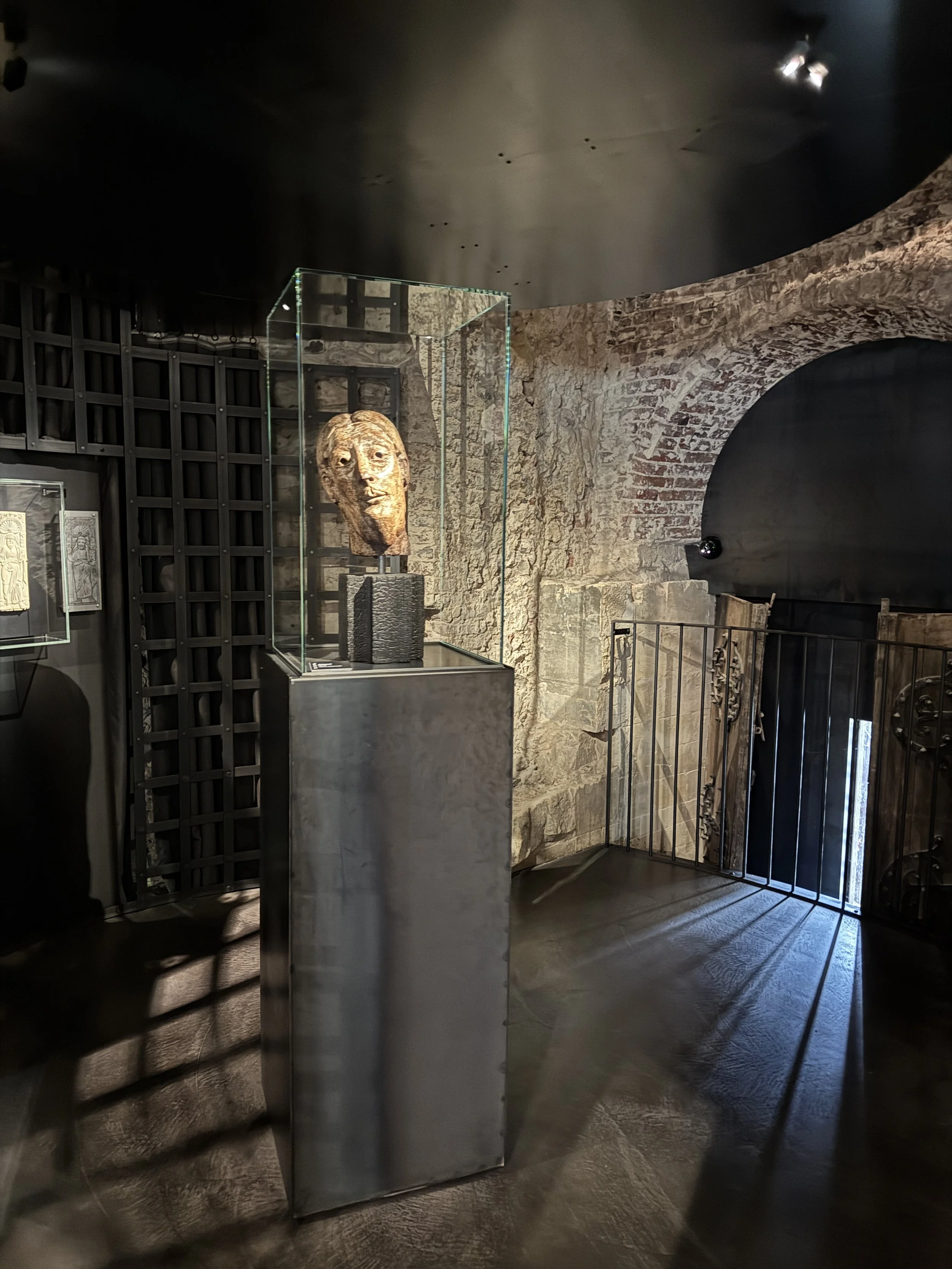
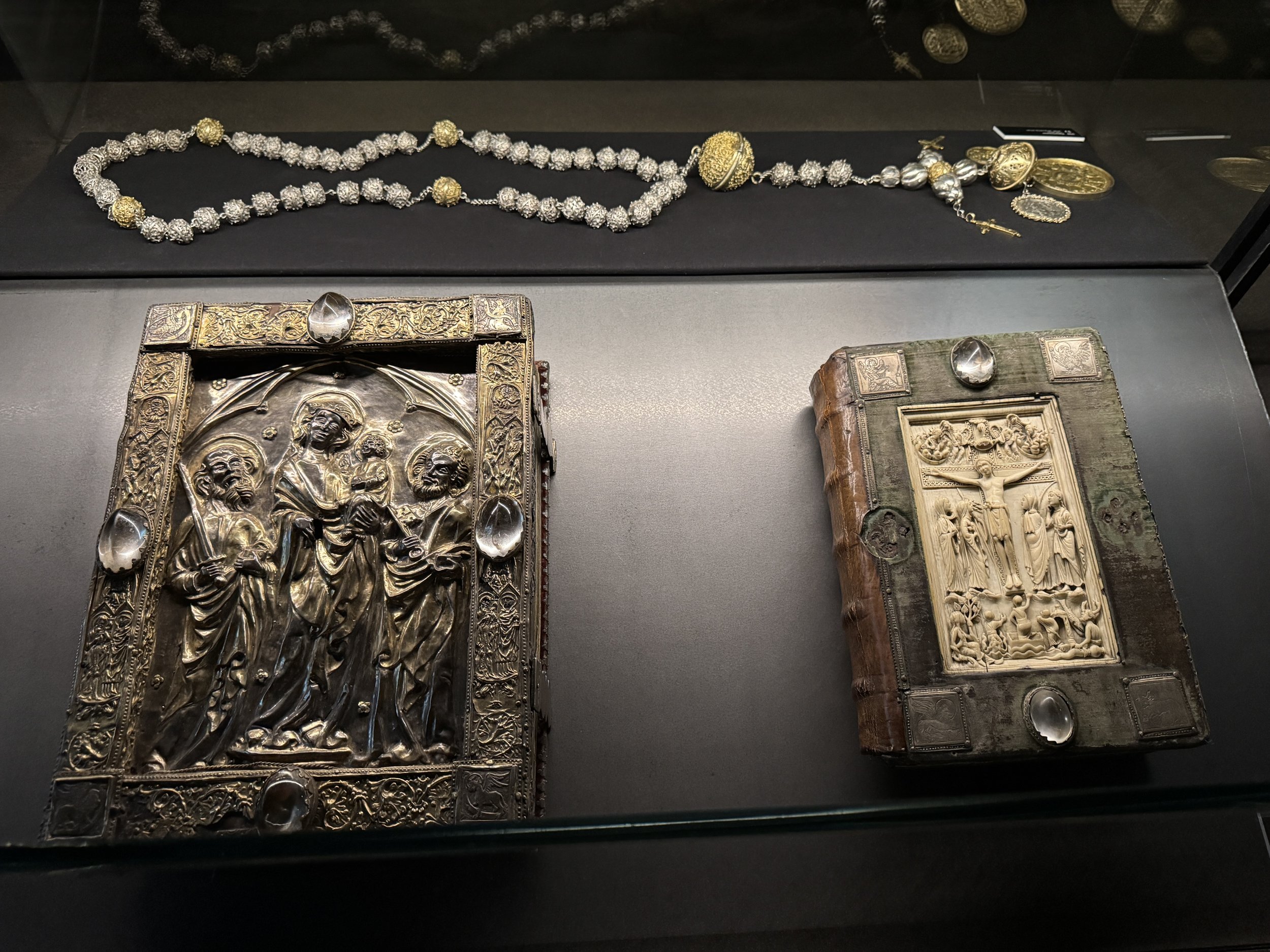
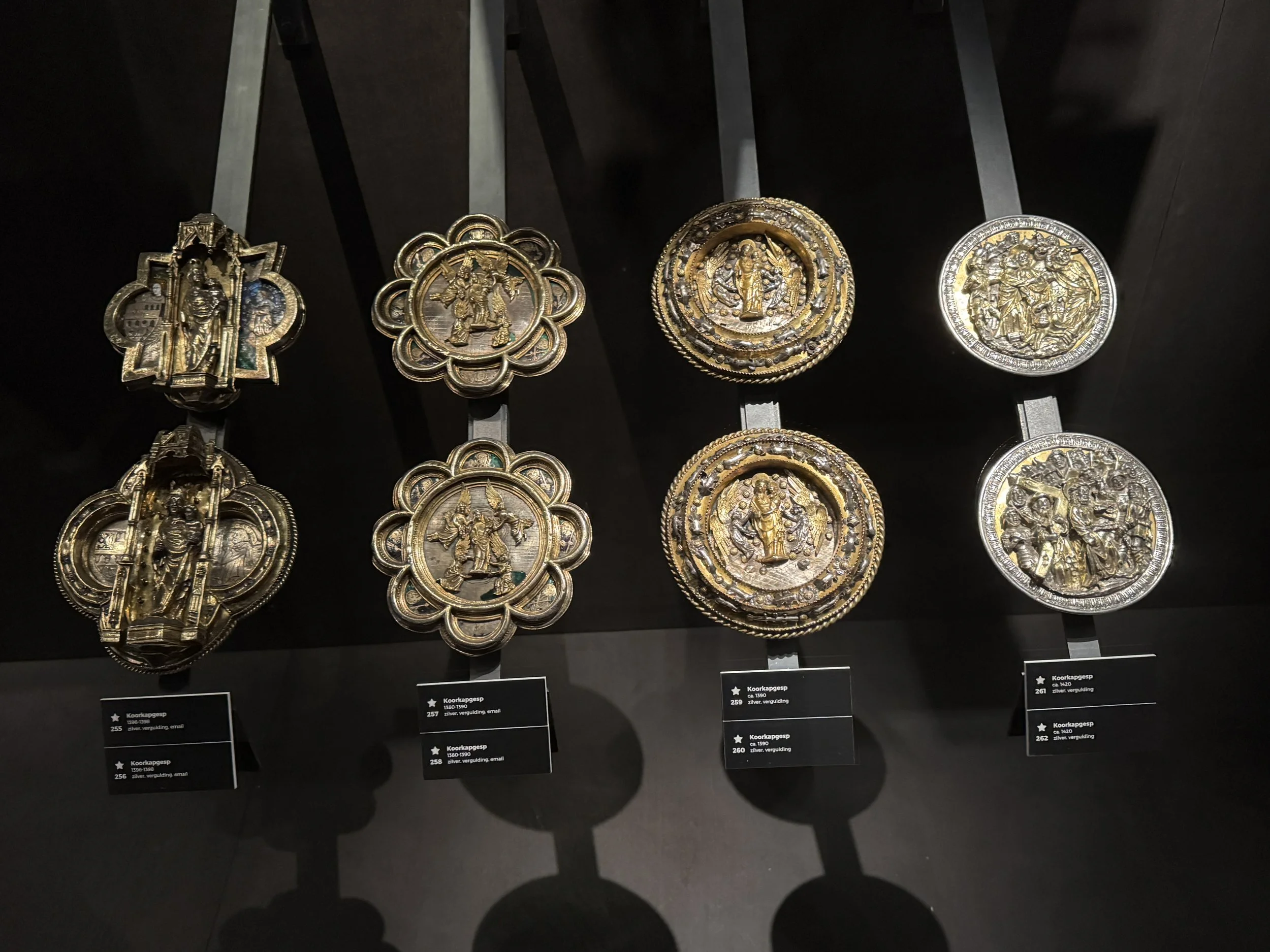
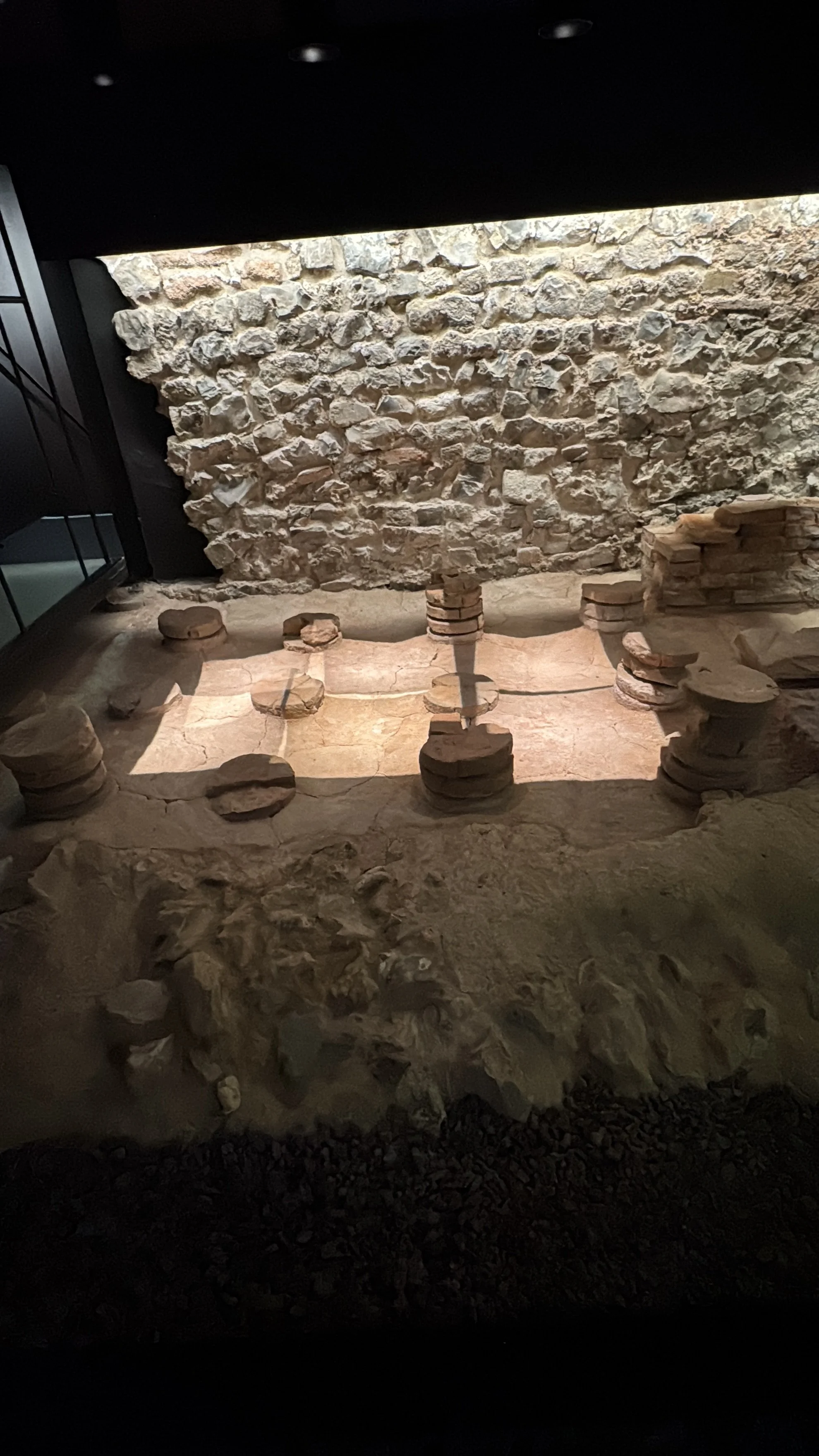
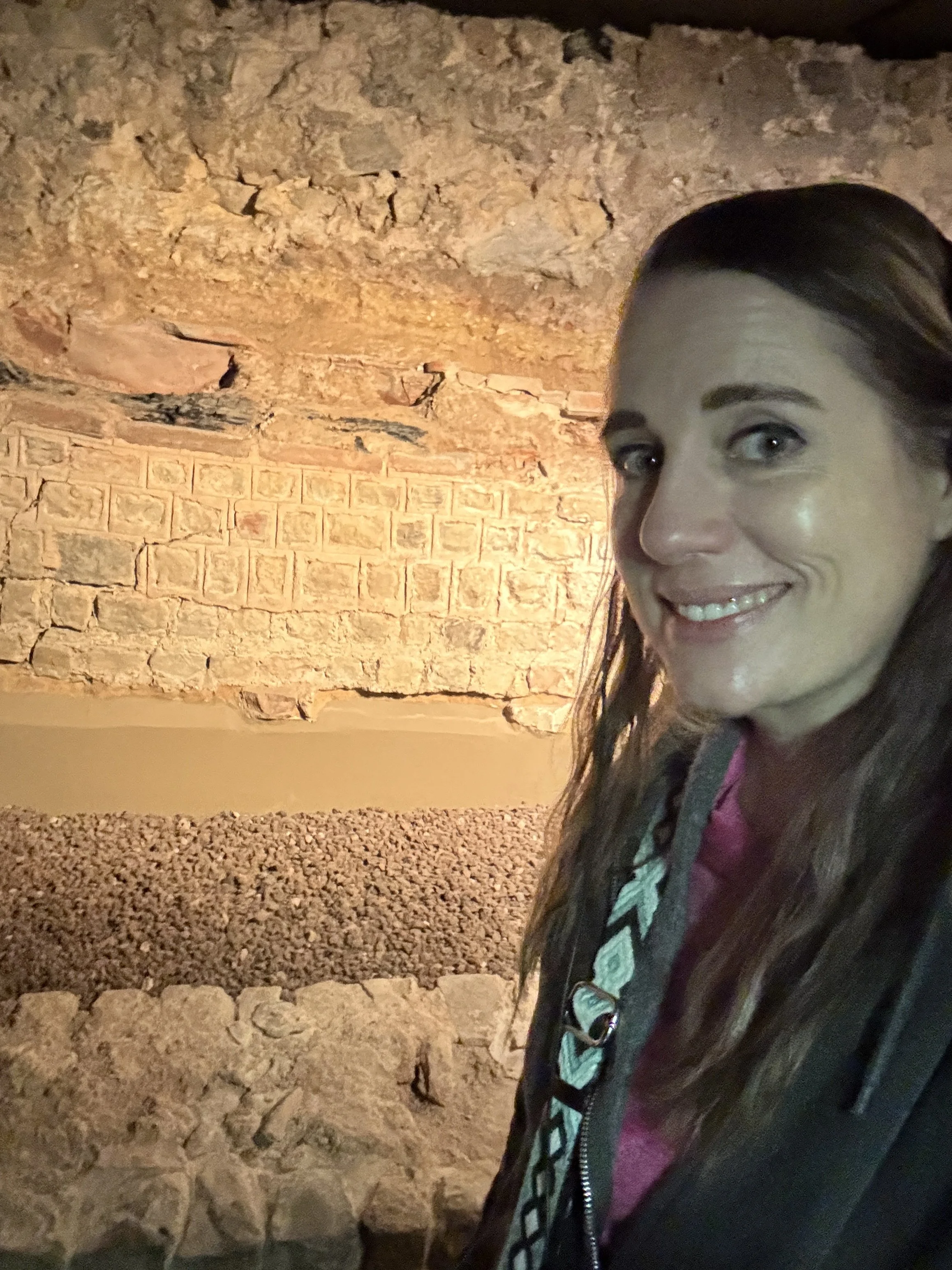
Next stop was Teseum in Tongeren. Teseum is a unique museum located beneath the Basilica of Our Lady, combining a historic church treasury with an underground archaeological site. Tongeren is Belgium’s oldest city, and the museum showcases layers of history from Roman times through the Middle Ages. Visitors can explore ancient foundations beneath the basilica and view an impressive collection of religious artifacts, including gold reliquaries and sacred objects, offering a rare glimpse into both the city’s deep past and its religious heritage.
Now this, my friends, was awesome.
We’ve done a lot of audio guides on this trip, and this one blew them all away. They use iPods with headsets, and the audio automatically plays as you enter each room. It’s brief, not overly detailed, and completely hands-free, which made it so much more enjoyable to just look around without constantly fiddling with a device. Admission was €10 for the combo ticket, which gets you into both the treasury and the archaeological site.
The man at the counter actually started us in the treasury, which isn’t the typical route, because there were large groups in the archaeological section. Honestly, great call. It was quiet, peaceful, and easily one of the highest quality stops we’ve made. Parking nearby was only €0.90 for just over an hour, which was also a win.
March 27: Steps, Waffles & an Unexpected Country Pivot
We made a quick stop at Decathlon in Alleur because my friend needed warmer clothes. It’s definitely colder here at night and when the wind picks up.
From there, we headed into Liège and parked at Parking de l’Anneau d’Or. It was easy to find and centrally located. Right around the corner, we stopped at L’Industrie for food. I had mussels again, this time with the chef’s special that included smoked salmon and gray shrimp. It was, once again, fantastic. I’m running out of ways to describe the food here, but everything is just so good.
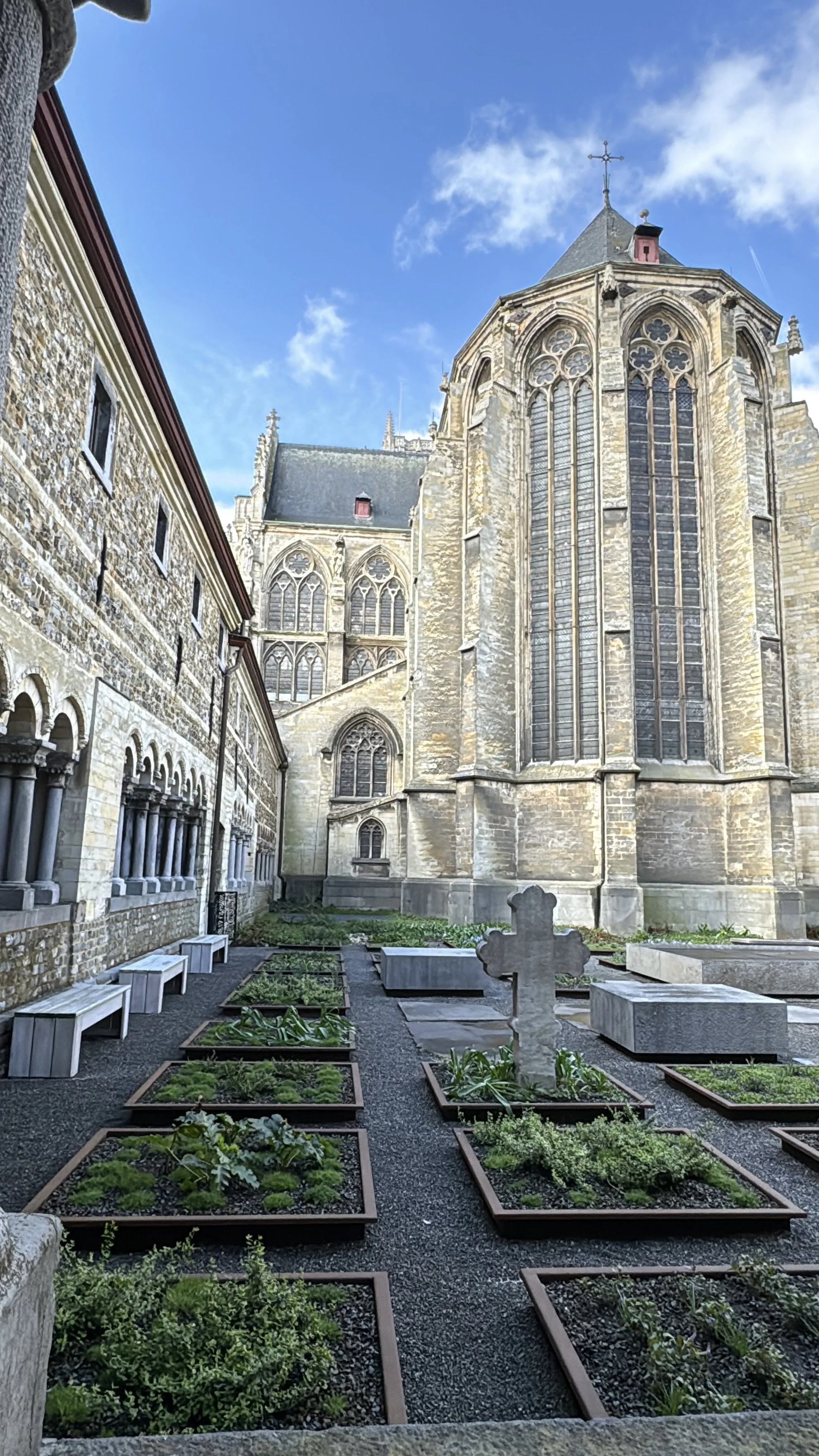
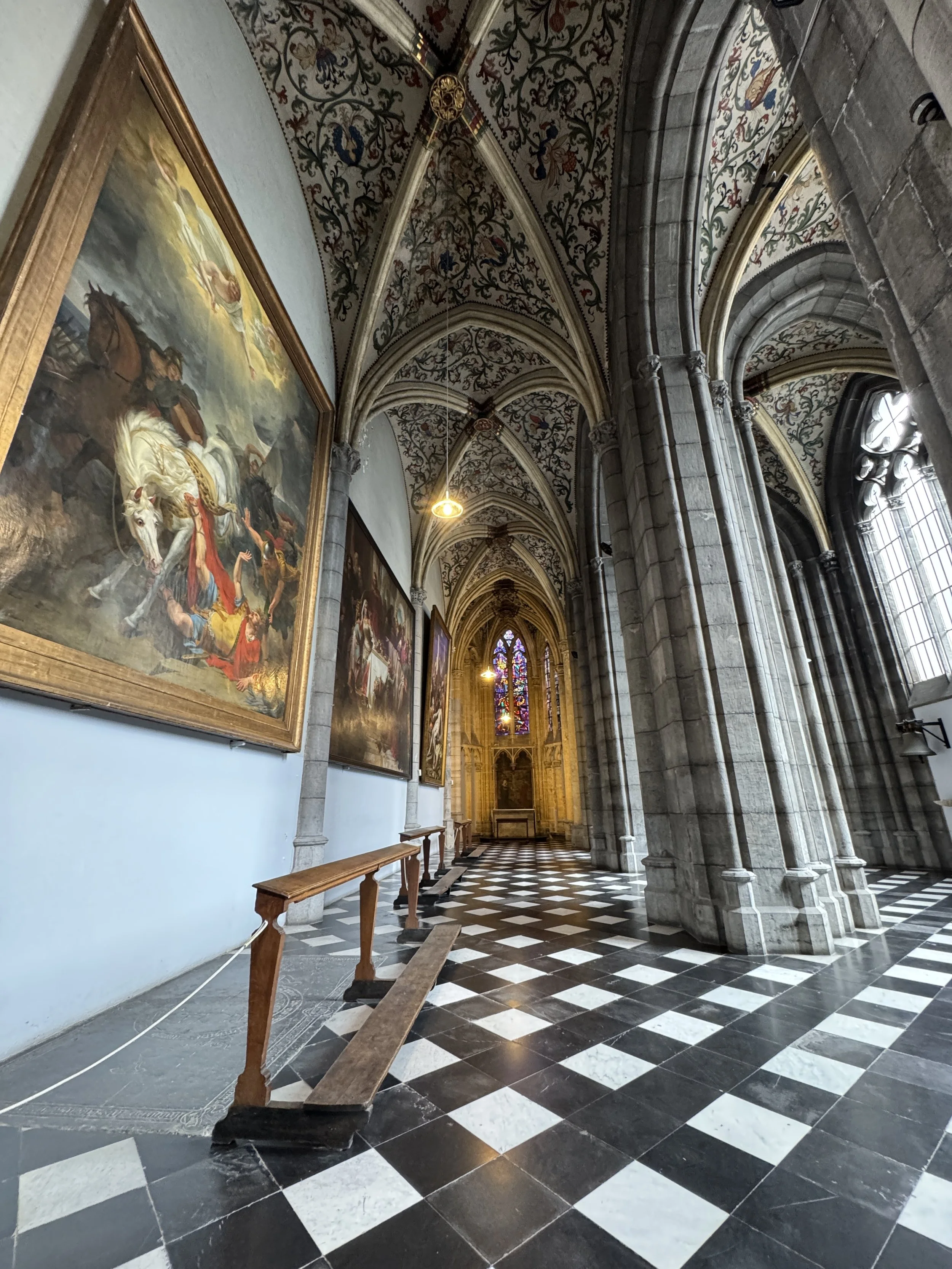
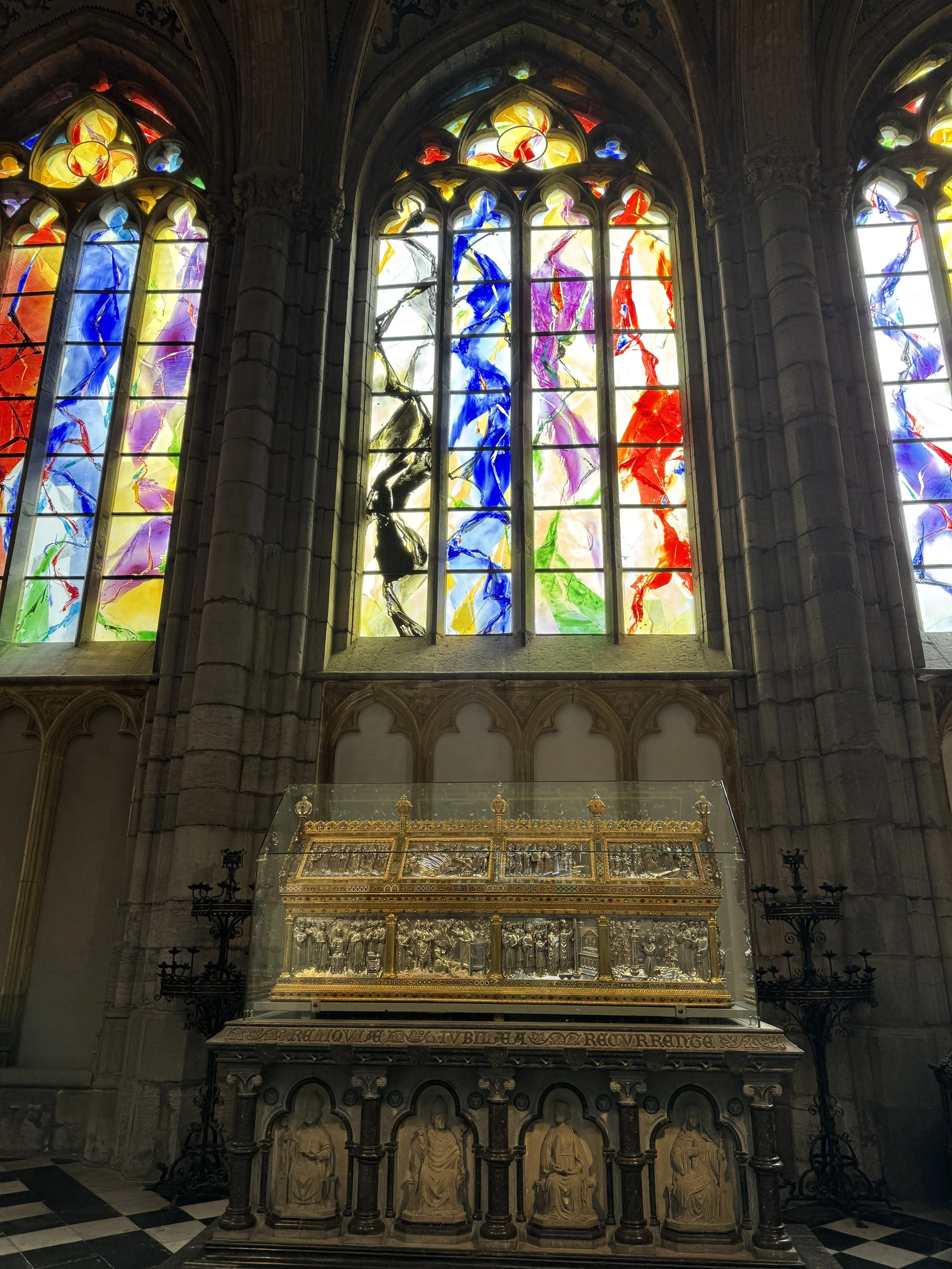
Nearby is Saint Paul’s Cathedral of Liège and its treasury. Saint Paul’s Cathedral began as a collegiate church in the 10th century and was elevated to cathedral status in 1801 after the original cathedral was destroyed during the French Revolution. Built in Gothic style, it features soaring arches, intricate stained glass, and a richly decorated interior. The treasury holds important religious artifacts, including the reliquary of Saint Lambert, tying it closely to Liège’s ecclesiastical history.
The church itself is free to walk through, and the treasury costs €10 with an audio guide. We didn’t find many spots where the audio guide actually triggered, though. It spans three levels and includes a wide range of artifacts like chalices, books, artwork, and statues. It was interesting, but if you’ve done Teseum, it feels a bit repetitive.
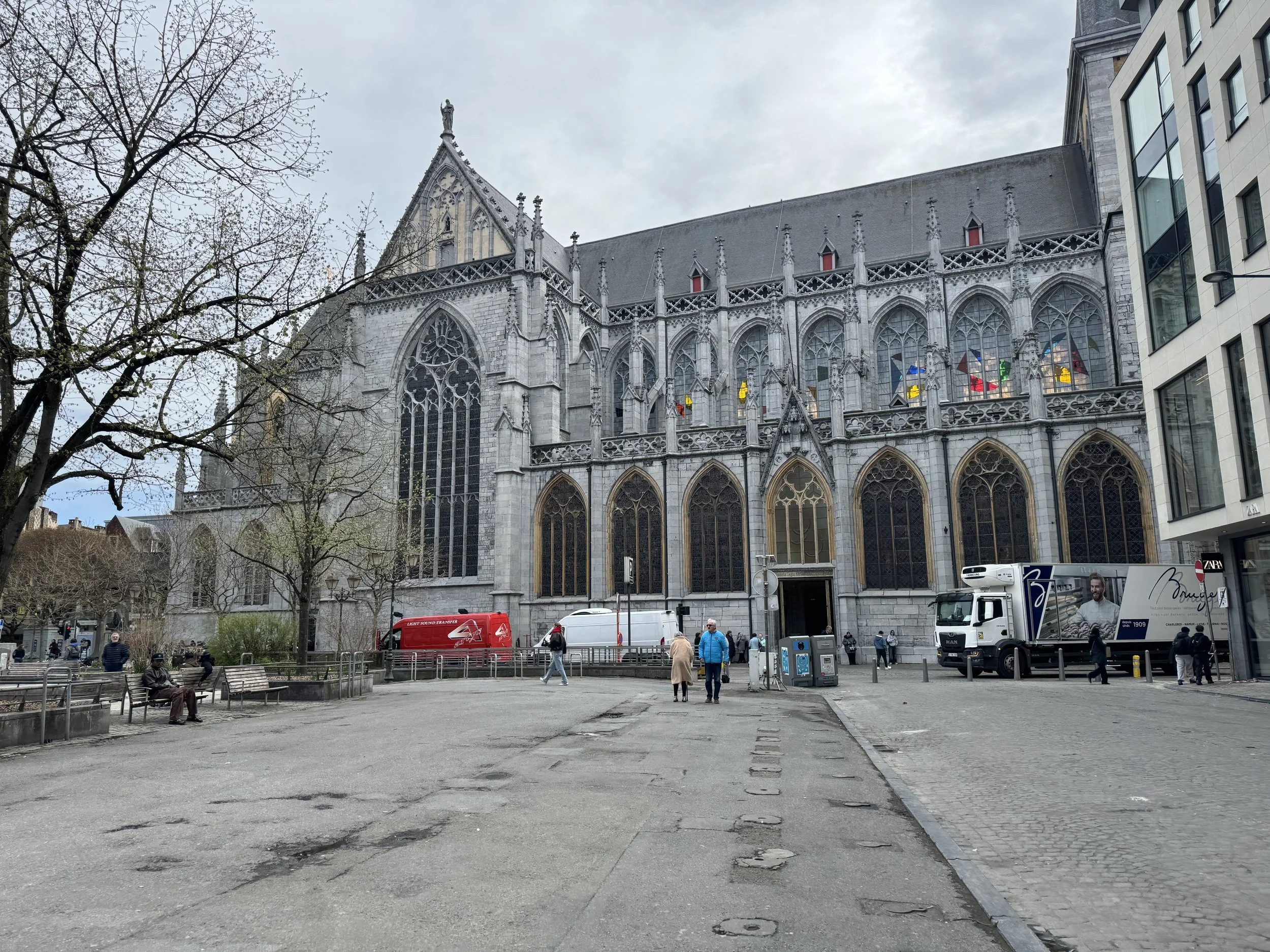
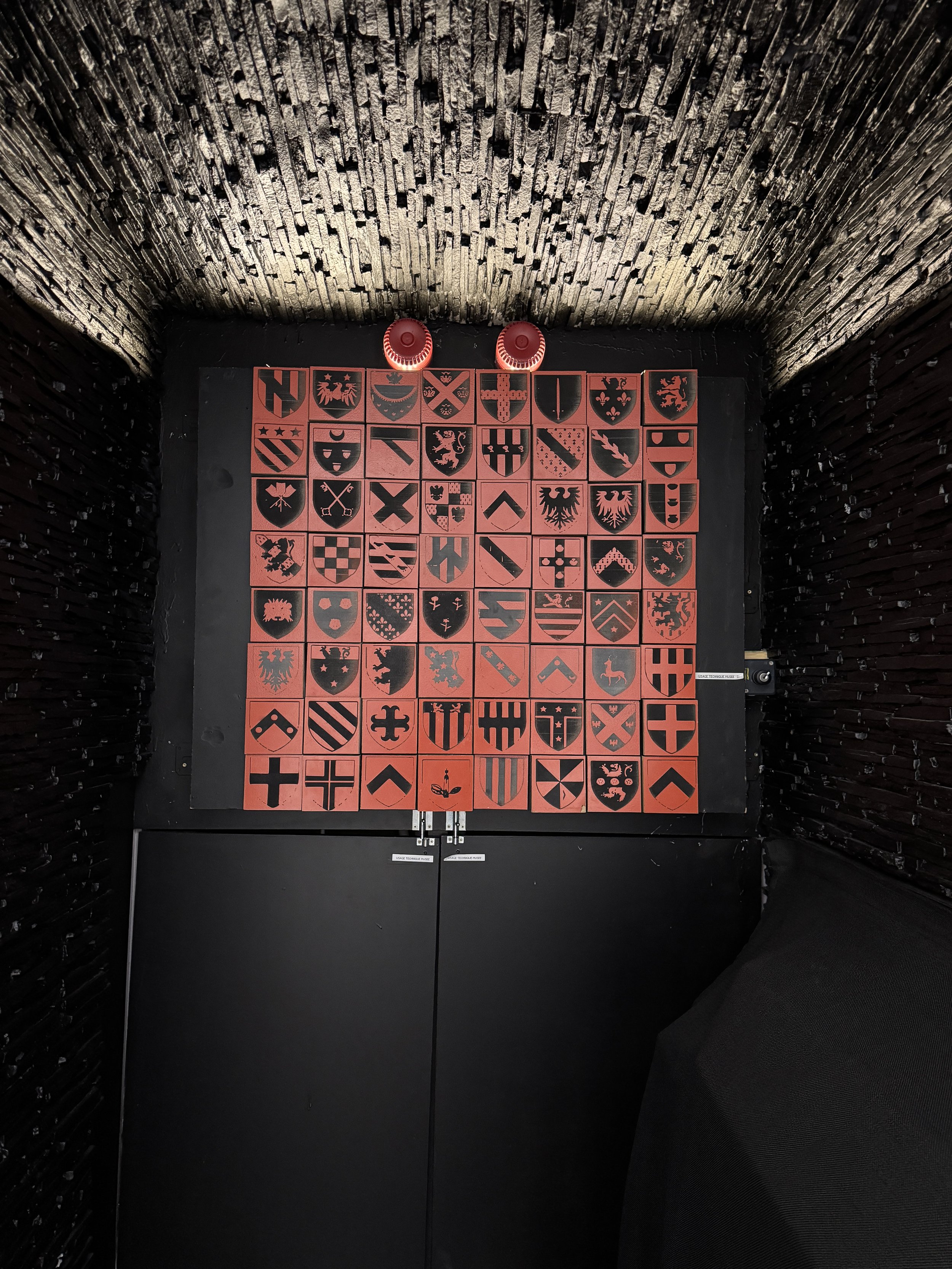
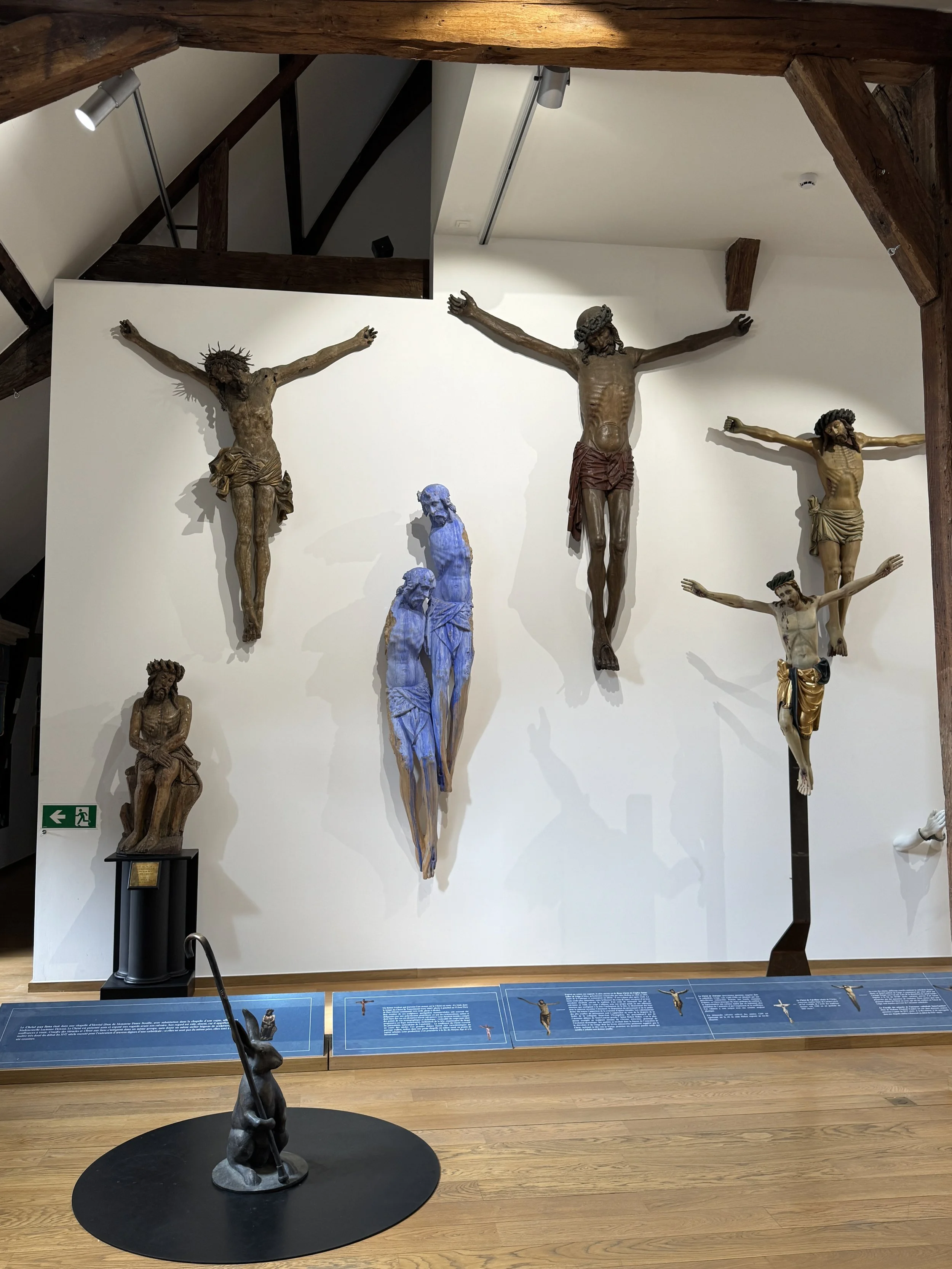
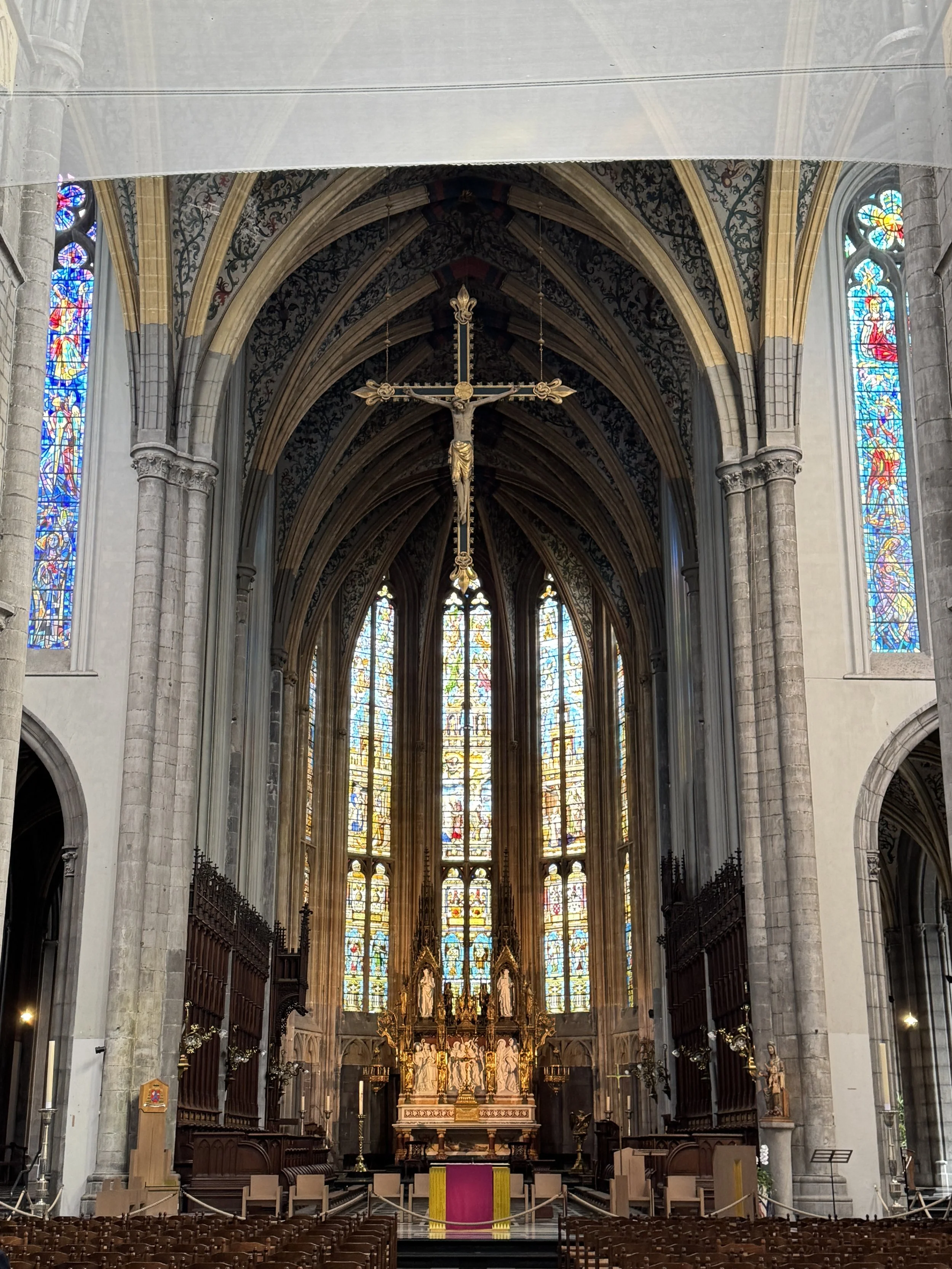
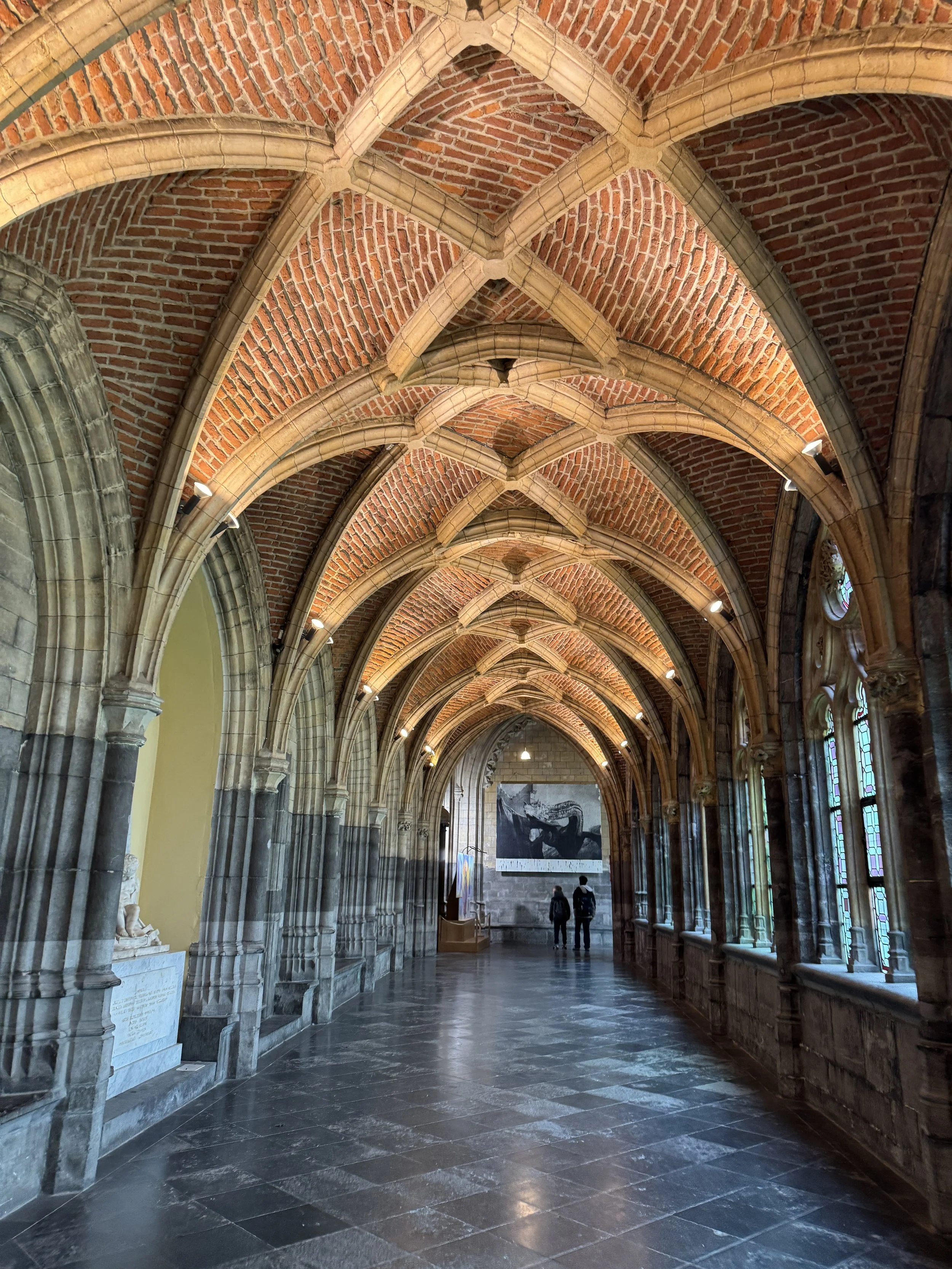
We walked over to the Collegiate Church of the Holy Cross, but it was completely covered due to construction. It dates back to the late 10th century and is one of Liège’s oldest churches, built during the time when prince-bishops ruled the city and made it a major religious center. It would have been nice to see, but hopefully the work being done will preserve it for the future.
On the way to our next stop, we passed the Palace of the Prince-Bishops, which served as the residence of Liège’s powerful prince-bishops, who ruled both politically and religiously. Originally built in the 10th century and later reconstructed in the 16th century after a fire, it now has a distinctive Renaissance style. Today it functions as a courthouse and isn’t open to the public, but you can view the courtyard, and it’s impressive even from the outside.
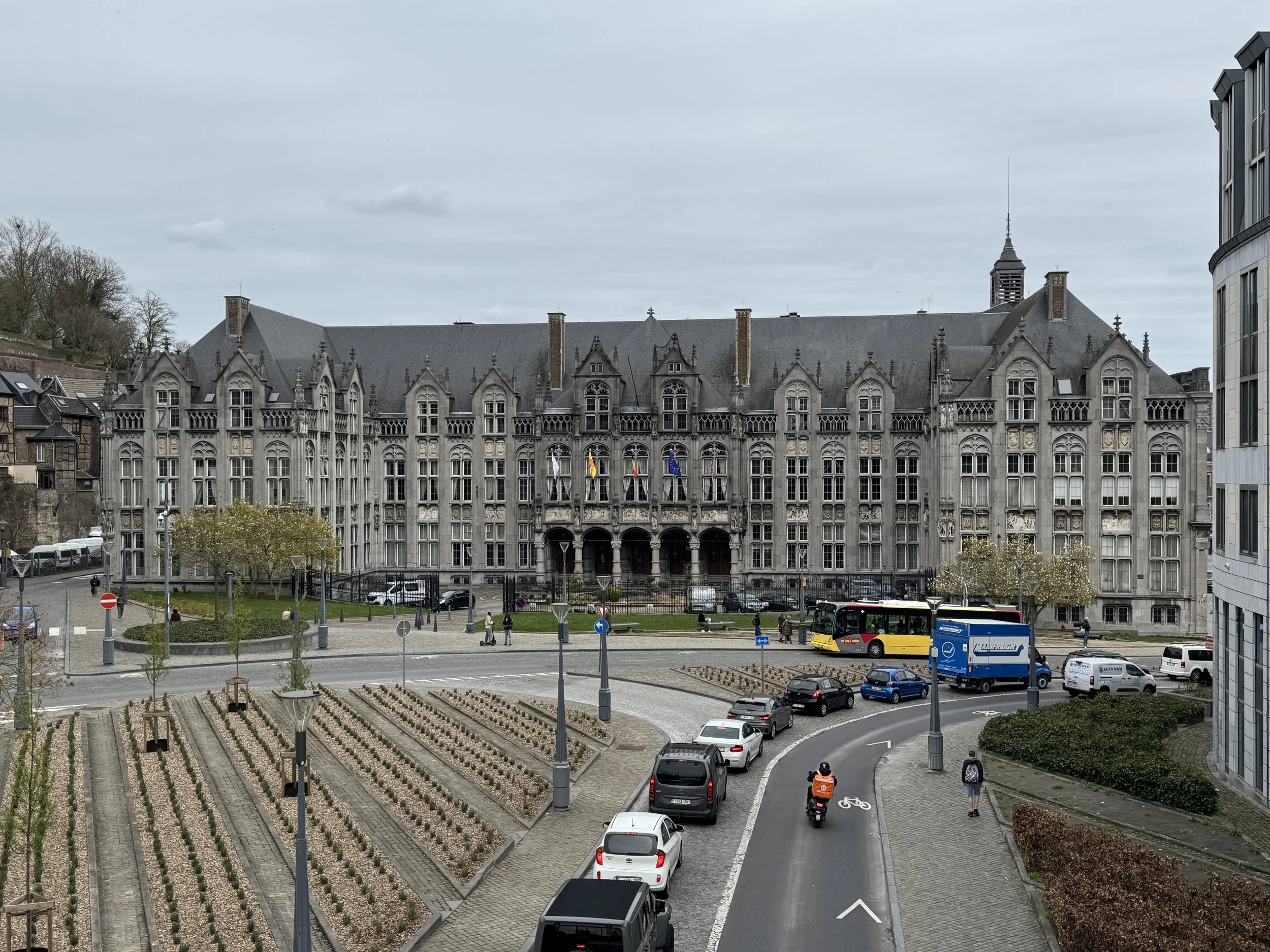
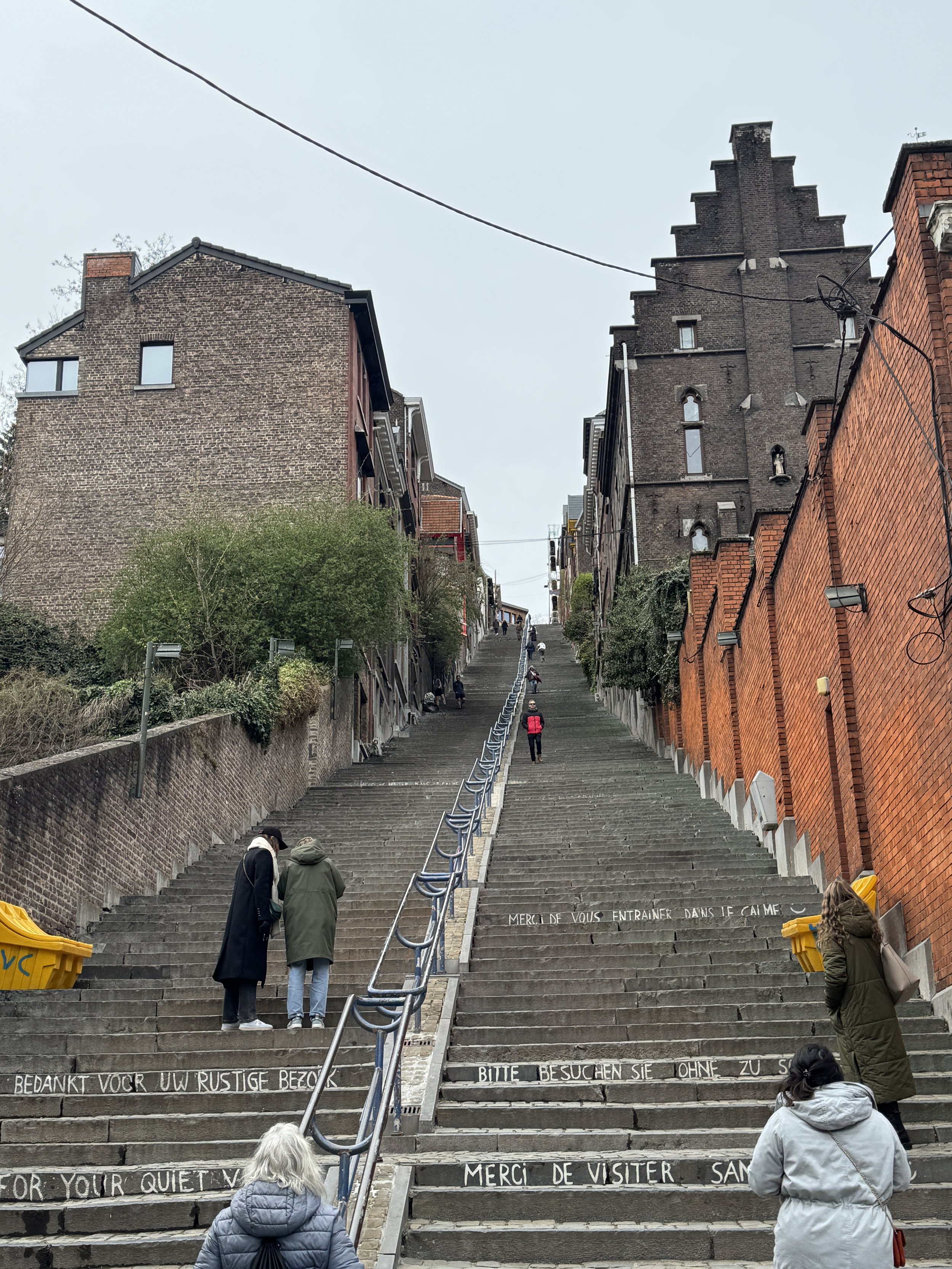
After admiring it for a few minutes, we had to stop stalling and face the next challenge: Montagne de Bueren. This is a staircase of 374 steps connecting the city center to the citadel above. Built in the late 19th century, it was designed to allow soldiers quick access between the barracks and the city below. Despite the name, it’s not actually a mountain, but it’s named after Vincent de Bueren, a local leader who resisted invading forces in the 15th century.
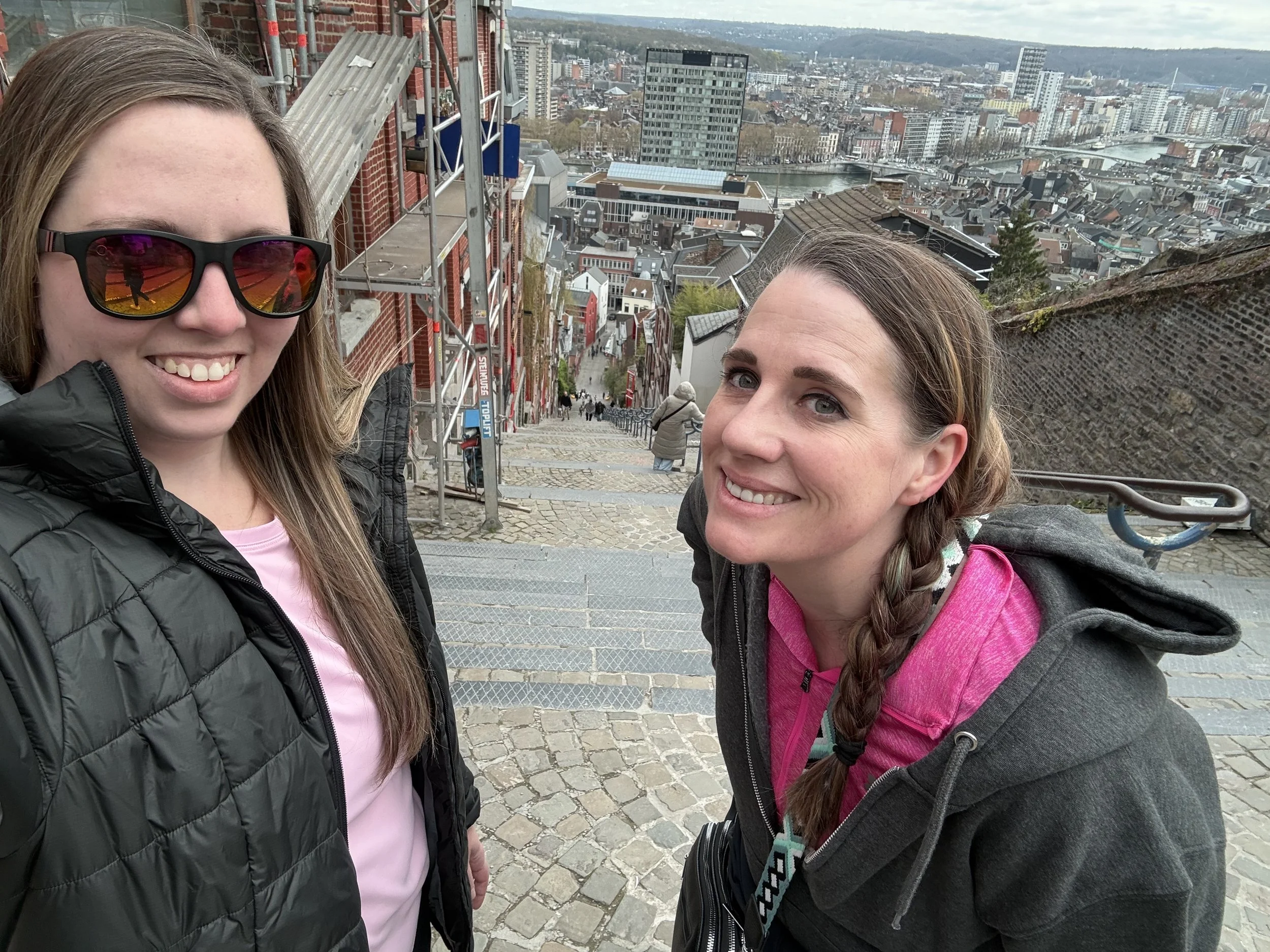
I won’t lie, this was not an easy climb. We took a few breaks, but we made it to the top. The view was worth it, and knocking it off the list felt like a solid win. Coming back down left our legs a bit shaky, but we survived.
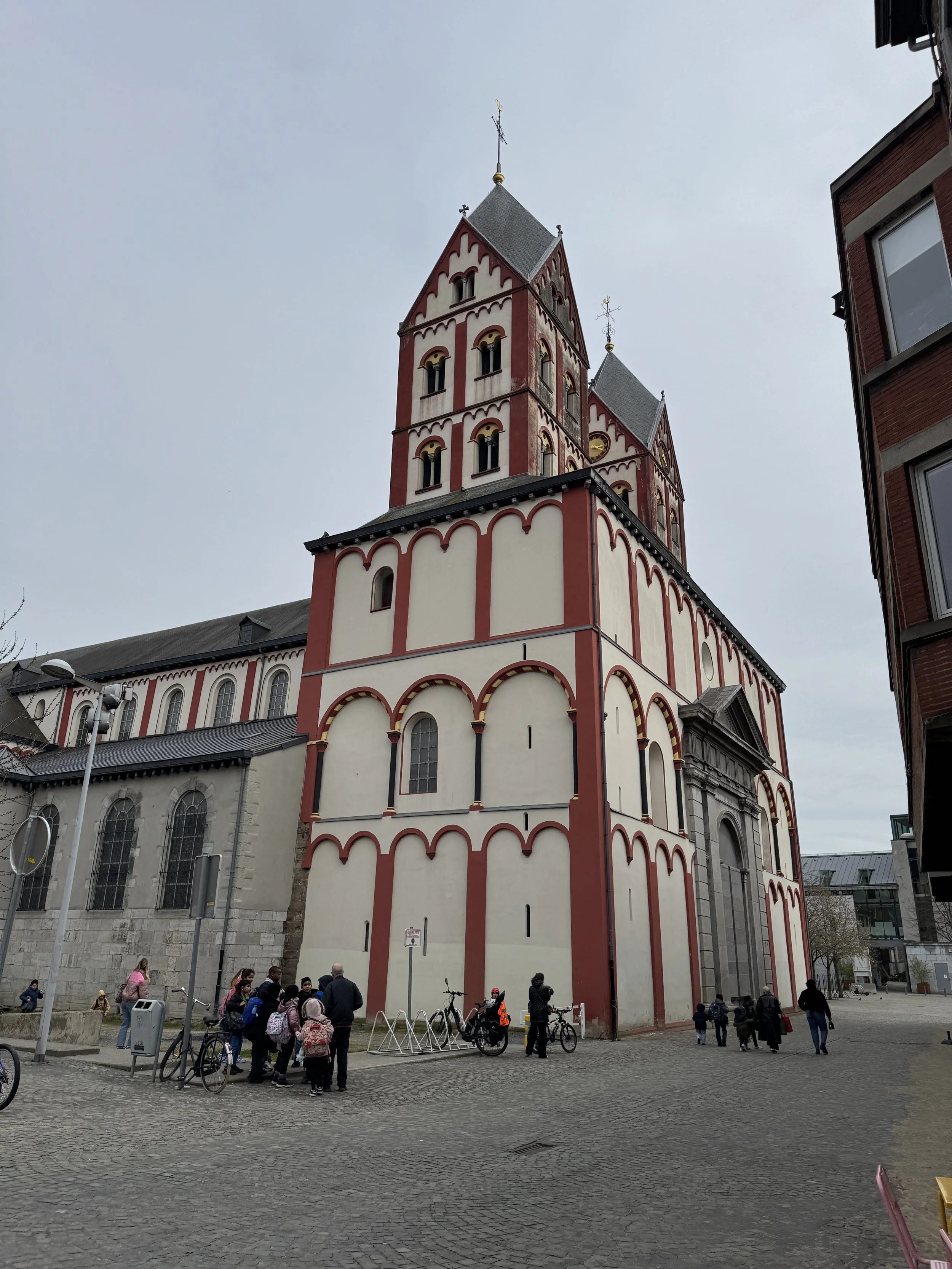
Next, we stopped at the Collegiate Church of Saint Bartholomew, dating back to the 11th century and one of the best examples of Romanesque architecture in Belgium. Its red-and-white striped exterior makes it stand out immediately. Inside, it’s known for its baptismal font, considered one of the most important examples of medieval metalwork in Europe. We ended up just enjoying it from the outside while sitting on a bench to recover from the stairs. After the churches in Antwerp, it was going to be hard to top those anyway.
As a reward for surviving the 374 steps, we headed to Une Gaufrette Saperlipopette, one of Liège’s most famous waffle shops. They serve traditional Liège waffles made with pearl sugar that caramelizes during cooking, giving them that dense, chewy texture with a slightly crisp exterior. These are very different from the lighter Brussels-style waffles.
I got a vanilla traditional waffle served warm, and it was fire. I also grabbed a chocolate one for later, which unfortunately wasn’t my favorite. It was filled with something I didn’t love. Still, I’m officially a Liège waffle fan.
They didn’t have gluten-free options, so we went to Darius Café for my friend. They were sold out of gluten-free waffles, so she got a cookie instead, but they did have a good selection overall.
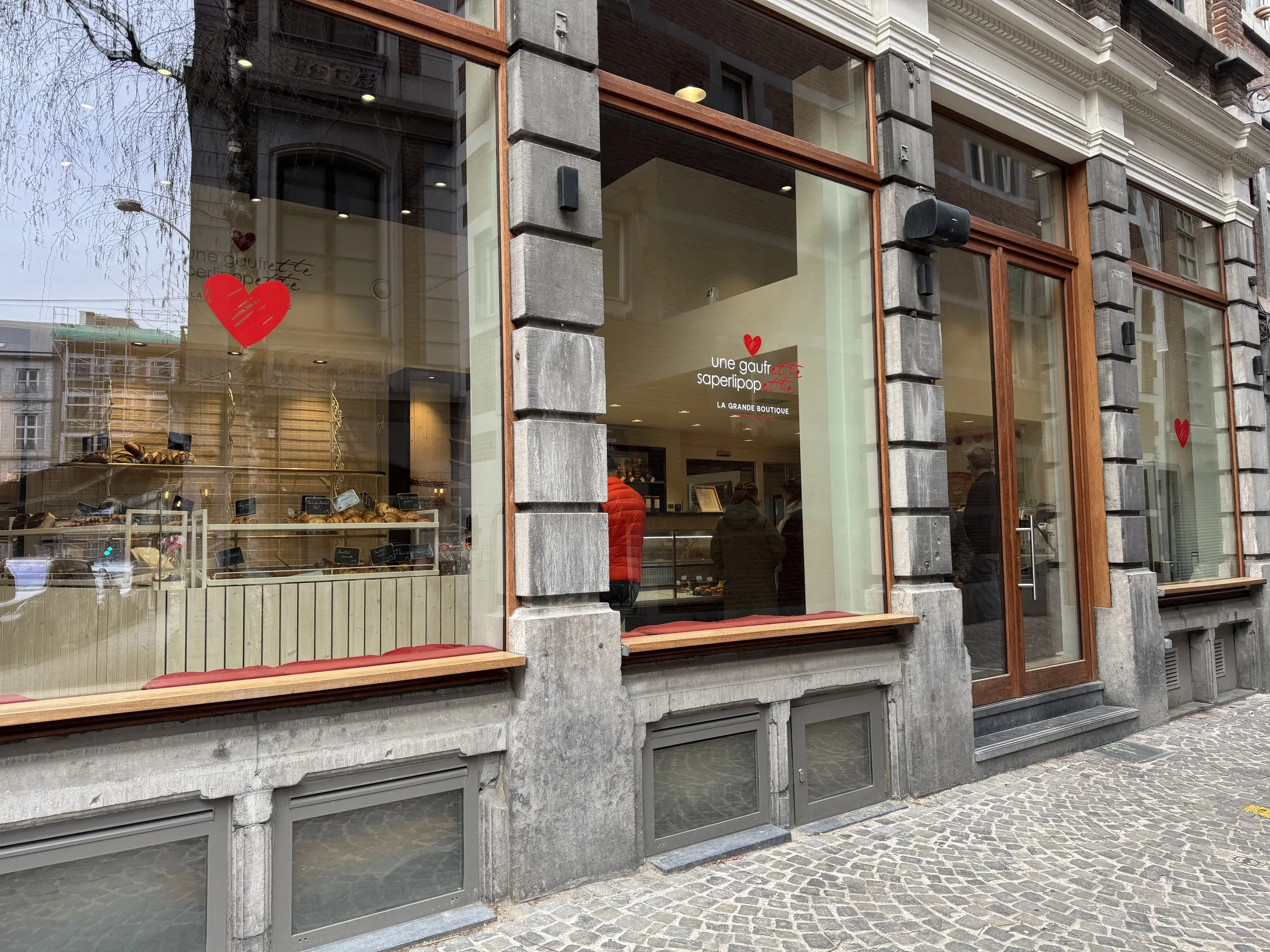
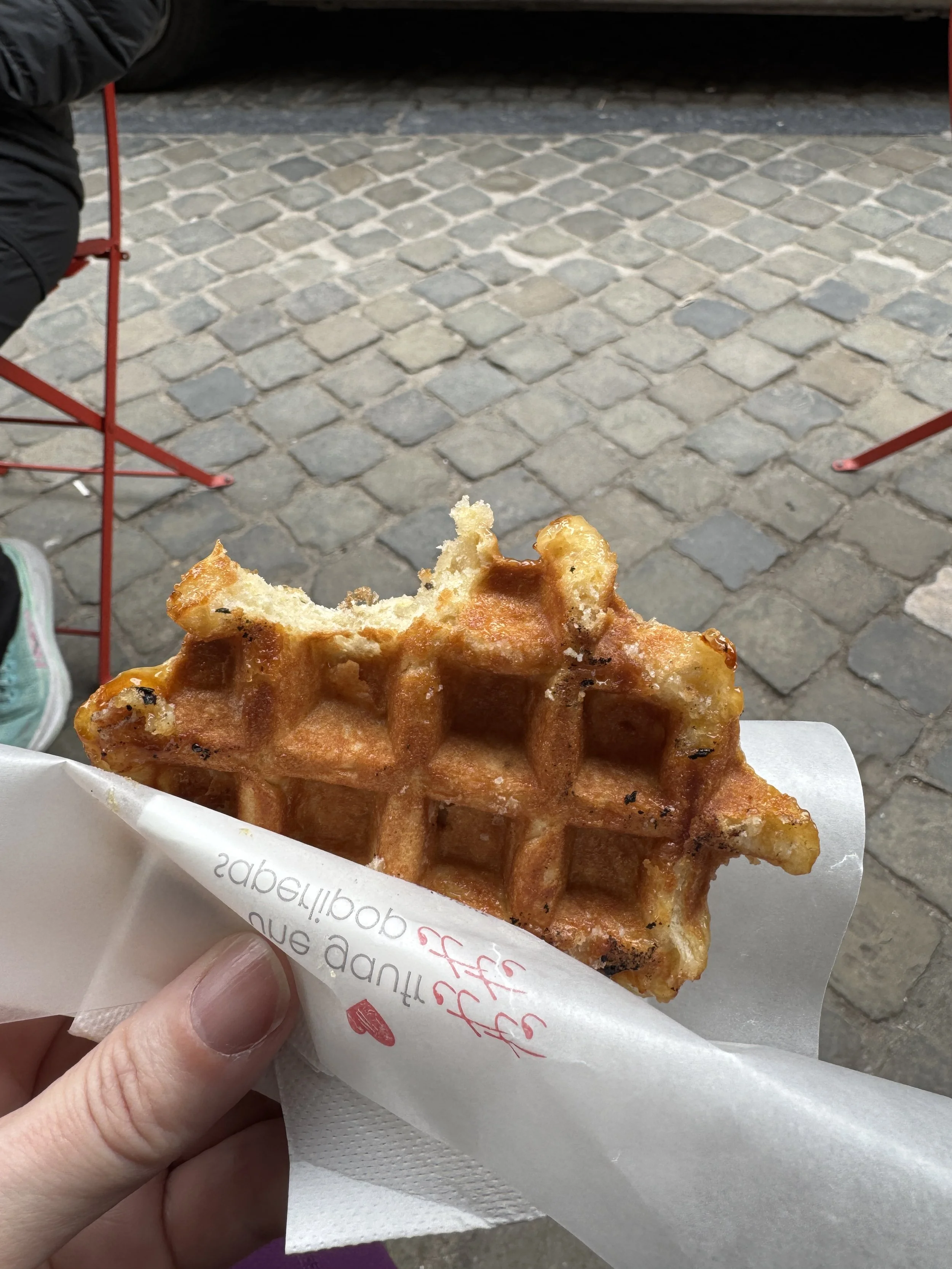
At that point, we decided to head back to the car. Liège felt more local than touristy, which isn’t a bad thing, but it also meant there wasn’t much in terms of souvenir shopping. Since we’re already tight on luggage space, we decided to move on.
We drove to our Airbnb in Neupré, a nearby town. Check-in was smooth, and the place was great. We had a lower level with a mini kitchen and bathroom, a bed/couch area, and a loft with two more beds. It was spotless, the shower didn’t leak (major win), and no glass box situation. No fancy mood lighting either, but honestly I liked it better.
We headed out for dinner and quickly learned that reservations are very much a thing here. We tried a place in Esneux but were turned away since we didn’t have one. The town itself was beautiful though, so it wasn’t a total loss.
We made a reservation at Brasserie Georges in Sprimont, which turned out to not even be necessary. Also, this entire region feels like stepping into France—everyone speaks French here.
The menu had a lot of options, and I went with pasta with clams and chorizo. It was, as expected, fantastic. We definitely confused the staff a bit by not speaking French, but between Google Translate and pointing, we made it work.
During dinner, we realized Luxembourg is very close to this region, so naturally… the road trip pivoted again. We spent the rest of the night reworking the itinerary and adding a third country to the trip.
Helloooo fairytale castles tomorrow… and rain.
Then we went to bed.
We had a mostly peaceful night… until a screaming person at 3:30am woke both of us up. These countries have been so quiet that it was honestly shocking, especially since we were in a tiny town in the middle of nowhere. Amsterdam was quieter than this. It was wild, but at least I was able to fall back asleep.
When we woke up, it was cold and rainy. Then as we got on the road, it turned into snow. Perfect sightseeing weather… lol.
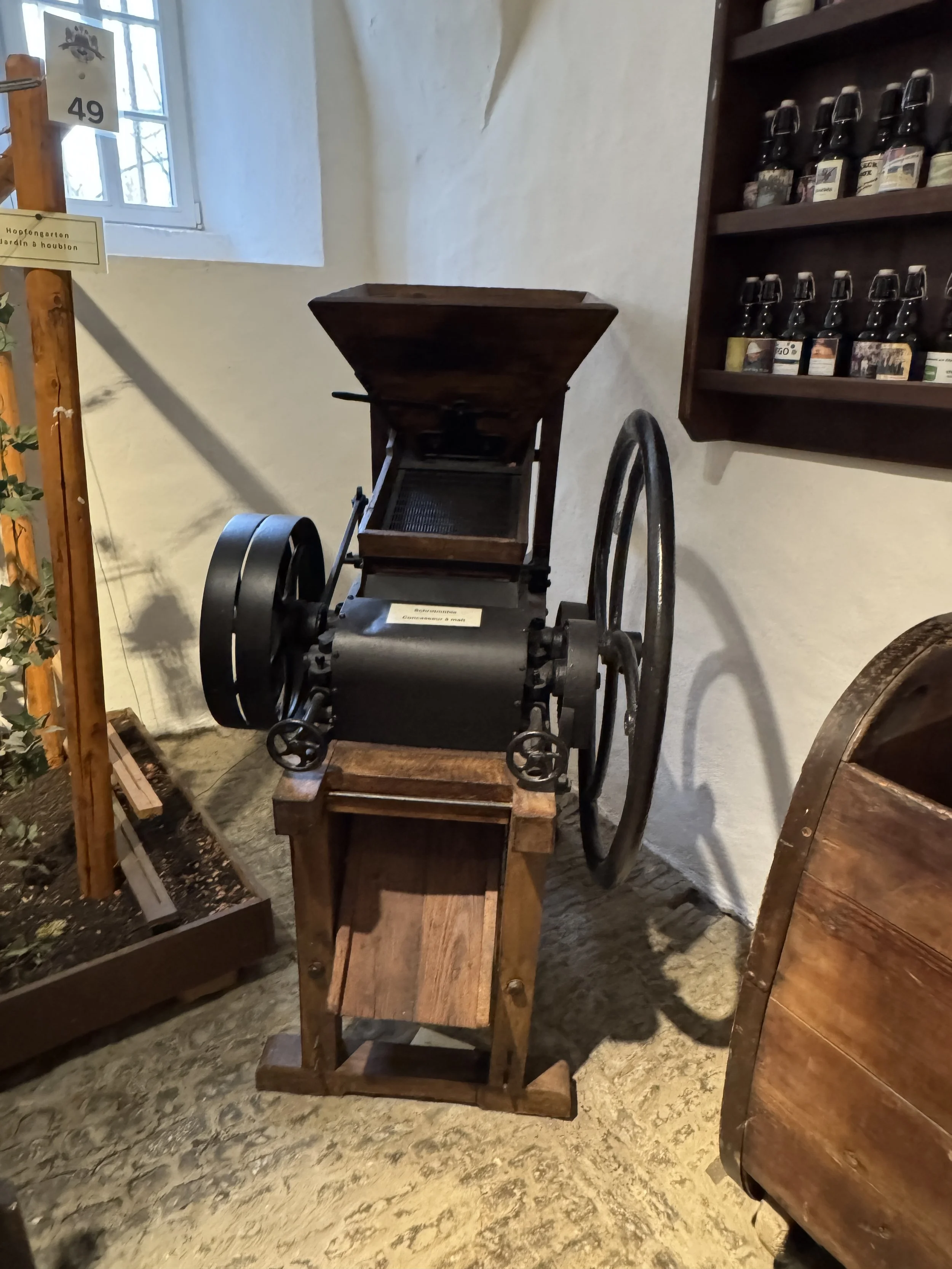
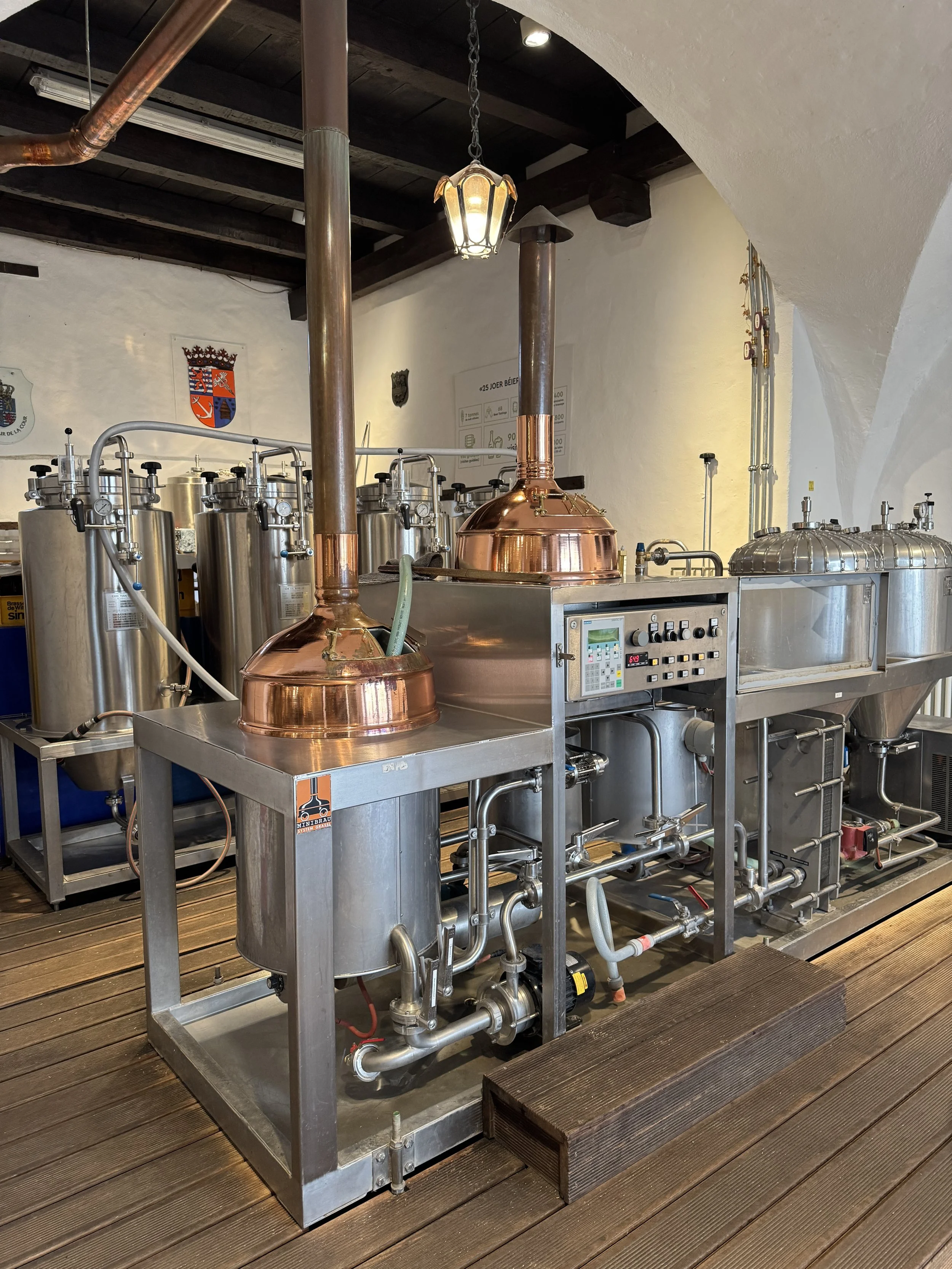
We started the day at the Musée National d'Art Brassicole et de la Tannerie Located in Diekirch, this museum highlights the town’s history as a center for both brewing and leather production. It showcases historic equipment, traditional techniques, and the evolution of these industries, giving insight into the working-class roots that helped shape Luxembourg beyond its castles and landscapes.
There was a small parking garage about two minutes from the entrance, which was ideal given the rain. The person who greeted us was actually the brewmaster, which was a nice touch. We toured independently with an audio guide. Honestly, it wasn’t the most exciting stop. There were a lot of beer steins and pint glasses, plus an exhibition on WWII and some tannery history. They do offer a tasting, or you can take a bottle to go instead. Considering it was 9:50am, we opted for the take-home option.
March 28: Snowy Castles, Rainy Streets & The Great Luxembourg Souvenir Hunt
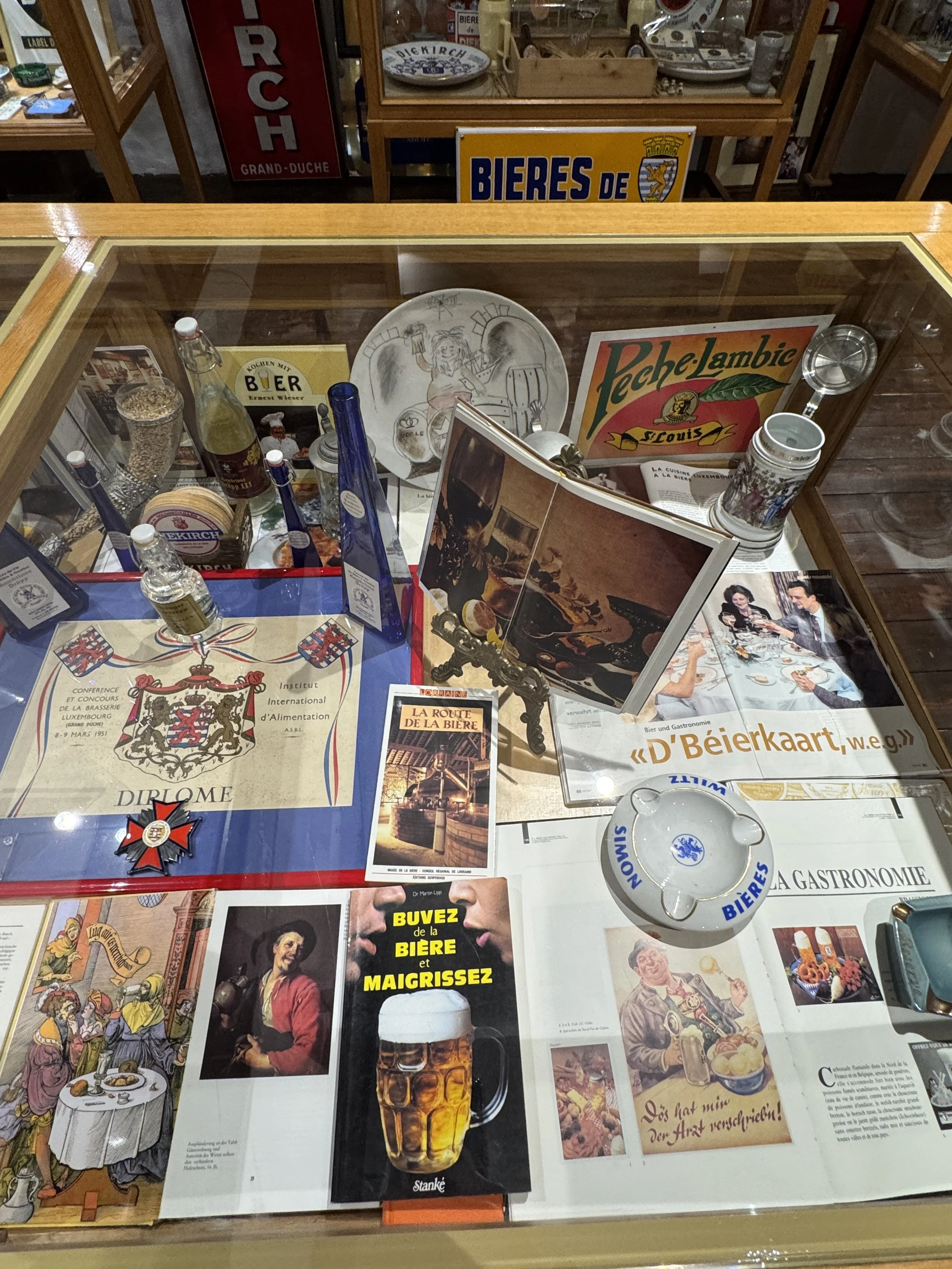
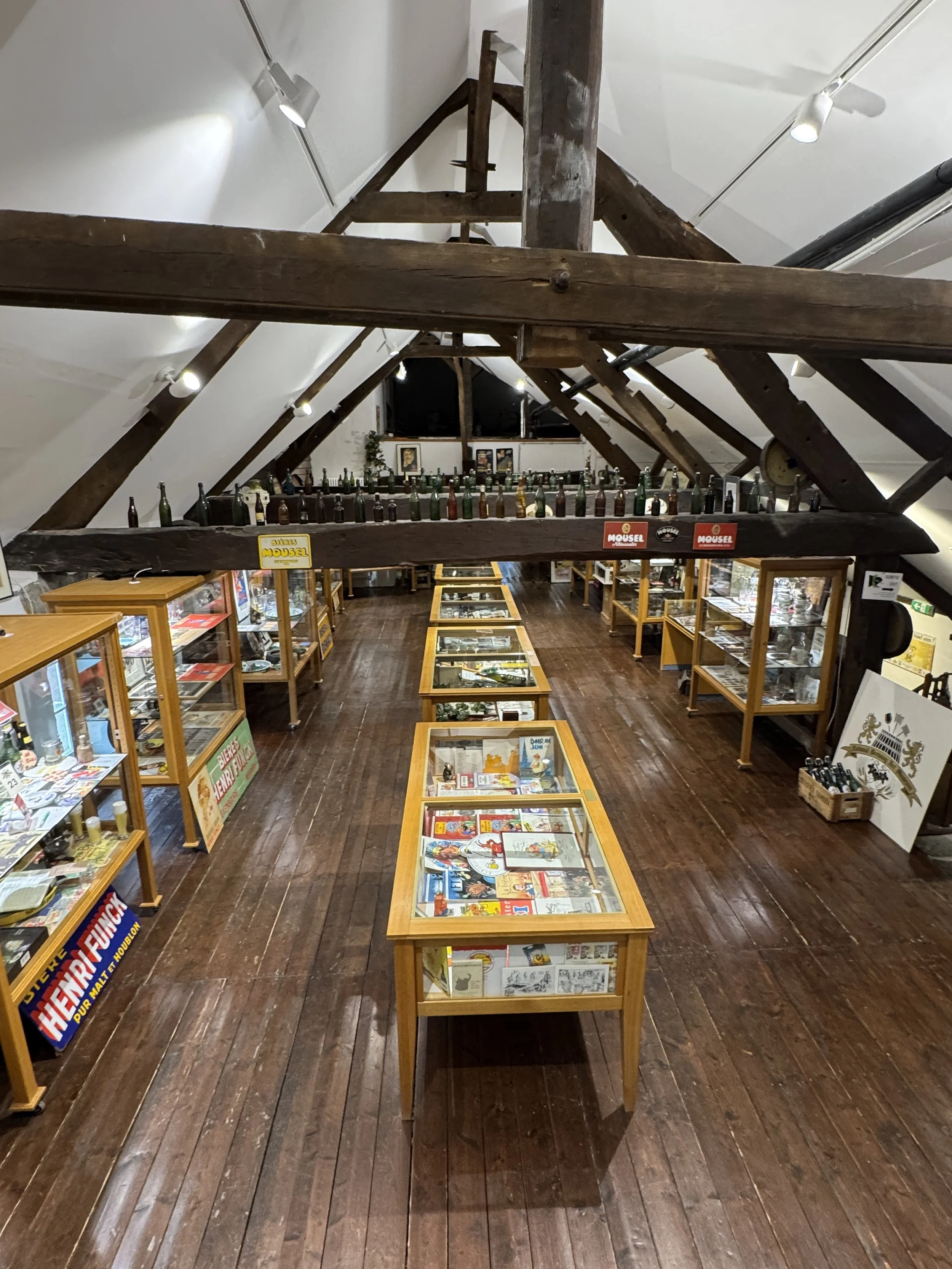
Next, we headed to the Tourist Center Robbesscheier, an open-air cultural center that brings Luxembourg’s rural traditions to life. It’s set on a working farm and offers hands-on demonstrations of traditional crafts, food production, and historic farming techniques. They had a parking lot onsite, but it was fully snowing at this point and the idea of walking around 6 hectares in that weather was a hard no. We skipped exploring further. They did have a pretty busy café, but no visible gift shop.
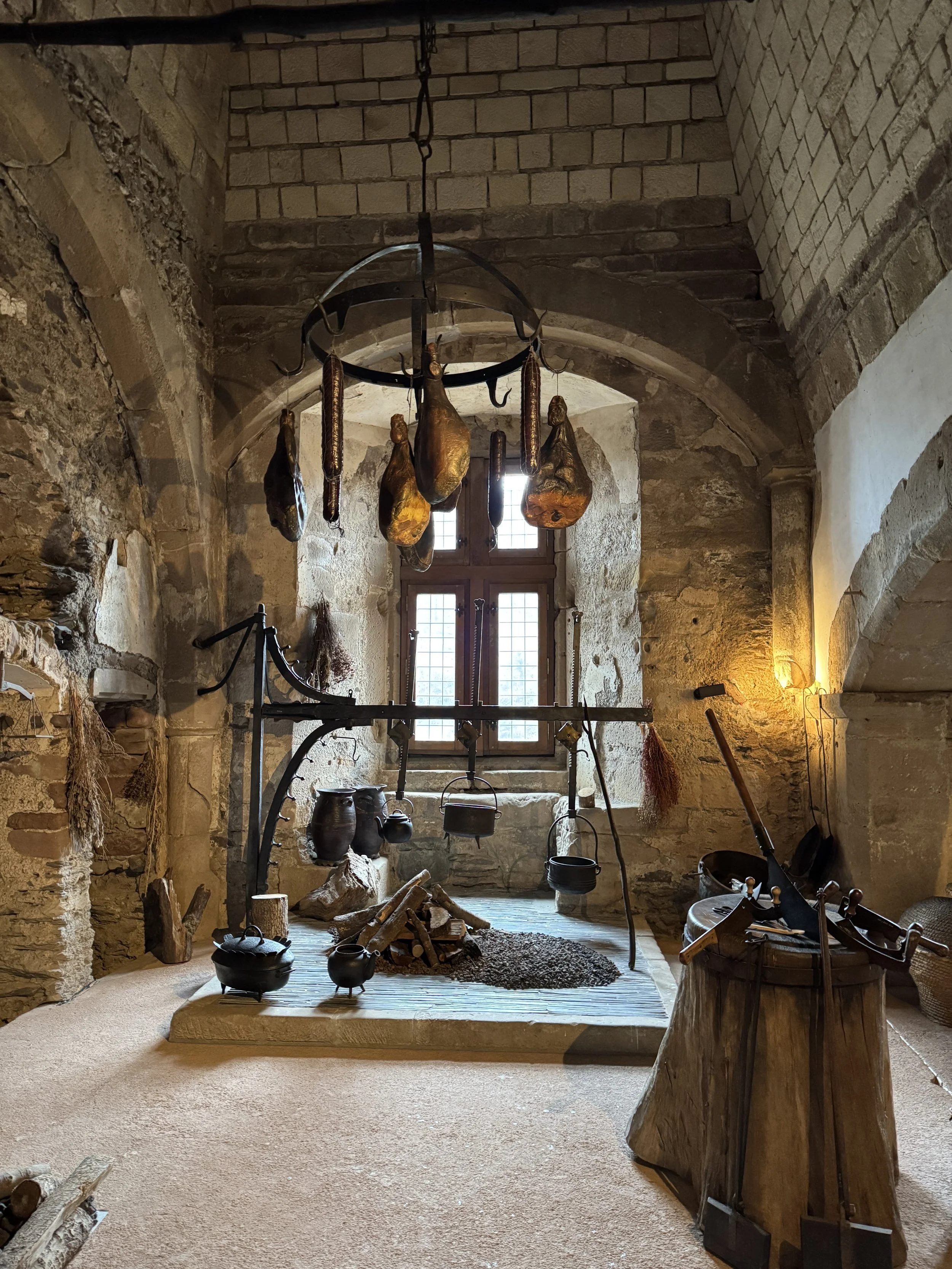
Our next stop was Vianden Castle, one of Europe’s largest and best-preserved medieval fortresses. It was built between the 11th and 14th centuries on the site of an earlier Roman and Carolingian structure and served as the residence of the powerful Counts of Vianden. In 1417, it passed to the House of Nassau, linking it to the future Dutch royal family. After being abandoned and sold off piece by piece in the 19th century, it fell into ruin before undergoing major restoration starting in the 1970s. Today, it’s one of Luxembourg’s most iconic landmarks.
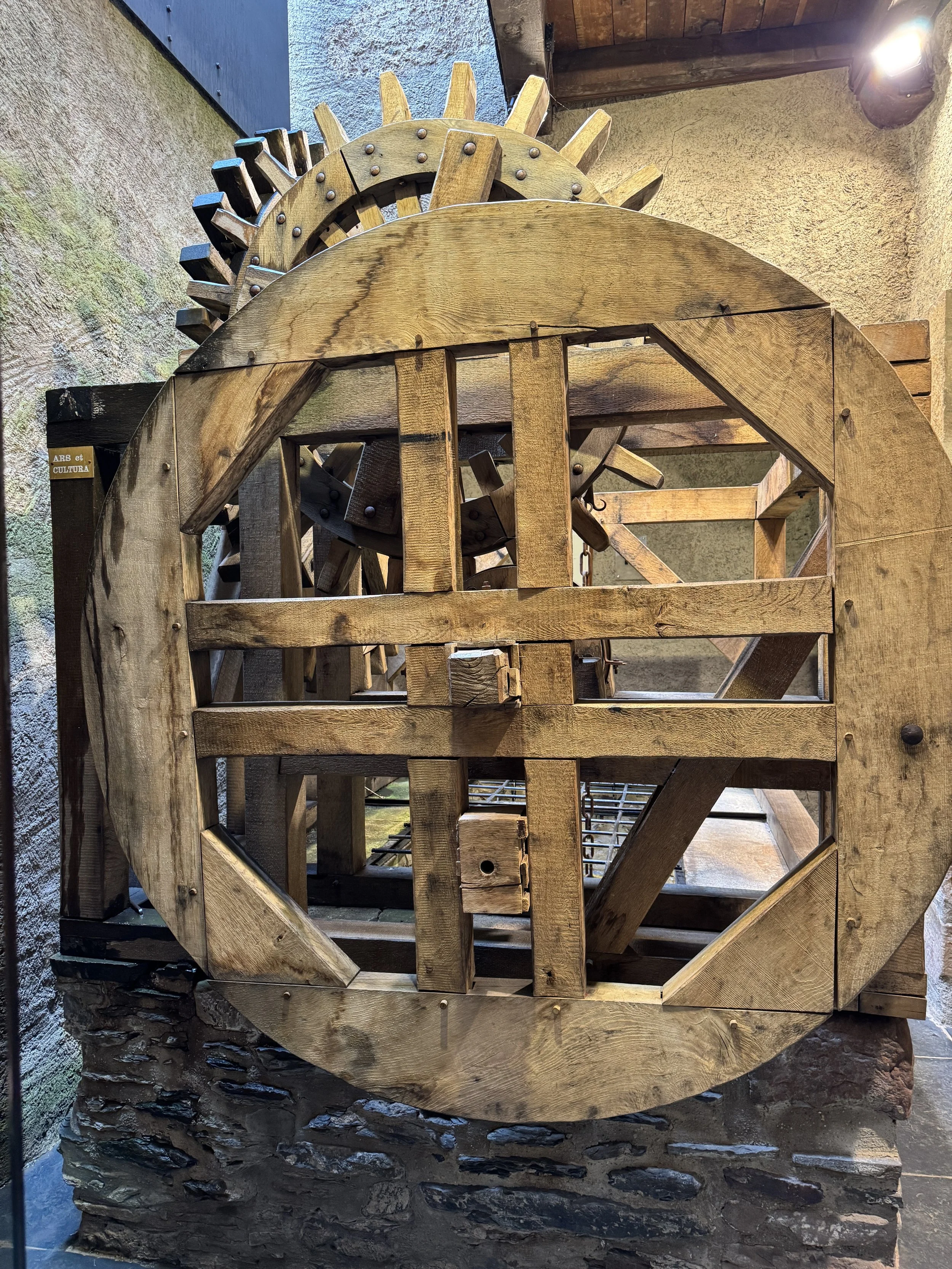
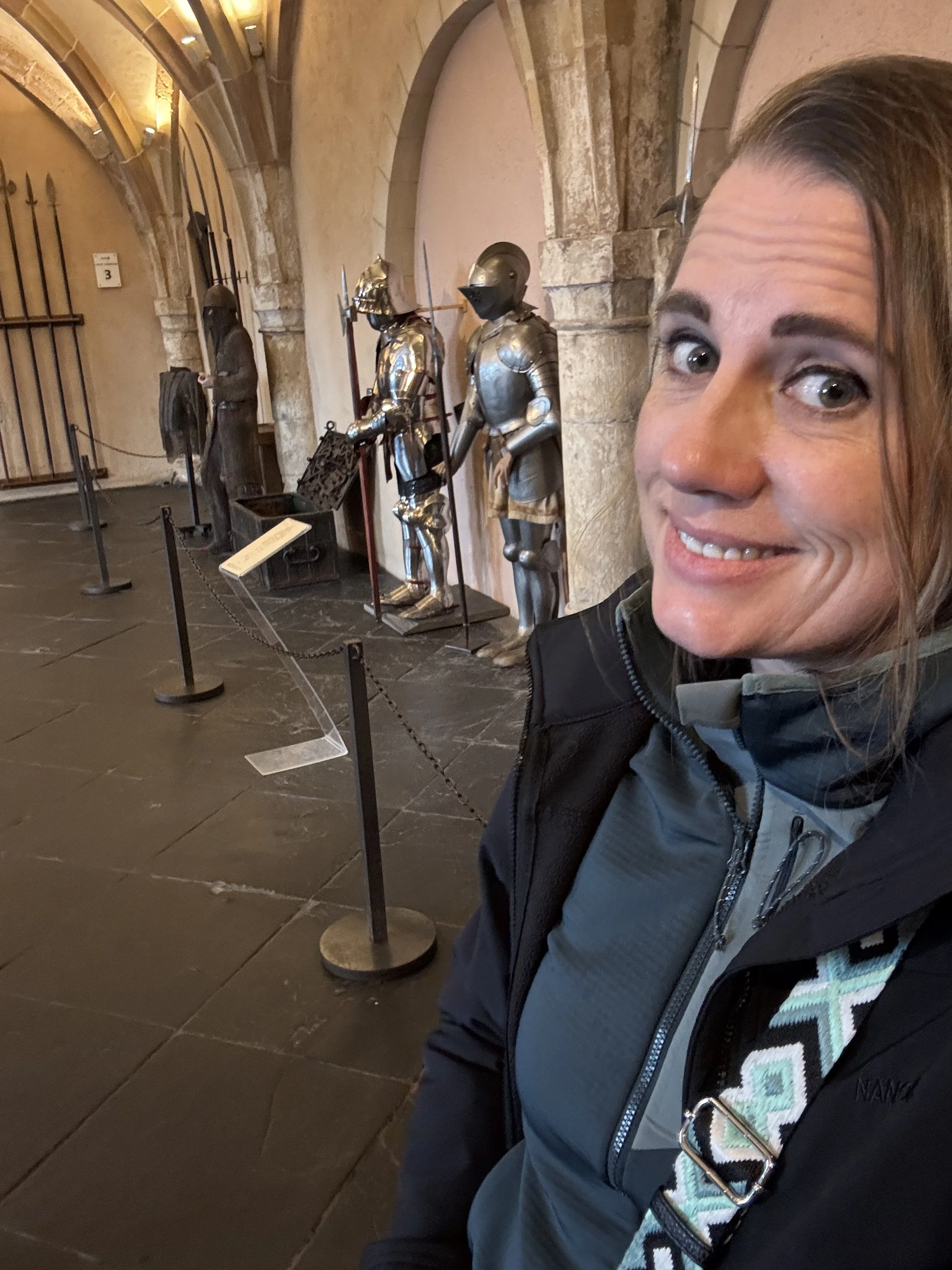
Parking is down the hill and cost about €3 for 75 minutes. Then you hike up a steep hill to reach the entrance. Inside, there are a mix of empty and furnished rooms, and you get to walk through a decent portion of the castle. The day we went, there was some sort of concert happening, so one room wasn’t accessible. One of the coolest things on display was the massive turning mechanism for the old drawbridge. It was HUGE. They also had a café, although most items were out of stock, and a gift shop.
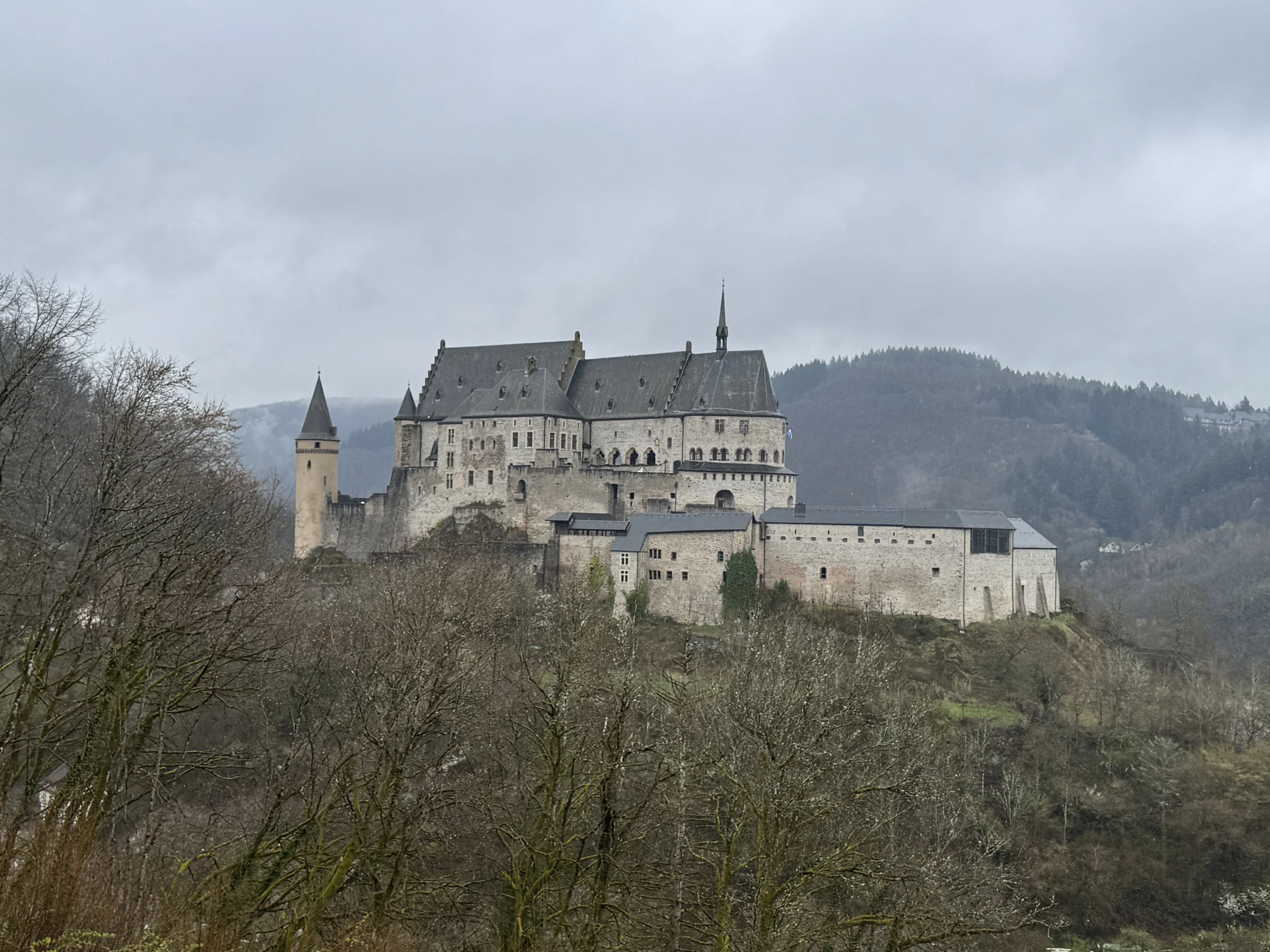
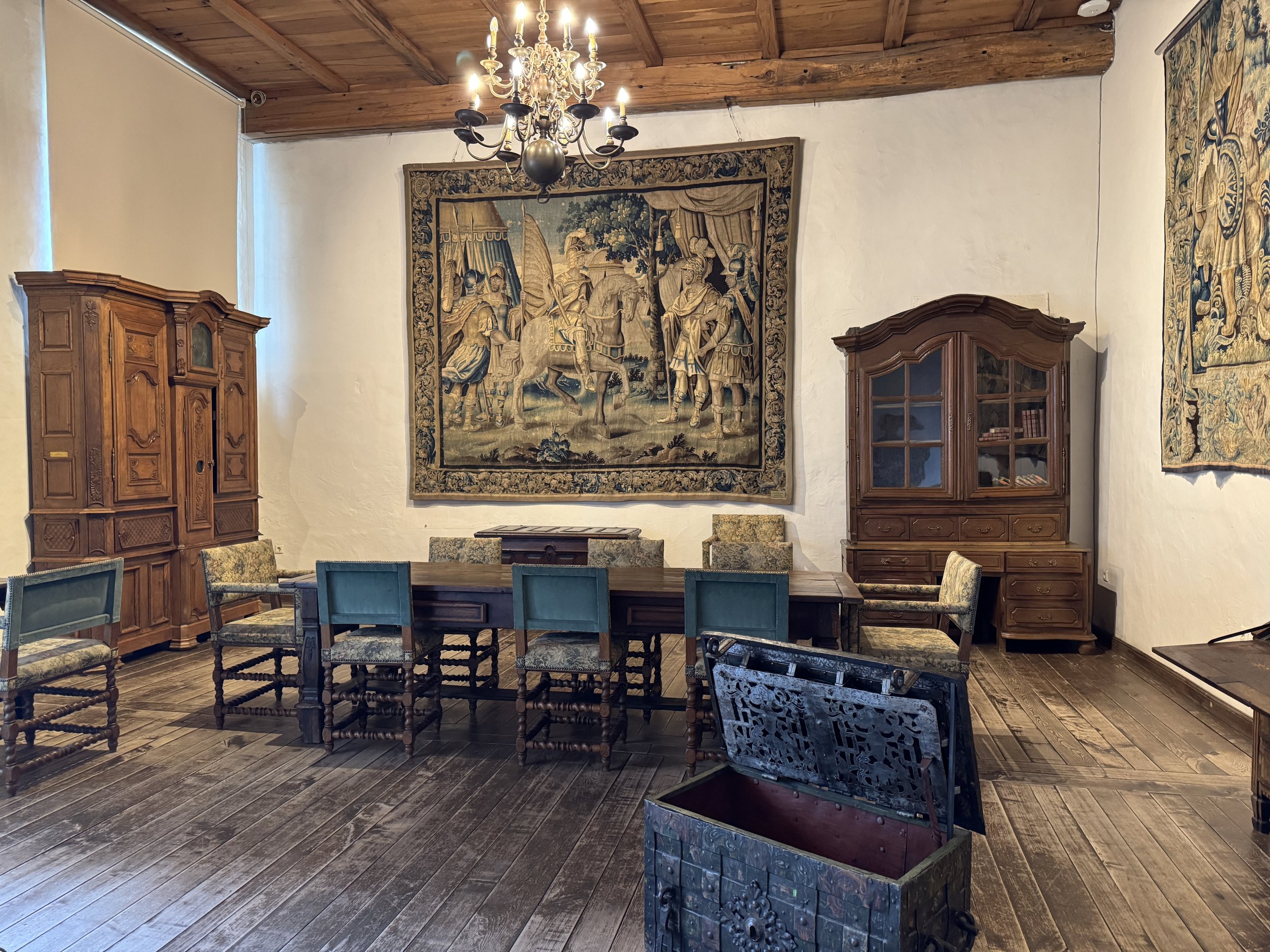
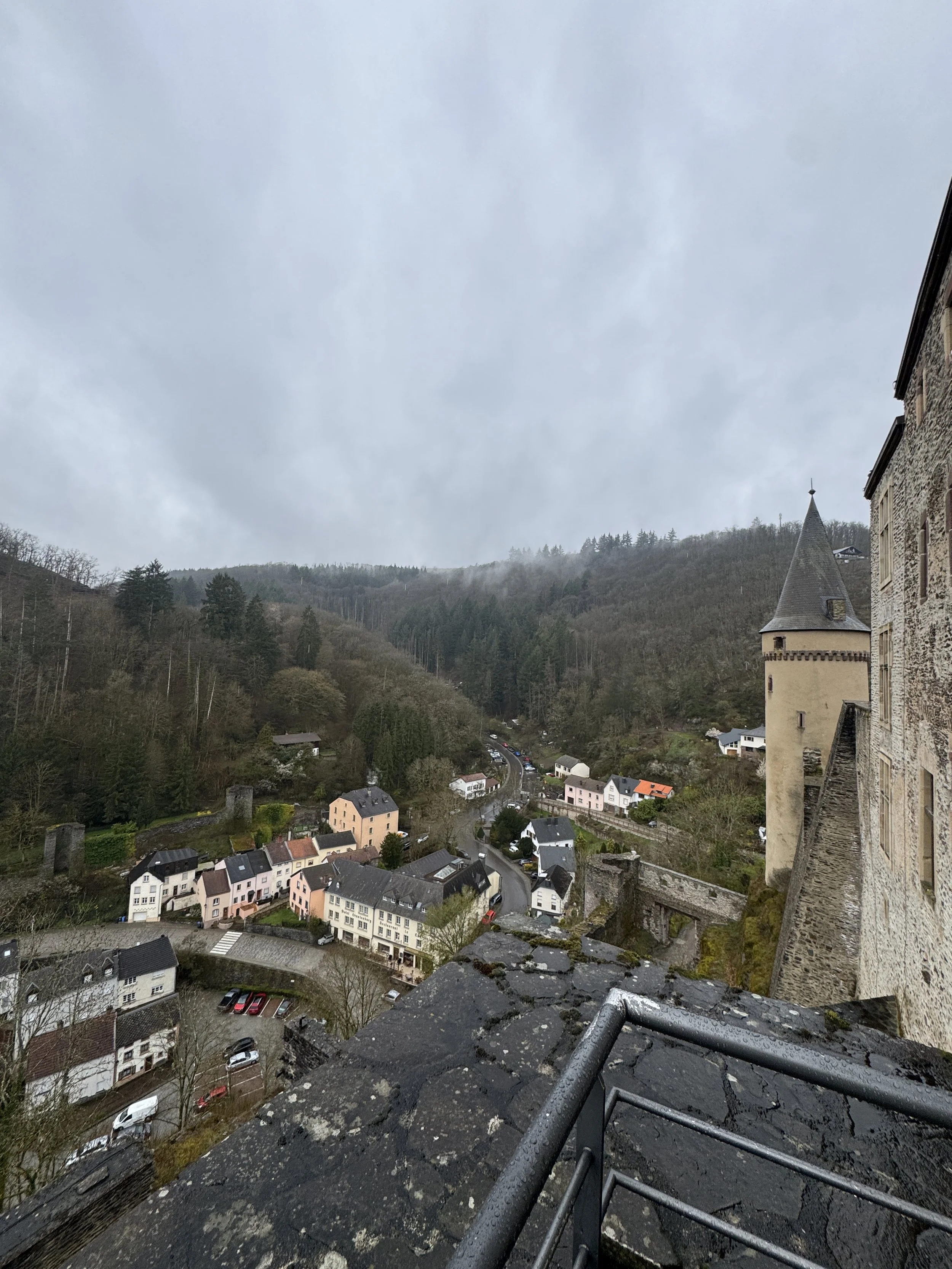
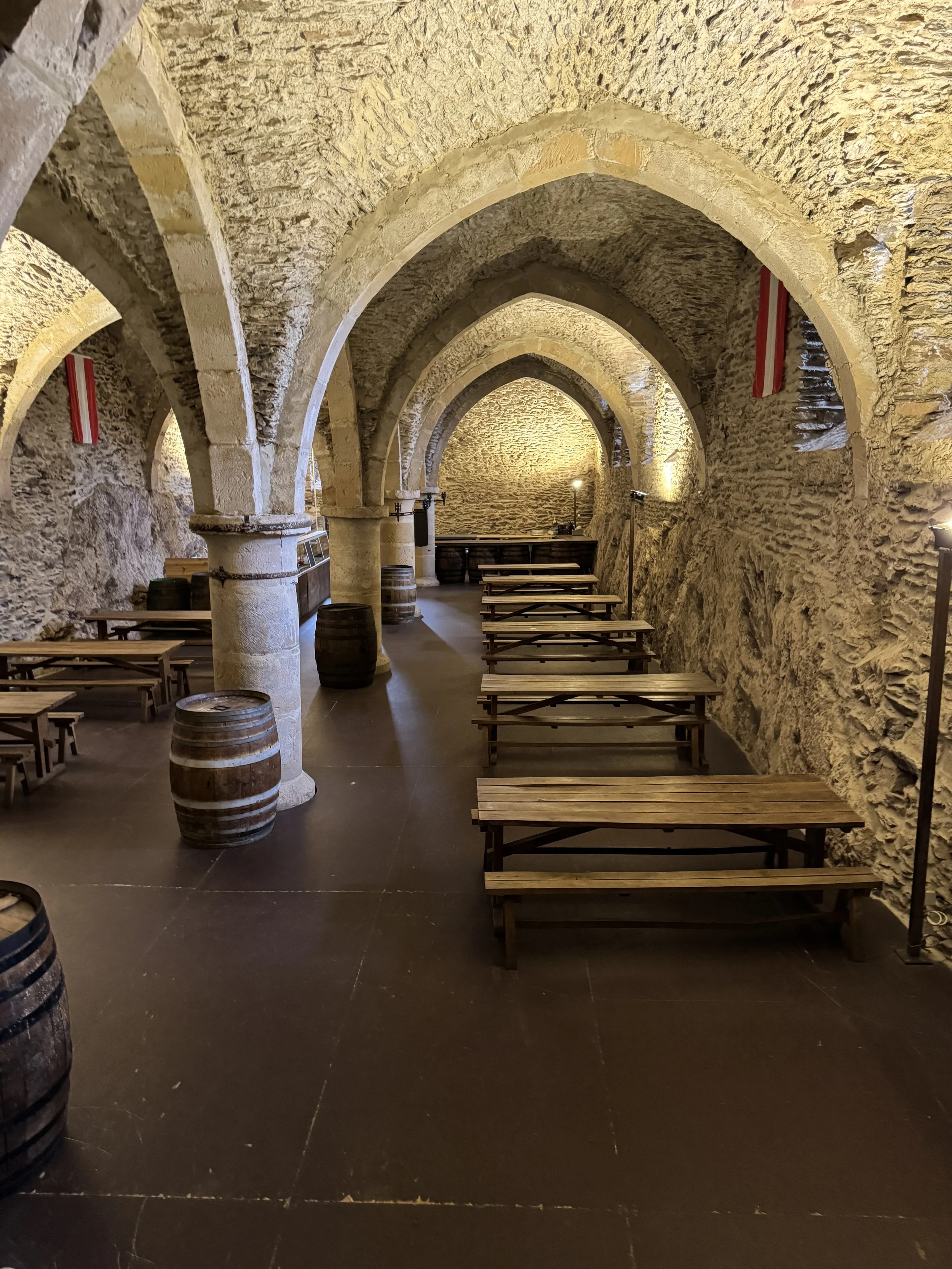
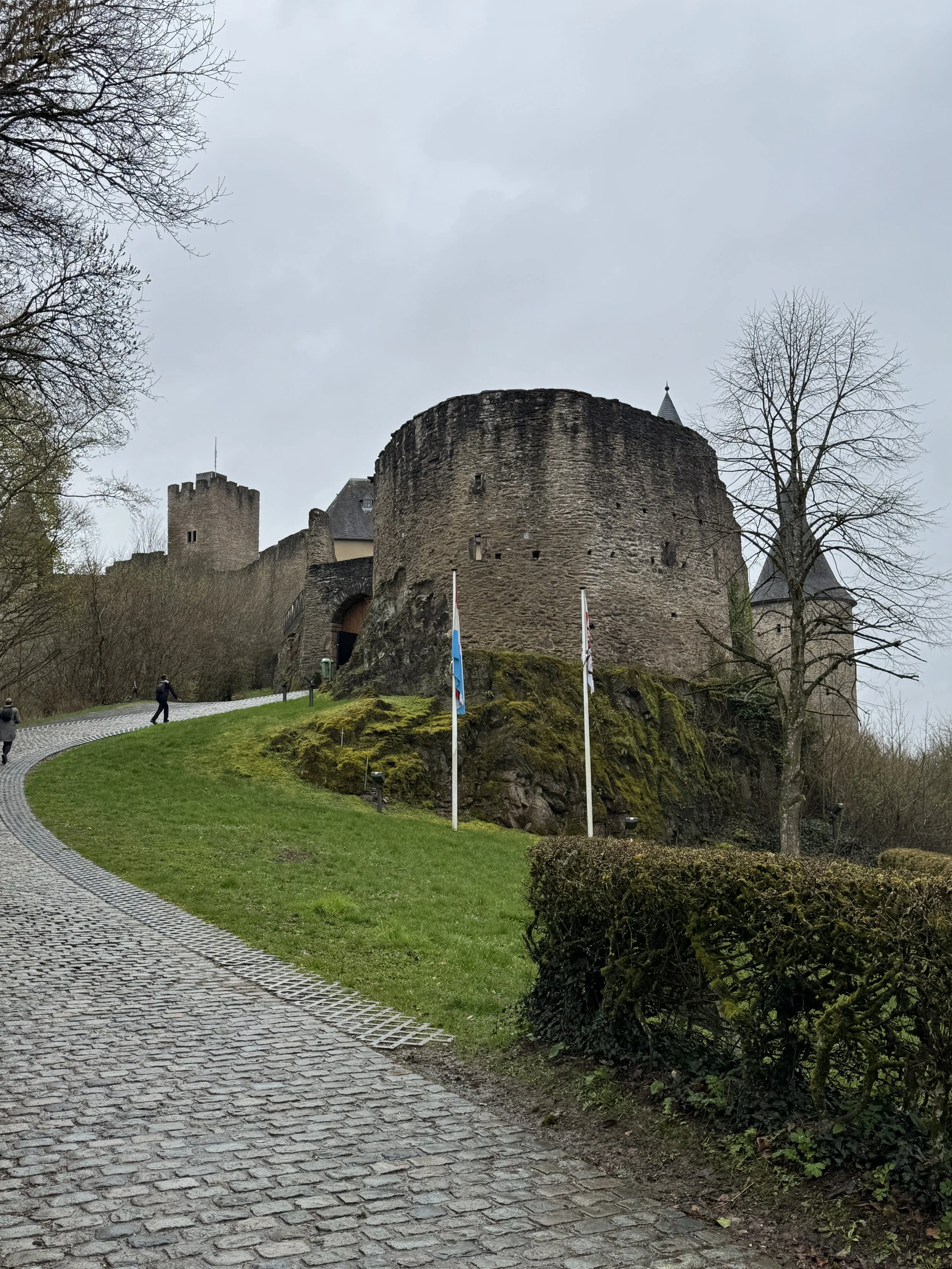
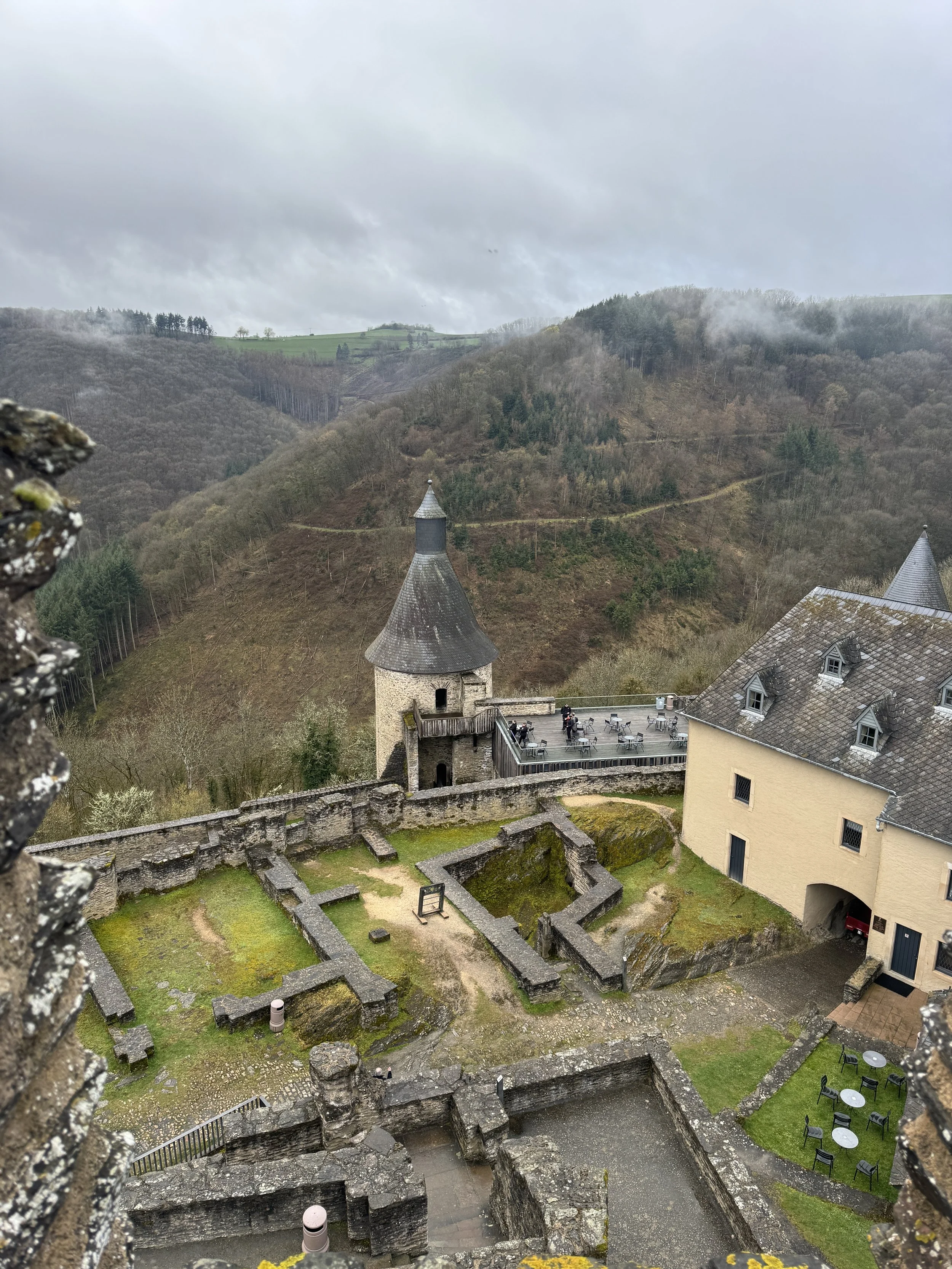
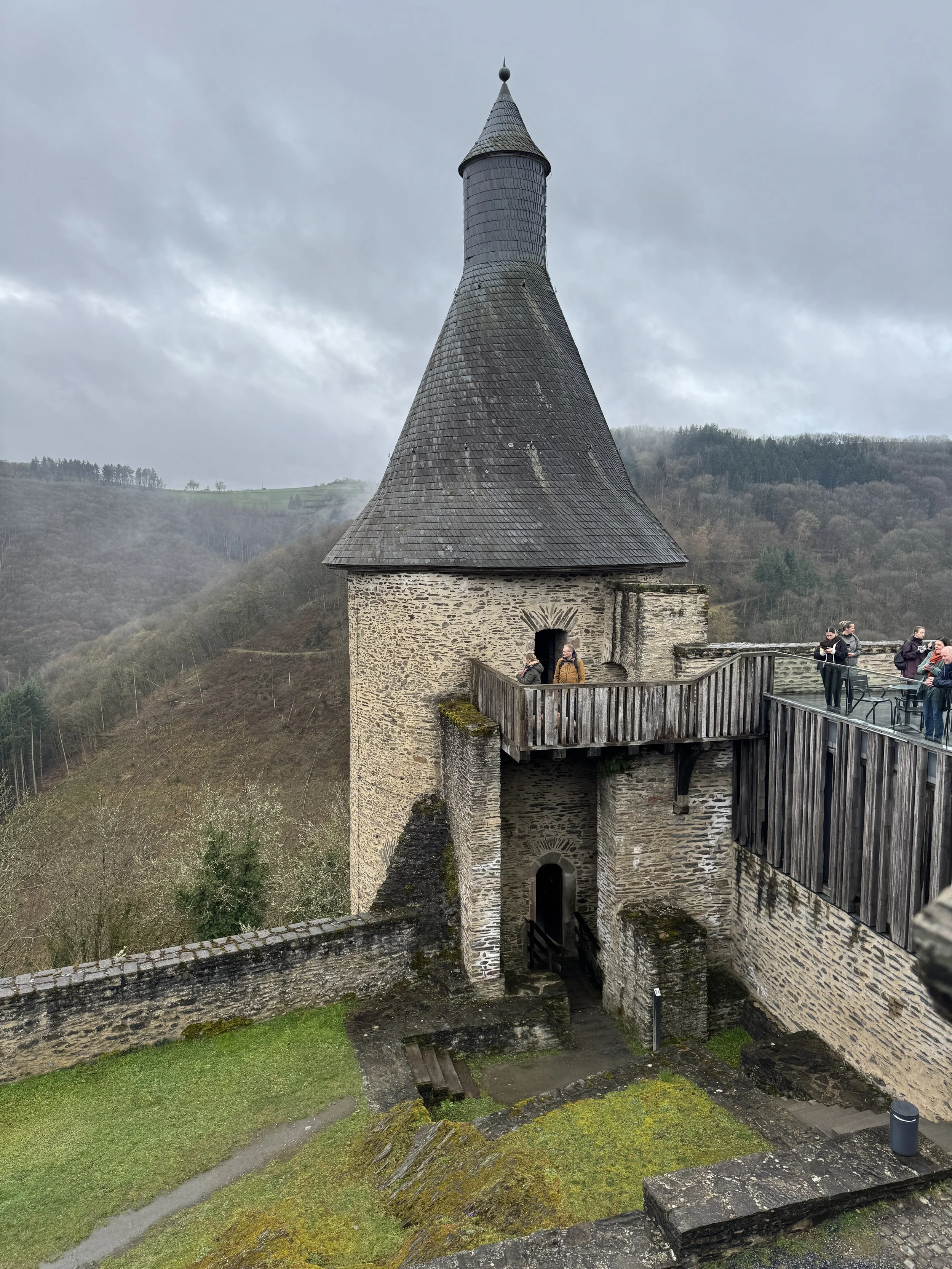
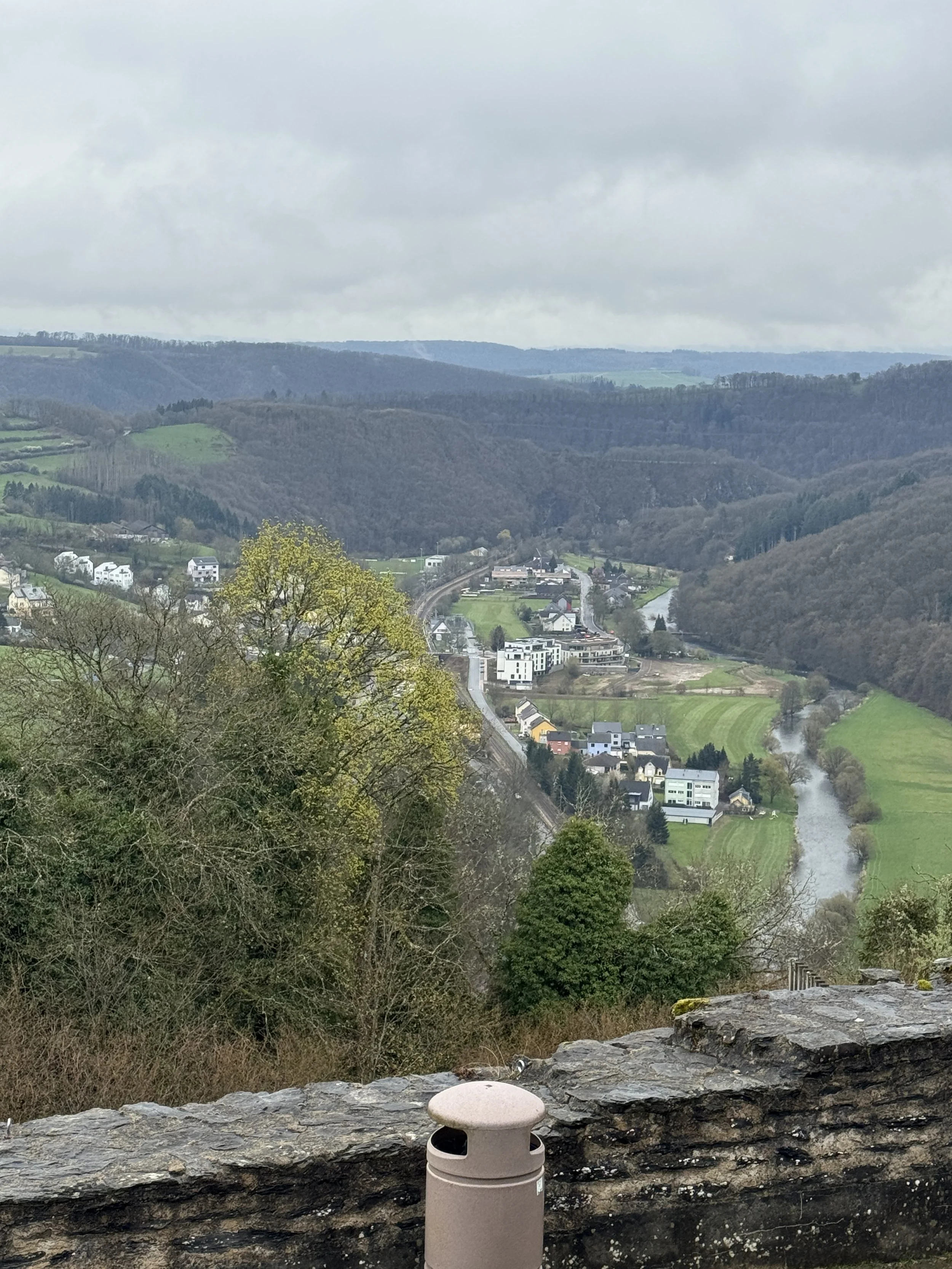
Next up was Bourscheid Castle. This one dates back to around the year 1000 and sits dramatically on a hill overlooking the Sûre River. It was expanded over centuries into Luxembourg’s largest castle, with multiple rings of defensive walls and towers. After being abandoned in the 19th century, it fell into ruin before restoration efforts in the 20th century preserved it as one of the most scenic castle sites in the country.
There’s parking at the bottom of a hill, but this one is a much easier walk than Vianden. The rainy weather actually added to the atmosphere here. This is more of a preserved ruin, with mostly open-air areas and no furnished rooms. You can climb up into one of the towers, and the views of the town below are fantastic from pretty much anywhere. There’s a small café and gift shop where you check in.
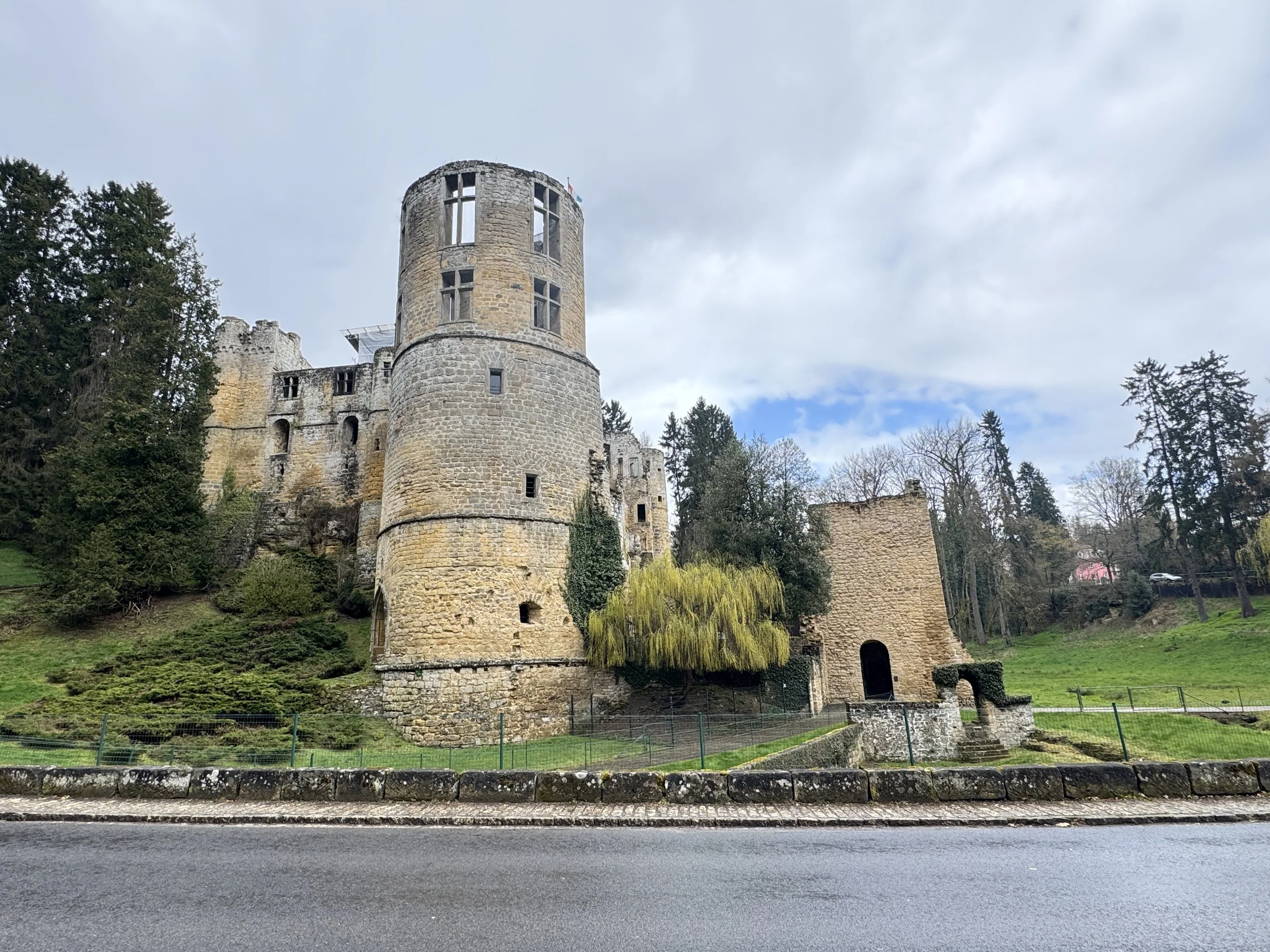
Our third castle was Les châteaux de Beaufort, which is actually a complex with two castles: a medieval fortress and a later Renaissance residence. The medieval castle dates back to the 11th century and was expanded over time with towers, moats, and defensive walls. By the 17th century, a Renaissance-style château was added nearby, reflecting a shift from defense to comfort. The medieval castle eventually fell into ruin, but both structures have since been restored and preserved.
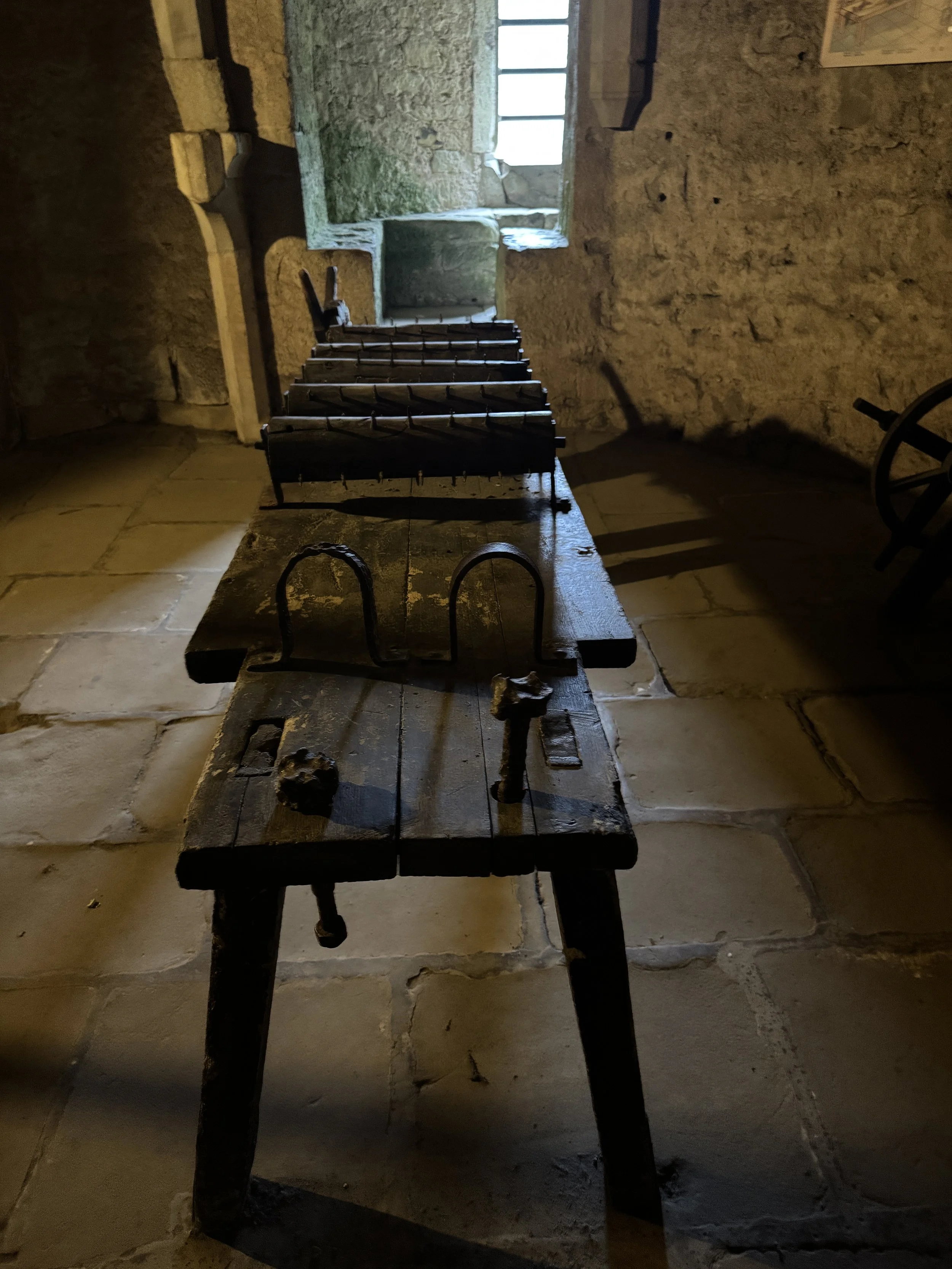
There’s parking right next to the entrance. We only explored the ruins and didn’t see much information about the Renaissance château. There was construction happening during our visit, so parts were closed off. One unique feature here compared to the others was an old prison and torture chamber. Most of the site is outdoors, but there are a few enclosed rooms you can walk through. Like the others, it’s not furnished. At the end, they offer a sample of Cassero, a black currant liquor made in the castle’s cellar since 1939. It was actually pretty interesting, and I ended up buying a small bottle to bring back for my boyfriend’s dad.
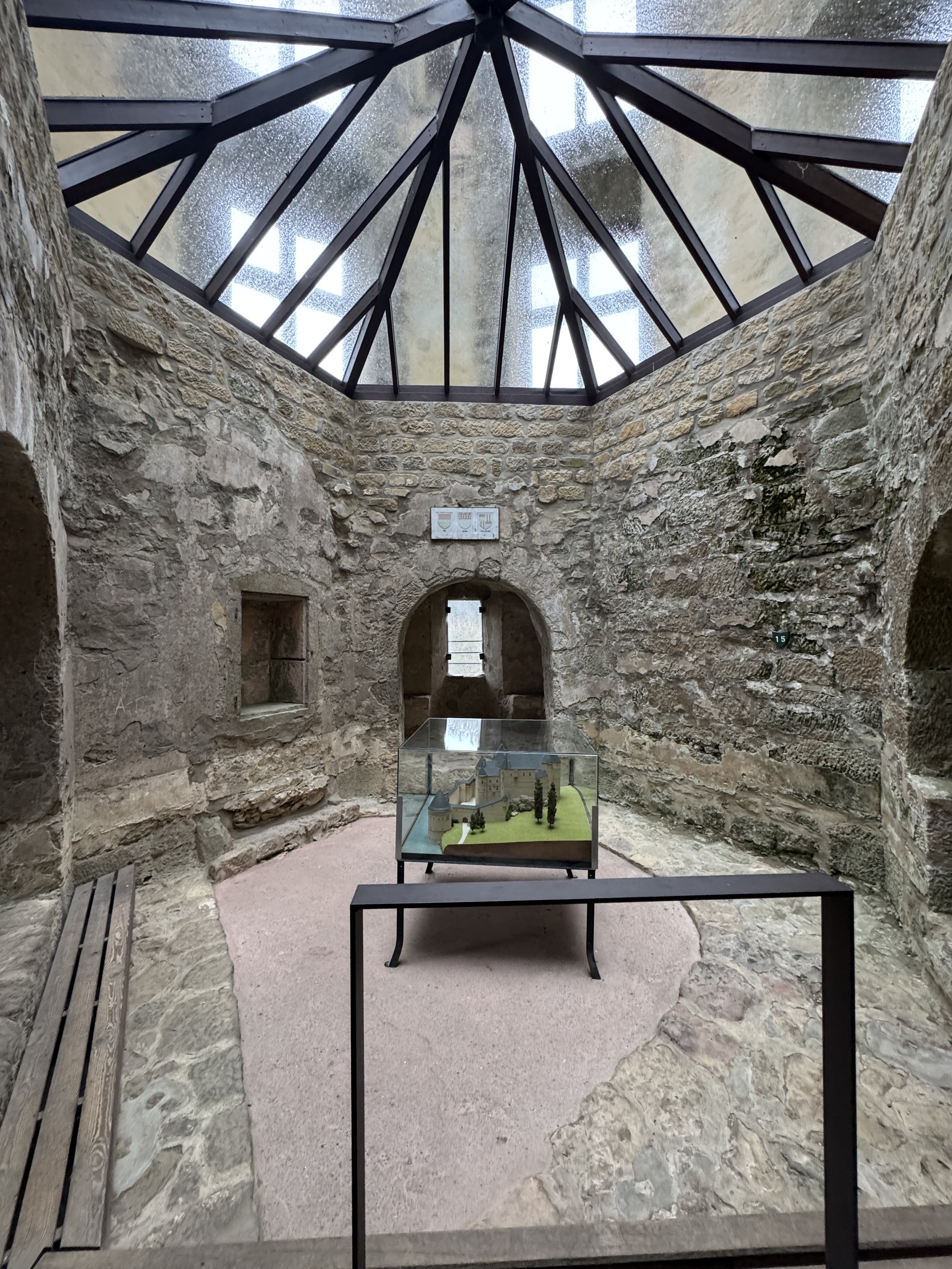
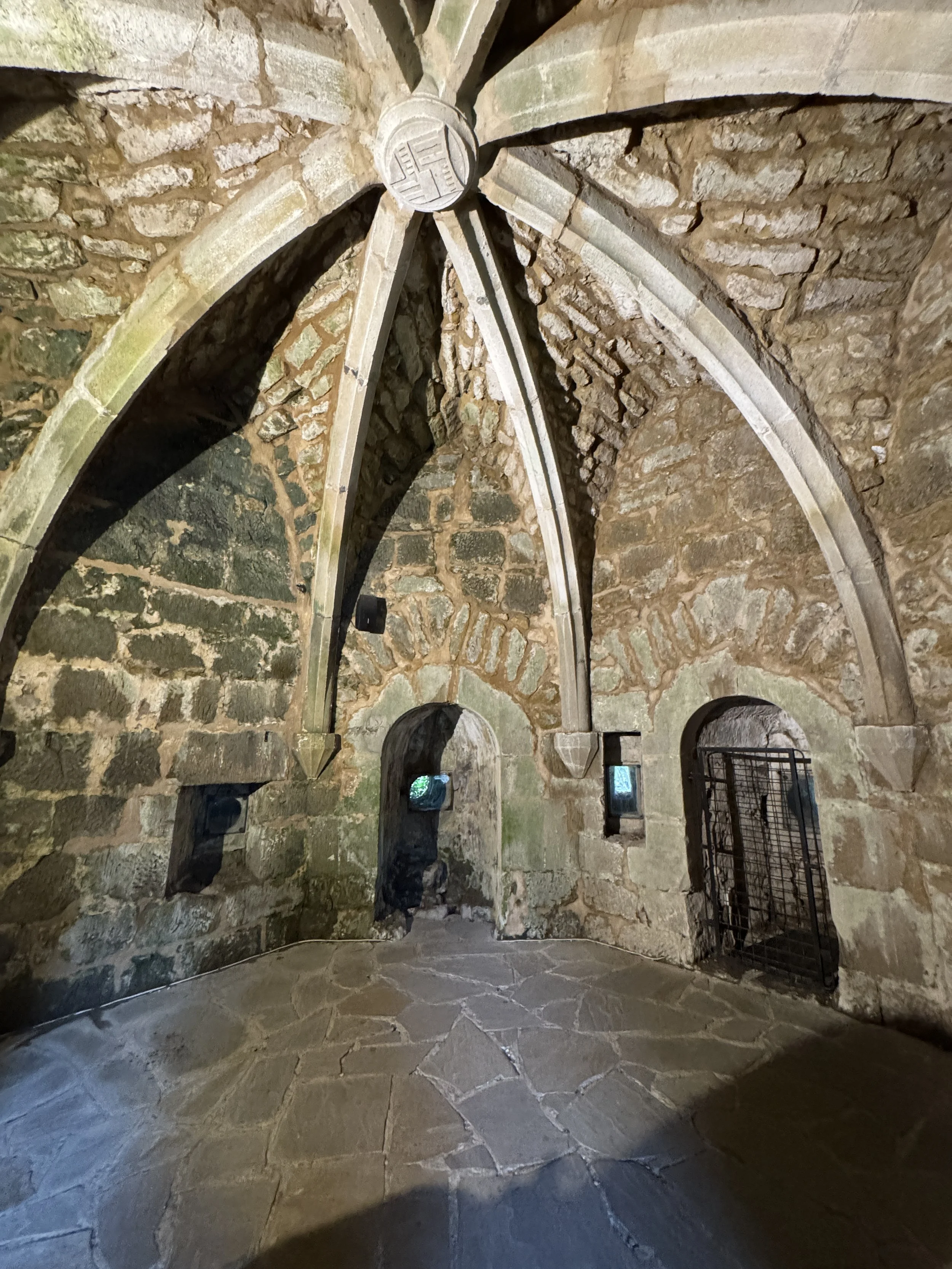
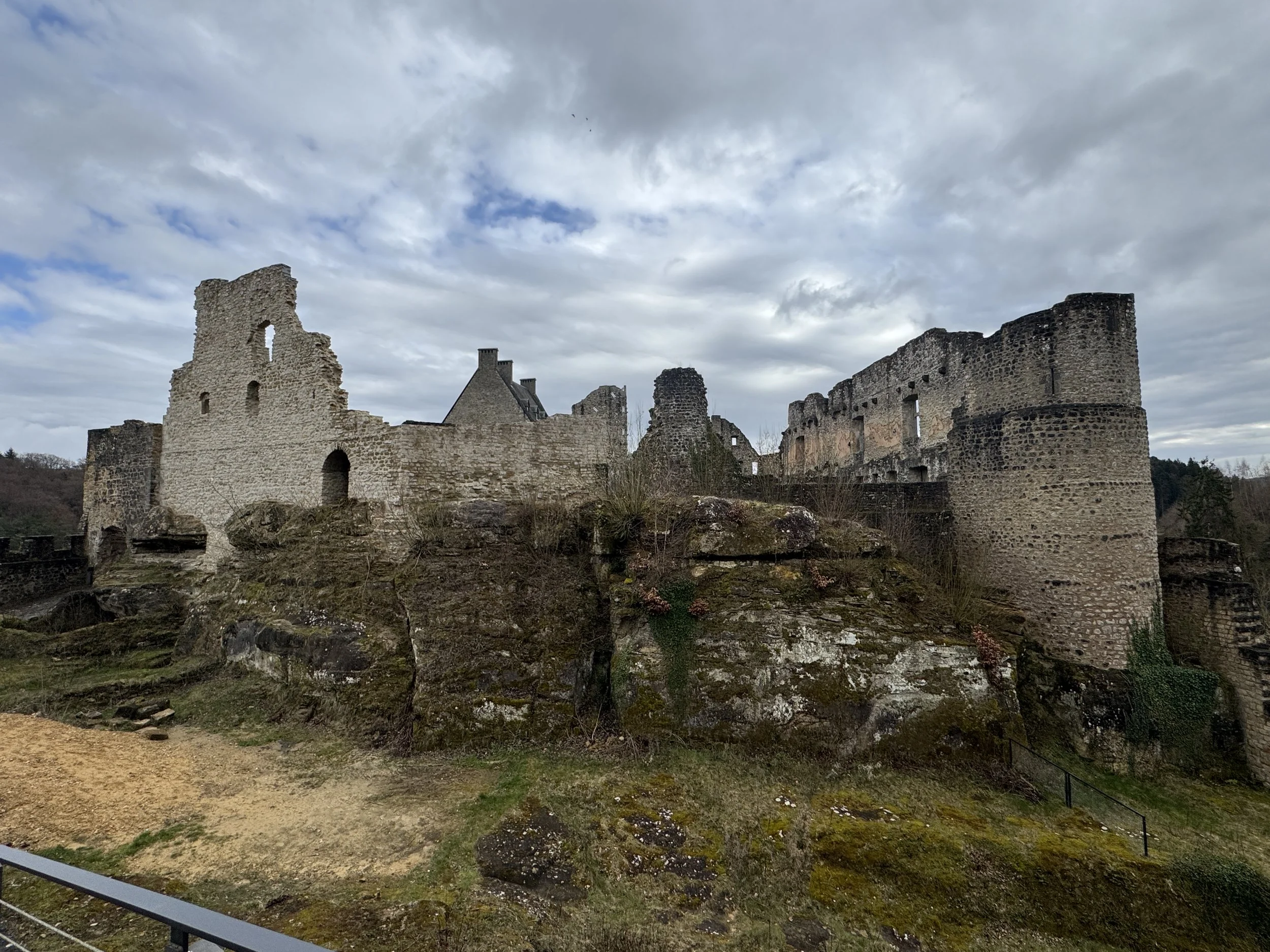
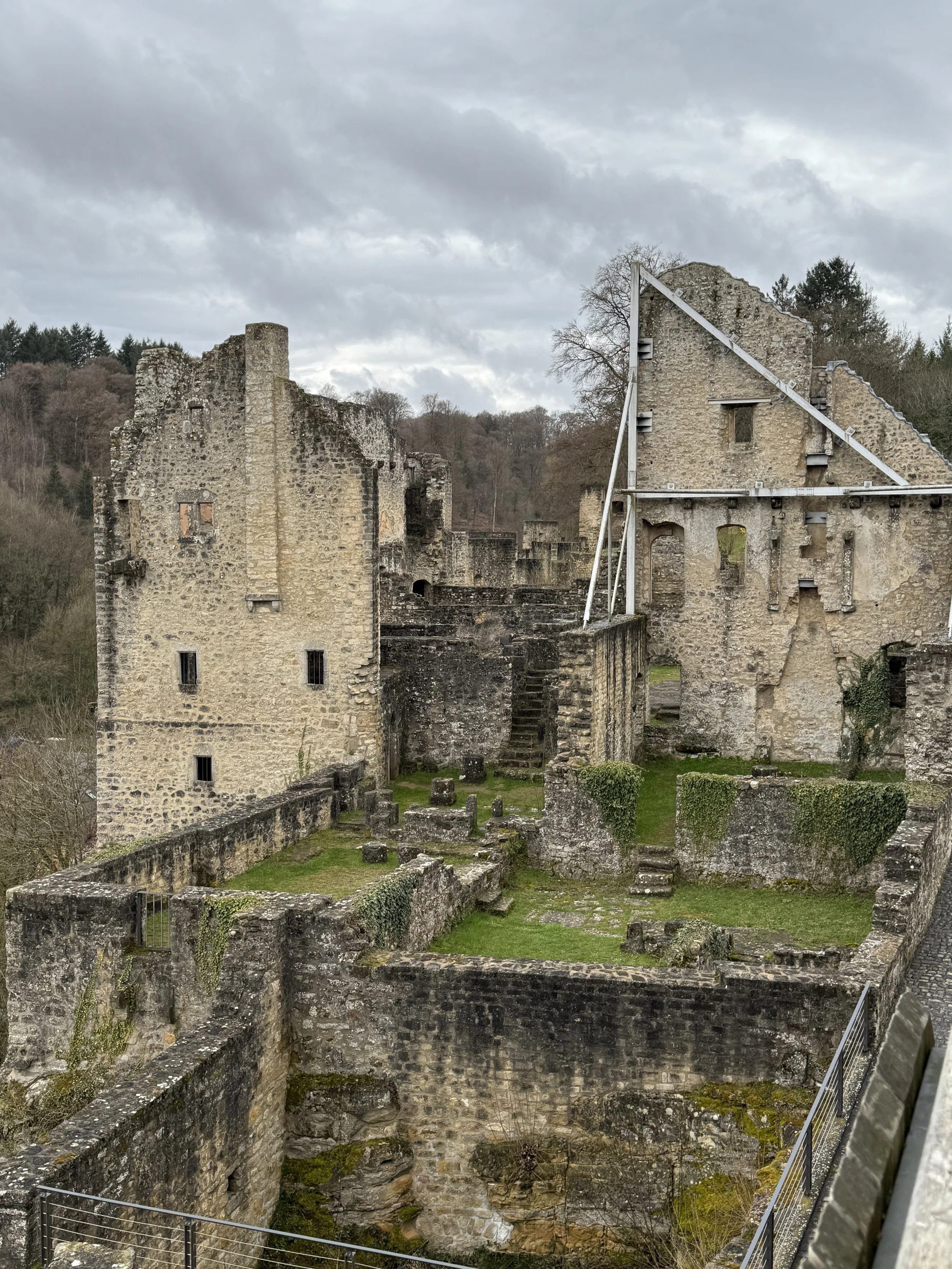
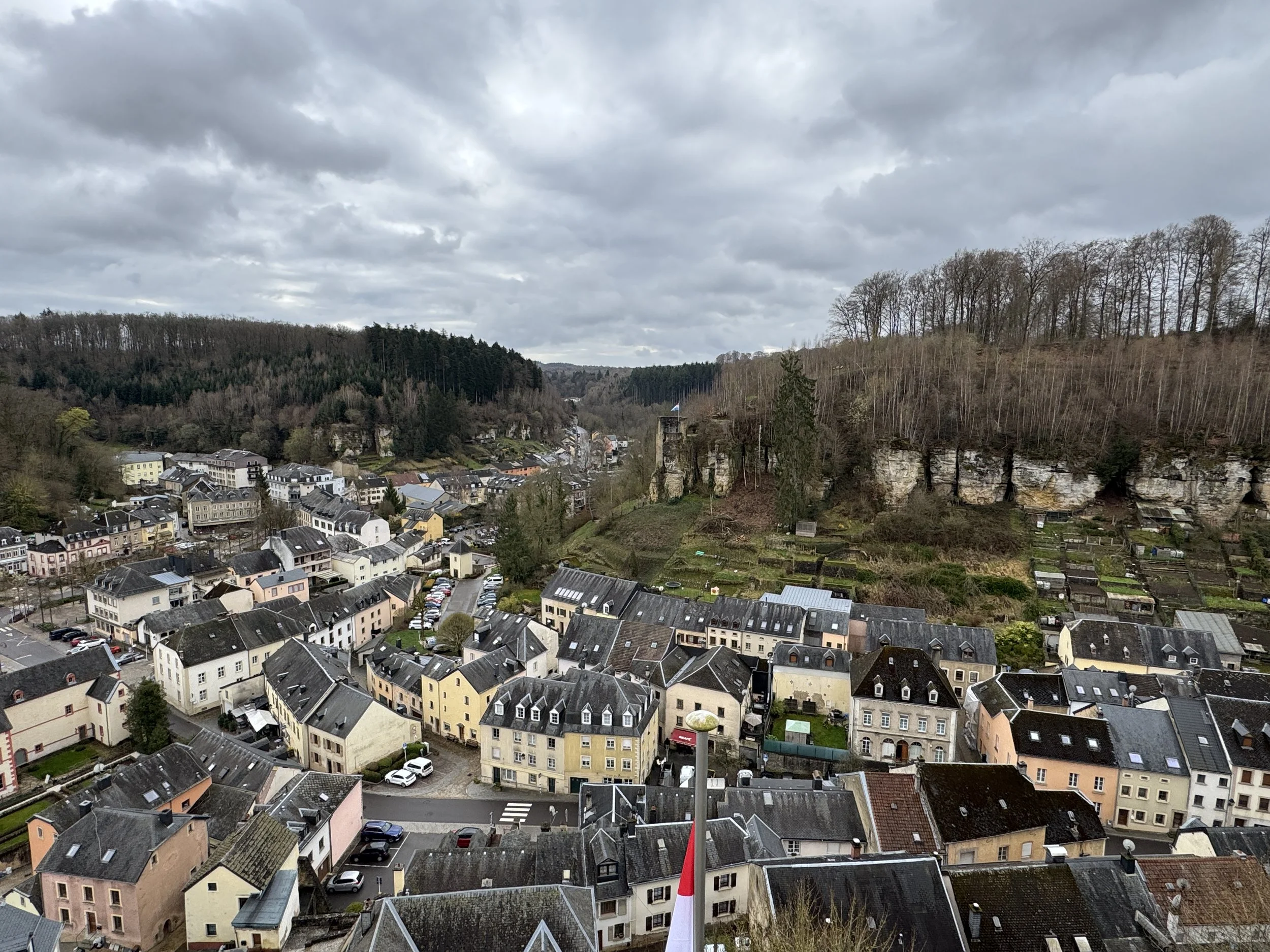
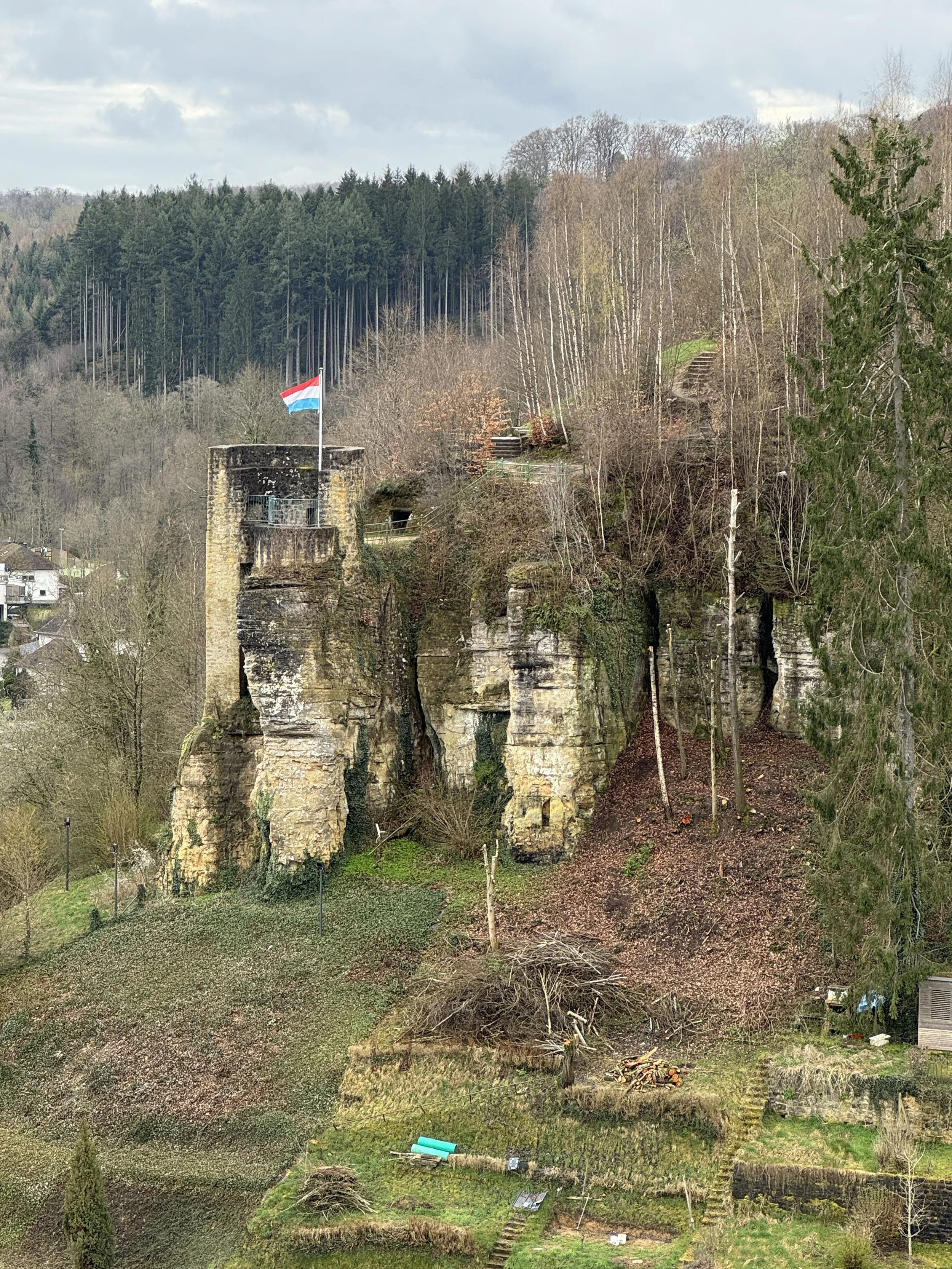
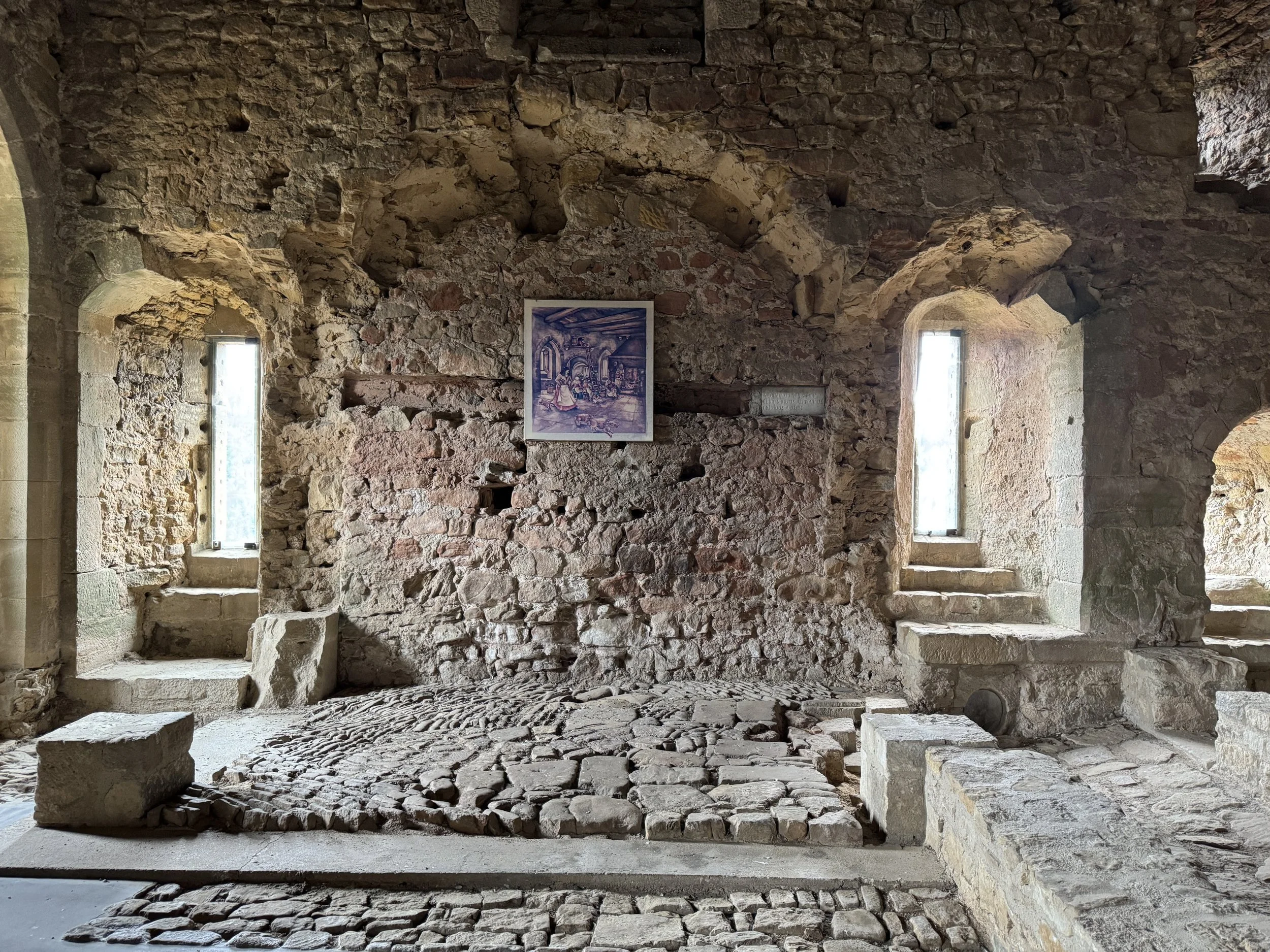
To wrap up the castle tour, we went to Larochette Castle. Dating back to the 11th century, it sits on a rocky cliff above the town and was once home to powerful local lords serving the Counts of Luxembourg. It eventually became a complex of multiple noble residences before being destroyed by a major fire in the late 16th century and never rebuilt.
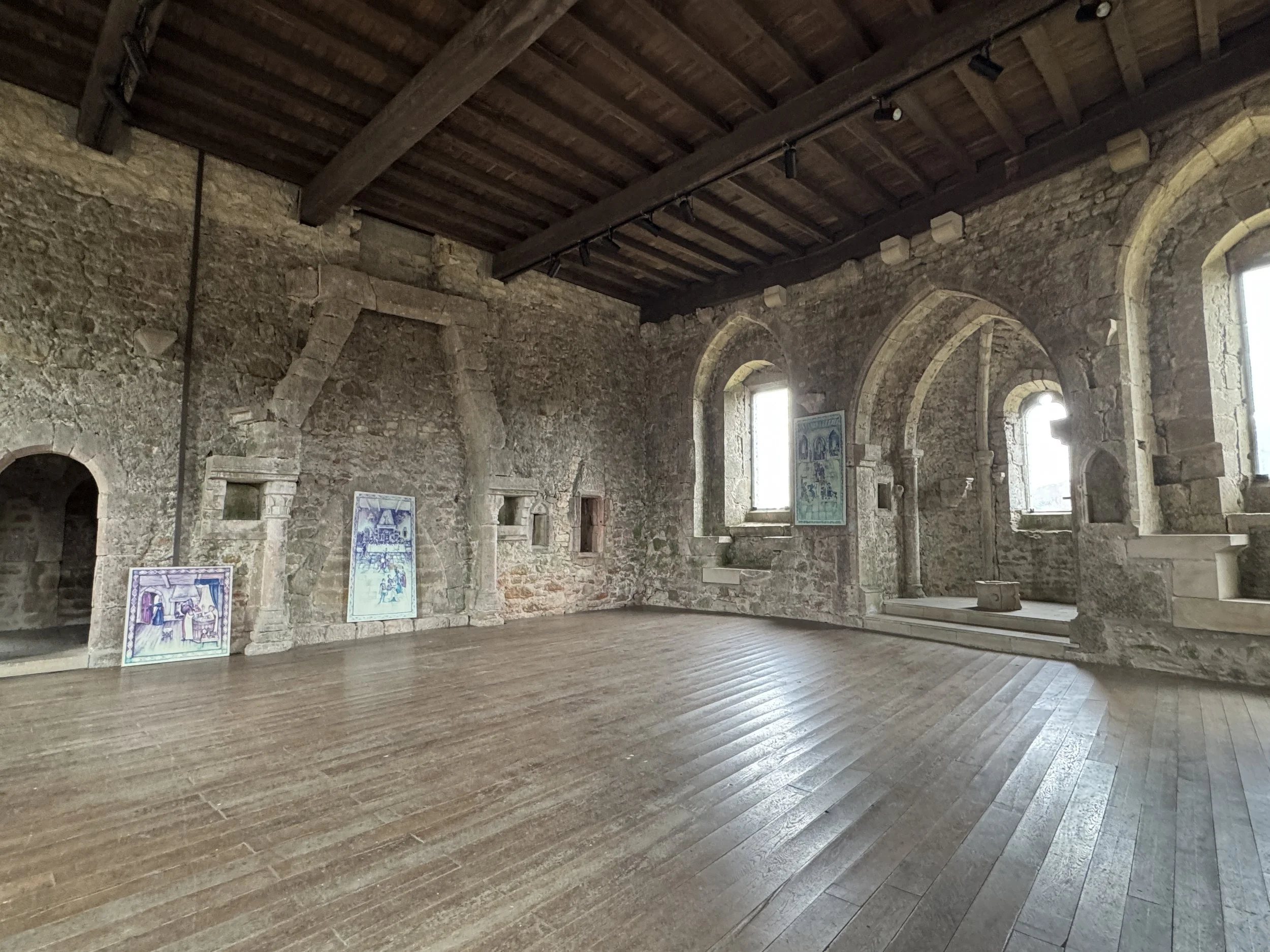
Today, parts of the castle—especially the Créhange house—have been restored, while the rest remains atmospheric ruins. Parking is right next to the entrance, which was a nice change. Like the others, most of it is open-air, but you can wander freely throughout. There’s an upstairs area with preserved rooms and even a view down into their large well. At the top, you also get a great view of the town below. They had restrooms but no food options or gift shop, at least when we visited.
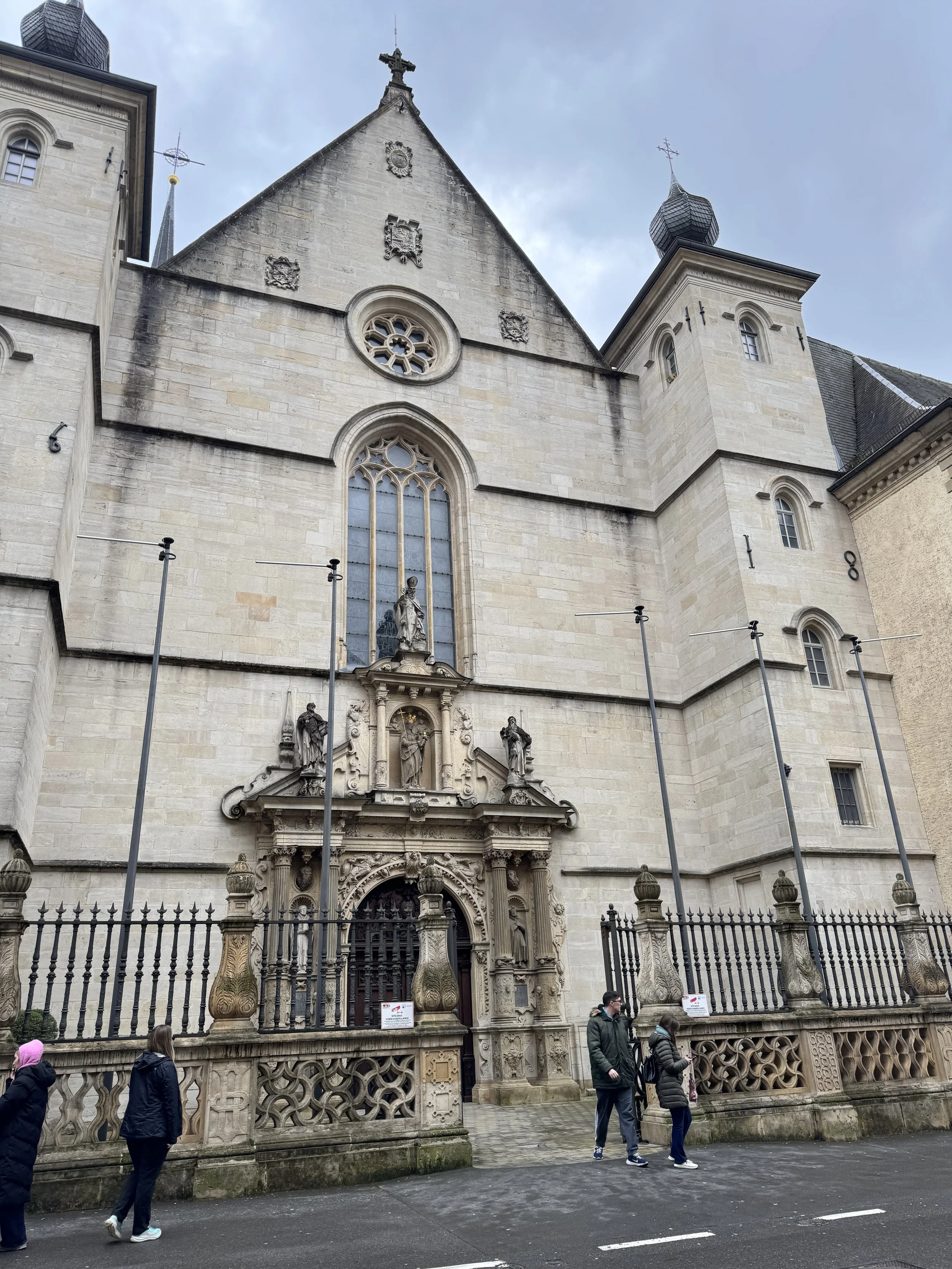
After castle hopping, we headed into town and parked at Parking Wilhelmsplatz. From there, it was a short walk to Cathédrale Notre-Dame. Originally built in 1613 by Jesuits as a church for their college, it features late Gothic architecture with some Renaissance influence, giving it a slightly different look compared to classic French cathedrals. In 1870, it became a cathedral when Luxembourg formed its own diocese, and later expansions added its iconic spires.
Inside, it’s known for its stained glass, the crypt holding members of Luxembourg’s royal family, and the revered statue of the Virgin Mary, which is a national symbol. It was beautiful, but honestly less impressive than Antwerp. It’s free to enter, and you can wander around at your own pace.
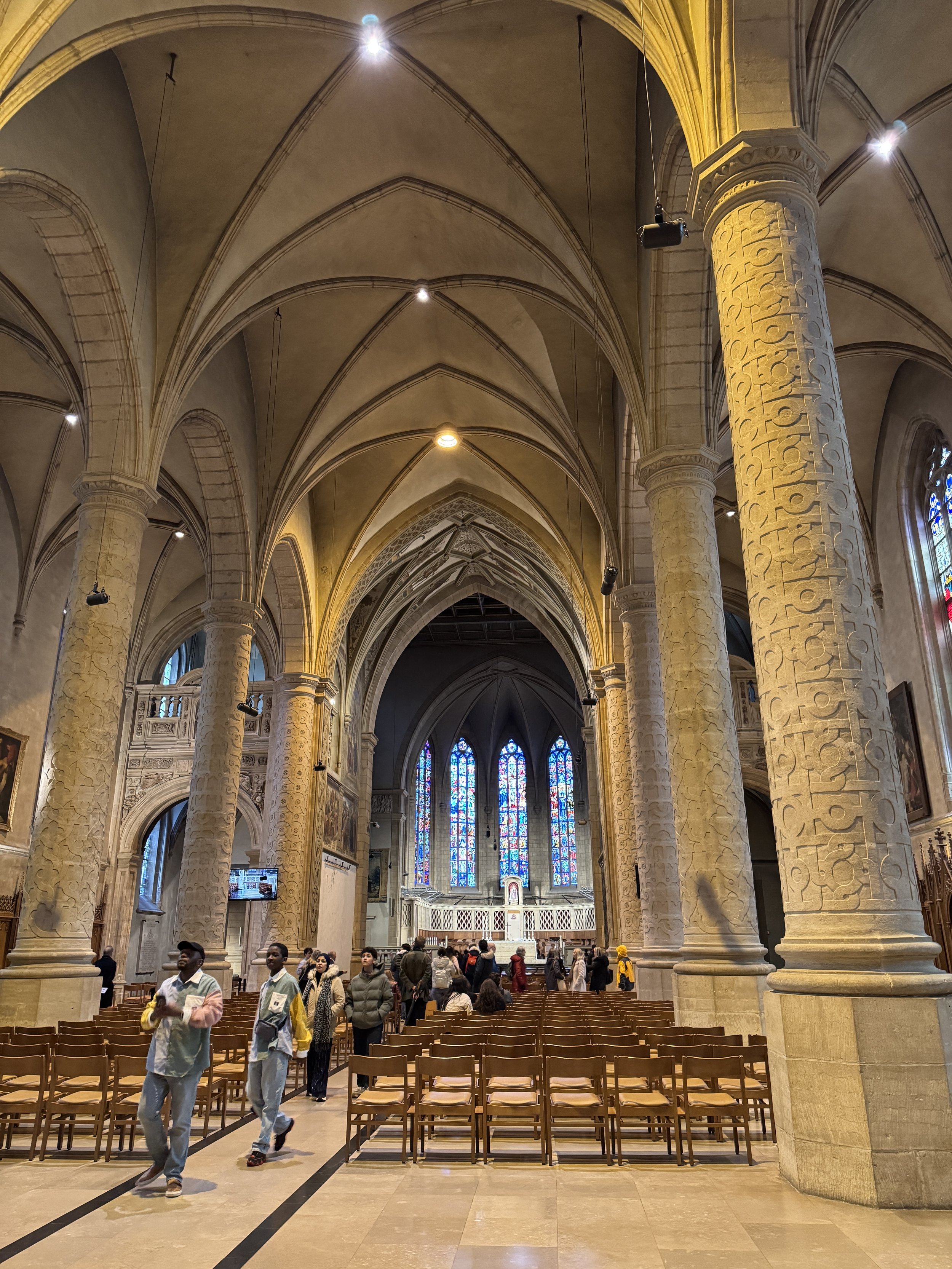
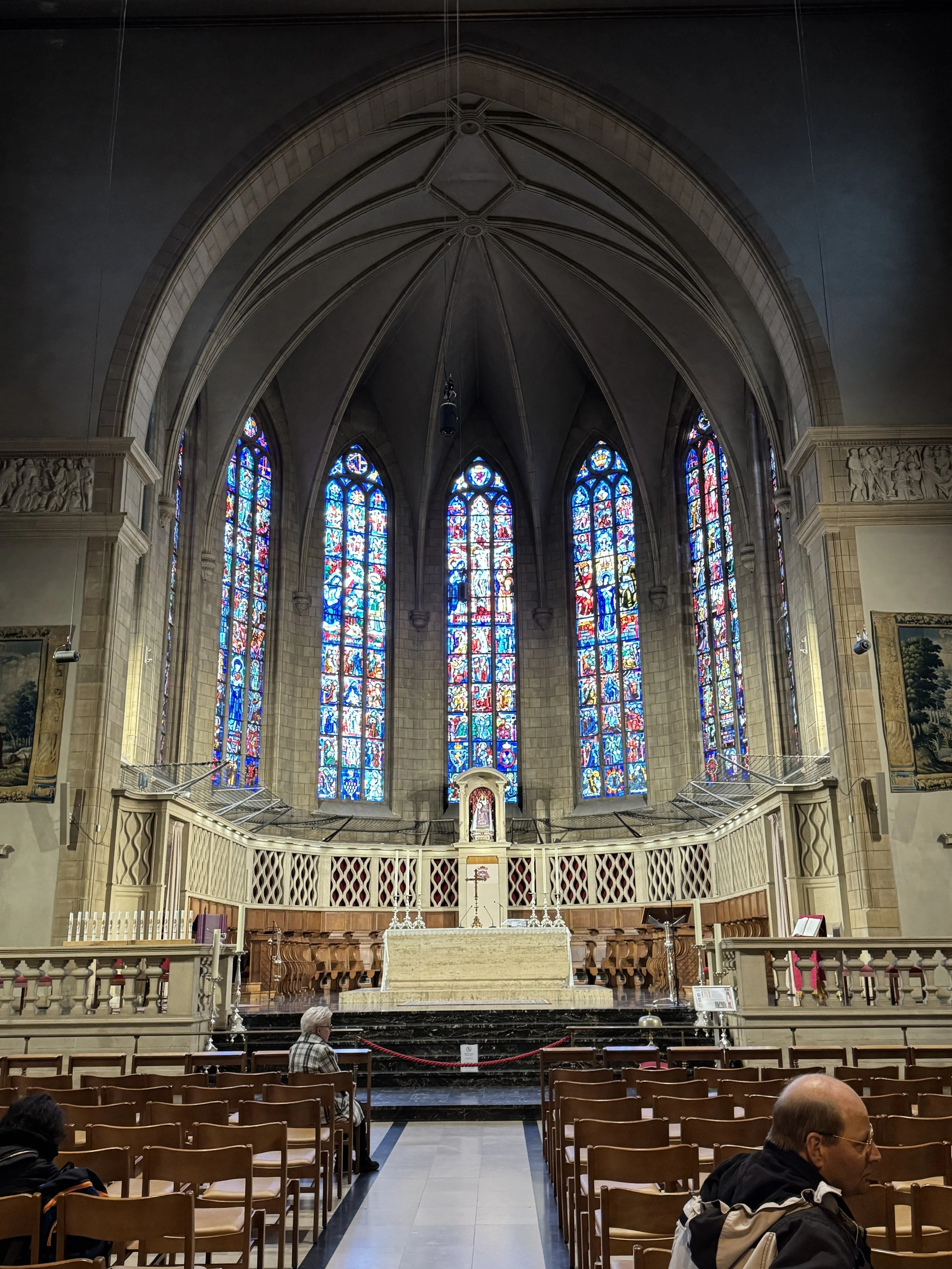
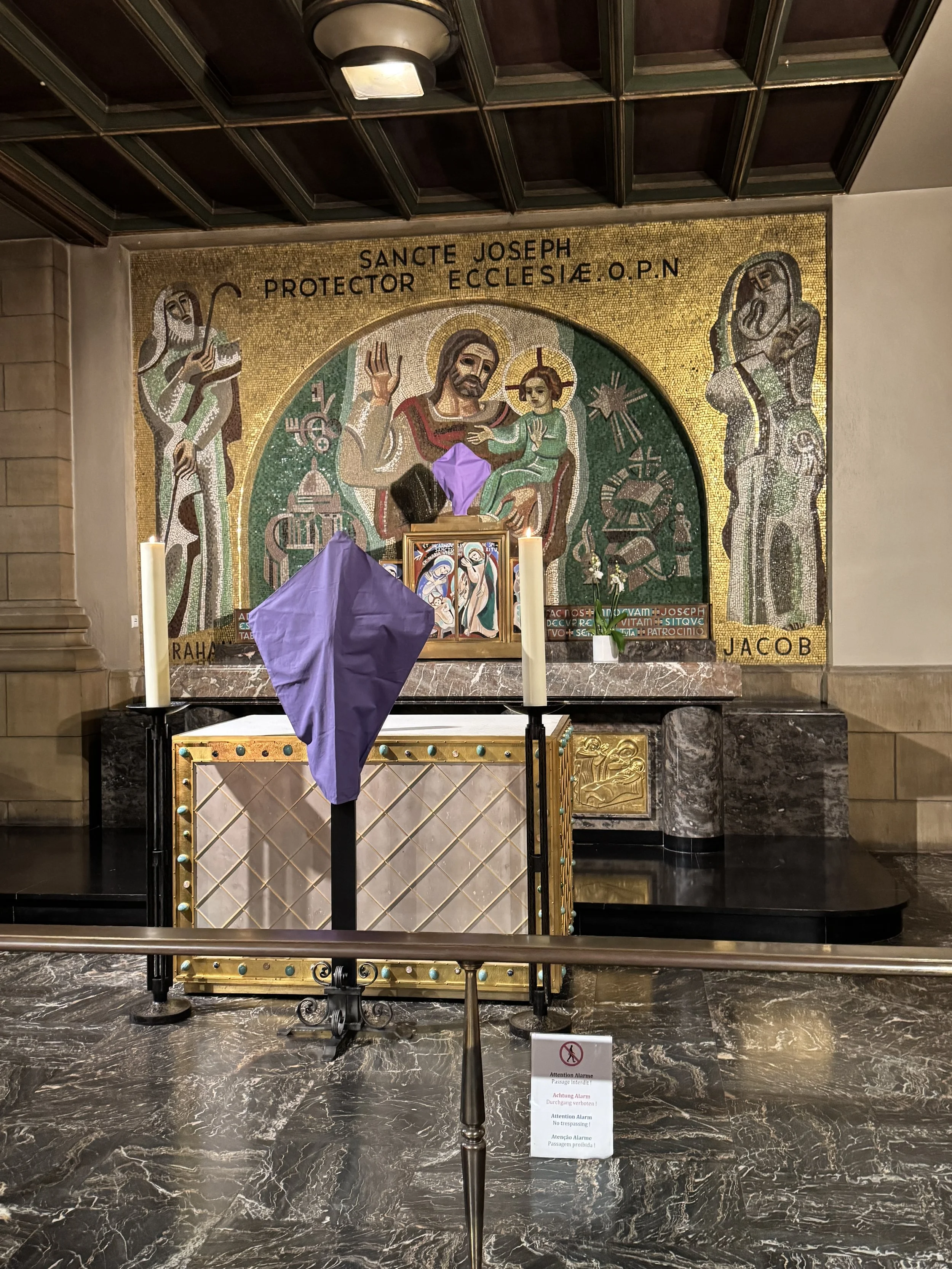
The rest of our time was spent exploring the city, trying to stay dry (again, rain), and hunting for souvenirs. We succeeded at the first and mostly the second… thank you raincoat. The third objective, however, was a struggle.
We checked Pl. d'Armes, Butteck um Fëschmaart Souvenirs, Luxembourg House, Luxsouvenir Gross, various museum shops, and finally La Manufacture Bohème. The typical souvenir stores had the usual items, and Luxsouvenir was probably the best option for magnets, mugs, cards, keychains, and t-shirts.
I usually like to pick up one decor item, and this is where Luxembourg made things difficult. Butteck um Fëschmaart had Peckvillchen, which are ceramic bird whistles, but they just weren’t my style. As a last-ditch effort, we wandered into La Manufacture Bohème, which is half baby store, half home décor. They had these cute gold metal bird wall pieces, and that finally felt right. Same concept, just more my style.
Overall, Luxembourg does not make souvenir shopping easy, and we weren’t the only ones saying that. We overheard multiple tourists complaining about the same thing. And yes, I know what you’re thinking… I went to four castles. But most of them had castle-specific merch, and since I visited multiple, I wanted something that represented the whole country, not just one site. It took some effort, but I ended up with a magnet and a decor piece, so mission accomplished.
From there, we headed to our Airbnb… where I realized I messed up. I copied and pasted the address from the booking page, but it sent us to a completely different town about 40 minutes away. As we were driving, I reread the listing and realized it was actually in Rochefort… another 40 minutes from where we were heading.
I messaged the owner, who was meeting us in person, and she was very understanding. When we finally arrived, she greeted us, showed us the space (on the third floor… yay stairs), and got us settled. The room was spacious with a queen and a twin bed. It was quiet aside from the creaky floors, which is expected in an older house. The bathroom was shared, but since we were the only guests, it basically felt private. It was about five feet from our door. There was also a mini fridge.
Communication required Google Translate, but she was very kind, and overall it was a really nice stay.
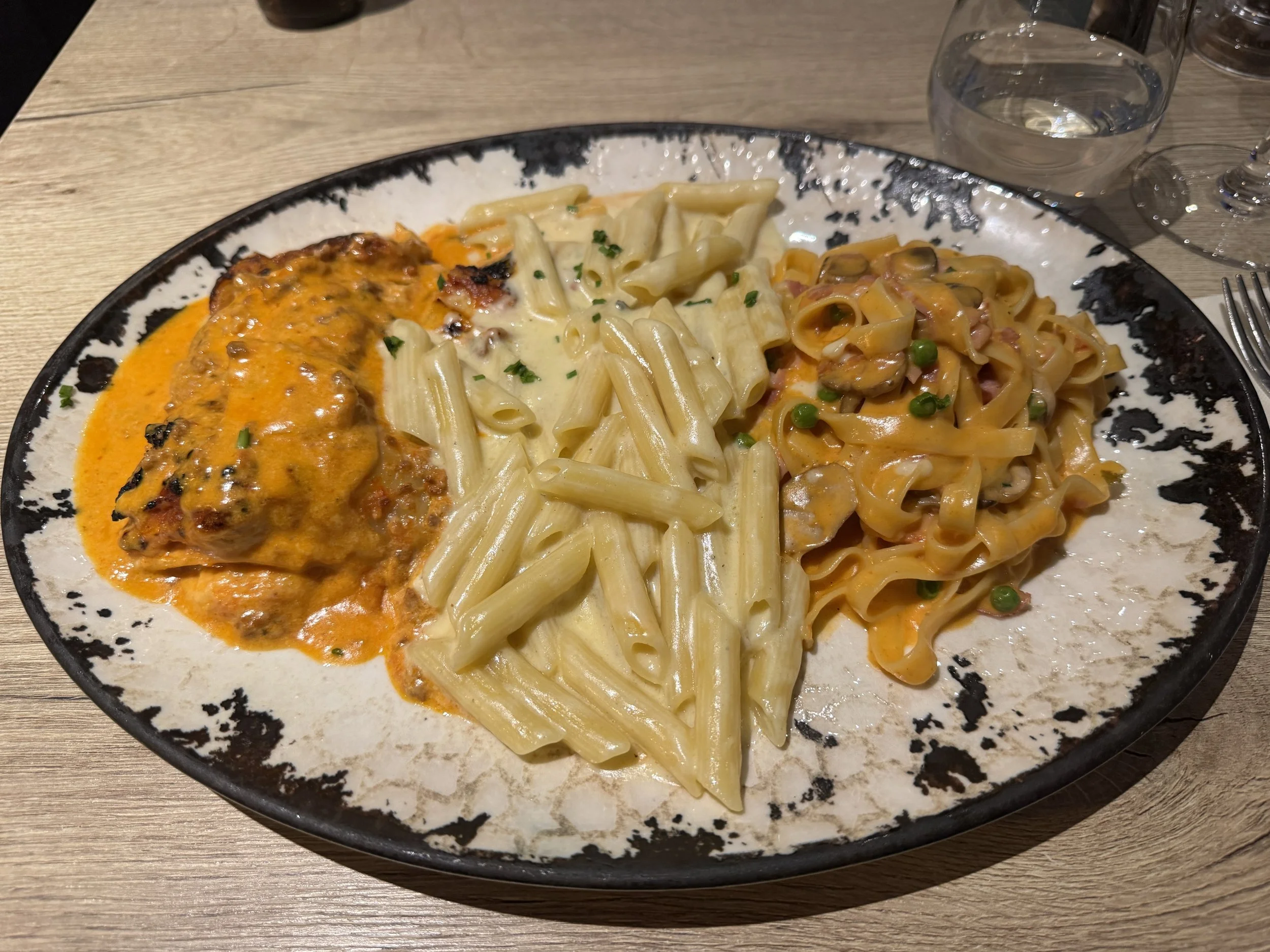
After dropping our stuff, we went to San Marino Rochefort for dinner. I ordered a pasta trio, which was delicious. The restaurant got very busy, so service slowed down quite a bit. We wanted dessert, but after waiting about 15 minutes trying to get our server’s attention, we decided to leave.
They tend to run with one main waitress and support staff, so she was clearly juggling a lot. Add in the language barrier, and I’m sure we weren’t her easiest table. This area is very French-speaking, so we rely heavily on translation apps and pointing at menus. We try not to be difficult customers… lol.
After dinner, we walked back to the house and called it a night.
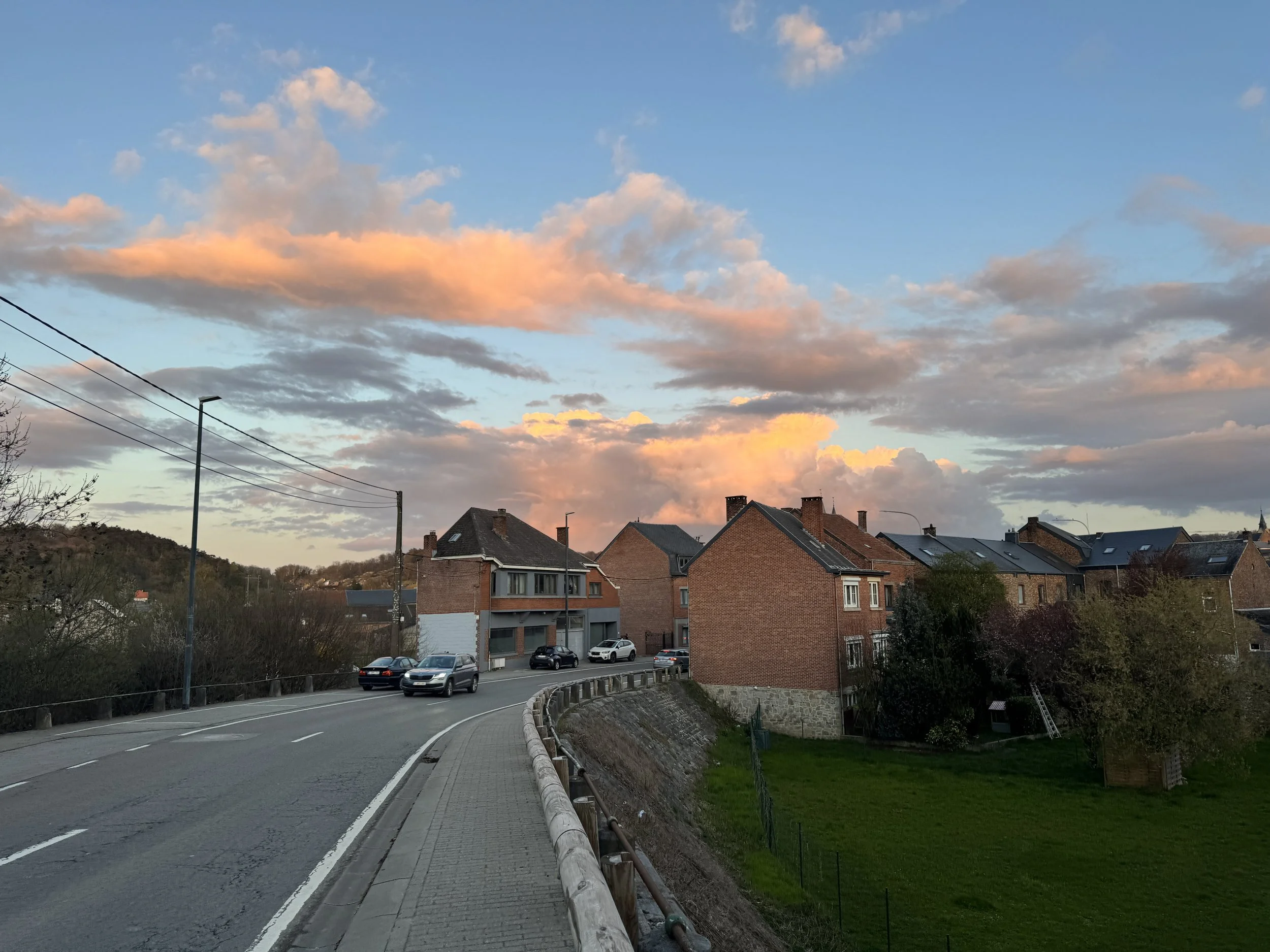
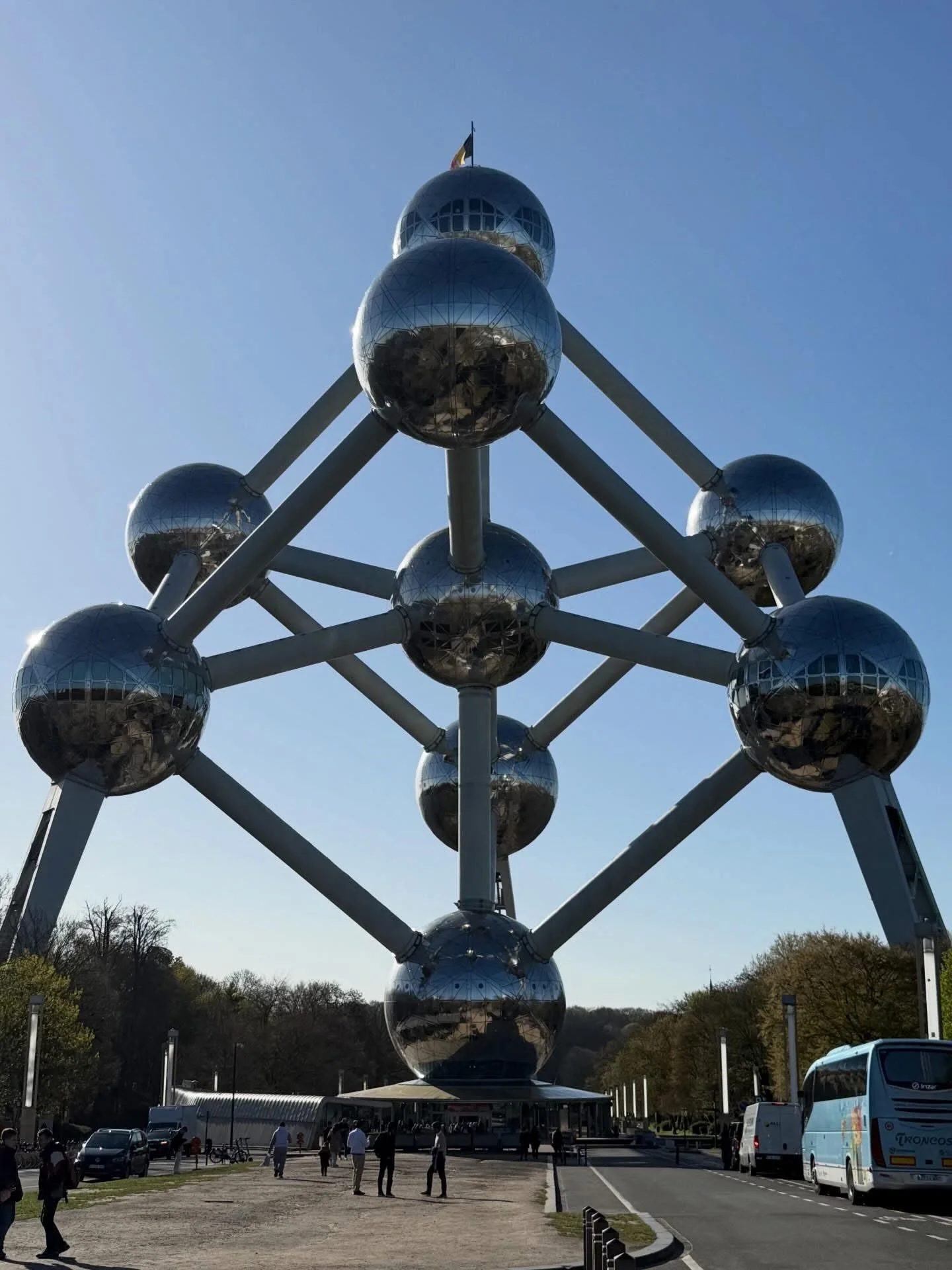
We left around 8:30 to head to Brussels. They do have a city pass, but we weren’t overly interested in most of what it offered, and the Atomium wasn’t even included. So instead, we bought individual tickets and drove straight there with a goal of arriving around 10am. Tickets were €17.
We got in line around 10:05… and there was a line. A slow-moving line.
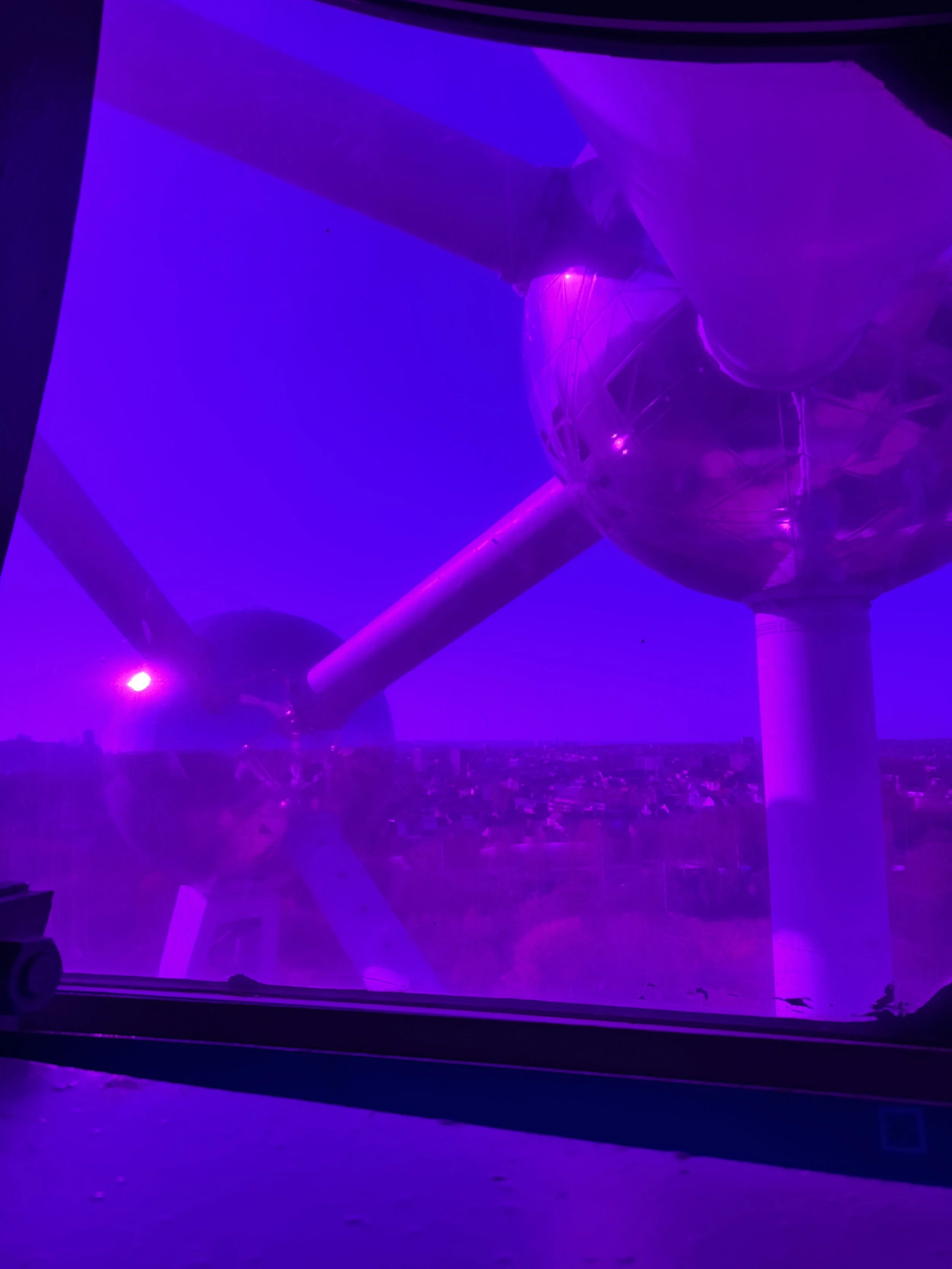
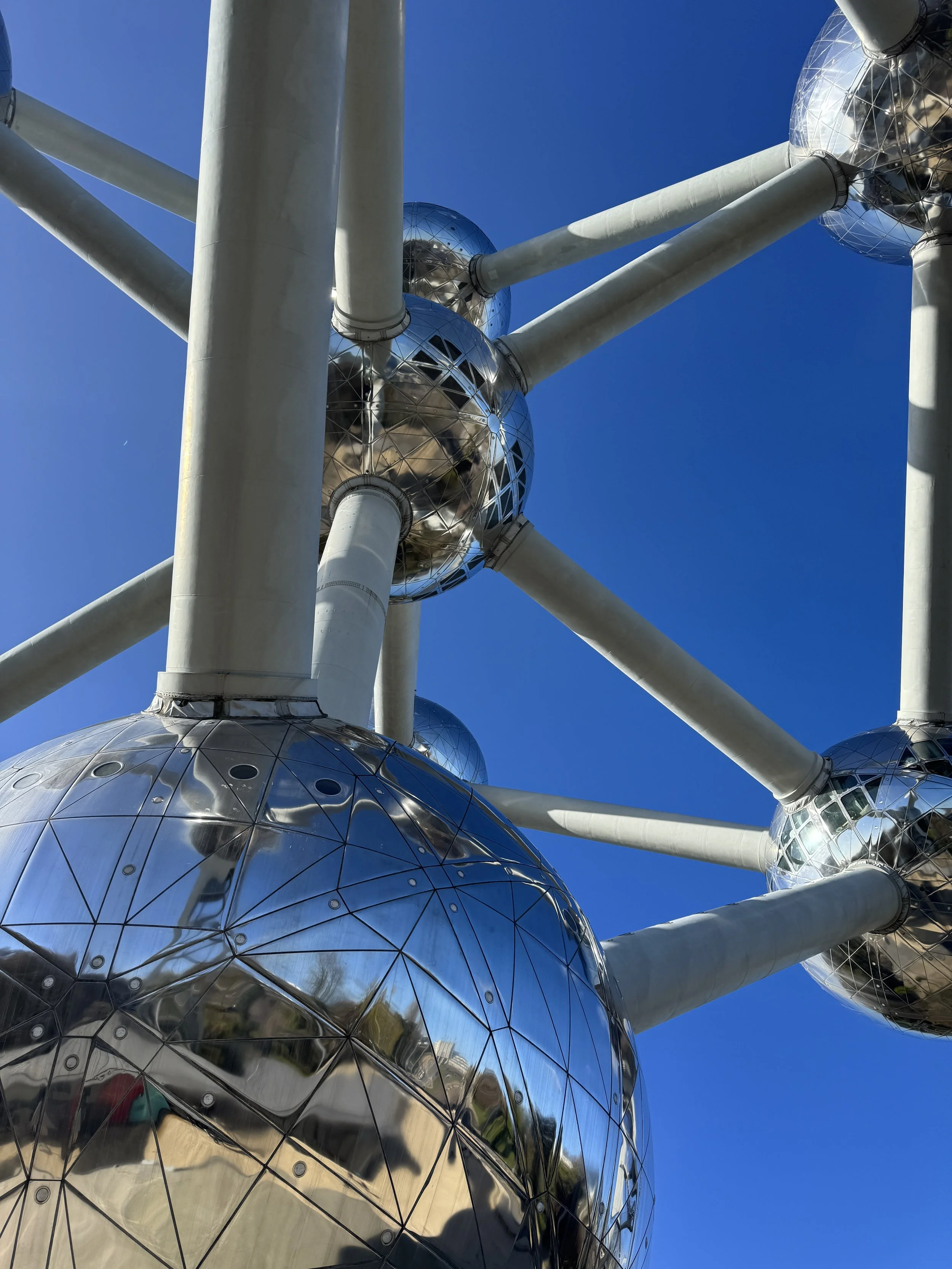
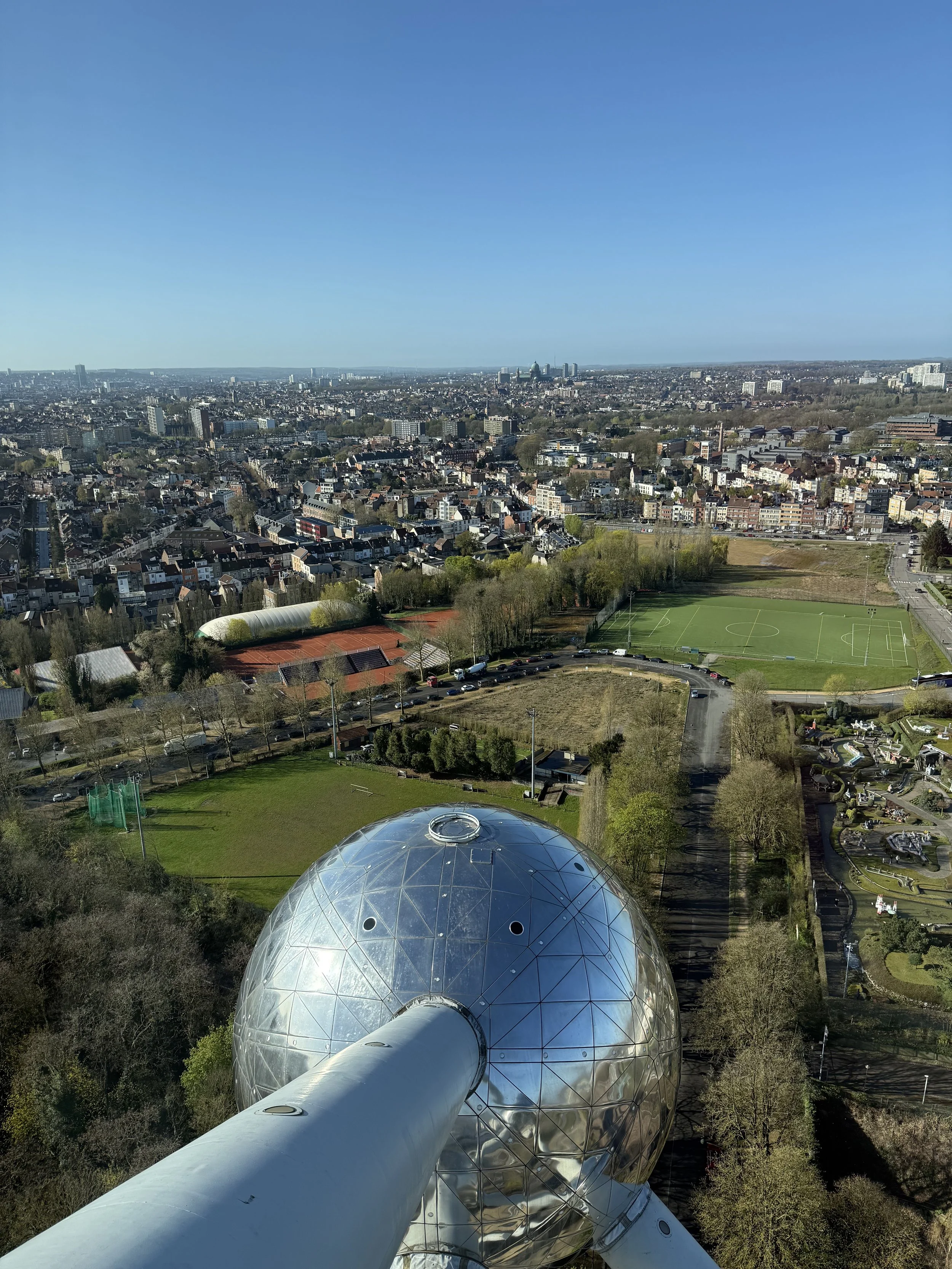
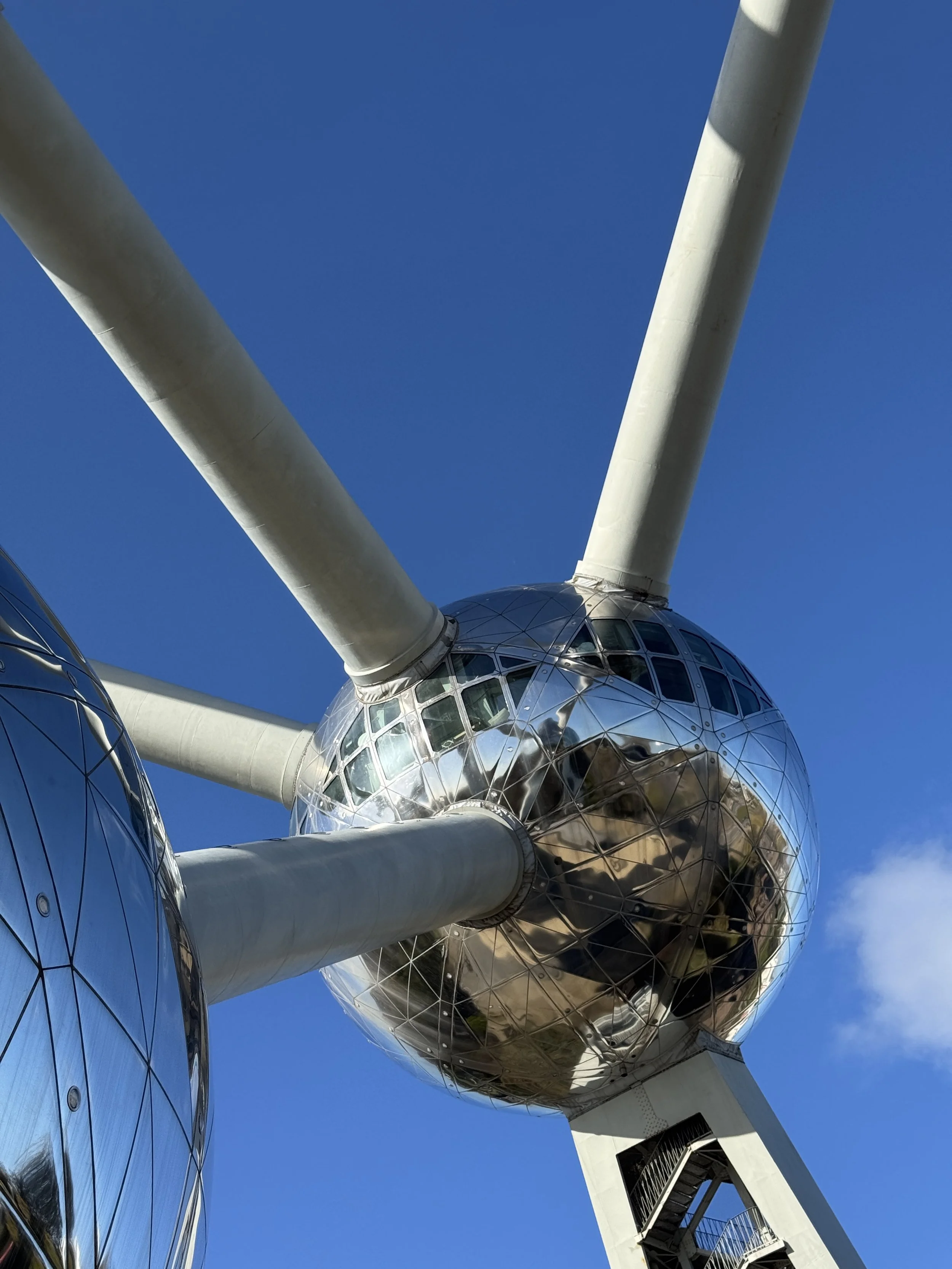
Once inside, you go straight up an elevator to a panoramic viewing floor. The view itself is nice, but photos are tricky because of the reflection in the glass. You can still get some cool shots with parts of the metal structure though.
The Atomium was built in 1958 for the Brussels World’s Fair (Expo 58) as a symbol of scientific progress and post-WWII optimism. It represents an iron crystal magnified 165 billion times, capturing the excitement of the atomic age. It was originally meant to be temporary, but it became so popular that they kept it. Today, it’s one of Brussels’ most iconic landmarks, with exhibits, a viewpoint, and even a restaurant at the top.
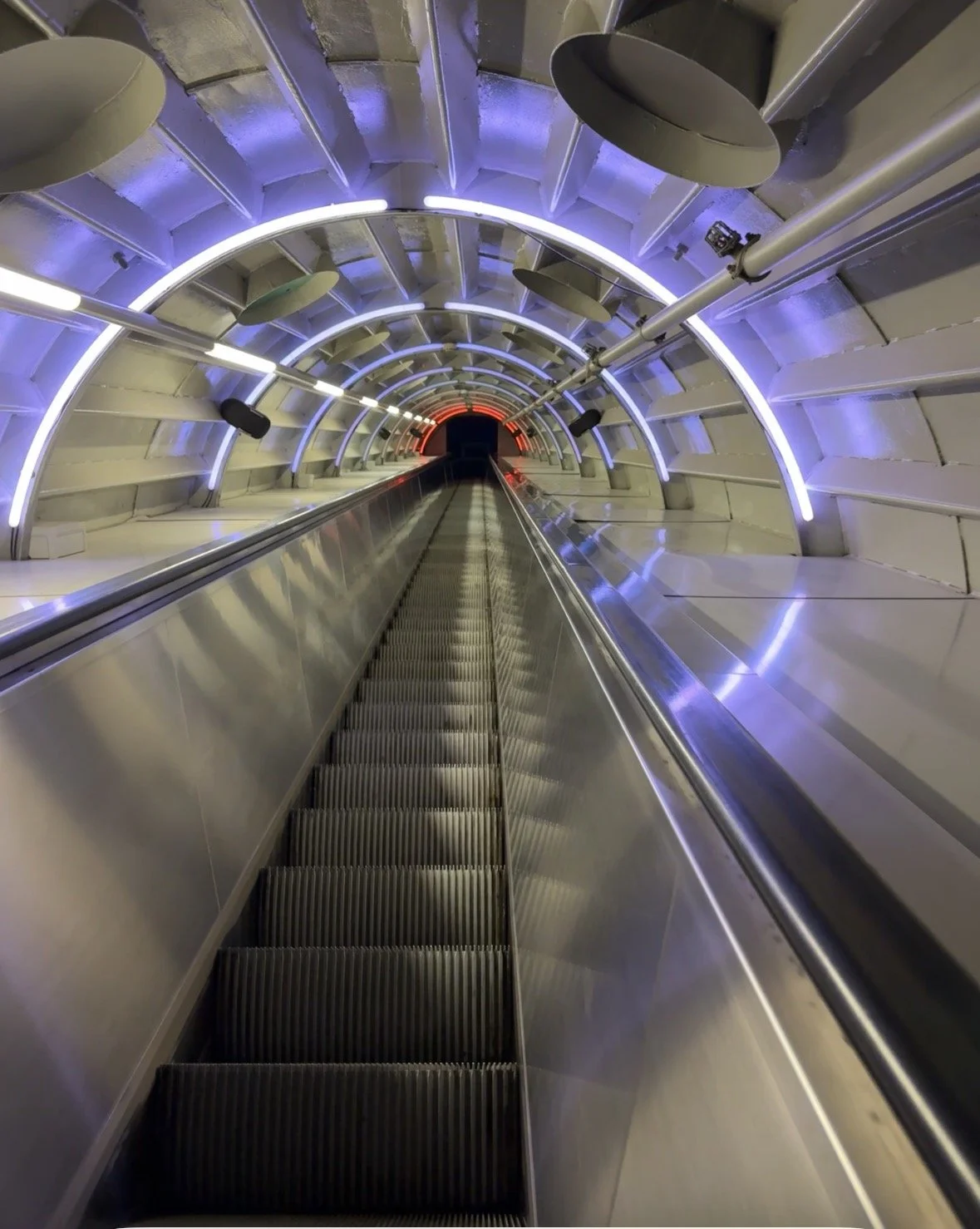
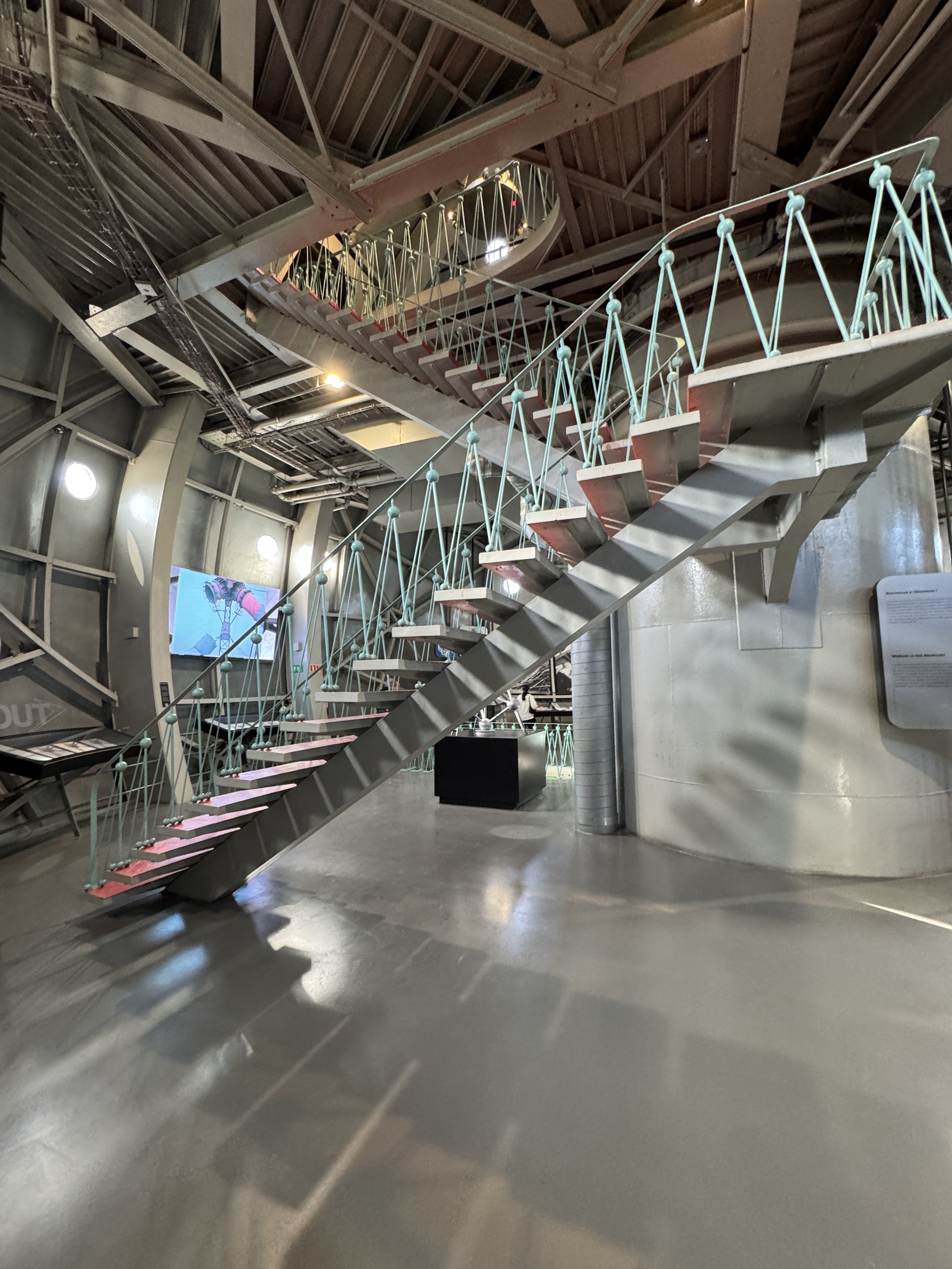
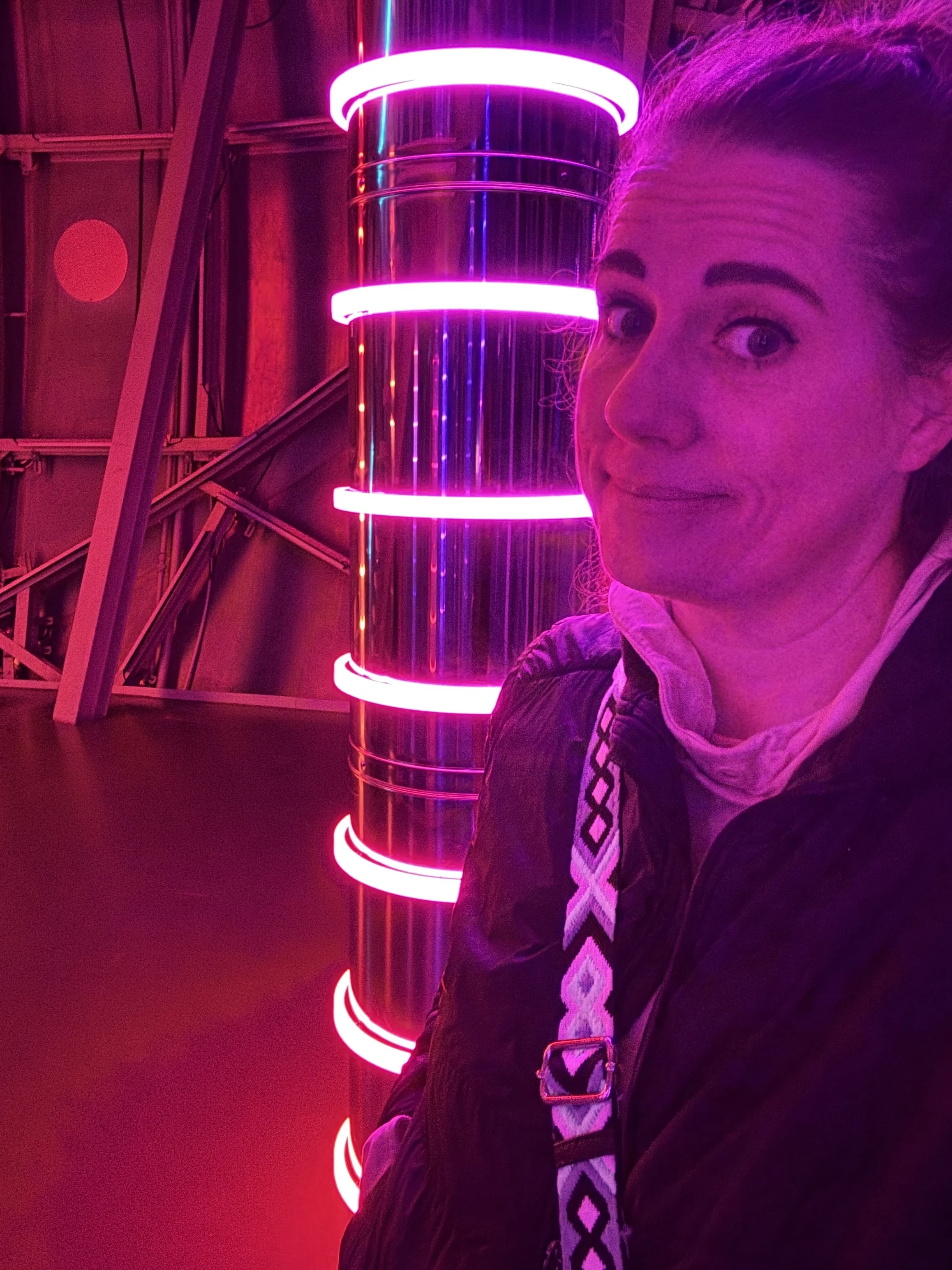
After the panoramic level, you take an elevator down to another sphere with history about the World’s Fair and the structure itself, then continue through a series of escalators with neon lighting synced to music.
Honestly… this was a complete waste of money.
The exterior is absolutely worth seeing, but unless you’re really into World’s Fair history or love this kind of exhibit, it’s not worth €17. Parking is another €12, but at least it covers the whole day.
March 29: Chocolate Rules, Peeing Statues & A Very Expensive Sphere
After that, we headed into the city center and parked at Interparking Brussels - Parking Grand Place.
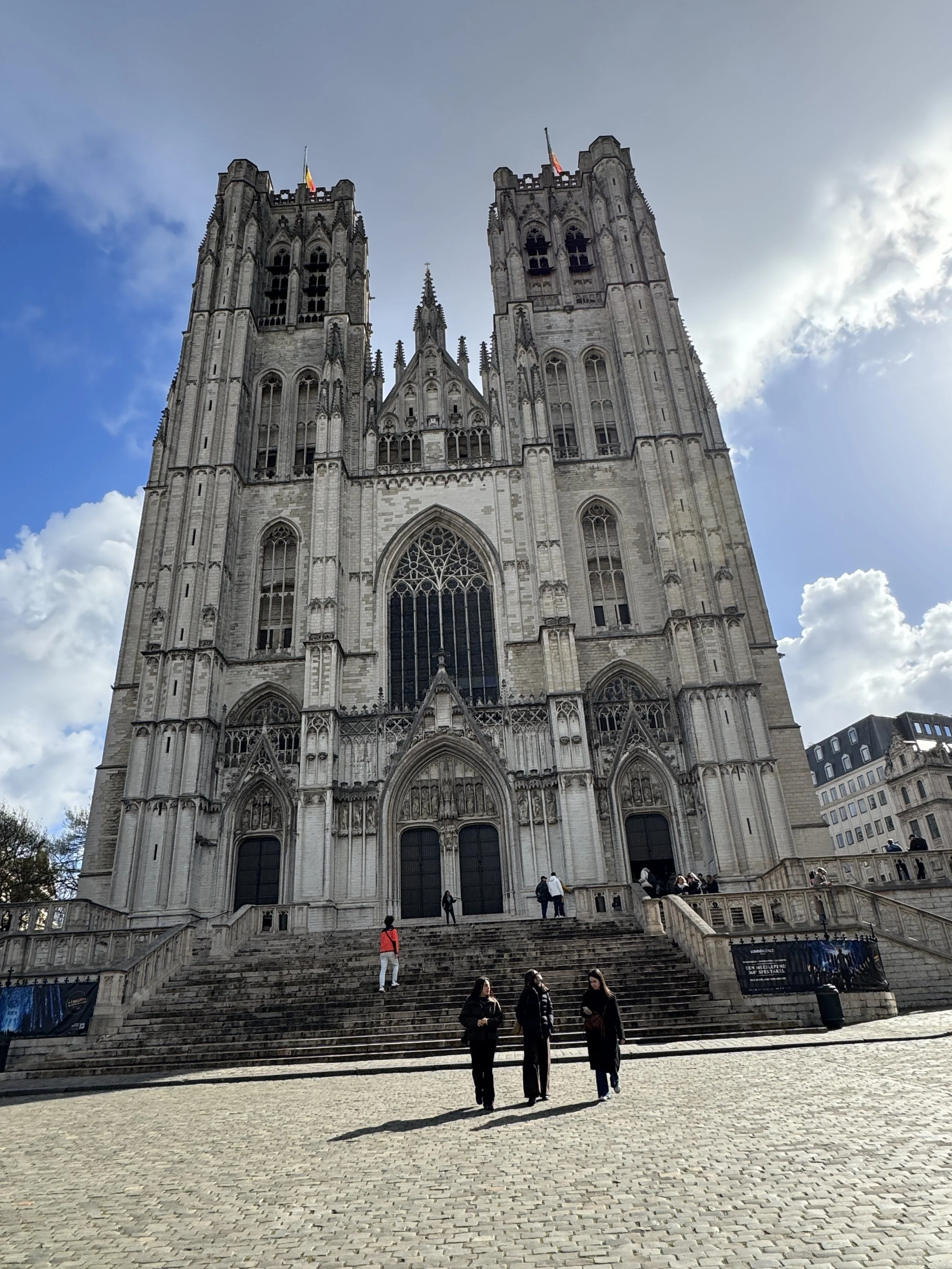
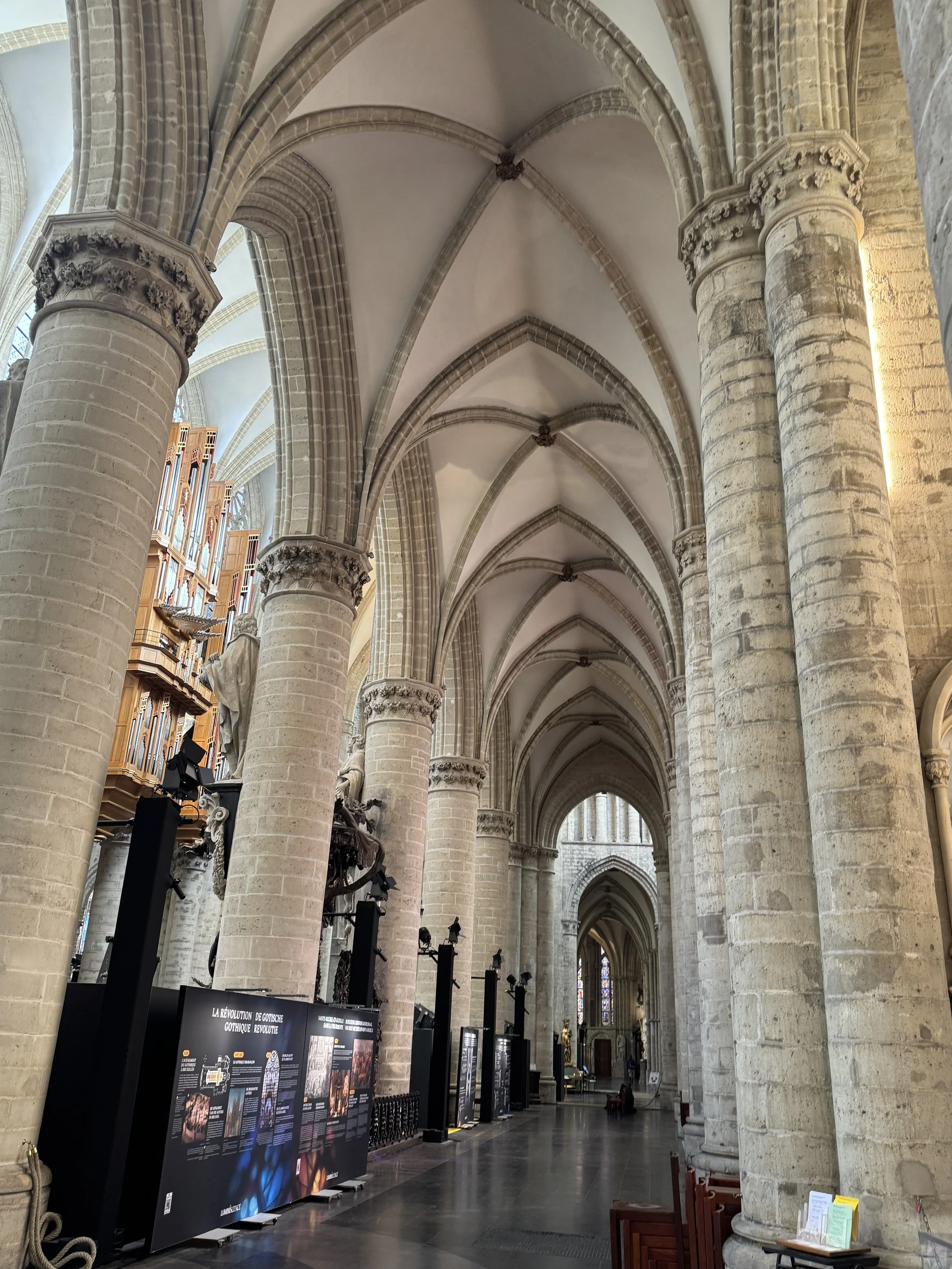
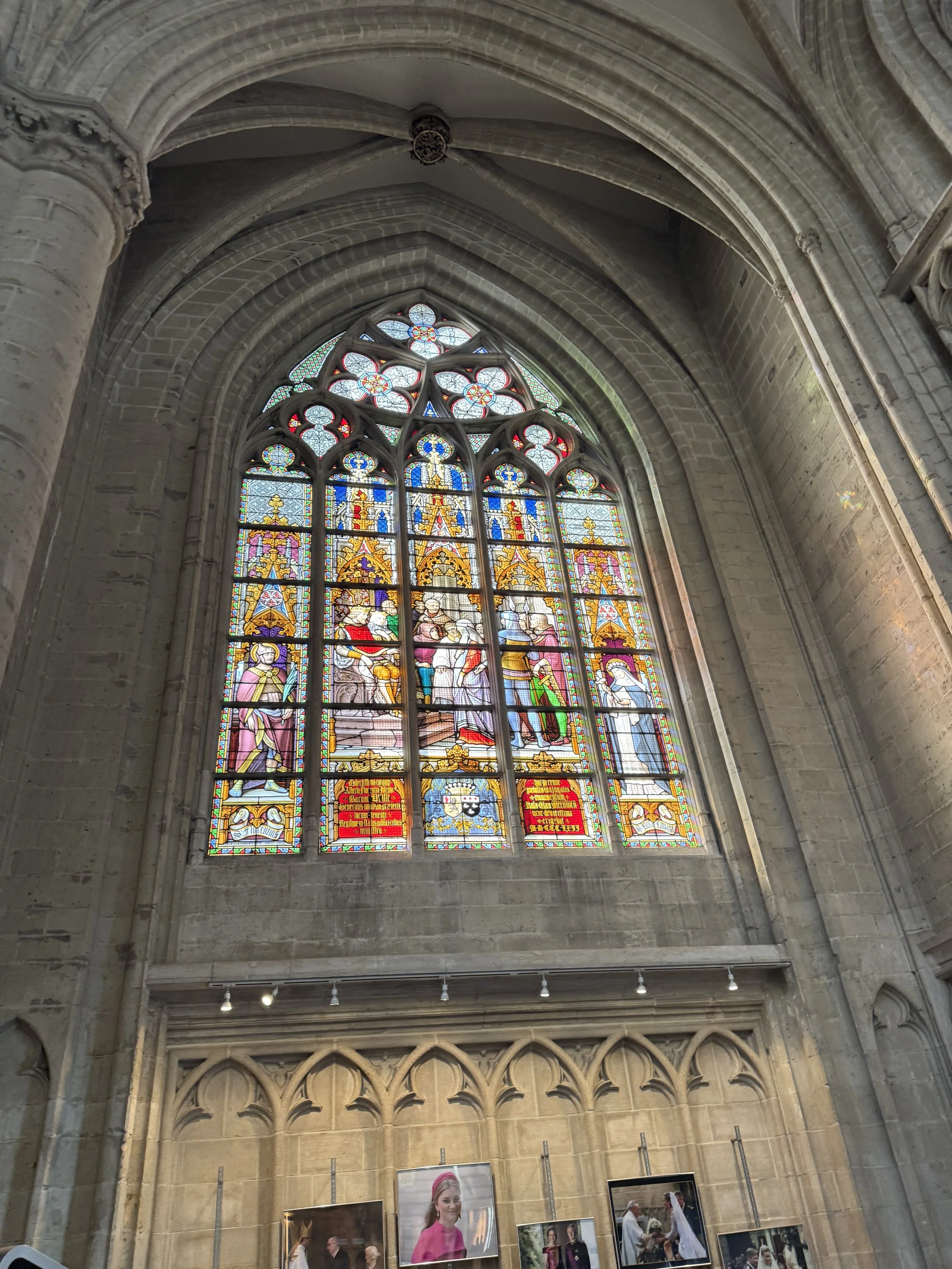
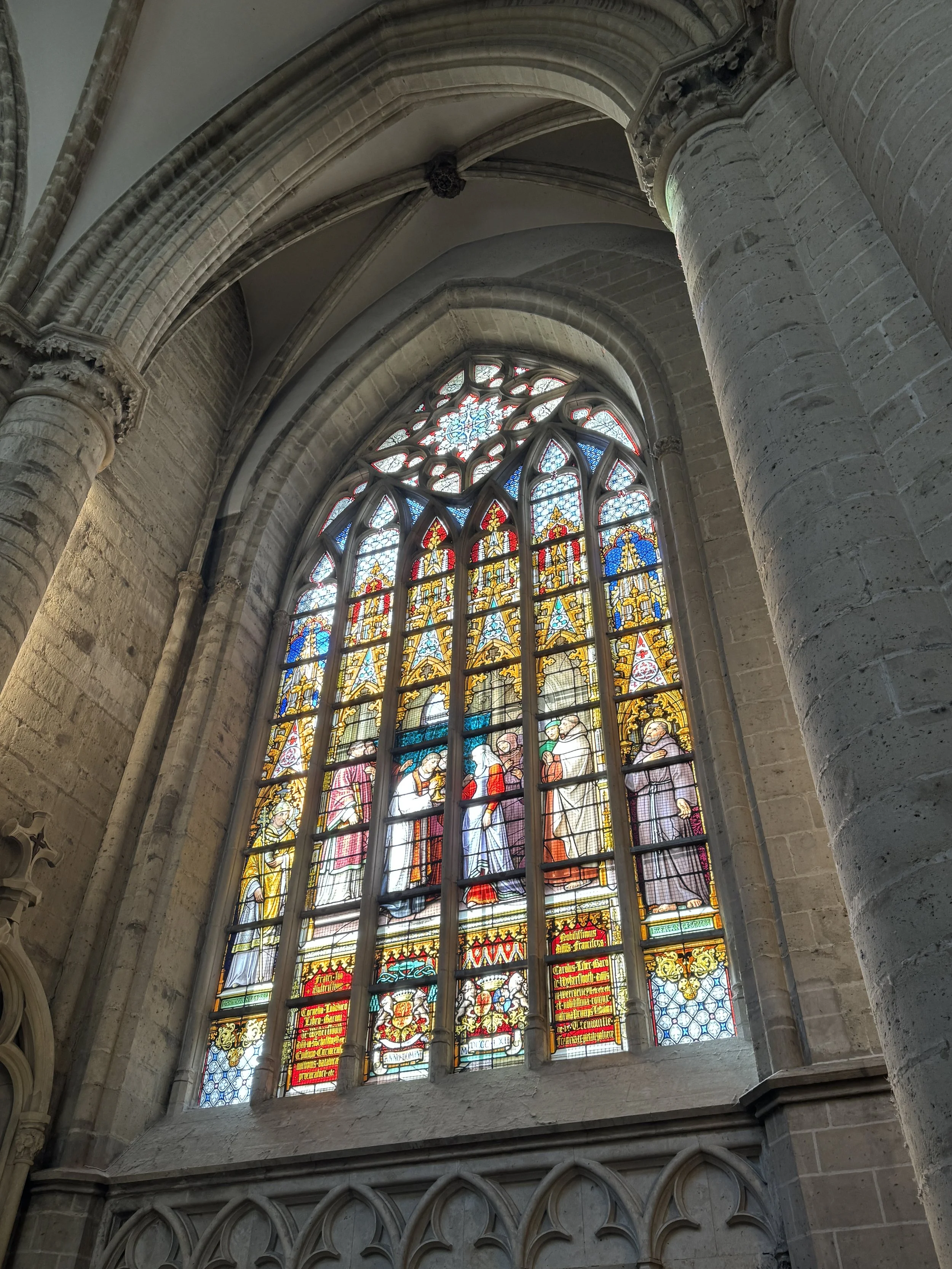
As soon as we exited, we were right in front of St. Michael & St. Gudula Cathedral. Construction began in the 11th century and continued for several hundred years, with the current Gothic structure largely completed between the 13th and 15th centuries. It was built on the site of an earlier church dedicated to Saint Michael. It’s named after Saint Gudula, Brussels’ patron saint, whose relics are kept here. Over time, it became the most important church in Belgium and was officially designated a cathedral in 1962. It’s known for its stunning stained glass, royal ceremonies, and classic Brabantine Gothic architecture.
It’s a gorgeous building and open to the public, but unfortunately mass was happening when we arrived, so we couldn’t fully explore. We took in what we could and moved on.
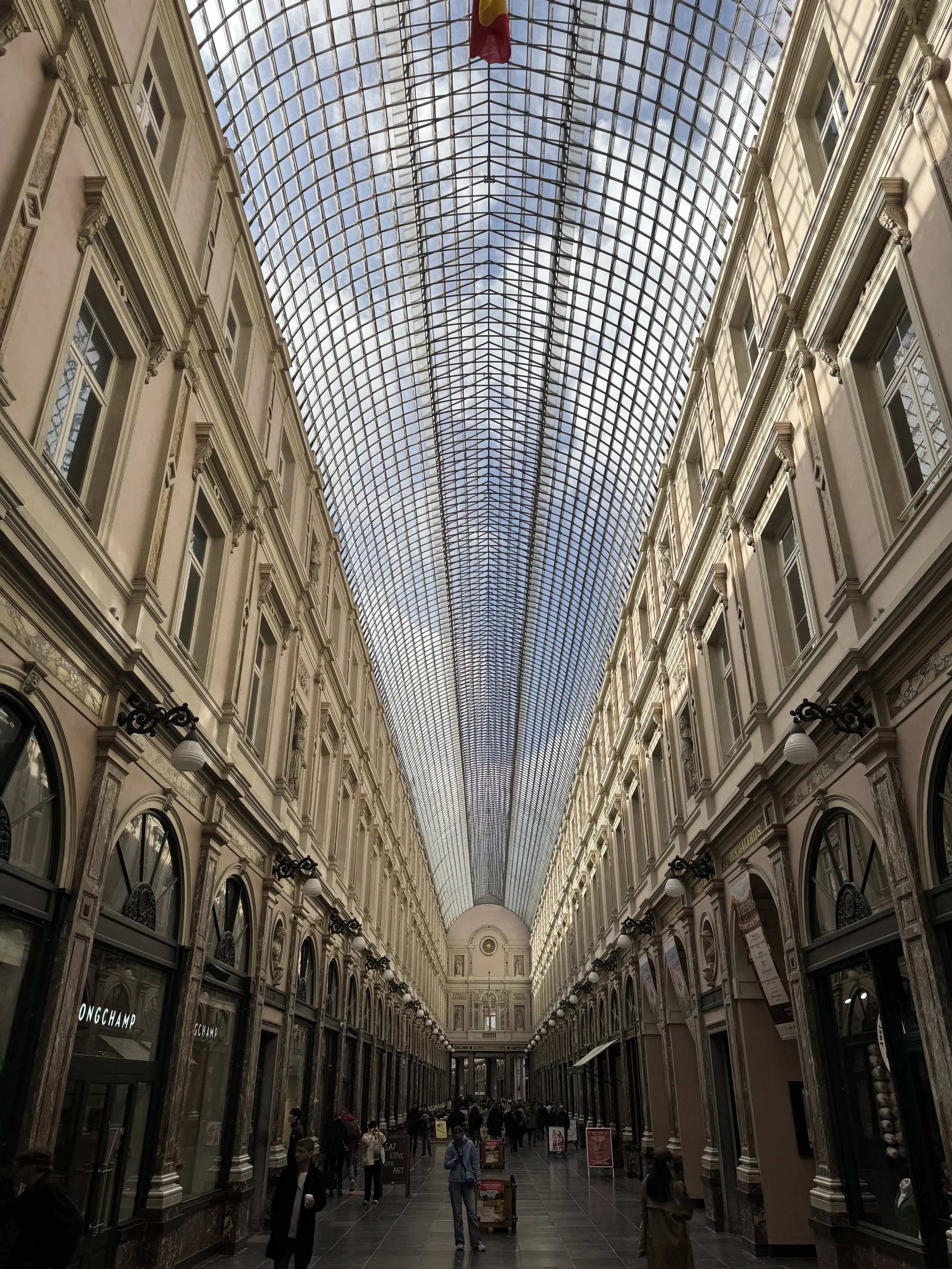
We continued walking and came across the Royal Gallery of Saint Hubert, which is a very eye-catching indoor shopping arcade. Opened in 1847, it’s one of the oldest covered shopping galleries in Europe. Designed by architect Jean-Pierre Cluysenaar, it was meant to bring a refined, Paris-style shopping experience to Brussels, protected from the weather. It quickly became a hub for luxury shops, cafés, and culture, attracting writers and artists. The glass roof and ornate design make it feel very elegant.
And more importantly… chocolate.
I had one rule for chocolate shopping: I will only buy if free samples are provided. You can tell me you’re the best all day long, but prove it.
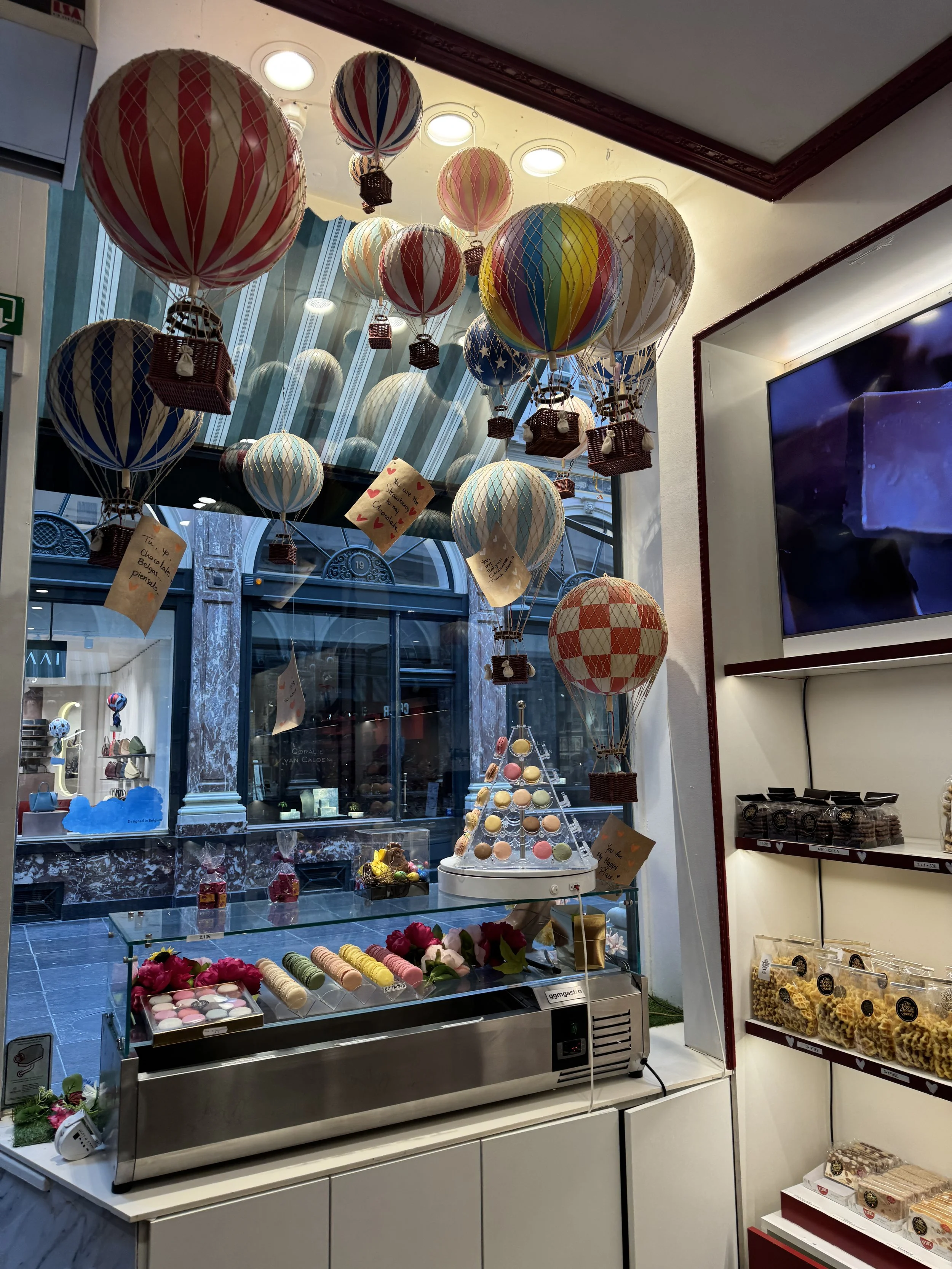
Our first stop was Belgium Chocolate Factory inside the gallery. It had a cute hot air balloon theme, offered samples, and had loose chocolates you could mix and match and pay by weight. I filled a box with anything that looked interesting.
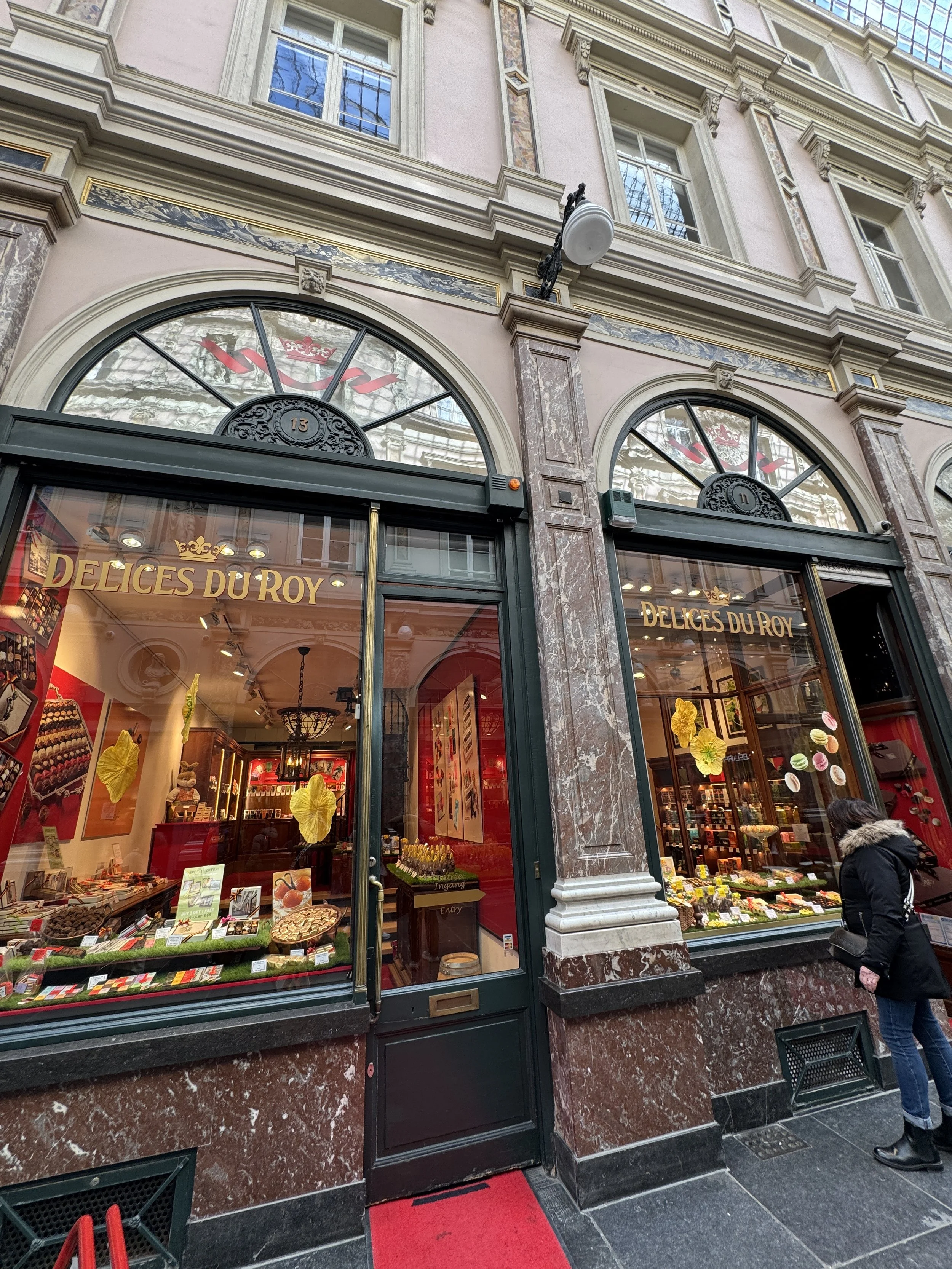
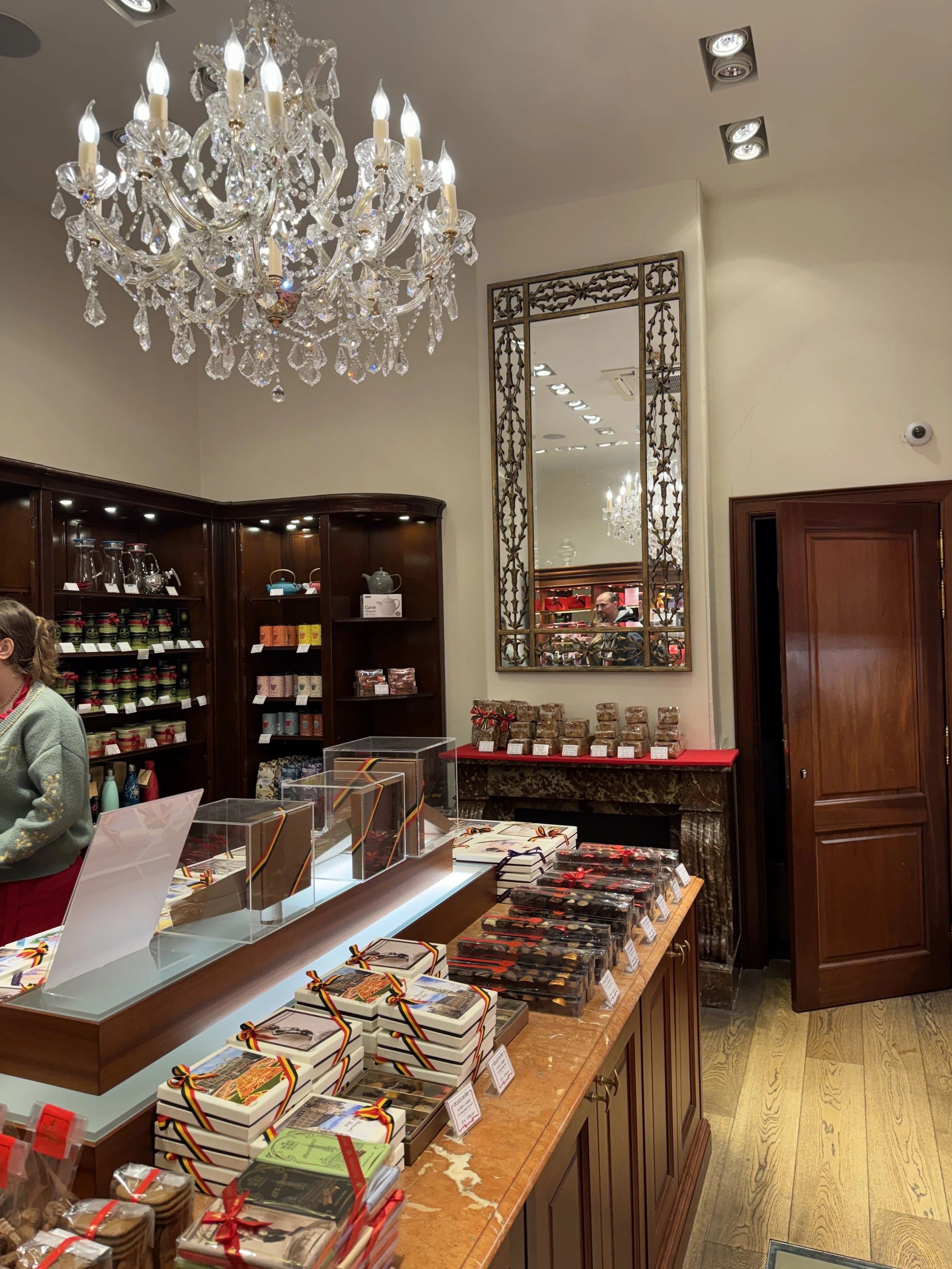
Next was Les Délices du Roy, which had a much more bougie vibe with red and gold décor and expensive loose teas (they did offer tea samples). I broke my rule here because they had beer-filled chocolates, which was an automatic yes since my boyfriend brews in his spare time. He already thinks I’m crazy for being in Belgium and not trying all the beer, so this felt like a compromise.
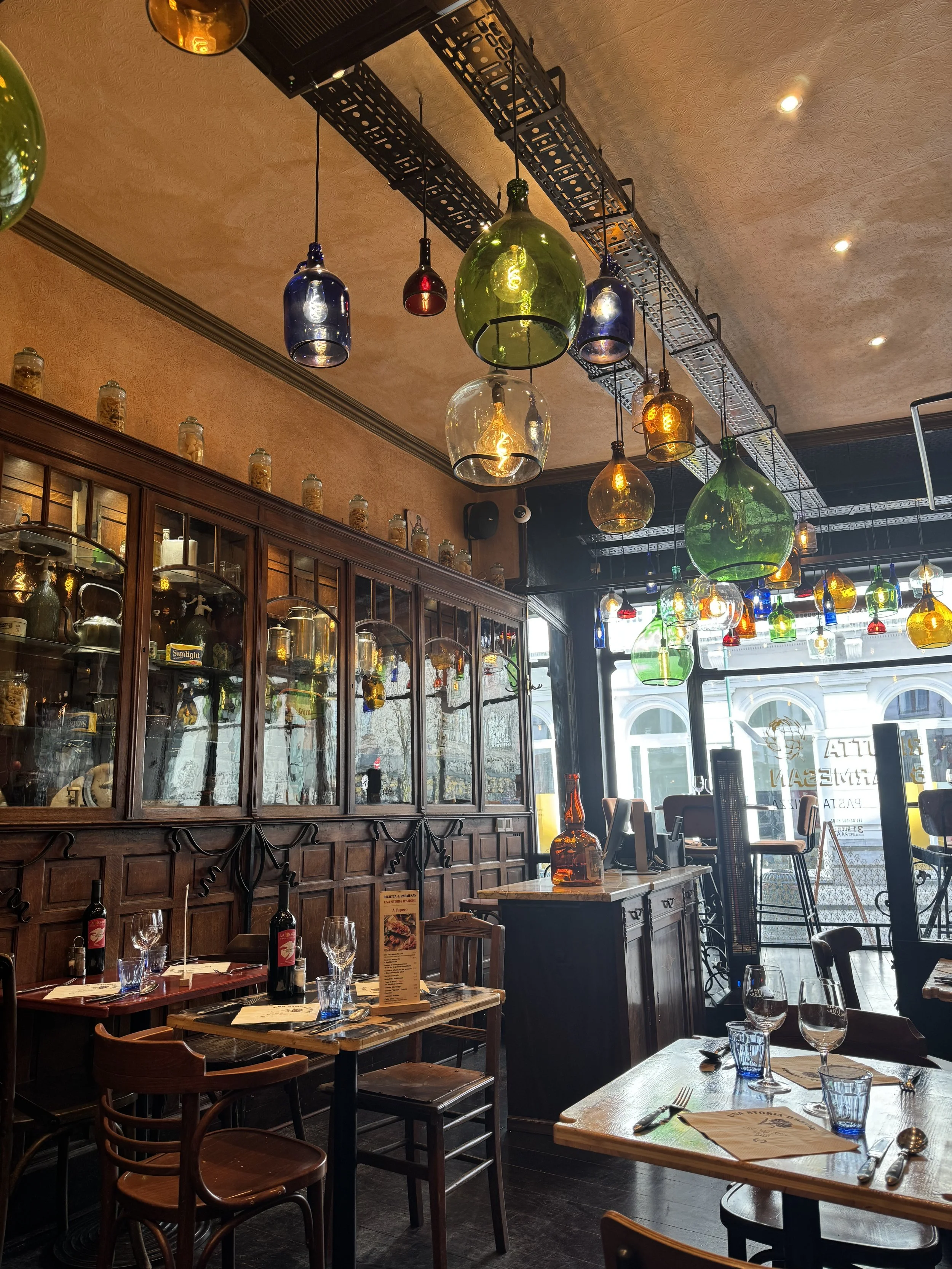
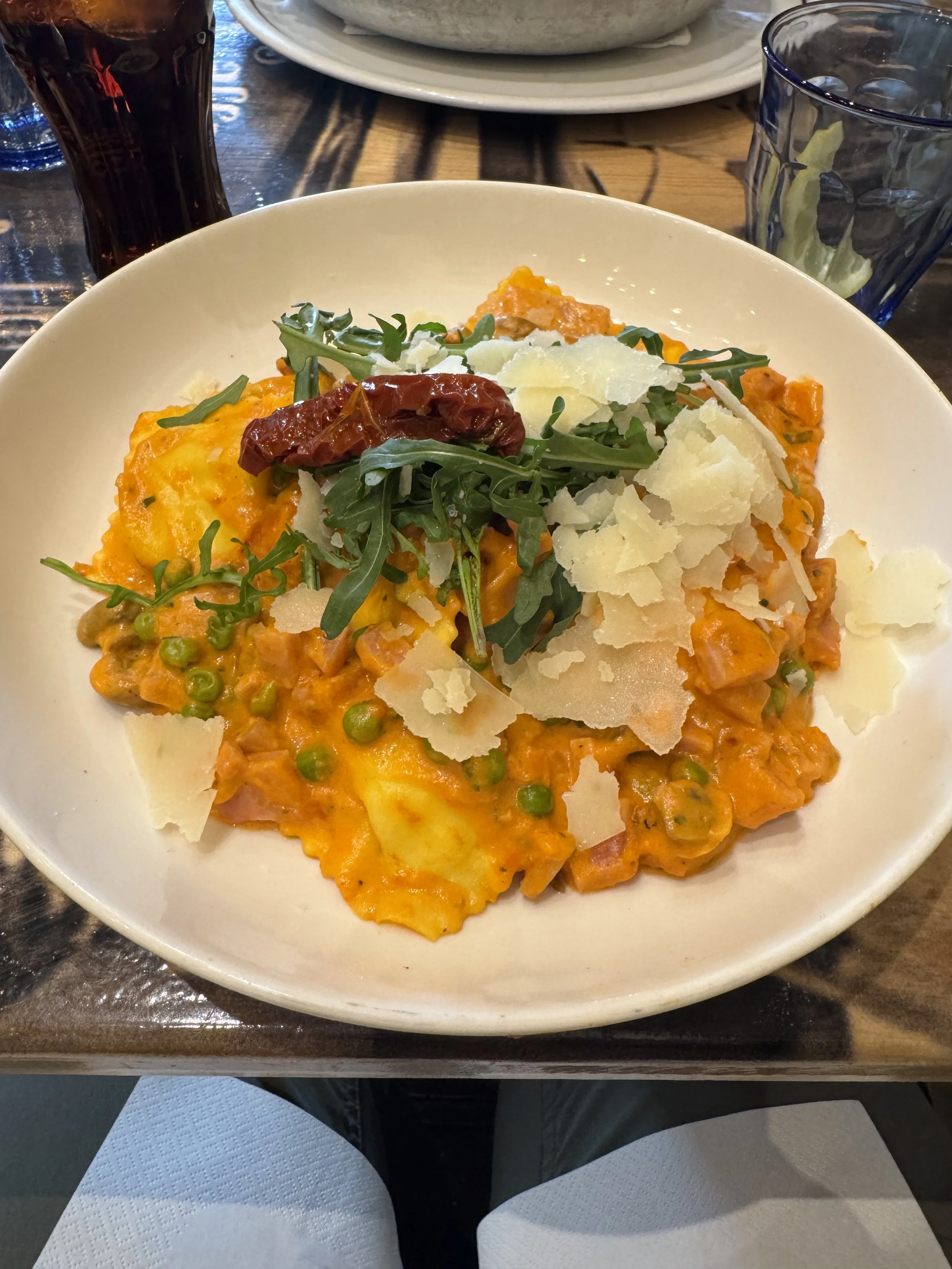
We headed to Ricotta et Parmesan for lunch because they offer gluten-free pasta options. You can either order from the menu or build your own pasta. I went with goat cheese and mushroom-filled ravioli with a ricotta cream, pea, and pancetta sauce.
It was unreal. The food streak on this trip just keeps going.
After lunch, we went into full souvenir-hunting mode. We stopped at I Love Belgium for the typical items (magnets, mugs, pens, etc.), and a shop called On and On, which had more unique, less Belgium-specific gifts. It was really cool, just a bit overpriced.
Right next door was De Biertempel, where they sell individual bottles of beer. I grabbed a Delirium and another beer for my boyfriend since it’s his favorite. Yes, we can get it in Vegas, but it felt right to bring one back from Belgium.
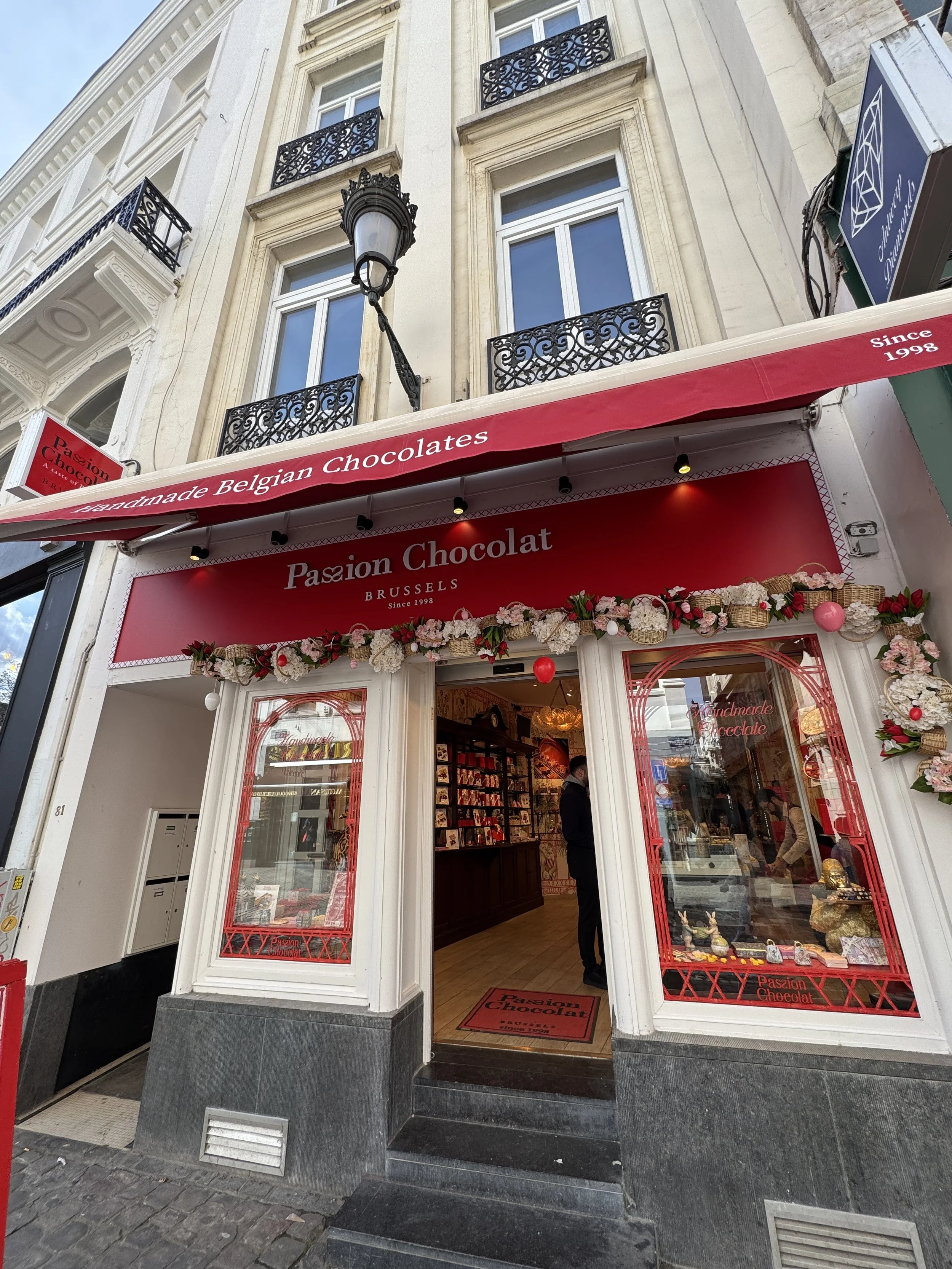
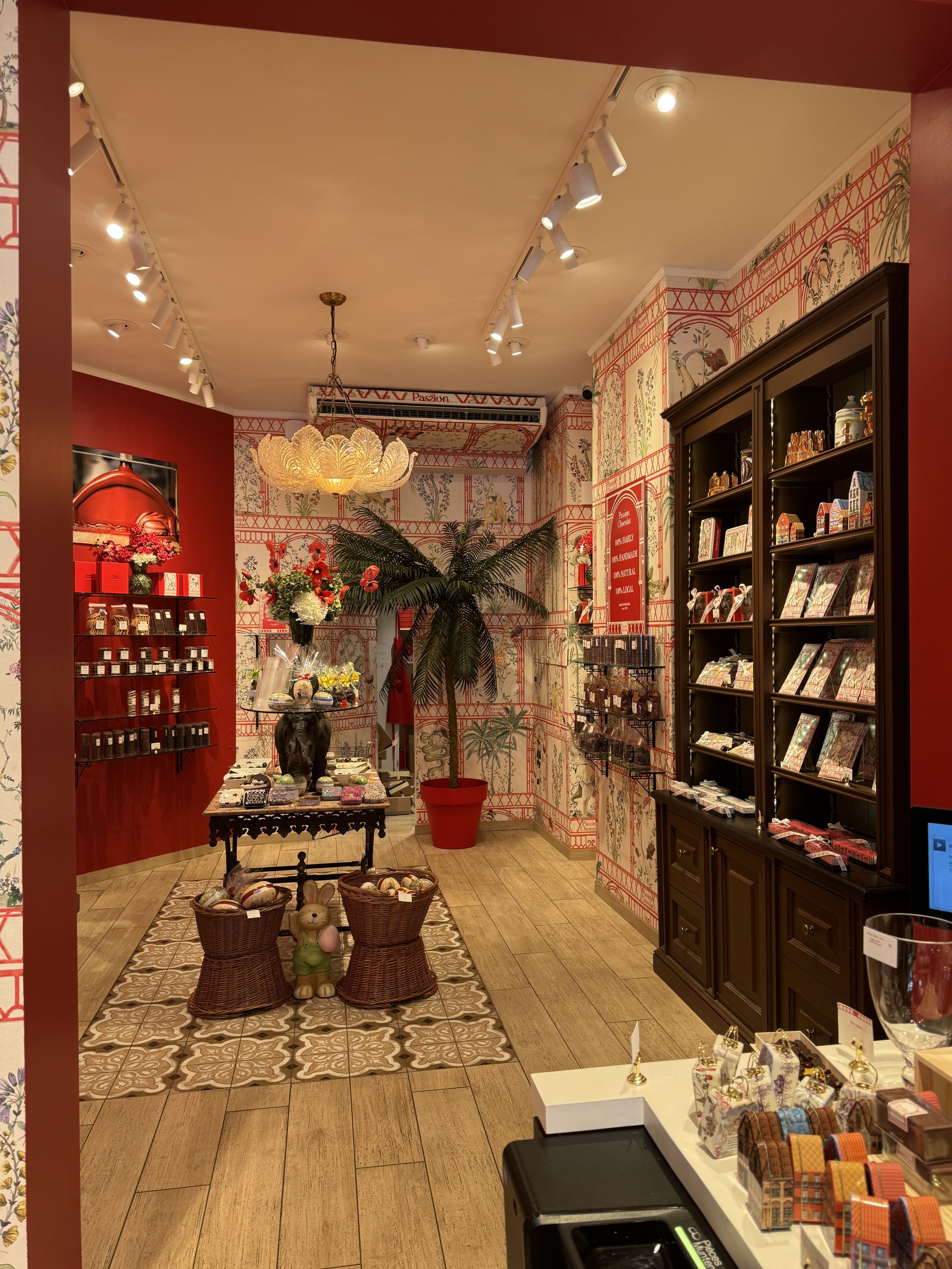
We kept wandering and found Passion Chocolat, a red and floral shop with handmade Belgian chocolates. The employee let us choose a full-size sample, which was amazing, and I walked out with a bag full of chocolate.
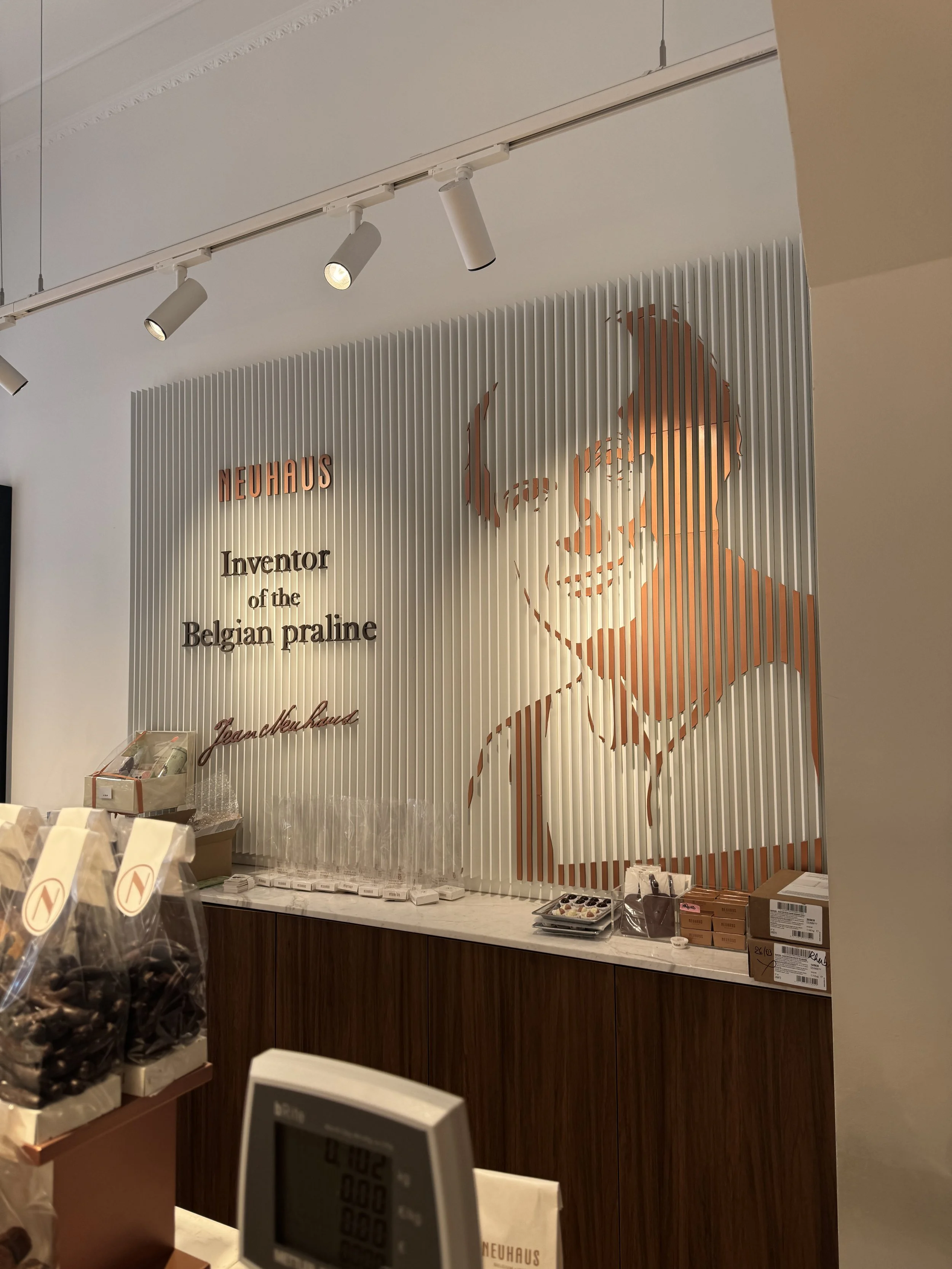
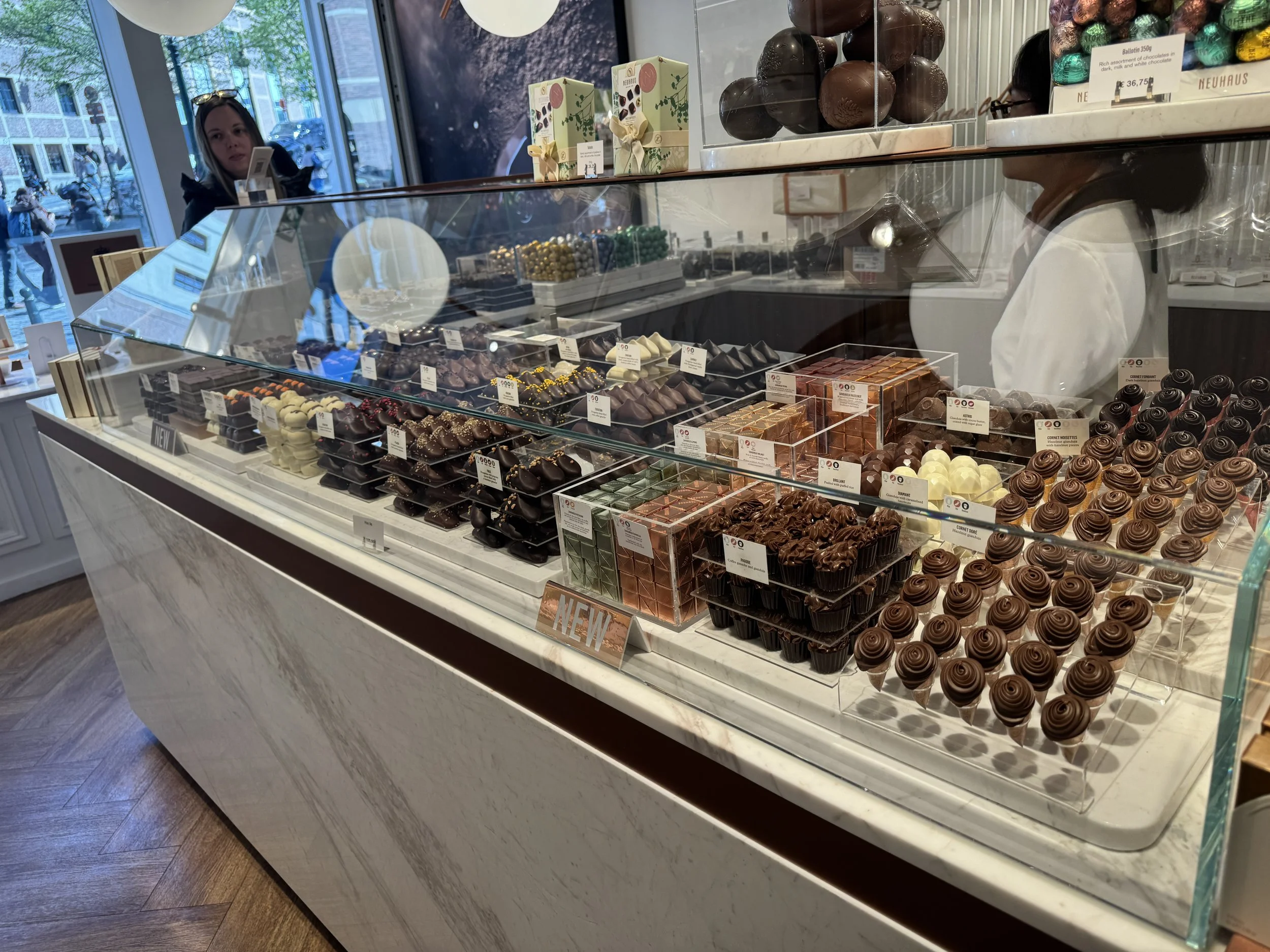
Then we hit NEUHAUS Bruxelles, where we got another free sample and, of course, bought more chocolate. During checkout, they gave me two extra pieces just for providing my name and email. No complaints.
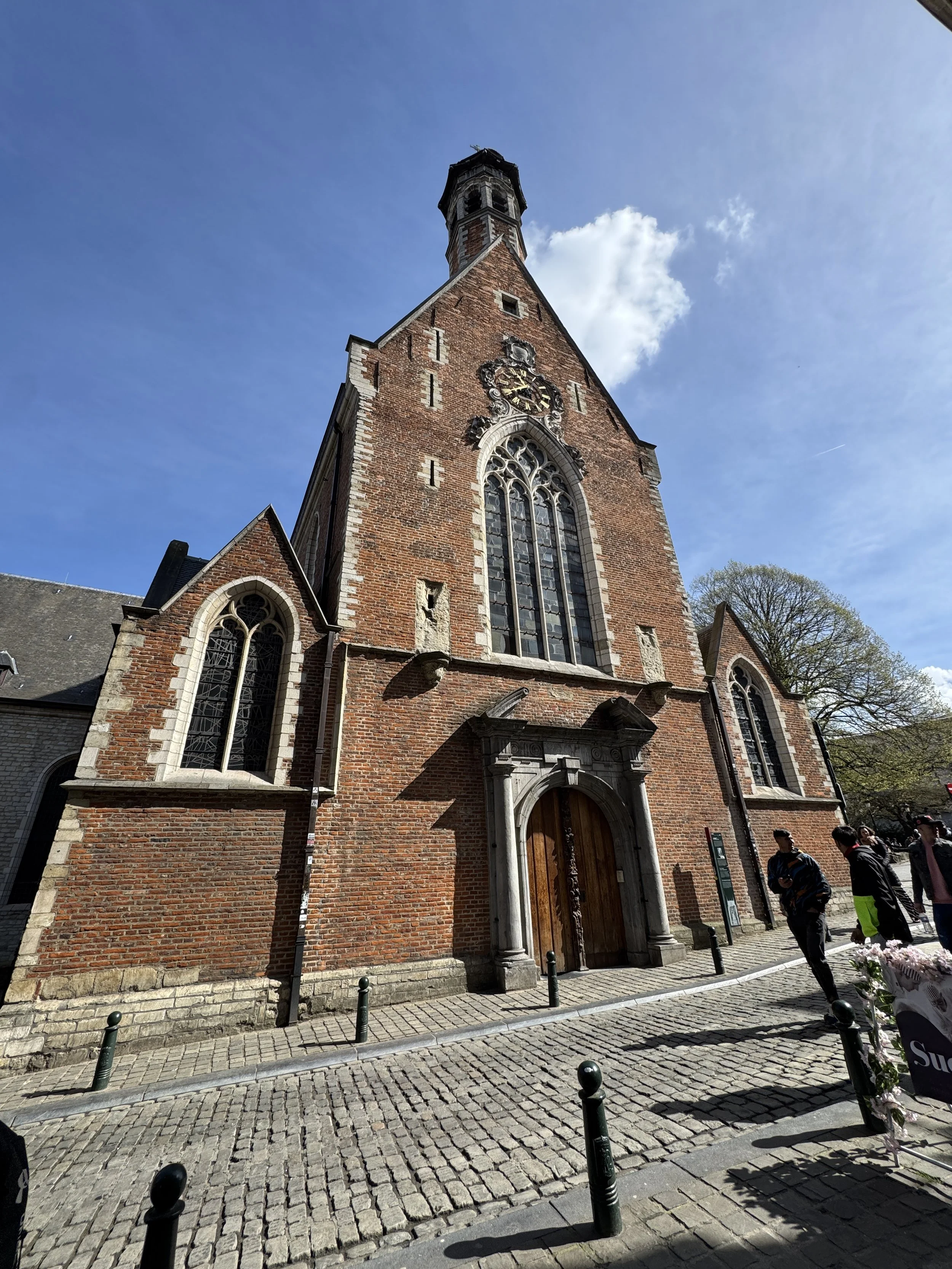
As we continued walking, we passed the Mary Magdalene Chapel (Église Sainte-Marie-Madeleine), which dates back to the 17th century. It started as a small parish church and has been rebuilt and modified over time, blending Baroque and later styles. It’s smaller and less famous than nearby churches, but it offers a quieter, more intimate feel. We didn’t go inside, but it was a nice stop visually.
Across the street was a shop called Manneke featuring local artists. It had some really cool pieces but wasn’t really souvenir-focused.
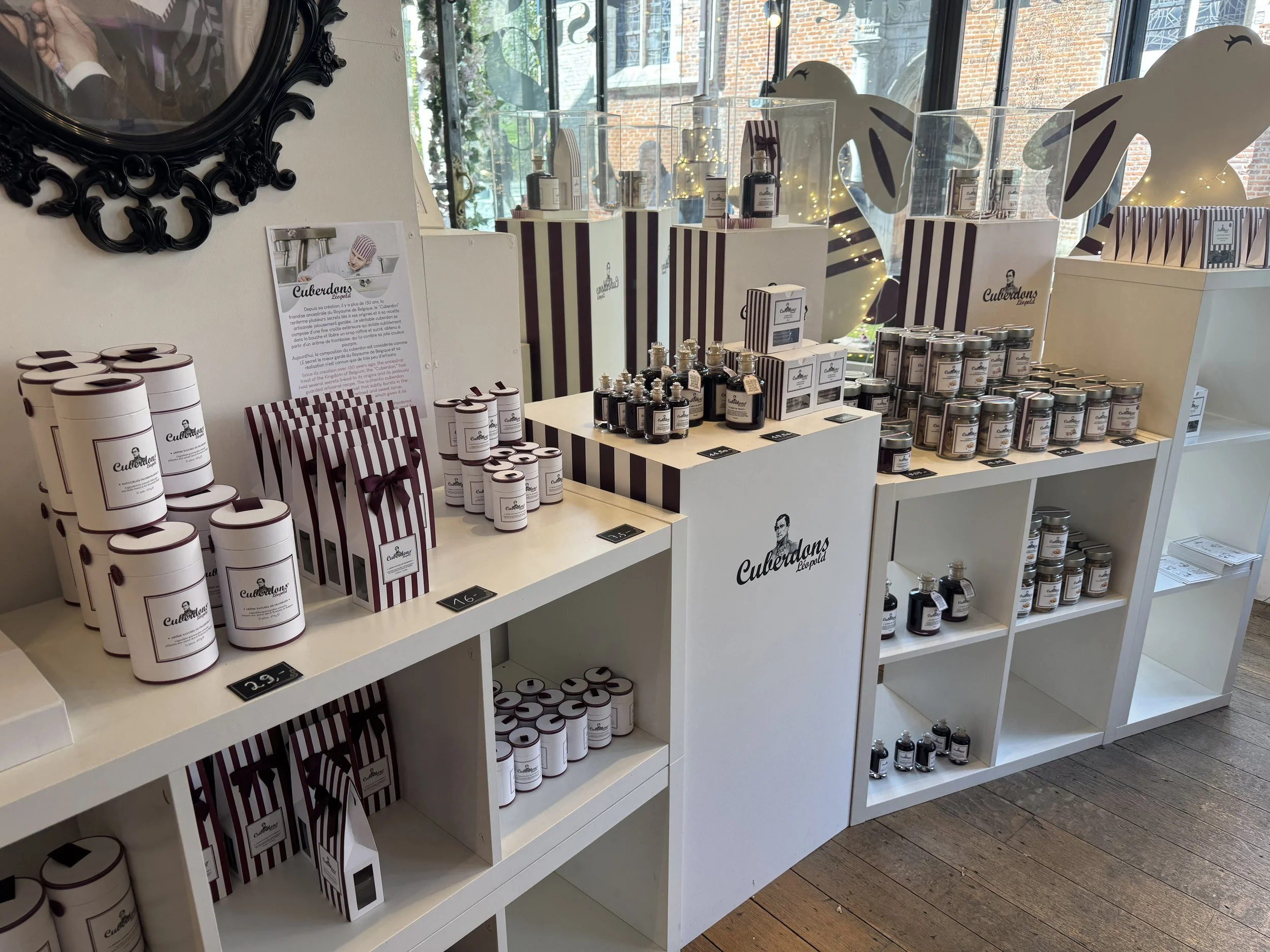
Next door was Sucré, which had confections including something called Cuberdons. The description didn’t help much, but the employee offered a sample. It was chewy, moist, fruity, and sugary… definitely unique. I bought some because it felt like something my boyfriend would like. It was probably the most unusual thing we tried all day.
In the same square, there was a small market where a woman was painting city scenes. After striking out on decor souvenirs all day, this finally felt right. She preferred cash and was okay with USD, so we went back and bought two paintings—€25 for one or €45 for two.
Since we were now carrying a ton of chocolate and a painting, we went back to the car (one block away… although GPS made it a full loop when we later realized we could’ve cut through the market). We dropped everything off and headed back out.
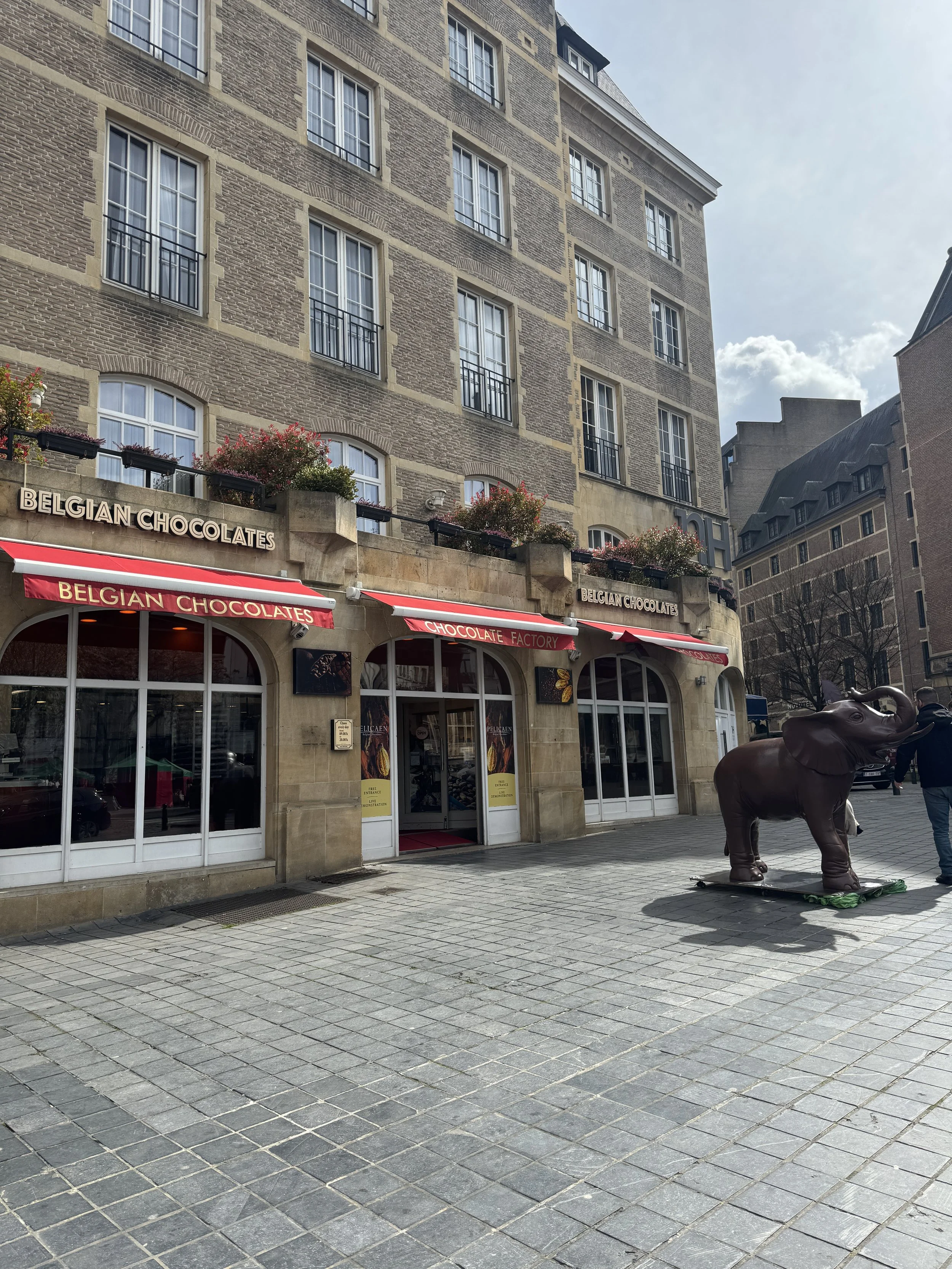
Immediately, we found Belgian Chocolates, a shop with a chocolate-making setup inside. They handed us truffle samples that were so good we instantly bought some. Then came the deal: €12 per tin or $36 for five (basically buy three, get two free). And since I love a deal and we were already buying multiple, we split one for the trip and each took two home.
The car was right there again, so we dropped the tins off and discovered a bathroom in the parking garage. Very clutch moment.
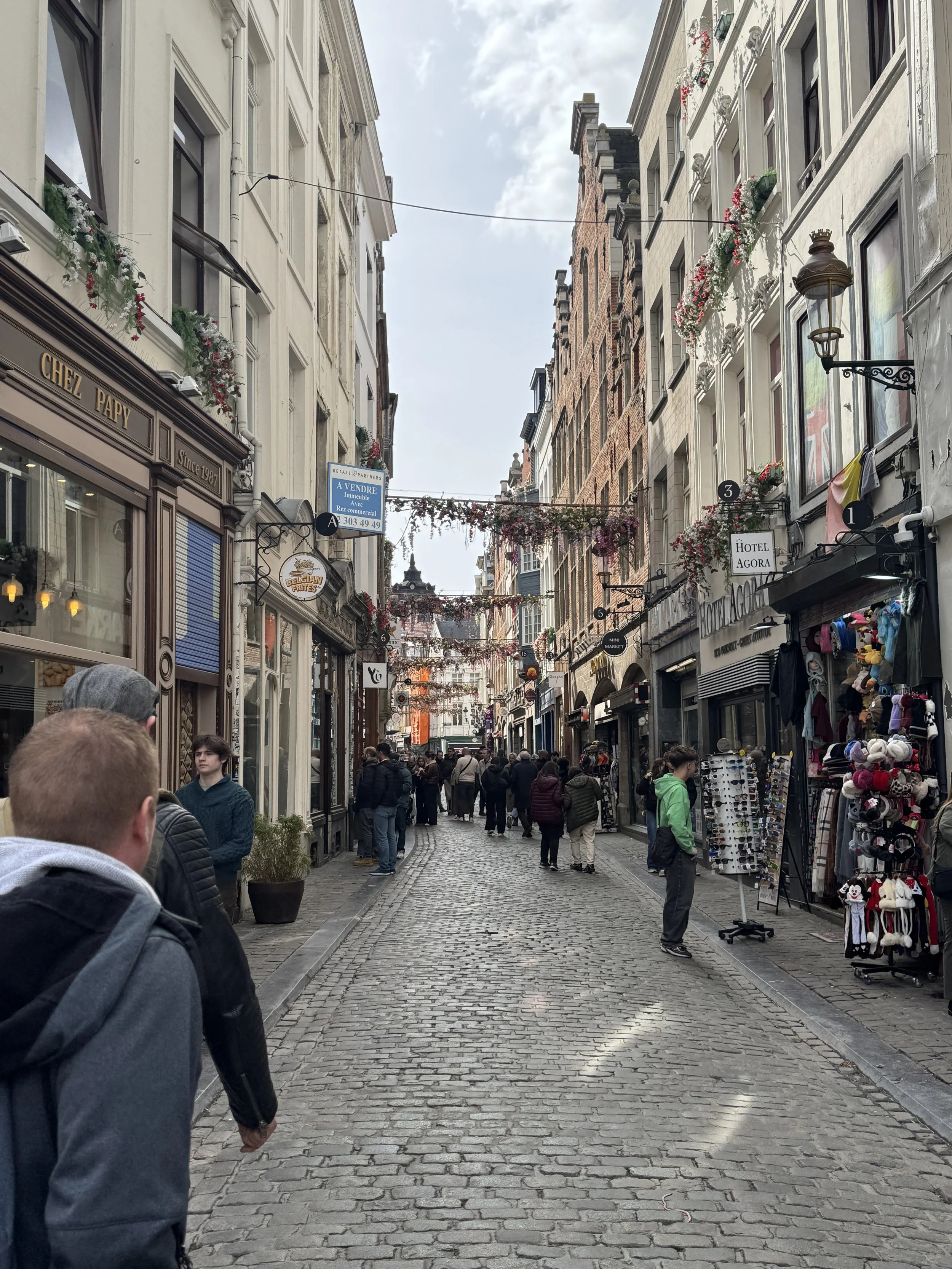
We wandered down Rue des Éperonniers, a cute street with flowers hanging overhead, then passed through a strange indoor shopping area that had everything from fast food to luggage to nail salons. It felt completely different from the outside.
That path led us straight into Grand Place.
Grand Place dates back to the 12th century as a marketplace and evolved into a grand civic square surrounded by ornate guild houses, the Gothic Town Hall, and the King’s House. After being heavily damaged in a French bombardment in 1695, it was rebuilt by the guilds, resulting in the elaborate façades seen today. It’s now a UNESCO World Heritage Site and considered one of the most beautiful squares in Europe.
And honestly… it lives up to that.
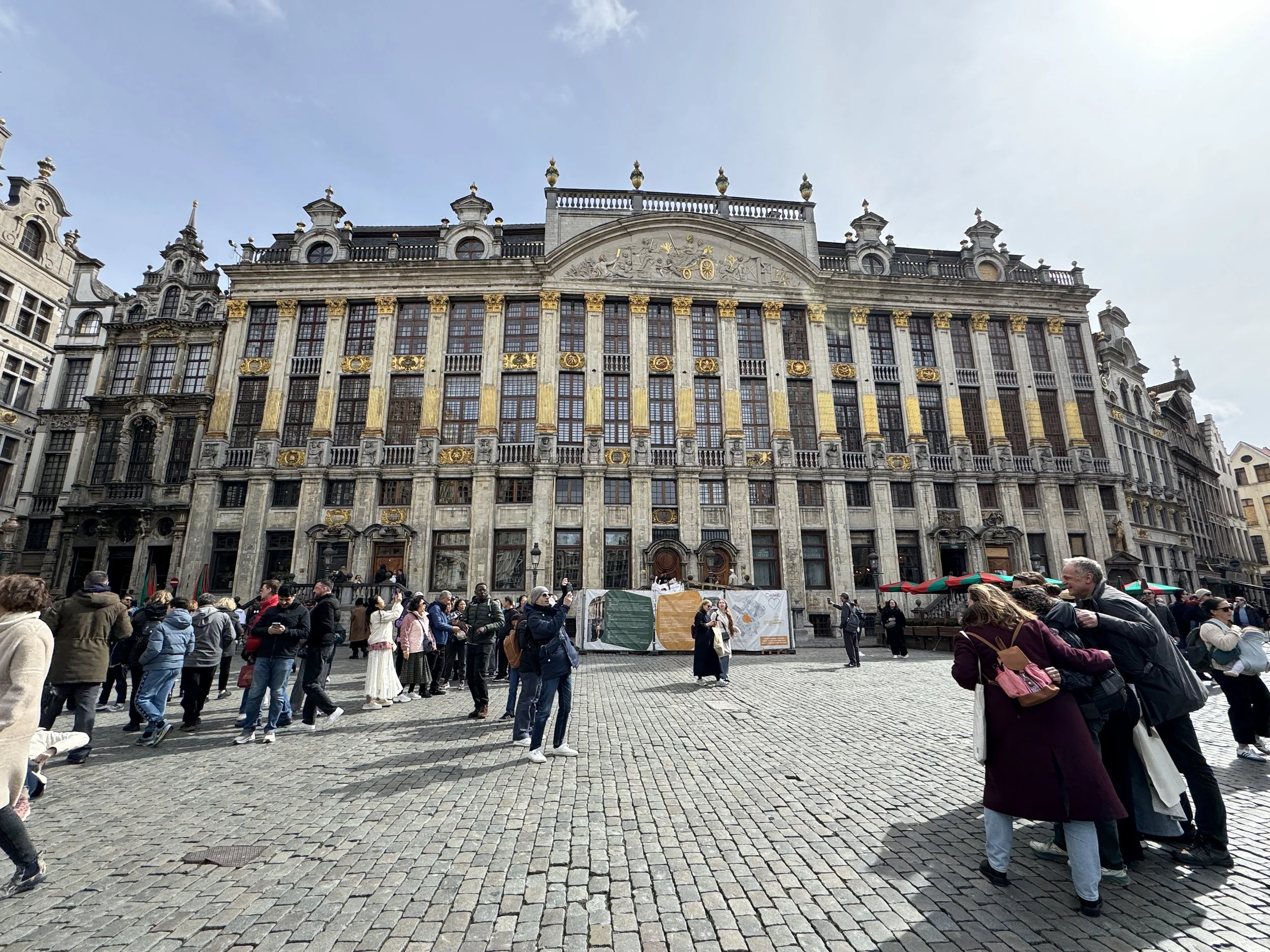
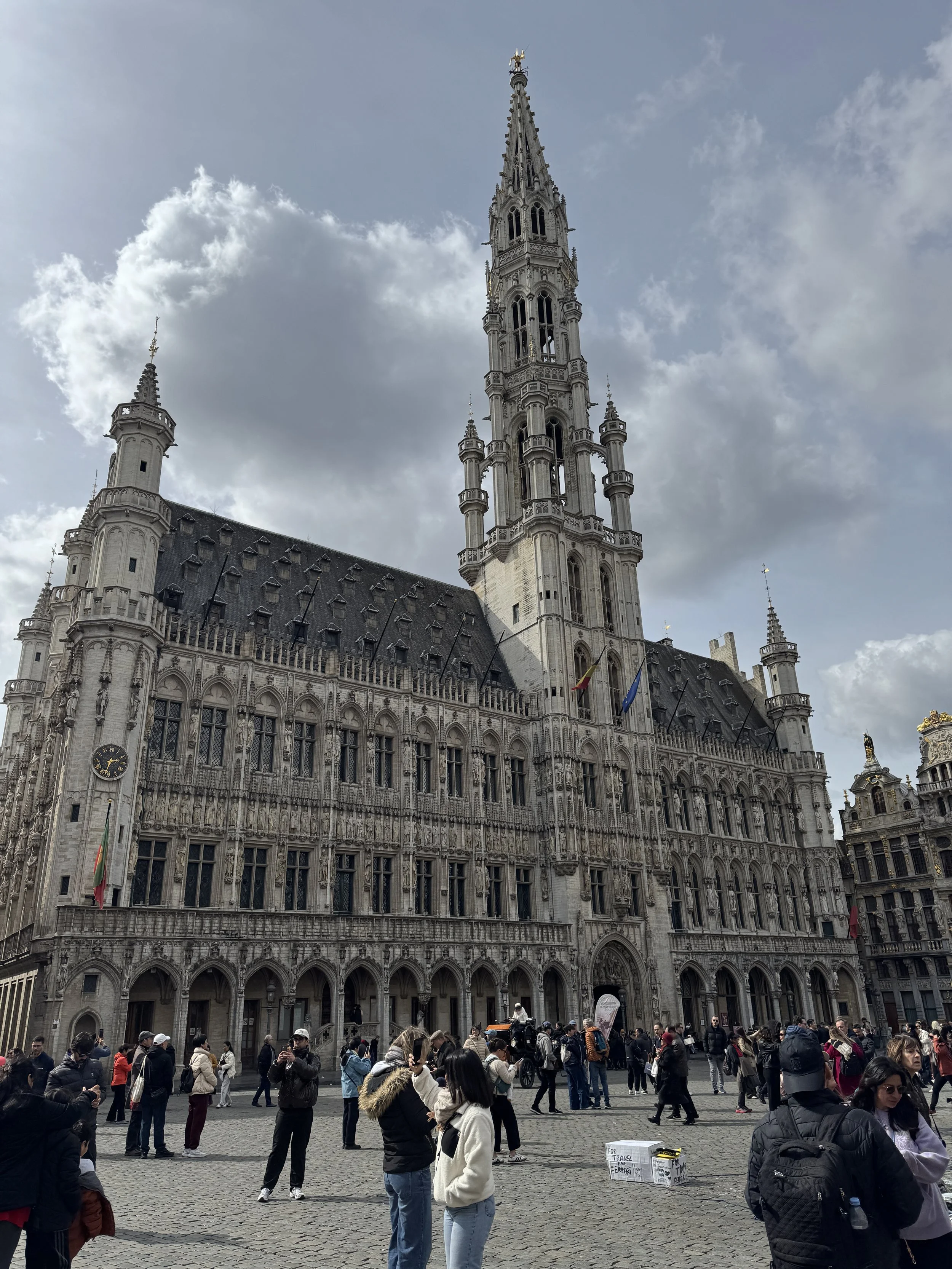
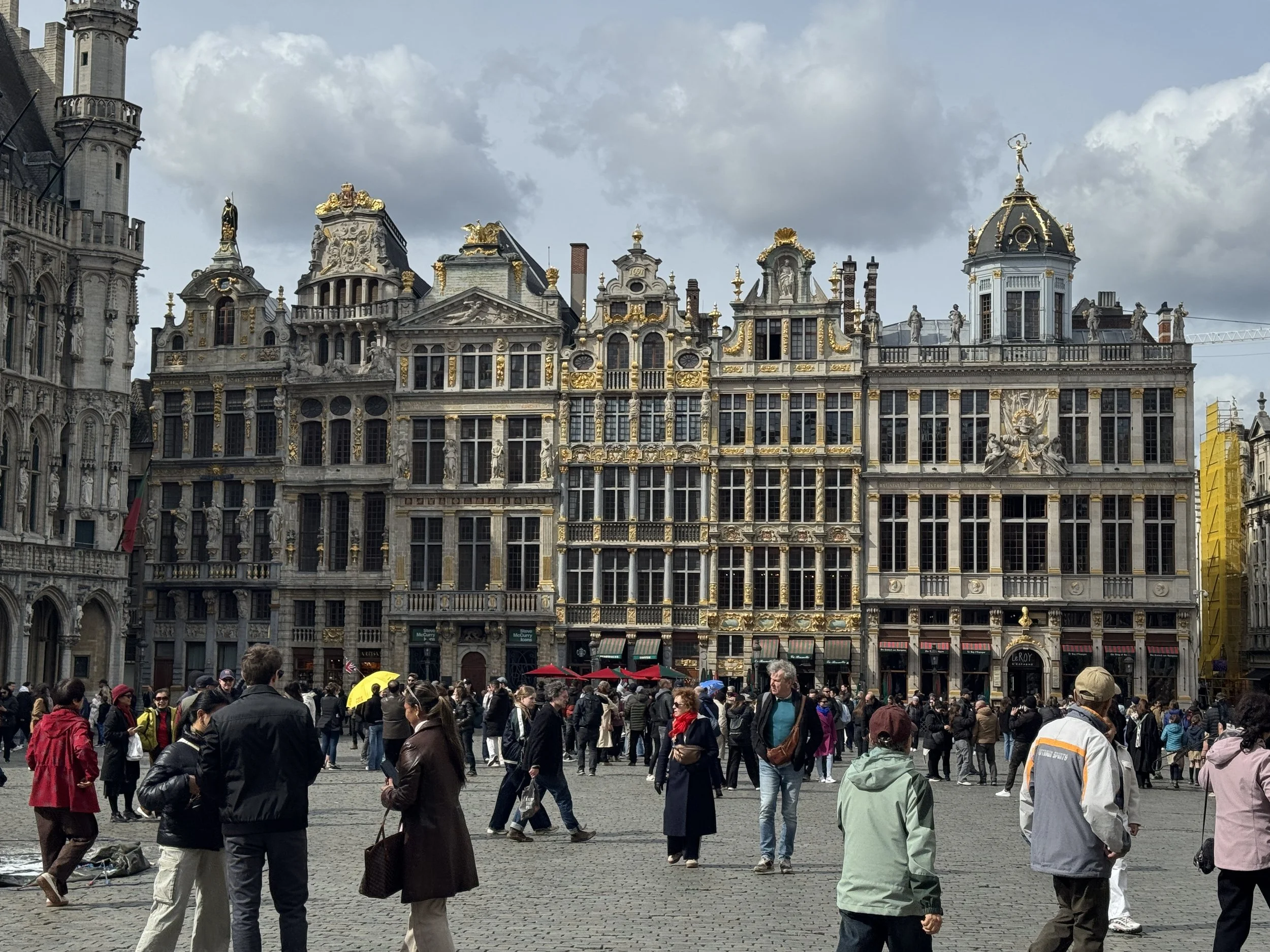
From there, we spotted a shop with a yellow awning—L’Abeille Blanche—which turned out to be part gift shop, part tattoo shop. I found a drawing of a castle with Harry Potter-style cats flying around and immediately bought it. They also had handmade cat-head hair ties. Super cute shop.
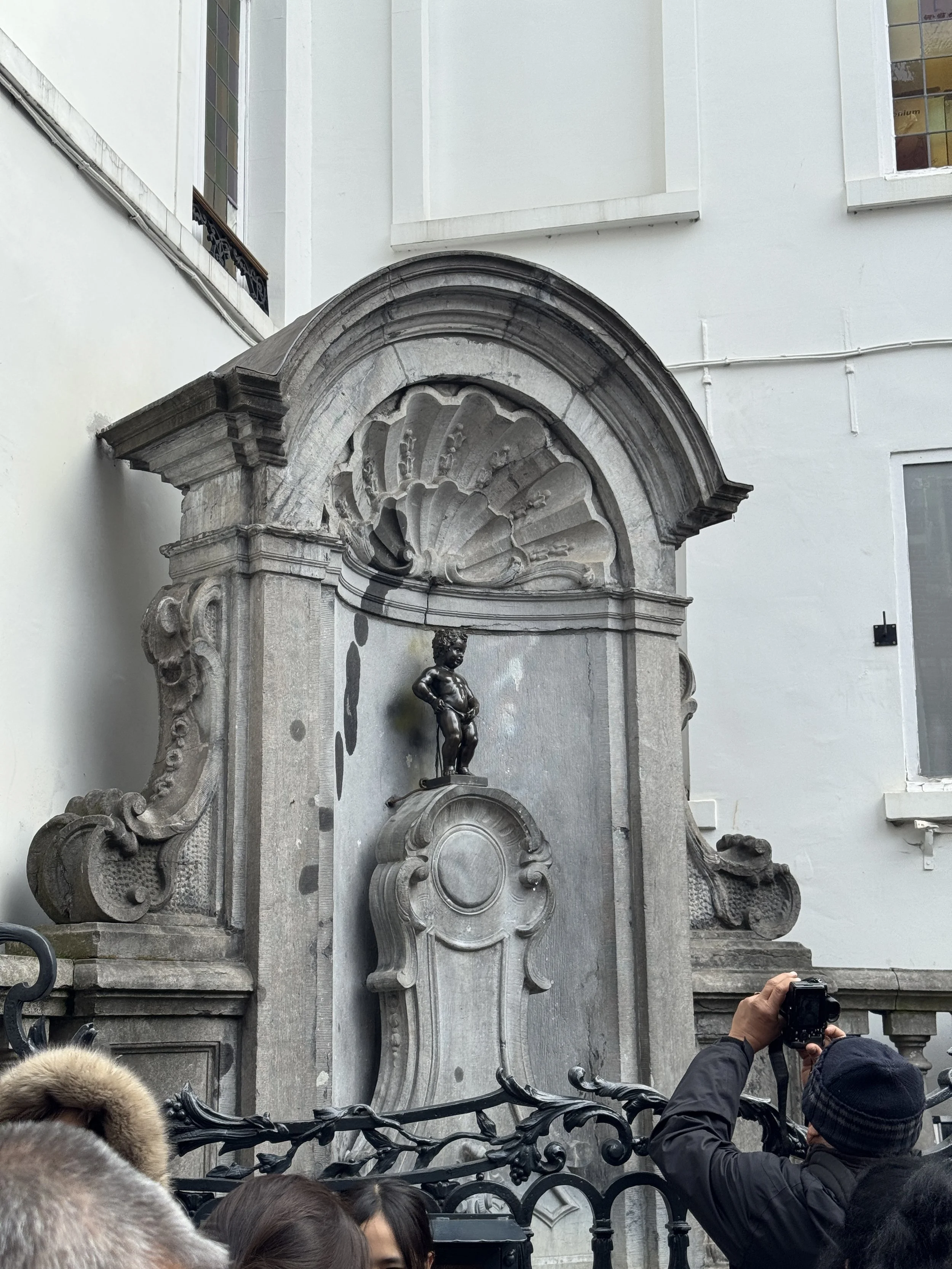
Following the crowds (and a buzzing sound), we found Manneken Pis. It’s exactly what you think—a small statue of a boy peeing into a fountain. Created in 1619 by sculptor Jérôme Duquesnoy, it’s become one of Brussels’ most iconic symbols. There are several legends behind it, including one where a boy saved the city by putting out a fire this way. Over time, it’s been stolen multiple times, dressed in hundreds of costumes, and embraced as a symbol of the city’s humor.
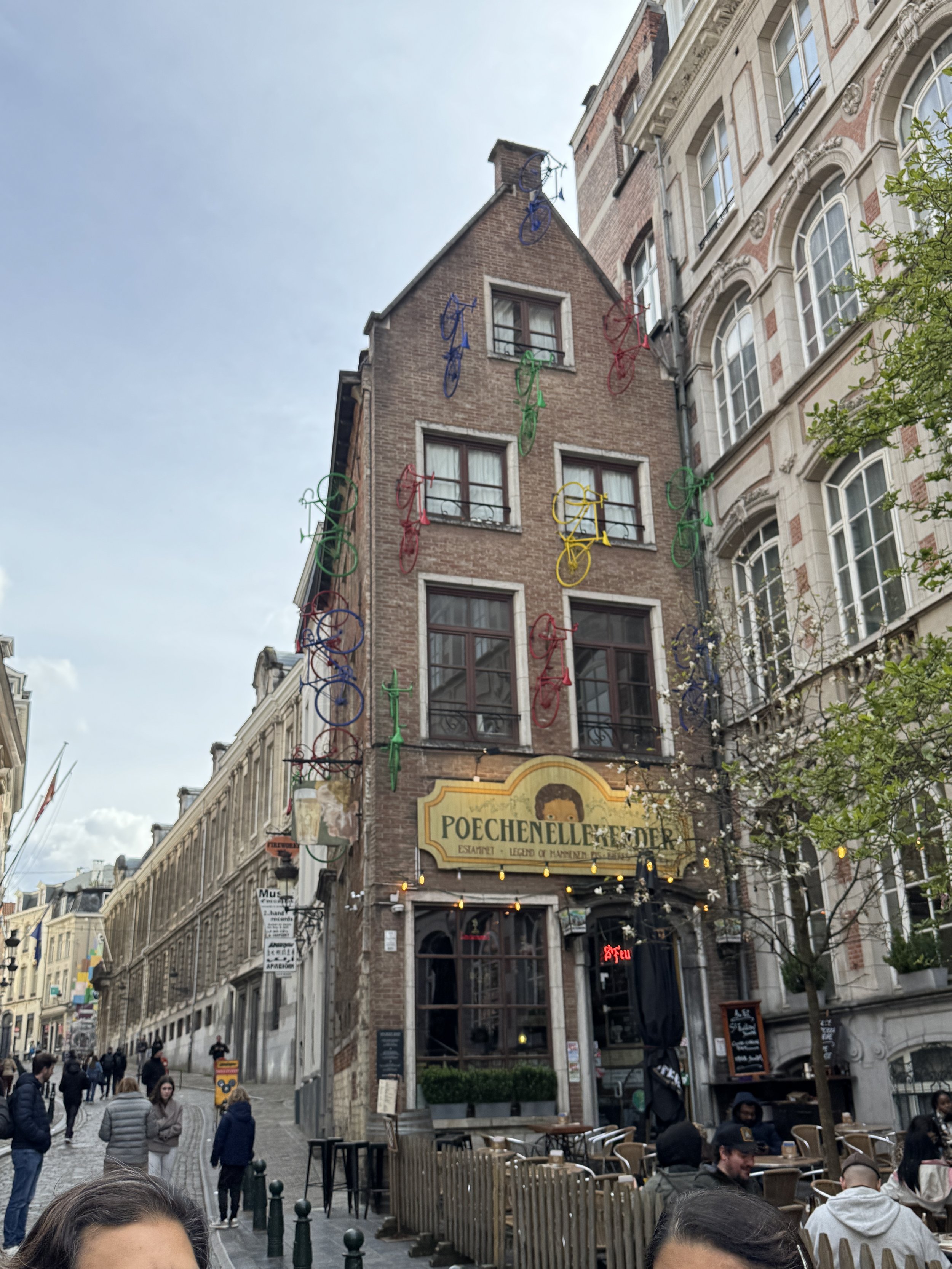
Right next to it is a building covered in colorful bikes, which is also worth a quick look.
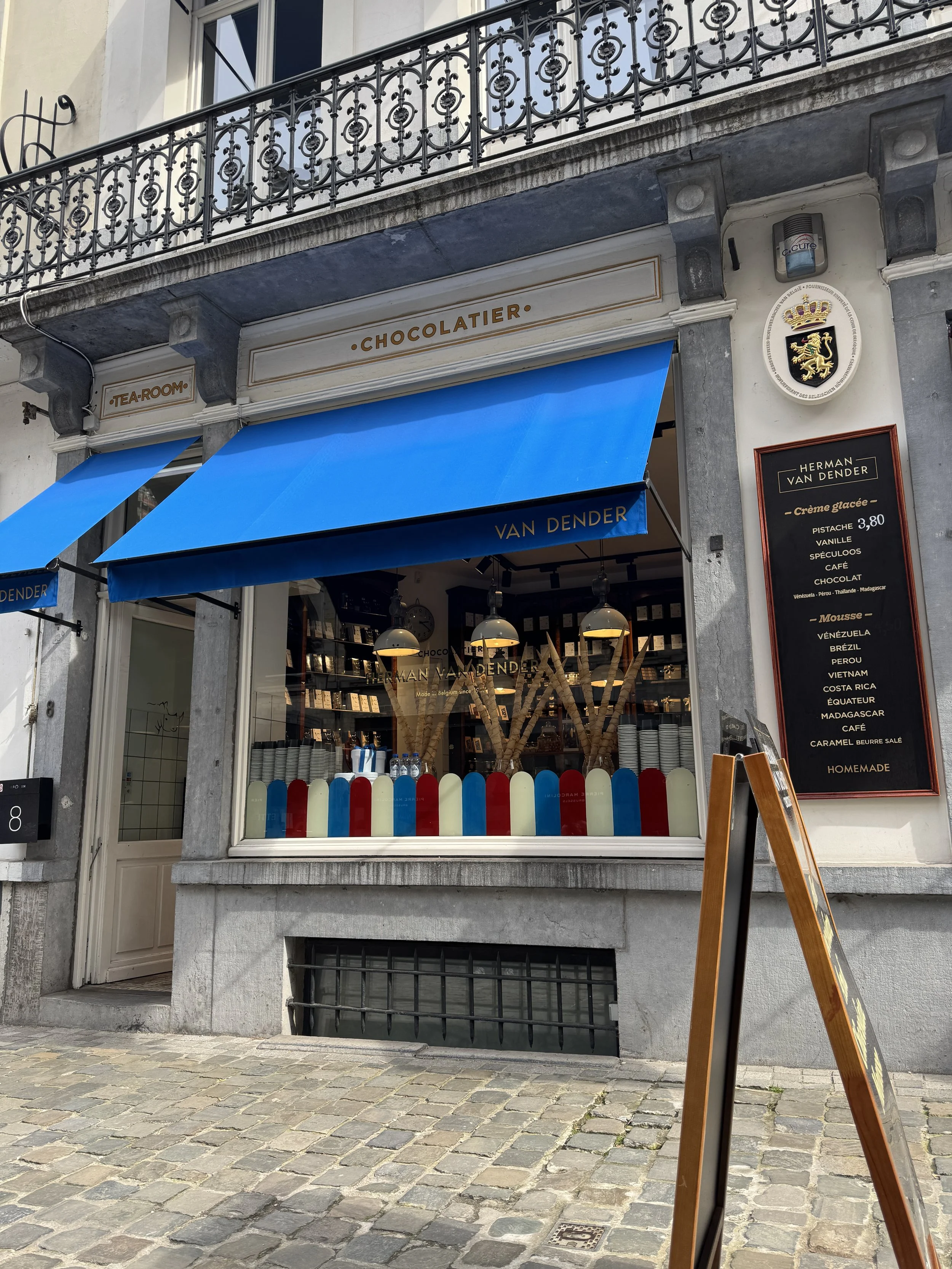
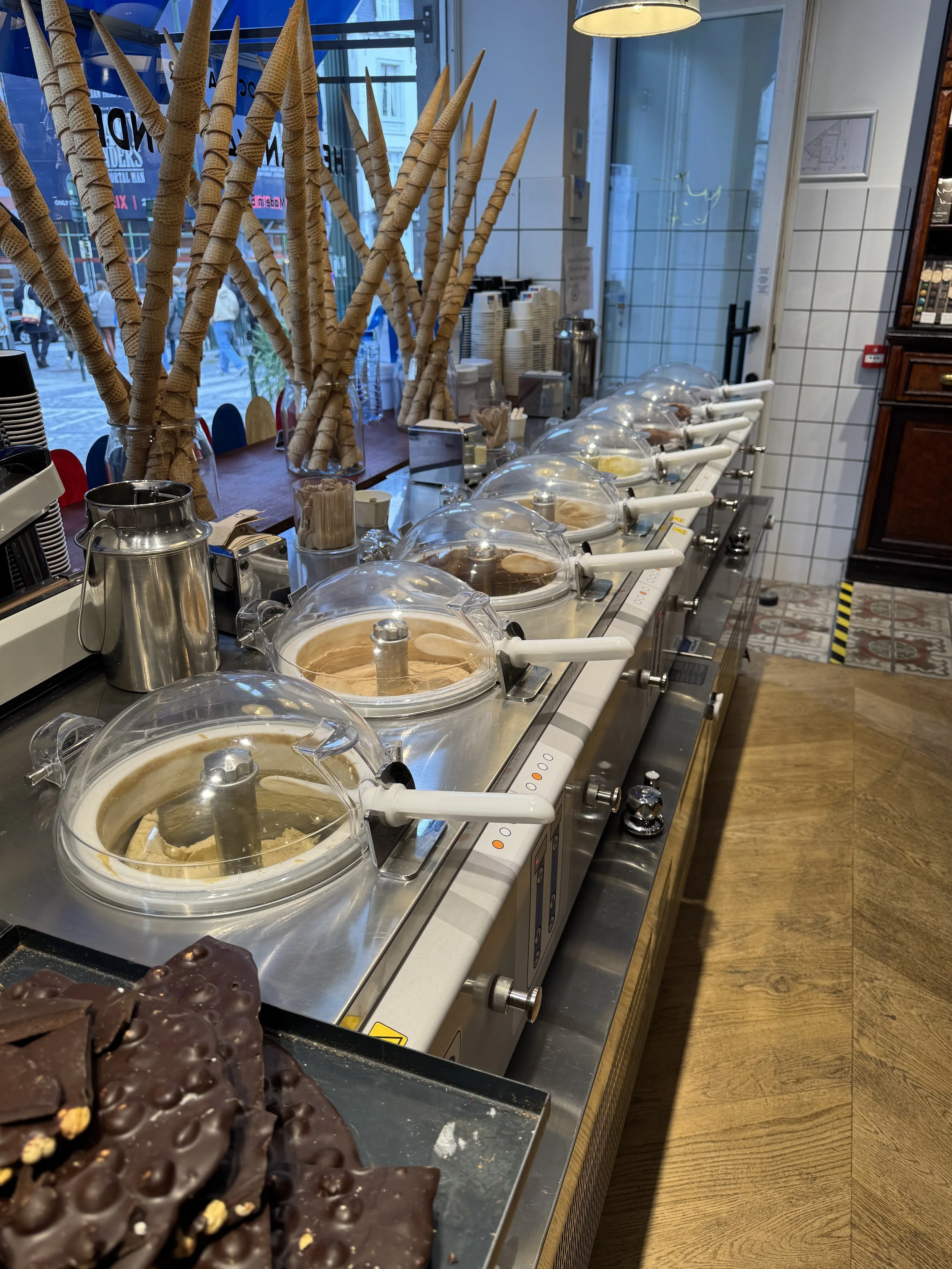
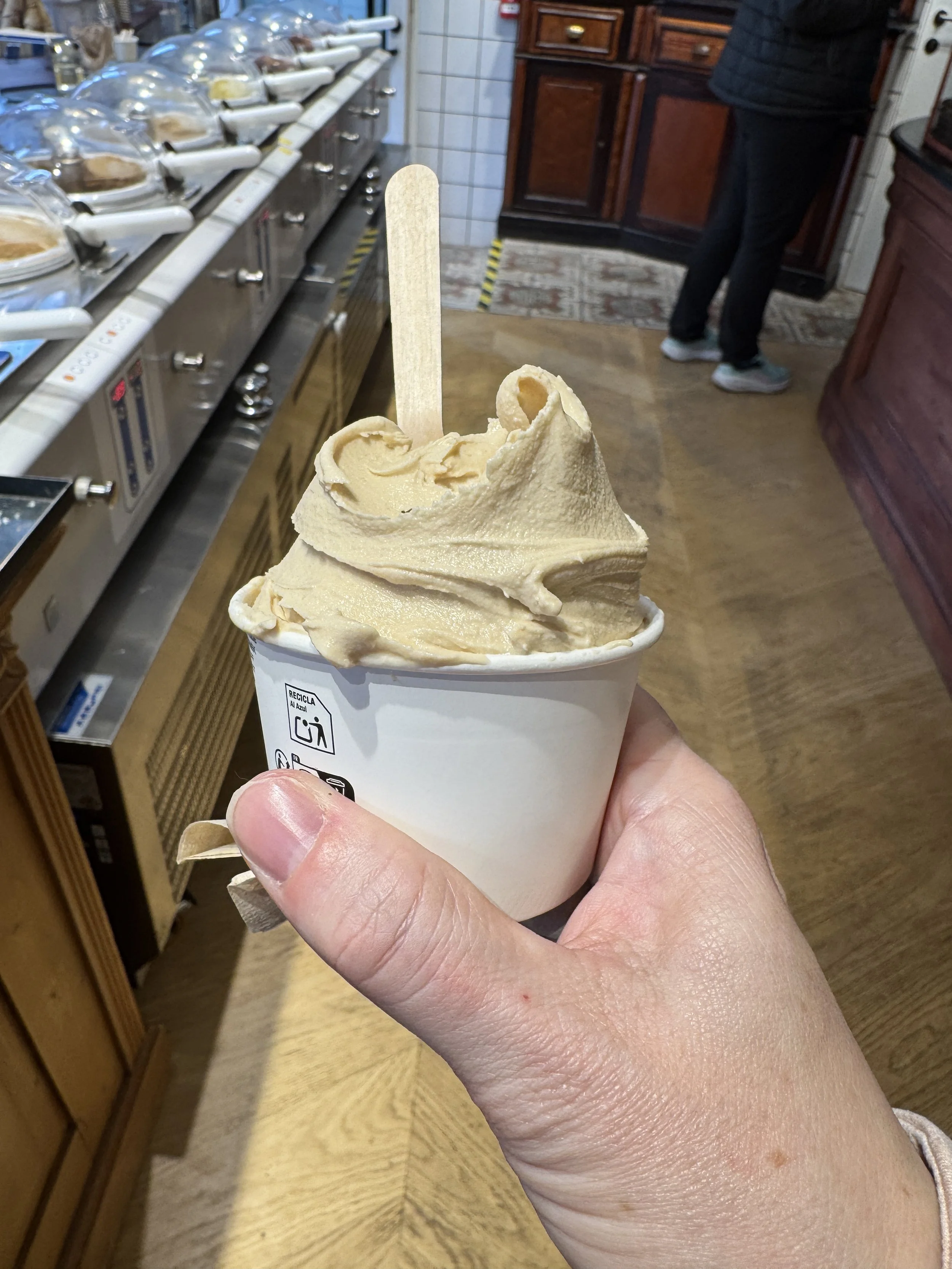
We kept moving and passed Herman Van Dender, which pulled us in immediately. They had a chocolate fountain wall display and a very tempting ice cream case. The employee offered samples, and I tried the Biscoff flavor—it was amazing. Think gelato texture but technically ice cream. No chocolate samples though, so I stuck with ice cream. The shop had a very old-school vibe, even down to the uniforms.
Next stop was Église Notre-Dame des Victoires au Sablon, built in the 15th century. It started as a chapel for a crossbowmen’s guild and became one of the finest examples of Brabantine Gothic architecture. Its name comes from a legend involving a sacred statue of the Virgin Mary. It’s tied to elite guilds and has beautiful stained glass. The exterior and interior were both impressive. It’s open to the public, but some areas are reserved for prayer.
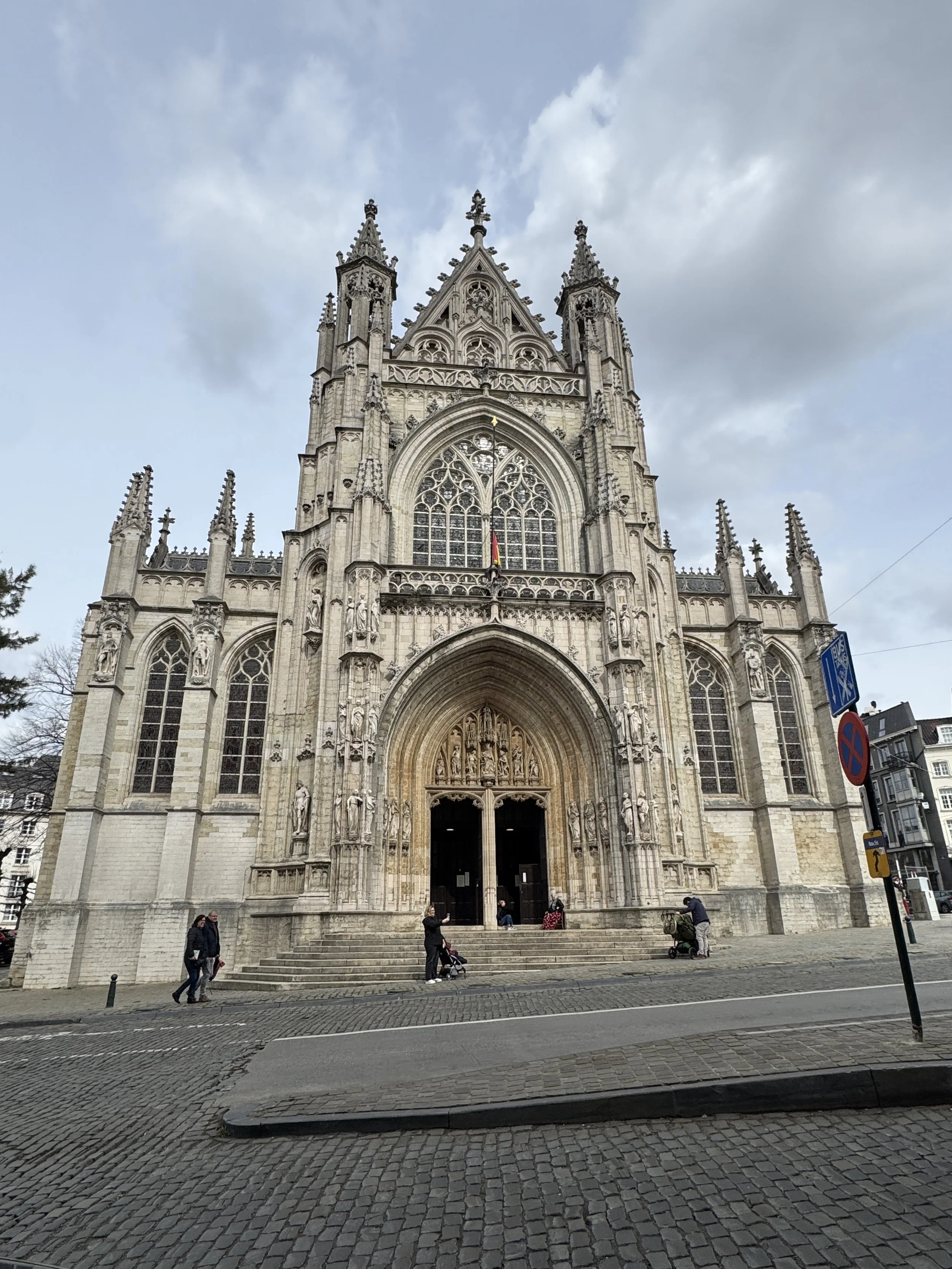
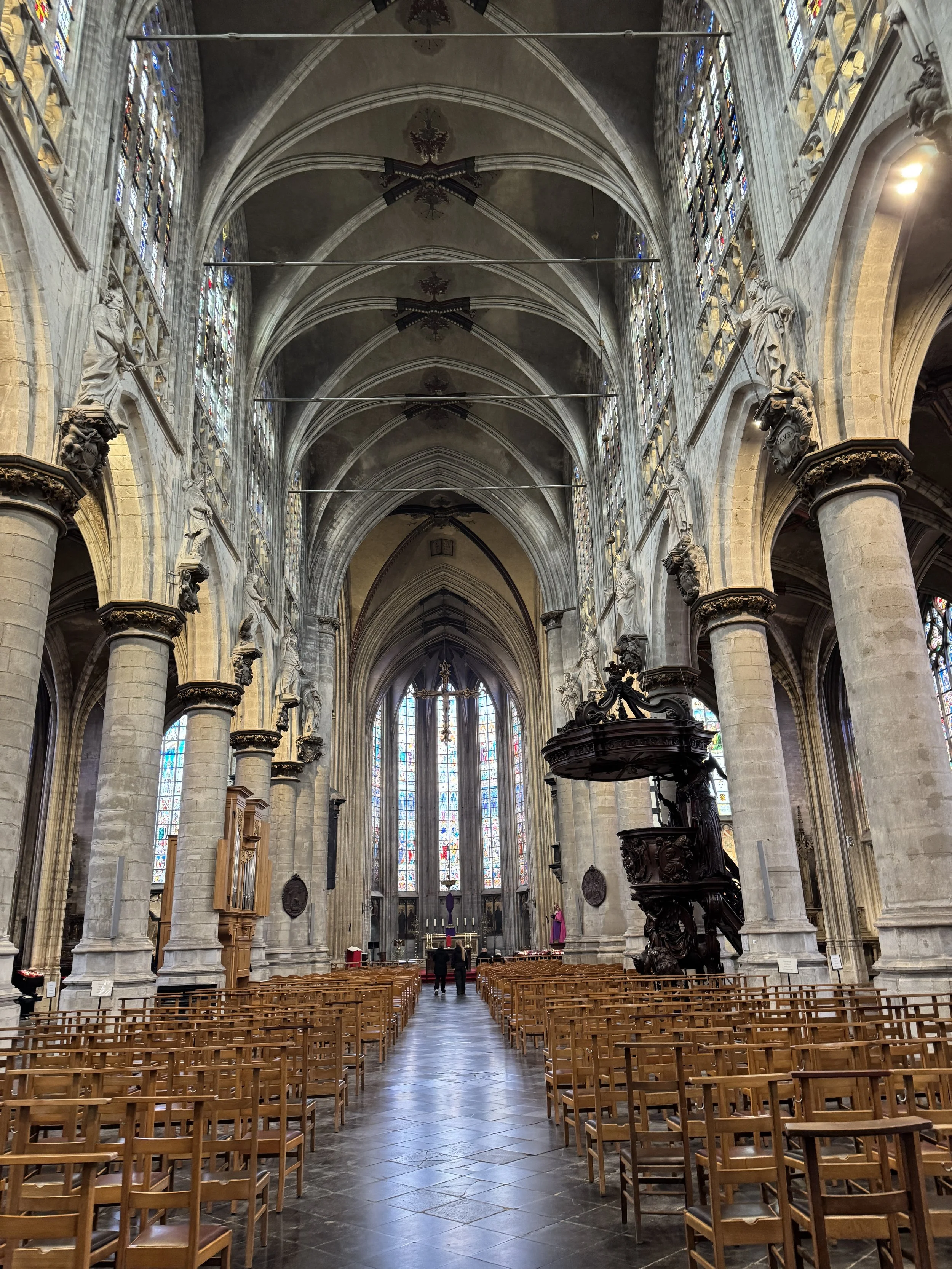
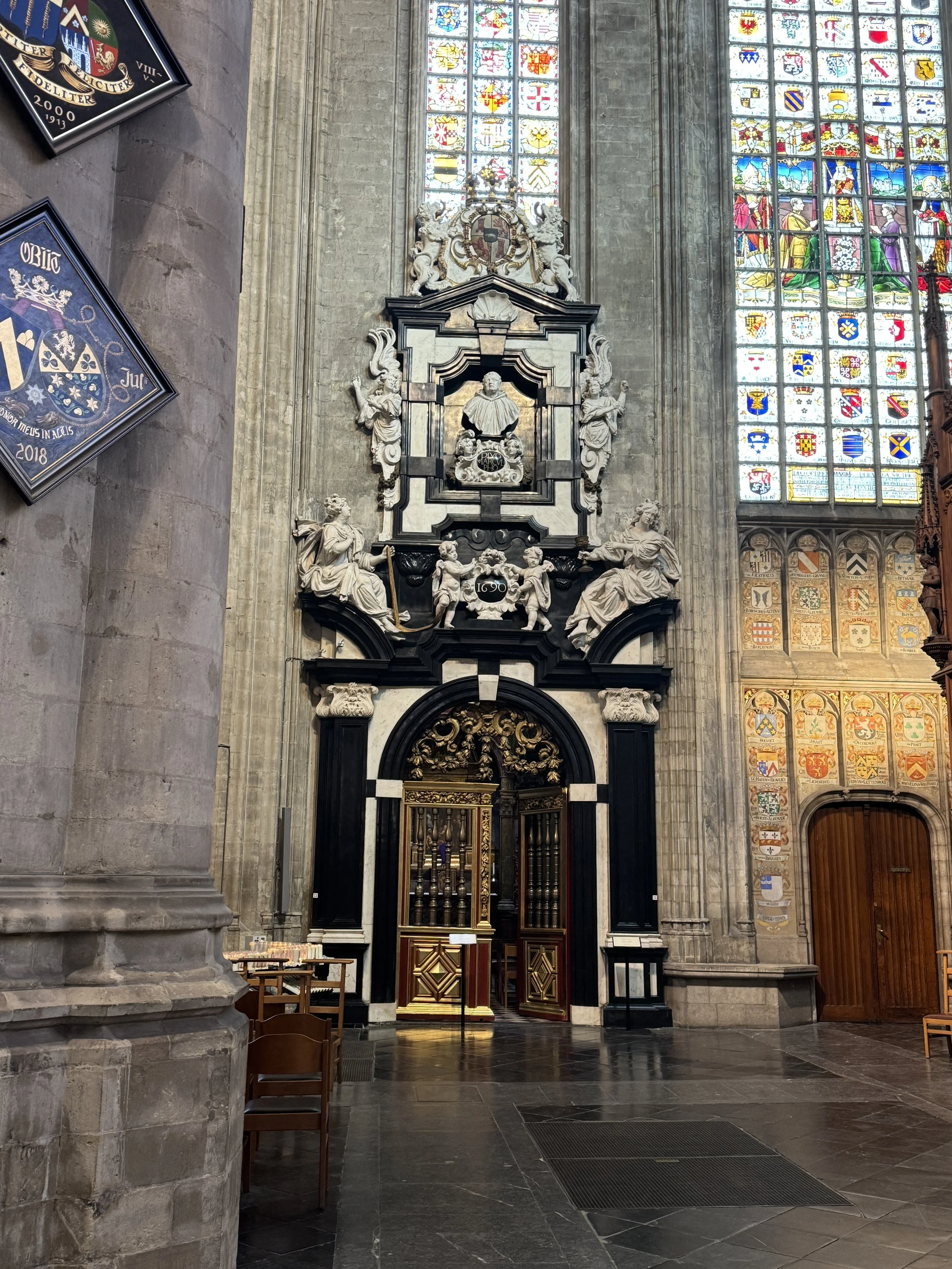
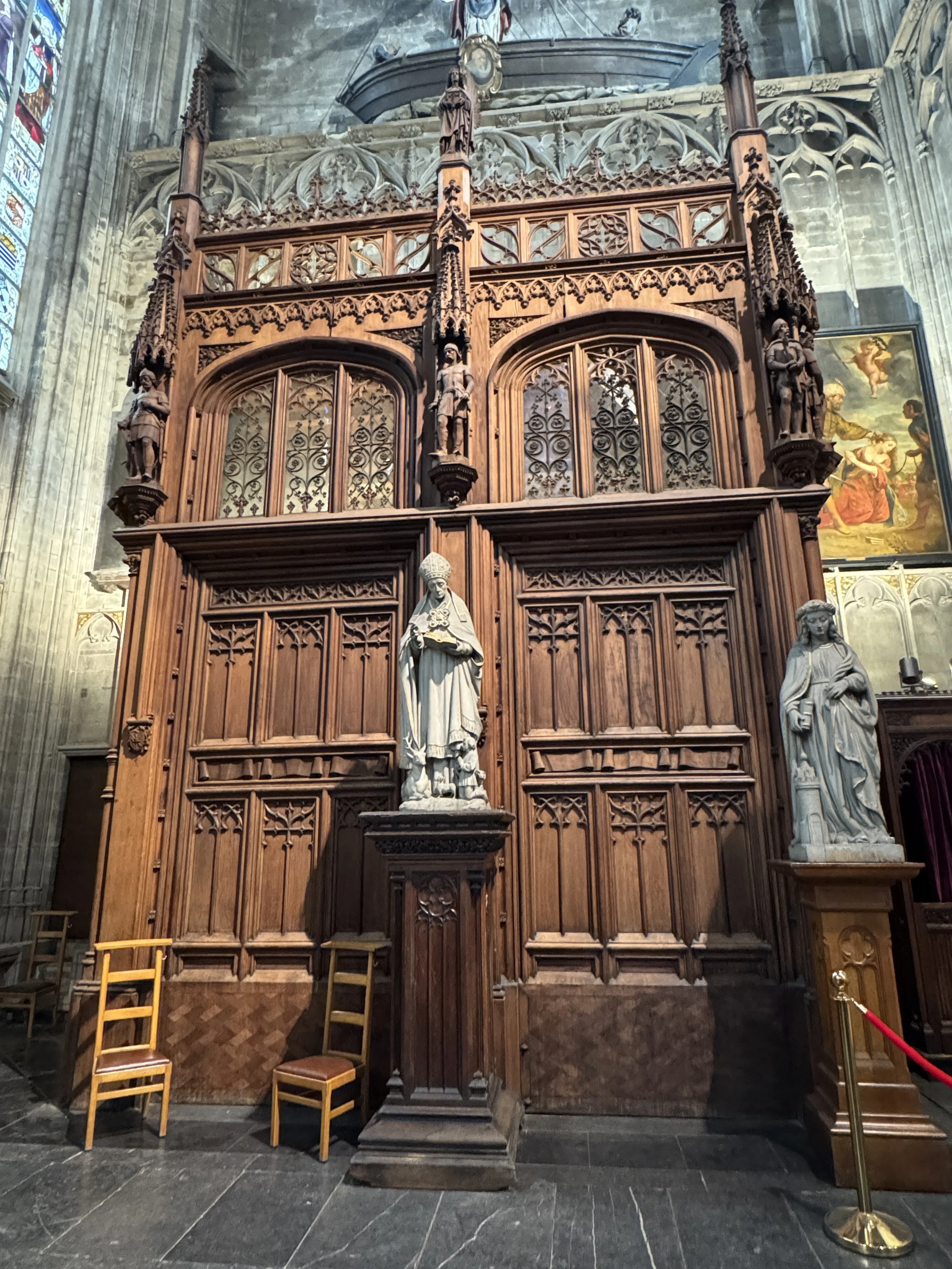
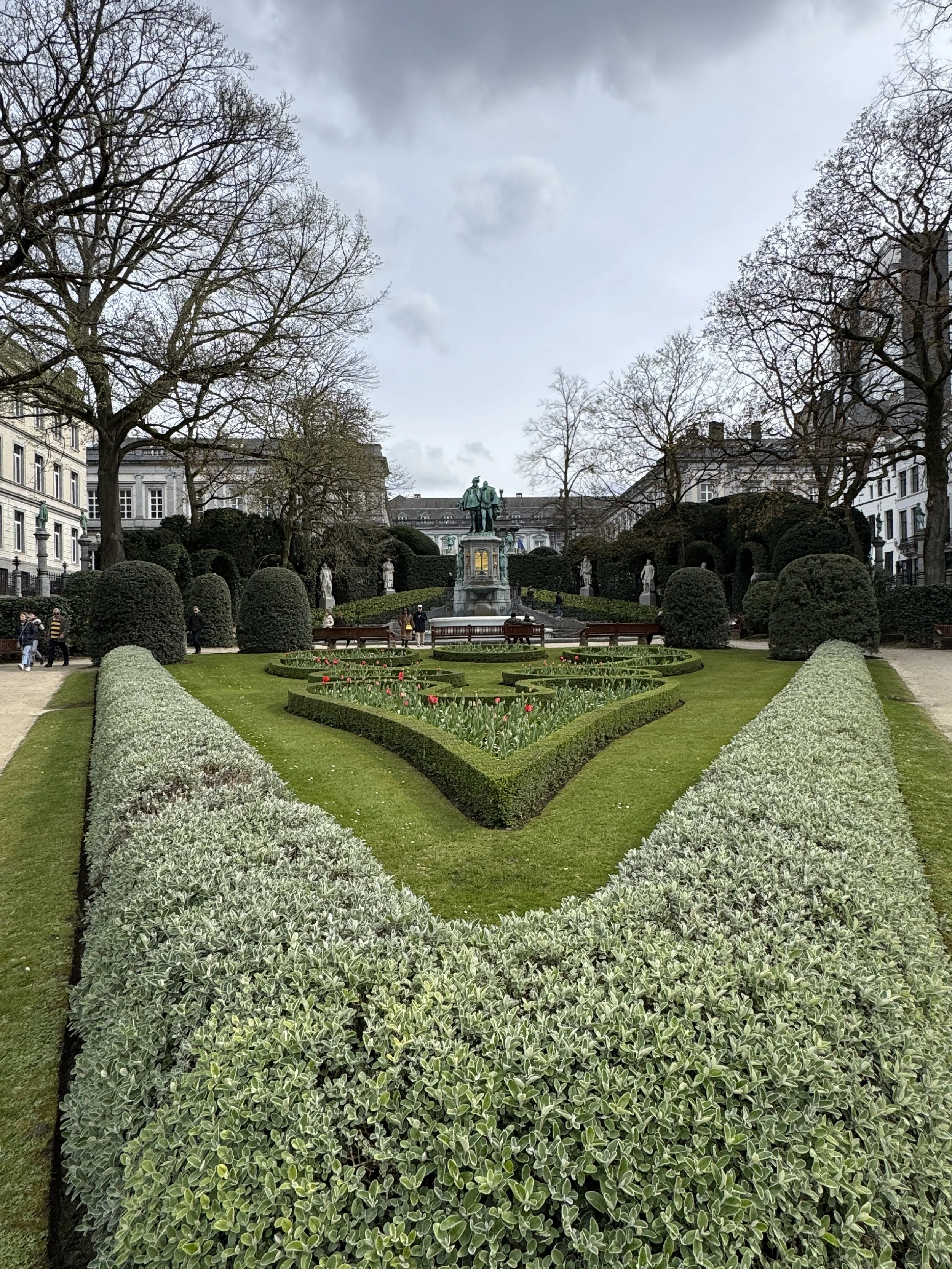
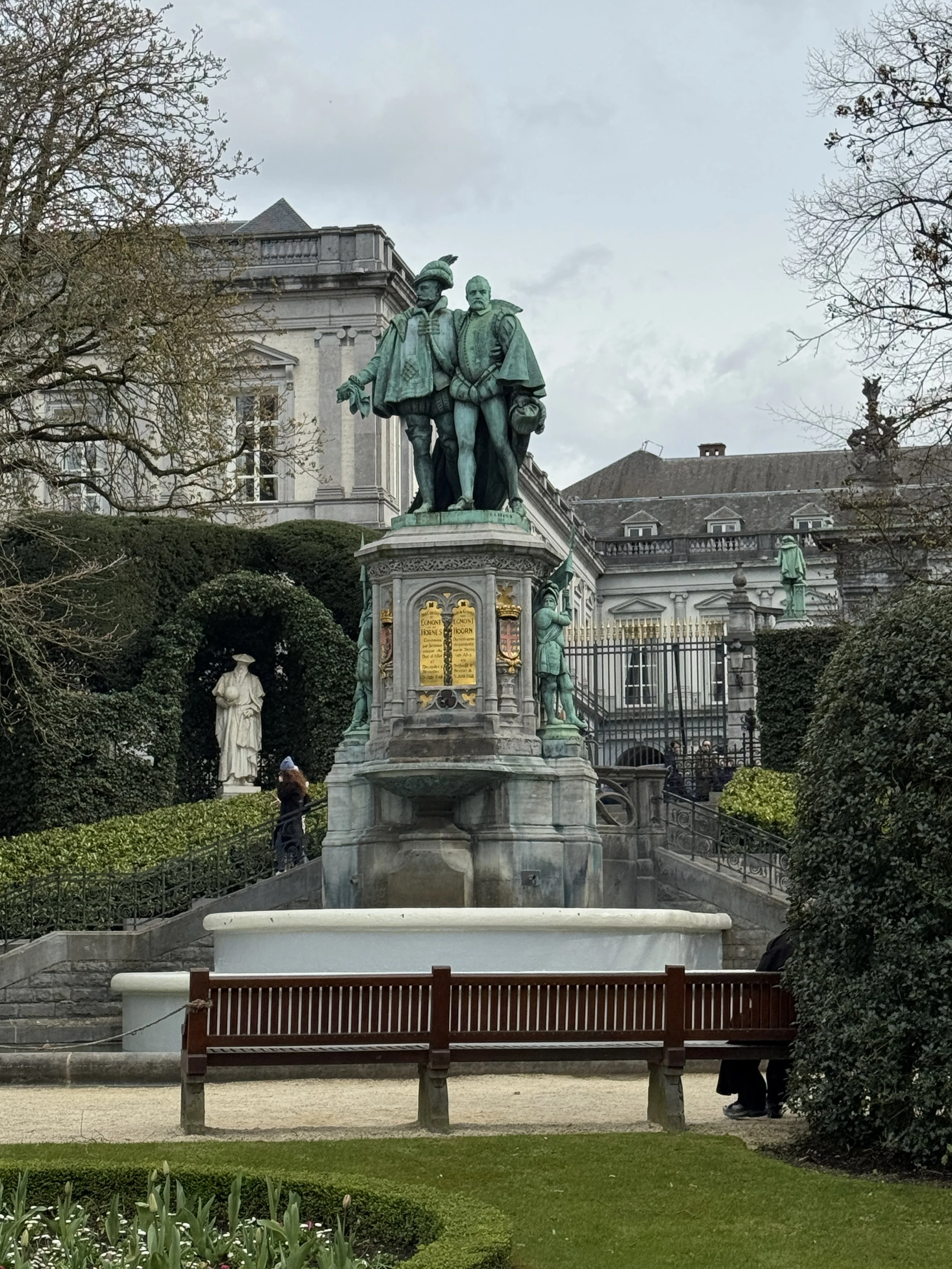
Right nearby is the statue of Counts Egmont and Hoorn in Petit Sablon. These two nobles were executed in 1568 by Spanish forces, sparking resistance that contributed to the Dutch Revolt. The statues honor them as symbols of freedom. The surrounding garden was peaceful and a nice place to pause.
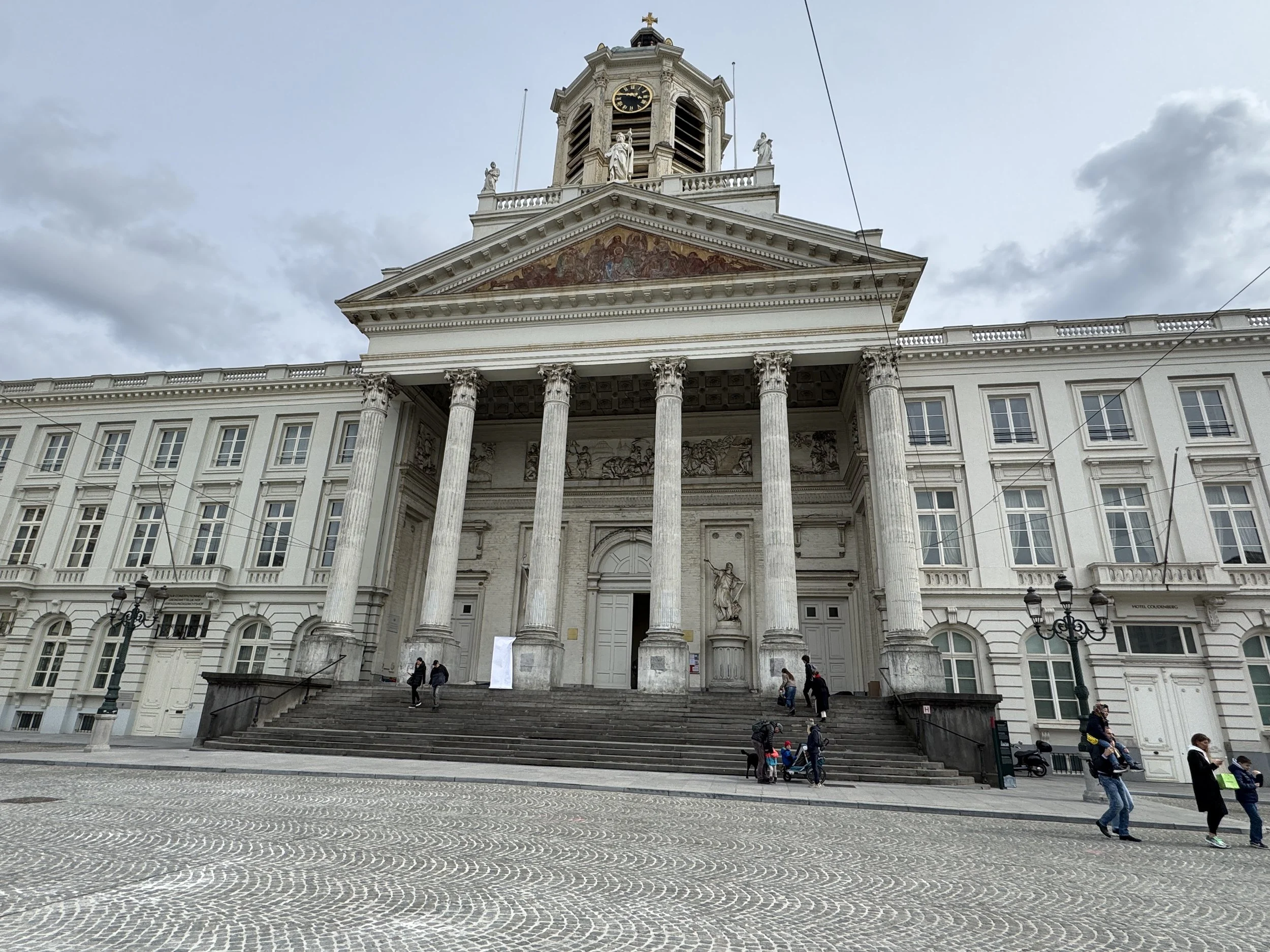
About 5–10 minutes away is Saint Jacques-sur-Coudenberg, built between 1776 and 1787 on the site of a palace chapel destroyed by fire. It’s neoclassical, so very different from the Gothic churches we’d been seeing. Clean lines, symmetry, and columns. It also plays a role in Belgian royal ceremonies. Honestly, I wasn’t even sure it was a church at first, but the clock tower and overall look made it stand out.
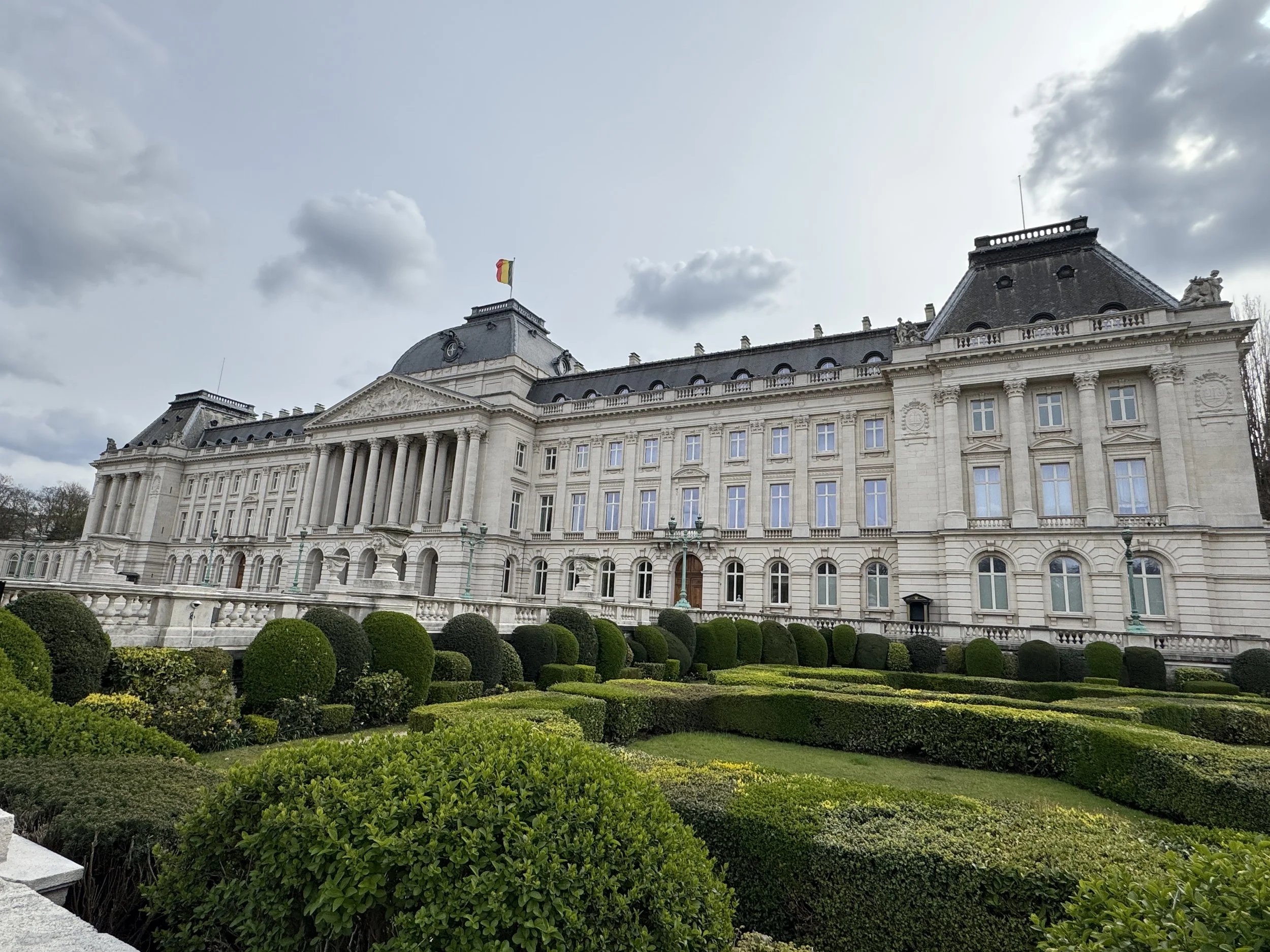
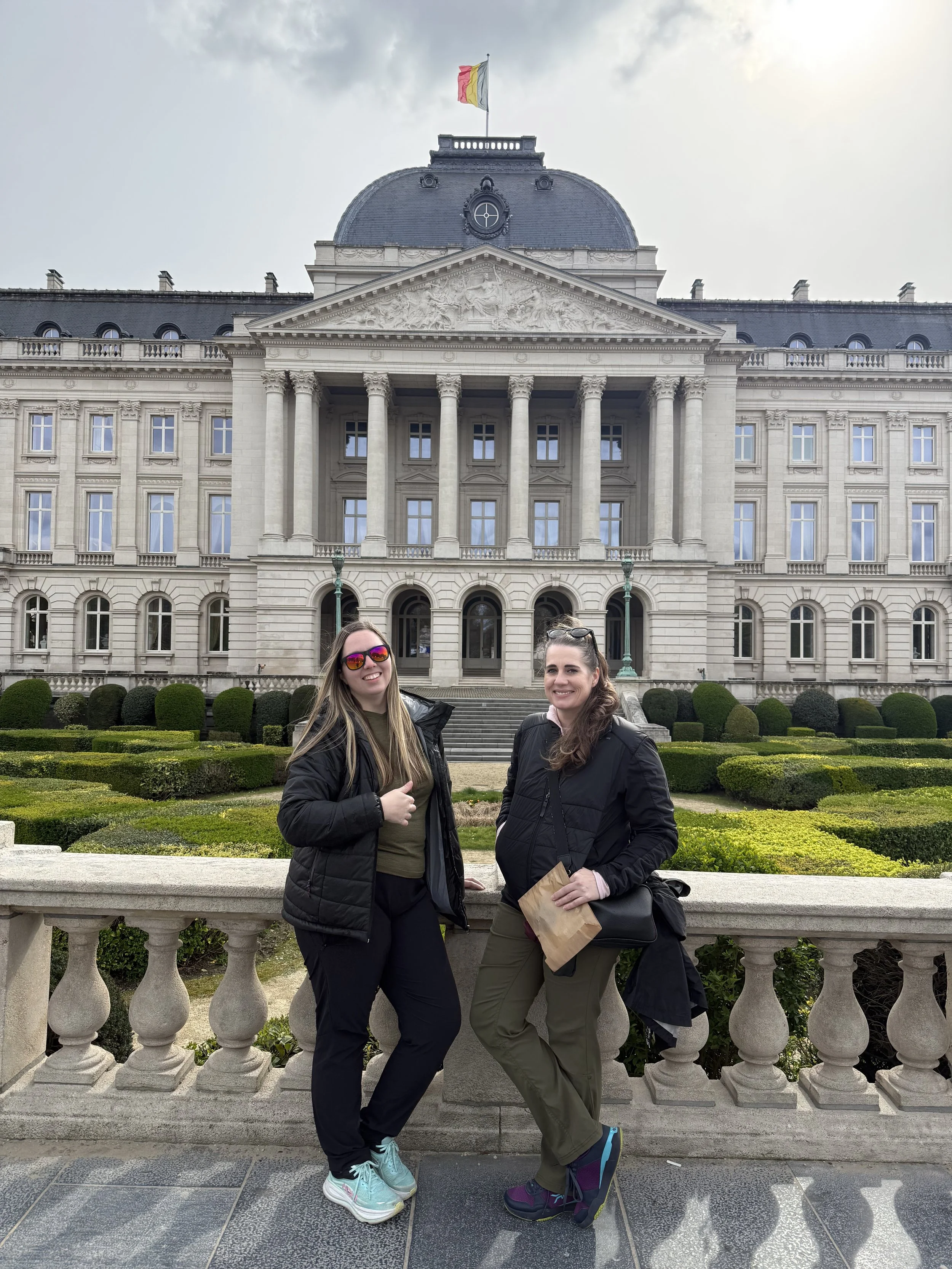
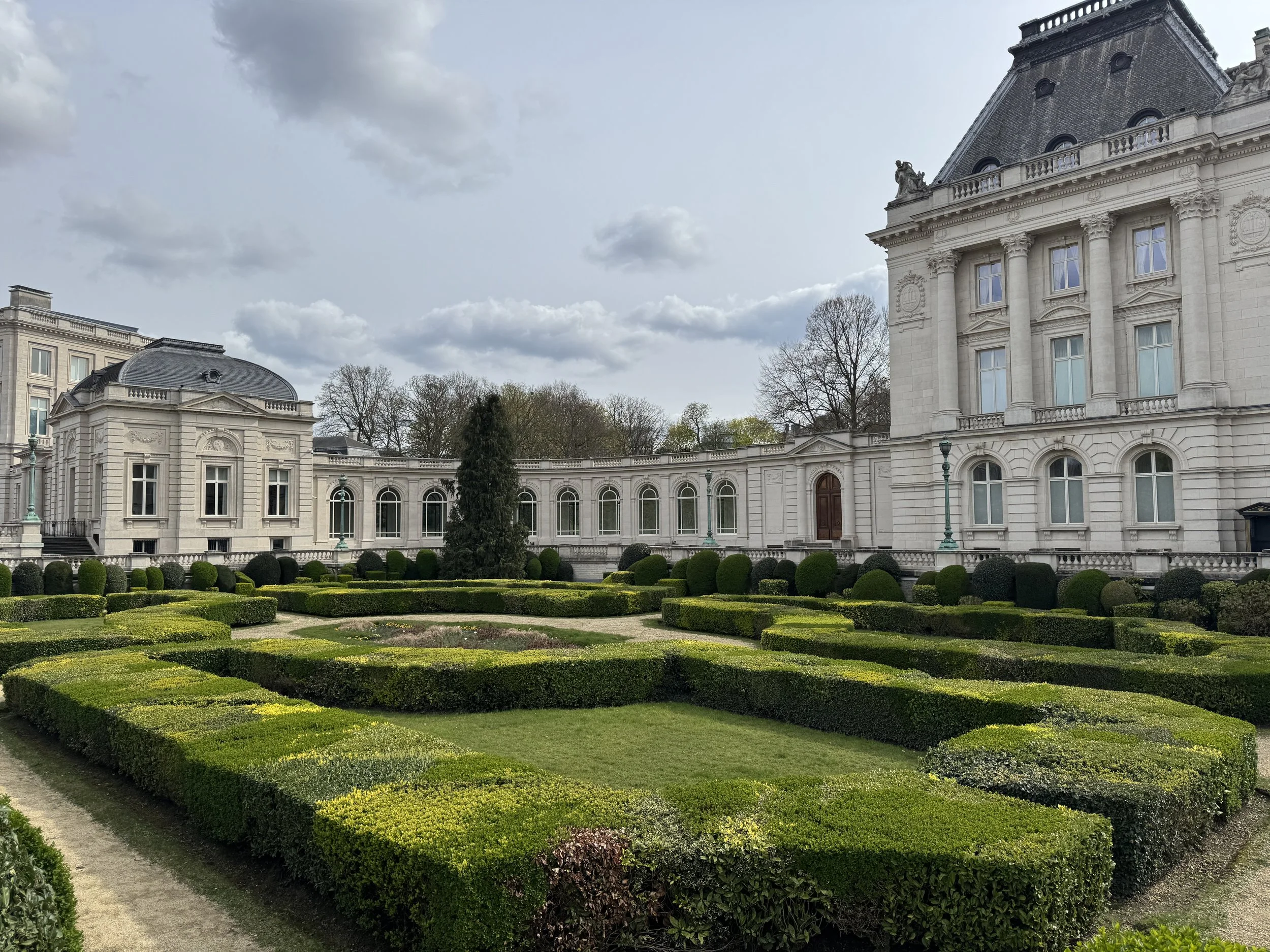
Right around the corner is the Royal Palace of Brussels. Built in the 19th century after Belgium gained independence, it stands on the site of the former Coudenberg Palace. It’s not where the royal family lives, but it’s used for official functions and ceremonies. The black and gold gates are striking, and the building itself is massive.
Directly across from it is Parc de Bruxelles, the city’s largest central park. Built in the late 18th century on former palace grounds, it features symmetrical paths, statues, and open green spaces. We took a break here on a bench, watched people, and regrouped.
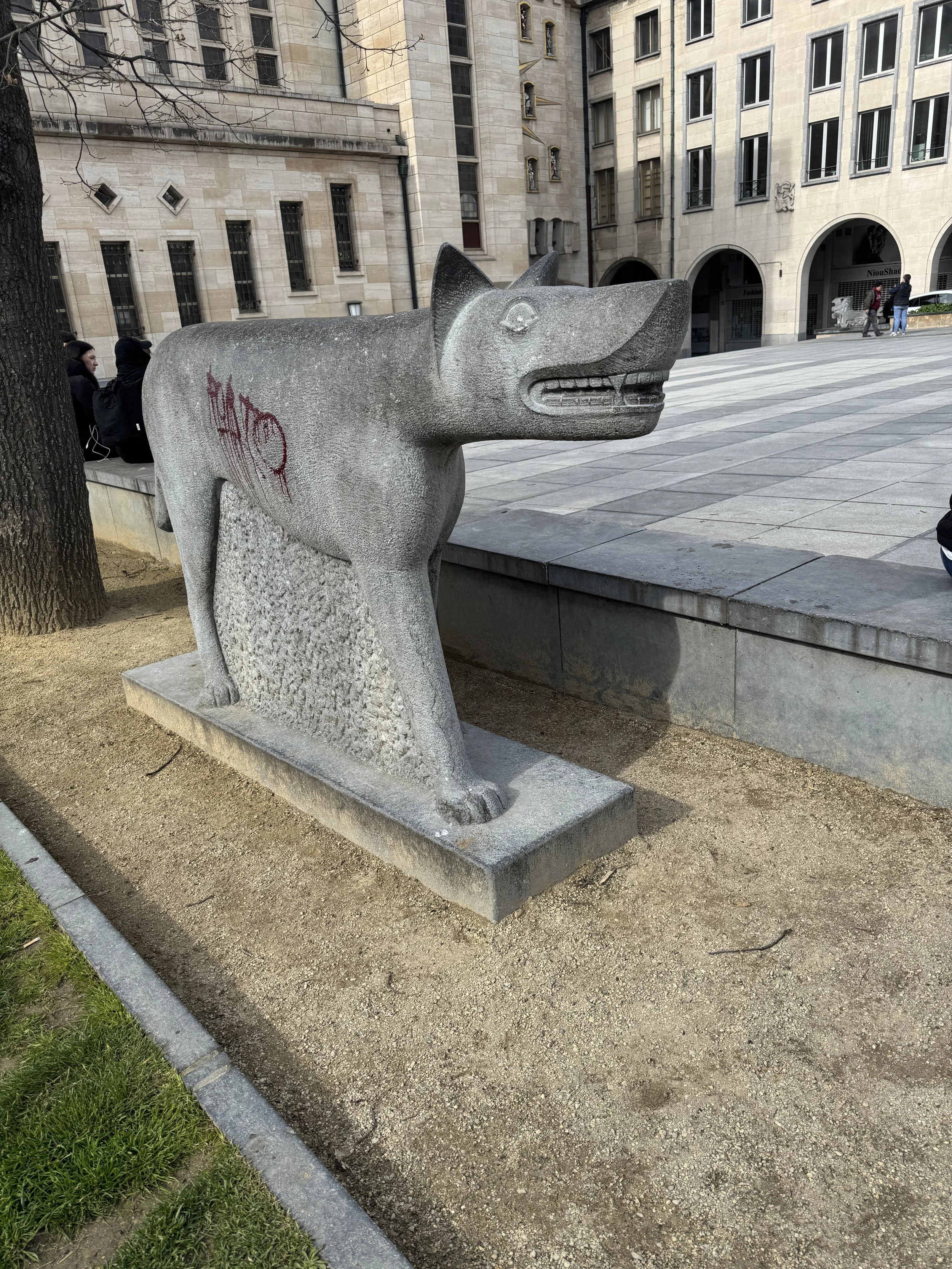
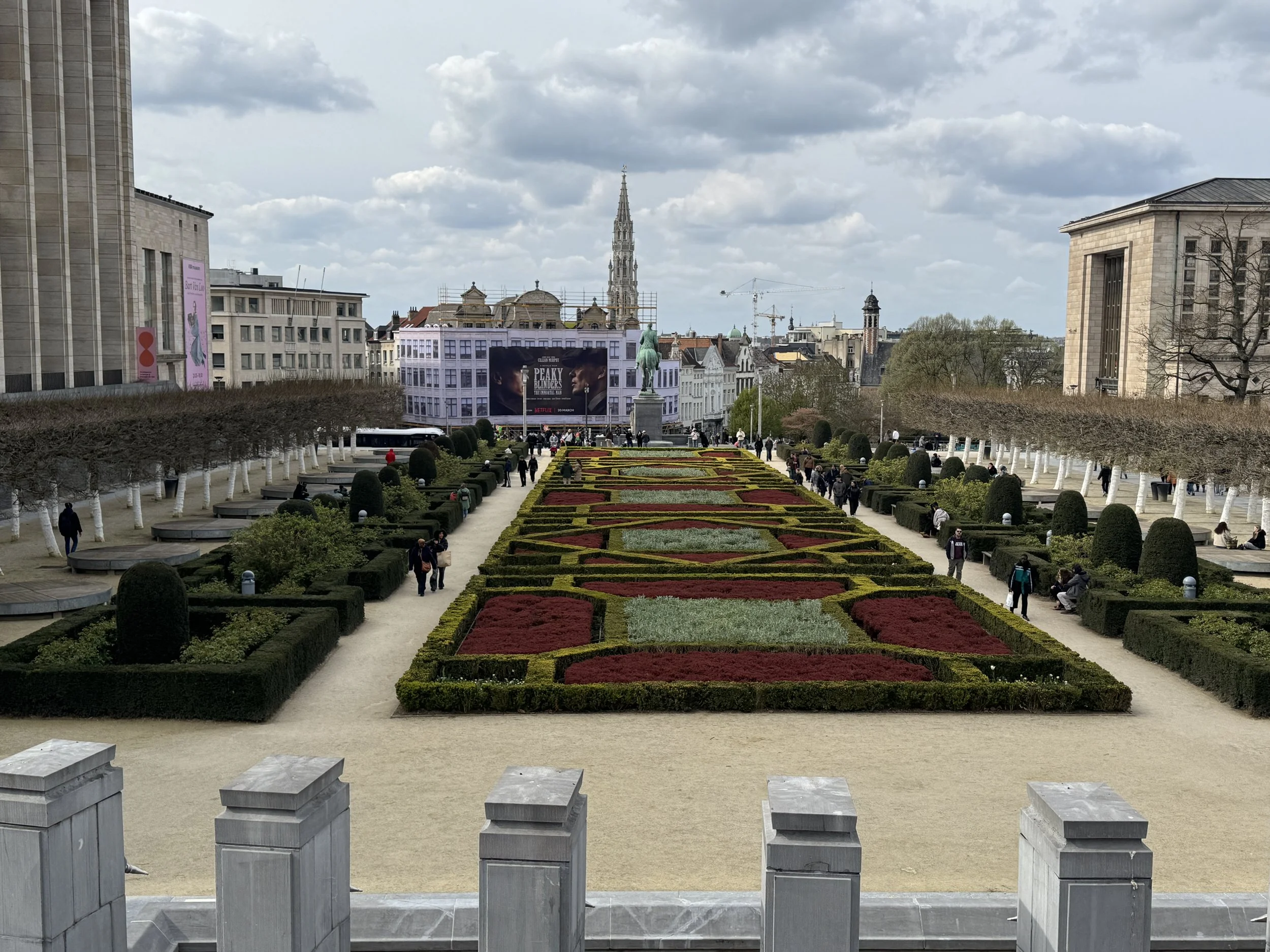
On the way back to the car, we passed through Mont des Arts, a cultural area developed in the early 20th century and redesigned for the 1910 and 1958 World Expos. It has gardens, stairs, and a decorative clock known as the Carillon du Mont des Arts, featuring moving figures tied to Belgian history.
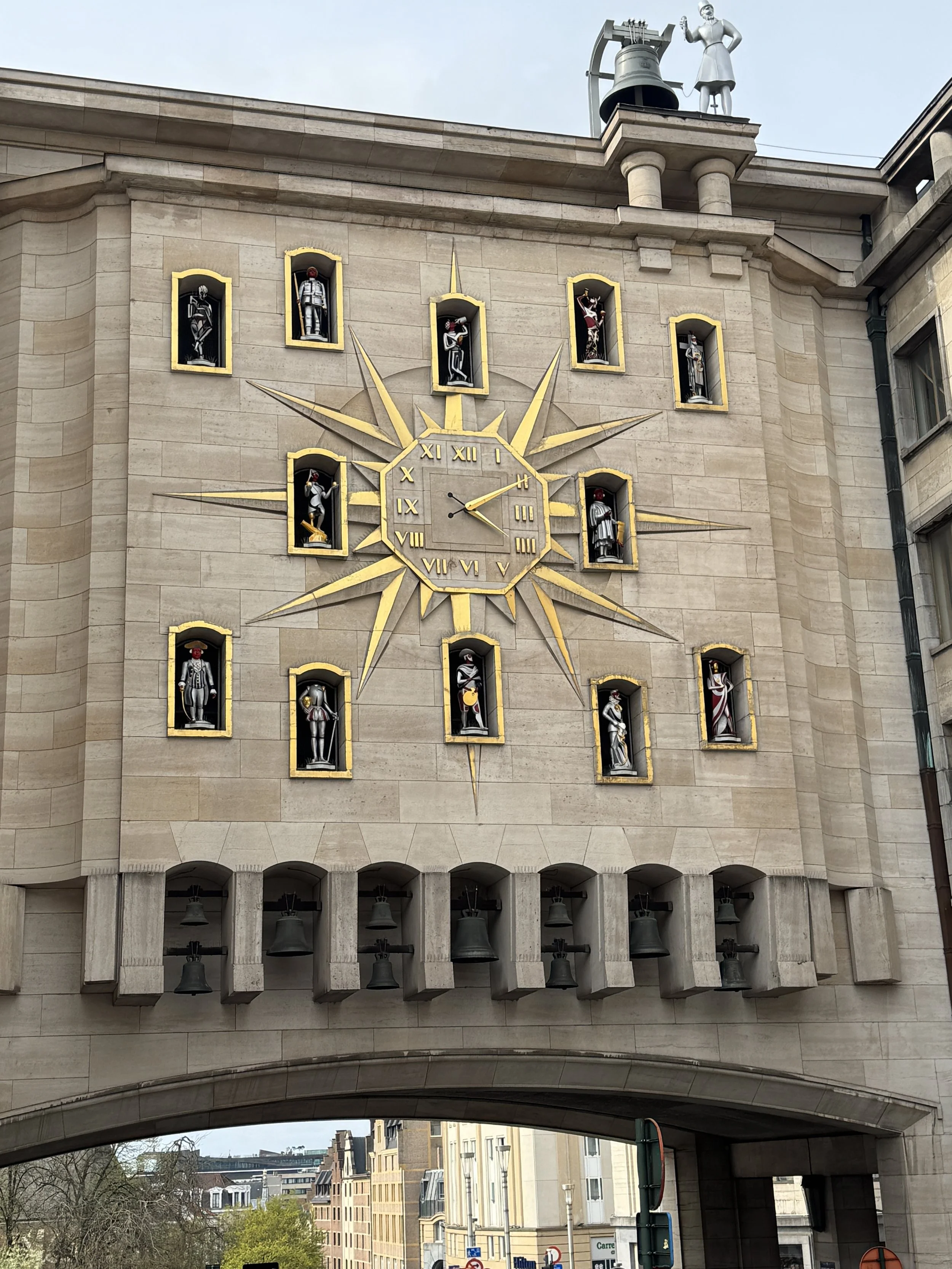
We finally made it back to the car, paid the painful €20 parking fee, and headed to our hotel: ibis Brussels Centre Châtelain.
The hotel is small with only six parking spots, but we lucked out and got the first one. The room was actually really nice—modern, clean, and finally a bathroom where the shower didn’t leak (Belgium is now 4 for 4 on that). The beds were separate twins, which seems to be the European standard, and there was a Moroccan-style lamp that gave the room great ambiance. It was quiet, and I ended up getting my best sleep of the trip.
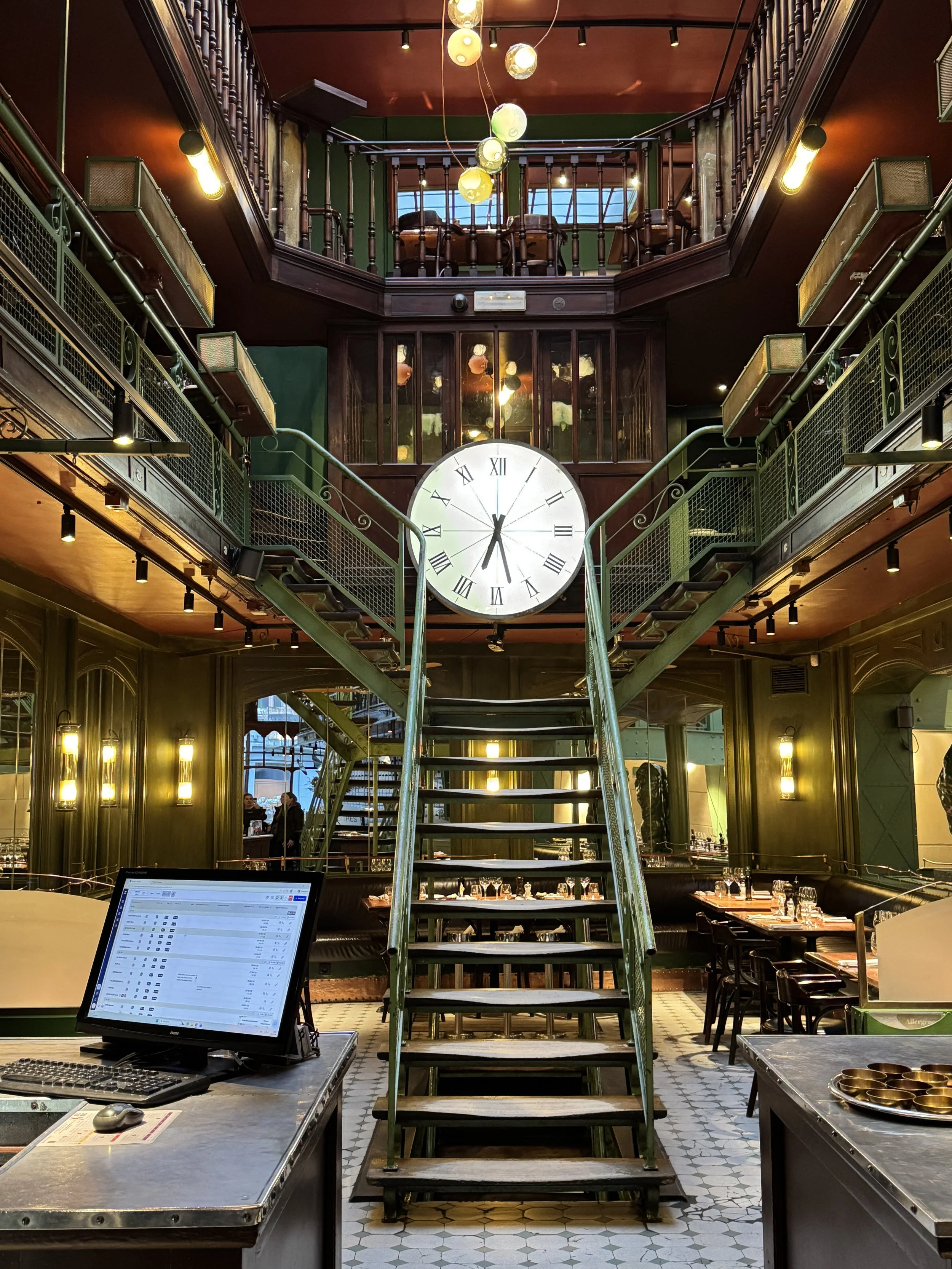
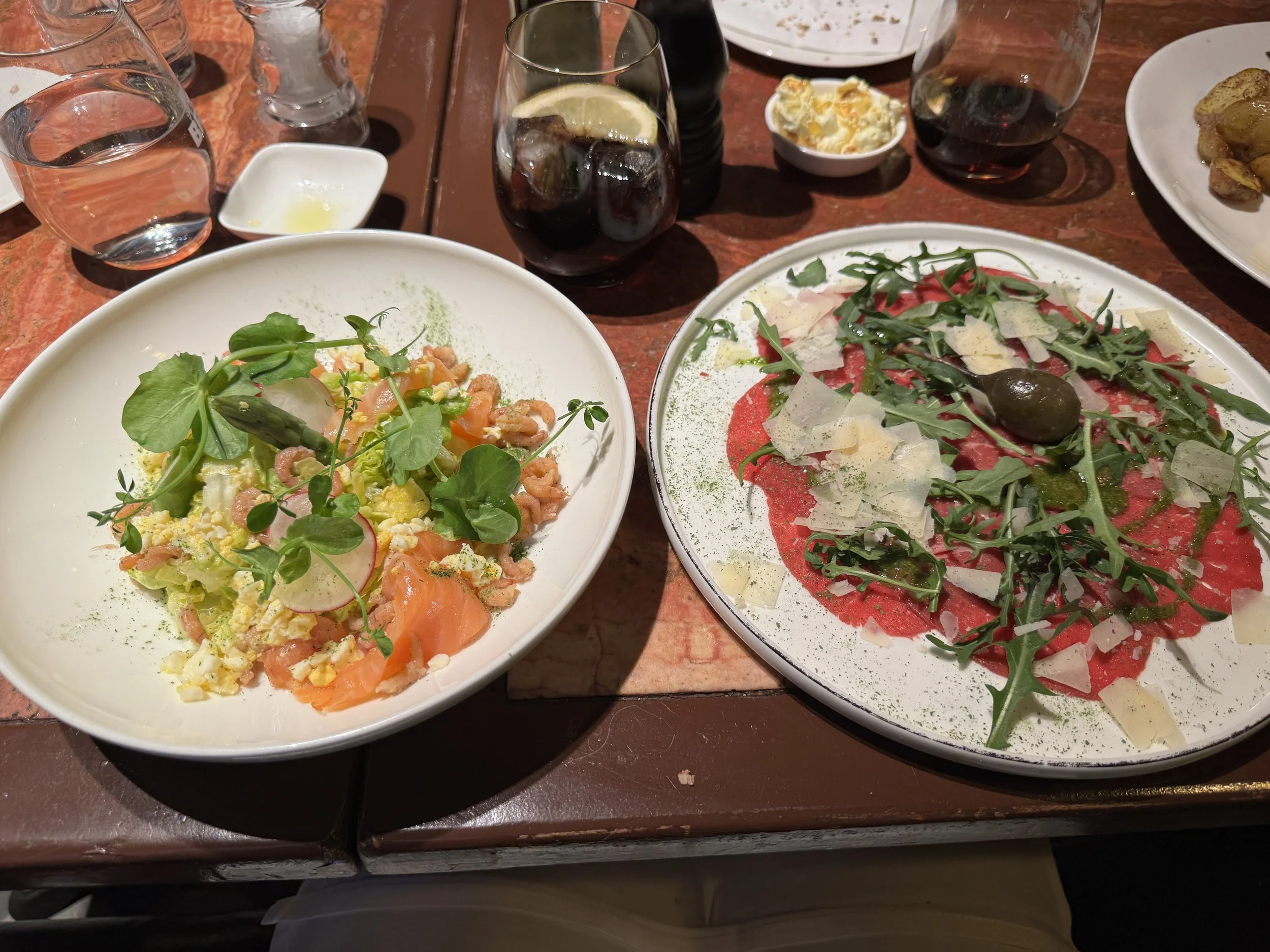
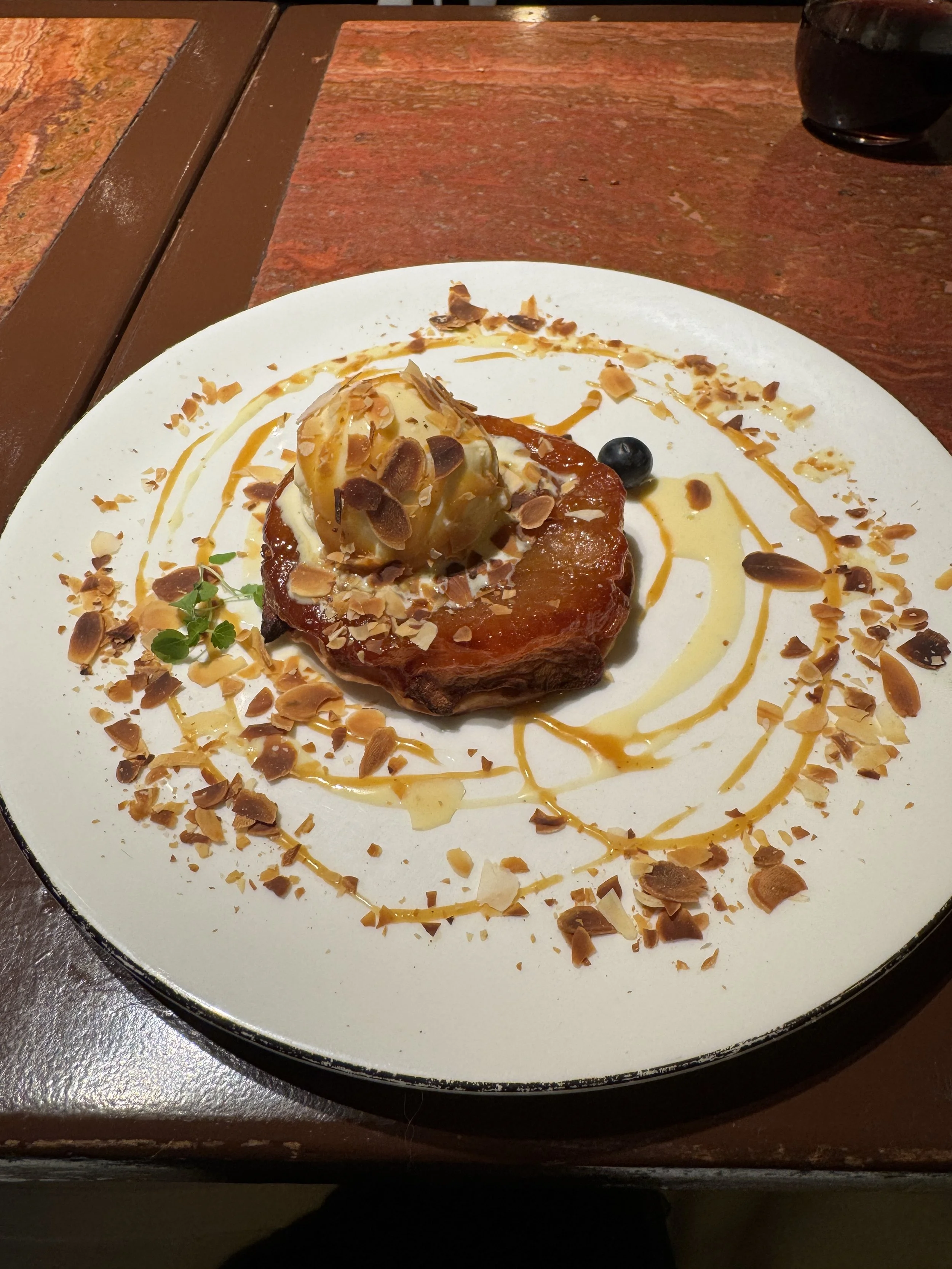
We had a 6:30 reservation at La Quincaillerie. I had a salad with smoked salmon, gray shrimp, and asparagus with a great dressing, plus beef carpaccio. Both were incredible. For dessert, I had a tartin that was perfectly gooey. The service was impeccable, and the whole experience was just… chef’s kiss.
We walked back through the cold, windy weather and called it a night.
We decided to have a slower morning and left around 9am. We had already bought tickets to Efteling the night before for €47, plus €15 for parking. On the way, we made a quick detour in Breda to hit a Decathlon… because apparently that’s what we do now.
Efteling opened in 1952 as a fairytale-themed park and has grown into one of Europe’s most unique theme parks. Instead of focusing only on thrill rides, it blends storybook fantasy, immersive storytelling, and detailed design. Think Disney vibes, but darker and more European. It originally started with the Fairytale Forest, where classic stories come to life through walk-through scenes, and has since expanded into a full park with rides, shows, and themed areas.
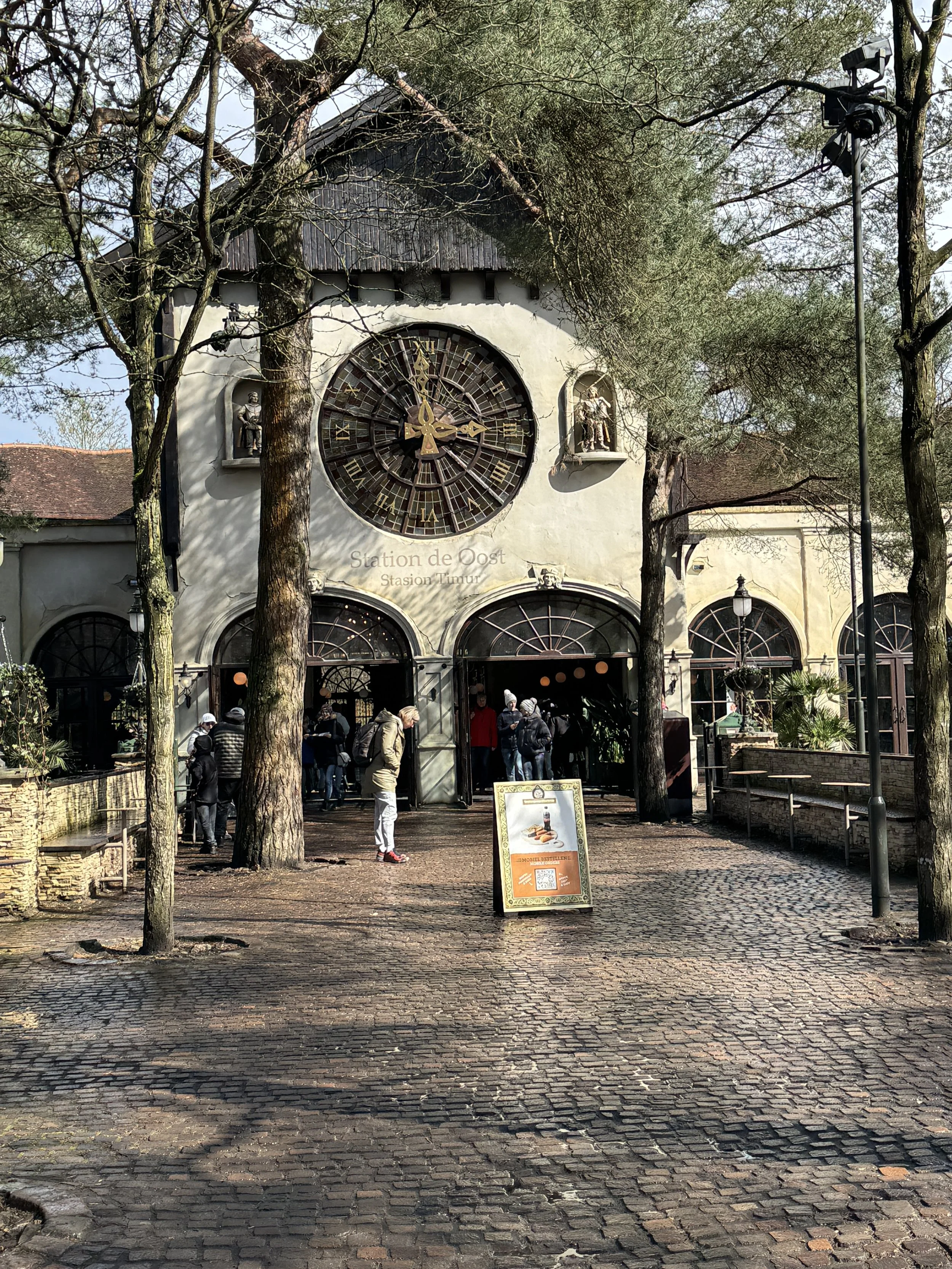
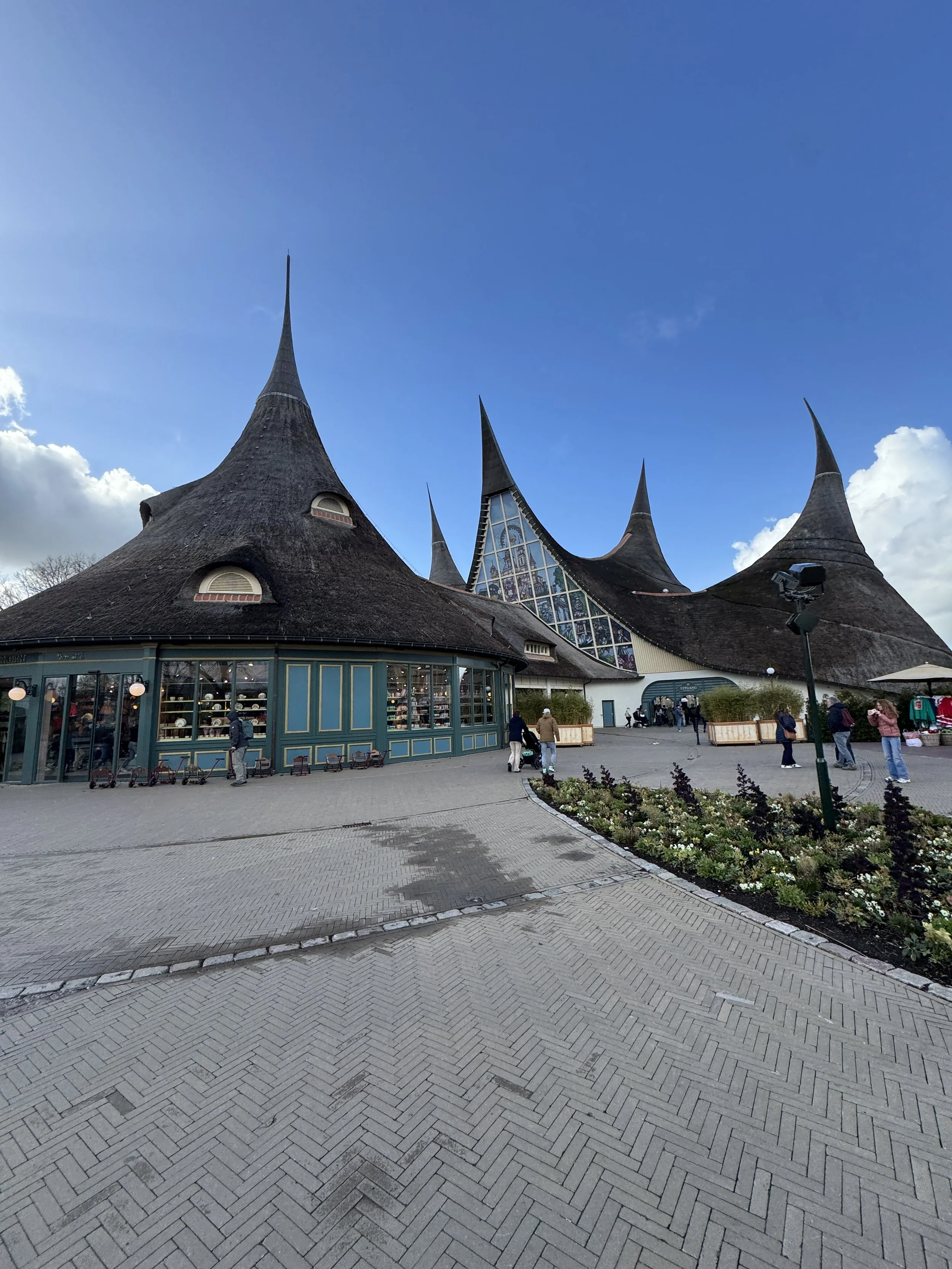
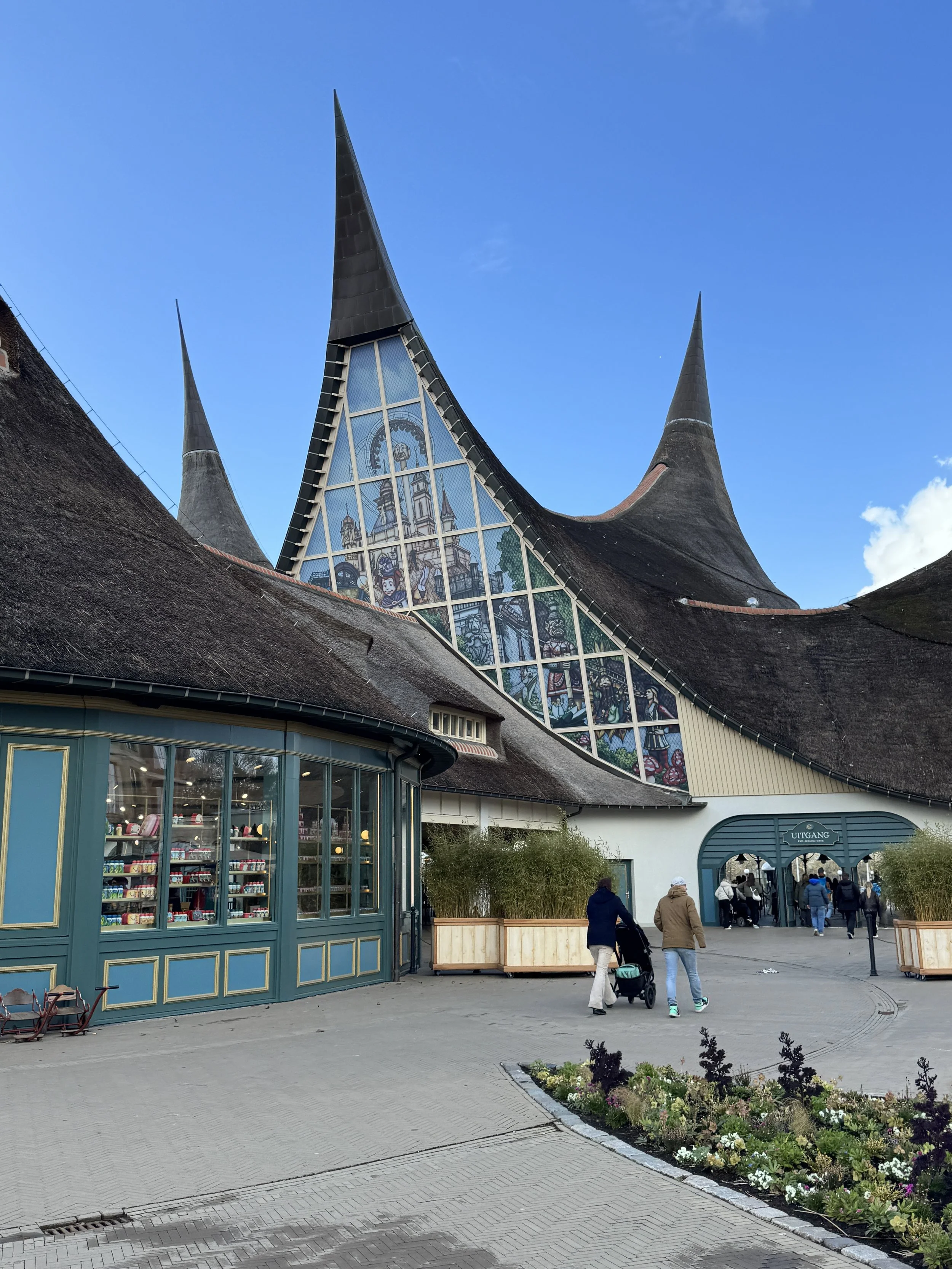
The walk in already sets the tone with fairytale-style music, and you enter through what can only be described as a giant Viking-looking building. Since we already had tickets, we walked straight in with no wait.
It was gray and cloudy all day, and the rain came in waves—about 5–15 minutes every half hour. Surprisingly, it didn’t really impact the rides, and if you hate rain, there are plenty of covered areas to wait it out.
March 30: Fairytales in the Rain & A Chaotic Airport Hotel Finale
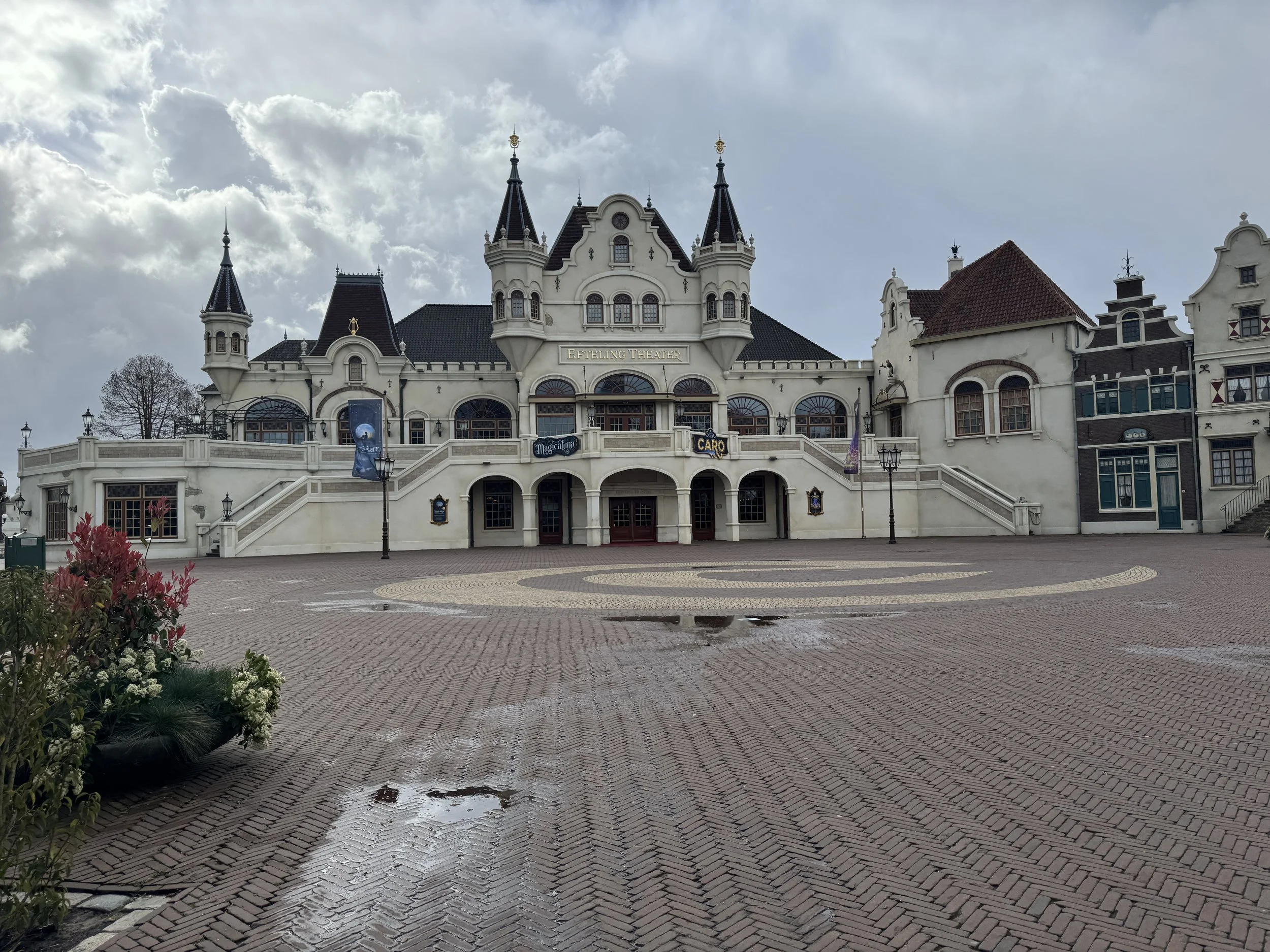
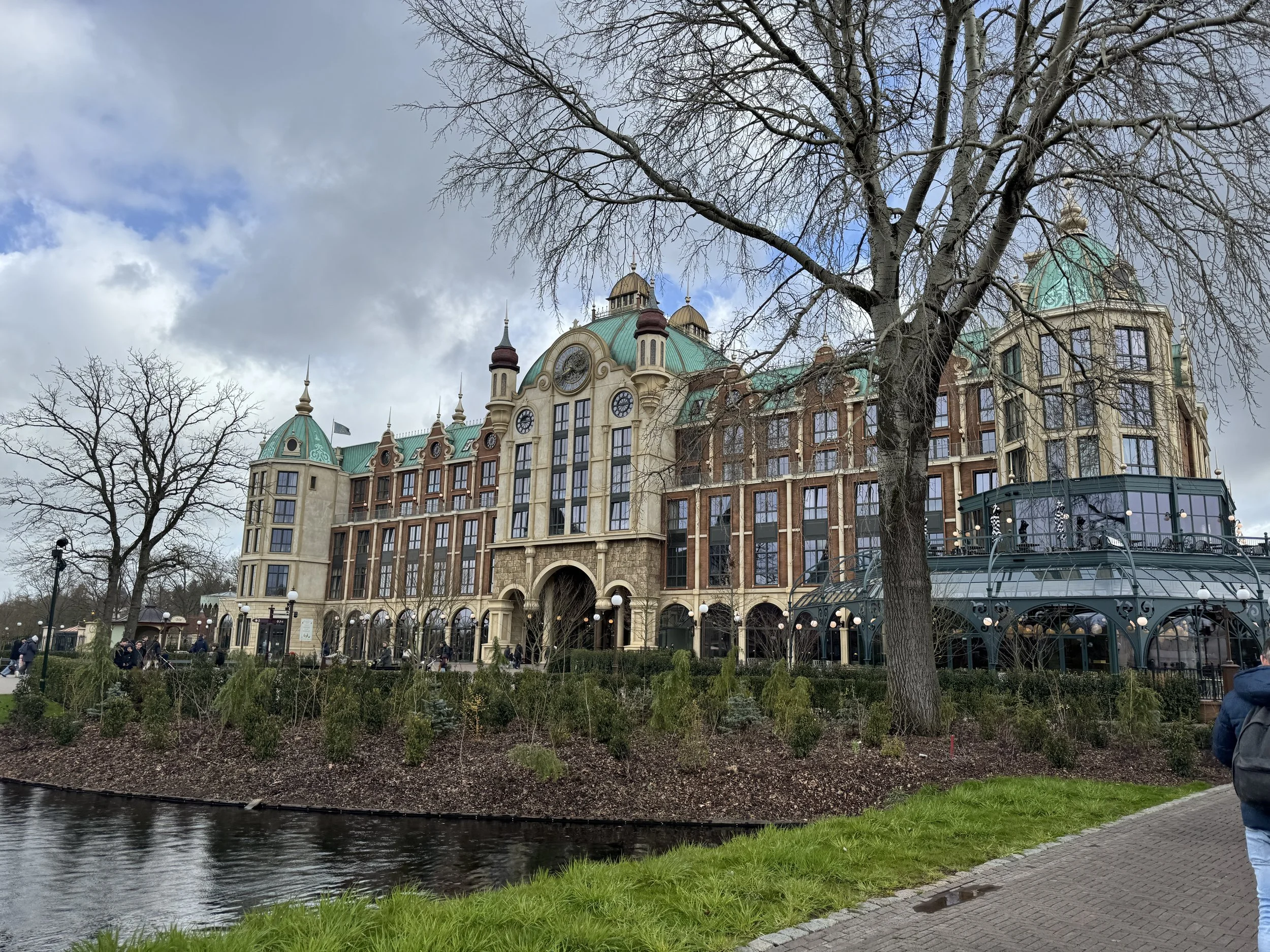
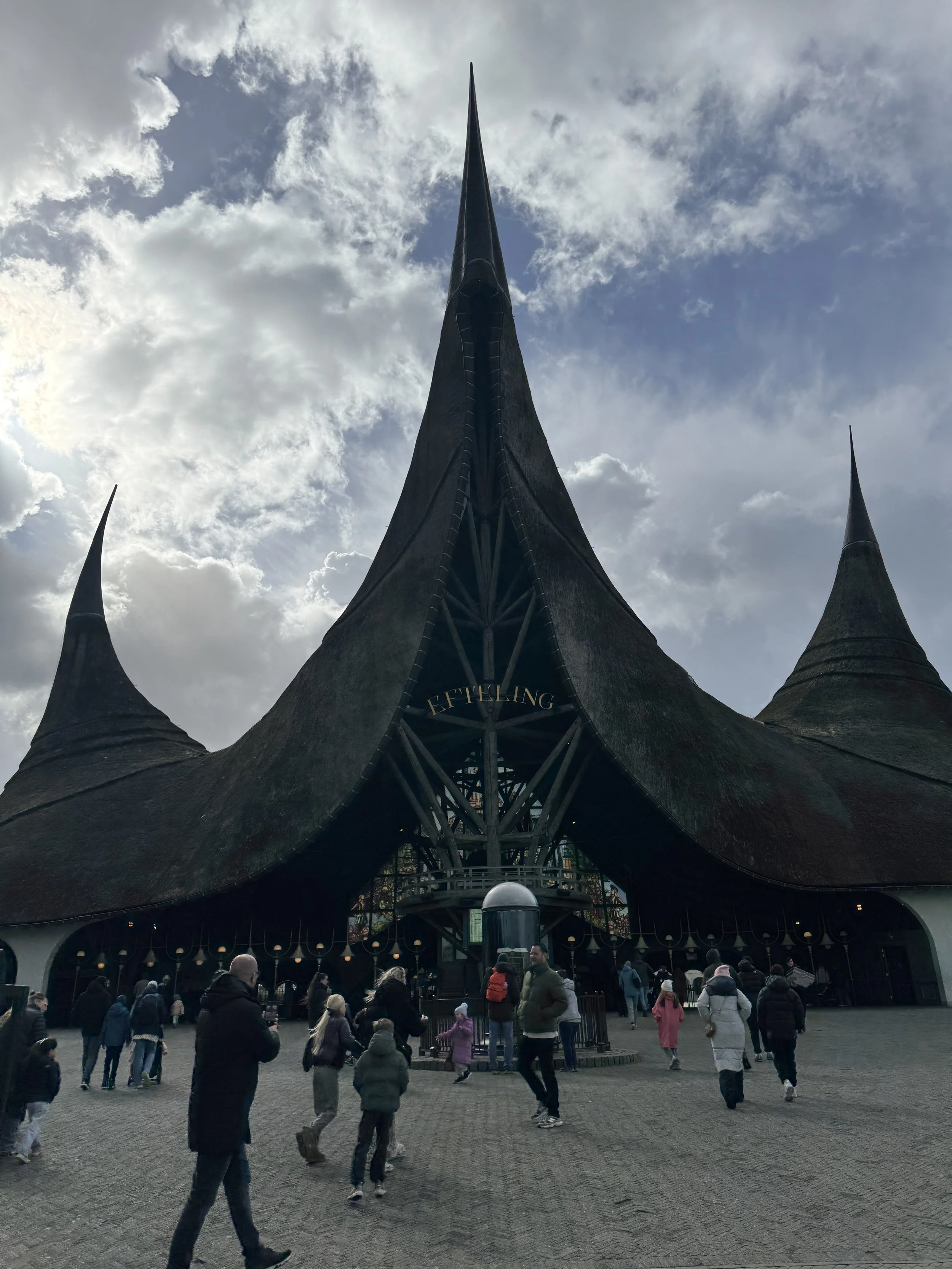
There are a ton of food options throughout the park. During one of the heavier rain bursts, we ducked into the Mystique Bar for brunch. I had baked eggs with chorizo and toast. It was… fine. Later in the day, I tried a cupcake, hot chocolate, doughnut, caramel crumble cake, and a pretzel. All were pretty “meh,” but affordable—cupcake €2.95, hot chocolate and doughnut €7, crumble cake and pretzel €8. Bottled water was €3.95. Honestly, still better pricing than U.S. theme parks.
There are also several souvenir shops with everything from fairytale books and candles to room scents, hats, shirts, magnets, and princess-themed items.
Throughout the park, there are animated figurines and scenes from well-known fairytales woven into a winding layout. It’s actually really cute.
The main roller coaster was closed for maintenance, which we already knew going in.
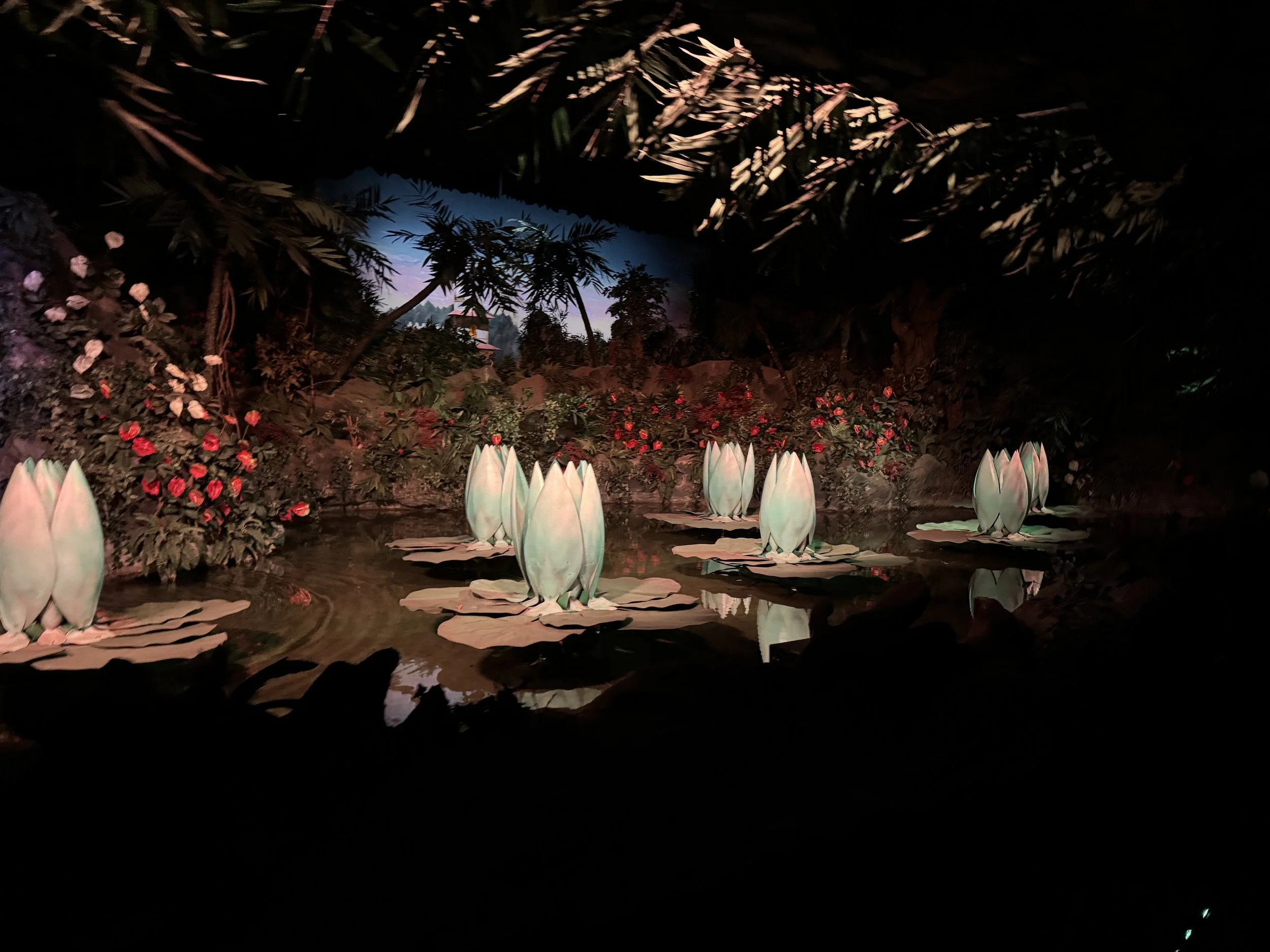
Our first ride was Fata Morgana, where you sit in a boat-like cart and move through an Arabian Nights-style world. It’s indoors, dark, and has multiple scenes. It’s kind of like It’s a Small World, but way less annoying. A lot of the dialogue isn’t in English, but you still get the idea.
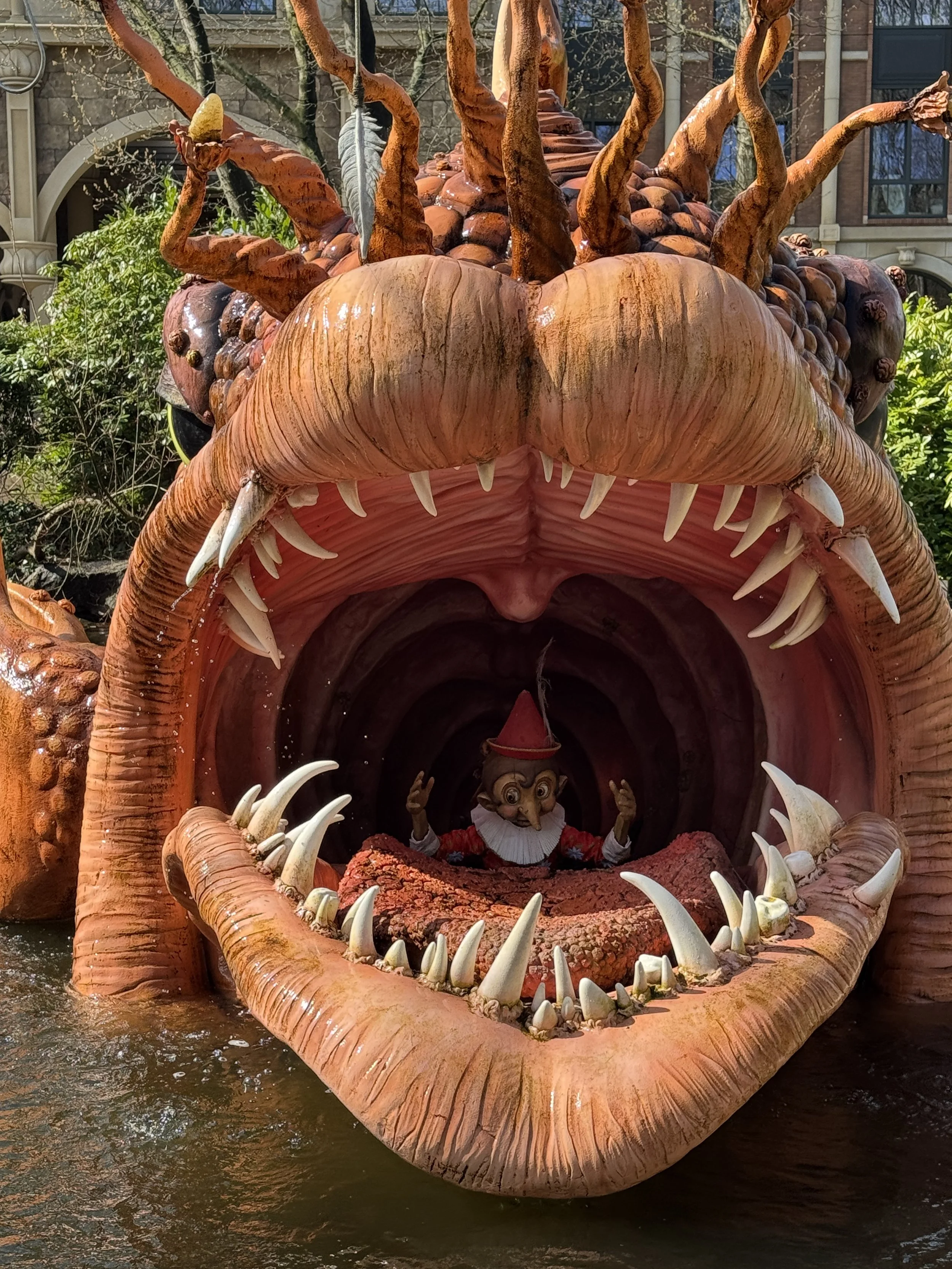
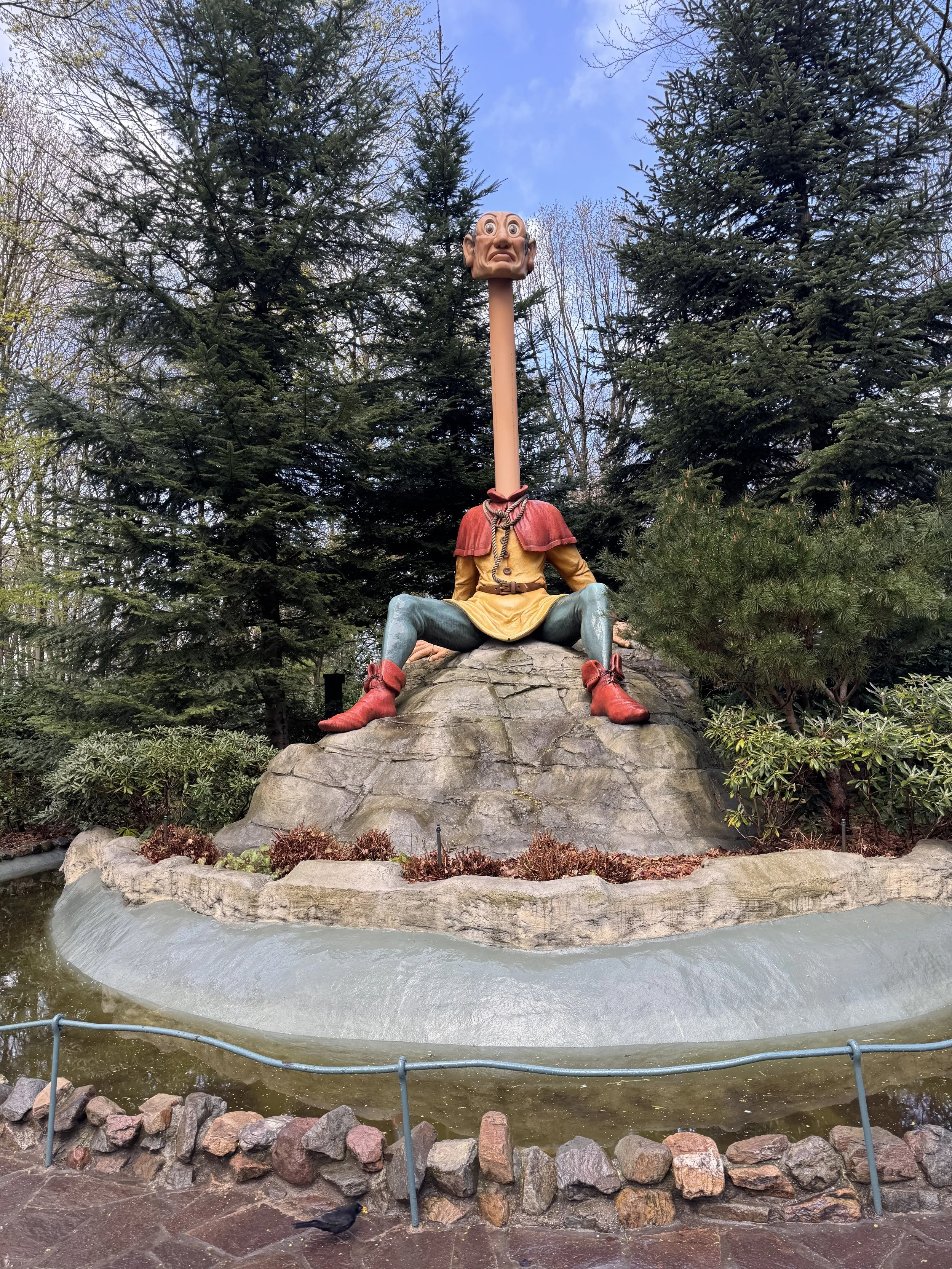
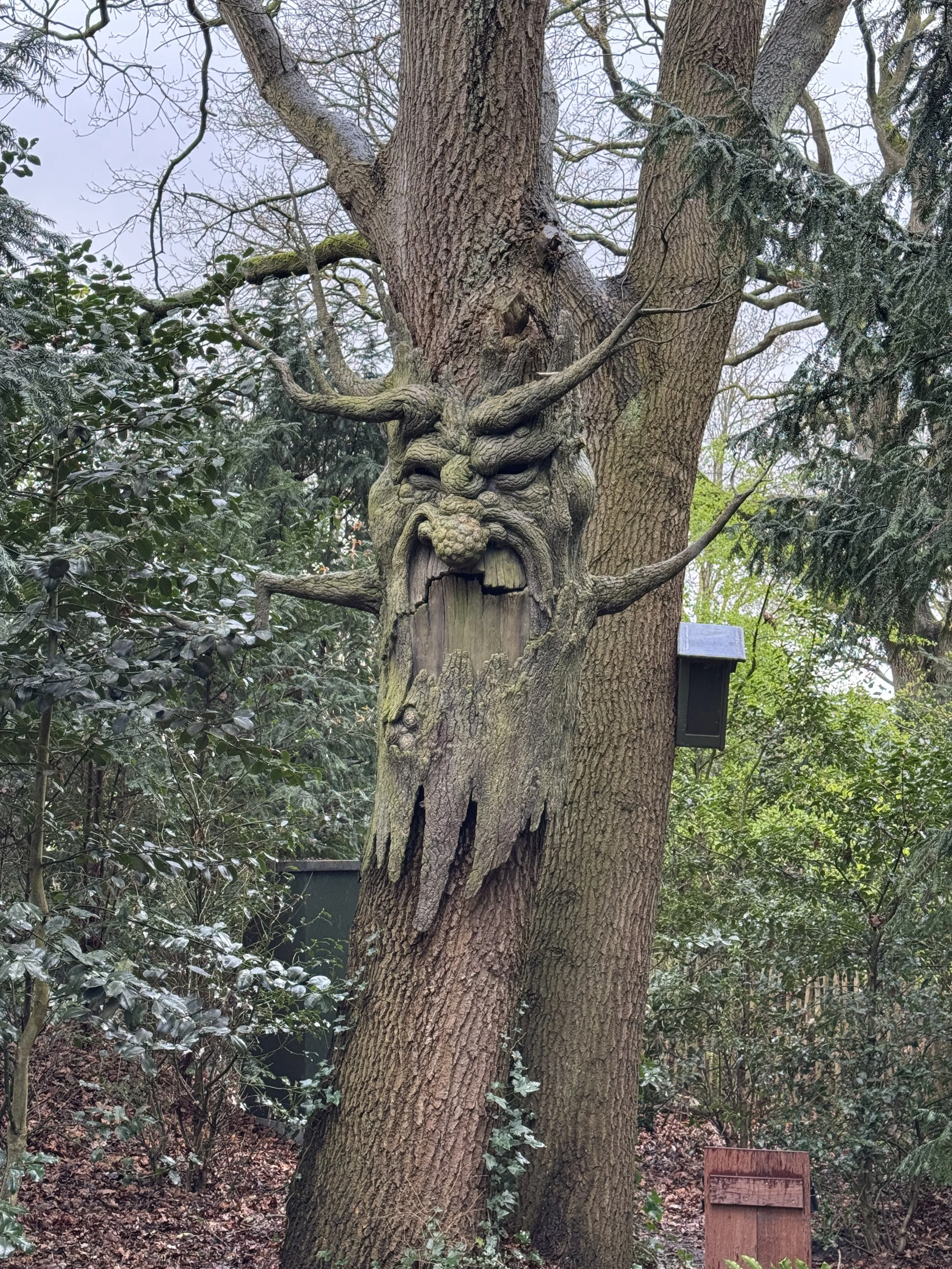
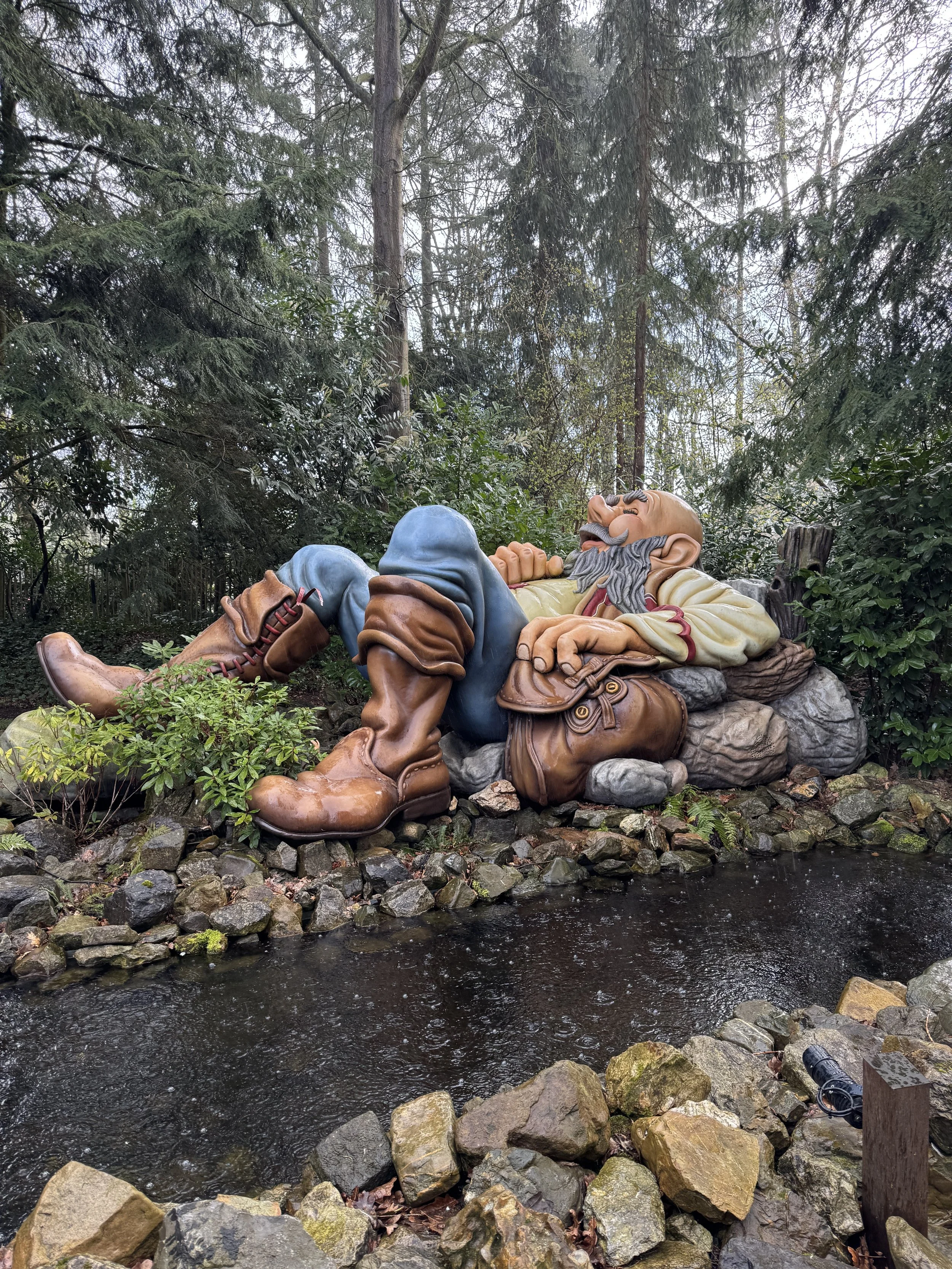
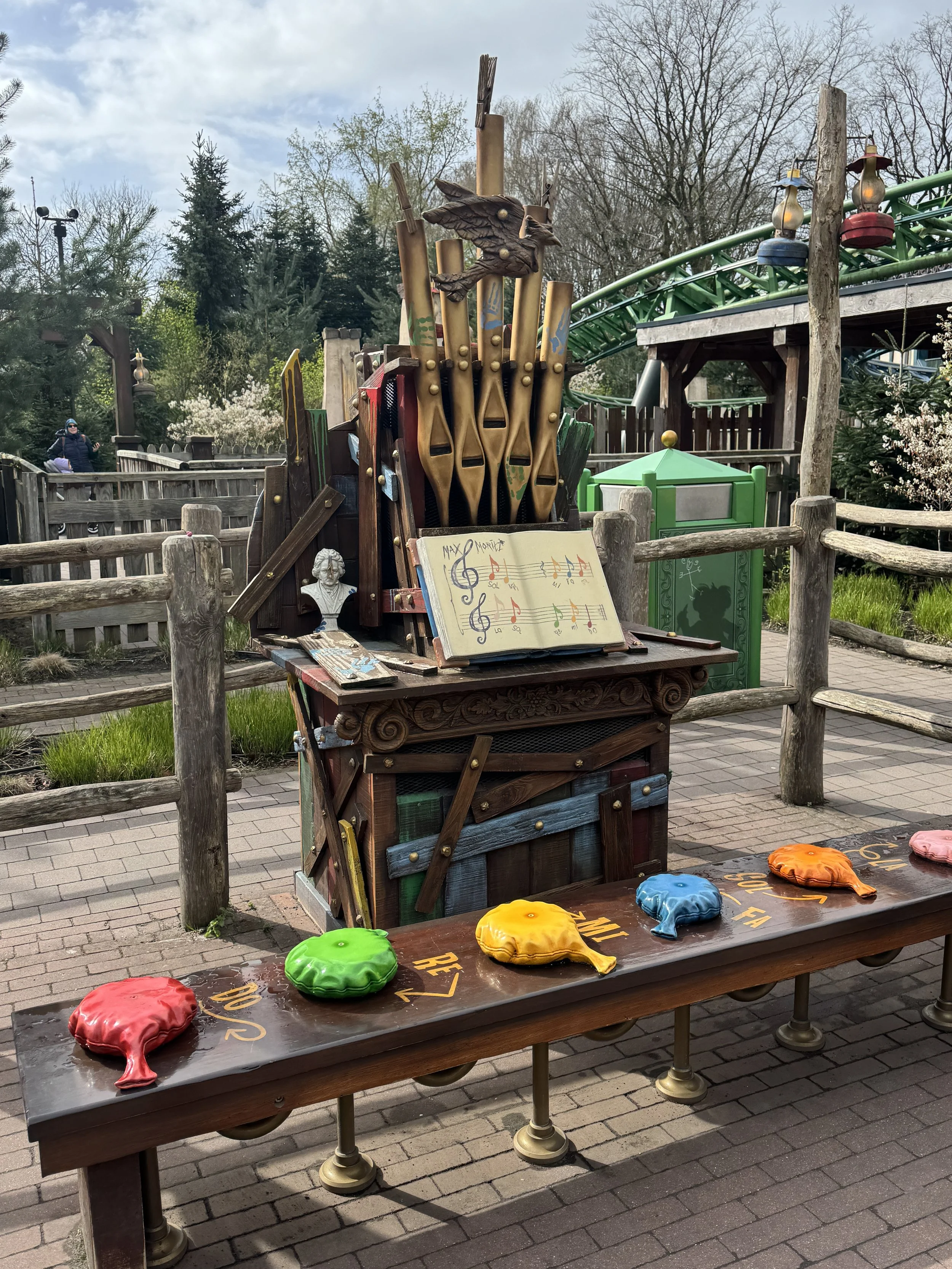
Next was Max and Moritz, a dual-track roller coaster where you pick a side. The tracks run simultaneously, and you go around twice—the second round faster than the first. We rode it in the rain, which added a little chaos.
After that, we walked through the Fairytale Forest. It’s a series of indoor and outdoor scenes featuring both well-known and lesser-known stories. Most displays are animated in some way. I think we may have missed a few in the middle, but it was raining at that point, so we weren’t exactly double-checking the map.
Next up was Villa Volta, also known as “The Mad House.” You start in a room with a group of people where a story is being told. From what I could gather, it’s about a guy who became greedy. Then you move into another room where he becomes haunted… I think. My live translation wasn’t cooperating the whole time. Then you sit down, and the ride begins. The seats rock back and forth (sometimes quickly), and the room around you shifts visually. It was not what I expected at all and definitely had a dizzying effect.
We then wandered through Efteling’s town square, checked out the post office, and went into the museum. The museum highlights the illustrator behind the park and has a lot of original artwork and displays. It was interesting… and also slightly creepy.
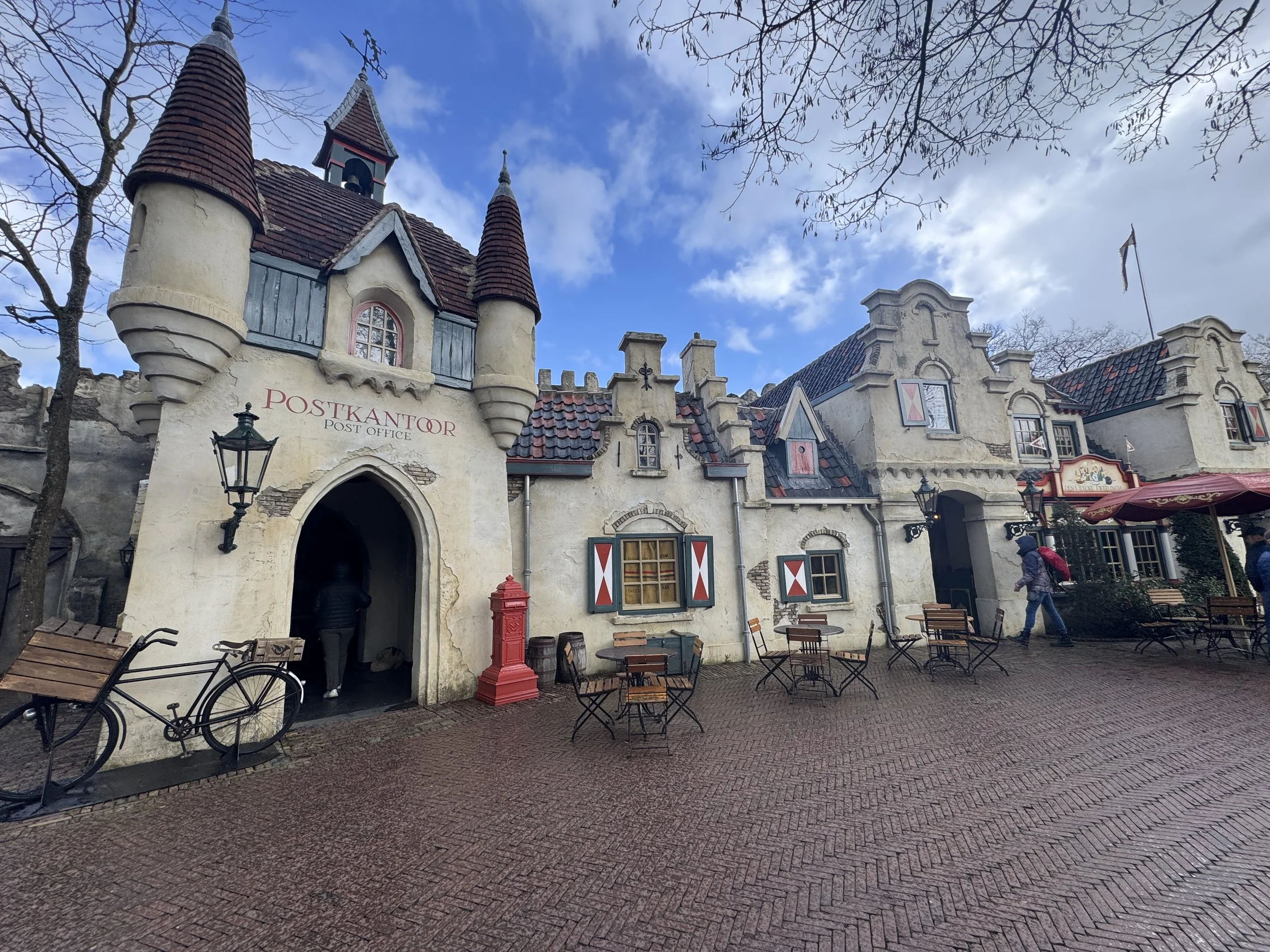
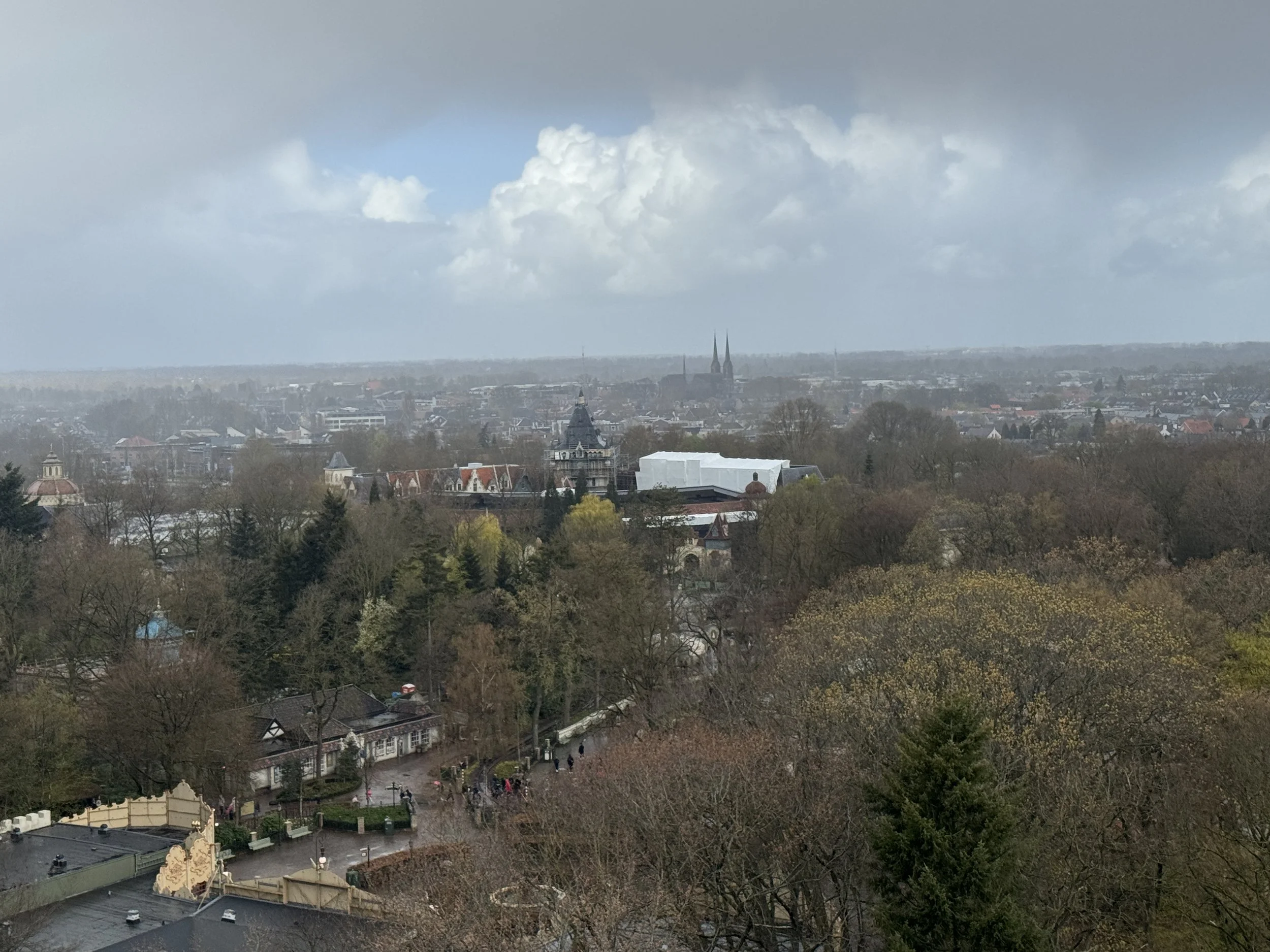
Next was Pagoda, where you sit on a bench that lifts and slowly spins, giving you a panoramic view of the park and surrounding area. It was actually really cool, and also slightly terrifying because it goes way higher than it looks from the ground.
We walked through some fair games, then circled back using the park app to target rides with shorter wait times.
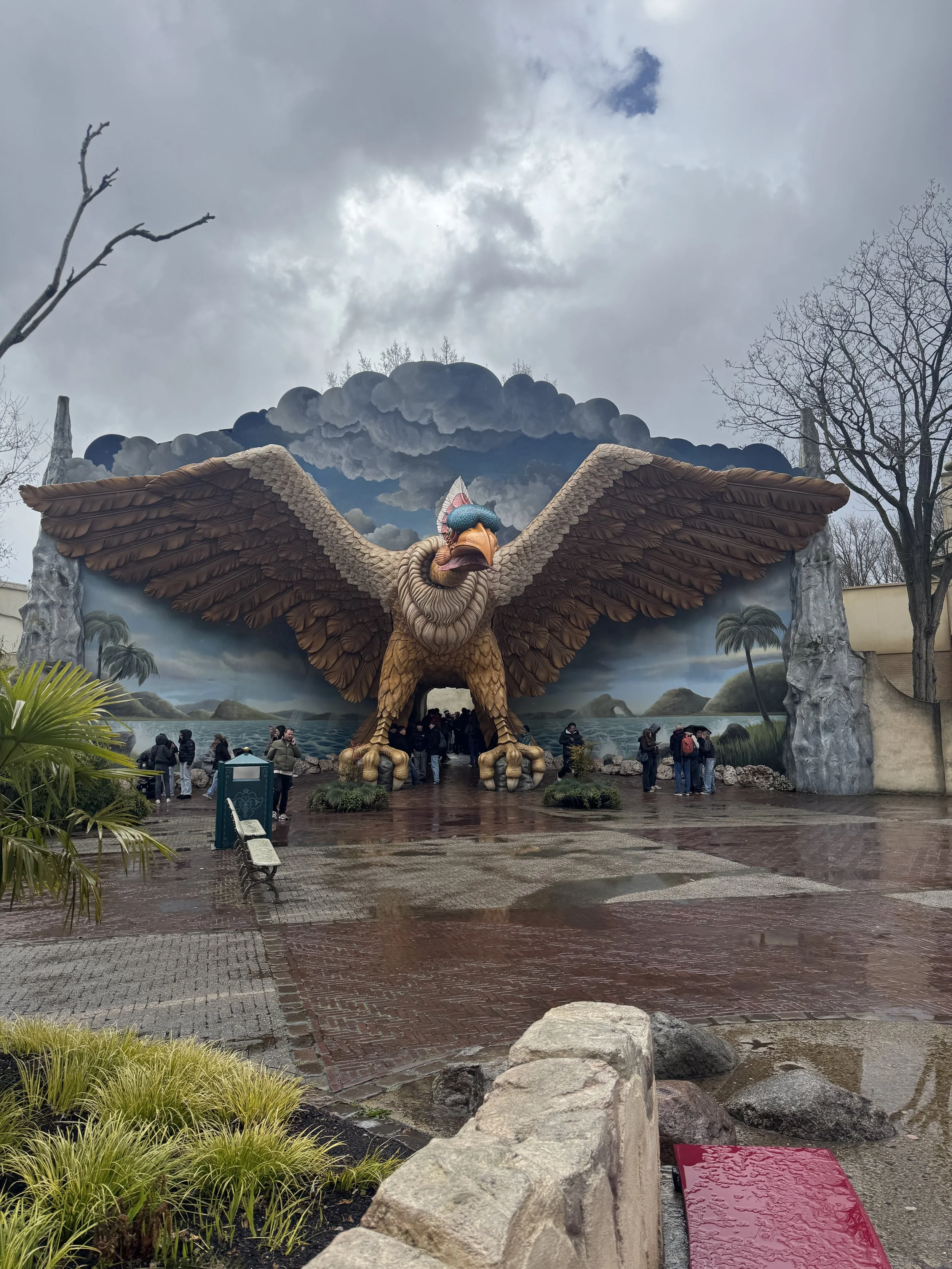
We rode Vogel Rok, an indoor roller coaster with an entrance under a massive flying bird. The ride is in complete darkness and lasts about 90 seconds. It was actually really fun, even though the darkness makes it a bit disorienting.
Unfortunately, Carnaval Festival was closed the day we went.
We walked through Volk van Laaf, which is basically a village of these odd little cartoon inhabitants—kind of a mix between elves and trolls. There are buildings like a bakery and butcher shop, and it’s actually pretty extensive.
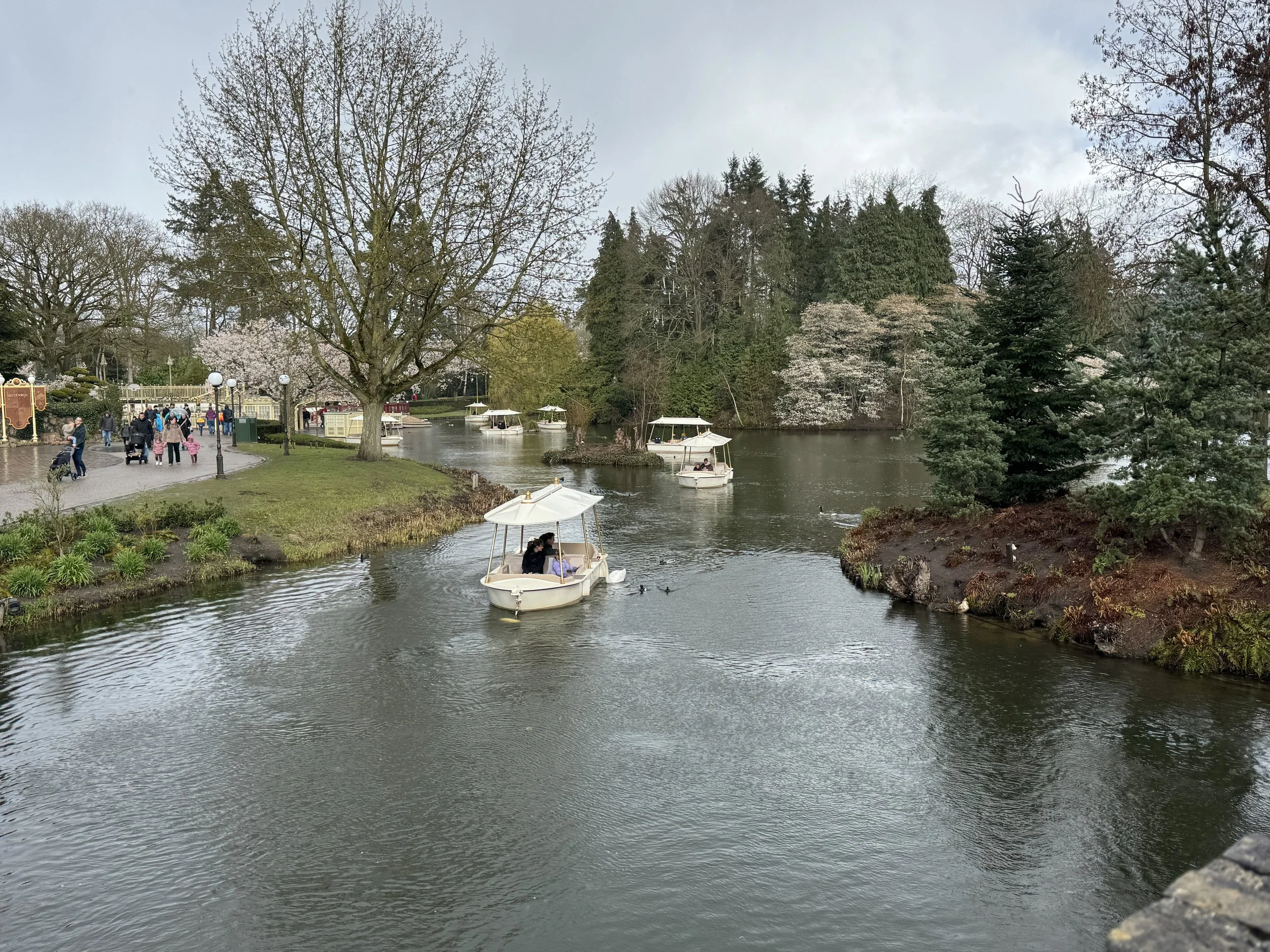
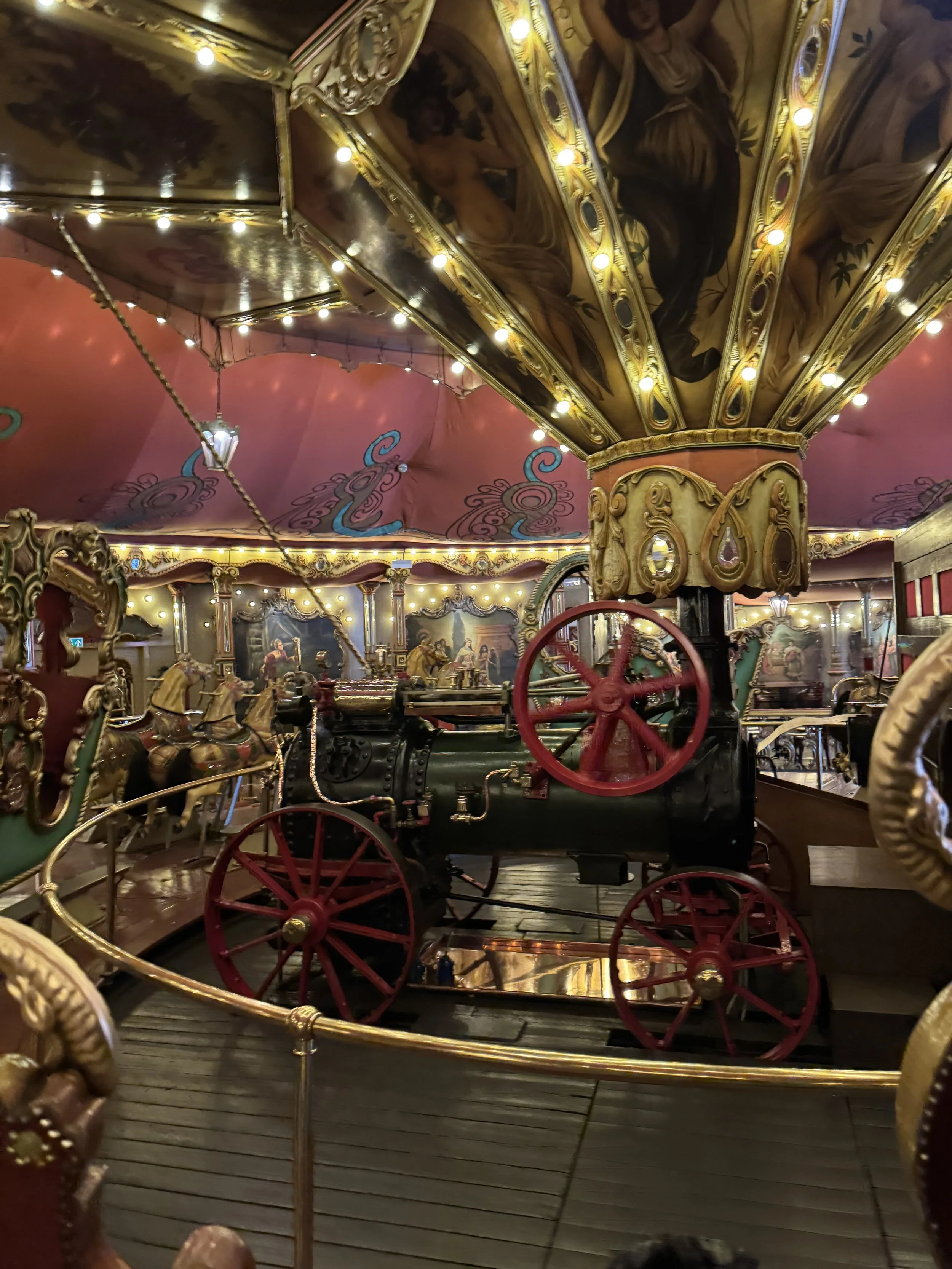
From there, we went on the Stoomcarrousel, a steam-powered indoor carousel. It went way faster than any carousel I’ve ever been on, and it was really cool to see one in such pristine condition.
Next door was Diorama, a large room filled with miniatures—trains, trams, cars, and detailed scenes, including one with lightning effects. Also, decent bathrooms here, which is always worth noting.
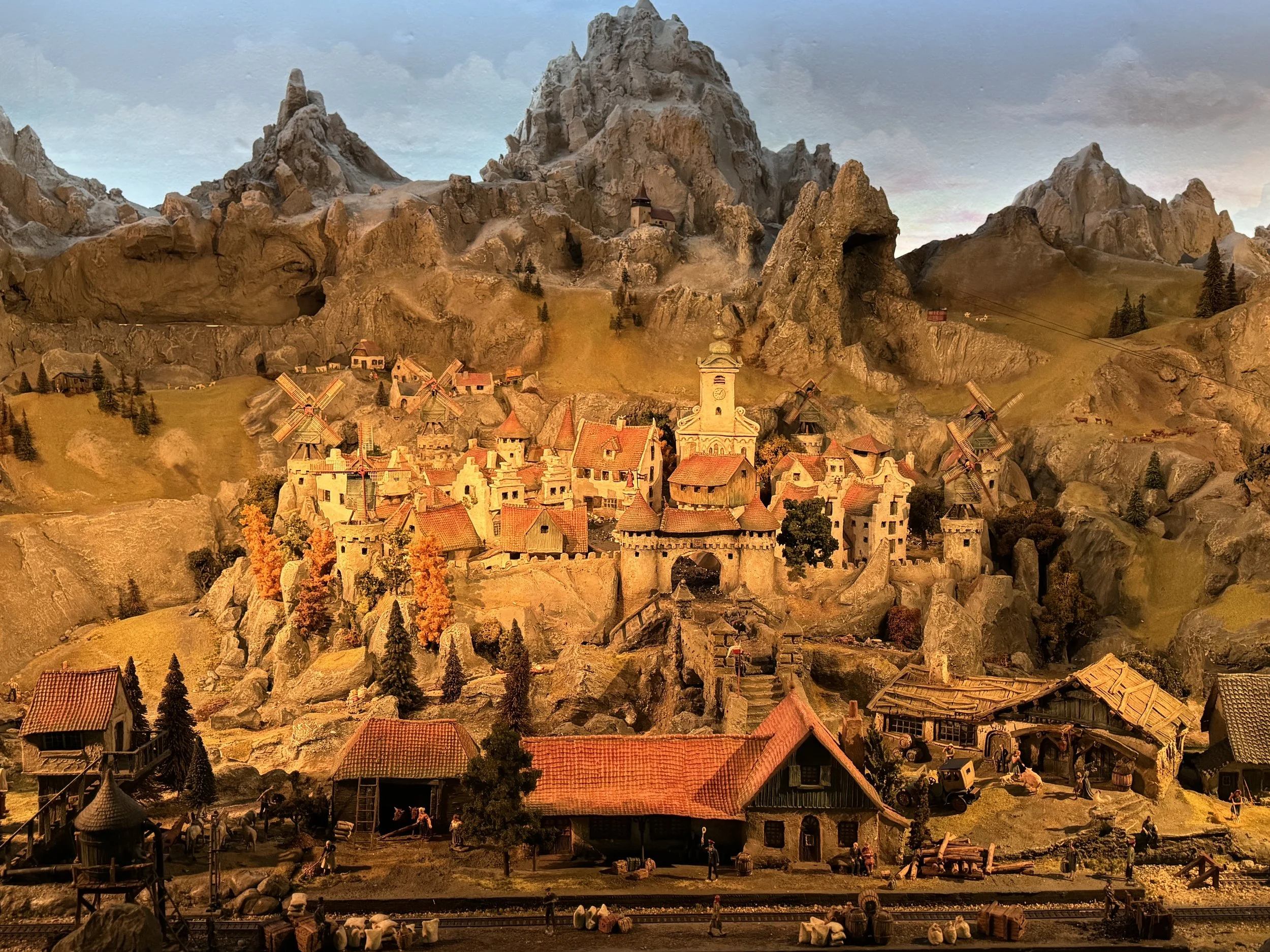
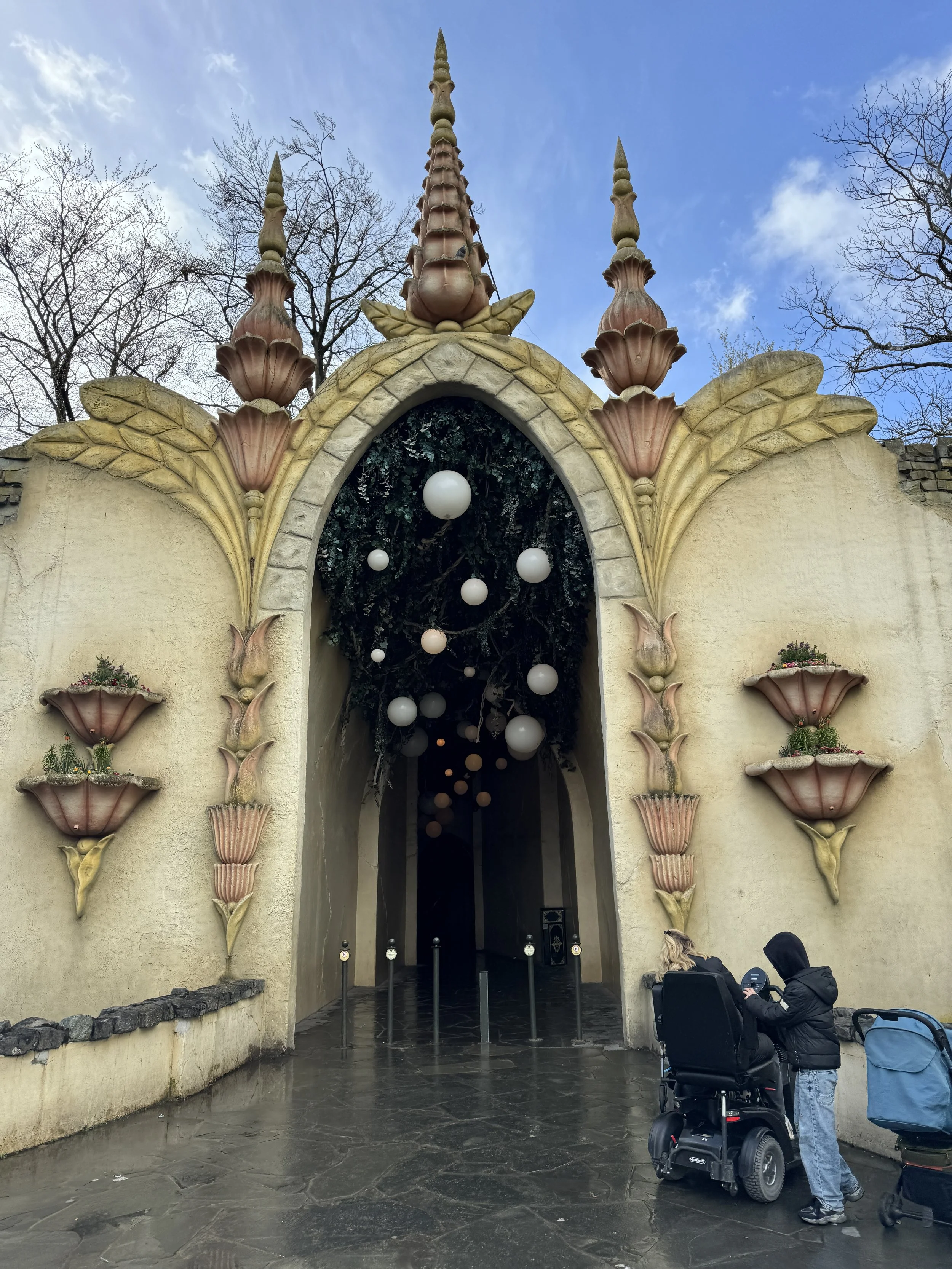
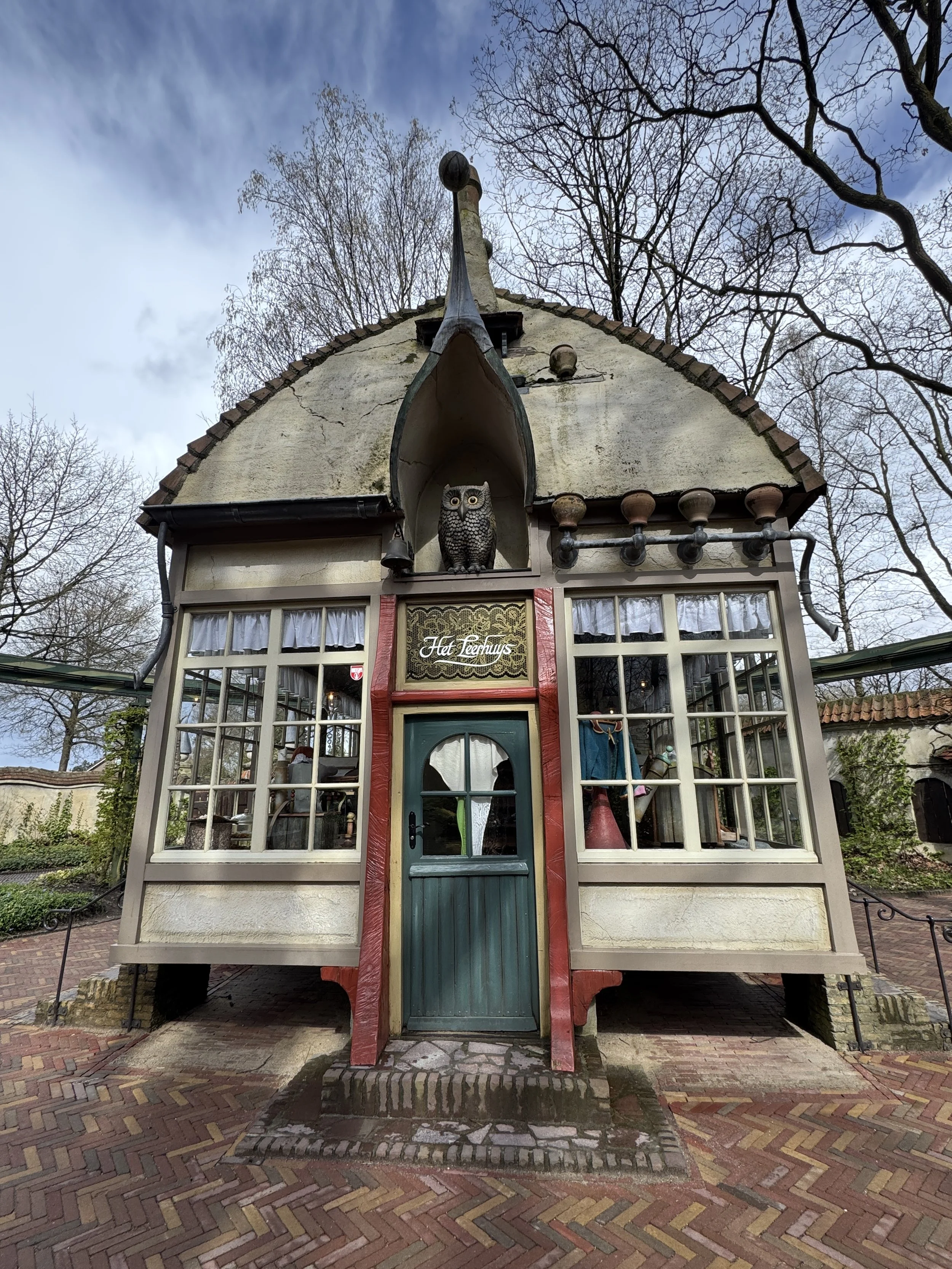
The rain picked up again just as we were about to leave, so we waited it out for about five minutes.
Then we headed to Droomvlucht, which ended up being one of my favorites. It’s not a thrill ride at all, but it’s absolutely beautiful. You sit in a cart that gently moves through scenes filled with fairies, trolls, and glowing landscapes. Don’t skip this one. It also exits into a very “girly” gift shop.
Our final ride was Danse Macabre. You walk through a dark alley with angry cat noises (solid start), then enter a room where the show begins. It’s a haunted orchestra performance, and your section of seats moves up, down, and around with the music. I really liked this one—the visuals, the sound, everything worked.
There’s also a gift shop, and this is where I bought my souvenir: a hat with a textured cat and a mansion design on the bill, plus a book about the park. Prices were very reasonable—€17.50 for the hat, €4 for the book. They also had cards (€3), hoodies (€50), crewnecks (€40), and a ton of other items.
On the way out, we hit the last two large souvenir shops. I picked up a room spray that was used in the Arabian Nights ride (€17.50) and a large hardcover book of fairytales translated into English (€30).
From there, we left the park and drove to our hotel near the Amsterdam airport: ibis Schiphol Amsterdam Airport Hotel.
Check-in was easy, and I was able to get a free late checkout (3pm) by signing up for their rewards program.
Then we got to the room.
This was easily the worst room of the trip.
It was very outdated. The twin beds were pushed together with no room to move them, and one side had maybe a foot of space to get in and out. The bathroom looked old, and while the shower wouldn’t have leaked, the showerhead clearly needed plumber’s tape because it sprayed in every direction—including over the glass and onto the toilet.
The beds were comfortable, but the room wasn’t very soundproof. You could hear hallway noise and traffic outside.
We decided to eat at one of the hotel’s restaurants. The fourth floor has an international restaurant with 2- or 3-course meal options. I had chicken gyoza and a curry fish stew. Both were pretty good—not as good as everything else we’ve eaten on this trip, but definitely acceptable. Service was solid. They use fountain soda, but refills are not free.
After dinner… it was time to pack.
I came prepared with a second bag since we’re flying with a Delta partner and I get two checked bags, which was absolutely necessary after this trip.
We woke up leisurely and went up for breakfast, which was a buffet for €18.50. It had cold cuts, beans, sausage, eggs, breads, yogurt, cereal, juice, etc. It was fine—nothing amazing, but convenient.
After that, we just hung out in the room, relaxing and mentally preparing for the 10–11 hour flight ahead.
We headed to the airport around 1:30pm. We found a gas station nearby, topped off the tank, and returned the car—super easy process.
Then came the trek.
We lugged our bags across the very long walkway to the terminal and found our check-in area. They had an automated baggage drop, which was actually pretty cool… except I tagged my bag wrong (it needed to go lengthwise), so naturally it took longer than it should have.
From there, we made it through passport control and security without any issues and headed to the lounge. There was a wait, but they had a designated waiting area with chaise loungers, which honestly made it pretty comfortable. We grabbed some food, relaxed for a bit, and then headed to the gate.
Our flight was delayed by about 10 minutes, but boarding was basically on time. We got settled in and hoped for a decent flight.
It wasn’t bad… except for the screaming baby near us.
He cried for most of the flight, so sleep was not happening. Add in some solid turbulence during landing thanks to high winds in Vegas, and it made for a slightly chaotic ending.
I was sad to leave, but also very ready to be home.
And the best welcome? My wonderful boyfriend waiting near the international terminal exit with ice water in the car.
Honestly… perfect.
Now it’s time for jet lag recovery.
March 31: Airport Chaos, Sleepless Skies & Home Sweet Vegas
Trip Map
Follow our full route through the Netherlands, Belgium, and Luxembourg—every stop mapped out.
Want a quick visual recap?
Follow along on Instagram → @diyandwanderlustingFinal Thoughts
This trip completely exceeded expectations in ways I honestly didn’t see coming. The food alone deserves its own spotlight—every single day felt like we were accidentally stumbling into some of the best meals we’ve ever had. Whether it was a random pasta dish, fresh seafood, or a casual café stop, the consistency was unreal. It’s rare to go an entire trip without a single disappointing meal, and somehow… we pulled that off.
What made this trip even better was the variety. One day we were walking through world-class museums and historic cathedrals, the next we were climbing castle ruins in the snow, wandering through whimsical theme parks, or navigating chocolate shops like it was a competitive sport. It never felt repetitive, and there was always something new, weird, or unexpectedly cool around the next corner.
One of the biggest surprises, though, was how calm everything felt. Even in major cities like Amsterdam, Antwerp, and Brussels, there was this underlying quiet that made exploring feel easy and not overwhelming. The city centers were lively but never chaotic, and once you stepped just slightly outside the main areas, it felt peaceful almost instantly. It made it really easy to stay busy all day without feeling drained.
Overall, this trip hit that perfect balance—amazing food, nonstop things to do, and an atmosphere that somehow stayed relaxed the entire time. It’s the kind of place where you can pack your itinerary full and still feel like you’re moving at your own pace. And honestly… I’d go back for the food alone.
Travel Tips
- Parking is not your friend. City center parking is expensive—like €8/hour expensive—and it adds up fast. If your hotel offers parking, take it. Otherwise, plan ahead and use garages strategically instead of hopping spot to spot.
- Gas stations = underrated food stops. Not exaggerating—some of the freshest, fastest, and most affordable food we found was at gas stations. Sandwiches, pastries, hot items… all actually good. Don’t skip them just because they’re attached to a pump.
- Luxembourg is not big on souvenirs. If you see something you like, buy it immediately. Do not assume you’ll find something better later—you probably won’t. We checked multiple shops and it was slim pickings.
- City passes can absolutely be worth it. If you’re already planning to do 2–3 included attractions, the pass usually pays for itself quickly. Just check what’s included ahead of time so you’re not forcing stops just to “make it worth it.”
- Reservations matter more than you think. Especially in smaller towns, restaurants fill up and don’t always accommodate walk-ins. If you have your heart set on a place, book it.
- Weather can change fast—be ready for it. Rain, wind, even snow… sometimes all in the same day. A good raincoat goes a long way and won’t slow you down nearly as much as trying to wait it out.
- Translation apps are your best travel buddy. Between menus, conversations, and random signage, it makes everything smoother—especially in French-speaking areas where English isn’t always the default.