
May 30–June 9, 2026
Italy: Cities, Mountains, Canals & One Beautifully Chaotic Road Trip
Eleven days of Gothic cathedrals, snowy Dolomite summits, colorful fishing villages, excellent food, rental-car chaos and more stairs than my legs care to remember.
Table of Contents
May 30–31
Empty Middle Seats, Rooftop Spires & Rental Car Chaos
Las Vegas to Milan
We had a morning flight departing at 9:50 AM. Our scheduled Uber arrived without an issue, and security was relatively painless. From there, we went to the lounge and hung out for about an hour before heading to our gate.
We got lucky because the flight was supposedly completely full, yet somehow no one ended up in our middle seat—always a win.
We landed at JFK early and wandered around the terminal for a bit. Between the two of us, we picked up McDonald’s and Starbucks, and I had a quick bite. We also checked out a pop-up lounge, but it was just meh.
Priority Pass included a free session in the zero-gravity massage chairs at XWELL, so naturally, we decided to check those out. It was well worth the stop.
After our massages, we headed to the gate with only about 20 minutes until boarding. The gate actually had chaise lounges, and we managed to snag a couple before getting on the plane.
We boarded on time and initially appeared to be leaving as scheduled. However, just before takeoff, we were informed that someone hadn’t made the flight and their luggage needed to be removed. We were told it would only take a few minutes, but I think the delay caused us to miss our takeoff position because we ended up sitting on the runway for about an hour.
Eventually, we arrived at Milan Malpensa Airport—and that’s when the chaos began.
Milan Malpensa Passport Control & Avis Rental-Car Chaos
First up was passport control, where we had to use self-service kiosks. We stood in one line until a gentleman announced that anyone using the self-service kiosks should follow him. This led us to another line and another passport checkpoint.
Of course, the kiosk didn’t work for me, so I had to move into a shorter line with an actual agent. He asked me several questions but eventually let me through.
Our luggage came out quickly, and we headed toward the Avis rental-car counter. This was where things became truly annoying. You have to take a number, and ours was 127. They were currently serving people in the 90s.
The wait was about an hour and a half.
An hour and a half—are you kidding me?
The downside was that we had received a discount by prepaying, so we were stuck there waiting. We were supposed to receive a Jeep or another small SUV, but apparently, they were out of them and upgraded us to a BMW coupe.
Unfortunately, it didn’t fit our luggage nearly as well as we had hoped. However, the car did have seat massagers, so at least there was that.
After spending more time than we care to admit trying to set up Apple CarPlay, we were finally on the road.
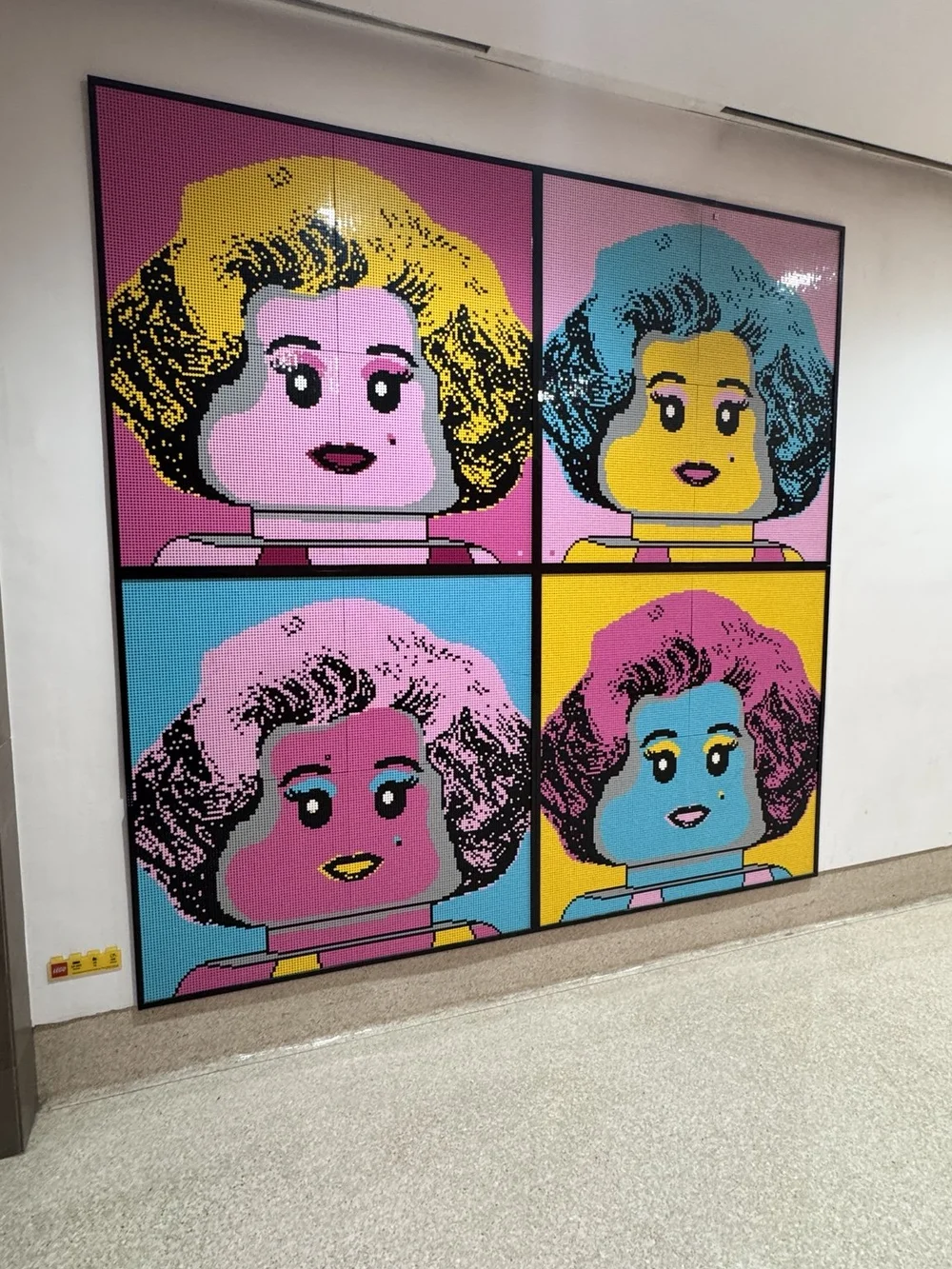

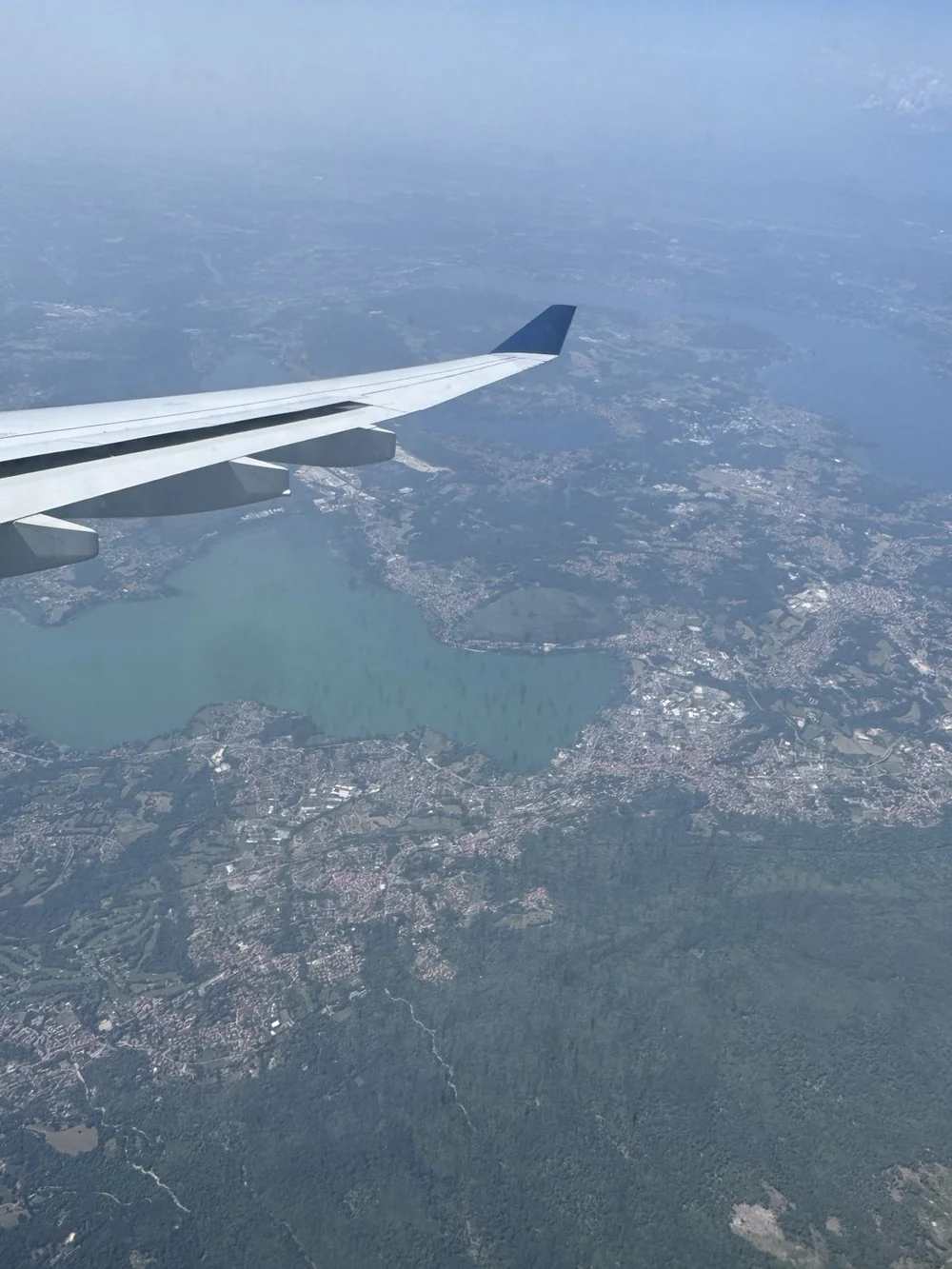
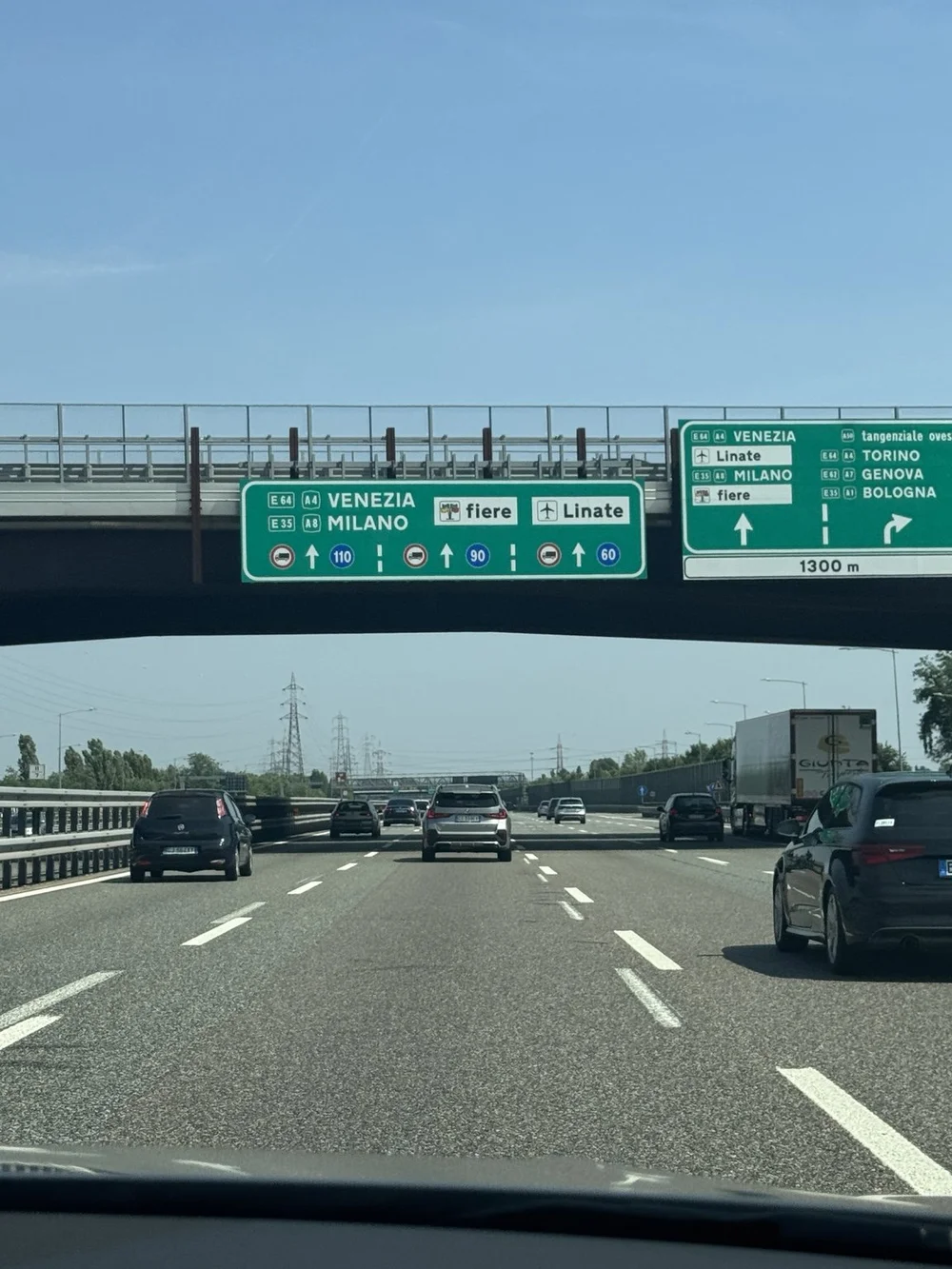
B&B HOTEL Milano Sesto Marelli & the Duomo Rooftop Terraces
We were staying north of the city at B&B HOTEL Milano Sesto Marelli, so the drive was fairly easy. We arrived, checked in, and parked the car—but we were already on a time crunch because I had tickets for the rooftop terraces at the Duomo.
We hustled down the street to the Sesto Marelli Metro station, which was only about a three-to-five-minute walk from the hotel. The Metro stations here are convenient because they have tap-to-pay gates, so you don’t have to hassle with buying a ticket. You simply tap your card and walk through.
Sesto Marelli is on the M1 line, which takes you directly to the Duomo stop. Once we arrived in the Duomo area, we headed toward the cathedral and found the correct entrance for the lift.
Our timed terrace tickets were for 4:00–4:30 PM, but we didn’t make it there until around 5:00 PM. Thankfully, it wasn’t a problem, and we were still allowed to take the lift up to the rooftop.
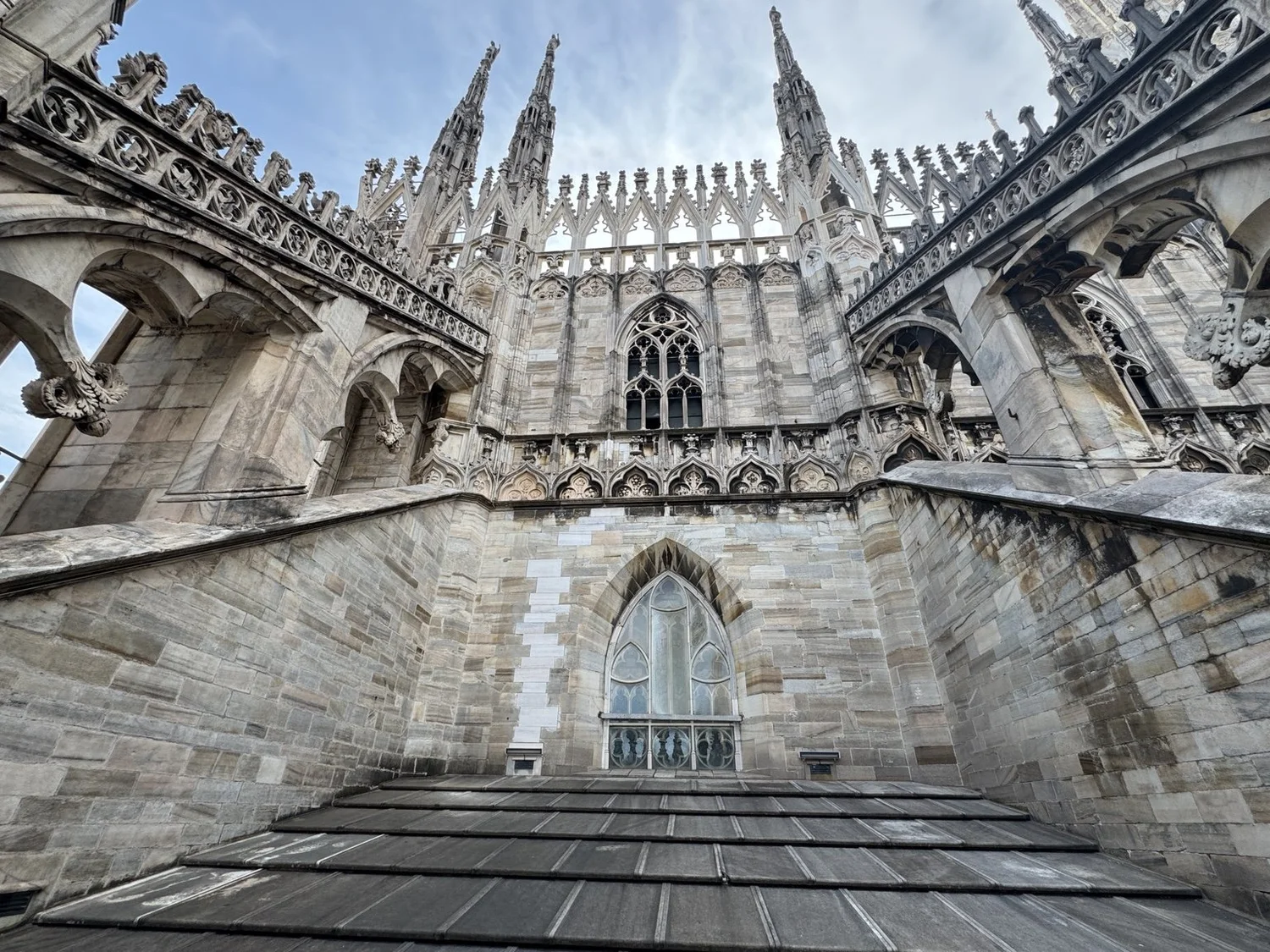
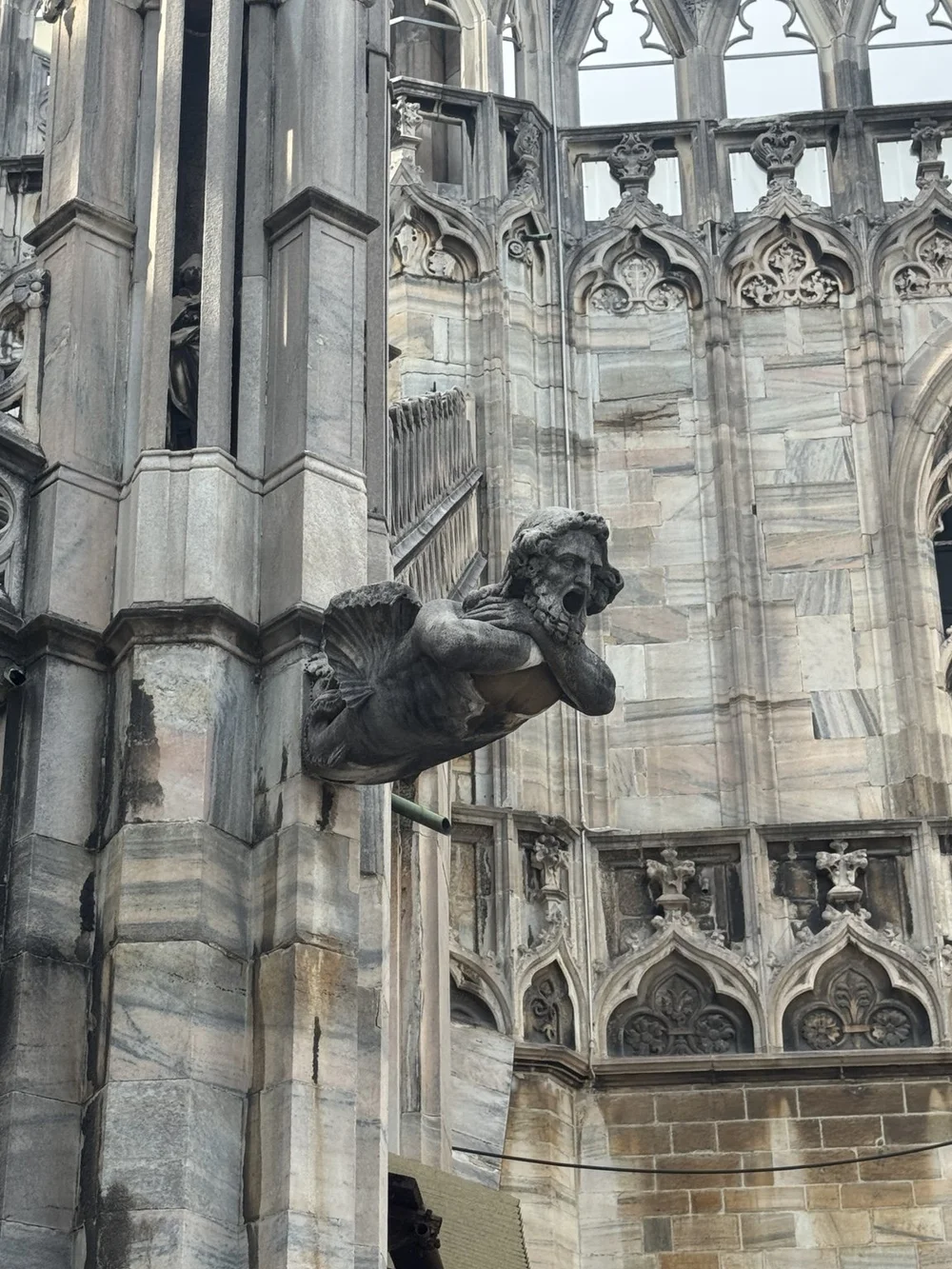
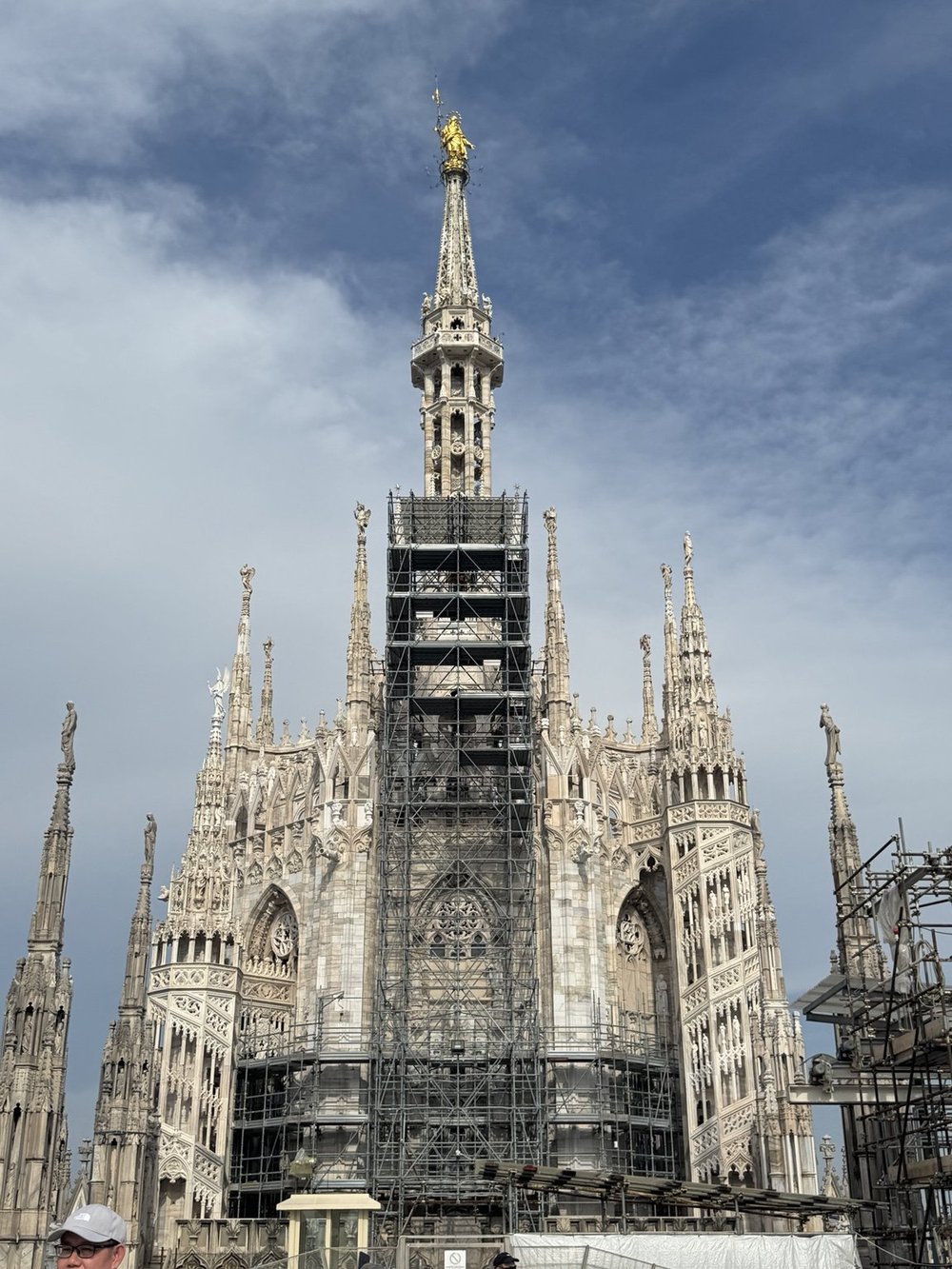
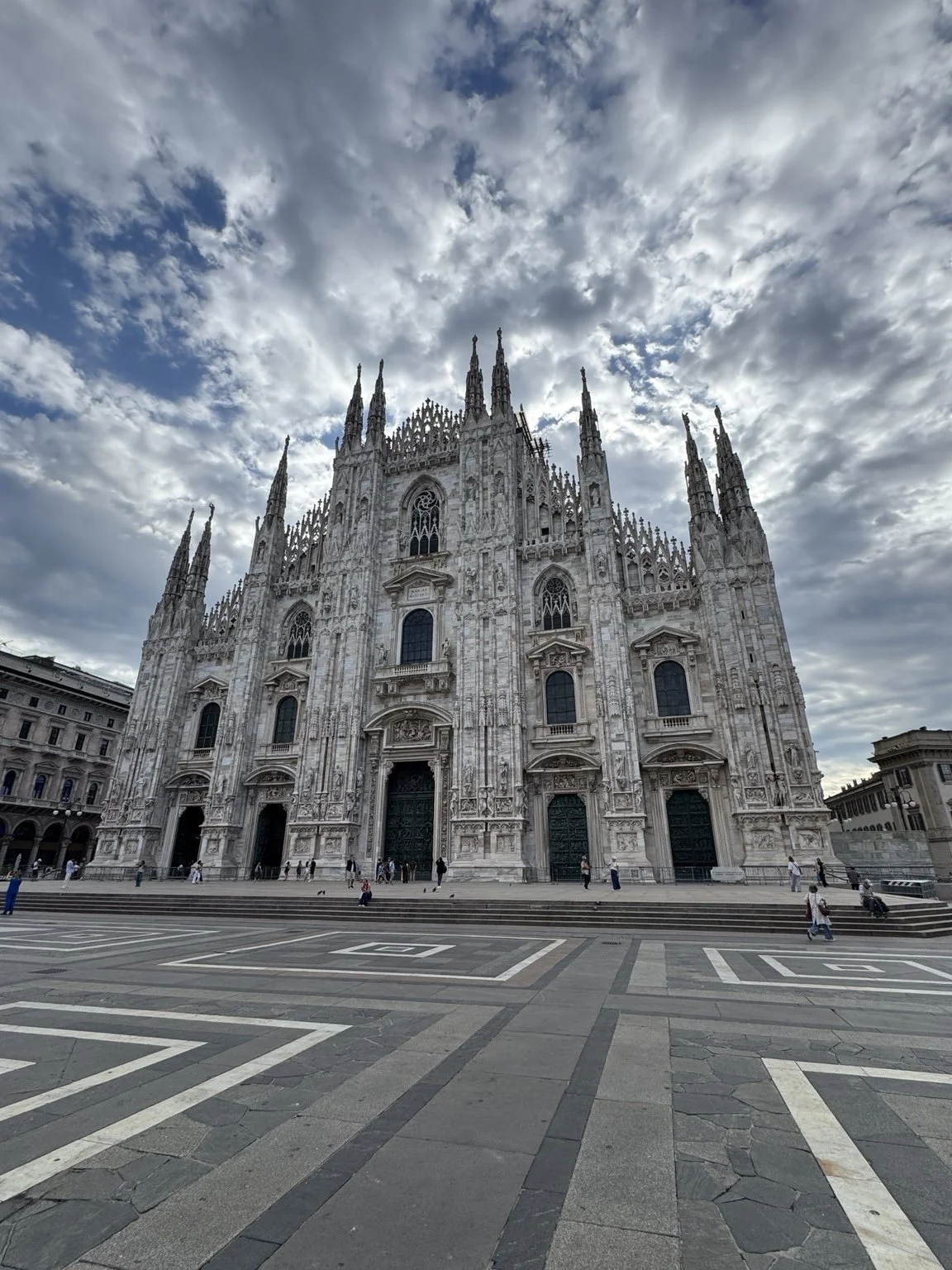
The Duomo di Milano is Milan’s enormous Gothic cathedral and one of the largest churches in the world. Construction began in 1386 and continued for nearly 600 years, making the building feel like a stone time capsule stitched together across centuries.
It is famous for:
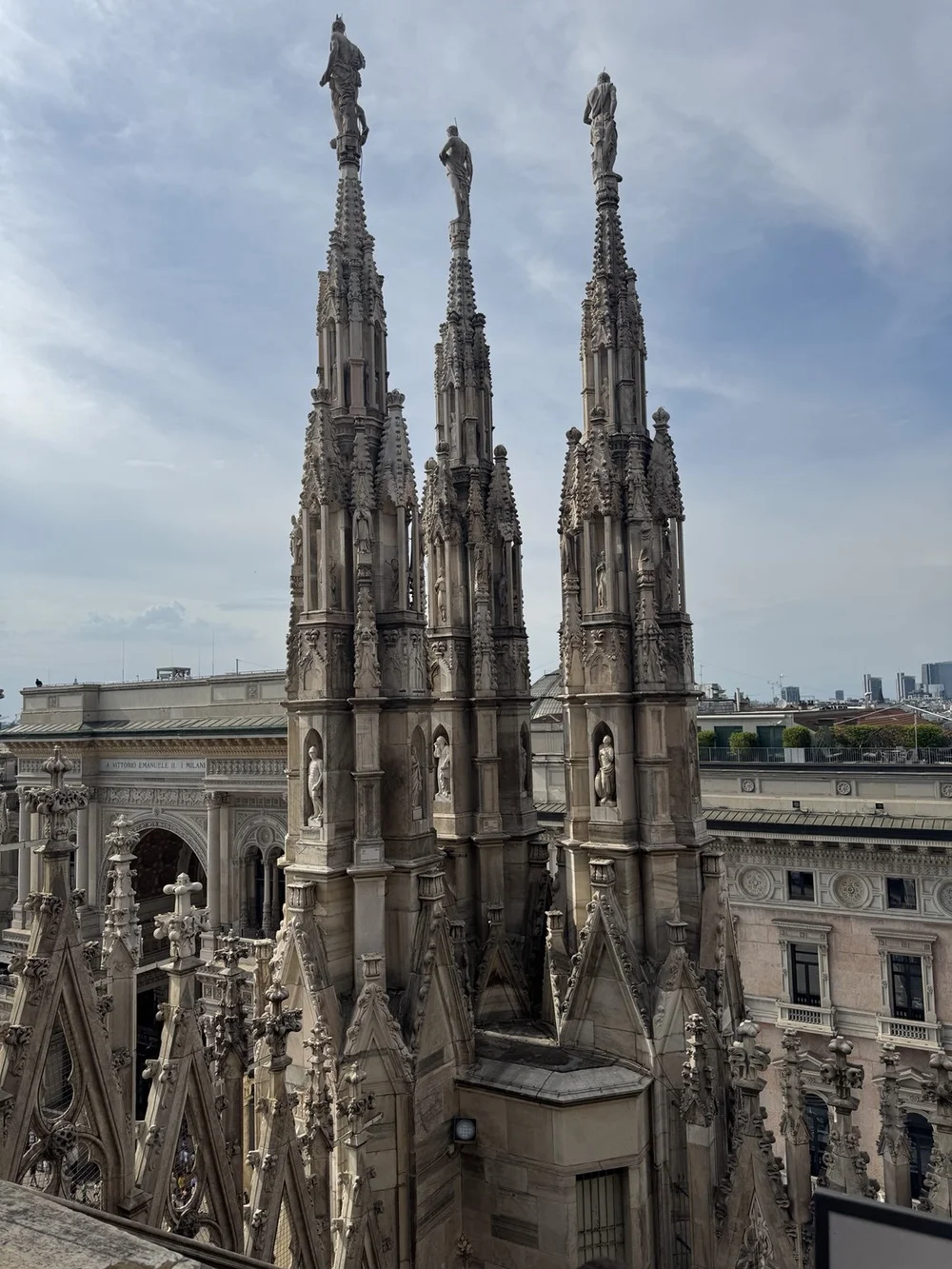
- Thousands of intricate marble statues and spires
- Pink-white Candoglia marble that changes color with the light and rain
- The golden Madonnina statue watching over Milan from the highest spire
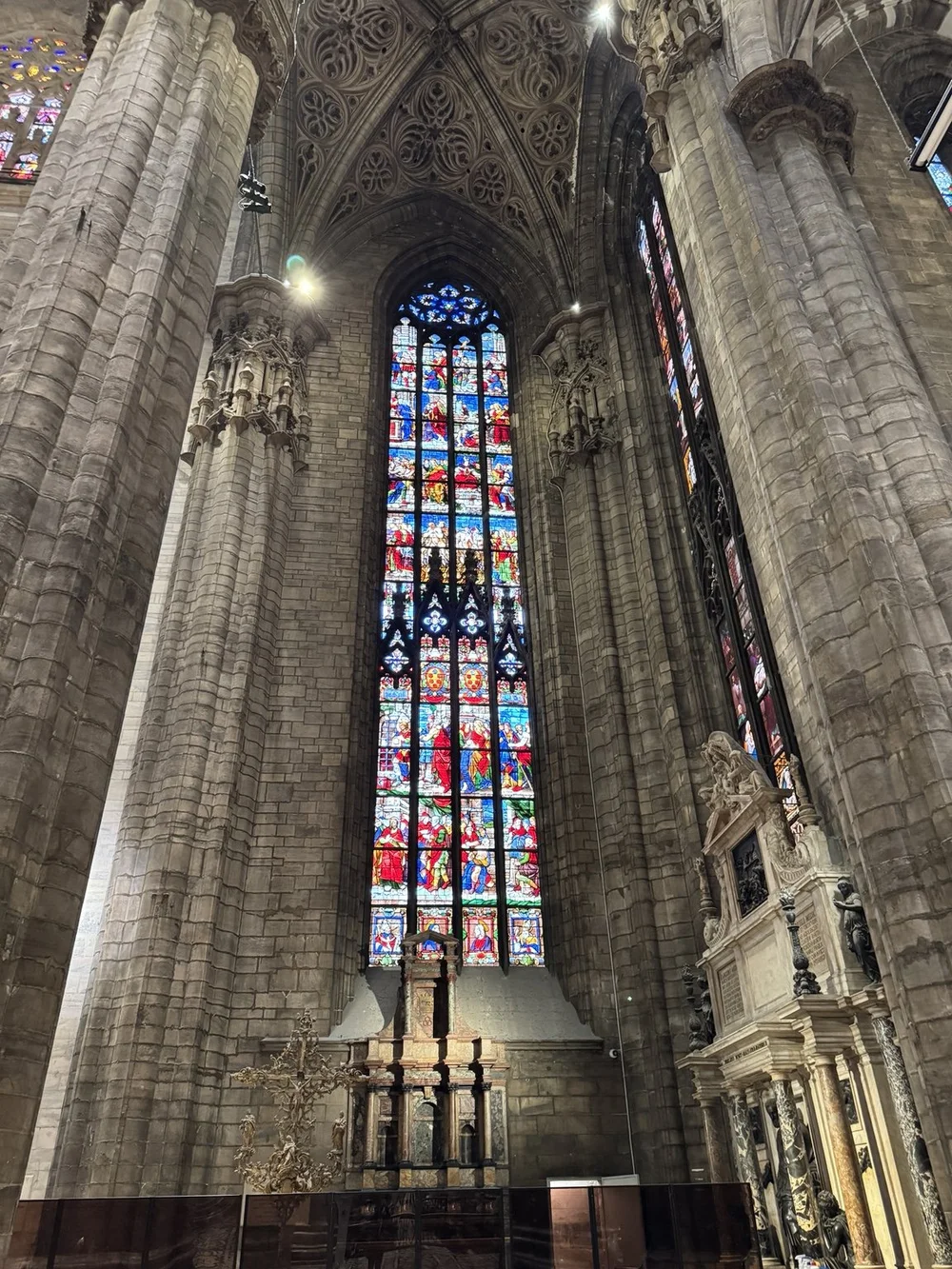
- Massive stained-glass windows
- Underground archaeological ruins beneath the cathedral
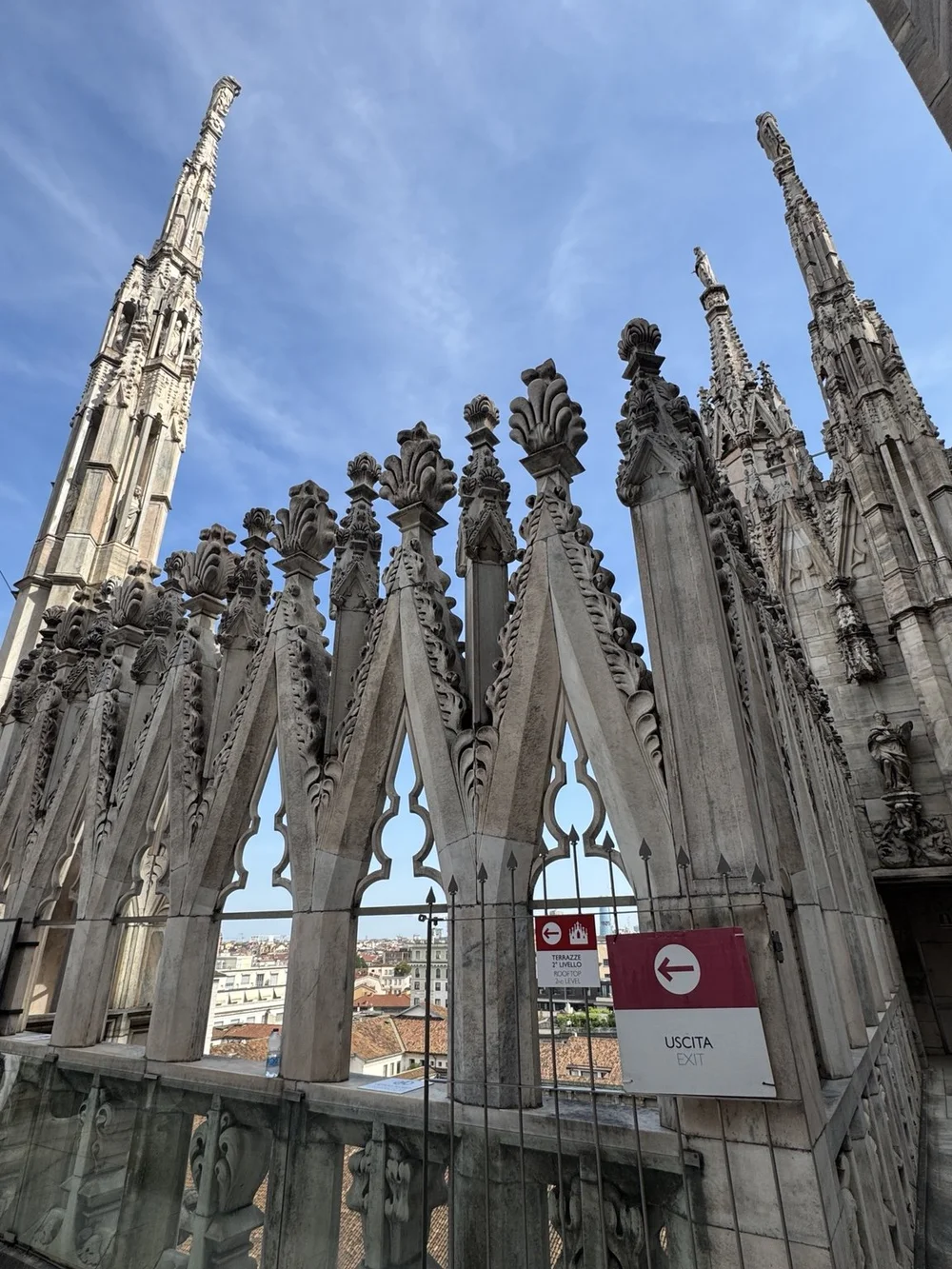
- Rooftop terraces where you can walk among the spires while looking out over Milan—and, on very clear days, even see the Alps
I would say the rooftop terrace was well worth it. You can walk around most of the perimeter and climb onto a second level. The view of the city itself wasn’t necessarily the most impressive part, but walking among the spires was still pretty cool.
It was fairly busy, but again, definitely worth doing.
We splurged on the skip-the-line lift passes, which included admission to all the Duomo attractions. Only the terrace required a timed ticket. The remaining admissions could be used on the date of the ticket or the following day and included the cathedral, crypt, archaeological site, and museum. I’ll talk more about those in the following day’s post since that’s when we visited them.
We exited through a small section of the cathedral and headed toward Galleria Vittorio Emanuele II.
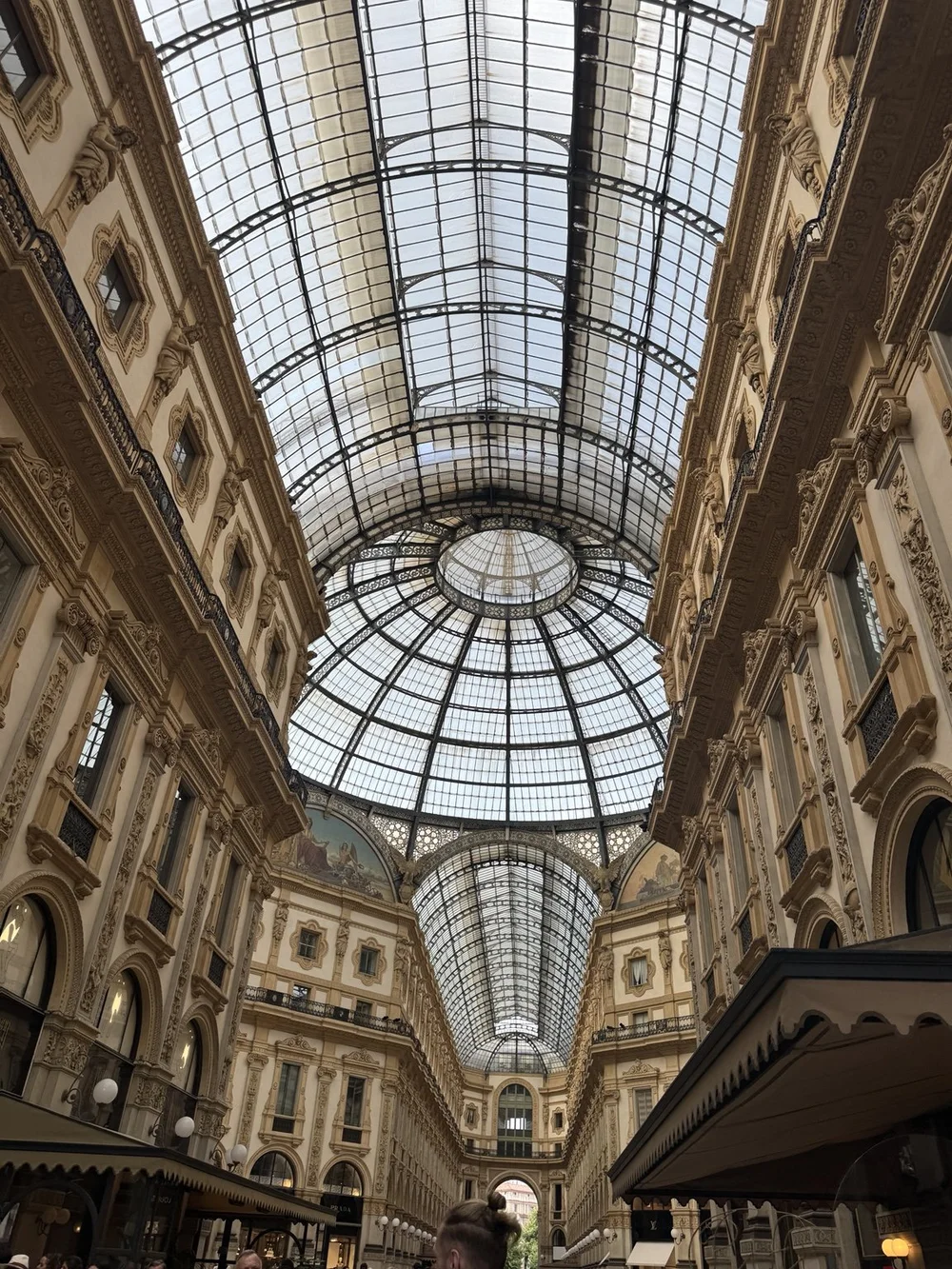
Galleria Vittorio Emanuele II & Piazza Mercanti
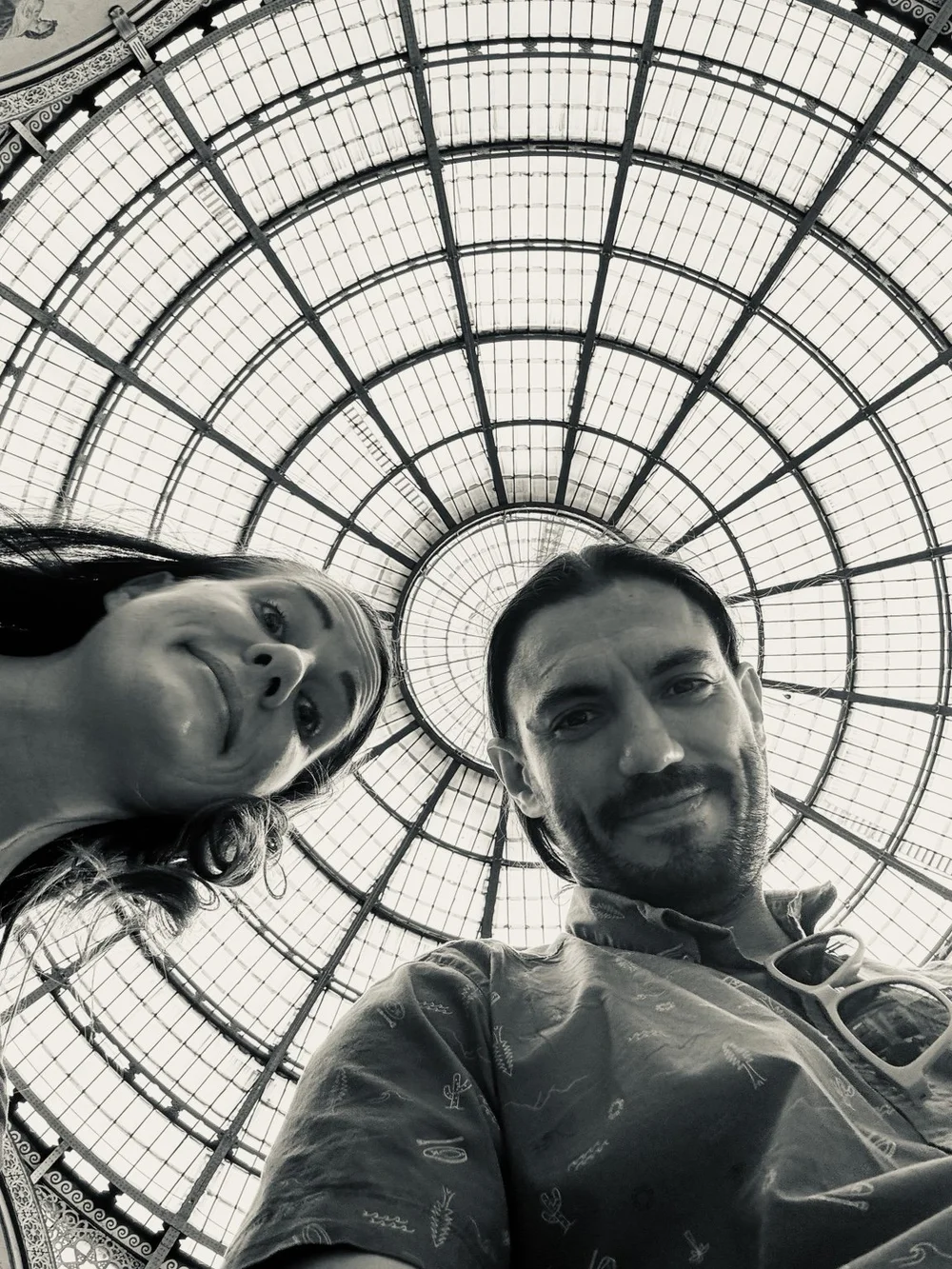
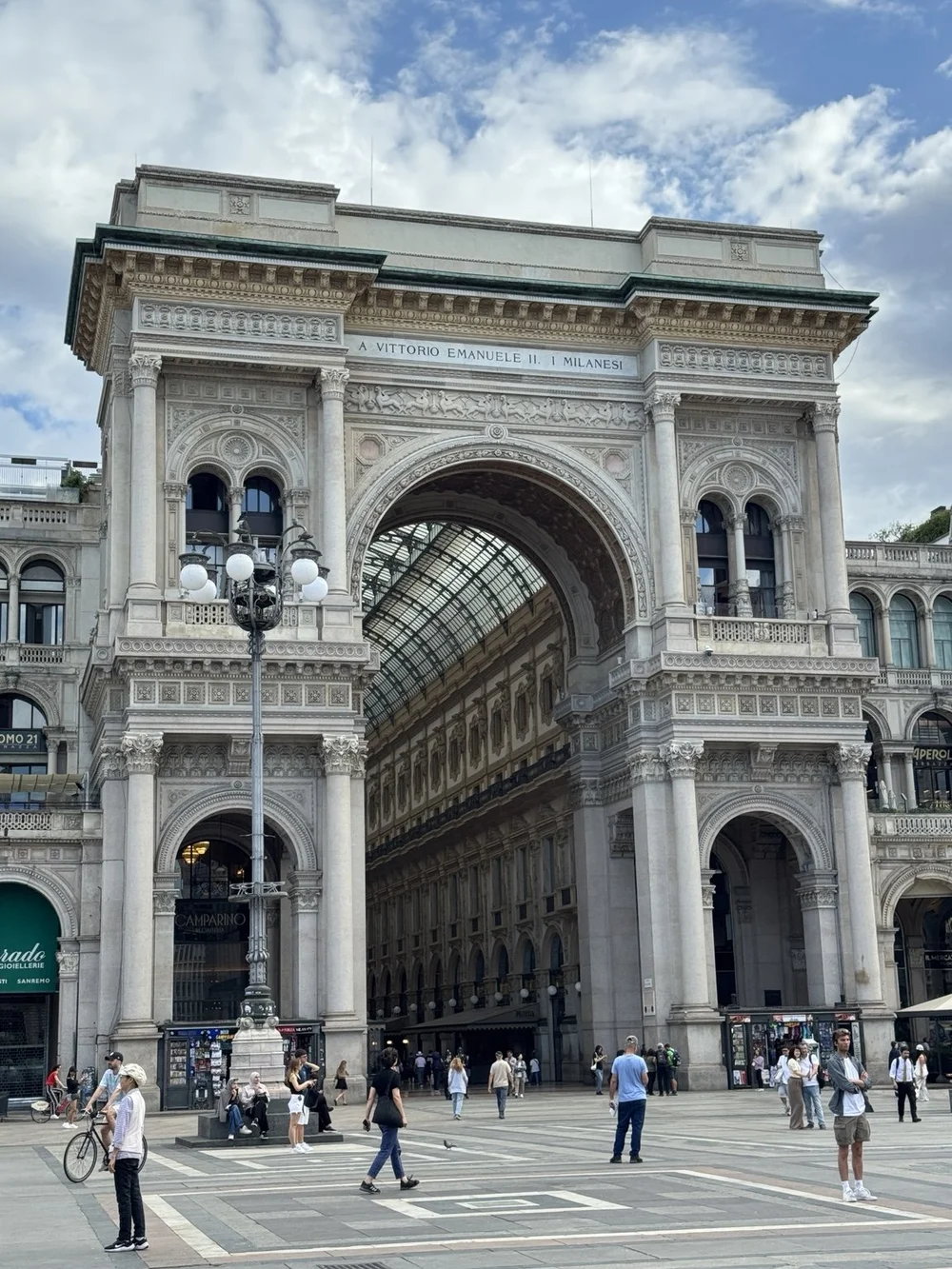
Galleria Vittorio Emanuele II is Italy’s oldest shopping gallery and one of Milan’s grand architectural showpieces. Built during the 1860s, it connects Piazza del Duomo with Piazza della Scala beneath a soaring iron-and-glass roof that feels like a Victorian greenhouse collided with a palace.
It is known for:
- Huge glass-domed ceilings and ornate mosaic floors
- Luxury boutiques such as Prada, Louis Vuitton, and Gucci
- Historic cafés where writers, politicians, and artists once gathered
- The famous bull mosaic tradition, where people spin on the bull’s testicles for good luck—and yes, you will absolutely see tourists tornado-spinning over it
We then went to Piazza Mercanti, a small medieval square tucked just behind the Duomo. It feels like Milan accidentally left a pocket of the Middle Ages behind its modern storefronts.
During medieval times, this was the city’s political and commercial center. The square is surrounded by old civic buildings, arches, stone loggias, and narrow passageways that create a completely different atmosphere from the grand openness of Piazza del Duomo.
Dinner Overlooking the Duomo
By this point, hunger had set in, so we stopped at Obicà Mozzarella Bar – Duomo. It was perhaps a bit of a tourist-tax restaurant since it overlooks the Duomo, but the food was pretty good.
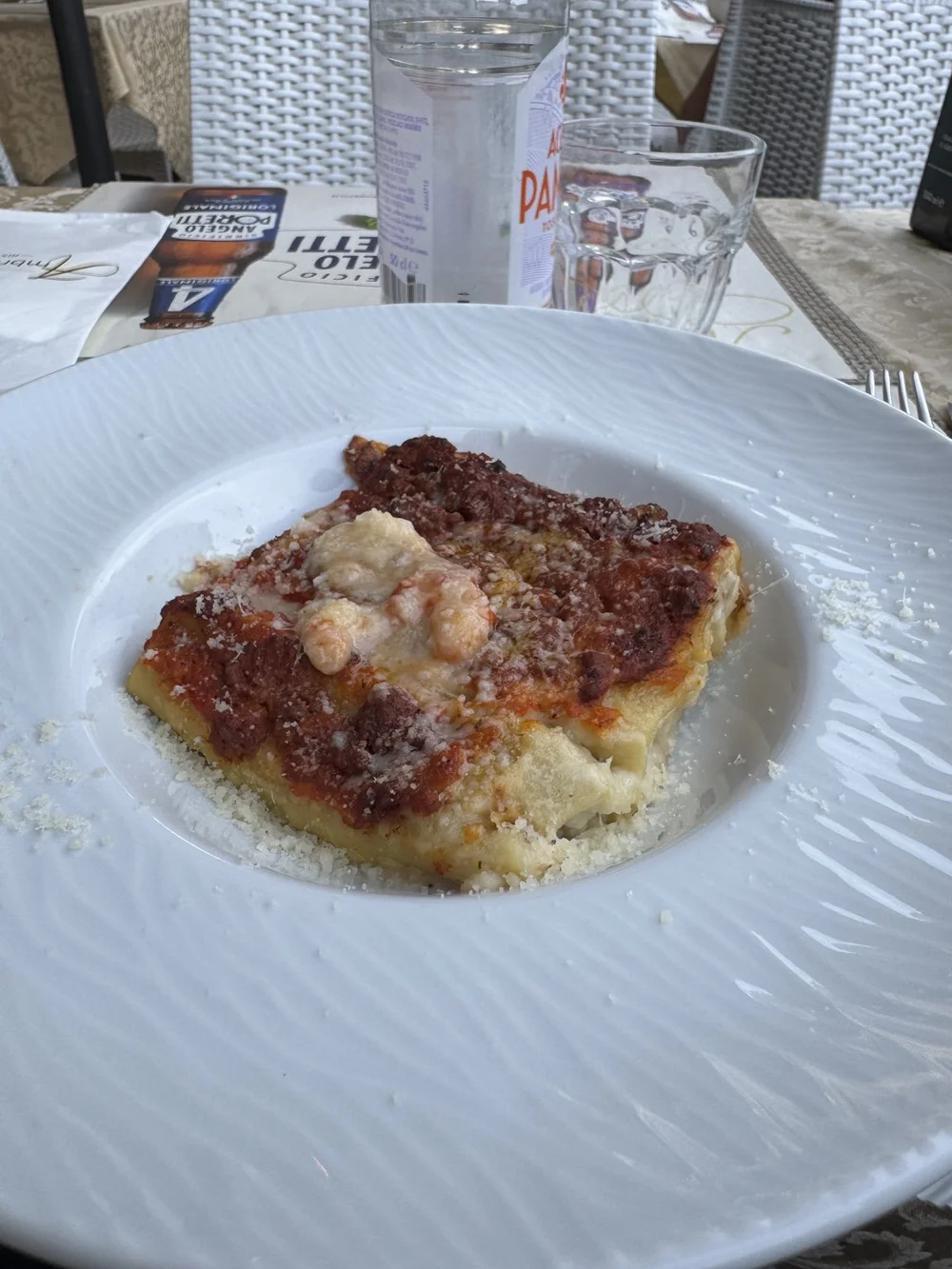
The boyfriend ordered a pizza, and I had a beef cannelloni pasta dish. It definitely hit the spot.
Afterward, we took the M1 Metro back toward the hotel and stopped at New Alimentari Prodotti Italiani e Stranieri for water and some much-needed caffeine for the following morning. It had good prices and was conveniently located right along the way.
I then passed out at 8:30 PM, completely exhausted from the overnight travel day.
June 1 · Milan
Bones, Flamingos & One Very Big Cathedral
Breakfast & an Early Start at the Milan Duomo
I woke up at 6:00 AM, a little jet-lagged but honestly not feeling too bad. I woke the boyfriend at 7:00 AM, and we headed down the street for breakfast at Boulangerie Bistrò.
They had great pastries and one of the thickest, most delicious hot chocolates I’ve ever had. Three pastries, two espressos, and the hot chocolate came to about €14.
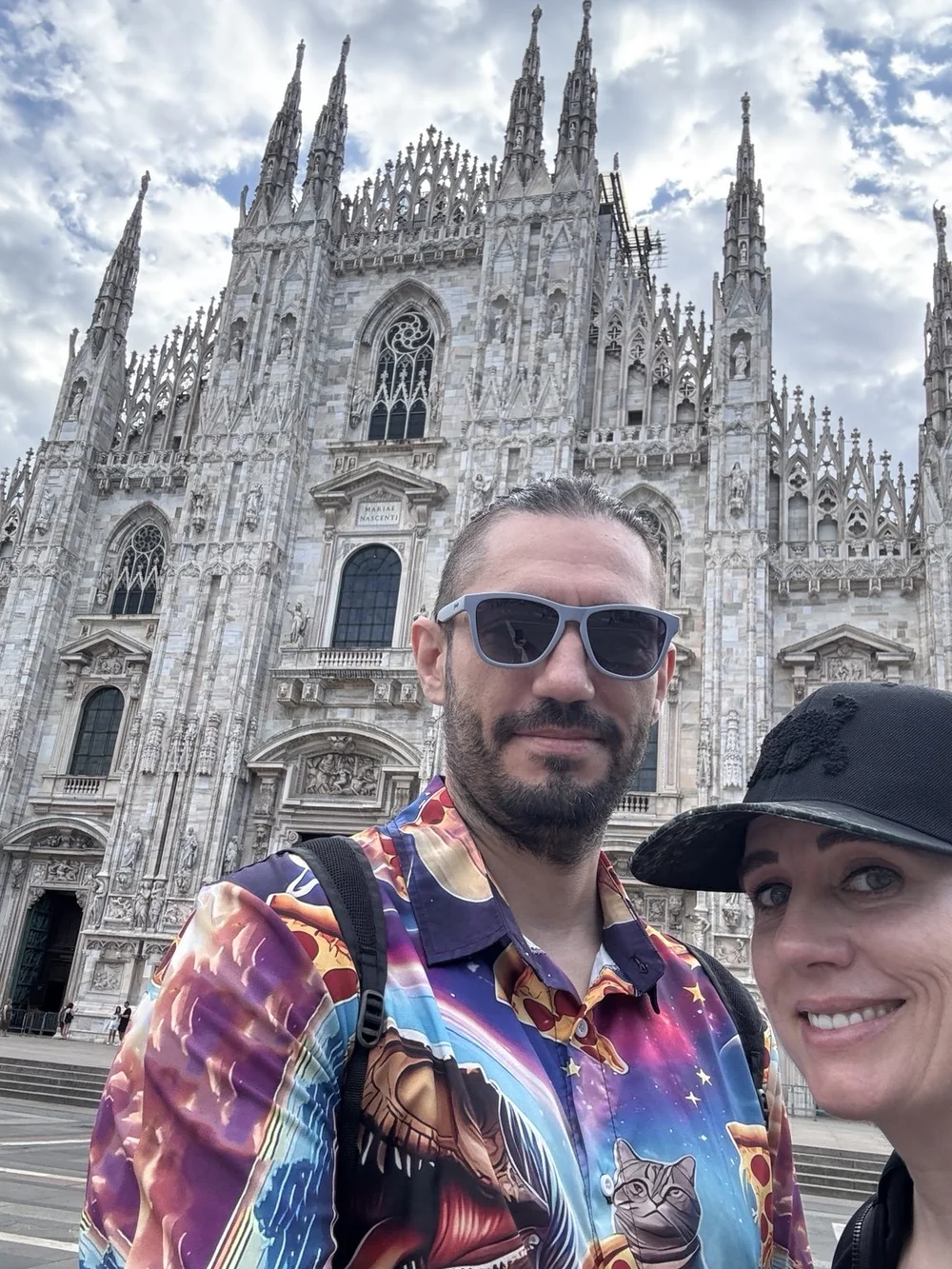
After breakfast, we took the Metro back to the Duomo. We arrived around 8:40 AM and had a little time to kill, but it was actually the perfect opportunity to take photos while the crowd was still small.
We jumped in line, and promptly at 9:00 AM, the doors opened.
Inside, Below & Across from the Duomo
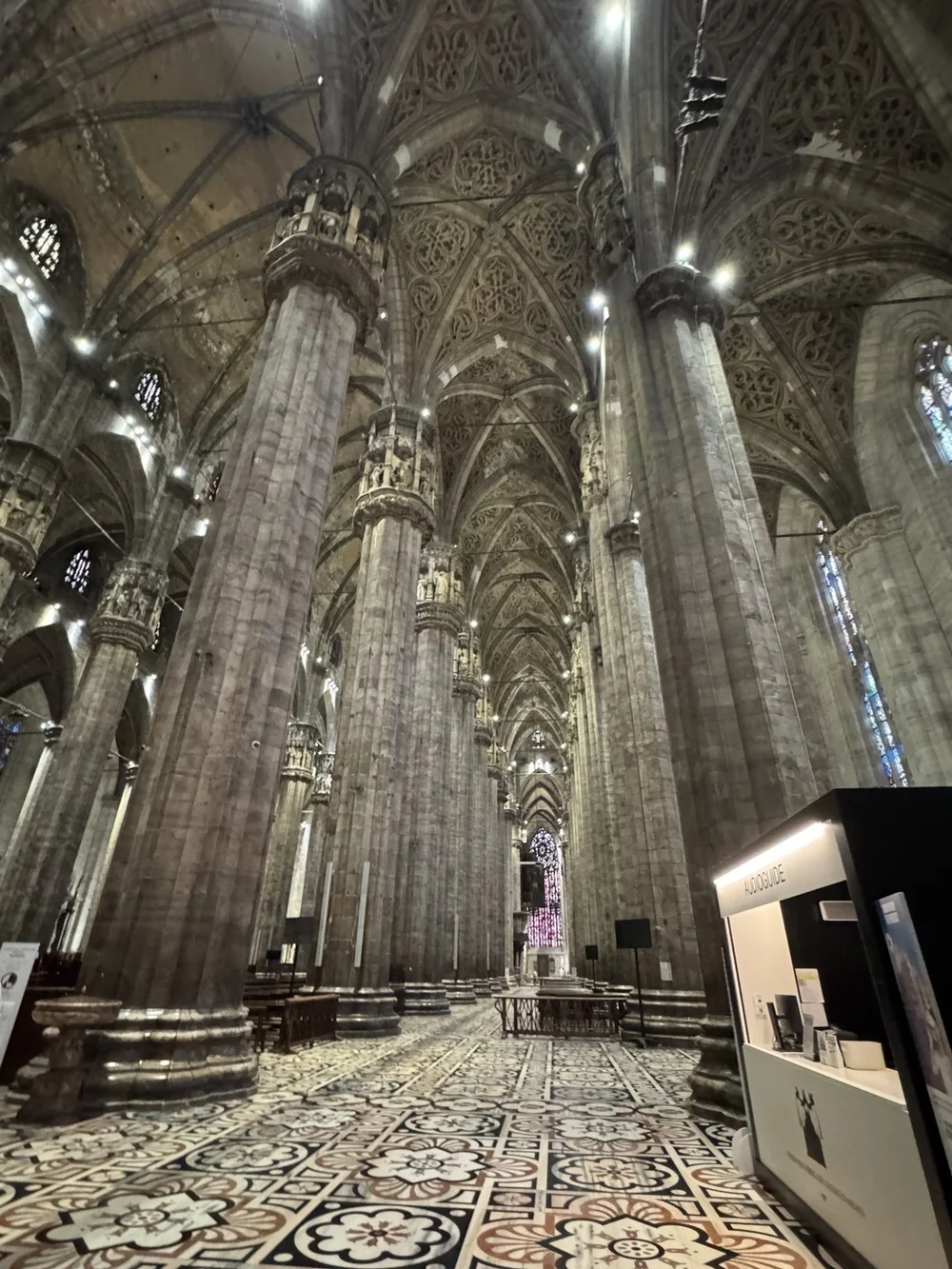
The Duomo is a classic Gothic cathedral that instantly makes you feel small once you step inside. It isn’t overly gaudy—it’s just absurdly big.
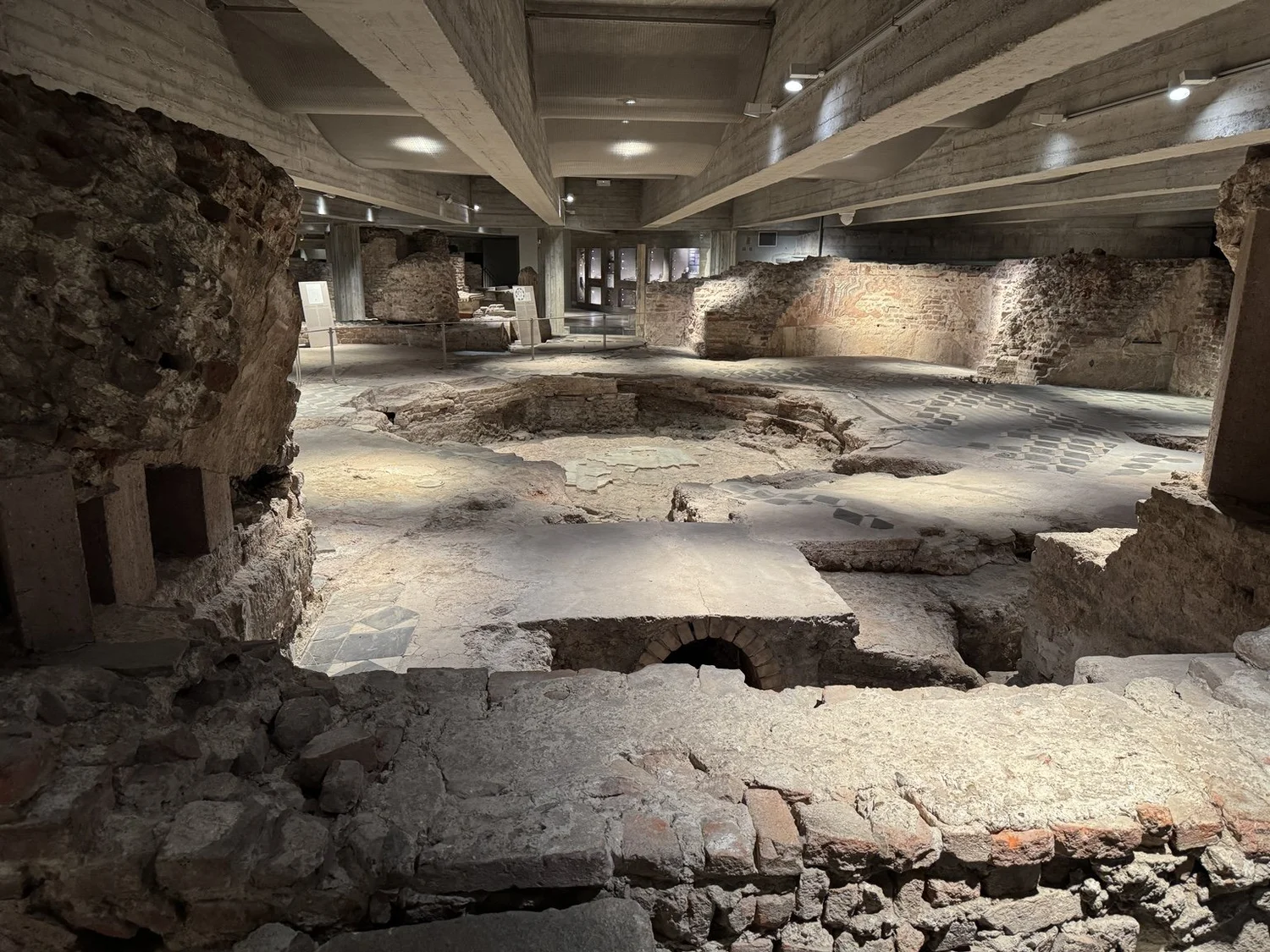
Straight ahead and to the left of the entrance is a staircase descending into the archaeological site beneath the cathedral, where you can see layers of ancient Milan buried below the current floor.
The archaeological area contains the remains of:
- An early Christian baptistery dating to the fourth century
- Ancient Roman-era foundations and streets
- The Baptistery of San Giovanni alle Fonti, where Saint Ambrose is believed to have baptized Saint Augustine in 387 AD
- Fragments of earlier churches that existed long before the current Duomo
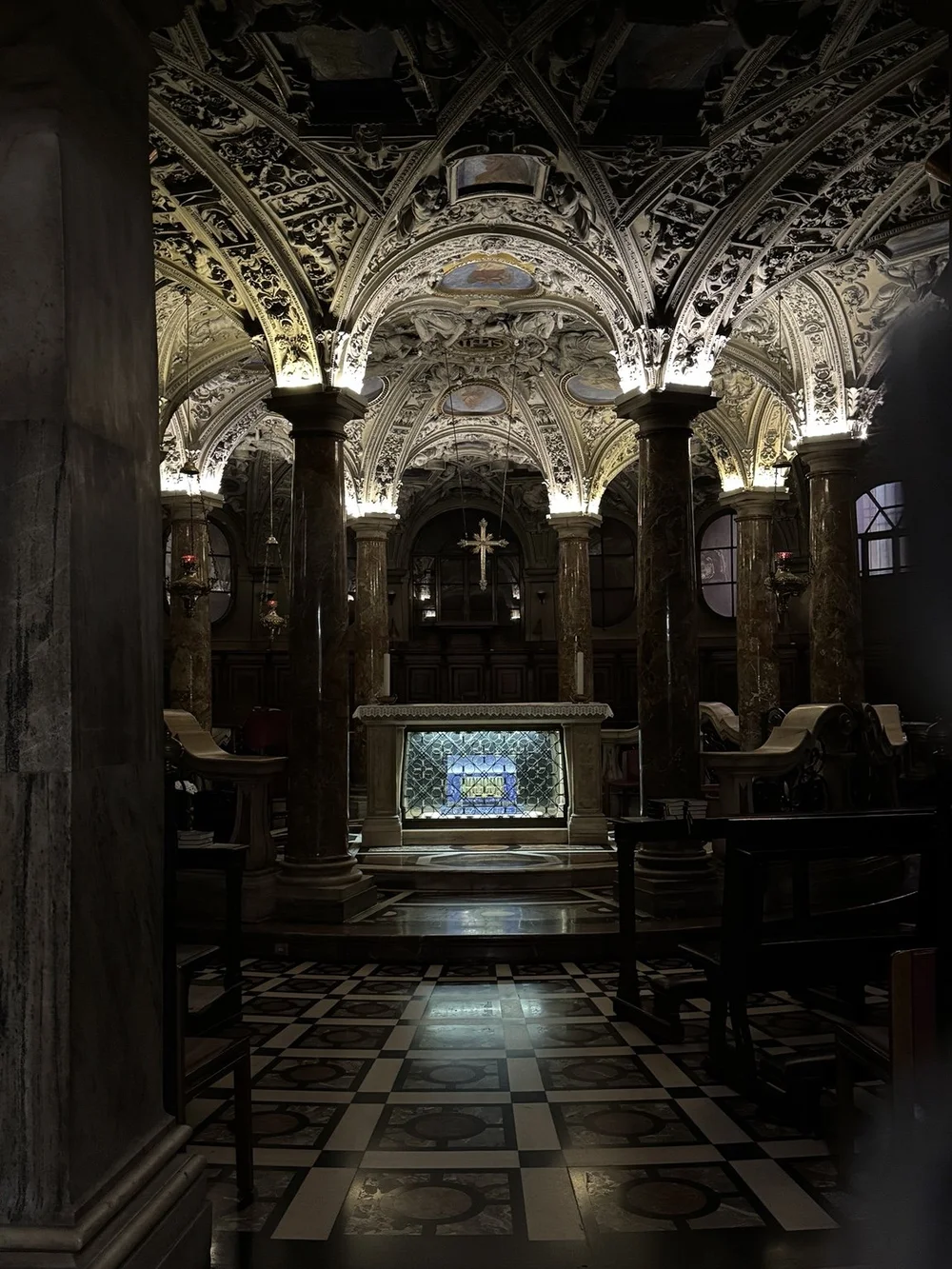
At around 10:00 AM, the Crypt of Saint Charles Borromeo opened. This small, chapel-like crypt beneath the Duomo is dedicated to Saint Charles Borromeo, one of Milan’s most important historical religious figures.
Its centerpiece is the saint’s preserved body, displayed inside an ornate glass-and-silver shrine beneath the altar.
This may have been the first time I’ve ever entered a crypt directly beneath a main altar. It felt much smaller and more intimate down there compared with the massive cathedral above us.
After coming back upstairs, we exited the cathedral and headed across the street to the Museo del Duomo di Milano. The museum is located inside the Royal Palace building next to Piazza del Duomo and contains many artworks and architectural pieces that have been removed from the cathedral over the centuries.
Highlights include:
- Original statues and gargoyles from the Duomo’s exterior
- Massive stained-glass panels
- Tapestries, sculptures, and religious paintings
- Wooden architectural models used to design sections of the cathedral
- Close-up views of details that are impossible to appreciate when they’re high above you on the cathedral façade
There were some impressive things inside, although many of the items were replicas of the originals. The museum was well designed and flowed efficiently, and there was a small gift shop inside, along with a café just outside the entrance.
Overall, I’d say the €32 ticket was worth it to experience all the different Duomo attractions.
A Bone Chapel and Flamingos
We then wandered over to Santuario di San Bernardino alle Ossa.
Initially, we were catfished.
We entered through the wrong door and found what appeared to be a completely “normal” church. After exiting, however, we spotted a second entrance marked “Ossuary” and went inside.
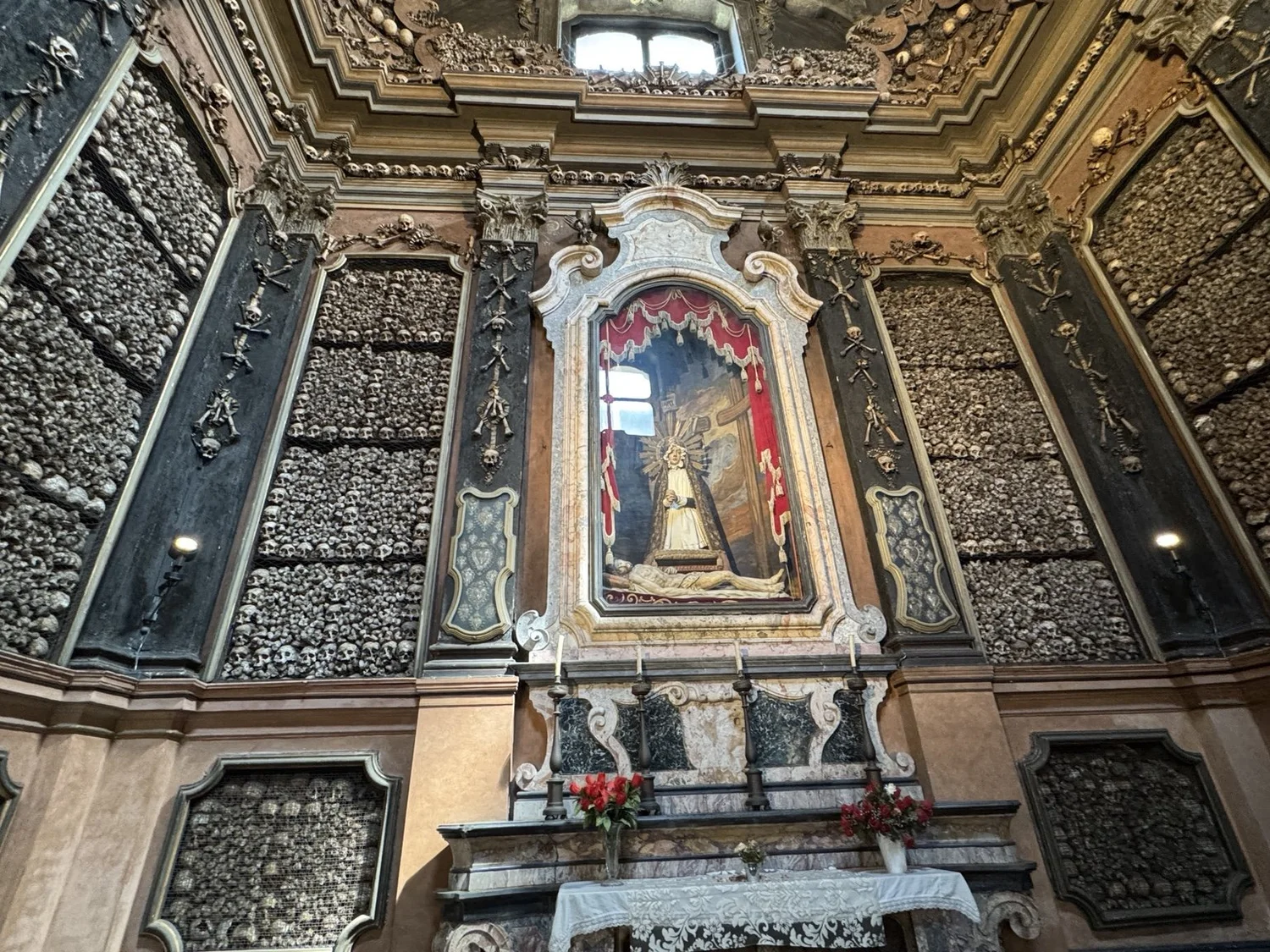
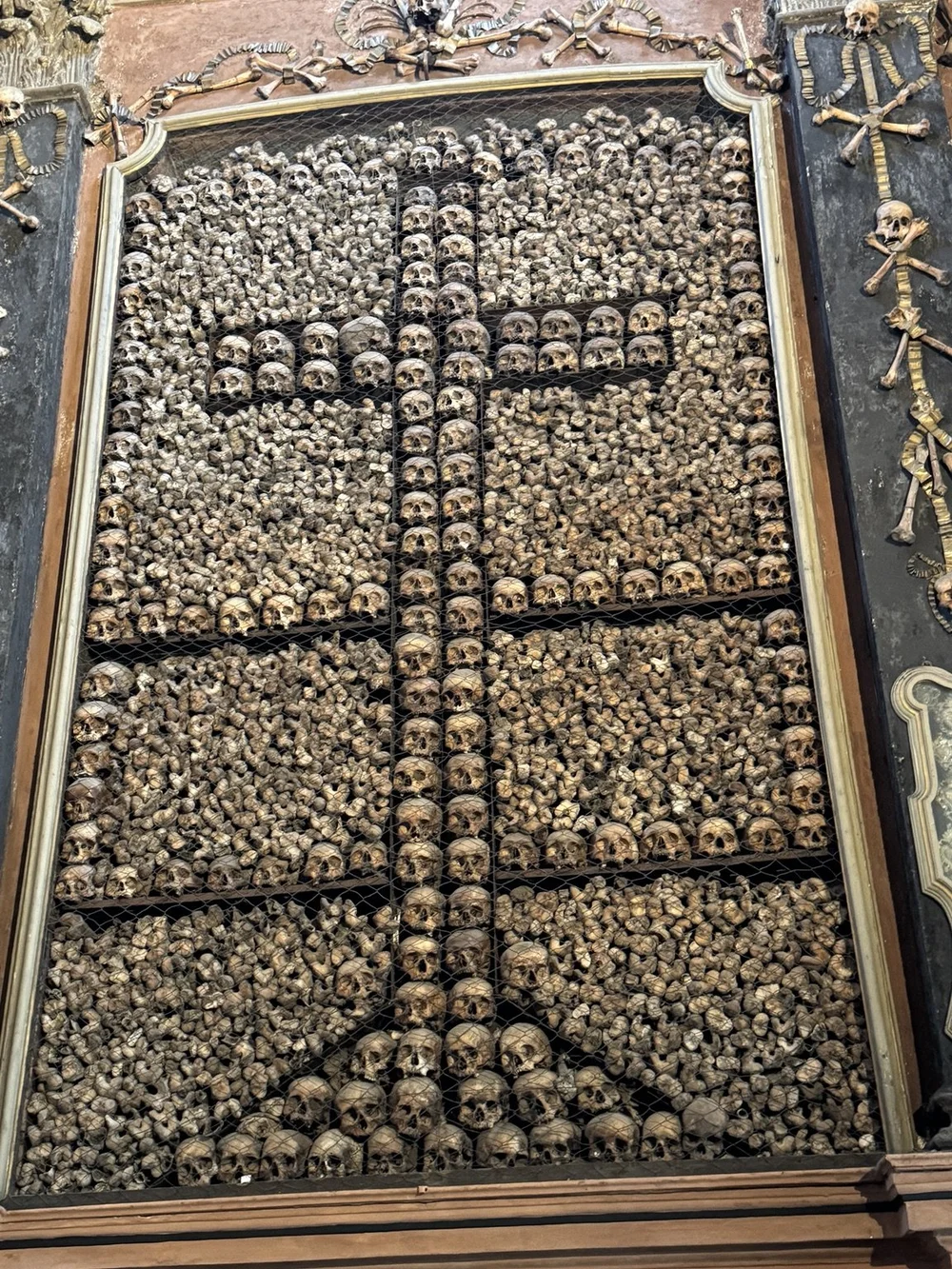
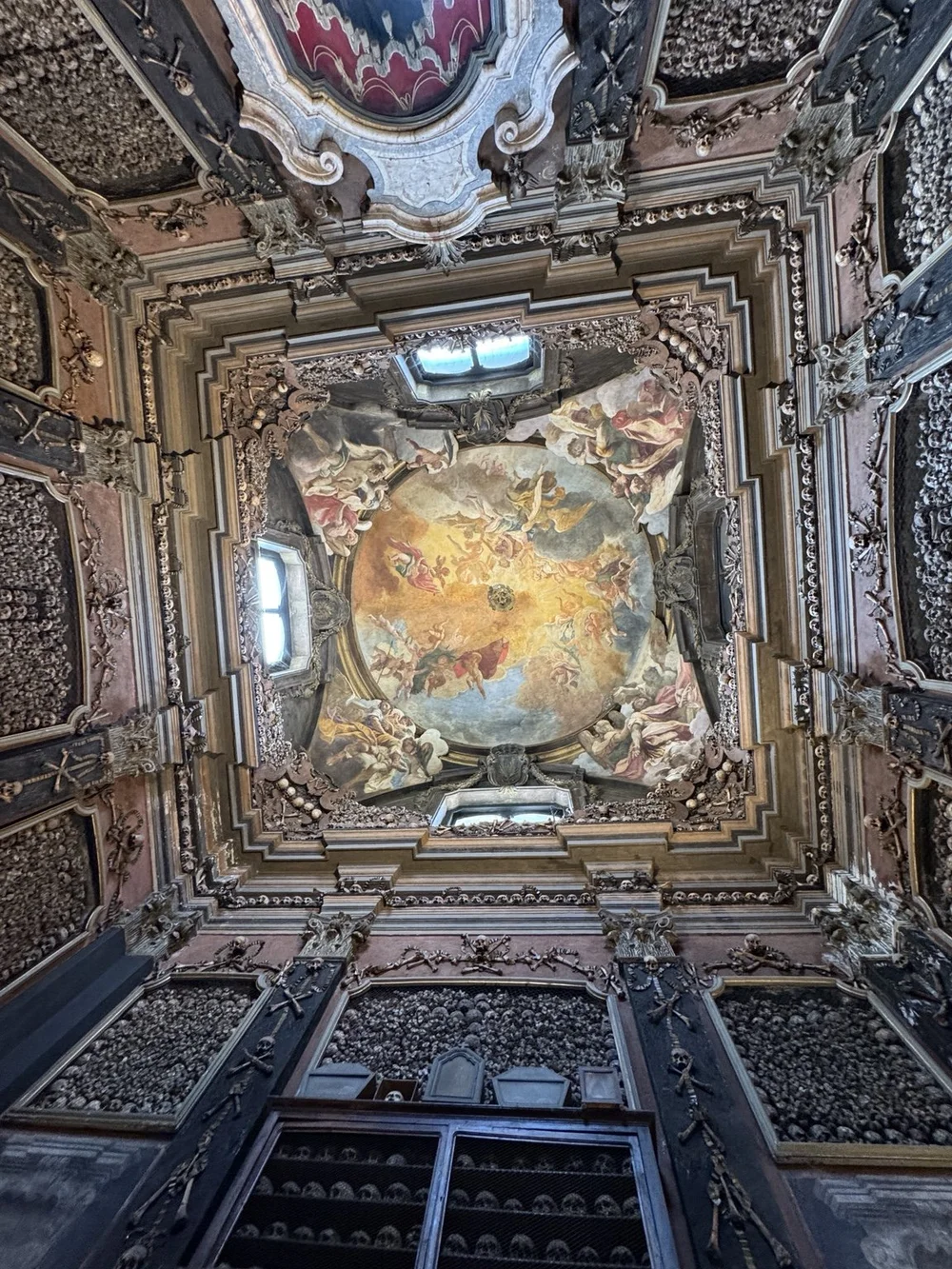
After passing through yet another normal-looking church, we finally found the bone-covered chapel—and it was weird, Gothic, and basically everything I find interesting.
The walls are decorated with:
- Skulls stacked into patterns
- Bones arranged like macabre wallpaper
- Human remains framing doors, altars, and niches
Most of the bones came from overcrowded medieval cemeteries and hospitals connected to the nearby church. When burial space ran out, the remains were moved into the ossuary.
Despite its unsettling reputation, the chapel is surprisingly peaceful and quiet. The contrast is what makes it so memorable:
- Elegant Baroque frescoes overhead
- Ornate chandeliers and religious artwork
- Then… walls built from human skeletons
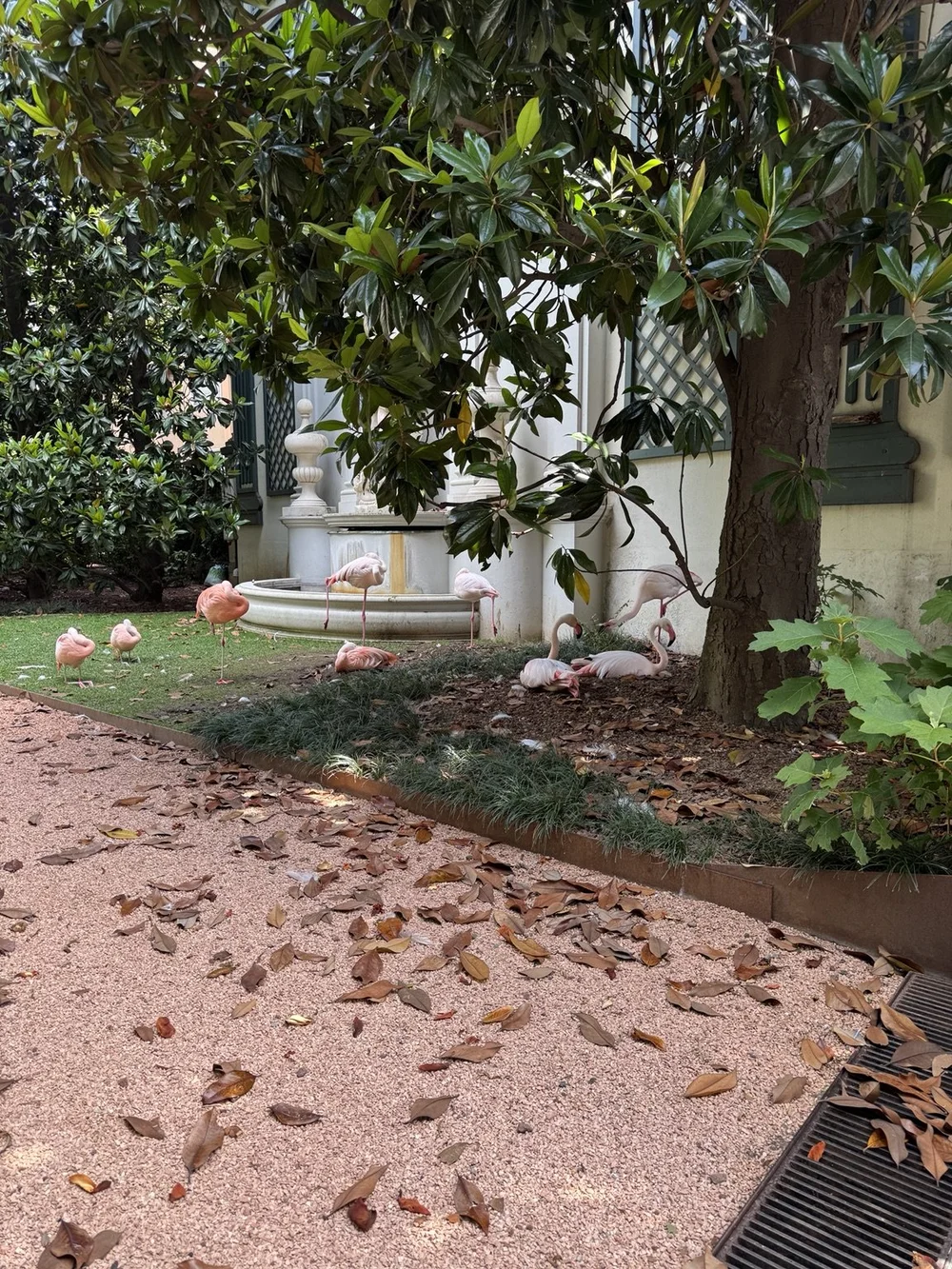
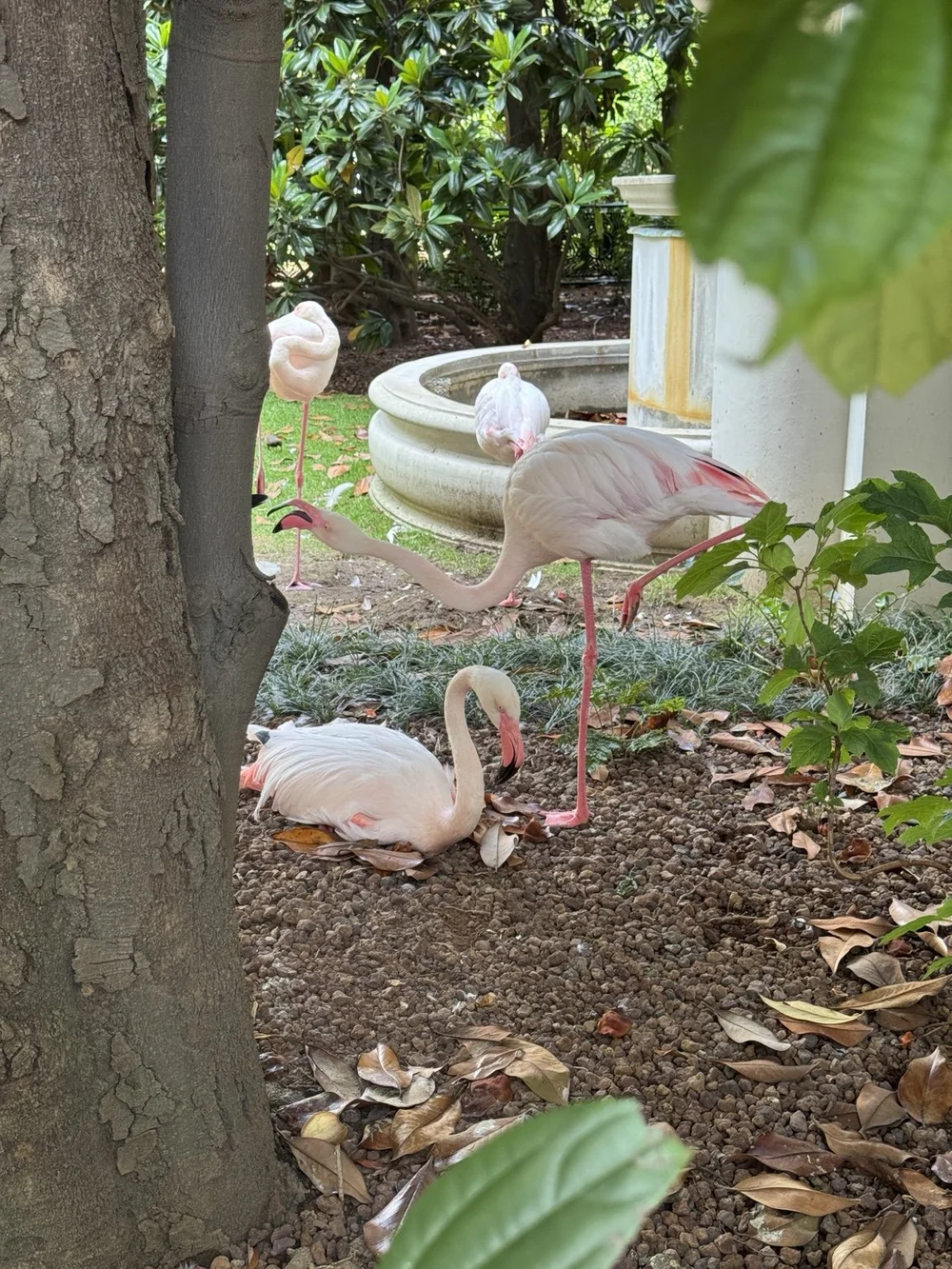
Our next stop was Villa Invernizzi, where we went in search of the flamingos.
A colony of pink flamingos has lived in the villa’s garden for decades. They wander around a pond and fountain in the middle of one of Milan’s most upscale neighborhoods, creating one of the city’s most unexpected sights.
The property isn’t open to visitors, but you can see the flamingos through the gates from outside.
We then wandered beneath the Porta Venezia gate and into Giardini Pubblici Indro Montanelli, Milan’s oldest public gardens. The park offered a nice green escape from the stone-and-marble intensity of the city, and it also served as a pleasant nature-filled shortcut to Eataly.
Eataly, Castello Sforzesco & Milan’s Historic Parks
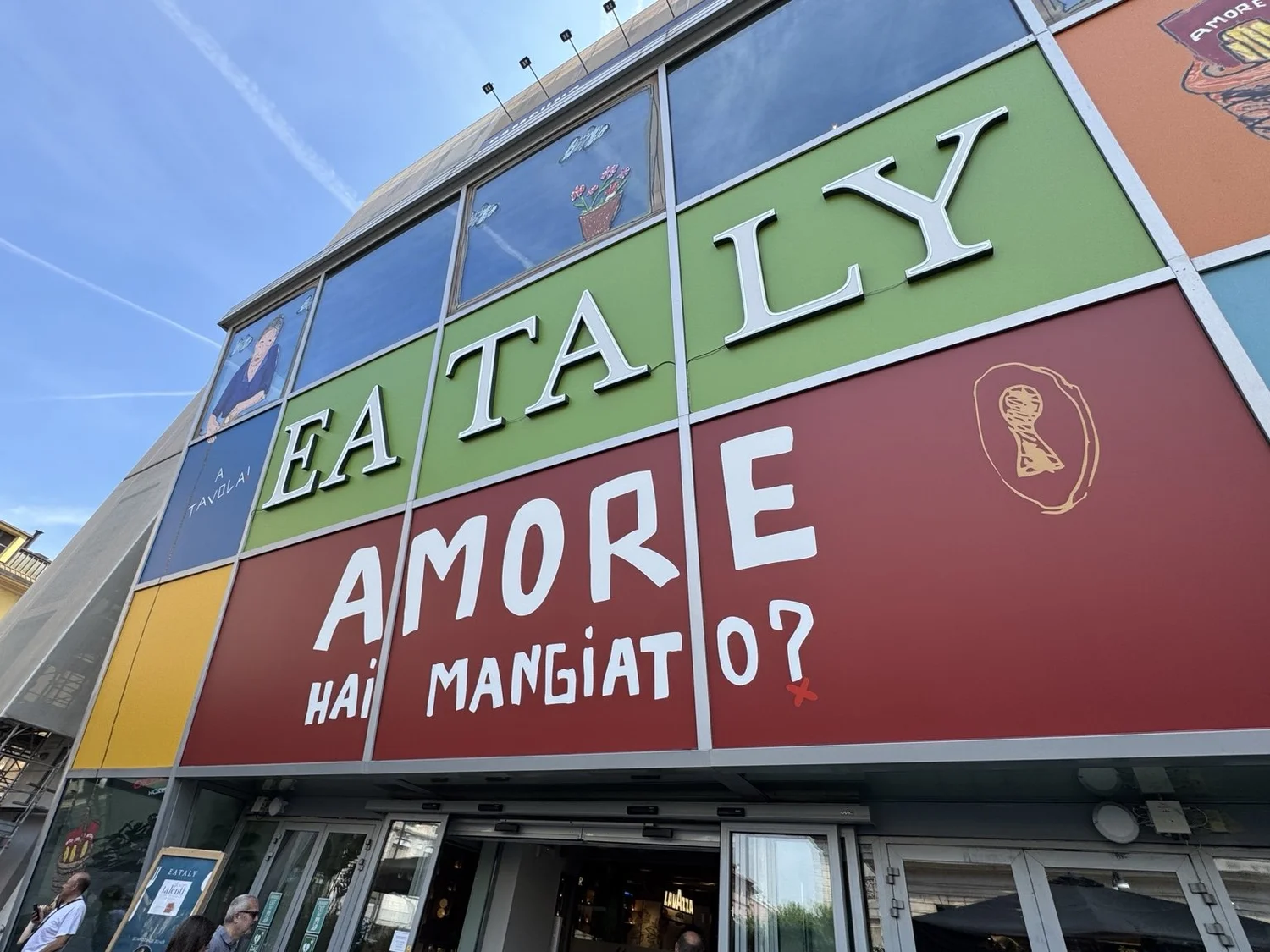
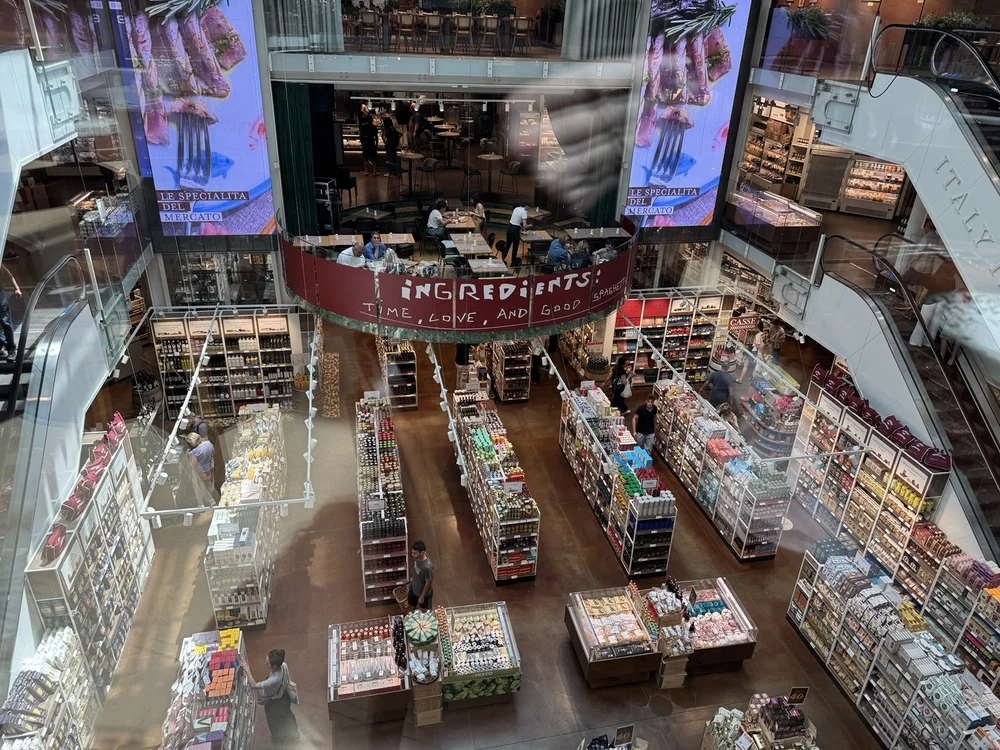
Milan’s Eataly occupies the former Teatro Smeraldo, a historic theater converted into the marketplace in 2014. The building still retains a theatrical feel, with multiple levels overlooking a large central space.
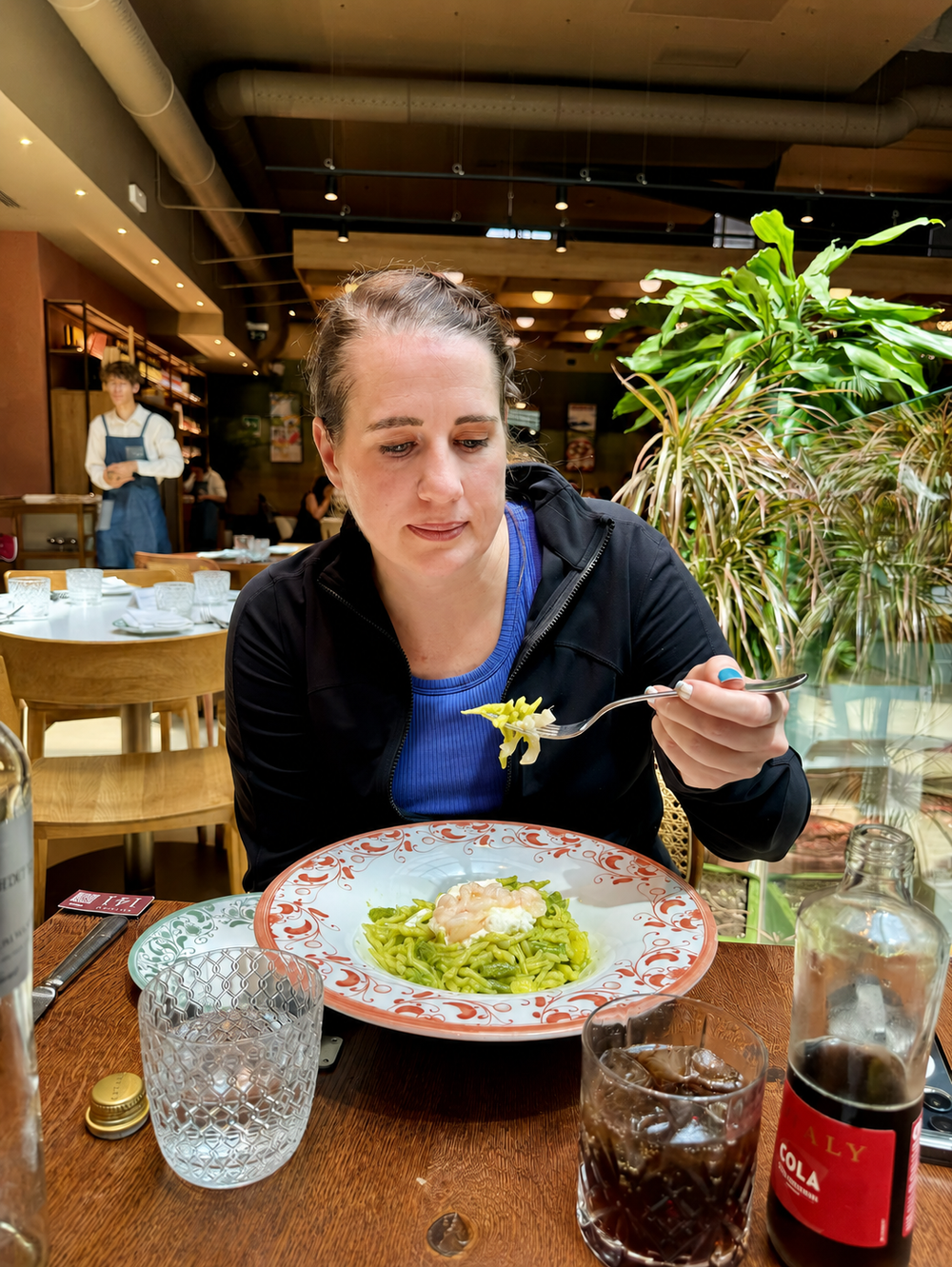
Inside, you’ll find a grocery store and several restaurants. We had lunch at the restaurant on the third floor, where I ordered freshly made pasta with shrimp tartare and pesto. The boyfriend ordered a calzone, which was basically a flatbread sandwich.
Both were good.
You pay using your table number, which was a new system for us.
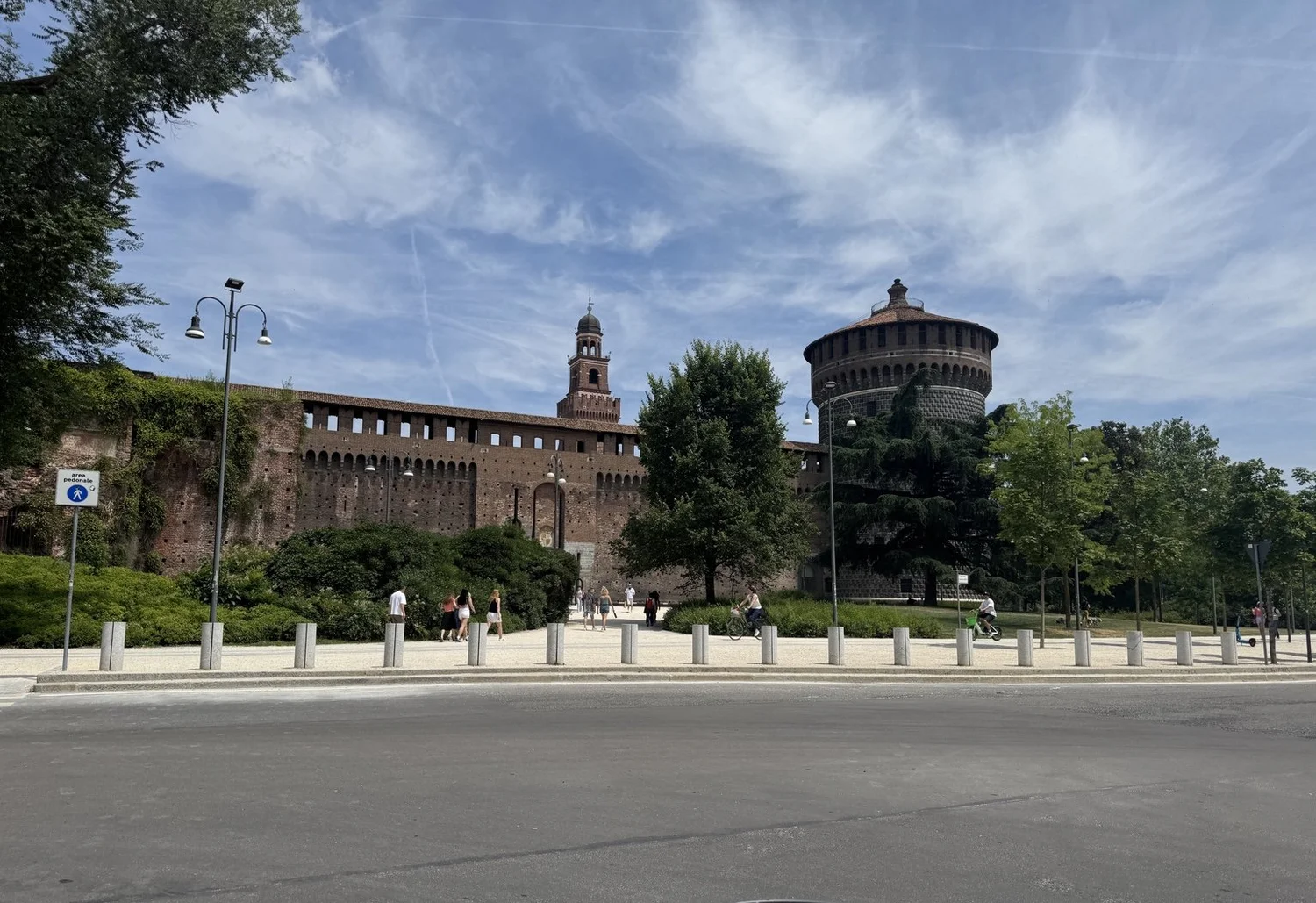
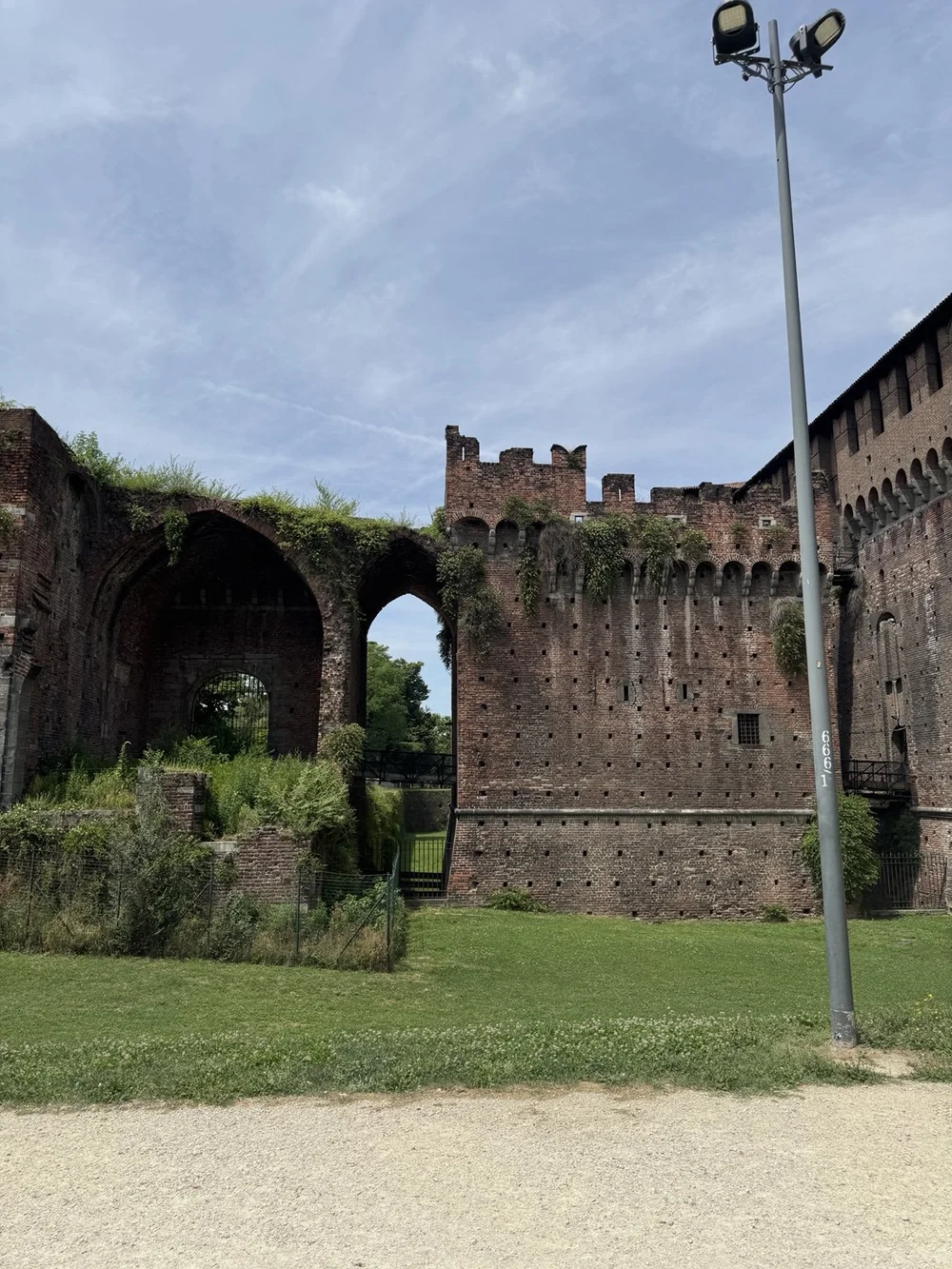
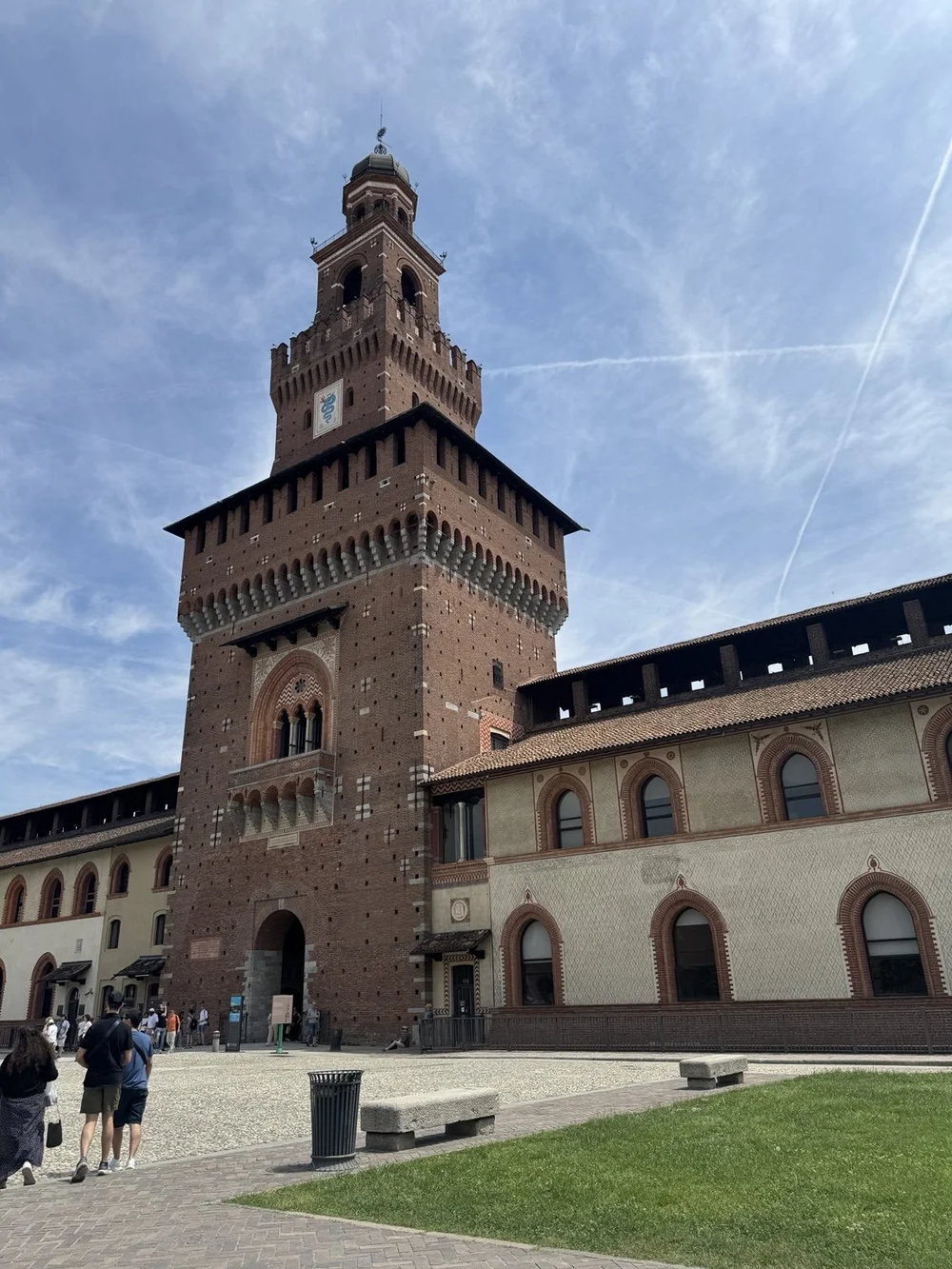
After lunch, we hoofed it over to Castello Sforzesco, a massive Renaissance fortress that once served as the center of power for Milan’s ruling Sforza family.
Originally built during the 1300s and later expanded into a grand ducal residence, the castle has:
- Huge defensive towers and brick walls
- Large courtyards that you can wander through for free
The castle connects to Parco Sempione, Milan’s large central park, which stretches behind Castello Sforzesco and was created during the late 1800s on former military grounds.
At the opposite end of the park is Arco della Pace, Milan’s grand triumphal arch. Construction began under Napoleon during the early 1800s as part of a ceremonial route through the city, although it was later completed under Austrian rule. The arch was ultimately intended to celebrate peace in Europe following the Napoleonic Wars.
Sadly, it was under construction when we arrived, so it was difficult to see. It also looked like they were adding other buildings or structures nearby, so it will be interesting to see what the area eventually becomes.
Ancient Churches, Roman Columns & the Navigli Canals
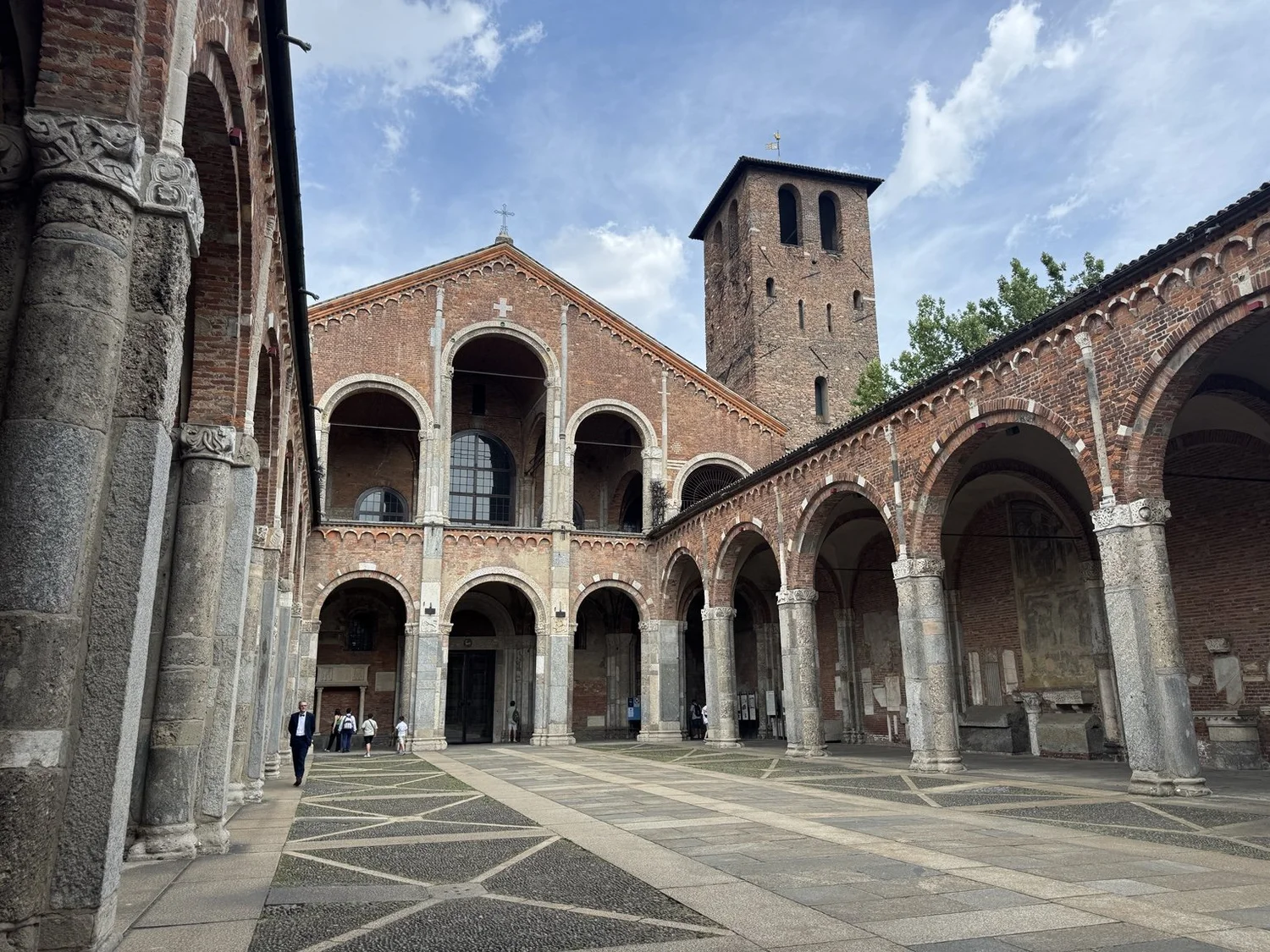
From there, we headed to the Basilica of Sant’Ambrogio, one of Milan’s oldest and most important churches. It was originally founded during the fourth century by Saint Ambrose himself, the city’s patron saint.
Unlike the towering Gothic drama of the Duomo, Sant’Ambrogio feels older, quieter, and distinctly Romanesque, with:
- Red-brick architecture instead of white marble
- Rounded arches and heavy stone columns
- A peaceful arcaded courtyard before the entrance
- An atmosphere that feels ancient and grounded
Our next stop was the Colonne di San Lorenzo, a group of ancient Roman columns standing in front of the Basilica of San Lorenzo. They are among the best-preserved surviving pieces of Roman-era Milan.
The columns date to approximately the second or third century AD and were likely moved to their current location from another Roman building centuries ago. Today, they create a dramatic open plaza where ancient history and modern city life collide.
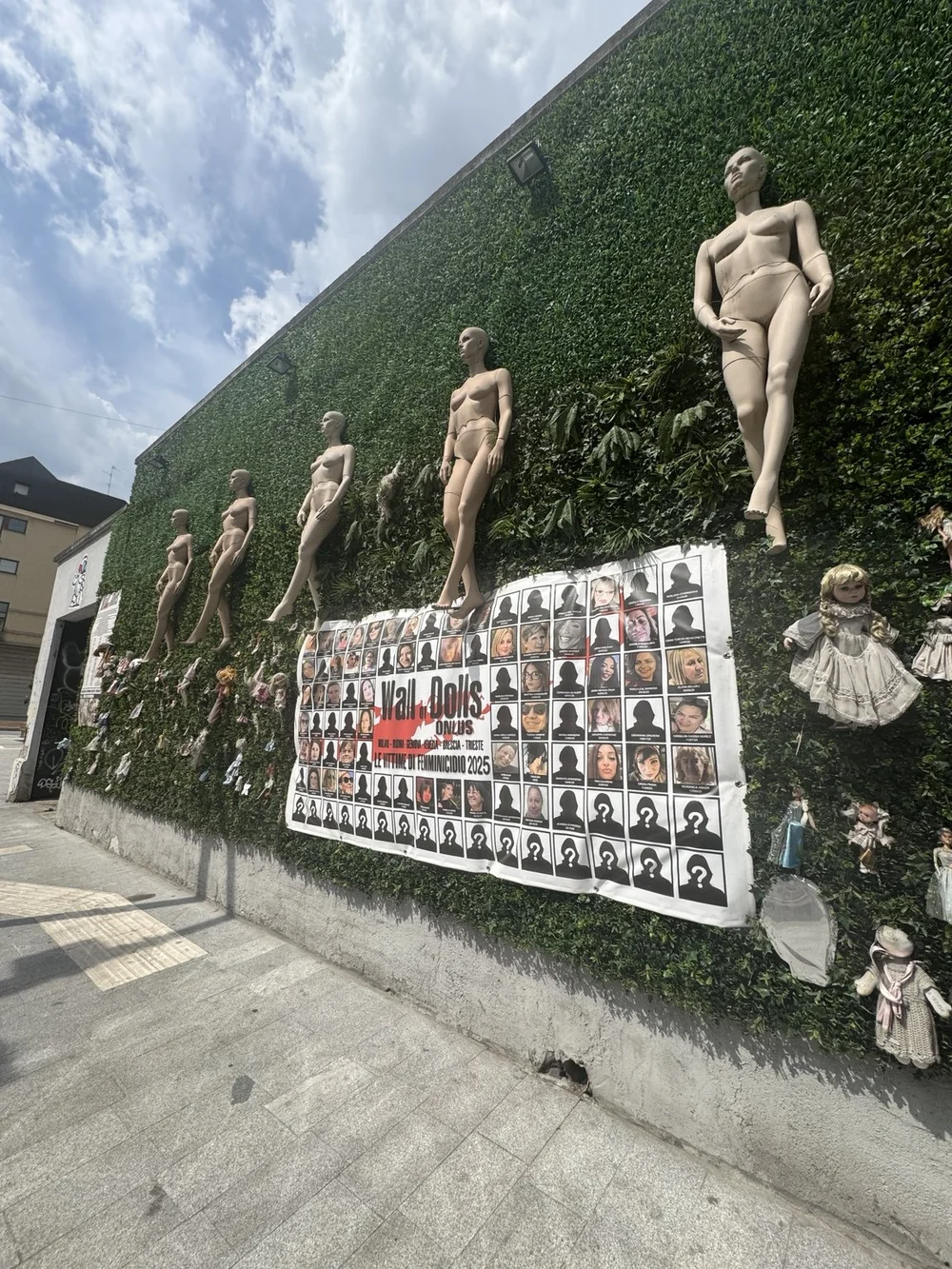
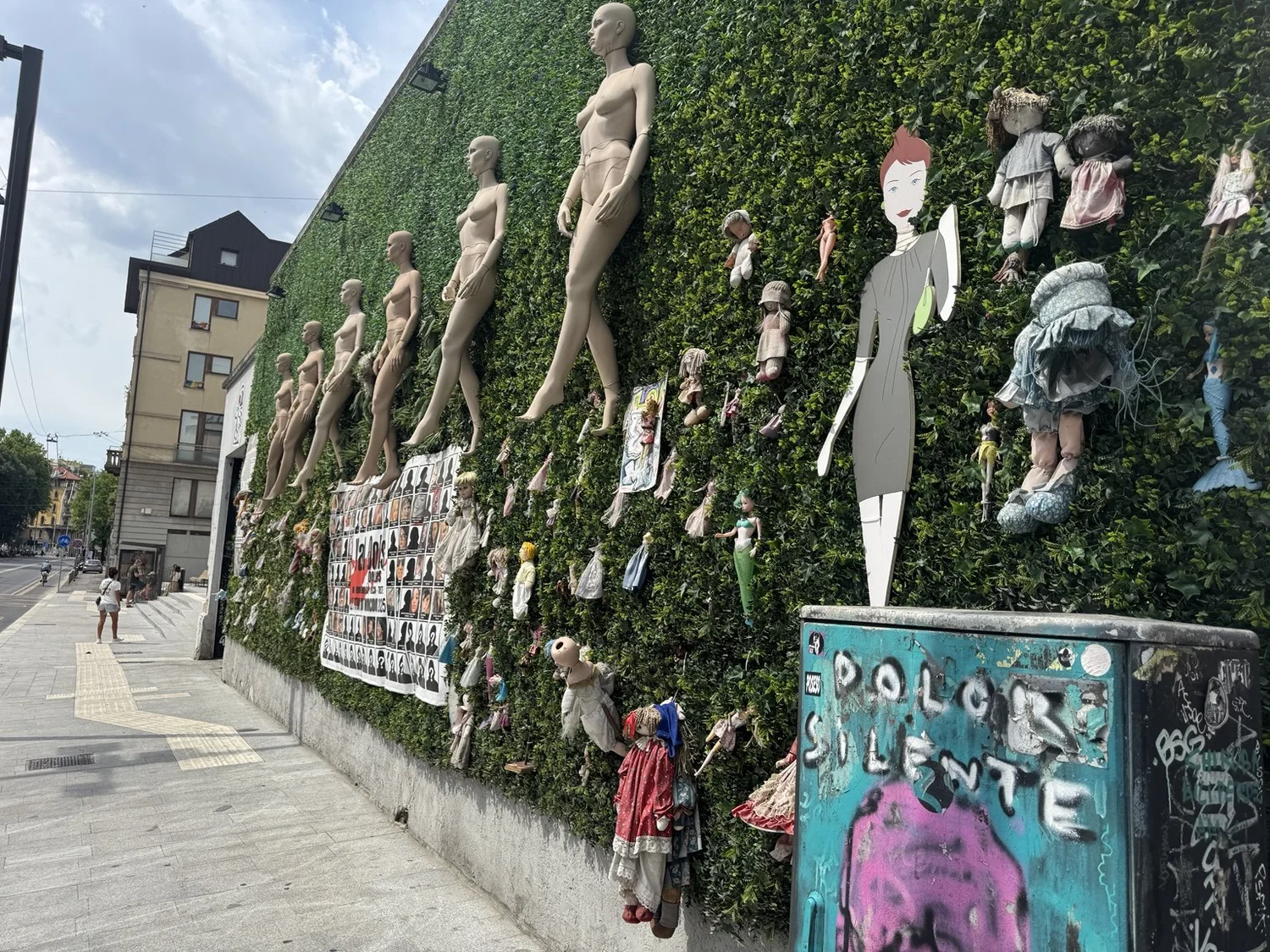
Around the corner is the Doll Wall, an art installation and anti-violence memorial located along Via Edmondo de Amicis near the Navigli and Sant’Ambrogio area.
The wall is covered with dolls, stuffed animals, shoes, and other personal objects attached to the fence as symbols protesting violence against women and femicide in Italy.
We then headed toward Milan’s canal district to see the Navigli canals, stopping at Walrus Pub for a reasonably priced drink and beer. The service was good, the drinks were cold, and they definitely hit the spot.
From there, we jumped onto the M2 Metro, transferred to the M1, and returned to our hotel.
A €20 Three-Course Dinner & Our Final Milan Verdict
Our final stop of the night was MOI RISTORANTE & LOUNGE BISTROT, which offered a three-course meal for €20. Mine included shrimp cocktail, seafood pasta, and swordfish gratin. It was well worth the €20, and the service was excellent.
The boyfriend ordered a four-cheese pizza, which he declared was the “best pizza of my life.”
We then crashed at the hotel again, still feeling a bit jet-lagged.
Overall, Milan was just meh.
The Metro system is wonderful and extremely easy to use, and the city does have some cool things to offer. However, a little over one full day was sufficient for us.
I’m glad we’re moving on tomorrow.
June 2 · Lake Garda & Verona
Roman Ruins, Toll-Road Chaos & Gelato in the Rain
Breakfast, Decathlon & Sirmione Parking
We started the morning with the hotel’s €9.90 breakfast buffet. It had a nice spread of hot food, including eggs, bacon, and sausages, along with cold cuts, cheese, yogurt, juice, fruits, and vegetables. There was also a wide assortment of miniature pastries, plus coffee and tea.
After breakfast, we got on the road and stopped at Decathlon Lonato del Garda. This was mostly because my boyfriend had made the fatal mistake of packing everything in a duffel backpack. He quickly realized that carrying two bags on his back with a combined weight of 65–70 pounds was a terrible idea.
We didn’t find a suitable replacement bag, but I did find a pair of pants and some new padded socks.
I love their socks.
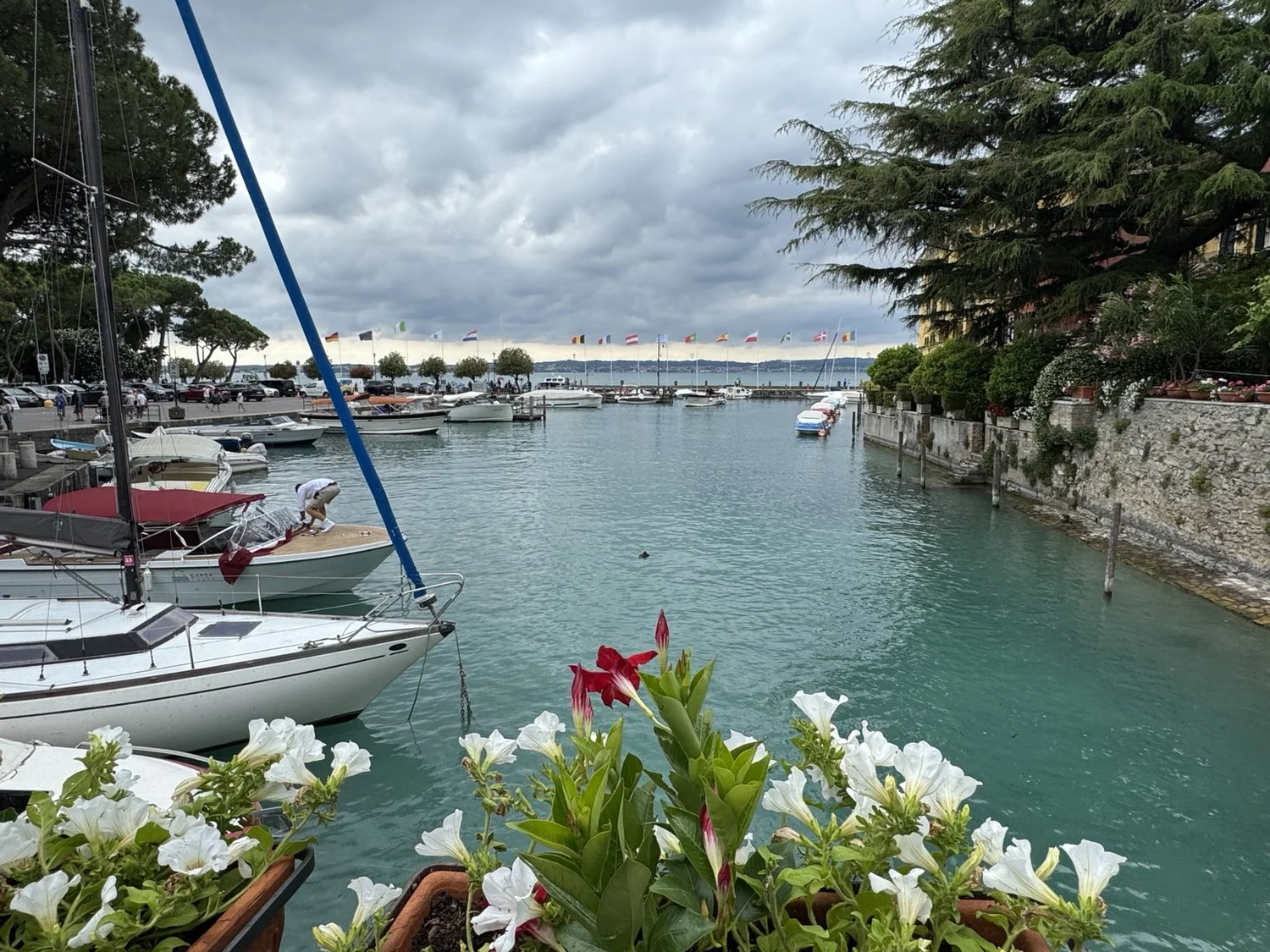
From there, we headed to Sirmione and parked at Parcheggio Monte Baldo. Driving is extremely limited within the historic center, and you can incur fines if you enter the restricted areas. The parking lot costs €3.50 per hour and is only a short walk from Scaliger Castle.
Sirmione, Scaliger Castle & Lake Garda
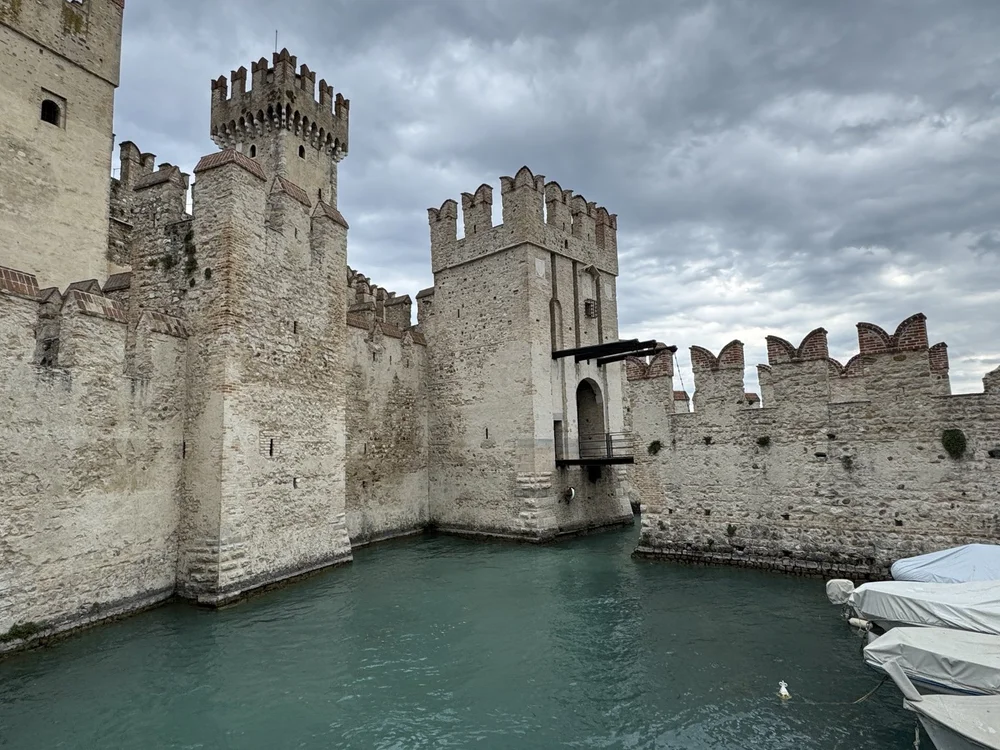
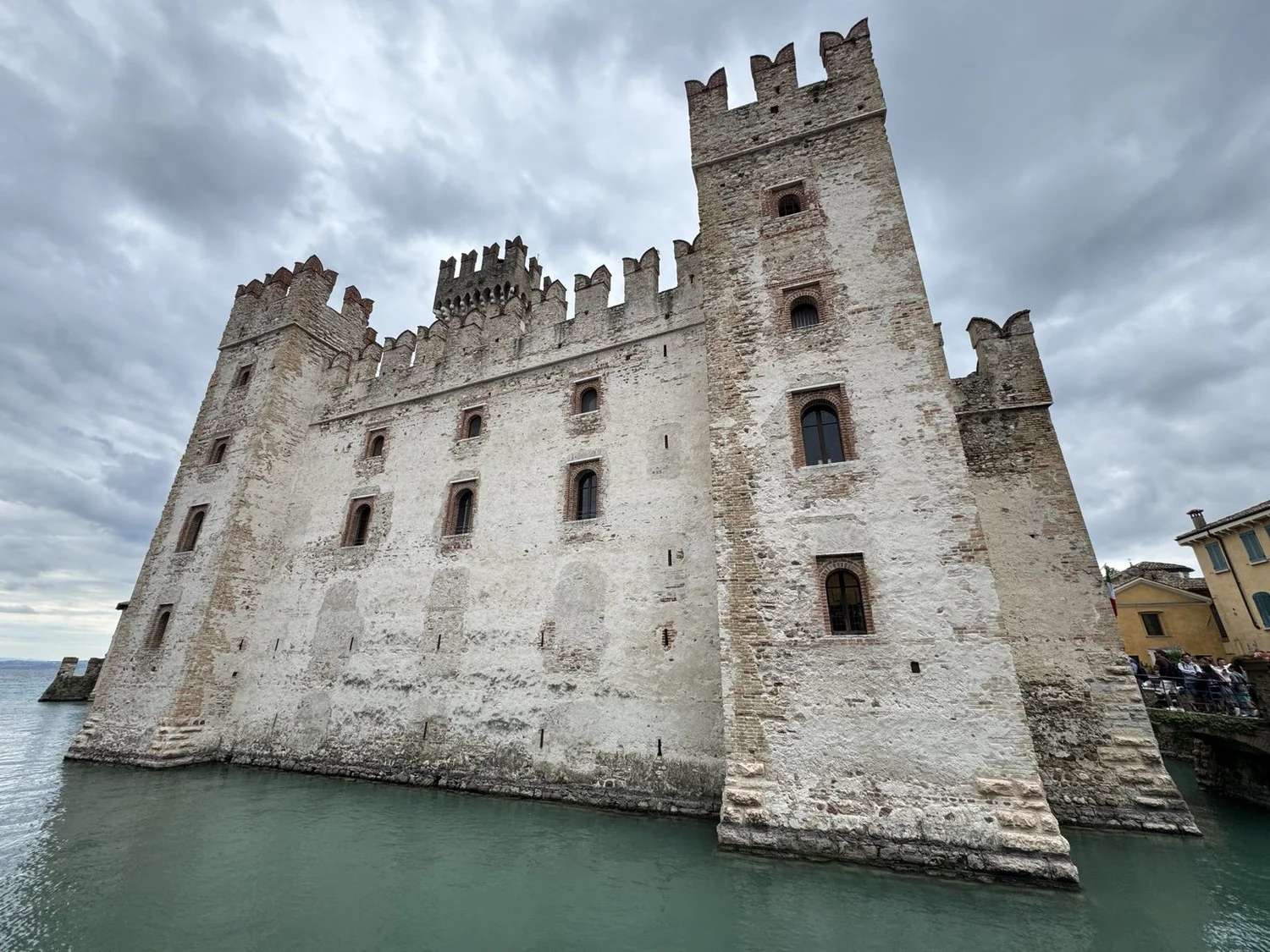
Scaliger Castle was built during the 13th century by Verona’s powerful Scaliger family to defend and control access to Lake Garda. Its moat, towers, drawbridges, and rare fortified harbor made it one of the region’s strongest medieval fortresses. It later came under Venetian and Austrian control.
We wandered somewhat aimlessly through town and found Parrocchia di Santa Maria Maggiore. Built between 1805 and 1904 in a Neoclassical style, it replaced an older church and is known for its grand columned façade, towering bell tower, and Renaissance artwork inside.
It looked completely different from the churches we had visited the previous day in Milan and made for a nice, quick detour.
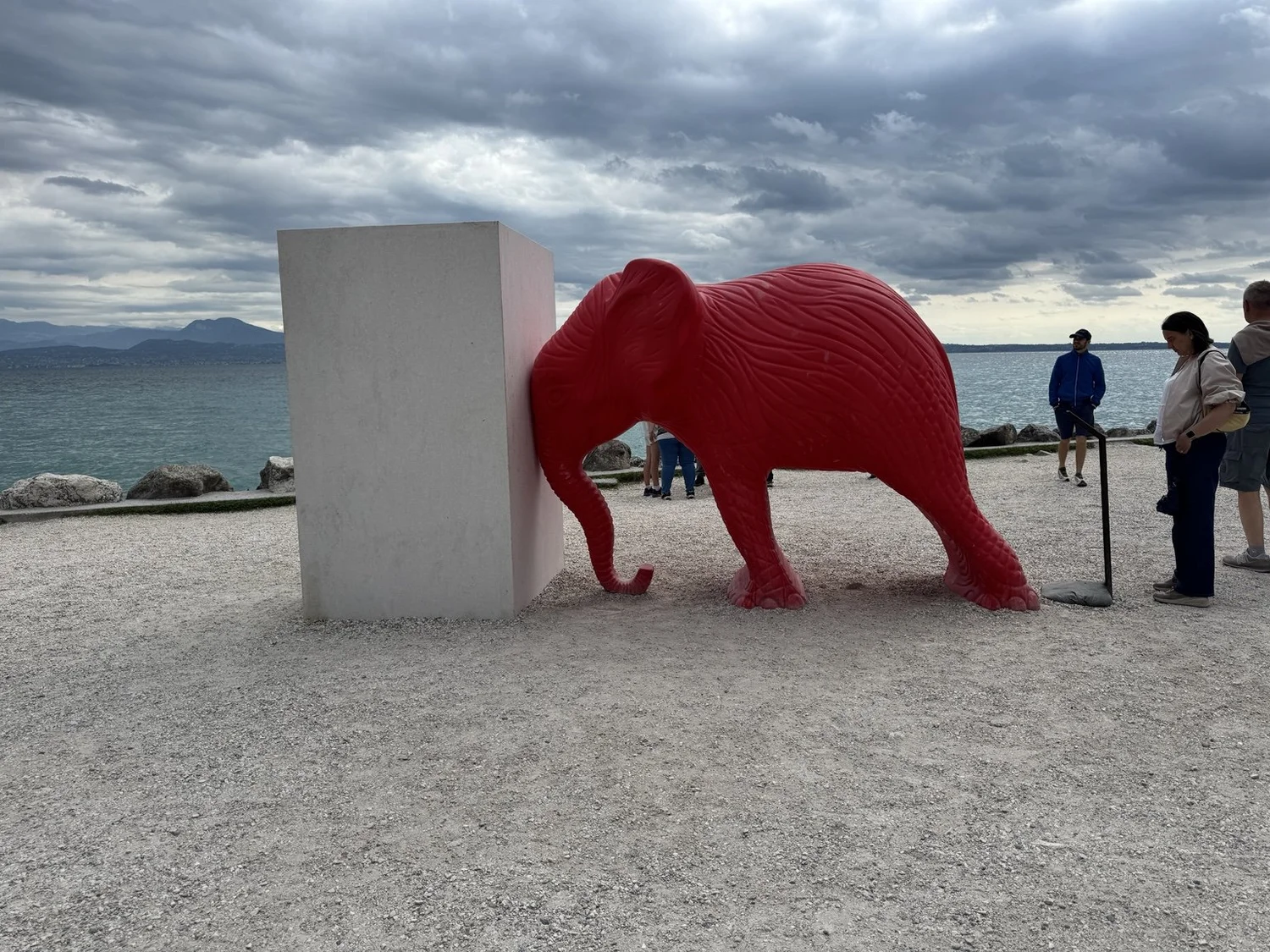
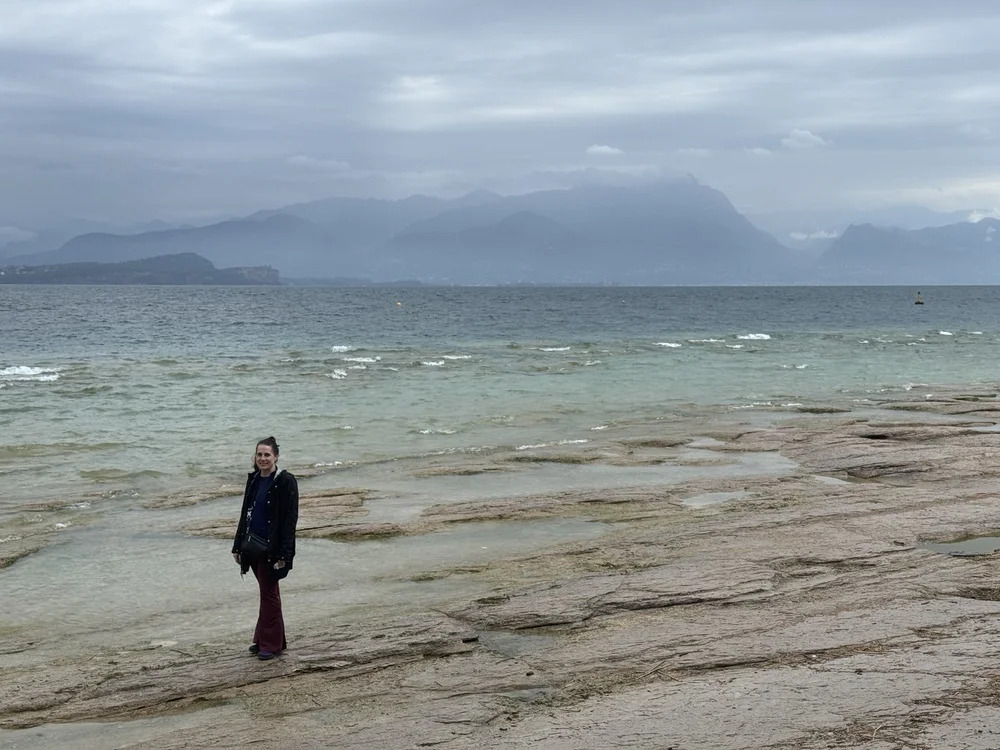
We then wandered down to the beach, where we were able to get up close to the water. There was also a cool elephant statue sitting along the shoreline.
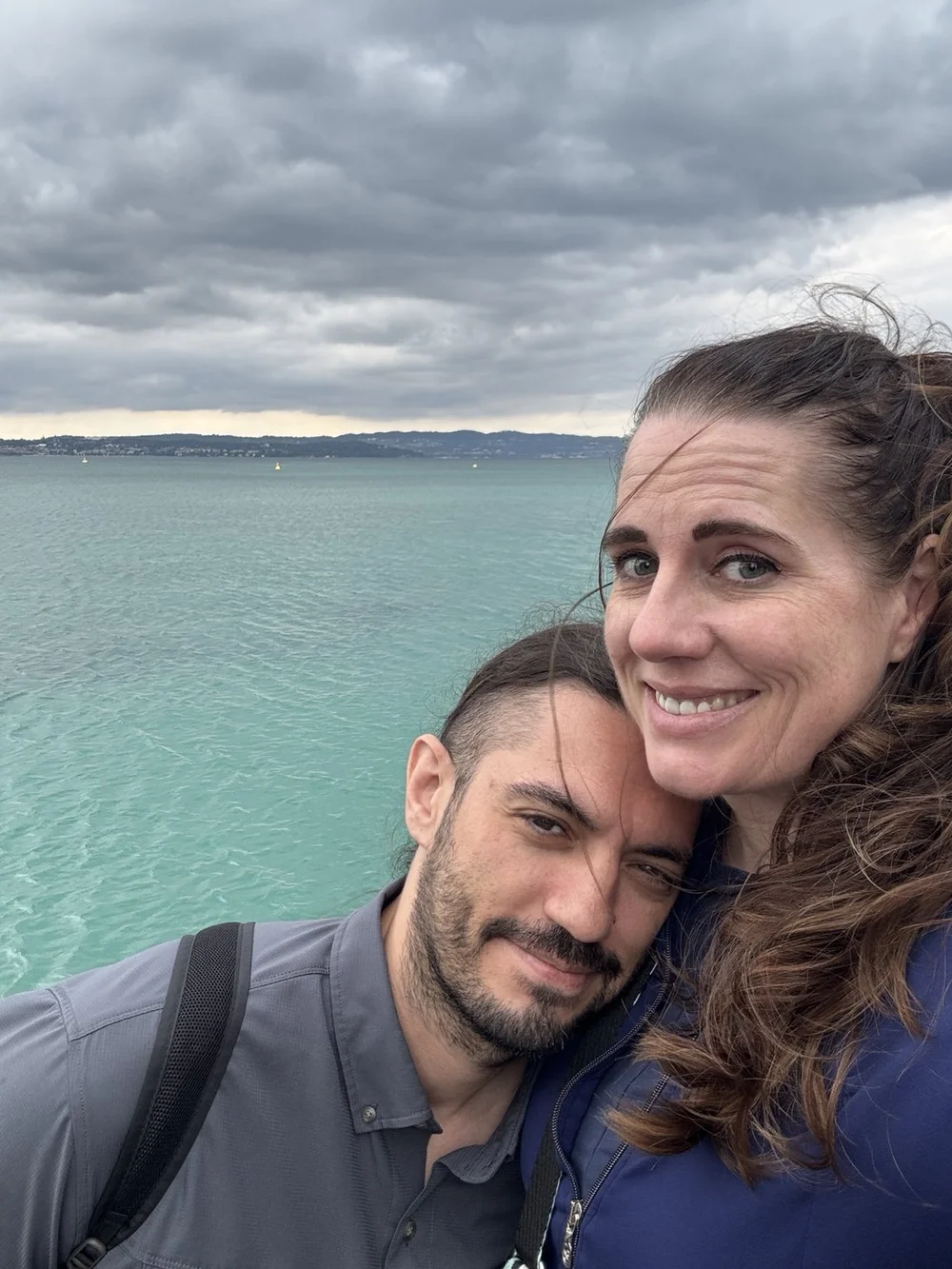
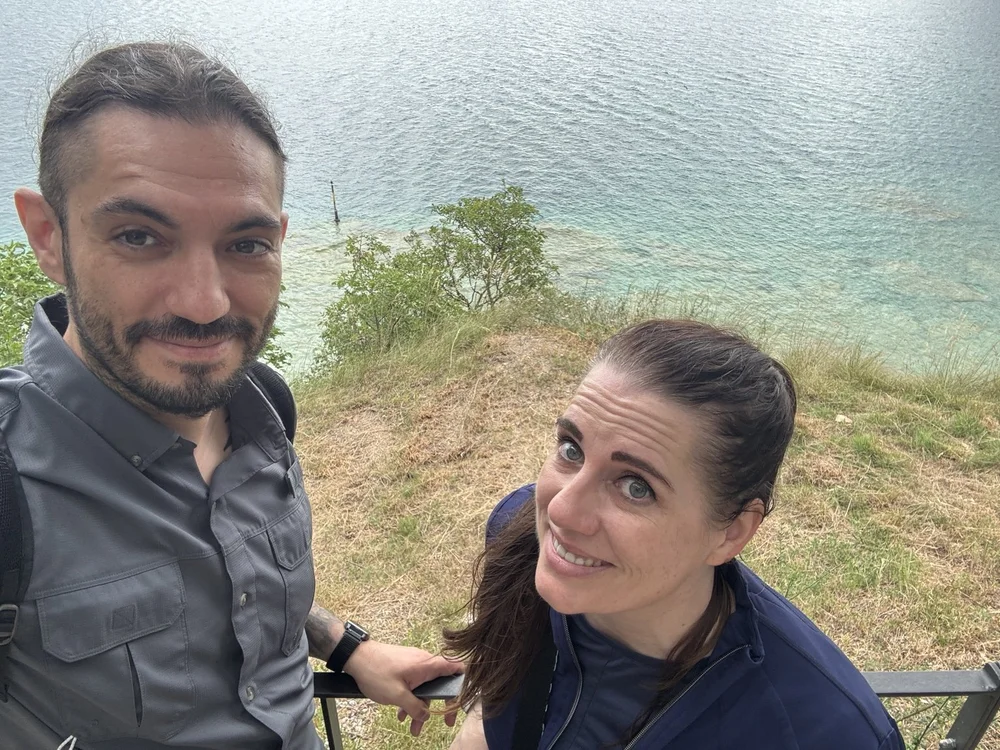
From there, we followed Passeggiata delle Muse, a narrow walkway around the lake with incredible water views and mountains rising in the background. We eventually took an uphill path through Parco Maria Callas, which led us to the ticket office for Grotte di Catullo and the Museo Archeologico di Sirmione.
Admission happened to be free on the day we visited.
Grotte di Catullo & Sirmione Tourist Chaos
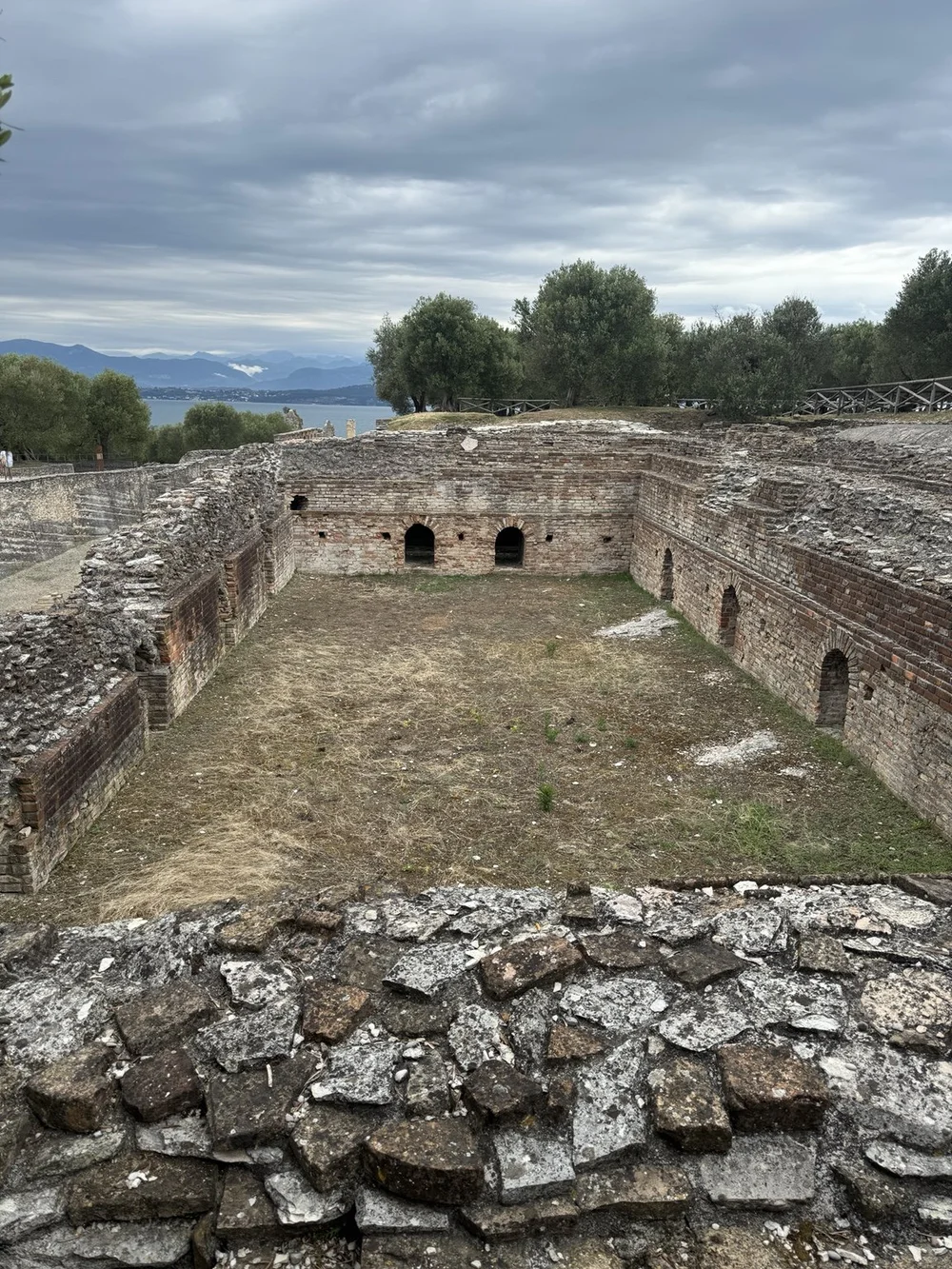
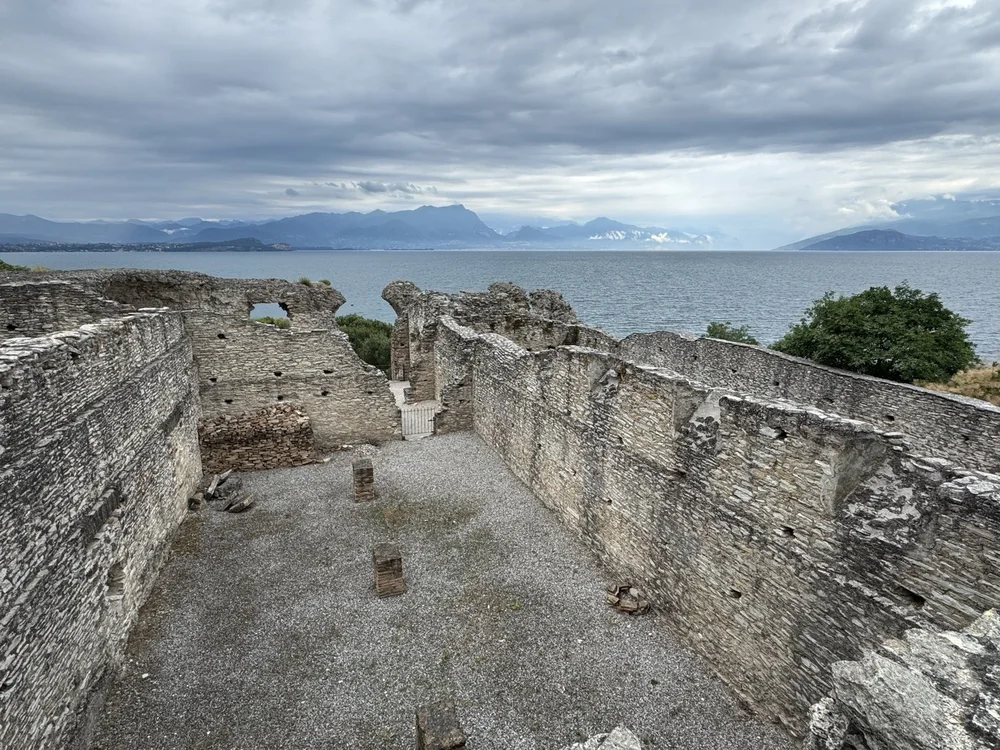
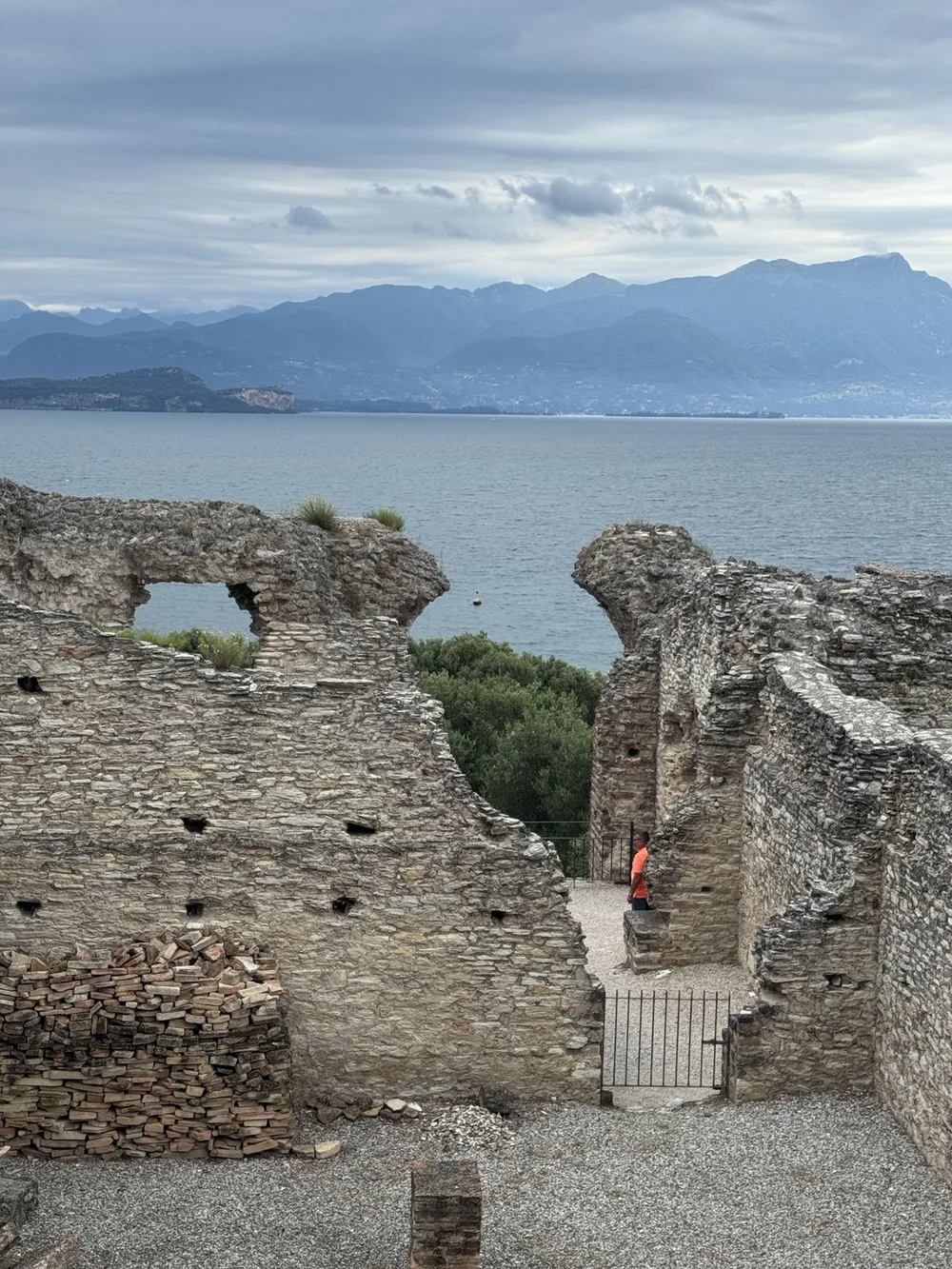
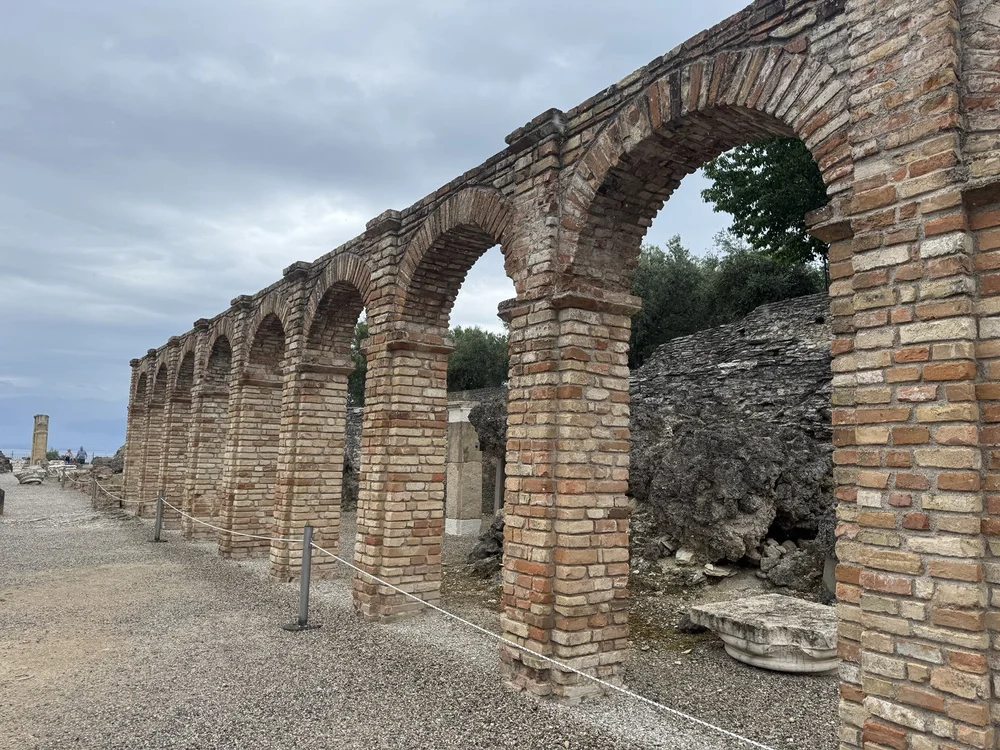
This site was actually pretty cool. It contains the enormous ruins of a Roman villa built around the first century AD at the tip of the Sirmione peninsula. Although it was once thought to have belonged to the poet Catullus, it is now considered one of northern Italy’s most important Roman archaeological sites.
And it was huuuuge.
You can walk around the ruins, through them, and down a path leading to the beach. The shoreline is covered with uneven rocks that make for some beautiful photo spots. There was also a bar and restaurant near the water, which was pretty busy when we visited.
The exit eventually loops you back to the top, and we headed into town again.
Up until this point, our visit had been speckled with other people, but everyone was manageable and spread out. Once we returned to the center of town, however, it was absolute chaos.
There were people everywhere. The streets are so narrow that everyone becomes trapped inside one giant pedestrian funnel. If a car comes down the road, hold onto your hat because it gets even more chaotic.
The streets are wide enough for exactly 1.25 cars, leaving very little space for the actual pedestrians.
The town has several shops, but I don’t enjoy shopping in complete chaos, so we navigated our way back to the car and got the hell out of Dodge.
Oh, and the toilets cost €0.50 and accept coins only—which we didn’t have.
An Accidental Winery Lunch & a Double Toll
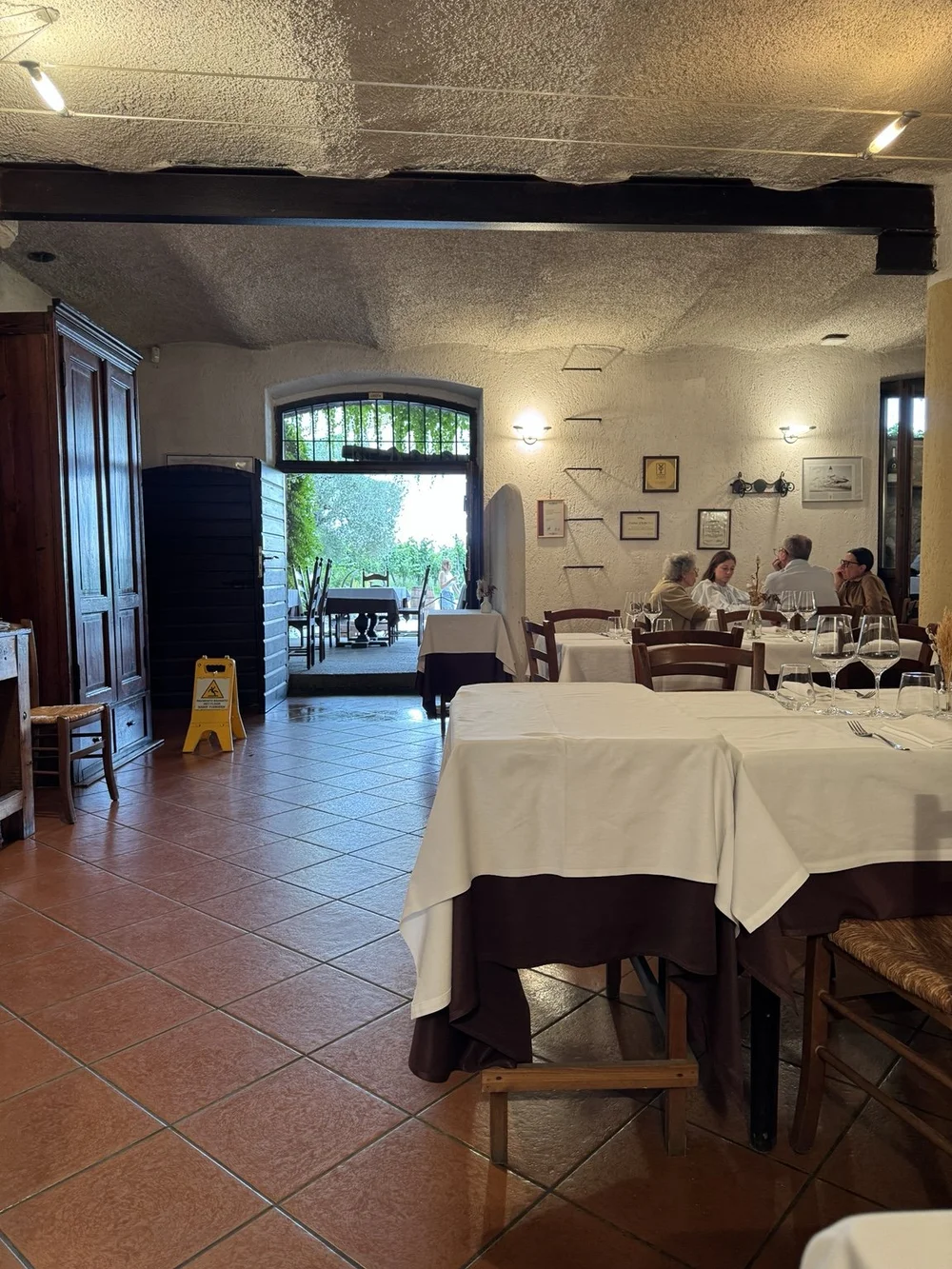
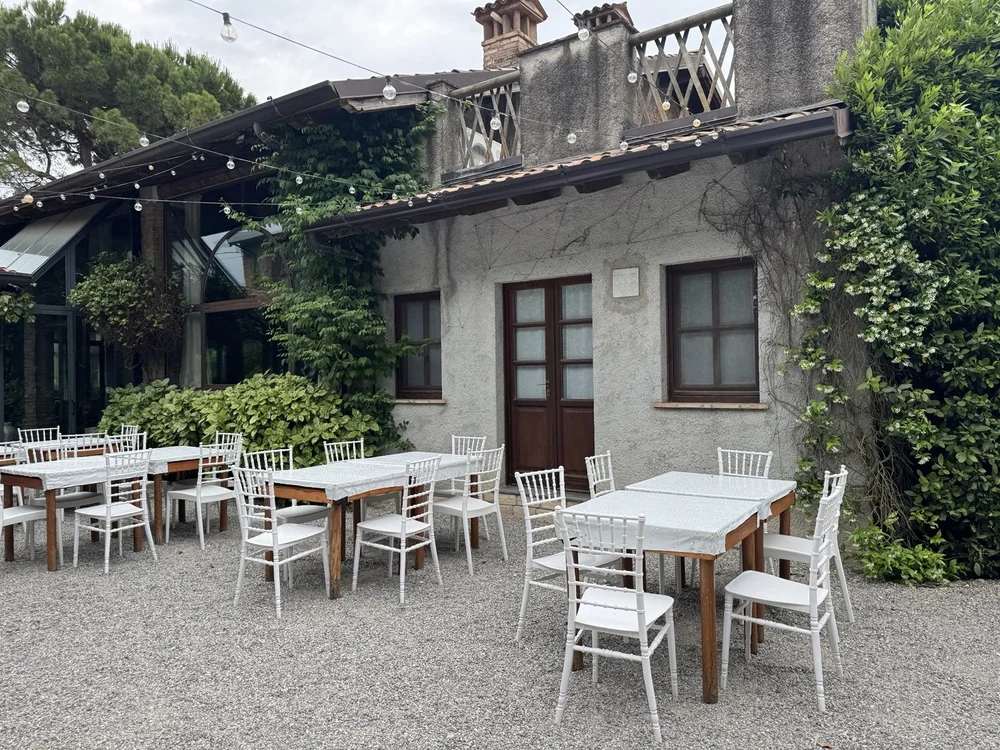
By then, I desperately needed both a toilet and food. I happened to find Selva Capuzza, a restaurant and winery located in the surrounding wine country.
The history of the estate is wild. Its roots date back to the 11th century, when it was connected to Benedictine monks. It later became known for producing Lugana wines and preserving traditional winemaking practices within the region.
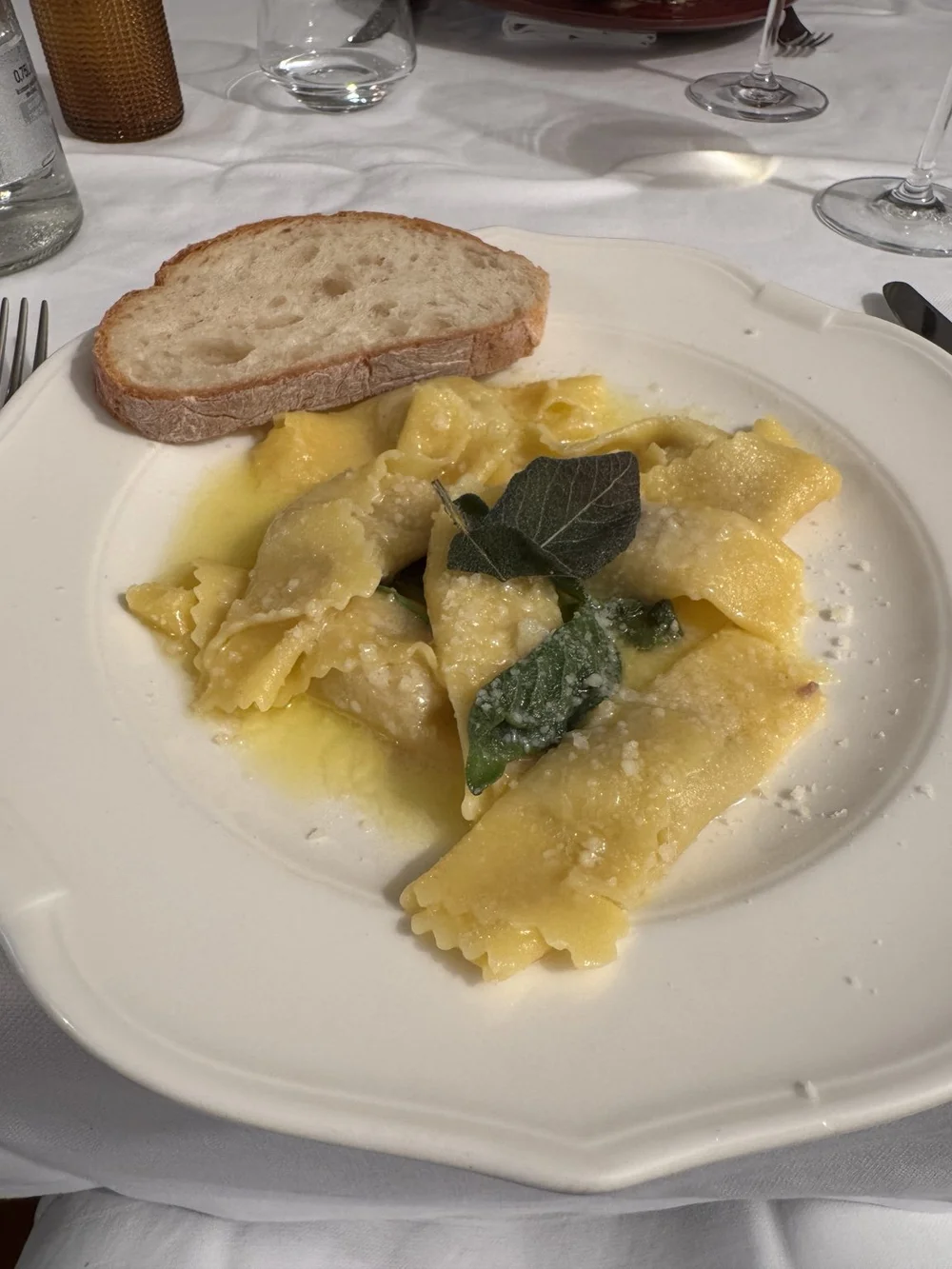
We were lucky enough to get a table without a reservation and had a wonderful meal. I ordered the beef ravioli special of the day, while the boyfriend had rabbit with polenta, which was also one of the daily specials.
I tried a glass of dessert wine, and that was delicious as well.
It was the perfect accidental detour and exactly why I love road trips.
From there, we had an “oops” moment on the toll road. We went the wrong way, became stuck in traffic, paid the toll, got back onto the highway, and then paid the toll again.
This is one of the reasons I hate renting cars and road-tripping through foreign countries.
Airporthotel Verona
We eventually made it to Airporthotel Verona. The hotel was cheap and convenient, with a huge free parking lot and amenities that included a pool and sauna—not that we had time to use either of them because we had too much sightseeing planned.
The room itself was quite spacious, with a minibar and large bathroom. Everything was very clean, and I was extremely happy with the steal of a price we had paid.
However, like many hotels in Europe, the shower leaked water all over the bathroom floor.
We dropped off our bags, spent a few minutes in the room, and then headed back out toward Verona.
Verona Parking & Rain
We parked at Parcheggio Interrato CITTADELLA | APCOA, which is convenient for reaching all the main sights. We snuck out through an exit near where we had parked, which proved to be a mistake later because you have to pay before leaving—and we had not passed a payment machine.
We eventually had to move the car and hunt down the machine on the main level, which is Level 0.
So, heads up.
We emerged from the parking garage just in time for the rain to begin.
Verona Arena, Piazza delle Erbe & Ponte Pietra
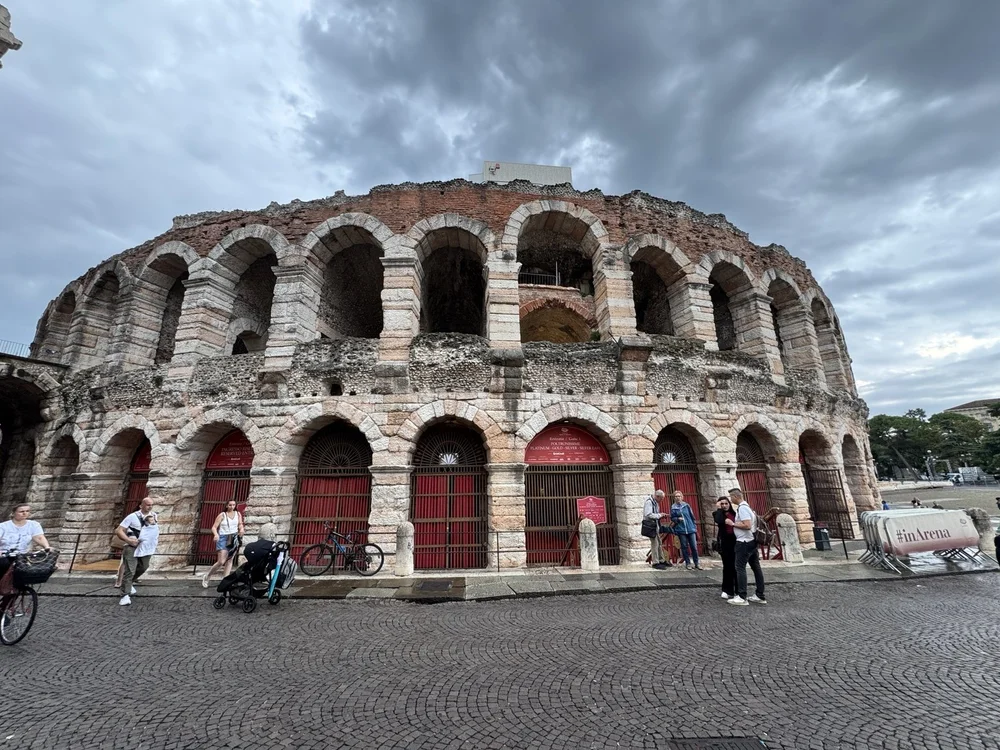
Our first stop was Arena di Verona, a remarkably preserved Roman amphitheater built during the first century AD. Once used for gladiator games, it is now famous for hosting large-scale operas and concerts in the heart of Verona.
Unfortunately, we initially found the back half of the arena, which wasn’t very impressive for photos. Since it was also raining, we didn’t investigate much further at the time.
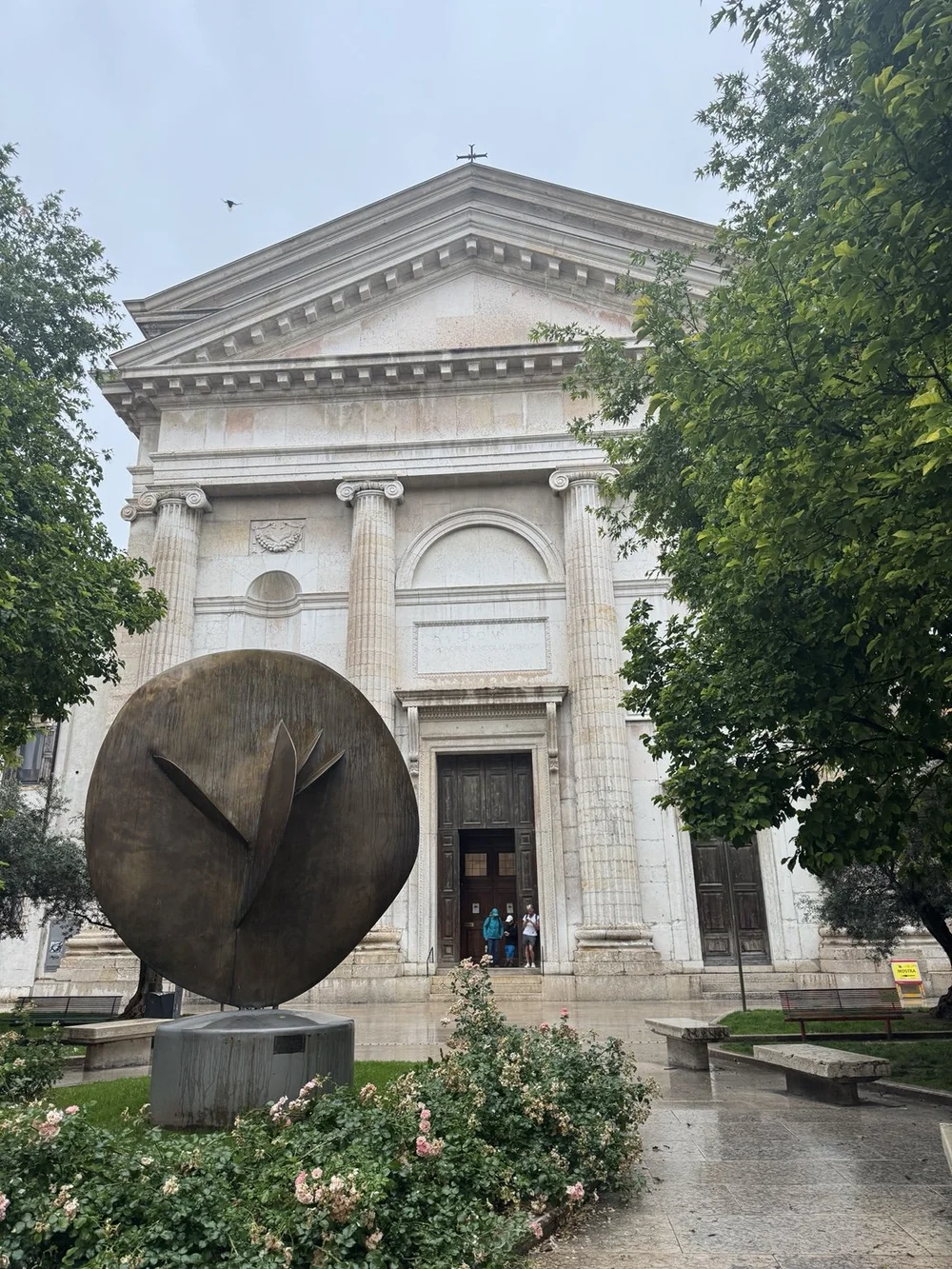
Right in that area was Chiesa di San Nicolò all’Arena, which stands on the site of a church dating back to at least the 12th century. The current Baroque church was built by the Theatines during the 1600s, while its Neoclassical façade was transferred from another church that was destroyed during World War II.
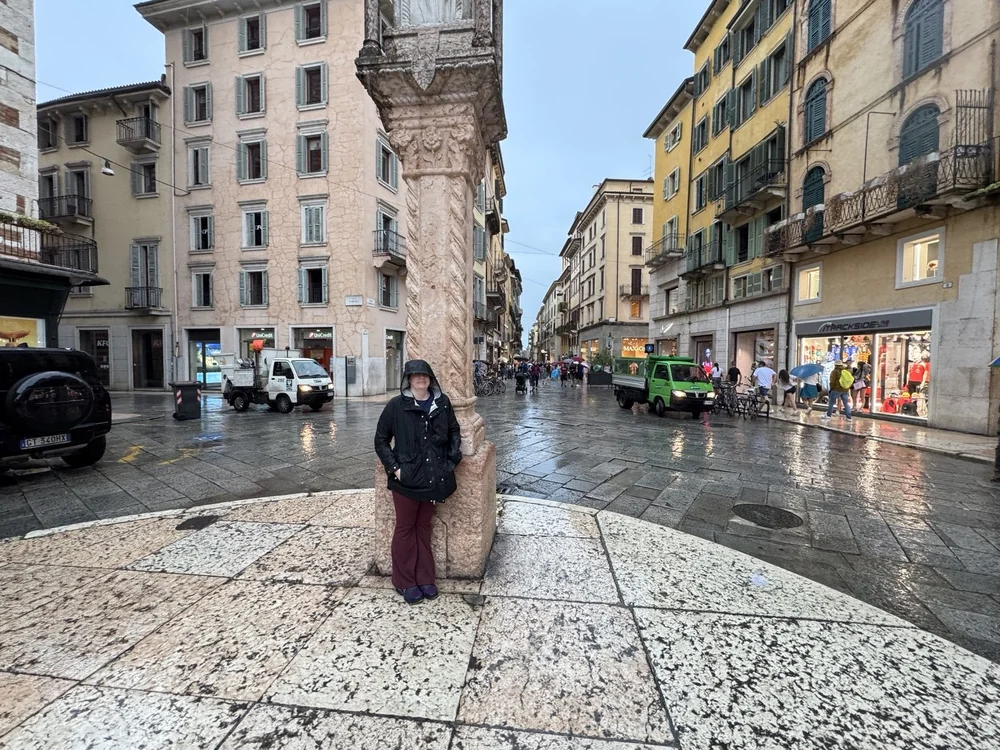
We continued to Piazza delle Erbe, which has served as Verona’s main marketplace since Roman times, when it was originally the city’s forum. Today, the square is surrounded by medieval and Renaissance buildings, colorful frescoes, market stalls, and historic landmarks such as the Madonna Verona fountain and Lamberti Tower.
Continuing our wandering, we found Chiesa di San Giorgetto o San Pietro Martire, a small Gothic church built during the 14th century beside the Arche Scaligere tombs. It is known for its medieval frescoes and close connection to Verona’s powerful Scaliger family.
Admission was €4, so we opted out.
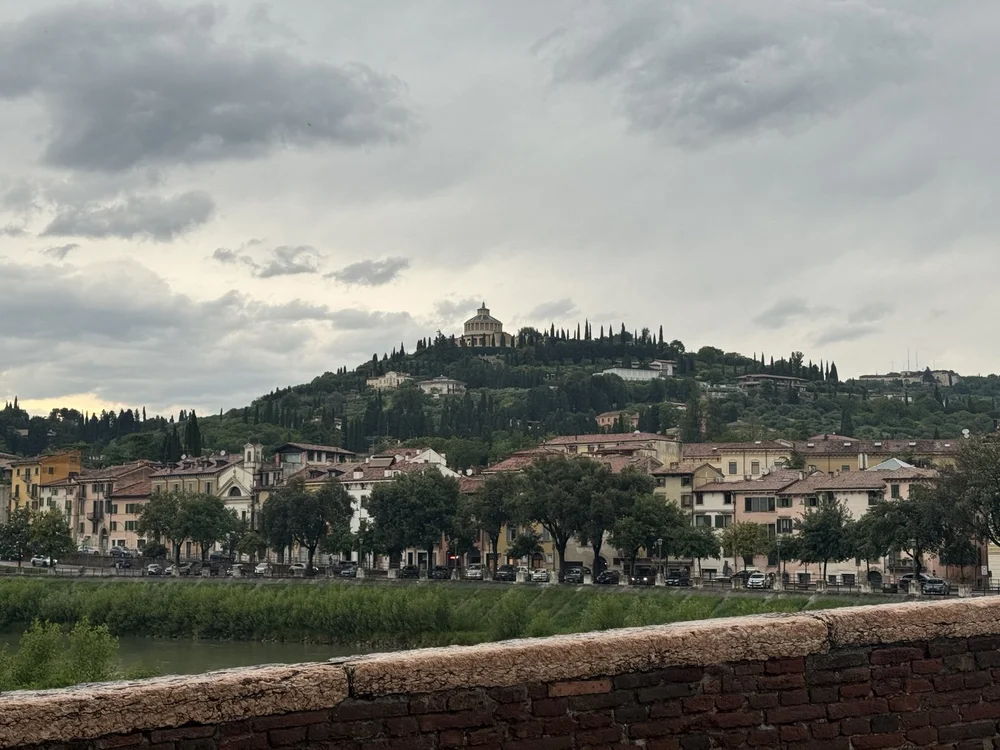
We then made our way to Ponte Pietra, Verona’s oldest bridge. It was originally built by the Romans around 100 BC across the Adige River. Although it was heavily damaged during World War II, it was carefully reconstructed using many of its original stones, preserving its historic Roman character.
The bridge offers great views of the river, Castel San Pietro, and Forte San Mattia. However, because of the on-and-off rain and poor visibility, we decided hiking uphill wasn’t worth the effort.
Focaccia, Gelato & One Last Grocery Stop
Instead, we stopped at Focacceria Genovese – Focacceria e Pizza Ponte Pietra for a cheaper meal. The focaccia cost around €3–€4 for a good-sized portion. I chose the funghi, saved it for later, and it was good.
We then went to Gelateria Pellicciai and immediately devoured our gelato like a pair of gluttonous pigs.
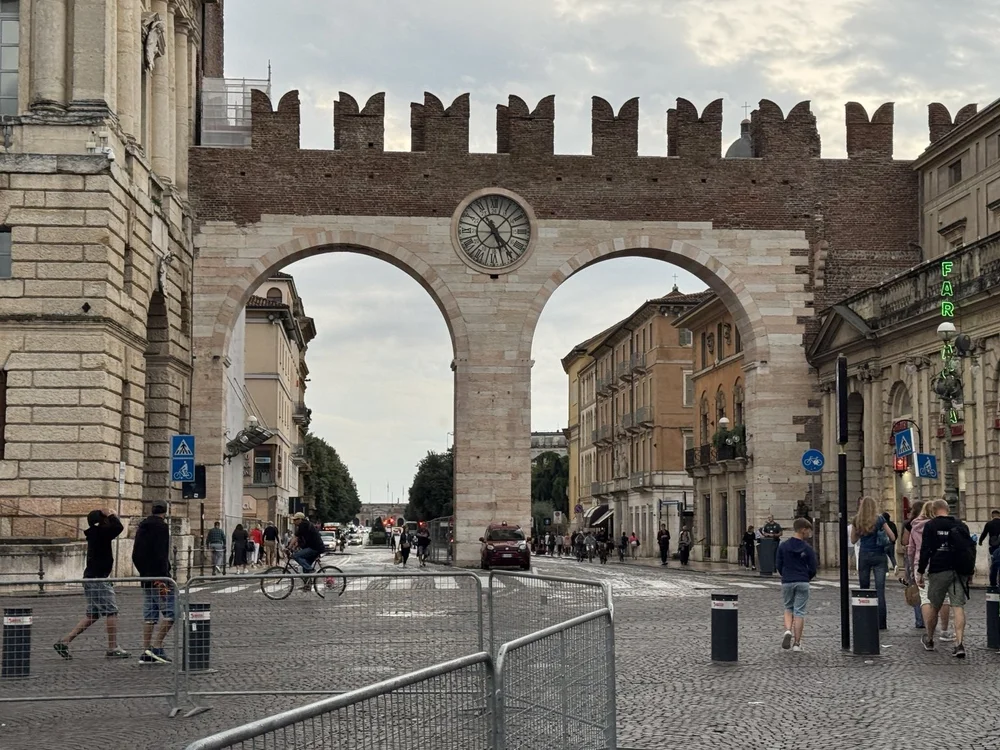
Afterward, we wandered back toward the car along Via Giuseppe Mazzini, an upscale shopping street that eventually deposited us directly in front of the Verona Arena. From this side, the view was incredible. The surrounding area also had old arches and all kinds of visible history.
We finally located the car, and after resolving the payment debacle, we headed back toward the hotel.
On the way, we stopped at IperFamila Dossobuono to pick up groceries and breakfast for the following morning. It was a fairly large store carrying food, liquor, beer, baked goods, household supplies, and even luggage.
It had basically everything—except cold drinking water.
June 3 · Dolomites
Snowy Summits, Sardine Gondolas & One Beautiful Wrong Turn
A Power Outage Before the Dolomites
We woke up early… to no power.
My boyfriend informed me that it had gone out shortly after I went to bed. Luckily, it was already getting light outside at around 5:30 AM, so we ate the breakfast we had purchased at the market and got packed and ready to leave.
The power returned about five minutes before our departure, which meant the elevator was thankfully working again.
I approached the front desk to check out and pay the €4 minibar charge, but they comped it and offered us free breakfast to make up for the inconvenience. We passed since we were already full from our own breakfast, but the woman was extremely apologetic and did everything she could to make up for the minor inconvenience.
From there, we headed straight toward the Seceda cable car.
Seceda: Spectacular and Much Colder Than Expected
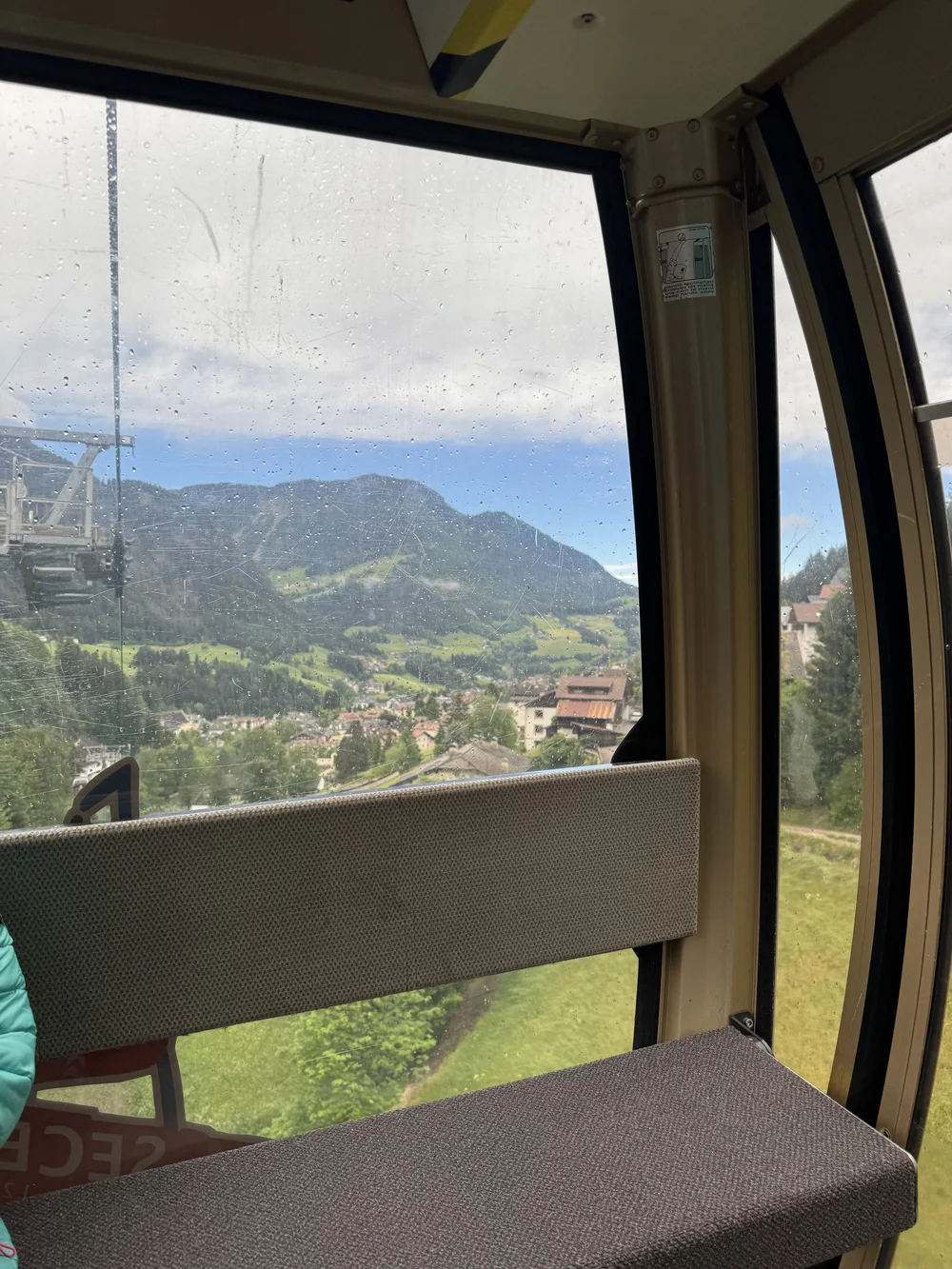
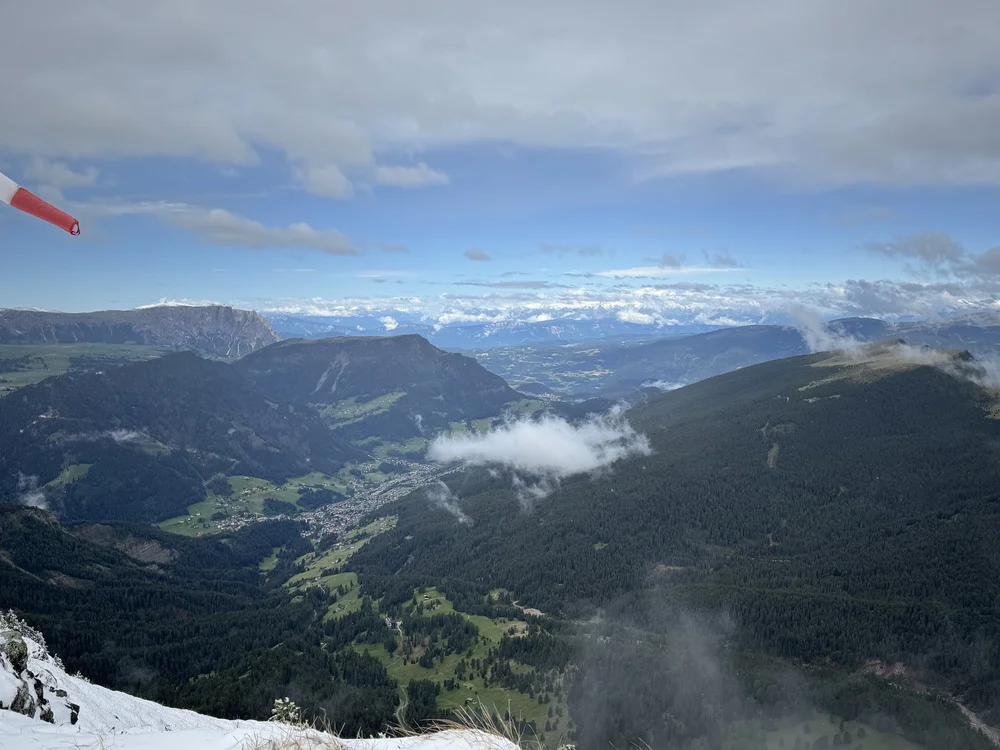
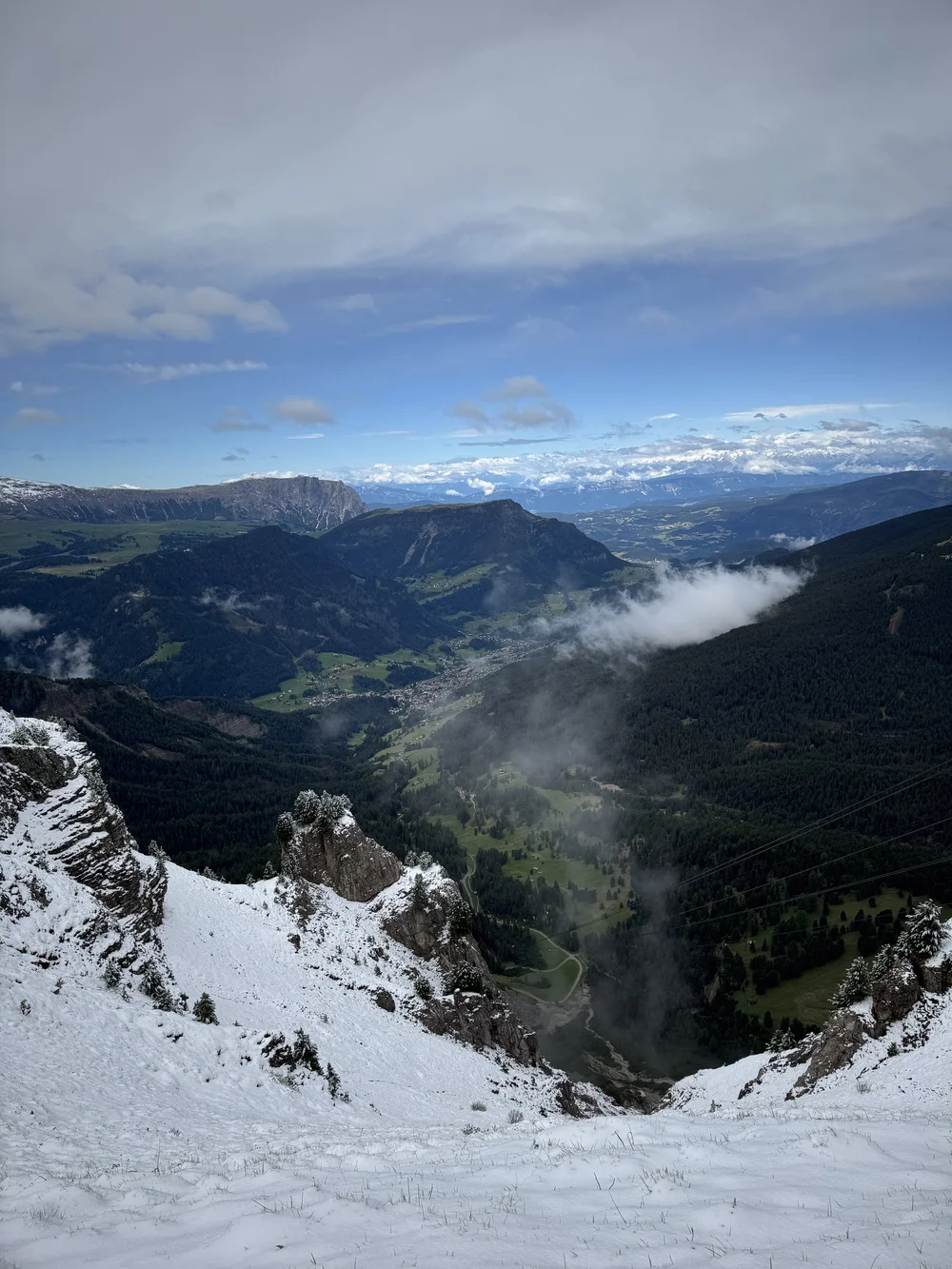
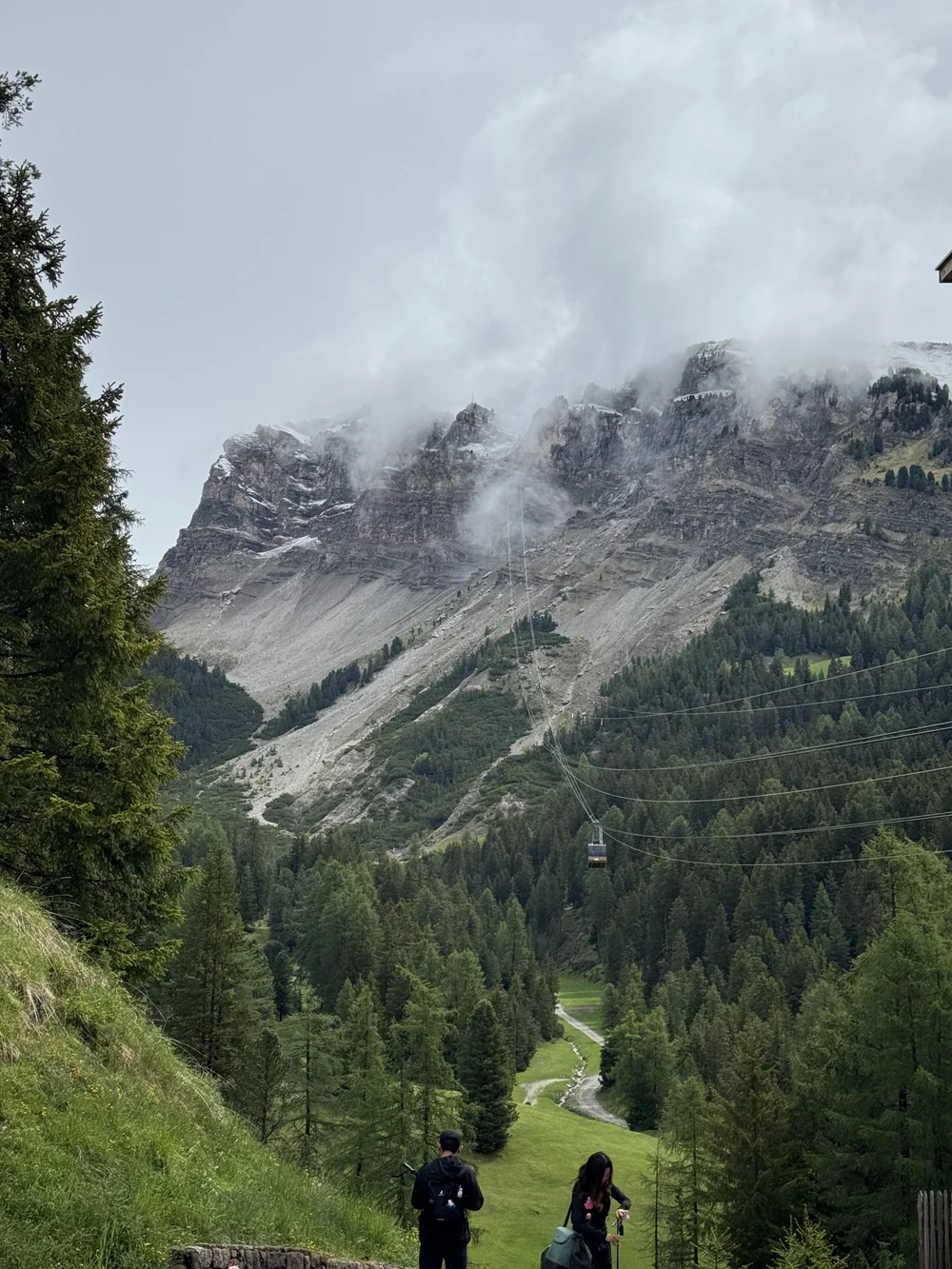
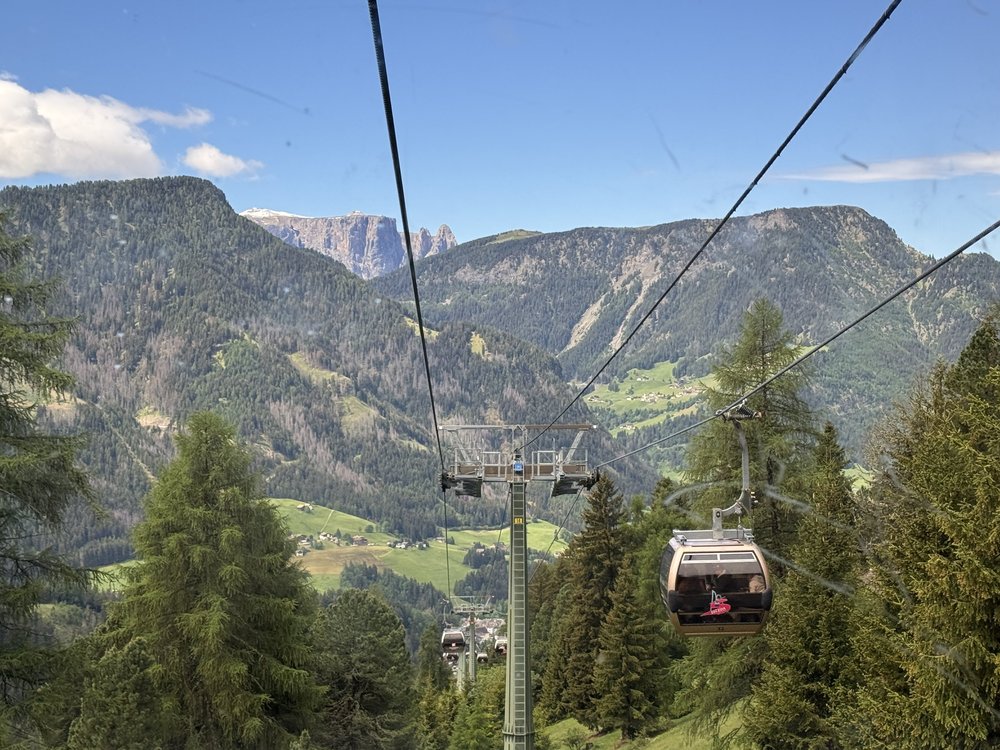
The Seceda cable car takes you from Ortisei into some of the wildest scenery in the Dolomites. At the top, you’re surrounded by jagged peaks, alpine meadows, and massive panoramic mountain views, including one of the most photographed viewpoints in Italy.
It’s one of those places that almost doesn’t look real once you step off the lift.
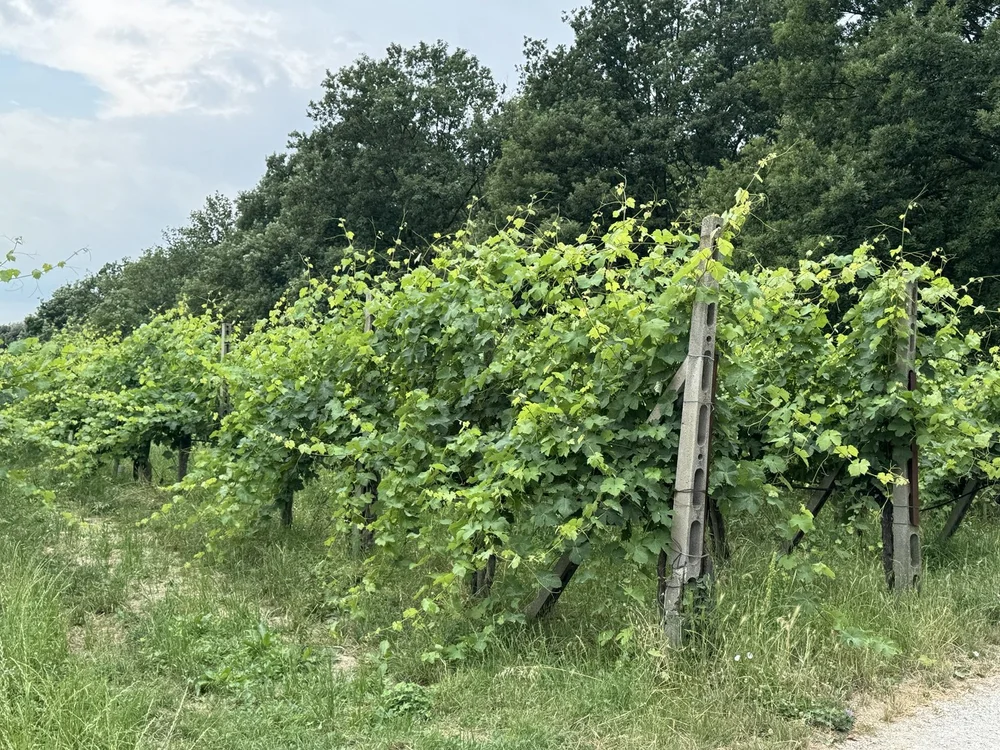
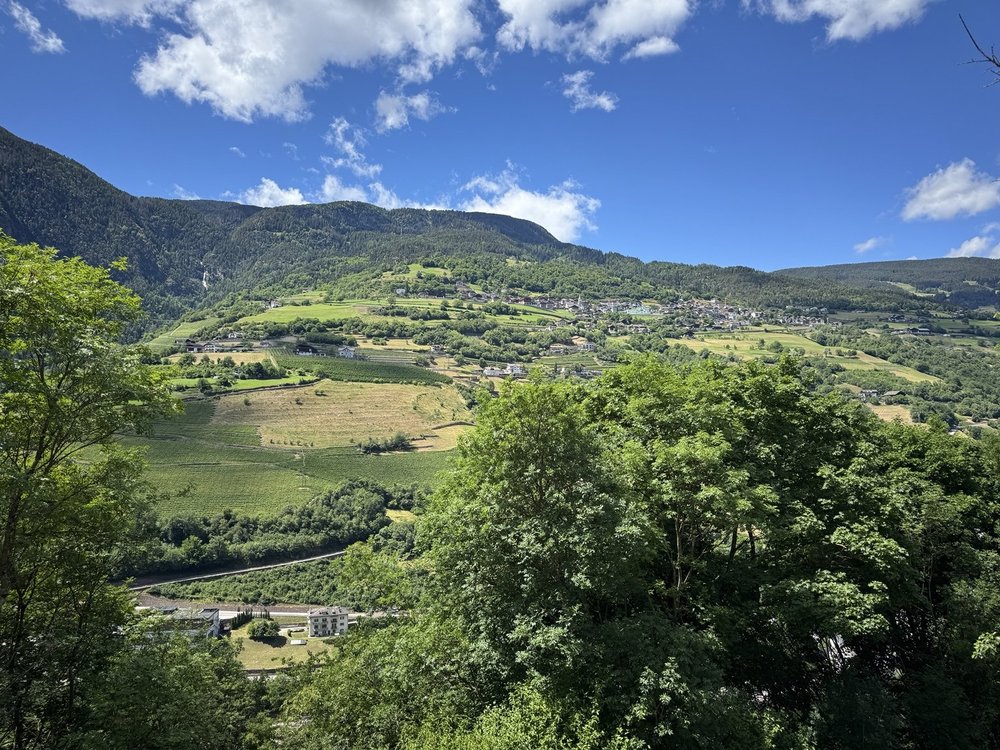
The drive there was incredible as well. We left the vineyards surrounding Verona and gradually climbed straight into the mountains. The entire route was gorgeous, with postcard moments appearing around nearly every curve.
We arrived at approximately 9:30 AM, which turned out to be pretty good timing. The parking garage still had 16 available spaces, and we managed to snag one. Parking costs about €5 per hour, and each garage has a red or green light indicating whether it is full or still has spaces available.
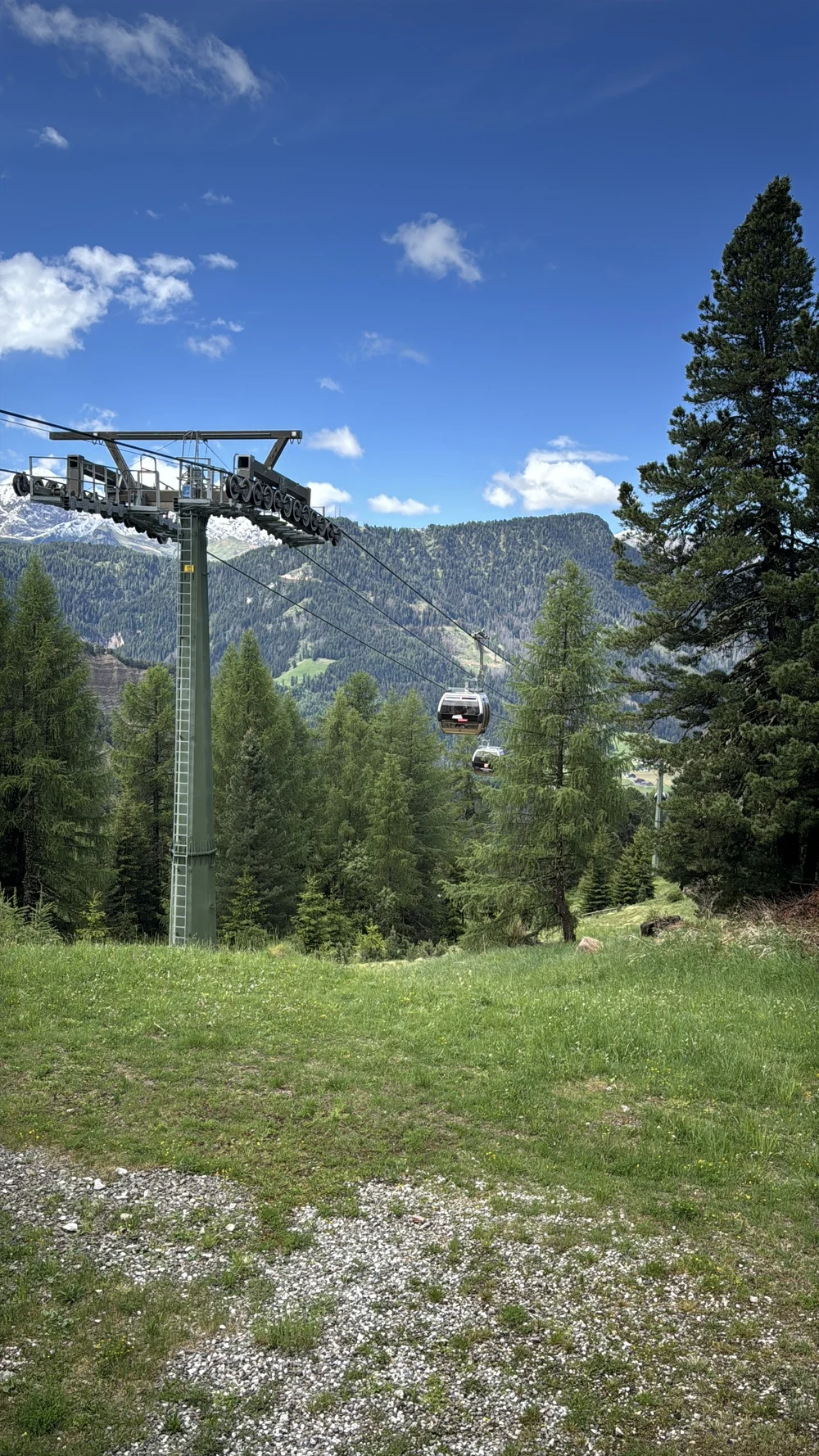
The cable car cost €148 for two round-trip tickets. That was probably a little more than the experience was worth, but hey—it is a spectacular view.
You first ride in a six-person cabin to the lower summit and then transfer into a sardine-packed gondola for the journey to the top.
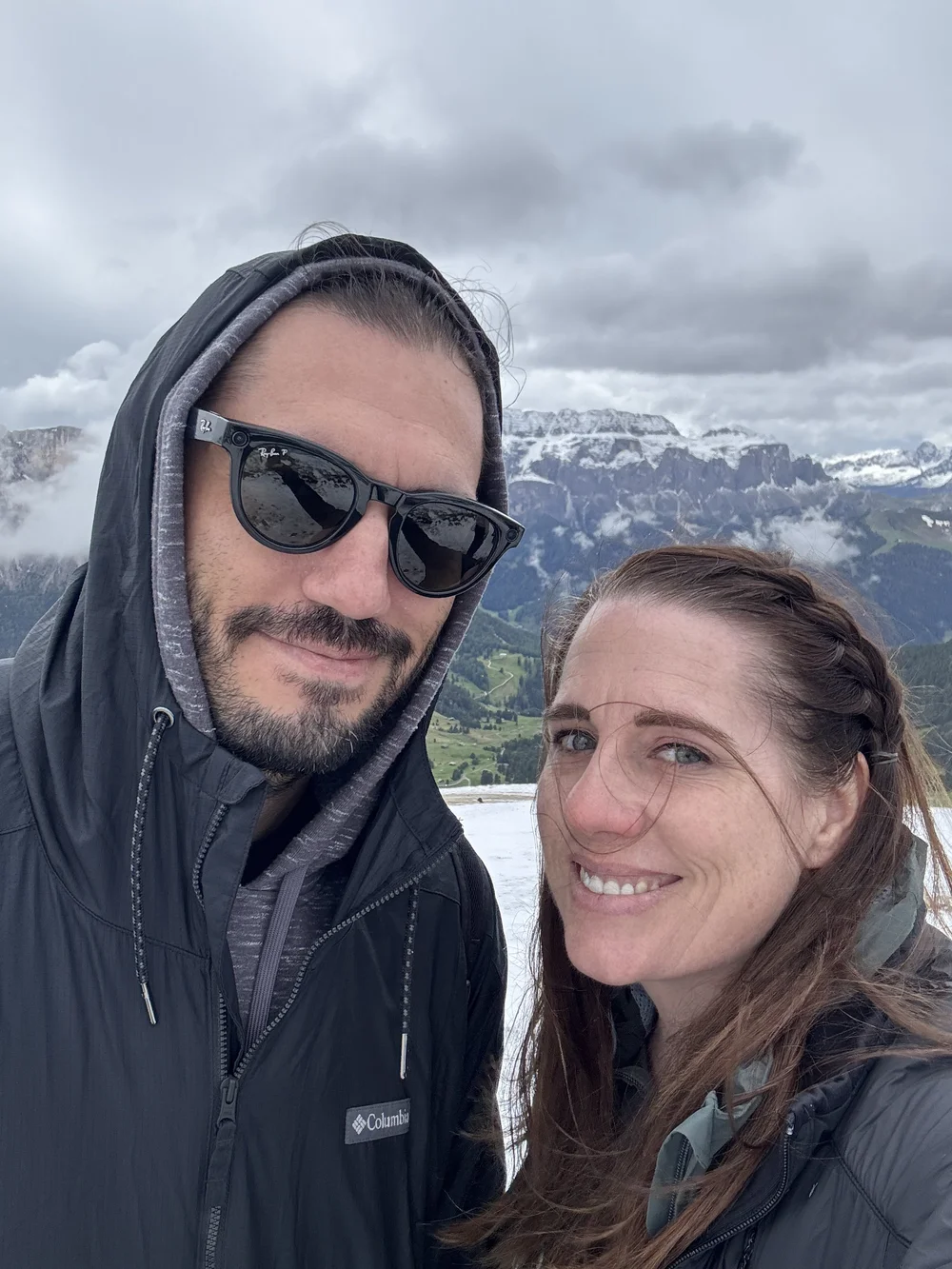
We were not prepared for the cold temperatures, slush, and ice.
If you visit in June, be warned: it can still be icy, slushy, and extremely cold. I would strongly suggest bringing warm clothing, hats, gloves, and waterproof boots with good traction if you want to spend any real time at the very top.
We lasted about 20 minutes before heading back down to the lower summit.
It was slightly warmer there, with several hiking trails to explore. We walked down to a stream where clear water and muddy brown water intersected, which was a unique little sight.
We left after a few hours, and by then, the entire area had become much busier. The parking garages were full, and several cars were waiting for spaces.
My advice: go early.
Santa Maddalena, an Excellent Lunch & Trostburg Castle
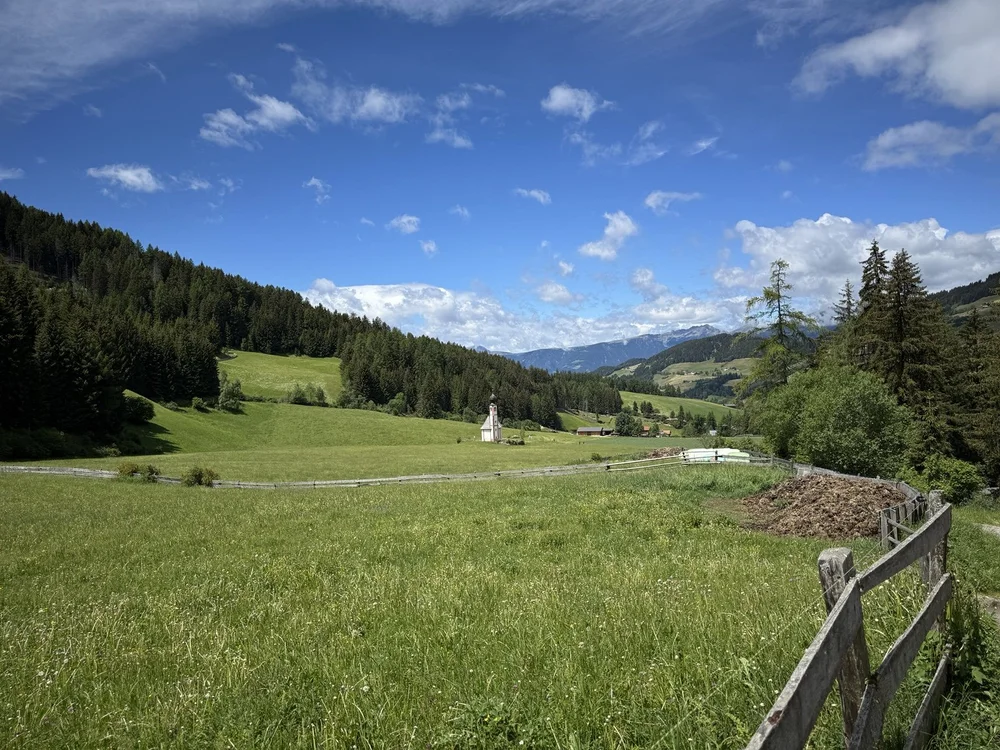
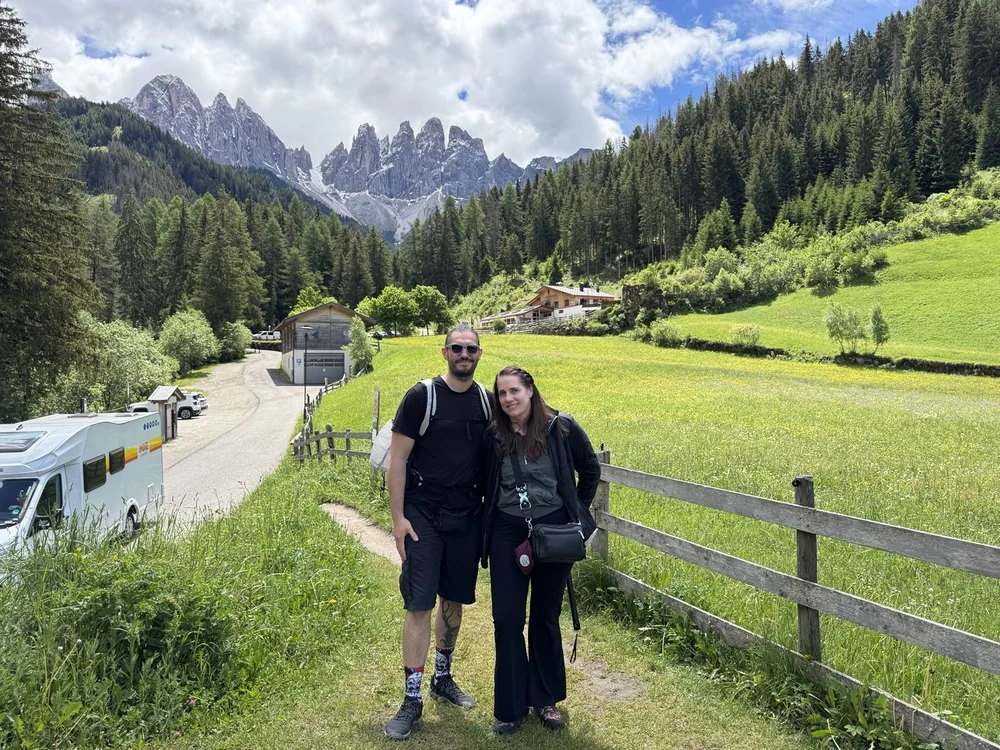
Our next stop was the Santa Maddalena Panorama Viewpoint, which overlooks one of the most iconic scenes in the Dolomites: a tiny Alpine church surrounded by rolling green fields, with the jagged Odle peaks towering behind it.
Small mountain farming communities have lived in this area for centuries, but it has now become one of the most photographed locations in Italy because of its almost unreal, postcard-perfect scenery.
It’s only a short walk from the parking area, and then—bam. There’s the view.
You can also visit the church, but we decided to keep moving and find lunch in town.
We ended up at Salty Dog Fish Restaurant, located on the lower level of a building with a small parking lot outside.
The food was absolutely fantastic.
We shared a pasta dish with langoustines and a grilled salmon dish. I cannot recommend this restaurant enough.
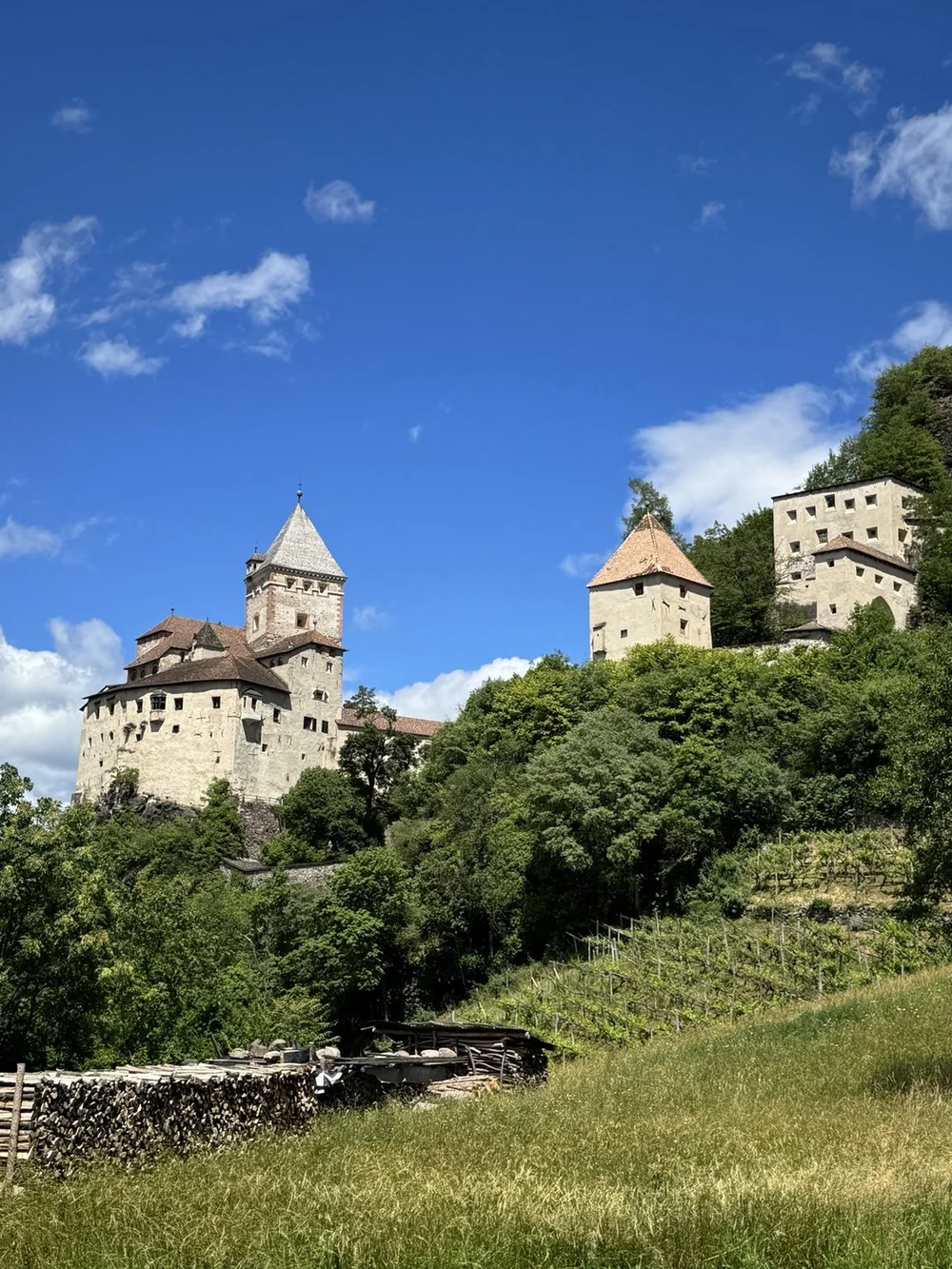
Along the route, we made a slight detour up a cliff toward Trostburg Castle, one of the best-preserved castles in South Tyrol. Originally built during the 1100s, it later became home to several noble families and is filled with historic rooms, old weapons, paintings, and plenty of creaky castle charm.
The castle sits above the valley like something straight out of a medieval storybook. Even the winding road leading up to it felt dramatic, and the views across the Dolomites and surrounding villages made the climb worthwhile.
It’s less flashy than some of Europe’s other castles, but honestly, that’s part of its appeal.
Passo Gardena & Sella Pass
Next came a combination of amazing mountain passes: Passo Gardena and Sella Pass.
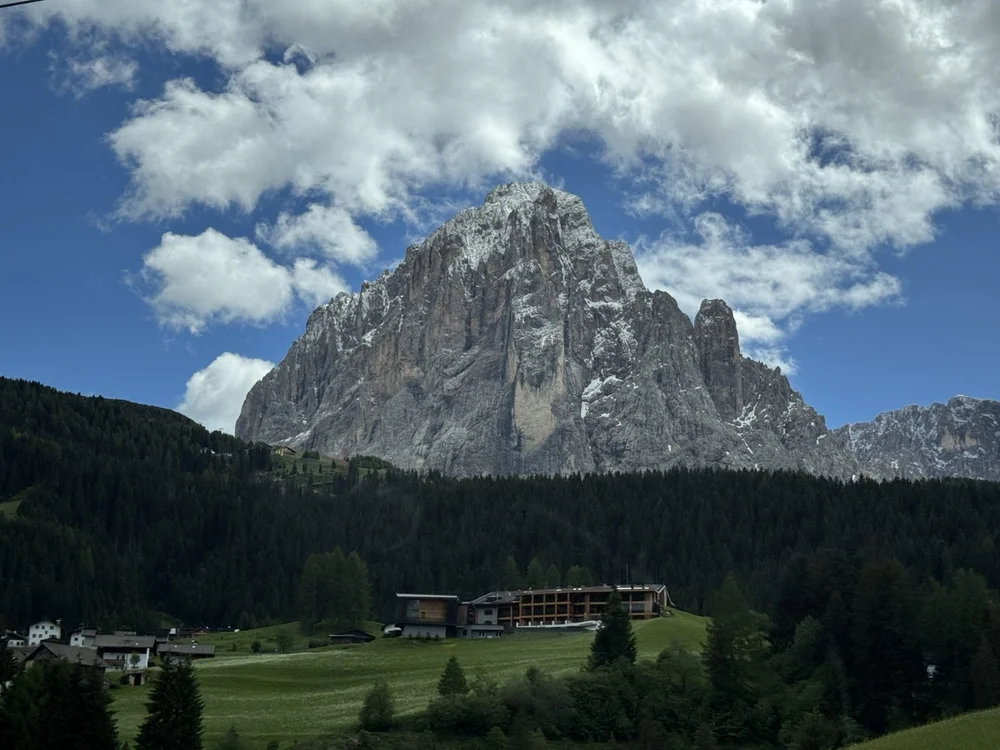
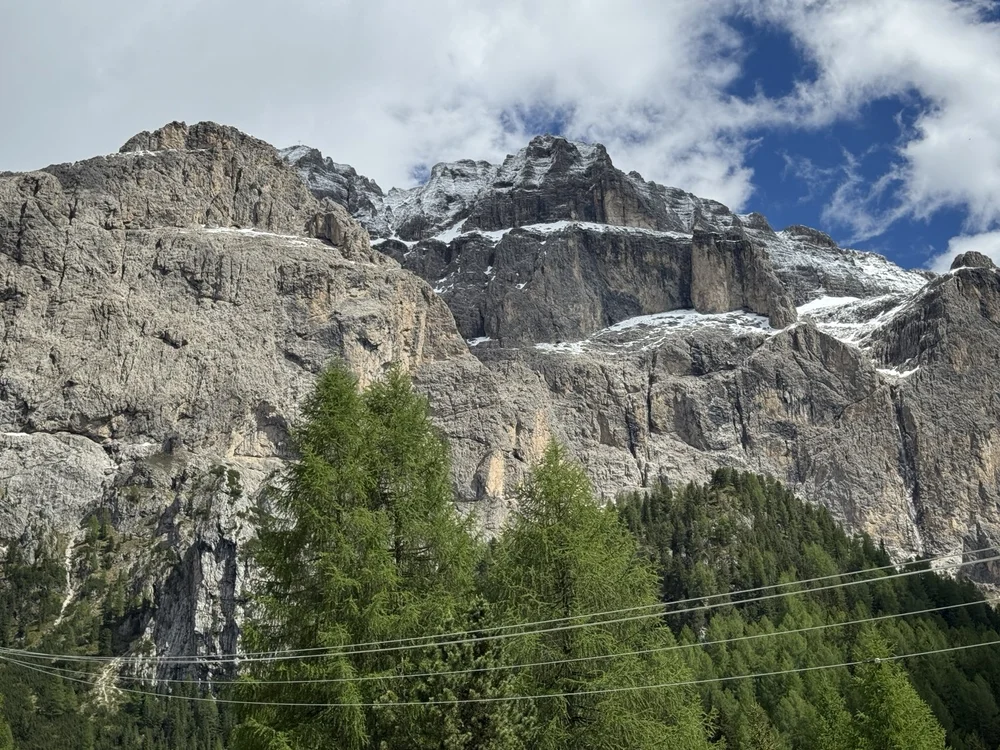
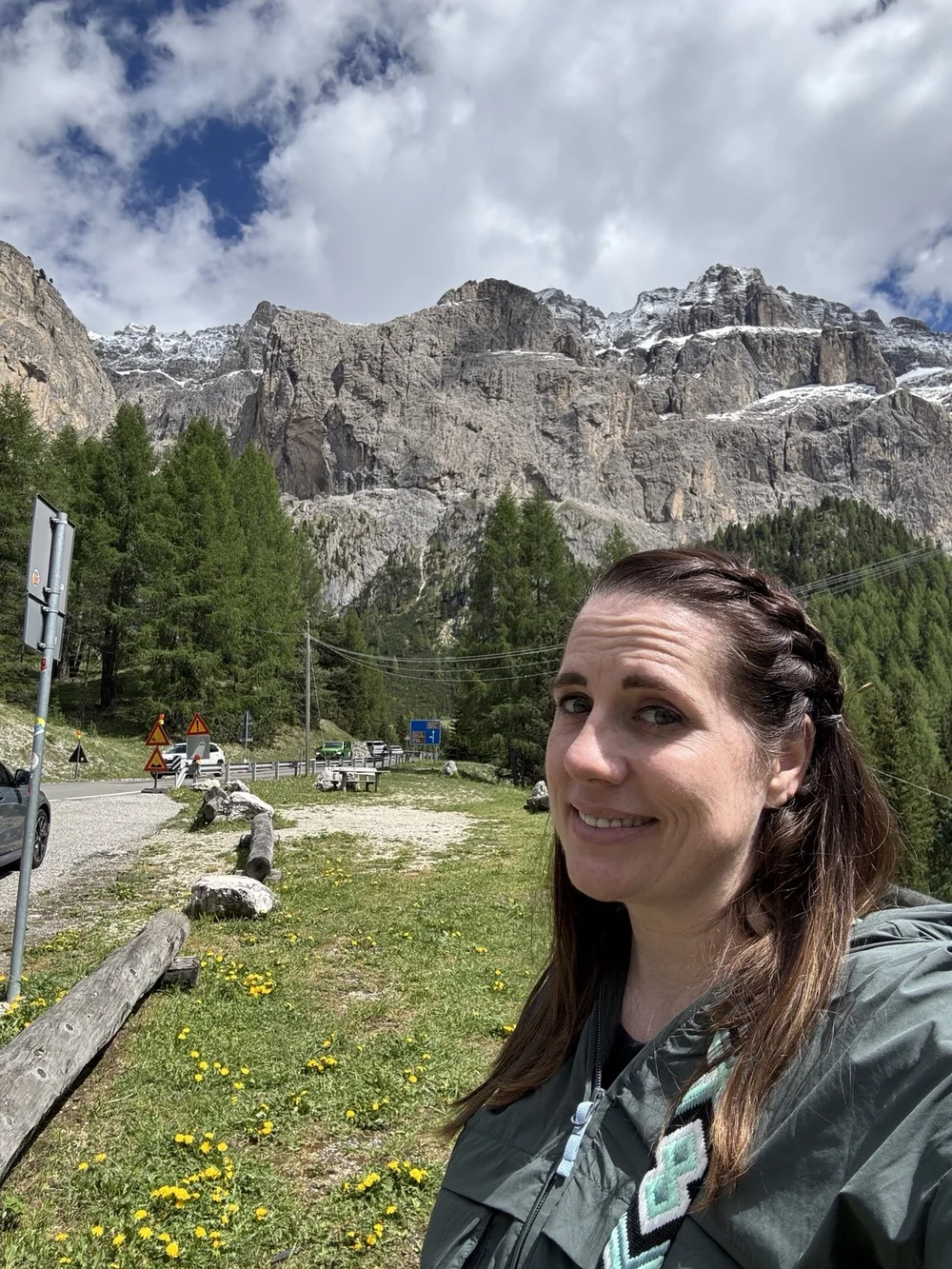
Passo Gardena is one of the most scenic mountain passes in the Dolomites, connecting Val Gardena with Alta Badia through dramatic cliffs, winding roads, and nonstop Alpine views.
Driving through it feels like weaving through a giant stone amphitheater, with jagged peaks rising in every direction. It’s one of those places where you want to pull over every five minutes because the scenery somehow keeps getting more ridiculous.
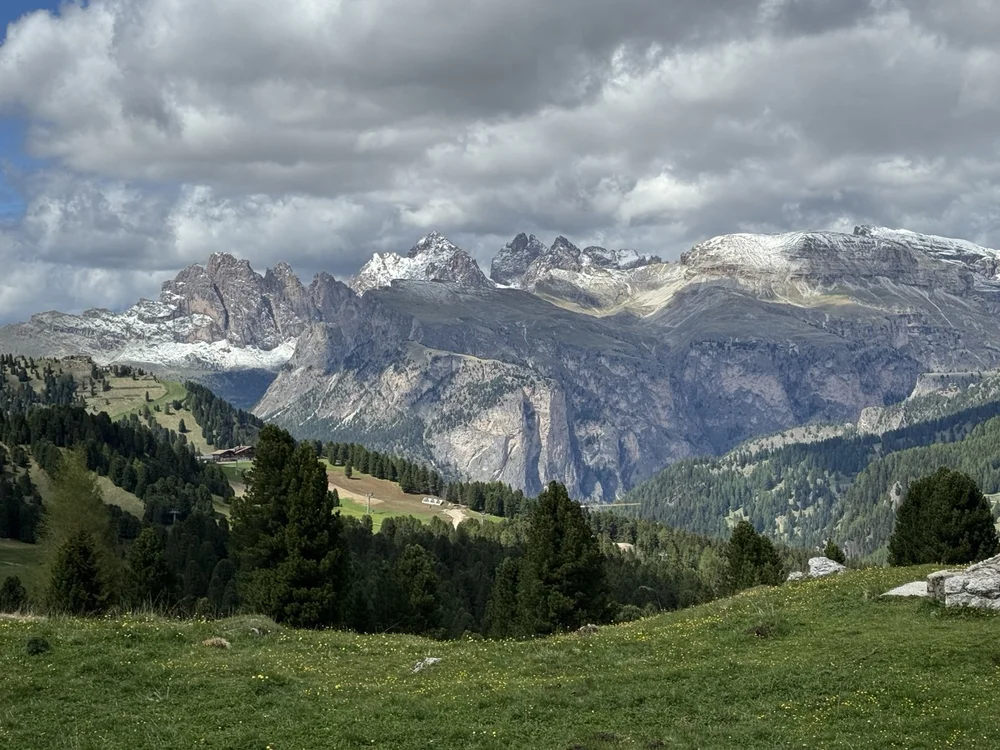
Sella Pass cuts between massive rocky peaks and high Alpine meadows directly beneath the towering Sella Group in the heart of the Dolomites. The area has long served as an important mountain crossing, but it is now famous for its panoramic views, hiking trails, cycling routes, and scenic drives.
Even standing in the parking area feels cinematic, like you’ve accidentally wandered into a fantasy movie filmed entirely in stone and clouds.
Of the two passes, Sella was definitely the highlight.
Passo Pordoi, Deep Snow & One Beautiful Wrong Turn
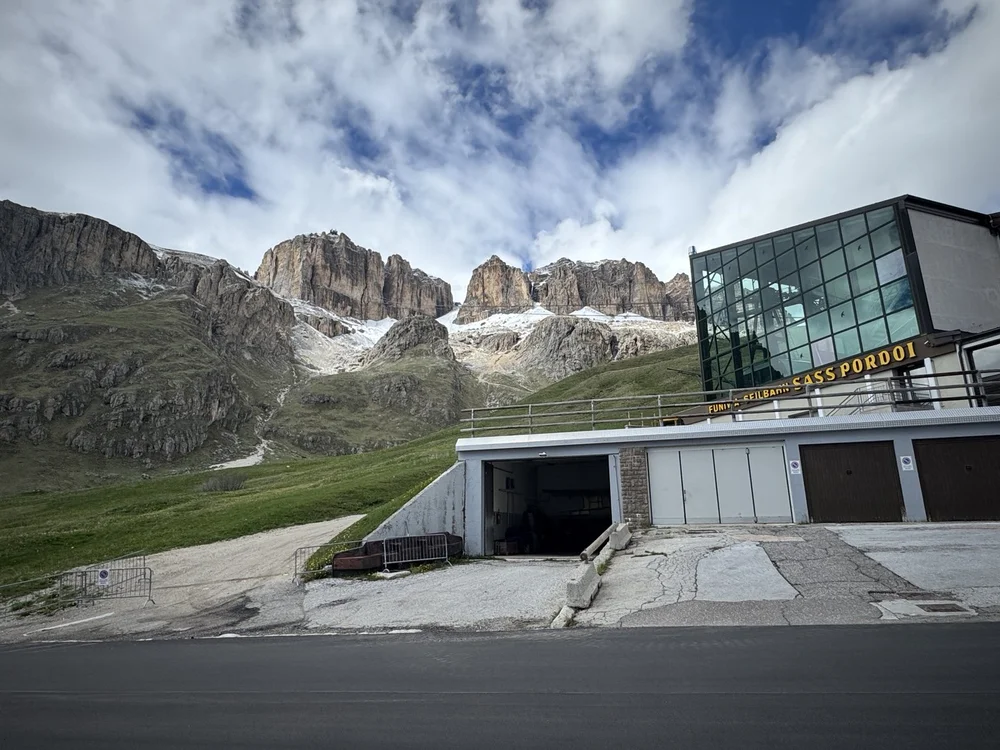
We then continued to Passo Pordoi, one of the highest and most famous mountain passes in the Dolomites. It is surrounded by dramatic rocky peaks and endless Alpine scenery.
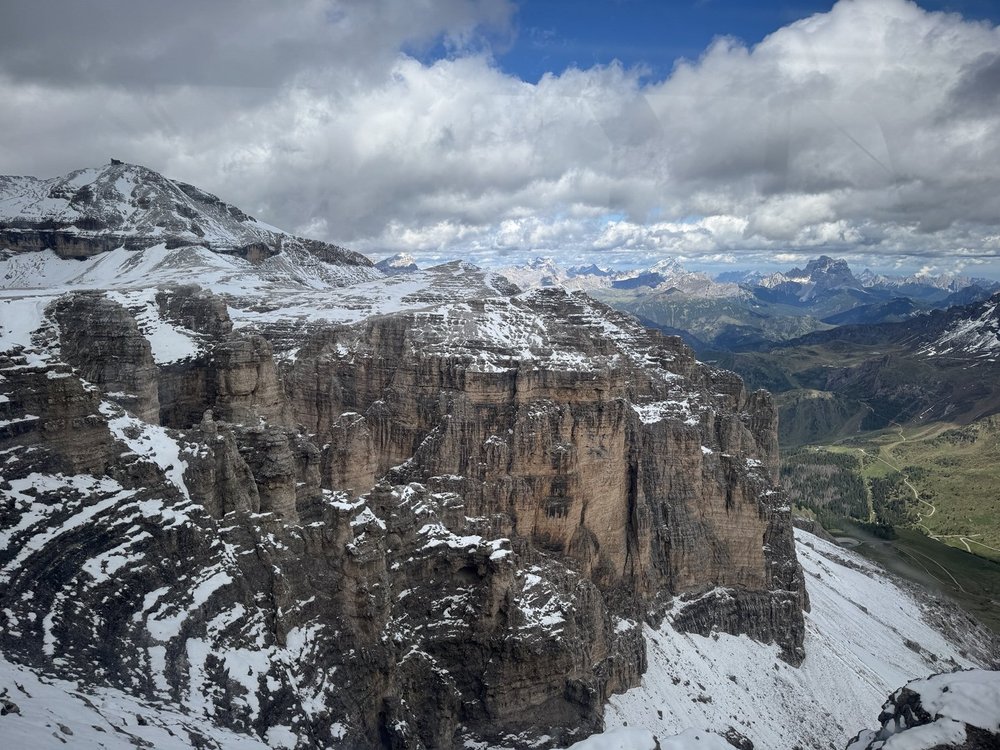
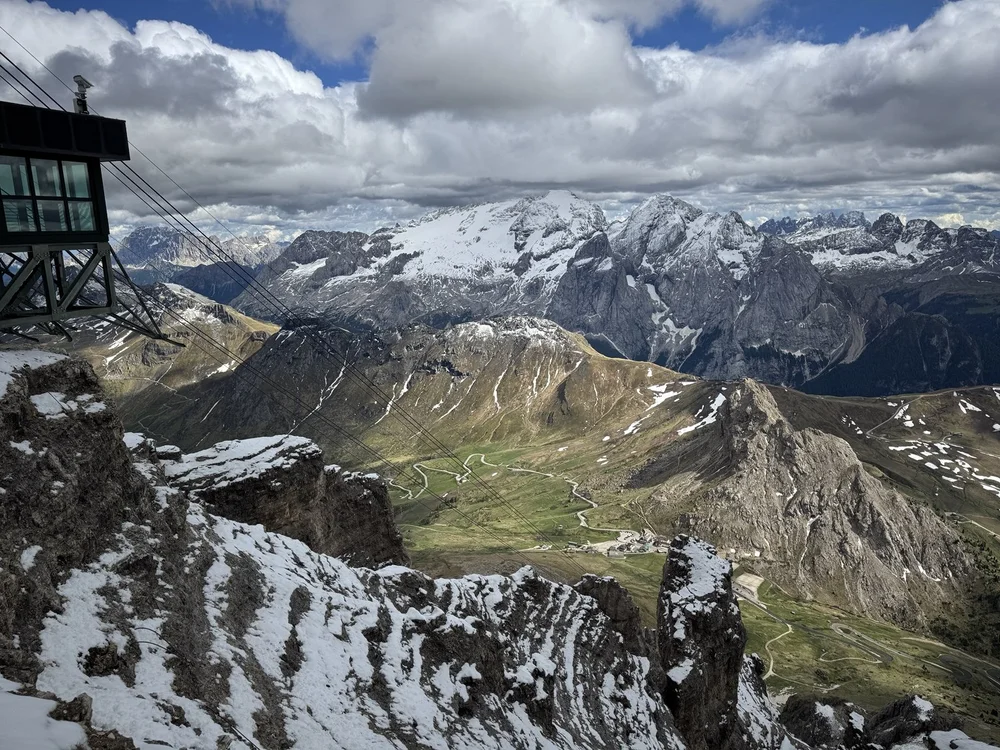
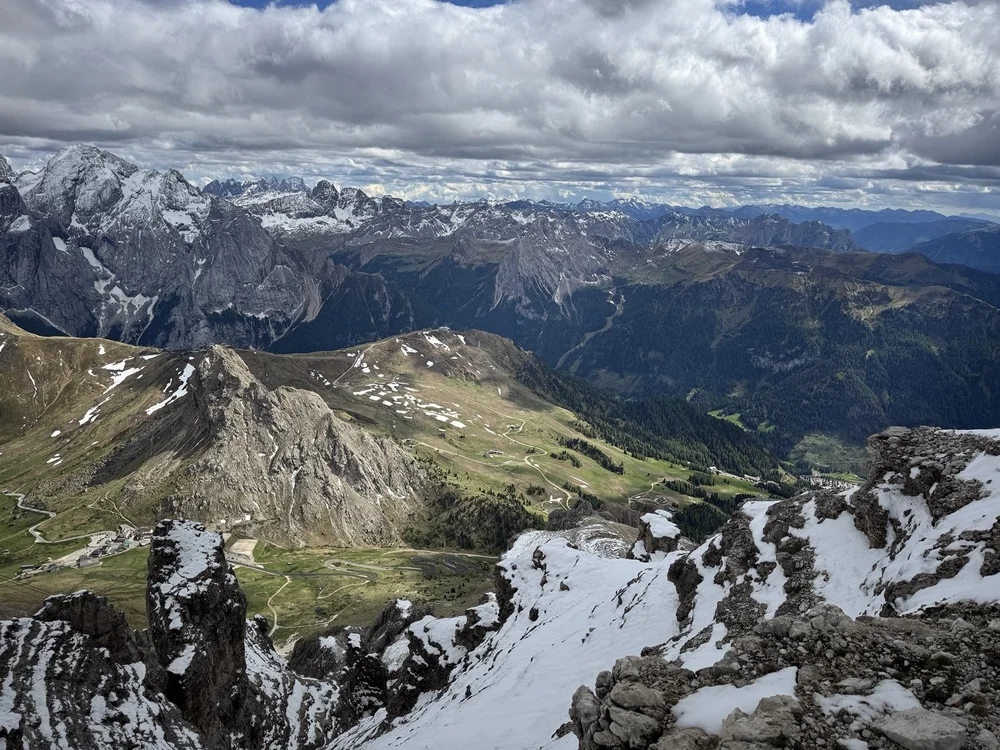
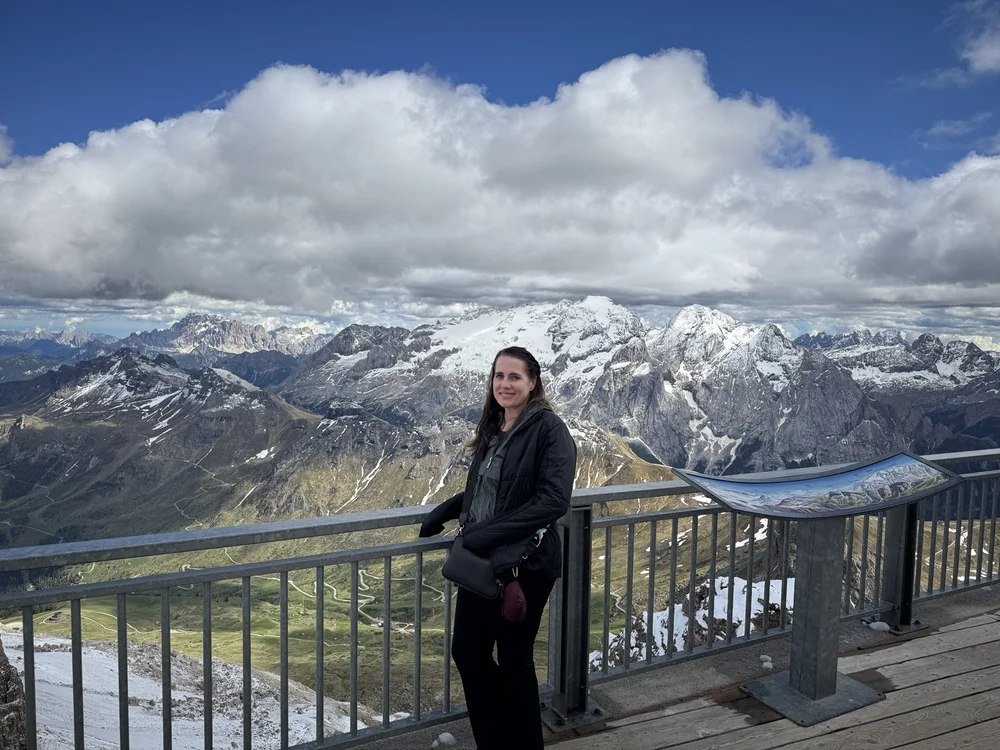
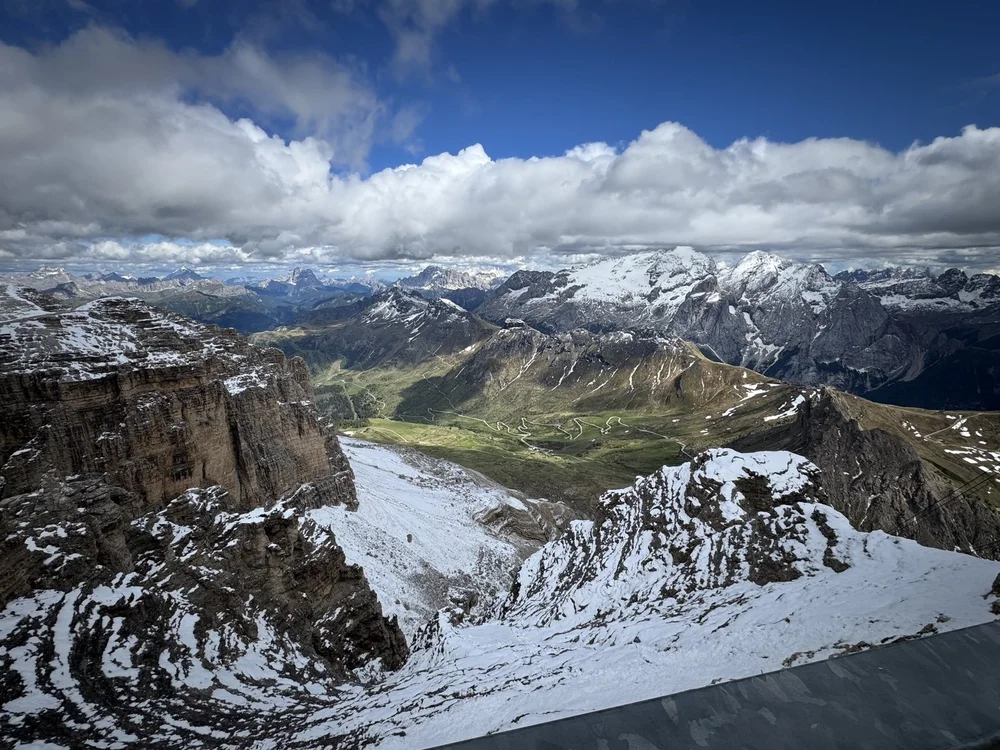
From the pass, a cable car climbs even higher to Sass Pordoi, where the landscape opens into a massive panorama of jagged mountains that looks more like another planet than Italy. The entire area feels enormous and cinematic, especially when you’re standing above the clouds looking across the Dolomites.
This cable car cost €68 for two round-trip tickets.
Once again, we were completely unprepared for the temperature and snow. This summit had two viewing decks, and you absolutely needed proper snow gear if you wanted to venture any distance beyond them. The snow was much deeper here than it had been at Seceda.
This ride used a larger gondola and was far less crowded, so it didn’t feel nearly as much like being packed into a sardine can. Parking cost €2.50 per hour, and there were gift shops and restaurants at both the bottom and top.
We then made a slight navigational error and drove all the way through the pass in the wrong direction, forcing us to backtrack.
Oops.
But hey, there are worse mistakes to make because the scenery was beautiful.
Hotel Rododendro Val di Fassa
We eventually reached Hotel Rododendro Val di Fassa. The hotel has its own free parking lot and amazing mountain views. Our room was spotless and had a cozy, very Alpine feel.
The hotel also has a restaurant, so we decided to eat there. Dinner is a set four-course meal with two or three choices for each course, which we had to select when we checked in. Service begins at 7:30 PM.
Before dinner, we walked up to Coop, a bougie little grocery store, to restock our water supply.
Then we simply relaxed at the hotel until it was time to eat.
June 4 · Dolomites
Closed Cable Cars, WWI Tunnels & Emerald Lakes
Passo Giau & When the Plan Falls Apart
We started the day at 8:00 AM with Passo Giau, a stunning high-mountain pass in the Dolomites known for its breathtaking 360-degree views, winding scenic road, and iconic Alpine landscapes. It is considered one of the most beautiful viewpoints in northern Italy.
The route took us to Funivia Lagazuoi, where we had planned to take the cable car up to explore the World War I tunnels.
We arrived and found free parking, which immediately seemed suspicious.
Then we realized the cable car was closed.
You can still hike up to the tunnels, but I decided to modify our route and add another stop later in the day that offered similar views, tunnels, and hiking.
We also had to scrap Cinque Torri because the chairlifts weren’t scheduled to open until June 6.
With our first two plans officially ruined, we headed into Cortina d’Ampezzo. This was the largest town we encountered in the Dolomites. It was busy, the parking was complicated, and none of it seemed particularly safe for leaving luggage inside the car.
Instead of stopping to eat or shop, we decided to move on.
With most of the morning turning sour, we were becoming a bit annoyed. Thankfully, our next stop was Lago di Misurina.
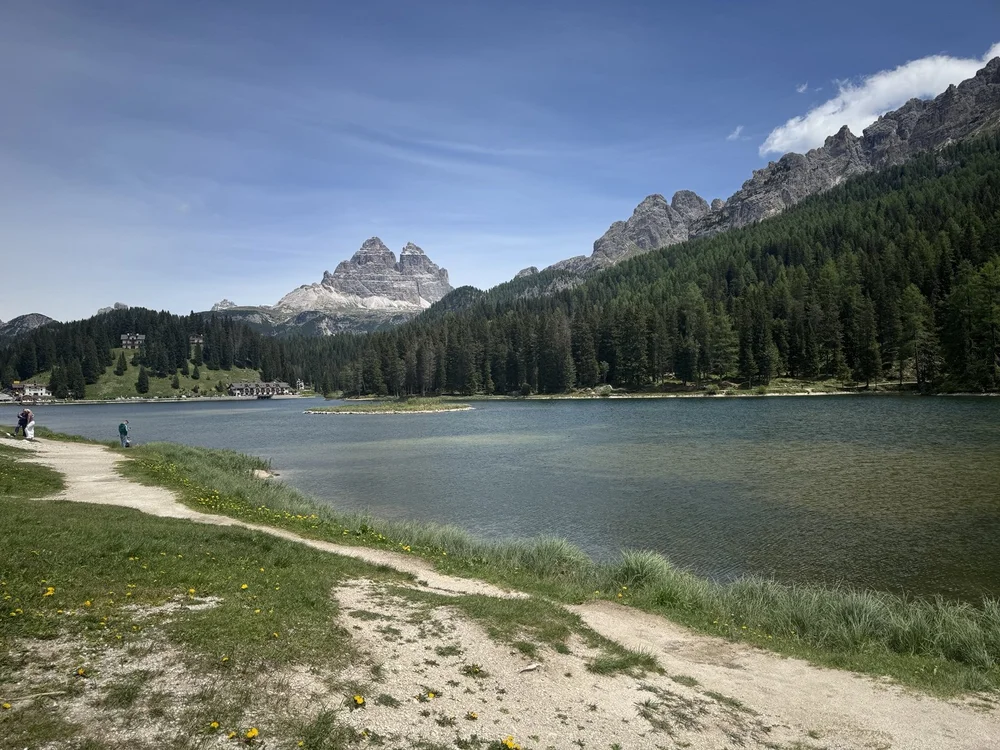
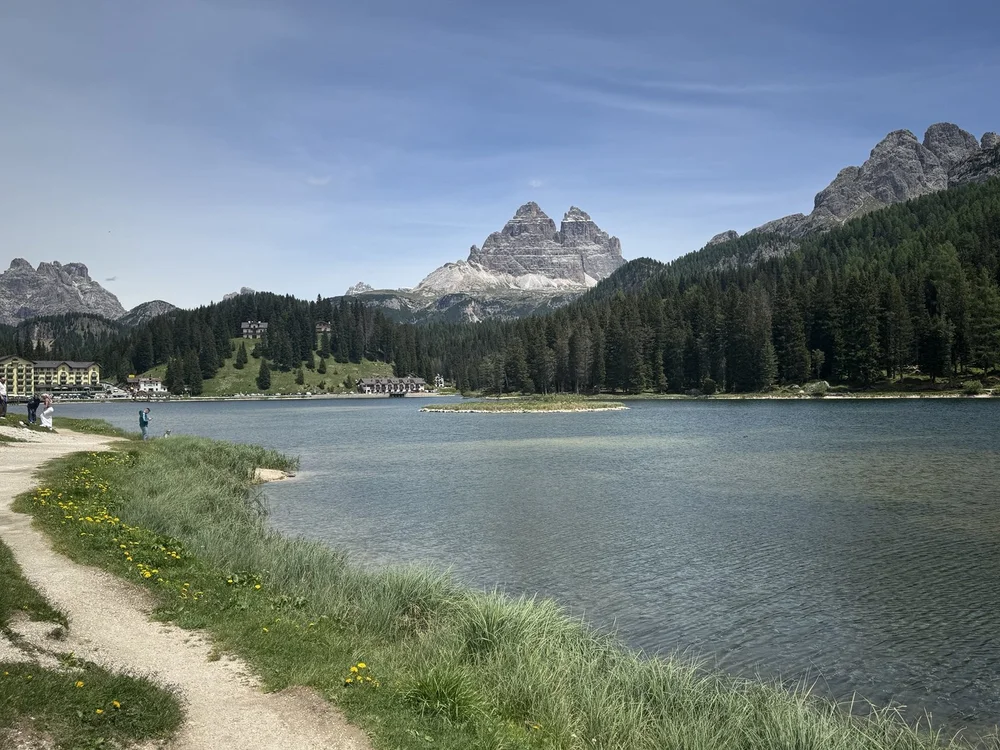
Lago di Misurina
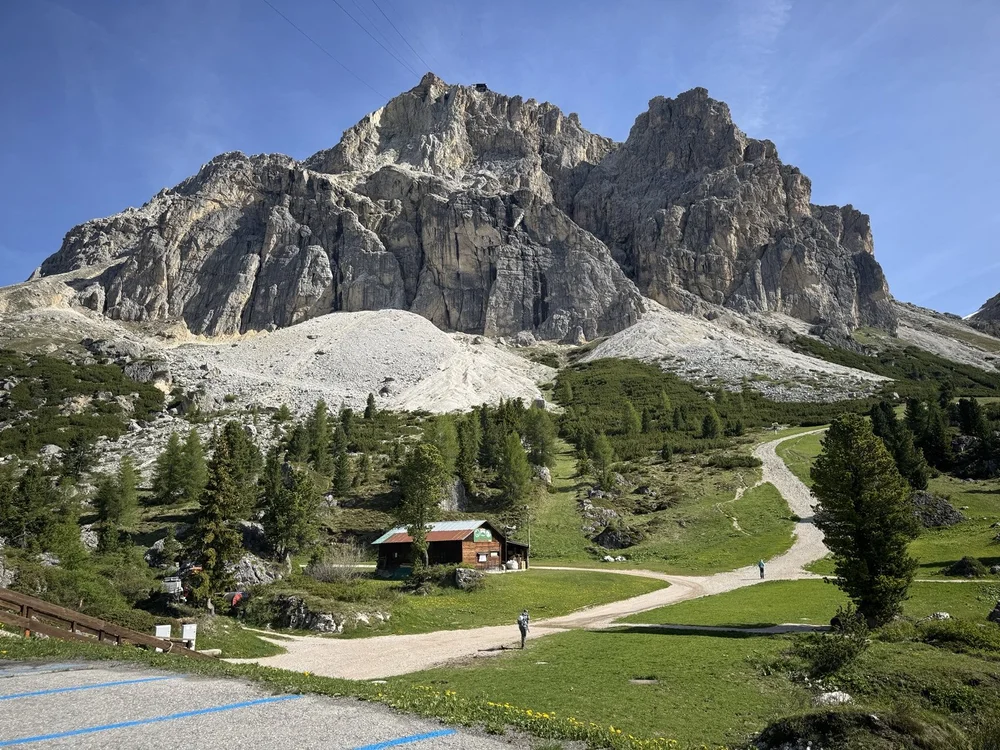
Known as the “Pearl of the Dolomites,” Lago di Misurina is a natural Alpine lake famous for its mirror-like reflections of the surrounding peaks. The area became a renowned health resort because of its pure mountain air and hosted the speed-skating events during the 1956 Winter Olympics.
According to local legend, the lake was formed from the tears of King Sorapiss following the death of his daughter, Misurina.
The lake was quite lovely, with a convenient parking lot and a store and café nearby. It even had free bathrooms, which is unusually exciting in Italy.
Monte Piana Jeep Shuttle & World War I Open-Air Museum
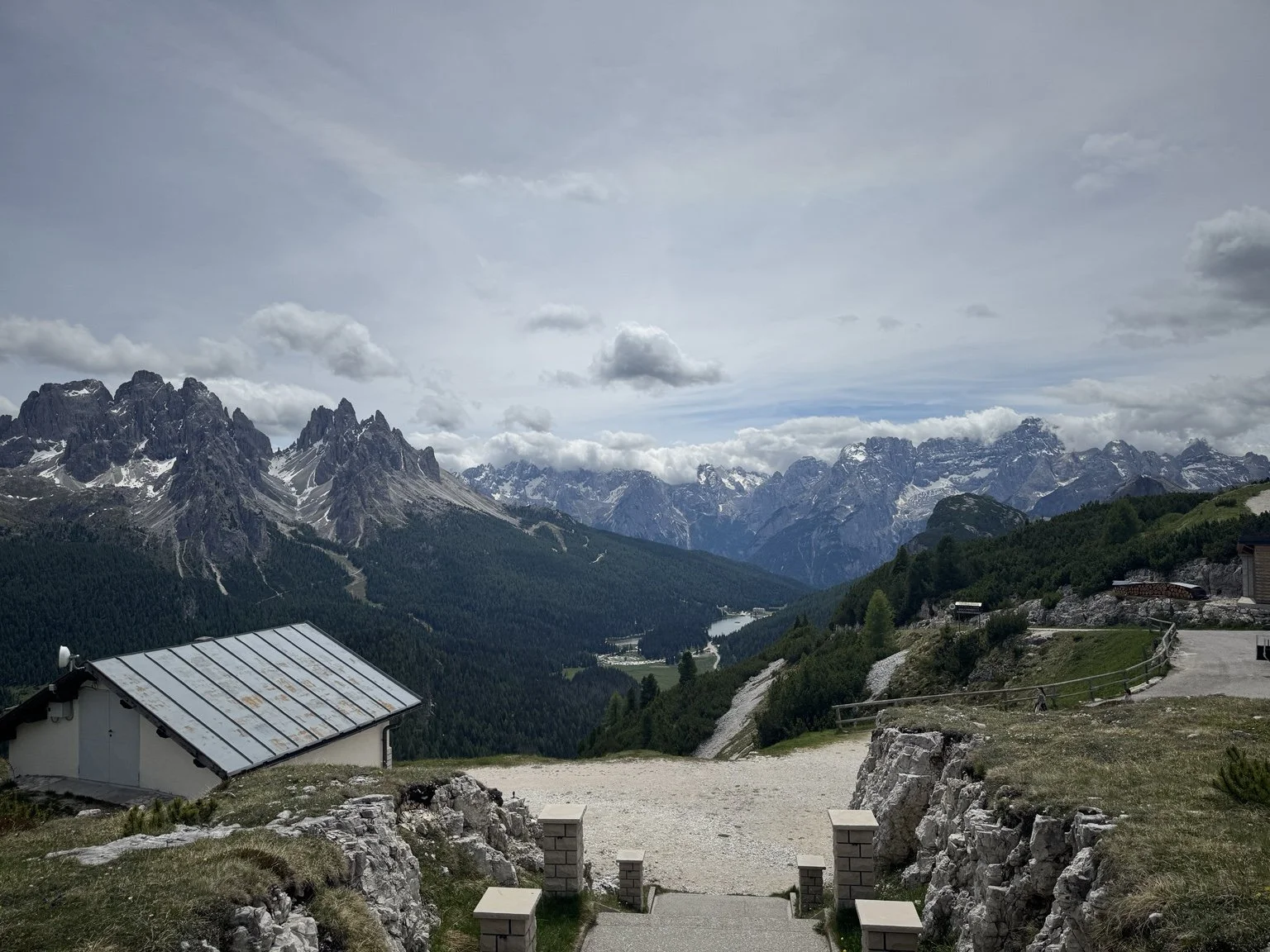
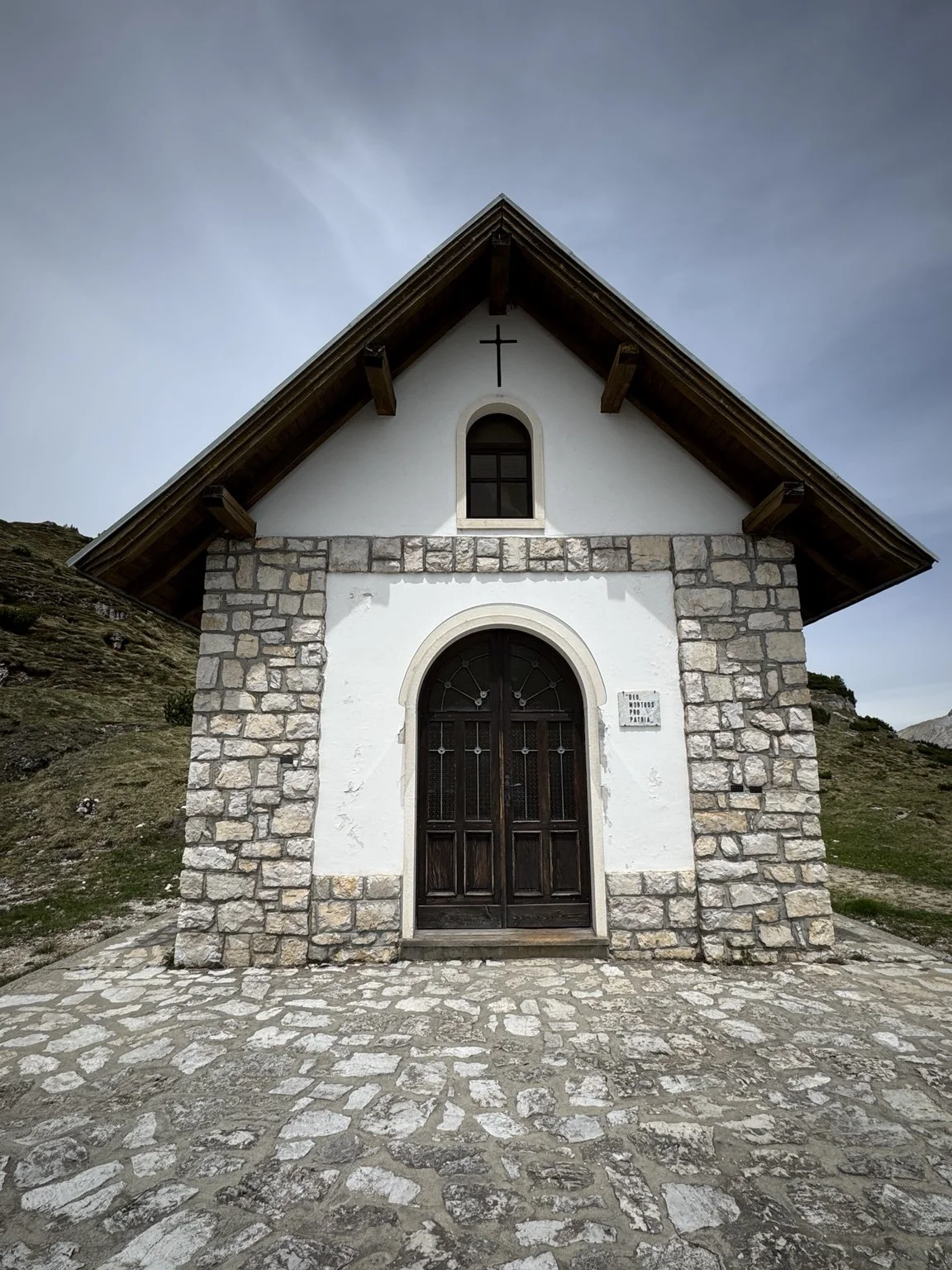
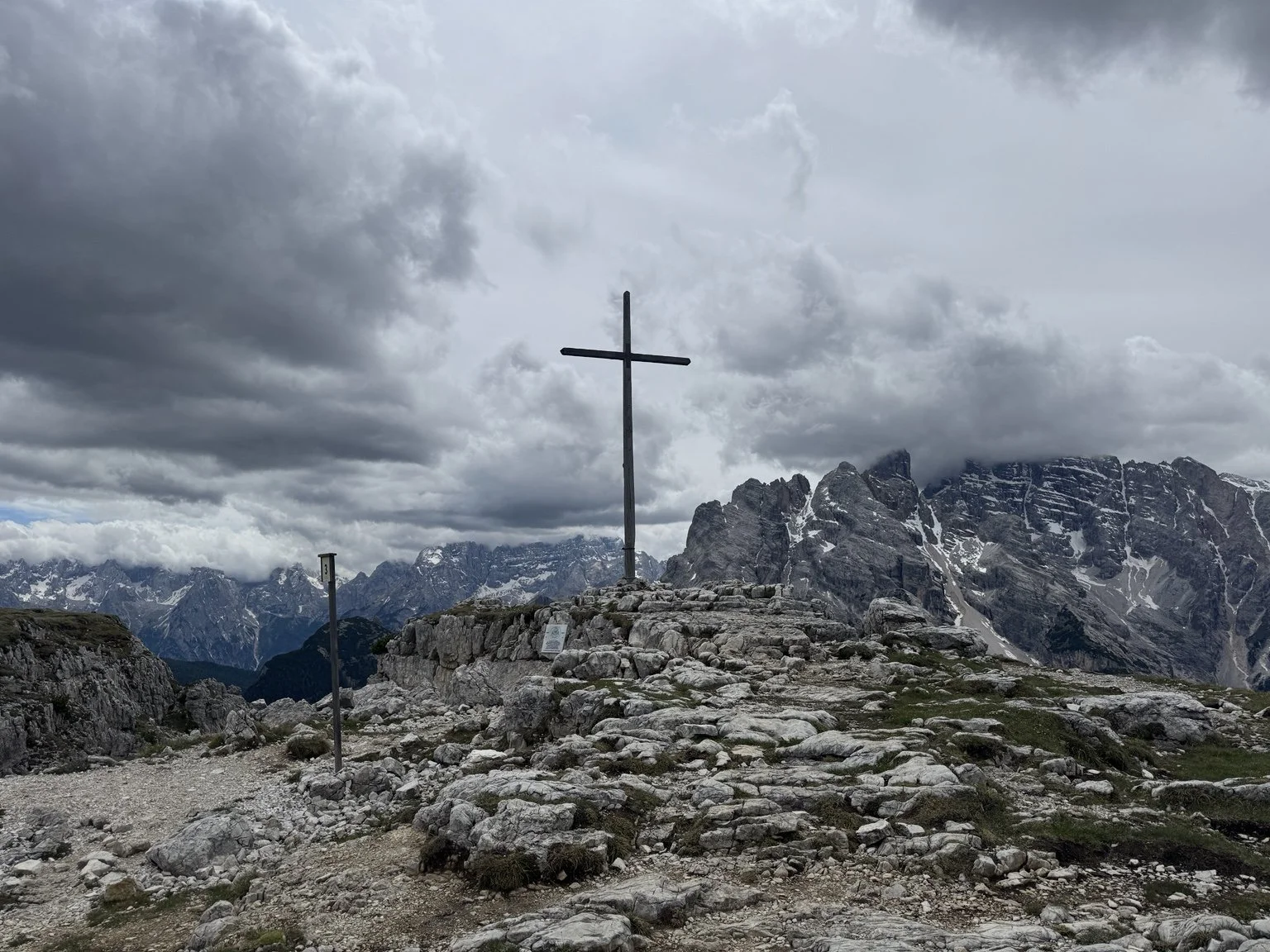
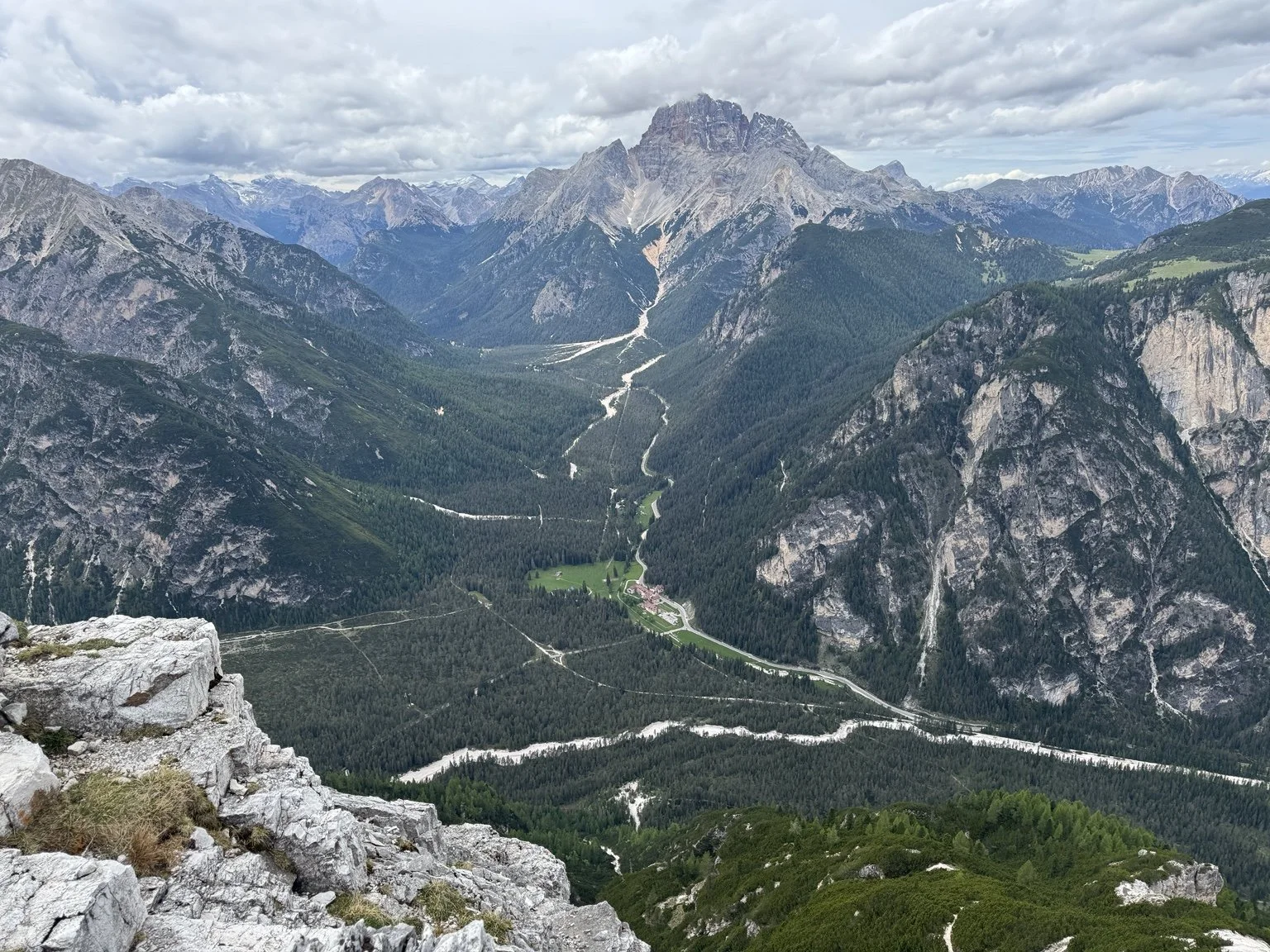
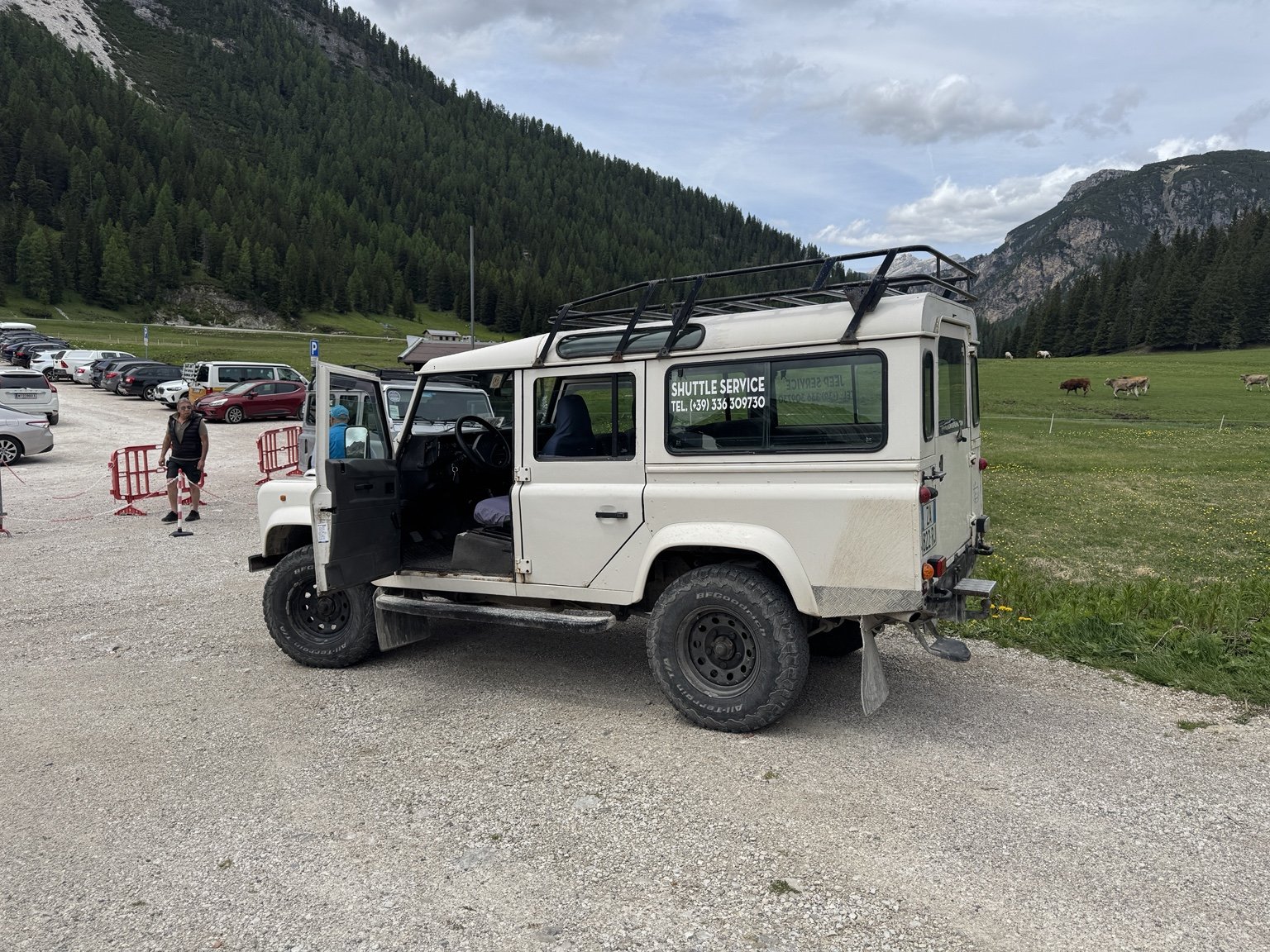
To make up for the closed cable car, we added the Monte Piana Jeep Shuttle and World War I Open-Air Museum to our itinerary.
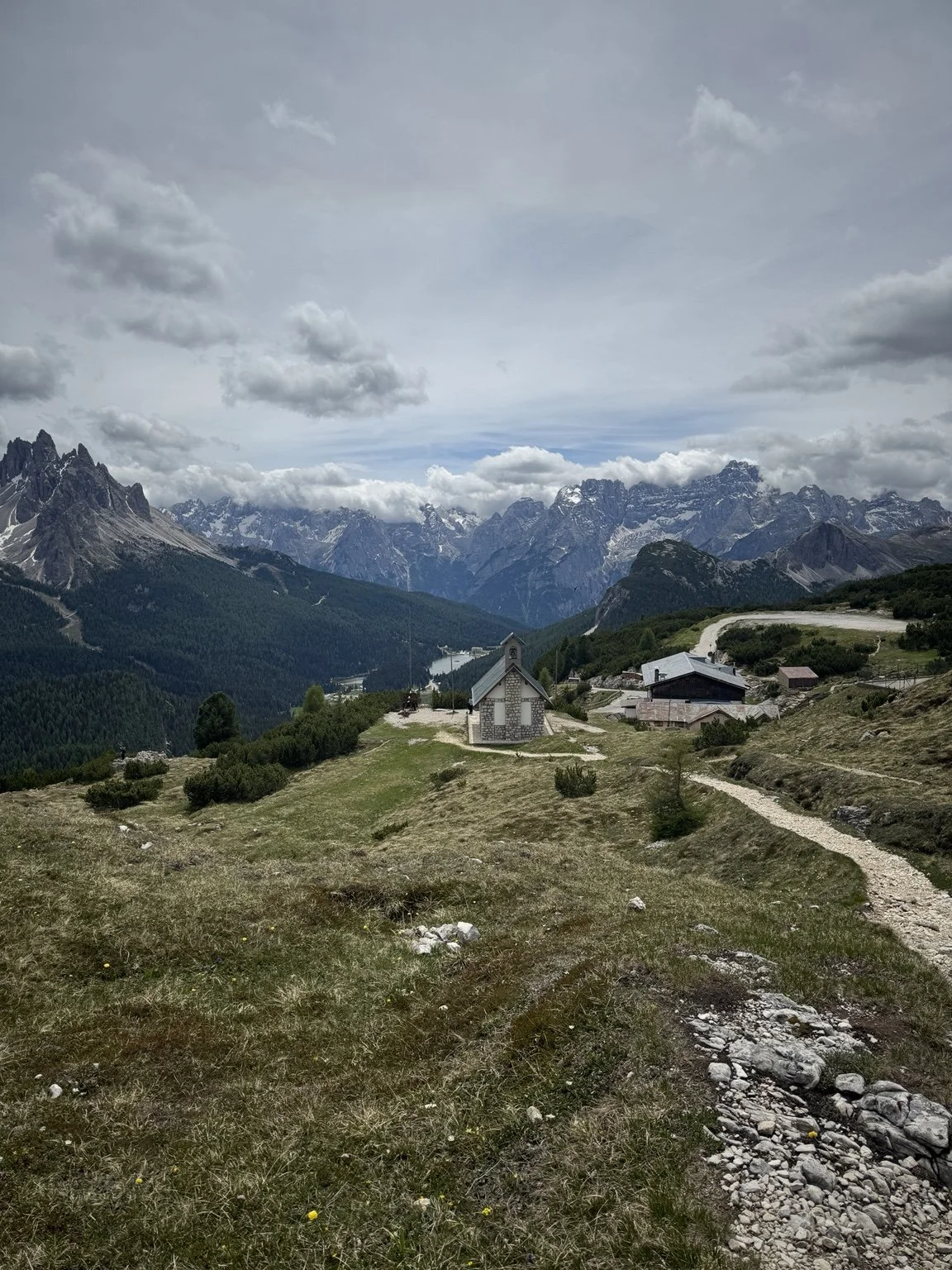
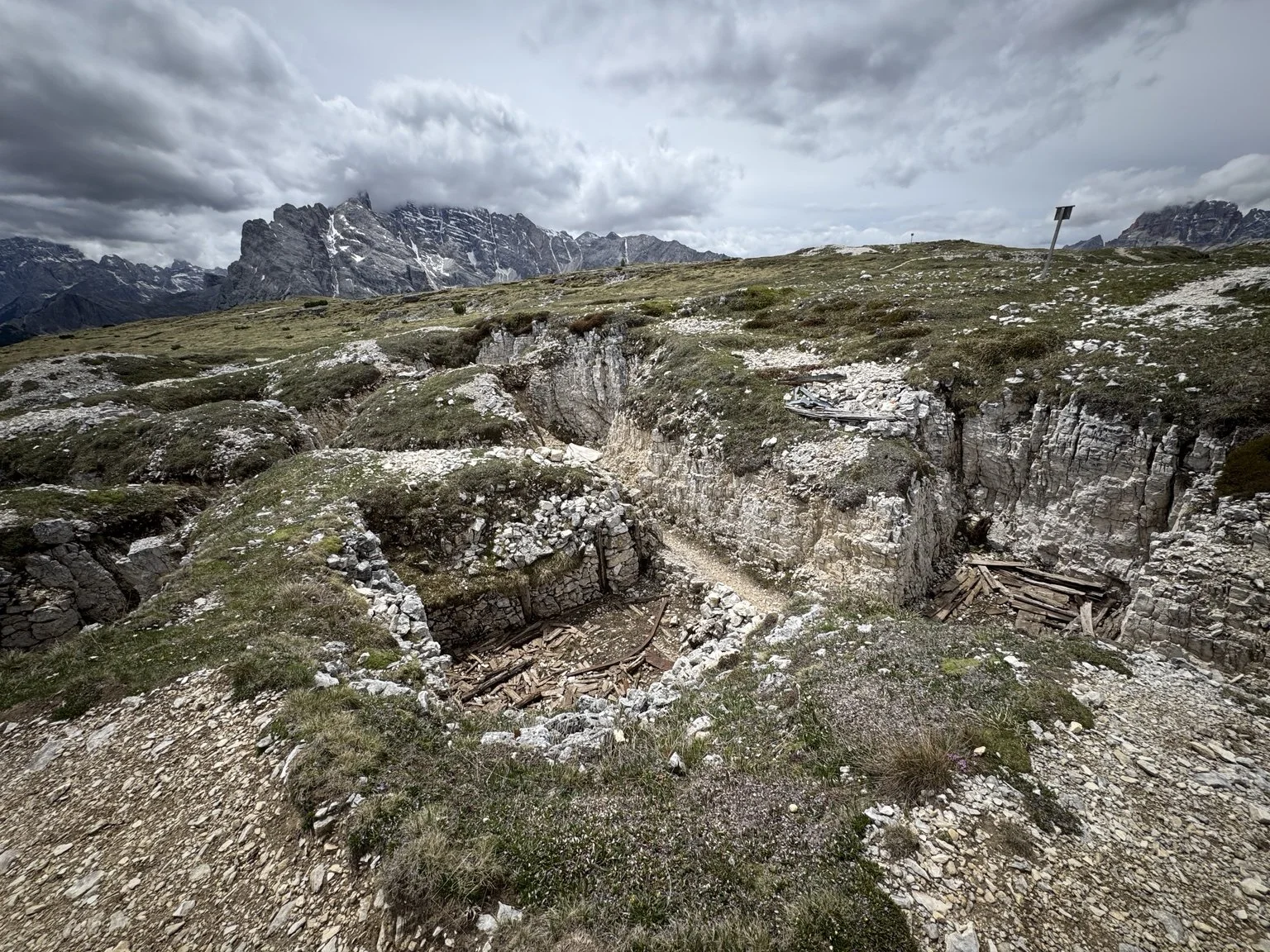
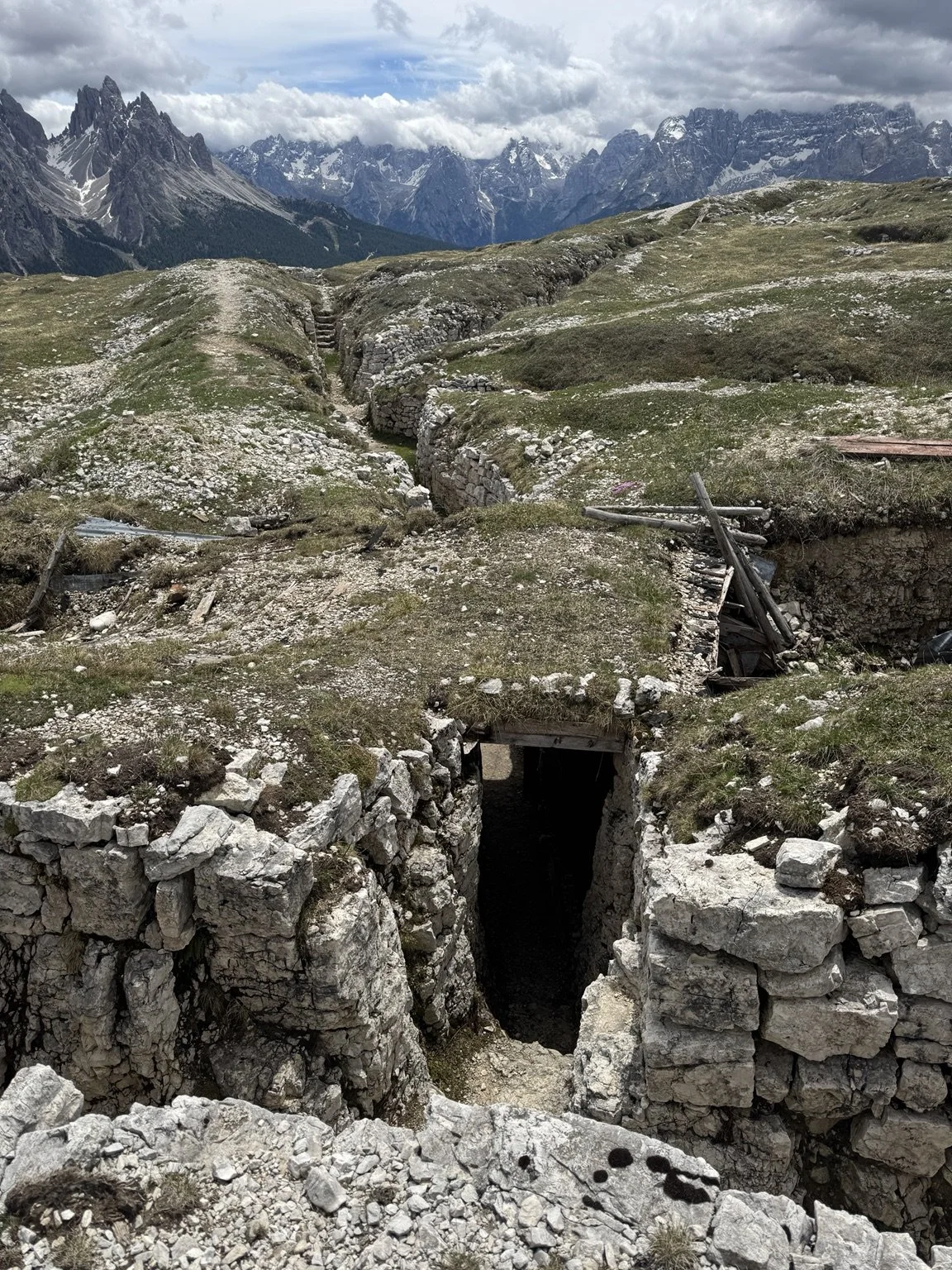
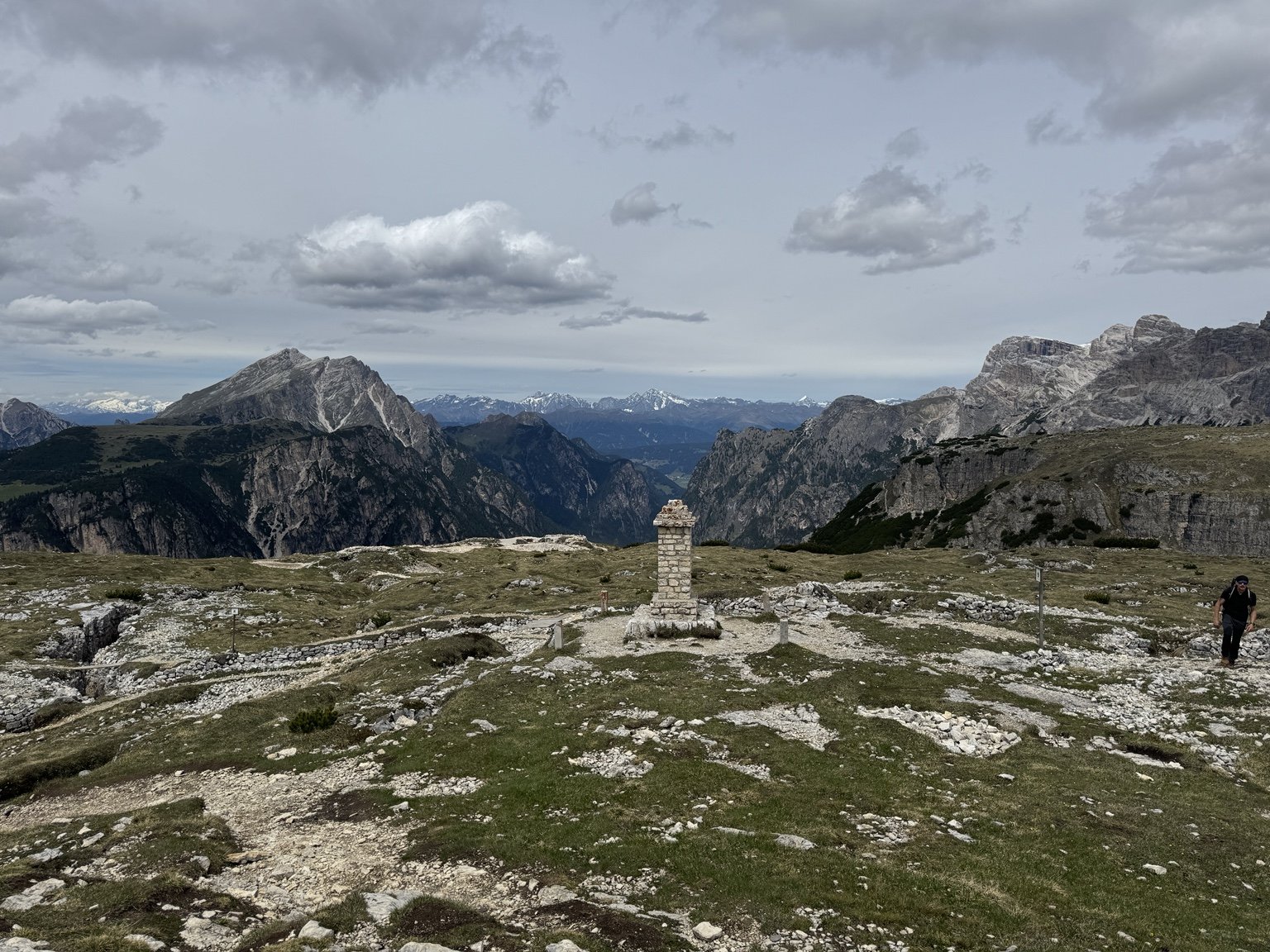
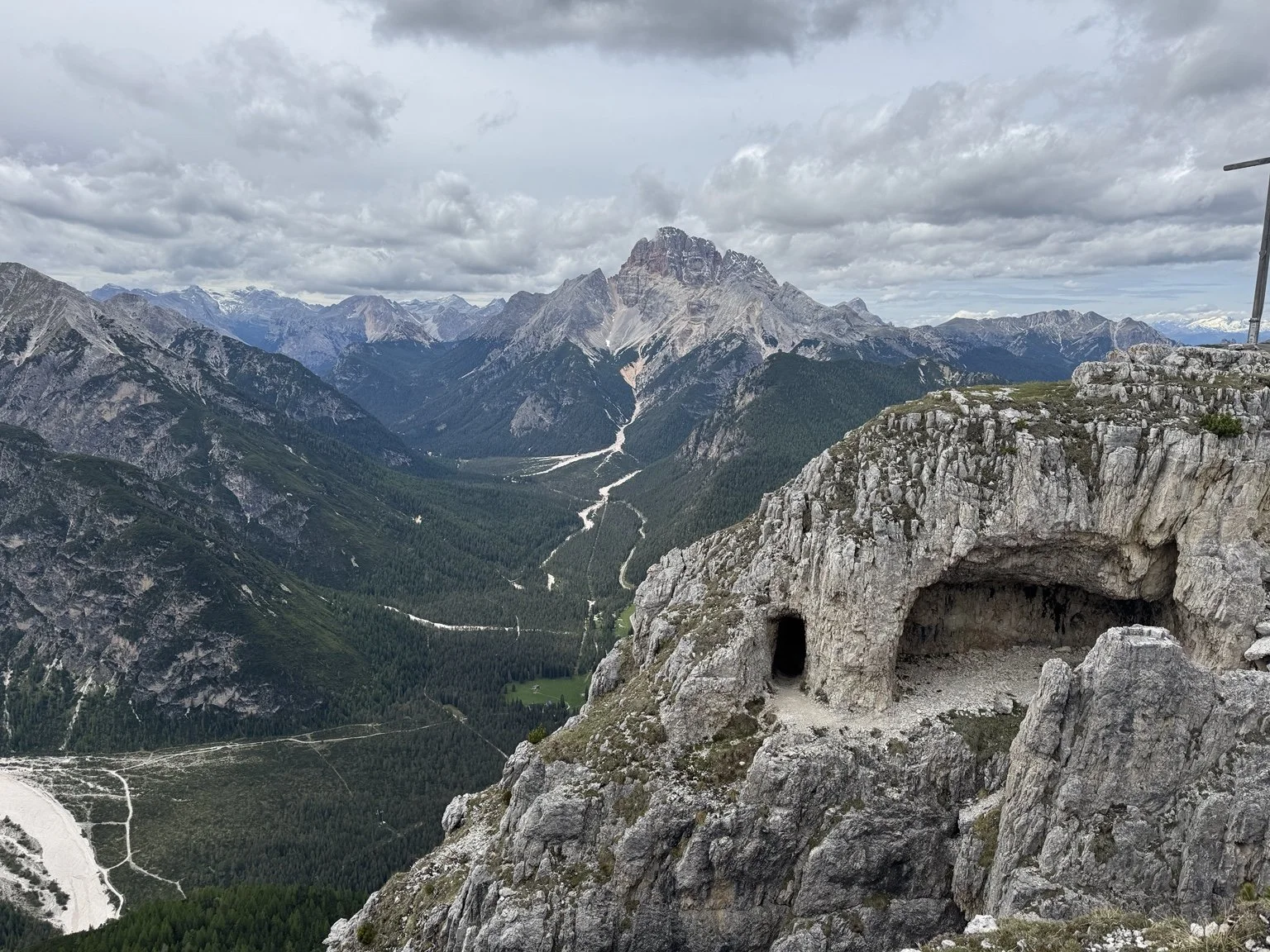
Monte Piana was the site of a deadly two-year mountain war between Italian and Austro-Hungarian soldiers. Today, visitors can explore restored trenches, tunnels, and parts of the original battlefield while enjoying some of the best panoramic views in the Dolomites, including Tre Cime di Lavaredo.
Of all the World War I sites in the Dolomites, Monte Piana is arguably one of the easiest to access and one of the most moving. You are literally walking through the battlefield where approximately 14,000 soldiers lost their lives.
There is a decent amount of hiking, with two different trails to follow. The area is not wheelchair accessible, and the terrain can be uneven. You can enter several of the tunnels, and there are also a few climbing options leading into caves.
The views were incredible.
Once you finish exploring, you return to the same location where the Jeep originally dropped you off. When enough people have gathered, another Jeep takes everyone back down the mountain.
This was actually really cool, and I’m glad the Lagazuoi cable car was closed because Monte Piana ended up being such a unique experience.
When you first approach the area, you generally need a parking reservation to pass through. However, if you tell them you’re taking the Jeep shuttle, they allow you to enter, and the shuttle operator provides parking.
The round-trip Jeep ride costs €25.
Lago d’Antorno & a Late Lunch
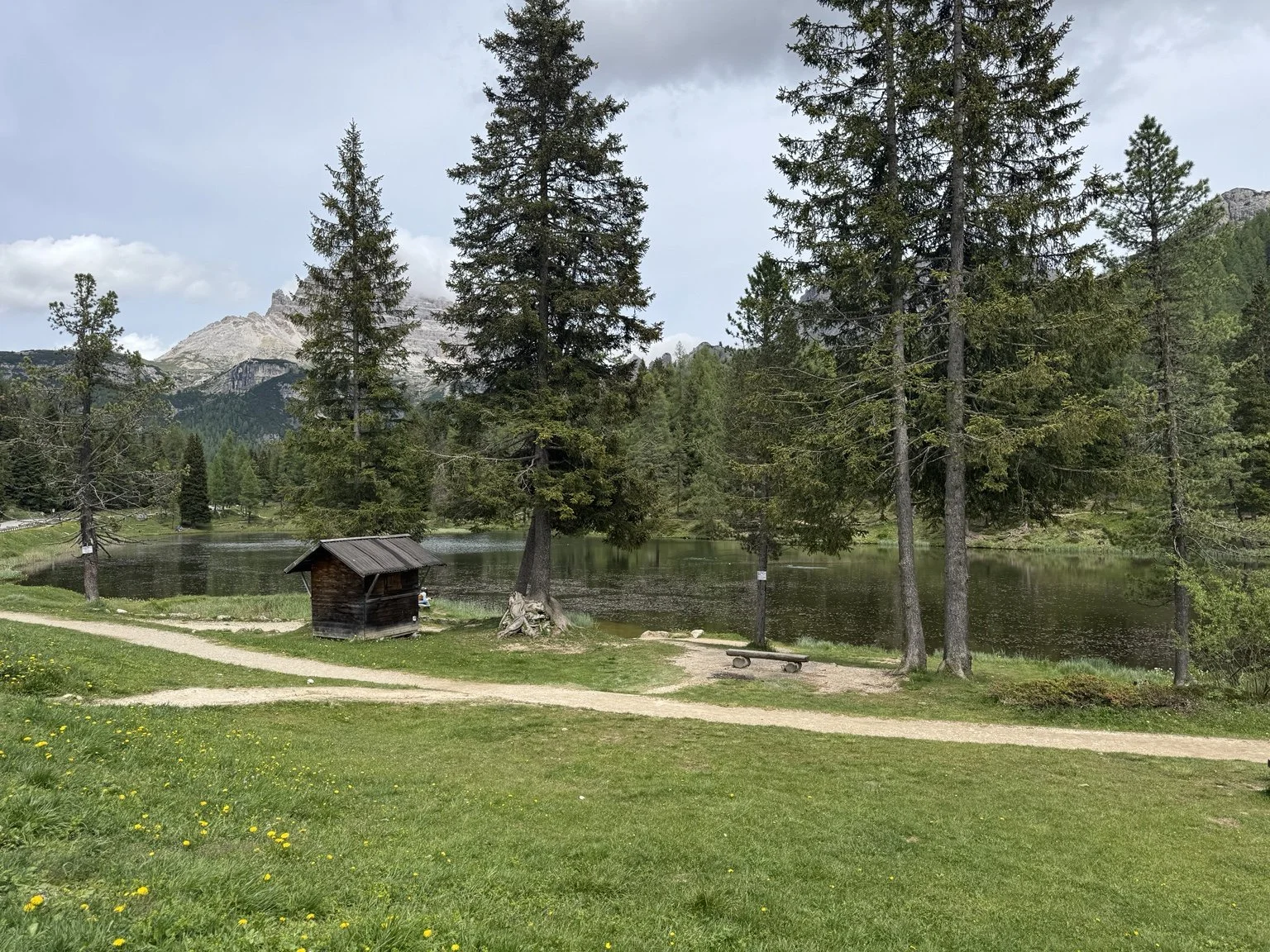
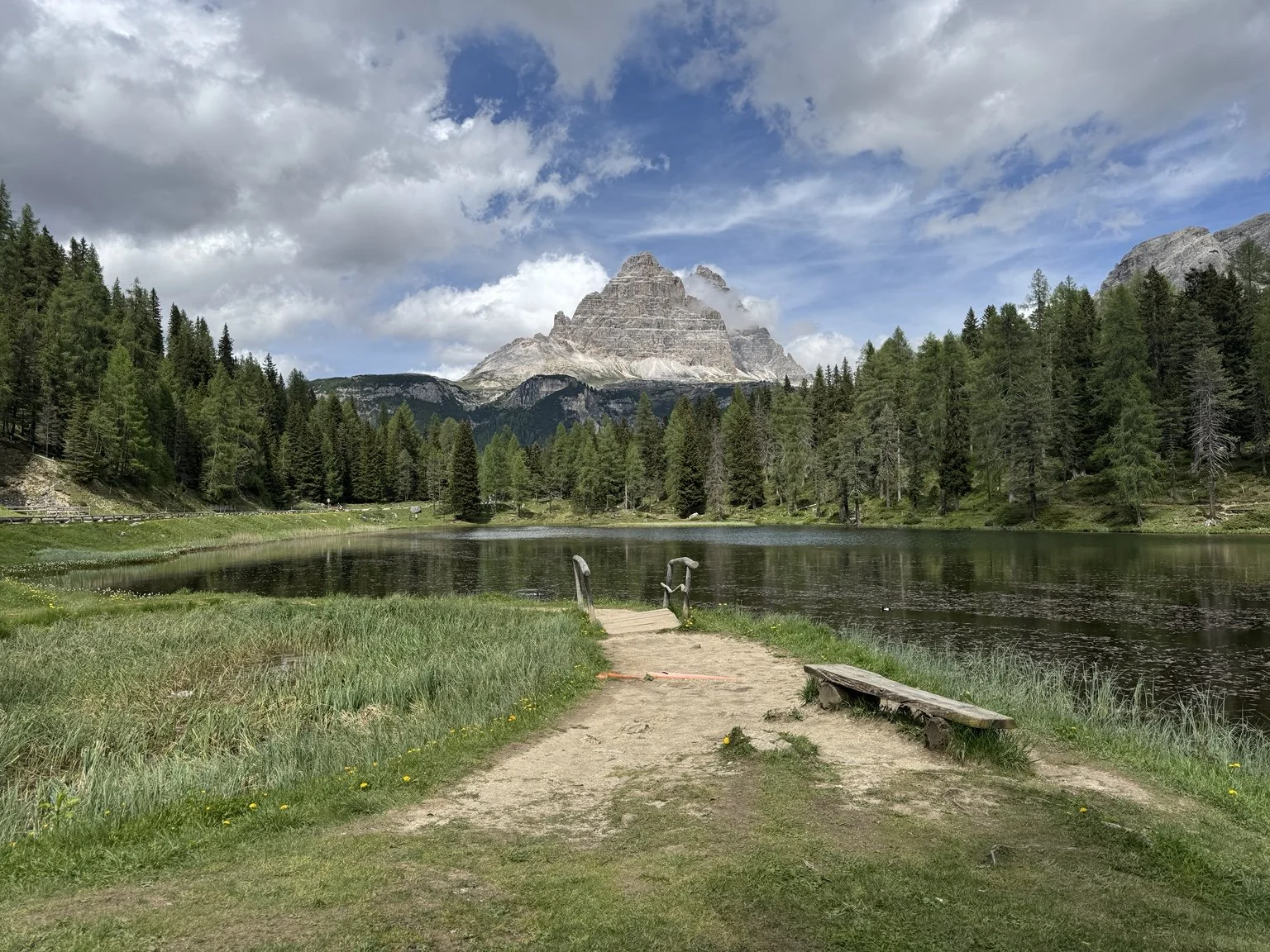
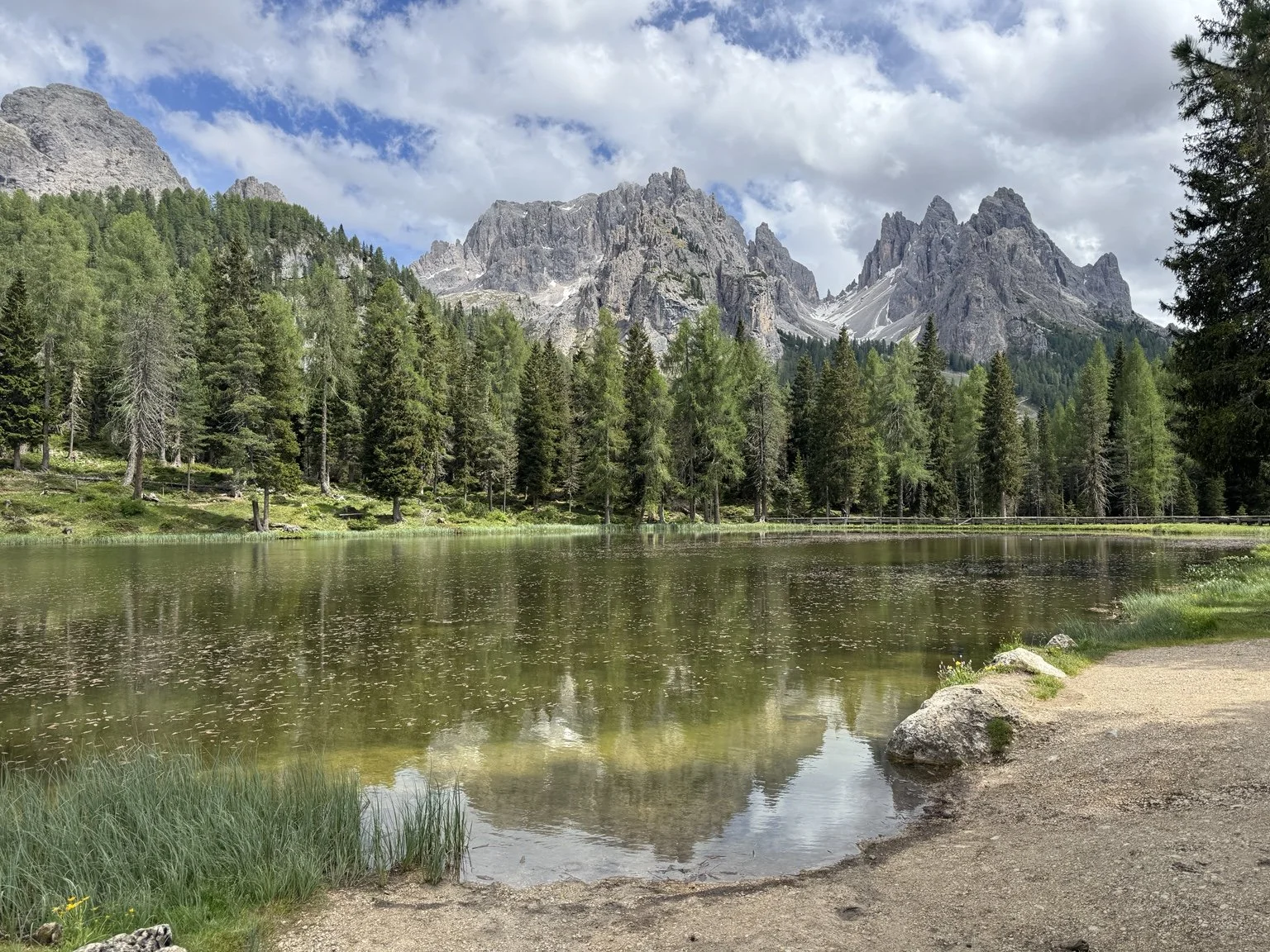
Our next stop was Lago d’Antorno, a peaceful Alpine lake beneath Tre Cime di Lavaredo. It is famous for its mirror-like reflections and also serves as the gateway to Monte Piana’s World War I battlefield museum.
It is one of the easiest and most scenic photo stops in the Dolomites, with free parking available along the lake.
Across the parking lot is Ristorante Lago Antorno and an attached hotel. We decided to stop for a late lunch and ordered a pizza and a sandwich.
Both were pretty good. The prices weren’t bad considering the touristy location, and the service was good. They also offered gelato and several bakery items.
Lago di Landro
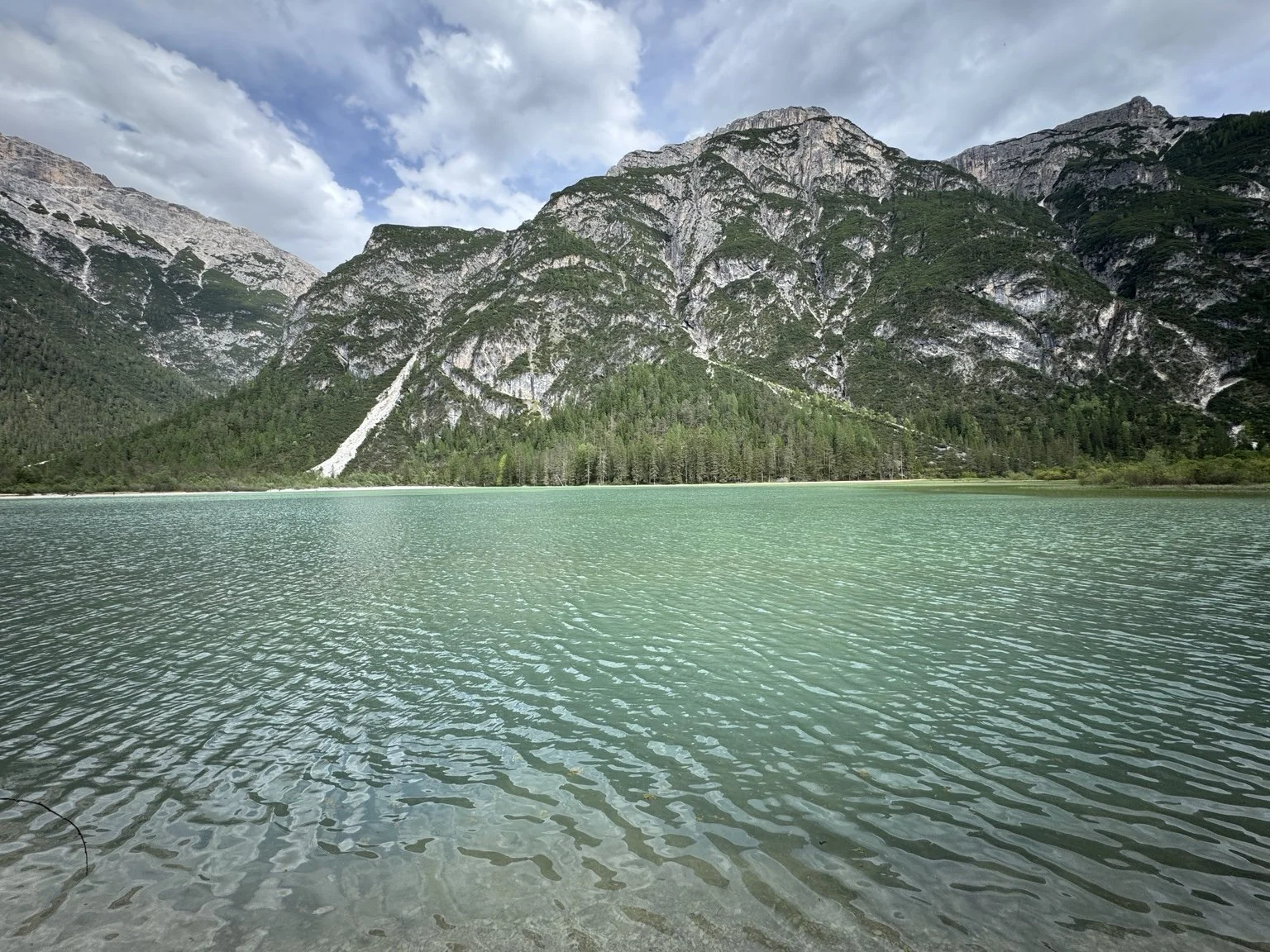
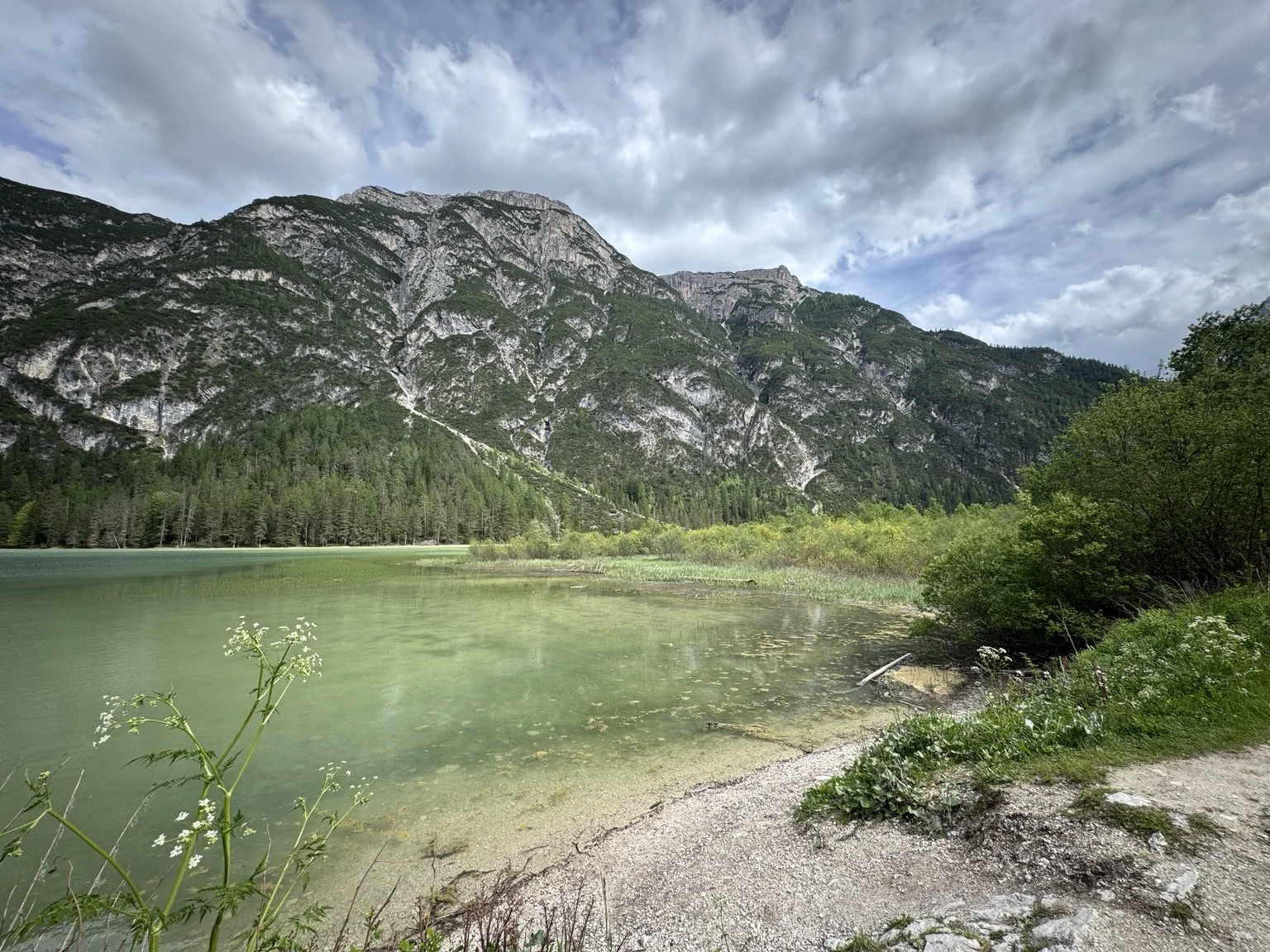
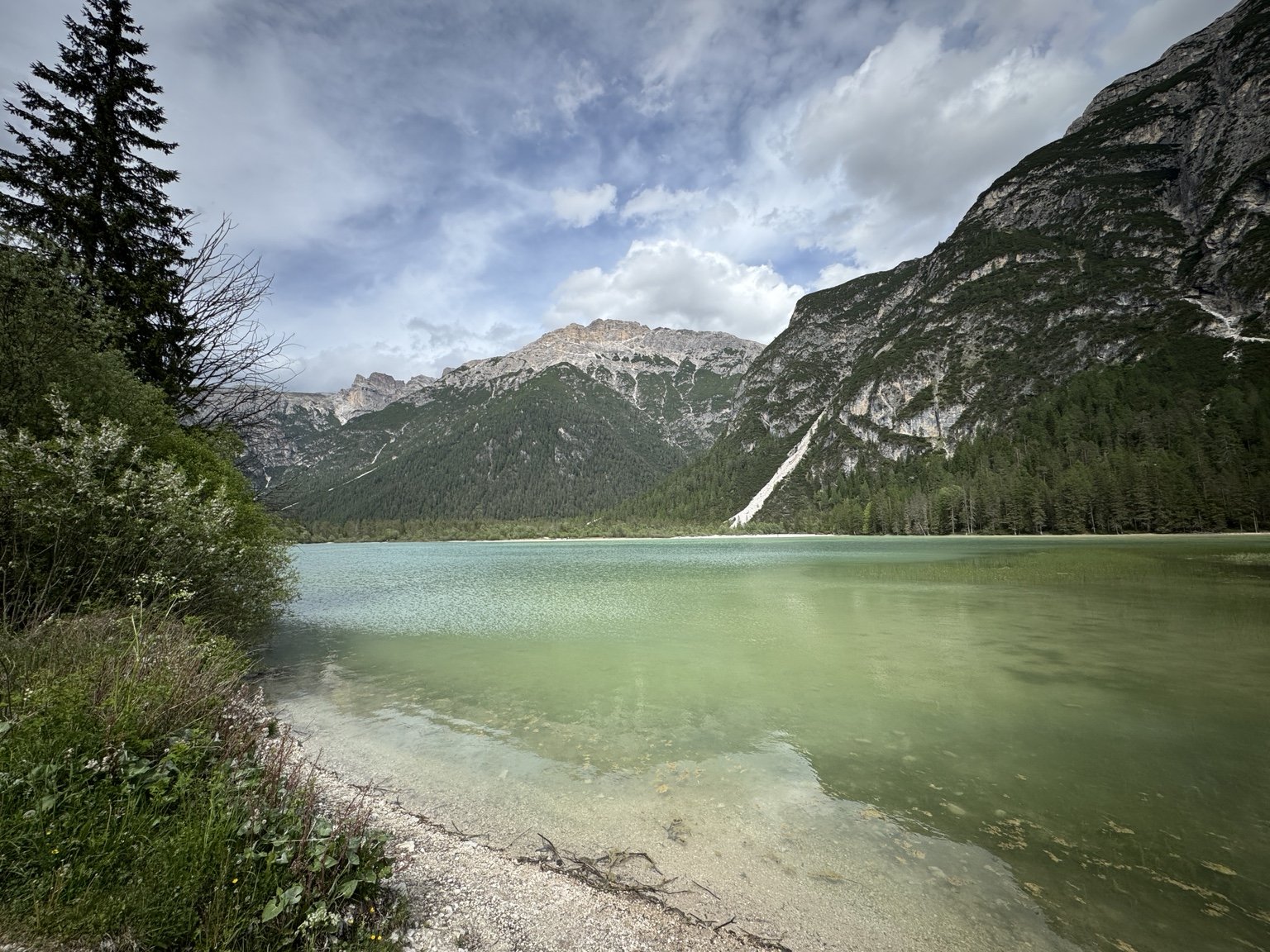
Our final lake of the day was Lago di Landro, a glacial lake known for its emerald-colored water, reflections of Monte Cristallo, and connections to World War I.
During the war, the lake served as an important supply base for the battles on Monte Piana, and traces of that history can still be found along its shores.
There were several paid parking areas along the road, and the cost was relatively low. However, the payment machine was far away, so we only stopped long enough to snap a couple of photos before moving on.
The water was as emerald-blue as advertised, and it was quite pretty.
The Tre Cime Parking Workaround
Now, I’m sure you’re asking: What about Tre Cime?
Visiting Tre Cime requires a parking reservation made in advance. Entry is timed, and you cannot drive up without a reservation. The only availability I could find was after 7:00 PM, which didn’t work with our schedule.
Parking also costs €40.
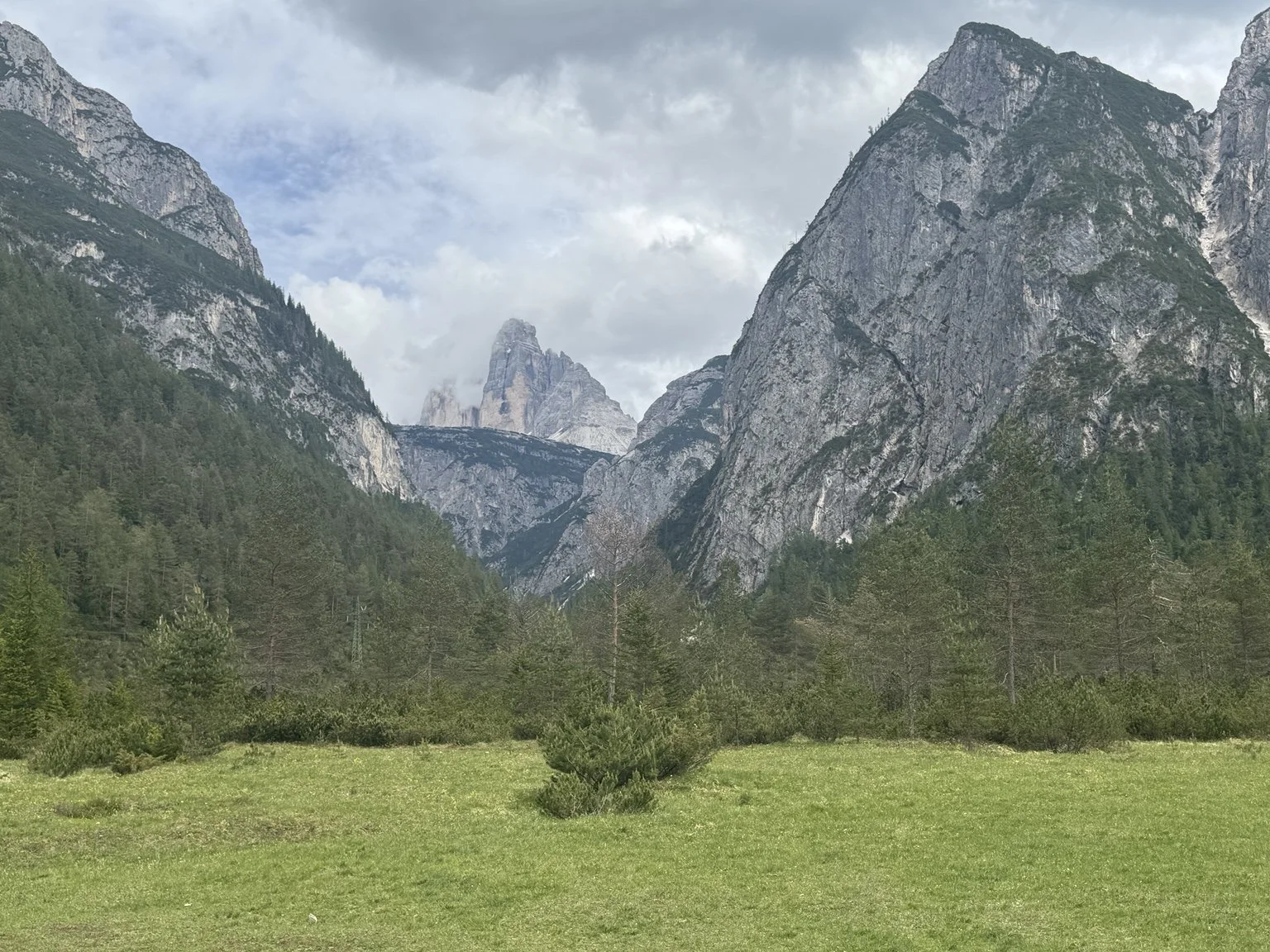
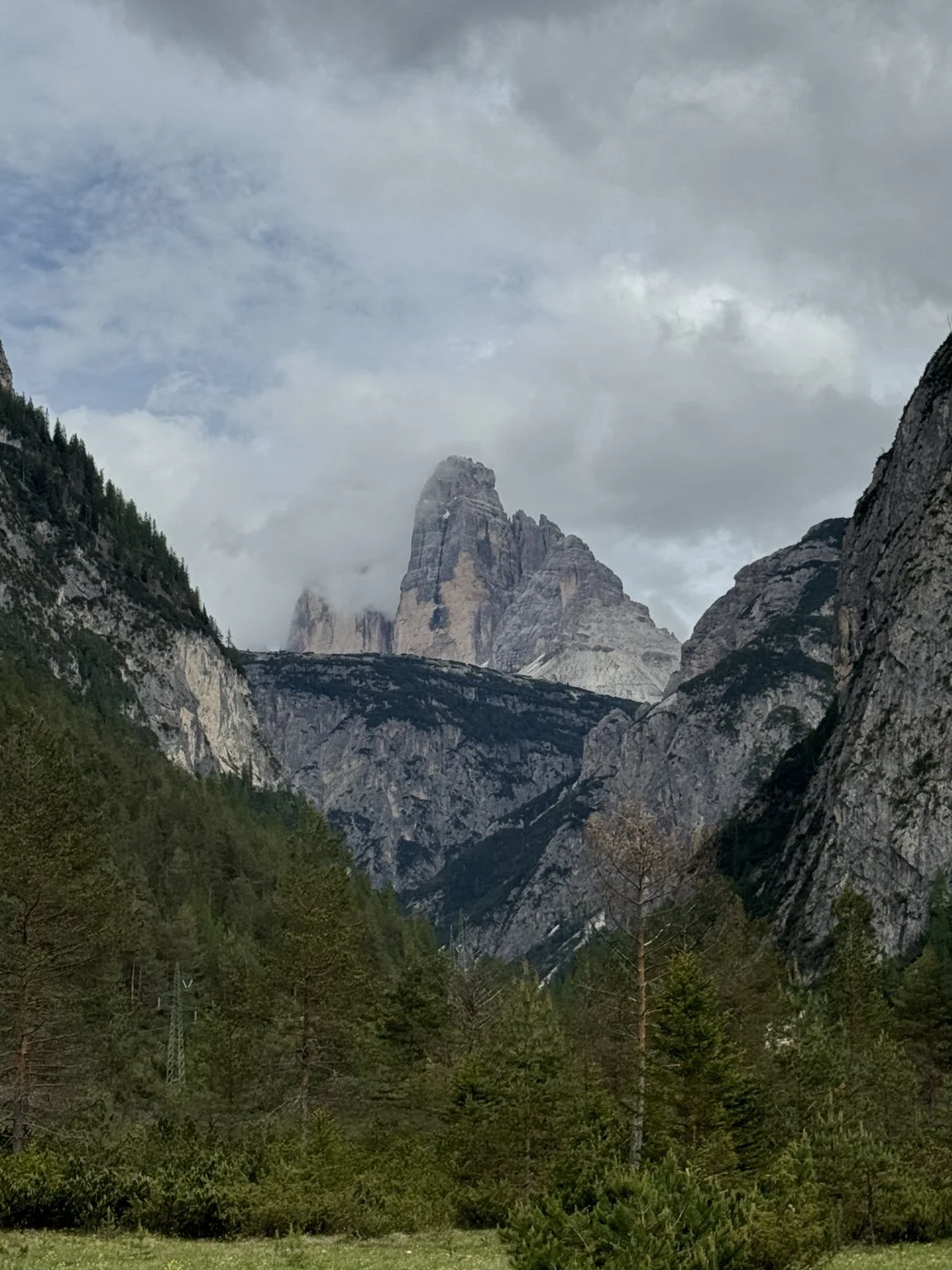
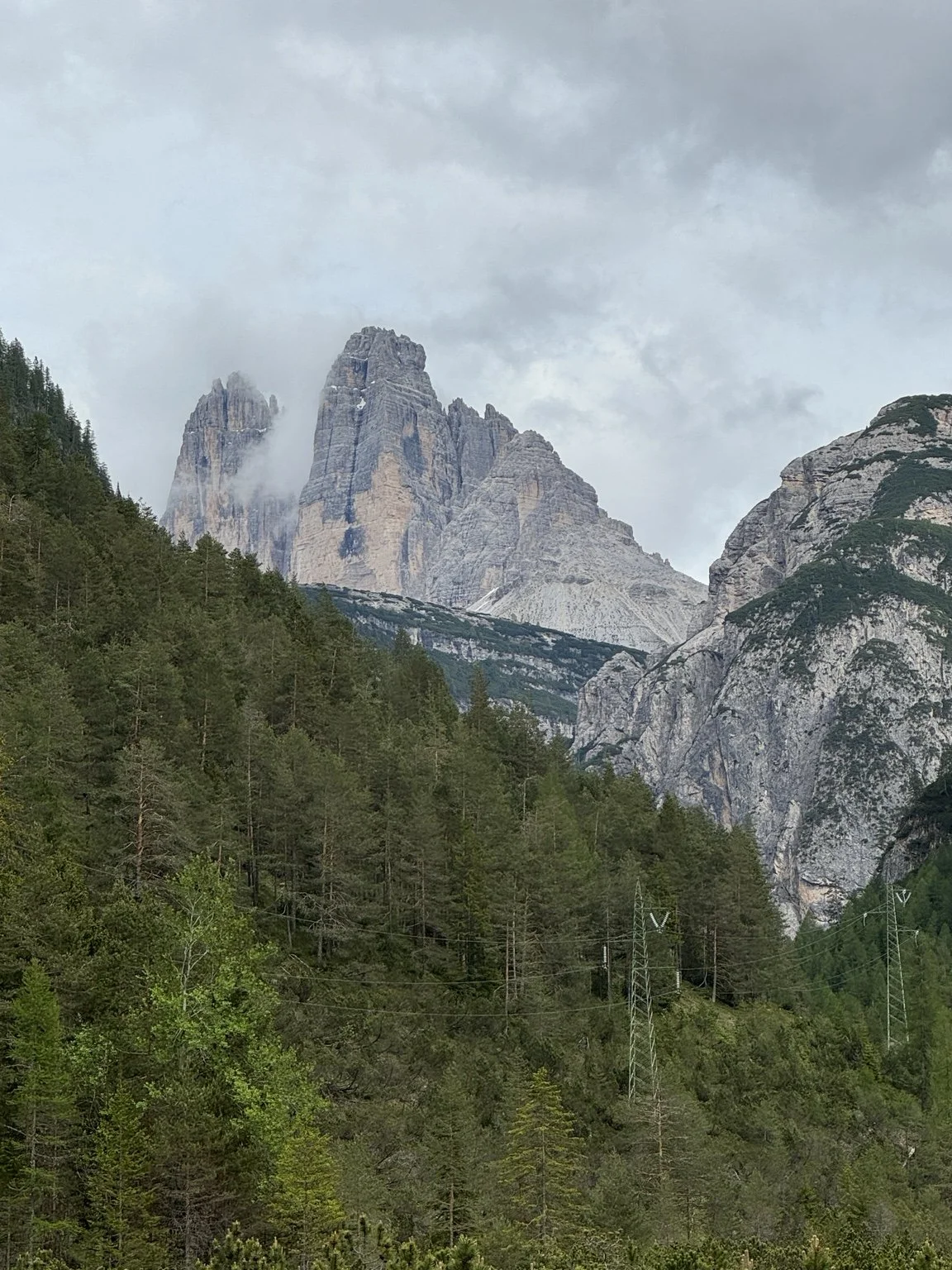
However, we did find the Tre Cime di Lavaredo Viewpoint, also listed as Punto Panoramico Dolomiti.
Tre Cime—the iconic three peaks of the Dolomites—is part of a UNESCO World Heritage Site. Known for its dramatic vertical cliffs, Alpine scenery, and World War I history, it is considered one of Europe’s most spectacular mountain landscapes.
This particular viewpoint is the only place where Tre Cime and Cadini di Misurina can be seen together.
The viewpoint has a large parking lot that costs €1 for 30 minutes. You will most likely need cash or the parking app because cell service was poor and the machine couldn’t process our card.
Luckily, we had a €2 coin.
There is a viewing platform with benches, along with several hiking trails leading away from the parking area.
HOTIDAY Hotel Conegliano
From there, we began heading south toward HOTIDAY Hotel Conegliano. Once we made it out of the Dolomites, the drive along the toll road was smooth.
The hotel had several parking options directly out front. Our room was nice, the shower was hot, and it had both a mini-fridge and air conditioning.
My only complaint was that we had to skip the €8 breakfast—which was a great deal—because we needed to leave by 7:30 AM, and a group of approximately 50 people was scheduled to eat at 7:00 AM.
June 5 · Venice
Colorful Islands, Tourist Chaos & a Mad Dash Through Venice
hu Venezia Camping in Town & the Venice Shuttle
Our home base for Venice was hu Venezia Camping in Town. I had messaged the property in advance about leaving our car there, and they were super chill about it. They even sent me a link to purchase shuttle tickets into Venice.
We originally booked the 9:00 AM shuttle but left our previous hotel earlier than planned because we were already packed and ready. The breakfast area was every bit as chaotic as promised, so we skipped it.
We stopped at a toll plaza along the way, where the boyfriend grabbed some coffee, and arrived at hu Venezia Camping in Town at around 8:20 AM.
The 8:25 AM shuttle still had plenty of empty seats, so we jumped on and headed into Venice.
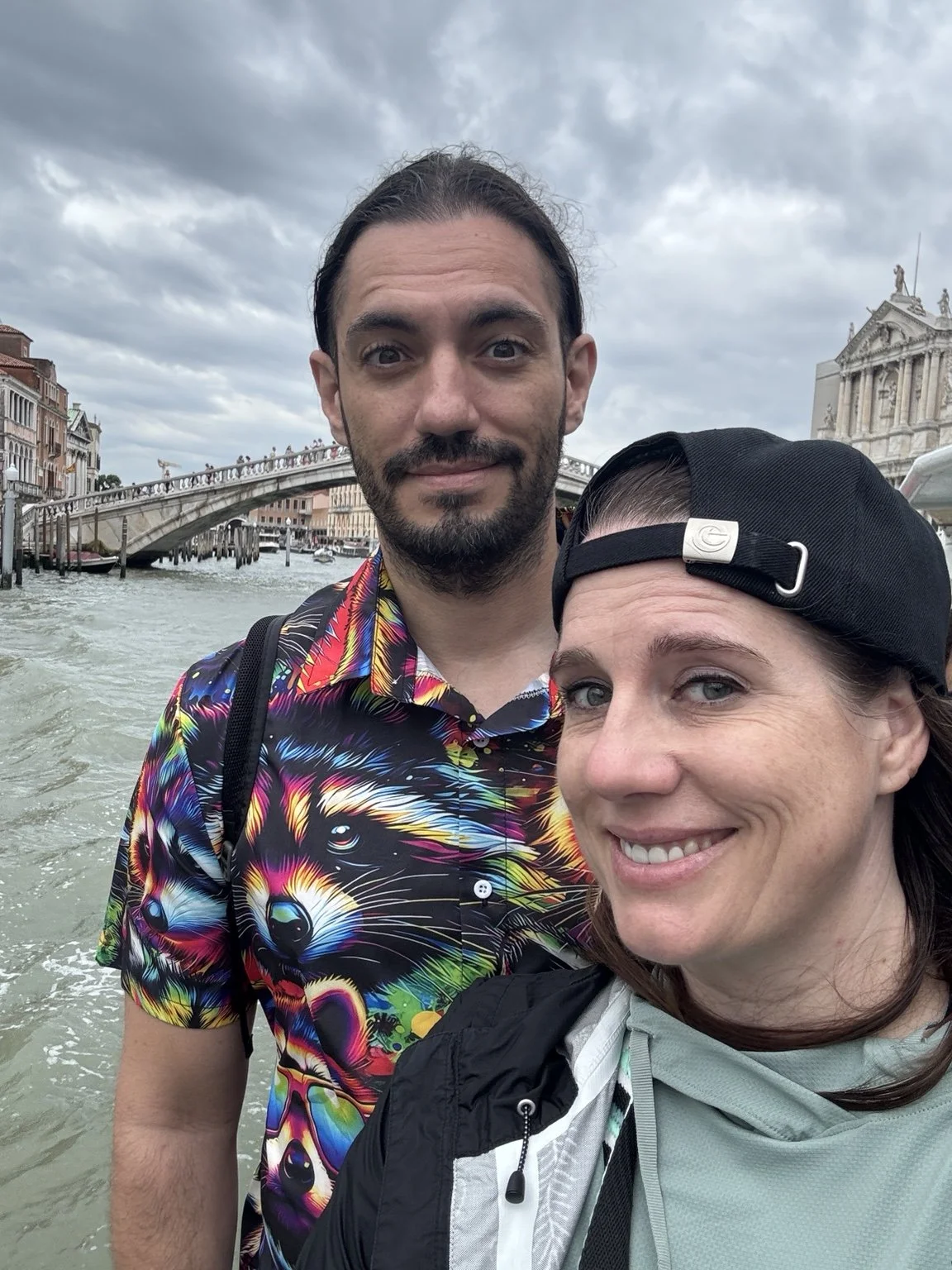
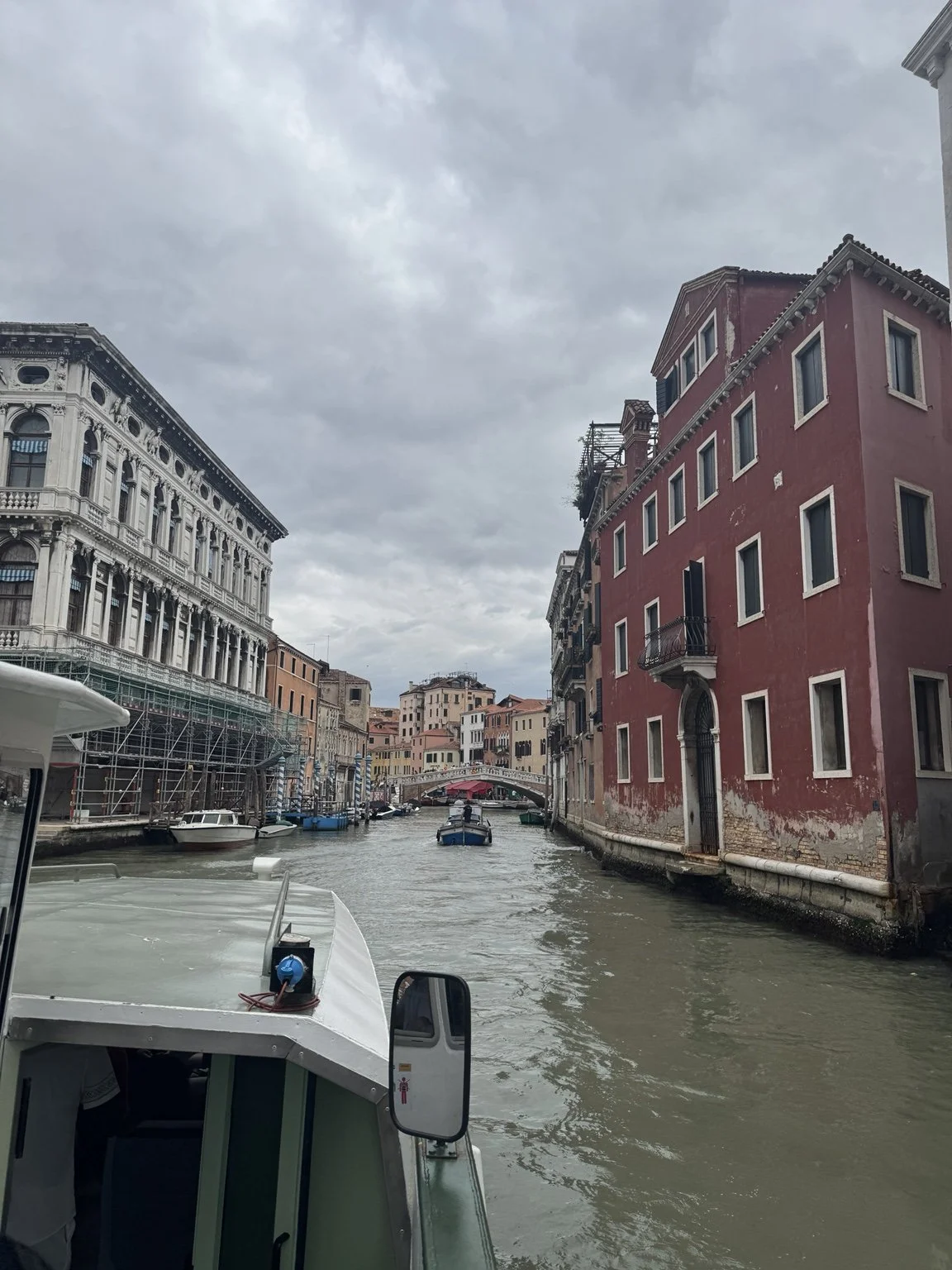
The shuttle dropped us in the Tronchetto area, where we walked to the vaporetto station and purchased €25 day passes. We hopped aboard, traveled to Piazzale Roma, and then connected to Line 12 to reach Murano.
Murano Glass & One Ghost Voodoo Doll
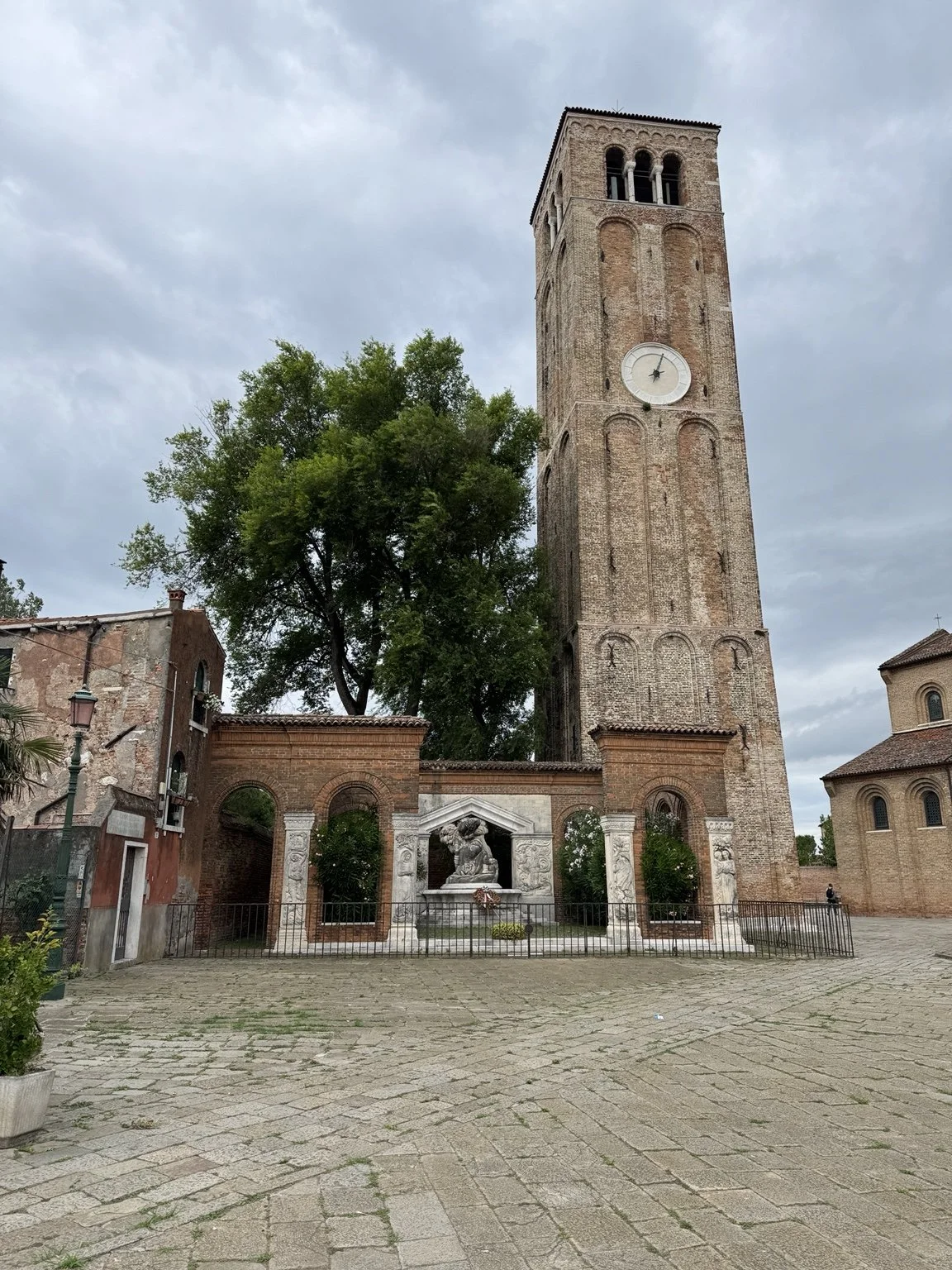
Murano is a small island in the Venetian Lagoon that is world-famous for its glassmaking tradition. In 1291, Venice moved its glass furnaces to Murano to reduce the risk of fires within the city. Over the centuries, Murano’s master artisans developed innovative glassmaking techniques and produced some of Europe’s most prized glass—a tradition that continues today.
Visitors can watch live glassblowing demonstrations and explore the island’s historic canals and churches.
The church charged admission, so we skipped the interior and simply wandered around looking at the exterior and exploring the island. I also bought a piece of artwork made from glass beads in the shape of a ghost voodoo doll.
Colorful Burano
We then jumped back onto Line 12 for our next island: Burano.
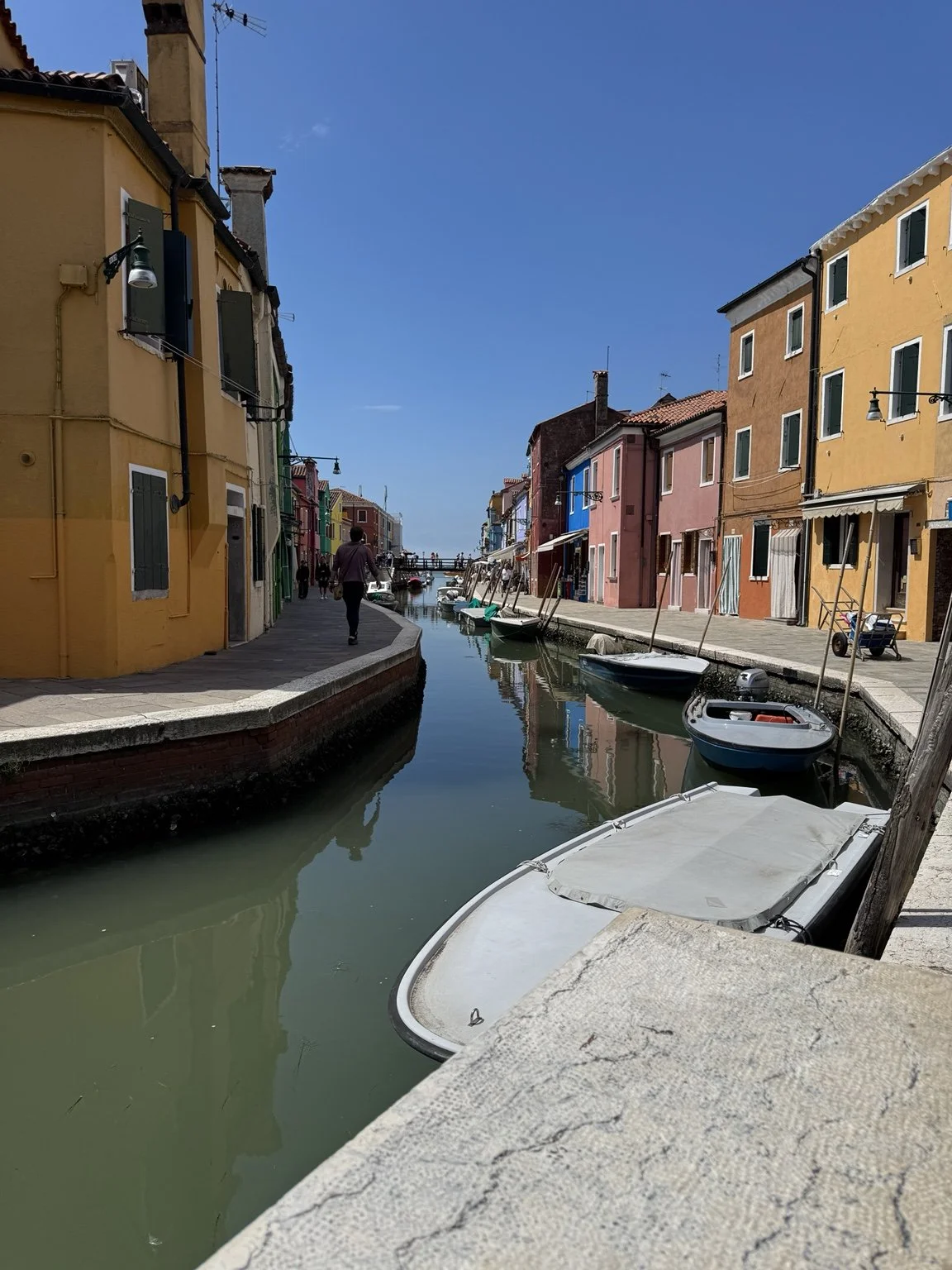
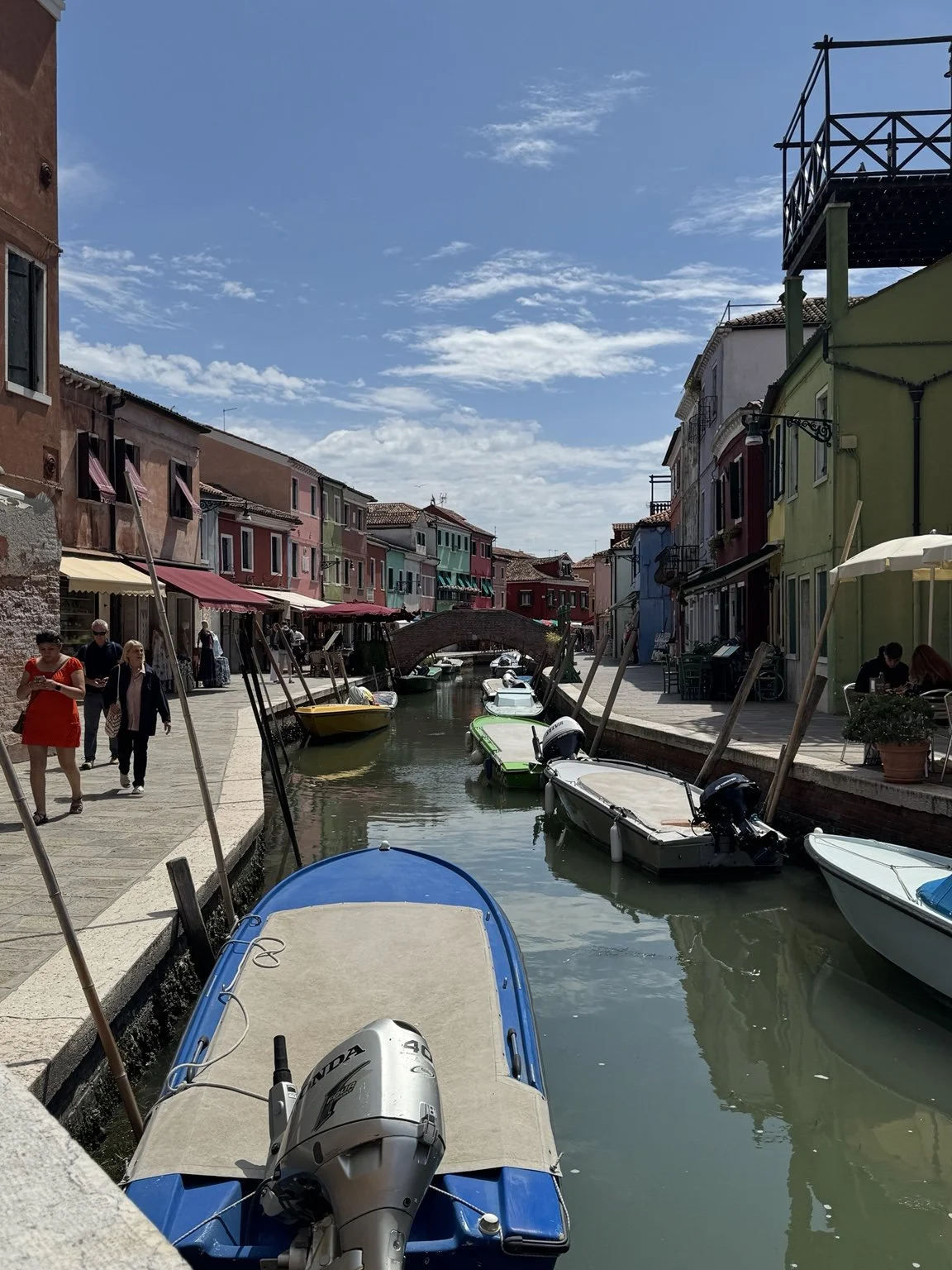
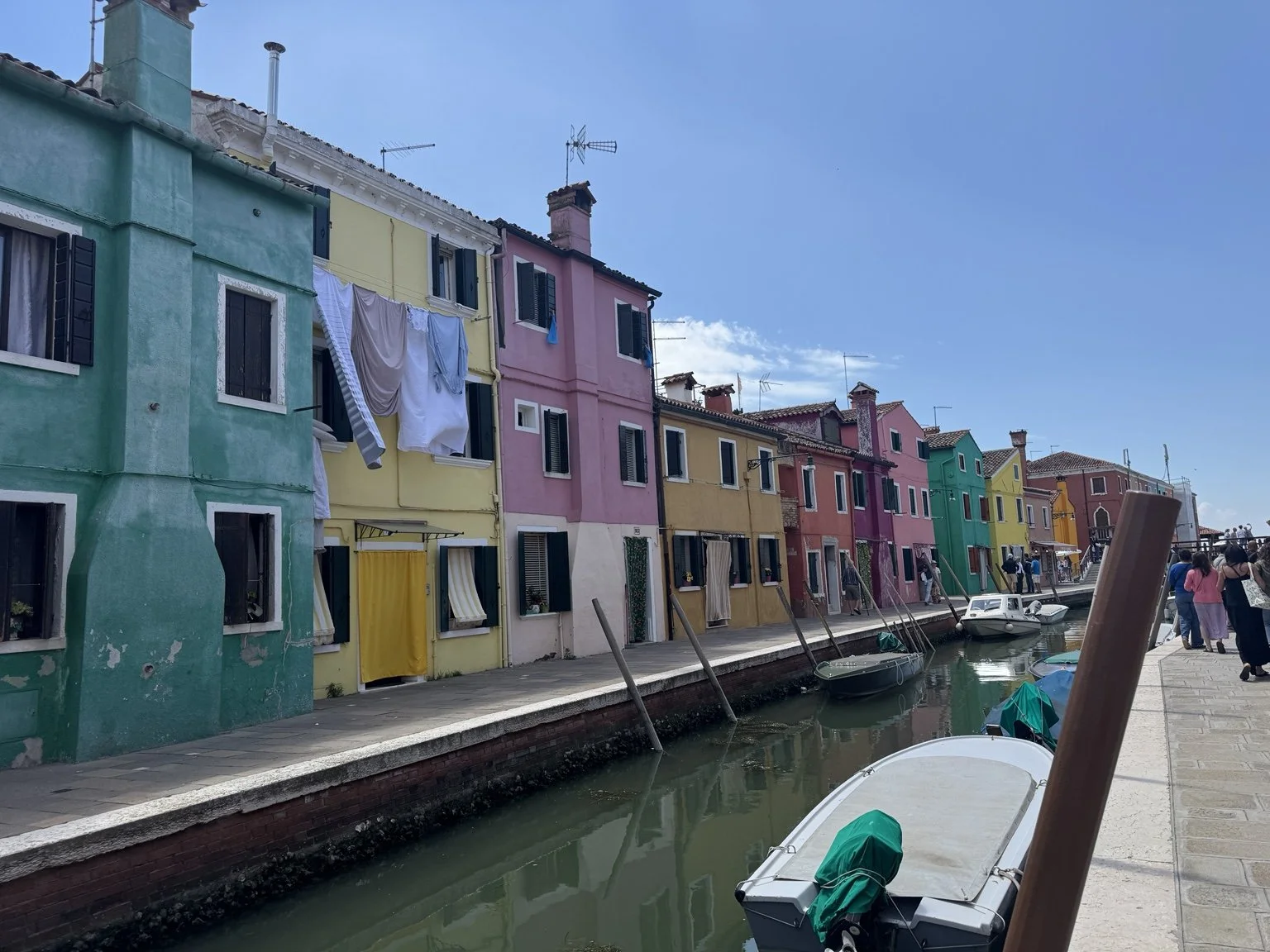
Burano is known for its brightly colored houses and centuries-old lace-making tradition. According to legend, fishermen painted their homes vivid colors so they could recognize them through the thick lagoon fog.
Today, Burano is one of the most photographed destinations near Venice, offering colorful streets, picturesque canals, and a more relaxed atmosphere than the constant bustle of the main city.
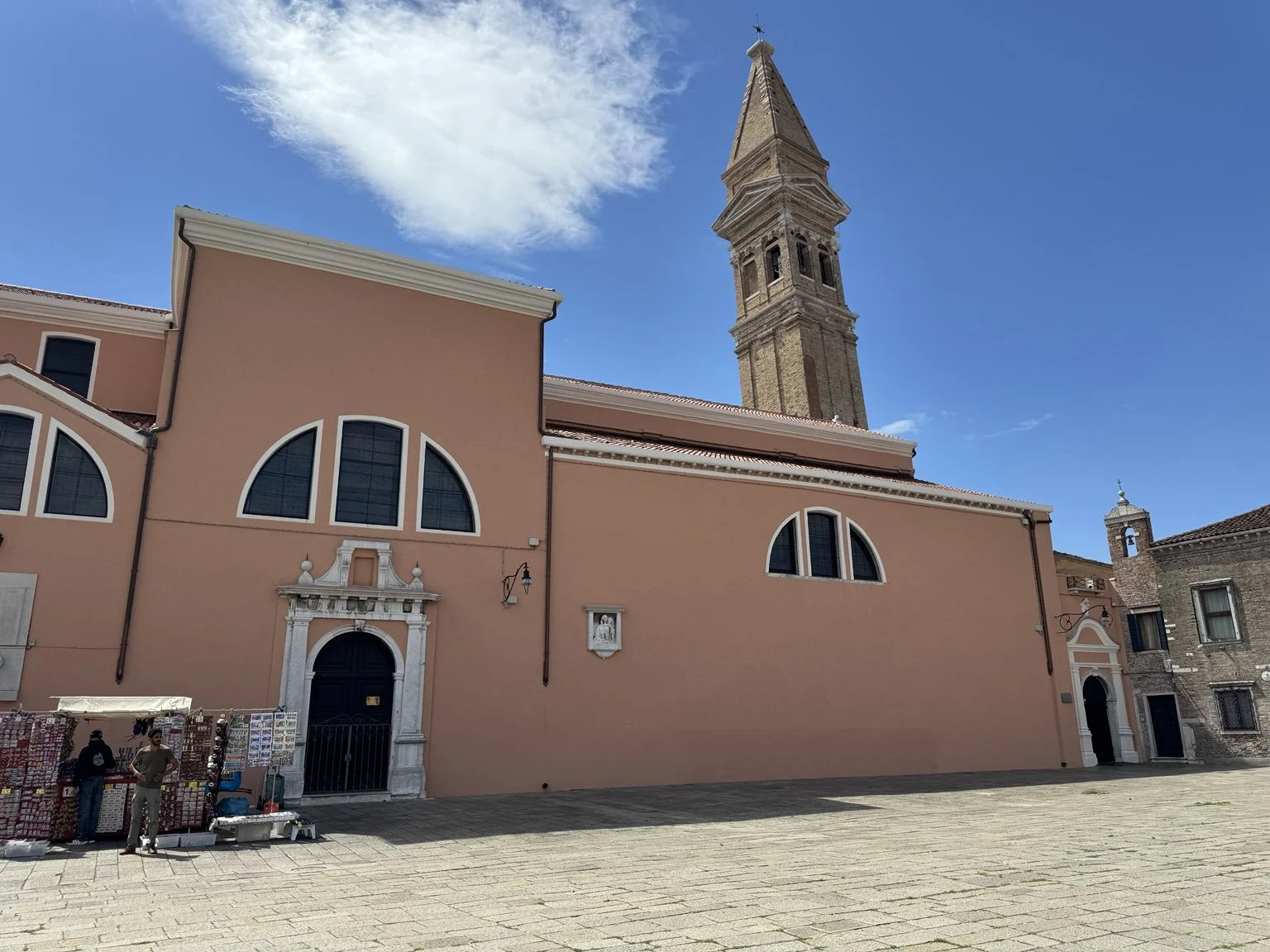
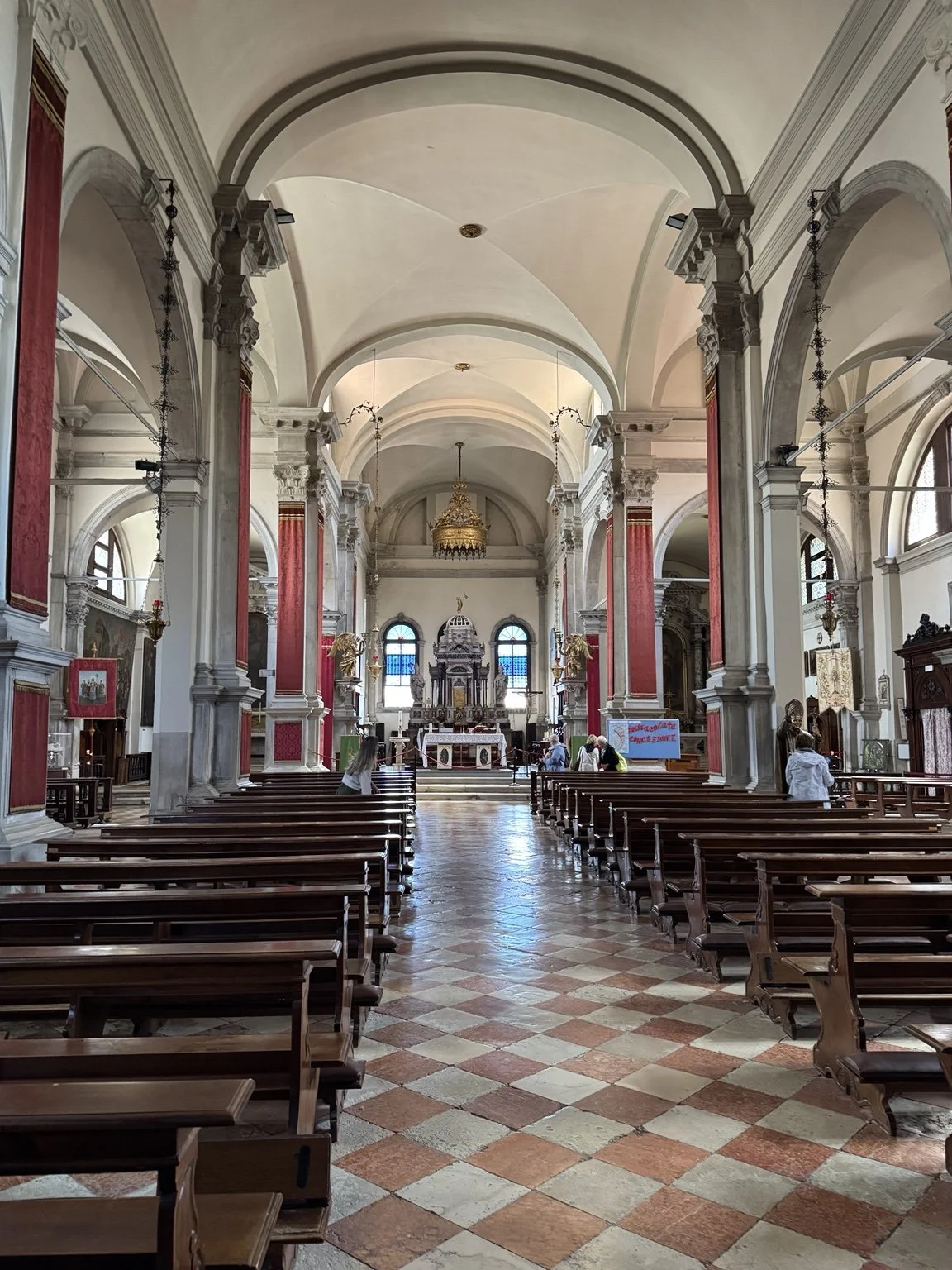
We saw the island’s leaning bell tower, which is attached to the Church of San Martino. Burano’s historic parish church dates primarily to the 16th century and is dedicated to Saint Martin of Tours. Its bell tower leans because of the soft lagoon soil.
Inside the church, visitors can also see The Crucifixion, a masterpiece by Venetian painter Giambattista Tiepolo.
We stopped for lunch at Ristorante Pizzeria Principe and ordered lasagne and gnocchi. Both were good, the prices were some of the better ones we found on the island, and the service was excellent.
Campo dei Mori & Libreria Acqua Alta
After lunch, we hopped back onto the vaporetto and returned to Fondamente Nove, where we began trekking through Venice.
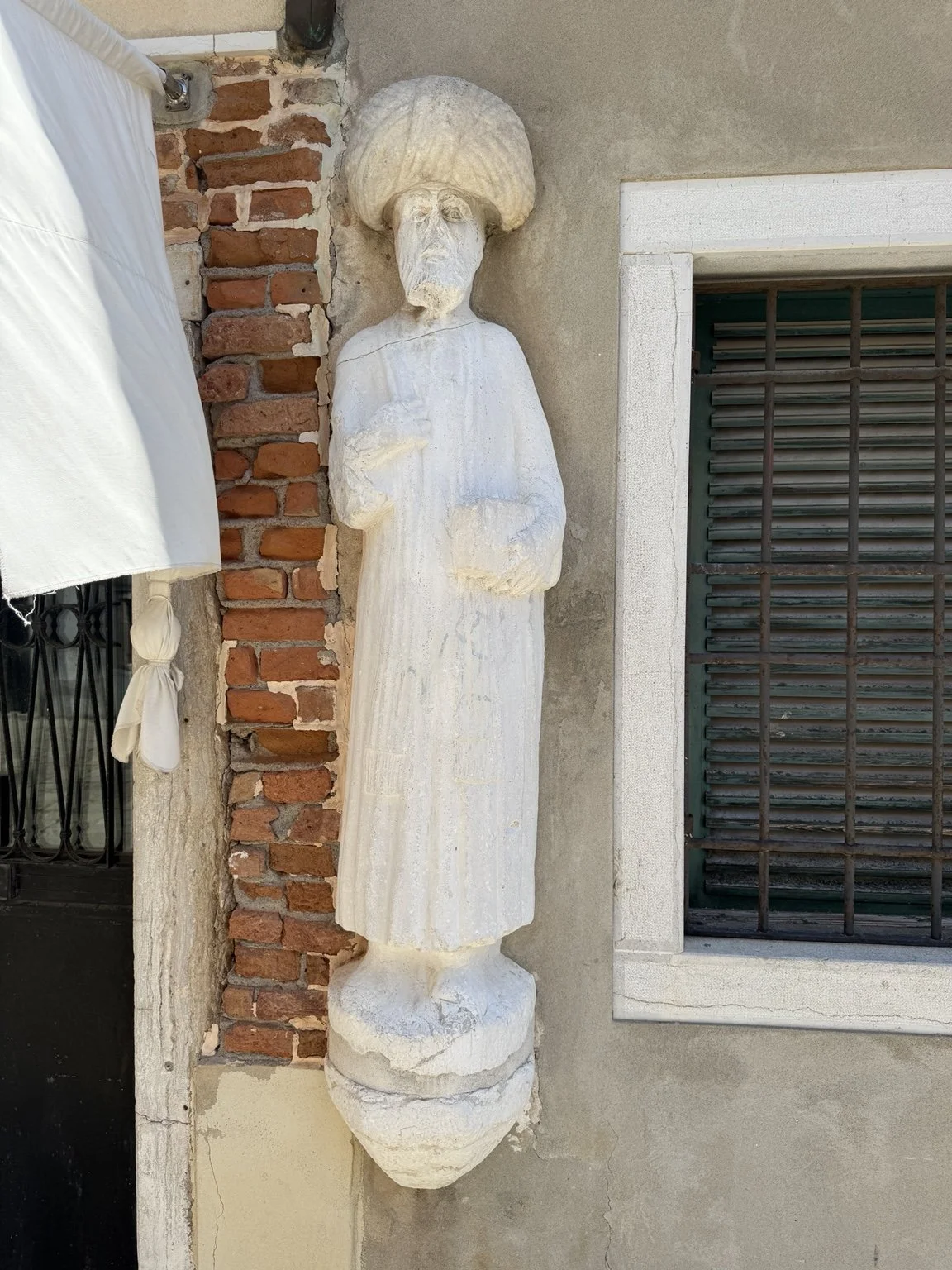
Our first stop was Campo dei Mori, a quiet square in the Cannaregio district known for its unusual stone statues of the Mastelli brothers, medieval merchants who settled in Venice.
According to local legend, the brothers were turned to stone after cheating a customer, giving the square one of the city’s more colorful stories. Today, it remains a strange little corner of Venice away from the main tourist crowds.
Be warned: this stop isn’t for everyone.
The statues are semi-weird, and the payoff is probably not worth the walk for the average tourist. However, if you enjoy strange sights, it may be for you.
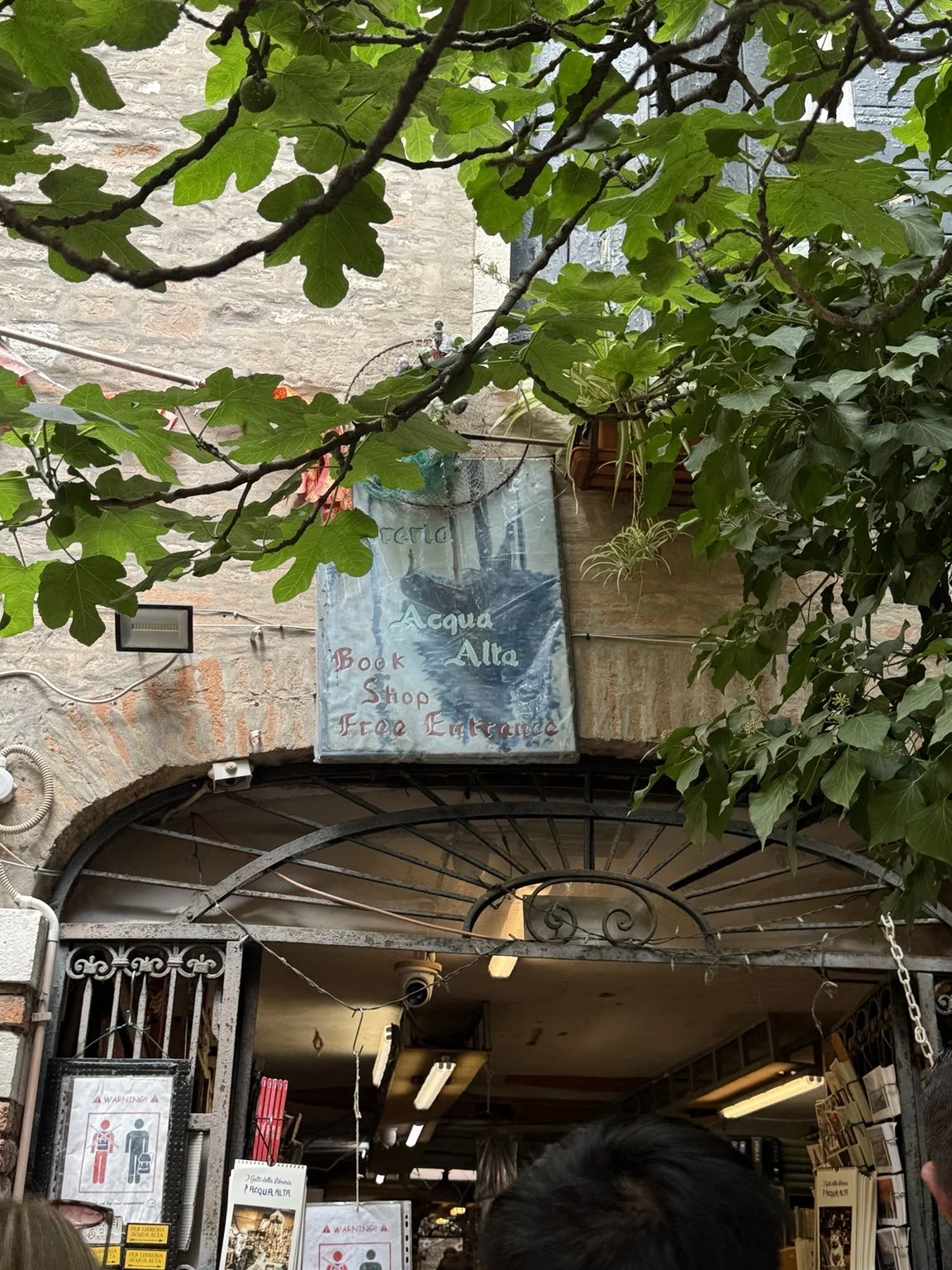
Next, we made our way to Libreria Acqua Alta.
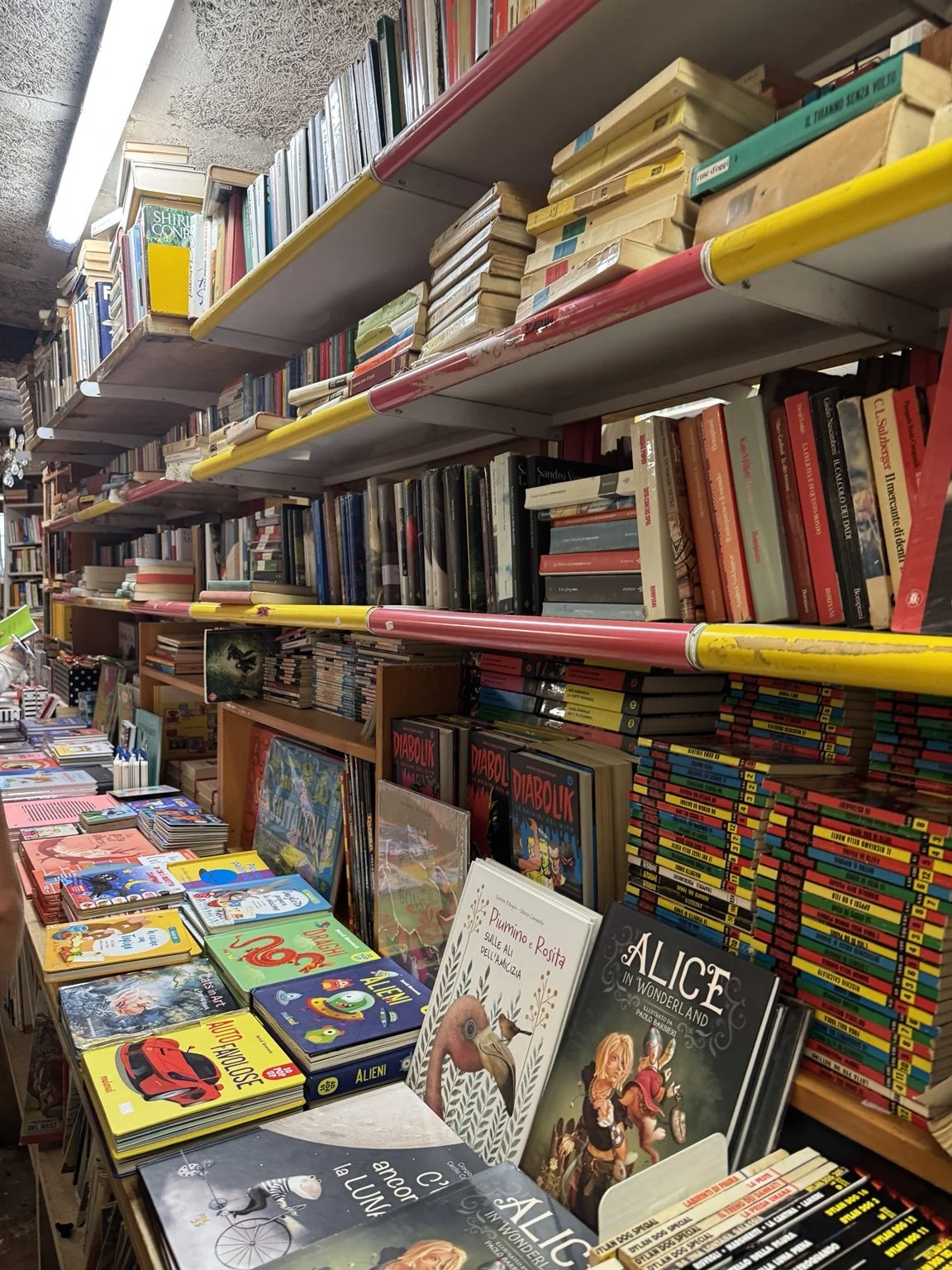
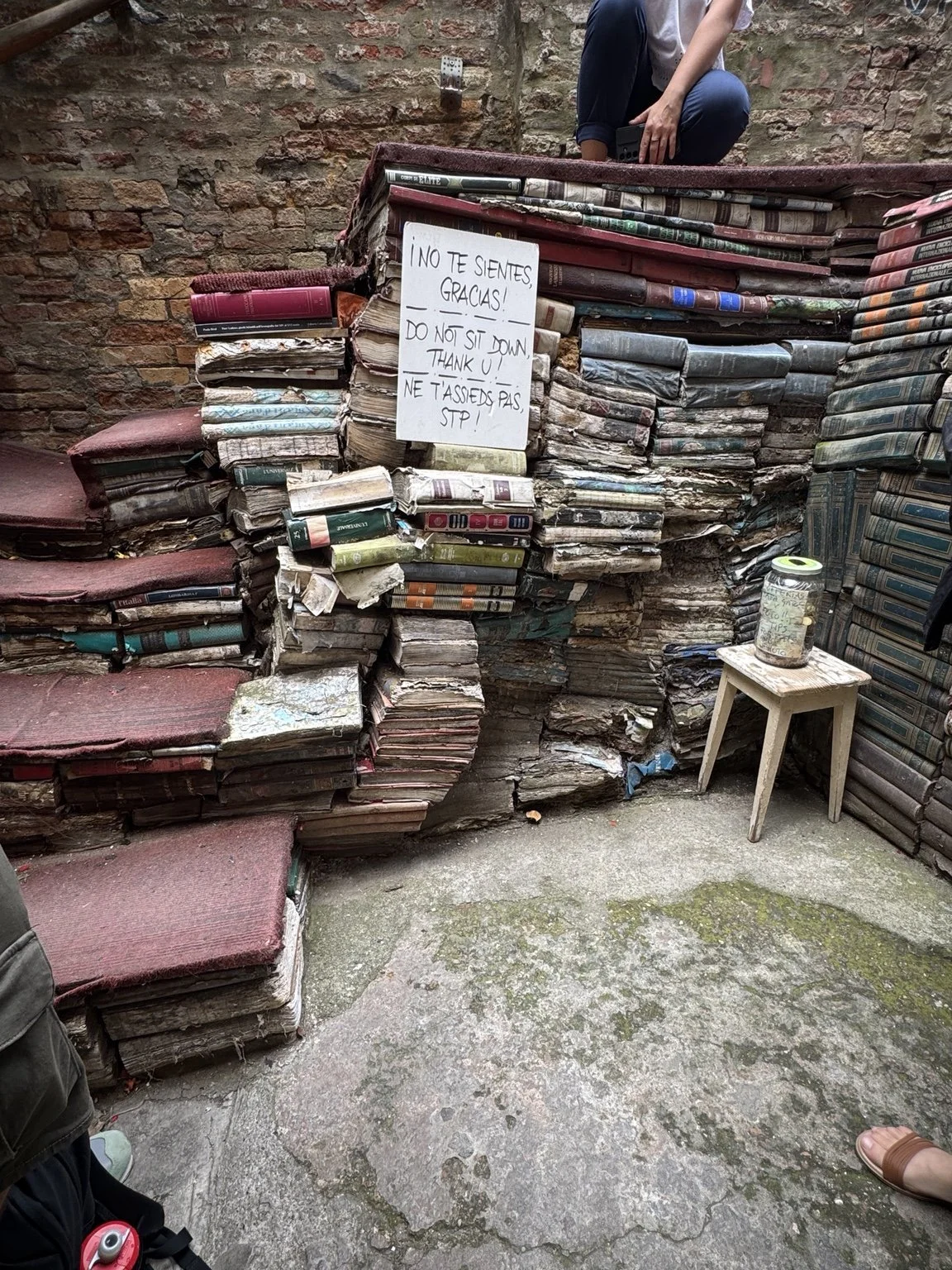
Founded in 2002, Libreria Acqua Alta is one of Venice’s most unique bookstores. Its name means “High Water Bookstore,” referring to the city’s frequent flooding. To protect its books, the shop stores them inside gondolas, bathtubs, and boats, creating an atmosphere unlike any other bookstore in the world.
Visitors can browse thousands of books, meet the resident cats, and climb the famous staircase made entirely from old books.
I really wanted to love this place because physical bookstores are disappearing. Unfortunately, it felt more like a tourist attraction than an actual bookstore.
It was so crowded that if you stopped to look at anything, you immediately became an asshole blocking everyone behind you. The aisles were incredibly narrow, and approximately 90% of the people appeared to be there solely to take photos.
They did have some interesting books, and luckily, at least a few people were making purchases. It was just too much for me, and I couldn’t browse freely enough to find something for my weird book collection.
San Zaccaria, the Bridge of Sighs & Doge’s Palace
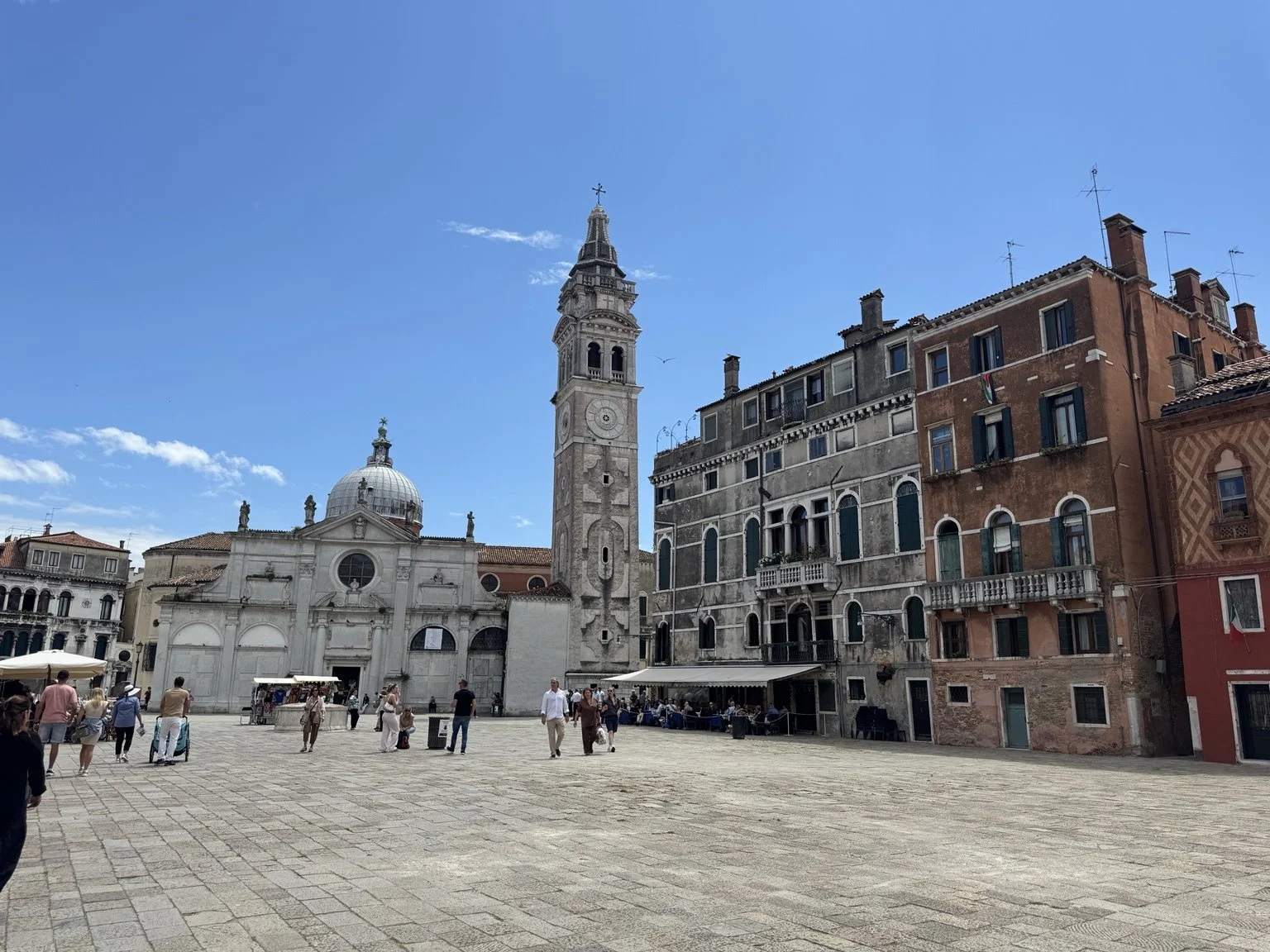
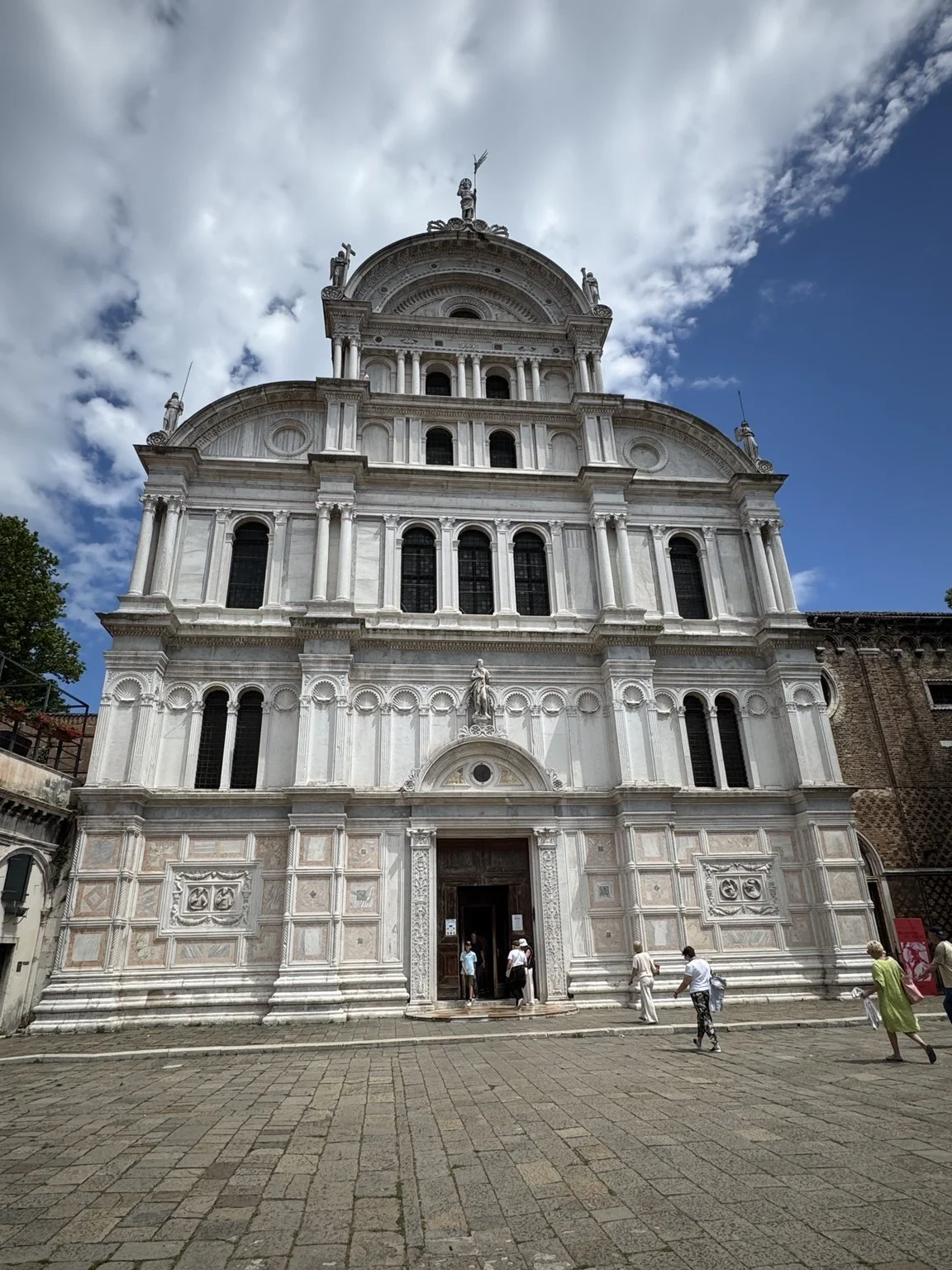
Continuing through the city, we stopped at the Church of San Zaccaria.
Founded during the ninth century, San Zaccaria is one of Venice’s oldest and most historically important churches. It was built to house the relics of Saint Zechariah and remained closely connected to Venice’s noble families and doges for centuries.
The current Gothic-Renaissance church is known for its elegant marble façade, Bellini’s famous altarpiece, and a unique flooded crypt beneath the building.
From there, it was only a short walk to several of Venice’s biggest highlights.
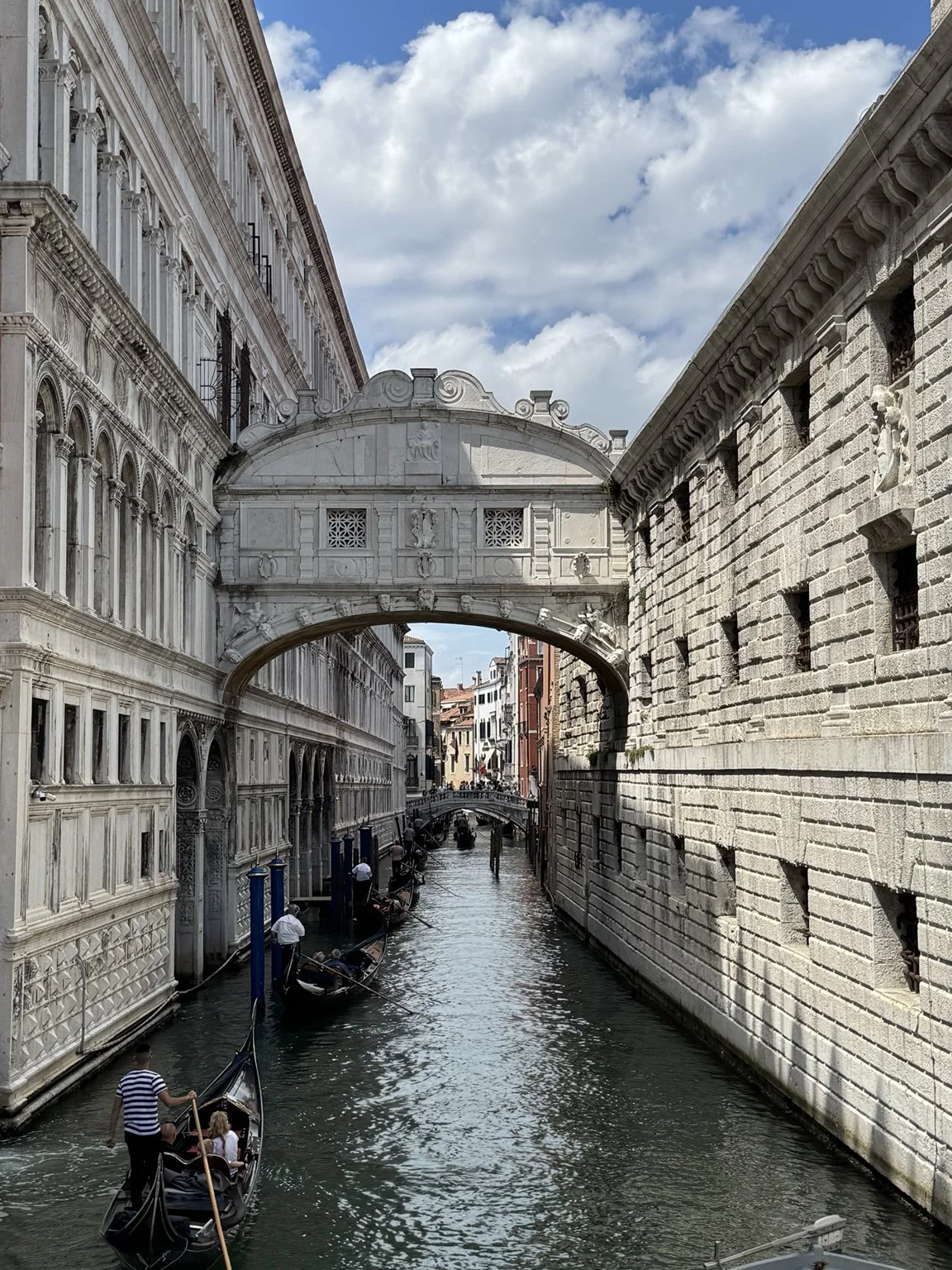
We began with the Bridge of Sighs. Built in 1600, the bridge connects Doge’s Palace with the historic prison. According to legend, prisoners sighed while crossing it because its small barred windows offered their final glimpse of Venice before imprisonment.
Today, it remains one of the city’s most famous and photographed landmarks.
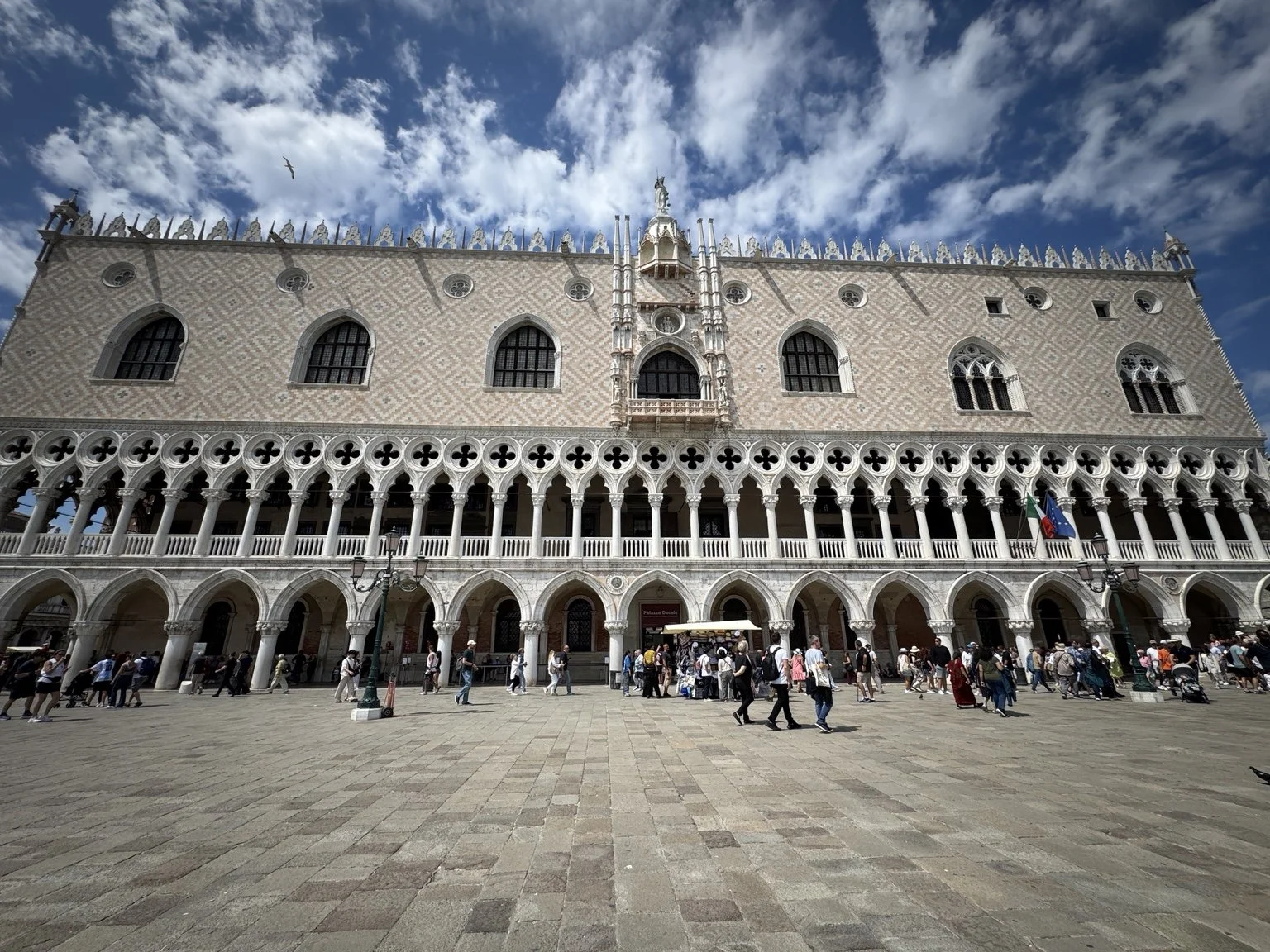
Next was Doge’s Palace, which served as the political center of the Venetian Republic for nearly 1,000 years. Built in the Gothic style, it was both the Doge’s residence and the home of Venice’s government, courts, and prisons.
Visitors can explore its lavish halls and impressive artwork while getting a glimpse into the immense power and wealth of historic Venice.
We only experienced the outside. This was another attraction that required a prebooked, timed ticket, and it simply wasn’t something we wanted to spend money on.
Piazza San Marco & the St. Mark’s Ticket I Regret Not Booking
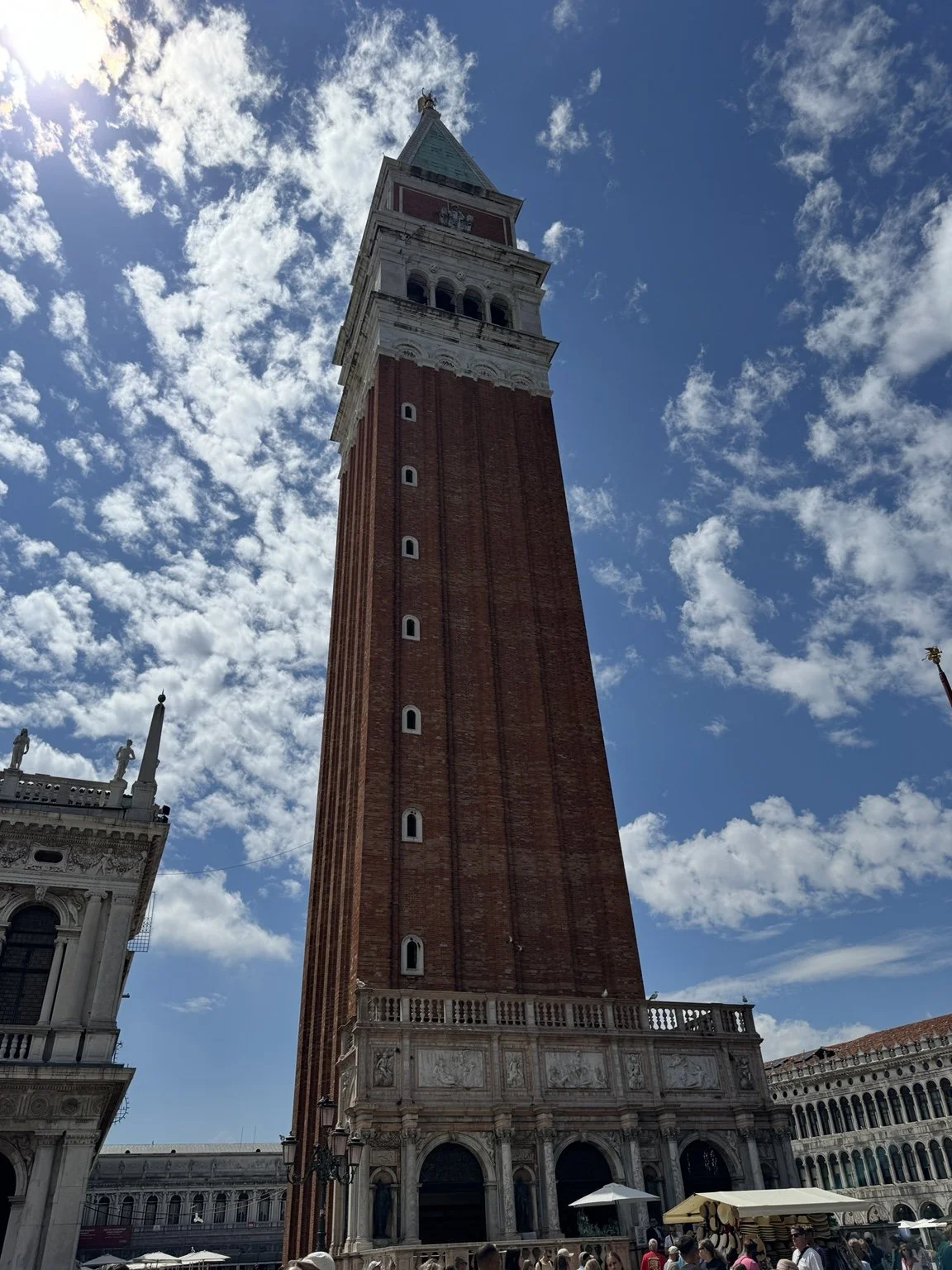
The palace sits beside Piazza San Marco, Venice’s most famous square and the city’s political, religious, and social heart for centuries. It is surrounded by landmarks such as St. Mark’s Basilica, Doge’s Palace, and the Campanile, making it one of Italy’s most recognizable historic public spaces.
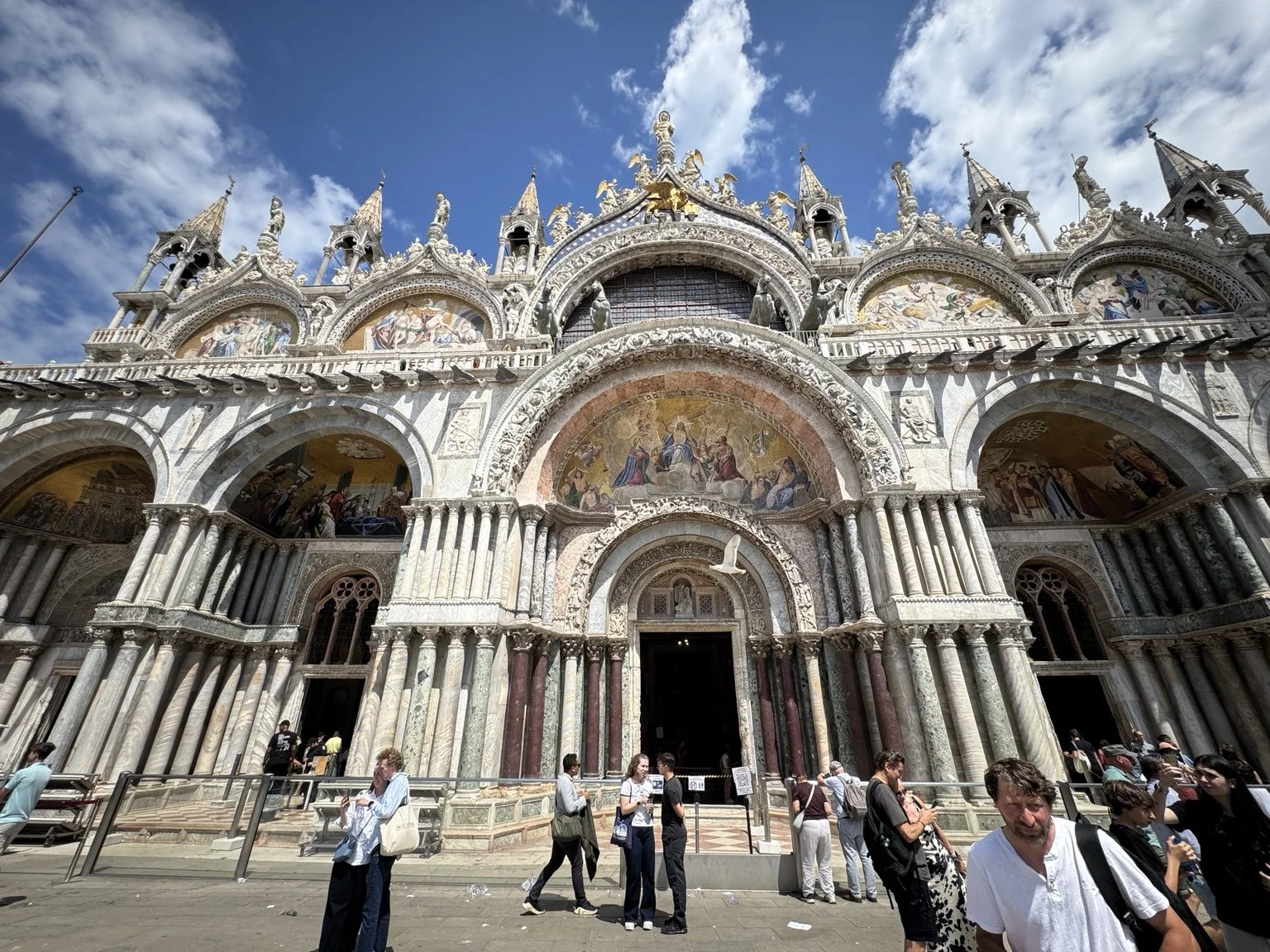
Also dominating the square is St. Mark’s Basilica.
Built to house the relics of Saint Mark the Evangelist, the basilica has served as Venice’s spiritual heart for nearly 1,000 years. Its Byzantine architecture, soaring domes, and glittering gold mosaics reflect the historic wealth and influence of the Venetian Republic.
This was another attraction requiring a prebooked, timed ticket—and the only thing on the entire trip that I genuinely regret not booking.
The basilica looked unreal from the outside and may be one of the most impressive churches I have EVER seen.
Just do it. Buy the ticket in advance.
We continued staring at the plaza for a while longer, soaking in all its grandness and history. Eventually, we headed toward the vaporetto stop to travel to San Giorgio Maggiore.
San Giorgio Maggiore & Hidden 3D-Printed Art
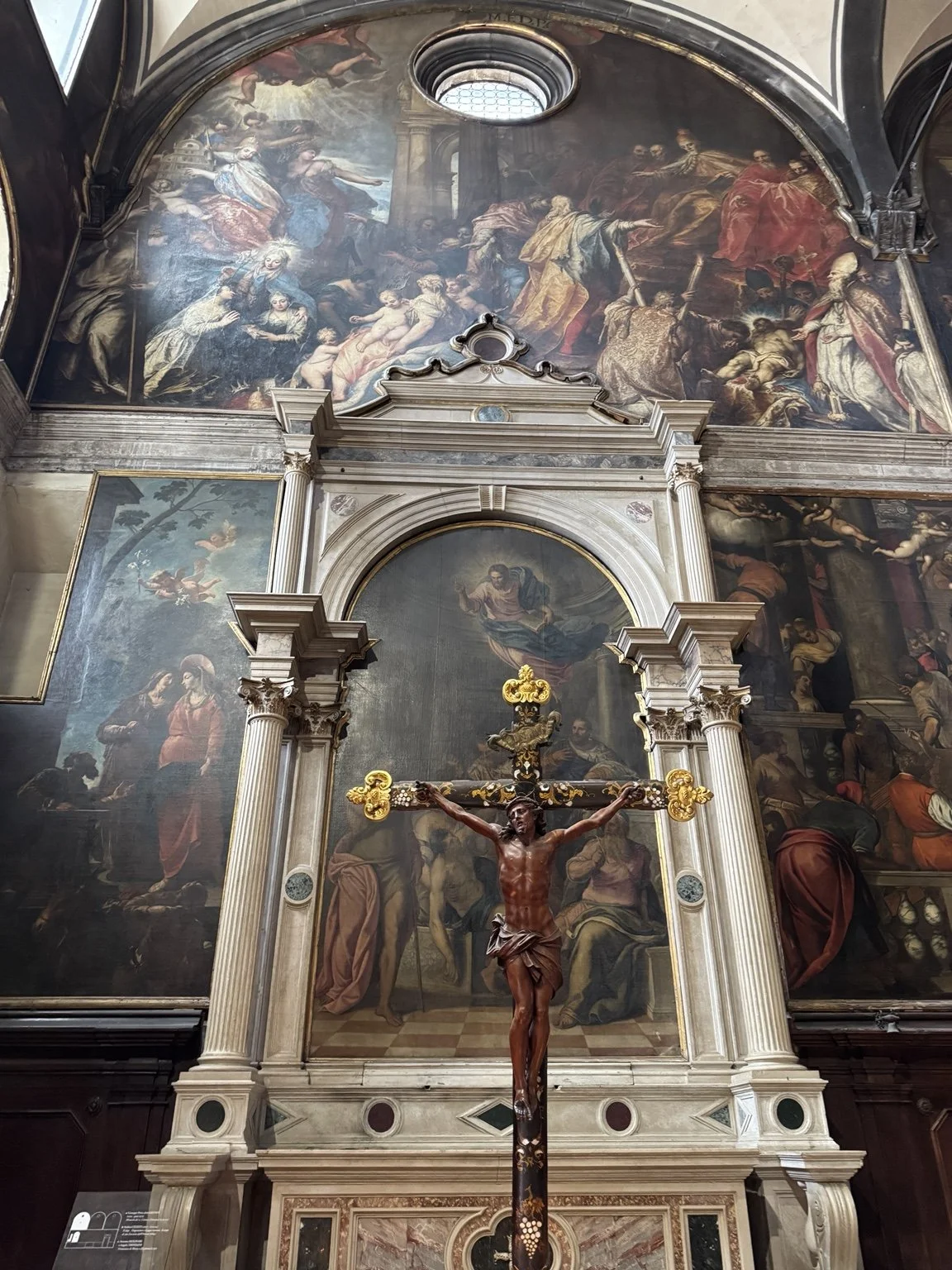
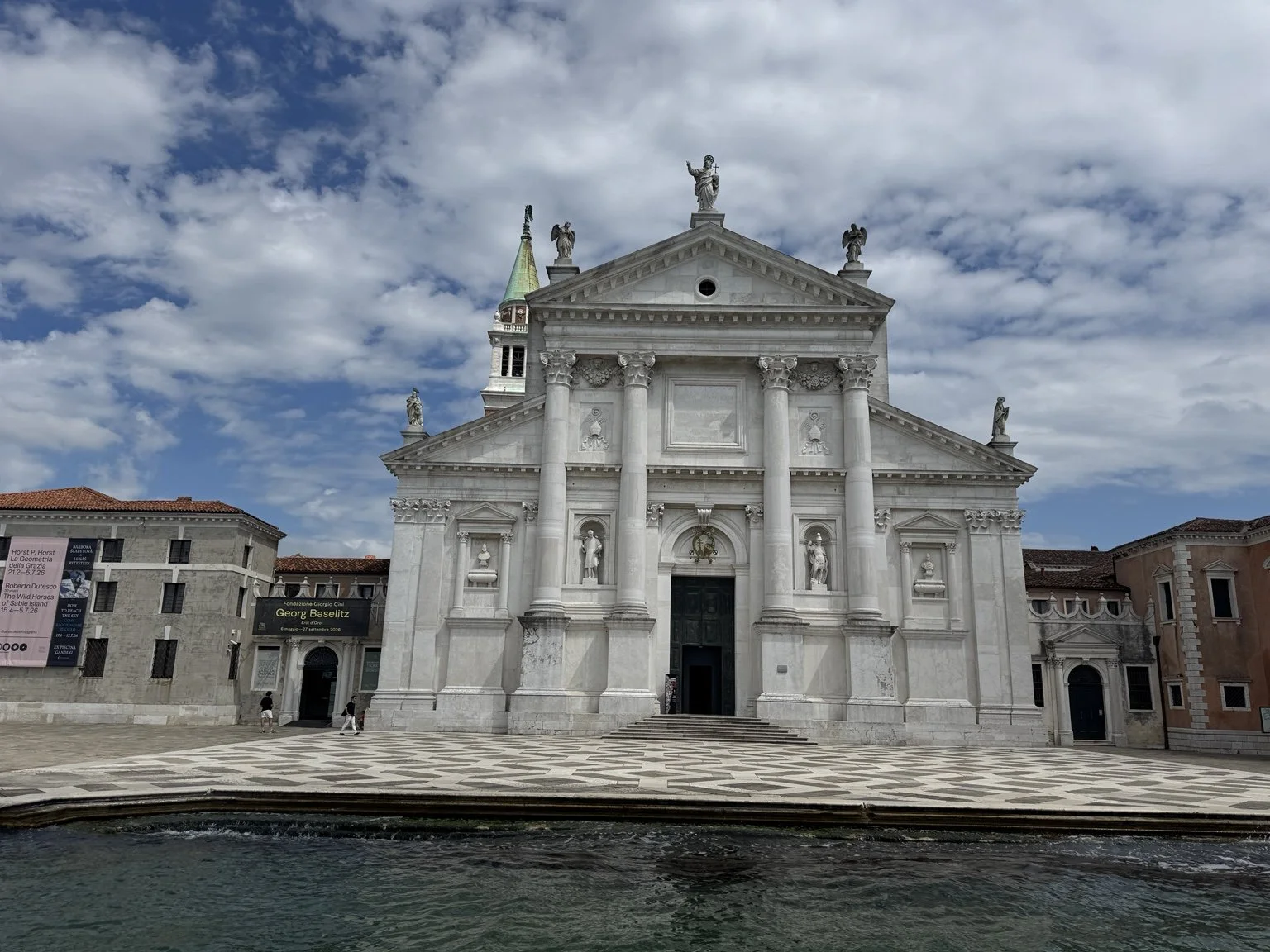
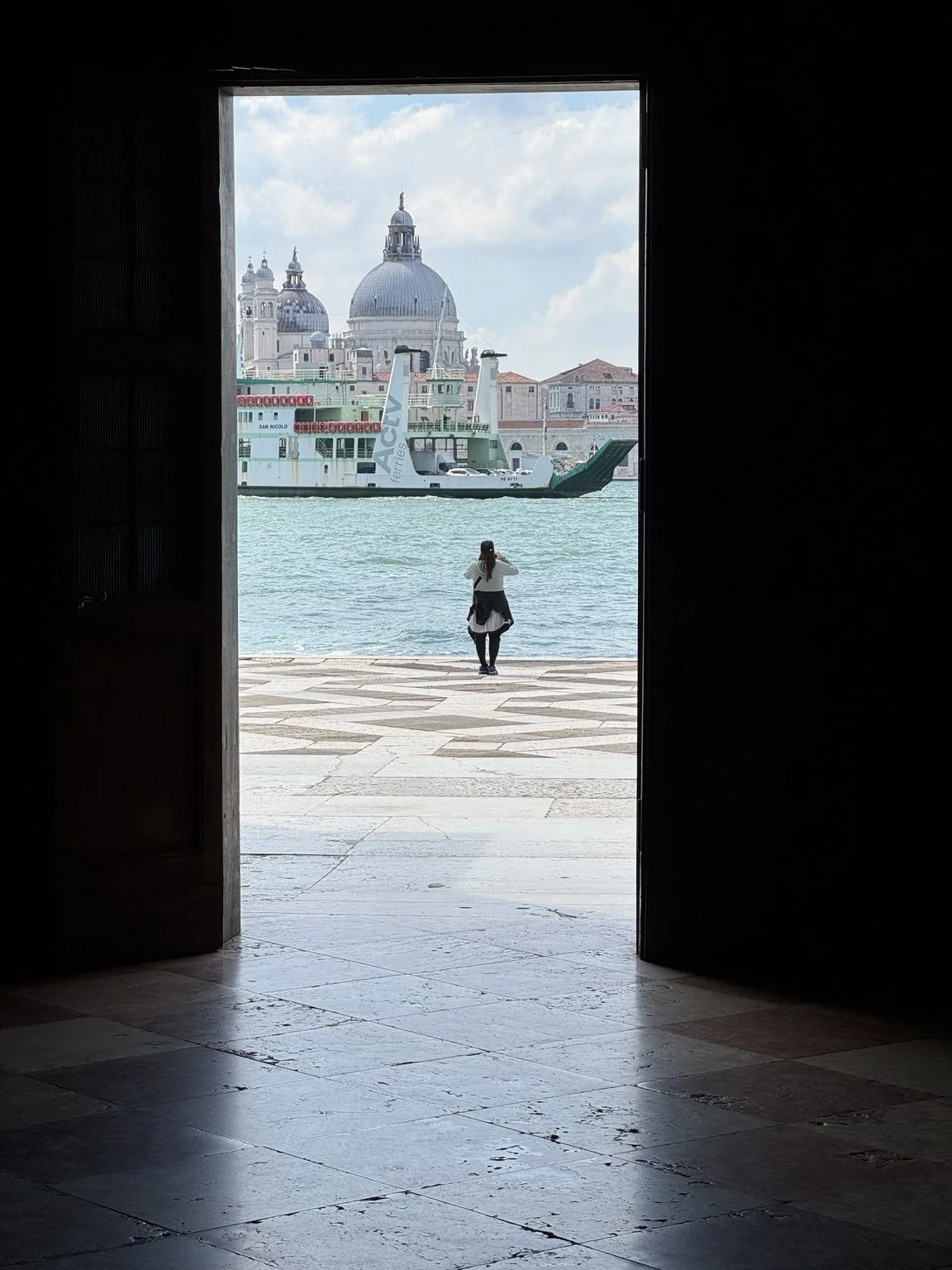
Located on an island directly across from St. Mark’s Square, San Giorgio Maggiore is a Renaissance masterpiece designed by Andrea Palladio. Construction on the church began in 1566, and it remains known for its elegant white marble façade, important paintings by Tintoretto, and role as the centerpiece of a historic Benedictine monastery.
Its bell tower also offers some of the most spectacular views of Venice.
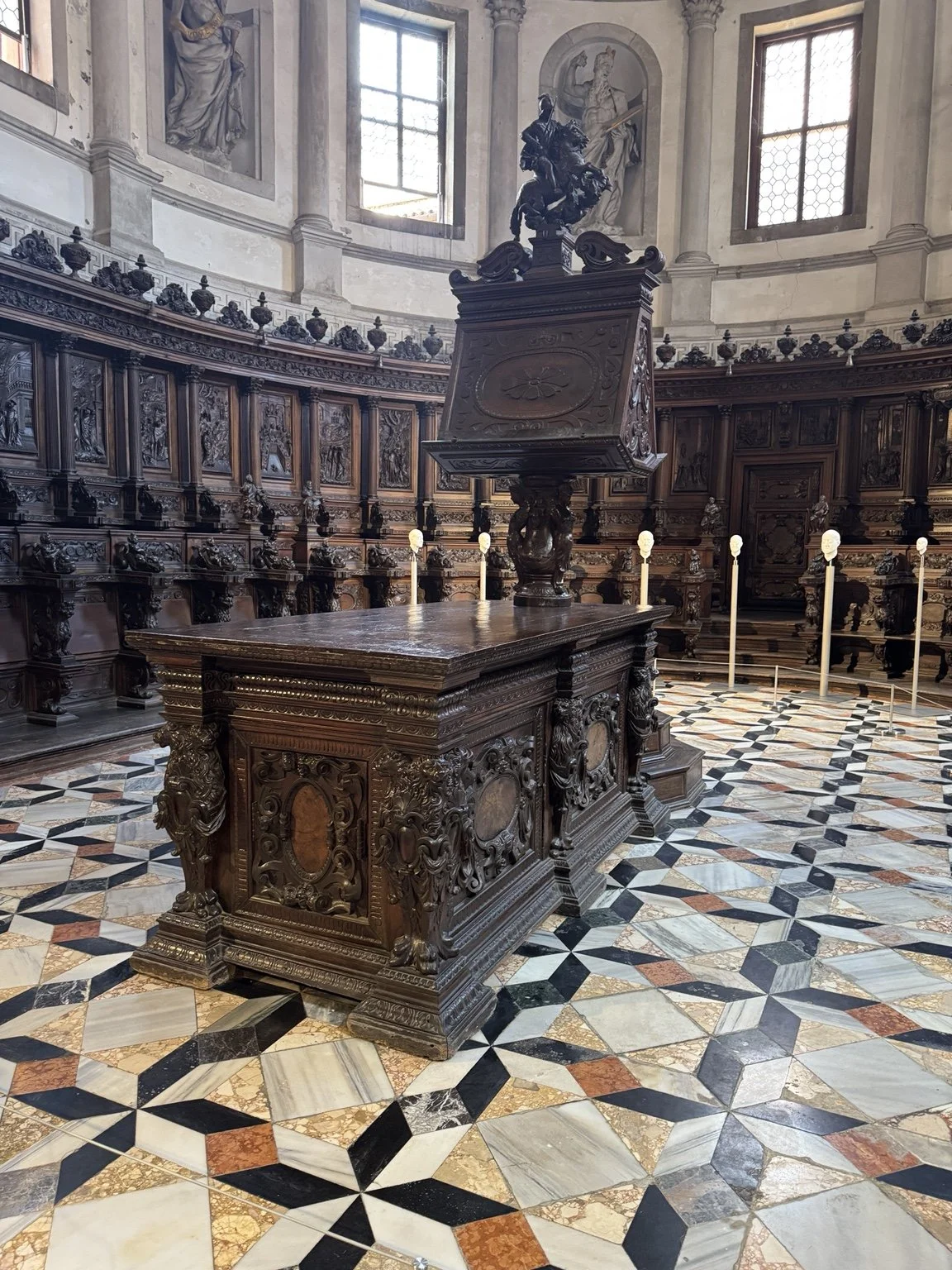
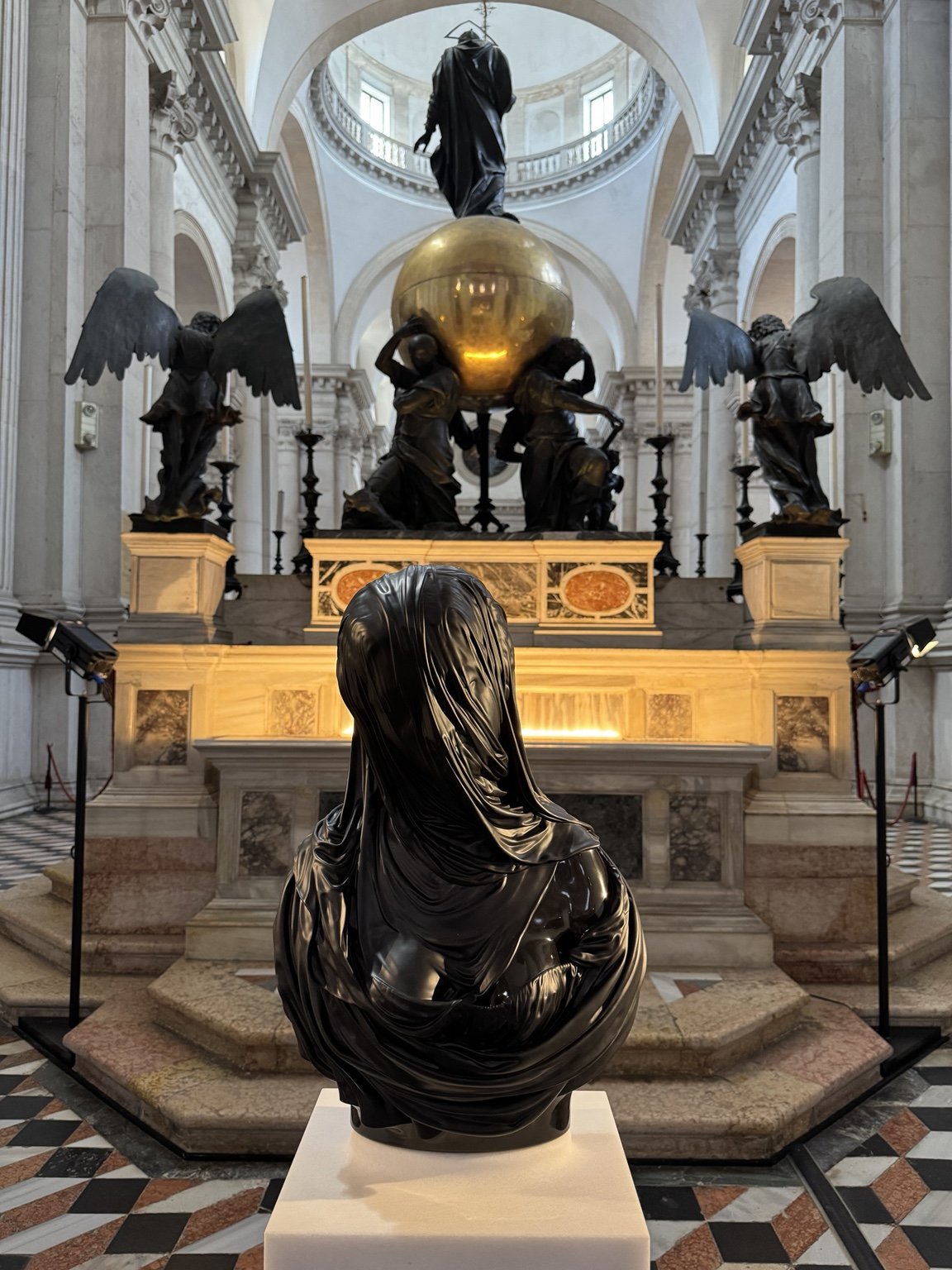
There was an interesting free exhibit displayed throughout the building, so we wandered around looking at the different pieces of 3D-printed artwork. The pieces were positioned in unique locations throughout the church, almost like little Easter eggs waiting to be found.
Rialto Bridge & Palazzo Contarini del Bovolo
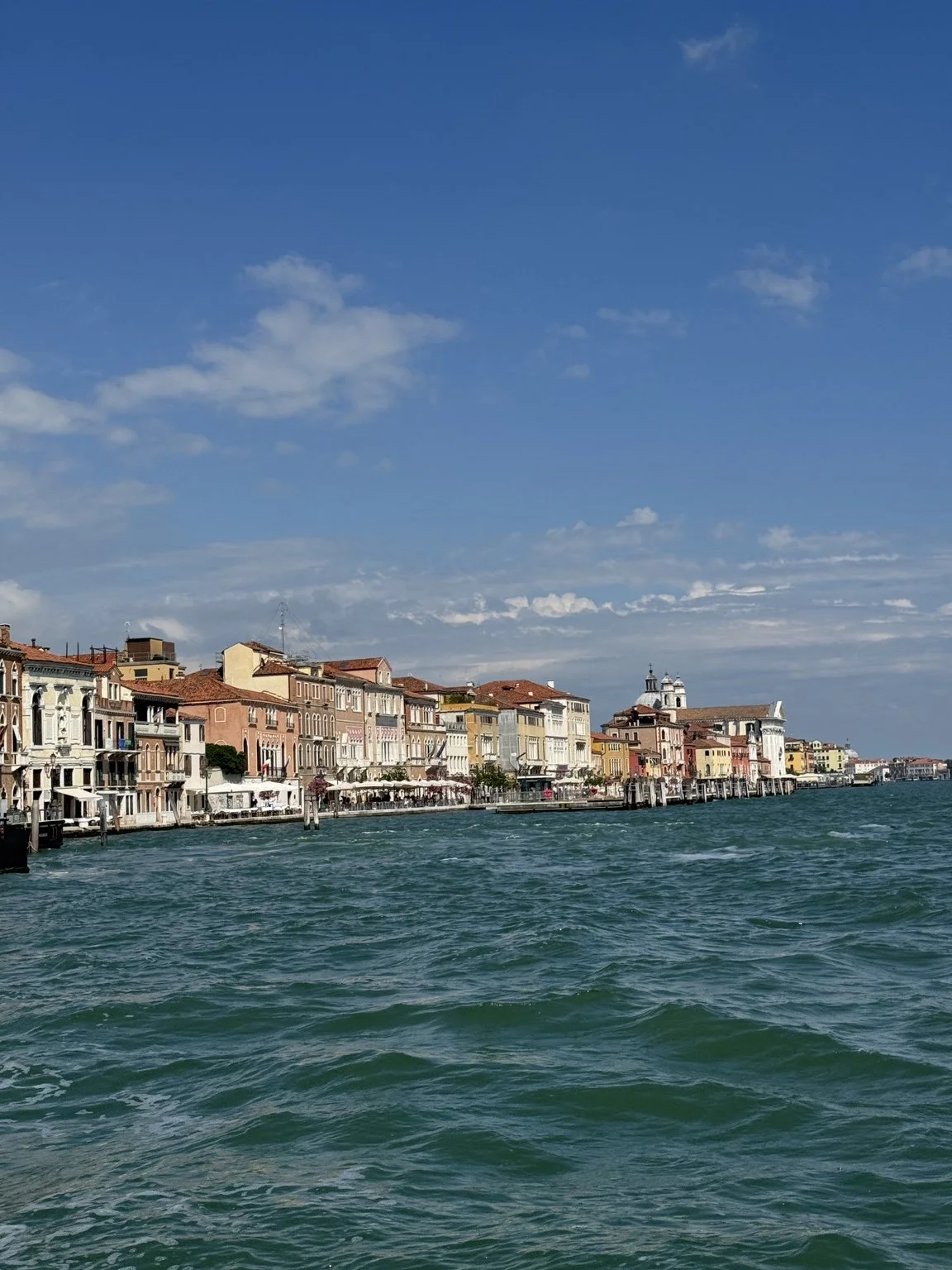
We returned to the vaporetto and cruised a good distance along the canal before getting off near the Rialto Bridge.
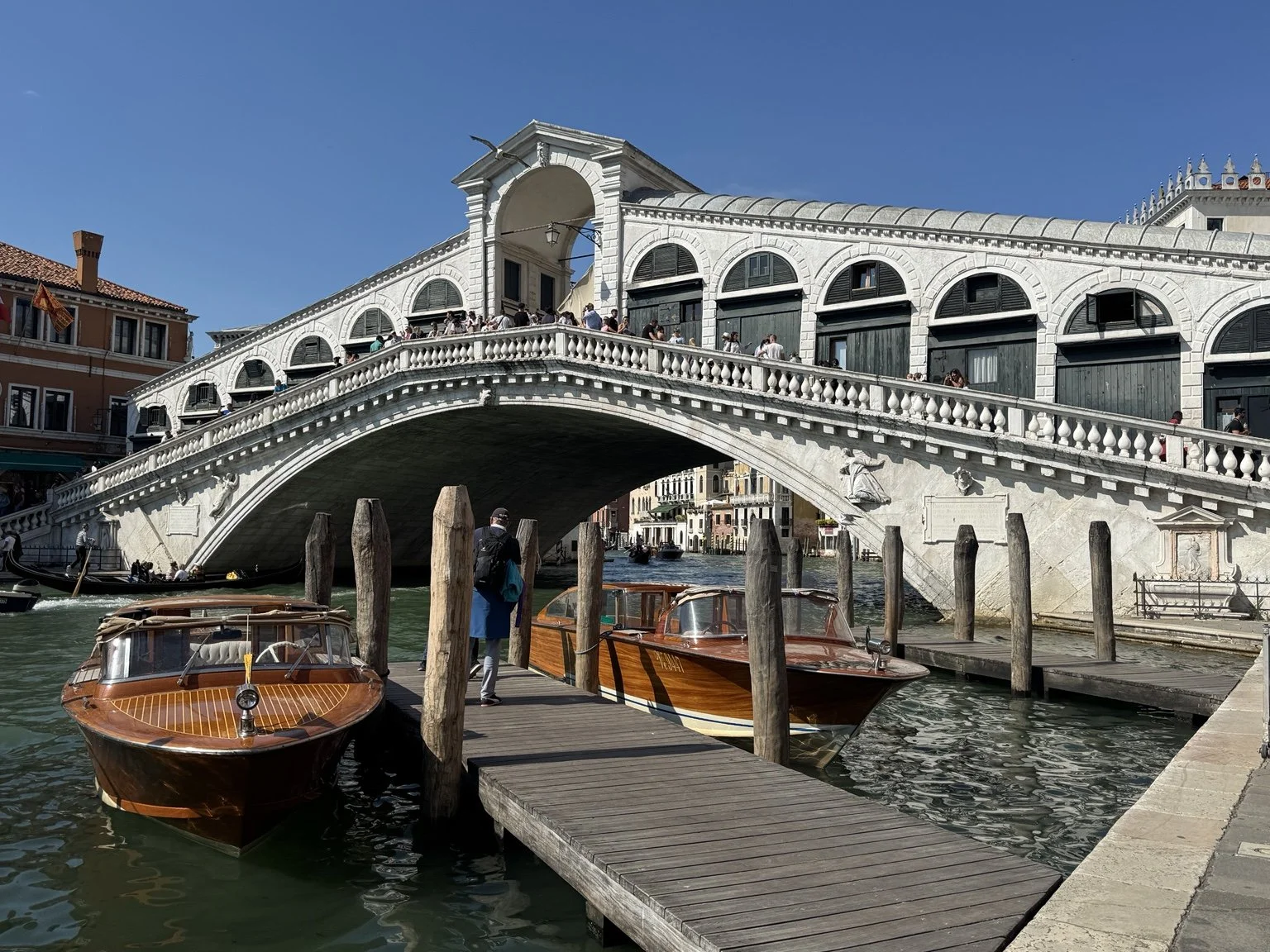
Completed in 1591, the Rialto Bridge is the oldest bridge crossing Venice’s Grand Canal and one of the city’s most recognizable landmarks. It was built to replace earlier wooden bridges and became a symbol of Venice’s commercial power.
Today, it remains a bustling hub lined with shops and surrounded by canal views, with easy access to the historic Rialto Market.
And when I say bustling, I mean chaotic.
Both sides of the bridge were packed. The shops were packed. The entire surrounding street was packed.
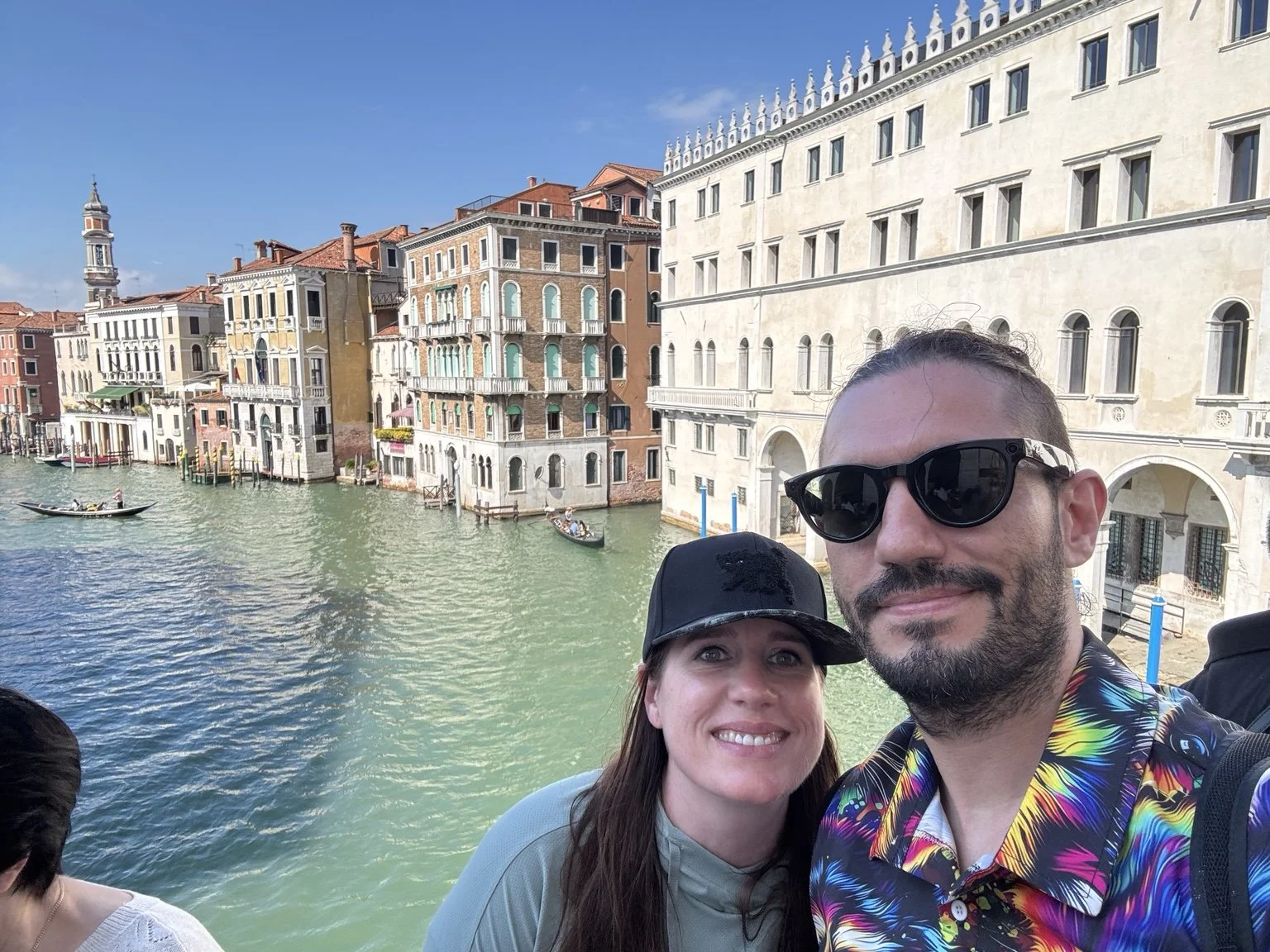
We fought our way to the middle and then headed toward the Church of San Giacomo di Rialto.
Traditionally regarded as Venice’s oldest church, San Giacomo di Rialto stands beside the historic Rialto Market, the city’s longtime commercial center. It is known for its iconic clock façade and centuries-long connection to Venice’s merchant history.
We then continued toward Palazzo Contarini del Bovolo.
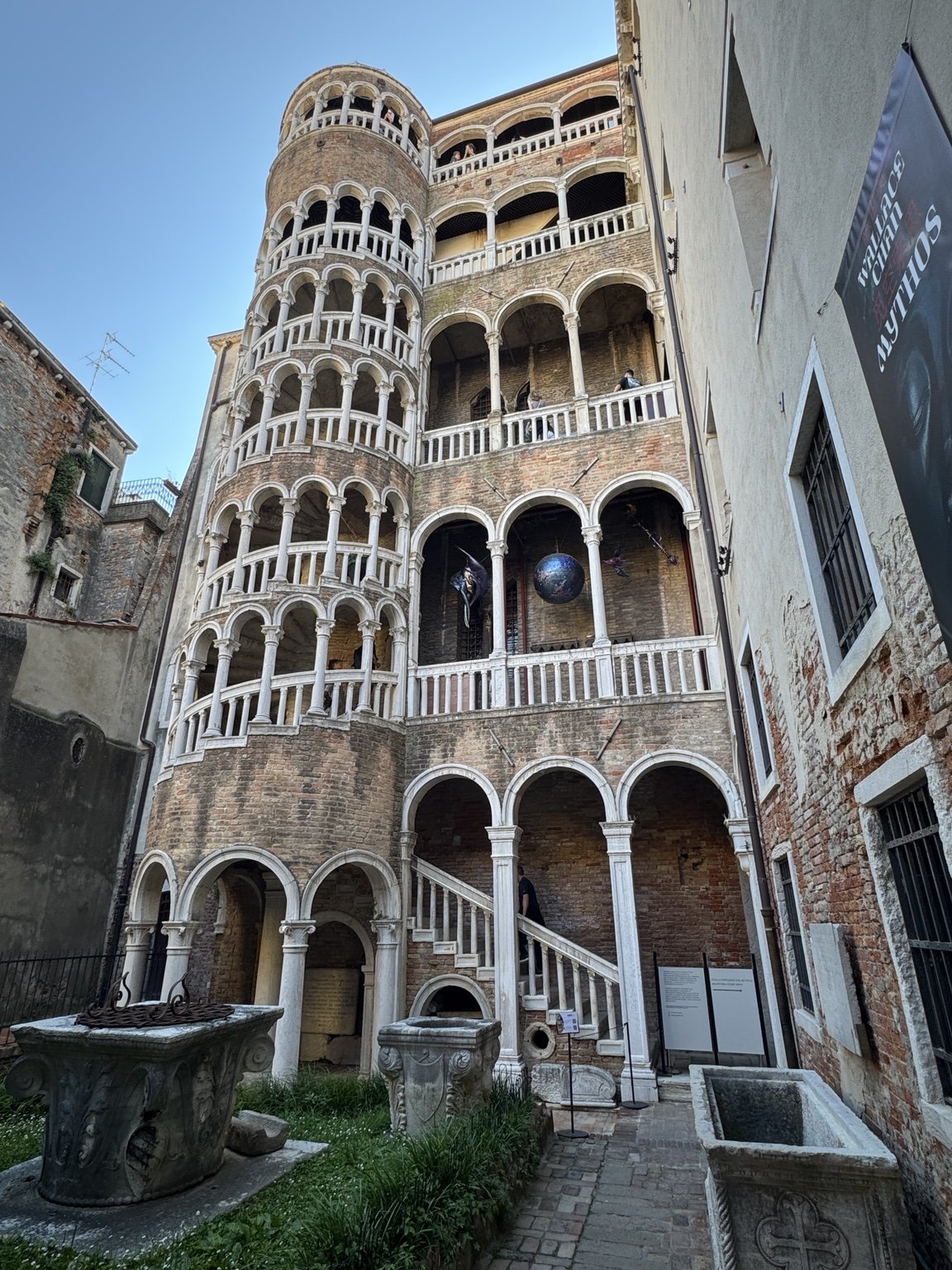
Built during the late 15th century, the palace is famous for its elegant spiral staircase, known as the Scala del Bovolo. Its name comes from the Venetian word for “snail.” The staircase blends Gothic and Renaissance architecture and leads to a terrace with sweeping views across Venice’s rooftops and landmarks.
The Mad Dash Back to the Venice Shuttle
We attempted to reach another church, but our directions wanted us to take a water taxi across the street. Since the church was also closing soon, we aborted the mission and started searching for food instead.
Everything nearby was overpriced, so we decided to head back to the vaporetto and catch the shuttle to the hotel.
I booked the 6:30 PM shuttle about an hour before its departure.
Unfortunately, the vaporetto line was crazy.
We finally squeezed onto the third boat and arrived at our stop with only seven minutes to spare. We then had to literally run to the shuttle pickup location.
We made it with three minutes left.
Our hu Venezia Bungalow
Back at hu Venezia Camping in Town, we checked in and received access to our bungalow, which was actually quite spacious.
We decided to eat at the hotel restaurant, where I ordered the seafood and asparagus risotto. The food was okay, and the service was just okay, but it was convenient and the prices weren’t too bad.
After dinner, we walked back to the bungalow and went straight to bed.
It had been a long day of approximately 10.5 hours of walking and exploring. Venice was filled with postcard moments and little discoveries hiding around nearly every corner.
June 6 · Bologna & Florence
Medieval Towers, Squid-Ink Lasagne & Falling for Florence
Bologna ZTLs & the Two Towers
We woke up and got on the road toward Bologna.
Bologna has numerous ZTLs, so we parked at Parcheggio PIAZZA VIII AGOSTO | APCOA, which doesn’t require driving through any of the restricted areas.
FYI: ZTLs are limited-traffic zones commonly found within Italy’s historic city centers. Cameras photograph unauthorized vehicles, and you will receive a ticket if you enter without the proper pass. The streets are also extremely tight and look like an absolute headache to navigate, so avoiding them was perfectly fine with me.
The first attraction we found was Bologna’s famous Two Towers, or Le Due Torri.
These medieval towers were built more than 900 years ago by rival wealthy families attempting to show off their power. The taller Asinelli Tower rises 318 feet above the city, while the shorter Garisenda Tower leans noticeably and even earned a mention in Dante’s Divine Comedy.
They are among the few surviving towers from an era when Bologna’s skyline looked a bit like a medieval Manhattan.
The towers were closed on the day we visited, but they were still cool to see from outside.
Right in that area is Palazzo della Mercanzia, an elegant Gothic palace that served as the heart of Bologna’s business world during the 1300s. Merchants gathered there to settle disputes, make deals, and keep trade running smoothly.
Today, it is one of the city’s best-preserved medieval buildings and a reminder that Bologna was a major commercial powerhouse long before modern banks and boardrooms existed.
Basilica di Santo Stefano & Piazza Maggiore
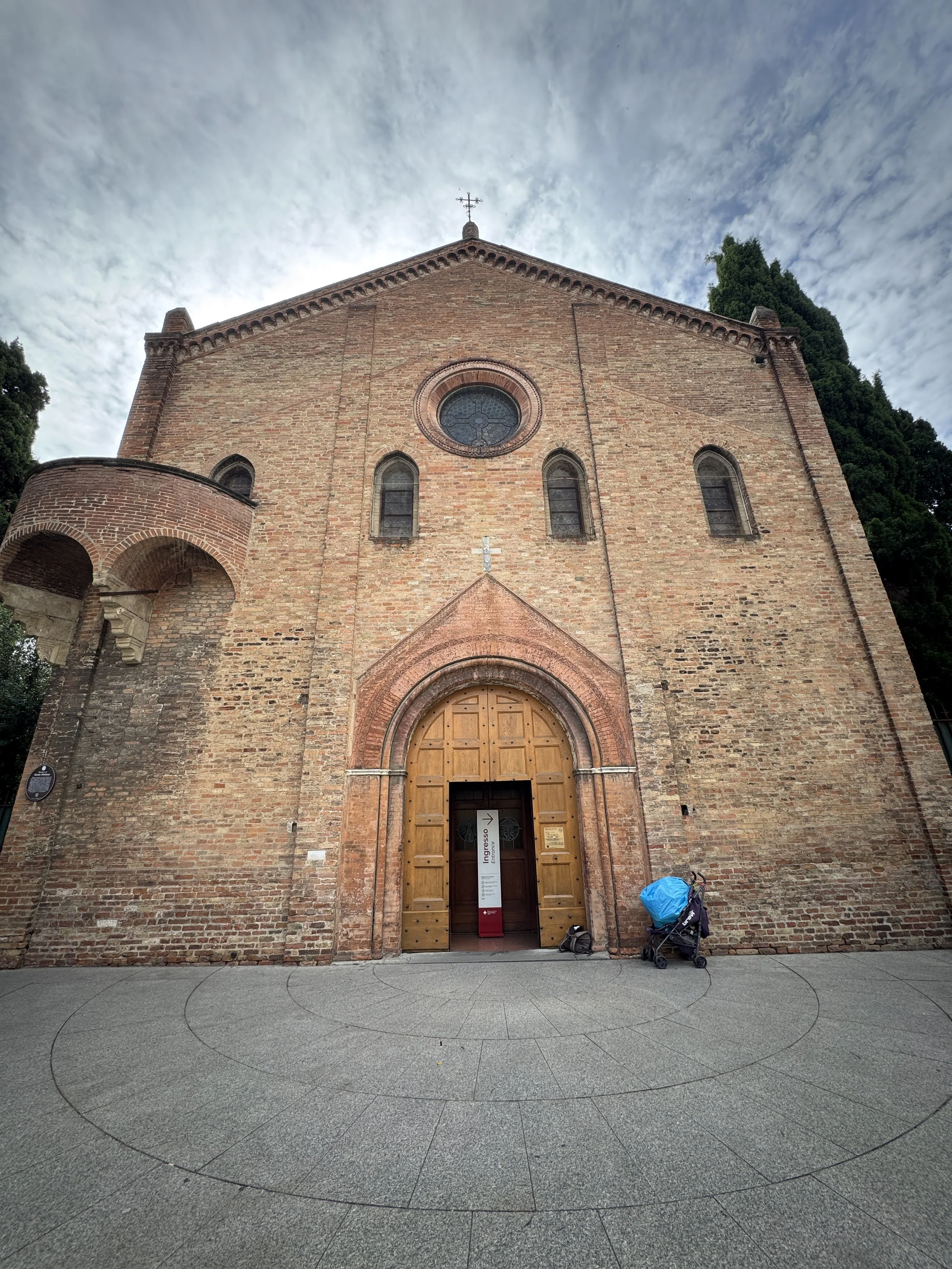
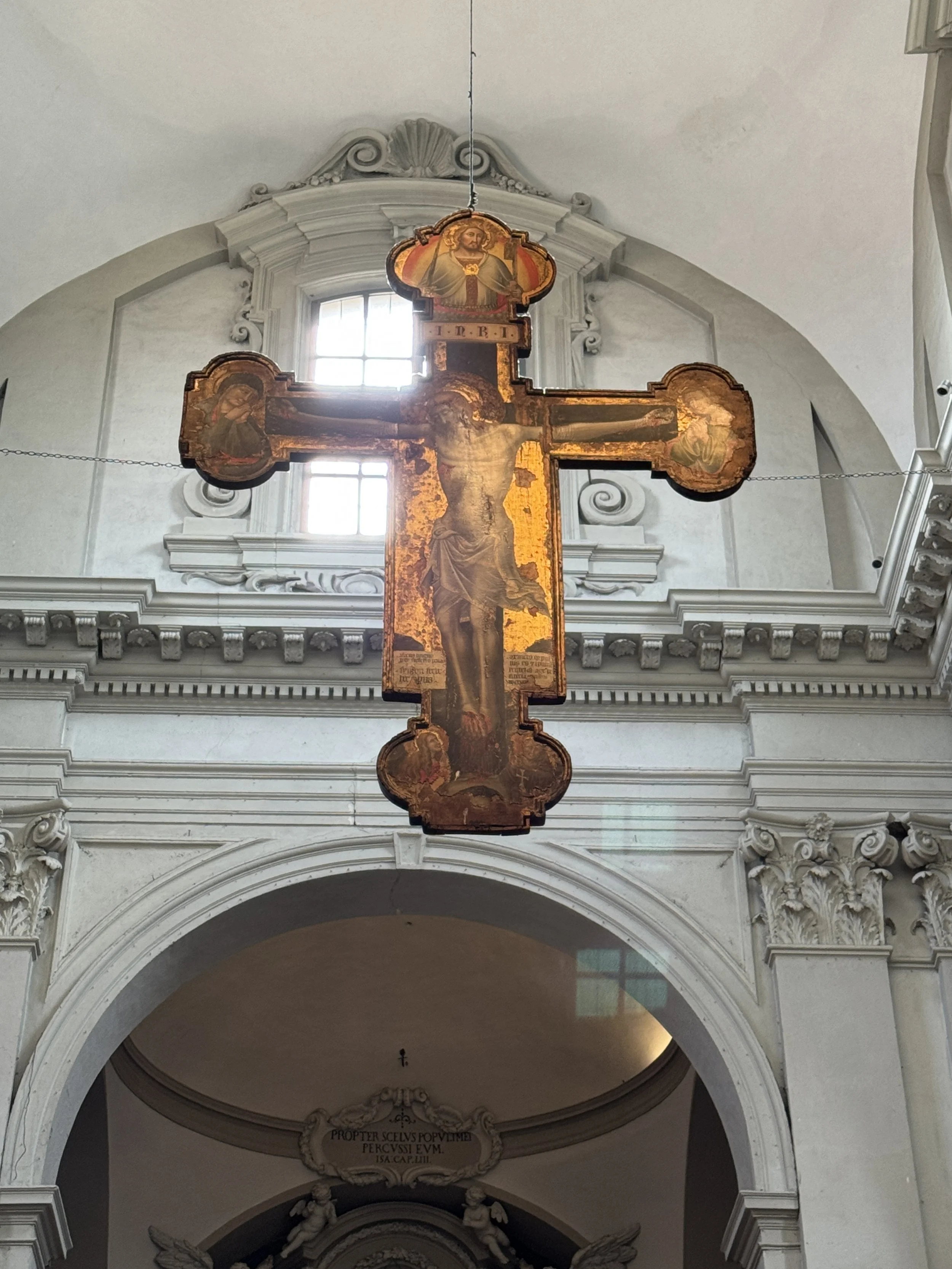
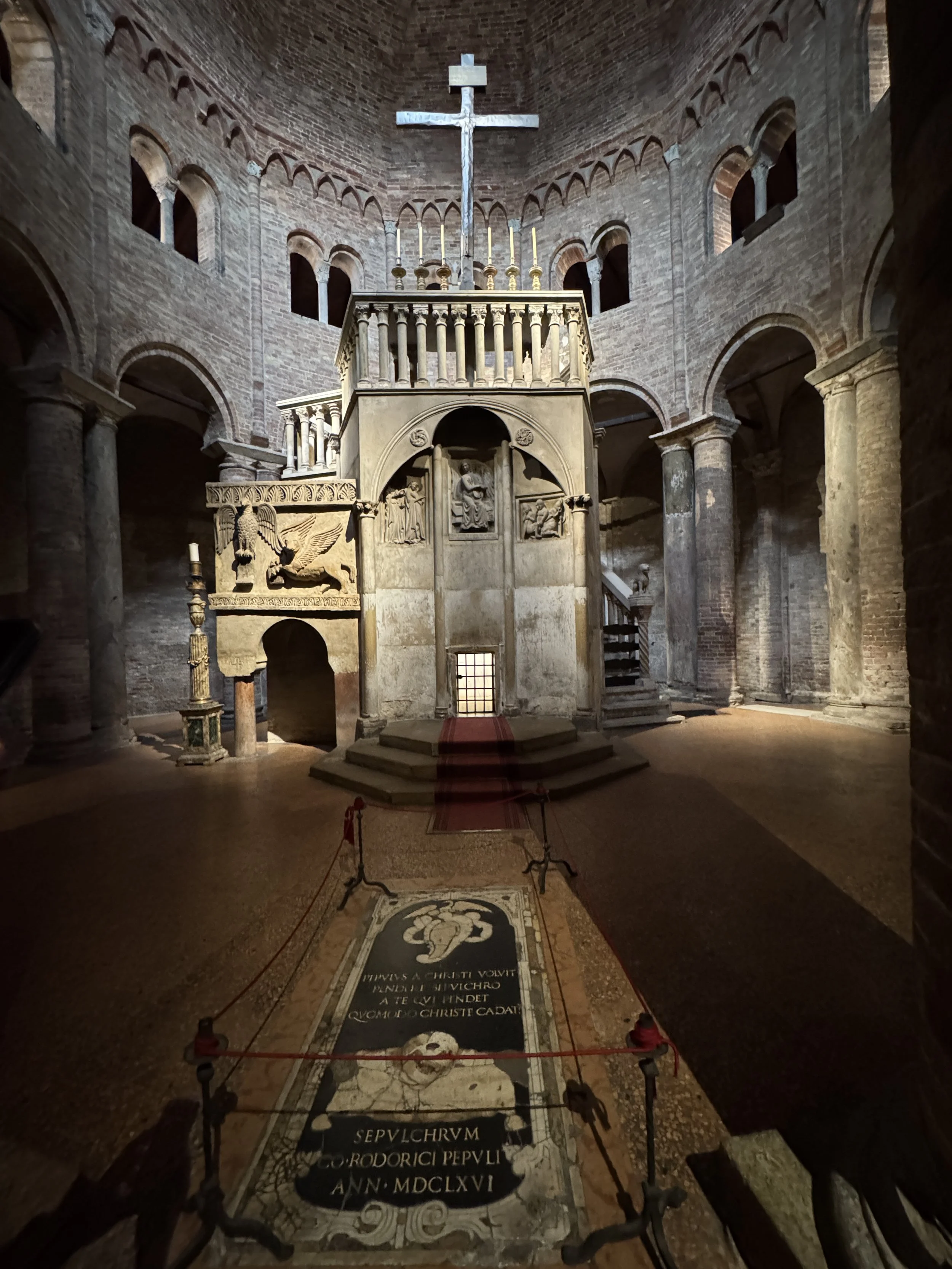
We then wandered to the Basilica di Santo Stefano.
Known as Bologna’s “Seven Churches,” Santo Stefano is a maze of interconnected churches dating back more than 1,500 years. The complex was built to evoke the holy sites of Jerusalem and offers a journey through centuries of Bologna’s religious and architectural history.
Admission was free, and there was a farmers market in the courtyard near the main entrance on the day we visited.
The church complex was quite impressive, with several long corridors connecting its different sections. It is absolutely worth a stop if you find yourself in the city.
From there, we headed toward Piazza Maggiore, which has served as the heart of Bologna for more than 800 years. Surrounded by massive medieval buildings, the square remains the city’s main gathering place.
Unfortunately, workers were constructing a stage when we arrived, which interfered with the area’s overall beauty.
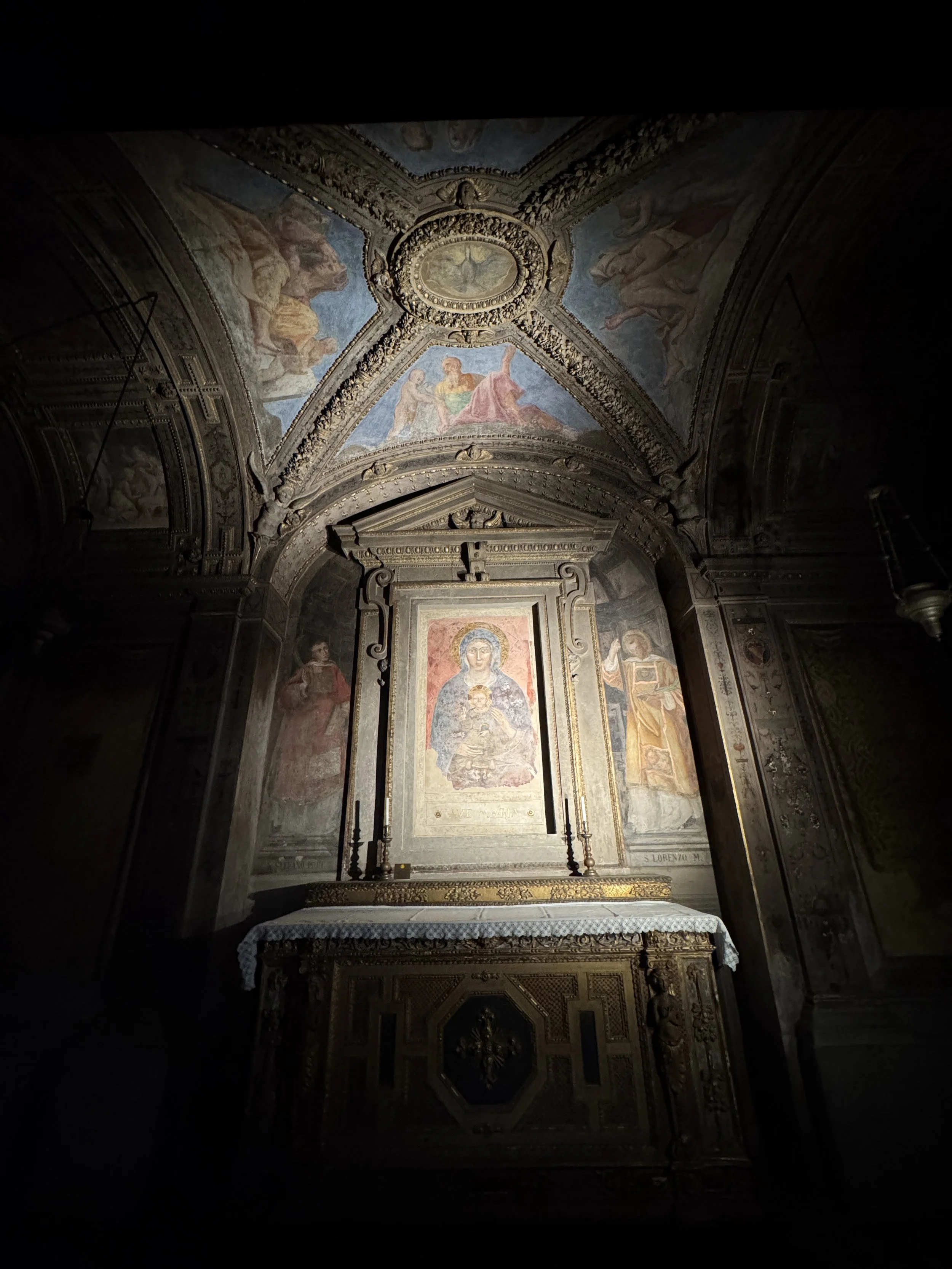
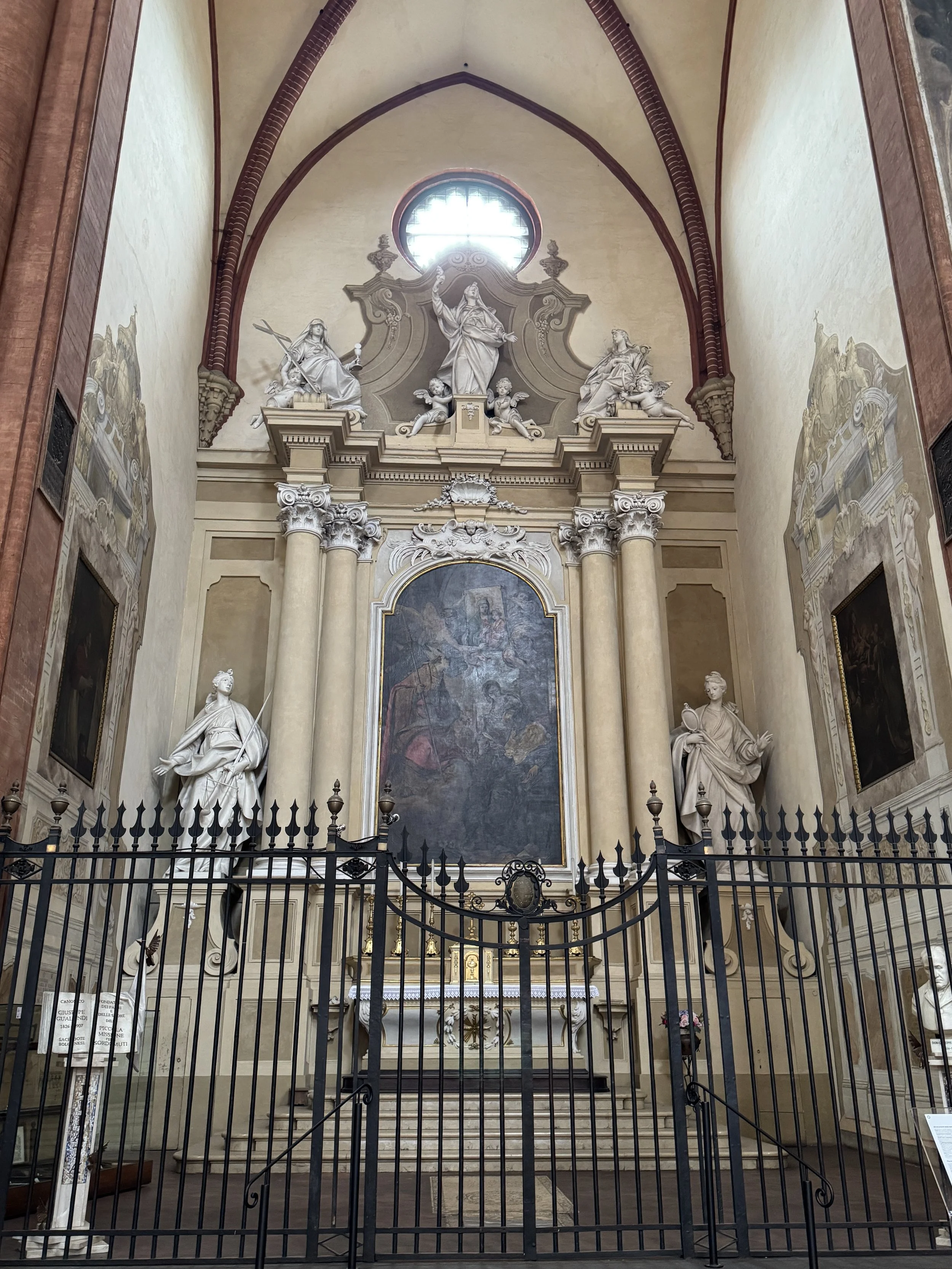
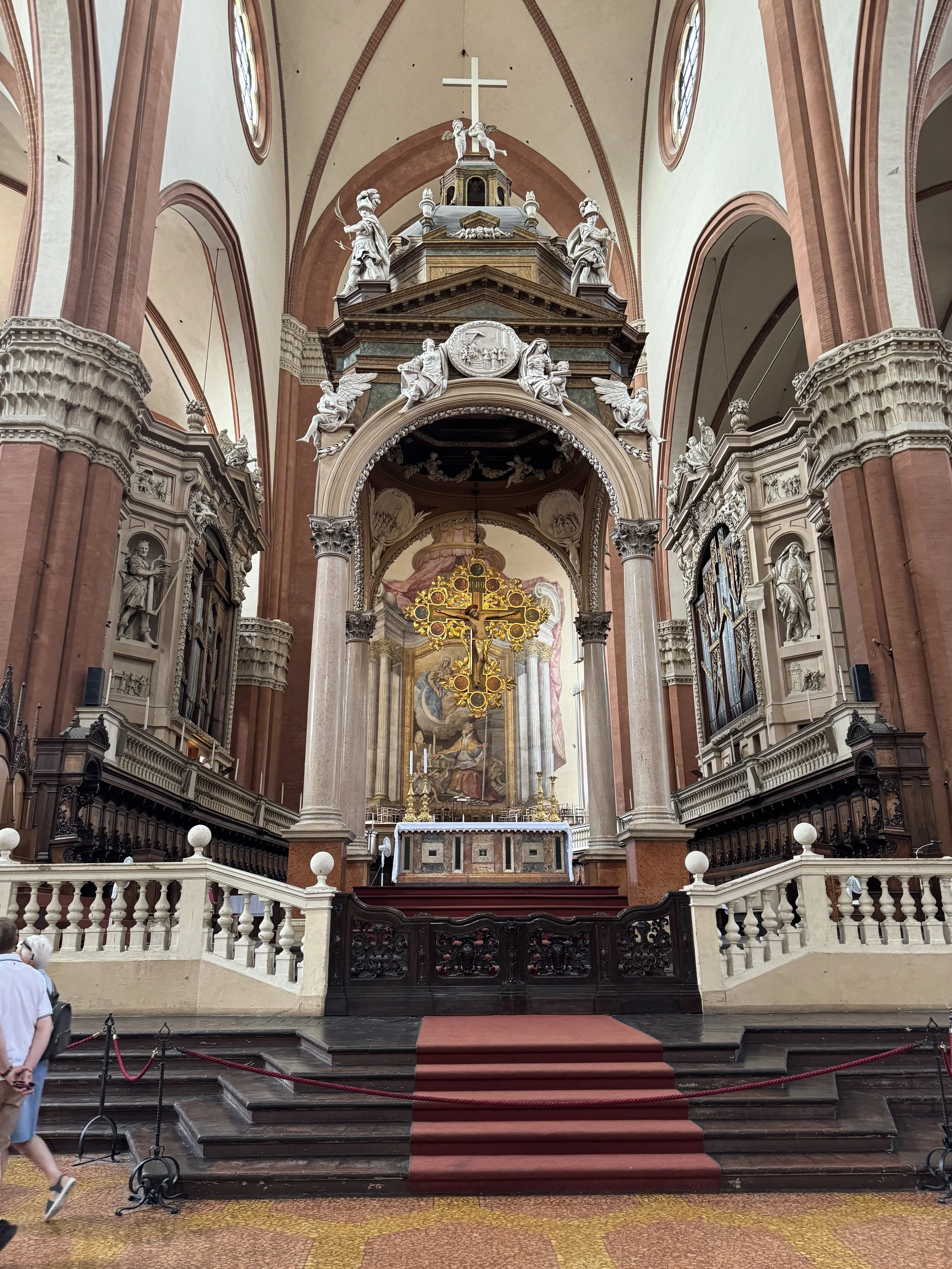
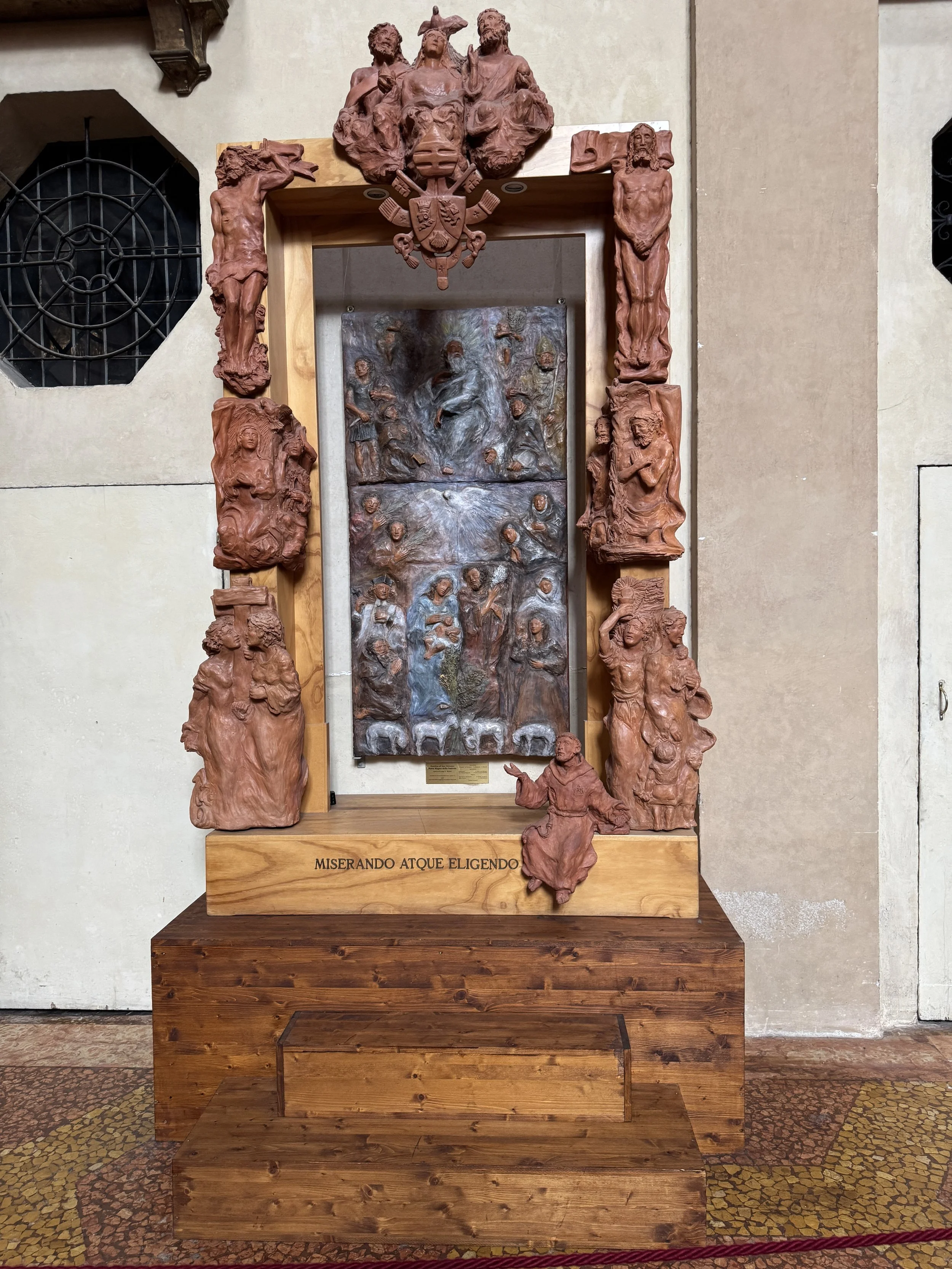
Dominating the square is the Basilica di San Petronio, a massive church with a distinctive unfinished façade. Construction began in 1390, and the basilica was dedicated to Bologna’s patron saint. It also houses one of the world’s longest indoor meridian lines, combining faith, science, and history beneath one roof.
Admission was free, and the interior was huge.
It wasn’t as elaborately decorated or ornate as some of the other churches we visited during this trip, but its enormous size and high ceilings still made us feel incredibly small.
In one corner of the square is Bologna’s Neptune Fountain, known locally as Il Gigante, or “The Giant.” Created during the 1560s, the bronze Renaissance statue symbolizes power and remains one of the city’s most recognizable landmarks.
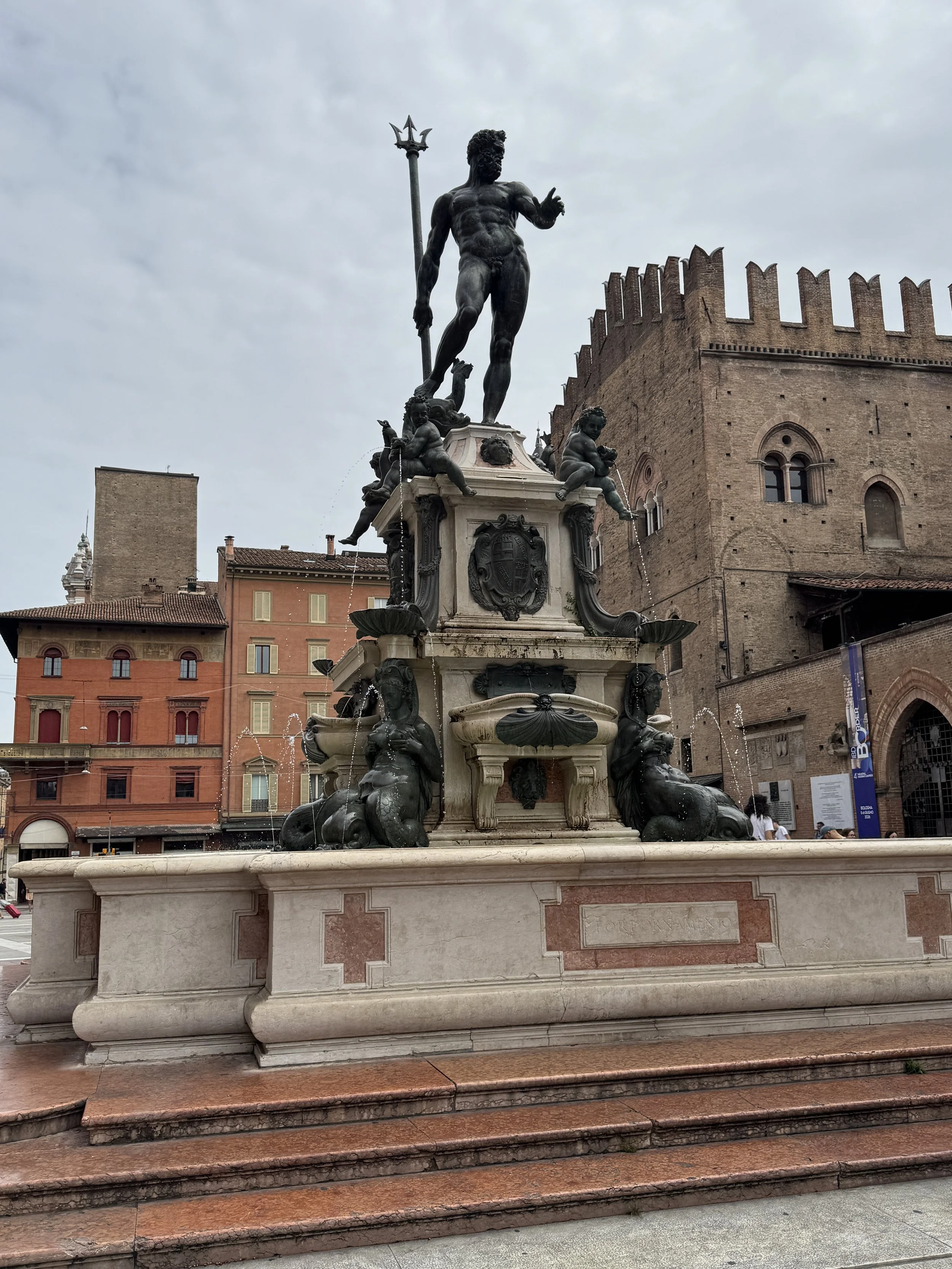
Sanctuary of the Madonna di San Luca
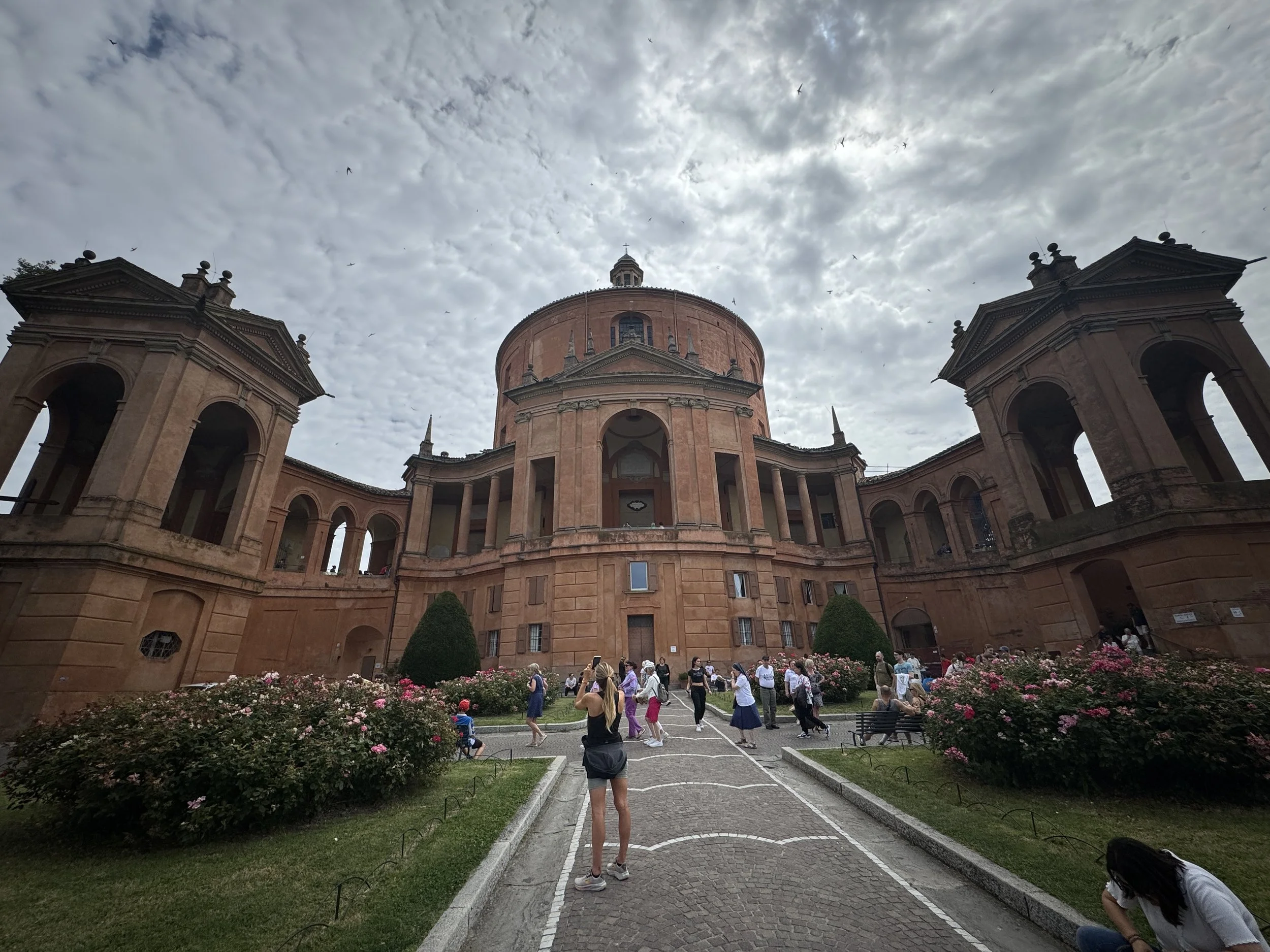
As we began making our way toward Florence, we stopped at the Sanctuary of the Madonna di San Luca, perched high above Bologna.
The hilltop church offers sweeping views across the city and surrounding countryside. It can be reached by a remarkable portico containing 666 arches and has remained an important pilgrimage site for centuries.
The road to the parking area was wild—curvy, narrow, and genuinely terrifying in one section where a blind turn passes beneath an archway carrying two-way traffic through a single lane.
The sanctuary had free admission and offered a beautiful panoramic view of the city below. The interior was again more muted than many of the other religious sites we had visited in Italy, but the sight of those 666 arches climbing toward the top was impressive.
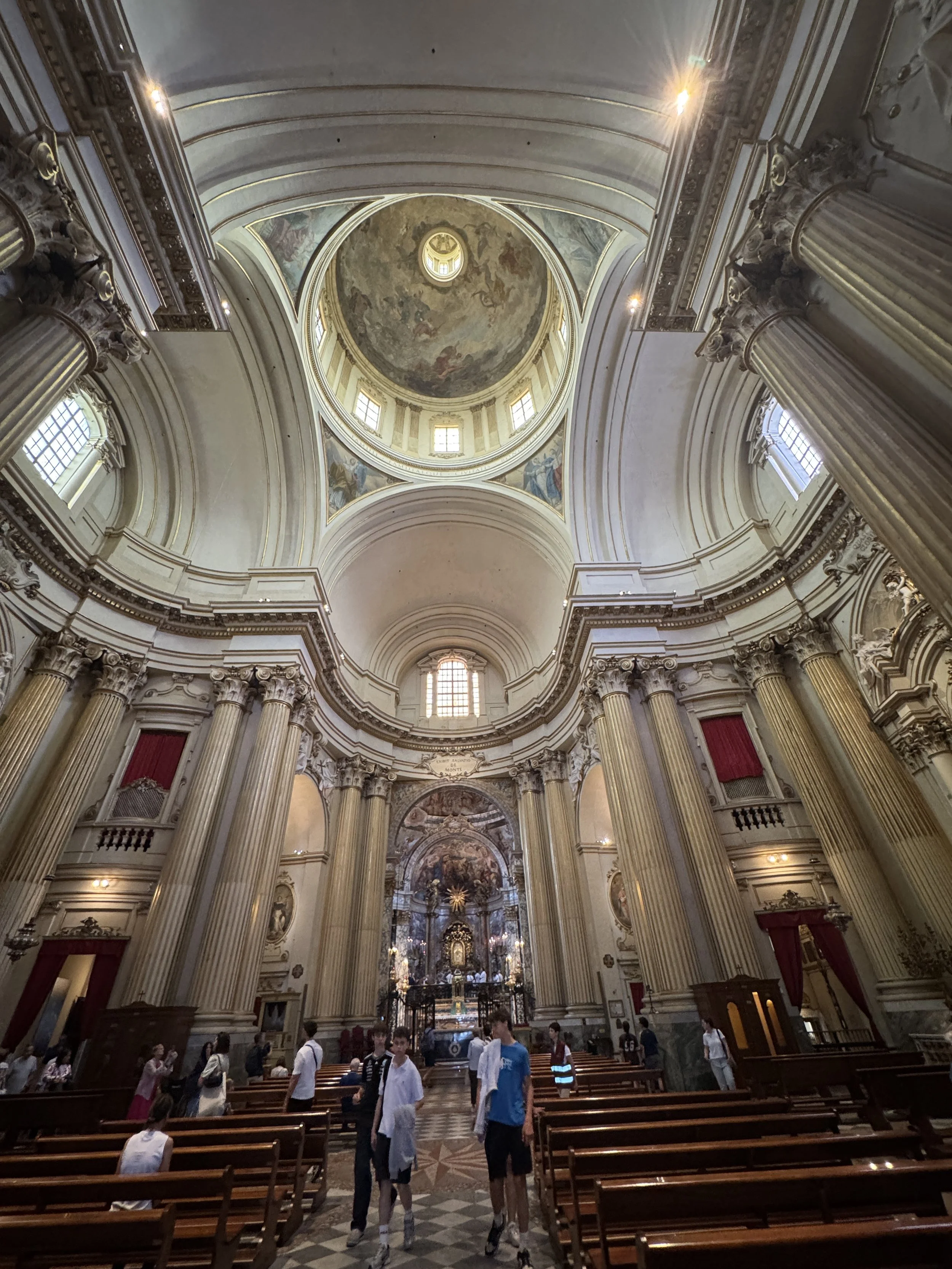
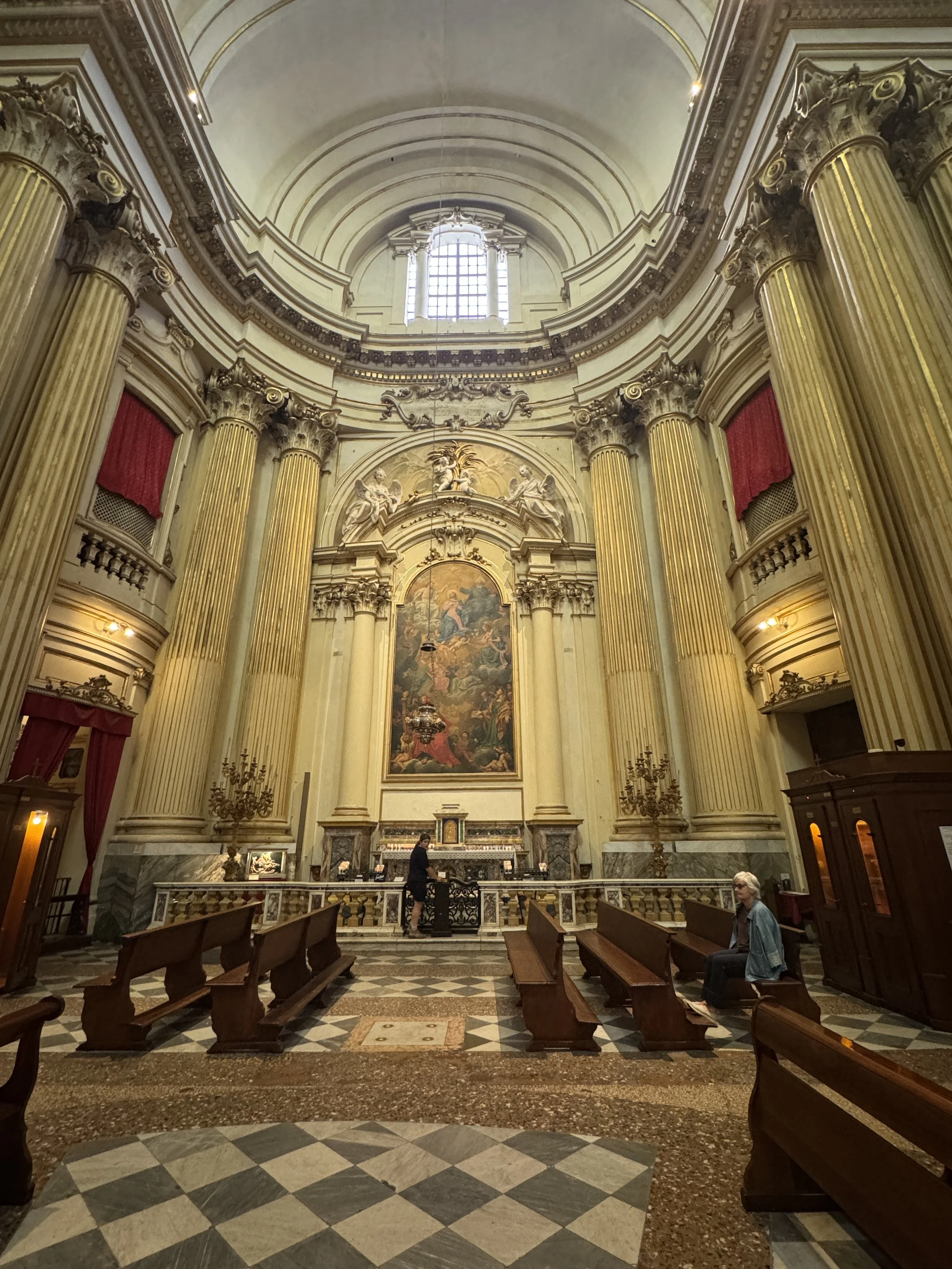
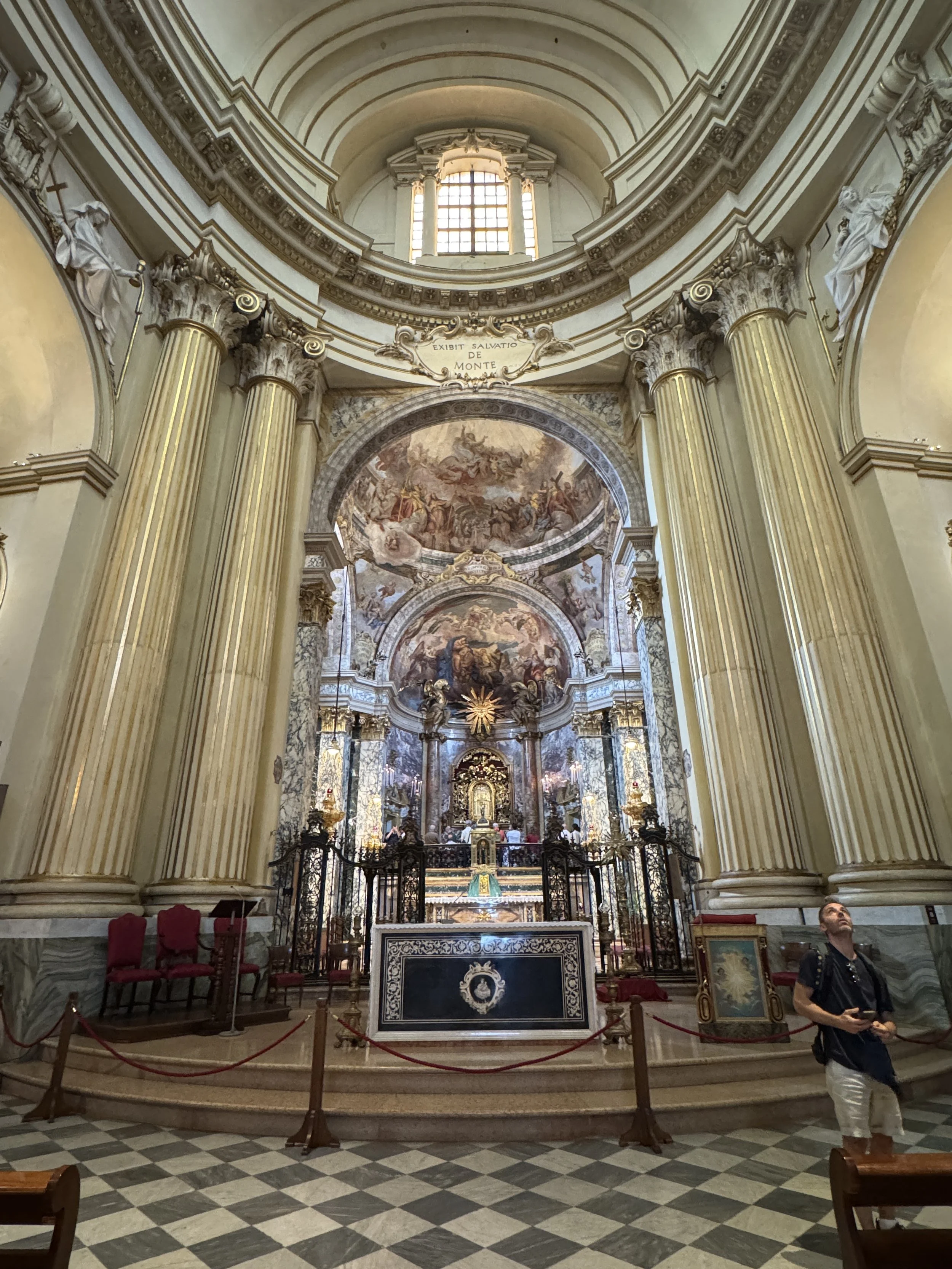
Checking Into Our Florence Luxury Tent
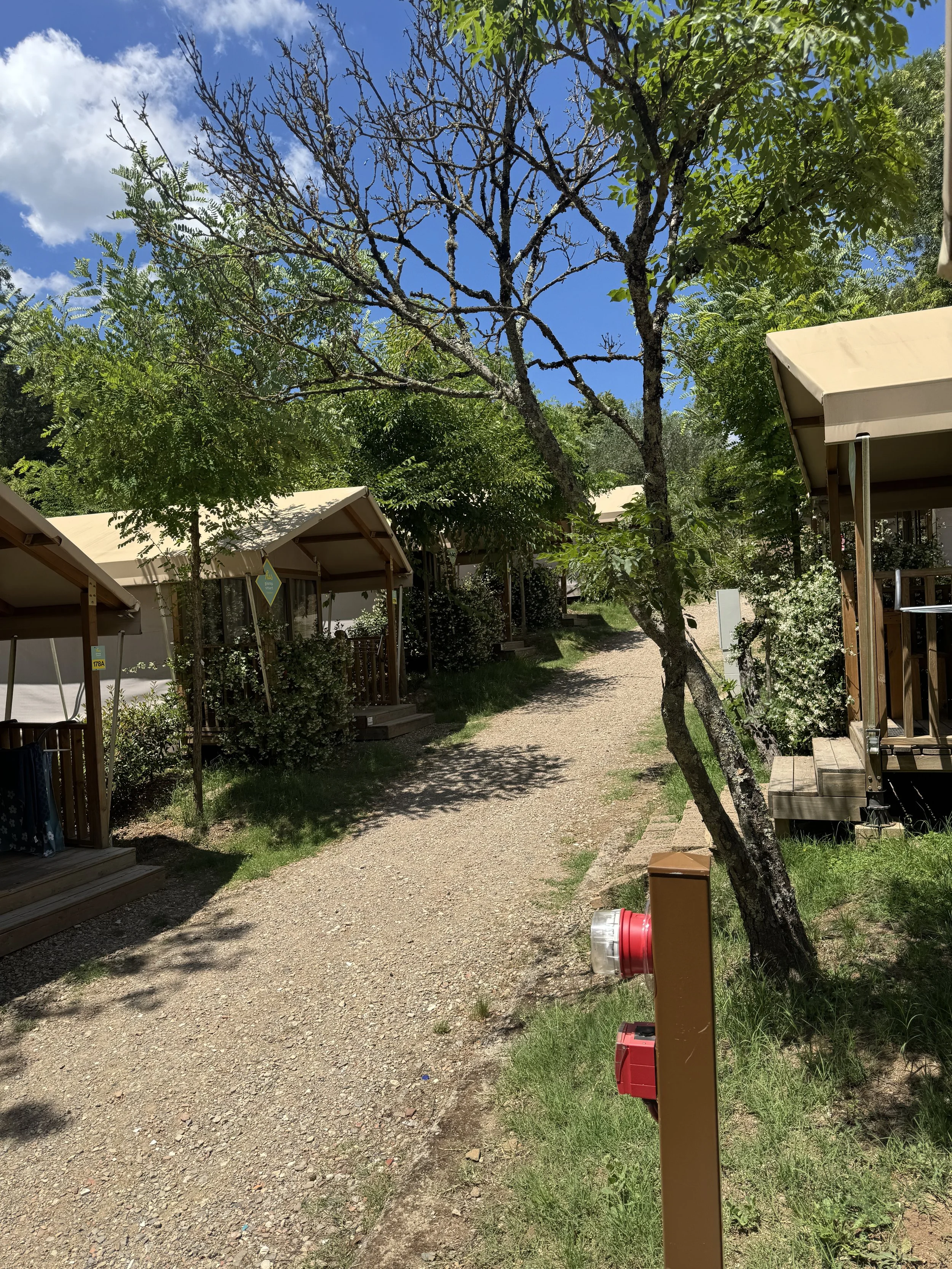
We then headed to hu Firenze Certosa Camping in Town, where we were staying for the night. We hoped to either check in early or at least drop off our luggage.
Luckily, our luxury tent was already available, and we were able to check in.
This hu property was laid out more chaotically than the one near Venice. The tent room was small but clean, with the bed taking up most of the available space. However, it did have a mini-fridge, air conditioning, and a private toilet and shower.
We also had an assigned parking space located a short distance away.
We unloaded, regrouped, and then headed into Florence. We had reservations to see Michelangelo’s David at 5:00 PM.
The official tickets had already sold out by the time I tried to purchase them, so I had to book through a third party called Headout. We needed to meet their representative at 4:45 PM and paid approximately €40 per ticket to “skip the line.”
If you know exactly when you want to visit, book in advance. The face value is only €24 per ticket.
Squid-Ink Lasagne at Cru
Anyway, we arrived in Florence at around 1:00 PM and parked at Parcheggio Sotterraneo Sant’Ambrogio. The garage was beside an indoor market, which we walked through before continuing toward the city center.
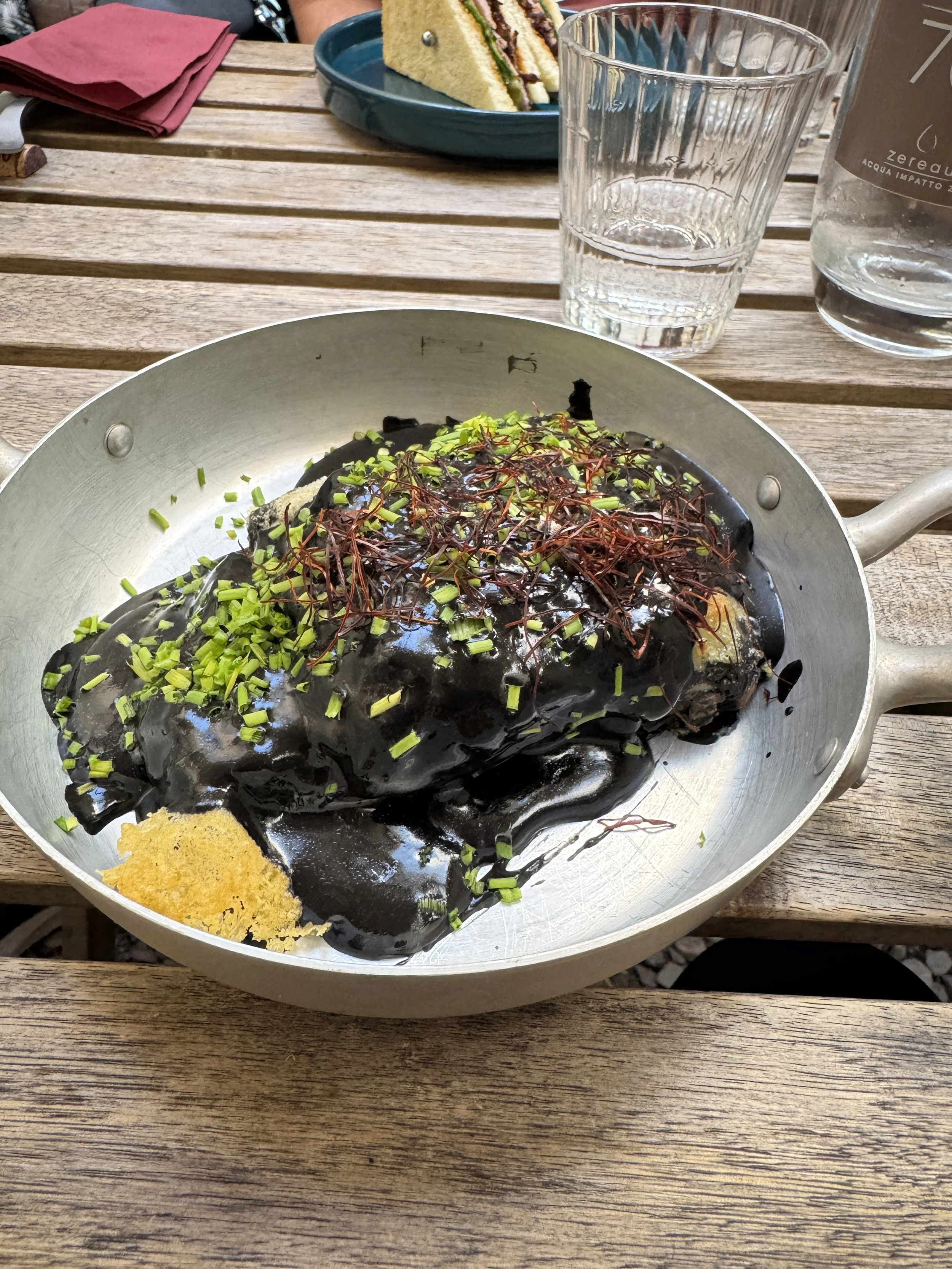
We came across Cru – Cucina Rustica Urbana, and the menu looked interesting, so we went inside.
We were seated in a secret little garden on the back patio, and the food was outstanding.
I ordered seafood lasagne made with squid ink. It looked like it had been served straight from hell but tasted heavenly.
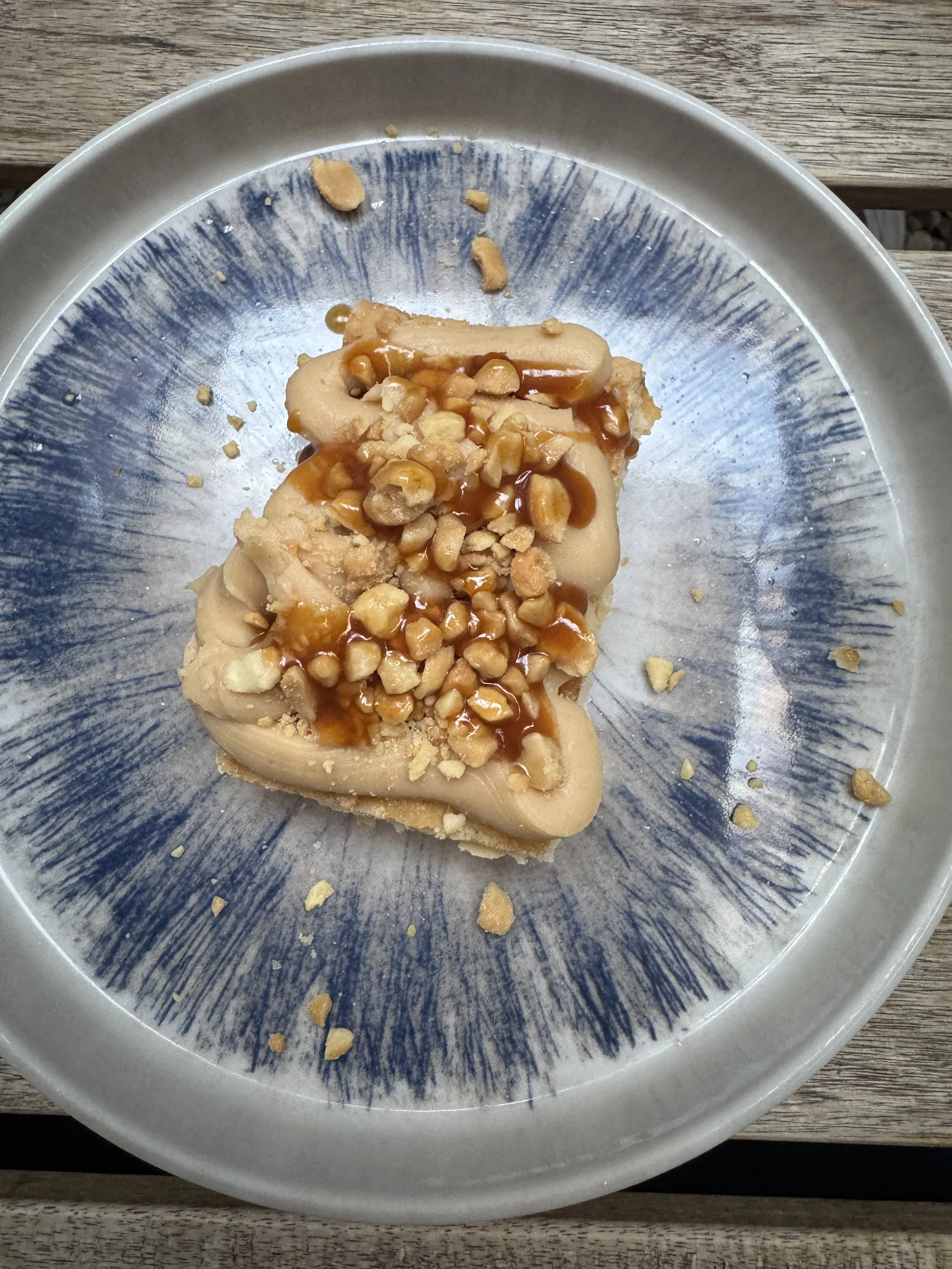
The boyfriend ordered a salami-spread and crudo sandwich. We finished with a puff pastry filled with salted caramel for dessert.
This is another restaurant I highly recommend.
Santa Croce & Piazza della Signoria
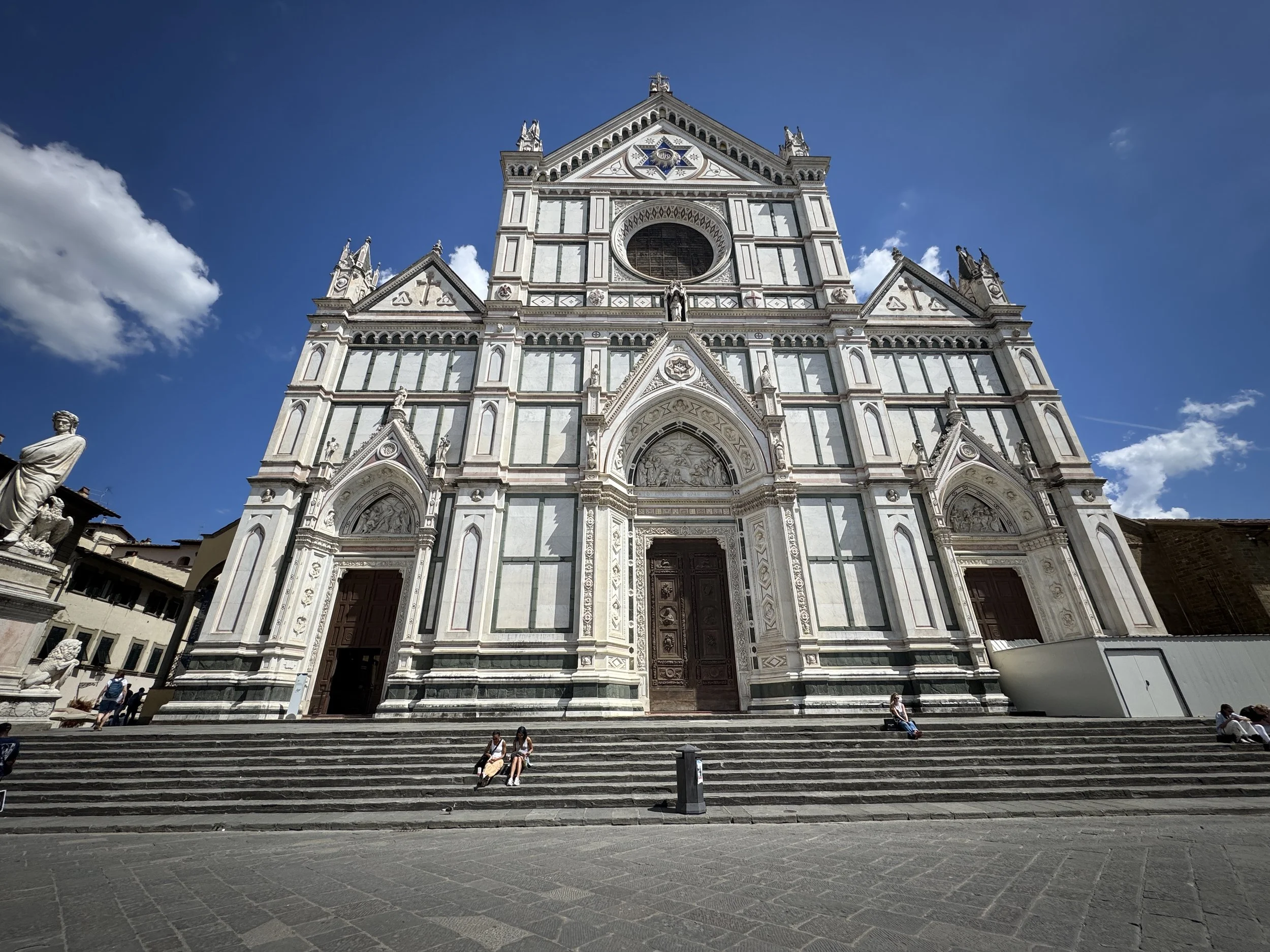
From there, we headed to the Basilica di Santa Croce.
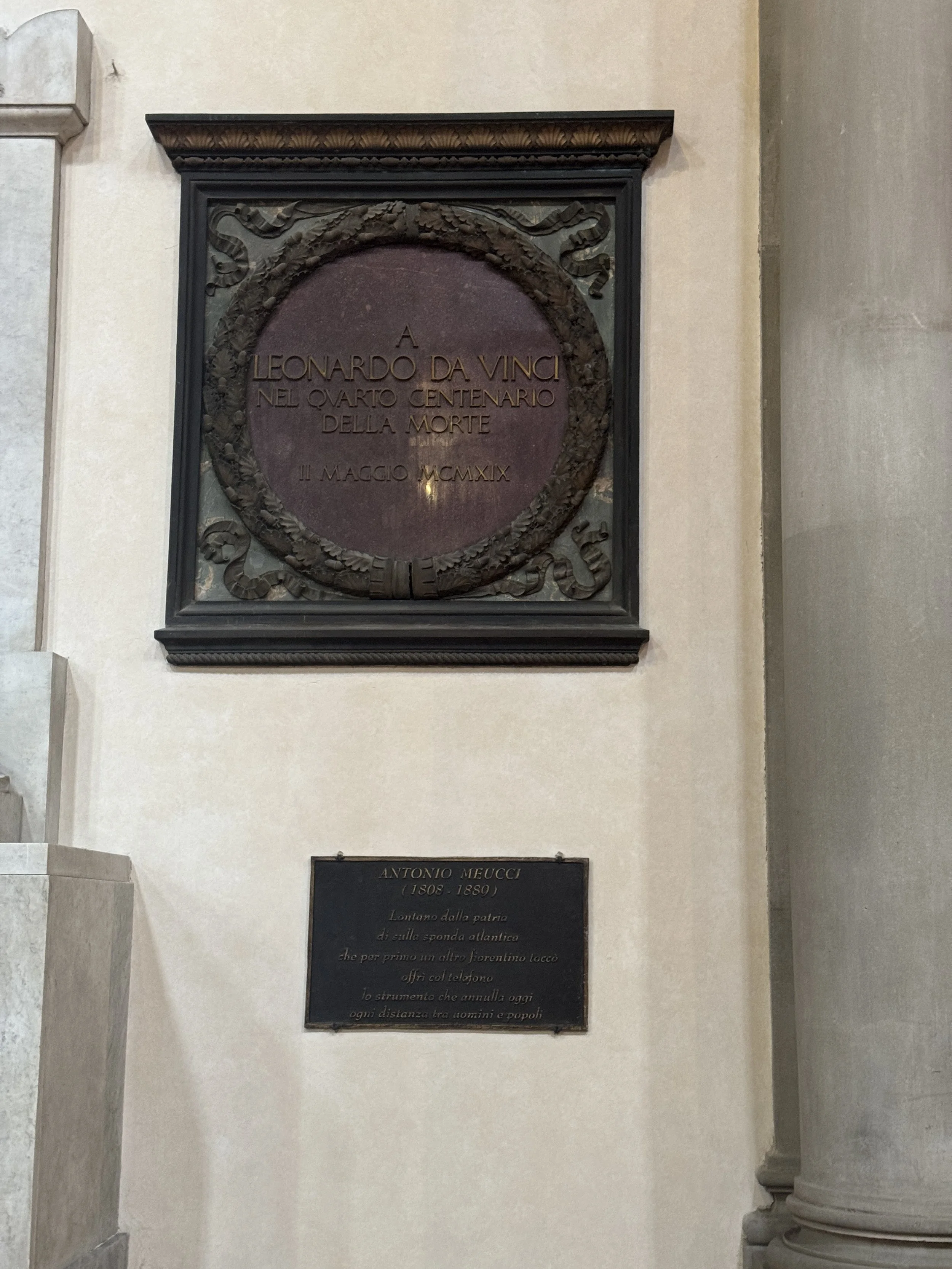
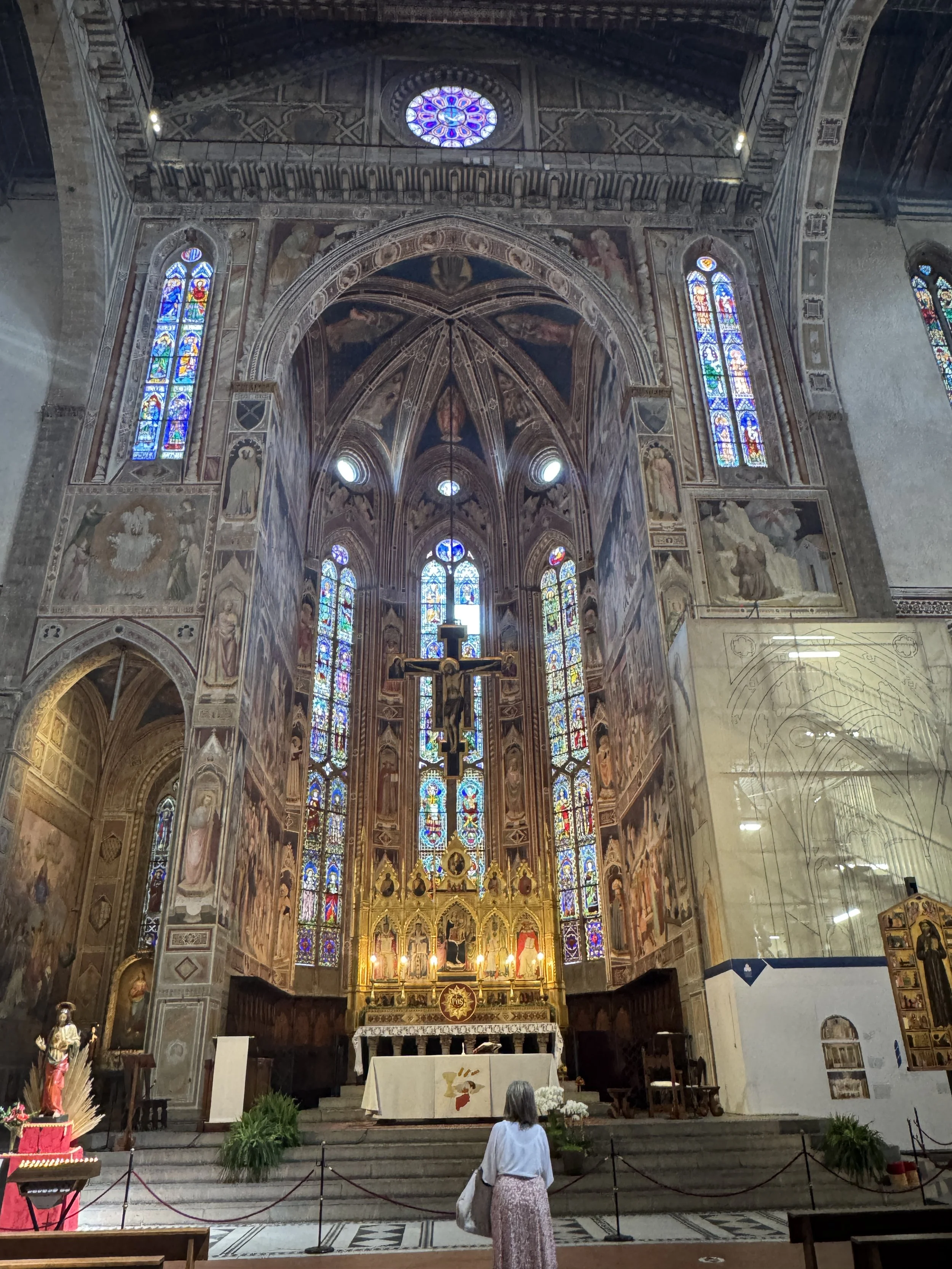
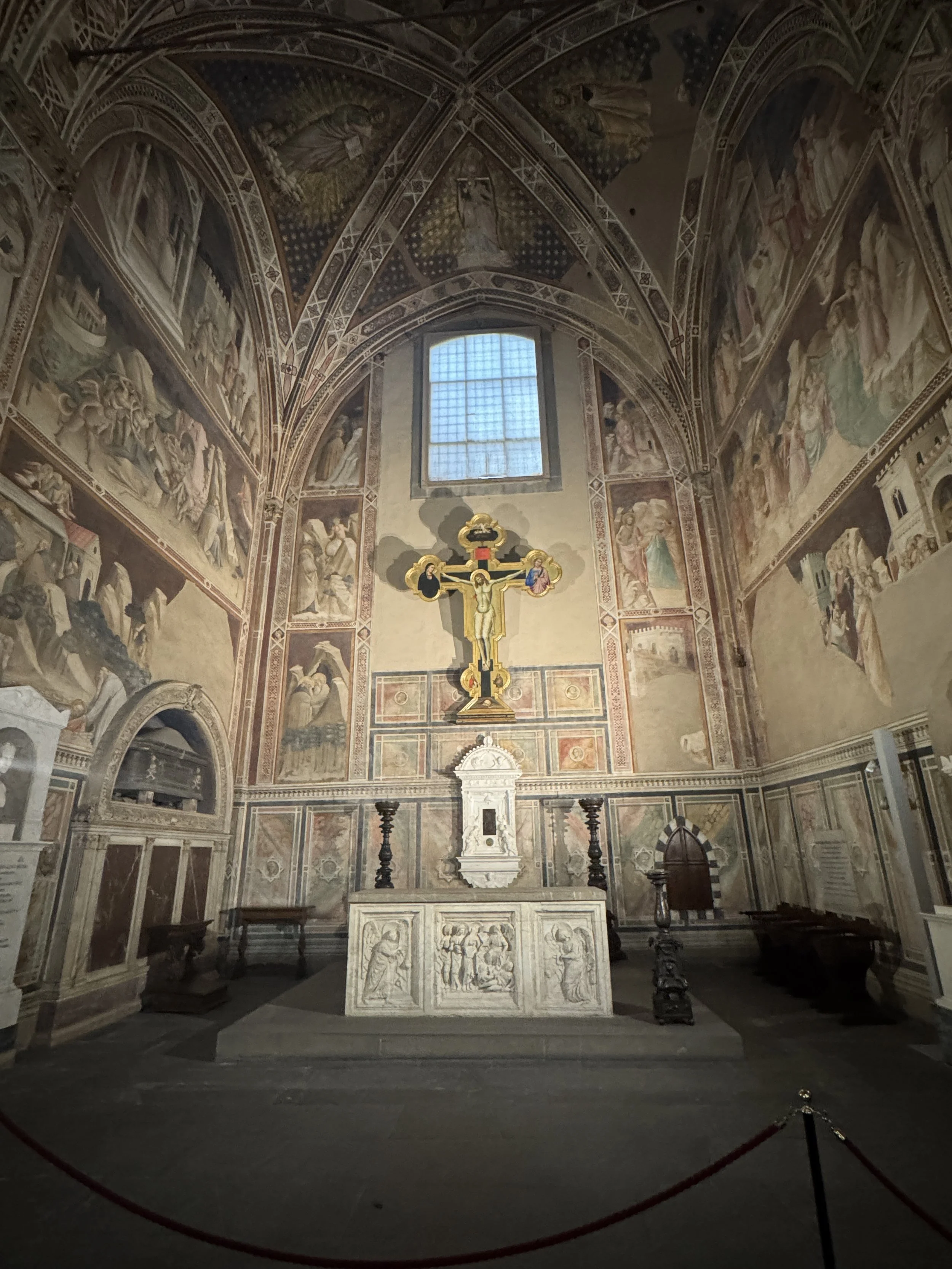
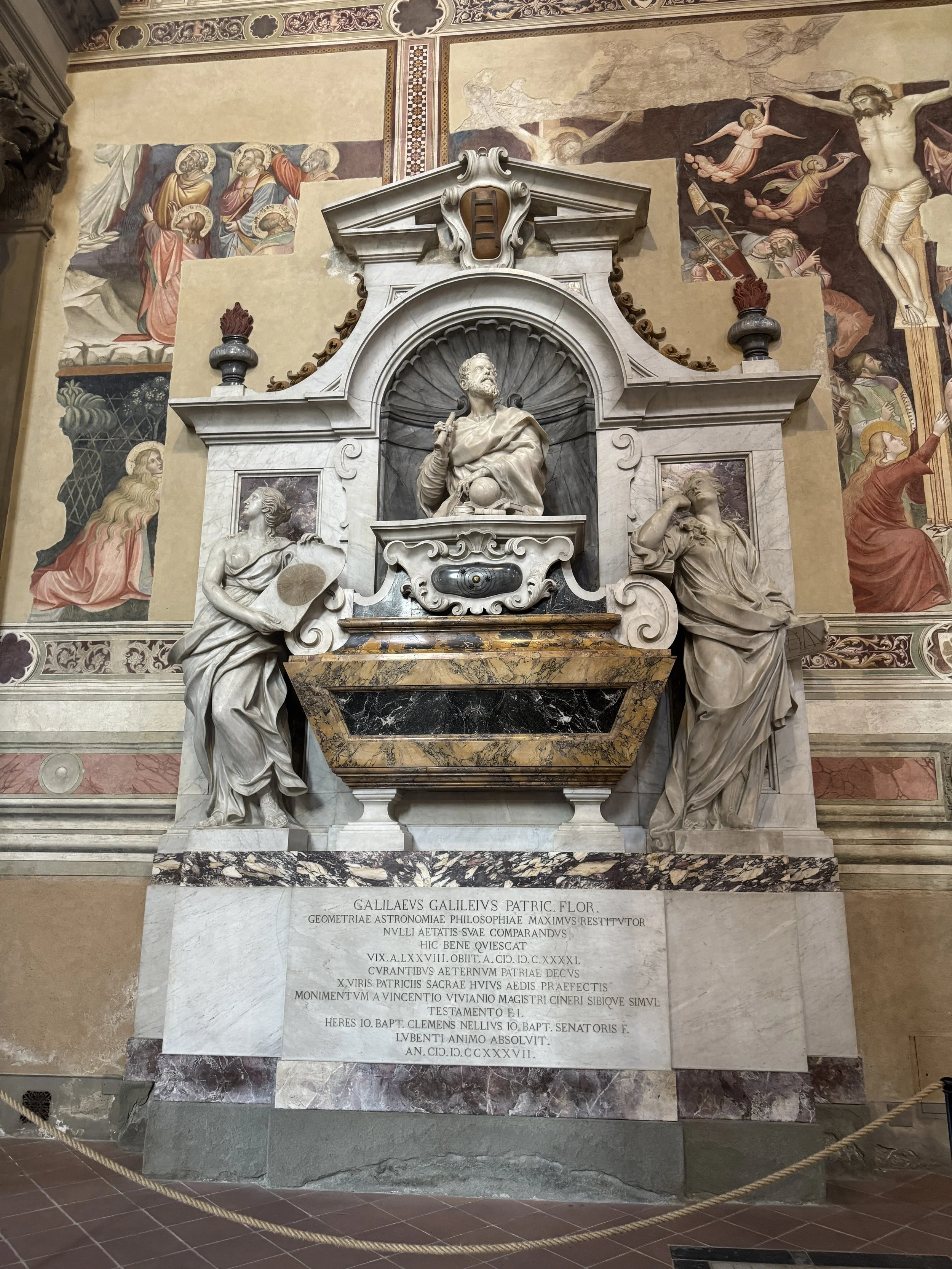
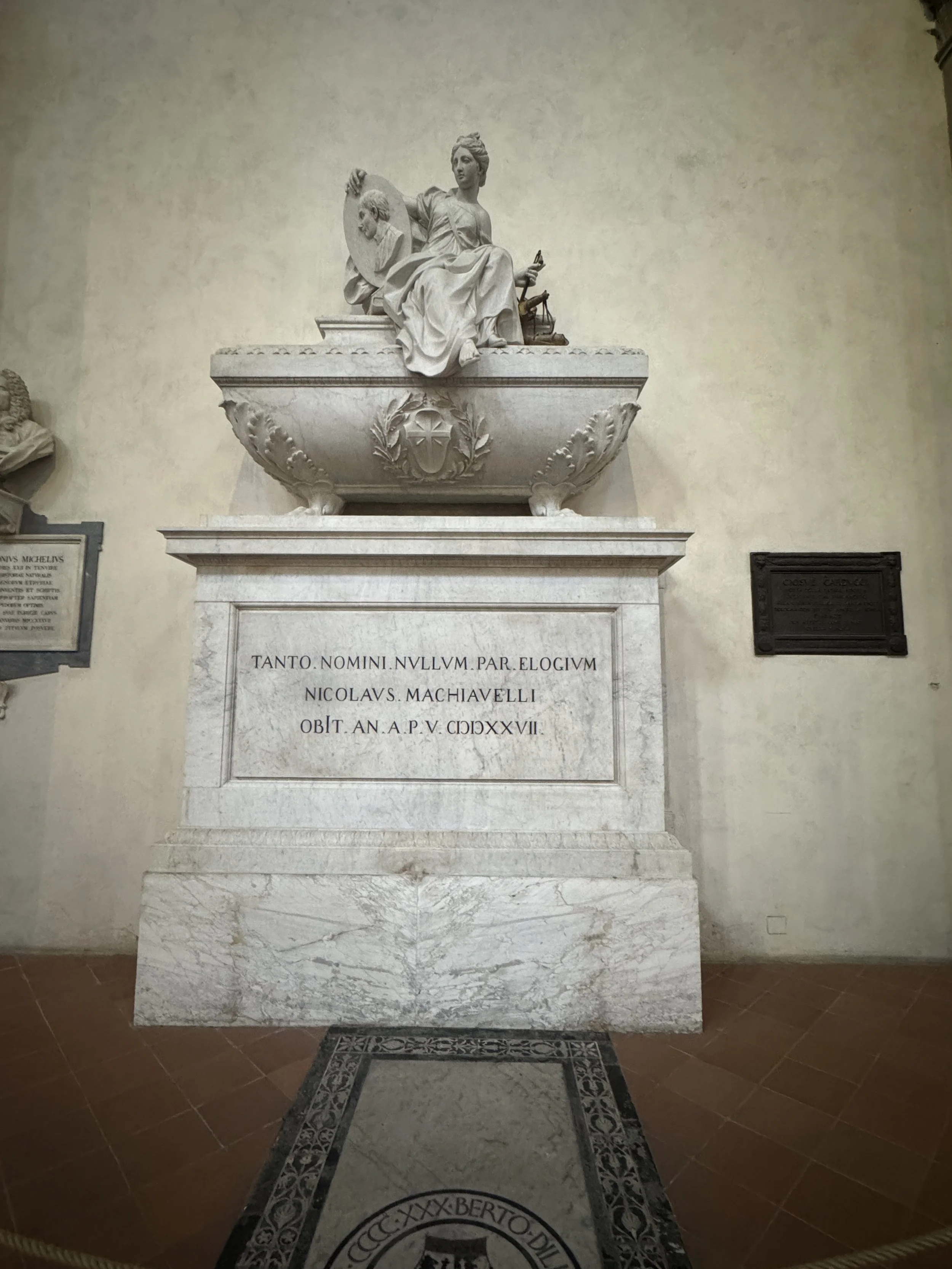
Built beginning in 1294, Santa Croce is Florence’s largest Franciscan church and is known as the “Temple of Italian Glories.” It contains the tombs of several famous Italians, including Michelangelo, Galileo, and Machiavelli, making it one of the city’s most important historical and cultural landmarks.
We decided to pay the €10 admission fee specifically to see those tombs.
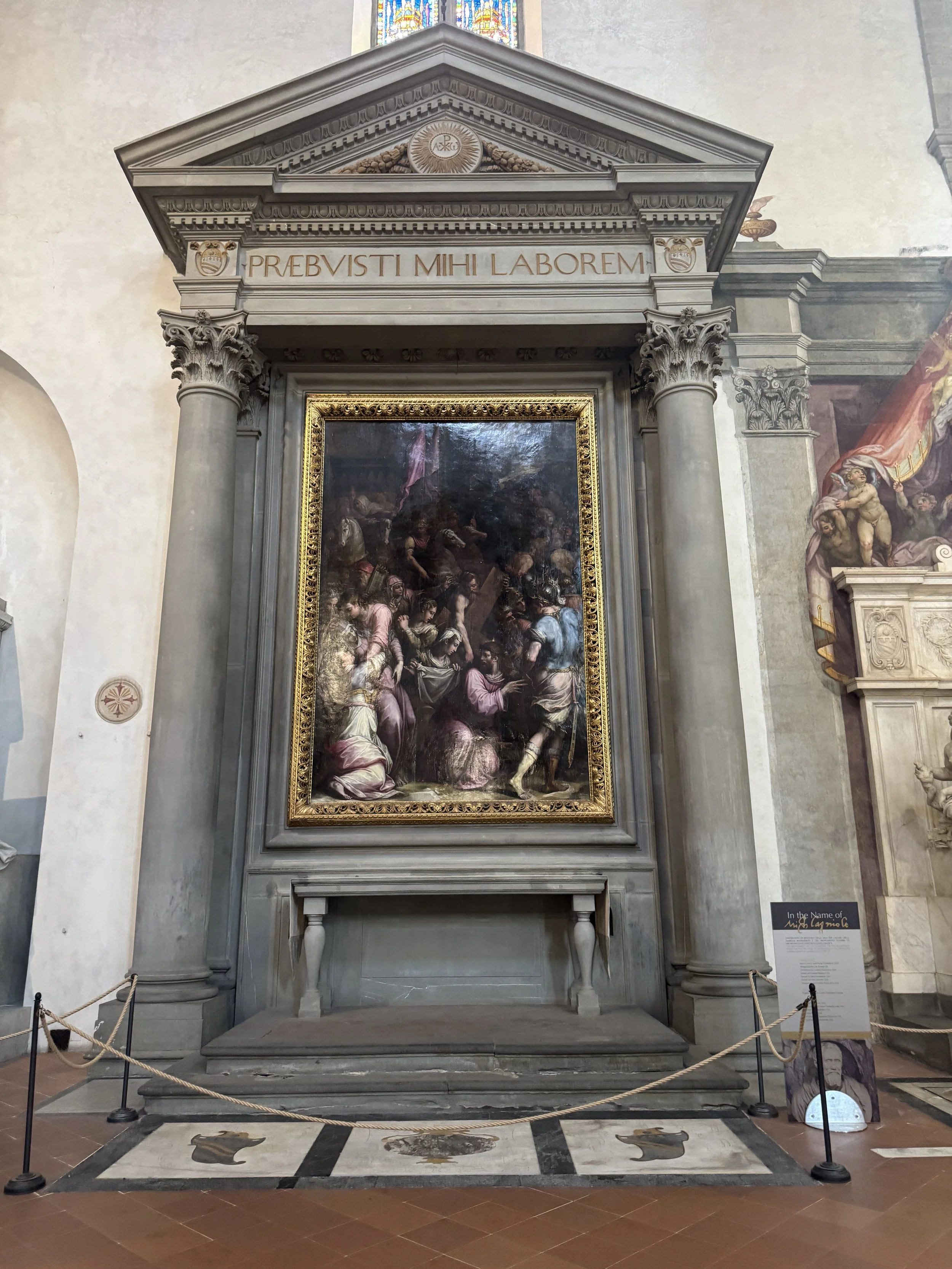
The interior was impressive, with massive tombs lining the walls. Admission also allowed us to explore long halls, additional altars and chapels, and the courtyard.
It was even bougie enough to have a bathroom attendant.
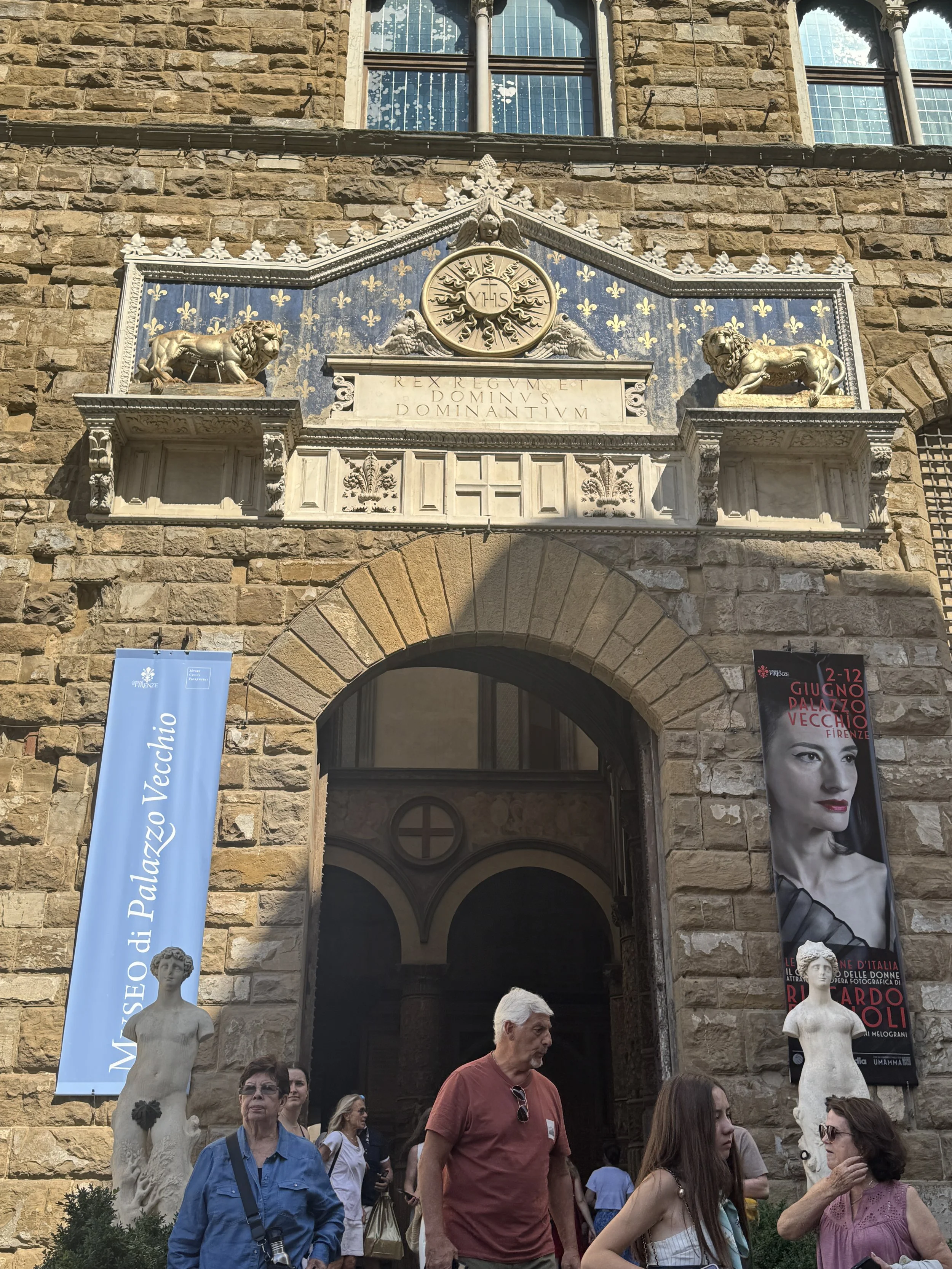
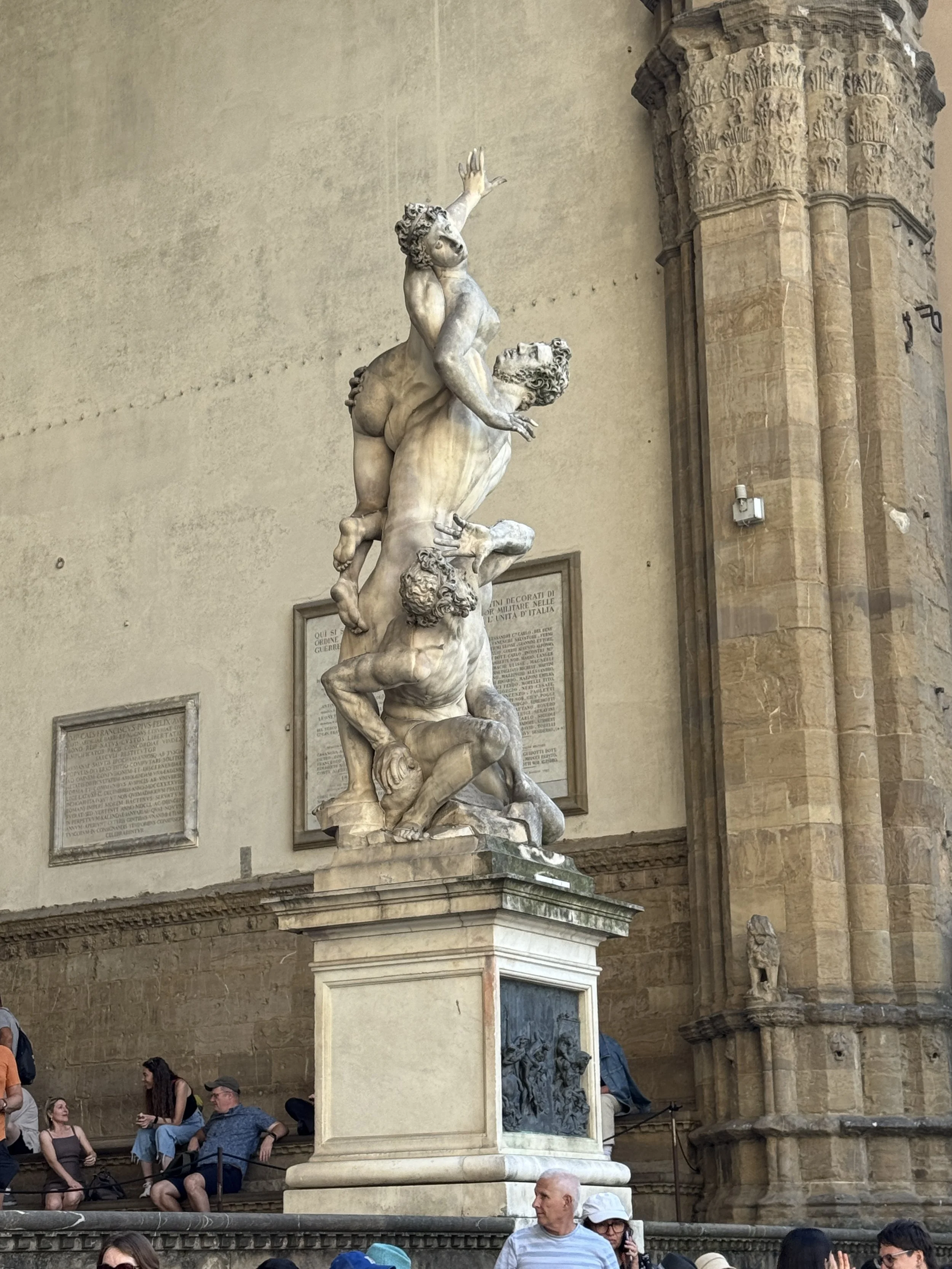
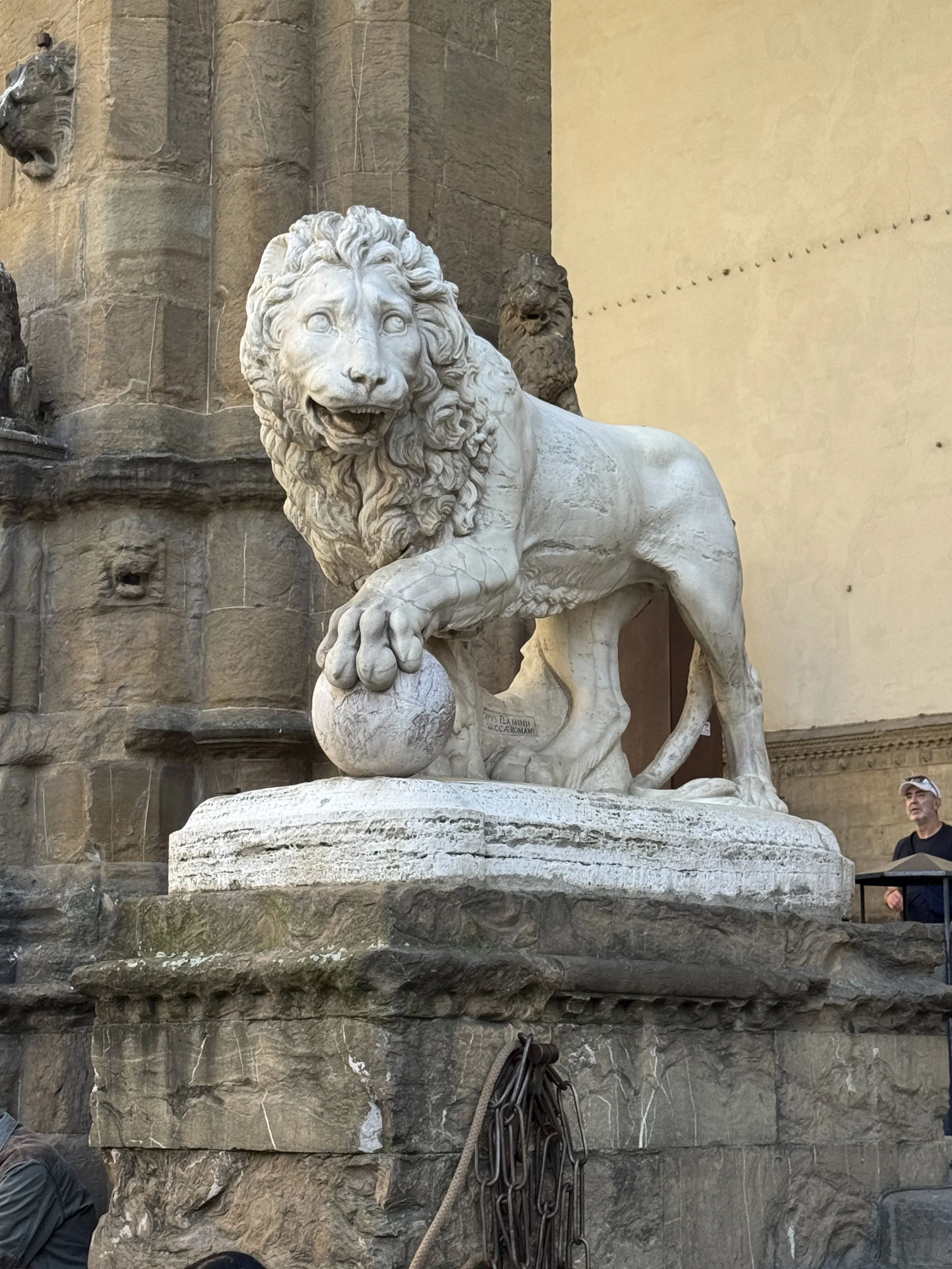
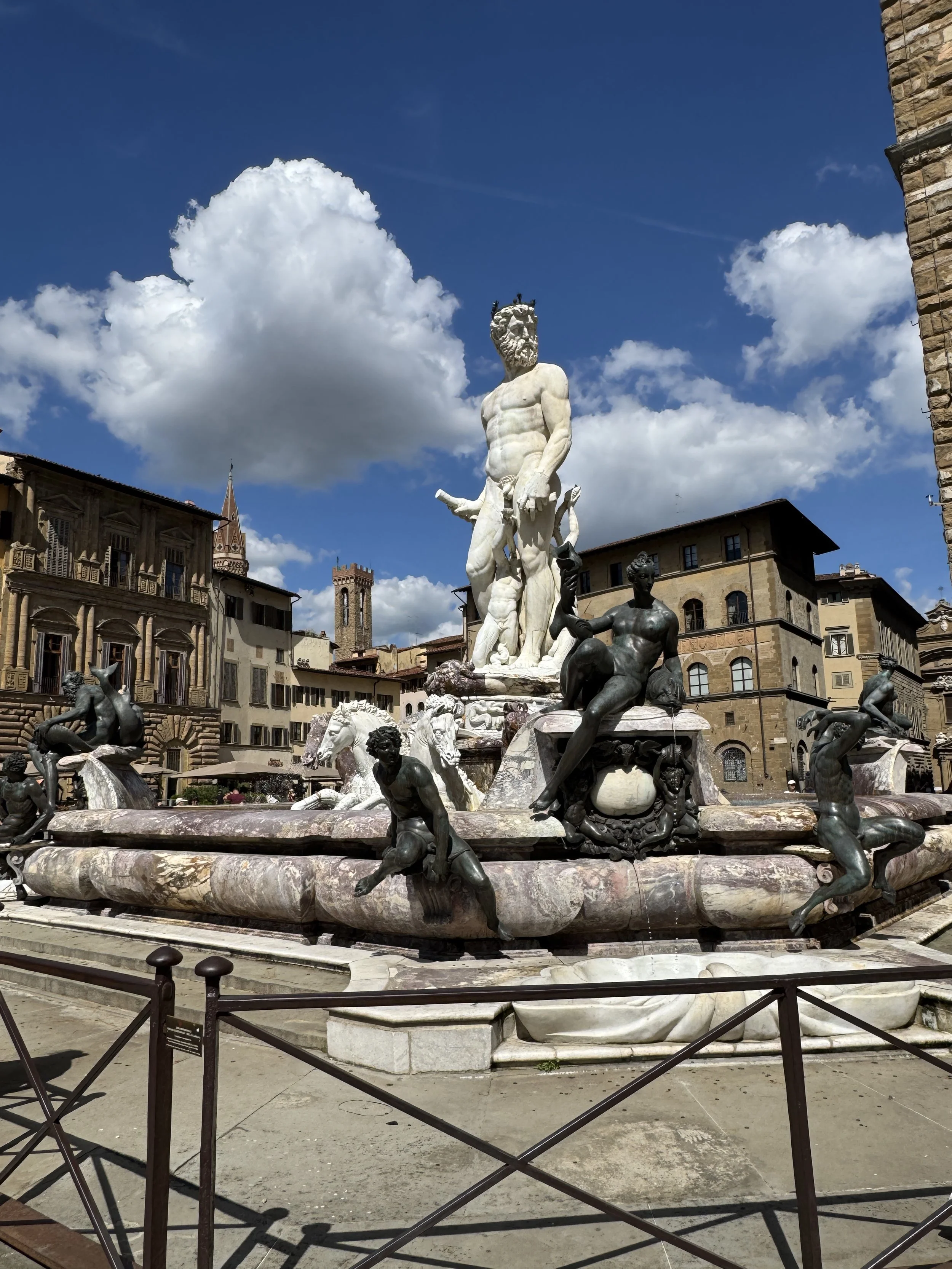
Our next stop was Piazza della Signoria, which has served as Florence’s political center for more than 700 years. Surrounded by Renaissance sculptures and the imposing Palazzo Vecchio, it feels like an open-air museum where art and history collide in the middle of the city.
It was an interesting square with statues everywhere, including those displayed beneath the Loggia dei Lanzi.
Built during the late 1300s, the loggia originally served as Florence’s ceremonial stage before becoming an outdoor gallery for treasures collected by the Medici family. Its Renaissance sculptures turn the square into a free open-air museum.
Other landmarks within the square include:
- Perseus with the Head of Medusa
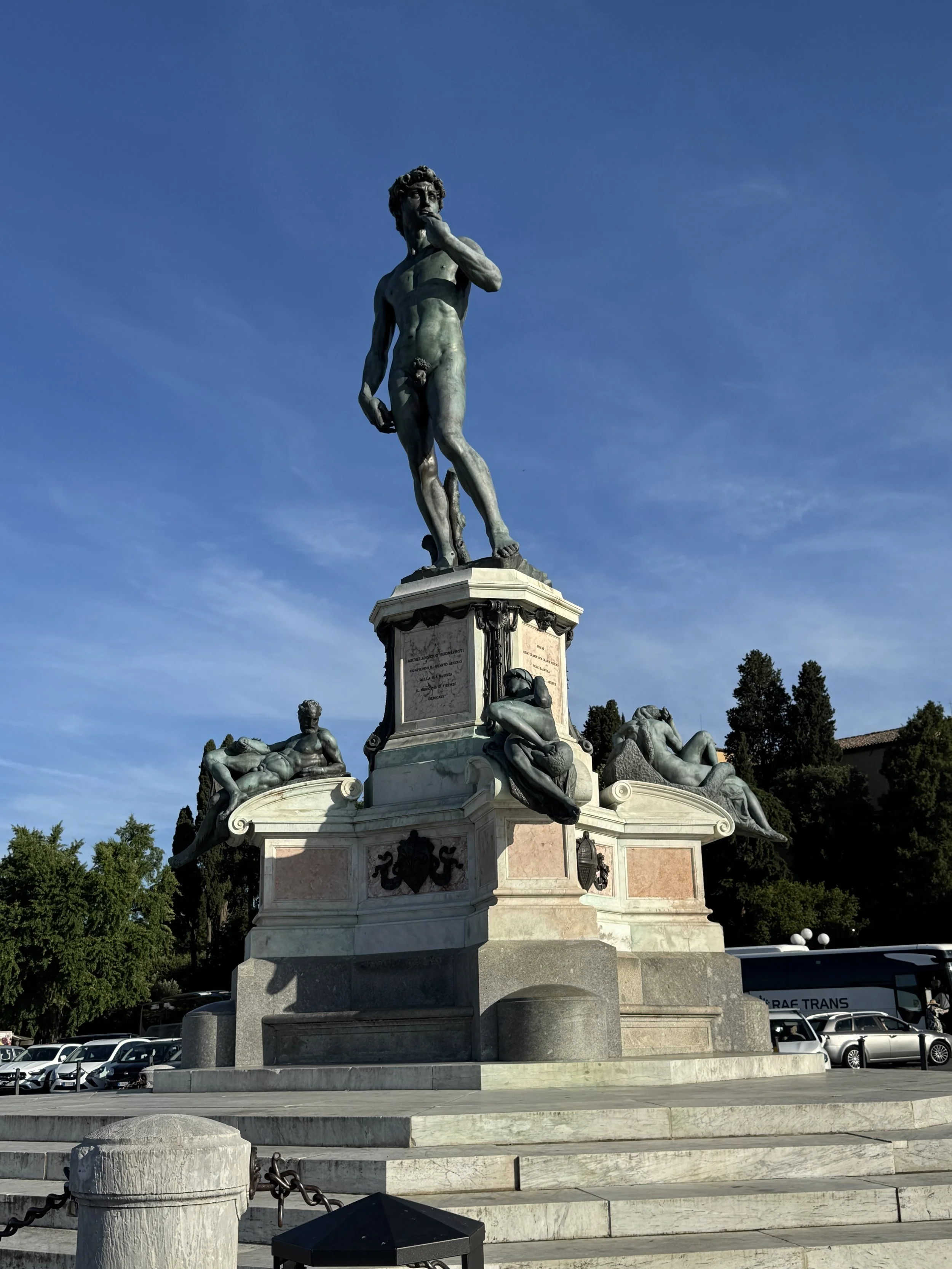
- A replica of Michelangelo’s David
- The Fountain of Neptune
The area was busy, but it was still pretty cool to see.
Ponte Vecchio & Florence’s Duomo
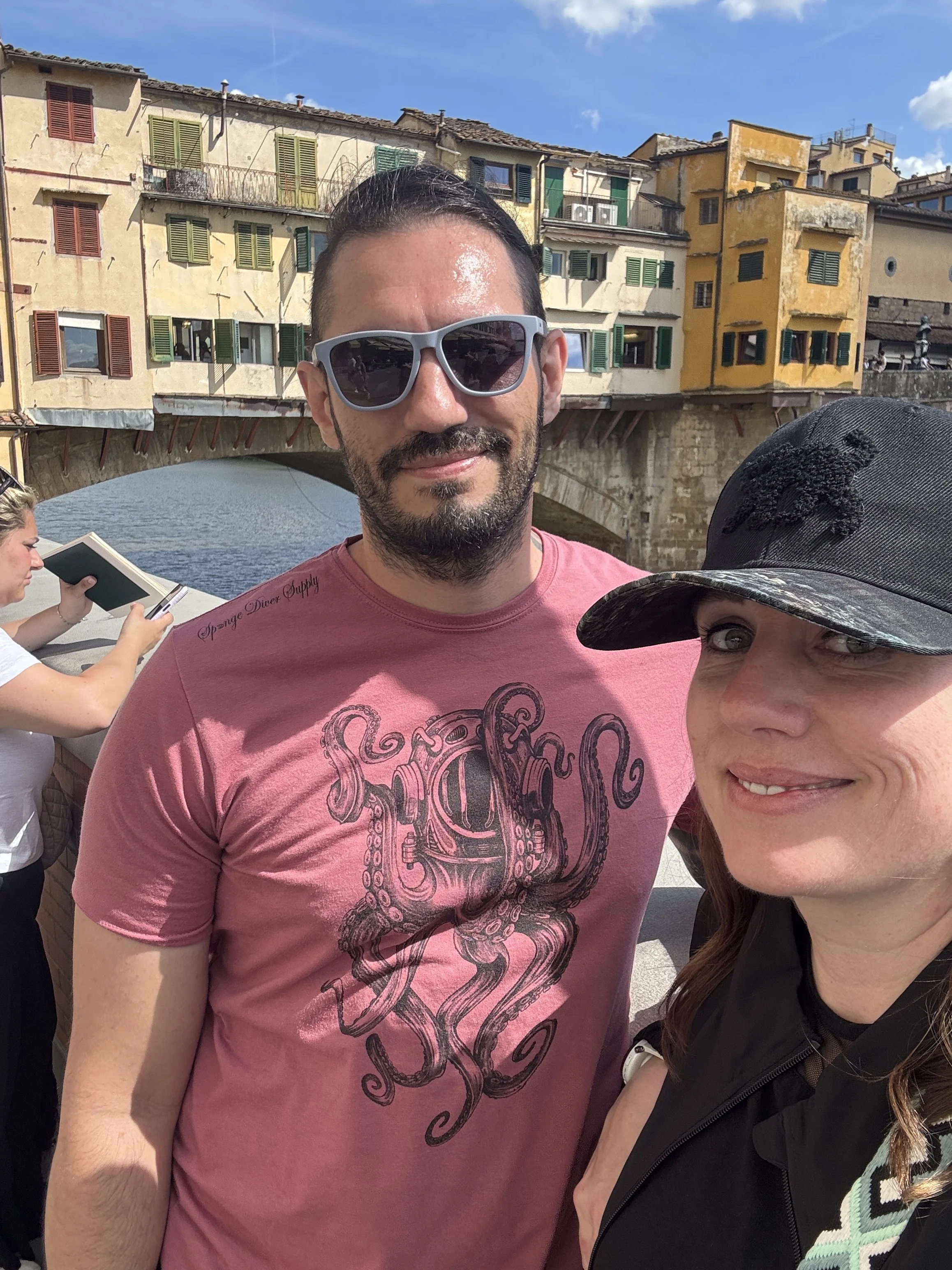
We then walked toward the Arno River to enjoy the views and see Ponte Vecchio.
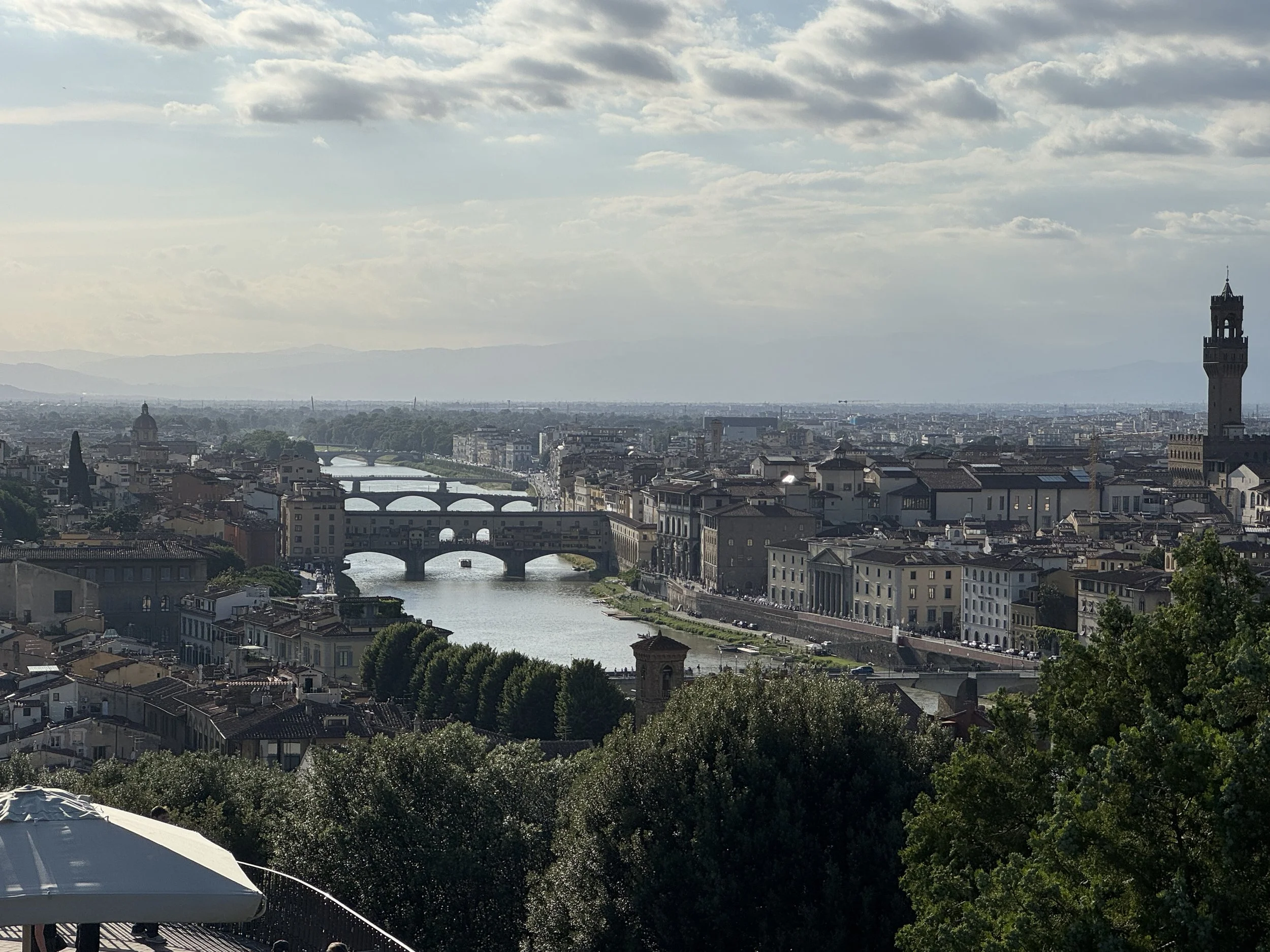
Dating to 1345, Ponte Vecchio is Florence’s iconic medieval bridge. It is famous for its rows of jewelry shops and picturesque views across the Arno and was the only bridge in Florence to survive World War II intact.
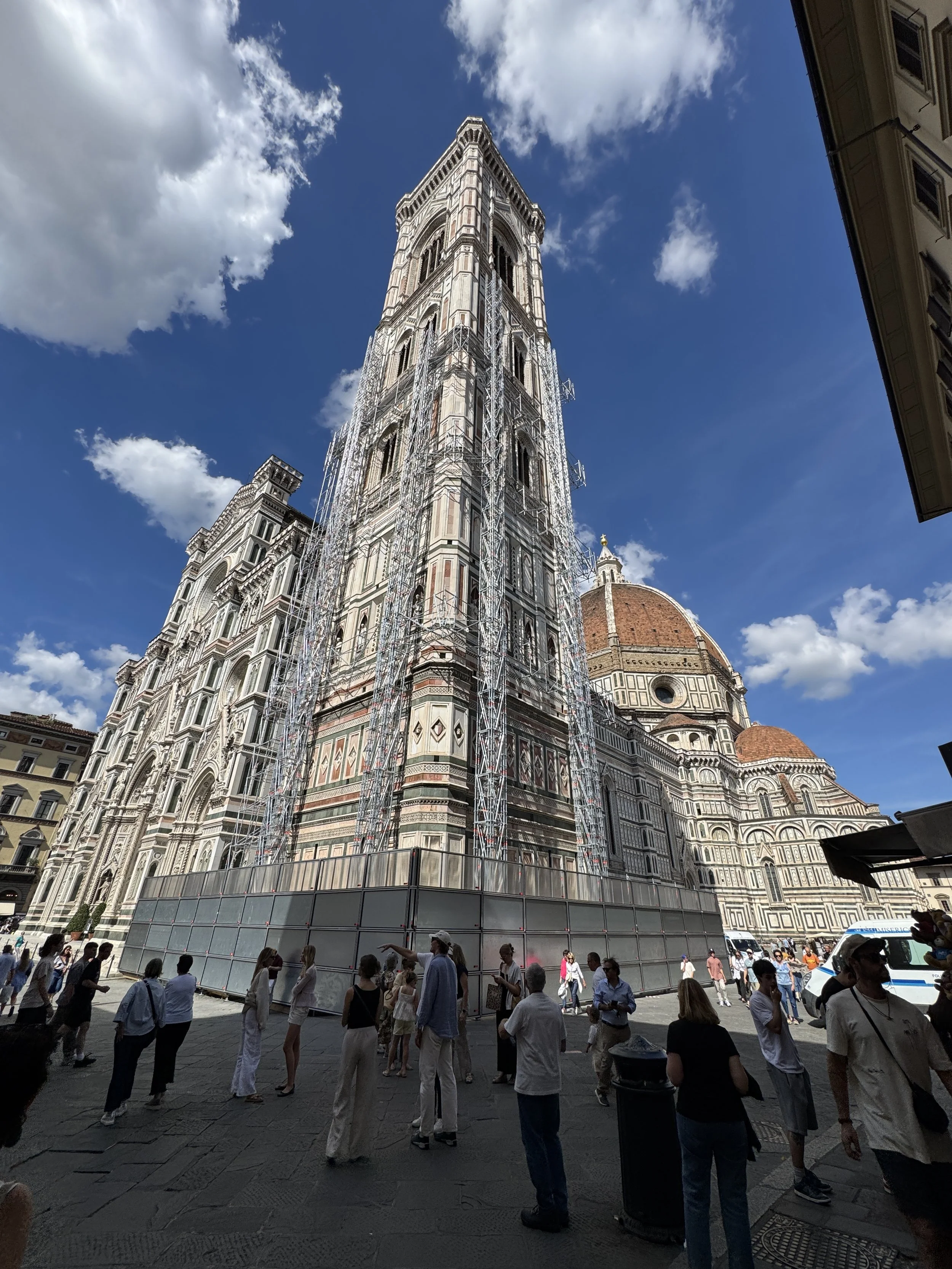
Continuing through the city, we stopped to admire Florence’s Duomo.
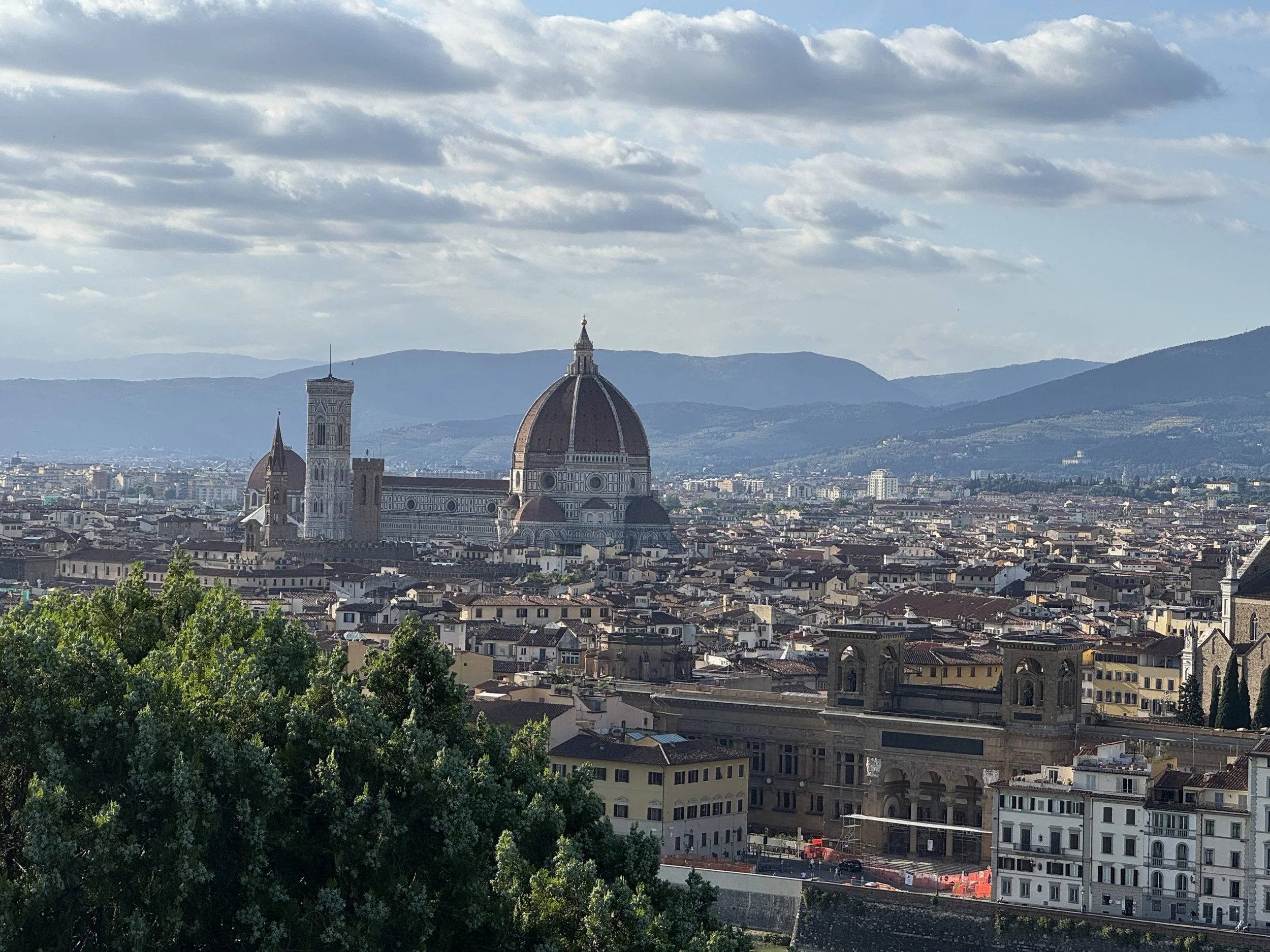
The cathedral took more than a century to build and is crowned by Brunelleschi’s groundbreaking dome, one of the greatest engineering achievements of the Renaissance. Its red-tiled silhouette dominates the city skyline and has become Florence’s defining landmark.
In the same area is the Florence Baptistery, one of the city’s oldest and most revered buildings, dating back to the 1000s. Its stunning bronze Gates of Paradise helped usher in the Renaissance and remain among Italy’s greatest artistic treasures.
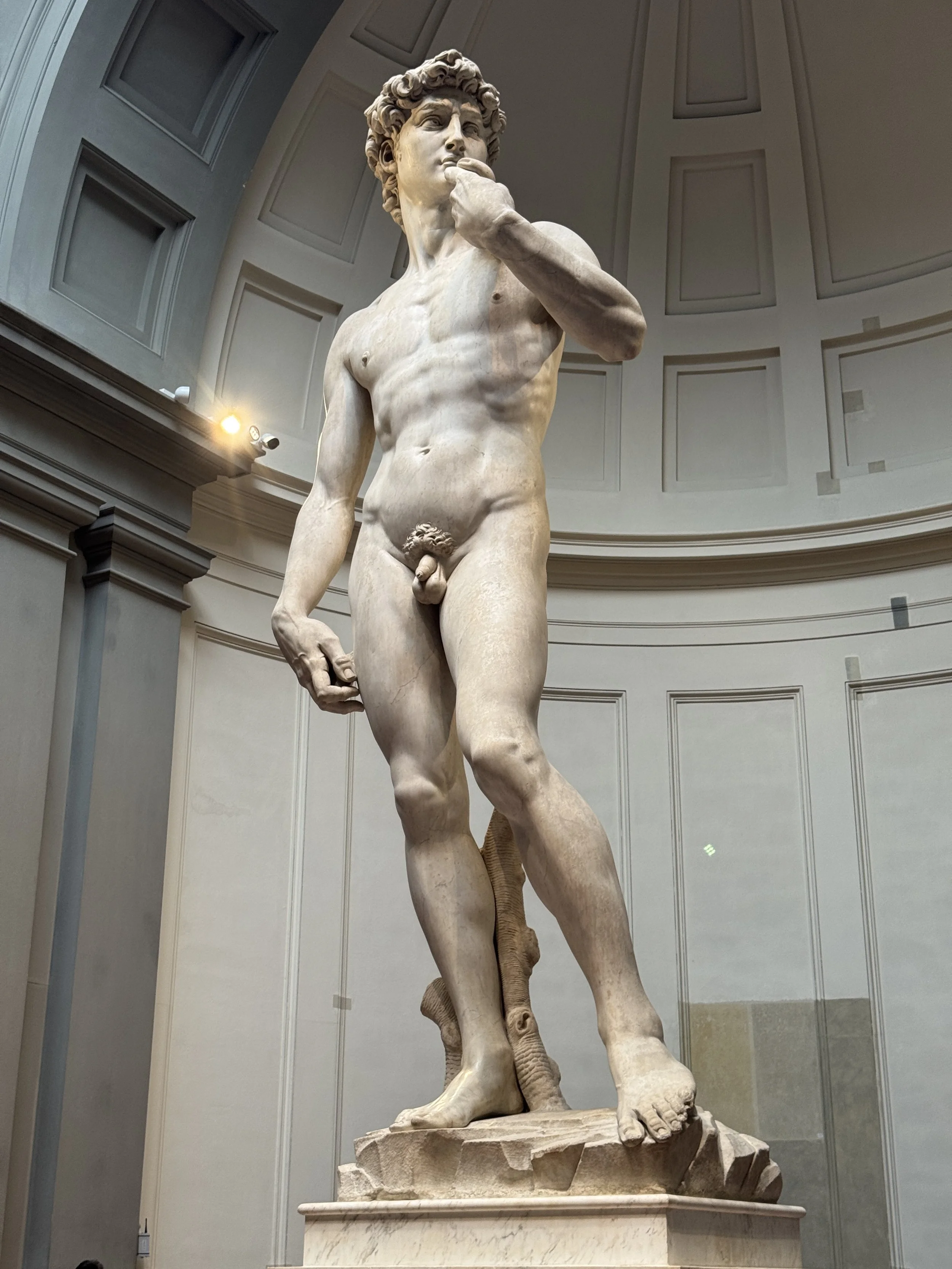
Michelangelo’s David at the Galleria dell’Accademia
We finished our self-guided sightseeing and headed to our designated meeting point at 4:45 PM to collect our tickets for the Galleria dell’Accademia—also known as the place where everyone goes to see David.
The Headout representative coordinated our group and helped get us inside through an expedited entrance.
The museum was crazy. You have to be slightly aggressive if you want to move around or see anything.
Its collection includes paintings, sculptures, and, obviously, Michelangelo’s famous David. The statue was much larger than I expected and incredibly detailed.
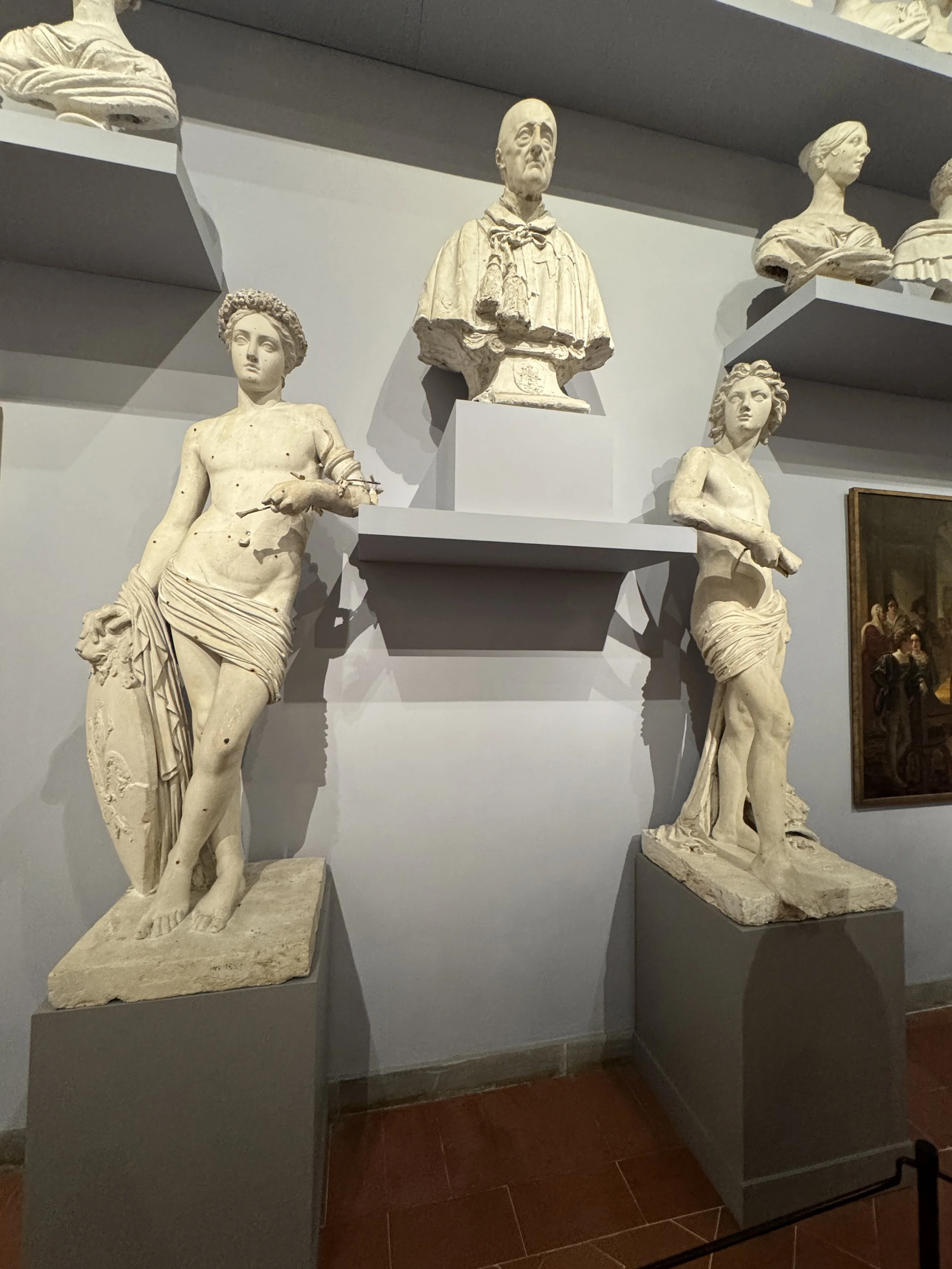
The hallway leading toward it is lined on both sides with other sculptures that almost feel like “prototypes” leading up to the finished masterpiece.
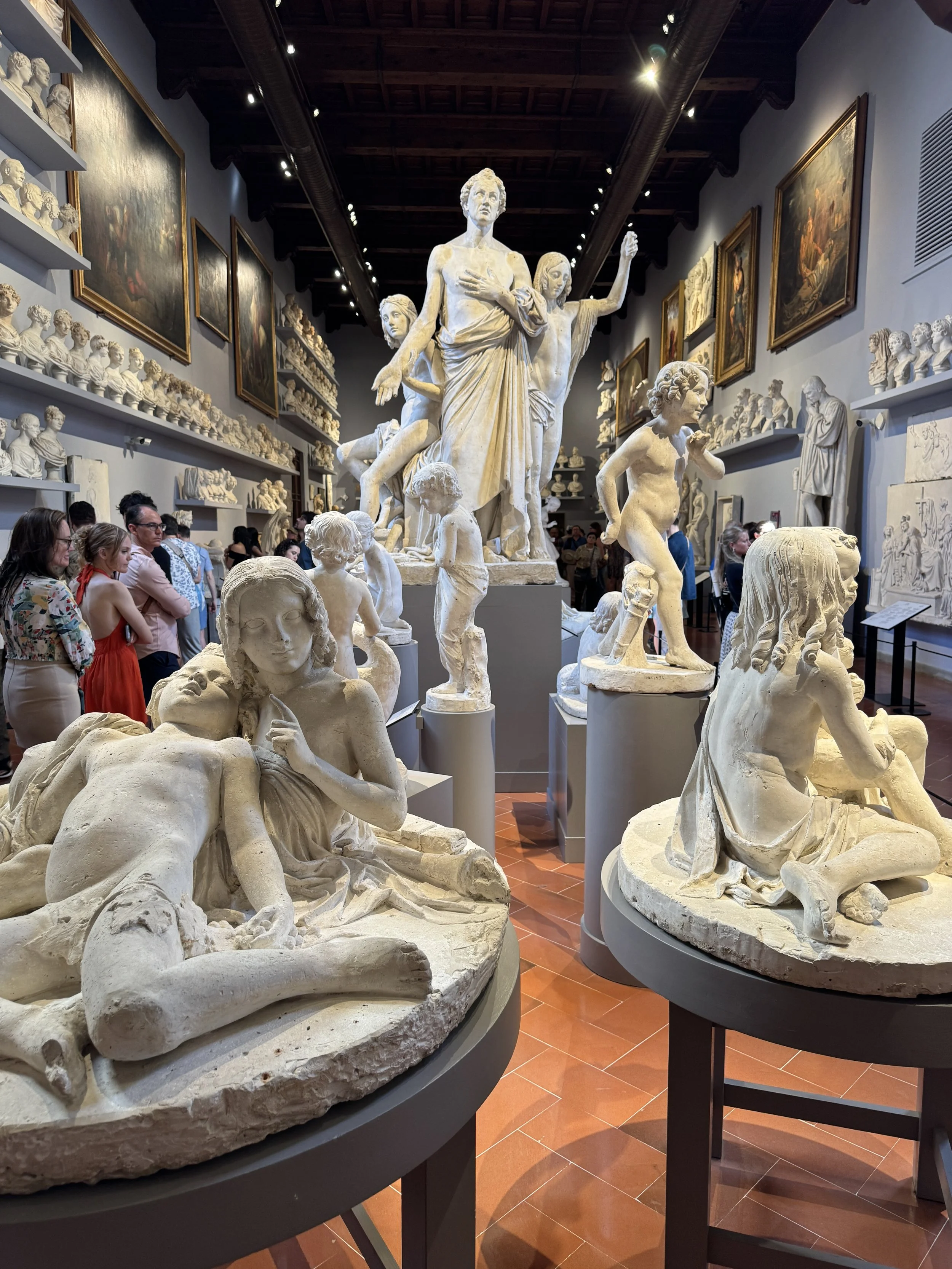
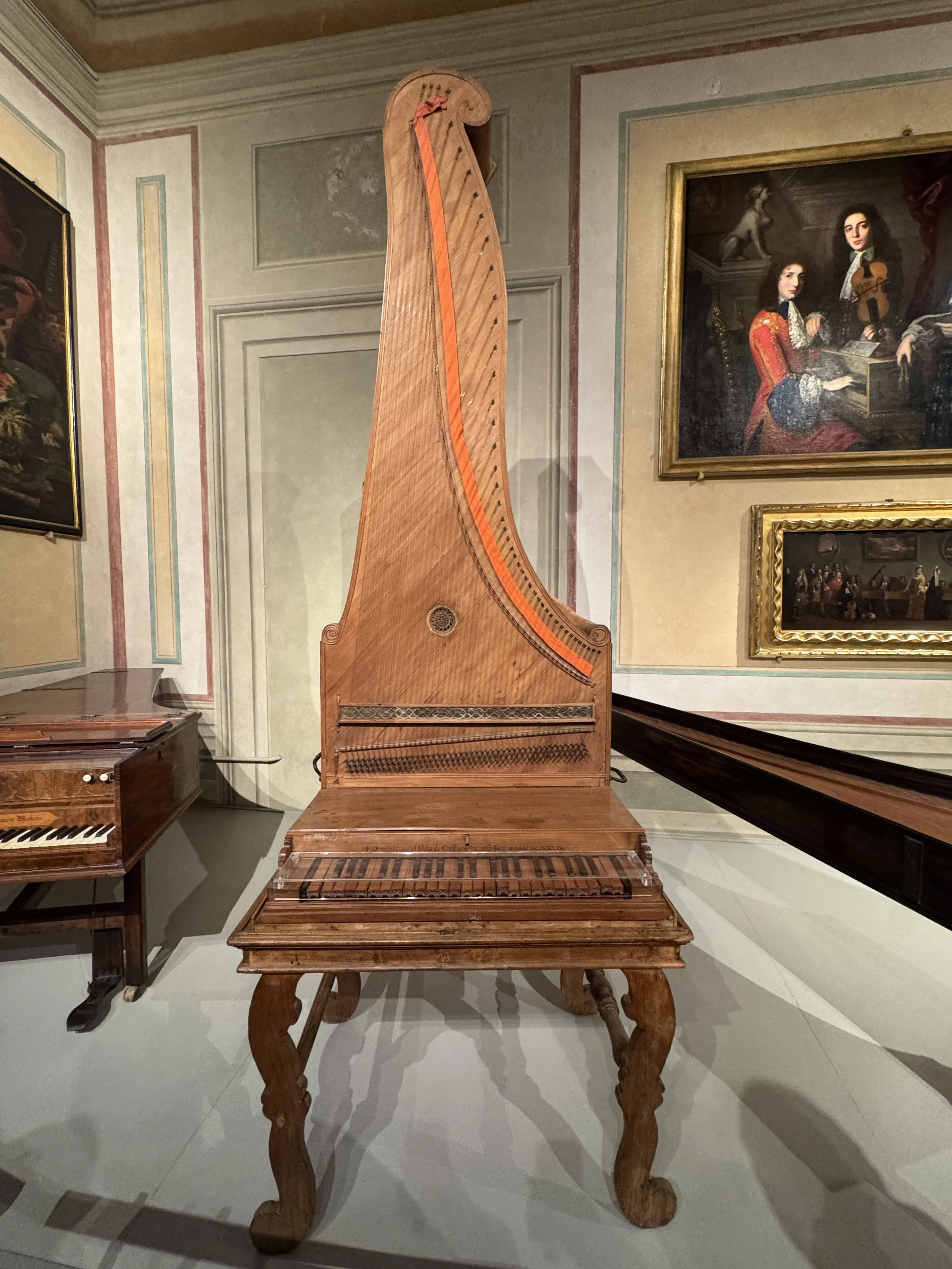
One room was literally packed with statues from various artists—and I mean floor to ceiling in some places. Another section contained a small musical instrument museum, which was also pretty cool.
I’m glad we visited, but it isn’t something I would need to repeat.
Caffè Michelangelo & Piazzale Michelangelo
While walking back toward the car, we stopped at Caffè Michelangelo. A lovely person helped us, and I ordered a chicken Caesar salad that was somehow so much better than any Caesar salad I can get in the United States.
The boyfriend ordered a quiche.
Then we attacked the bakery selection and purchased five or six small pastries. Our server threw in a few extras for us to try and told us about another location elsewhere in the city.
We didn’t visit the second location, mostly because it had already been a very long day, but the entire experience was wonderful.
Once we reached the car, we headed back toward our tent—but made one final stop along the way.
Built in 1869, Piazzale Michelangelo offers Florence’s most iconic panoramic view. From the overlook, the Duomo, Palazzo Vecchio, and Arno River spread across the landscape in a postcard-perfect view of the Renaissance city.
The view was extremely impressive, and the area had parking and several vendors.
It was the perfect way to end the day.
We then stopped at the market inside the hu campground before parking the car for the night.
Why Florence Was Our Favorite City
I should note that Florence was our favorite city so far.
Even the drive into the city was beautiful and unique. Our walking route was gorgeous, the main attractions were relatively compact, and Florence had a more laid-back feeling than the other major cities we had visited.
It was the first city where I genuinely felt like I could use more time to absorb everything.
June 7 · Pisa & Lerici
Leaning Towers, Thin Walls & the Great Italian Ice Hunt
Free Pisa Parking & the Complete Monument Pass
We woke up, had our free breakfast buffet at 7:30 AM, and were on the road by 8:00 AM with Pisa as our first destination.
We parked at Parcheggio Via Pietrasantina. It’s a little far from the main attractions, but it is easy to access—and free. Since parking throughout the trip had generally cost between €2 and €4 per hour, free was a welcome surprise.
There is a fairly obvious walking path from the parking lot. If you’re unsure which way to go, you can always follow one of the large groups pouring out of a shuttle bus.
We prepurchased the Complete Monument Pass for €11. It includes admission to the major museums and attractions within the central square. Climbing the Leaning Tower costs extra, but there is a ticket option that includes it.
We immediately headed into Cathedral Square, also known as Piazza dei Miracoli.
Construction on the complex began during the 11th century as a symbol of Pisa’s wealth and power as a maritime republic. Home to the Leaning Tower, Cathedral, Baptistery, and Camposanto, it is one of Italy’s most famous examples of Romanesque architecture and a UNESCO World Heritage Site.
Camposanto Monumentale
Our first use of the pass was at Camposanto Monumentale.
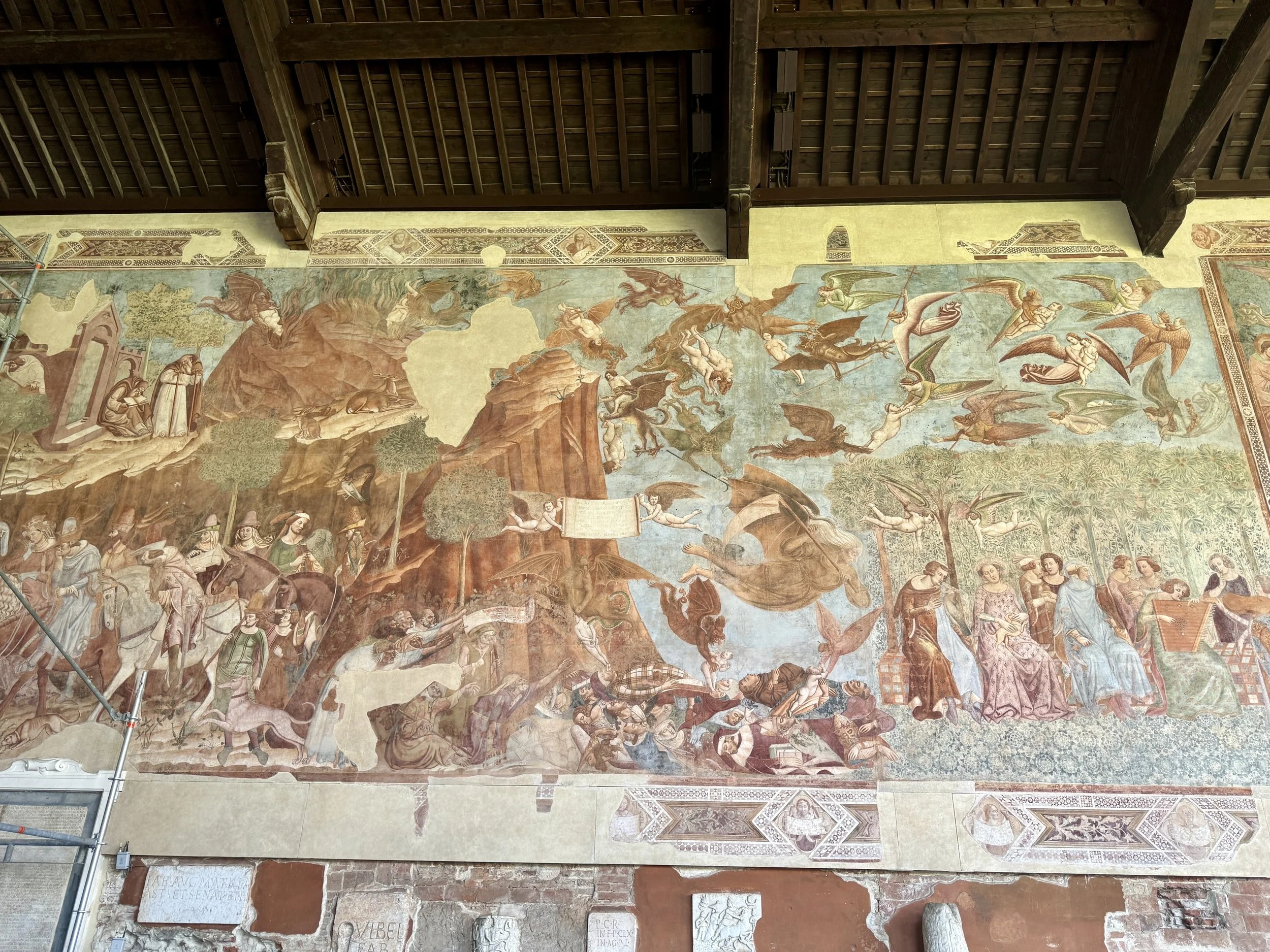
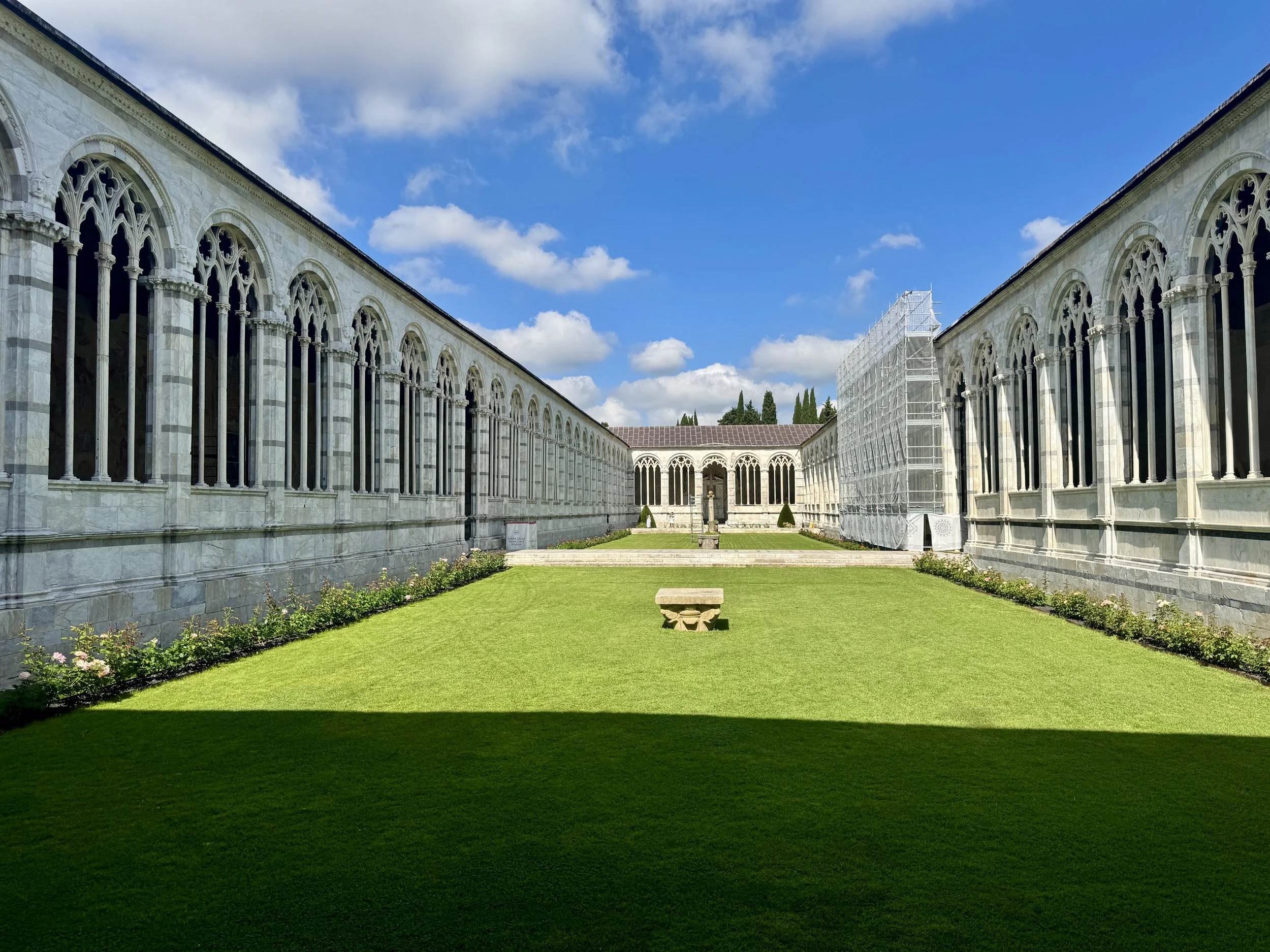
Built beginning in 1277, the Camposanto is Pisa’s historic cemetery, famous for its Gothic cloisters and legendary soil brought back from Jerusalem during the Crusades. It served as a burial place for Pisa’s elite and remains one of the city’s most important medieval monuments.
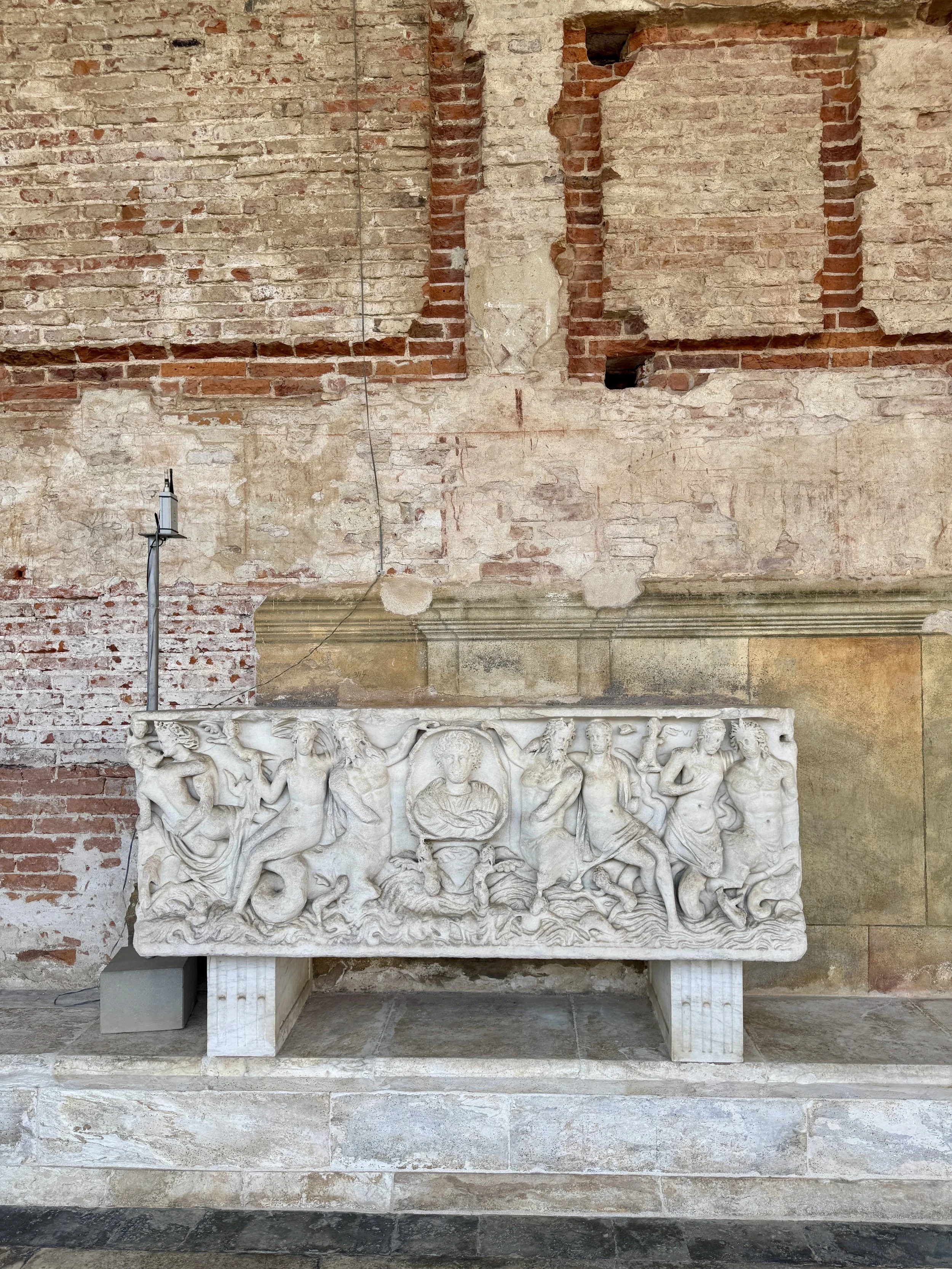
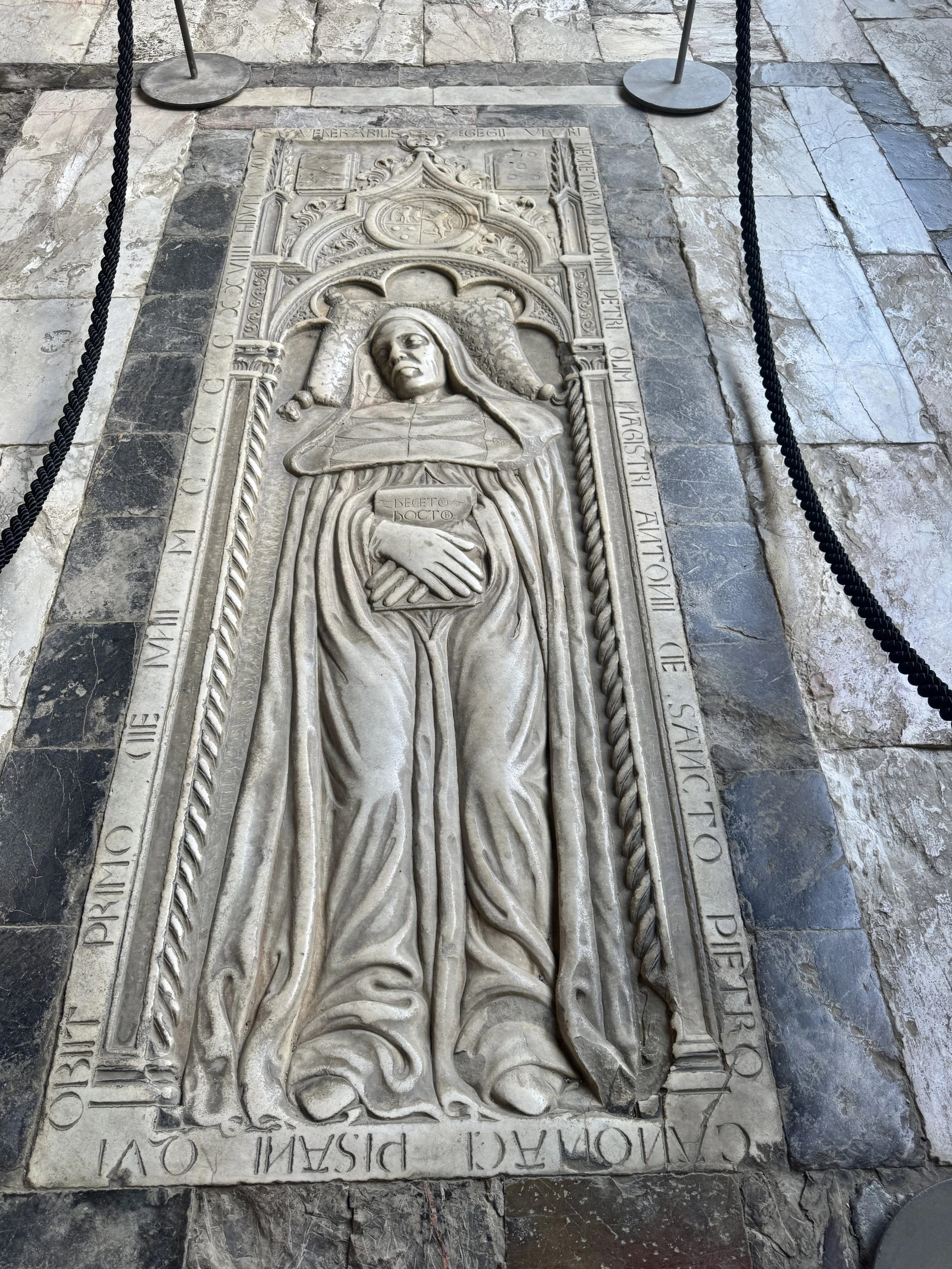
Inside were massive paintings, including several with extremely dark themes, and sarcophagi lining the walls. Elaborate tombs covered sections of the floor, and the building surrounded a peaceful central courtyard.
This was my favorite stop in Pisa.
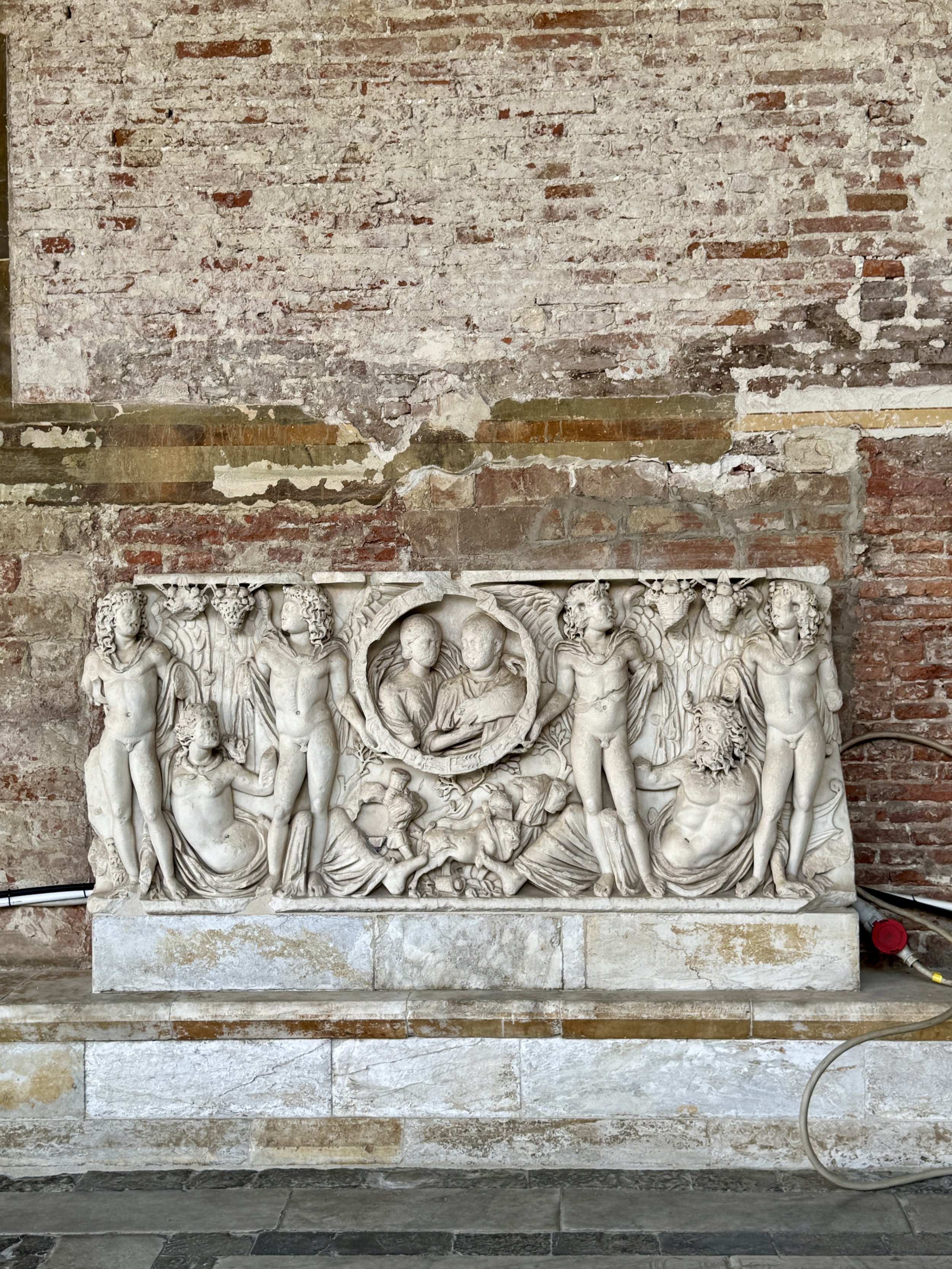
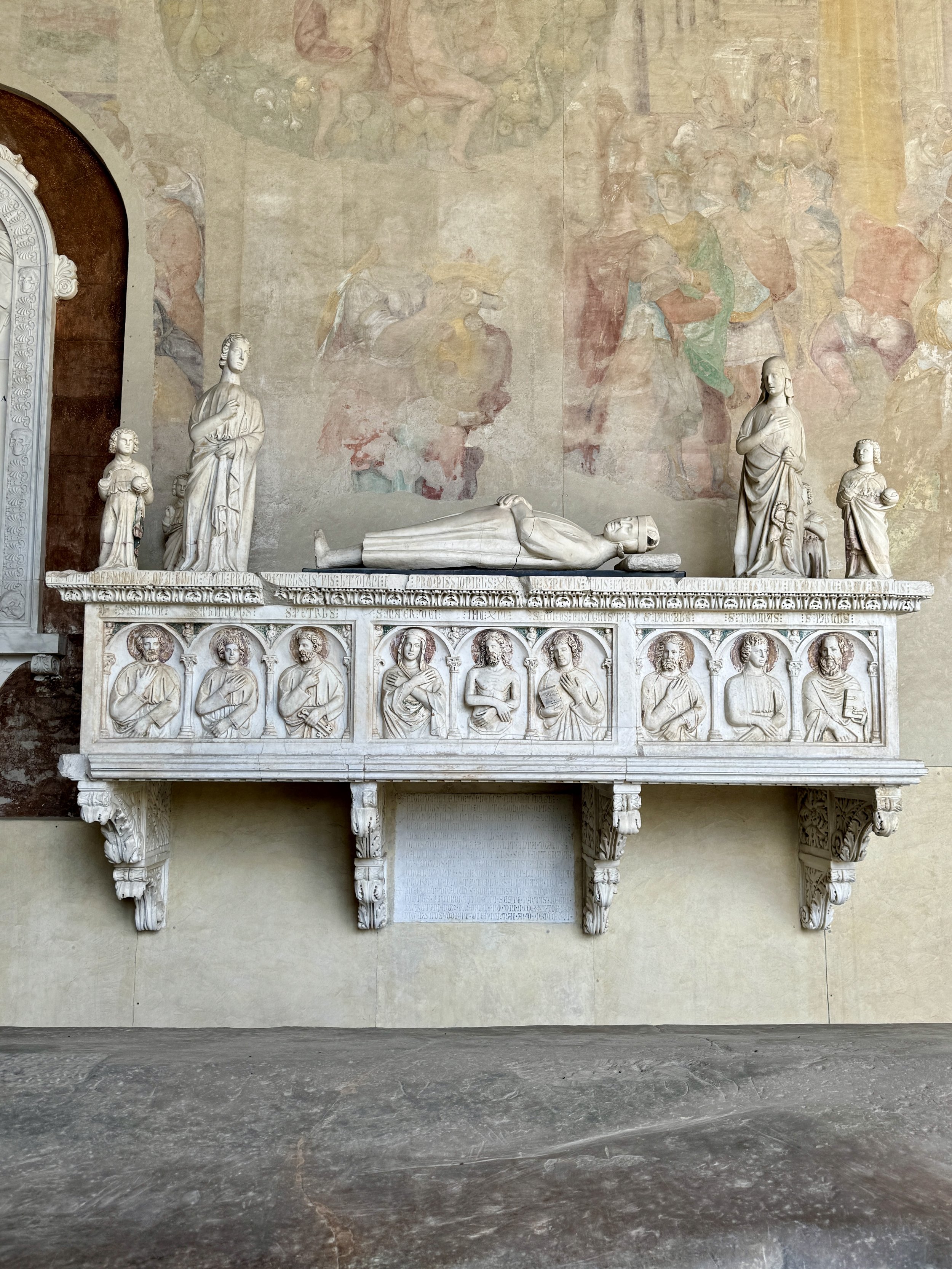
Pisa Cathedral, Baptistery & Museum of the Sinopias
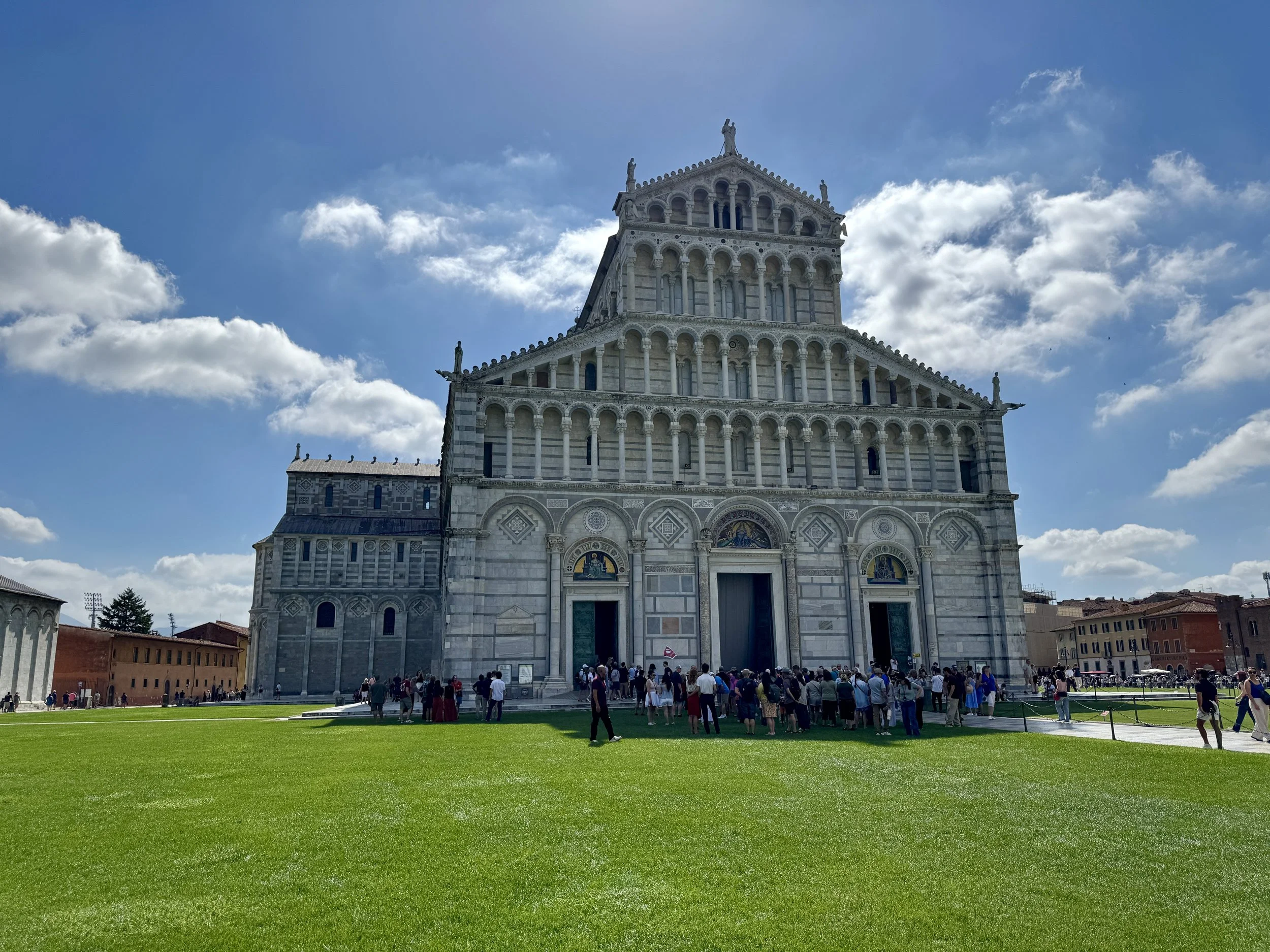
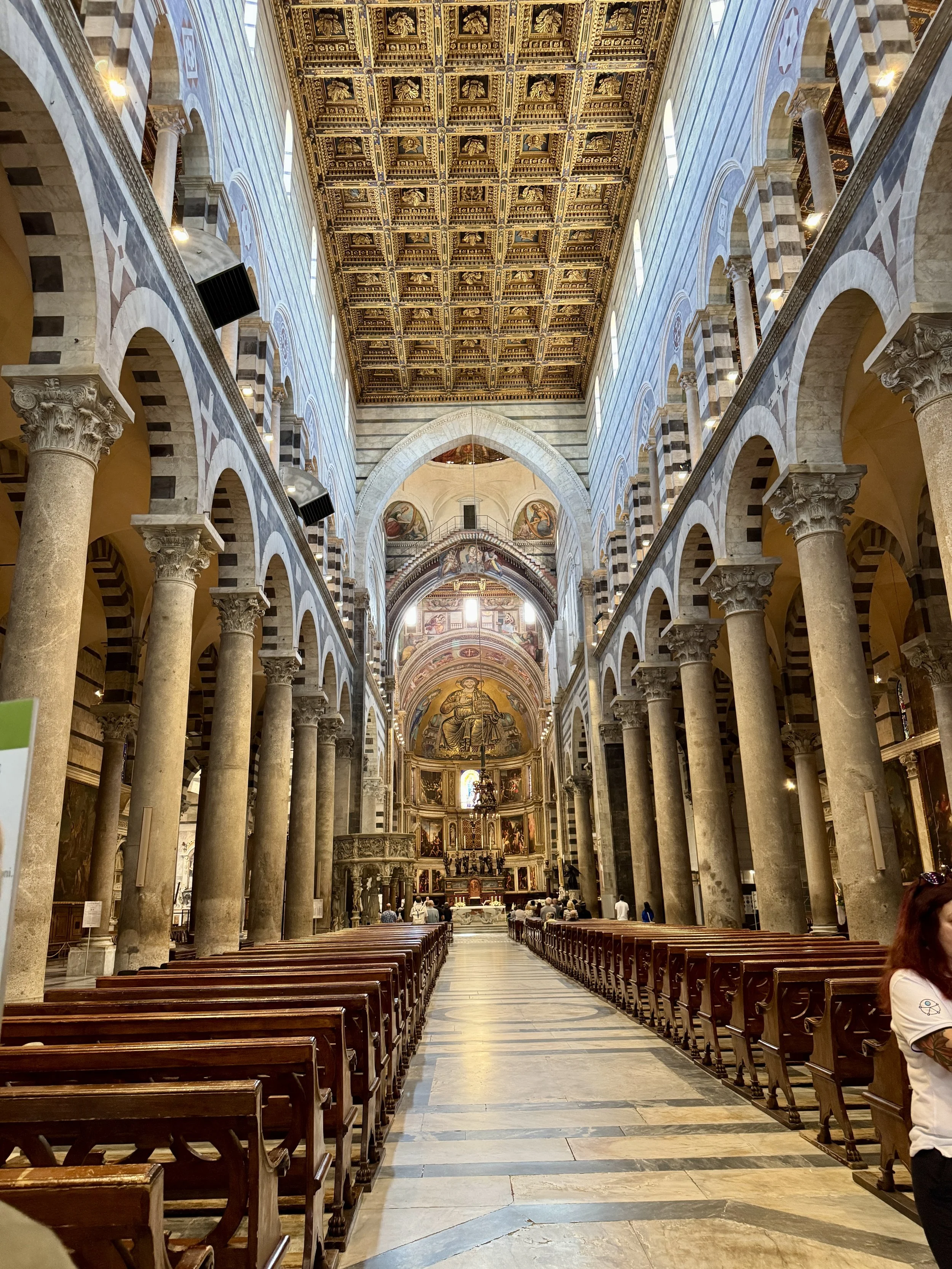
Across the plaza was Pisa Cathedral.
Founded in 1064, the cathedral is the centerpiece of Piazza dei Miracoli and a masterpiece of Pisan Romanesque architecture. Built during Pisa’s golden age as a maritime republic, its grand marble design and richly decorated interior reflect the city’s former wealth.
Because it was Sunday, Mass was taking place when we arrived. We were only able to step inside briefly and view the interior from the back.
It was another building that instantly made us feel tiny beneath its massively high ceilings.
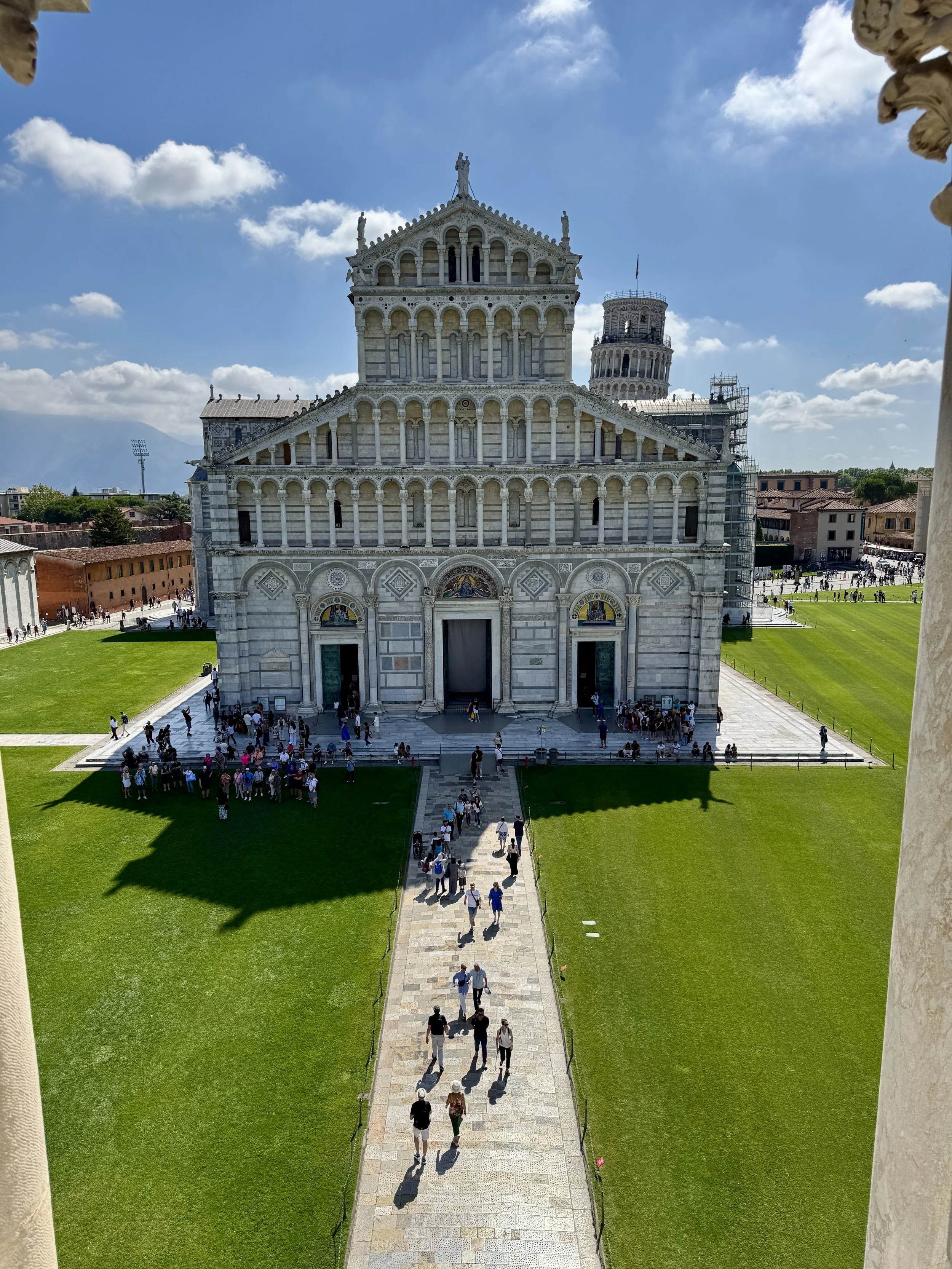
Directly across the plaza is the Pisa Baptistery.
Construction began in 1152, and it remains the largest baptistery in Italy. Its design combines Romanesque and Gothic architecture, and it is known for its exceptional acoustics and elaborate marble details.
Our pass included admission, and visitors are allowed to climb the interior staircase. One of the upper windows provides an amazing view of the cathedral.
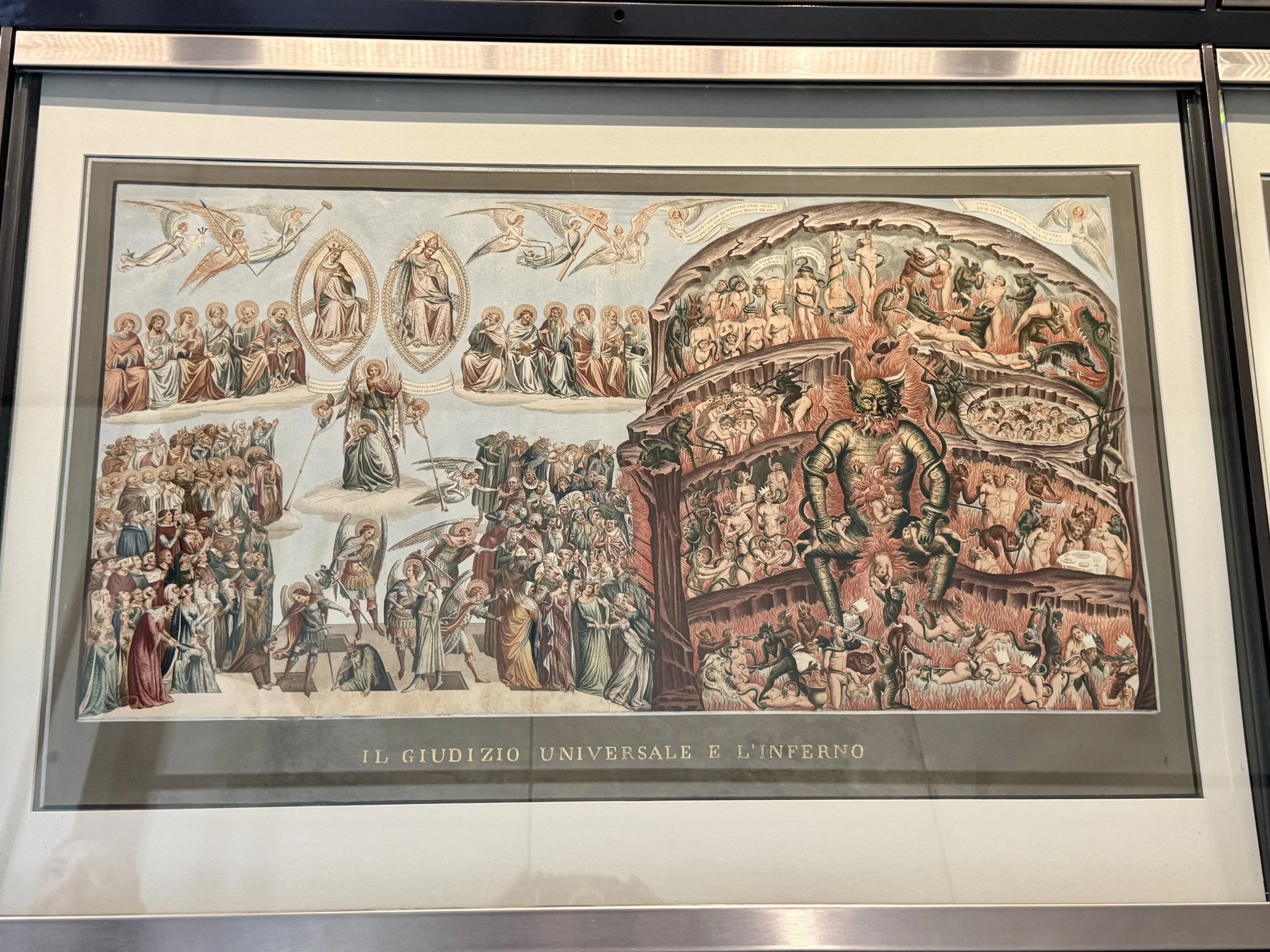
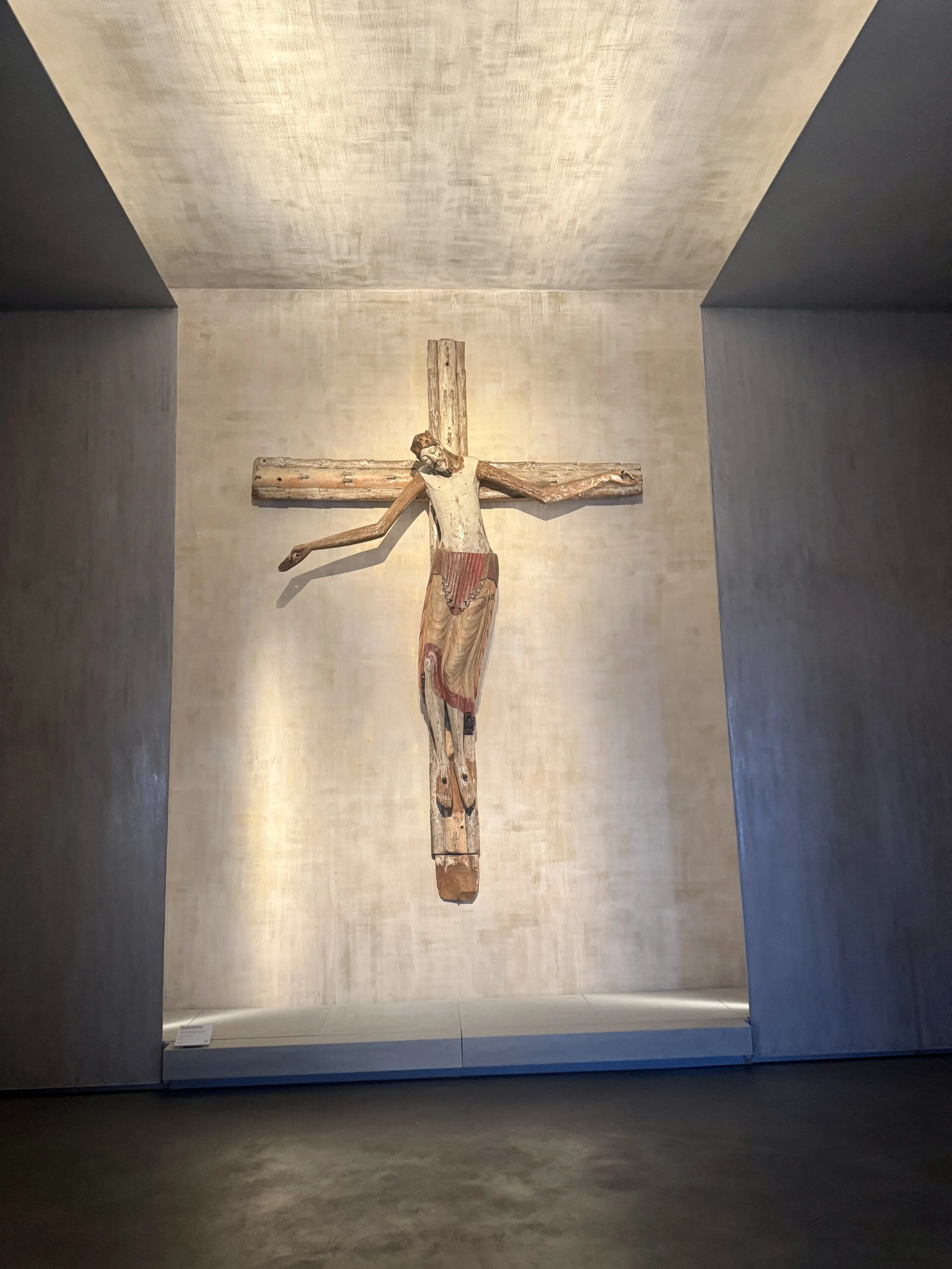
Next door is the Museum of the Sinopias, which displays the original sketches once hidden beneath the Camposanto’s frescoes. The sketches were revealed during restoration work following World War II and offer a fascinating glimpse into how medieval artists planned their massive paintings.
One of the coolest displays featured small drawings created by a father and son during the 1800s documenting the Camposanto murals. Many details have disappeared from the full-sized frescoes over the years, so seeing how they originally looked was awesome.
Admission to this museum was also included with our pass.
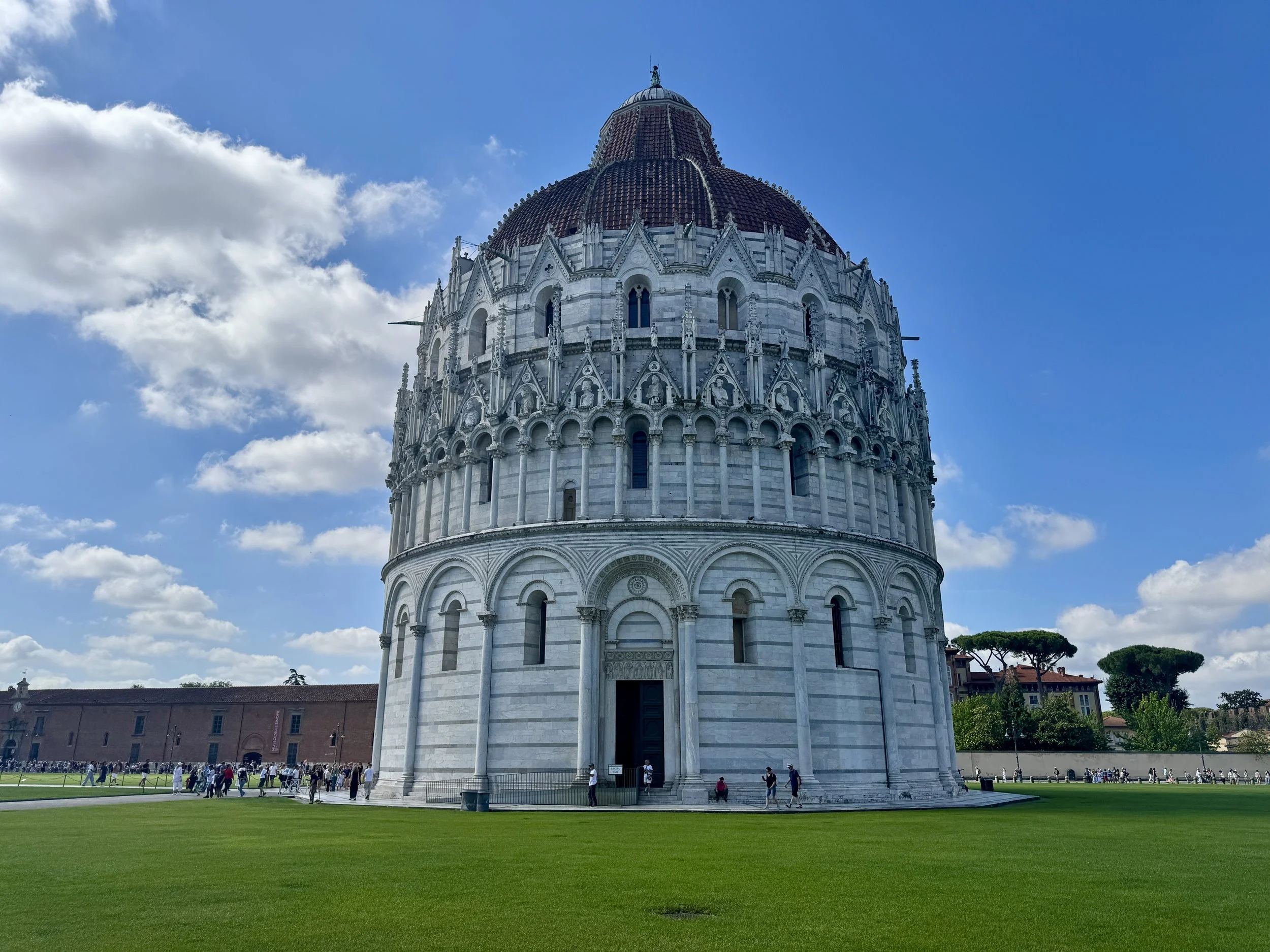
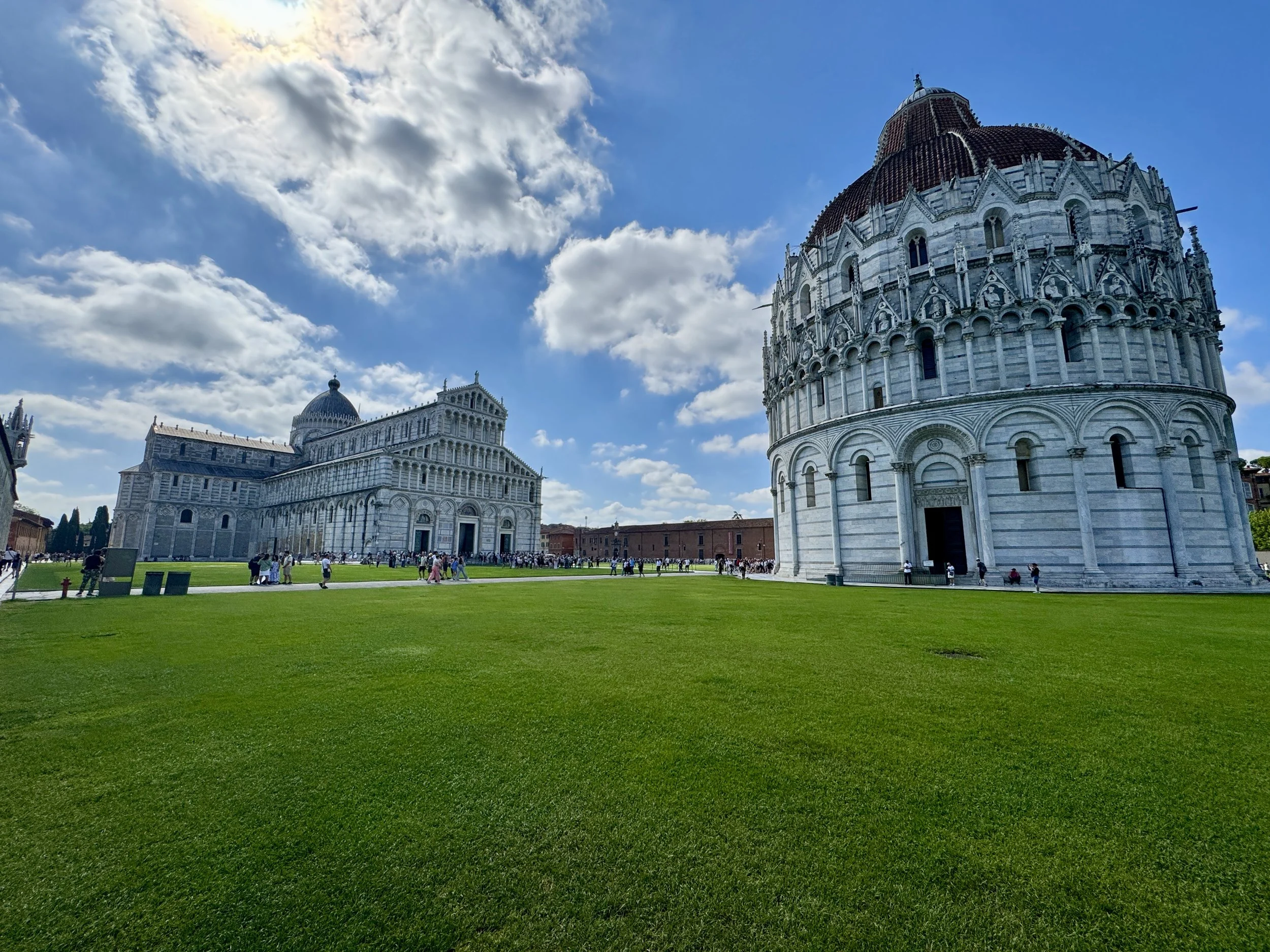
The Leaning Tower of Pisa
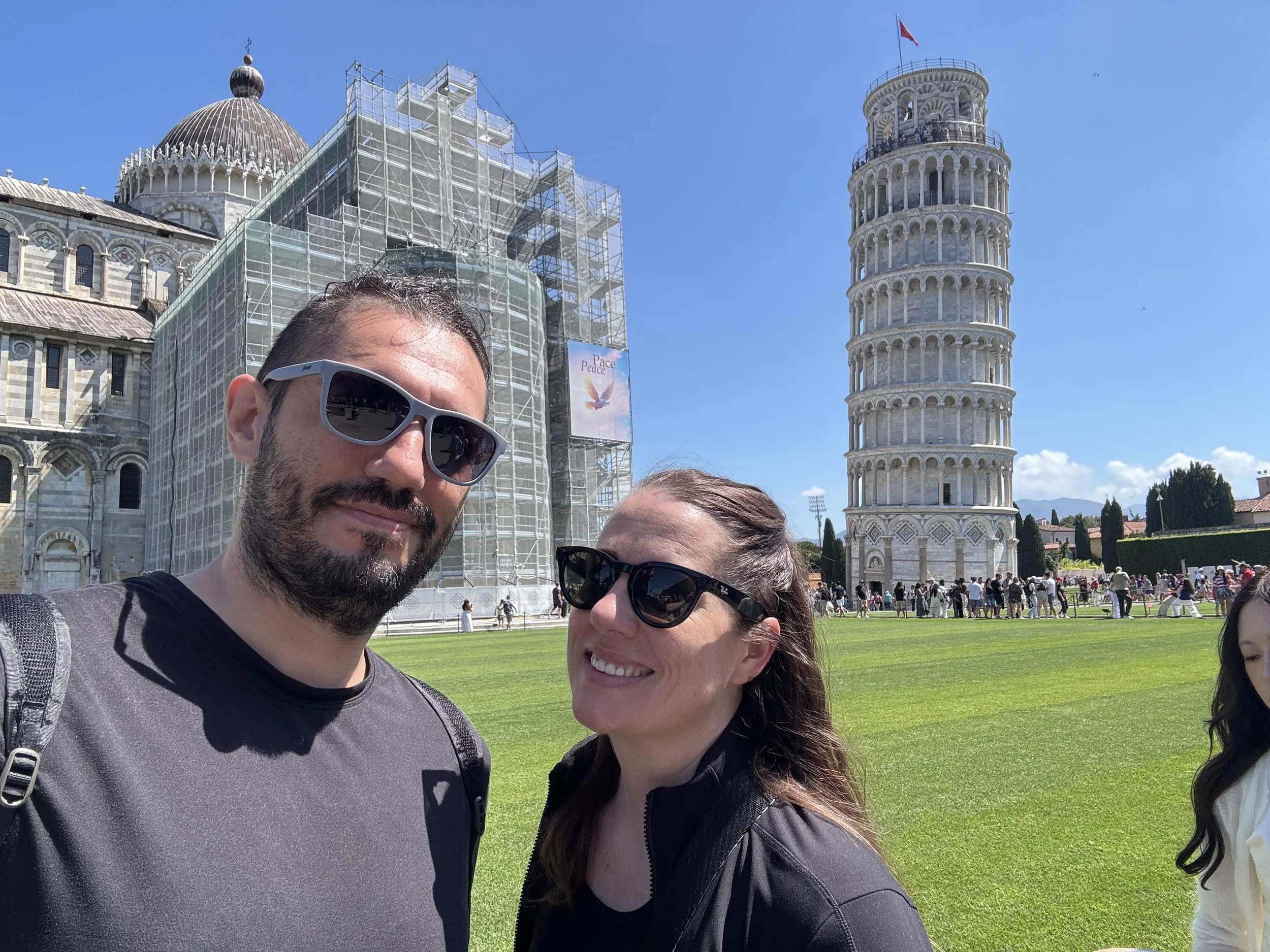
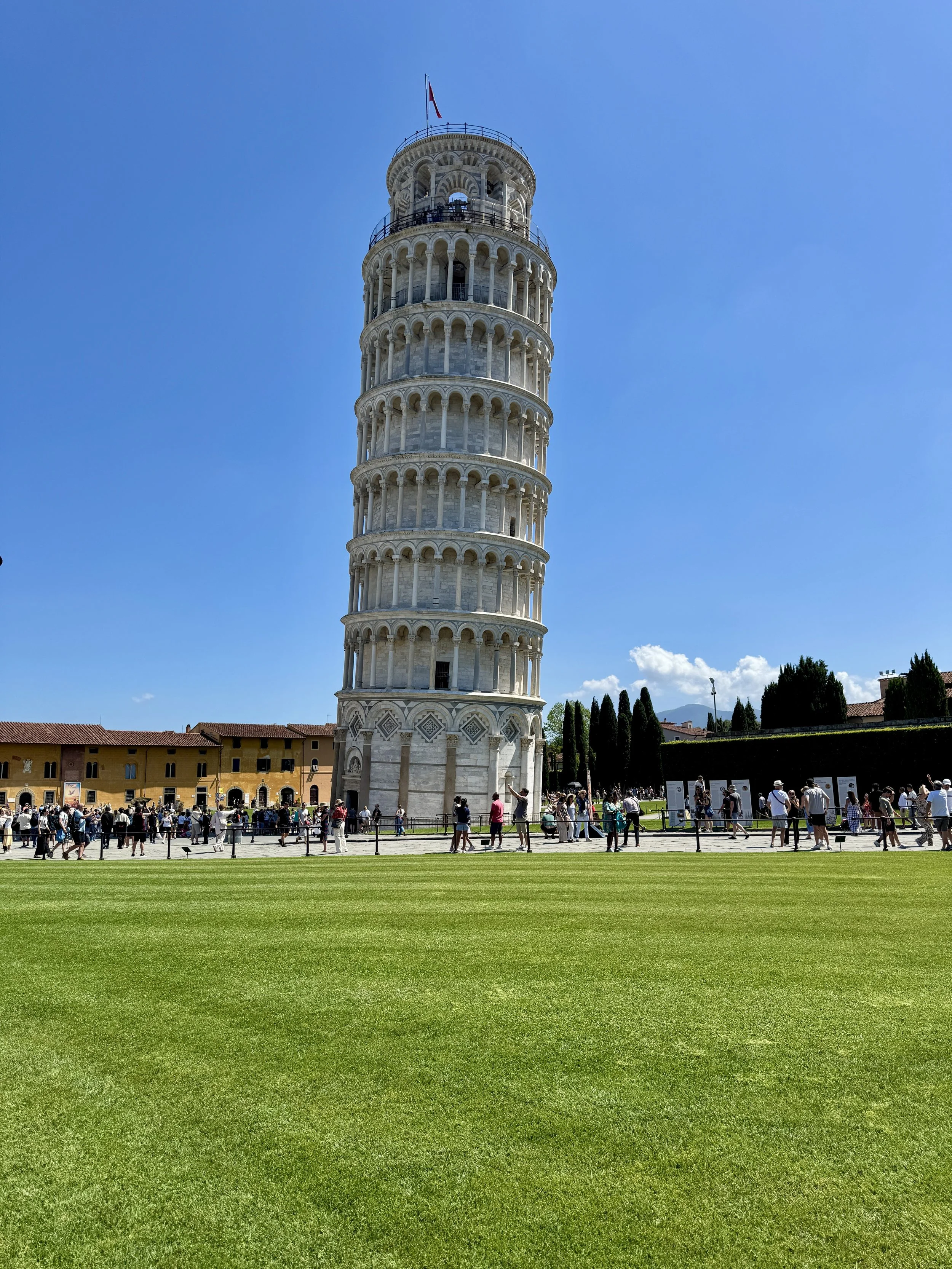
When we exited, Pisa’s main attraction was directly ahead of us.
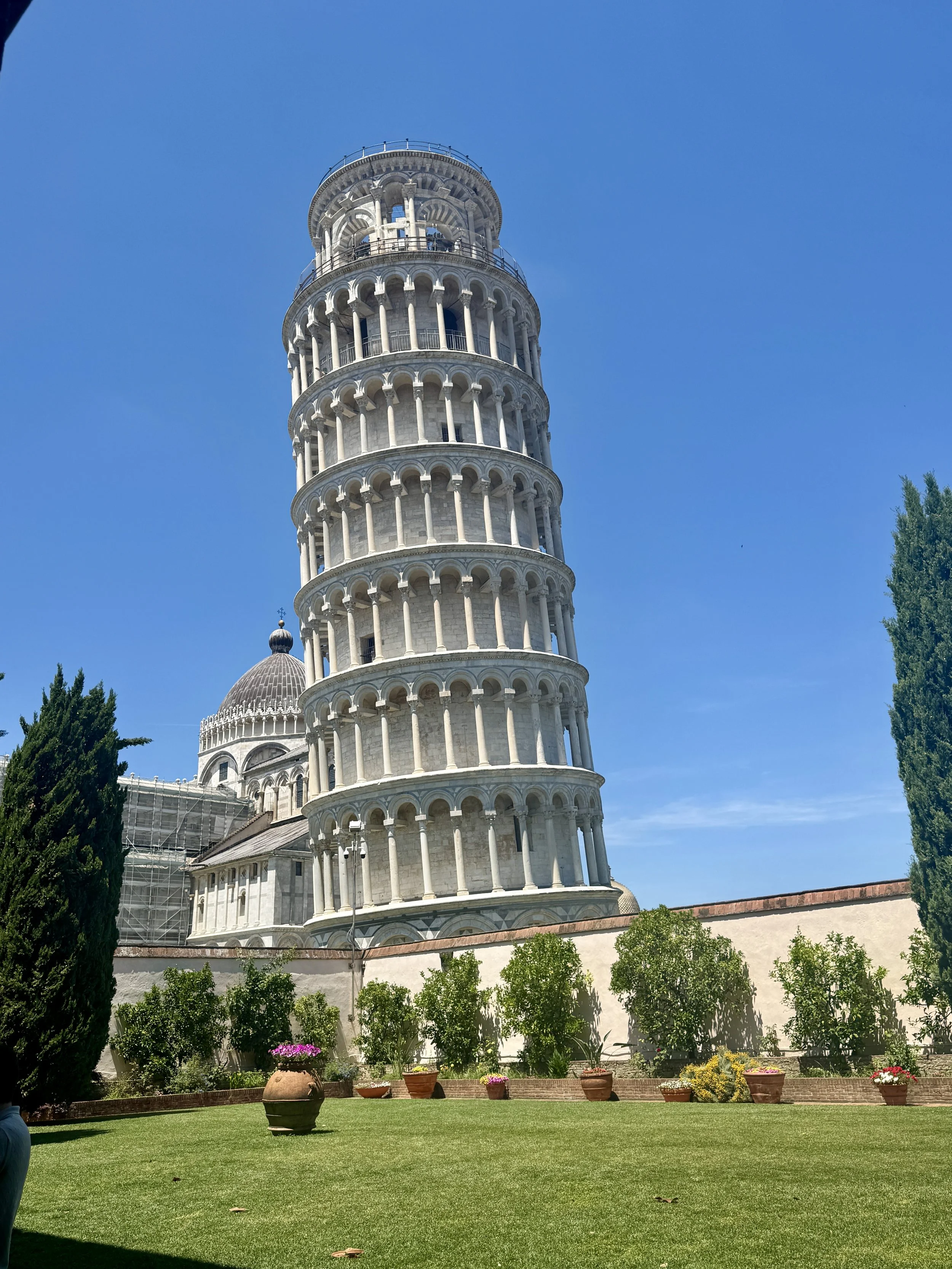
Construction on the Leaning Tower of Pisa began in 1173. It was intended to serve as the cathedral’s bell tower, but unstable soil caused it to begin tilting during construction. After centuries of engineering efforts to stabilize and preserve it, the tower remains one of Italy’s most recognizable landmarks.
You can no longer walk onto the grass to take photos, but watching everyone attempt to create the perfect leaning-tower pose is still entertaining.
Lunch, the Arno River & Gelato
By then, we were hungry and had plans to walk toward the river, so we stopped at Trattoria Toscana dal 1976 Pisa for lunch.
We ordered bruschetta with buffalo mozzarella, pasta with meat sauce, and steak with a salad on the side. Everything was good, and the service was pretty good as well.
The menu was especially helpful because it included photos of all the entrées.
After lunch, we headed toward the Arno River and caught a glimpse of Santa Maria della Spina.
Built during the 13th century, this tiny church is a jewel of Gothic architecture. It was named for a relic believed to be a thorn from Christ’s crown and is known for its richly detailed marble exterior and delicate sculptures.
We continued walking along the river and then made our way up Borgo Stretto, Pisa’s historic main street. Known for its medieval arcades, elegant buildings, and lively atmosphere, it has served as a commercial center for centuries and remains one of the city’s most popular places to stroll, shop, or stop at a café.
We were enticed by La Bottega del Gelato, which had some excellent gelato. Since it was hot outside, it definitely hit the spot while we walked.
We also passed Chiesa di Sant’Anna, a small church dating to the 14th century. It looked different from the other churches we had seen throughout the trip, and it was both free and open, so we took a quick look inside.
The Duomo Museum & One More Tower View
Eventually, we returned to Piazza dei Miracoli and visited the Duomo Museum.
The museum preserves original artwork and treasures from Pisa’s cathedral complex. Its collection of medieval sculptures, religious artifacts, and architectural pieces provides a deeper look into the artistic history of the square.
Our pass included admission, and there were several interesting artifacts inside. However, the main highlight was the excellent view of the Leaning Tower with far fewer crowds. You also get access to a second-floor café overlooking the tower.
It was definitely worth the stop.
We attempted to enter the cathedral one more time, but another Mass was taking place. We also tried to visit another historic cemetery, but it closed for an hour during lunchtime.
We skipped climbing the walls at Mura di Pisa but stopped to look at them. We had already gotten a nice aerial view earlier in the day.
That wrapped up our time in Pisa, so we walked back to the car and headed toward Lerici.
Albergo Serena: Beautiful View, Questionable Walls
Our hotel was Albergo Serena, located above the city with a pretty nice view.
Honestly, this was the worst of our hotels.
The walls were extremely thin. As soon as we walked into the room, we heard a neighbor in the throes of passion.
The room was small, the shower was tiny, and it was nearly impossible to bathe without repeatedly banging an elbow into something. The hotel also required guests to check in between 1:00 and 7:00 PM or forfeit their reservations.
They sent us numerous messages reminding us of this fact.
On the positive side, the room had air conditioning and the hotel had its own parking lot. However, the lot was rather small and completely filled up overnight.
Tellaro Parking Failure & Lerici Waterfront
We dropped off our things and then headed toward Tellaro, which is supposedly one of the cutest villages in the area.
Unfortunately, it was packed because it was Sunday, and we couldn’t find a single parking space. We decided to skip it and head into Lerici instead.
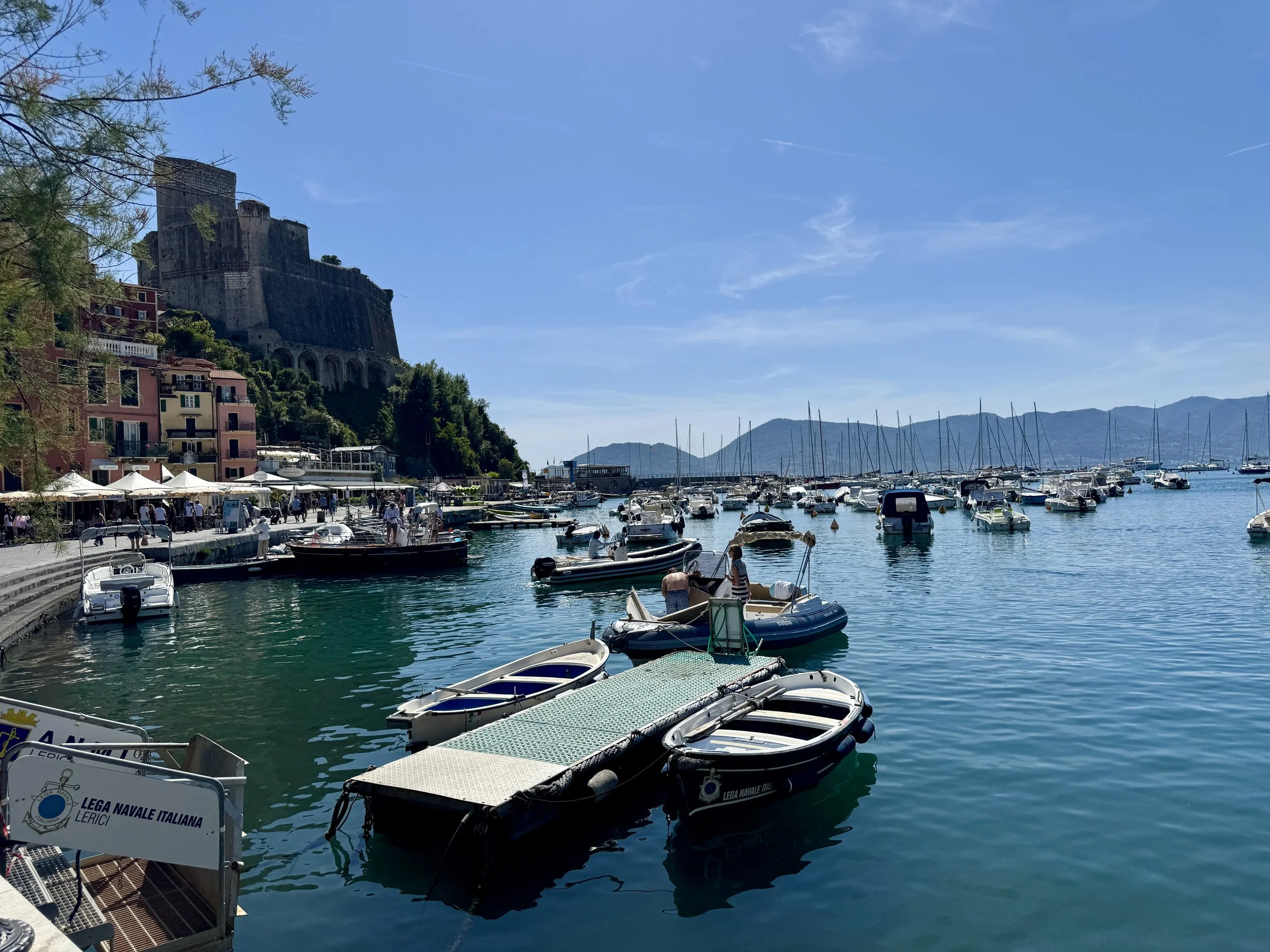
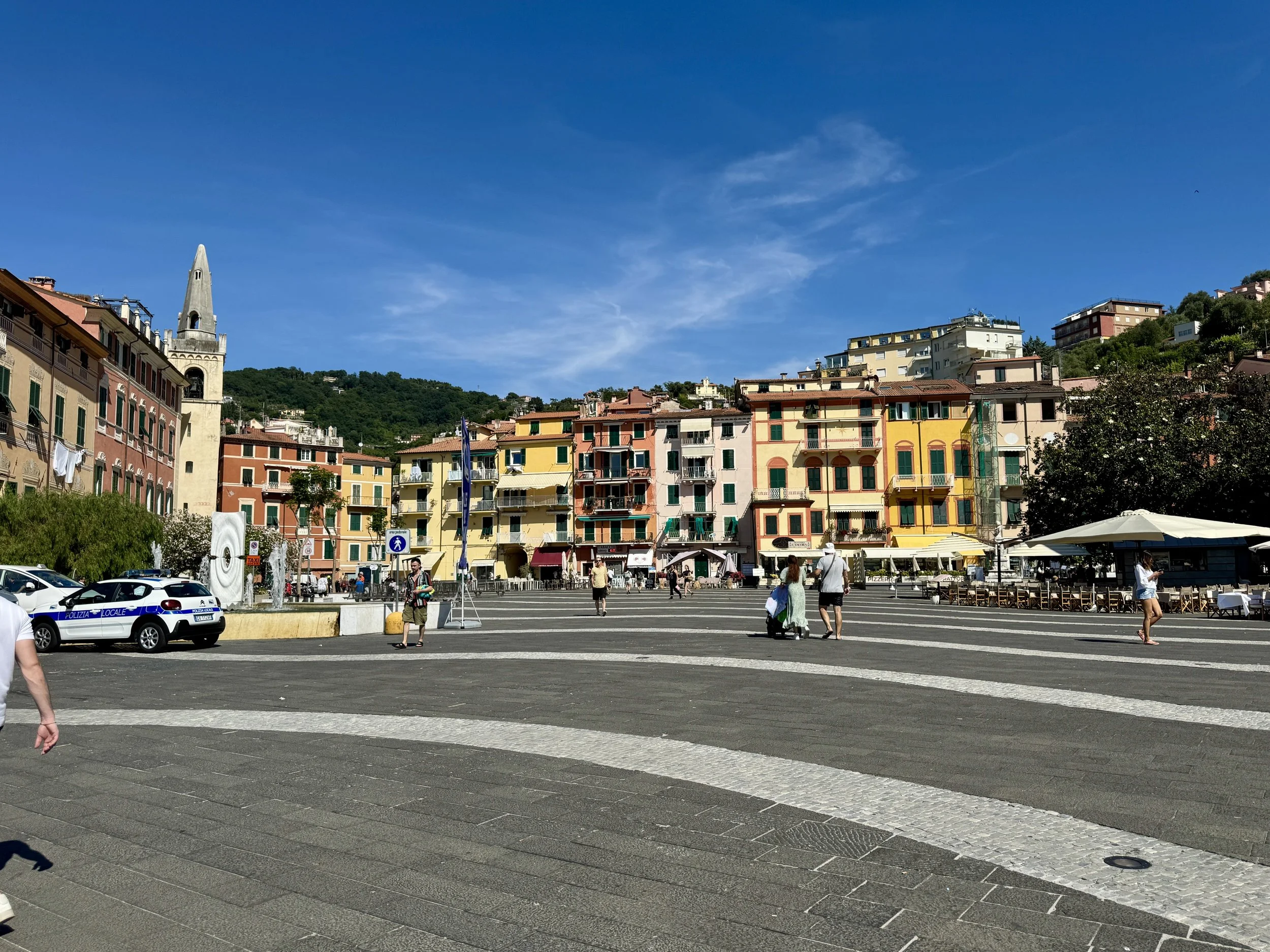
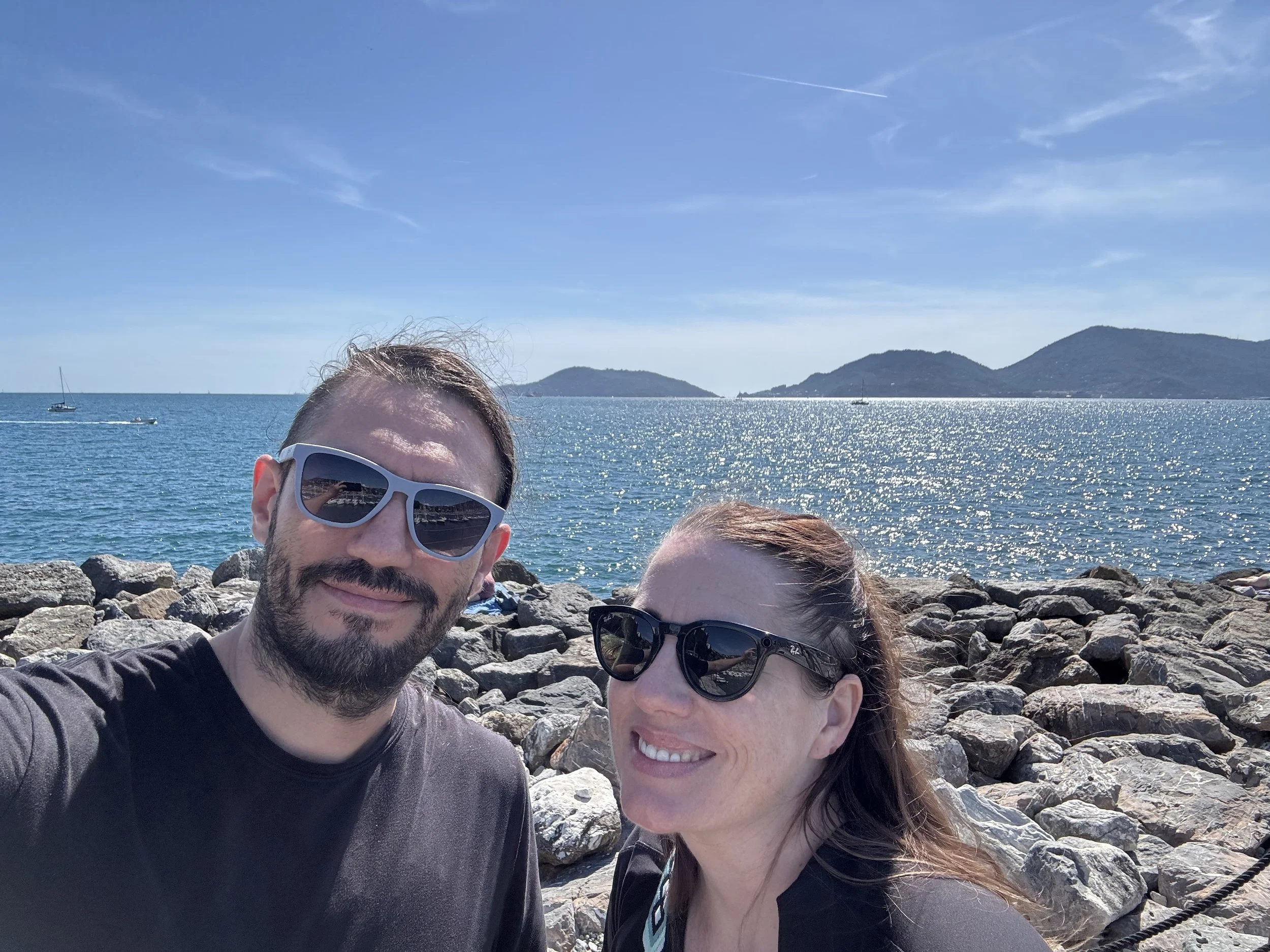
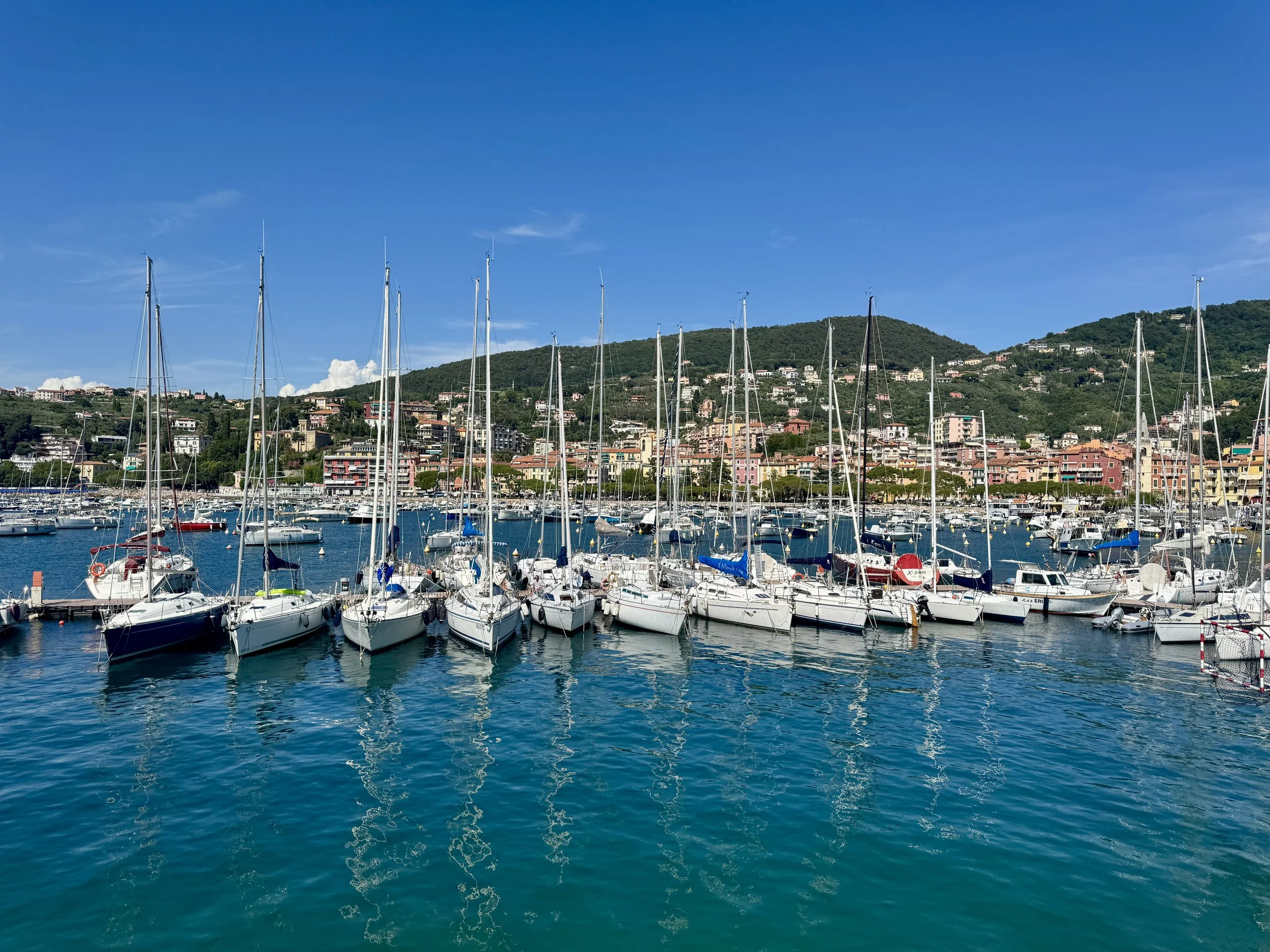
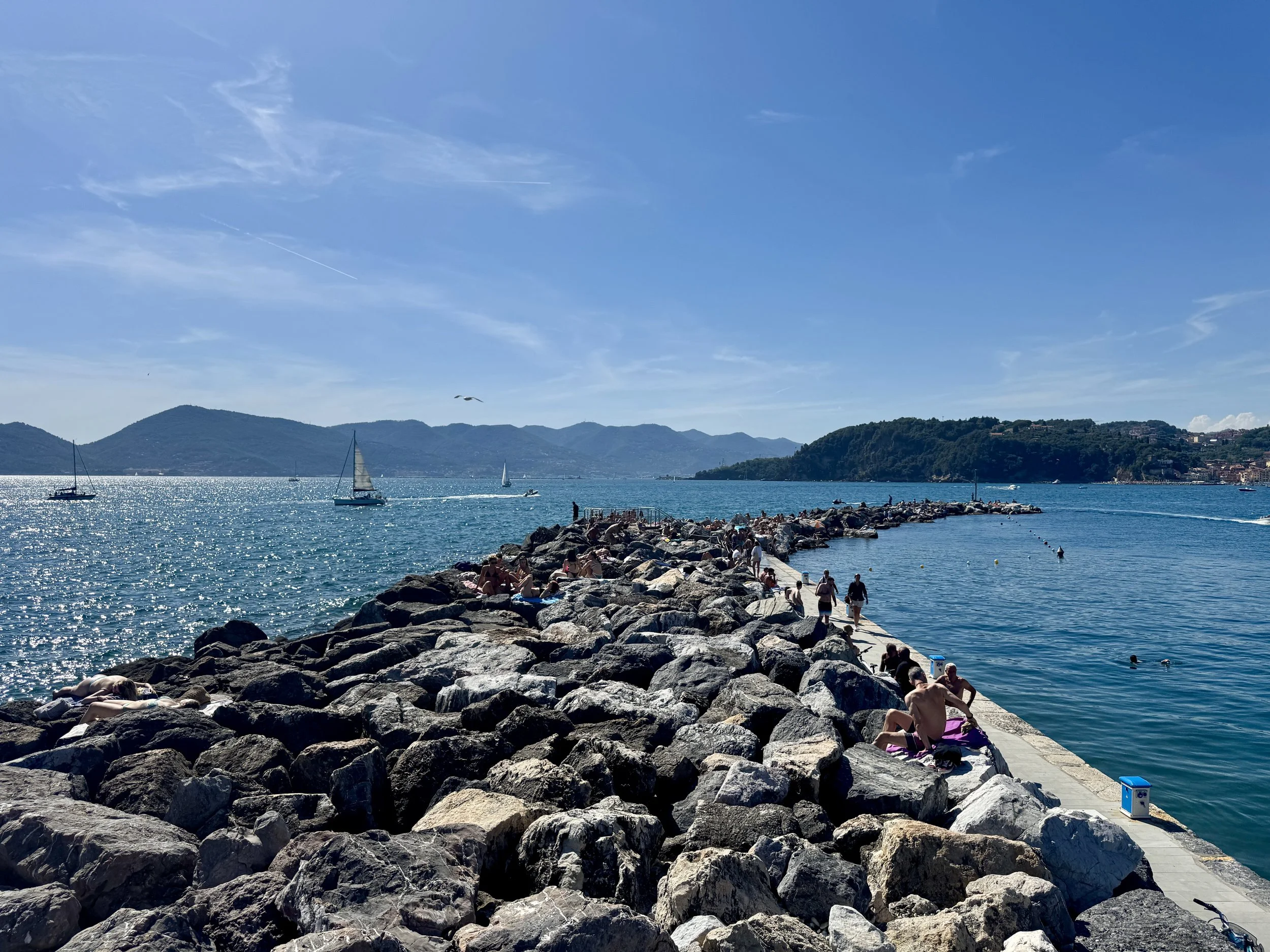
We parked at Parcheggio Lerici Centro and navigated our way toward the harbor, where we found a beautiful marina and a narrow rocky breakwater extending into the water called Frangiflutti del Porto di Lerici.
High above the harbor, you can see Castello San Giorgio di Lerici.
Overlooking the Gulf of Poets, this hilltop castle has guarded Lerici for more than 800 years. It was built by the Pisans and later expanded by the Genoese, playing an important role in defending the harbor against rival city-states.
The battles are long over, but the views from the castle are still worth the climb.
You can hike up and tour the castle, but we decided to spend the rest of the day relaxing and enjoying the gorgeous waterfront views.
We stopped at Corona Boat Club Lerici | Bar e Pizzeria for a cocktail and received an entire assortment of complimentary snacks.
Afterward, we wandered to Bar Colibrì for focaccia sandwiches.
The sandwiches were huge and cost approximately €8–€9, making them well worth the price. I ordered an interesting one with smoked fish, shrimp, and cocktail sauce.
The service was good at both places. The prices were much better at Bar Colibrì, although its inland location meant sacrificing the waterfront view.
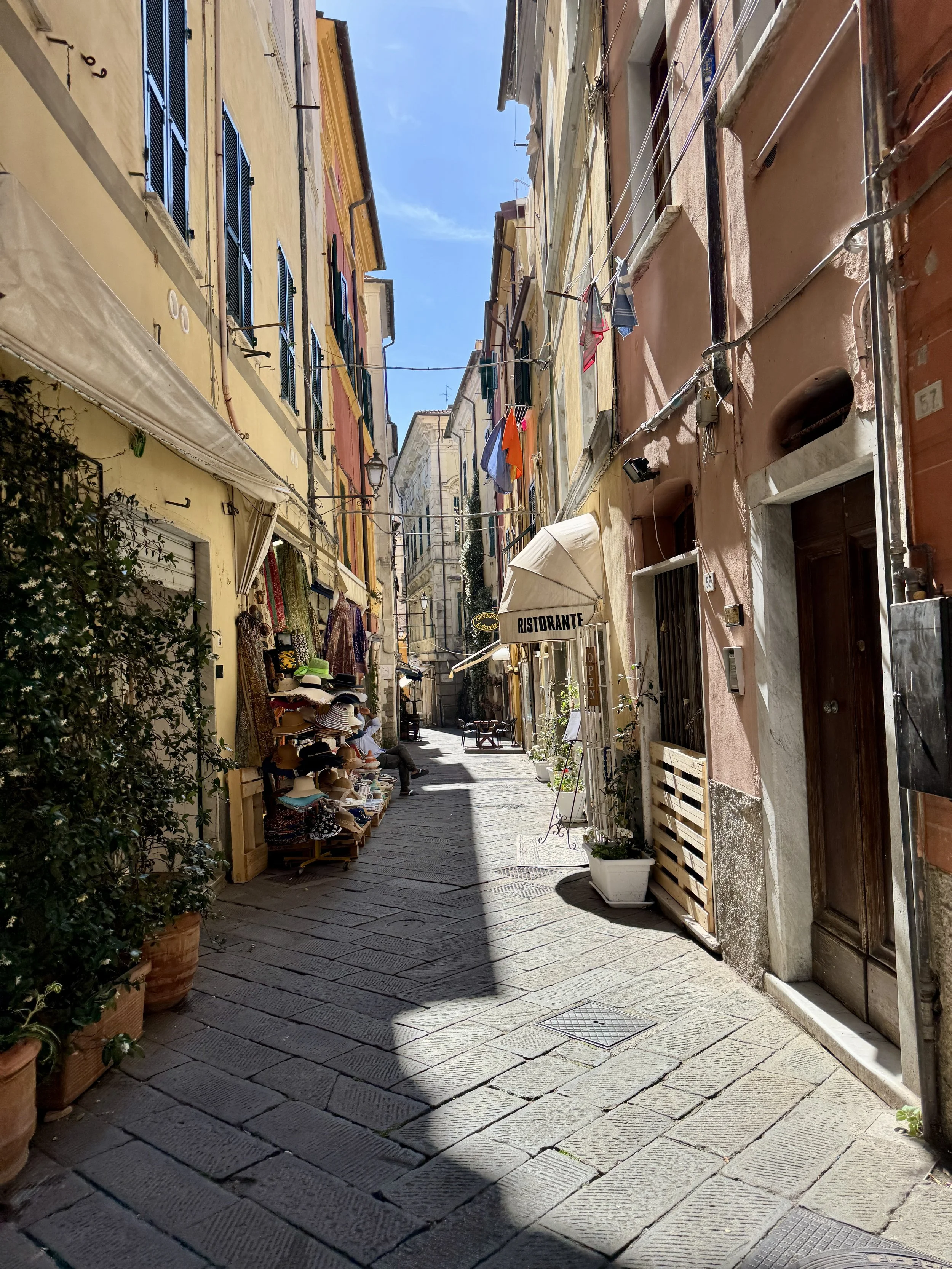
We wandered along Via Roma, which is lined with stores and restaurants, before beginning our walk back toward the car.
The Great Italian Ice Hunt
However, we still had one final mission.
My boyfriend had purchased beer earlier in the trip and had basically been hunting for ice throughout our entire stay in Italy. We used ChatGPT to help locate some, which led us to SIGMA SUPERSTORE.
At first, the mission appeared unsuccessful.
We finally asked an employee and discovered that the ice was hidden at the back of the freezer section. People had purchased the bags in front, making the freezer look completely empty.
Success.
We finally had ice and headed back to the hotel.
Important note: ice is surprisingly difficult to find in Italy.
You have been warned.
June 8 · Cinque Terre, Parma & MXP
Stairway Suffering, Parma Perfection & One Well-Earned Hotel Upgrade
Riomaggiore Parking & Via dell’Amore
We woke up and drove to Parcheggio Riomaggiore.
A warning about this parking area: there are very few spaces available for public use. Only three remained when we arrived, and there appeared to be approximately 10 spaces total.
A man was directing vehicles, so there may have been another parking area somewhere nearby. Regardless, arrive early.
You can also reverse the order of the two villages we visited and park in Manarola if nothing is available in Riomaggiore. Parking costs approximately €3–€4 per hour.
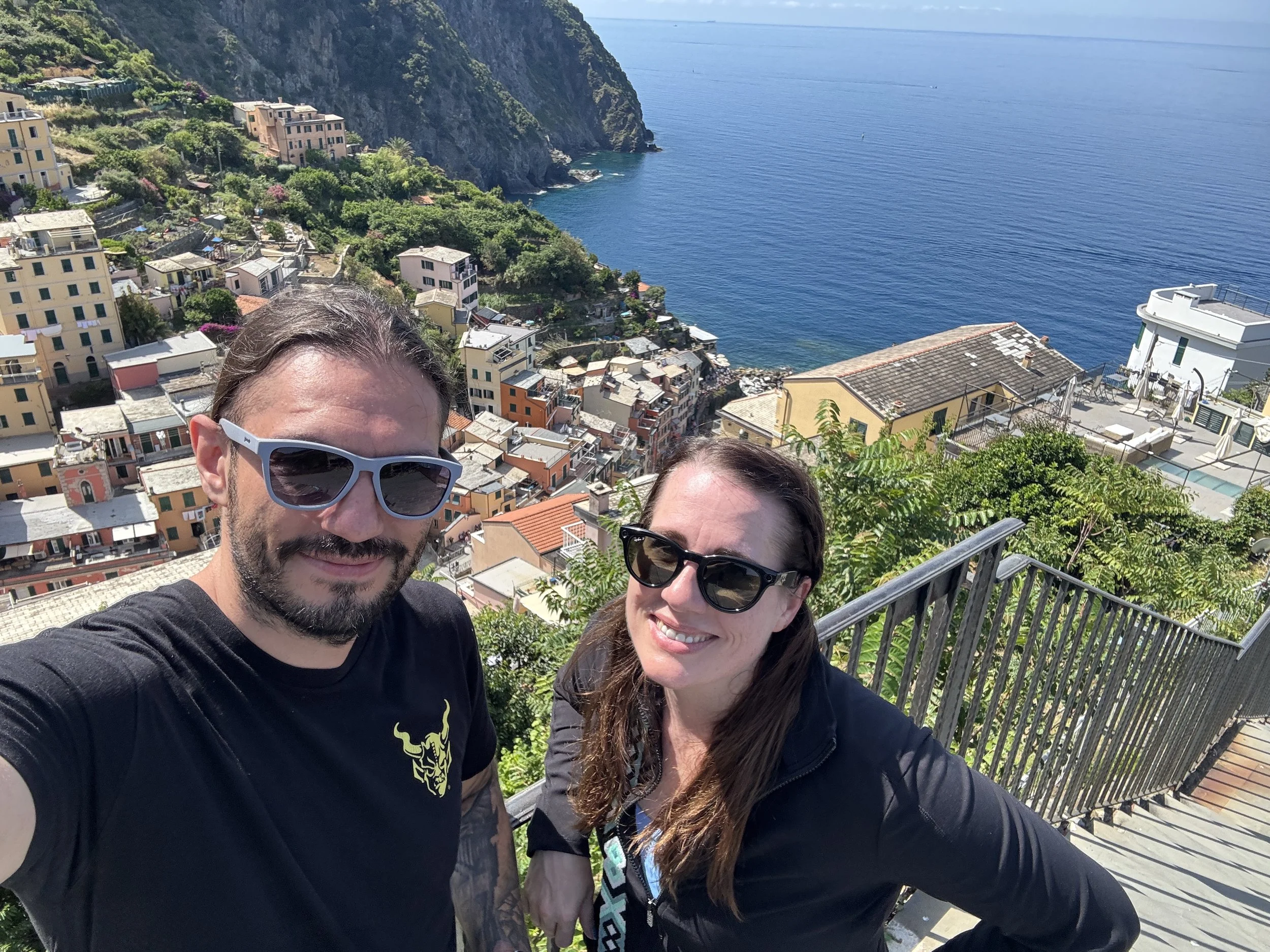
From the public parking area, it’s about a 10-minute downhill walk into Riomaggiore.
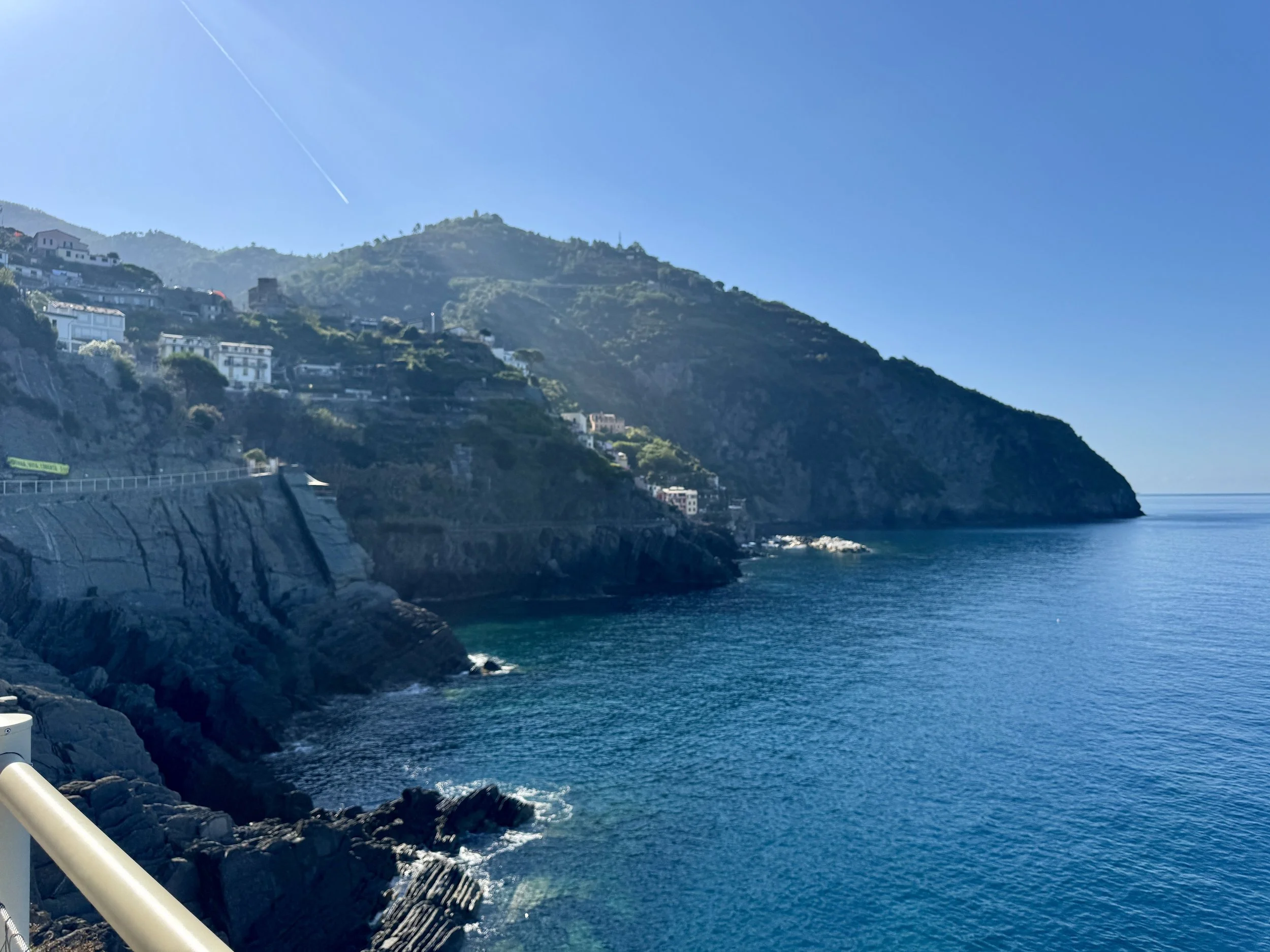
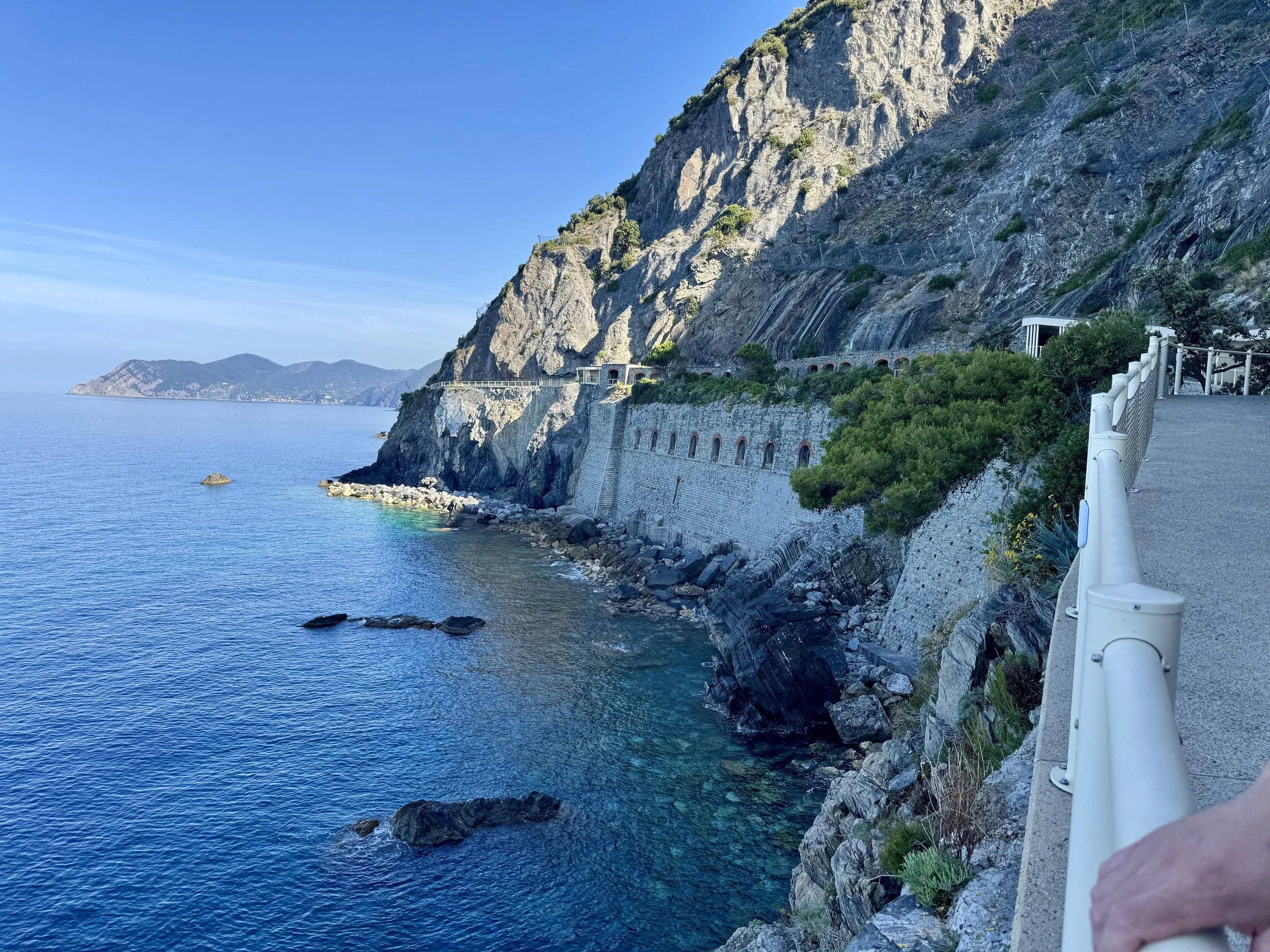
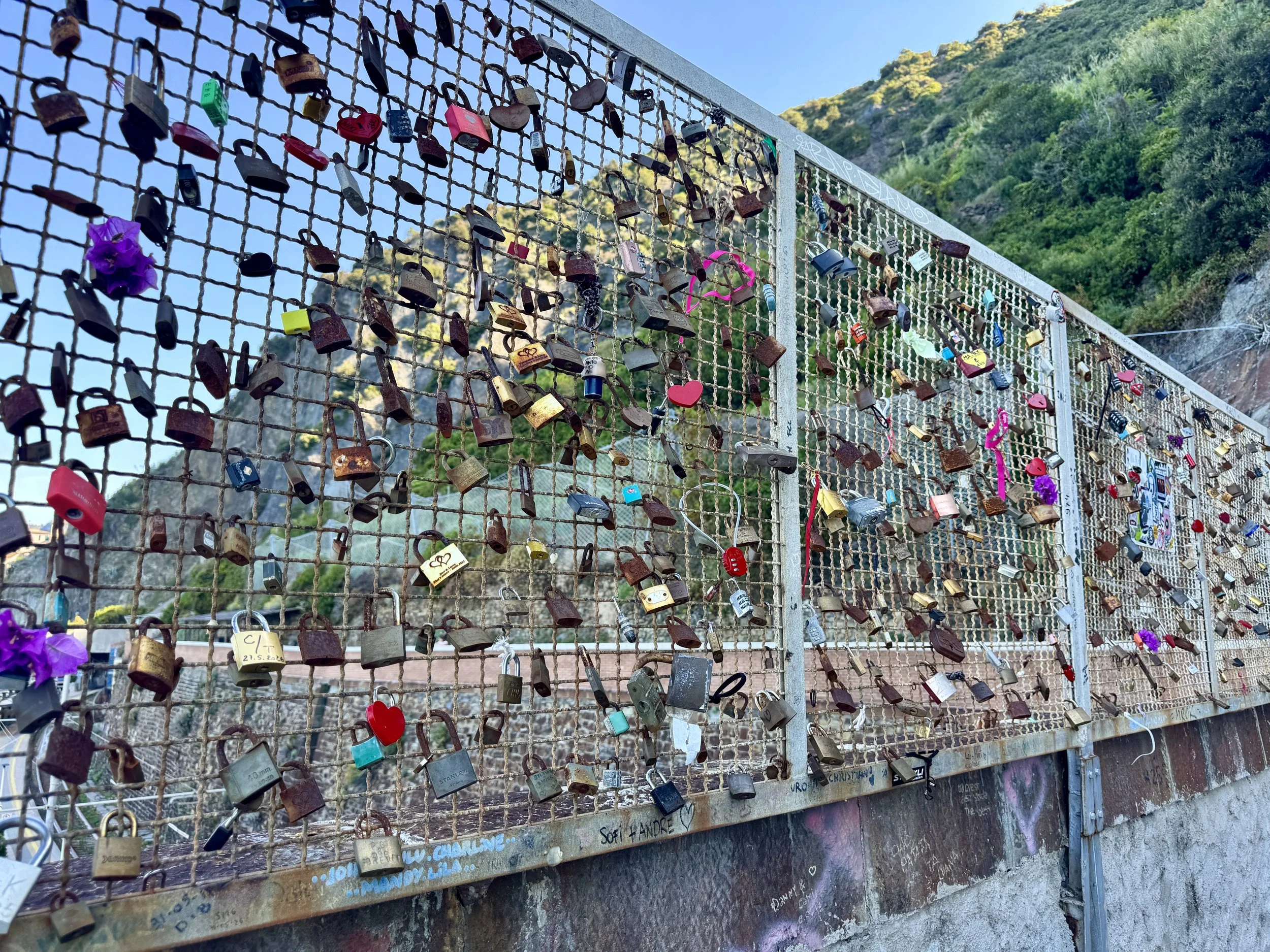
I had already purchased timed tickets for Via dell’Amore during the 9:00–9:30 AM entry window, so we headed directly toward the entrance. Once you reach town, there are plenty of signs pointing you in the right direction.
Tickets can be purchased through the official Via dell’Amore website.
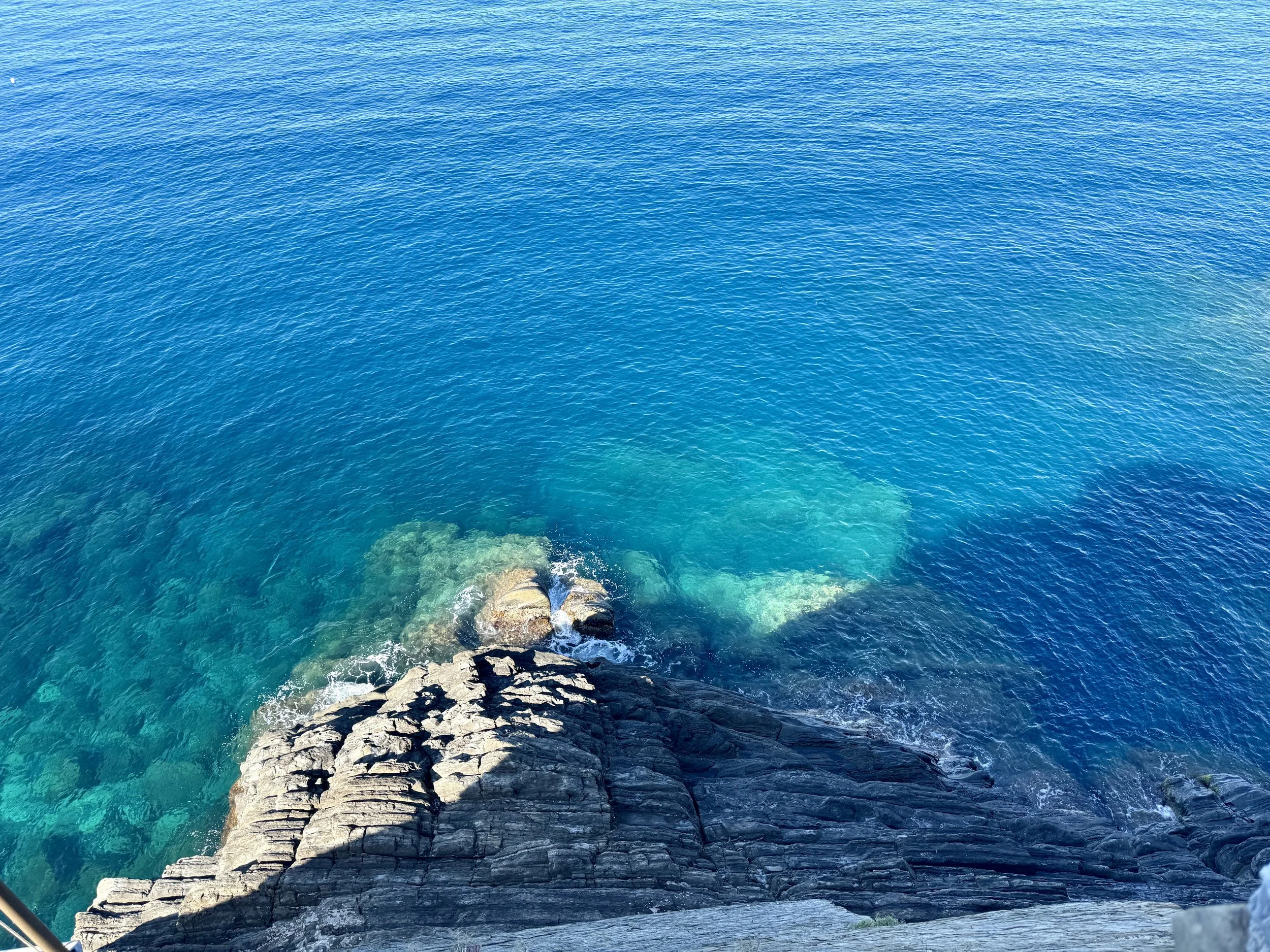
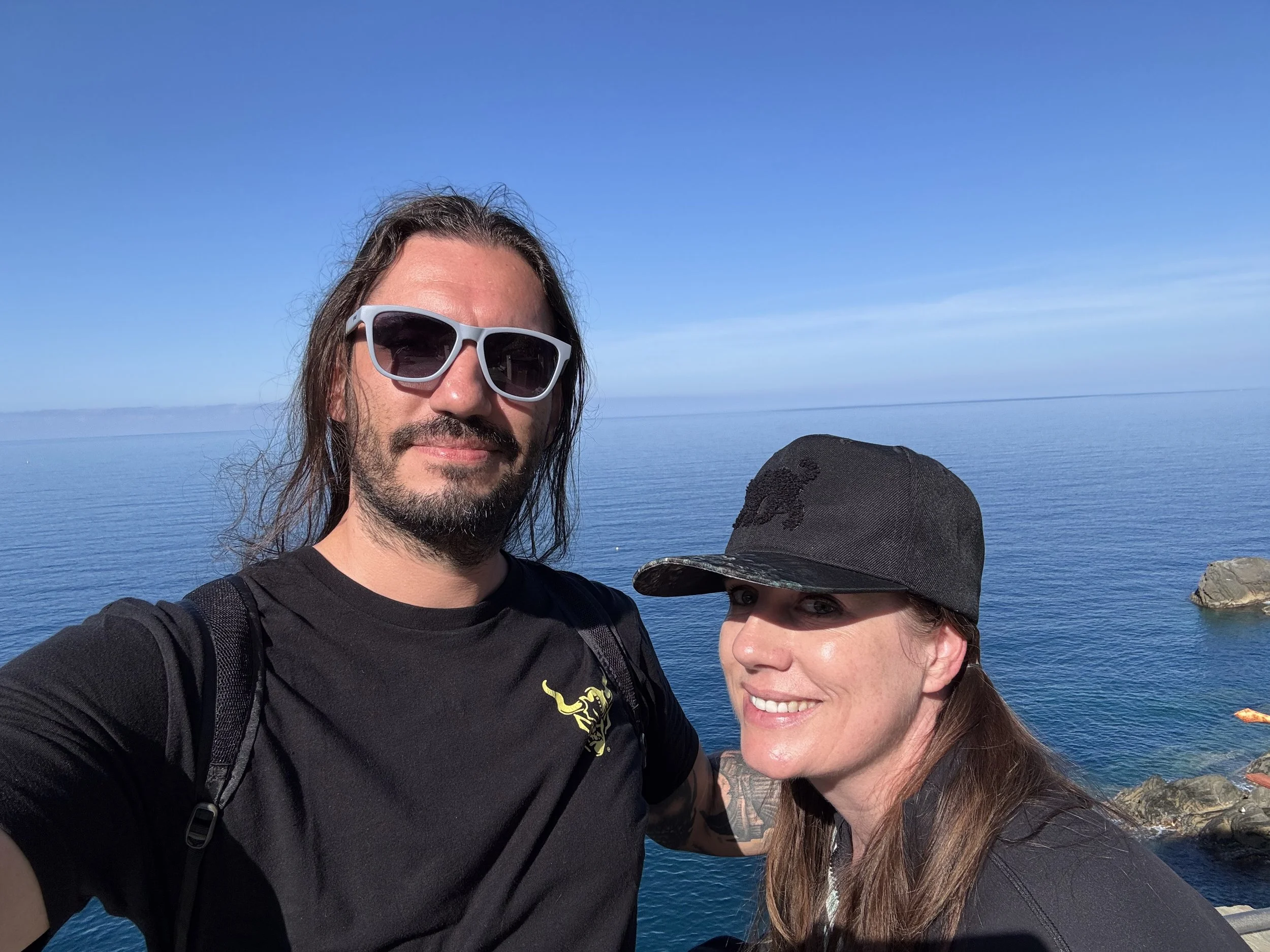
The walk from Riomaggiore to Manarola costs €10 per person. It was much shorter than I expected and only took around 10–15 minutes.
There are some gorgeous views along the way, but I’m not completely convinced it was worth the price.
Manarola Viewpoint & Unnecessary Stairs
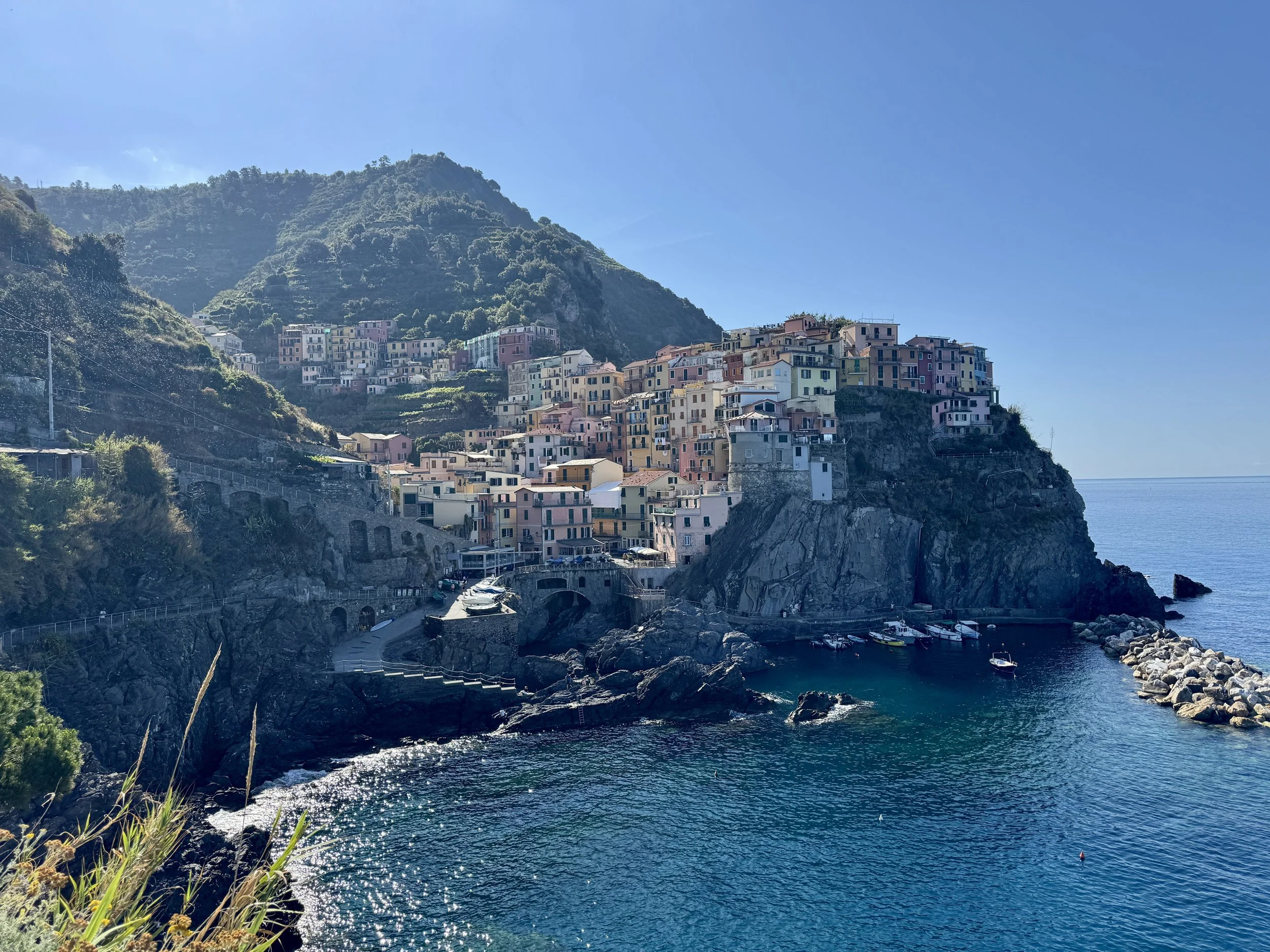
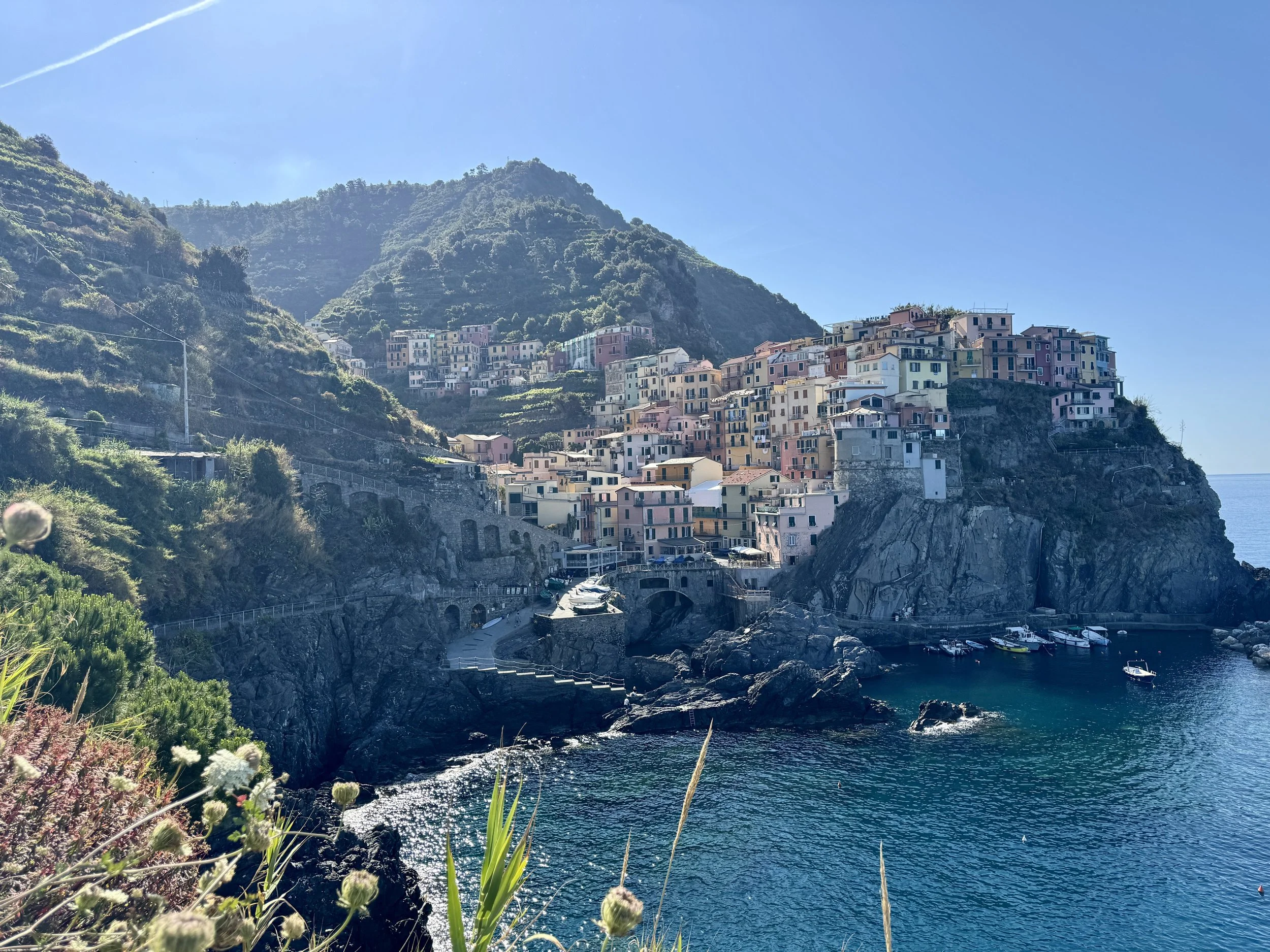
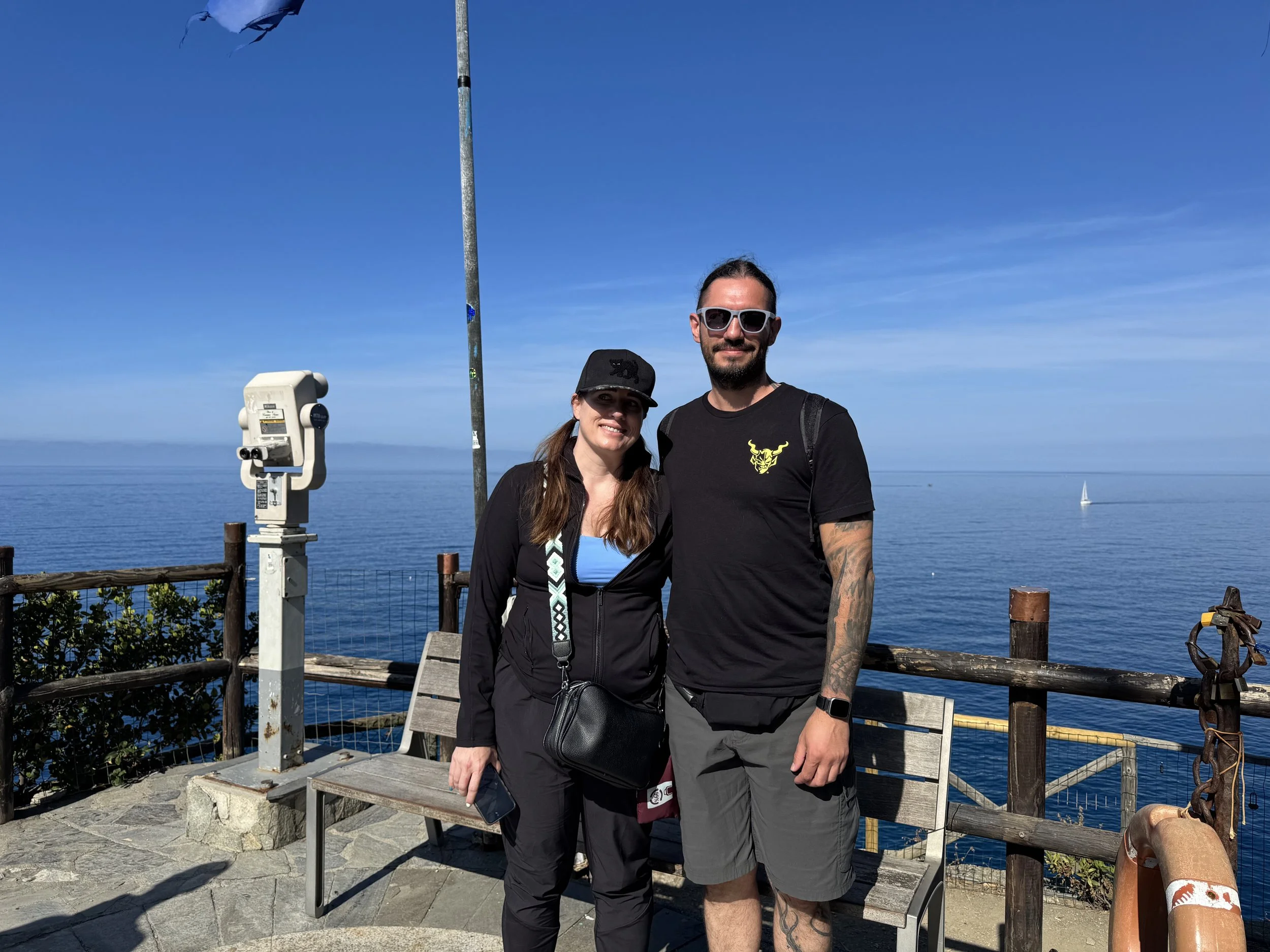
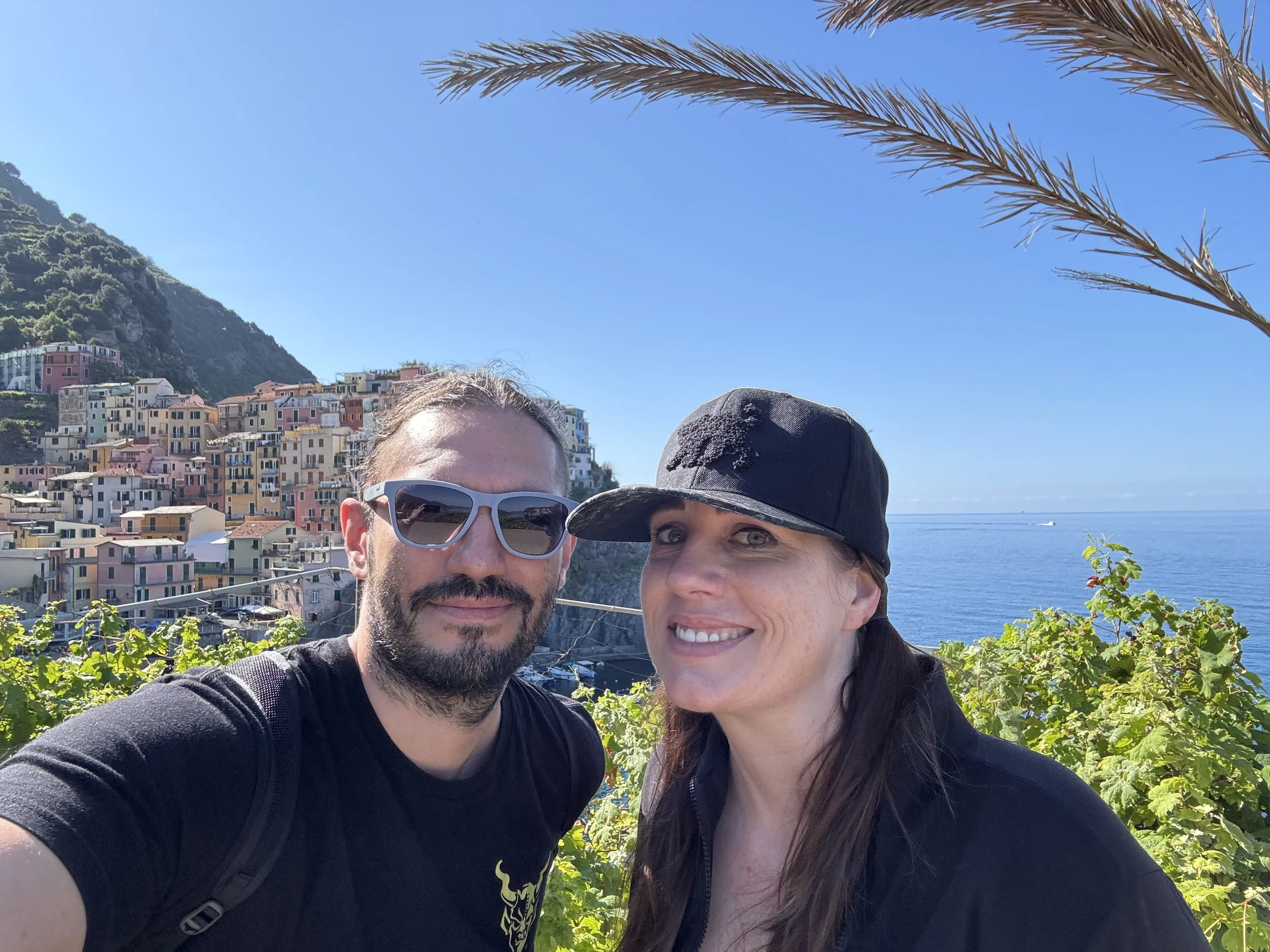
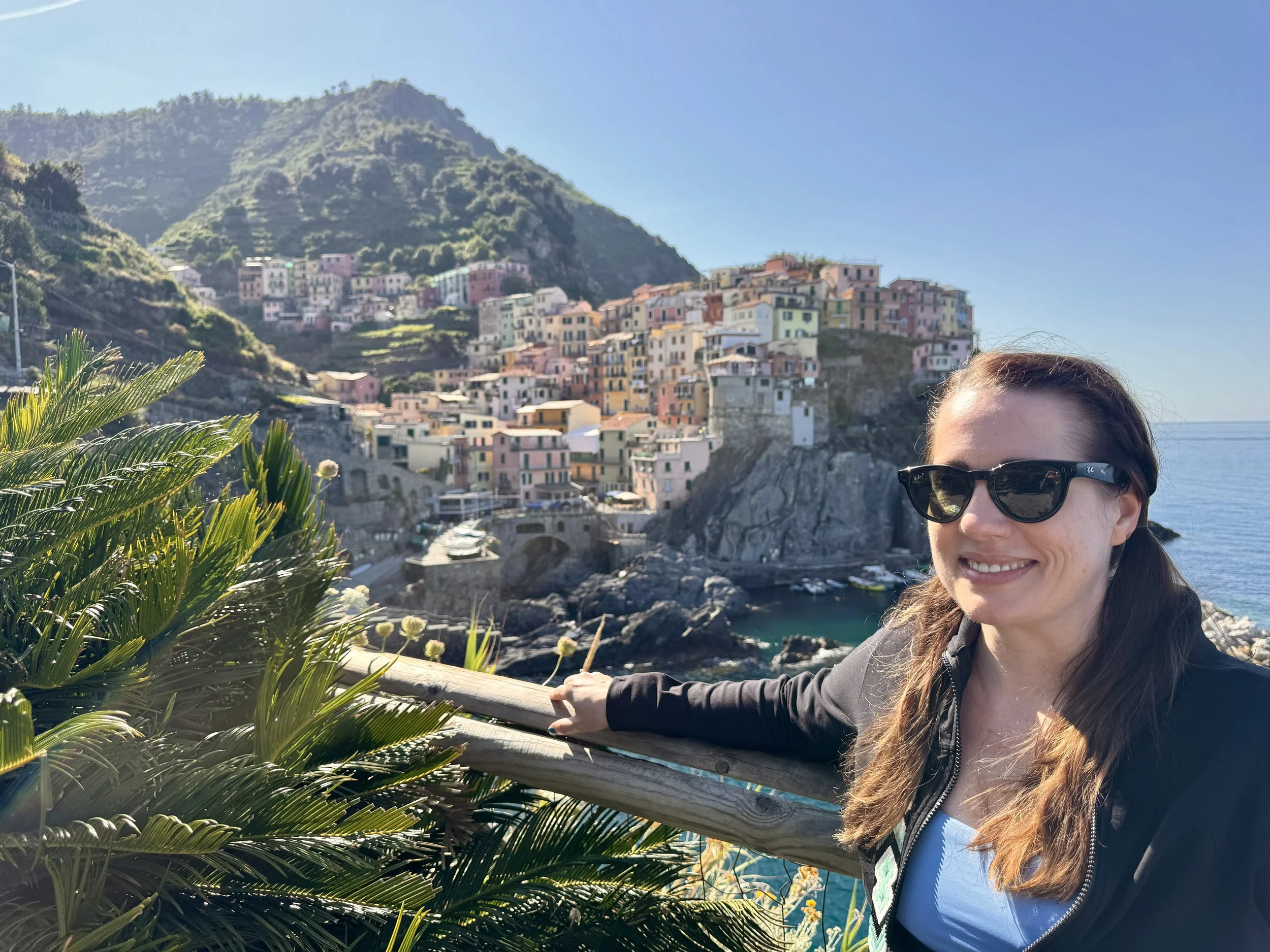
Once we reached Manarola, we continued to Manarola Punto Panoramico.
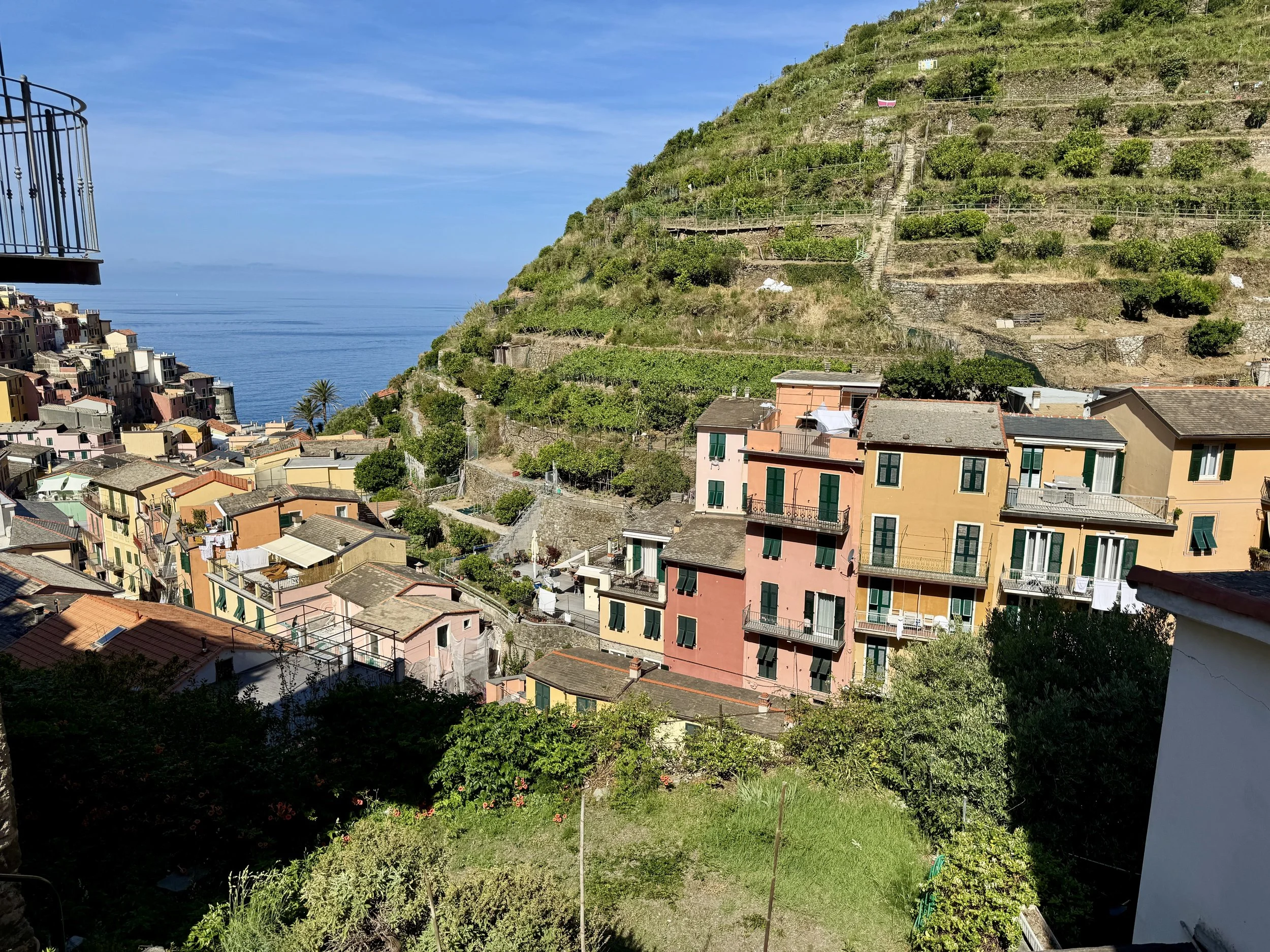
The viewpoint offers the iconic panorama of Cinque Terre’s oldest village, a colorful fishing community founded during the 12th century. From there, you can admire the dramatic cliffs, terraced vineyards, and pastel-colored houses that have made Manarola world-famous.
Google Maps then had us climb an enormous number of stairs to reach Chiesa di San Lorenzo.
We later discovered that those stairs were completely unnecessary because a graded road also leads to the church.
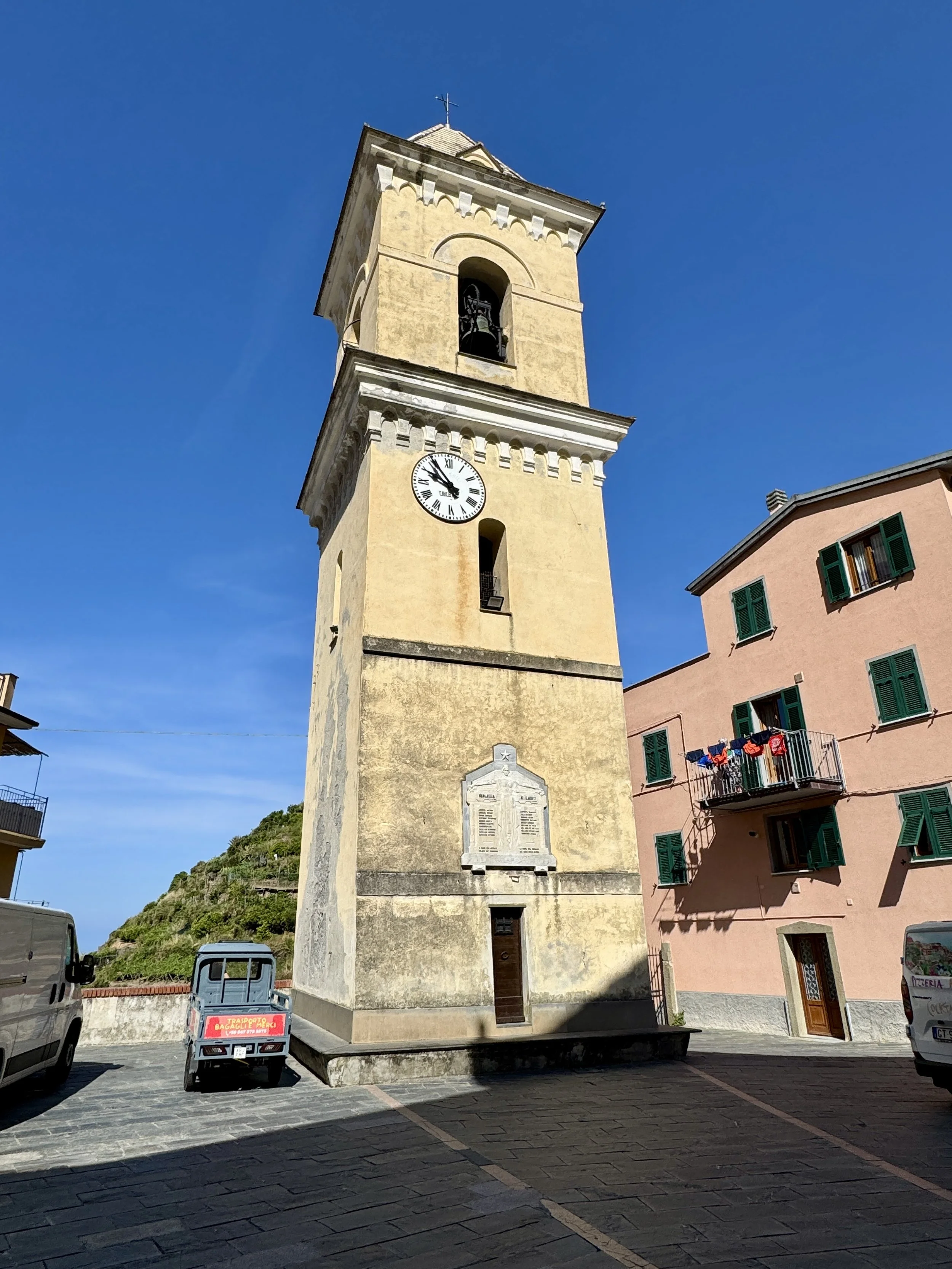
Built in 1338, Chiesa di San Lorenzo is Manarola’s historic parish church and an example of Ligurian Gothic architecture. Its rose window and bell tower have watched over the village for nearly seven centuries.
After visiting the church, we followed the much friendlier graded path down toward the train station.
We purchased train tickets back to Riomaggiore for €8 per person, which also felt like a bit of a rip-off. We briefly considered buying another timed €10 ticket to walk back along Via dell’Amore but decided to take the train in hopes of seeing different views.
We did not.
The entire journey passed through a tunnel and lasted approximately three minutes.
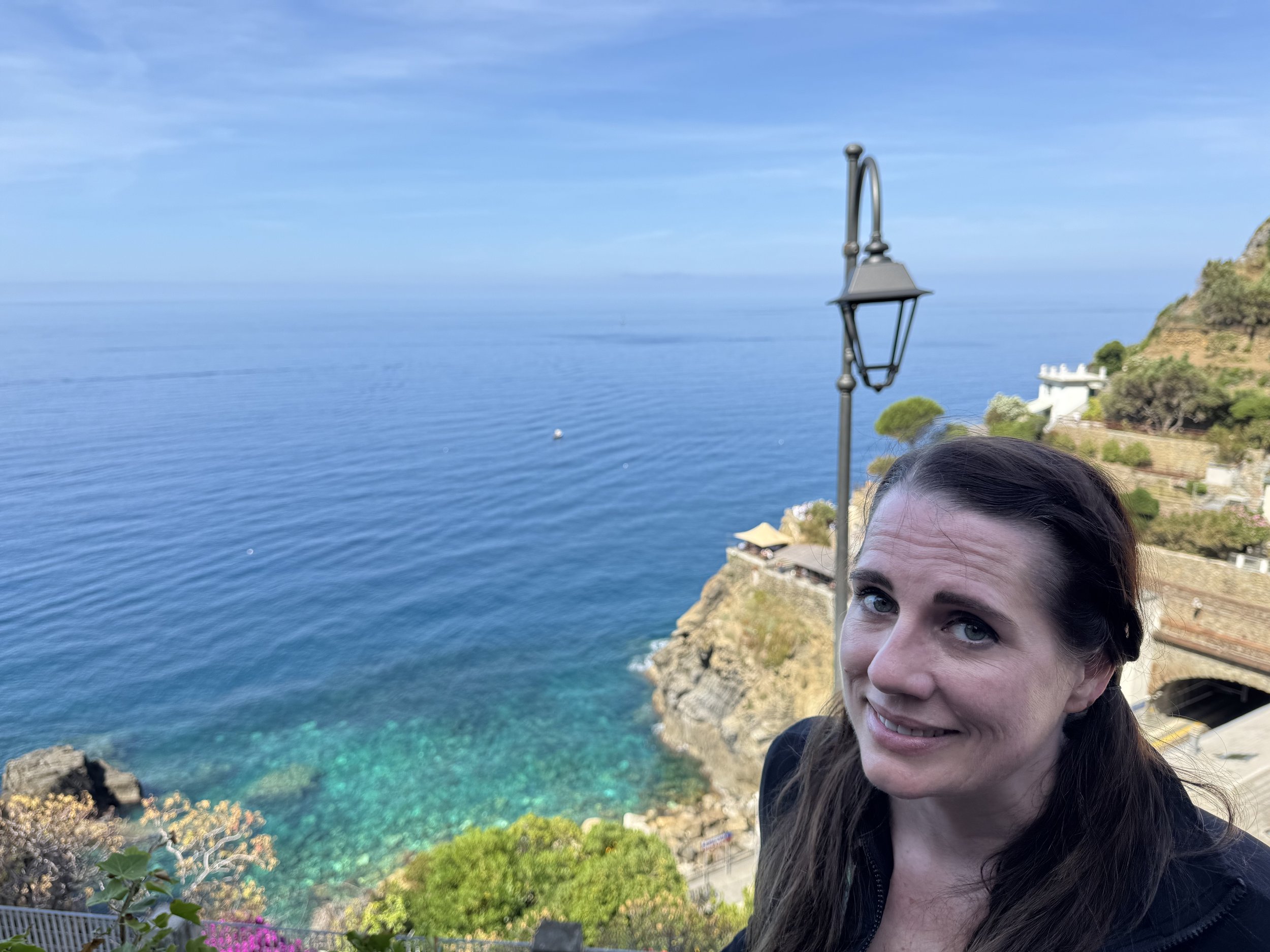
Riomaggiore Castle & Even More Stairs
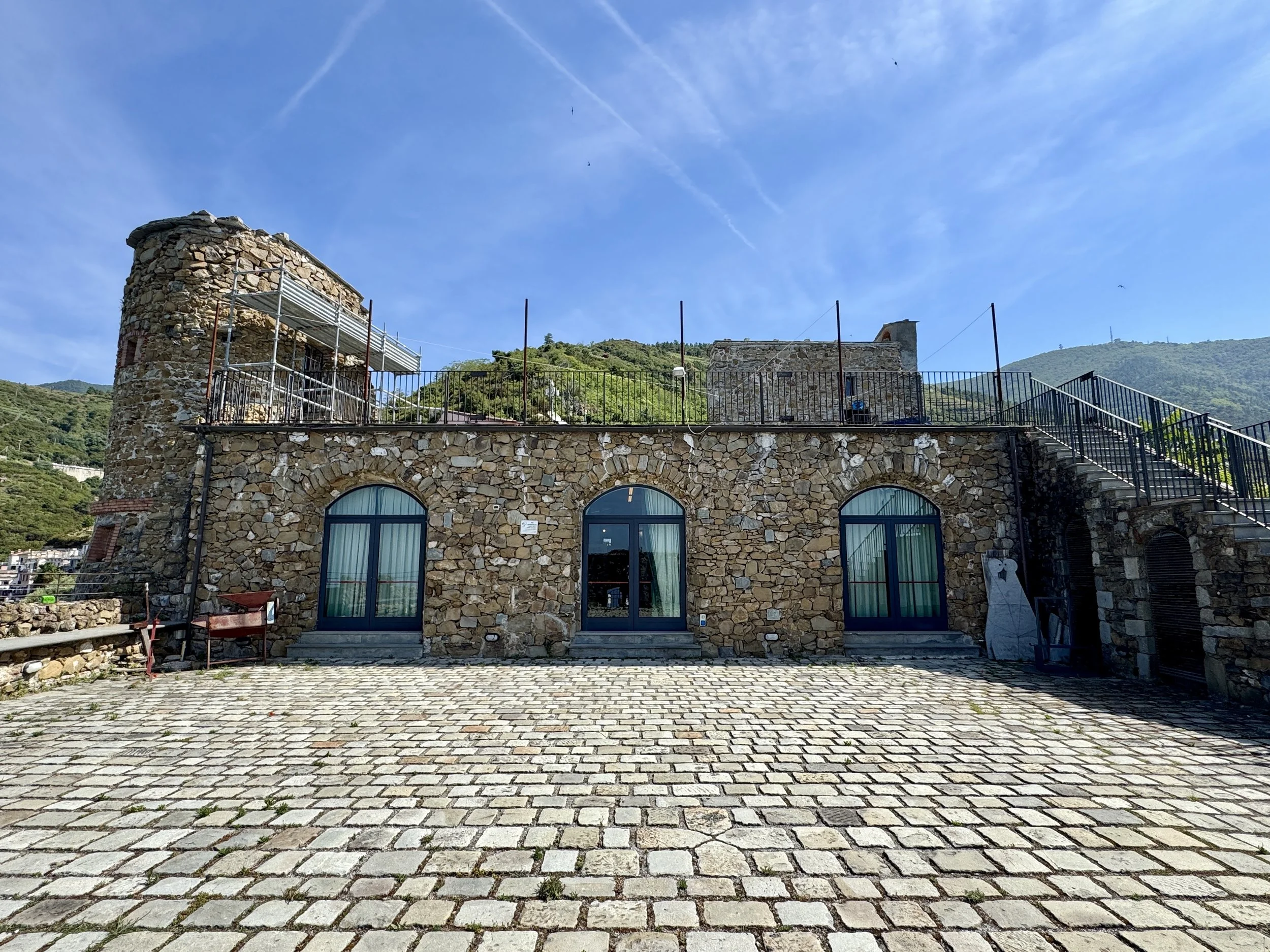
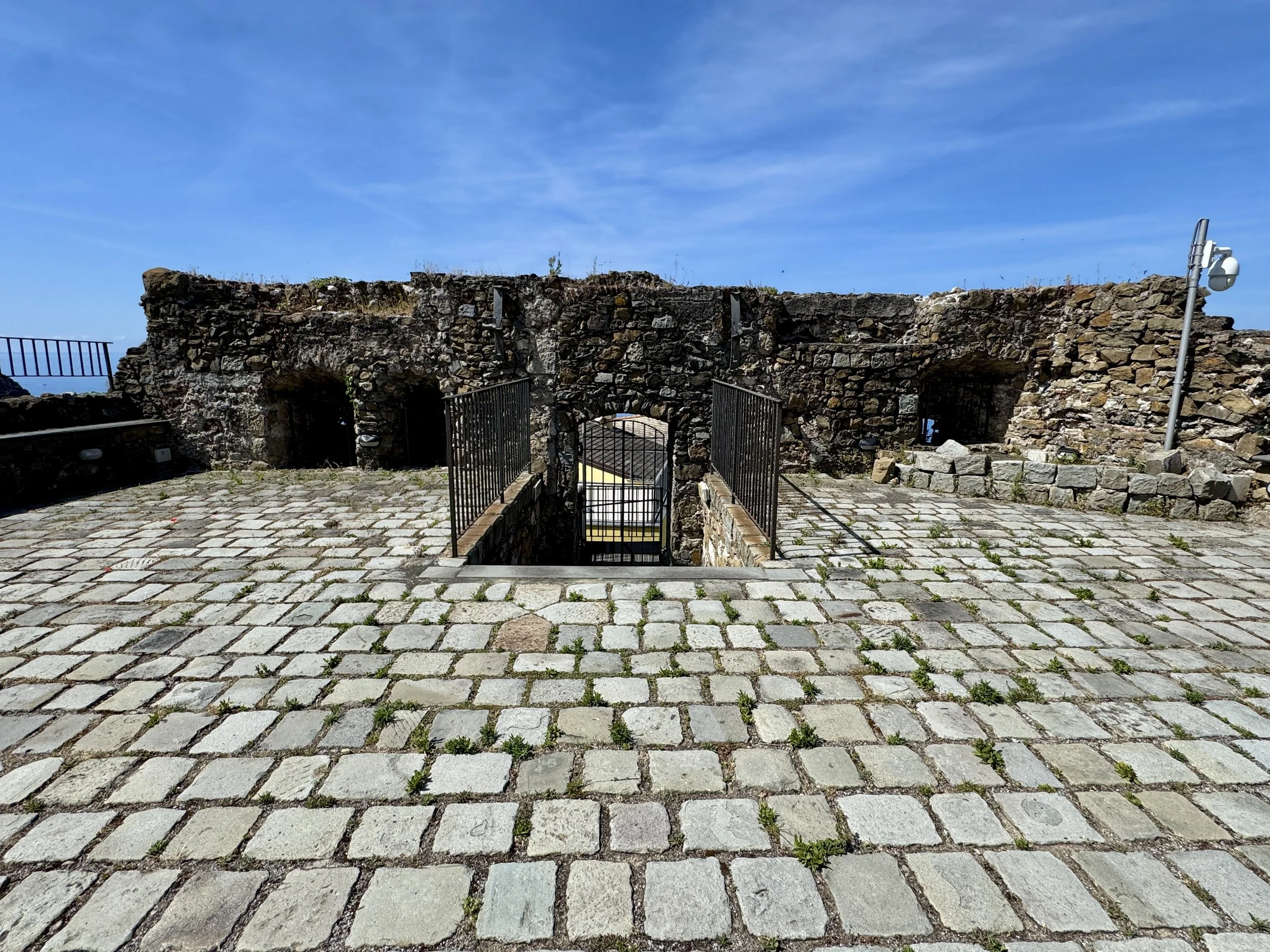
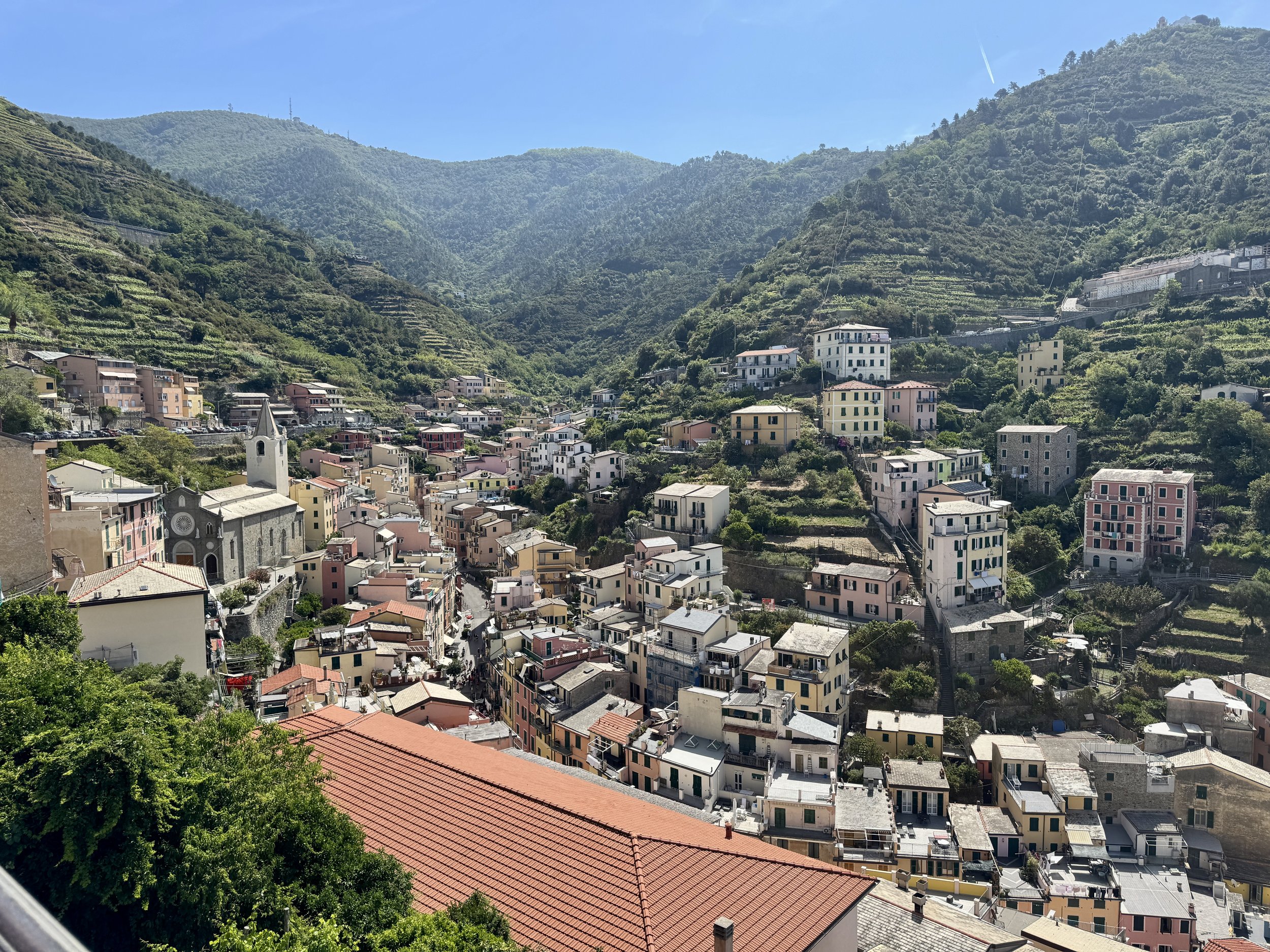
Once back in Riomaggiore, we climbed even more stairs to reach Castello di Riomaggiore. Admission was free with our Via dell’Amore tickets.
Built during the 13th century to protect Riomaggiore from pirate attacks, the castle stands above the village as a reminder of Cinque Terre’s medieval defenses. Today, it offers panoramic views across the colorful town and the Ligurian Sea.
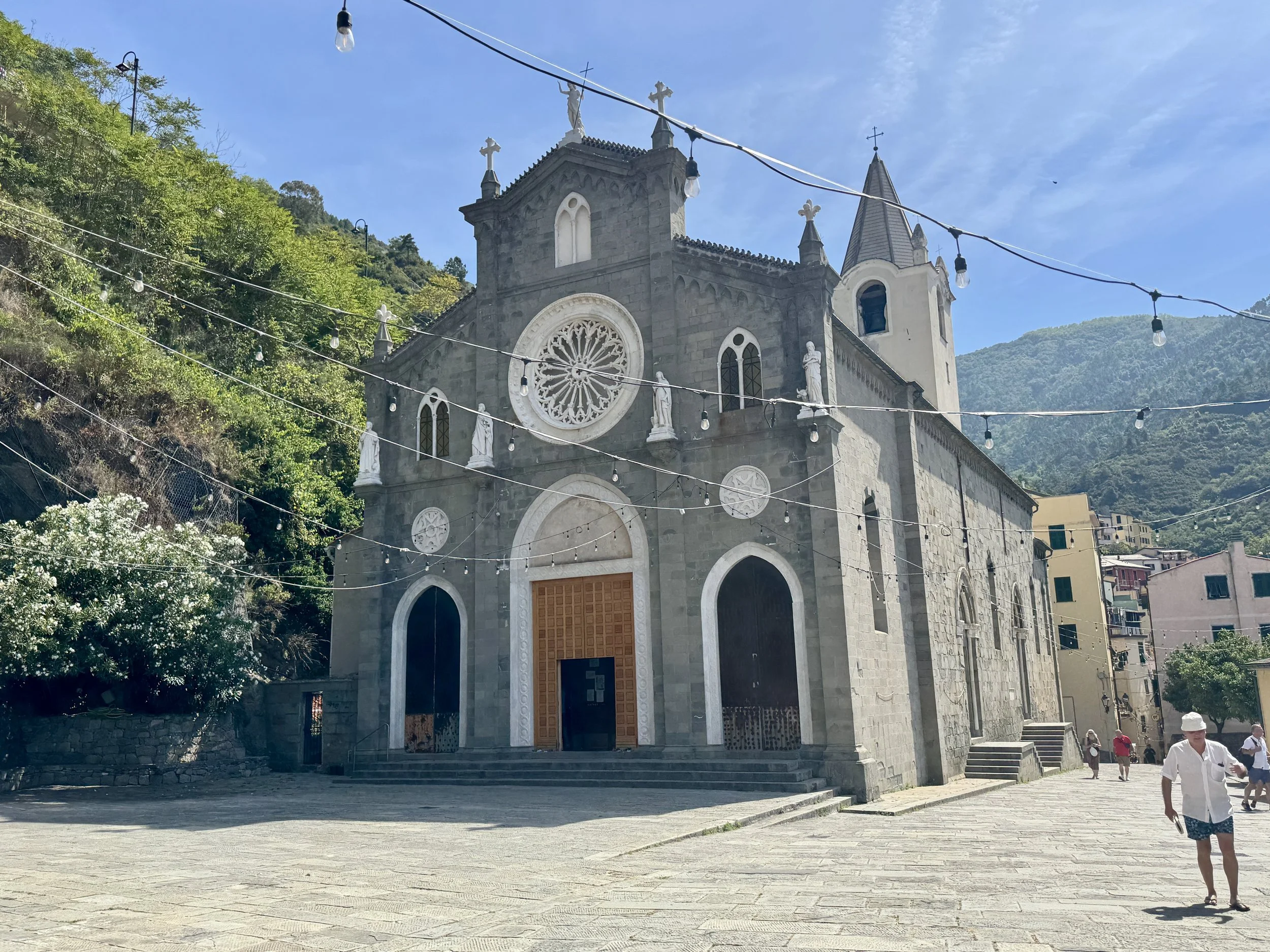
We then began the climb back toward our car, passing Chiesa di San Giovanni Battista along the way.
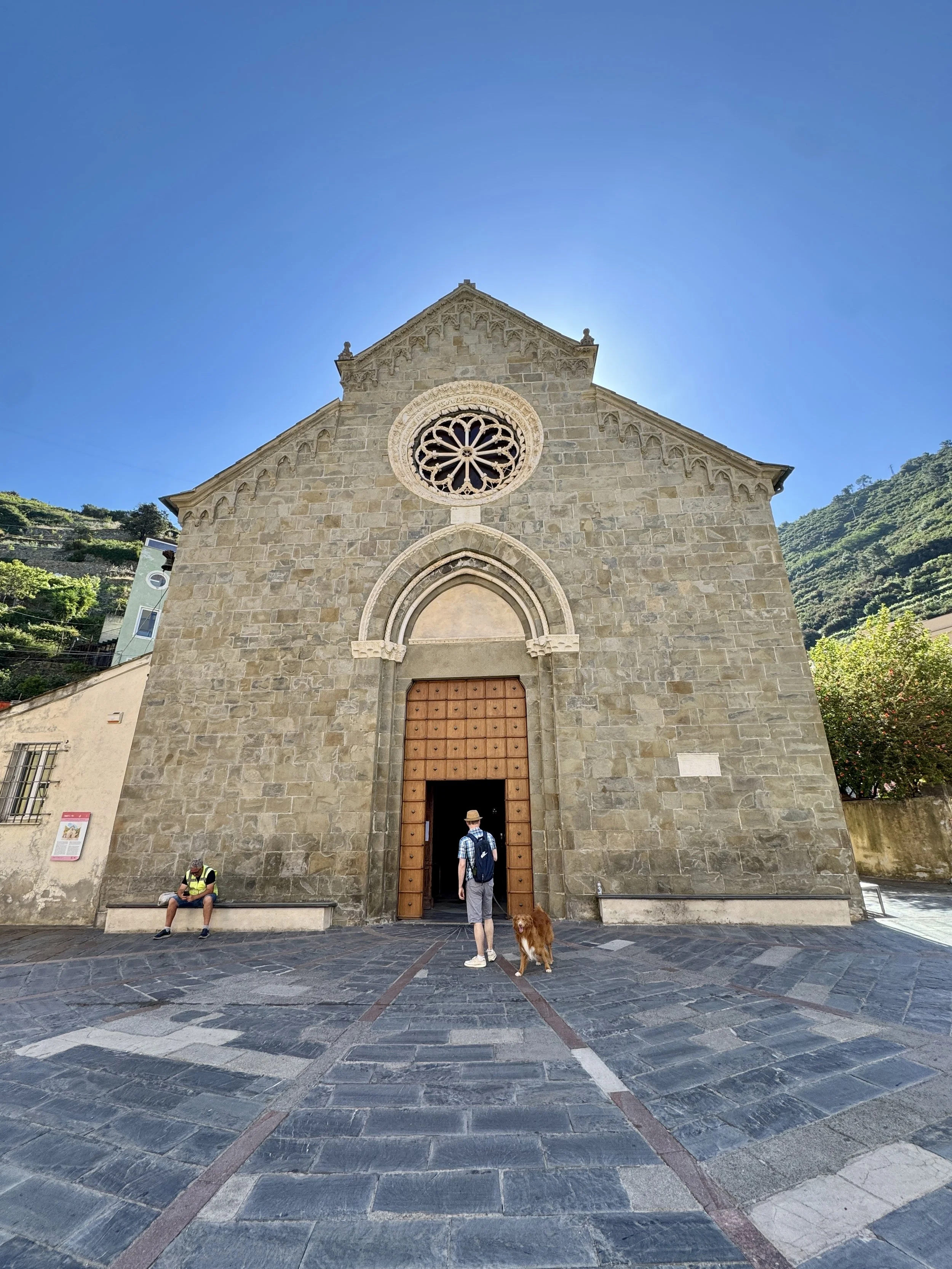
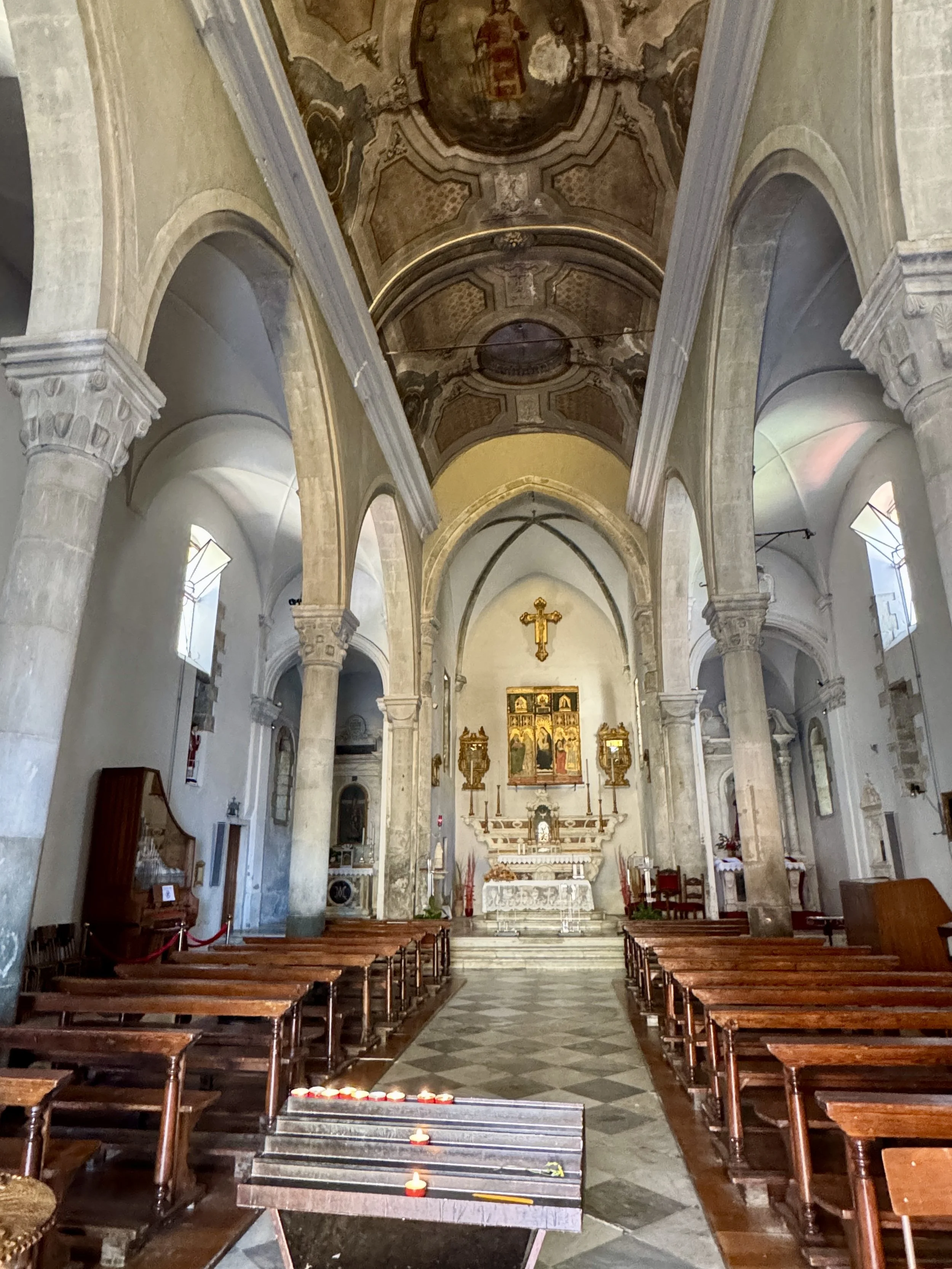
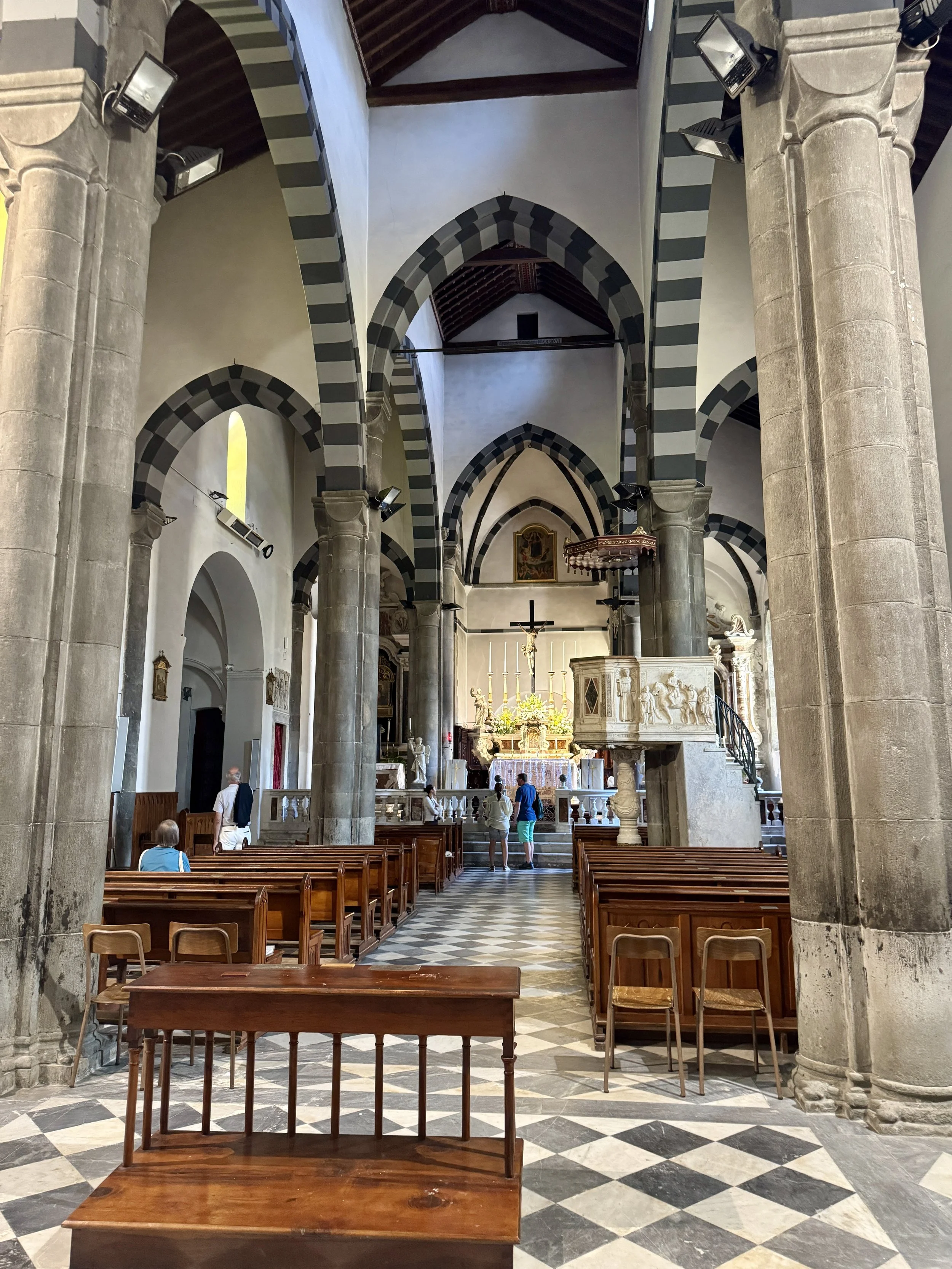
Built in 1340, San Giovanni Battista is Riomaggiore’s main church and another beautiful example of Ligurian Gothic architecture. Its rose window and marble façade have made it one of Cinque Terre’s most recognizable religious landmarks.
Both churches were fairly modest inside. Riomaggiore’s had the nicer exterior, while Manarola’s had a beautiful adjacent clock tower. Both were interesting to see.
We eventually completed the uphill trek back to the car.
This was by far the most difficult day of the trip for inclines. Considering we had already been averaging between eight and 12 miles of walking every day, all those stairs and hills felt even worse.
We survived, but I may have left a small part of myself behind.
Dramatic, I know.
However, the uphill climbs do reward you with gorgeous views of the villages from above, so don’t skip them entirely.
Parma Perfection
From Cinque Terre, we headed toward Parma, a city famous for Parmigiano Reggiano and Parma ham.
We parked at Parcheggio Toschi and walked toward Trattoria Corrieri for some traditional Parma cuisine.
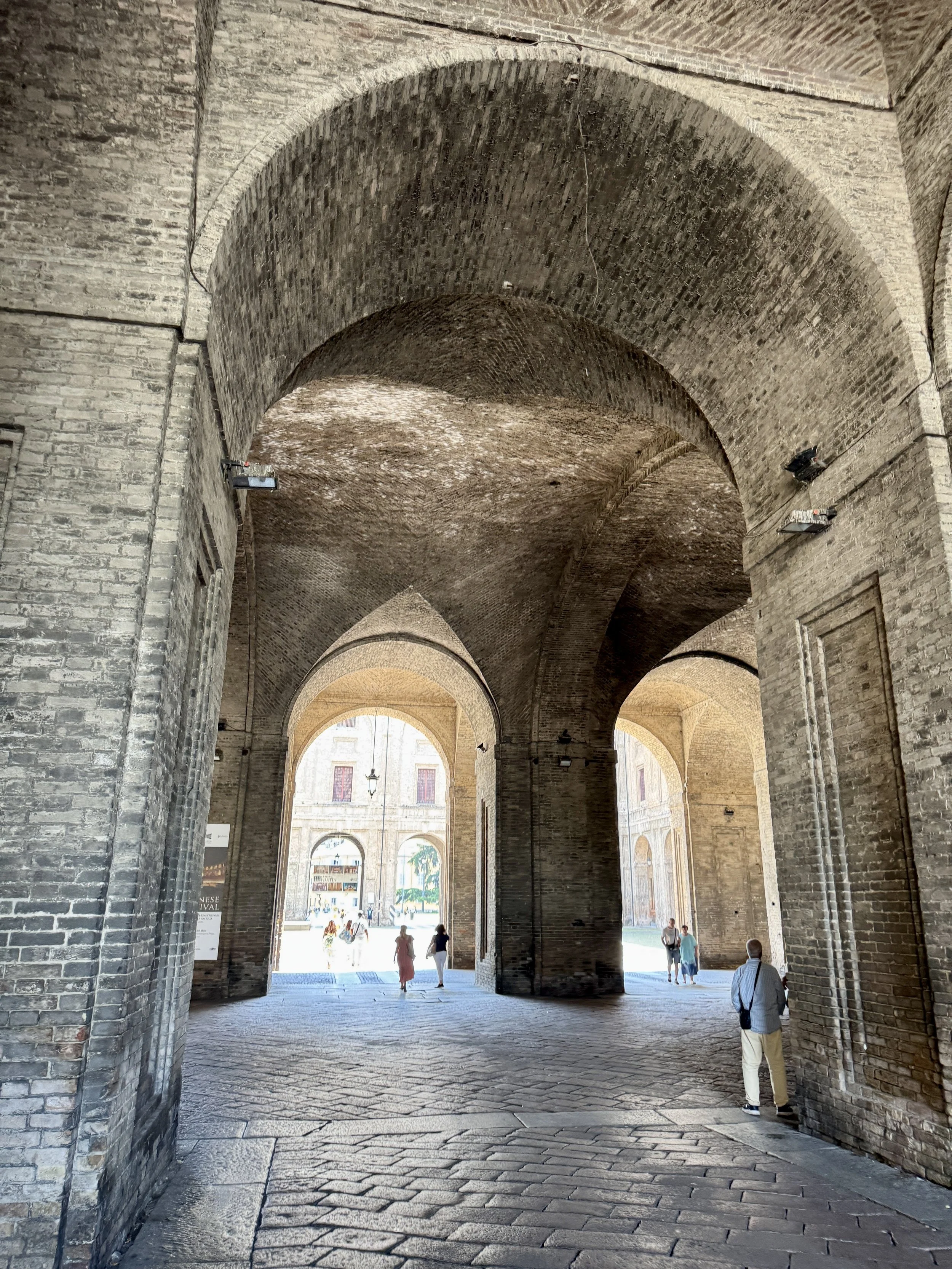
Along the way, we passed Palazzo della Pilotta. Built by the Farnese family during the late 1500s, this massive palace once served as Parma’s political and cultural center.
More importantly at that exact moment, it provided us with some desperately needed shade.
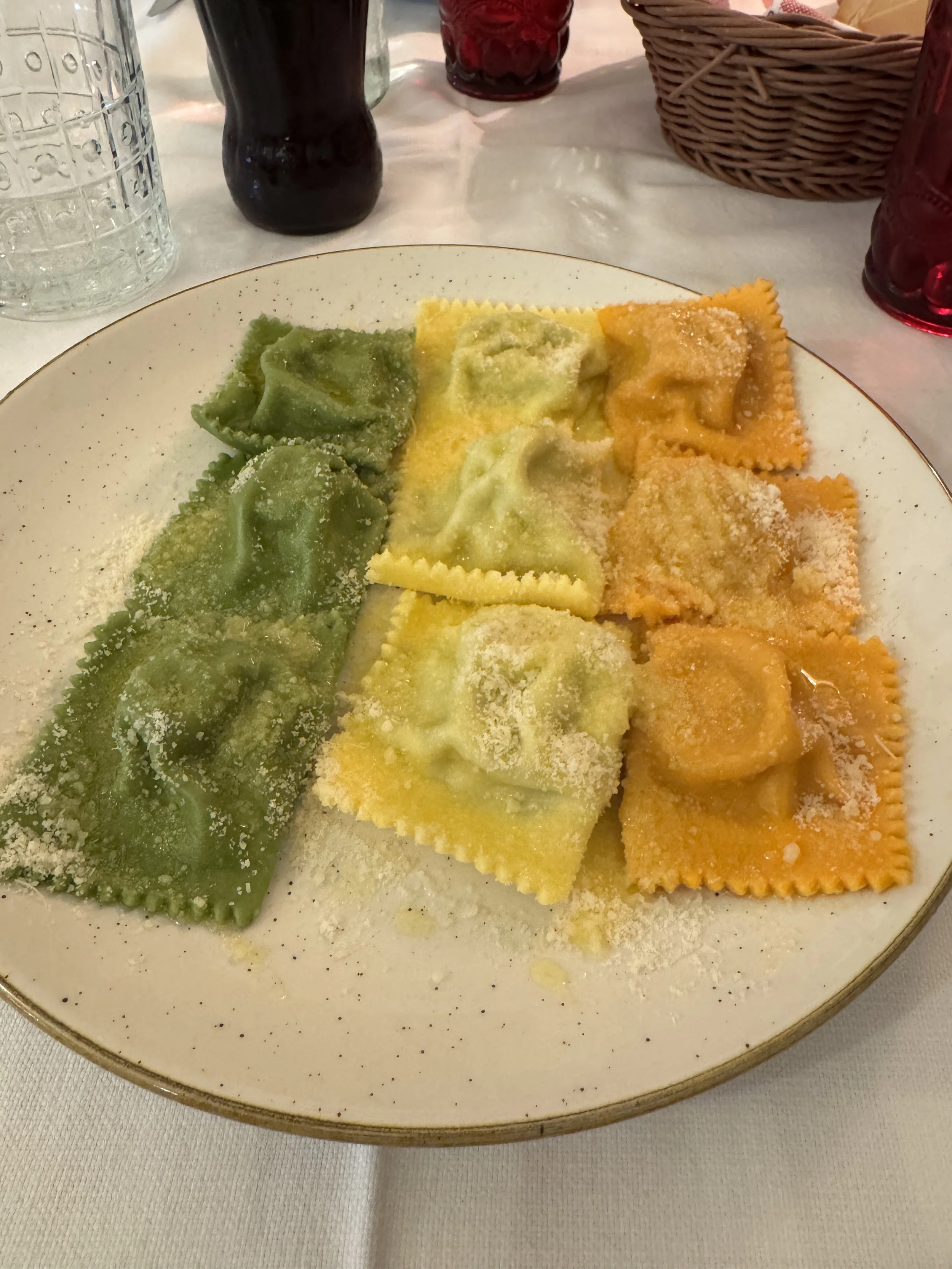
Trattoria Corrieri was fantastic and served one of the best meals of our trip.
I ordered the Tris di Tortelli, which included three different types of tortelli: spinach and ricotta, pumpkin, and salami.
It was fantastic.
The boyfriend ordered gnocchi and vegetables cooked in vodka. Even the bread was amazing—dense but delicious.
The entire meal was a real win.
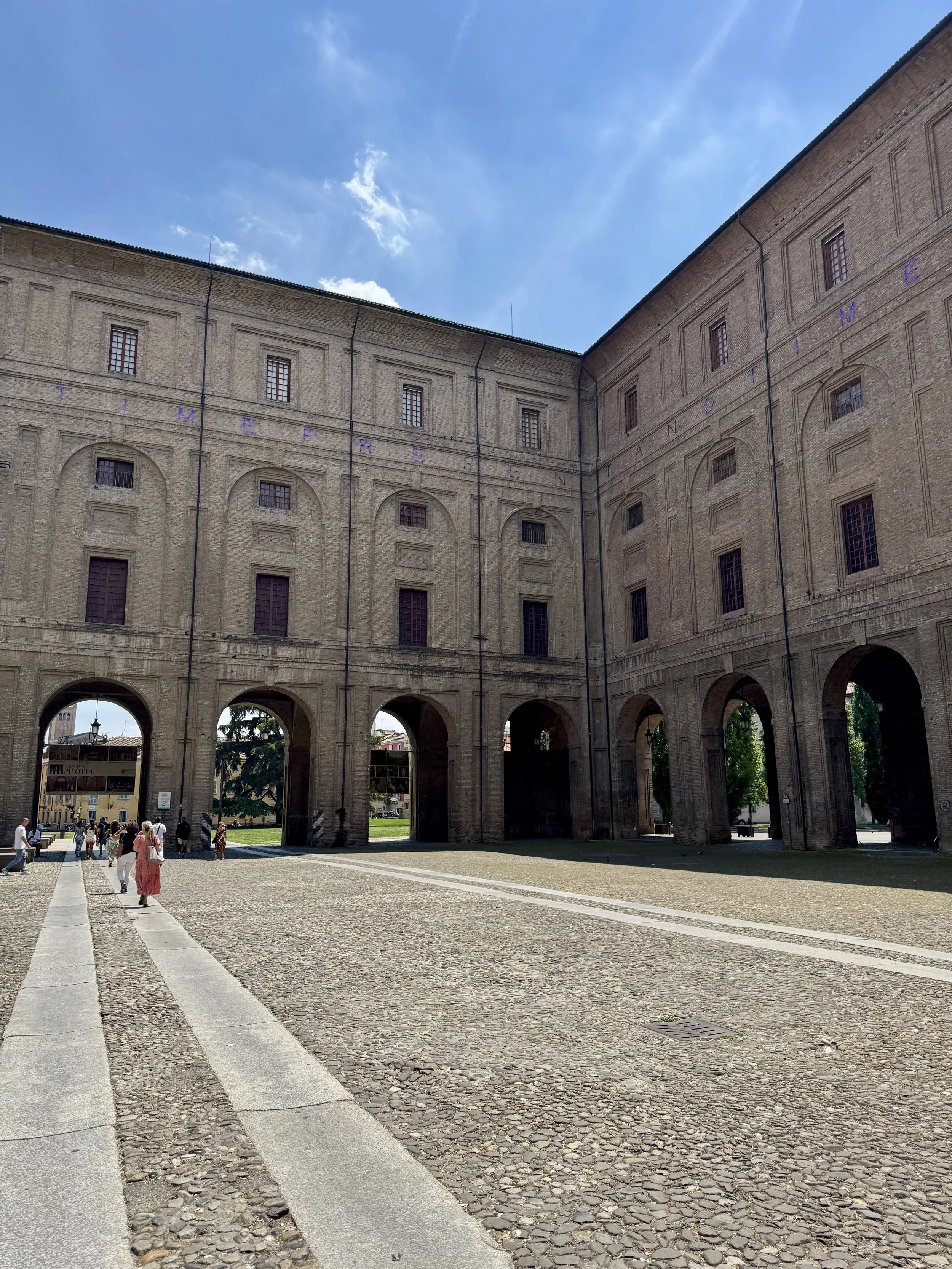
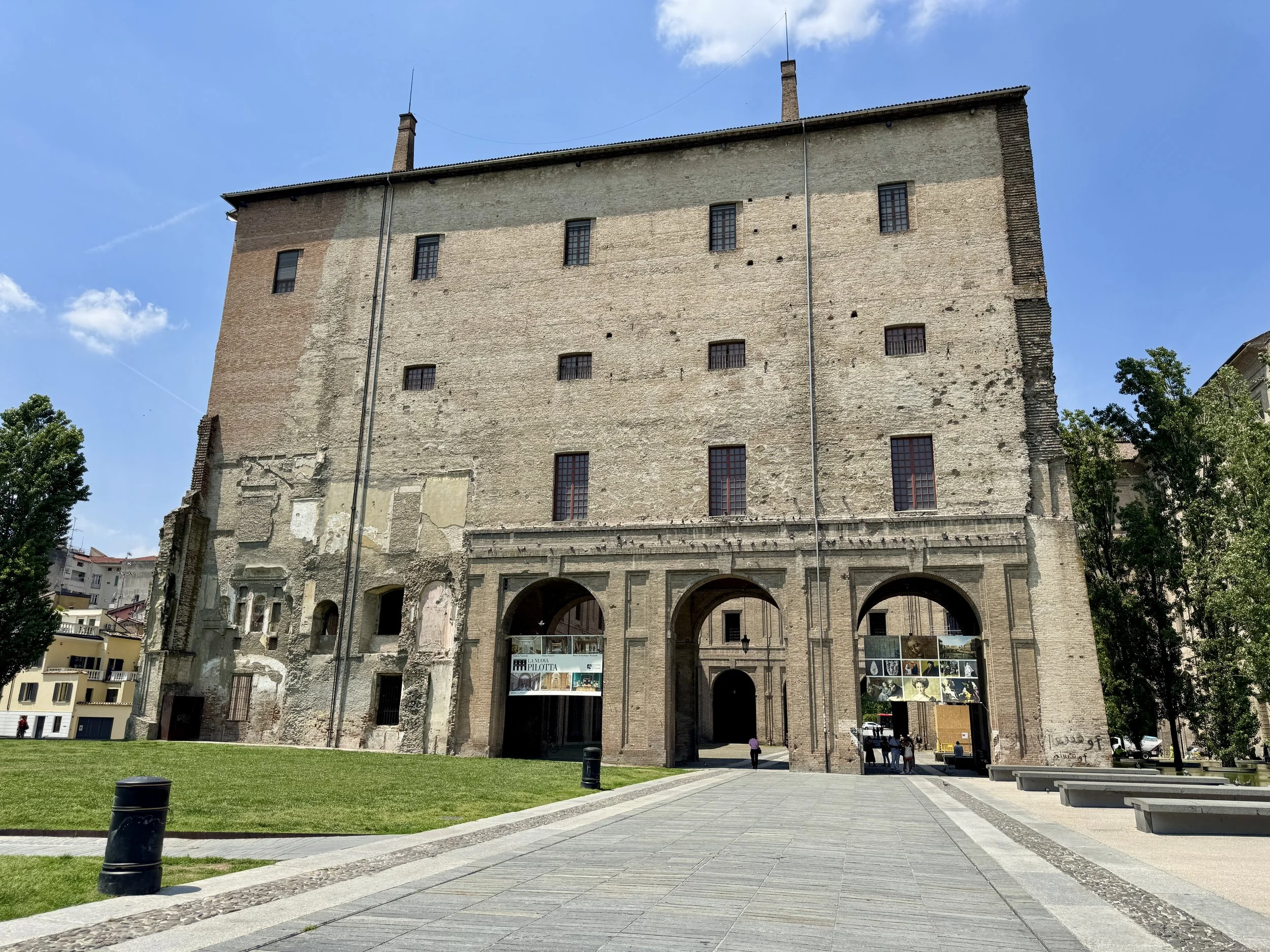
Parma Baptistery, Cathedral & Cheese Shopping
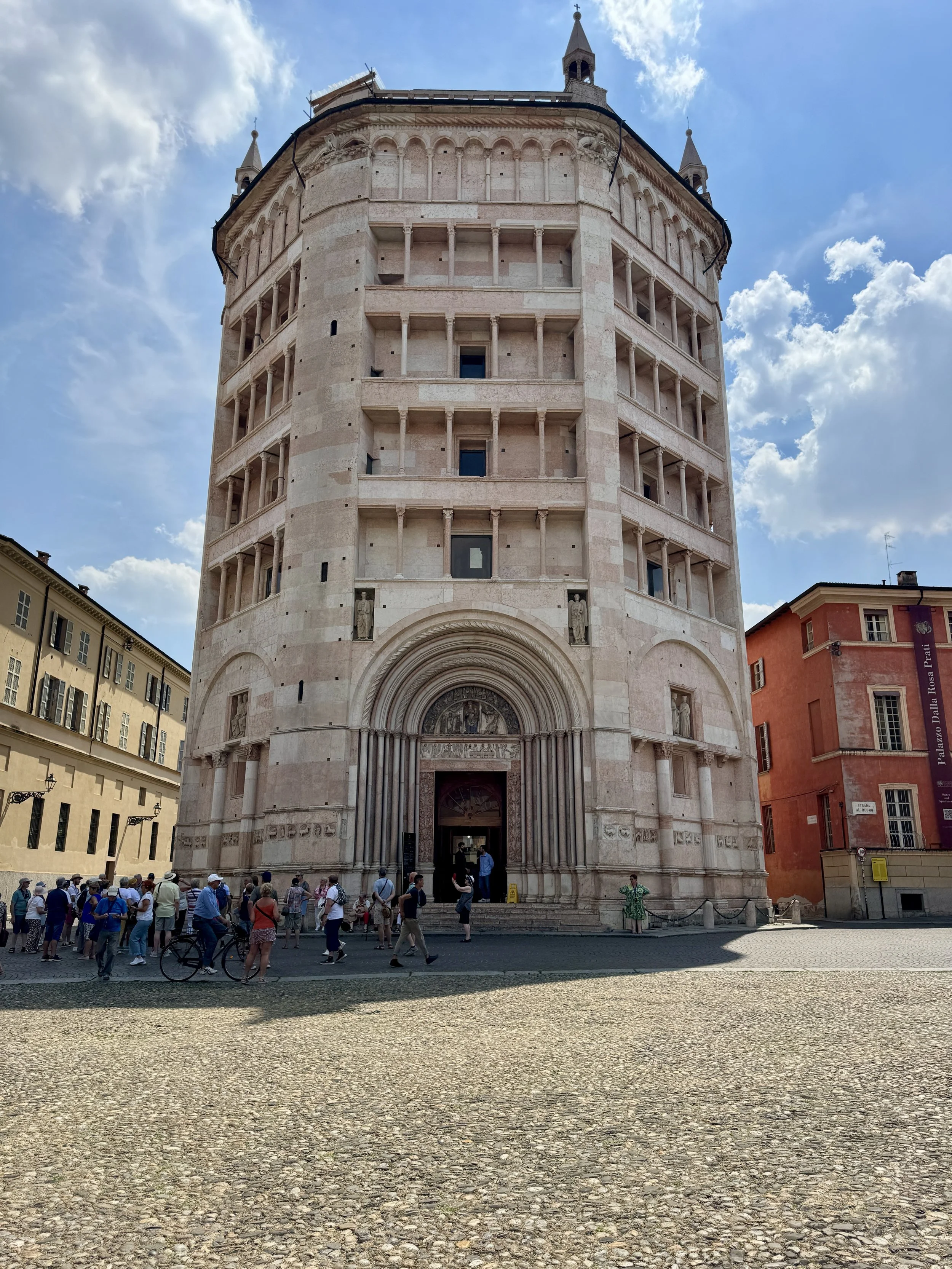
We then headed to the Baptistery of Parma.
Construction began in 1196, and the baptistery is considered a masterpiece of medieval architecture. Built from pink Verona marble and designed by Benedetto Antelami, it is known for its frescoed dome and blend of Romanesque and Gothic styles.
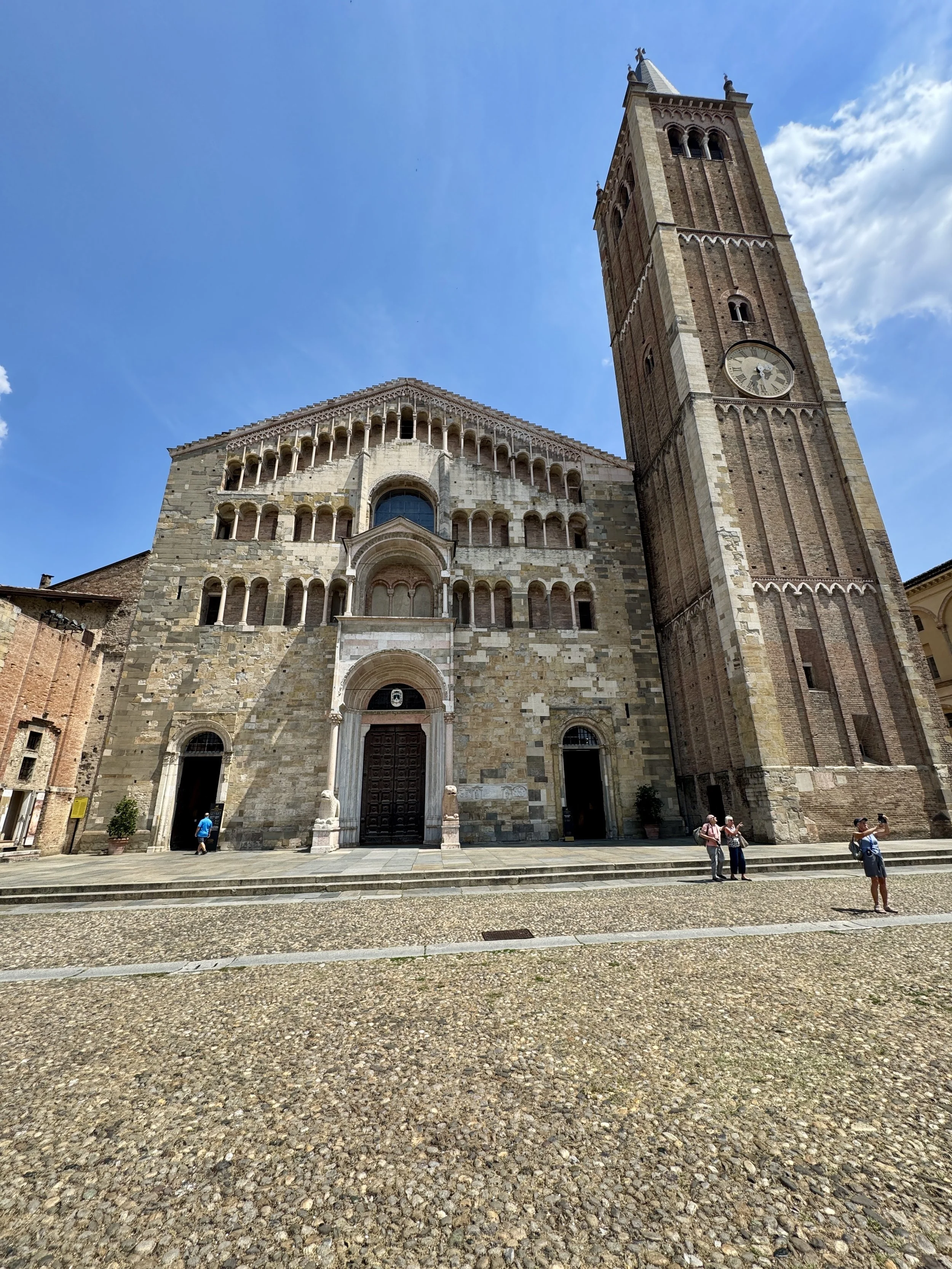
Right next door is Parma Cathedral.
Consecrated in 1106, the cathedral is the city’s most important church and another masterpiece of Romanesque architecture. It is best known for Correggio’s spectacular dome fresco, considered one of the great achievements of Renaissance art.
Both required admission, and honestly, I have issues with churches charging admission. Since neither looked spectacular enough to justify another ticket, we passed.
The surrounding Piazza Duomo was still a cool area to see from outside.
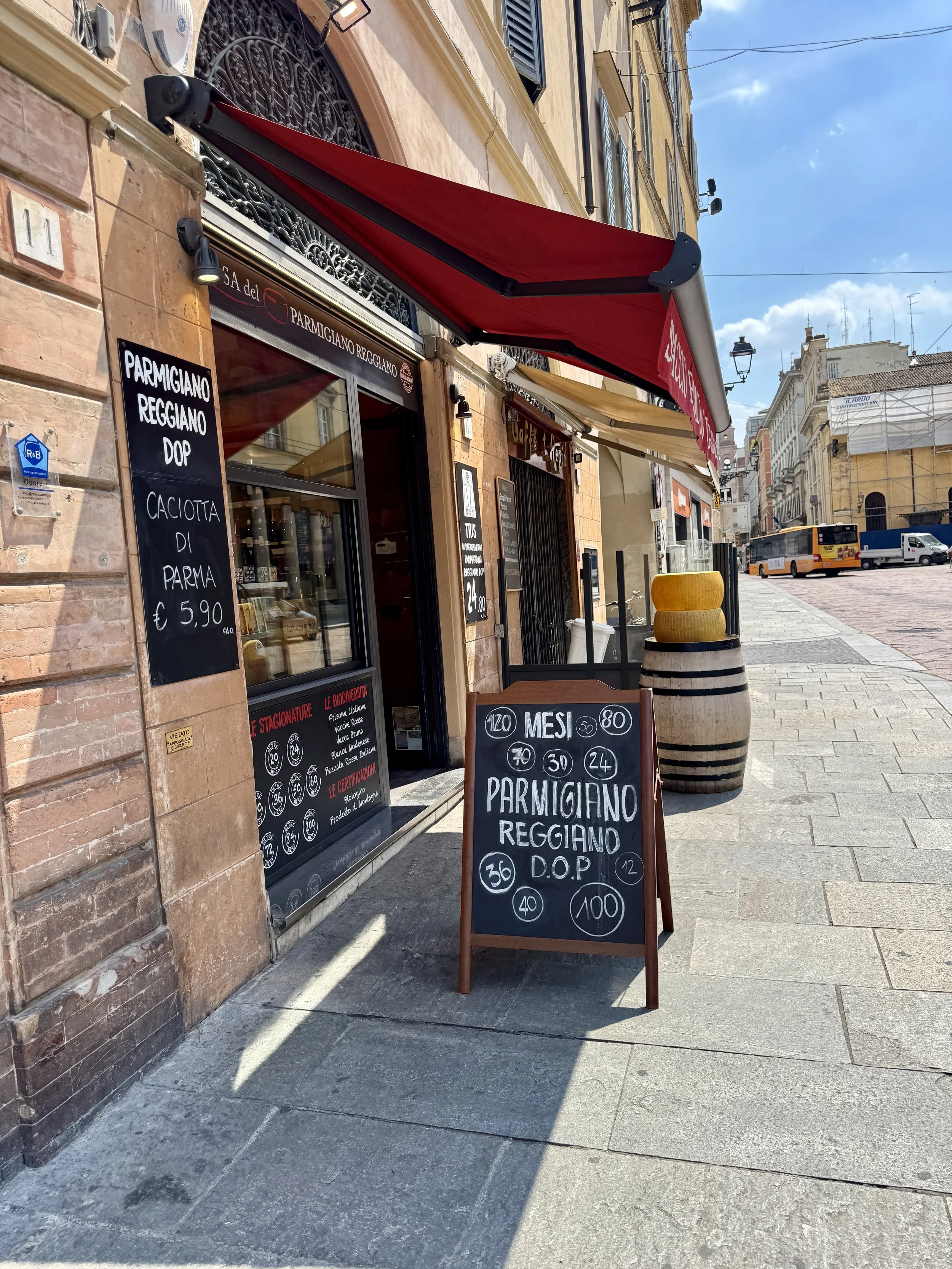
Our final Parma stop was Silvano Romani | Casa del Parmigiano Reggiano, where we purchased cheese and salami before returning to the car.
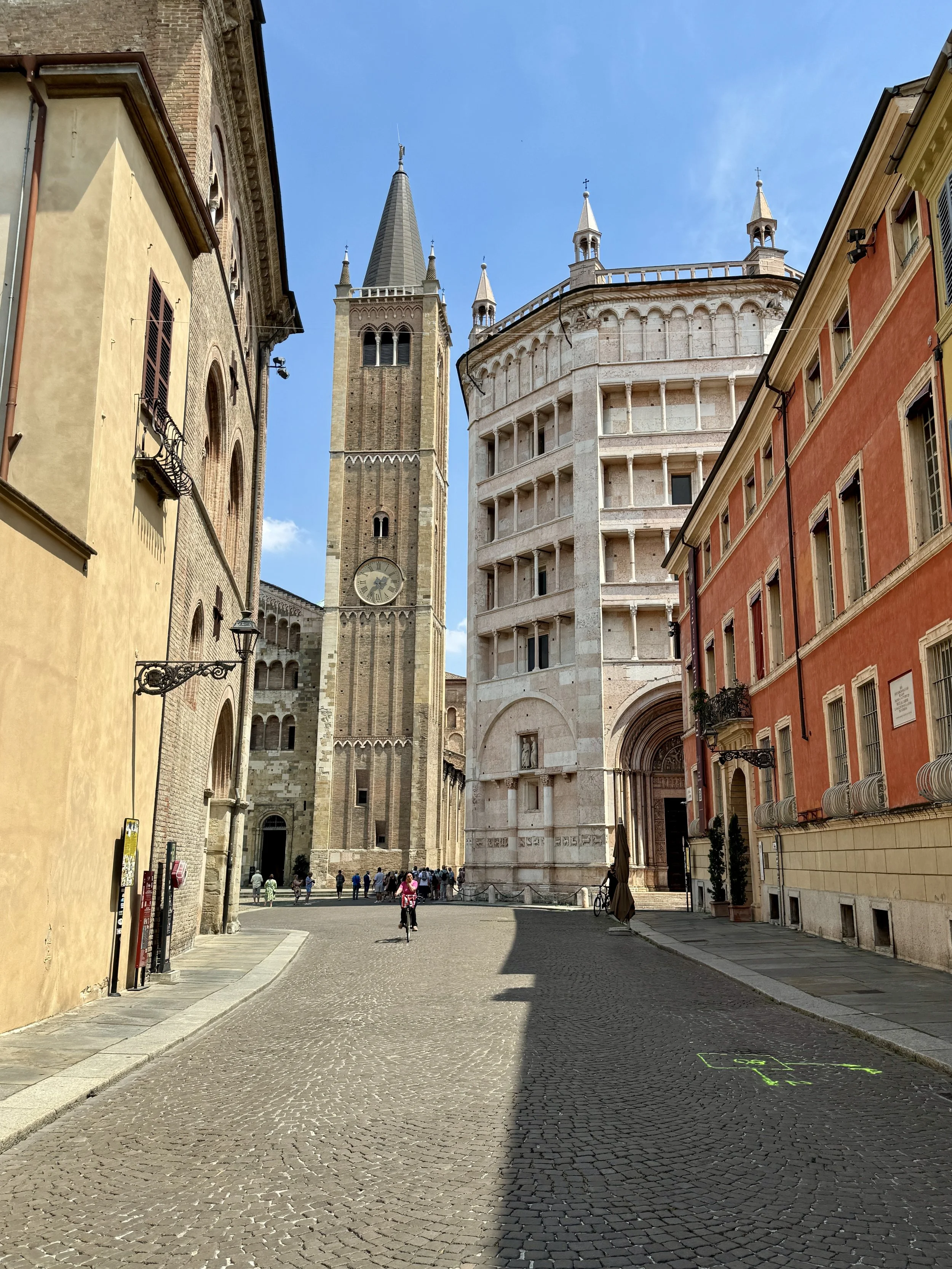
One Well-Earned Hotel Upgrade
We had a few additional options for the day, but the trip had already been extremely high-paced, and I had a flight the following day. We decided to skip them and drive directly toward our hotel, which was approximately two hours away.
I used points to book DoubleTree by Hilton Milan Malpensa Solbiate Olona.
The hotel had a private parking lot, and we were upgraded to a nicer room. It was enormous, with a large bed, spacious bathroom, shower-and-tub combination, mini-fridge, and all the other bells and whistles.
The hotel had its own restaurant, but nothing on the menu looked particularly appealing. The surrounding area didn’t offer much variety either, so I ordered dinner through Deliveroo.
That turned out to be a good decision.
An appetizer, two entrées, two desserts, delivery fees, and a tip cost less than two entrées at the hotel restaurant.
The pasta and calzone were just mid, but the desserts were epic.
Eventually, I passed out and woke up several hours later.
Oops.
It had been a long trip.
June 9 · Homeward
Delays, Random Screenings & 27 Hours Awake
Milan Malpensa Departure
I started the day with a text informing me that my flight had been delayed by an hour.
Since I had a little extra time, I left for the airport about 30 minutes later than originally planned. My boyfriend dropped me off, and I headed inside to check in.
I found my way to security, which was surprisingly efficient. Lucky me, I was randomly selected for additional screening, so they swabbed my hands before clearing me to continue.
Then came passport control.
I completed the self-service kiosk process and was promptly directed into a very long line. About an hour after arriving at the airport, I finally made it through to the other side and was free to wander without worrying about missing anything.
The flight itself was mostly uneventful aside from the delay.
Atlanta Customs & More Random Screenings
Once we landed in Atlanta, I cleared Global Entry quickly and then waited… and waited… for my luggage.
A customs agent with a dog caught a few people while I was standing there, which at least provided some entertainment.
I eventually collected my bag and was randomly selected—again—by a customs agent for additional questions. He was particularly interested in whether I had brought back any THC products.
I had not.
He let me continue, and I headed through security again.
Naturally, I was randomly selected for additional screening for the third time that day. This time, it involved a body scan, which I also passed.
One Final Delay & the Long Road Home
I finally headed toward my connecting flight, which was initially listed as on time. It gradually became an hour late because two flight attendants had only just arrived on another flight. They needed time to deplane and travel from the A gates to our departure gate in Terminal E.
On the positive side, I was upgraded to Comfort+, and the middle seat beside me remained empty.
We eventually arrived in Las Vegas, where my prebooked Uber pickup went smoothly.
After 23.5 hours of travel and 27 hours awake, I was finally home.
Two days later, I’m sick.
Yay!
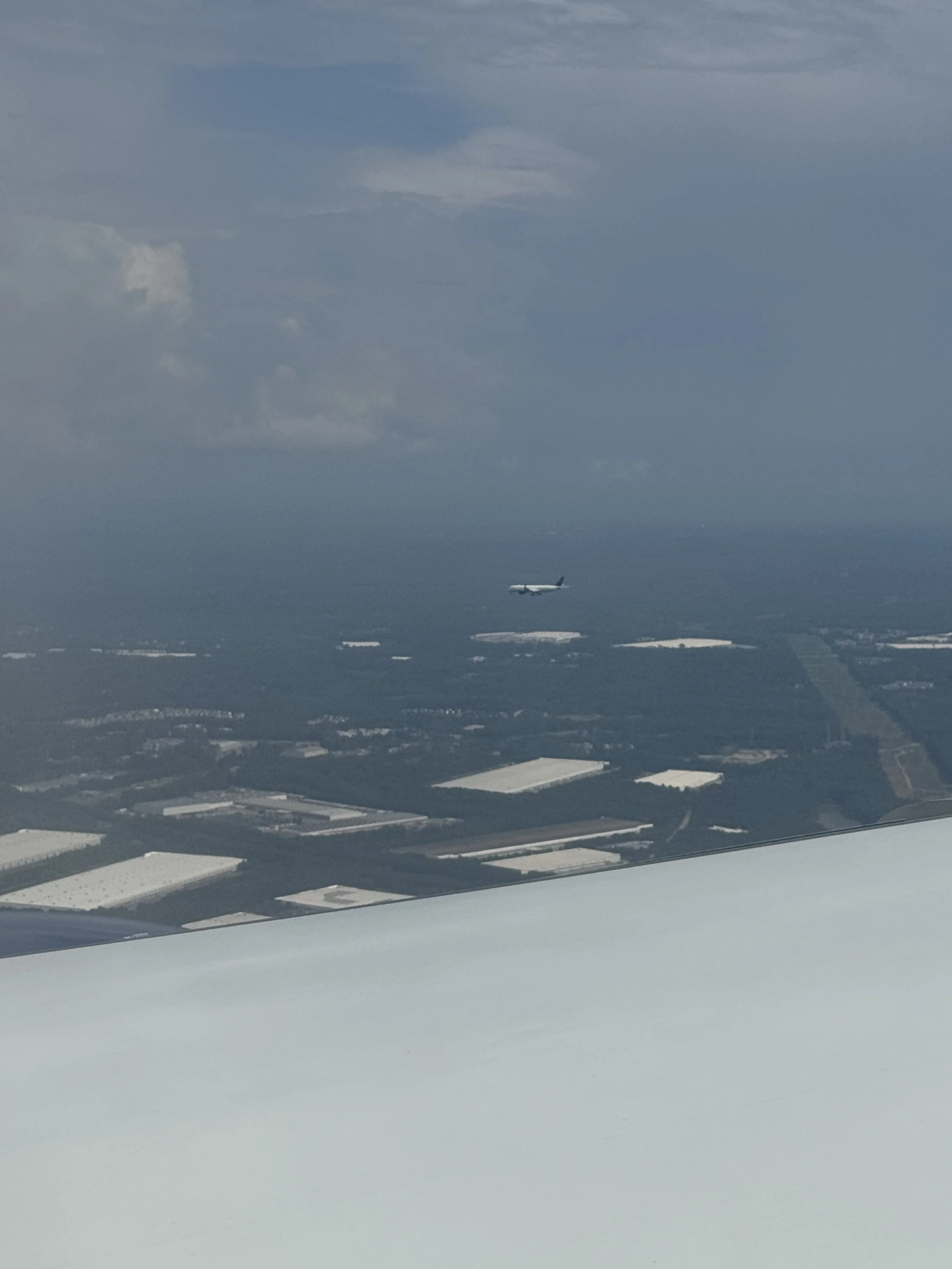
Check Out My Italy Map
I pinned the places we visited—from Milan and the Dolomites to Venice, Florence, Cinque Terre and Parma—so you can see how this beautifully chaotic road trip came together. For more photos, videos and the moments that did not fit here, follow along on Instagram.
Open My Italy Google MapFollow on InstagramFinal Thoughts: My Italy Must-Sees & Must-Dos
This trip covered a lot of Italy in a very short time, and every region felt completely different. Florence was our favorite city: compact, beautiful, relaxed and packed with art, architecture and food. Venice was chaotic but unmistakable, with postcard scenes around nearly every corner. The Dolomites were the biggest natural showstopper, even when cable cars were closed and June summits looked more like winter.
My must-see and must-do list
- Walk among the spires on the Duomo di Milano terraces.
- See the strange, beautiful ossuary at San Bernardino alle Ossa.
- Drive the Dolomite passes—especially Sella—and reach at least one high summit.
- Explore Monte Piana’s original WWI trenches and tunnels.
- Visit Venice’s lagoon islands, especially colorful Burano.
- Book St. Mark’s Basilica in advance; skipping it was my biggest regret.
- Eat the squid-ink seafood lasagne at Cru and watch Florence from Piazzale Michelangelo.
- See more than the tower in Pisa; Camposanto was my favorite part.
- Walk above Manarola and Riomaggiore, even when your legs strongly object.
- Order traditional tortelli in Parma and buy Parmigiano Reggiano for the road.
There were expensive cable cars, wrong turns, toll-road mistakes, crowds, rain, snow and a truly impressive amount of walking. There were also kind people, exceptional meals, medieval squares, Alpine lakes, art-filled churches and accidental road-trip stops that became highlights. Italy was not always easy, but it was endlessly interesting—and I would absolutely return, especially to Florence and the Dolomites.
Italy Travel Tips
Driving and parking require homework
ZTL zones are camera-enforced restricted areas in many historic centers. Entering without permission can mean a ticket later. Use garages outside the zone, confirm the route and never assume Google Maps will protect you. Italian toll roads and city parking add up quickly; we commonly paid €2–€5 per hour, and premium destinations cost more.
Our Avis experience was not great
Prepaying trapped us in a roughly 90-minute line at Milan Malpensa, and the replacement coupe did not suit our baggage. Compare agencies, read recent pickup reviews and consider a smaller Milan airport if the route and airfare work. Friends using the smaller airport reported a much easier experience.
Trains are useful, but not always cheap
The €8, three-minute tunnel ride between Manarola and Riomaggiore was convenient but not a bargain. Compare point-to-point tickets with day passes and think about whether a walk, vaporetto pass or regional pass offers better value.
Reserve the headliners
Book St. Mark’s Basilica, the Accademia/David, Doge’s Palace, Tre Cime parking and Via dell’Amore in advance. Some use strict timed entry, and face-value tickets are much cheaper than third-party rescue purchases.
June in the Dolomites can still mean snow
Opening dates vary by lift. Pack layers, gloves, a hat and waterproof footwear with traction. Arrive early: parking and cable-car lines filled quickly.
Bring good shoes—and train for stairs
We averaged roughly 8–12 miles of walking daily. Cinque Terre, hill towns, viewpoints, museums and Metro transfers add countless stairs and steep grades.
Carry very little cash, but do carry some
Cards and tap-to-pay worked almost everywhere, including Milan’s Metro. A small amount of cash and a few coins covered incidental toilets and parking machines when cards or service failed.
Food and people were trip highlights
Italy fed us extremely well, from €3 focaccia to langoustine pasta, Parma tortelli and squid-ink lasagne. Service was generally good, and people were kind, helpful and patient even when we were tired, lost or working through unfamiliar systems.
Small practical warnings
Do not expect cold drinking water everywhere, and ice can be strangely hard to find. European showers also have a special talent for leaking onto the floor.